Geography Geography 2 min read

Must stops

Why everyone stops here: The sights that made Route 66 famous
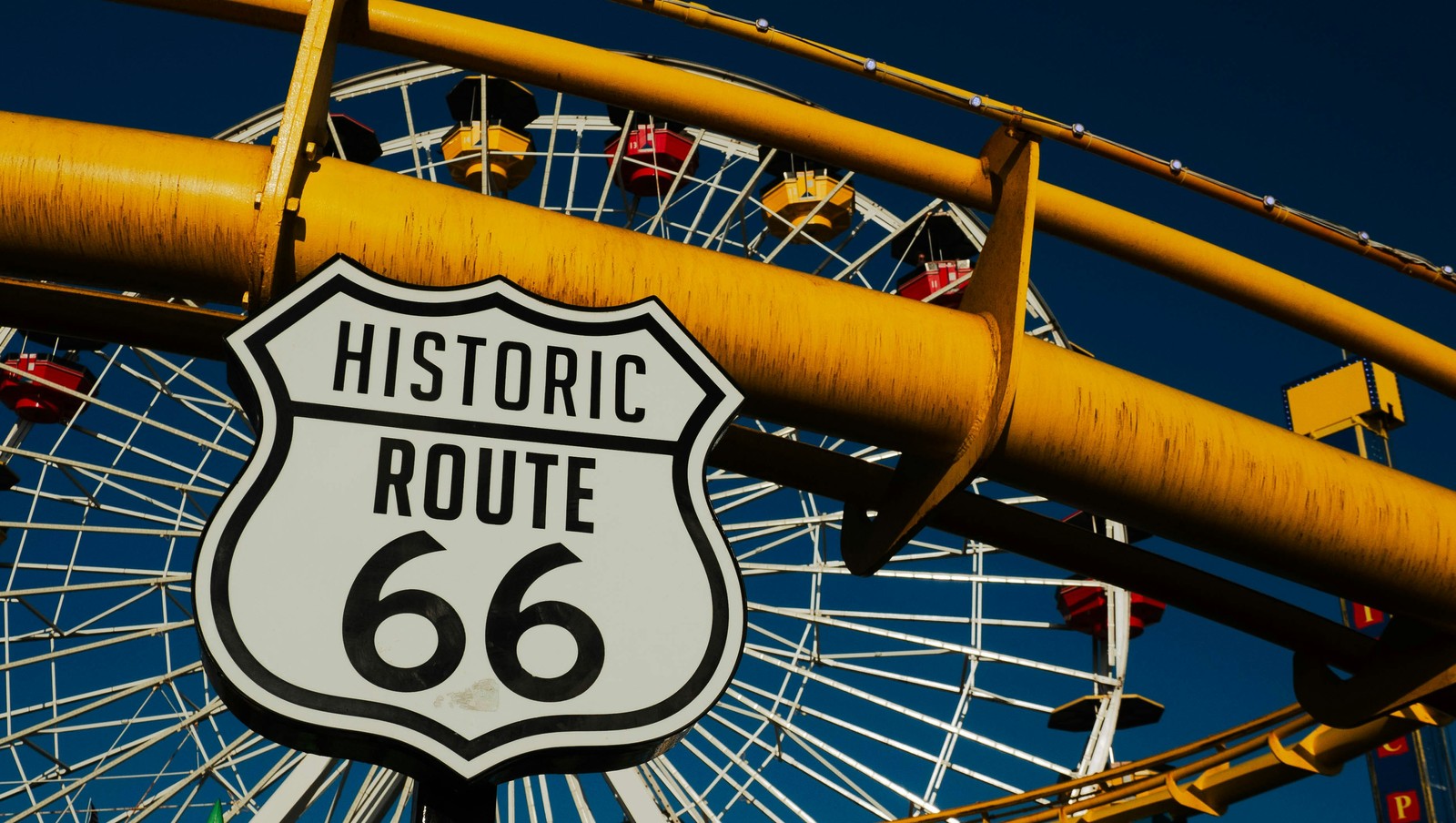
Image: Mateusz Szerszyński

If you’ve ever dreamed about driving the whole Route 66 , or if you ever have, you’ve probably heard about all of these spots. Midpoint Café, Cadillac Ranch, all the way to the Santa Monica Pier… Let’s take a virtual tour from Chicago to Santa Monica, exploring the popular stops along the way!

1
Chicago highlights
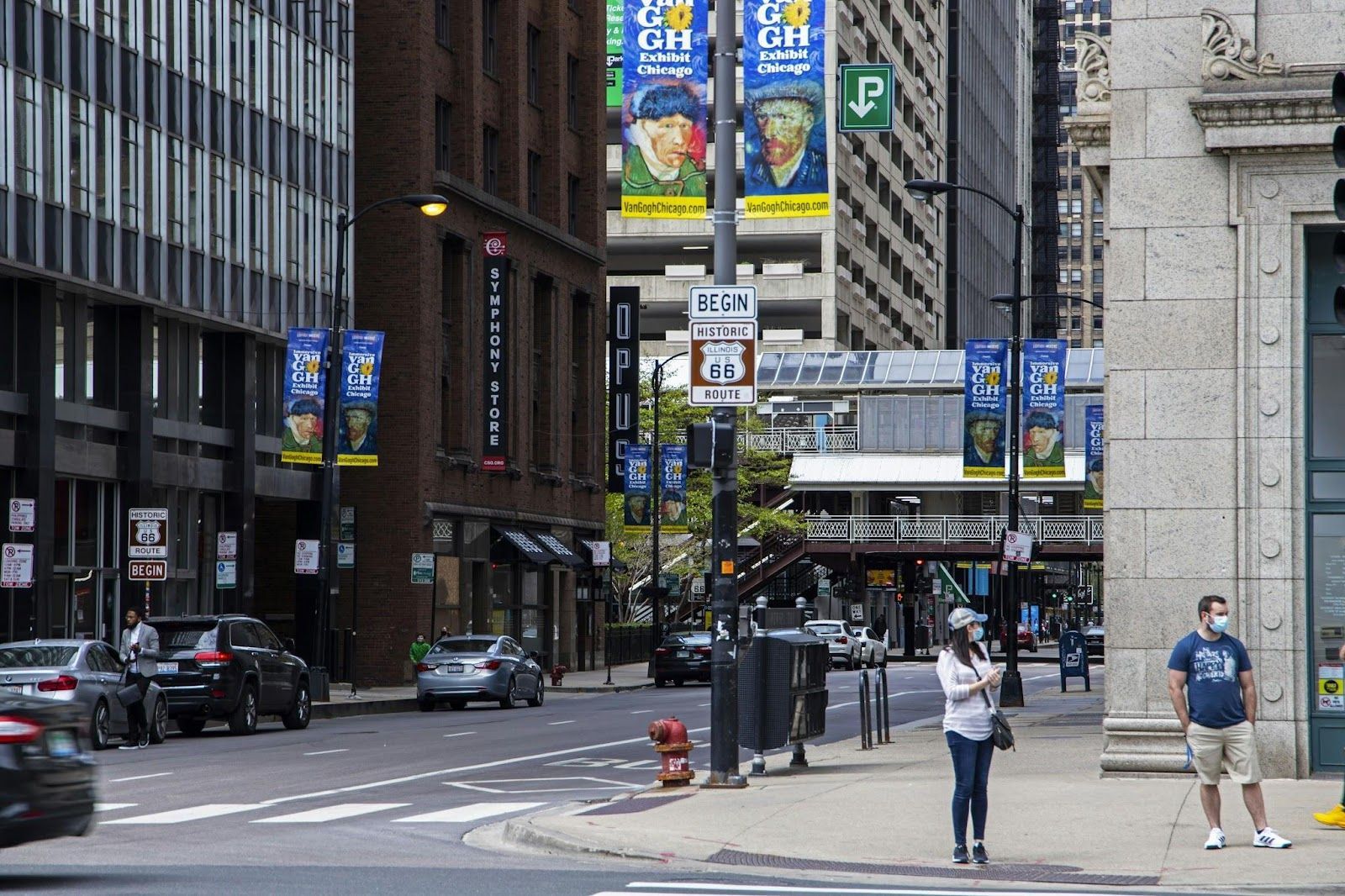
Image: Walter Martin

Route 66 begins in Chicago, the traditional starting point for east-to-west Route 66 trips; visitors often photograph the "begin" signs and explore nearby city landmarks before hitting the open road.

2
The Gemini Giant
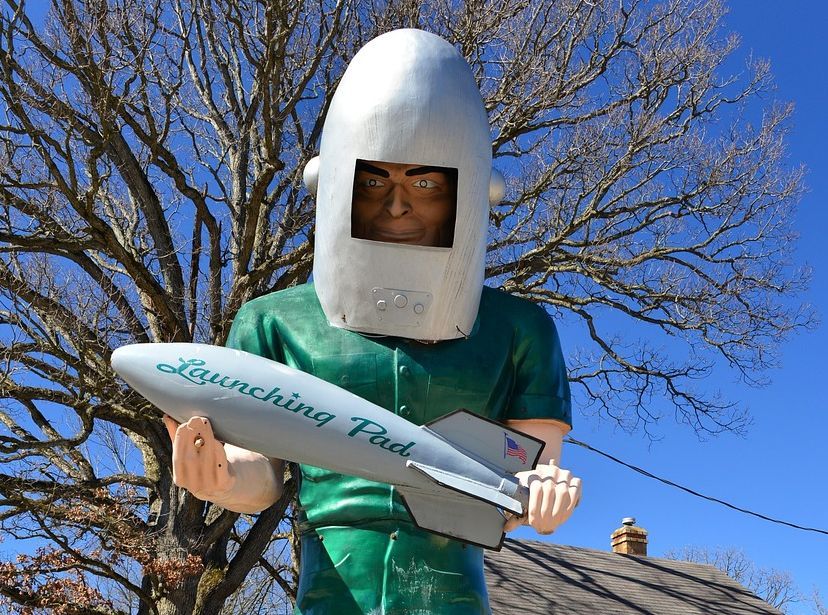
Image: Steppinstars

In Wilmington, or the Chain O’ Lakes, you can find another classic. The "Muffler Men" statues, the Gemini Giant towers over a diner and is a favorite selfie station for travelers heading out of Chicago.

3
Pontiac Route 66 Hall of Fame & Murals

Image: Alexas_Fotos

In Illinois, Pontiac is a Route 66 museum-and-mural town: murals, classic car collections, and a Route 66 Hall of Fame make it a major cultural stop on the Illinois stretch.

4
Meramec Caverns
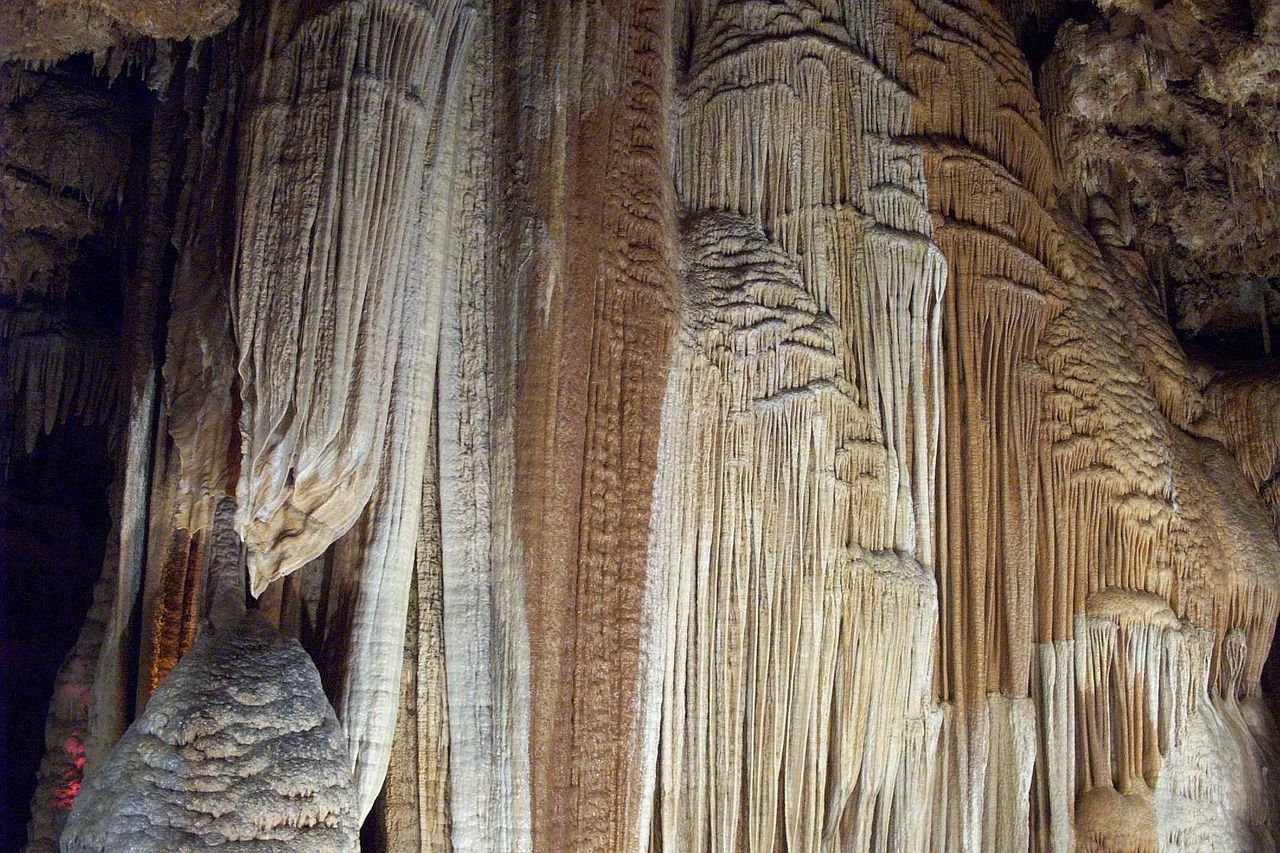
Image: nelcathy

Next is Stanton, Missouri: An enormous cave system promoted for decades as a Route 66 attraction; its guided tours and dramatic caverns make it a long-standing draw.

5
Gateway Arch
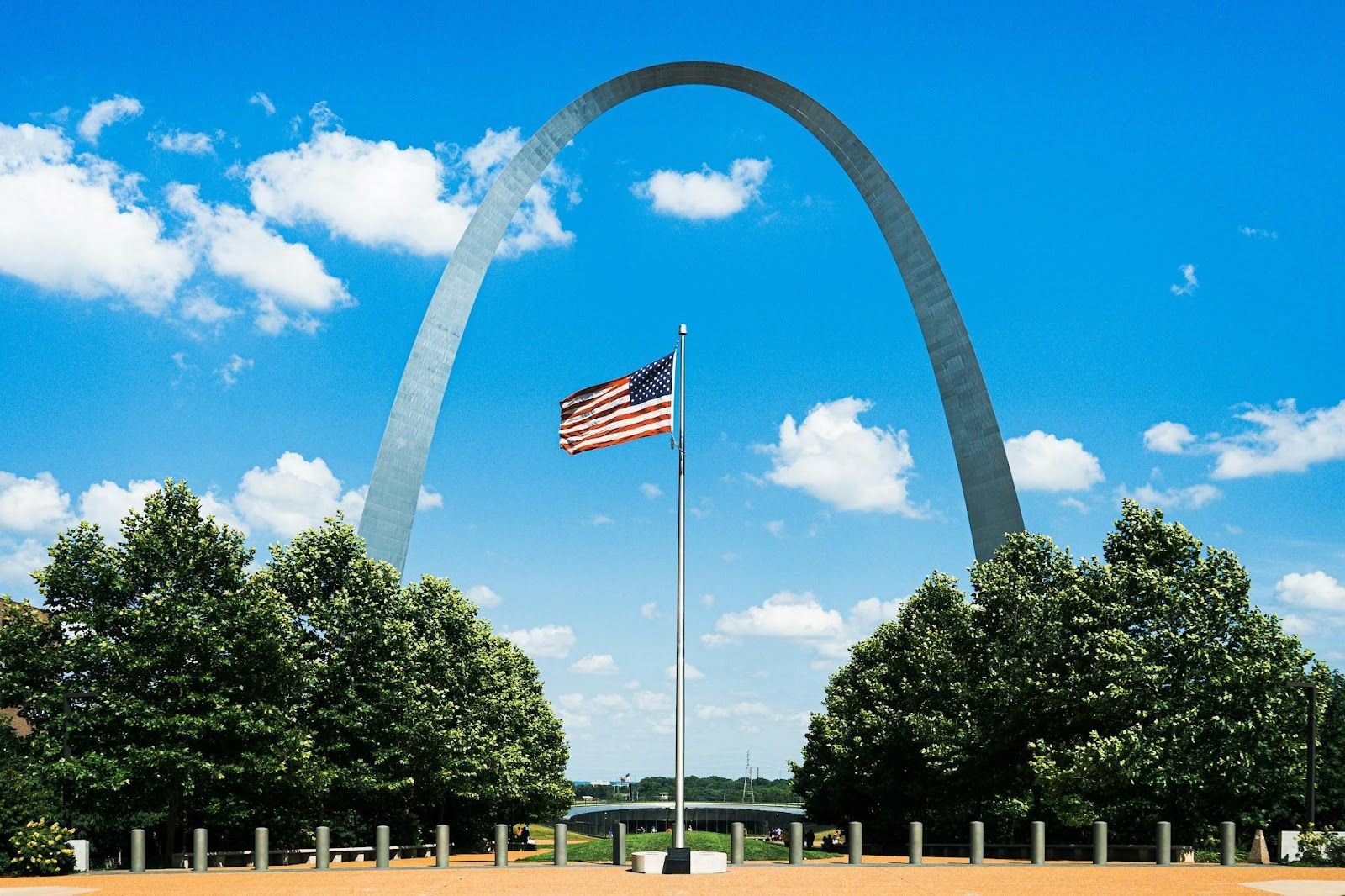
Image: Chris Hardy

Of course, there’s the Gateway Arch at St. Louis! The same city provides both the monumental (the Arch) and the kitsch (the famed Ted Drewes custard stands), both popular stops for Route 66 travelers.

6
The Midpoint Café
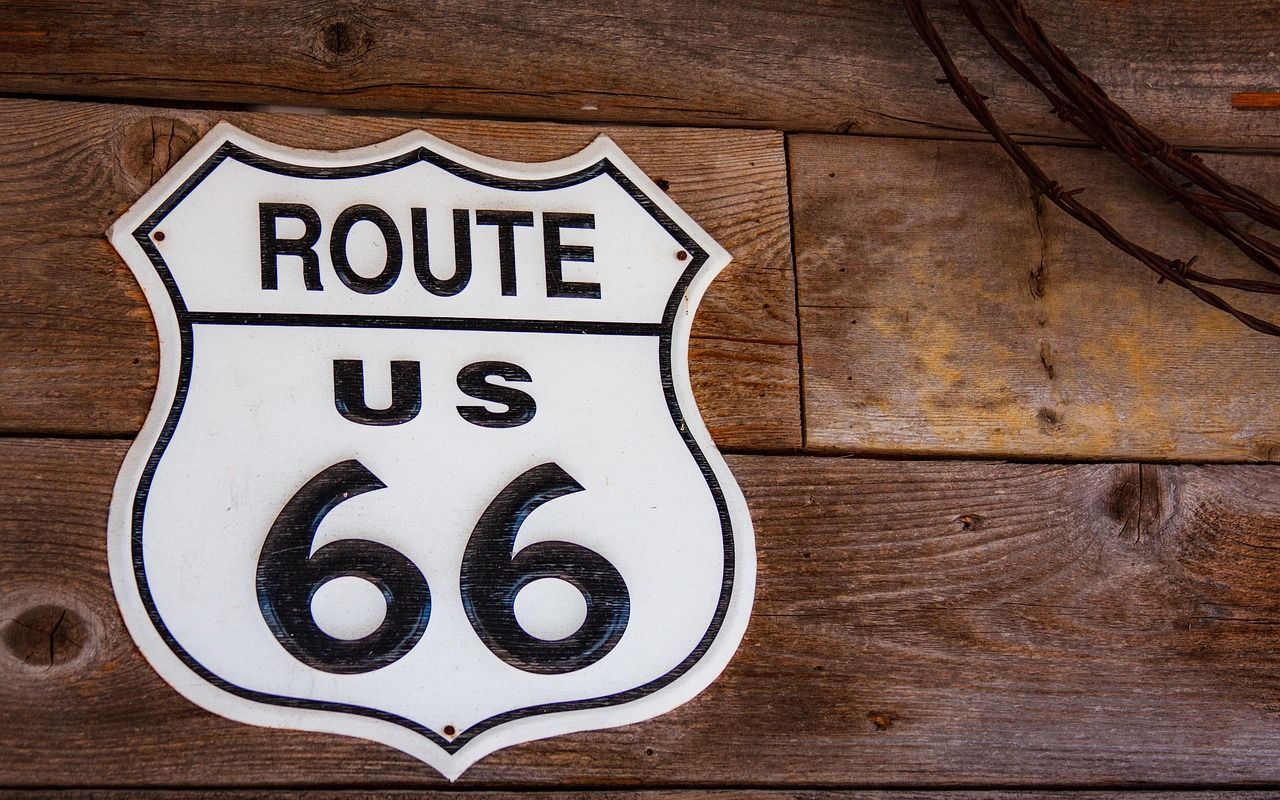
Image: MrRick

The official midpoint of Route 66 (halfway between Chicago and Santa Monica) is this Texas diner, "Midpoint," with its famous sign and pies, which are obligatory stops for many road-trippers.

7
Cadillac Ranch
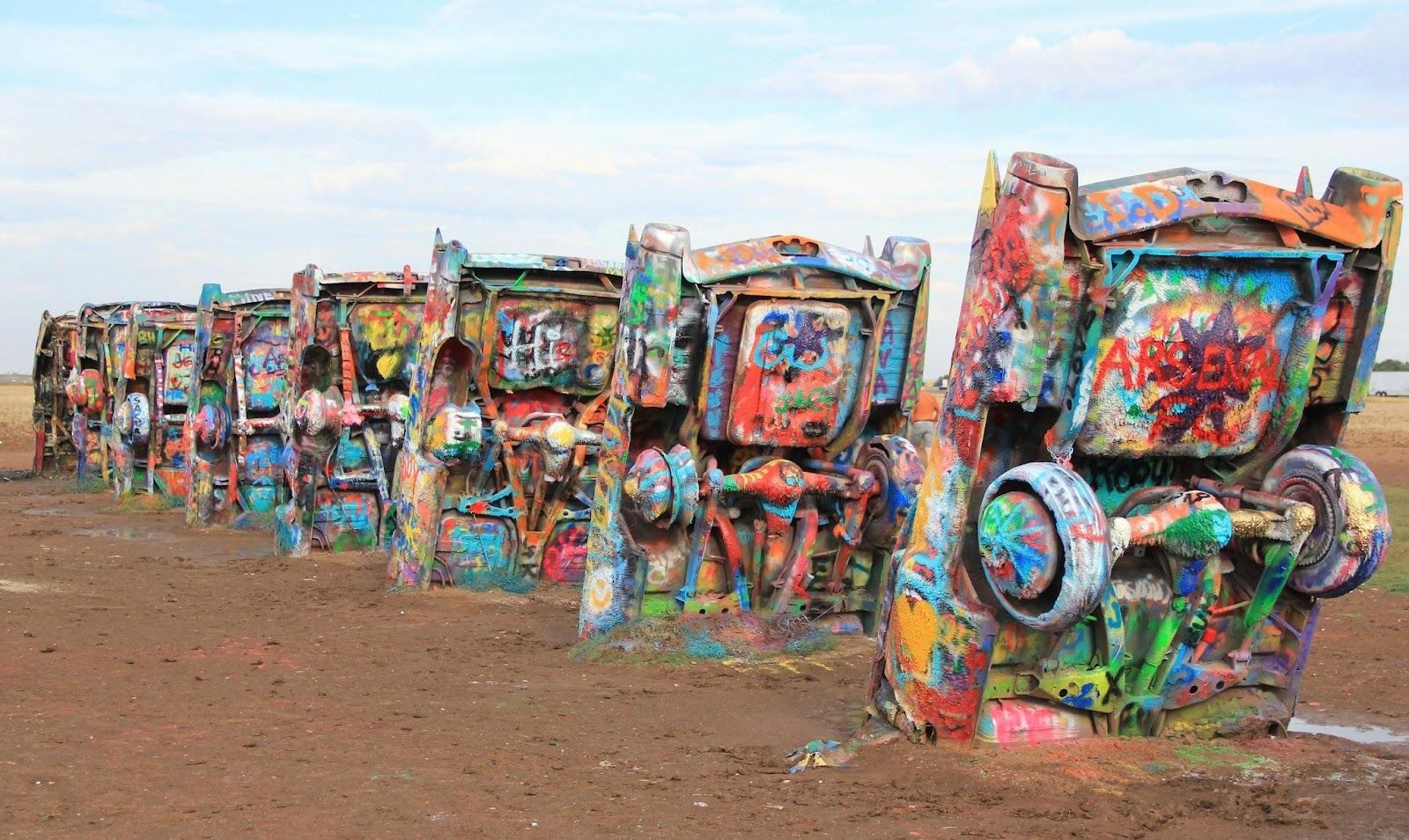
Image: Paul Hart

Found in Amarillo, Texas. Ten Cadillacs half-buried nose-first in the dirt, a public, spray-paint-friendly art piece that travelers love to photograph and tag. Interactive, colorful, and instantly iconic.

8
Tucumcari
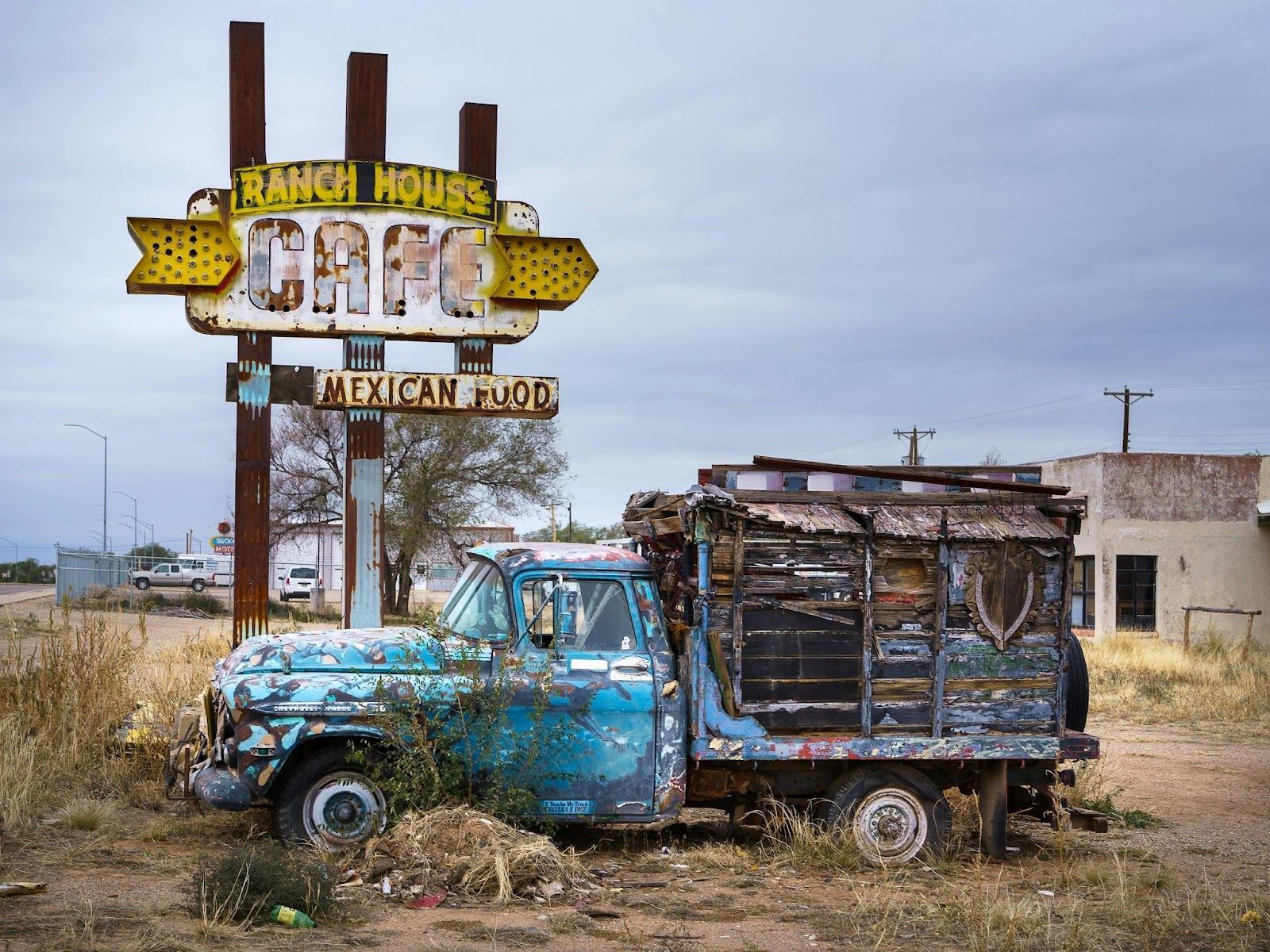
Image: Earl Wilcox

In New Mexico, you’ll find Tucumcari, famous for neon-lit motels, classic signs, and a lively downtown that celebrates Route 66 nostalgia; photographers and retro lovers linger here for sunsets and signs.

9

10
Albuquerque
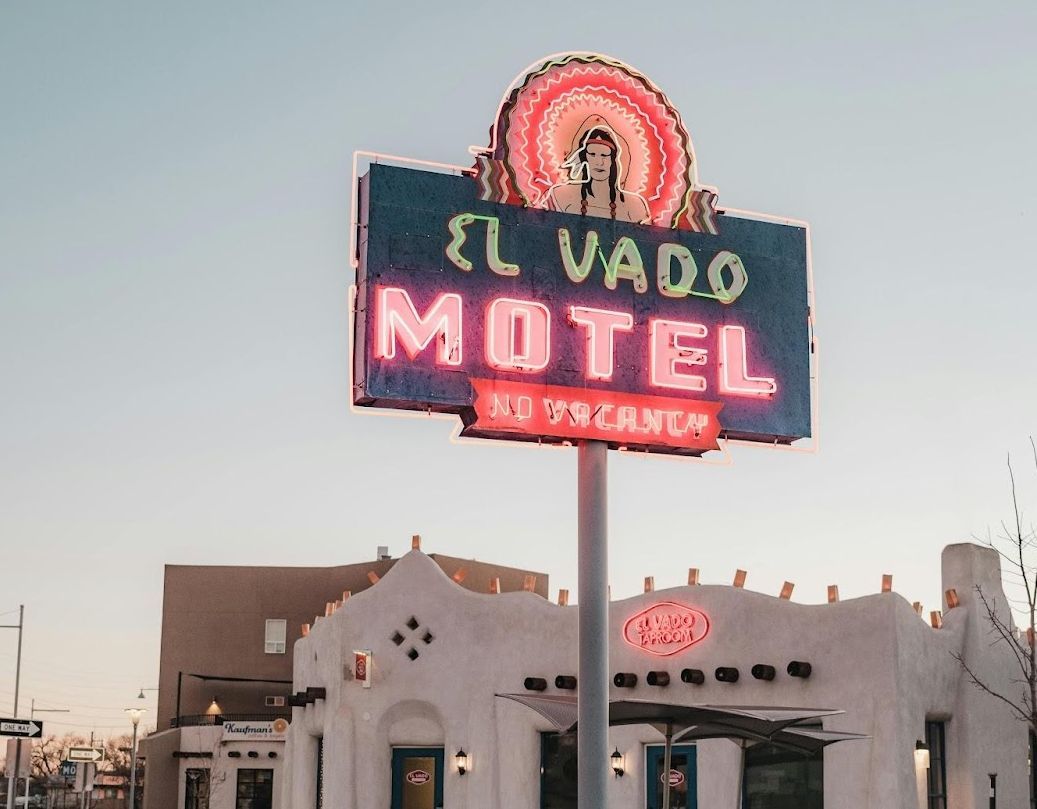
Image: Airam Dato-on

A major stopping city with historic Old Town, neon motels, and cultural attractions that pair well with a Route 66 itinerary.

11
Petrified Forest National Park & Painted Desert
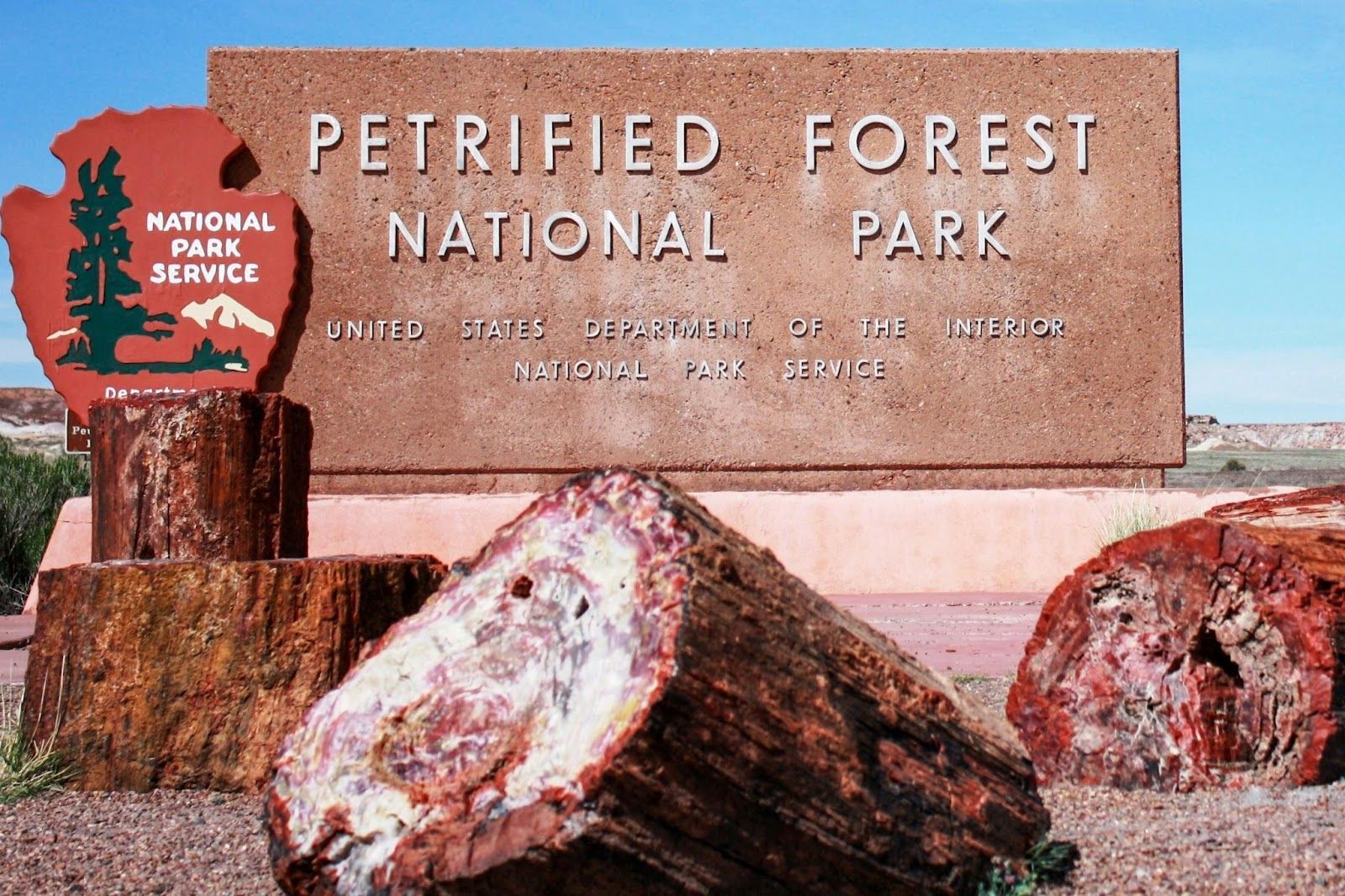
Image: Zain Creations

Not strictly "roadside kitsch," but these Arizona spots are one of the most spectacular natural detours on Route 66: colorful badlands, fossilized wood, and landscape views tourists remember.

12
Winslow
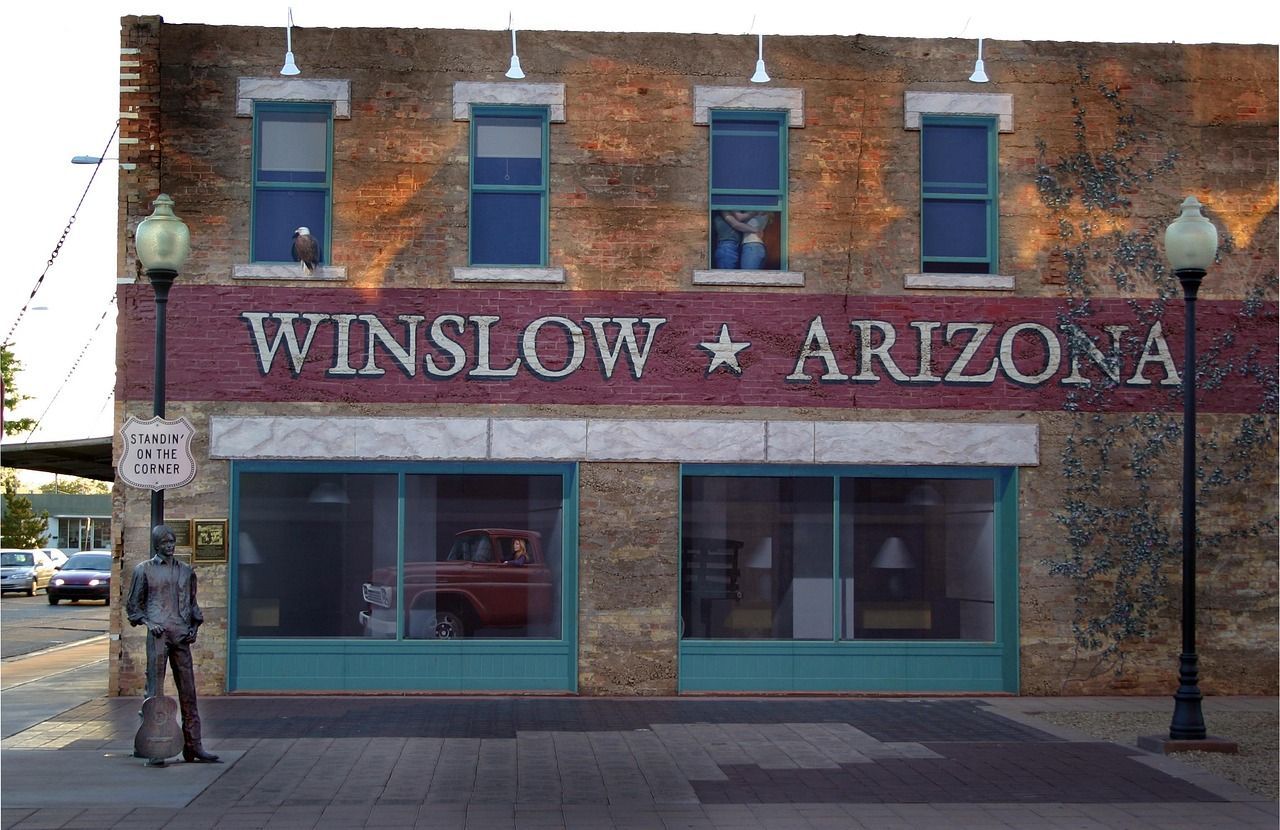
Image: mattcaz

The Eagles’ song (" Standin’ on the Corner ") turned Winslow’s little corner into a pilgrimage spot; the small park and downtown murals draw fans and photographers.

13
Roy’s Motel & Café
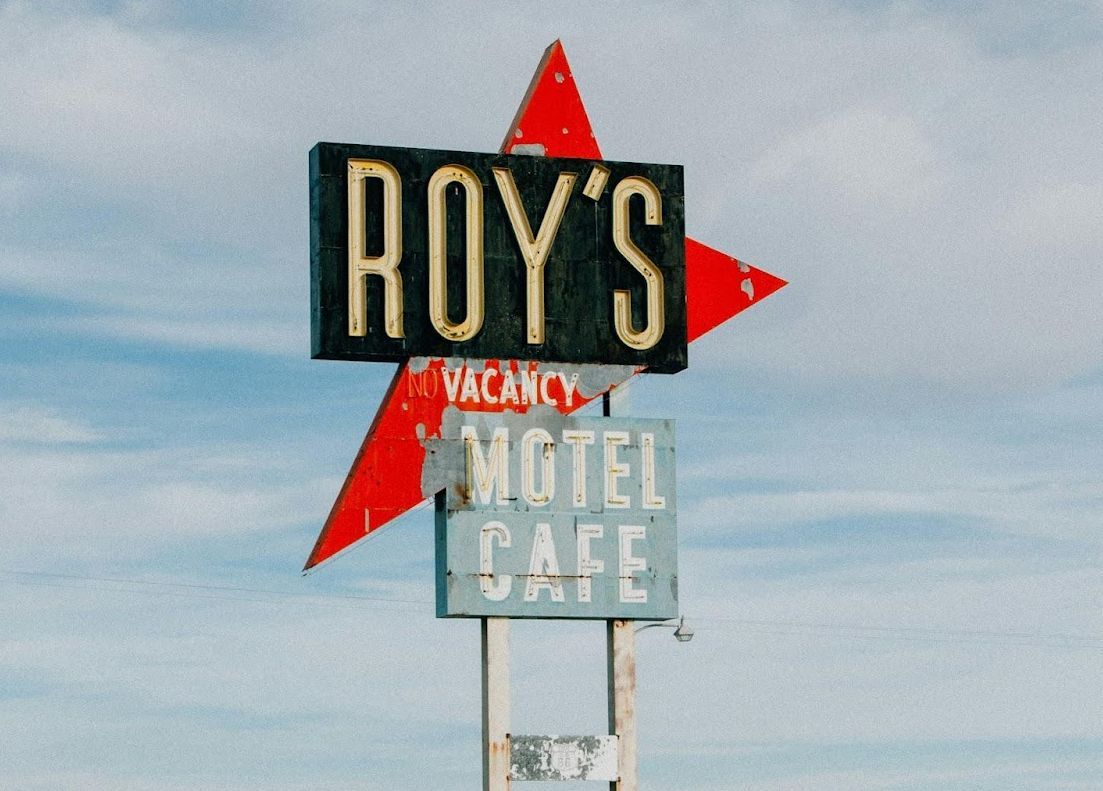
Image: Jannes Glas

The vast Mojave Desert backdrop , plus the preserved mid-century motel and neon sign, make Amboy, California, one of the most atmospheric stops on the California stretch of Route 66.

14
Santa Monica Pier
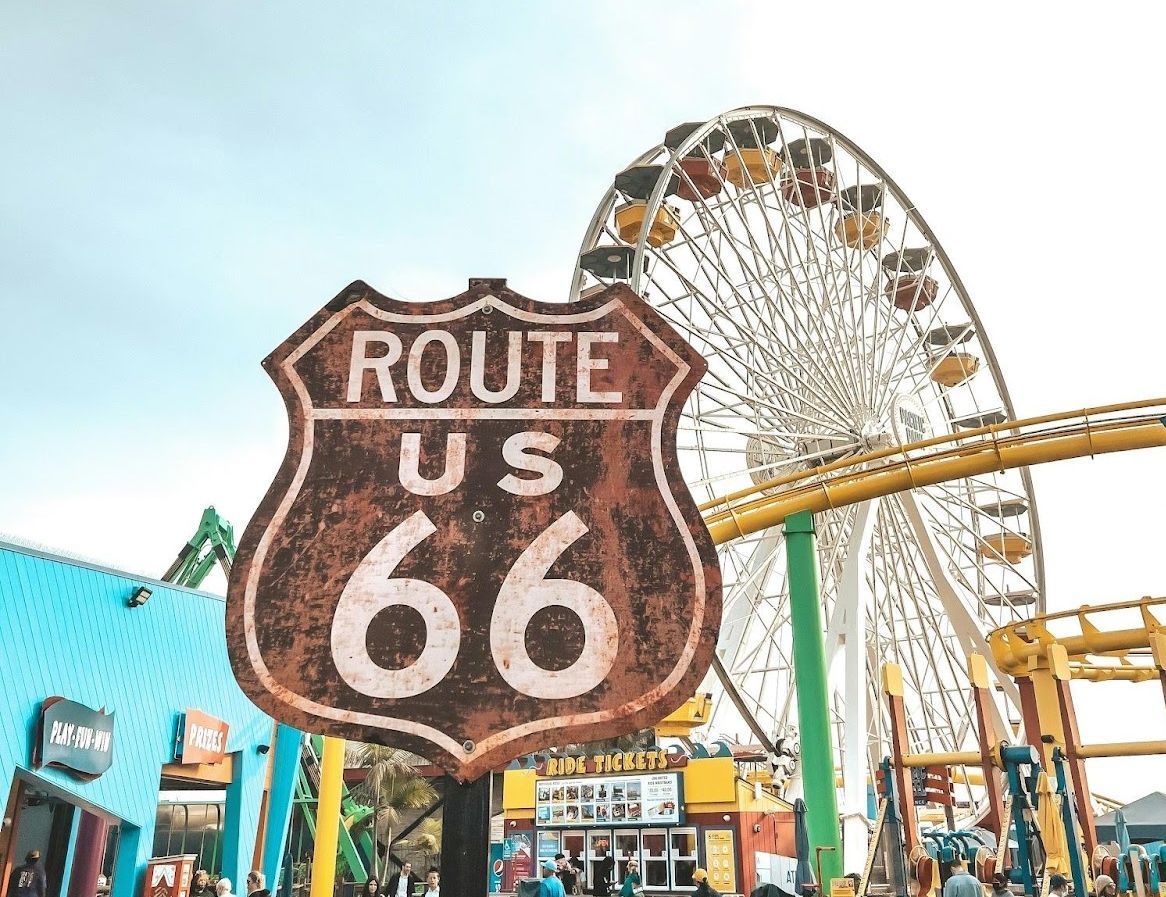
Image: Jorge Salazar

Finally, the symbolic end point of Route 66: the famous "End of the Trail" sign and the busy pier make for the classic finish-line photo. It’s touristy, joyful, and unavoidable if you’re completing the westbound route.

Culture Culture 5 min read

Jefferson uncovered

Jefferson: 10 fun facts about the Founding Father you thought you knew!

Image: David Trinks

We all know Thomas Jefferson, the Founding Father, the main author behind the Declaration of Independence, the third President of the United States, and the man who spearheaded the Louisiana Purchase. But in addition to all these impressive titles, Jefferson was also a man of many talents, tastes, interests, hobbies, and a few curious anecdotes. If you want to know more about The Sage of Monticello, stick around as we share 10 fascinating facts about the great Thomas Jefferson!

1
The sweet tooth

Image: Michelle Tsang

What's your favorite ice cream flavor? With so many options available today, it's hard to choose just one, right? Like us, Thomas Jefferson also loved ice cream. Not only that, he's often credited with making this treat famous in America.

The third US president discovered his sweet tooth during his time in France. It's impossible not to imagine Jefferson doing important paperwork with a bowl of ice cream on his desk. In addition, it's said that he often served the sweet dessert to his guests at the White House.

And that’s not all! A recipe for vanilla ice cream, handwritten by Jefferson himself, is still kept to this day in the Library of Congress.

2
The handshaker

Image: Erika Fletcher

It seems that Jefferson was a man who set trends and influenced fashions. Ice cream wasn’t the only custom that spread across the country thanks to him.

Today, the handshake is a very common and popular form of greeting. But this was not always the case. Before Jefferson's presidency, handshakes were less frequent, and people often used other formal greetings, such as bowing.

Jefferson argued that handshakes were horizontal and, therefore, more democratic. This belief illustrates how he integrated his principles into every aspect of his life, even small habits and customs.

3
The friend

Image: Joanna Kosinska

Thomas Jefferson and John Adams first met in 1775 at the Continental Congress in Philadelphia. Despite their differences, they liked and respected each other. Together, they were part of the committee that drafted the Declaration of Independence in 1776 and became even closer when they both served as diplomats in Europe during the 1780s. Jefferson later served as vice president to his friend Adams when the latter took office in 1797. Although they drifted apart after Adams' presidency, they reconciled in 1812, and their regular letters returned.

As if all this weren’t enough, they both died on the same day. And not just any day—both passed away on July 4, 1826, the 50th anniversary of the Declaration of Independence.

4
The polyglot

Image: Thomas Kelley

Can you speak more than one language? It's hard not to be impressed when you see a bilingual person developing their skills, right? And then there are those who speak three or four languages!

In this regard, Jefferson’s case is remarkable. The third president of our country was fluent in no less than six languages! In addition to his mother tongue, English, and the widely spoken French (which he used during his time as American minister to France in the 1780s), Jefferson also had strong skills in Latin, Ancient Greek, Italian, and Spanish. Furthermore, some sources suggest he also knew some German. A true polyglot!

5
The musician

Image: Baher Khairy

During his childhood in Virginia, Thomas Jefferson developed a strong interest in and passion for music. Music was a fundamental element in his home, and this art form was also a main part of his education.

The Father of the Declaration of Independence played the violin perfectly. His father, Peter Jefferson, taught him to play this instrument when Thomas was very young, and his talent only grew over the years.

Less frequently than the violin, Jefferson also played the cello—another stringed instrument known for its sophistication.

6
The architect

Image: Richard Hedrick

Jefferson's talents were even more varied! He was not only a polyglot and a musician but also an accomplished architect.

Thomas Jefferson played a major role in the design and construction of his plantation home in Virginia, the magnificent Monticello, which would later earn him one of his famous nicknames. Inspired by classical and Renaissance architecture, Monticello is considered one of the greatest works of American architecture. To add further merit to his work, Jefferson began the design of the plantation and its house in 1768, when he was only 25 years old!

Fun fact: Today, Monticello is a UNESCO World Heritage Site.

7
The family man

Image: Heike Mintel

If you're a family person, you'll love this aspect of Thomas Jefferson.

In addition to politics, business, and his many talents, Thomas Jefferson was also a devoted family man—and, we must say, he had quite a large family. But how big was his family? Jefferson was born to Peter Jefferson and Jane Randolph Jefferson and was the third of ten siblings.

In 1772, he married Martha Wayles Skelton, with whom he had six children. However, only two daughters survived to adulthood: Martha and Mary, who also gave him many grandchildren.

8
The farmer

Image: Stephen Radford

Agriculture was central to Jefferson's vision at the national policy level and also in his personal life.

Monticello was not only his home but also a 5,000-acre plantation where he experimented with different crops, including wheat, corn, tobacco, and various vegetables and fruits.

In addition, he was also an enthusiast of flower gardens. His interest in horticulture led him to import seeds and plants from around the world to experiment with in America!

9
The pet lover

Image: Dawn McDonald

Among his many qualities, his appreciation for animals truly stood out.

At Monticello, he had a variety of farm animals, including geese, turkeys, chickens, horses, cows, and pigs, all of which played an important role in maintaining the plantation. But his true love was for horses. He loved riding and spending time with them, both at his home in Virginia and even during his presidency.

It’s also said that he had a soft spot for birds. One of his most beloved pets was a mockingbird named Dick, who, according to historians, was allowed to fly around the house. Cute, isn't it?

10
The astronomer

Image: Matthew Ansley

Jefferson's interests and passions were not limited to earthly matters. In fact, he was an amateur astronomer. The stars and the cosmos sparked a deep curiosity in him.

In line with this interest, he developed a taste for telescopes, through which he could approach that mysterious object of study. He had several telescopes in his house and would spend hours and hours observing the night sky.

This inclination played a key role in the famous Lewis and Clark Expedition (1804-1806), as it’s believed that Jefferson provided precise astronomical guidance and instructions to the two explorers.

General General 5 min read

Are you home shopping?

Watch out! Here are 12 things to pay attention to when buying a home

Image: Dillon Kydd / Thirdman

Buying a house can be a nerve-wracking experience, especially for first-time buyers who might lack the necessary experience to do so with ease and confidence. Is the electrical system okay? What about the plumbing? Is there mold in the house? Is it too noisy? Is the neighborhood safe? These are all important questions homebuyers need to ask themselves when visiting a property. The following 12 are just a few of those questions, but they are definitely important ones. Can you think of anything else?

1
House Size

Image: Esther Zheng

One of the very first things any prospective homeowner should ask themselves is what kind of house they want . Having a general idea of the size, as well as the amount and type of spaces needed, is considered basic information before starting to look for a property.

2
Roof Condition

Image: Andreas Weiland

For practical reasons, most people looking to buy a house don’t inspect the roof of a prospective home. However, that section of the house can present serious and costly problems if it has any kind of damage.

Asking about the condition of the roof is paramount. How old is it? What is it made of? Buyers can find this information on the seller’s disclosure or ask the real estate agent to find out. Asphalt shingle roofs last around 20 years, but other materials, like clay or metal, can last much longer.

3
Neighborhood Safety

Image: Alev Takil

It goes without saying: safety is a big thing. When searching for a home, make sure the neighborhood where a potential house is located is safe. It’s also highly advisable to check out the neighborhood from an insider’s perspective via social media, such as Facebook groups, where you can learn more about the area and ask locals questions.

If you’re truly interested in a particular home, spend some time in the neighborhood. Go for a walk and check out local businesses to get a feel for what it’s like to live in the area.

4
HVAC system

Image: Taylor Vick

The HVAC system heats and cools a house year-round. Anyone looking at houses should ask about the type of heating and cooling system each one has and, most importantly, how old it is. Asking for maintenance records is also a good idea.

Furnaces and AC units typically last anywhere from 10 to 25 years. If a unit is broken, repair costs vary based on the type of system and how big it is. Homeowners can spend an average of $7,000 to replace an existing HVAC unit—but don’t count on a home warranty to automatically cover that.

5
Property Taxes

Image: Recha Oktaviani

A commonly overlooked item for first-time homeowners when searching for a house is property taxes. When considering a potential home, always compare property tax amounts over several years to help you calculate the overall affordability of the property .

To find out a home's estimated property taxes, check with the county's appraisal board. Homeowners Association dues should be listed in the home's listing, or you can request them from the listing agent.

6
Plumbing

Image: PAN XIAOZHEN

The plumbing system in a house can be a mystery for a prospective buyer if they don't know how to inspect it properly. Pipe disintegration, obstructive tree root growth, and complicated clogs can all cause havoc on the system. Keep in mind that sewer line replacement can cost anywhere from $1,300 to $4,900.

Always check toilets for leaks, unstable bases, and discoloration . Look under the bathroom and kitchen sinks for signs of leaks. Turn on the hot water in the sink or tub to see if it gets hot. If it doesn’t, that could indicate a problem with the water heater.

7
Water damage and mold

Image: Hydra 4x

Water damage can cause numerous problems in a house, including structural issues, mold, and rot, especially in basements. Anyone inspecting a house should pay close attention to musty smells as well as water stains on floors, walls, or ceilings .

The cost of mold removal can be anywhere from a few hundred to a few thousand dollars, depending on the size of the affected area. And, because mold is a health hazard, it should be treated before moving in.

8
Proper ventilation

Image: Jelleke Vanooteghem

This one might be subtle, but it’s very important, especially when considering the mold issues mentioned earlier. Without adequate interior ventilation, moisture can't evaporate , which can turn a room into a breeding ground for mold.

Look for condensation on windows or slightly bubbled or peeling paint around windows, doors, or vents. These signs may indicate moisture within the walls or ceiling drywall.

9
Noise Level

Image: Rei Kim

Nobody wants to live in a noisy home. But, at the same time, this issue is often overlooked when searching for houses. Many showings are cunningly scheduled during quiet hours to disguise the noise issues.

If you are truly interested in a property, visit during high-traffic hours to assess this concern . Even if the house is perfect in every other way, the constant hum of passing cars, public transport, or other sources of noise can become a serious problem.

10
Foundation and home exteriors

Image: Aiden Craver

Foundations matter. Bulging or bowing foundation walls are signs of structural weakness that can be expensive to repair. Always check for cracks in the foundation, drywall, or ceiling ; gaps above doors and windows ; sunken stairs or porches; and sloping or uneven floors or tiling.

Of course, not every crack means the home is about to collapse. Every home experiences some degree of settling, so some cracks are to be expected.

11
Electricity issues

Image: Mila Albrecht

The electrical system in a house can be compared to the nervous system of a human being: every part must work properly, and issues can sometimes be difficult to spot. From the power outlet next to the bed to other electrical systems in the house, like the garage door opener, everything is important and contributes to your safety and comfort. Bring a phone charger and plug it into random sockets to check if they work properly .

12
Room for improvement

Image: Daniel McCullough

Buying a house is a big investment and you can be living in it for a very long time. Therefore, it is always important to take into consideration any future plans and whether these plans make sense in that particular house.

Is there a wall you could knock out to create more space if needed? A garage or attic you could potentially finish if you need an extra room? Having an easy-to-modify layout can provide more possibilities for the future.

Explore more American facts

Choose your favorite category!

General
General

As American as apple pie—the very best America has to offer!

Culture
Culture

Delve into the astounding richness of American lore.

Geography
Geography

Hop in and explore vast and diverse American landscapes.

History
History

Discover the key moments that shaped the United States.