Did Frank Sinatra really act as a secret liaison between JFK and the mob?
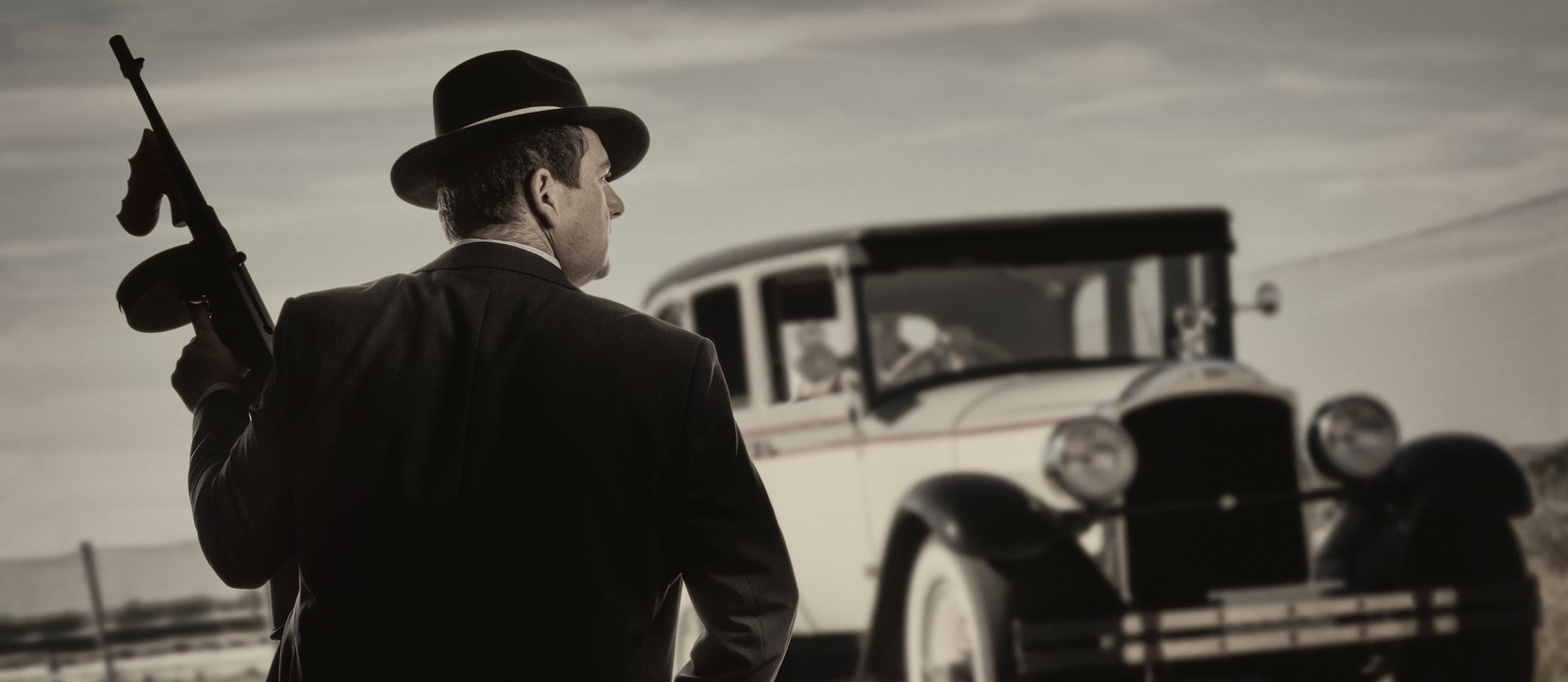
Image: Fresnel
From cinematic prison escapes to strange personal habits, the real history of 20th-century organized crime is stranger than fiction. Figures like Al Capone, John Dillinger, and Bugsy Siegel built reputations on ruthlessness; yet, their private lives were filled with bizarre quirks, peculiar superstitions, and unbelievable historical twists. Discover 10 real gangster tales you won’t believe are true.
1
Frank Sinatra was punished by the mob over JFK
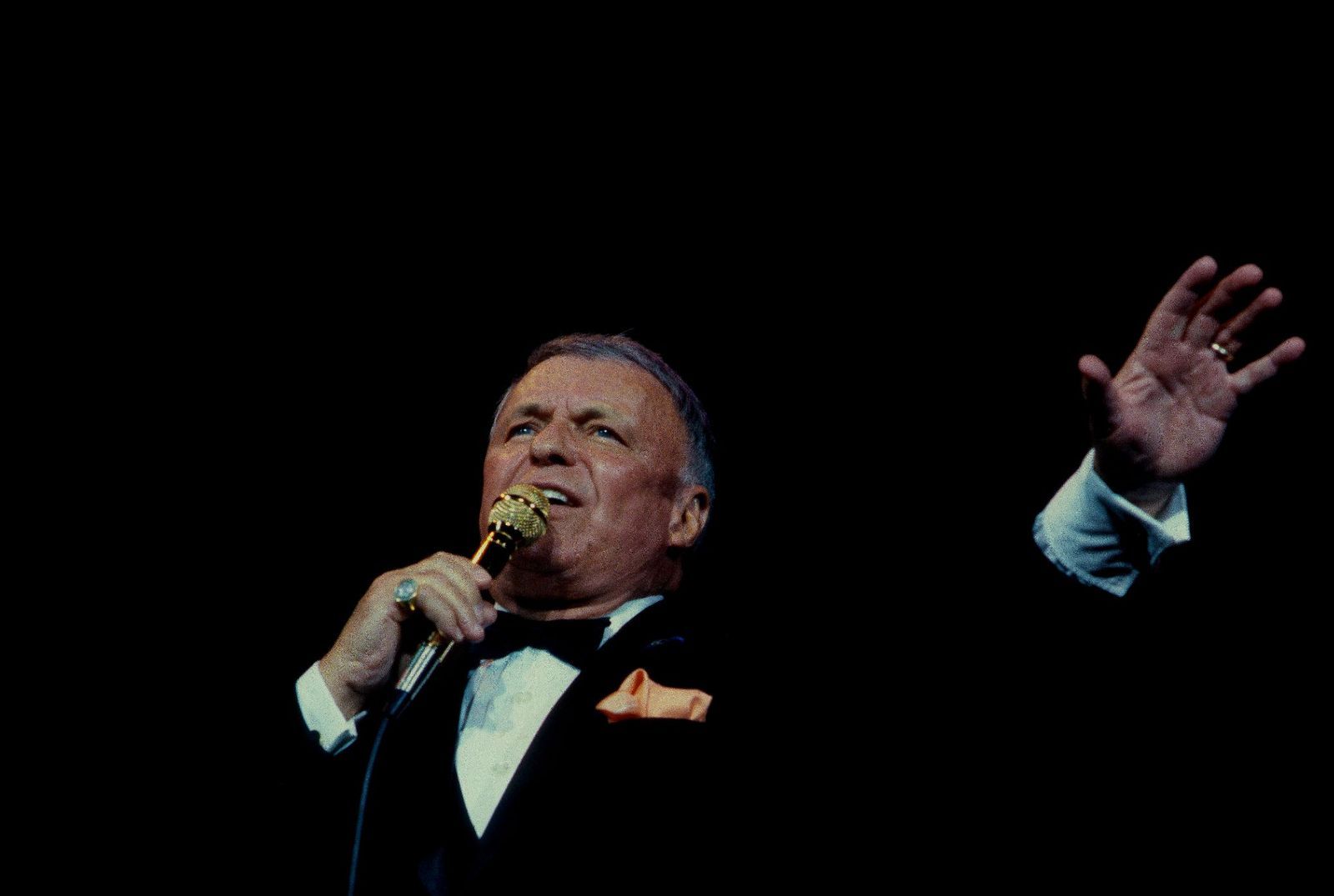
According to reports, during the 1960 presidential election, Frank Sinatra allegedly acted as an intermediary connecting Chicago Outfit boss Sam Giancana with John F. Kennedy’s campaign. The mob believed securing votes for JFK would lead to lighter law enforcement pressure on organized crime.
When President Kennedy and Attorney General Robert Kennedy instead launched an aggressive crackdown on the Mafia, Giancana blamed Sinatra for failing to deliver on implied promises. As punishment, Giancana is said to have forced Sinatra to perform eight consecutive nights of unpaid shows at his Villa Venice nightclub in suburban Chicago to make up for the betrayal.
2
Al Capone opened one of America’s first Great Depression soup kitchens
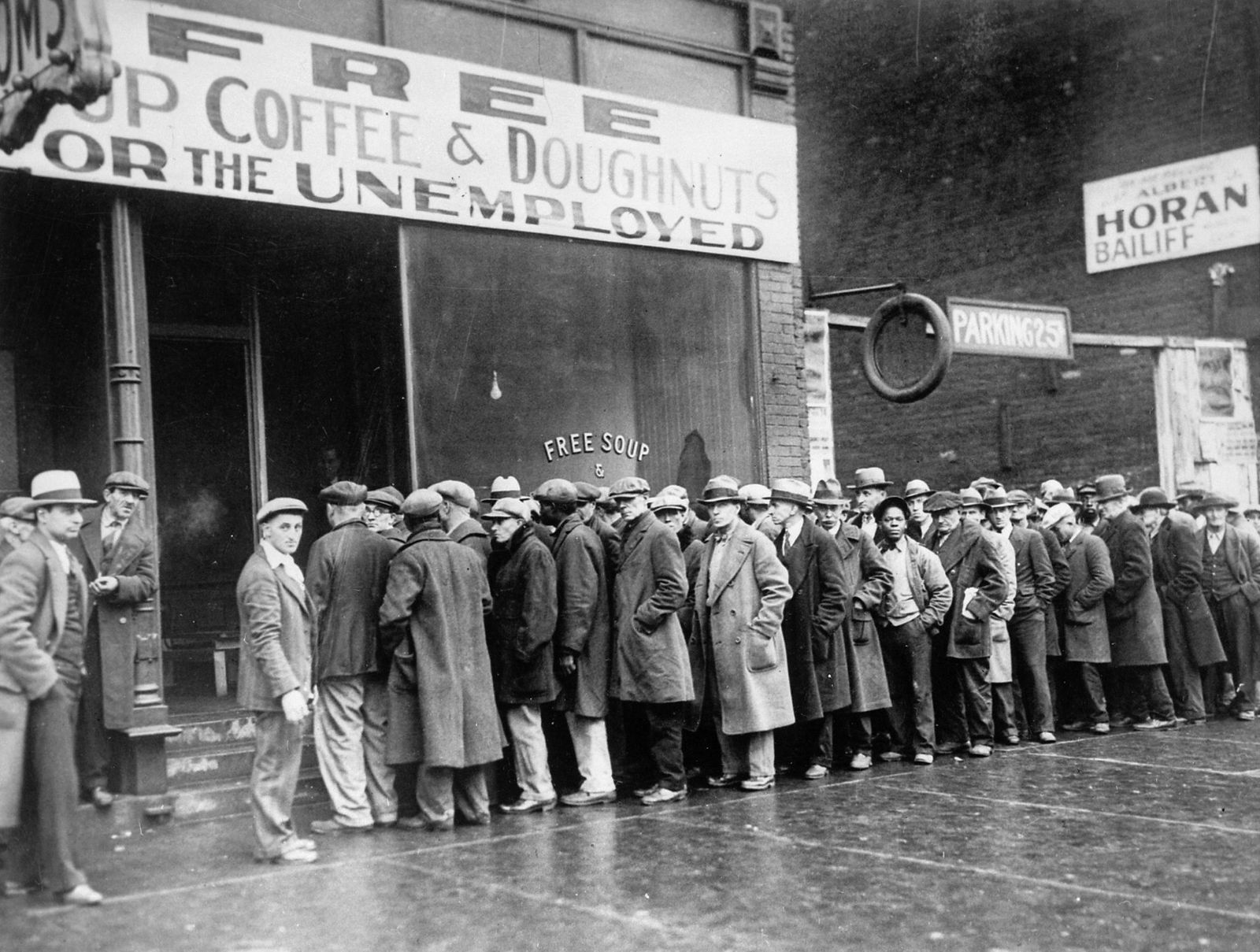
In November 1930, as the Great Depression devastated the American economy, Chicago mob boss Al Capone saw an opportunity to improve his public image by opening a soup kitchen. Operating out of a storefront at 935 South State Street, Capone’s establishment served three hot meals a day (including coffee, soup, and donuts) to over 2,200 unemployed people daily.
Capone funded the operation entirely out of pocket with no government assistance, earning him a reputation among many locals as a modern Robin Hood before his tax evasion conviction.
3
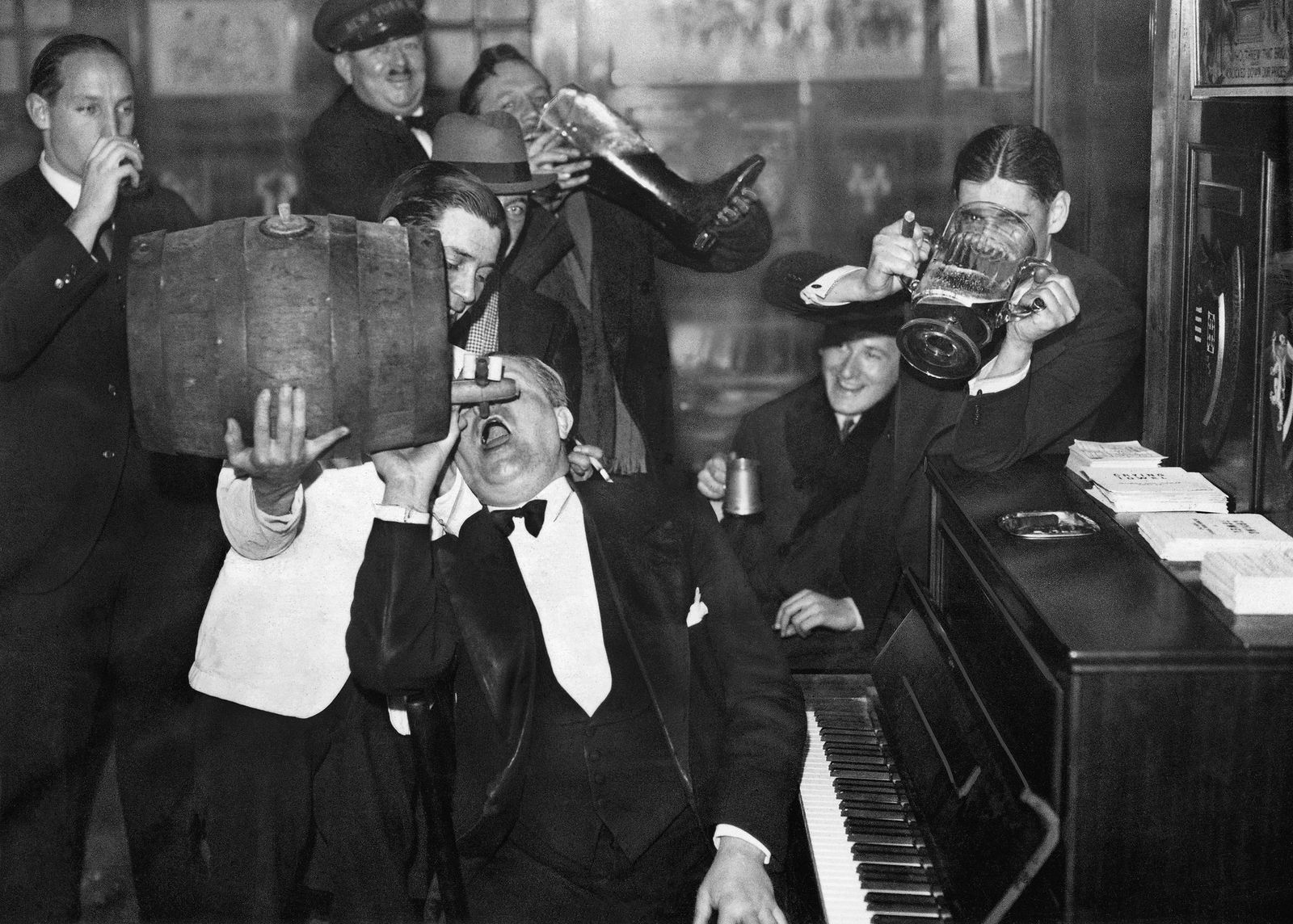
Prohibition moonshiners wore "Cow Shoes" to fool the law
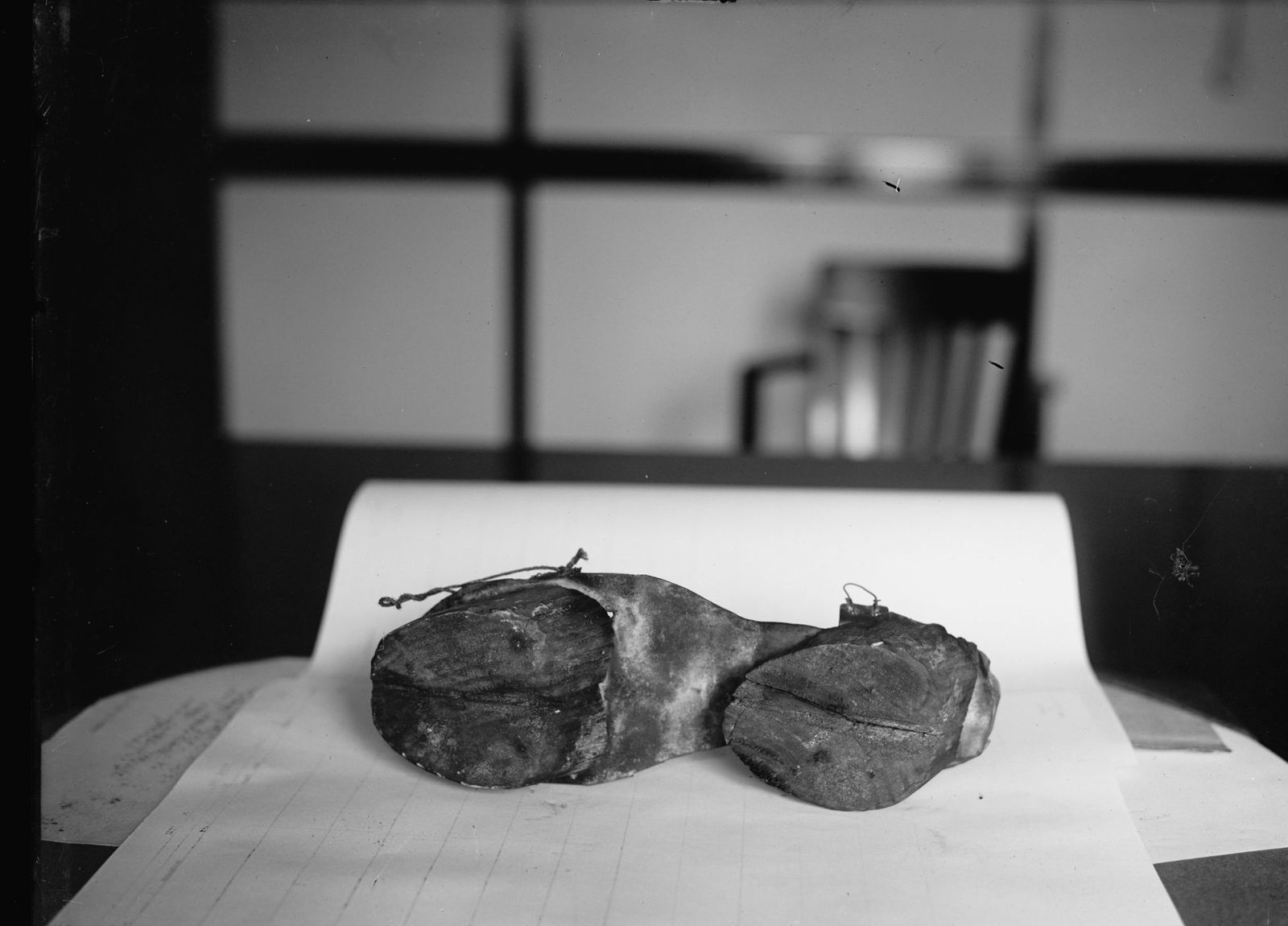
During Prohibition, federal agents and state police tracked illegal distilleries by following human footprints through soft mud and dirt. To counter this, rural bootleggers invented "cow shoes".
These specialized footwear attachments consisted of a carved wooden block shaped like a cow’s hoof at the bottom. When moonshiners walked through the woods carrying heavy jugs of illegal liquor, they left behind tracks that looked like cattle rather than criminals.
4
John Dillinger escaped jail with a block of wood
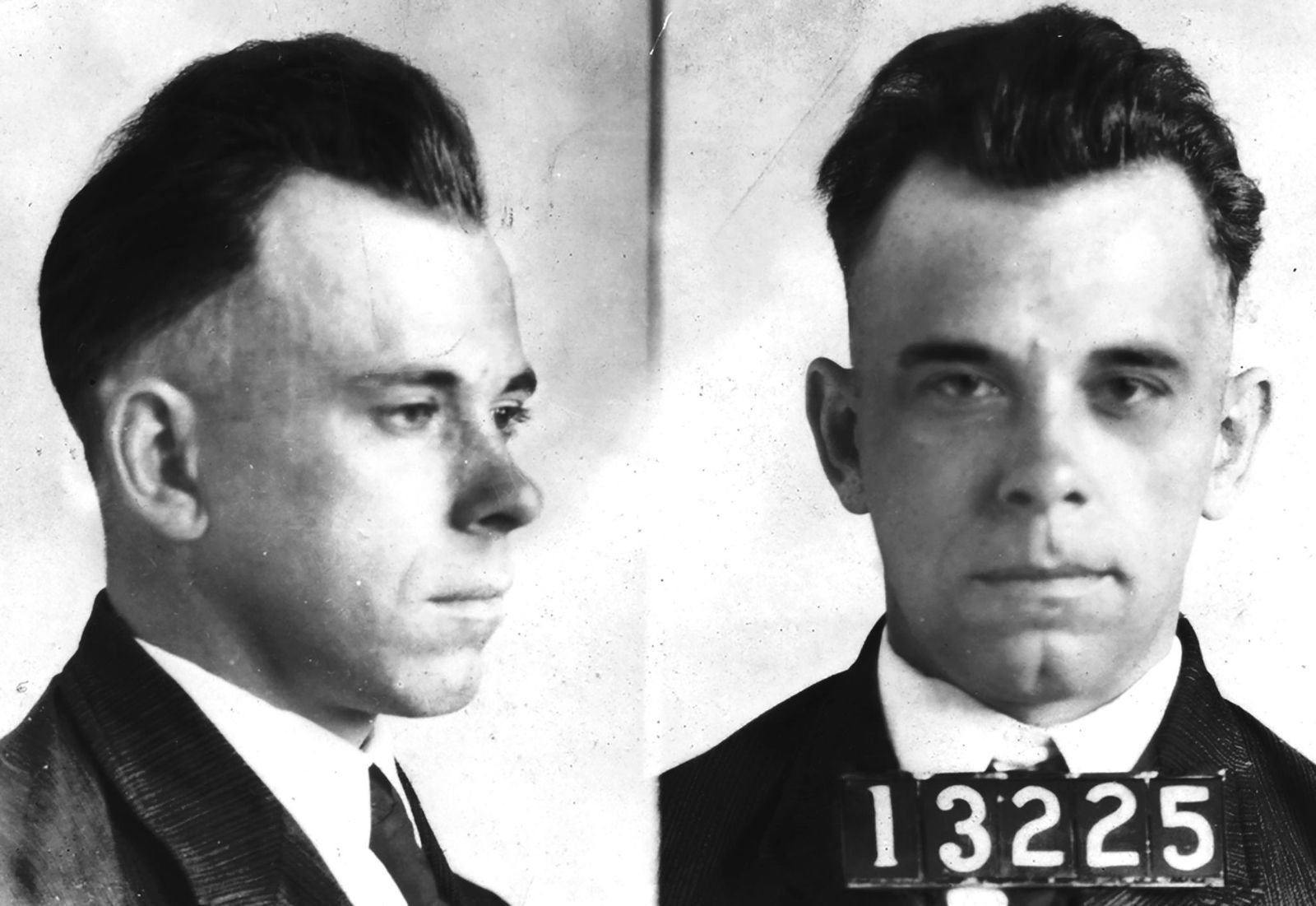
In March 1934, infamous bank robber John Dillinger was locked inside the Lake County Jail in Crown Point, Indiana, a facility local officials bragged was completely impossible to escape from.
Using a pocketknife, Dillinger carved a piece of wood into the shape of an automatic pistol and stained it black using razor polish. He used the wooden prop to trick a guard into opening his cell door. After taking real weapons from the jail armory, Dillinger took hostages and stole the sheriff’s personal V8 Ford to make his getaway.
5
The "Oddfather" wandered New York in pajamas for 30 years
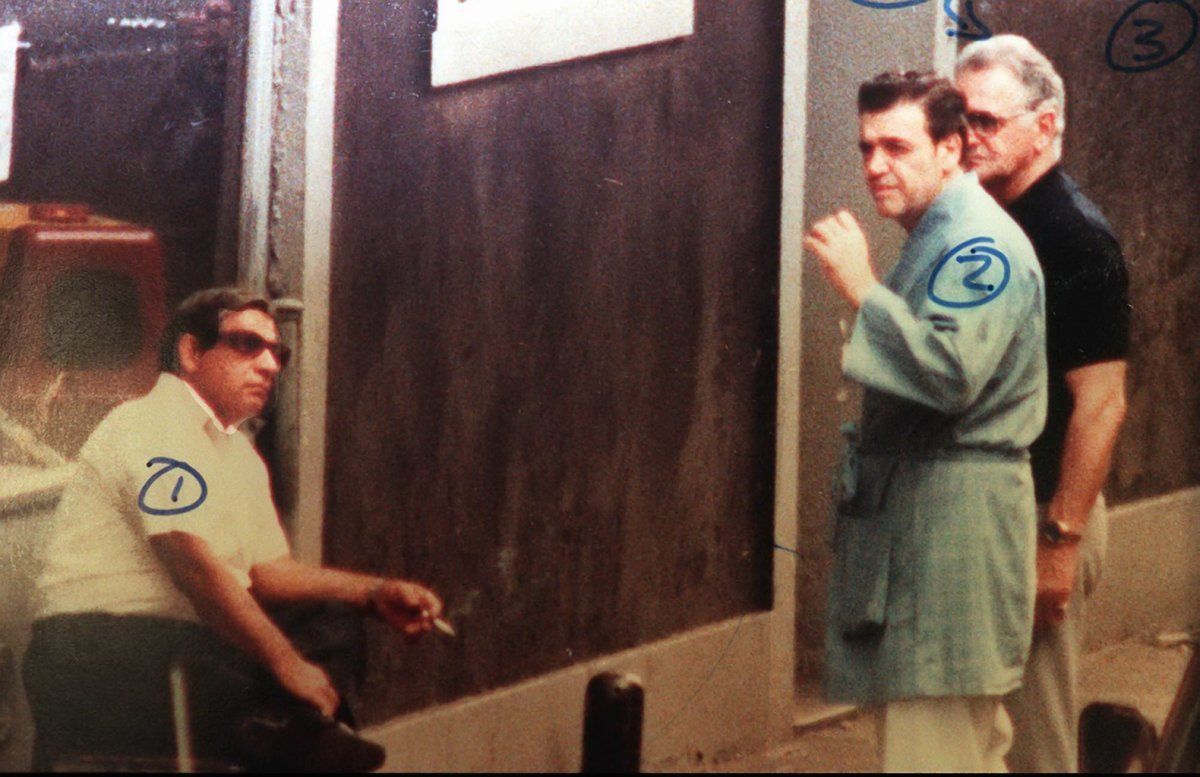
Vincent "Chin" Gigante, boss of New York’s powerful Genovese crime family, earned the nickname "The Oddfather" for his elaborate scheme to evade federal prosecution. Starting in the late 1960s, Gigante began wandering the streets of Greenwich Village wearing a ragged bathrobe, pajamas, and slippers while muttering incoherently to himself.
His lawyers presented him as suffering from severe dementia and schizophrenia. For nearly three decades, the performance protected him from trial. However, in 1997, federal prosecutors finally proved in court that the routine was an act, and Gigante admitted in 2003, at age 75, that his madness was fake.
6
Al Capone accidentally shot himself in the groin
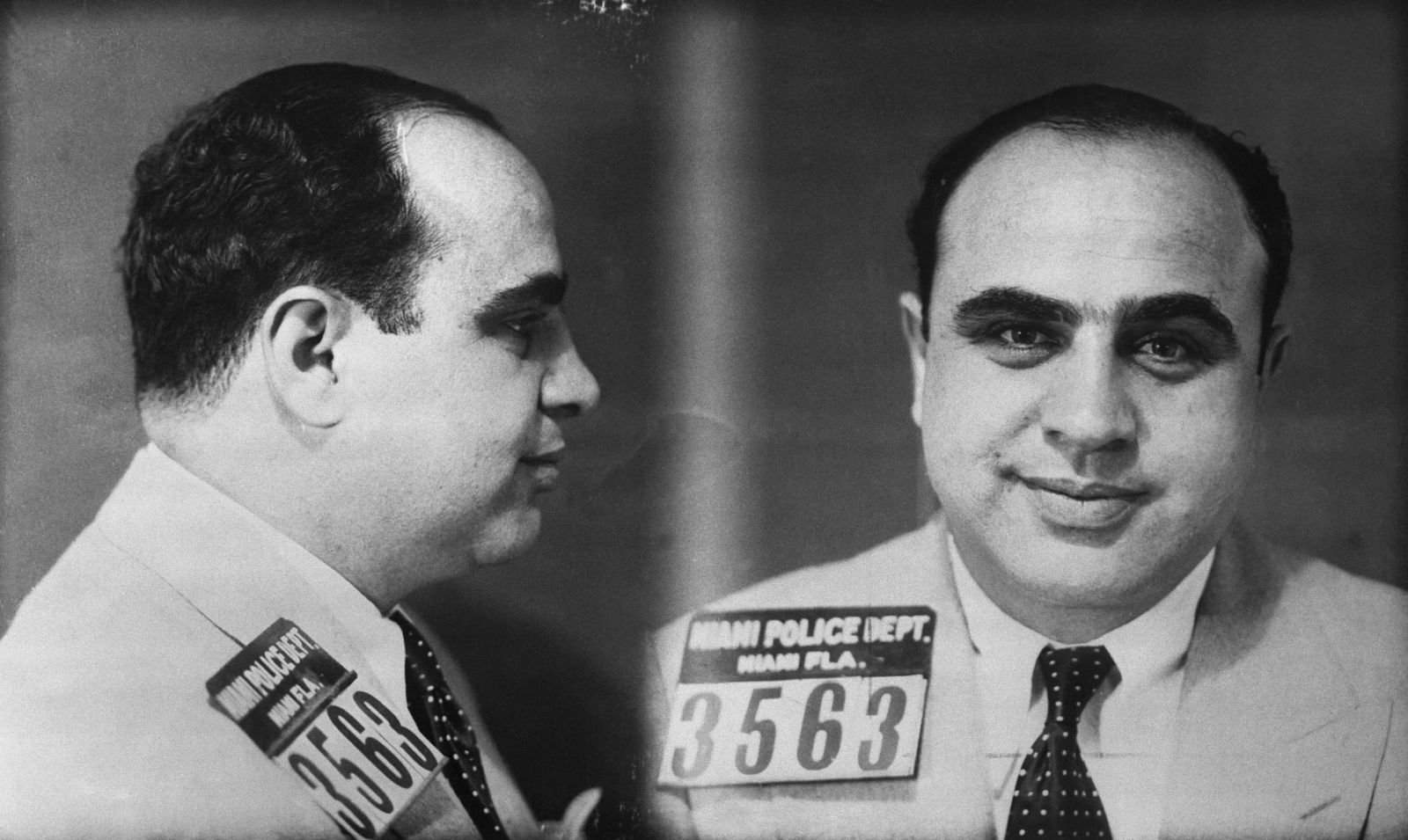
Despite his reputation as a ruthless gang boss, Al Capone was surprisingly clumsy with his own weapons. In September 1928, while playing a round of golf at the Burnham Woods course near Chicago, Capone reached into his pocket to retrieve a golf ball.
His hand caught the trigger of his hidden, loaded revolver. The gun discharged, shooting Capone through the right thigh and groin. He was rushed to Saint Mary’s Hospital under the alias "Bob Hart" and spent weeks recovering from the self-inflicted wound.
7
FDR rode in Al Capone’s armored limousine?
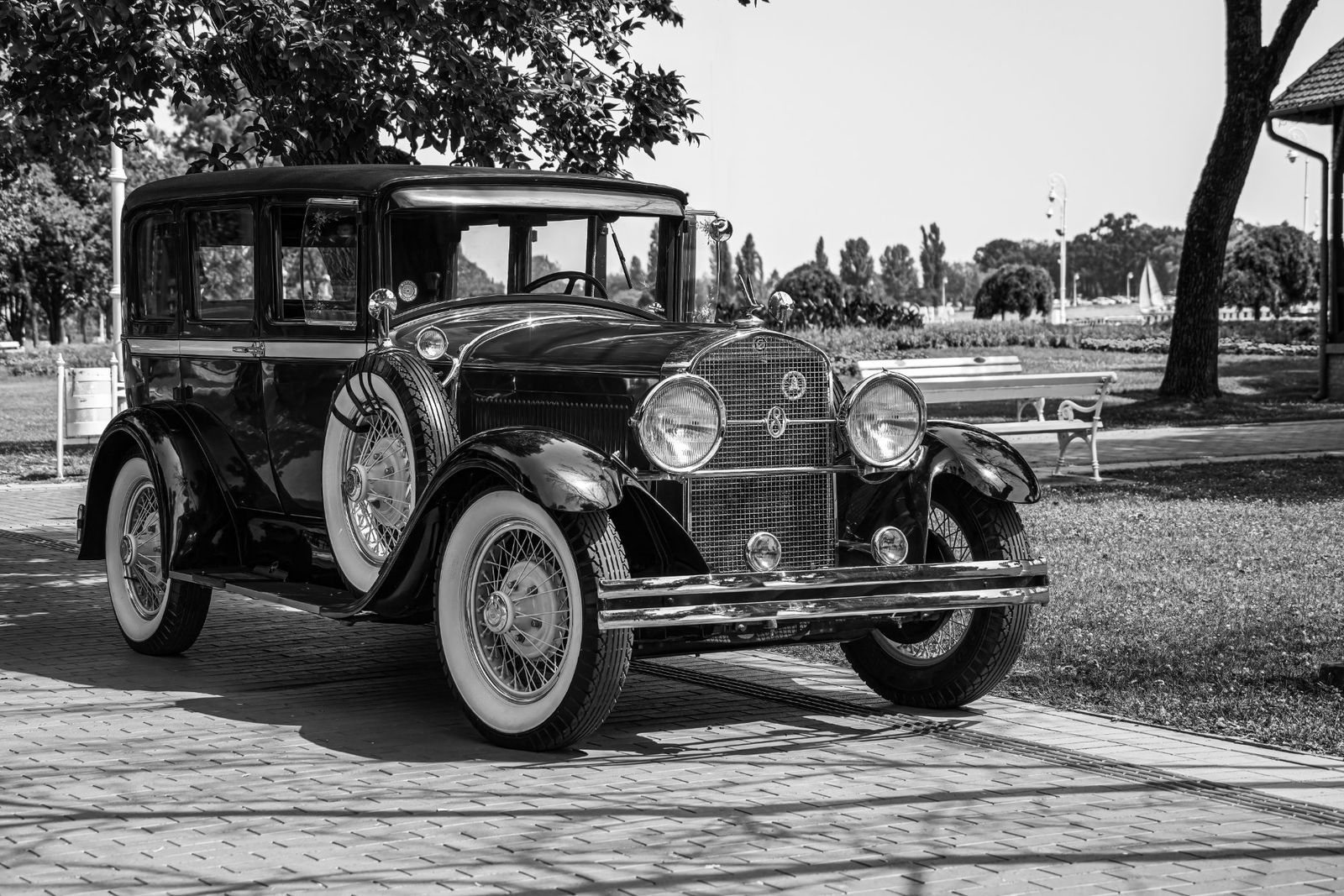
Following the Japanese attack on Pearl Harbor on December 7, 1941, the Secret Service faced an immediate security dilemma: President Franklin D. Roosevelt needed a bulletproof vehicle for his public appearances, but federal rules prohibited spending more than $750 (or about $17,000 today) on executive automobiles.
According to legend, Treasury agents solved the problem by pulling Al Capone’s custom 1928 Cadillac Town Sedan out of impound. The car had been seized by the government following Capone’s tax evasion trial in 1931. Equipped with heavy armor plating and bulletproof glass, Capone’s former car might have safely transported President Roosevelt to Capitol Hill to deliver his famous "Day of Infamy" speech.
8
Kingpin Arnold Rothstein never drank alcohol
Arnold "The Brain" Rothstein was the financial mastermind of 1920s American organized crime, famously transforming street gangs into corporate syndicates and allegedly fixing the 1919 World Series.
Despite making tens of millions of dollars importing illegal liquor during Prohibition, Rothstein was a strict teetotaler. He never drank alcohol, smoked cigarettes, or used drugs. Instead, he preferred milk, ginger ale, and club soda, maintaining that staying sober gave him a clear advantage over business rivals and gamblers.
9
Bugsy Siegel tried to fix his hairline with magic
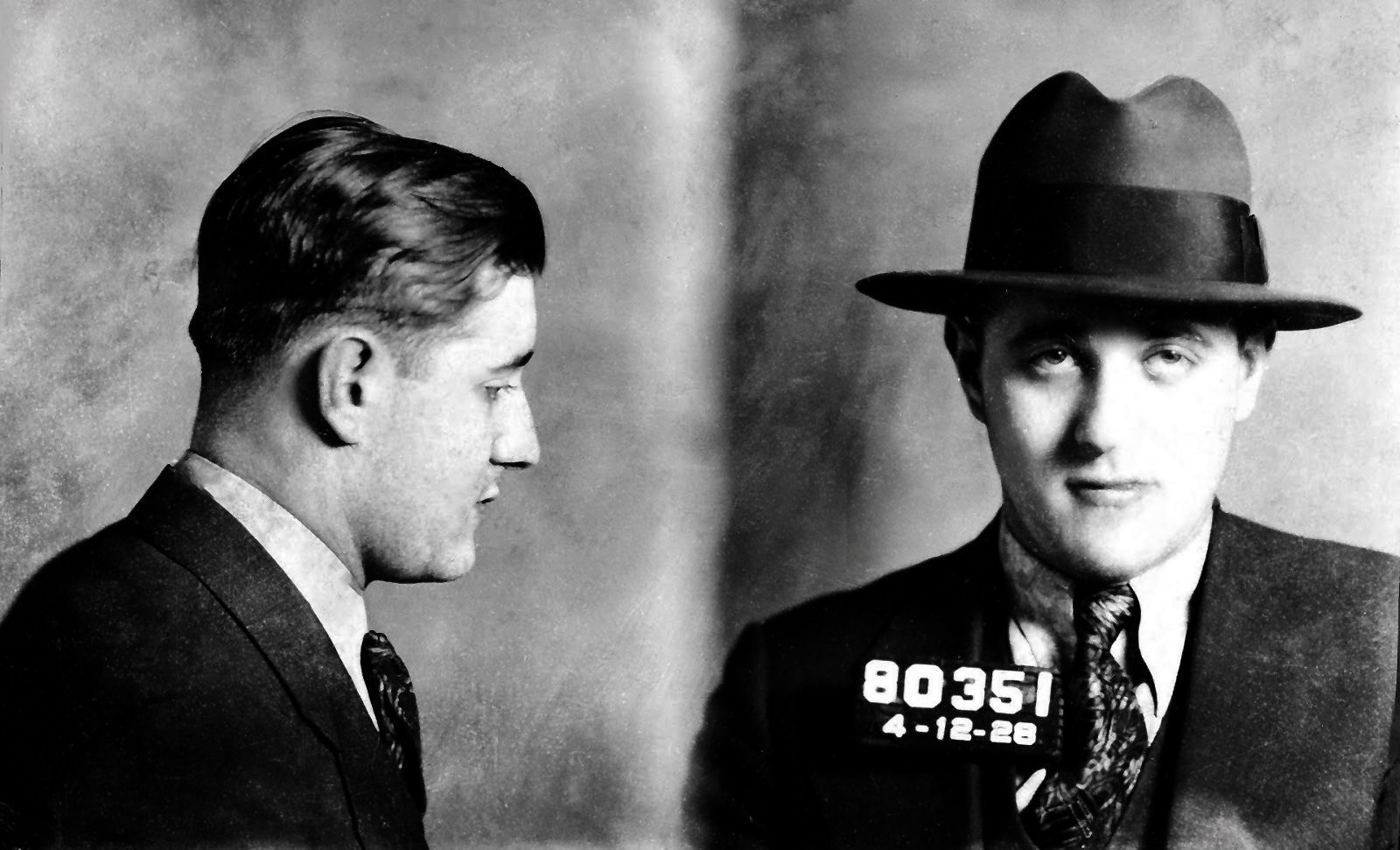
Benjamin "Bugsy" Siegel, the mobster credited with developing the Flamingo Hotel and building modern Las Vegas, was notoriously vain. Obsessed with his good looks, Siegel loathed his nickname "Bugsy" (slang for crazy) and lived in terror of going bald.
As his hairline began to recede, Siegel turned to extreme measures. He bought expensive unproven tonics, tried home remedies involving raw eggs and olive oil, and consulted spiritualists who offered magical chants and scalp massages to restore his hair growth.
10
Mickey Cohen was a devoted dog dad and germaphobe
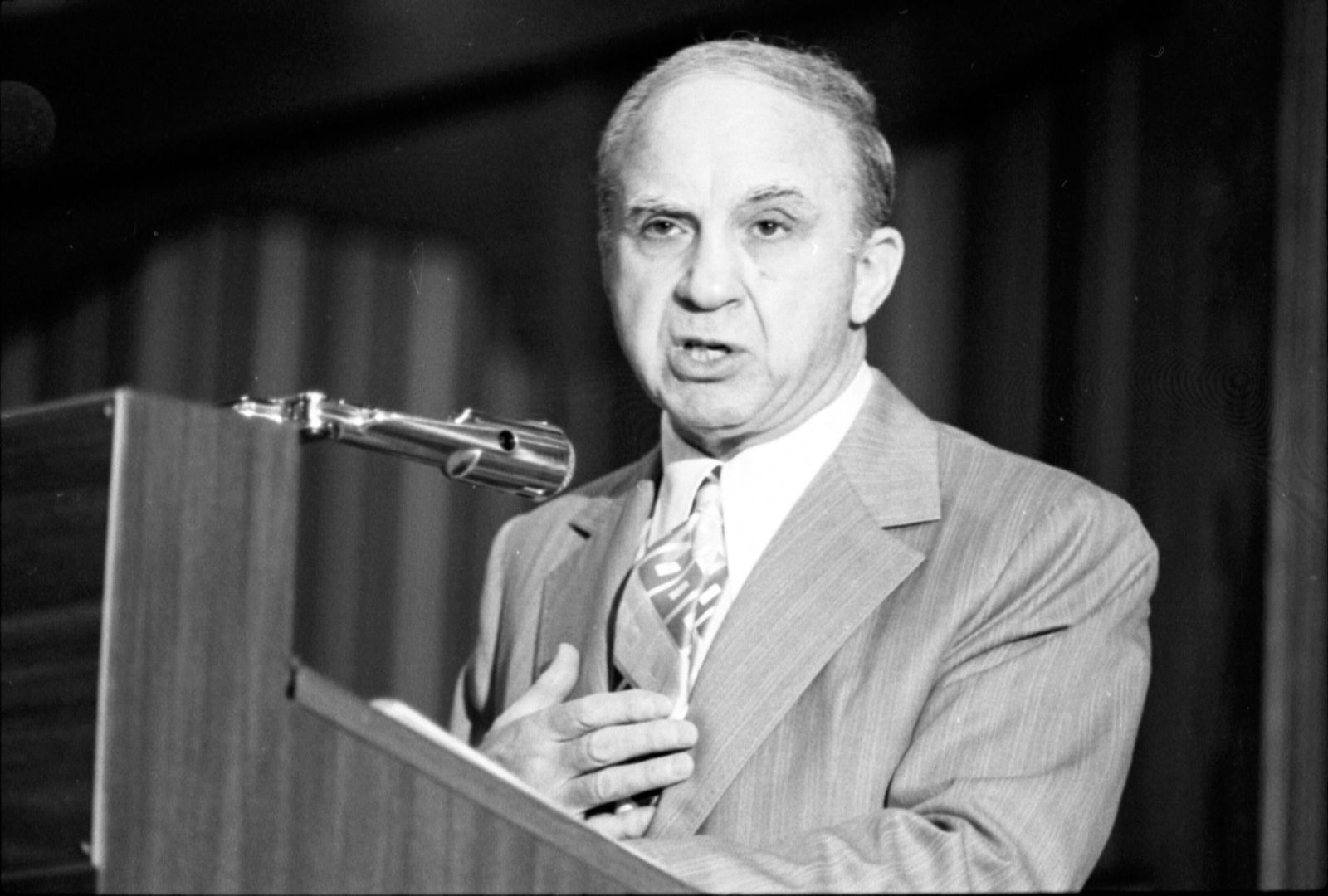
West Coast mob boss Mickey Cohen ruled Los Angeles crime with an iron fist, but his personal life was defined by extreme eccentricities. Cohen was a germaphobe who washed his hands dozens of times a day and refused to touch doorknobs without a towel.
At the same time, Cohen was a passionate dog lover. He showered his pet dogs with affection, buying them silk bedding, feeding them prime cuts of meat, and hiring full-time staff to groom and walk them. When his favorite dogs fell ill, Cohen hired top veterinary specialists to tend them at his Hollywood home.