Culture Culture 5 min read

It’s called popular wisdom for a reason

Do you leave your hat anywhere? Be careful not to summon misfortune

Image: Peter Burdon

The United States of America is a melting pot of cultures and traditions, which means many superstitious beliefs can be traced back to other places. Think, for example, of beliefs around black cats or cemeteries. But some superstitions were born here, out of the unique idiosyncrasies of each American region. Why is the color of a porch such a big deal? Why are the woods dangerous? Is it crucial where I place my hat? Popular wisdom has an answer for all these questions, and more.

1
The cowboy hat on the bed
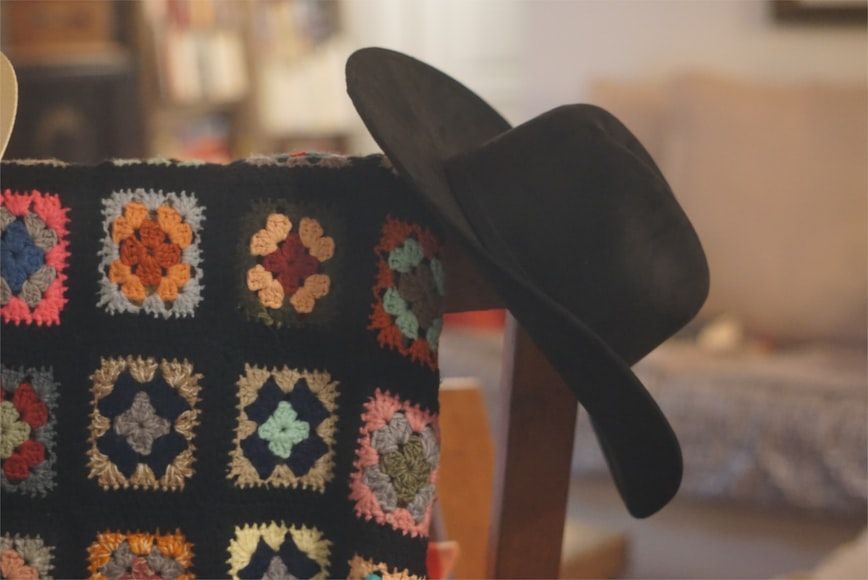
Image: Olivier Piquer

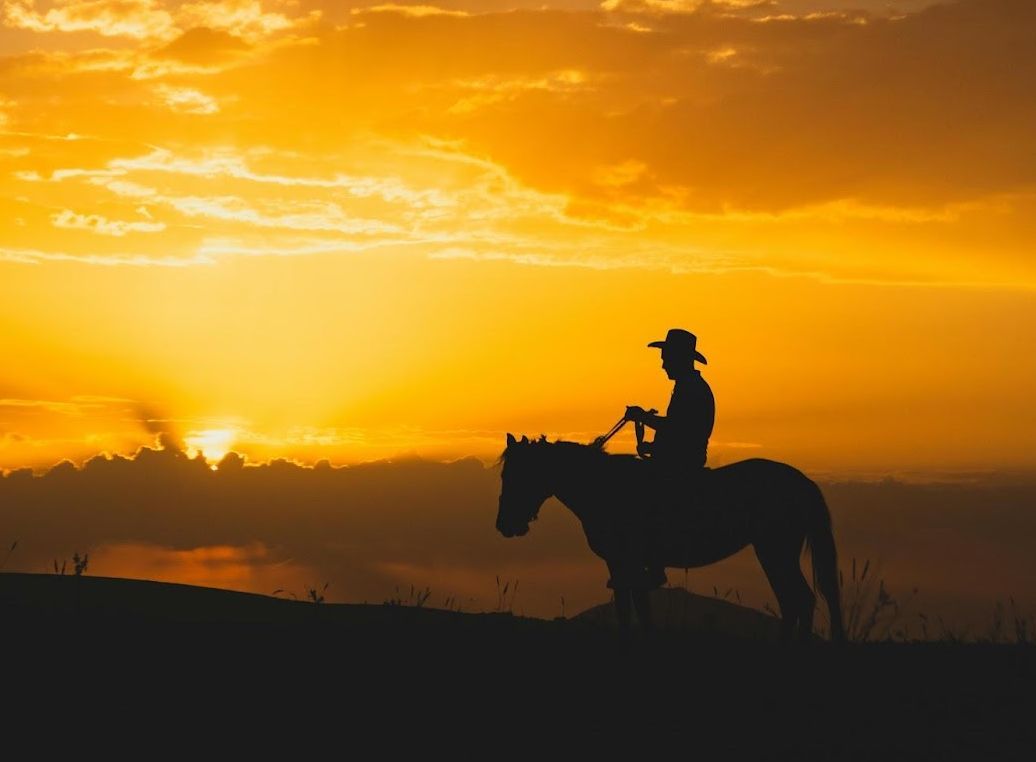
For a proper cowboy, a hat is as important as their horse or saddle. This means that there’s a protocol around this garment that needs to be followed, one important rule being that a hat should never be placed on top of a bed.

Why? There are several explanations, including the idea of bad spirits living in your hair, the old custom of placing a deceased person’s hat on top of their coffin, or the more practical reasoning of wanting to avoid lice. No matter the origin, no respectable cowboy would place his hat on the bed unless he wanted to attract misfortune his way.

2
The Appalachian woods
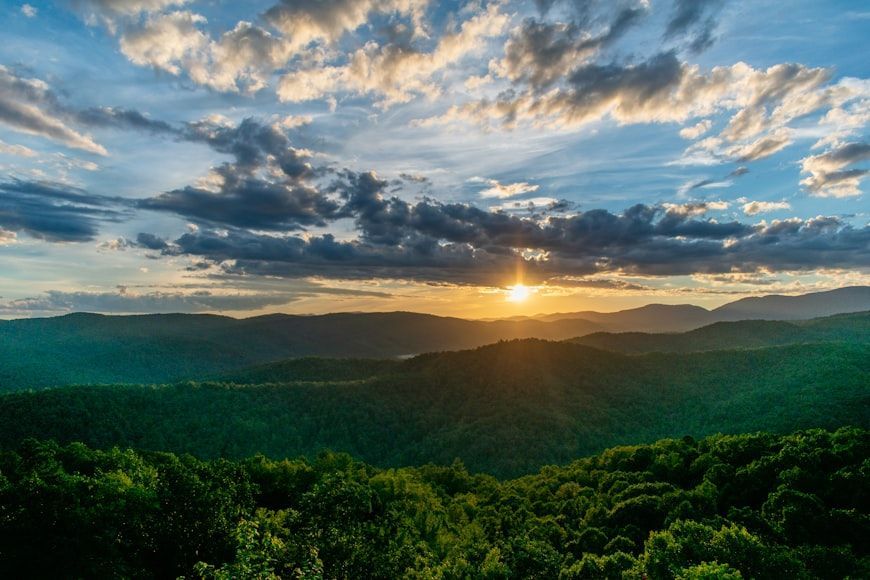
Image: Elijah Mears

The Appalachian Mountains are filled with myths and legends, and certain rules are passed down and followed by nearly everyone, even those most skeptical about the supernatural. Many of these rules concern the woods and how one should behave in them : don’t go into the woods from dusk till dawn, don’t leave the marked trail, ignore any unknown voice calling you, and don’t look too closely into the trees.

While these rules could be explained by the simple reason of the woods being the hiding place of bandits in the past, and a difficult place to navigate in the dark, they have also been regarded as a place filled with spirits and supernatural beings, which no one wants to come across.

3
Seeing Mothman
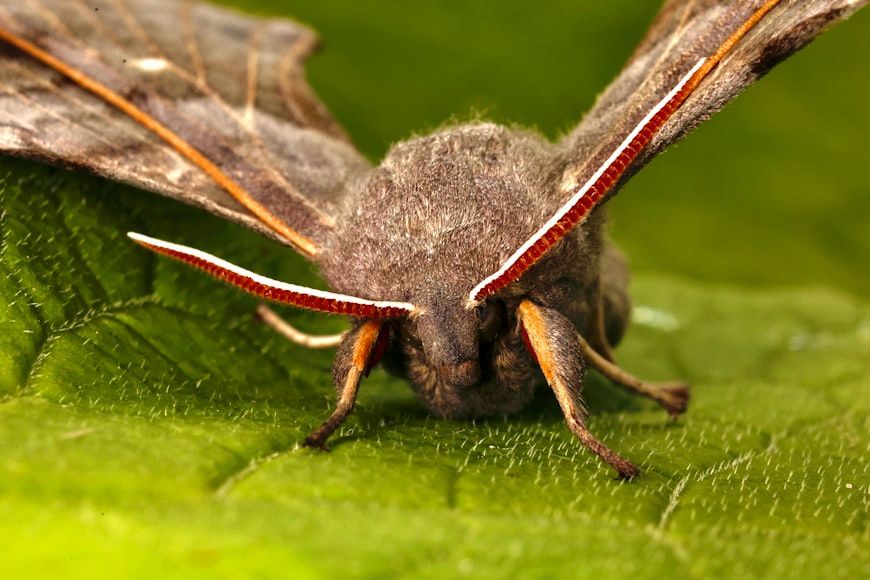
Image: James Wainscoat

A local cryptid celebrity in Point Pleasant, West Virginia, the Mothman has allegedly been sighted several times since the 1960s. Many legends and beliefs have formed around his figure, one of them being that coming across the Mothman is a sign of an impending tragedy .

This belief gained strength after several reported sightings occurred just before the collapse of the Silver Bridge in 1967. Since then, the Mothman has been considered a harbinger of doom and a bad omen.

4
A mirror to ward off the devil

Image: Denny Müller

Louisianans have many myths and beliefs, especially those rooted in Cajun culture. Influences from French Acadia, Spain, and Western Africa have been incorporated into popular wisdom in a distinctly unique way.

One Cajun custom advises the use of a mirror to repel M’su Diable or "Mr. Devil." M’su Diable is known for being very vain, so he will never waste the opportunity to admire himself. If you hang a mirror in the porch, next to the door, he will stay there all night instead of entering the house, and the sunrise will scare him off.

5
Eating black-eyed peas on New Year’s Eve

Image: Nguyen Dang Hoang Nhu

Each holiday has certain foods associated with it, many of which are considered non-negotiable. For many Southern households, New Year’s Eve is synonymous with black-eyed peas, which are said to attract good luck and prosperity for the coming year.

While it’s a popular belief, this custom has distinctly historical origins. After the Civil War, black-eyed peas became a staple food across the South and saved more than one family from starvation. Today, they are often paired with collard greens, which are said to represent dollar bills.

6
Rocking an empty chair
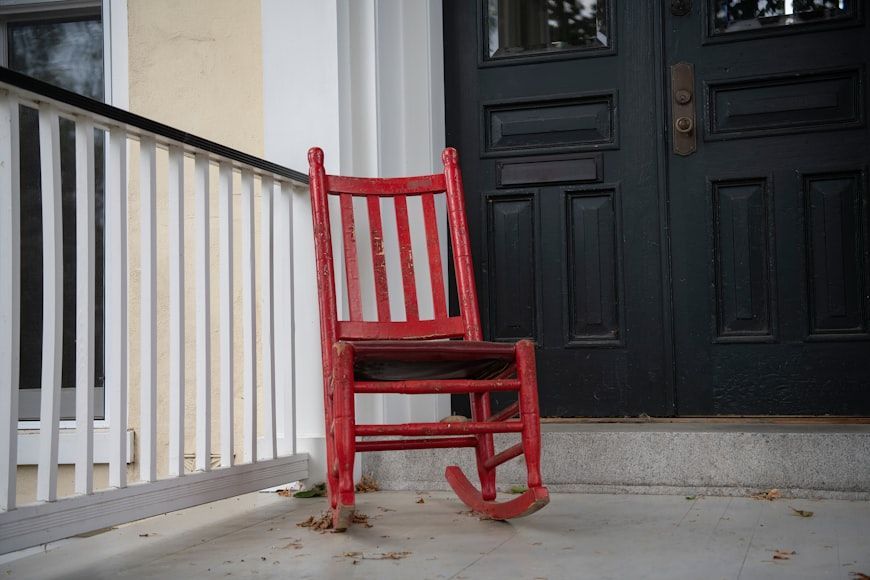
Image: Robin Jonathan Deutsch

Irish and Scottish settlers brought with them a deeply rooted belief: you shouldn’t rock an empty cradle, cause you might wake the spirits. Across the South and the Appalachians, this belief transformed over time and became attached to another object: the rocking chair.

Often placed on porches or near the fire, a rocking chair moving on its own was believed to be occupied by a supernatural being . If someone rocked an empty chair, the spirits might consider this an invitation into the house.

7
The color of the porch

Image: Thomas Park

If you like the look of Southern front porches, you may have noticed that they often feature a pale blue ceiling. The use of haint blue—a collection of pale blue-green shades —is not an aesthetic choice, but a spirit-warding custom stemming from the enslaved Gullah Geechee people.

By painting the ceiling (and sometimes doors, windows, and shutters) blue, spirits might confuse it with the sky and pass through it, or with water, and avoid it. Over time, the tradition of haint blue— haint being an alternative spelling of _haunt_—spread throughout the South.

8
Bananas on a boat

Image: Ian Talmacs

Bananas are a pretty convenient fruit: they’re tasty, nutritious, and come naturally prepackaged. But don’t try saying that to Alaskan fishermen. They’ll tell you that bananas should never be brought on a boat, or no fish will be caught.

There are two possible origins of this belief. Some say the aversion to bananas stems from the old ships that carried this fruit—they sailed as fast as possible to prevent the cargo from spoiling, which disturbed the water and scared away fish. Others say that overripe bananas attract fruit flies and were believed to cause other food to spoil.

9
The tail of the cow
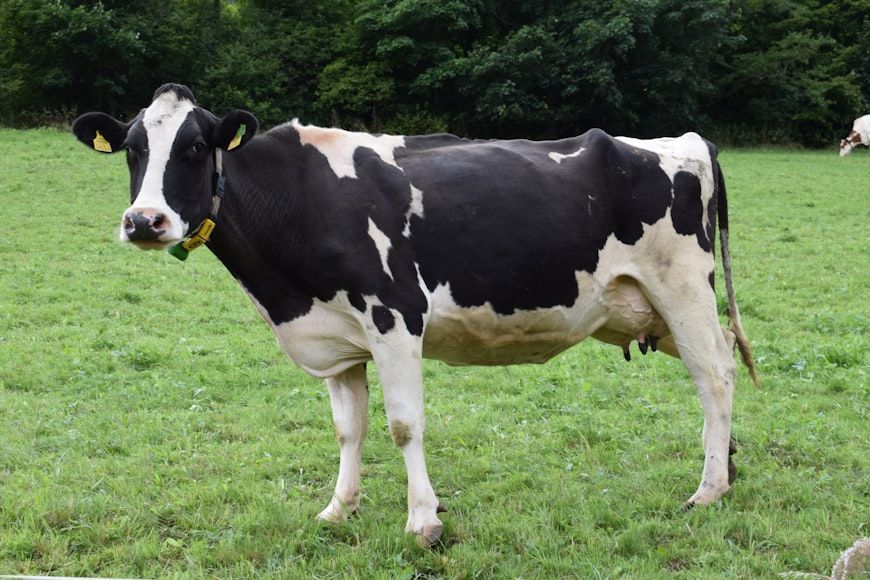
Image: Screenroad

Florida has historically been the state most prone to hurricanes, which has led to the development of superstitions and beliefs around the subject. A common belief involves cows, or more specifically, their tails.

If a cow holds its tail straight up, many Floridians say it means a hurricane is on the way . There are many scientific reasons for cows to hold their tail upright, and none have to do with weather prediction, but as far as we know, Floridians have not been proven wrong yet.

10
Whistling at night
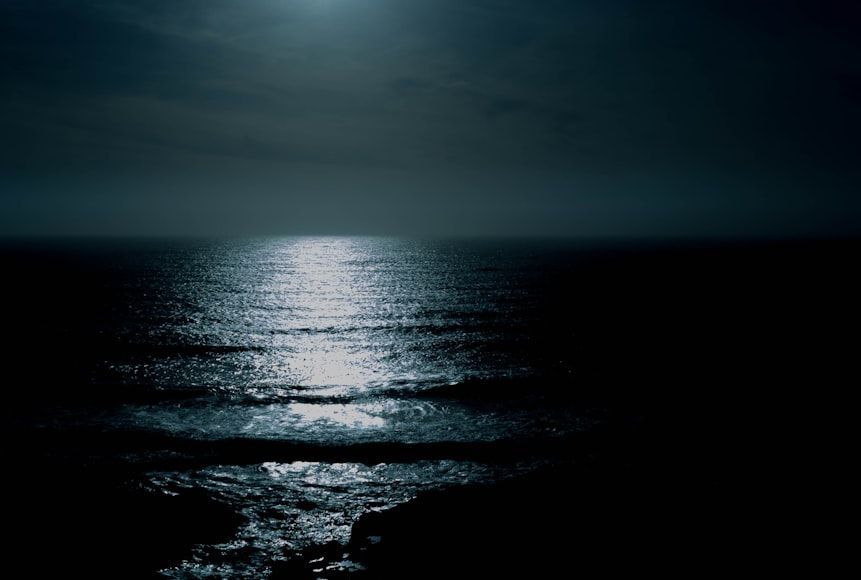
Image: Lukas Robertson

Many cultures across the world refrain from whistling at night to avoid attracting spirits and malevolent beings. For Hawaiians, it is not just any spirit**. A whistle after dark might attract the** Huakaʻi pō or Nightmarchers , the ghosts of ancient Hawaiian warriors.

If you happen to come across them, your only hope is to lie on your stomach and avoid looking at them as a sign of respect. If you are lucky enough to be a descendant of a warrior, they will recognize you and protect you. But just to be on the safe side, it’s best to leave the whistling for daytime.
History History 4 min read

Western stories

Debunking myths and truths about the California Gold Rush

Image: Scottsdale Mint

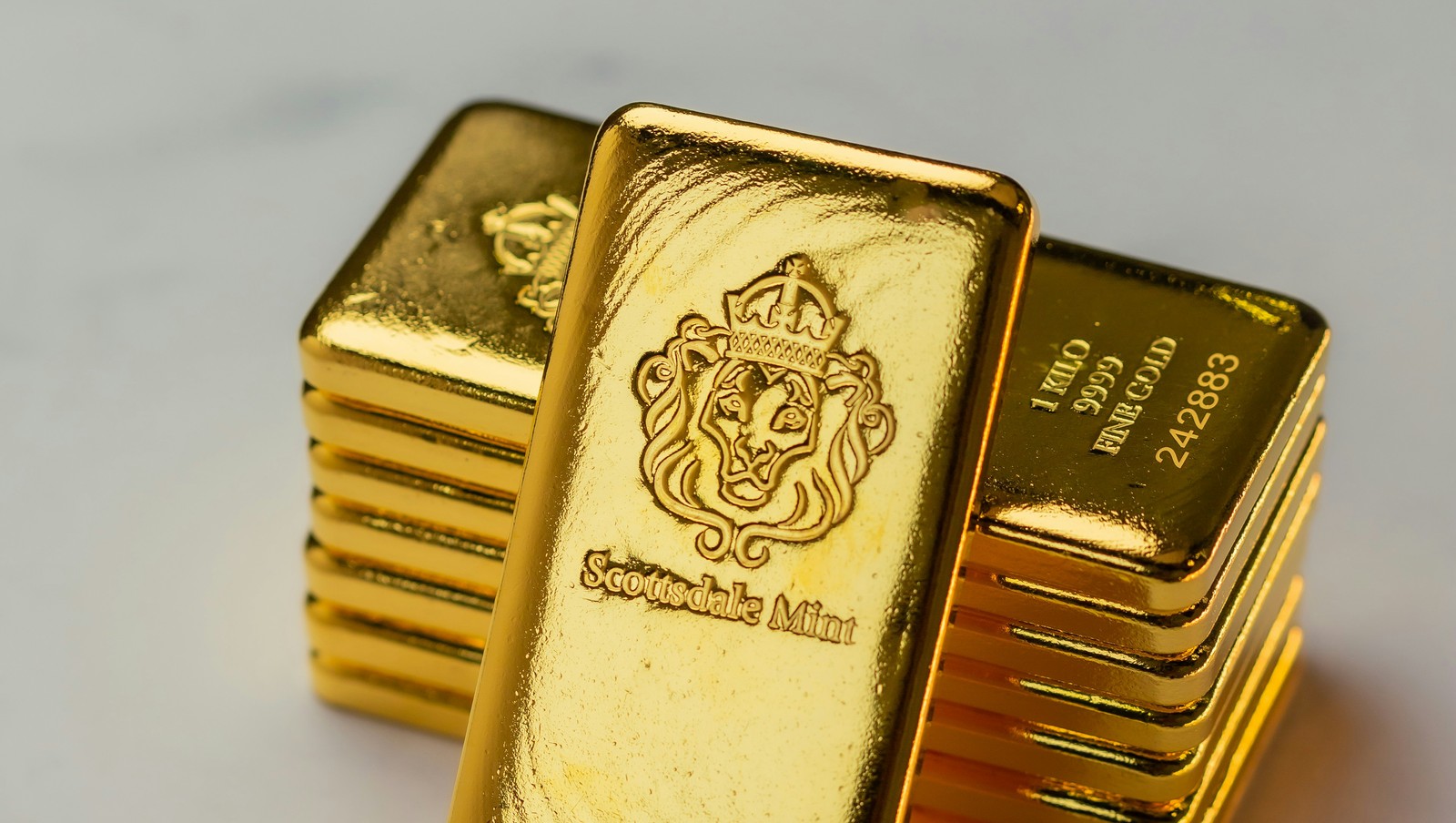
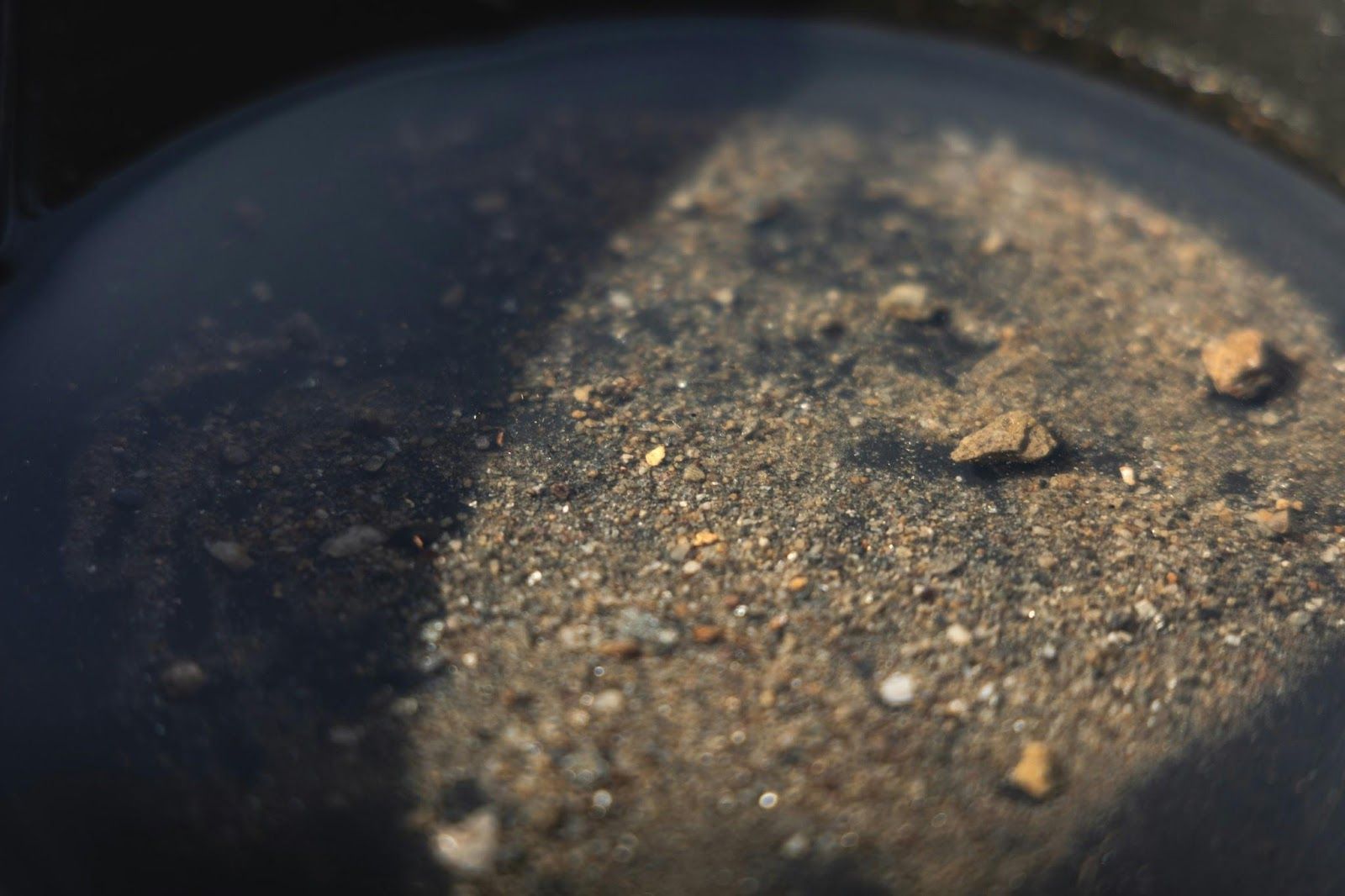
Were the 49ers pioneering winners? Who made the most money over there, in the West? Who wrote the best accounts of lifestyle and stories about the gold fever? If the answers to these questions are a mystery to you, you might enjoy these lesser-known stories about the California Gold Rush!

1
Gold Rush myths bubbled up immediately

Image: Tomáš Malík

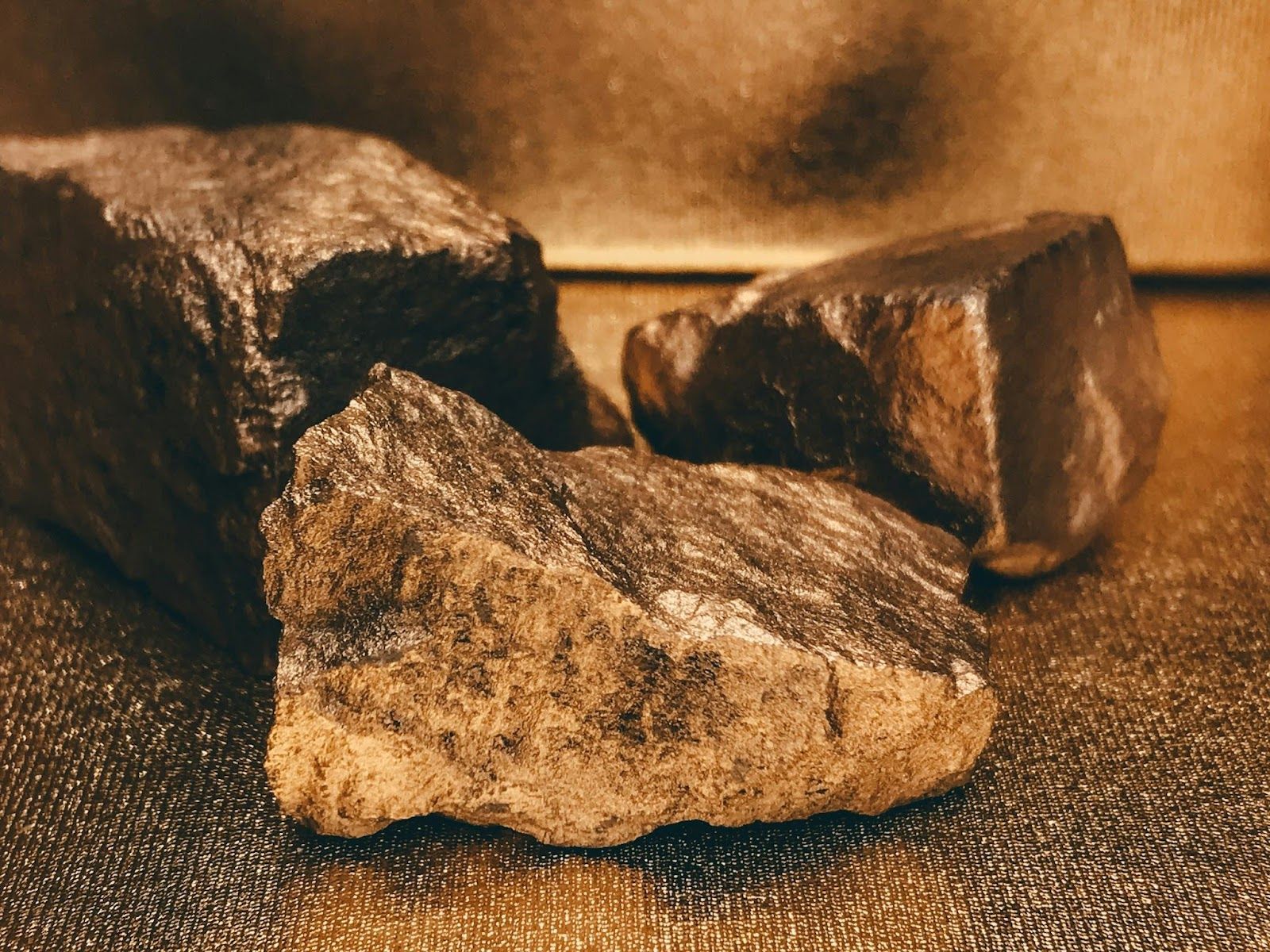
It didn’t take long for the truth to get buried. As soon as gold was discovered, the stories started to shimmer. Tales of instant wealth, golden boulders, and rivers gleaming with nuggets.

Letters home were often exaggerated, and newspapers sensationalized every find. These myths fueled the frenzy and caused proverbial FOMO all over the world. People wanted to see it for themselves.

2
The best Western business wasn’t in fact gold

Image: Stefan Münz

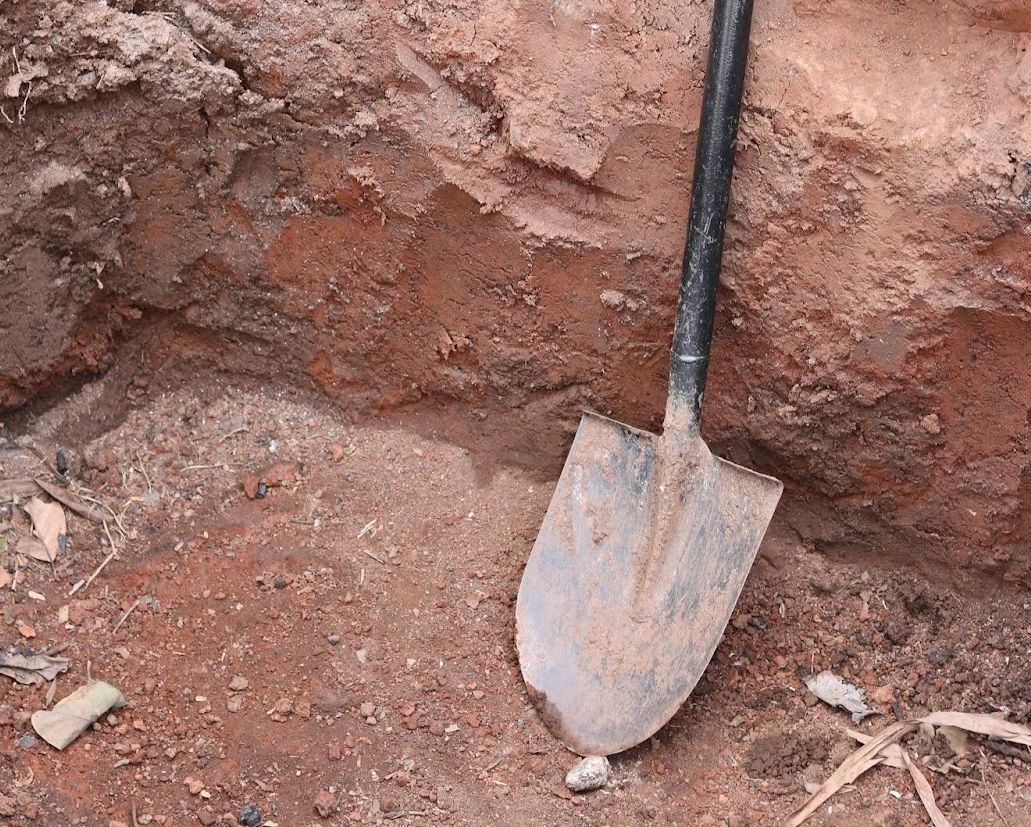
If you wanted to get rich during the gold rush, you had better chances opening a store than mining. That was the golden rule for smart entrepreneurs like Levi Strauss, who didn’t strike it rich in a streambed, but in a sewing room. Another legend, Samuel Brannan, made a fortune selling picks, pans, and shovels —not gold.

3
The "49ers" were actually latecomers

Image: Emilie

The famed "49ers," the nickname for those swept up in the gold frenzy in 1849, weren’t the first on the scene. There’s a plot twist. Gold was discovered in January 1848 at Sutter’s Mill.

But the news spread slowly . By the time the world caught on, most of the easily accessible gold had already been plucked from riverbeds by locals, soldiers, and early arrivals.

4
Thousands came from China and South America

Image: rc.xyz NFT gallery

The Gold Rush was a global stampede . Tens of thousands of Chinese immigrants crossed the Pacific, some bringing generations of mining knowledge with them. Others came from Chile, Peru, and Mexico, arriving in San Francisco to find opportunity.

5
Women were there not just as camp followers

Image: Michael & Diane Weidner

Women were there too, not just as wives, but as businesswomen, cooks, hoteliers, and even miners. Take Luzena Wilson, a widow who hauled her children west and set up a boarding house for miners. Her clean beds and hot meals turned into a booming business.

Others ran laundries, tended bar, or staked their own claims. In a lawless land where survival meant creativity, many women found fortune in hard work.

6
Some came from Hawaii, Russia, and Europe

Image: Trey Hollins

They called them " Argonauts ," a romantic nod to the Greek myth of Jason and his quest for the Golden Fleece. And like the legend, the real Gold Rush was international. Adventurers came not just from the American East, but from as far as Russia’s Pacific coast, the Hawaiian Islands, and every corner of Europe.

7
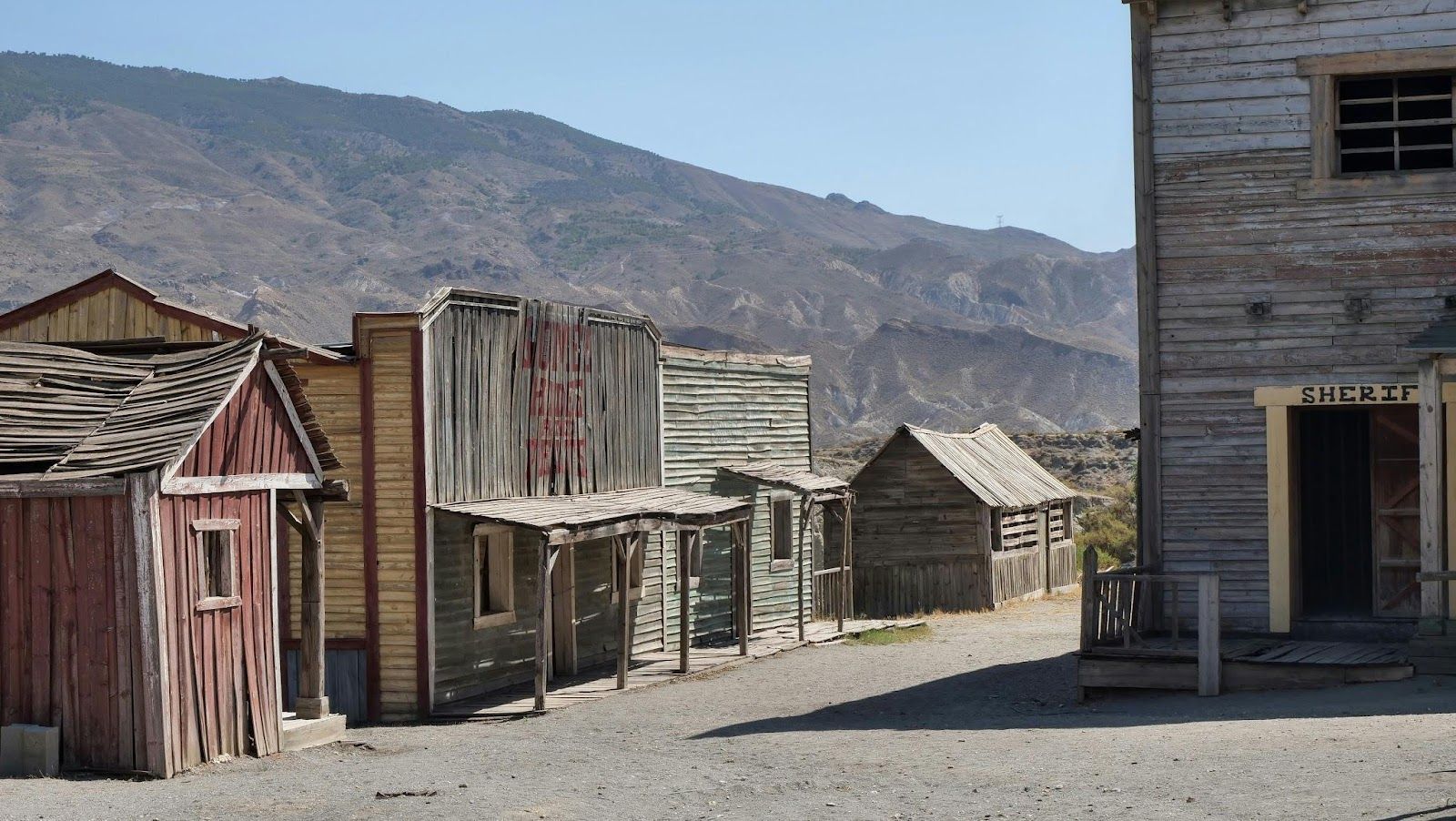
Gold Rush towns became ghost towns

Image: Stefan Münz

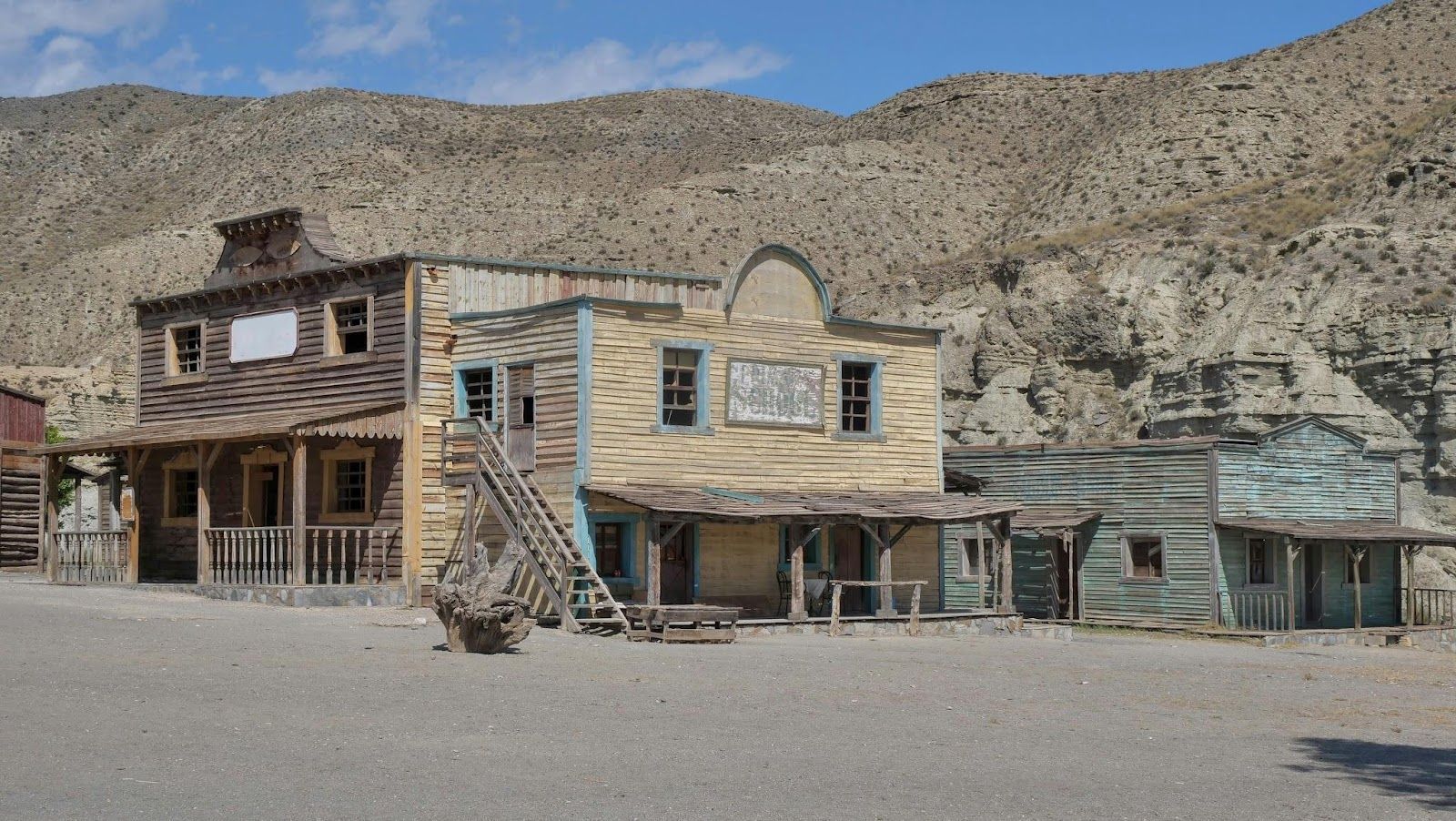
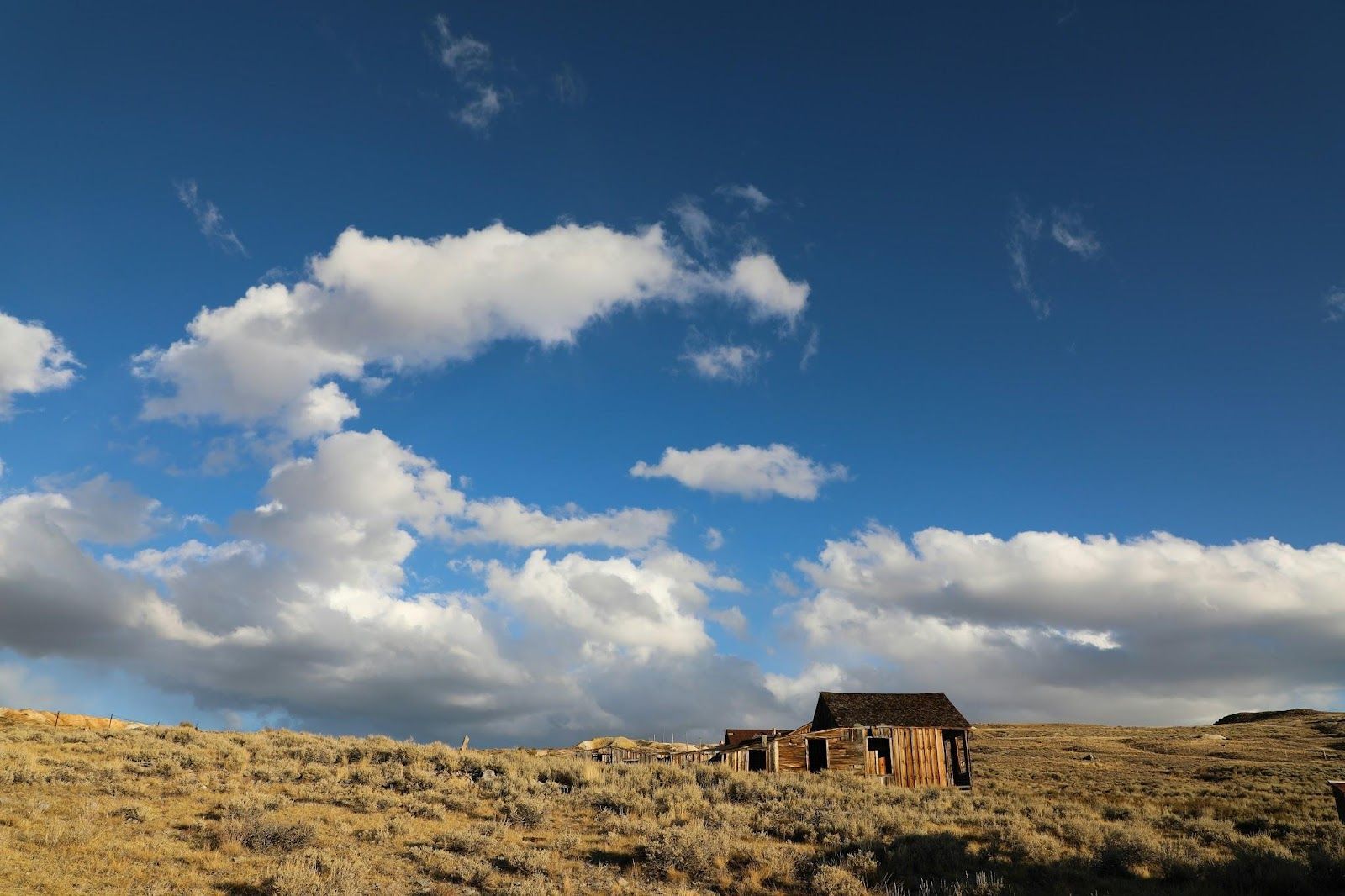
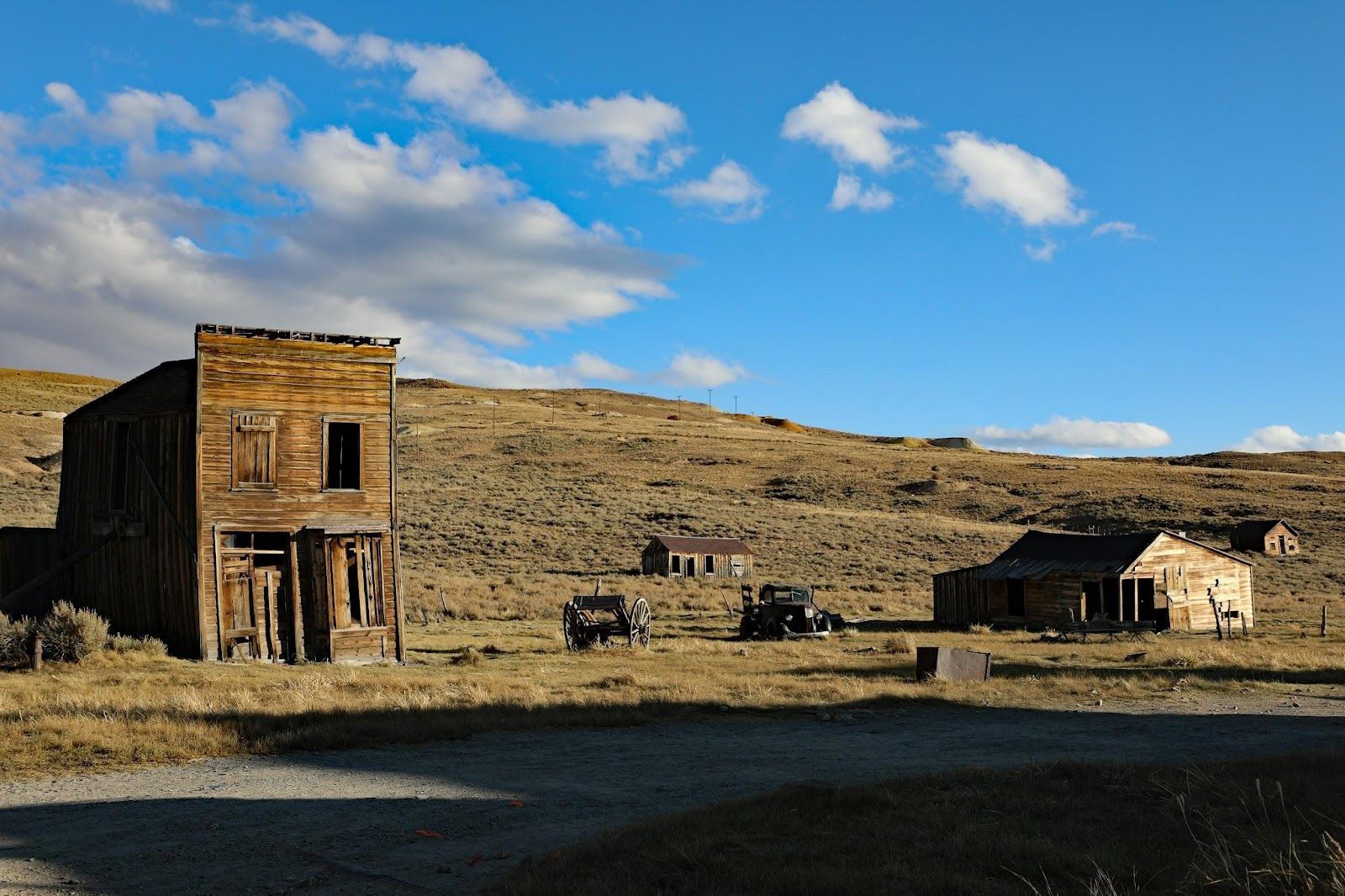
Take Bodie, for example. A lawless hotspot where saloons outnumbered schools. At its peak, it had over 10,000 residents. A few decades later, it was all tumbleweeds and creaky wood .

Once the gold ran out, so did the people. Tools were abandoned and whole towns vanished almost overnight, leaving behind eerie remnants.

8
The "Gold Fever" spread worldwide

Image: suradeach saetang

Once word of gold reached distant shores, "gold fever" spread around the world . Australia had its own rush by 1851. The Klondike in Canada followed in the 1890s, and South Africa’s rich deposits turned Johannesburg into a boomtown in the 1880s.

Prospectors chased hope, not just gold. Each new report of found gold sparked a fresh migration, with fortune-seekers packing up and heading to the hot spots.

9
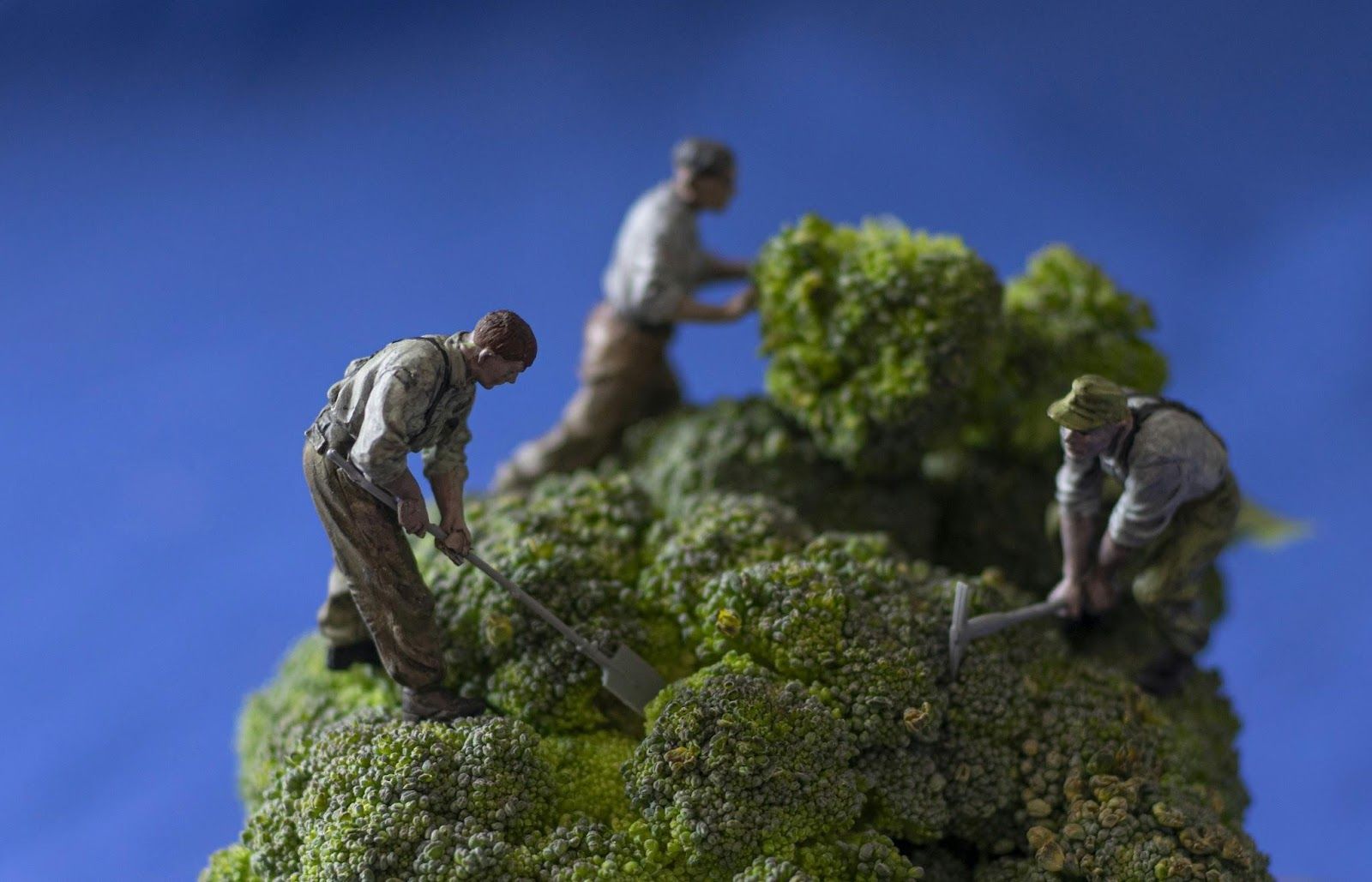
Gold mining required team effort

Image: Elena Mozhvilo

Forget the image of the lone prospector whistling by the river . That only worked for a short time.

As surface gold dried up, miners turned to hard labor, which involved blasting rock, diverting rivers, and eventually using powerful water cannons in a process called hydraulic mining. It was expensive. Teams of men pooled resources, hired help, and invested in equipment.

10
Many "Gold Seekers" never even made it to California

Image: James Lee

Getting to California in the 1840s was no stroll through the prairie. Hundreds of the hopefuls who set out never arrived. Some perished on the overland trails due to disease, accidents, or exhaustion.

The sea route around Cape Horn was no solution; it was just longer and colder. Some turned back. Others settled in Oregon or Utah. A few found fortune far from the gold fields.

11
The "Gold Rush" fueled California's statehood

Image: Emre Ayata

In 1848, California was a sleepy outpost with little U.S. oversight. By 1850, it had boomed into a booming, brawling land with more than enough people.

The rush had brought merchants, farmers, lawyers, and politicians. With them came the push for schools, railroads, and laws. California skipped the usual phase of being a U.S. territory and leapfrogged straight into statehood.

12
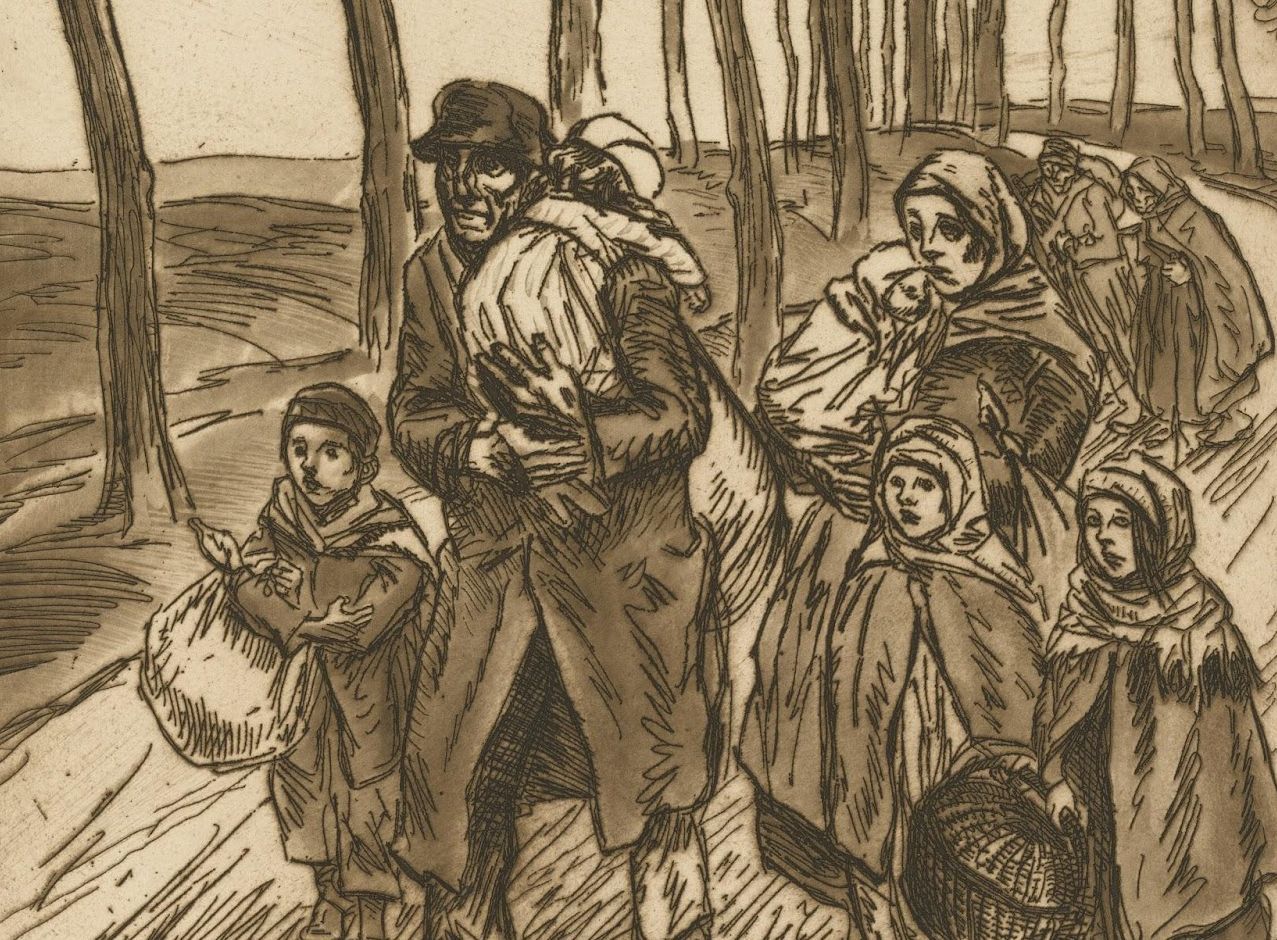
Women and children wrote some of the best eyewitness accounts

Image: The Cleveland Museum of Art

Some of the most vivid details of this era came from women and children who chronicled the chaos . Their letters and diaries tell of lonely cabins, muddy streets, makeshift schools, and the daily drama of camp life.

Women like Louise Clappe (aka "Dame Shirley") wrote witty, unfiltered dispatches from the Sierra Nevada. Young girls described the thrill of arriving in San Francisco and the terror of crossing the plains.

13
The Gold Rush didn't end in 1850

Image: Michael & Diane Weidner

By the time most folks arrived, the easy pickings were gone, and the story was just getting started.

The gold fever didn’t vanish in a year. Prospecting surged well into the 1850s and beyond. Some of the biggest strikes, like Nevada’s Comstock Lode in 1859, came after the main rush was supposedly over. By then, mining had evolved into an industrial enterprise, with machinery, corporations, and deeper digs.

History History 3 min read

Weird science

Prepare to be shocked: 10 bizarre scientific experiments from history

Image: PublicDomainPictures

While the very nature of experimentation involves doing things that have never been done before, some of these investigations are strange even within that context. Take a look at these 10 downright odd studies performed in the name of science, and you may be surprised more than once. Did you know about any of these?

1
The spacesuit satellite

Image: Sieuwert Otterloo

Shoving an astronaut suit out of an airlock and into space might seem like a scene from a movie, but it really happened. In 2003, an empty spacesuit was thrown into space , nicknamed Ivan Ivanovitch (or Mr. Smith), stuffed with old clothes and a radio transmitter .

The idea was that old spacesuits could be used as satellites. SuitSat-1, as it was named, went on to spend several months in silent orbit before entering Earth's atmosphere and burning up on September 7, 2006.

2
The "invisible" gorilla

Image: Mike Arney

In this strange psychological experiment, researchers asked participants to watch a video of people passing a basketball and count how many passes were made. The catch was that, during the video, a person in a gorilla suit walked into the frame, stopped to pound its chest, and then walked out.

The study revealed a curious phenomenon known as "inattentional blindness": people were so focused on counting the passes that they failed to notice the gorilla .

3
Space spiders

Image: Vidar Nordli-Mathisen

In 2011, scientists sent two golden silk orb-weaver spiders on a 45-day trip aboard the ISS. They were kept in an adequate habitat, and both spiders adapted beautifully, continuing to spin their webs and hunt for food.

But not everything was normal. In microgravity, the spiders spun their webs differently —flatter and rounder—compared to the more three-dimensional, asymmetrical structures that orb-weavers spin on Earth.

4
Bitter fingernails

Image: Nick Karvounis

In 1942, a professor conducted an experiment with boys who had been diagnosed as chronic nail-biters. He used a phonograph with the recorded message " My fingernails taste bitter ," playing it over and over at night in the room where the boys slept.

At the end of the summer, the professor examined the boys' nails and concluded that 40% of them had kicked the habit.

5
Syrup swimming

Image: Arwin Neil Baichoo

In 2004, sixteen people with varying swimming skills swam in both a regular pool and a pool of guar syrup , which is twice as thick as water, for an experiment conducted by the University of Minnesota. The differences in their recorded times were negligible.

6
Bearcats and popcorn

Image: Corina Rainer

People encountering bearcats have noted that these animals smell like movie theater popcorn. A non-profit organization tested the bearcat's urine , and the results showed the presence of a chemical compound called 2-acetyl-1-pyrroline.

As it turns out, this is the same compound that gives popcorn its signature smell .

7
The 28-hour day

Image: Ocean Ng

Hoping to find out whether the 24-hour sleep-wake human rhythm was merely a habit, two scientists spent 32 days in a cave to avoid any external reference to day and night.

They tried out a 28-hour day, sleeping for 9 hours, working for 10 hours, and having 9 hours of leisure time . The younger scientist adapted within the first week, while the older one failed to adapt.

8
The fake doctor

Image: Hunters Race

A fake doctor delivered a lecture in 1970 to a crowd of assembled experts titled "Mathematical Game Theory as Applied to Physician Education." His performance impressed the audience so much that nobody noticed he was an actor who didn’t know anything about game theory.

The researchers behind the experiment wanted to find out if a great delivery technique could fool a group of experts—and it did.

9
The electric kite

Image: Brett Wharton

The most famous experiment on our list is also one of the strangest. In 1752, Benjamin Franklin flew a kite in a thunderstorm to demonstrate the electrical nature of lightning .

While many believe otherwise, no lightning hit the kite. Instead, ambient electrical charge moved through the hemp wire, and when Franklin touched the key attached to the wire, he felt a spark, thus proving the existence of such electricity.

10
Moon trees

Image: David Dibert

As we've learned, Americans like taking things to outer space and then bringing them right back. The Apollo 14 mission carried hundreds of tree seeds into space . These "moon trees" were then planted across the country by the US Forest Service.

Unsurprisingly, the trees grew just like any other tree of the same species.

Explore more American facts

Choose your favorite category!

General
General

As American as apple pie—the very best America has to offer!

Culture
Culture

Delve into the astounding richness of American lore.

Geography
Geography

Hop in and explore vast and diverse American landscapes.

History
History

Discover the key moments that shaped the United States.