Culture Culture 9 min read

Real connections

Some of these mafia movie scenes weren't fiction at all
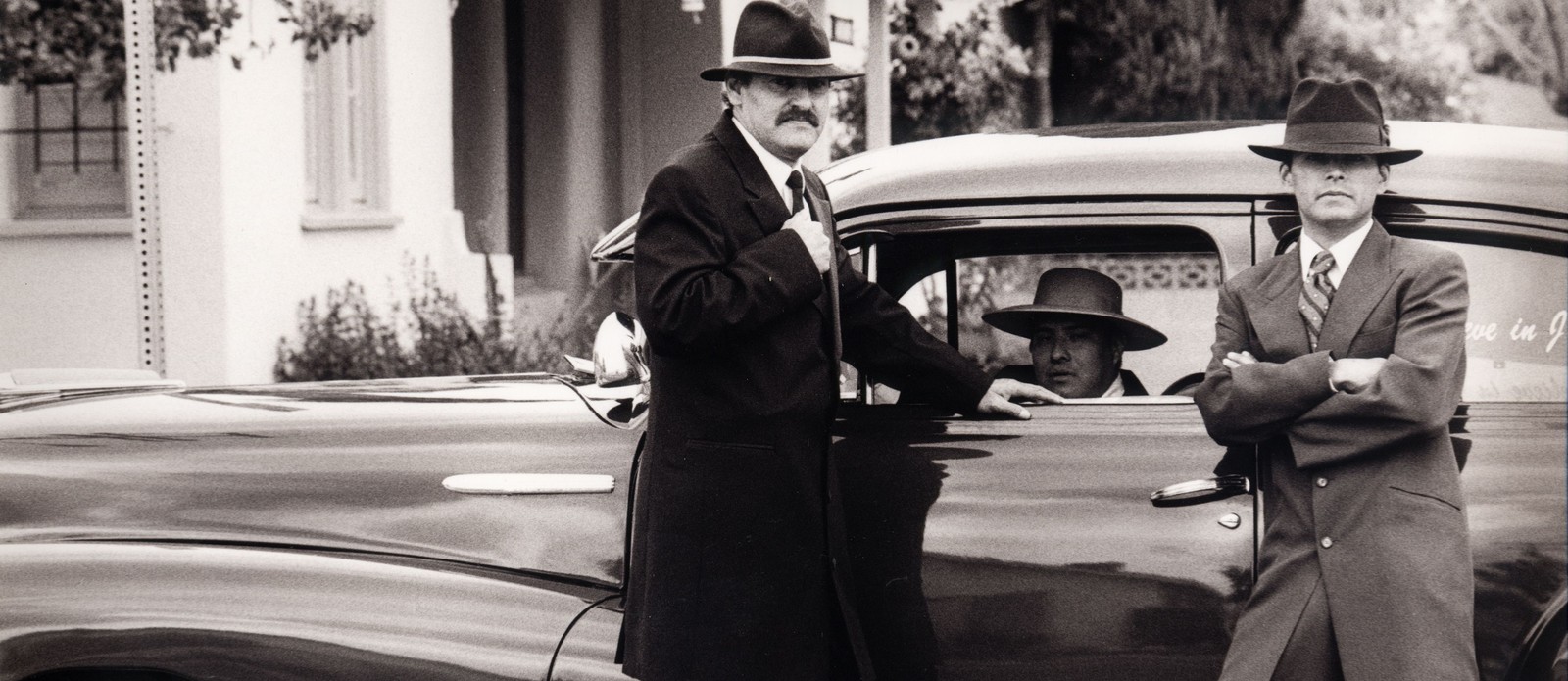
Image: Katherine Bowers

Mafia movies and TV shows have given us some of the most memorable characters in pop culture: powerful bosses like Vito Corleone, undercover agents, bootleggers, gamblers, and families such as The Sopranos caught between loyalty and betrayal. But many of these stories didn't come entirely from Hollywood's imagination. Behind the fictional characters are real mobsters, organized-crime families, and historic events. Sometimes filmmakers stayed remarkably close to the facts; other times, they took extreme creative license. Let's look at the true stories behind some of the most famous Mafia movies and TV shows.

1
The Godfather: A fictional family with real mafia influences
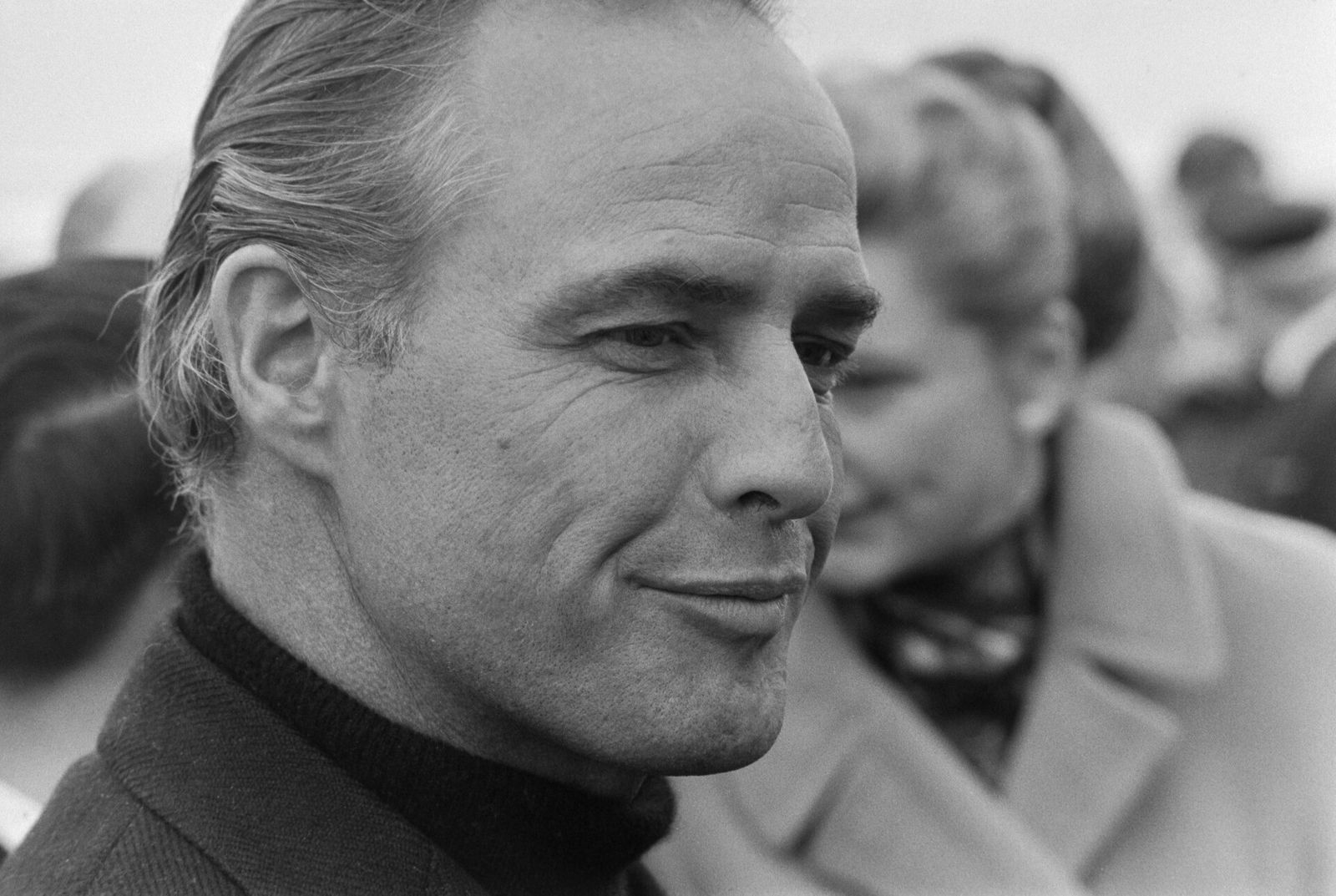
Image: Urpo Rouhiainen, CC BY 4.0, via Wikimedia Commons

The Corleone family may be fictional, but author Mario Puzo drew inspiration from several real Mafia figures and traditions . Vito Corleone (Marlon Brando), for example, has similarities to New York crime boss Frank Costello, who was known for his political connections and influence. Vito's olive-oil business also recalls real mobster Joe Profaci, who built a legitimate olive-oil business alongside his criminal activities.

One of the movie's most memorable scenes also has a real-life parallel. When Michael Corleone (Al Pacino) goes to a restaurant and secretly retrieves a gun from the bathroom before killing Sollozzo and McCluskey, the setup echoes the 1931 murder of mob boss Joe Masseria. Masseria was having lunch at a Coney Island restaurant with Lucky Luciano when Luciano briefly left the table; gunmen then entered and killed Masseria. Michael's assassination, however, is fictional, and Puzo and director Francis Ford Coppola combined real Mafia history with an invented Corleone family.

2
Goodfellas: The real life of Henry Hill
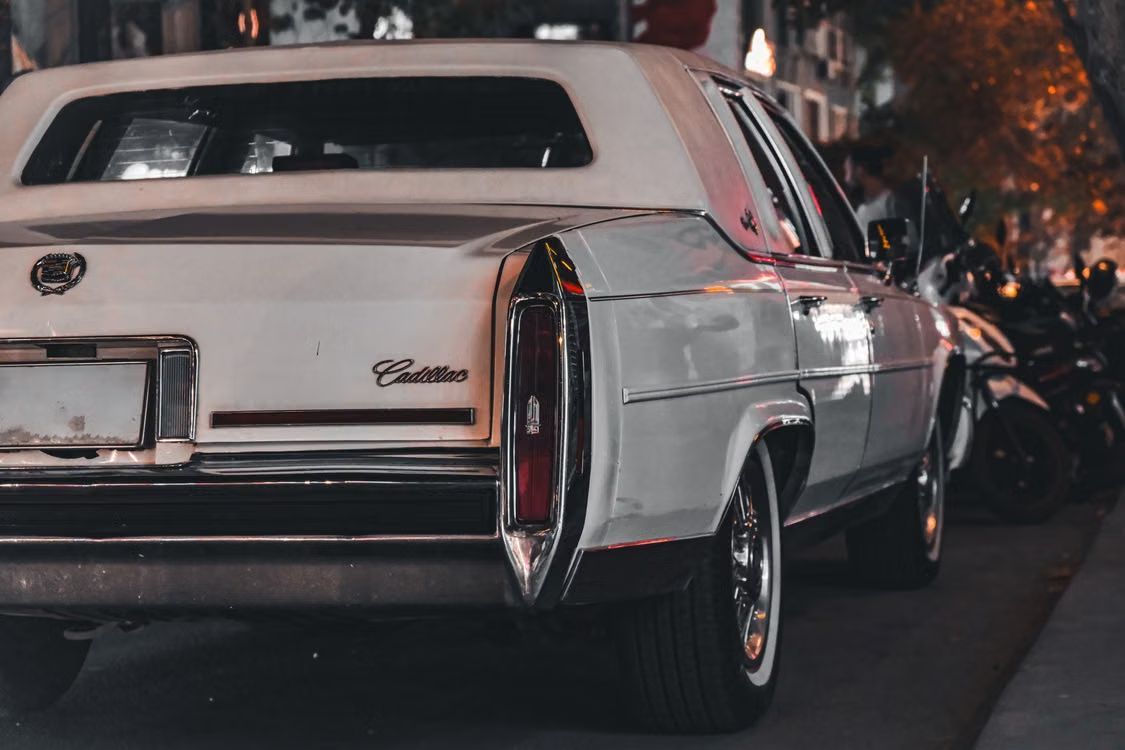
Image: Emre Gokceoglu

Unlike many Mafia movies, Goodfellas is closely tied to one man's actual experiences. The 1990 film by Martin Scorsese is based on Nicholas Pileggi's book Wiseguy , which tells the story of Henry Hill (played by Ray Liotta) and his life inside New York's Lucchese crime family. One of the movie's biggest events, the 1978 Lufthansa heist at JFK Airport, really happened: gangsters stole millions of dollars in cash and jewelry from the airline's cargo terminal.

The movie also recreates the real-life 1970 murder of William Bentvena, known as Billy Batts, who was beaten after insulting Thomas DeSimone. Even Henry Hill's drug arrest and the chaotic day depicted in the film, including his paranoia and the helicopter following him, were based on his real accounts.

3
American Gangster: The rise of Frank Lucas
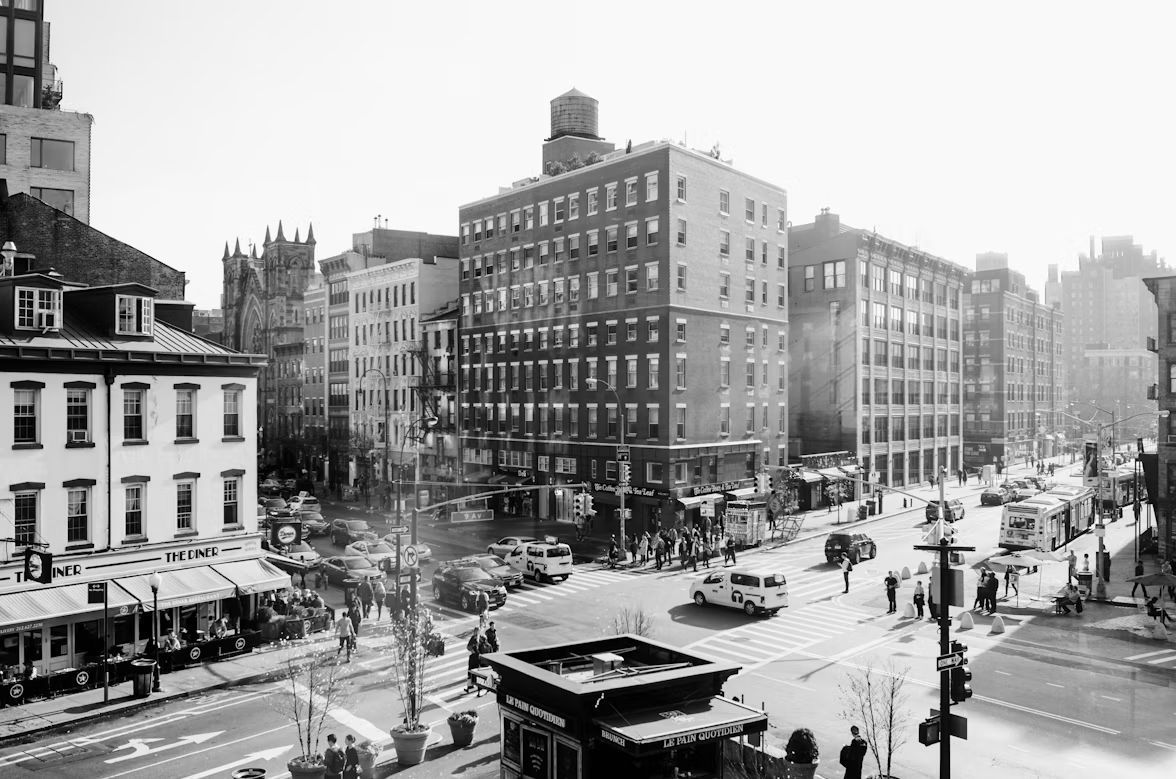
Image: Matteo Modica

American Gangster (2007) follows Frank Lucas, a Harlem drug trafficker who became one of the most powerful figures in New York's heroin trade during the 1960s and '70s. Denzel Washington's portrayal presents Lucas as a disciplined, businessman-like criminal who built his operation largely outside the traditional Mafia structure. Lucas really did build a heroin operation in Harlem under the name "Blue Magic." He also traveled to Southeast Asia to establish direct connections with heroin suppliers, cutting out intermediaries.

Richie Roberts, played by Russell Crowe, was a real New Jersey detective who investigated Lucas, and he later cooperated with authorities by providing information about corrupt police officers. However, the famous Vietnam coffin scene was not real, and the movie also fictionalized Bumpy Johnson's death and romanticized Lucas's family life.

4
Casino: When Las Vegas was run by the mob

Image: Volker Thimm

The glamorous Las Vegas of Martin Scorsese’s Casino (1995) has a very real history behind it. The film was based on Nicholas Pileggi's nonfiction book Casino: Love and Honor in Las Vegas . Robert De Niro's Sam ‘’Ace’’ Rothstein was based on casino executive Frank ‘’Lefty’’ Rosenthal, while Joe Pesci's Nicky Santoro was inspired by Chicago mobster Anthony Spilotro.

Several details shown in the movie really happened . Rosenthal survived a car bombing in Las Vegas in 1982, and the attack with a pen was inspired by a real incident involving Spilotro. Ace's appearances before Nevada gaming officials, accompanied by his real attorney Oscar Goodman, were also based on actual events. Rosenthal did oversee the Stardust and other casinos for the Chicago Outfit, where the mob secretly skimmed casino revenue. Spilotro really operated in Las Vegas as the Outfit's enforcer and ran the "Hole in the Wall" Gang.

5
The Sopranos: New Jersey's mob culture comes to TV
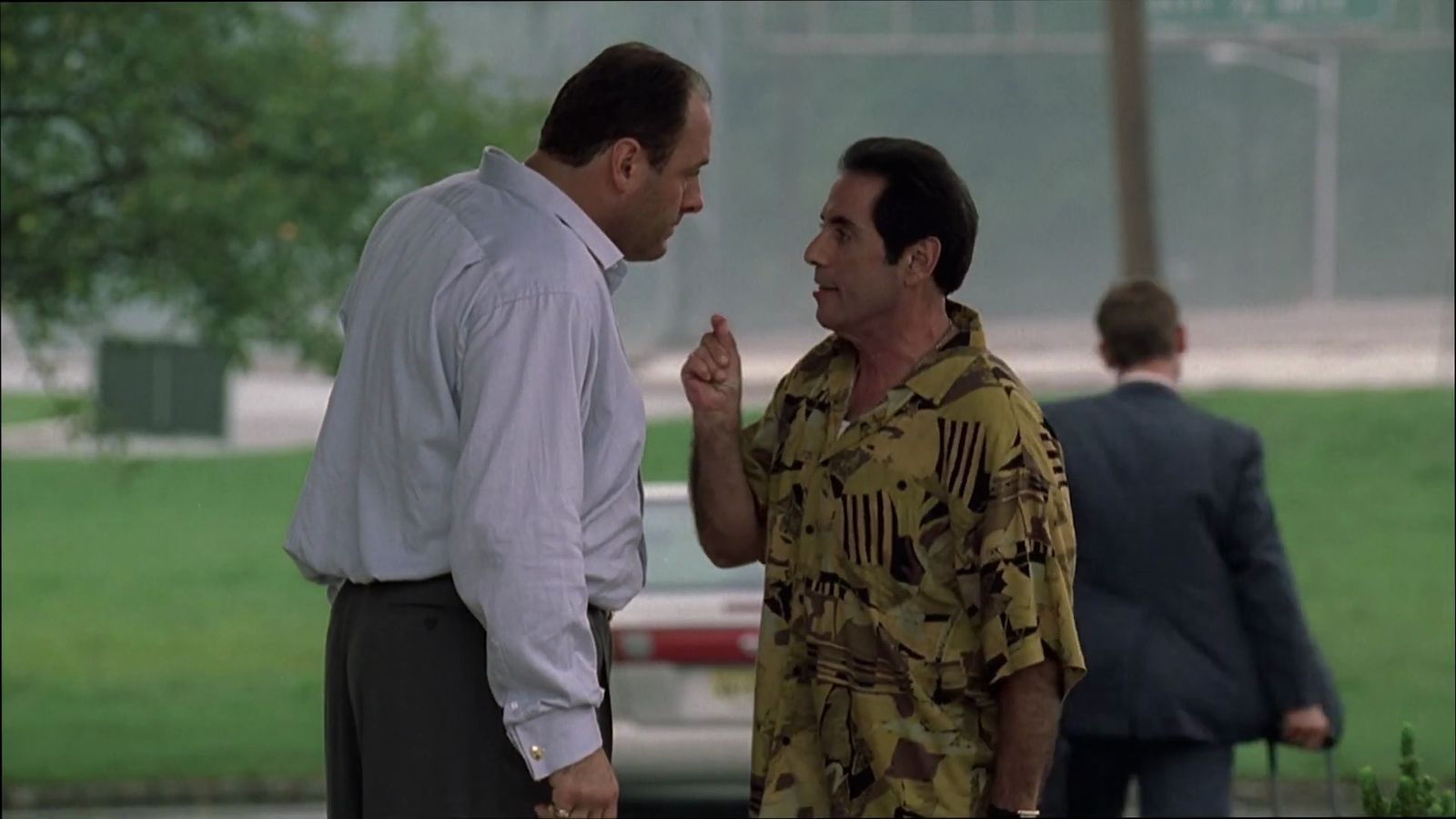
Image: HBO, CC BY 3.0, via Wikimedia Commons

Tony Soprano (James Gandolfini) and his crew were fictional, but The Sopranos (which aired on HBO from 1999 to 2007) drew heavily from the real organized-crime culture of New Jersey and New York. Creator David Chase grew up in New Jersey and was familiar with the presence of Mafia stories and figures in the region. Tony was sometimes compared to real mobster Vincent "Vinny Ocean" Palermo, although he was not based directly on him.

The show's realism went further . FBI wiretaps captured real mobsters discussing how accurately the series portrayed Mafia life. Tony Sirico, who played Paulie Walnuts, had also been involved with the Colombo crime family in his youth and agreed to take the role on the condition that Paulie would never become an informant. Livia Soprano (Nancy Marchand) was based on David Chase's own mother, while locations such as the Bada Bing and Satriale's were real New Jersey establishments used for filming.

6
The Untouchables: Eliot Ness vs. Al Capone
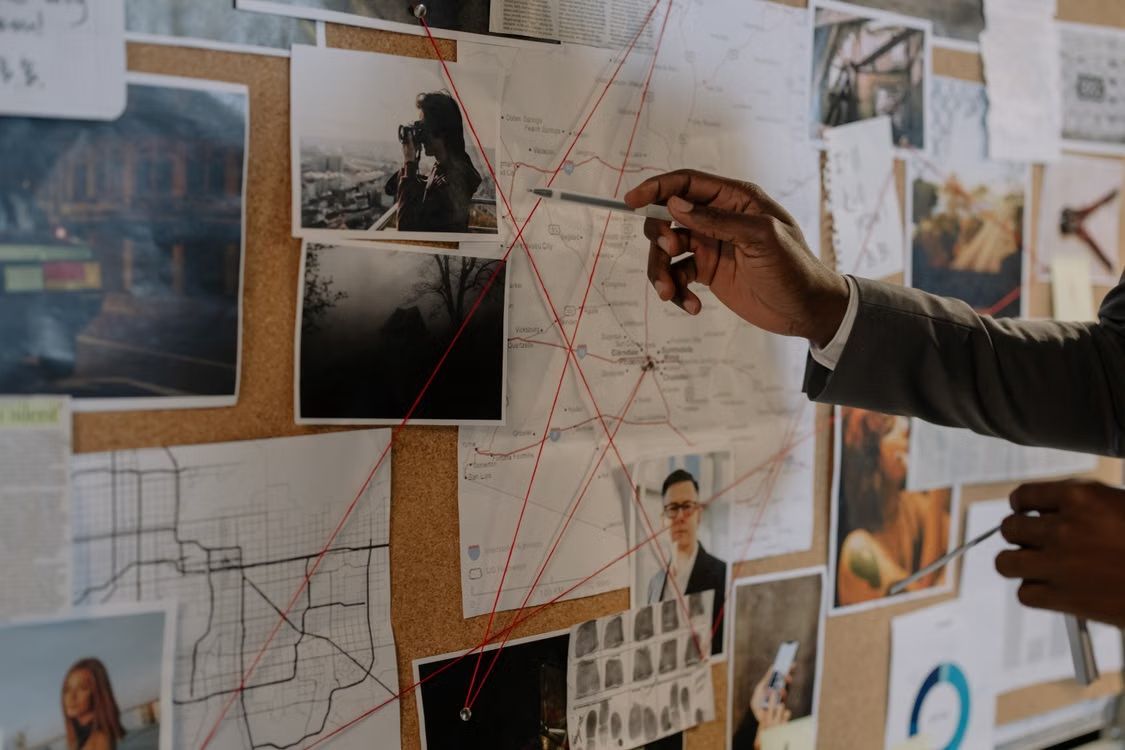
Image: cottonbro studio

During Prohibition, Al Capone became one of America's most notorious gangsters, while federal agent Eliot Ness (played by Kevin Costner) became famous for helping pursue him. Ness really did lead the "Untouchables," a team targeting Capone's illegal operations in Chicago. The 1987 film's baseball-bat scene also has a real-life basis: Capone (played by Robert DeNiro) reportedly had two suspected traitors, Albert Anselmi and John Scalise, brutally beaten at a dinner.

But many memorable moments are Hollywood inventions. The train-station shootout, courthouse shootout, and Canadian border raid never happened, and Ness never killed gangster Frank Nitti. Capone's eventual conviction for tax evasion was real, but the case was largely driven by the U.S. Attorney's Office and Treasury investigators rather than Ness's team.

7
Donnie Brasco: The undercover agent who really went inside
Image: David Kouakou

Donnie Brasco (1997) is based on one of the most remarkable undercover operations in FBI history. Agent Joseph Pistone really spent six years undercover as "Donnie Brasco," infiltrating the Bonanno crime family beginning in 1976. He gained the trust of mobsters who believed he was a small-time jewel thief and was even on the verge of being formally inducted into the Mafia when his true identity was discovered.

The movie's characters also have real counterparts. Johnny Depp plays Pistone, while Al Pacino's Lefty Ruggiero was a real Bonanno mobster who became one of the agent's closest Mafia contacts. The film changes and condenses some events, but the central relationship between Pistone and Ruggiero, and the danger of Pistone being exposed, was based on an actual six-year FBI operation.

8
Scarface: Tony Montana has a real predecessor
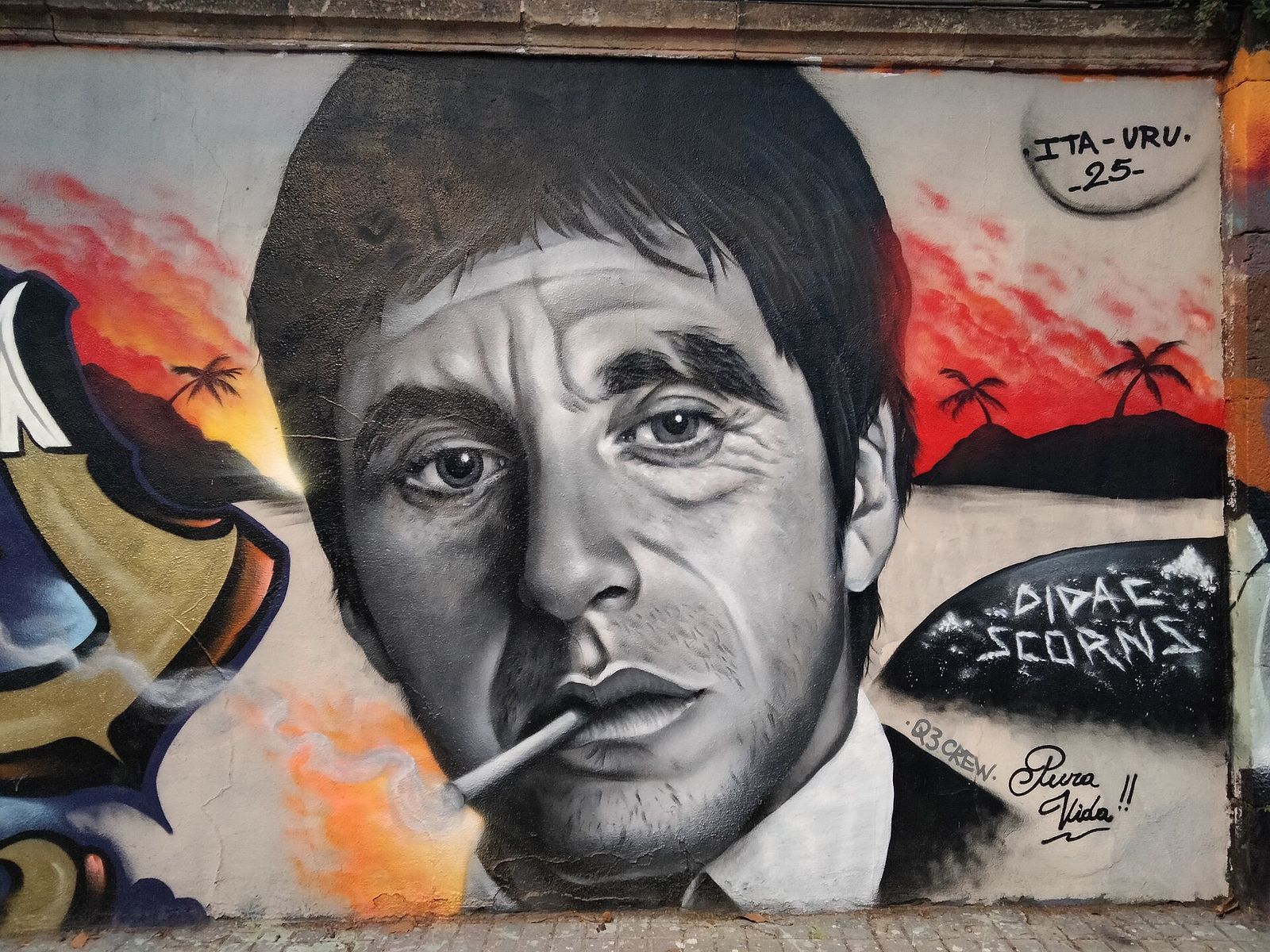
Image: Enric, CC BY 4.0, via Wikimedia Commons

Tony Montana, the cocaine-fueled gangster played by Al Pacino, is fictional. But Scarface has deep roots in real organized crime. The 1983 Brian De Palma film was a very loose remake of the 1932 Scarface , directed by Howard Hawks, which was inspired by Prohibition-era Chicago gangster Al Capone . Capone was famously nicknamed "Scarface" because of the scars on his face, and his life as a Chicago gangster helped inspire the original film.

The 1983 movie moved the story from Prohibition-era Chicago to 1980s Miami, transforming its main character into a Cuban immigrant who rises through the cocaine trade. The Miami setting was tied to the real Mariel boatlift of 1980, when more than 100,000 Cubans arrived in the United States.

9
The Irishman: A mobster's claims about Jimmy Hoffa

Image: Arturo Añez.

The Irishman is based largely on Frank Sheeran's claims about his connections to organized crime and the disappearance of Teamsters leader Jimmy Hoffa. Robert De Niro plays Sheeran, while Al Pacino portrays Hoffa in Martin Scorsese's 2019 film. Sheeran's close relationship with Hoffa and his loyalty to crime boss Russell Bufalino reflect their real-life connections. The 1975 Detroit wedding shown in the film, including the long car trip and gathering of mobsters and union leaders, was also based on a real event.

The film also recreates Sheeran's confrontation with a store owner who had mistreated his daughter Peggy, an incident that contributed to their lasting estrangement. The movie's central claim, that Sheeran killed Hoffa on Mafia orders, comes from Sheeran's own account to writer Charles Brandt, whose book I Heard You Paint Houses inspired the film. However, Sheeran's confession remains disputed, so Hoffa's disappearance is a fact, while Sheeran's role in it has never been established.

10
Bugsy: The man who saw Las Vegas differently
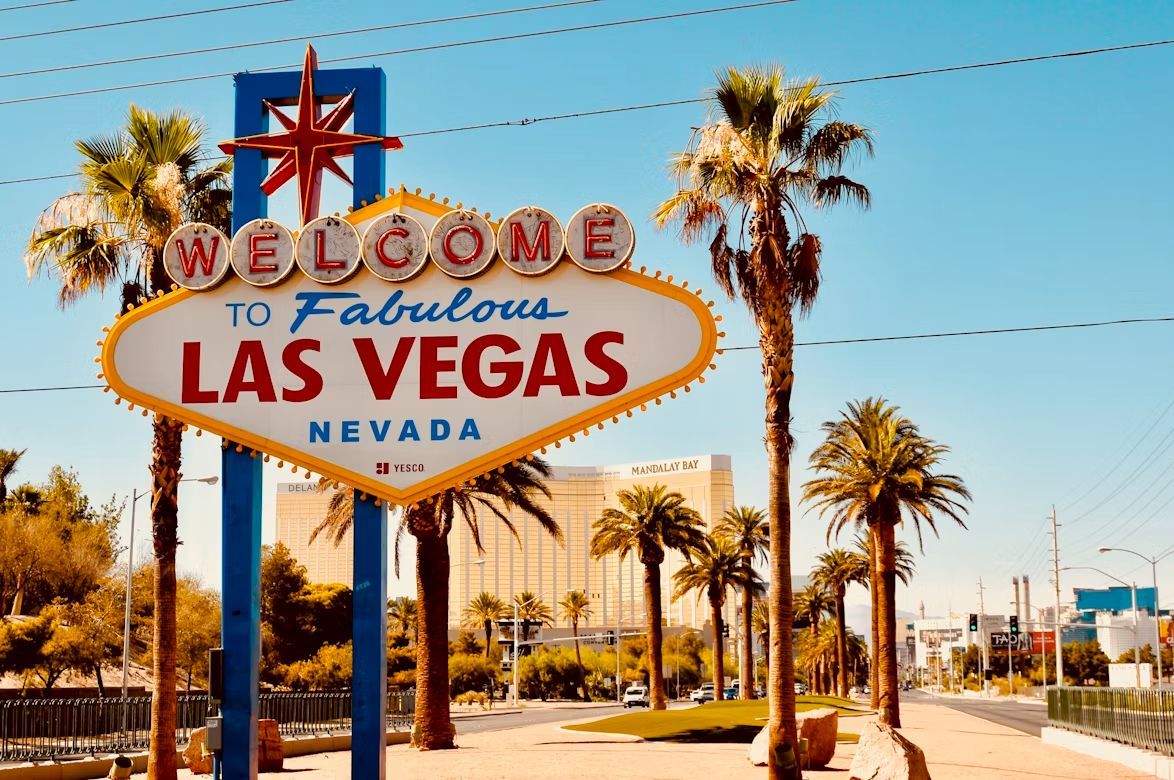
Image: Grant Cai

Benjamin "Bugsy" Siegel was a real gangster whose name became closely connected with the early history of Las Vegas . In the 1991 movie directed by Barry Levinson, Warren Beatty plays Siegel as he pursues his vision of building the Flamingo, a luxury hotel and casino in the Nevada desert. The real Flamingo opened in 1946, and Siegel was involved in the project before he was murdered in Beverly Hills in June 1947.

The film also features Siegel's real relationship with Virginia Hill, played by Annette Bening, and his connections to Meyer Lansky. Those people and relationships had real foundations, but the movie romanticizes and dramatizes parts of Siegel's personal life . Even the story behind the name "Flamingo" is disputed: one version connects it to Hill, while another traces it to Siegel's interest in the flamingos at Florida's Hialeah Park.

11
Black Mass: The dark story of Whitey Bulger
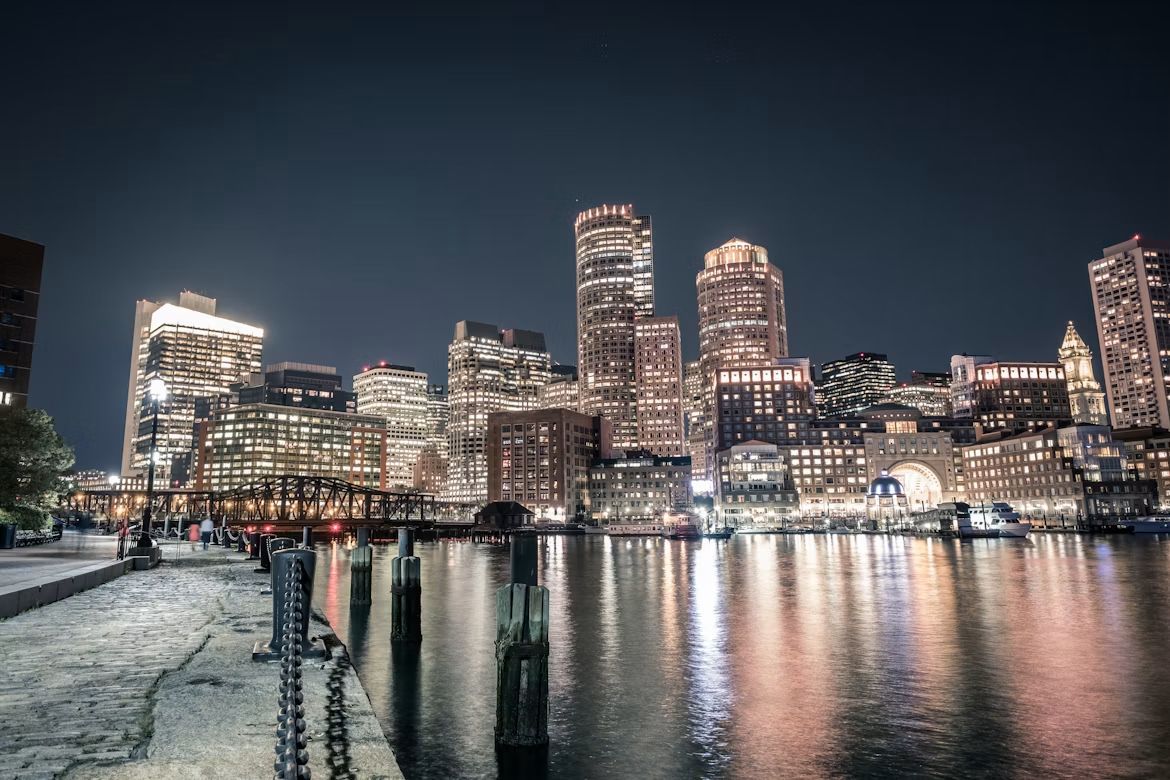
Image: Lance Anderson

The 2015 film Black Mass is based on the real story of Boston gangster James "Whitey" Bulger (played by Johnny Depp). His childhood friendship with FBI agent John Connolly (Joel Edgerton) was real, and their relationship eventually led to a deal in which Bulger provided information about the Italian Mafia in exchange for protection and immunity from prosecution. The film also recreates real events in Boston, including the murder of Brian Halloran, who was shot in broad daylight after leaving a restaurant.

Not everything happened exactly as shown . The murder of John Callahan, for example, was moved to a nightclub in Florida for the film; in reality, Callahan was killed inside a car in an airport parking lot. Kevin Bacon's FBI supervisor, Charles McGuire, was also a fictional composite rather than a real person, created to represent several FBI officials from that period.

12
Boardwalk Empire: Prohibition, politics, and real gangsters
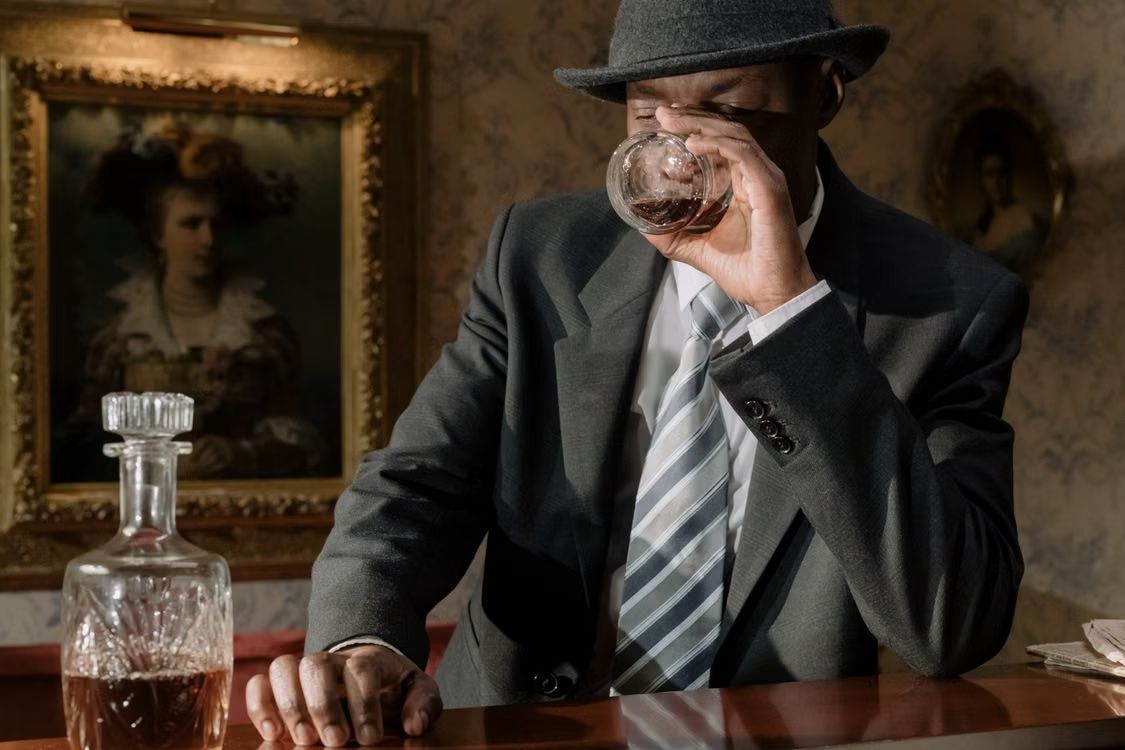
Image: cottonbro studio

The HBO series Boardwalk Empire, which aired from 2010 to 2014, takes viewers back to Prohibition-era Atlantic City, when bootlegging, gambling, politics, and organized crime could overlap. The show's central character, Nucky Thompson (played by Steve Buscemi), was inspired by real Atlantic City political boss Enoch "Nucky" Johnson. The series also features real gangsters such as Al Capone, Lucky Luciano, Meyer Lansky, Johnny Torrio, and Arnold Rothstein, whose early connections reflect the alliances that shaped organized crime in the 1920s.

Some of the show's events also have a real historical basis . Arnold Rothstein really was linked to the 1919 World Series gambling scandal, and the 1929 Atlantic City mob conference, hosted by the real Nucky Johnson, actually took place. But Nucky's fate was very different from the show's dramatic ending: the real Johnson was arrested for tax evasion, served prison time, and lived until 1968, dying at age 85.
General General 7 min read

What time has left behind

What happened to these 10 abandoned amusement parks? The true story

Image: Erik Jorgensen from Morrison, USA, CC BY 2.0, via Wikimedia Commons

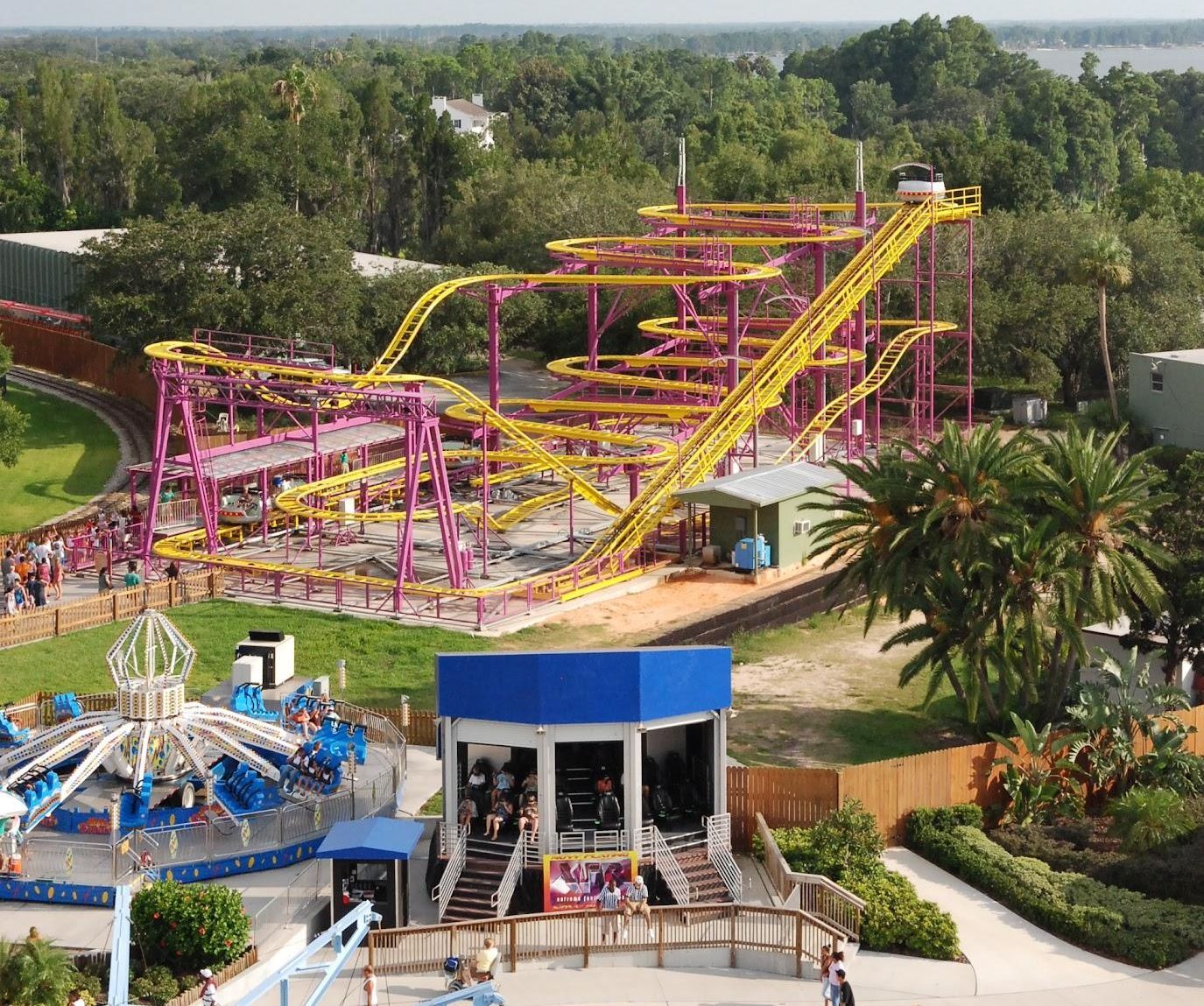
You may remember visiting some of these places as a little kid, or seeing some of them in postcards, magazines, or old news clips. But have you ever wondered what became of them? Once-popular stops on family road trips, they now look very different. And while they may no longer be open for business, many still stand and can still be seen today. From Cypress Gardens in Winter Haven, Florida, to Six Flags in New Orleans, here are 10 abandoned US attractions and the surprising reasons they closed their doors.

1
Cypress Gardens (Winter Haven, Florida)

Long before the Disney parks arrived in Florida, another attraction was the most popular, drawing visitors from across the country.

It was Cypress Gardens in Winter Haven, Florida, which opened in 1936 as a botanical garden showcasing the state’s natural beauty. Over time, it became even better known for its water ski shows, something many Americans still remember from family trips in the 60s and 70s. But by the late 70s, things began to shift. The rise of the Disney parks changed tourism expectations, and Cypress Gardens slowly lost its spotlight, ultimately closing in September 2009. But it's not all bad news; parts of the original gardens still survive today, preserved inside LEGOLAND Florida.

2
New York State Pavilion (New York)

Image: Gary Lee Todd, Ph.D., CC0, via Wikimedia Commons

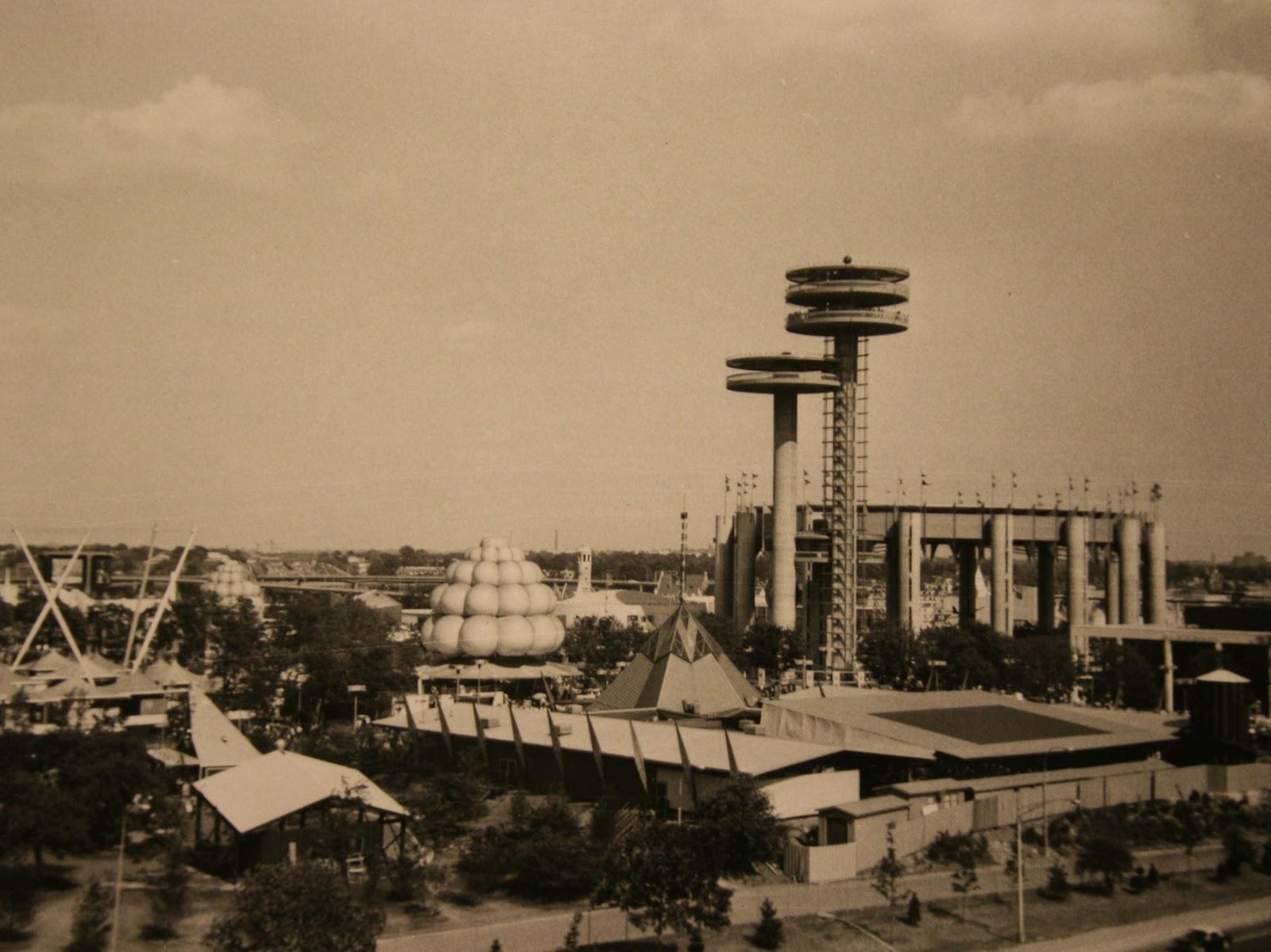
At the 1964 New York World’s Fair in Queens, the United States unveiled a brave vision of the future: the New York State Pavilion.

With its "Tent of Tomorrow," three towering observation structures, and a giant map of New York on the ground, it drew crowds throughout 1964 with exhibitions, shows, and concerts. But when the fair closed in 1965, the future it represented started to fade. Without a long-term plan or funding, the pavilion declined, and by 1974**,** it was permanently closed due to structural issues. Today, its rusted towers still stand over Queens, NYC, alongside the empty concrete frame. However, restoration efforts have recently begun, hinting at a possible second life for this future that never was.

3
Six Flags New Orleans (New Orleans, Louisiana)

In the early 2000s, it was one of the most popular amusement parks in the region, but soon after, it was left underwater and abandoned.

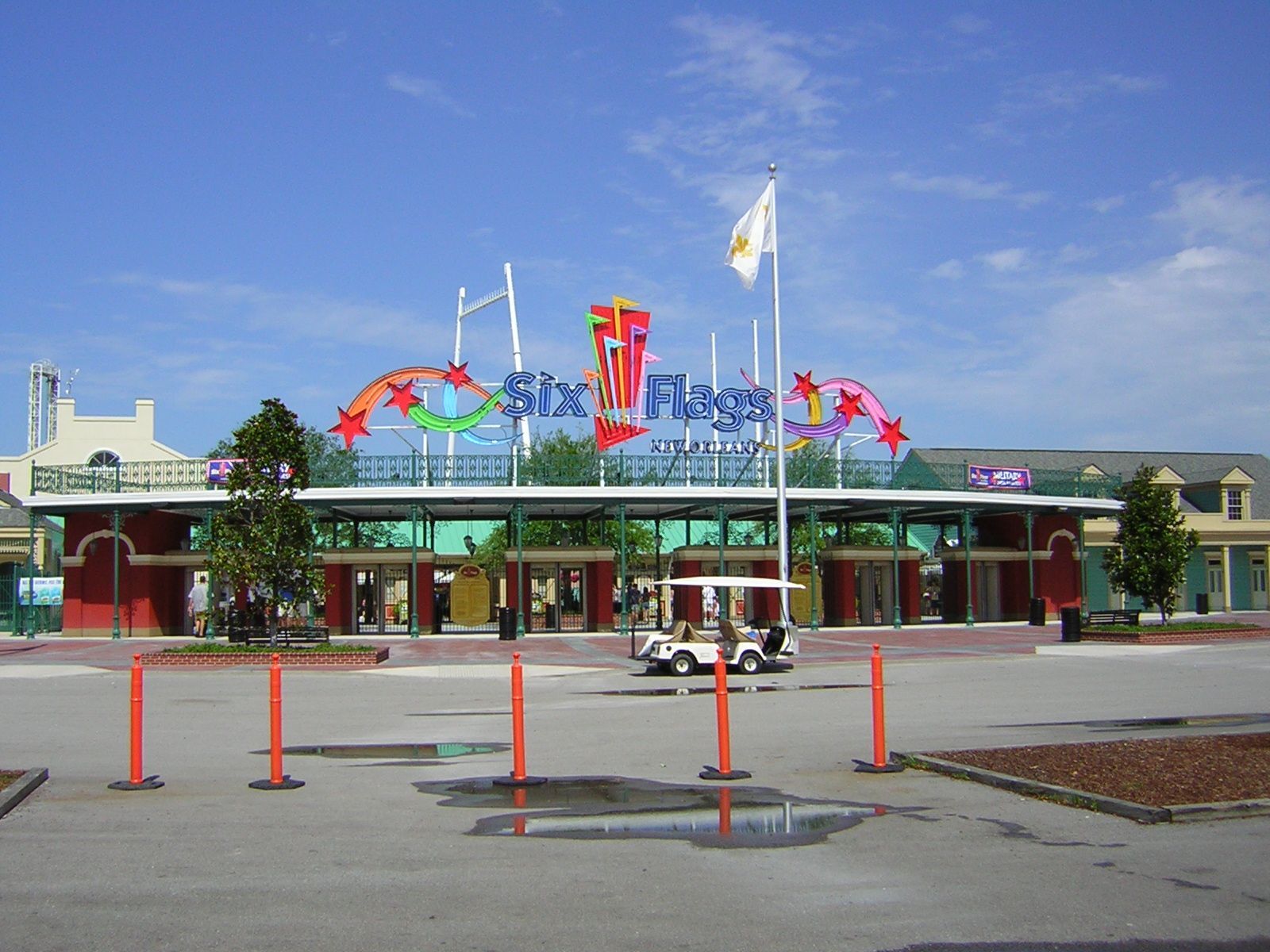
We’re talking about Six Flags New Orleans, which opened in May 2000 as Jazzland Theme Park. In 2002, Six Flags took over, rebranding it and improving its roller coasters, rides, and water attractions. Its downfall wasn’t due to lack of visitors or investment; it was something far more powerful: in 2005, Hurricane Katrina flooded the park , causing irreversible damage, so it never reopened. Today, it still stands abandoned, with rusting rides and empty streets that are now a reminder of the storm. But it still gets some use: today, the now-haunting site has been transformed into a frequent filming location for movies, including Jurassic World (2015) and Dawn of the Planet of the Apes (2014).

4
Palisades Amusement Park (Bergen County, New Jersey)

Image: Boston Public Library, CC BY 2.0, via Wikimedia Commons

For decades, especially between 1950 and 1970, it was a classic summer destination for families, but today, it’s completely gone.

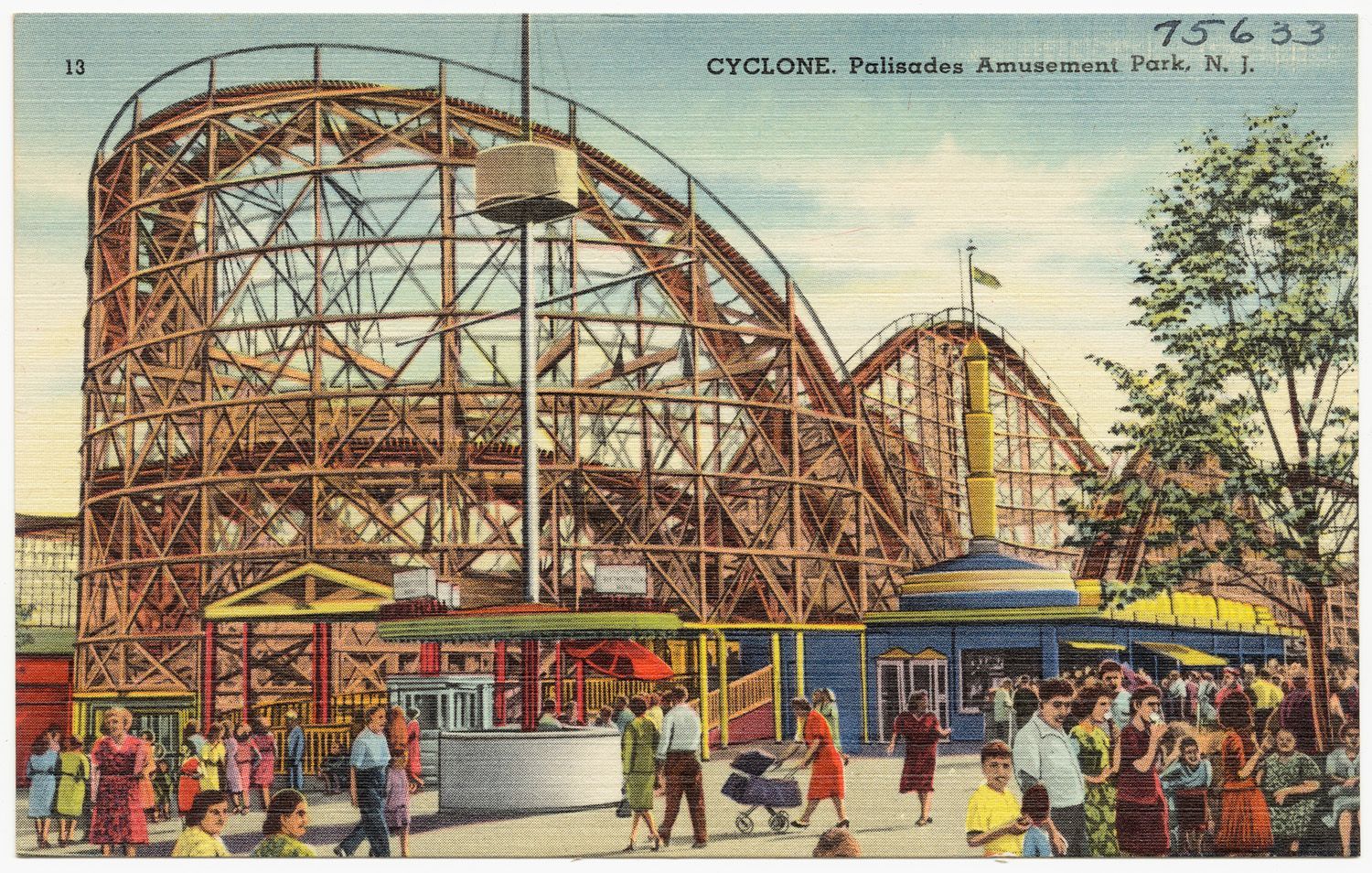
Palisades Amusement Park opened in 1898 on the cliffs of the Hudson River in New Jersey. And what began as a trolley stop became one of America’s most famous amusement parks, known for its roller coasters, neon lights, and a massive saltwater pool once called "the largest in the world." However, by the 1960s, overcrowding, rising costs, and local pressure pushed it into decline, and it closed permanently on September 12, 1971. Today, high-rise apartments stand where the rides once were.

5
Disney's River Country (Lake Buena Vista, Florida)

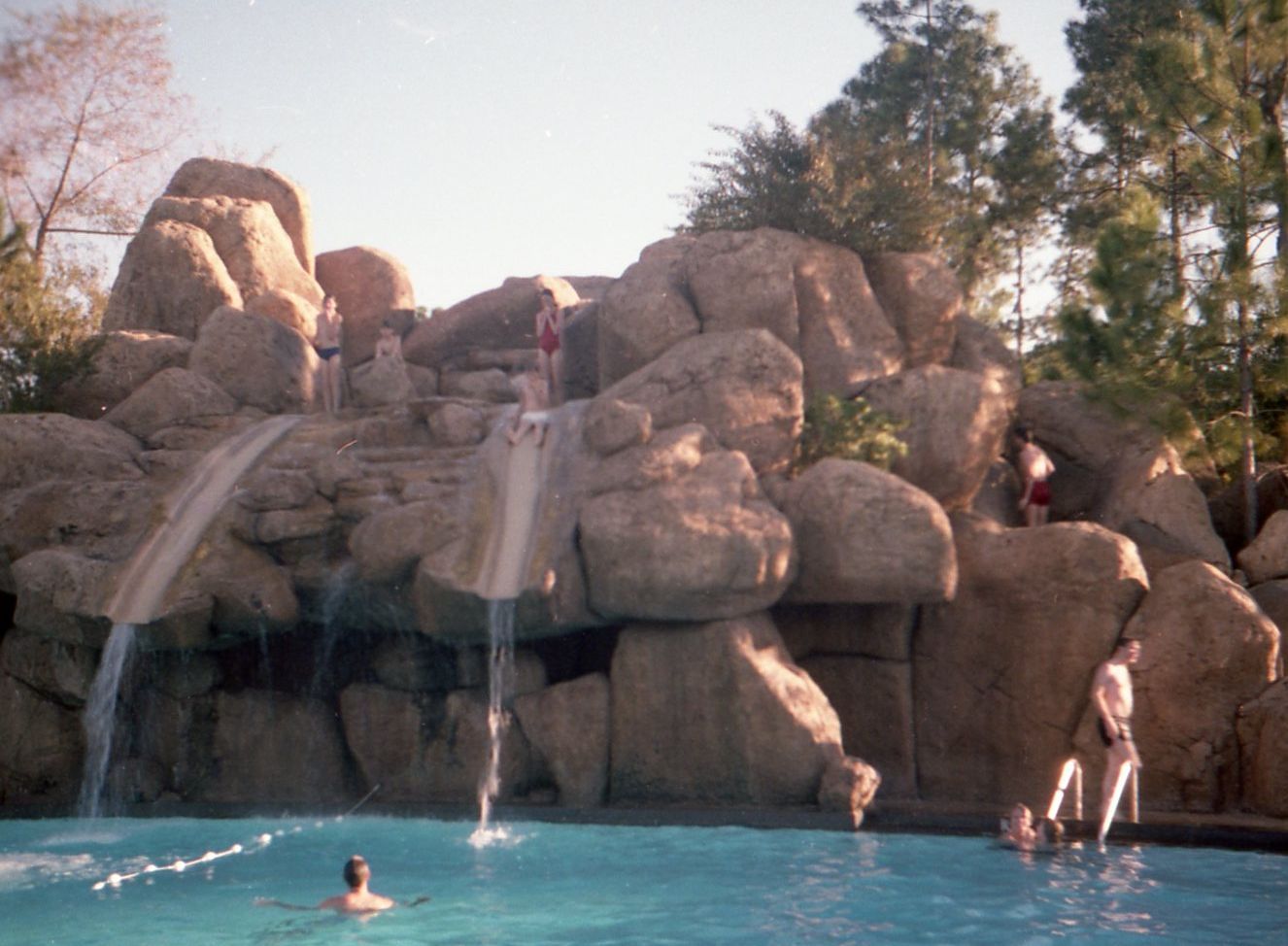
Have you heard about Disney’s abandoned park? Disney's River Country opened in 1976 in Lake Buena Vista, Florida, inspired by the vibes of classic American summer vacations. It had a rustic atmosphere, with wooden slides, rope swings, and water drawn directly from the nearby lake. It was a total success in the 1980s, but by the late 1990s, things began to change.

Newer water parks with advanced systems and stricter safety standards made River Country feel outdated, and Disney gradually shifted its attention elsewhere. The park closed "temporarily" in 2001, but it never reopened. Today, it still sits in the same place, partially reclaimed by nature, quietly overshadowed by the modern resorts around it.

6
Grossinger’s Catskill Resort Hotel (Liberty, New York)

Image: Acroterion, CC BY-SA 4.0, via Wikimedia Commons

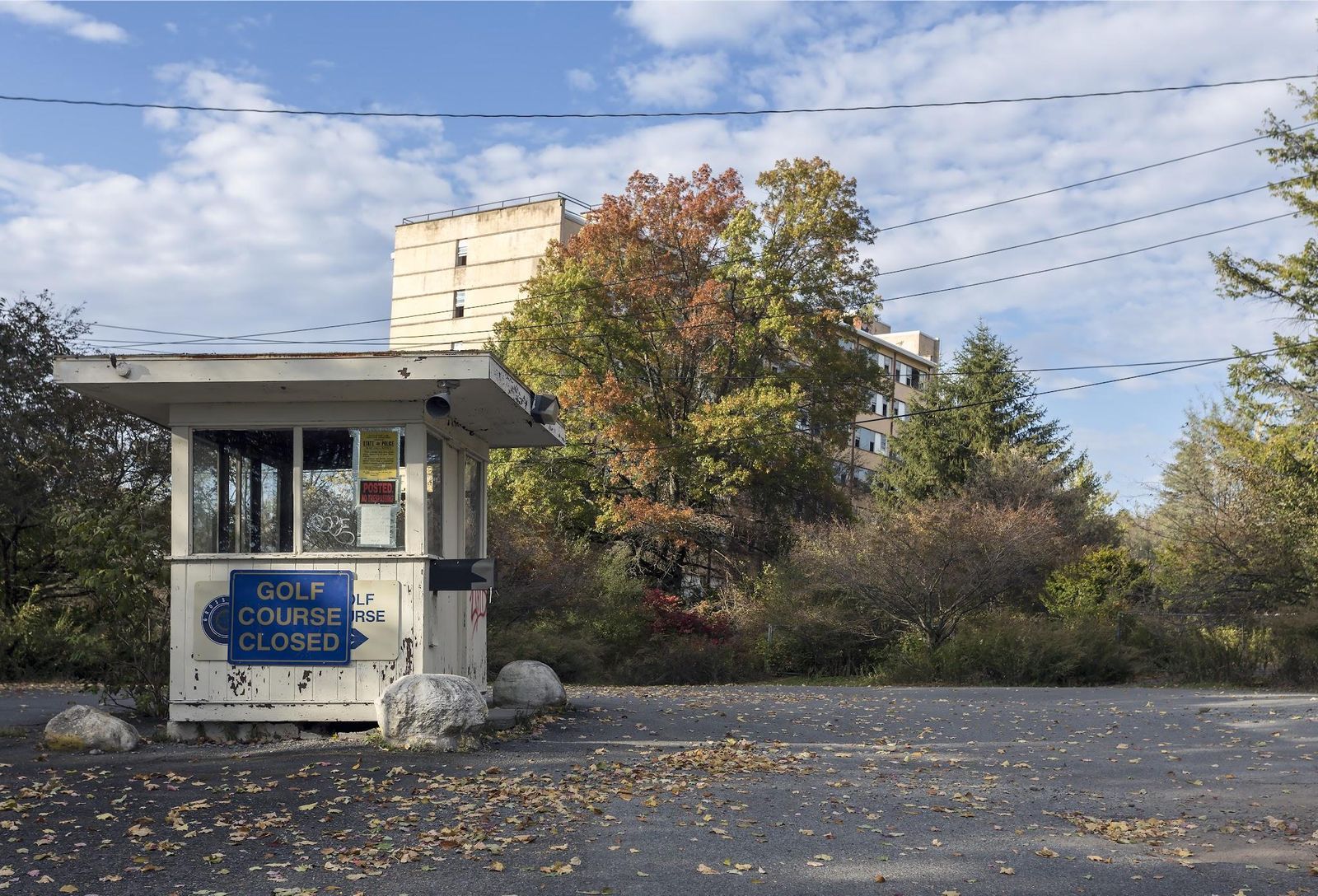
What was once one of the most popular family resorts in the country is now an extensive, decaying space with peeling wallpaper and collapsing floors.

Grossinger’s Resort Hotel began in the 1910s as a small guesthouse in the Catskill Mountains of Liberty, New York. What started modestly soon grew into one of the region’s most famous destinations, reaching its peak in the 1950s and 1960s with a golf course and both indoor and outdoor pools. It was incredibly popular with urban and suburban families in the tri-state area, and it even inspired the fictional "Kellerman's Mountain Resort" from Dirty Dancing (1987).

But in the late 1960s, American vacation habits began to change. Air travel and cruise vacations attracted families, and younger generations no longer returned to the places their parents had once loved. The resort gradually declined, leading to its permanent closure in 1986.

7
Dogpatch USA (Marble Falls, Arkansas)

Image: kenzie campbell from springfield, mo, CC BY 2.0, via Wikimedia Commons

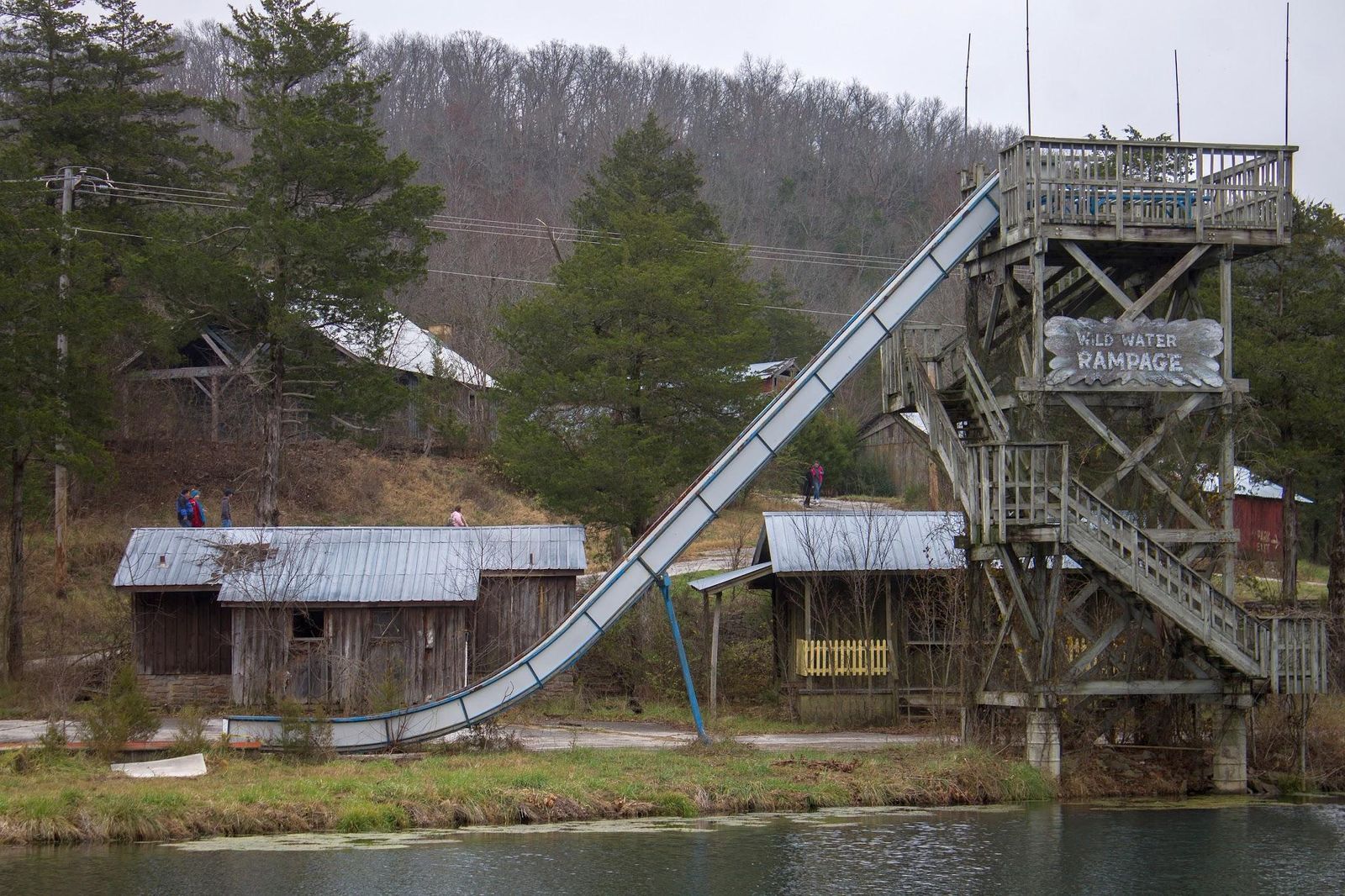
Dogpatch USA opened in the Ozarks of Marble Falls, Arkansas, in 1968, taking its name from the fictional town in the popular comic strip Li’l Abner by Al Capp.

Rustic buildings, rides, fishing ponds, and a small amusement area brought the comic world to life. It first attracted curiosity from local visitors, but never reached the popularity its creators had hoped for. Almost from the start, it struggled, in part due to its remote Ozarks location, which made it difficult for most tourists to reach, and its operating costs that surpassed attendance. Over time, the park gradually declined, changing ownership and shrinking in activity, before finally disappearing in the mid-1980s.

8
Ghost Town in the Sky (Maggie Valley, North Carolina)

Image: Dsorrells, CC BY-SA 4.0, via Wikimedia Commons

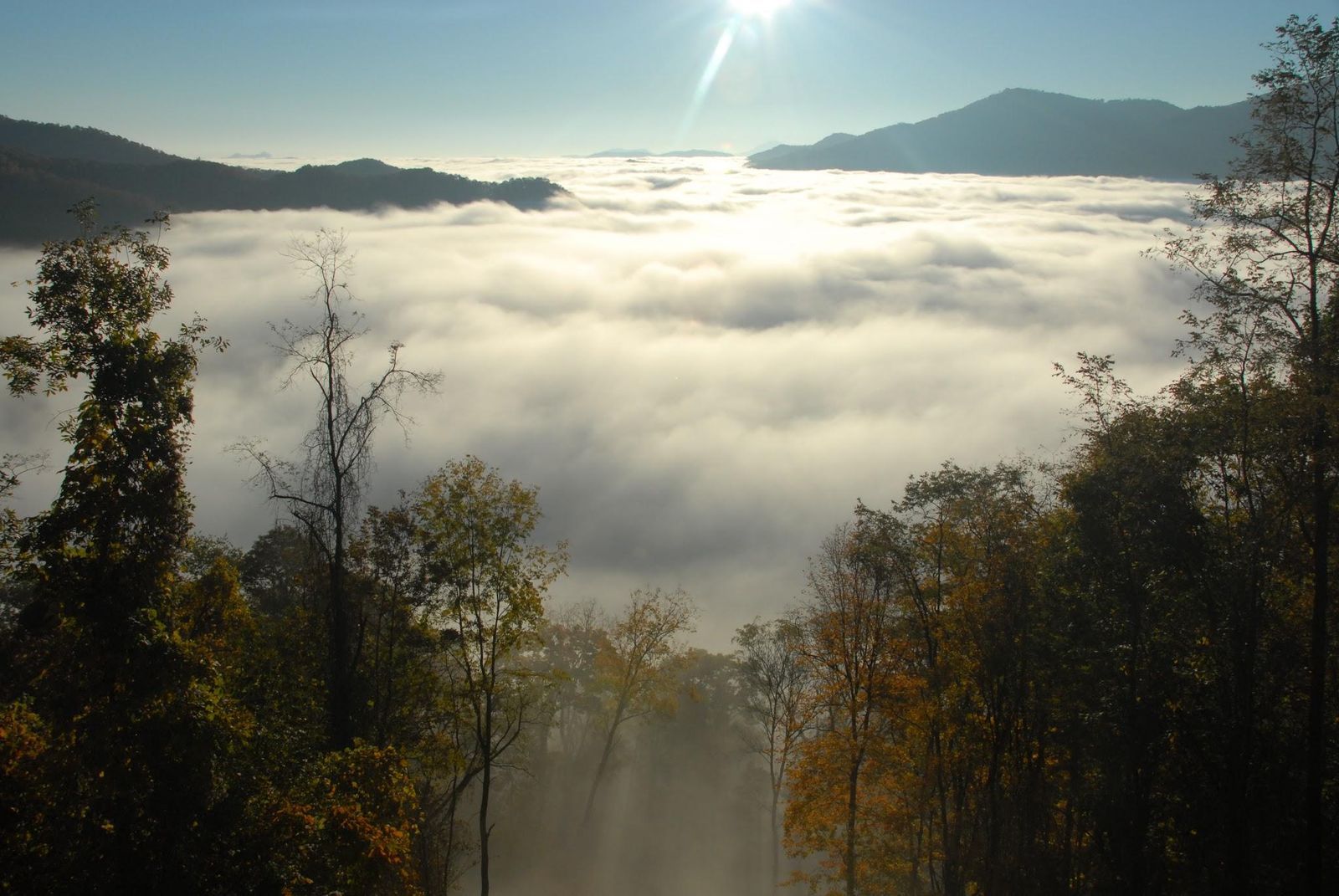
A Wild West–themed amusement park sitting above the clouds in the Smoky Mountains sounds too good to be true, right? But it was real.

Ghost Town in the Sky opened on May 1, 1961, in Maggie Valley, North Carolina, at the top of Buck Mountain. Visitors rode a chairlift up to a full Old West town with saloons, staged gunfights, and mountain views. For its first two decades, it attracted steady crowds, but by the 1990s, it began to shrink. Rising maintenance costs, difficult access, and unstable ownership pushed it into decline. By the 2000s, the aging infrastructure became unreliable, leading to its first closure in 2002 and final closure in 2009. Today, the park still sits abandoned on the mountain.

9
Geauga Lake (Aurora, Ohio)

Image: JonRidinger, CC BY 3.0, via Wikimedia Commons

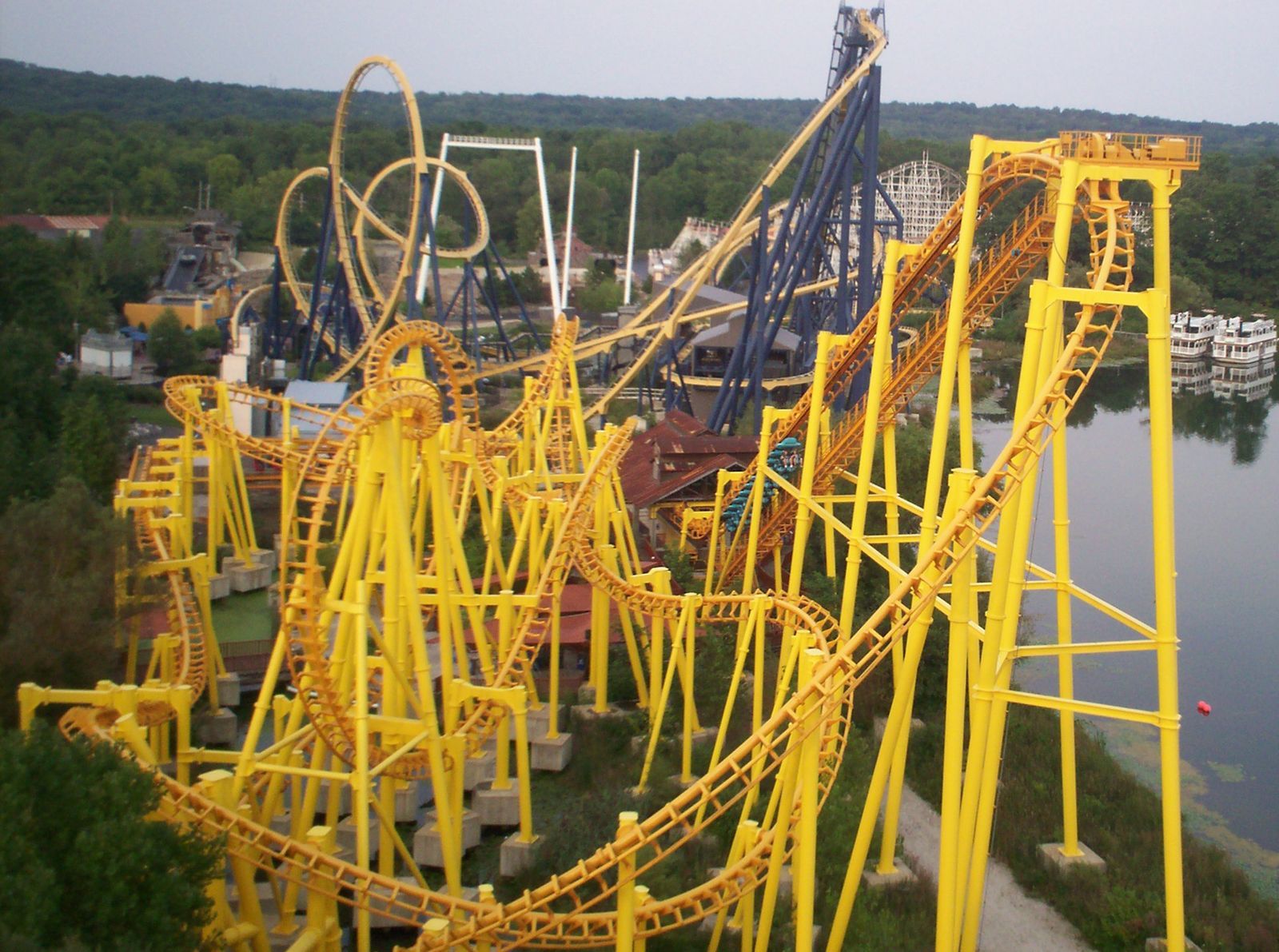
In the early 20th century, many Midwestern families had a go-to summer destination: Geauga Lake Park.

Geauga Lake opened in 1887 in Aurora, Ohio, as a simple lakeside resort. By the 1920s, it had grown into a full amusement park with rides, games, and roller coasters –like its classic wooden coaster, the Big Dipper– attracting thousands of visitors each year. Throughout much of the 20th century, it was a must-stop on family road trips. It reached its peak in the 1990s, after major expansions turned it into a large regional attraction, but those same upgrades also drove up costs and complexity. In the end, the expansion that improved it also sealed its fate, leading to its final closure in 2007.

10
Heritage USA (Fort Mill, South Carolina)

Image: Bill Fitzpatrick, CC BY-SA 3.0, via Wikimedia Commons

Sometimes called "Christian Disneyland," Heritage USA opened in 1978 in Fort Mill, South Carolina, founded by famous televangelists Jim and Tammy Bakker with the idea of building a major Christian-themed resort to rival the big amusement parks.

For a time, it was hugely popular, at one point even ranking as the third most-visited theme park in the U.S., with rides, a water park, hotels, and a large church auditorium. But in 1987, a financial scandal involving Jim Bakker shook public trust, and in 1989, Hurricane Hugo caused further damage. By the end of 1989, the park had effectively shut down, leaving its once-famous 21-story hotel as a hollow reminder of what it had been.

Geography Geography 3 min read

Would you stay here?

10 unbelievable spots where people could spend the night

Image: Shamblen Studios

America hides some extraordinary places to rest your head. What’s the strangest, most unusual spot you can imagine spending the night in? Someone has probably already opened a bed-and-breakfast there . As much as we might love traditional hotels, you can find some pretty comfortable spots in the strangest of places—like an old-timey wagon or the country’s last remaining Blockbuster. Let’s talk about them!

1
The Last Blockbuster in Bend, Oregon

Image: Delaney Van

The last Blockbuster video-rental store in the world stands in Bend, Oregon—did you know? And for a limited time, at the end of 2020, it allowed guests to spend the night there, explore their vast collection, and host a movie marathon.

Sadly, the venue doesn’t operate as a bed-and-breakfast currently. But it gladly welcomes guests, and who knows? The family-owned store might be open to hosting more unforgettable stays in the future.

2
Hobbit House in Orondo, Washington

Image: Joshua Harris

Whether you are a Tolkien fan or not, surely you’ve wondered what it would be like to curl up on a comfy couch inside a Hobbit House! These underground cottages with round doors and grass roofs feel straight out of Middle-earth.

One of the fans' favorites is The Hobbit House in Orondo, Washington. You might easily miss it, carved into a hill overlooking the Columbia River Gorge—a cozy, off-the-grid spot that transports guests to another world.

3
Treehouse Point in Issaquah, Washington

Image: Ashley Endemano

Childhood dreams come alive in these handcrafted treehouses nestled among Pacific Northwest evergreens. Some feature rope bridges between platforms, while others boast skylights for stargazing from bed.

The creator, inspired by childhood forts, designed these as peaceful escapes where you can sleep high up, surrounded by green canopies. Not far away are the thunderous Snoqualmie Falls and the endless Cascade Mountain trails.

4
Fire lookout towers in National Forests

Image: Jamie Pilgrim

In today’s world, you can’t blame solitude seekers. Some people crave a digital detox, so they head to lookout fire cabins like Oak Flat Lookout, over the Kern River in California.

Once vital for spotting wildfires, many of these cabins were nearly demolished before preservationists intervened. Sure, the lack of amenities is part of the charm, but epic sunrises are the reward.

5
Newport's Jailhouse Inn

Image: Syarafina Yusof

Why not turn a historic jail into a hotel? Newport’s Jailhouse, built in 1772, is a beautiful federal-style building located near the city center of Newport, Rhode Island.

Now, it’s been reconditioned to become an inn: You can spend the night behind bars—with luxury linens—in its creatively converted cells, where original cell doors now frame plush beds.

6
Covered Wagon Glamping in Westgate River Ranch, Florida

Image: James Lee

Imagine spending a few nights inside an Oregon Trail wagon—except you’d be in Florida, armed with the comforts of a king bed and air conditioning. These tricked-out wagons are the main attraction at Florida's Westgate River Ranch, pioneers in blending Old West nostalgia with today’s glamping movement.

7
Converted Grain Silos in Green Ridge, Missouri

Image: Meredith Petrick

If you were to open a door to the inside of the silos at Prairie Vale in Green Ridge, Missouri, you would walk into perfectly functional (though unusually cylindrical) guest rooms.

These grain silos, situated on a former dairy farm, have been repurposed and transformed into comfortable living spaces. The property spans 14 acres and is home to various animals that guests can visit and feed.

8
Michigan's Big Bay Point

Image: Vladyslav Dukhin

A lighthouse bed-and-breakfast near the cliffs of Lake Superior? You can sleep where keepers once stood watch in coastal lighthouses like Michigan's Big Bay Point, where spiral stairs lead to lantern rooms with sweeping views.

They want you to fully enjoy your stay surrounded by nature, so there are no phones or TVs inside the guest rooms.

9
"Up" house in Abiquiu, New Mexico

Image: Ankush Minda

All those who watched Disney-Pixar's 2009 animated film Up will no doubt remember the image of the house being lifted into the air by hundreds of colorful balloons. That’s not exactly what’s happening at the Abiquiu house, but it’s similar.

This venue, which was available as a unique Airbnb experience temporarily, mirrored the film's architecture and interior decor in stunning detail, and yes, it was adorned with over 8,000 balloons. But it was a crane that lifted the house off the ground to create the effect.

10
Retro-Americana: the sleep-in Red Caboose in Ronks

Image: Rachel Claire

Retro road trip vibes shine at spots like the Red Caboose Motel, located in the community of Ronks, Pennsylvania. It offers a line of colorful train cars as suites. Comfortable bedrooms, dining, and storage areas were built inside recycled train cars, becoming a main attraction in the area.

Explore more American facts

Choose your favorite category!

General
General

As American as apple pie—the very best America has to offer!

Culture
Culture

Delve into the astounding richness of American lore.

Geography
Geography

Hop in and explore vast and diverse American landscapes.

History
History

Discover the key moments that shaped the United States.