Culture Culture 4 min read

American icons by choice

Wait... they're not originally American? 10 famous figures born abroad!
Image: Spencer Davis

They came once and decided to stay to make a difference. From scientists and artists to politicians and businesspeople, many famous figures in American history were actually born in another country before moving here. Take Levi Strauss, the man behind blue jeans; he was actually born in Germany! Join us as we look at 10 iconic faces who weren't born in the US but went on to become American icons.

1
Levi Strauss

Image: Eric Prouzet

Although his name will forever be associated with American business pioneers, Levi Strauss was not born in the United States. That's right! The inventor of the iconic blue jeans was born in Bavaria, Germany, in 1829. In 1847, he came to America along with his siblings in search of new opportunities, settling in New York. Eventually, he moved to San Francisco, where his famous company would be founded.

2
Irving Berlin

Image: Sandra Grünewald

While he can be considered one of the most American of Americans, Irving Berlin was actually born in Russia. That's right; the legendary composer and lyricist was born in 1888 in what was then the Russian Empire, and his family immigrated to the US when he was just a child. How lucky for us! Can you imagine life without classics like "White Christmas," "God Bless America," and "There's No Business Like Show Business"? Neither can we!

3
Alexander Graham Bell
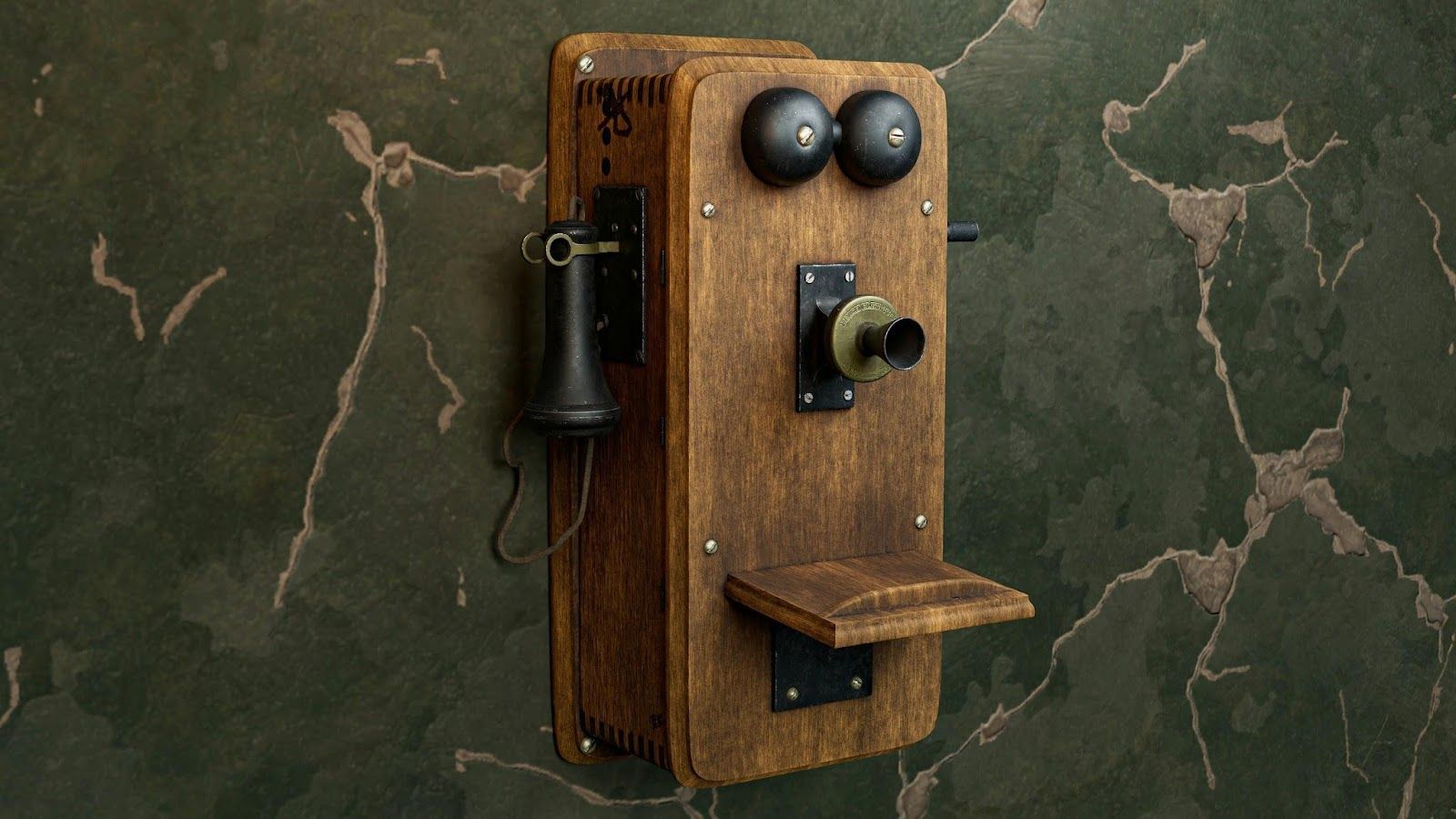
Image: Carlos Eduardo

Although he became a naturalized US citizen in 1882, Alexander Graham Bell was born in 1847 in Edinburgh, Scotland. He arrived in the United States in 1871, where he worked as a teacher and researcher. It was in America, in 1876, that he made his most famous invention: the telephone.

4
Elizabeth Taylor
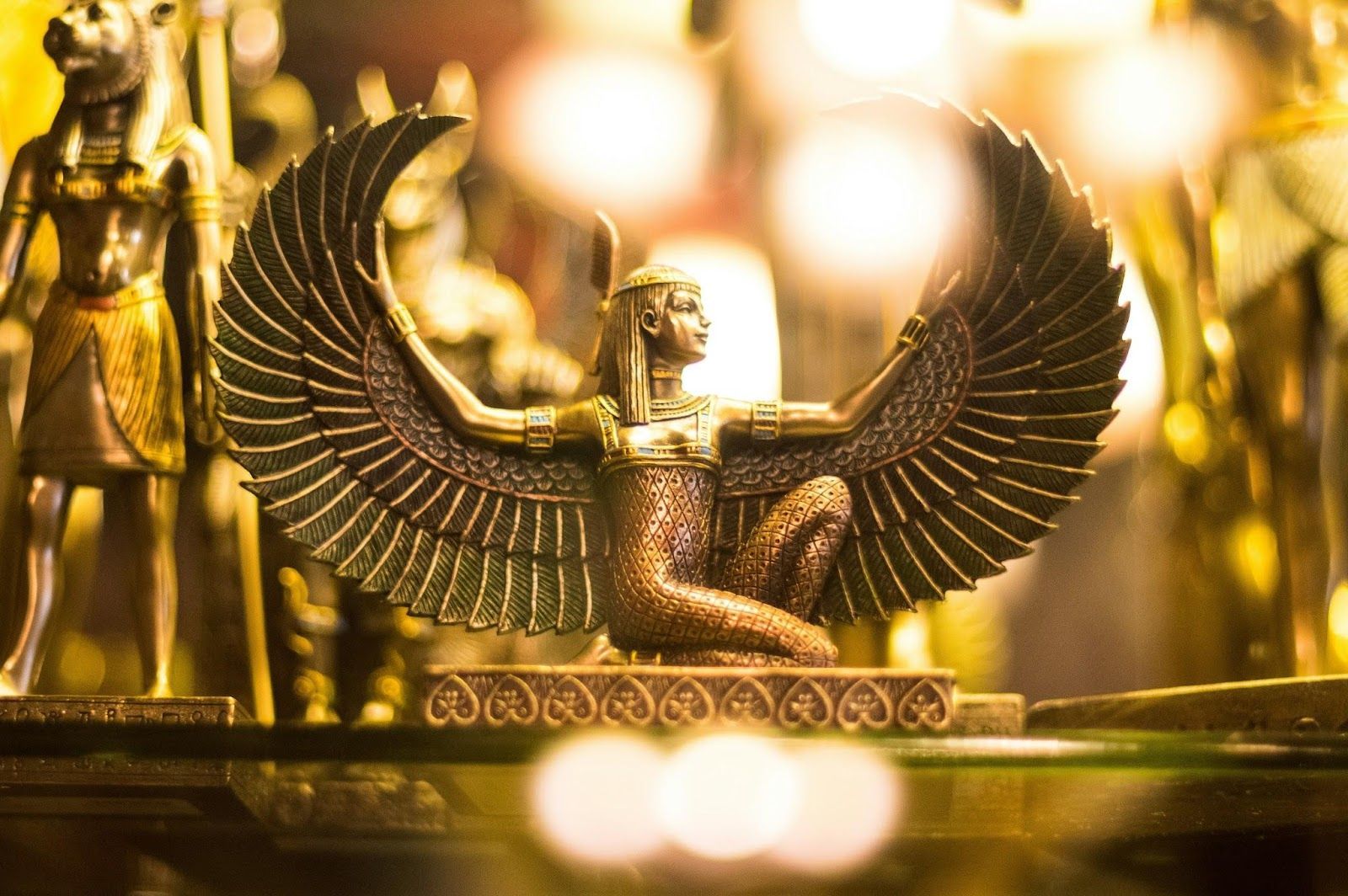
Image: Color Crescent

Elizabeth Taylor, our Cleopatra, wasn't born in the United States. As you probably know, she saw the world for the first time in England in 1932 and moved to America in 1939, just before World War II started. But here's an important detail: Her parents were American! So, she was a US citizen from birth; she just happened to be born overseas.

5
Alfred Hitchcock

Image: Usha Kiran

Yes, Alfred Hitchcock was born in England, but we probably wouldn't have had the pleasure of enjoying cinema classics like Rear Window (1954), Vertigo (1958), Psycho (1960), and The Birds (1963) if he hadn't come to live and work in America. Although he was already a successful director in his home country, Hitchcock decided to come to the United States in 1939, drawn by the promise of Hollywood's growing film industry.

6
Audrey Hepburn

Image: Paige Johnson

Although she became an American citizen in the 1950s and won our hearts on the big screen, the legendary Audrey Hepburn was actually born in 1929 in Brussels, Belgium. In 1945, she settled in England, where she began taking ballet classes and started landing modeling and acting roles. Finally, in 1951, she came to America to star in the Broadway production of Gigi .

7
Isaac Asimov
Image: Phillip Glickman

Science fiction as we know it wouldn't be the same without the incredible work of Isaac Asimov. However, we may never have had the opportunity to enjoy his brilliant writing if his family hadn't immigrated to America. Asimov was born in 1920 in Petrovichi, Russia. His parents decided to move in 1923, just a year after the Soviet Union was established. At only 3 years old, he arrived in the US, and by the age of 8, he was a full American citizen.

8
Charles Chaplin
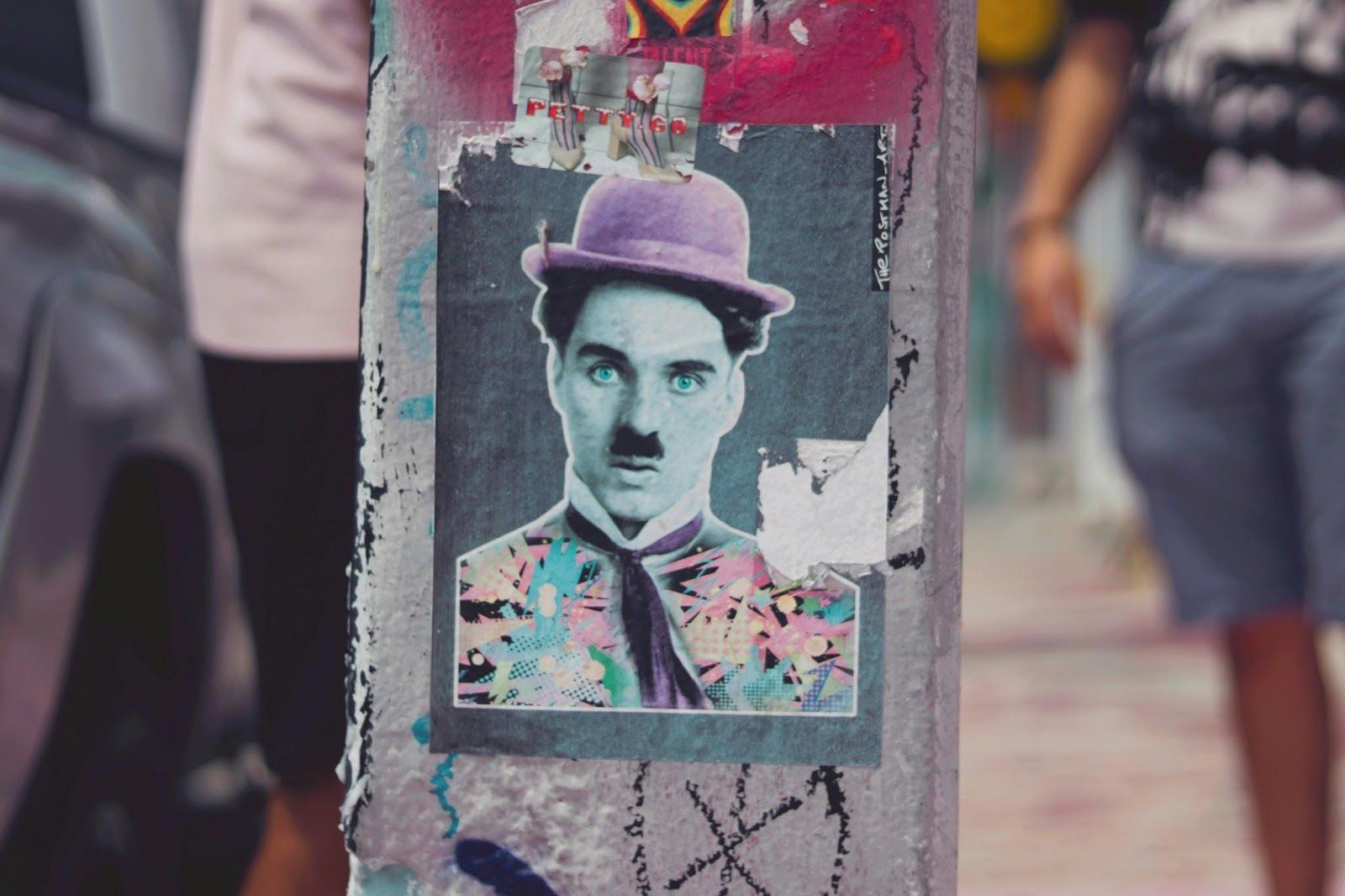
Image: Mimi Di Cianni

The unforgettable Charlie Chaplin was born in London in 1889. Before he turned 20, he arrived in the US as a young performer with a vaudeville company. Here, he found fame and became a global icon of silent film. Surprisingly, even after living and working here for over 40 years, he never officially became an American citizen, but Americans embraced him wholeheartedly all the same.

9
Albert Einstein
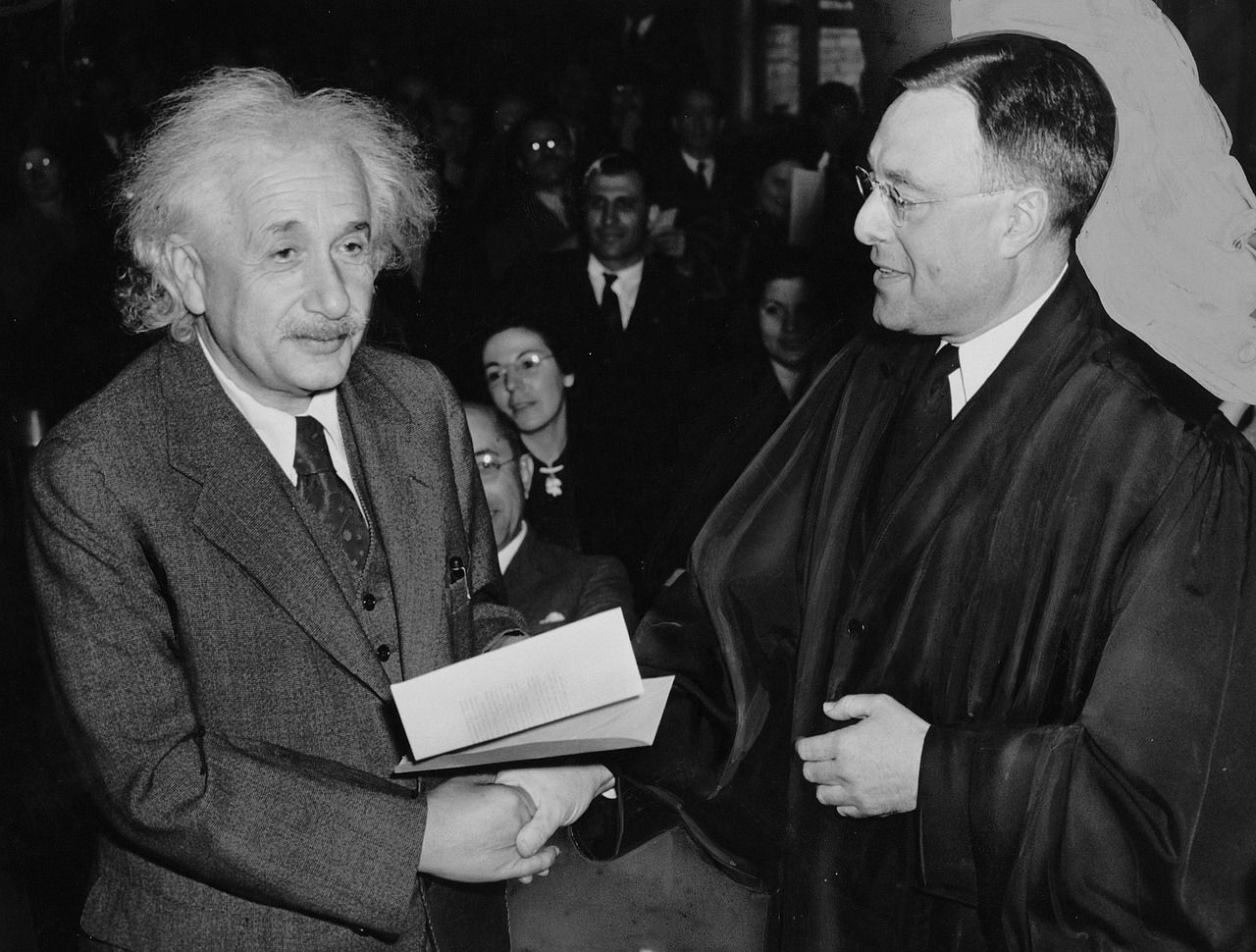
Image: WikiImages

Albert Einstein, one of the most famous scientists in the world, was born in Germany. And he chose to be American! He was born in Ulm, Germany, on March 14, 1879, and later became a US citizen in 1940.

His first trip to America was in 1921, when he came to New York as a renowned scientist. Then, in 1933, he returned for good and accepted a position at the Institute for Advanced Study in Princeton, New Jersey, where his former house still stands.

10
Joseph Pulitzer
Image: Jorien Loman

Joseph Pulitzer revolutionized the press in America and around the world, but before becoming a renowned US citizen, he lived in Hungary, the place where he was born in 1847. At the age of 17, he left Europe in search of greater opportunities and arrived in the US in 1864. Here, he went on to become a pioneering journalist and newspaper publisher, even giving his name to the prestigious awards honoring excellence in journalism and the arts.

General General 5 min read

Were you watching?

What is the most-watched show in American TV history?

Image: freestocks / Oscar Nord

Were you among the 76 million people who watched the ending of Seinfeld live? Or one of those who waited to see who shot J.R.? Some American TV shows became so popular that they operated as a social ritual. We would sit and watch, all of us at the same time, and wait to discuss the plot twists and cliffhangers with our friends. Let’s look at some TV shows that had the largest sustained audiences in U.S. history!

1
Friends

Image: Ilse Orsel

Who couldn’t sing along to the opening song of Friends ? "I'll be there for you" is an anthem that sparks instant nostalgia. Friends was the comfort blanket of the '90s and early 2000s: Six pals navigating life and love in a surprisingly affordable New York apartment.

Rachel, Ross, Monica, Chandler, Joey, and Phoebe. Over 52 million viewers watched the finale. For ten years, Friends made millions feel like part of the gang.

2
The Ed Sullivan Show

Image: william f. santos

For over two decades, between 1948 and 1971, The Ed Sullivan Show was America’s Sunday night ritual. It had over 20 million average weekly viewers!

Families gathered in living rooms across the country to watch this variety show that brought together everything from opera to Elvis . And in 1964, over 73 million viewers tuned in to see four mop-topped Brits called The Beatles make their U.S. debut!

3
All in the Family

Image: Daniel von Appen

At the center of the 70s sitcom All in the Family was Archie Bunker, a prejudiced but lovable working-class man played by Carroll O’Connor, whose outdated views clashed with his liberal son-in-law "Meathead" (Rob Reiner).

The show tackled topics like racism, women’s rights, and the Vietnam War, and viewers loved seeing arguments they were having at home play out on screen.

4
Bonanza

Image: Olivier Piquer

Bonanza was the number one show between 1964 and 1967, although it aired from 1959 to 1973. Set on Ponderosa Ranch, near Lake Tahoe, Bonanza was a cowboy family drama .

Audiences fell in love with the Cartwrights: Ben, the wise patriarch, and his three very different sons. The show stood out for its lush color cinematography (very rare at the time) and storylines that combined action with moral lessons.

5
Gunsmoke

Image: Brice Cooper

Gunsmoke, which also boasted the Western genre, remained number 1 for multiple years as well. It was one of the first TV titans to accomplish such a thing. It held the record for the longest-running primetime drama for decades. Set in Dodge City, it followed law-upholding Marshal Matt Dillon (James Arness).

When Chester, Dillon’s original deputy, left the show, fans were devastated. With over 600 episodes , Gunsmoke redefined the genre and left a permanent mark on American pop culture.

6
Jeopardy!

Image: Gift Habeshaw

Jeopardy! is a legacy that started in 1984 and is still going strong! That has led to its amassing over 10 million average viewers over the decades. How many TV shows share the same claim?

For generations, it’s been the show that makes you feel smarter just for watching (if you can outsmart the participants, that is). The answer-first, question-last format ("What is the Eiffel Tower?") became iconic, and the theme music is forever ingrained in America’s collective brain.

7
Who Wants to Be a Millionaire

Image: Jordon Conner

Whenever Regis Philbin asked, "Is that your final answer?" America held its breath. Who Wants to Be a Millionaire exploded onto U.S. screens in 1999 at the turn of the millennium.

The phenomenon drew 28 million viewers at its peak. The first winner, John Carpenter, made headlines for not using a single lifeline until the final question, when he used "Phone a Friend" just to call his dad and say, "I’m about to win a million dollars." That moment alone is a TV legend.

8
Survivor

Image: Rowan Heuvel

Sixteen strangers marooned on a tropical island, forced to build shelter, find food, and outwit each other for a million dollars. This had a social-experiment factor that made it impossible for America to look away.

The very first season, set in Borneo, was an instant smash, with 28 million viewers. Host Jeff Probst’s fire-snuffing catchphrase ("The tribe has spoken") became iconic.

9
American Idol

Image: Eduardo Balderas

Did you watch live as the life of American Idol’s first-ever winner (Kelly Clarkson!) changed forever? In the early 2000s, American Idol turned everyday dreamers into superstars and had the whole country voting on their fates.

At its peak, it drew over 30 million viewers each week.

10
60 Minutes

Image: Alla Eddine Taleb

Do you remember a 60 Minutes episode that had you at the edge of your seat? Beginning in 1968, this show proved that journalism could be far more riveting than fiction.

Its secret was in smart and human storytelling, no-nonsense interviews, and a lineup of legendary correspondents like Mike Wallace, Morley Safer, and Ed Bradley.

11
The Cosby Show

Image: Francisco Andreotti

In the 1980s, The Cosby Show was the cultural touchstone. At its heart was the Huxtable family, an upper-middle-class Black household in Brooklyn, led by Cliff (Bill Cosby), an affable obstetrician, and Clair (Phylicia Rashad), a sharp attorney. Plus their chaotic five kids.

One of the most beloved moments was the family lip-syncing Ray Charles' "Night Time Is the Right Time" for Cliff’s birthday.

12
Seinfeld

Image: Rob Laughter

The premise of Seinfeld was a show about nothing . The sitcom ended up stealing the show. Between 1989 and 1998, Seinfeld cast a light on mundane life (you know, waiting in line, losing socks, awkward small talk) and turned it into comedy gold.

This "show about nothing" gave us four unforgettable New Yorkers: Jerry, George, Elaine, and Kramer. Its finale drew 76 million viewers, making it one of the most-watched episodes ever.

13
Cheers

Image: Andrea Mininni

This gem of the 80s invited America into a cozy Boston bar that felt like home. Centered around bartender Sam Malone (Ted Danson) and a colorful cast of barflies, waitstaff, and neurotic patrons, it delivered laughs, heart, and genuine warmth.

The chemistry of the ensemble was golden. And what people loved the most was that "Cheers," much like the "Central Perk" of Friends , was a place of belonging.

14
Dallas

Image: K. Mitch Hodge

Of course, Dallas, the ultimate primetime soap, cannot be left out of this list! This dramatic master of cliffhangers left the nation gasping. At its core was J.R. Ewing (Larry Hagman), one of TV’s most devious villains, who still had fans rooting for him.

The show became a cultural phenomenon, especially in 1980 when America asked, "Who shot J.R.?" That season finale was watched by more than 80 million people.

15
MAS H

Image: Robert Ruggiero

Set during the Korean War, MASH was unlike anything else on TV. It mixed satire and unforgettable characters in a mobile army surgical hospital. Alan Alda led the cast as Hawkeye Pierce, backed by a beloved ensemble that included Loretta Swit, Jamie Farr, and Mike Farrell.

The show’s final episode, "Goodbye, Farewell and Amen," aired in 1983 and drew 106 million viewers. That was a record that stood for decades!

History History 5 min read

Marketing experts!

Can you see the arrow in the logo? 12 American brands' logos decoded!

Image: KelvinStuttard

Logos are everywhere: on billboards, coffee cups, your favorite gadgets—you name it! But how much attention do we really pay to the stories behind them? For example, did you know about the hidden arrow in the FedEx logo? And what about Tesla—is it just a T, or is there more to it? Big brands, big logos, big backstories —of course! Let’s take a fun dive into 12 iconic American brand logos and the hidden tales they tell.

1
Disney: A signature of magic

Image: Gui Avelar

Some logos inspire happiness at first glance, don’t you think? Walt Disney’s logo is a perfect example for us. It’s playful and inviting, and that’s because it’s modeled after Walt Disney’s very own signature, or at least an artistic version of it.

The truth is that Walt’s actual handwriting looked pretty different from the logo we know today because he changed his signature frequently, making it nearly impossible to determine if this version was ever truly his. In any case, it was very successful, and if you ask us, this logo screams "happily ever after."

2
McDonald’s: Golden arches or hidden symbol?

Image: Janet Ganbold

The moment you see a golden "M," your mouth starts watering, doesn’t it? However, the famous Golden Arches weren’t always part of McDonald’s logo history.

Back in the 1950s, they were part of the restaurant’s architecture, we mean actual arches on either side of the building!

When designing a logo, the company leaned into that imagery to create something unforgettable. Well, they definitely did it! And we’re lovin’ it!

3
Coca-Cola: Scripted for success

Image: Efekan Akyüz

That classic Coca-Cola logo has remained surprisingly consistent since 1887. The secret? A font called Spencerian Script, which was highly fashionable back in the late 19th century.

The smooth, flowing letters give it a friendly, approachable feel, it’s like an invitation to "have a Coke and a smile."

Over the years, the brand played with design elements (remember the old glass bottles?), but the logo’s handwritten charm never wavered. The old-school way truly is the best way in some cases.

4
Dove: A symbol of softness

Image: Akshay Bandre

Some logos are so powerful, that you can almost taste them. In this case, you can smell and feel it at the same time. Have you ever noticed the graceful bird on Dove products? That dove isn’t just for show, it represents peace, gentleness, and care , which is exactly what the brand aims to evoke.

When Dove first launched in 1955, its messaging was all about moisturizing and being kind to your skin. The logo, paired with the brand’s soothing colors, reinforces that sense of softness. It’s one of those designs that just feels good, even before you try the products.

5
Amazon: The smile that points the way

Image: Christian Wiediger

The story behind the name is quite fascinating, but let’s focus on the logo. Amazon’s logo isn’t just a smile—it’s a smile with a purpose. Look closely, and you’ll notice the arrow stretches from "A" to "Z," symbolizing the company’s goal to offer everything you could ever need.

And that curved arrow? It’s designed to look like a grin, giving the brand a friendly, customer-first vibe. With a logo this clever, it’s no surprise they’ve grown into an online shopping powerhouse. This is the kind of logo we like—what about you?

6
Google: The colors of curiosity

Image: sarah b

At first glance, one might think Google just put together the letters, chose random colors, and launched the site. But that’s definitely not the case—this logo is packed with meaning.

To begin with, they are not random colors, they are primary colors, chosen to represent creativity and approachability .

As for the unexpected green "L," it’s a nod to the idea that Google likes to break the rules (in a good way, of course). Over the years, the company has refreshed the logo’s font and shading, but the vibe remains the same. And let’s not forget about the festive Doodles—they’re genius!

7
Starbucks: From the sea to your cup

Image: Athar Khan

That green mermaid on your Starbucks cup? She’s actually a two-tailed siren, inspired by an old Norse woodcut. Why a siren, you may ask? Well, the brand wanted to evoke the allure of coffee as something irresistible —like a siren’s call.

Over time, the logo has evolved, losing the "Starbucks Coffee" text to let the siren shine on her own. Curious enough, the first design included the name of the company on the outer part of the circle, but they decided to eliminate that and let the siren do all the luring work on her own!

8
FedEx: The arrow you didn’t see

Image: Jan Rosolino

FedEx has one of the sneakiest logos in the business world. Between the "E" and the "X," there’s a hidden arrow that represents speed and precision . And once you see it, you can’t unsee it!

This wasn’t the original version, though. Designed in 1994, the logo is a masterclass in subtlety and clever branding, much like Amazon’s. It’s a perfect fit for a company that prides itself on delivering packages quickly and efficiently.

9
Domino’s: Three dots, infinite pizza

Image: Miroslav Denkov

Speaking of logos you can taste, right? Domino’s logo features three dots, which represent the first three locations of the pizza chain .

Originally, the company planned to add a new dot for every store they opened. Can you imagine if they had kept that idea? They quickly realized that wouldn’t work with their explosive growth.

Paired with the iconic red and blue colors, the logo is as comforting as a fresh box of pizza. And let’s be real—who doesn’t love their pizza?

10
Tesla: An electric secret

Image: Tesla Fans Schweiz

Tesla’s sleek, futuristic logo isn’t just a fancy "T"; it’s actually a nod to the company’s cutting-edge tech. The "T" is designed to resemble a cross-section of an electric motor, tying into Tesla’s mission of revolutionizing transportation .

Pair that with its clean lines and modern vibe, and you’ll see that the logo feels as innovative as the cars themselves. It’s a perfect example of branding that matches the product: bold, forward-thinking, and undeniably cool. What do you think?

11
Levi’s: A stitch in time

Image: Mnz

Few pieces of clothing are as iconic as a pair of Levi’s, right? That’s because both the item and the logo are equally simple, bold, and instantly recognizable .

The classic red tab is the result of eight redesigns. The first version of the logo included two horses pulling in opposite directions of a pair of jeans, trying to rip them—and failing, of course! But that was just the beginning.

The logo we know today was introduced by the same designer who worked on Coca-Cola’s script and the inspiration was the stitching on the back pocket of the jeans. The rest, as they say, is comfortable and durable history!

12
Pepsi: A logo full of energy

Image: Ja San Miguel

This article comes to an end with a classic brand. Pepsi’s logo has gone through dozens of iterations, but the current design—a red, white, and blue globe—is packed with meaning.

The wavy lines represent energy and dynamism, while the patriotic colors nod to its American roots, naturally. And if you were doubtful that it represents our country, you can read the 27-page redesign manifesto from 2008, which reportedly cost millions and came with a full explanation of its symbolism!

Explore more American facts

Choose your favorite category!

General
General

As American as apple pie—the very best America has to offer!

Culture
Culture

Delve into the astounding richness of American lore.

Geography
Geography

Hop in and explore vast and diverse American landscapes.

History
History

Discover the key moments that shaped the United States.