Geography Geography 3 min read

Only in America

Born in Accident, raised in Looneyville—the wildest U.S. town names
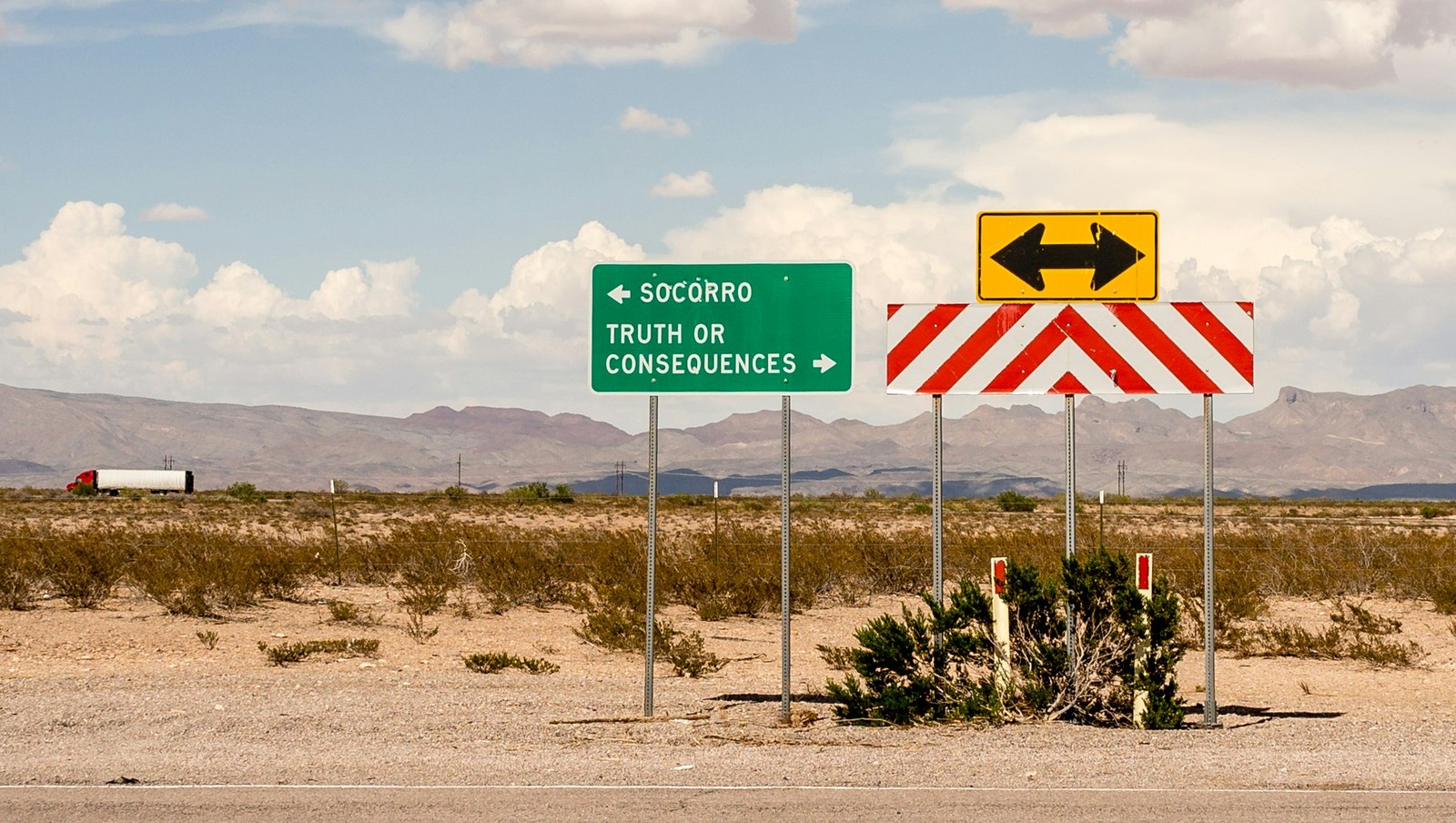
Image: Lachlan Donald

From puns to head-scratchers, some U.S. towns have names that sound like jokes—but they’re very real! Behind many of them lie strange stories, old legends, or just one stubborn settler with a sense of humor. From Accident to Booger Hole, and even straight-up Hell, these oddly named places tell stories of America’s diverse and often eccentric past. Here’s a coast-to-coast look at 10 towns that’ll make you do a double take.

1
Truth or Consequences, New Mexico
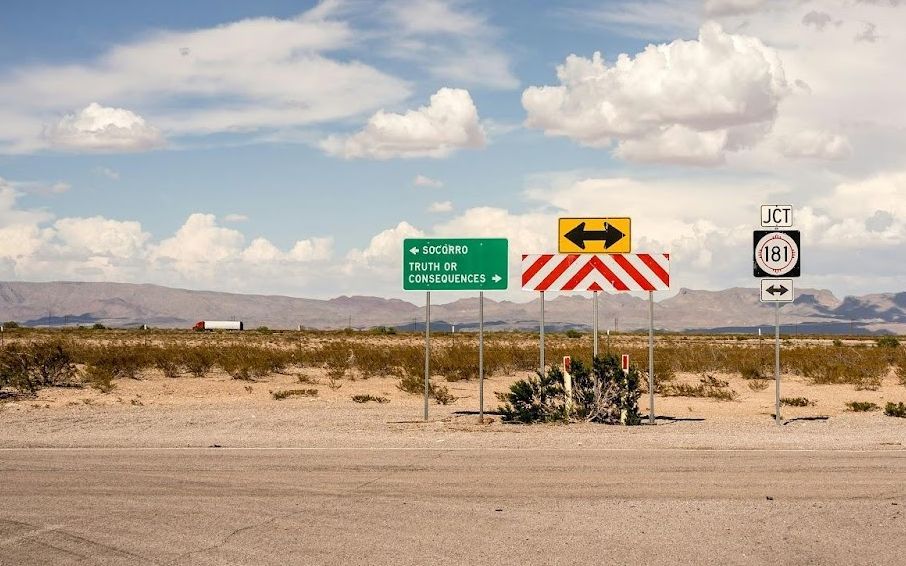
Image: Lachlan Donald

Originally named Hot Springs, the town changed its name in 1950 after a popular radio show. Host Ralph Edwards had promised to broadcast from the first town that renamed itself after the program.

The publicity stunt worked—Edwards visited annually for the next 50 years. Despite its playful name, Truth or Consequences is a legitimate spa town, known for natural hot springs and health resorts.

2
Accident, Maryland
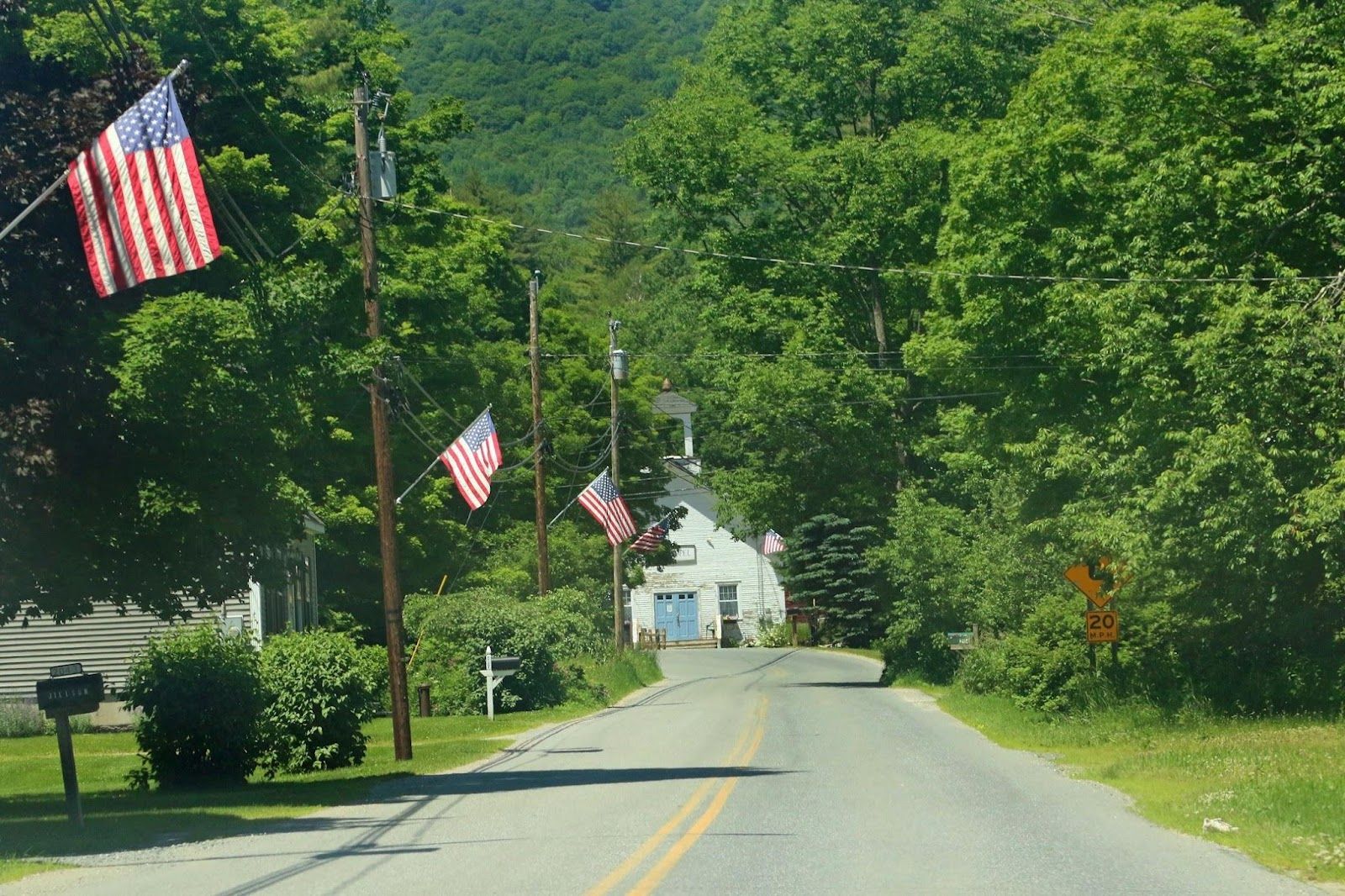
Image: David Trinks

Surveyors in the 1700s accidentally claimed the same plot of land twice, giving rise to the town’s odd name. The mistake was eventually resolved, but the name stuck.

Today, Accident is a quiet town in Garrett County with fewer than 400 residents. It occasionally draws attention from curious travelers and lovers of unique place names.

3
Boring, Oregon

Image: everett mcintire

Named after William H. Boring, a Civil War veteran who settled in the area. Locals embraced the name, even forming a tongue-in-cheek partnership with Dull, Scotland, and later Bland, Australia, to form the so-called "Trinity of Tedium"—all in good fun!

Boring capitalizes on the irony with signs that read, "The most exciting place to live." It’s a quiet suburb of Portland with a strong farming history.

4
Chicken, Alaska
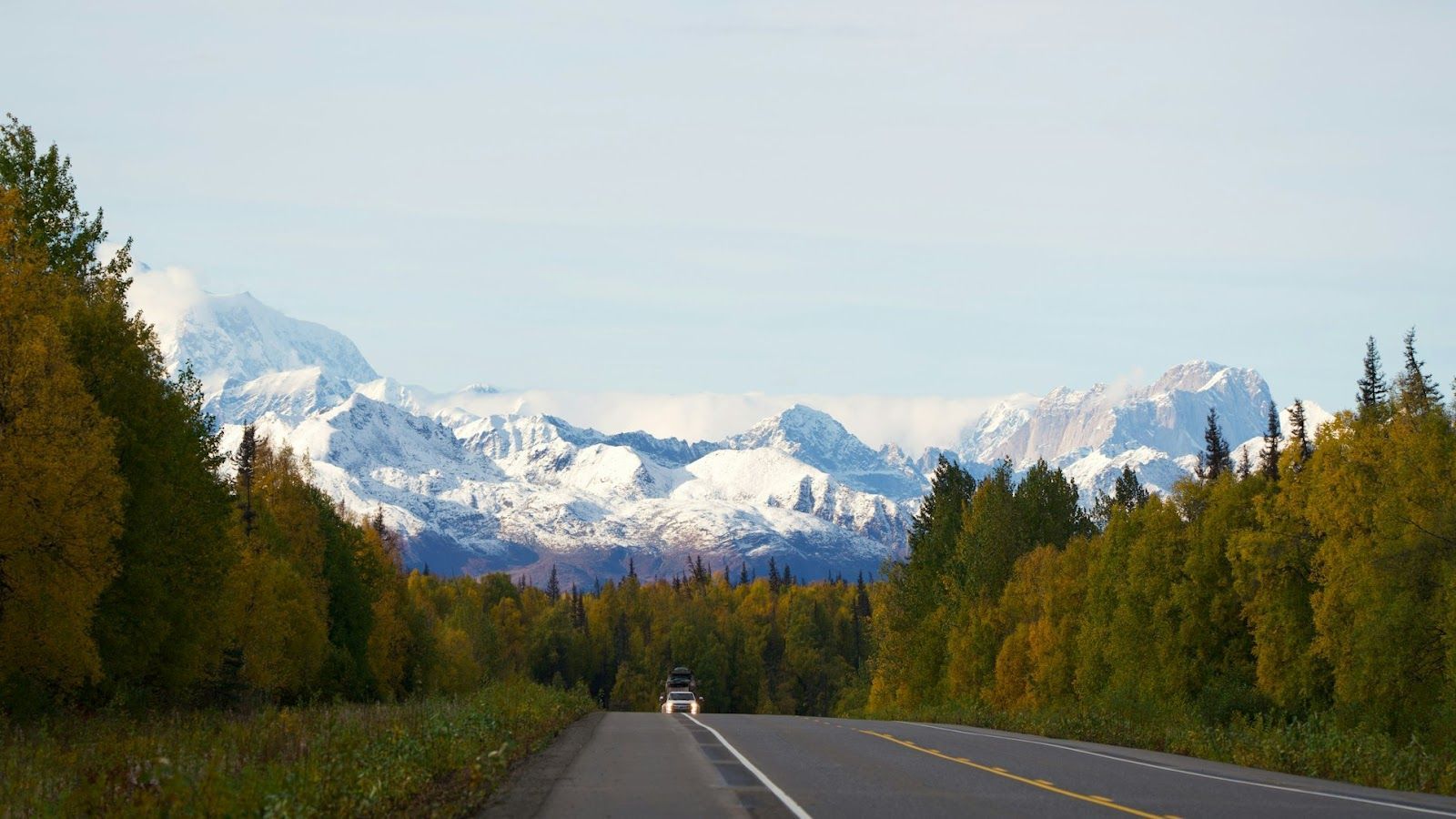
Image: Yiyi Yang

Miners wanted to name it after the ptarmigan, a local bird, but couldn’t agree on the spelling , so they went with "Chicken" instead.

Located near the Canadian border, Chicken has no phone service and a population of fewer than 20. It remains a favorite roadside stop along the Taylor Highway.

5
Booger Hole, West Virginia
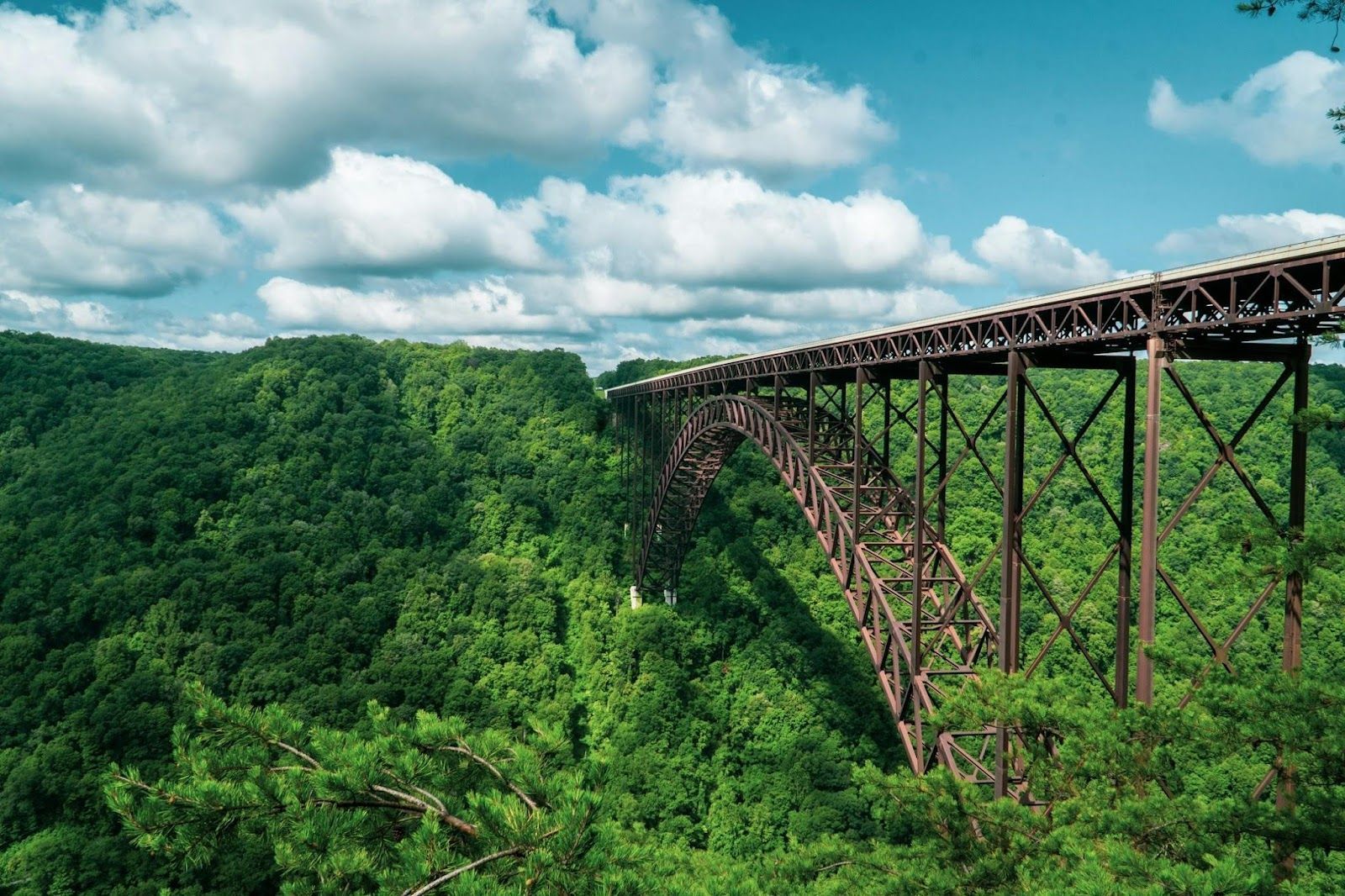
Image: Sharosh Rajasekher

Named after ghost stories and tales of mysterious disappearances in the early 1900s. "Booger" was slang for ghost or boogeyman.

The area gained notoriety for several unsolved crimes, adding to its spooky reputation. Today, it’s mostly a rural area with a curious past and no official signage.

6
Monkey’s Eyebrow, Kentucky
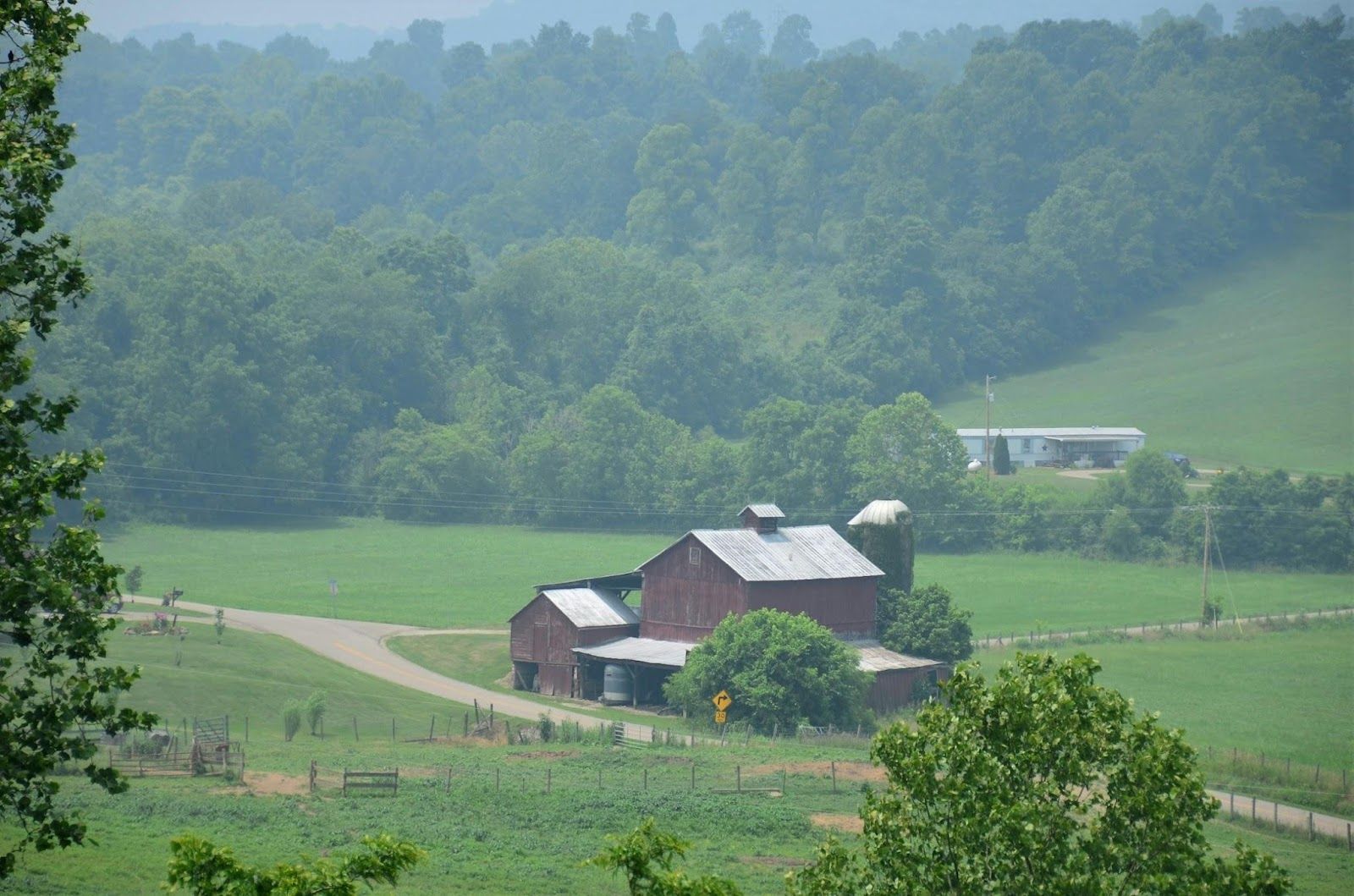
Image: Roger Starnes Sr

One origin story claims the name came from the area’s appearance on a map —it looked like the eyebrow on a monkey’s face.

Located in Ballard County, this unincorporated community doesn’t offer much beyond a memorable name. It’s a quiet farming region in western Kentucky.

7
Hell, Michigan
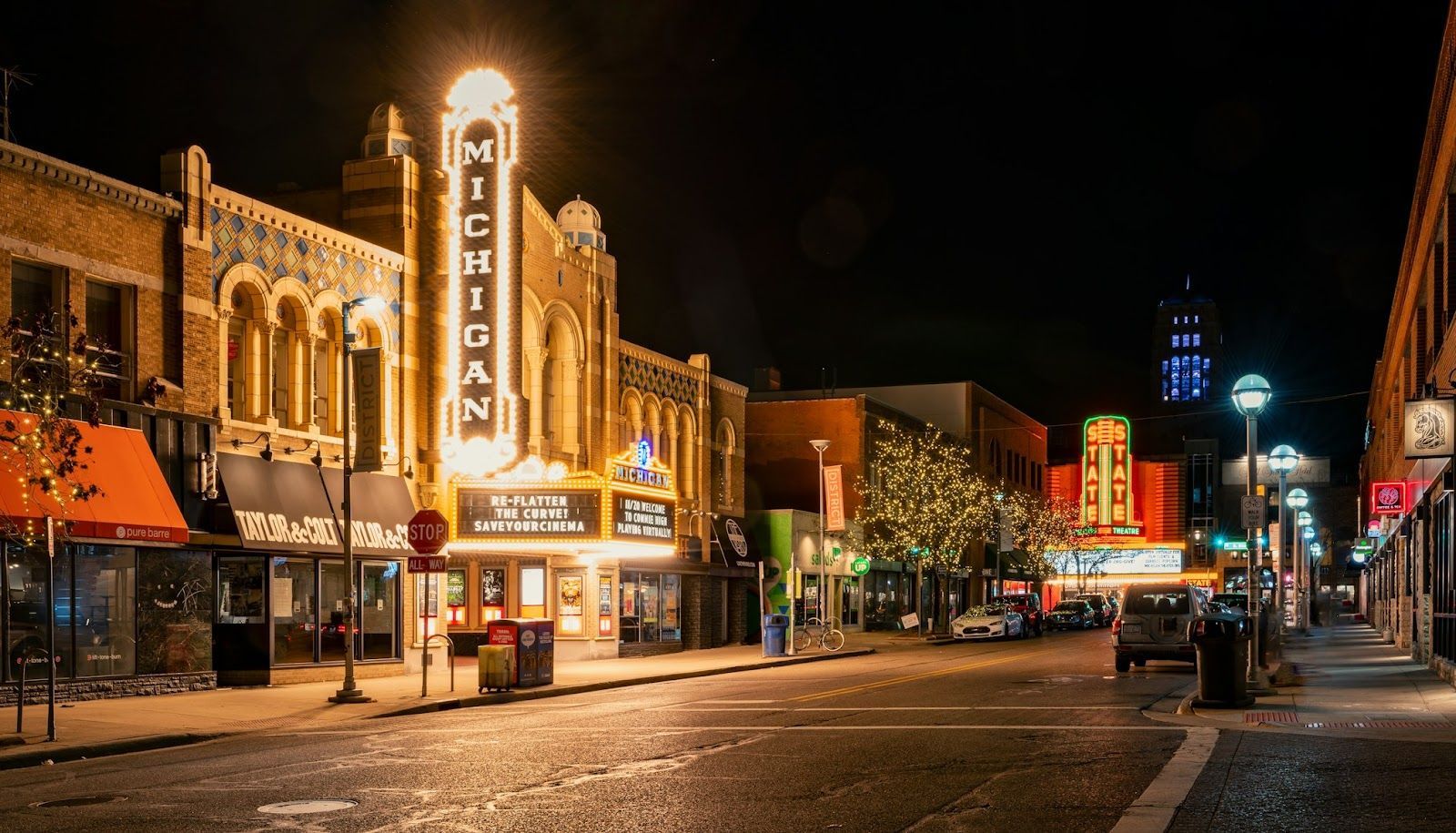
Image: Brad Switzer

Allegedly, this name came from a German traveler’s comment, "So schön hell!" meaning "so beautifully bright." In a humorous twist, however, locals took the "hell" part literally.

Today, tourism thrives on the name, with themed businesses like the Hell Hole Diner and even a wedding chapel. You can even buy a square inch of "Hell" online.

8
No Name, Colorado

Image: Holly Mandarich

When building a highway exit, engineers labeled the spot "No Name" as a placeholder. Locals voted to keep it that way.

Located near Glenwood Springs, it’s known for No Name Creek and the No Name Tunnel. It remains a photo favorite along I-70.

9
Toad Suck, Arkansas
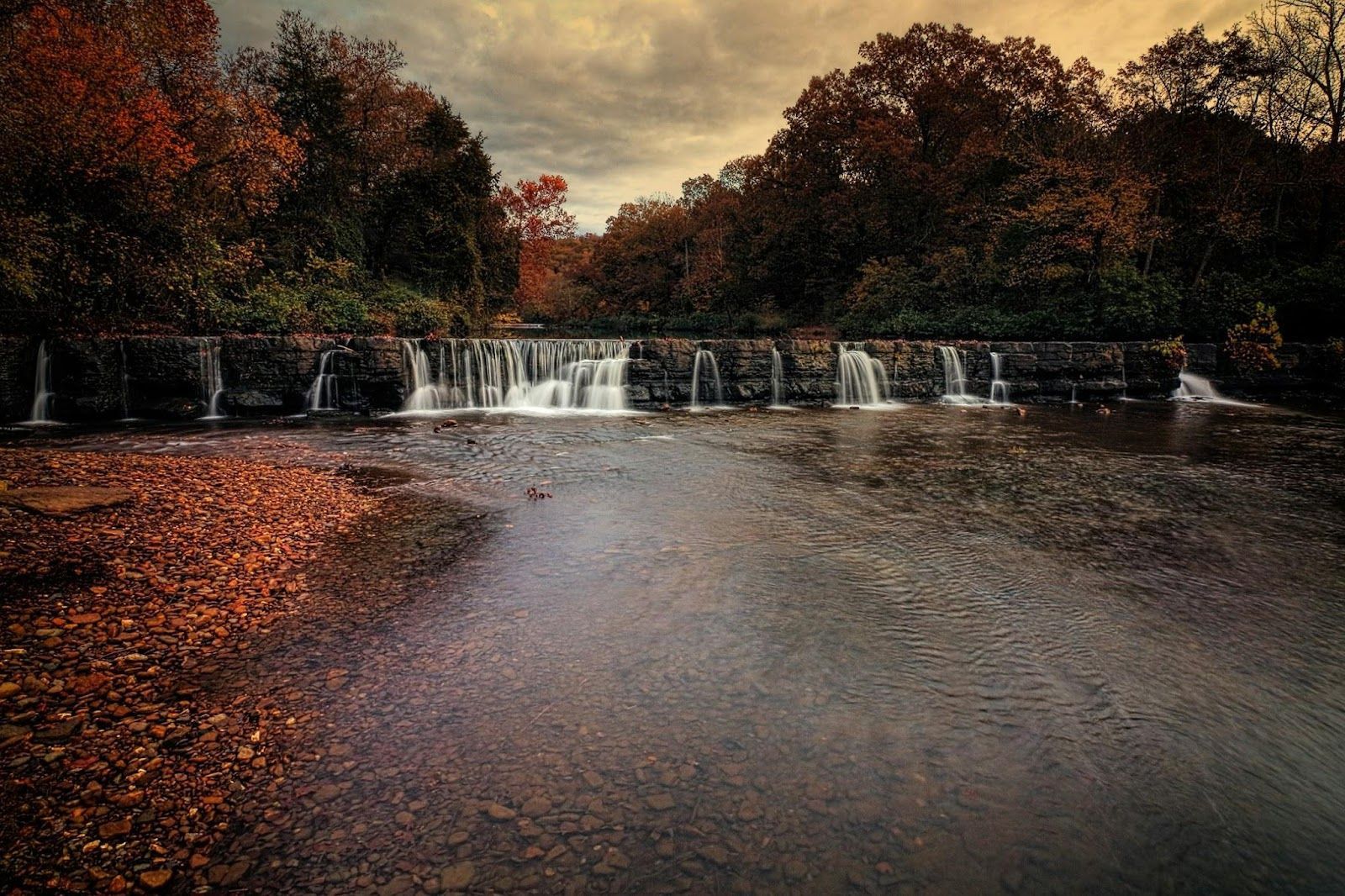
Image: Claud Richmond

Likely comes from riverboat crews who drank at the local tavern until they "swelled up like toads." The "suck" refers to a river eddy—a swirling current in the water.

Today, the town is best known for the annual Toad Suck Daze festival, which celebrates the odd name with music, food, and toad races.

10
Satan's Kingdom, Massachusetts
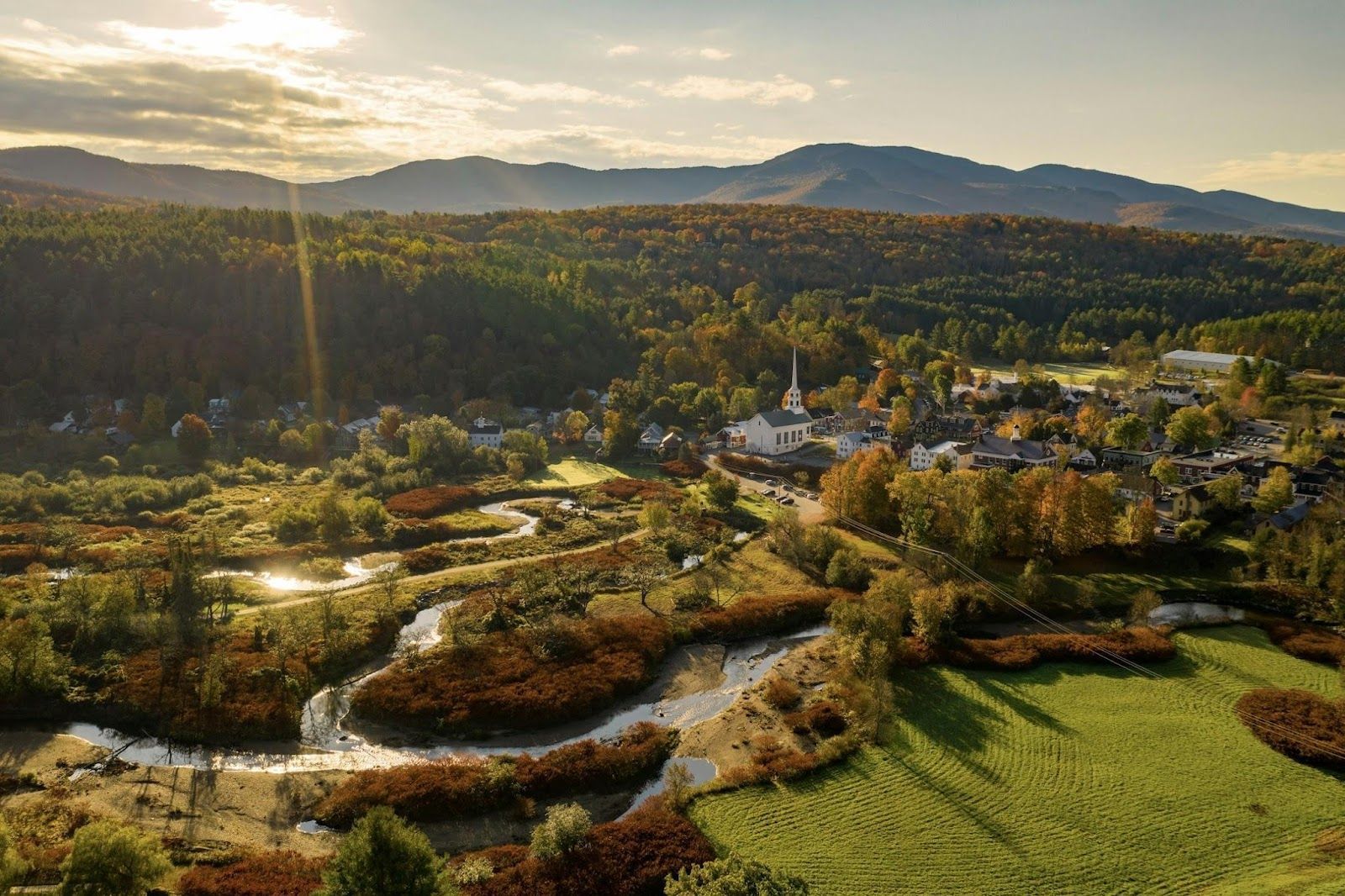
Image: Jeffrey Clayton

Located near Northfield, this ominously named unincorporated village borders the Connecticut River. Despite its fiery name, it’s a mostly quiet rural area.

Legend says the name came after a churchgoer left a sermon about hellfire and saw a forest fire raging across the river —declaring that "Satan’s Kingdom was burning." A similarly named area exists in Vermont as well.

11
Why, Arizona
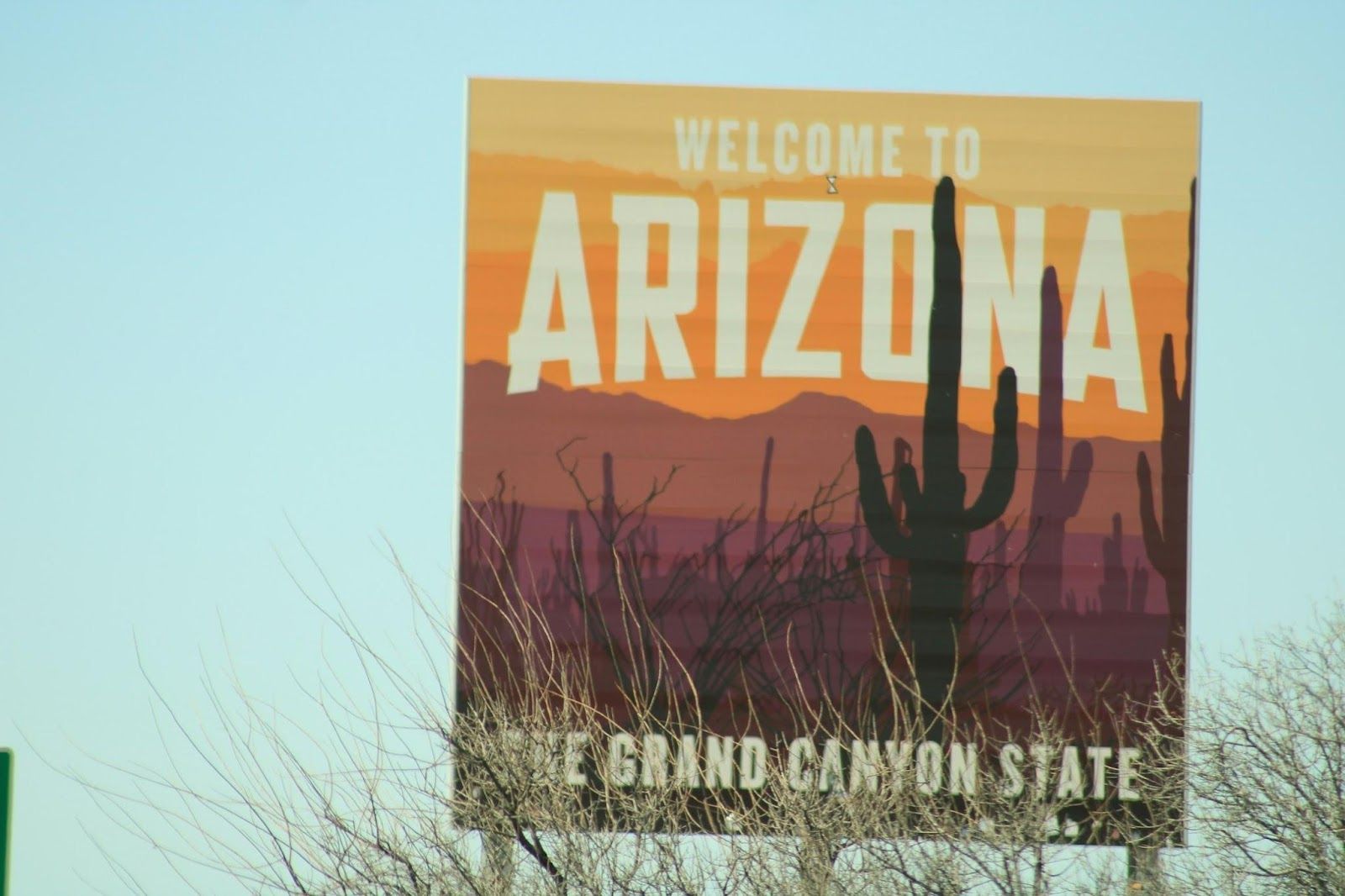
Image: Laura Mann

Named for the Y-shaped intersection of State Routes 85 and 86, the town had to adopt a name with at least three letters due to Arizona law, so "Y" became "Why."

Why lies near the Organ Pipe Cactus National Monument and remains a popular pit stop for desert road trippers.

12
Looneyville, Texas
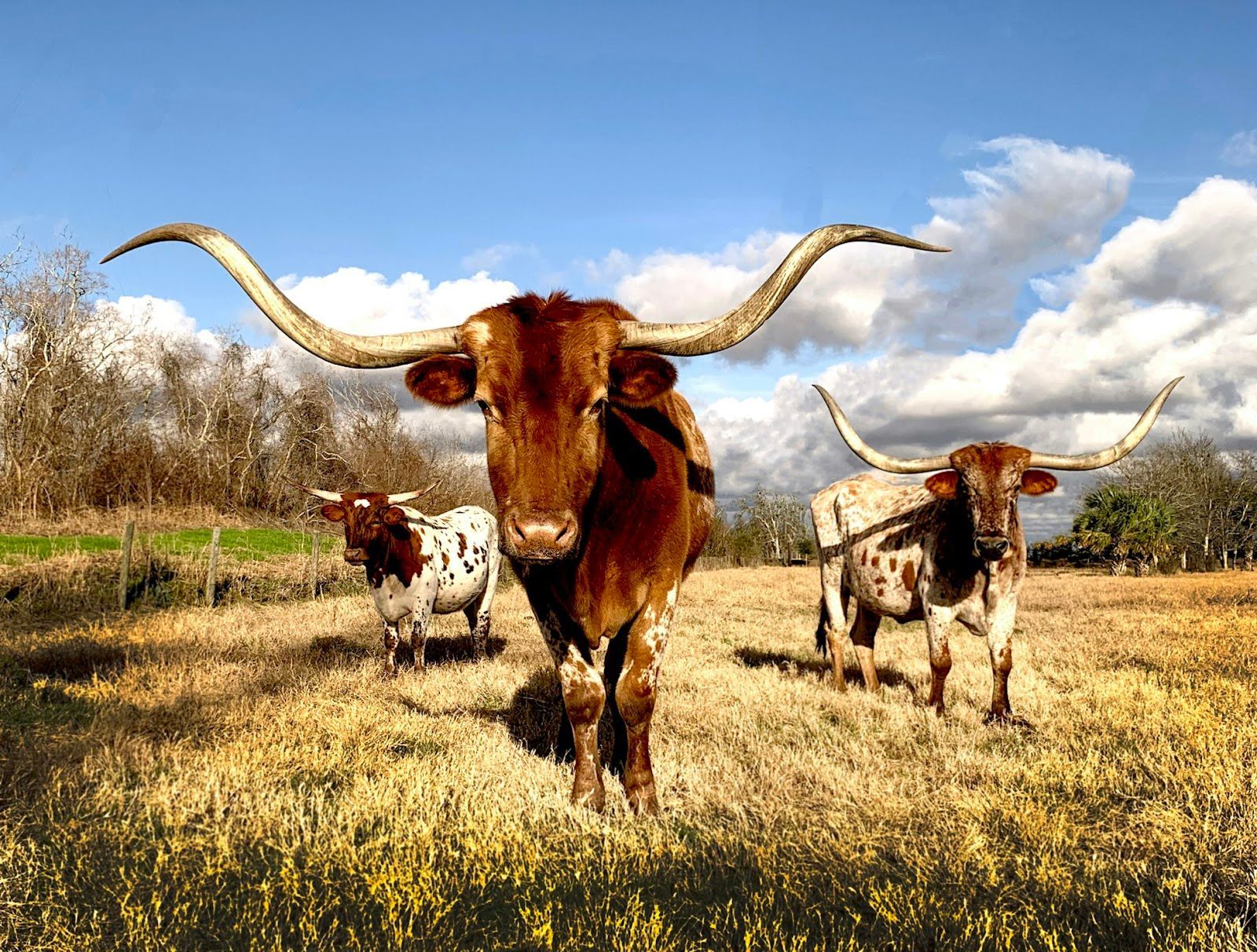
Image: Vivian Arcidiacono

Named after store owner John Looney in the 1800s, Looneyville is not a joke—just an old Texas family name.

Looneyville is in Rusk County, deep in East Texas. It remains unincorporated but shows up on maps and road signs.

History History 3 min read

Is the journey really the destination?

Did you know that Lewis and Clark never reached their original goal?

Image: Sam Mgrdichian

The spirit of exploration and the drive for immortality have long driven Americans to venture into the unknown, across continents, into polar ice, and over vast oceans. But, while many achieved greatness, some of the most compelling stories come from those who did not meet their original goals.. Did you know about these 10 examples?

1
Lewis and Clark (1804–1806)

Image: Museum of New Zealand Te Papa Tongarewa

Everybody knows about Lewis and Clark and their glorious quest across the nation, but what most don’t know is that they originally set out to find a continuous water route, the fabled Northwest Passage, from the Mississippi River to the Pacific Ocean. Commissioned by President Jefferson, the journey was meant to open up western trade routes.

Although they reached the Pacific, they confirmed that no such navigable waterway existed. Their journey was a landmark of exploration, but their primary goal remained unaccomplished .

2
Lady Franklin Bay Expedition (1881–1884)

Image: David BP

The 1881 Adolphus Greely-led expedition aimed to establish a scientific research station in the high Arctic and gather meteorological and astronomical data as part of the First International Polar Year.

But two relief ships failed to reach them due to ice. Stranded for over two years, only 7 of 25 men survived. While some data was collected, the mission was a logistical and human failure .

3
Frederick A. Cook (1908)

Image: Roxanne Desgagnés

American explorer Frederick Cook claimed he reached the North Pole in 1908, beating Robert Peary by a year. His announcement stirred immediate controversy and public excitement.

However, Cook failed to provide verifiable proof, and his claim was largely discredited . He also falsely claimed the first ascent of Denali. His goals, while grand, were never validated .

4
Amelia Earhart (1937)

Image: Shaun Bell

Amelia Earhart sought to be the first woman to fly around the world along the equator. Her journey was a bold attempt to push the limits of aviation and global navigation.

Tragically, she vanished over the Pacific near Howland Island. Despite massive search efforts, neither she nor her plane was found. Her historic goal remains unfulfilled .

5
USS Jeannette Expedition (1879–1881)

Image: Hector John Periquin

The Jeannette Expedition set out to reach the North Pole via the Bering Strait, based on a theory that a warm current could carry ships through the ice.

Instead, the ship was trapped and crushed by ice. The crew made a desperate trek across Siberia, with many dying from exposure and starvation. The pole was never reached , and the voyage ended in tragedy.

6
Crocker Land Expedition (1913–1917)

Image: Annie Spratt

Backed by Robert Peary’s reports, this expedition aimed to locate "Crocker Land," a supposed Arctic landmass seen on a prior voyage.

After weeks of travel, they discovered it was a mirage. The team was stranded for years due to failed rescue attempts. Their quest failed because the land never existed .

7
American Karakoram Expedition (1953)

Image: Daniel Born

Led by Charles Houston, the expedition aimed to be the first to summit K2, the world’s second-highest mountain after Everest. The team climbed high and established advanced camps.

Trapped by a severe storm, they made a heroic retreat. One climber died, and the summit remained out of reach . Their attempt was noble, but ultimately unsuccessful.

8
Ziegler Polar Expedition (1903–1905)

Image: ArcticDesire.com Polarreisen

The abundance of Arctic expeditions on this list is not a coincidence. This area is tough to traverse, and much of it remains unknown. This particular expedition sought to reach the North Pole via Franz Josef Land. The crew wintered in the Arctic with supplies and dogs for the attempt.

Severe ice and harsh conditions thwarted their progress. They were stranded for two years and never neared the pole. Though most survived, the mission failed in its main goal .

9
Zebulon Pike (1805)

Image: Mathew Benoit

In 1805, Army officer Zebulon Pike was tasked with exploring the headwaters of the Mississippi River. The goal was to identify its true source and assert U.S. presence in the newly acquired Louisiana Territory.

Facing poor maps, freezing conditions, and supply shortages, Pike never reached the actual source . Though he gathered useful data, the mission failed to meet its primary objective.

10
American China-Everest ’82 Expedition (1982)

Image: Andreas Gäbler

Led by Lou Whittaker, this team aimed to summit Mount Everest via the remote Chinese (Tibetan) side, which was an unusual and challenging route for American climbers at the time.

Despite significant progress, they turned back just 1,500 feet from the top due to difficult conditions. The summit remained unreached .

History History 3 min read

Political zoo

When an alligator lived in the White House—and 9 more presidential pets

Image: Clovis Wood

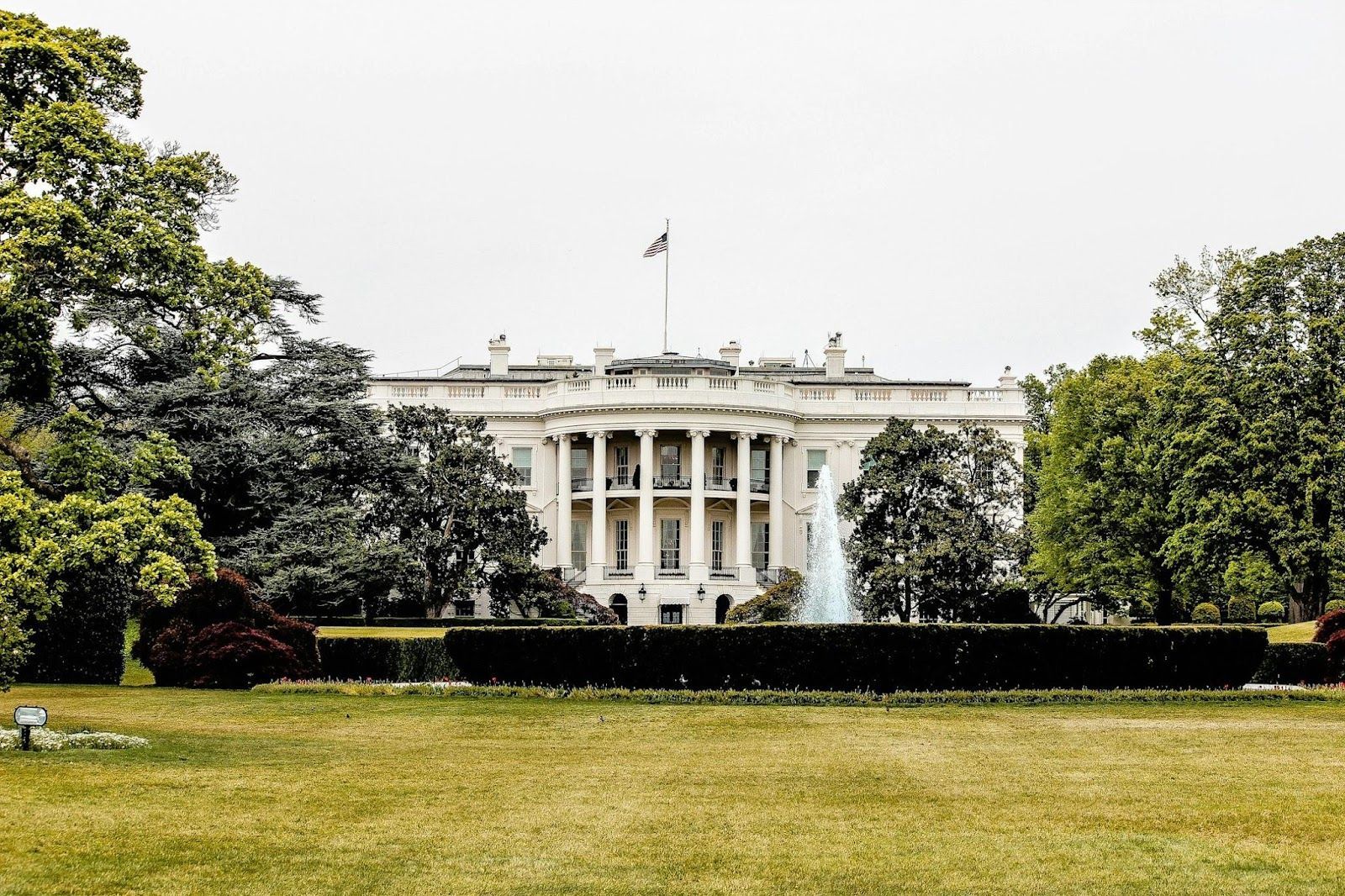
From alligators in bathtubs to bears roaming the lawn, U.S. presidents have kept some truly bizarre animals as pets. These creatures weren’t just conversation pieces—they reflected the quirks, ambitions, and historical moments of the presidents who owned them. Here are 10 of the strangest, wildest, and most unexpected pets ever to call 1600 Pennsylvania Avenue home.

1
John Quincy Adams’ alligator

Image: Robert Zunikoff

Adams kept an alligator in the White House bathtub, a gift from Marquis de Lafayette. Guests were reportedly startled by the reptile for months before it was relocated.

However, recent historians believe the story may be more myth than fact, reflecting the perceived eccentricity of both Adams and Lafayette rather than actual events.

2
Theodore Roosevelt’s badger

Image: Vincent van Zalinge

It’s clear that Teddy Roosevelt was an animal lover, keeping some of the most bizarre and unusual pets in White House history.

When Roosevelt’s children received a badger named "Josiah" from a girl in Kansas, the president didn’t hesitate to welcome it into the family home. The mischievous animal, however, often nipped at people’s ankles—including White House staff.

3
Martin Van Buren’s tiger cubs

Image: Mystery Cat

Yes—tiger cubs, plural. The Sultan of Oman gifted Van Buren two tiger cubs, but Congress demanded he surrender them to a zoo, citing laws against presidential gifts.

Van Buren fought to keep them but ultimately lost, and the cubs ended up in a public collection, marking one of the earliest disputes over presidential ethics and gifts.

4
Andrew Jackson’s parrot

Image: Ilona Frey

Jackson’s parrot, "Polly" learned to swear so well that it had to be removed from his funeral for cursing during the ceremony.

Known for his fiery temper, Jackson likely found the bird’s language amusing. Polly’s notorious vocabulary made it one of the earliest infamous pets in U.S. political lore.

5
James Buchanan’s elephant

Image: Wolfgang Hasselmann

This was a case of "almost." The King of Siam offered Buchanan a herd of elephants, suggesting they could breed in America. However, Buchanan politely declined—perhaps recalling Van Buren’s short-lived tiger ordeal? Still, he did maintain other exotic animals in Washington.

6
Abraham Lincoln’s turkey

Image: Tyler Jamieson Moulton

Lincoln’s son Tad named their Thanksgiving turkey "Jack" and begged his father to spare it—a story said to inspire the later turkey pardon tradition.

Jack roamed the White House freely and even followed Tad around, charming guests with his odd pet status.

7
Calvin Coolidge’s raccoon

Image: Joshua J. Cotten

Originally sent to be eaten at Thanksgiving—yes, eating raccoon wasn’t that unusual back then—"Rebecca" the raccoon was spared and became a pet. Coolidge even walked her on a leash around the White House gardens.

Rebecca had a custom house and enjoyed baths. Coolidge adored animals and also kept a wallaby, a bobcat, and even pygmy hippos!

8
Theodore Roosevelt’s hyena

Image: Matt Burke

By modern standards, it sounds insane, but Roosevelt was once gifted a hyena named "Bill" by an Ethiopian emperor—and he found the animal surprisingly affectionate.

Bill often roamed the White House lawn freely before eventually being sent to the Smithsonian, adding another chapter to Roosevelt’s legendary fascination with wildlife.

9
Woodrow Wilson’s sheep

Image: Sam Carter

During World War I, Wilson let sheep graze the White House lawn to save labor and raise war funds by auctioning their wool.

The move doubled as an environmental gesture and patriotic fundraiser. "Old Ike," a ram, became infamous for butting staff members and reporters alike.

10
Theodore Roosevelt’s bear cub

Image: Alla Kemelmakher

A black bear named "Jonathan Edwards" was among Roosevelt’s pets, inspired by his love of hunting and the outdoors.

Though kept briefly, the bear contributed to Roosevelt’s reputation as an adventurer—one that even inspired the creation of the "Teddy bear."

Explore more American facts

Choose your favorite category!

General
General

As American as apple pie—the very best America has to offer!

Culture
Culture

Delve into the astounding richness of American lore.

Geography
Geography

Hop in and explore vast and diverse American landscapes.

History
History

Discover the key moments that shaped the United States.