General General 5 min read

10 TV shows that changed everything

Image: Alexander Chesarev

There’s no way you haven’t watched at least one of them. Groundbreaking, radical, and revolutionary: these TV shows are all that and more. From The Simpsons to Sex and the City, from The Sopranos to Law & Order, these series reshaped storytelling and how we think about our work, our friendships, and our love lives . Get ready to rediscover 10 beloved, incredibly entertaining shows that turned everything upside down.

1
The Simpsons
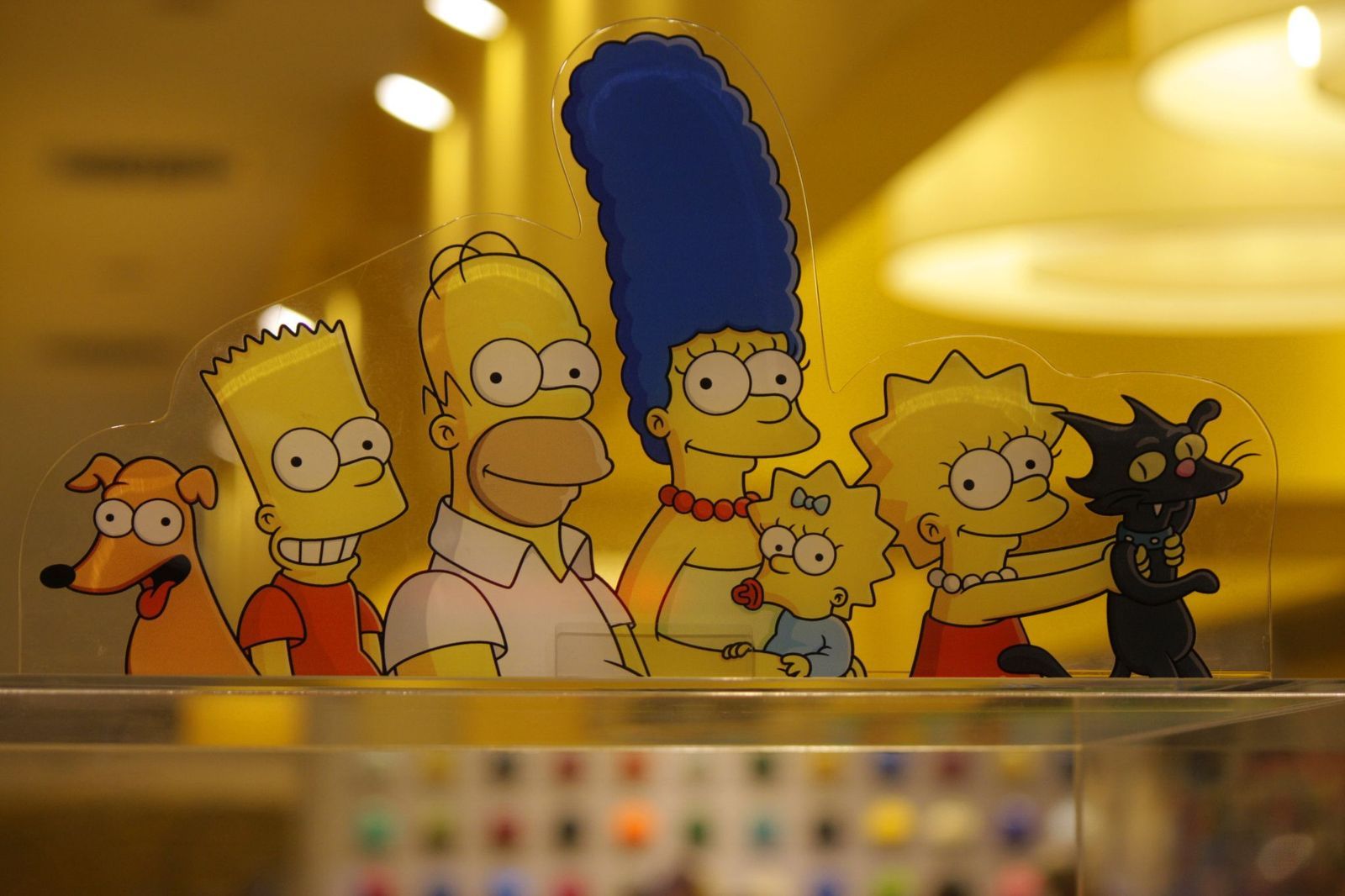
Image: 360b

The Simpsons , created by Matt Groening, premiered on Fox in 1989, starring a new family that defied conventional, picture-perfect TV norms.

Instead, an imperfect and dysfunctional family appeared — and because of that, they were relatable in profoundly new ways . The Simpsons was also a pioneer in adult animation, allowing children to follow the story while including complex political and social satire for adults. It not only coined permanent catchphrases but also had a surprising ability to predict world events.

2
The Sopranos
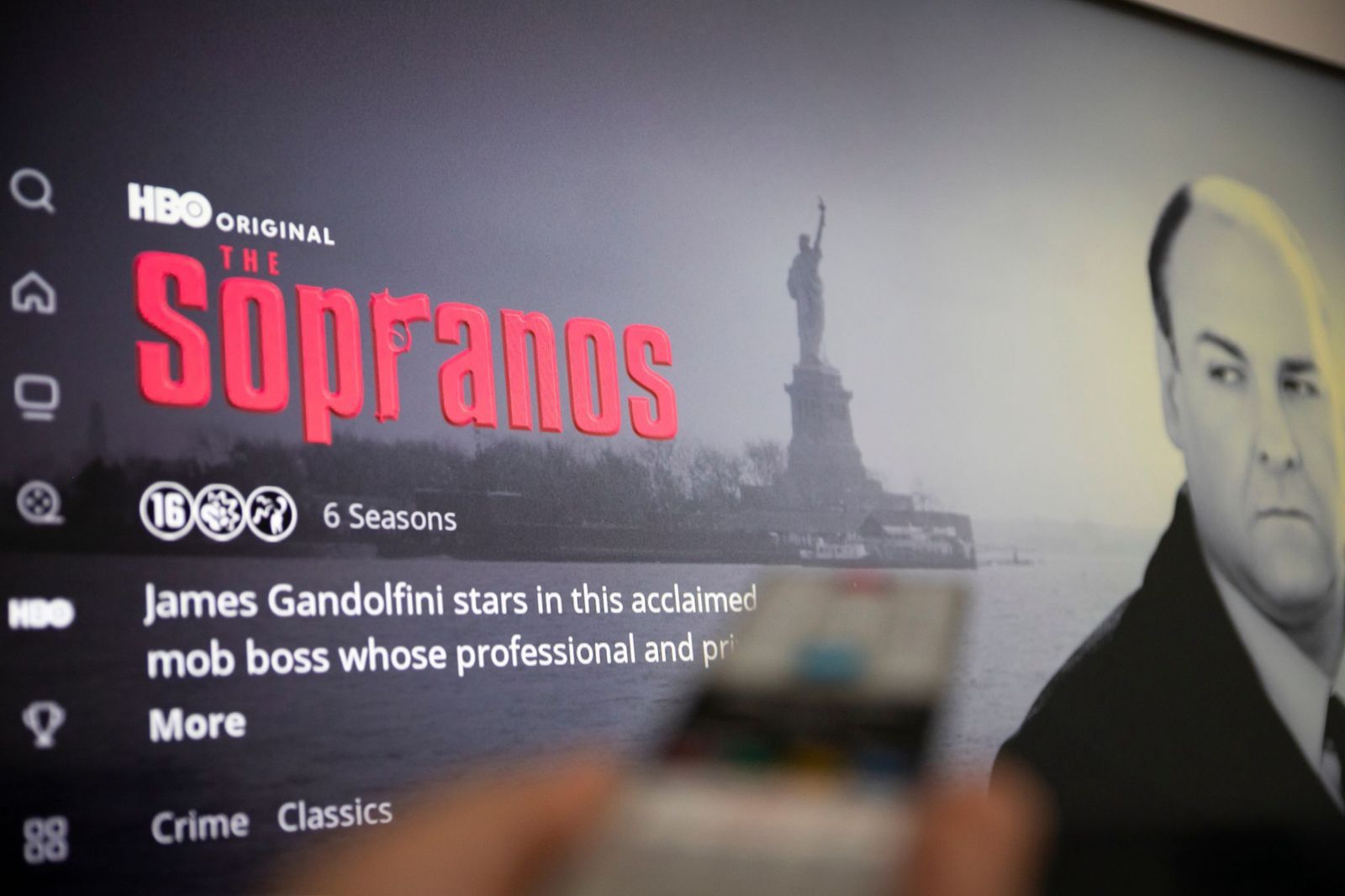
Image: ArtMediaWorx

The Sopranos, created by David Chase, debuted on HBO in 1999. It followed the life of Tony Soprano (played by the late James Gandolfini) and his struggles as a mobster and the patriarch of his dysfunctional suburban family , all analyzed by his psychiatrist, Dr. Jennifer Melfi (Lorraine Bracco).

This show was radical because, unlike previous protagonists, the central figure Tony was deeply flawed and often unlikable, paving the way for more anti-hero protagonists like Walter White and Don Draper. Alongside its complex and ambiguous morality, the cinematography of the show began to rival that of Hollywood movies.

3
Lost

Image: Erman Gunes

Lost , created by J.J. Abrams, Damon Lindelof, and Jeffrey Lieber, premiered on ABC in 2004, before streaming existed. The story follows the crash of Oceanic Flight 815 on a very peculiar tropical island. It kicked off as a gritty and character-driven survival story that eventually evolved into a sci-fi and mythological epic.

It was revolutionary because it introduced the "mystery box" trope, proposing complex questions and dropping clues that kept viewers hooked and constantly theorizing — arguably inventing modern, interactive TV fandom.

4
Sex and the City
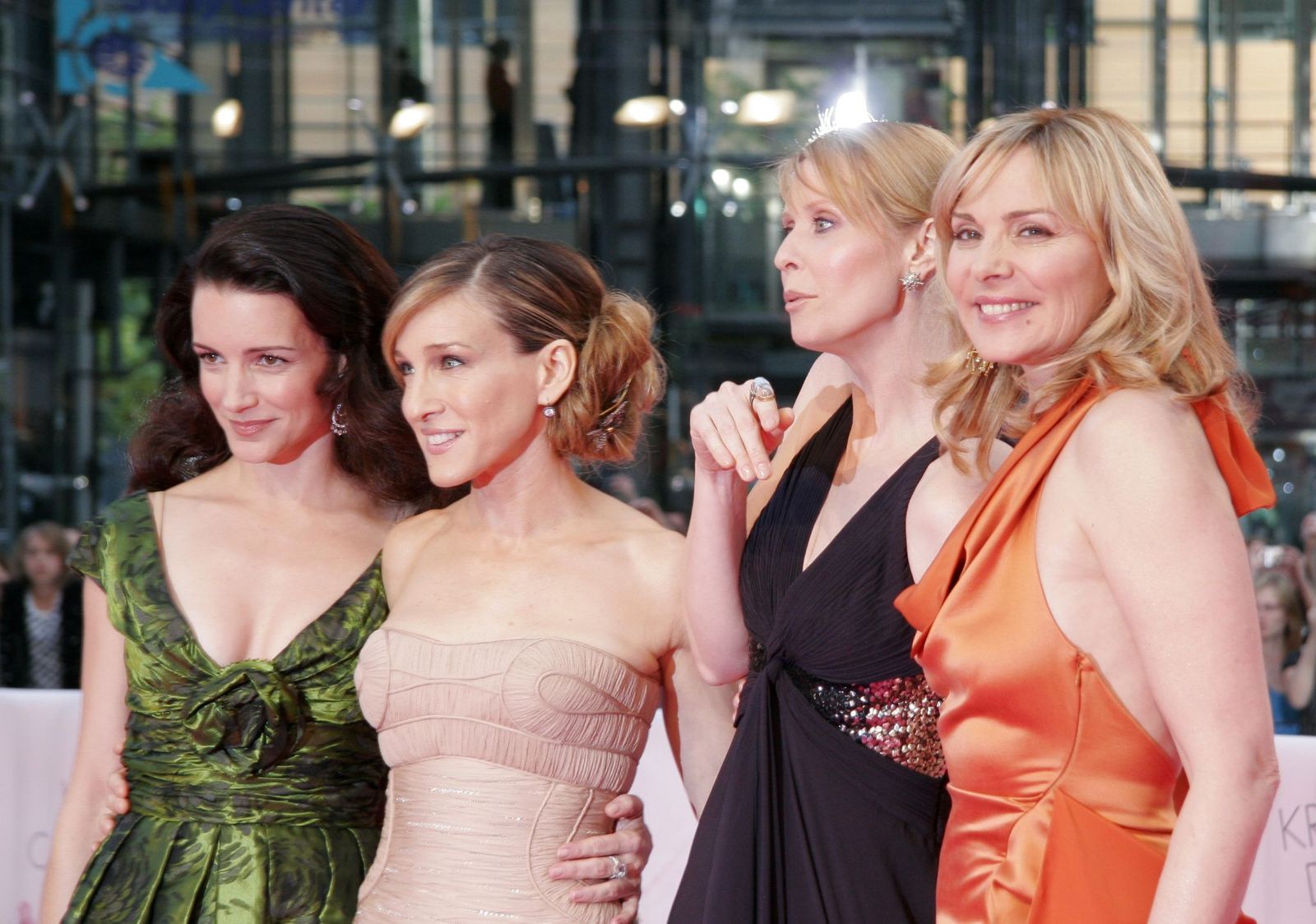
Image: vipflash

Created by Darren Starr, Sex and the City, which premiered in 1998 on HBO, changed the cultural narrative around women’s roles through the lives of four female friends (led by Sarah Jessica Parker’s Carrie Bradshaw) living and working in New York City.

It was the first mainstream hit that featured women talking frankly about sex and sexuality — and proposed that female friends can be soulmates, and that those relationships can take precedence over romantic, marital ones. Rejecting outdated "traditional" roles, the show also destigmatized being single and childless, and instead embraced female financial independence, celebrating women who focused on their careers and personal development in their 30s and 40s.

5
CSI: Crime Scene Investigation
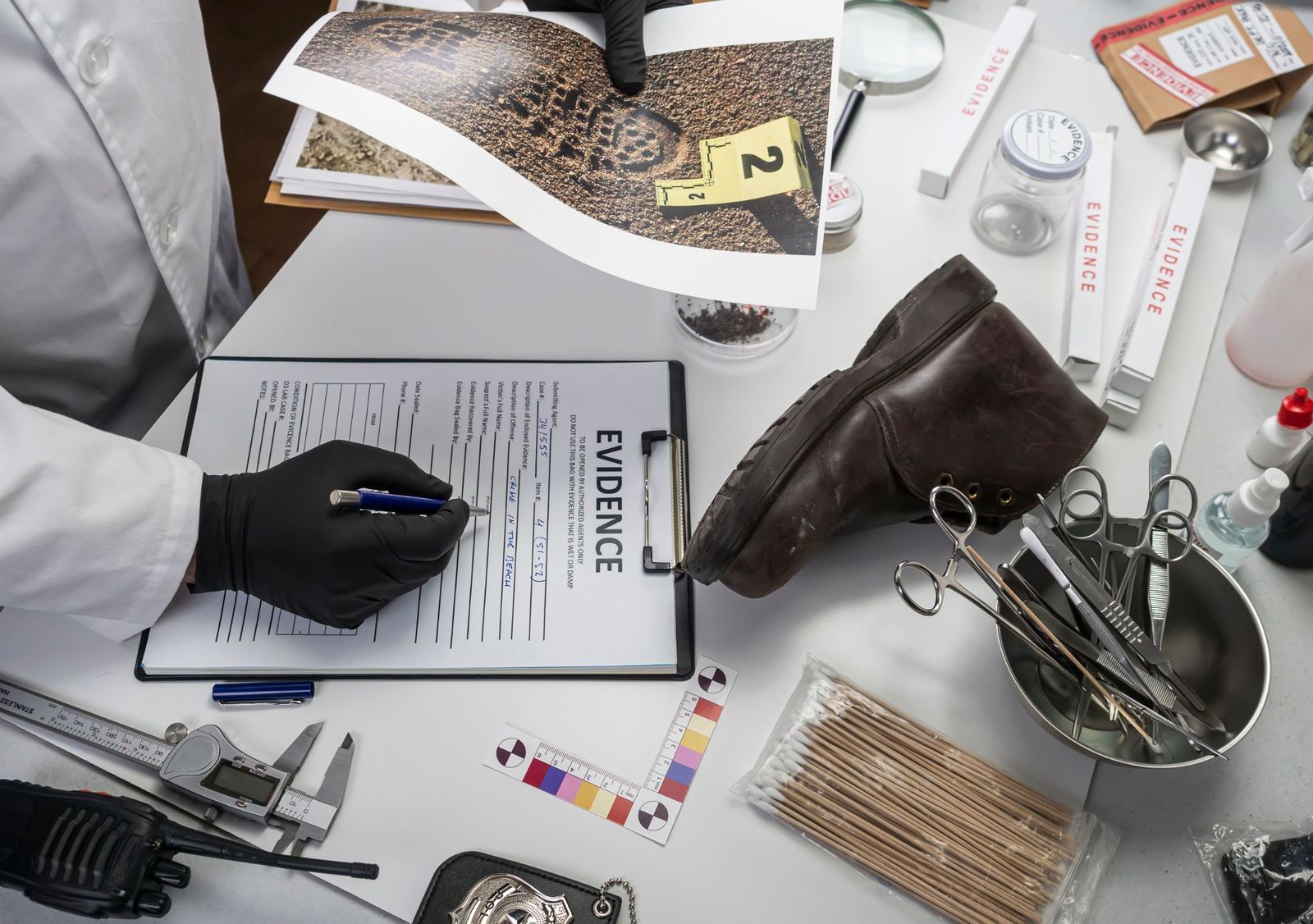
Image: digicomphoto

CSI, created by Anthony E. Zuiker and which premiered on CBS in 2000, followed the lives and work of a team from the Las Vegas Police Department (LVPD), led by Dr. Gil Grissom (William Petersen), who meticulously collected evidence to solve cases.

It shifted the focus for the first time from police and detective work on the streets to the indoor, behind-the-scenes dynamics of interrogations, forensics, and high-tech lab analysis. It also popularized the concept of "nerd squad", making lab and microscope analysis cool for the first time .

6
The X-Files
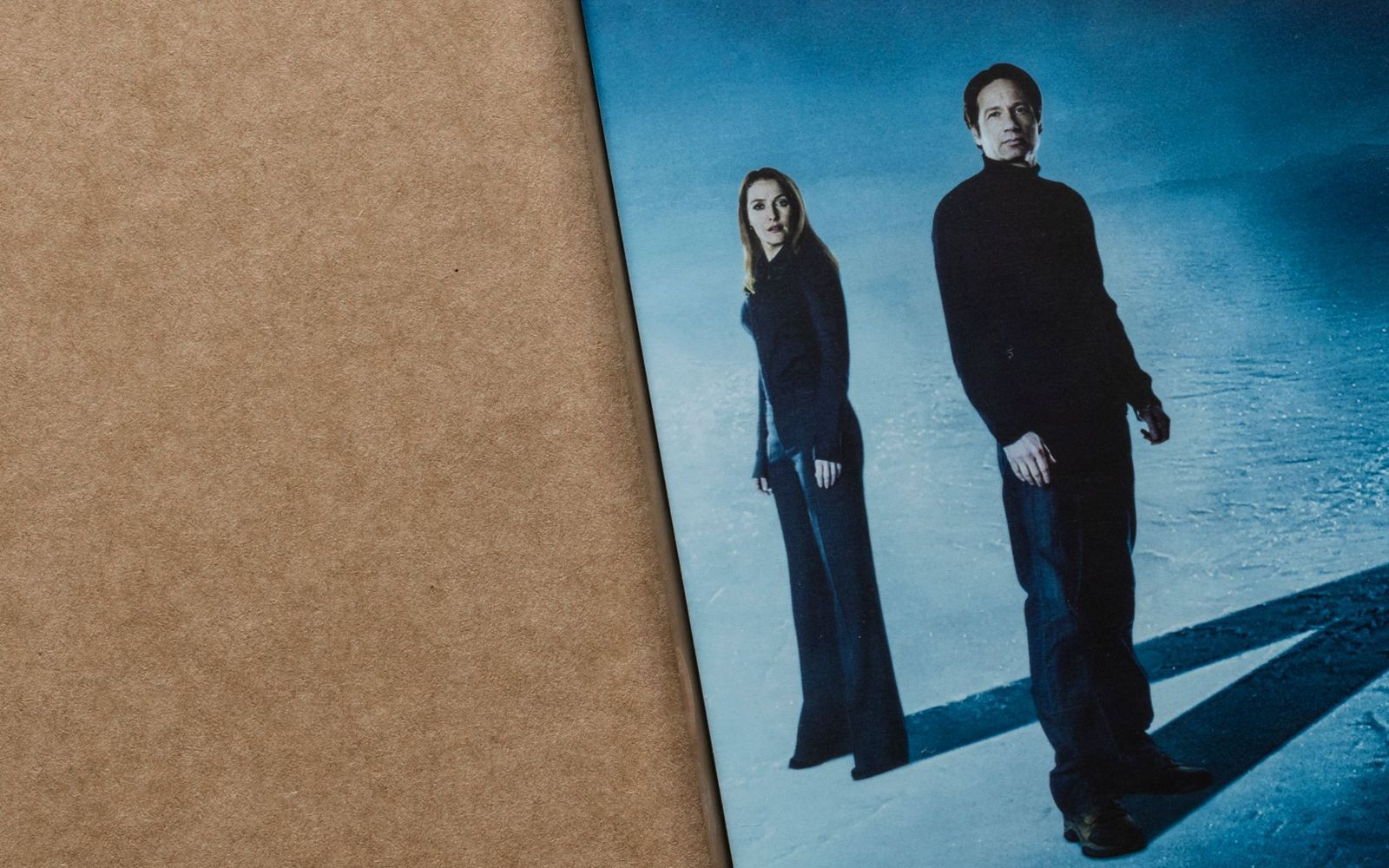
Image: Snap Spot

The X-Files, created by Chris Carter, premiered in 1993, and introduced a structure where each episode was a stand-alone story known as a "monster of the week," while also being part of an overarching mythic story that included government alien conspiracy theories and supernatural events.

This show flipped gender roles completely: the main female character, Agent Dana Scully (Gillian Anderson), was the intelligent and assertive medical doctor (inspiring many women at the time to pursue STEM careers), and the lead male character, Agent Fox Mulder (David Duchovny), was the intuitive and instinct-driven character.

7
Breaking Bad
Image: ssi77

Breaking Bad, created by Vince Gilligan, premiered in 2008 and is considered by many to be the ultimate catalyst that transformed television into a cinematic experience, elevated serialized storytelling, and, once it became available on Netflix, popularized the binge-watching model so common today .

Another crucial aspect was the main character: Walter White (Bryan Cranston) changed from a sympathetic, cancer-stricken high school chemistry teacher to the ultimate drug lord villain. Before this show, characters rarely evolved; instead, here the audience became especially invested in Mr. White’s persona.

8
Mad Men

Image: lev radin

Mad Men , created by Matthew Weiner and airing on AMC from 2007 to 2015, centered on the professional and personal lives of advertising executives, including protagonist Don Draper (Jon Hamm), on Madison Avenue in New York City in the 1960s. It was the first basic cable series to win an Emmy Award for Outstanding Drama Series .

It revolutionized television at the time by proving that a sophisticated, slow-burning script with literary character development (including some of the best-written dialogue on television ever) could work. The show was also committed to historical accuracy and meticulous set design, raising the bar for visual and thematic storytelling.

9
Law & Order

Image: Tingey Injury Law Firm

Law & Order, created by Dick Wolf, premiered on NBC in 1990, flipping the usual crime drama formula on its head — splitting episodes into a two-part structure, presenting a police investigation, followed by a courtroom prosecution .

Therefore, it prioritized legal procedures over emotional drama, and the cases became the main character, presenting the difficulties and nuances of the criminal justice system, instead of the usual black-and-white representation of justice. With new episodes still airing (following a 2010-2022 hiatus), Law & Order remains one of the most successful series in TV history, launching numerous spinoffs including the popular Law & Order: SVU.

10
Grey’s Anatomy

Image: ssi77

Grey’s Anatomy, created by Shonda Rhimes, aired on TV for the first time in 2005 and became the longest-running American primetime medical series ever. It centers on a hospital in Seattle and follows surgical residents as they become surgeons, while balancing intense life-and-death emergencies with complex personal life stories .

Most notably, the series created what was described as "Grey’s Effects": the approach to joyful and defiant female sexuality and to women unapologetically taking up space in a male-dominated professional field; it even shaped medical school applications and improved the public's understanding of real-world health issues.

11
The Wire

Image: Kevin McGovern

The Wire was created by former police reporter David Simon and detective Ed Burns, and is considered by many to be one of the greatest shows ever made , airing on HBO from 2002 to 2008. It is a drama series that analyzes the systemic issues Baltimore faces, examining a different institution in each of its five seasons.

Originally pitched as the "anti-cop show," it showed police departments slowed down by piles of bureaucracy, where chasing arrests became more important than actually solving crimes or improving lives. In addition, the city was the main character, portrayed as a gray, morally complex world.

Culture Culture 3 min read

I want to believe

11 famous hoaxes in American history that fooled everyone

Image: Hartono Creative Studio

The fact that not every little thing in our world can yet be explained makes life a bit more interesting for many of us. And that urge to believe in certain things has fostered many myths and hoaxes that continue to fool people to this day. How many of the following 11 do you know?

1
The Cardiff Giant

Image: Anton Ivanov

In 1869, workers digging a well in Cardiff, New York, uncovered what appeared to be a 10-foot-tall petrified man. Locals rushed to see the "giant," paying admission to witness history in the soil.

But, as it turned out, it wasn’t ancient at all. A man named George Hull had buried the statue as a prank and made some quick money from the curious crowd.

2
War of the Worlds Broadcast

Image: Michal Balog

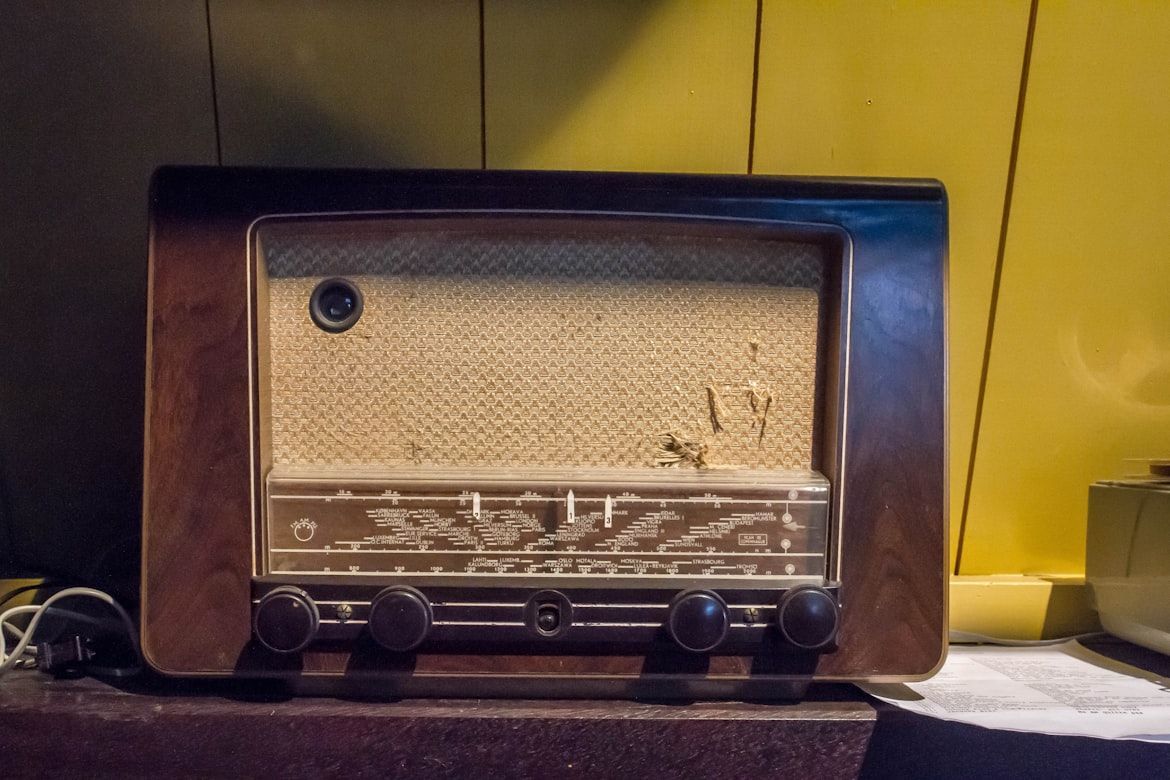
This very famous hoax took place on the eve of Halloween 1938. Orson Welles’s radio adaptation of The War of the Worlds aired as if it were breaking news . Many listeners tuning in late thought Martians had really landed in New Jersey.

Some packed up their cars or called the police in panic. Though no invasion occurred, the broadcast became a legend in media history.

3
The Balloon Boy

Image: Ankush Minda

In 2009, Americans watched live TV coverage of a silver balloon drifting across the skies of Colorado , fearing that a six-year-old boy was trapped inside . The story gripped the nation for hours.

When the balloon finally landed empty, police discovered the child hiding safely at home. His parents later admitted it was a publicity stunt gone wrong.

4
The Feejee Mermaid

Image: Nsey Benajah

In 1842, showman P. T. Barnum unveiled a marvel: a preserved "mermaid" supposedly from the South Seas . Crowds lined up to see the half-fish, half-woman curiosity.

The truth was stranger still. It was the upper body of a monkey sewn onto a fish tail and covered in papier-mâché.

5
The Great Moon Hoax

Image: Ganapathy Kumar

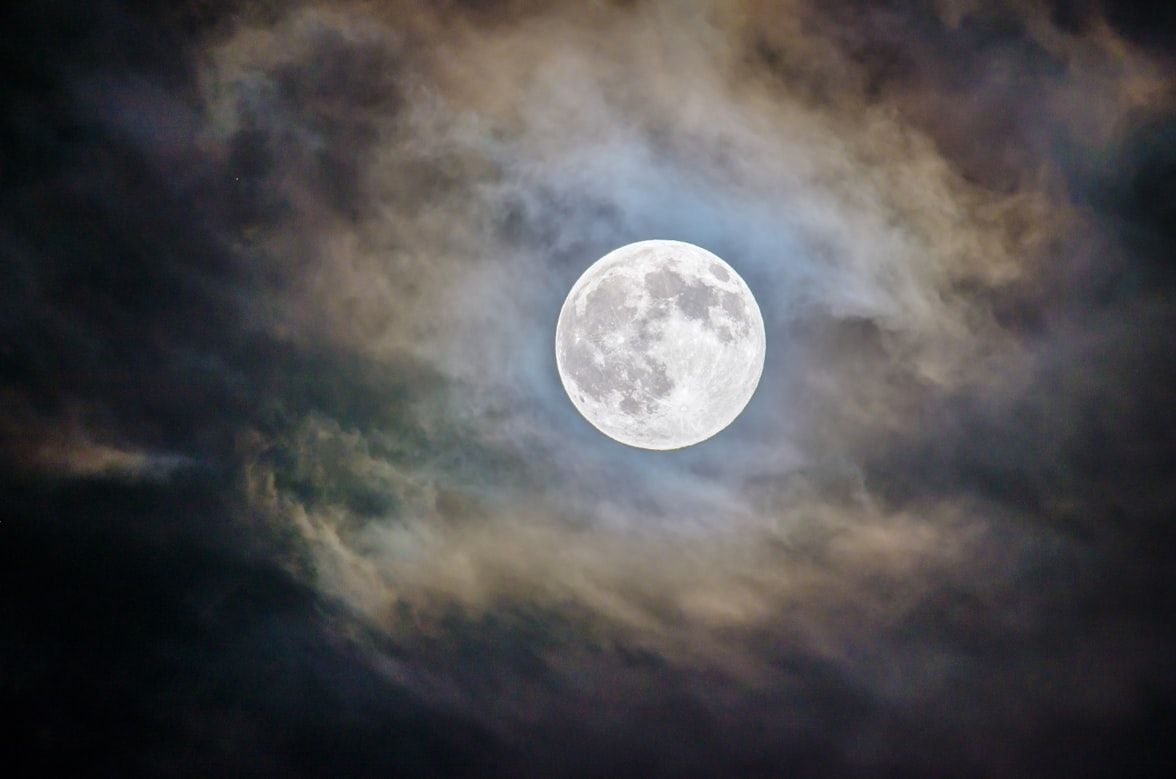
Readers of The New York Sun in 1835 were astonished by reports claiming that scientists had spotted bat-like people and crystal palaces on the Moon through a powerful new telescope.

The story was pure invention, but circulation went up. By the time the truth came out, the paper’s readership had reportedly increased dramatically.

6
The Crop Circles Craze

Image: Agent J

When perfect circles began appearing overnight in wheat fields , people talked about UFO landings. The shapes seemed too precise to have been made by human hands.

But, in 1991, two Englishmen confessed they’d used boards and ropes to flatten the crops. While this revelation explained many of the formations, the mystery lives on in popular imagination.

7
Alien Autopsy Film

Image: Leo_Visions

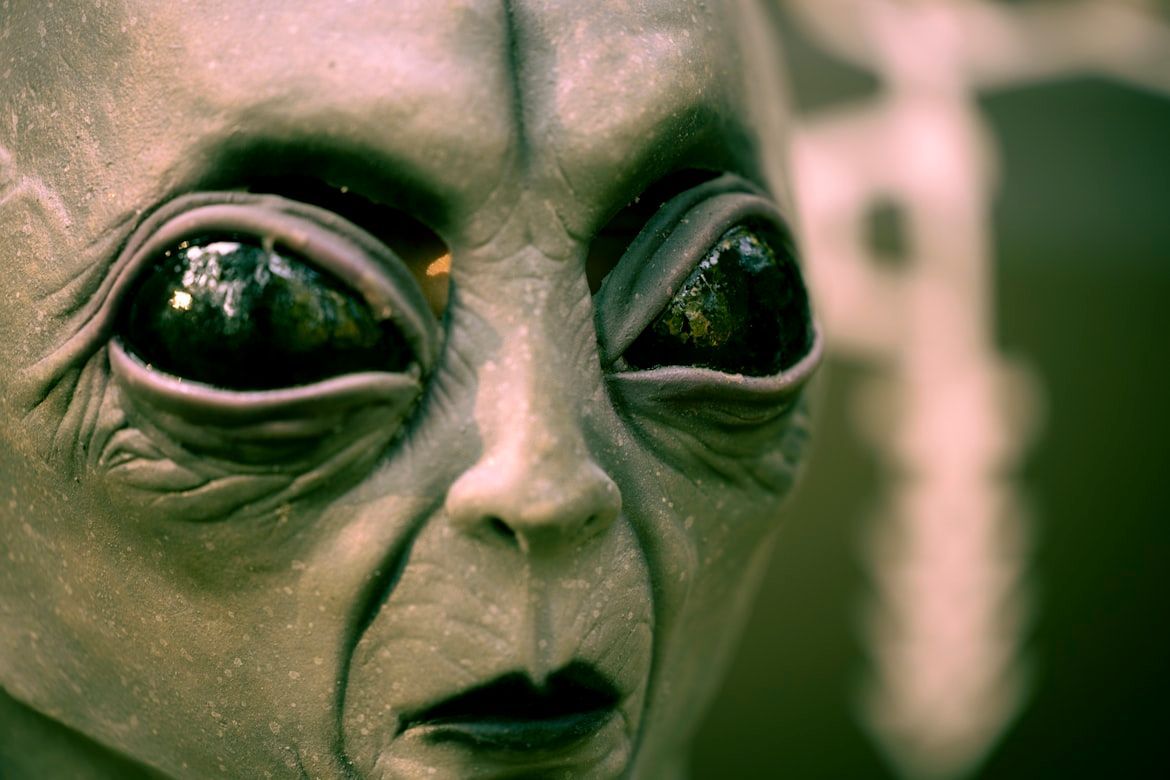
In 1995, a grainy black-and-white video surfaced, showing doctors dissecting what seemed to be an alien recovered from the 1947 Roswell crash. The footage spread quickly worldwide.

Years later, the filmmaker admitted that the film was staged, using latex models and fake organs.

8
The Manti Te’o girlfriend hoax

Image: Kaleb Becker

Notre Dame football star Manti Te’o captured hearts when he revealed that his girlfriend had died of leukemia . Sports fans wept over the tragic love story.

But reporters later learned that the woman never existed. It was an elaborate online catfishing scheme.

9
The Patterson–Gimlin Bigfoot film

Image: Jon Sailer

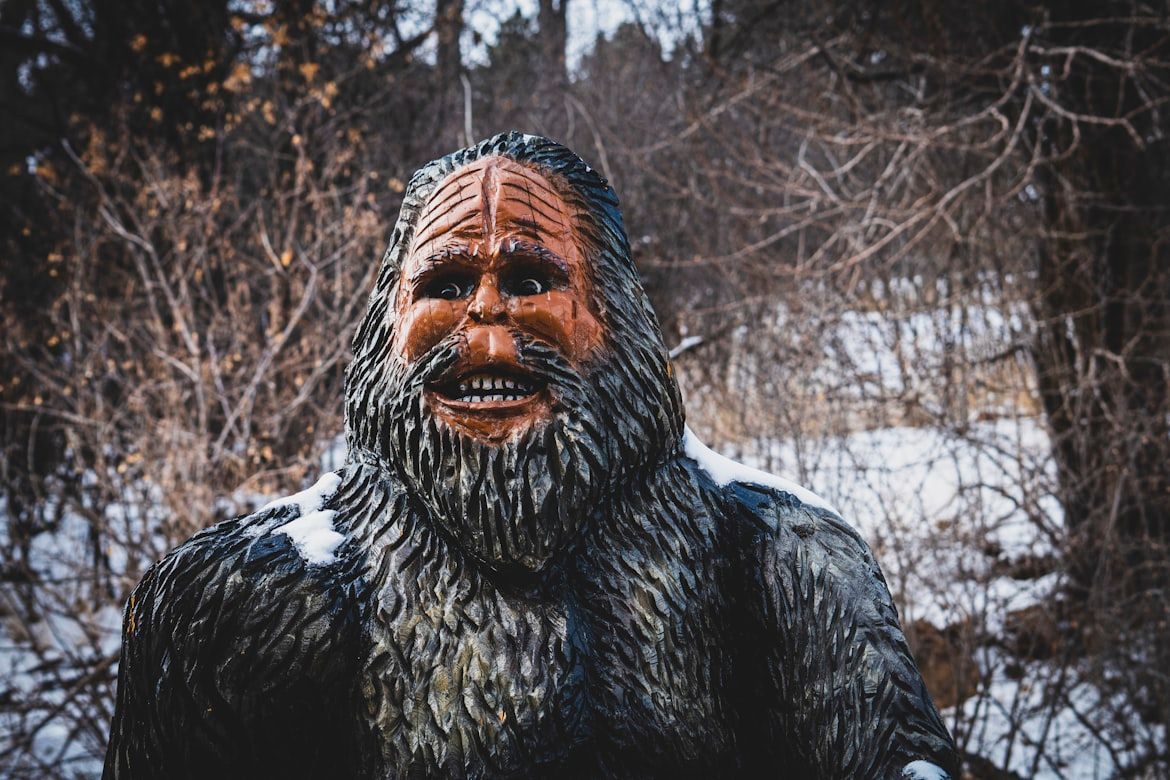
In 1967, a short film shot in California showed a large, hairy creature striding through the woods . Many viewers thought this was real proof of Bigfoot´s existence.

Decades later, one participant claimed it was a man in a gorilla suit, but that claim failed to convince many people who prefer to believe in the existence of this creature.

10
The Drake’s Plate of Brass

Image: David Dibert

In 1936, a shiny brass plate found in California seemed to confirm that explorer Sir Francis Drake had landed there in 1579. Historians called it a priceless relic.

For decades, the plate was displayed proudly, until metallurgical tests in 1977 proved it was modern . It had been made as a practical joke among historians that went too far.

11
Paul Is Dead

Image: Jiamin Huang

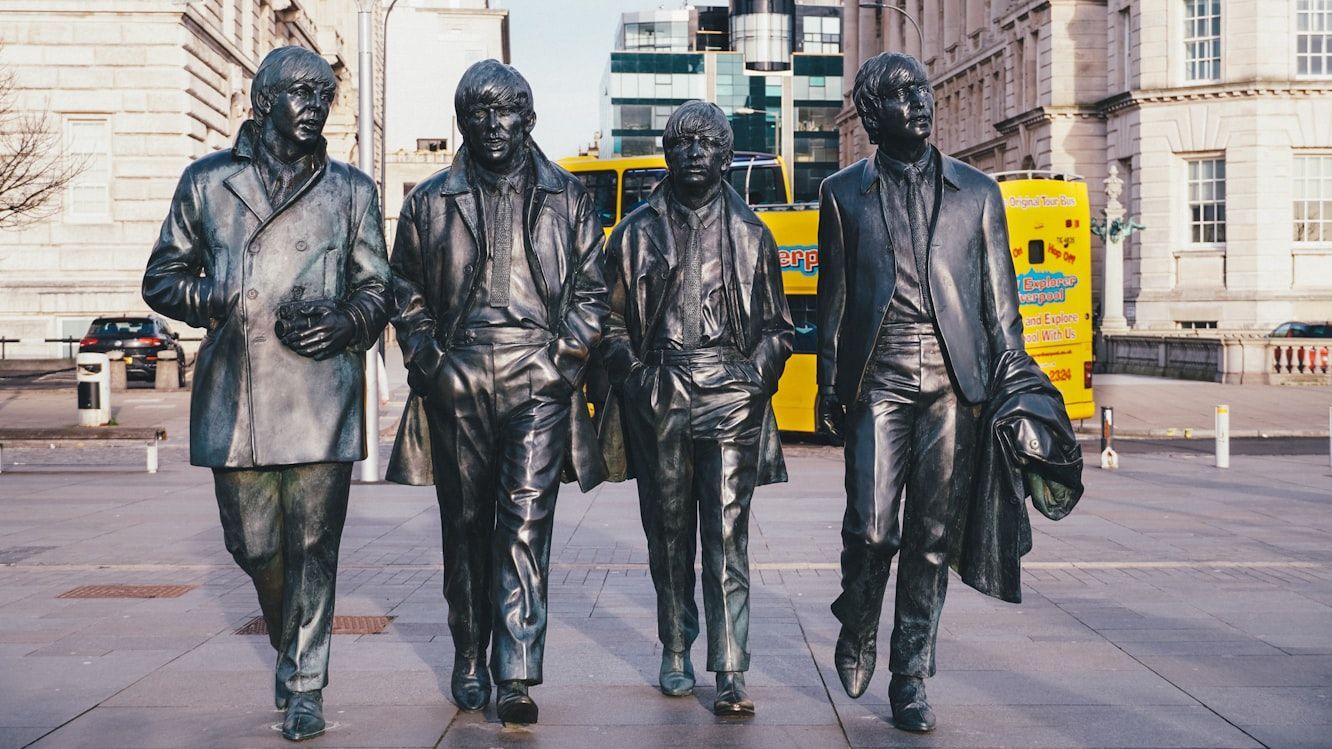
The final entry on our list might not be American per se, but it drew much attention on these shores. In 1969, rumors spread that Beatle Paul McCartney had died and been secretly replaced by a double . Fans scoured album covers for "clues" like hidden messages and backward songs.

Paul, very much alive, later joked about it. The bizarre theory became a lasting pop-culture phenomenon.

Culture Culture 5 min read

Why do these 10 magnificent American estates now stand in ruins?

Image: Tama66

Beyond the manicured lawns of modern suburbs and the gleaming glass of city centers lie the skeletal remains of America’s Gilded Age and eccentric architectural dreams. These abandoned mansions, once symbols of immense wealth or unbridled ambition, now serve as monuments to the passage of time. Whether they were built for defense, ego, or artistic expression, these 10 sites stand as beautiful reminders of the people who once dared to dream about eternity. Would you like to know more? Continue reading!

1
Dundas Castle, Roscoe, New York

Image: Annie Spratt

Also known as Craig-e-Clair, this castle was built by Ralph Dundas in the early 20th century. It is an architectural marvel of stone and copper.

Dundas died before the castle was completed, and his wife was reportedly committed to a sanitarium shortly after. Consequently, no member of the Dundas family ever actually lived in the mansion. This has led to the "Ghost of Dundas Castle" legends, with locals claiming to see a woman in white wandering the unfinished halls, waiting for a housewarming party that never happened.

2
Rockwell House, Milledgeville, Georgia

Image: Clem Geiss

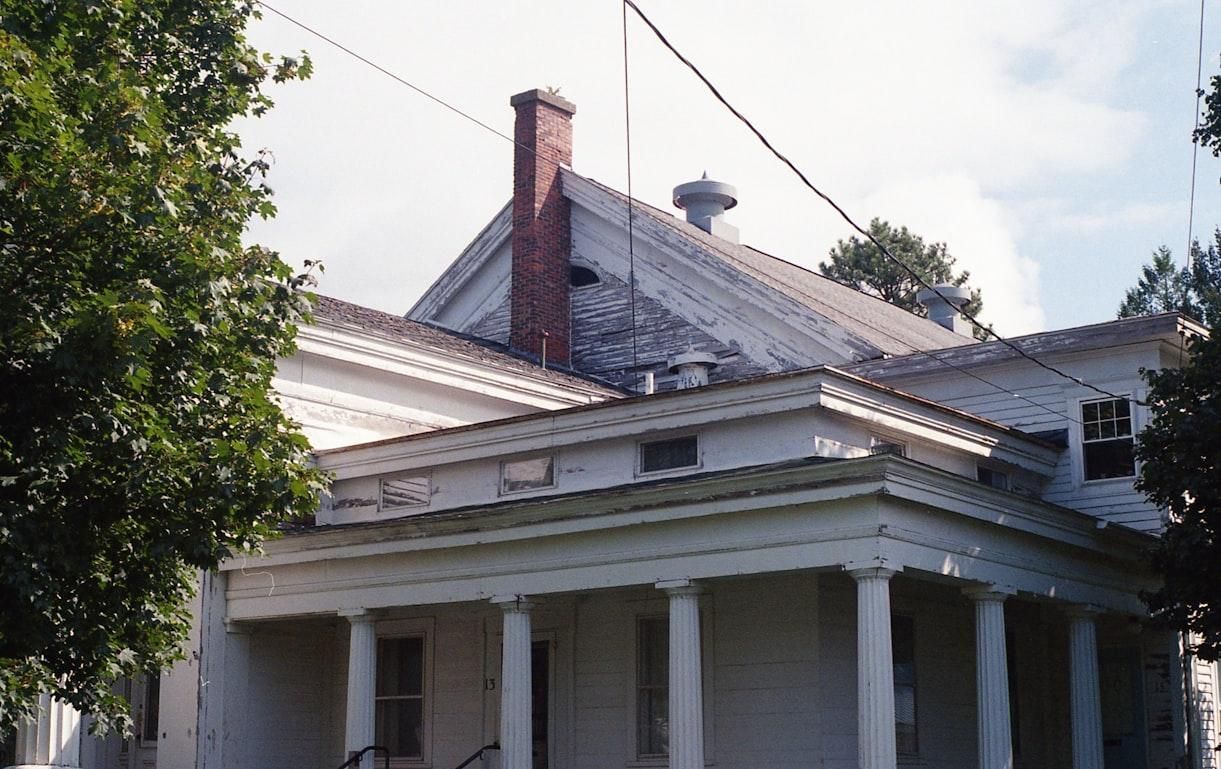
Built in 1838, the Rockwell House is a stunning example of Federal-style architecture, but its beauty is shadowed by a dark past. It was originally built for Colonel Samuel Rockwell, a prominent lawyer.

Local lore whispers about the "Rockwell Ghost," believed to be a young girl who died during a yellow fever outbreak. However, the house’s most tangible secret lies in its survival; it has endured multiple fires and periods of extreme neglect. In recent years, it has become a focal point for preservationists who uncovered hidden structural reinforcements that suggest the house was built to be an impenetrable fortress of its era.

3
Elda Castle, Ossining, New York

Image: Nitrogel

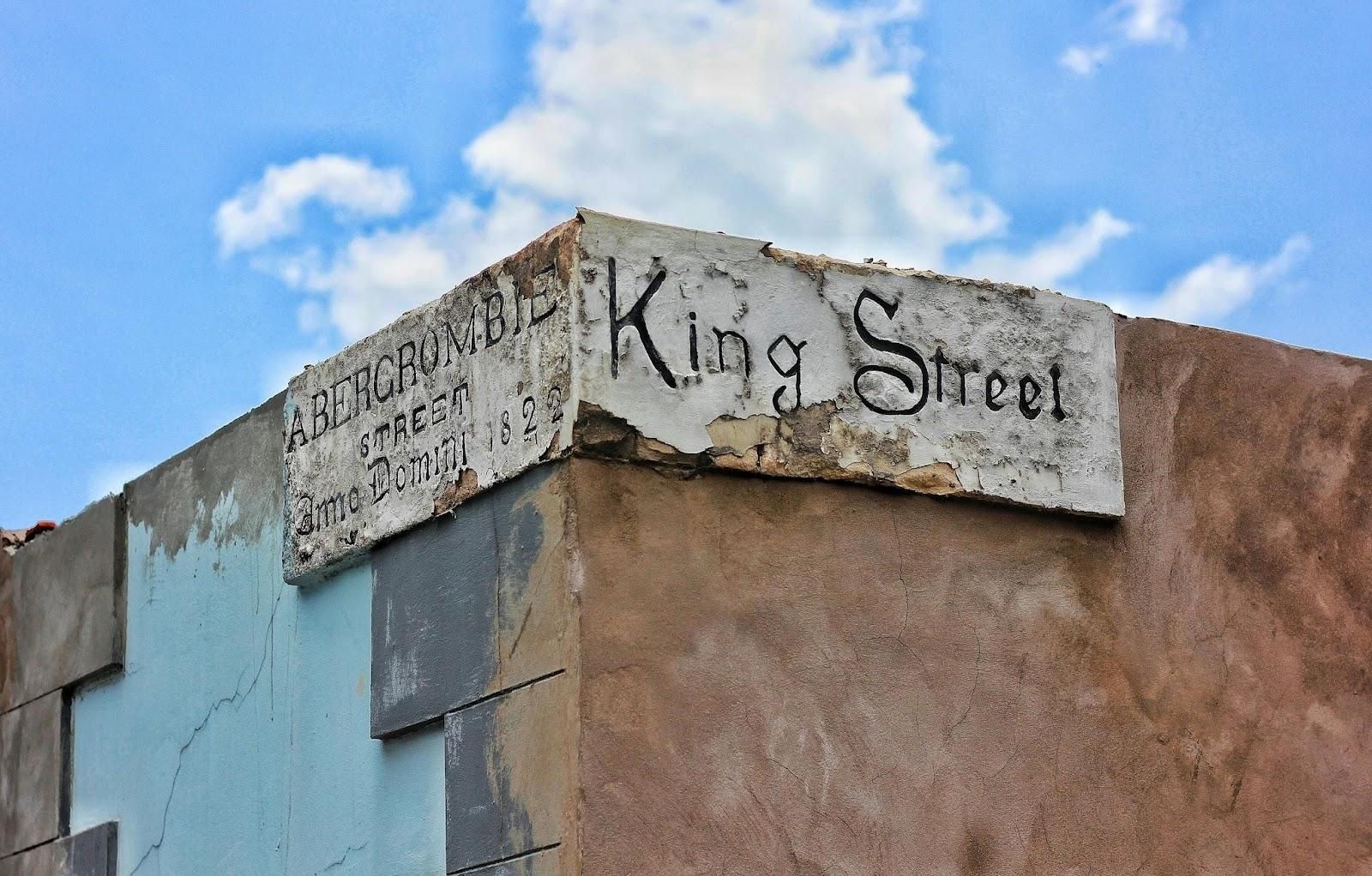
If the name David Abercrombie sounds familiar, it’s because he co-founded the clothing company Abercrombie & Fitch . But in the 1920s, he also built this granite castle, named Elda (an acronym of his children’s names), as a secluded retreat.

The castle features a network of spiral staircases and open-air porches designed to blend the indoors with the rugged wild. Its abandonment, however, is a sheer tragedy. After the family moved out, the castle was used as a research facility and later fell victim to vandals. Legend has it that a fire in the 1940s was started by squatters, leaving behind a charred stone husk that resembles a medieval ruin more than a 20th-century home.

4
Mongo's Castle, Memphis, Tennessee

Image: Denny Müller

A stark contrast to the classical mansions of the South, Mongo’s Castle was the passion project of Mongo Bebe, a man who built his home out of scrap stone, Ashlar blocks, and found materials.

The house is a maze of folk-art eccentricity. The builder intended it to be a community center and a symbol of African-American heritage and self-reliance. It stands today as a decaying puzzle, with many neighbors still unsure of the structural logic behind its towering, uneven walls.

5
Bannerman's Castle, Pollepel Island, New York

Image: Leonard G., Public domain, via Wikimedia Commons

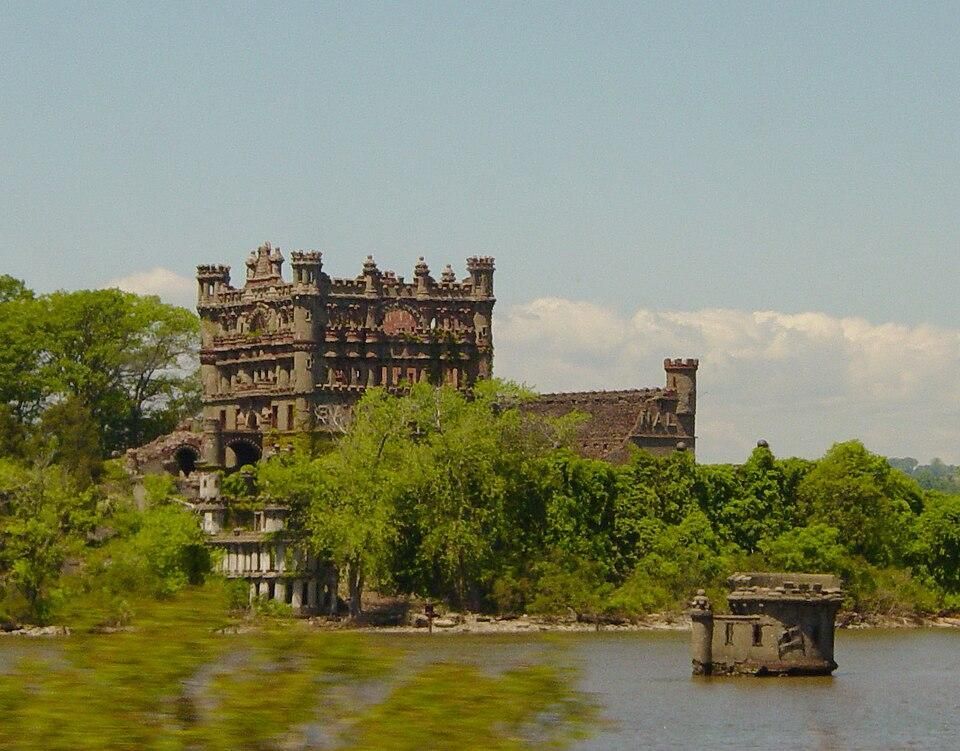
Rising from the Hudson River, this castle was never intended to be a home; it was a giant advertisement and warehouse for Francis Bannerman VI’s military surplus empire.

In 1920, 200 tons of gunpowder and shells exploded in the castle’s powder house, blowing out a significant portion of the walls. The ground is still considered unstable due to the remnants of military munitions, and the inscriptions on the walls are actually warnings and advertisements for the Bannerman business. Do you dare visit this mansion?

6
Castle Mont Rouge, Rougemont, North Carolina

Image: Florian Delée

This whimsical, onion-domed castle looks like it belongs in the Russian countryside rather than the North Carolina woods. It was designed by sculptor Robert Mihaly, but he ended up abandoning the project in the early 2000s following a personal tragedy and financial hurdles.

The castle remains an "empty sculpture," filled with intricate marble work and unfinished turrets. The bizarre architectural fusion lacks a standard floor plan, making it nearly impossible to convert into a functional residence without destroying its artistic integrity.

7
Ha Ha Tonka Castle, Camdenton, Missouri

Image: Hannah McBride

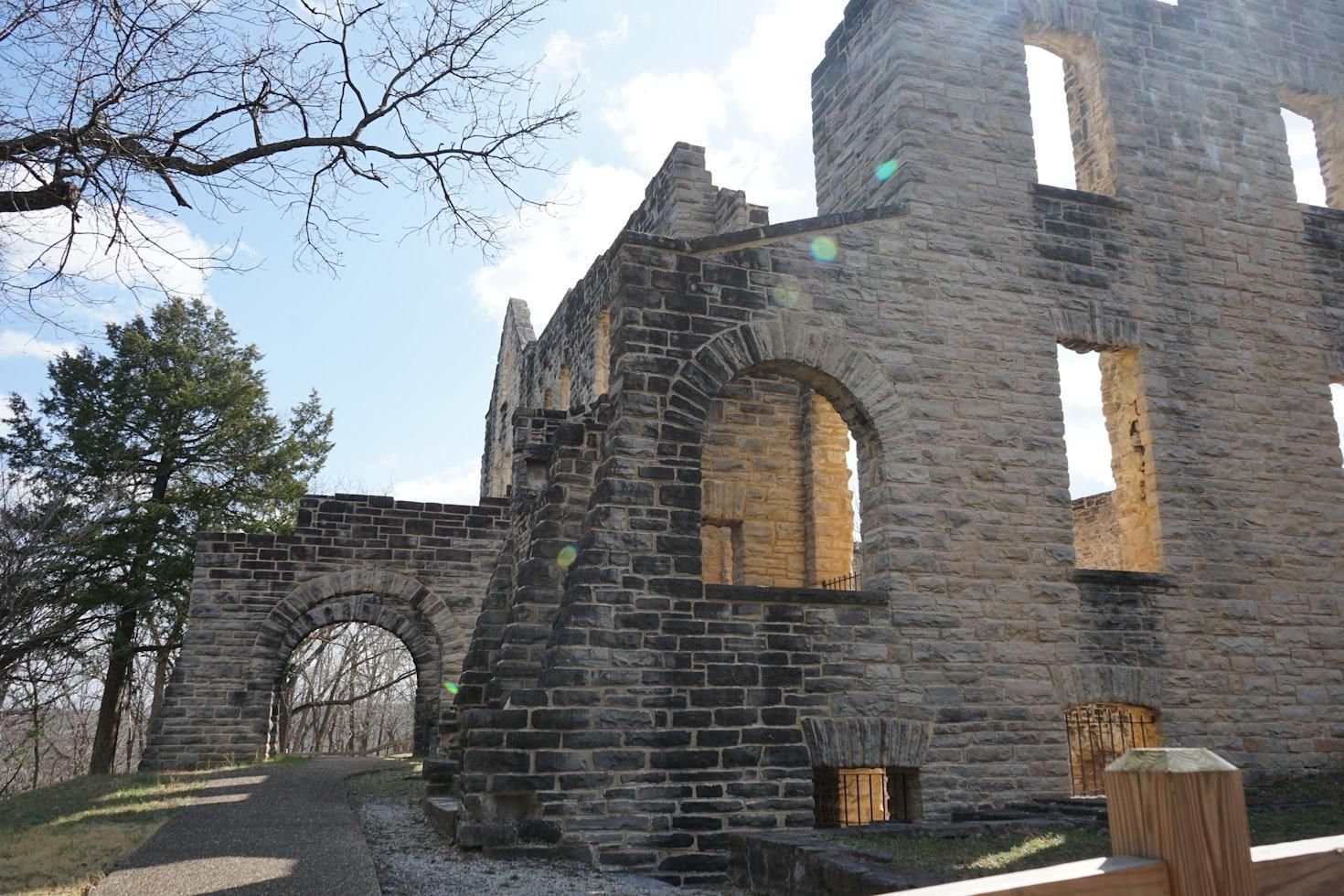
Robert Snyder, a wealthy Kansas City businessman, began building this European-style castle in 1905. He wanted a retreat that overlooked the breathtaking Ha Ha Tonka Spring.

Yet, Snyder never got to see his dream finished; he was killed in one of Missouri’s first recorded automobile accidents just a year after construction began. His sons finished the castle, but it was gutted by a fire in 1942. There’s a hidden network of caves beneath the castle, which were rumored to be used by outlaws and later as a natural "refrigerator" for the estate’s kitchen.

8
Carleton Island Villa, Cape Vincent, New York

Image: Tama66

This once-magnificent villa was built for William Wyckoff, who made a fortune with the Remington Typewriter Company.

The Secret: Wyckoff’s dream turned into a nightmare on the very first night he stayed in the house. He suffered a massive heart attack and died in his sleep. His wife had passed away a month prior, leaving the villa to a son who had no interest in it. The house has stood empty for over 70 years, its secret being the tragic "cursed" timing that prevented it from ever functioning as a family home.

9
Dicksonia Plantation, Lowndesboro, Alabama

Image: Theo Bickel

Dicksonia was a quintessential antebellum mansion, featuring the massive columns and wrap-around porches synonymous with the Old South.

Unlike many plantations that were destroyed during the Civil War, Dicksonia survived the conflict only to be destroyed by a mysterious fire in 1939. Its "ghost pillars," however, remained standing long after the wooden house burned away. These towering brick columns became a haunting landmark , representing the structural skeletons of a forgotten social order.

10
Wyndcliffe, Rhinebeck, New York

Image: Peter Herrmann

This house is the literal origin of the phrase "Keeping up with the Joneses." Though often referred to as a "Mystery Mansion" by urban explorers, this is the ruin of Wyndcliffe, the estate of Elizabeth Schermerhorn Jones.

Elizabeth’s mansion was so grand and intimidating that it prompted her neighbors—including the Astors—to build even larger homes to compete. The secret of Wyndcliffe is the psychological impact of its architecture; it was built to inspire envy, and its current state of absolute decay is a poetic commentary on the fleeting nature of social status.

Explore more American facts

Choose your favorite category!

General
General

As American as apple pie—the very best America has to offer!

Culture
Culture

Delve into the astounding richness of American lore.

Geography
Geography

Hop in and explore vast and diverse American landscapes.

History
History

Discover the key moments that shaped the United States.