History History 4 min read

Forgotten Titanic facts

It wasn’t just humans on the Titanic! 10 incredible facts you didn’t know
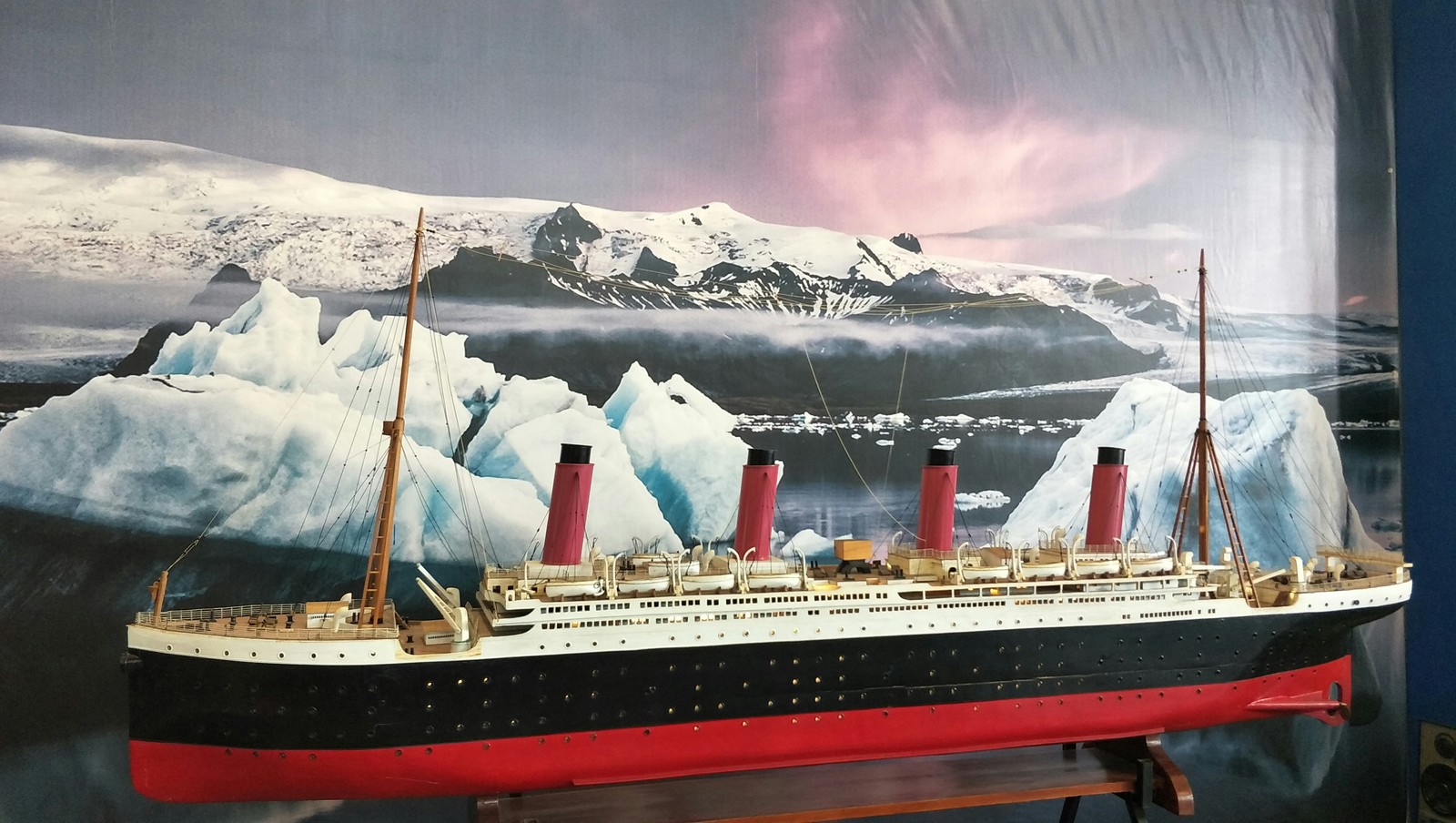
Image: Edwin Petrus

We all know the tragic story behind the Titanic, that "unsinkable" ship that didn’t make it past its first voyage. But besides the tragedy and the Hollywood movie, there are some surprising facts that never made the front page. From pups that survived and pocket watches, to hidden submarines and a tipsy worker who beat the odds, here are 12 curious facts that might just shock you.

1
Construction costs that’d make your wallet faint
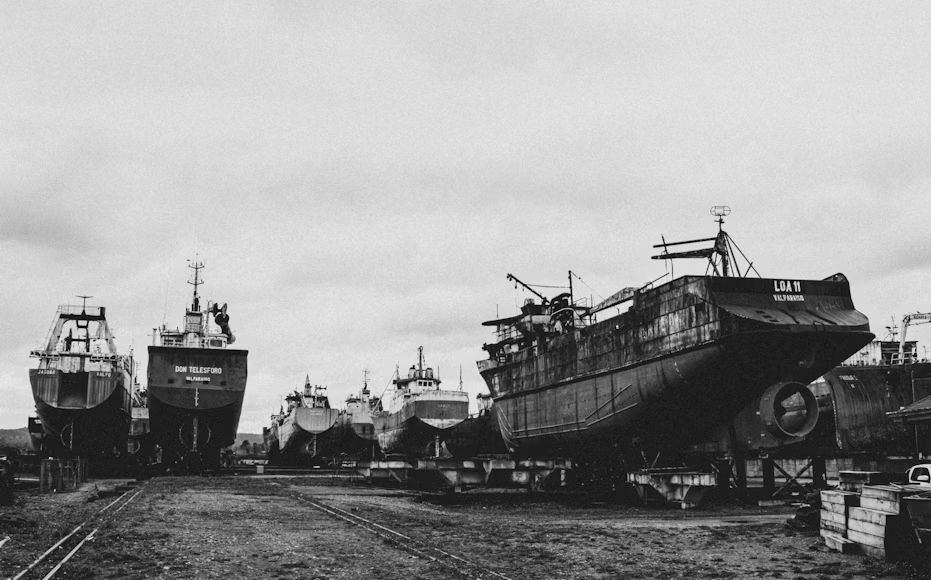
Image: Jaime Labra

Back in 1912, the Titanic cost $7.5 million to build, and if you're wondering what that’d be today, it’d be over $400 million. That’s more than some sports stadiums! It took nearly three years to complete and was one of the most extravagant ships ever made.

2
Yes, there were dogs

Image: Yuki Dog

As it turns out, the Titanic wasn’t just for people. At least 12 dogs came along for the ride , lounging in a special first-class kennel. There was even a dog show scheduled for the morning of April 15. Sadly, only three tiny dogs survived, all small enough to sneak onto lifeboats tucked in coats or handbags.

3
The band really did play on

Image: Parizan Studio

Wallace Hartley, the bandleader, went down in history, and with his violin! His group kept playing as chaos unfolded around them, trying to calm passengers with music, just like the movie portrays. He didn’t make it, but his violin was found intact and later sold at an auction for $1.7 million!

4
A pocket watch frozen in time
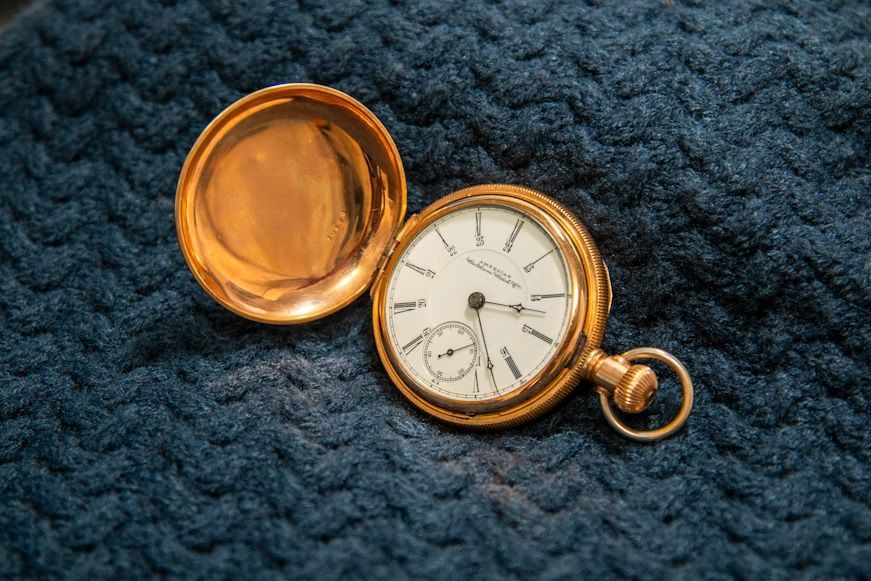
Image: Otto Hyytiälä

The violin was not the only treasure found. Sidney Sedunary was a young steward whose pocket watch stopped ticking at exactly 1:50 a.m. , just before the ship went under. He was last seen handing out lifejackets to third-class passengers. That same watch, rusted but intact, still tells his story.

5
A survivor with frostbitten legs and Olympic dreams

Image: Shep McAllister

Richard Norris Williams spent six hours in icy water, and doctors on the rescue ship wanted to amputate his legs. He refused . And you may think he was crazy to do so, but thank God he did! He went on to win a Wimbledon title and an Olympic gold medal. How crazy is that?

6
Finding the Titanic by accident
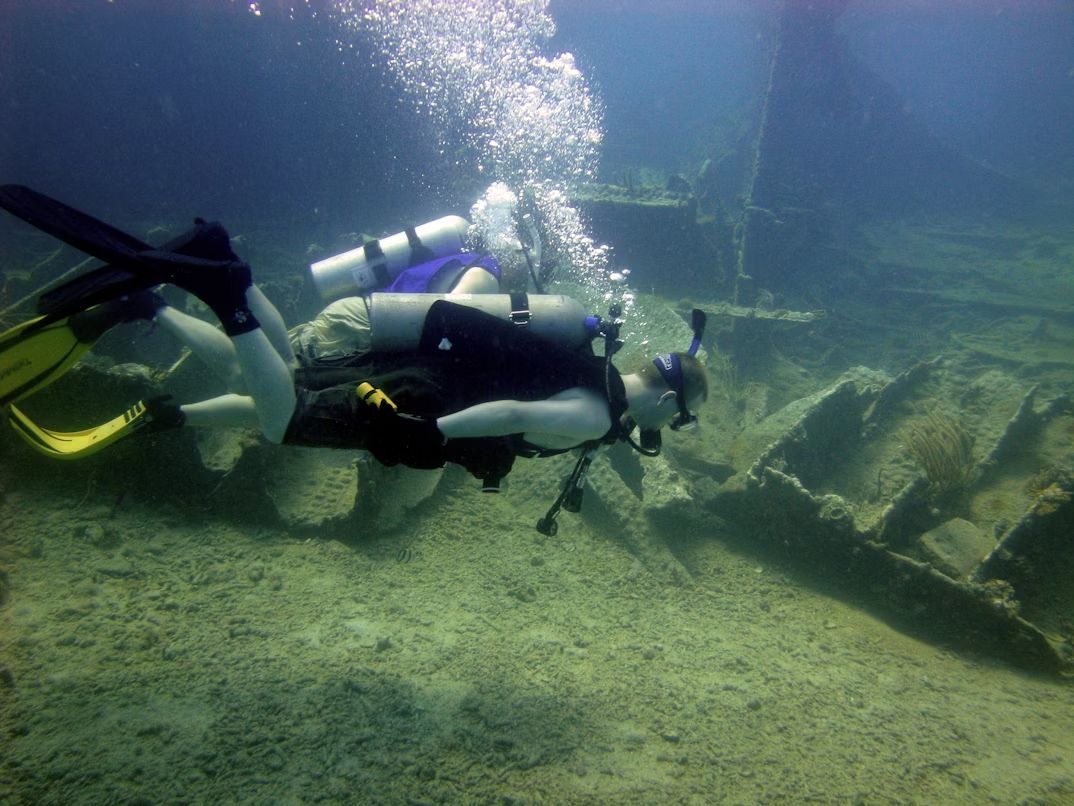
Image: Karl Callwood

In 1985, oceanographer Robert Ballard found the Titanic wreck. But that was just an accident ; he was actually sent by the Navy to look for two lost nuclear submarines and used the Titanic as a cover story.

7
Dishes still stacked neatly on the ocean floor

Image: Jannet Serhan

When explorers visited the Titanic wreck in 1986, they found plates still stacked like someone had just finished doing the dishes. Turns out, the wooden cabinet they were in rotted away , leaving the china perfectly arranged on the sea floor. It’s as eerie as fascinating, considering the many years that passed.

8
The ship is rusting away
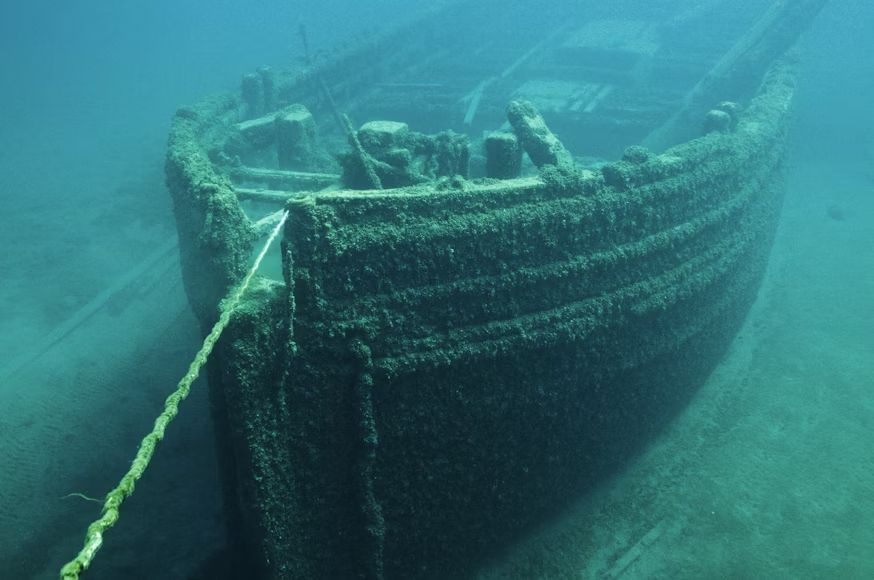
Image: NOAA

And speaking of the amount of time the Titanic has been underwater, we have to say that nature is reclaiming the Titanic bit by bit. A newly discovered bacterium is literally eating the ship. Scientists estimate it could disappear completely in 20 to 30 years. The latest expeditions have already shown evidence that pieces that were previously there are gone. So… the clock's ticking.

9
No photos of the grand staircase?
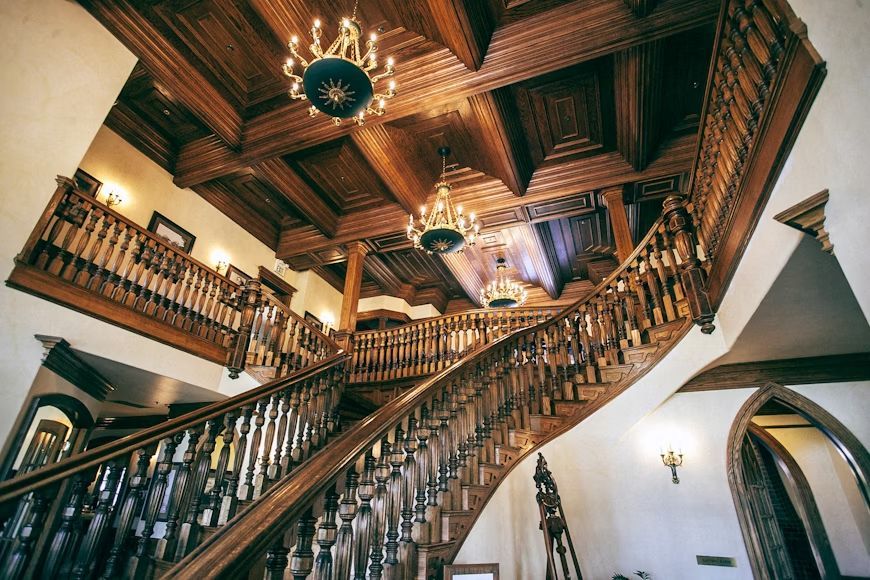
Image: Maria Orlova

You’ve probably seen images of the Titanic’s beautiful grand staircase. We’re sorry to disappoint, but they’re not of the Titanic . They’re from her sister ship, the Olympic. No one thought to take a picture of the real deal before the maiden voyage. And they definitely didn’t think of doing it while it happened!

10
Milton Hershey almost boarded
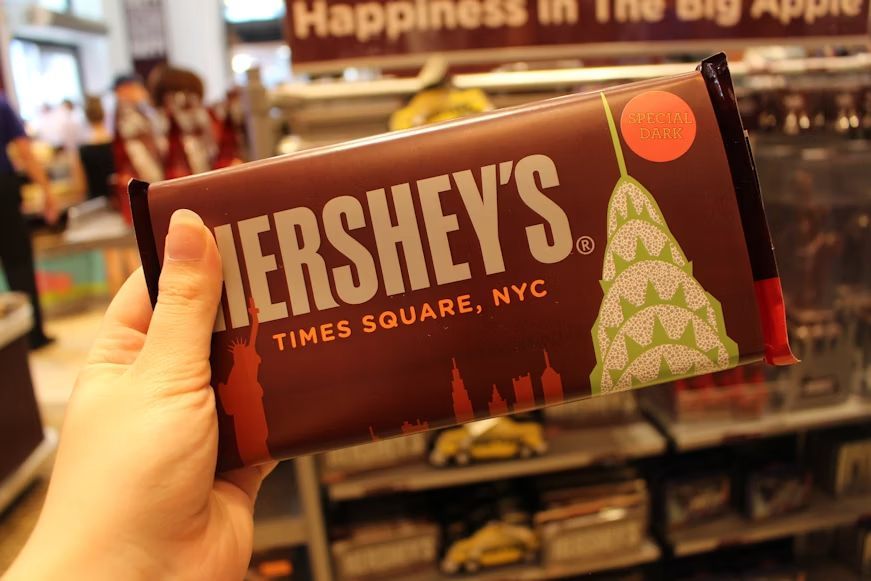
Image: Janne Simoes

If the name rings a bell, that’s because it’s the same Hershey from the chocolate you love. The man behind Hershey’s chocolate bars almost booked a room on the Titanic . He even wrote a $300 deposit check (big money back then!). But business delayed him, and he skipped the trip. Who do we thank for that?

11
The baker who survived two hours in icy water

Image: Maxim Hopman

Here’s a fascinating fact: Charles Joughin, the Titanic’s chief baker, survived one of the worst parts of the sinking: the freezing Atlantic water. He was reportedly treading water for two hours before rescue. Wanna know how he made it? He had been sipping whiskey to face his fate, and the alcohol in his blood kept him warm enough to survive.

12
The last lunch menu went for a tasty sum
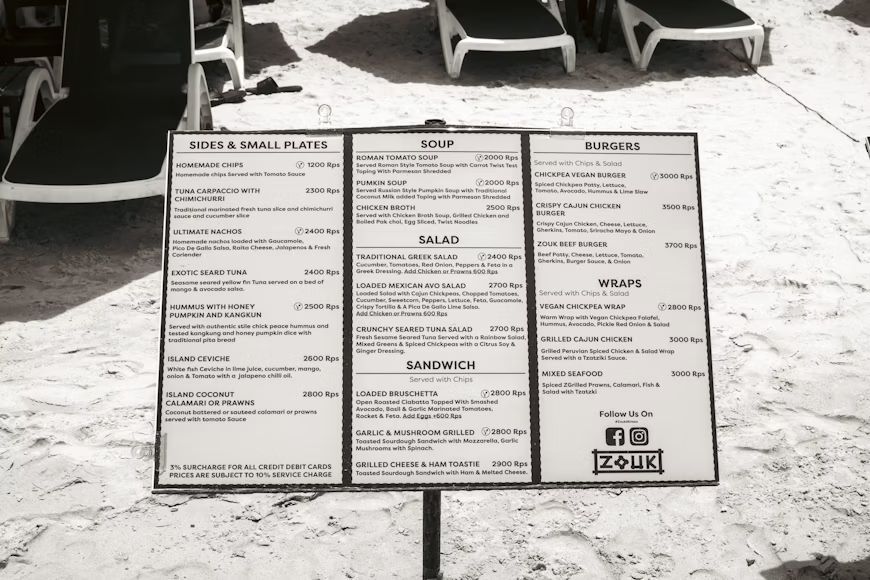
Image: Zoshua Colah

In 2015, a copy of Titanic’s last first-class lunch menu sold for $88,000 . That’s one pricey memento. The menu included grilled mutton chops, chicken à la Maryland, and corned ox tongue. Safe to say lunch on the Titanic wasn’t your average sandwich and chips.

Geography Geography 5 min read

MONUMENTAL TRIBUTES

Legacy of valor: 10 powerful U.S. military monuments you need to see

Image: Chad Stembridge

Across the country, America's military history is etched in monumental tributes of stone, bronze, and steel. These imposing structures honor our collective past, as well as the bravery and sacrifice of those who served, embodying the enduring spirit of our nation. Join us on a journey through some of the most awe-inspiring military monuments in the U.S., each a lasting testament to courage and patriotism.

1
Arlington National Cemetery, Virginia

Image: The Silverdalex

Located in an area already filled with memorials, Arlington National Cemetery stands out as one of the nation’s most sacred landmarks. Established during the Civil War on land confiscated from General Robert E. Lee's estate, it became the final resting place for over 400,000 brave Americans, including casualties from WWII to the Vietnam War.

At its heart lies the Tomb of the Unknown Soldier, a continuously guarded monument that symbolizes the sacrifices of all unidentified fallen heroes. Notably, the graves of President John F. Kennedy and Jacqueline Kennedy are among the most visited sites in the cemetery.

2
Vietnam Veterans Memorial, Washington, D.C.

Image: Ryan Stone

Popularly known as the Vietnam Memorial, this U.S. national landmark located in Washington, D.C., honors those who served during the Vietnam War. Its centerpiece consists of two imposing black granite walls, engraved with the names of over 58,000 individuals who died or went missing while serving their country in Vietnam and Southeast Asia.

Designed by architect Maya Lin, the monument is strikingly powerful in its minimalism, evoking deep emotions through its simplicity. The site also includes the Three Soldiers statue and the Vietnam Women's Memorial.

3
Marine Corps War Memorial, Virginia

Image: Sal Cenicacelaya

Located in Arlington County, Virginia, this war memorial was inspired by the iconic 1945 photograph of six Marines raising the U.S. flag atop Mount Suribachi during the Battle of Iwo Jima. Standing 32 feet tall, the monument is an enduring symbol of courage and determination, honoring all Marines who have served since 1775.

Though the sculpture depicts a moment when the U.S. flag had 48 stars, the flag flown today is always the current version, symbolizing the memorial’s dedication to all Marines who have died in defense of the United States, regardless of the era.

4
Air Force Memorial, Virginia

Image: Yogi Panchal

Located near the Marine Corps War Memorial and Arlington Cemetery, this 270-foot-high sculpture features three stainless steel spires reaching toward the sky. It was the final project of American architect James Ingo Freed, renowned for his work with I.M. Pei and his contributions to various iconic U.S. public buildings.

The spires seem to evoke the contrails of a group of Air Force Thunderbirds performing a dramatic flight maneuver. Notably, only three of the typical four contrails are depicted, symbolizing the "missing man" formation traditionally used in Air Force funeral flyovers.

5
World War II Memorial, Washington, D.C.

Image: Joshua Woods

Featuring 56 pillars adorned with bronze laurel wreaths, each symbolizing a U.S. state or territory, this memorial honors the 16 million Americans who served in World War II. It stands as a grand tribute to the "Greatest Generation," celebrating their victories and the sacrifices they made for their country.

Interestingly, the memorial includes two subtle "Kilroy was here" engravings, a nod to the iconic symbol that became a reassuring emblem for American soldiers during the war, marking their presence and protection wherever it appeared.

6
Korean War Veterans Memorial, Washington, D.C.

Image: Joe Richmond

Dedicated in 1995, this national memorial features a haunting image of nineteen steel statues of soldiers standing in silent patrol. The memorial honors the 1.5 million Americans who served in Korea, a conflict that is sometimes referred to as the "Forgotten War."

A granite memorial wall is also part of the site, engraved with the names of U.S. military personnel and South Koreans embedded in U.S. units who died in the conflict. The monument includes the Pool of Remembrance, a tranquil 30-foot-diameter pool lined with black granite, surrounded by a grove of trees and benches, offering a peaceful place for quiet reflection.

7
National D-Day Memorial, Virginia

Image: Carol M. Highsmith, Public domain

This memorial pays tribute to the courage and sacrifice of all service members of the Allied forces on D-Day, June 6, 1944. The site prominently displays the inscription, "In Tribute to the Valor, Fidelity, and Sacrifice of Allied Forces on D-Day." Featuring a symbolic pool with a landing craft, an American soldier, and a German beach barrier, the memorial captures the essence of the immensely dangerous beach landings.

According to the National D-Day Memorial Foundation, the site is designed as a continuum of three distinct plazas, each representing a different phase of the operation—planning, execution, and victory. The centerpiece of the monument is a 44-foot-tall arch, symbolizing the triumph of the operation while surrounding elements evoke the soldiers' bravery under relentless fire.

8
U.S. Navy Memorial, Washington, D.C.

Image: Michael Afonso

The granite plaza of the Navy Memorial in Washington, D.C., is well known for its iconic Lone Sailor statue, which symbolizes all those who have served in the U.S. Navy throughout its history. The statue, crafted by sculptor Stanley Bleifeld, gazes over the Granite Sea—a map depicting the world's oceans, centered on Washington, D.C.

Flanking the memorial are two buildings, with the eastern one serving as a visitor center. This small museum often offers exhibits that explore the rich history of American sailors.

9
National Museum of the United States Army, Virginia

Image: Rob Martinez

More than just a museum, this site serves as a living memorial dedicated to the history of the U.S. Army. It honors the bravery, valor, and sacrifices of soldiers across America’s history while providing an in-depth exploration of the nation’s oldest and largest military branch.

Opened on November 11, 2020, the museum’s mission is to honor America’s soldiers, preserve Army history, and educate the public about the Army's role in American history. The facility also includes spaces for ceremonies, reenactments, lectures, educational programs, and reunions, making it a dynamic hub for both remembrance and learning.

10
USS Arizona Memorial, Hawaii

Image: Tim Mossholder

This solemn memorial rests above the sunken remains of the USS Arizona in Pearl Harbor, a pivotal site in American history. It honors the 1,177 crew members who lost their lives during the Japanese attack on December 7, 1941.

The majestic white structure symbolizes peace and remembrance, while the wall of names reminds us of the individual stories of bravery and sacrifice of those who paid the ultimate price for our freedom. A profoundly evocative monument, it stands as a testament to national resilience and unity in the face of adversity.

Geography Geography 5 min read

Unparalleled sights

Have you ever seen these geological oddities found only in the US?

Image: Steve Wrzeszczynski

Hot springs painted like rainbows, diamond-handpicking lands, and a mysterious disappearing waterfall—these are some of the unique geological spots you can find only in the U.S. Surreal rock and mineral formations, like the Petrified Forest or the Fly Ranch Geyser, have acquired their vibrant colors over decades or even millennia and are still there, waiting to be marveled at by hikers and visitors. Have you ever seen or read about these one-of-a-kind marvels? Let’s dive into how they came to be!

1
Grand Prismatic Spring

Image: MikeGoad

The steaming, multicolored circle of the Grand Prismatic Spring is one of the most hypnotic and unique sights in the U.S. Part of Yellowstone National Park, this hot spring is the largest in the country and the third-largest in the world, measuring 370 feet wide and 160 feet deep.

Its vibrant colors, ranging from deep blue in the center to fiery red and orange at its edges, are unlike anything we see in nature every day. Minerals and microbes are responsible for these hues, with water temperature causing the pigments to fluctuate . The spring owes its existence to geothermal activity driven by Yellowstone's underlying magma chamber and is located in the Midway Geyser Basin.

2
Fly Ranch Geyser

Image: Ken Lund, CC BY-SA 2.0

One of the reasons why Fly Ranch Geyser is unique in the world is that it was formed after a human accident . This technicolor geothermal geyser, located on the Fly Ranch property in the Hualapai Geothermal Flats of Washoe County, Nevada, wasn’t there before 1916.

In 1916, while drilling a well for irrigation in the area, workers struck near-boiling geothermal water, leading to the creation of the first geyser. Decades later, in 1964, a geothermal energy company drilled a second well nearby, which caused the emergence of the Fly Geyser we know today. It has been spouting water into the sky ever since, forming several cone-like vents atop a mound that continues to grow.

3
Devil’s Kettle

Image: chrishawaii

Where does the water from the Brule River go when it falls? For a long time, this was a mystery. Located in Judge C.R. Magney State Park near Grand Marais, Minnesota, along the North Shore of Lake Superior, the river is famous for its unusual split: one half flows downstream, while the other plunges into a seemingly bottomless hole .

This waterfall has baffled visitors and scientists for years because objects thrown into the "kettle," such as logs and ping-pong balls, appeared to vanish without resurfacing. This fueled theories of underground rivers or deep caverns beneath the falls. The mystery was solved recently when hydrologists discovered that the water entering the kettle resurfaces downstream . The kettle's strong currents explain why objects thrown in don’t resurface; they are broken apart and held underwater, functioning like a natural washing machine.

4
Mono Lake Tufa Towers

Image: Stephen Leonardi

These unique limestone formations, known as the Mono Lake Tufa Towers, emerge from the salty, alkaline waters of Mono Lake , fed by underwater springs. Located in eastern California, near the Sierra Nevada mountains and about 13 miles east of Yosemite National Park, they are a striking natural wonder.

These tufa towers rise dramatically from the water. How were they formed? Mono Lake has no outlet, so its high alkalinity and salinity caused minerals to accumulate over time. This unique environment supports an ecosystem of brine shrimp, alkali flies, and migratory birds. To give you an idea, the lake’s salinity is more than twice that of the ocean, which means you could float effortlessly in its waters, as many visitors do.

5
Crater of Diamonds

Image: Brett Sayles

If you find a diamond here, you get to keep it—this is the only diamond-bearing site in the world where that's possible. Open to the public for mining , the Crater of Diamonds is a 37.5-acre field located near Murfreesboro, Arkansas. It marks the eroded surface of a volcanic pipe composed of lamproite, a rare volcanic rock.

Visitors sometimes find diamonds of various colors, including white, yellow, and brown, along with other gems like amethyst and garnet. It was here that the "Uncle Sam Diamond" was found, the largest diamond ever dug out in North America, weighing 40.23 carats. Diamonds were first discovered here in 1906 when a local farmer found unusual crystals on his land, which sparked a minor diamond rush.

6
Antelope Canyon

Image: Roberto Lee Cortes

Rocks that look like flowing water: Antelope Canyon is a famous and breathtaking slot canyon in northern Arizona. It consists of two main sections: Upper Antelope Canyon (a.k.a. Tsé bighánílíní, or "the place where water runs through rocks") and Lower Antelope Canyon ( Hazdistazí, or "spiral rock arches").

The canyon was formed over millions of years as flash floods and desert winds eroded the Navajo Sandstone. Even today, seasonal flash flooding continues to shape and carve the canyon’s mesmerizing features. Its surreal, wave-like formations in shades of orange are a favorite subject for photographers and tourists from all over the world.

7
Petrified Forest

Image: Megan Clark

The Petrified Forest National Park in northeastern Arizona boasts one of the world's largest and most vibrant concentrations of petrified wood . The park, part of the Painted Desert, is located between the Apache and Navajo Counties.

Most of the wood found there is from ancient conifer trees that date back about 225 million years to the Late Triassic period. These trees were swept into river systems, buried by sediment, and transformed into stone through a process called permineralization . The park also features a wealth of fossilized remains of ancient animals, including early reptiles.

8
Devils Tower

Image: Kyle Petzer

The Devils Tower stands alone, protruding dramatically from the plains. Considered sacred by Native American tribes, it was originally called "bad god’s tower," a name that eventually evolved into its current form. Located in northeastern Wyoming, this igneous rock monolith soars 867 feet above its base.

It was designated the first U.S. National Monument by President Theodore Roosevelt in 1906. Geologists agree that Devils Tower was formed through the intrusion of magma into sedimentary rock layers about 50 to 60 million years ago. Today, climbers from around the world are drawn to its sheer walls, though climbing is prohibited in June to honor Native ceremonies.

9
The Wave

Image: Mark Nemenzo

The Wave is a visually stunning sandstone formation located in the Coyote Buttes North area of the Vermilion Cliffs National Monument. Known for its hypnotic, swirling bands of red, orange, and yellow, its delicate ridges are so easily damaged that even one misplaced footstep could ruin the beautiful patterns.

Approximately 185 million years ago, this area was a vast desert covered in dunes. Over time, layers of sand were deposited, compacted, and cemented, forming this Navajo sandstone shape. Unfortunately, The Wave is only accessible by a challenging hike that requires a permit, due to the fragility of its ecosystem and high demand from visitors. With less than 5% of applicants obtaining a permit each year, it is one of the most exclusive hiking destinations in the world.

10
Kasha-Katuwe Tent Rocks National Monument

Image: Bruce Warrington

The Kasha-Katuwe Tent Rocks National Monument, located in northern New Mexico, displays a unique landscape of tall, cone-shaped rock formations. These "tent rocks," composed of pumice and tuff, are known as "hoodoos." They are natural formations ranging from a few feet to approximately 90 feet tall.

The name "Kasha-Katuwe" means "white cliffs" in the Keresan language of the Cochiti Pueblo. Hiking trails, such as the Slot Canyon Trail, offer visitors the opportunity to explore the cones up close while walking through dramatic, narrow canyons.

Explore more American facts

Choose your favorite category!

General
General

As American as apple pie—the very best America has to offer!

Culture
Culture

Delve into the astounding richness of American lore.

Geography
Geography

Hop in and explore vast and diverse American landscapes.

History
History

Discover the key moments that shaped the United States.