General General 6 min read

Humans behind greatness

What’s been Clint Eastwood’s lifelong passion BESIDES movies?
Image: Collab Media

We tend to put celebrities and public figures on a pedestal: they're icons, legends, faces on magazine covers. But behind the fame, they're also just people who get bored, need an outlet, or want to do something fun on a Saturday afternoon . Did you know that Clint Eastwood has played jazz piano his whole life? Or that Albert Einstein preferred to spend his free time drifting on a sailboat with no particular destination in mind? Let's pull back the curtain and take a look at the surprisingly human side of some of America's most celebrated figures.

1
Clint Eastwood: Jazz piano
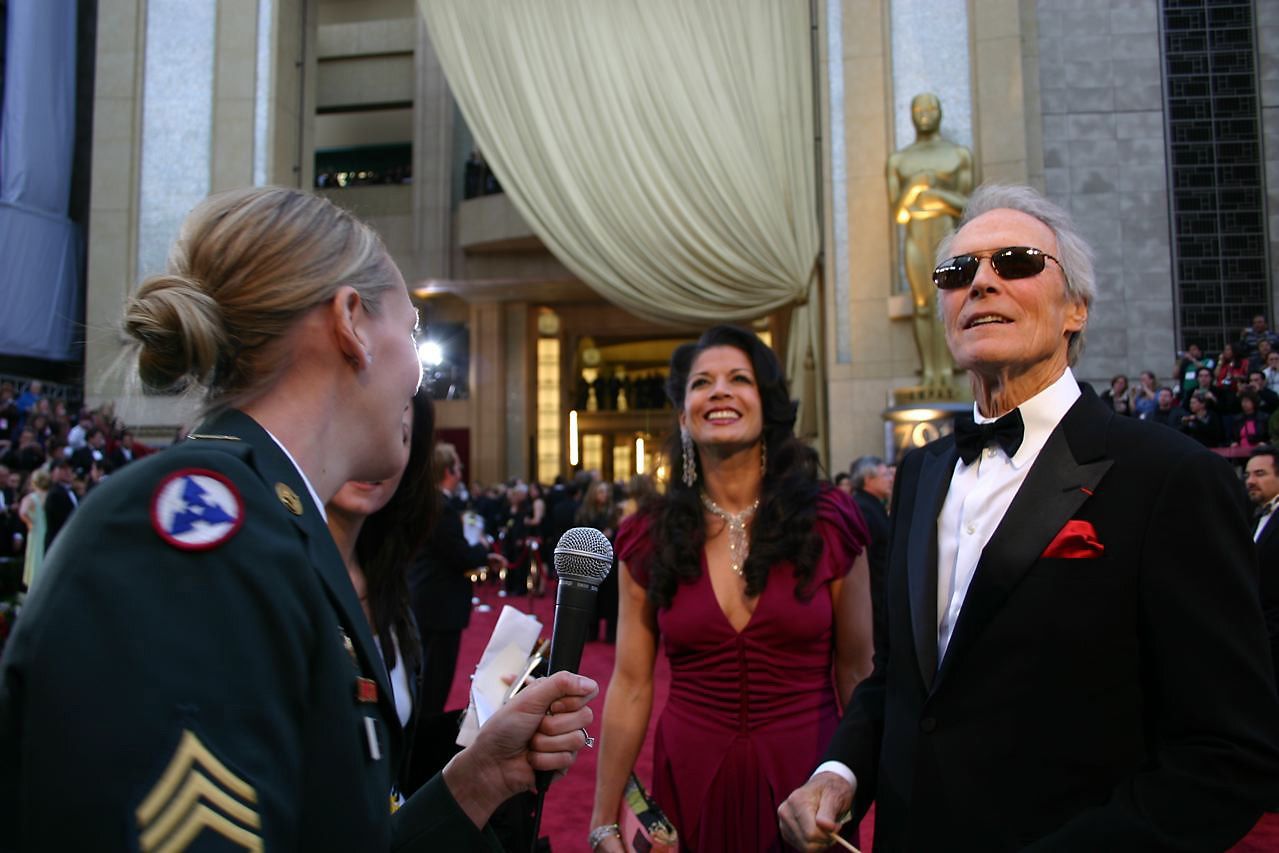
Image: Army.mil, Public domain, via Wikimedia Commons

Clint Eastwood has spent many decades playing the toughest, coolest characters in Hollywood—the Man with No Name, Dirty Harry—men of few words and steely nerves. So it might come as a surprise that he has always had a deeply sensitive, artistic side rooted in jazz piano. He started playing as a teenager in Oakland, California, influenced by the bebop era.

Eastwood has composed music for several of his own films and even directed Bird (1988) , a biographical film about jazz legend Charlie Parker. He plays piano regularly to this day and has spoken about jazz as a lifelong love.

2
Albert Einstein: Sailing
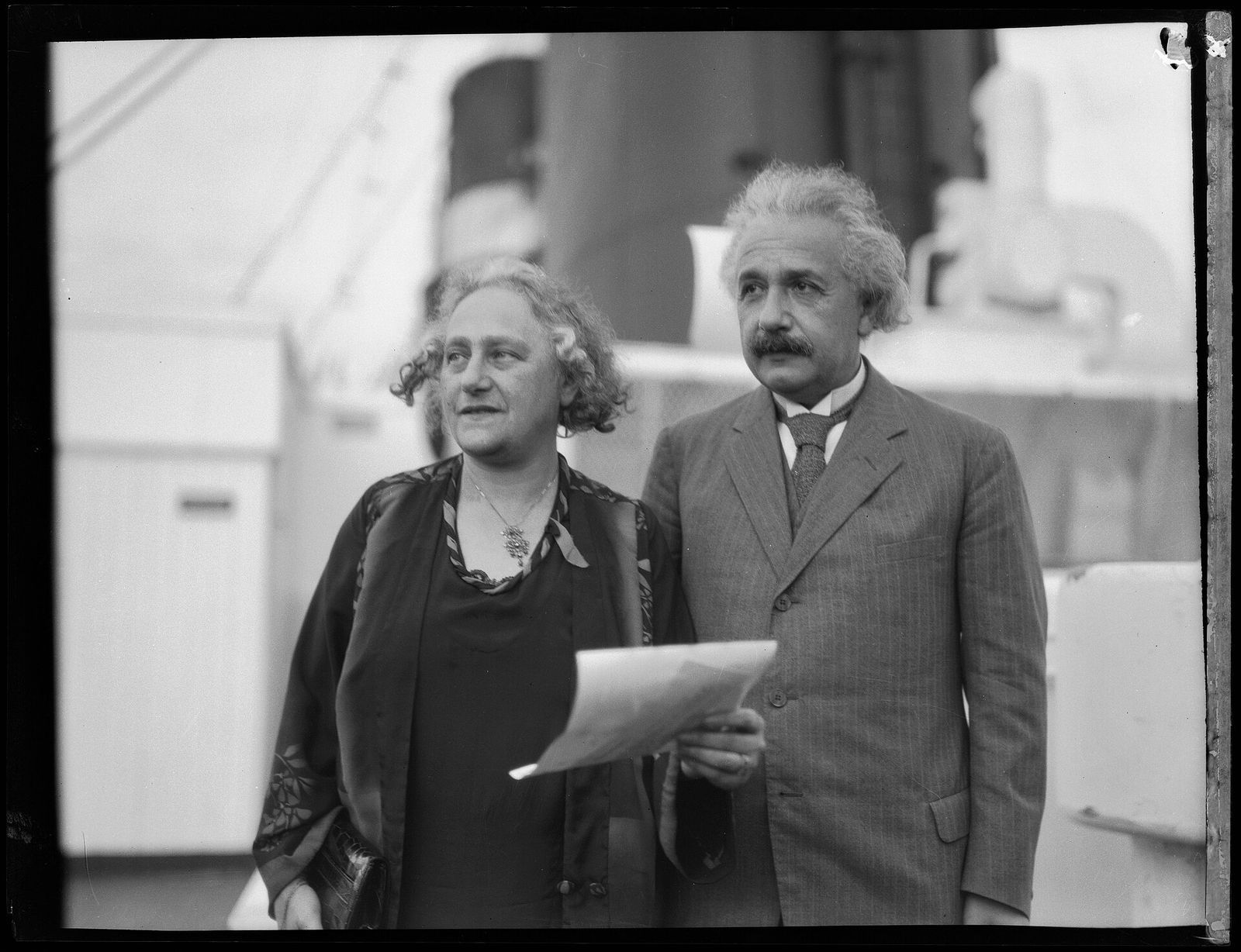
Image: Los Angeles Times, CC BY 4.0, via Wikimedia Commons

You might expect Albert Einstein's hobby to involve something complicated: equations on a chalkboard, perhaps, or building gadgets in a laboratory. Instead, the man who gave us the theory of relativity loved nothing more than to take a small sailboat out on a lake and just… drift. No engine. No motor. Just the wind.

Einstein was, by all accounts, a mediocre sailor who didn't particularly worry about being good at it. He called his sailboat Tümmler (German for "porpoise") and used those quiet hours on the water to think. He often said that some of his best ideas came to him while sailing .

3
Abraham Lincoln: Wrestling
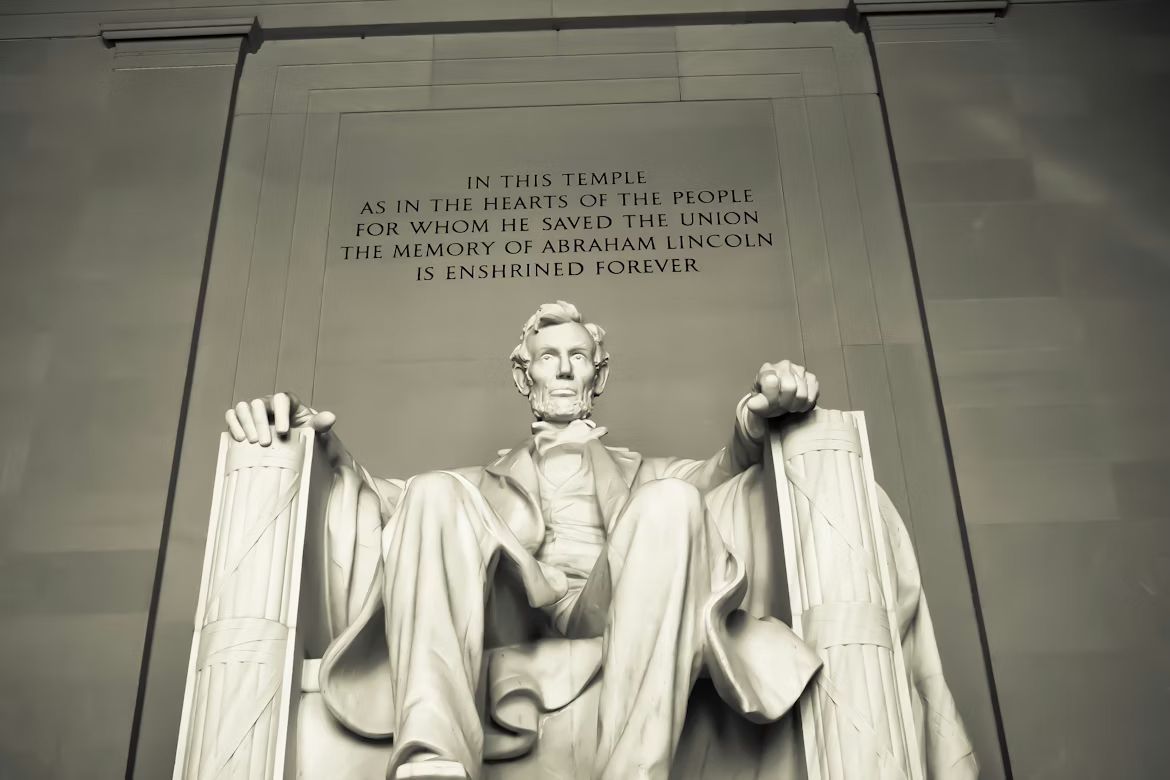
Image: Joshua Bedford

Before he was Honest Abe, Lincoln was just a tall, lanky young man from Illinois with remarkably long arms and a low center of gravity—which, as it turns out, makes you a pretty formidable wrestler. He took up the sport as a young man and quickly developed a reputation in his community as someone you really didn't want to tangle with.

Lincoln compiled an outstanding record, with reportedly one defeat in roughly 300 matches. He was so good that he was eventually honored by the National Wrestling Hall of Fame —yes, that's a real place, and yes, Abraham Lincoln is in it.

4
Meryl Streep: Knitting

Image: Kevin Payravi, CC BY-SA 4.0, via Wikimedia Commons

Meryl Streep is widely considered the greatest actress of her generation, with a record 21 Oscar nominations to date. She's played everything from a Nazi commandant's mistress to Margaret Thatcher. And between takes on set, she knits.

She's said in interviews that knitting helps her stay grounded and present , even in the middle of emotionally demanding shoots. It gives her hands something to do while her mind processes a role. There's also something wonderfully ironic about the most decorated actress in Hollywood finding her peace in something so delightfully ordinary.

5
Tom Hanks: Typewriter collecting

Image: Dick Thomas Johnson from Tokyo, Japan, CC BY 2.0, via Wikimedia Commons

Tom Hanks has won two Oscars, starred in some of the most beloved films in American history, and also owns—by his own estimate—more than 250 typewriters . He started collecting them in the early 1980s when he came across an old machine at a second-hand shop and was instantly hooked by the sound and feel of the keys.

Hanks became such a devoted enthusiast that he wrote an entire book about it: Uncommon Type, a collection of short stories where a typewriter appears in every single tale. He's also said he writes all his personal correspondence by hand or on a typewriter.

6
Steve Martin: Banjo playing
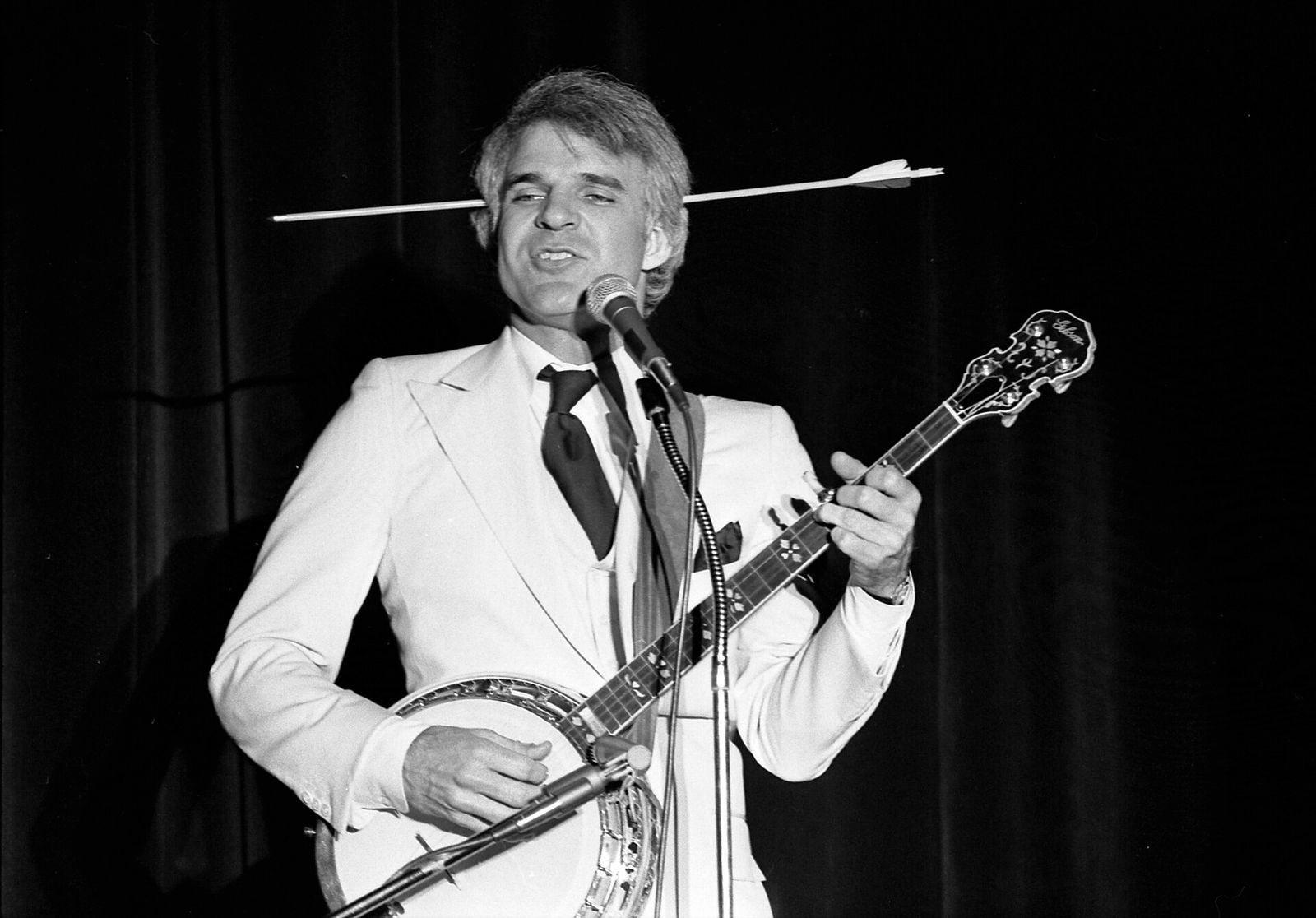
Image: Marianna Diamos, Los Angeles Times, CC BY 4.0, via Wikimedia Commons

Steve Martin built his career on comedy: the arrow through the head, the wild and crazy guy, the absurdist humor that made him a superstar in the 1970s and '80s. But long before the standup, film, and TV career, there was the banjo. He started learning as a teenager while working at Disneyland, drawn in by the bluegrass musicians performing there.

He never stopped playing. Martin has released multiple bluegrass albums, toured with accomplished musicians, and won a Grammy for his 2009 album The Crow: New Songs for the Five-String Banjo . For him, it was never a joke or a gimmick: the banjo is the real deal, and he plays it with genuine heart.

7
Jimmy Carter: Woodworking
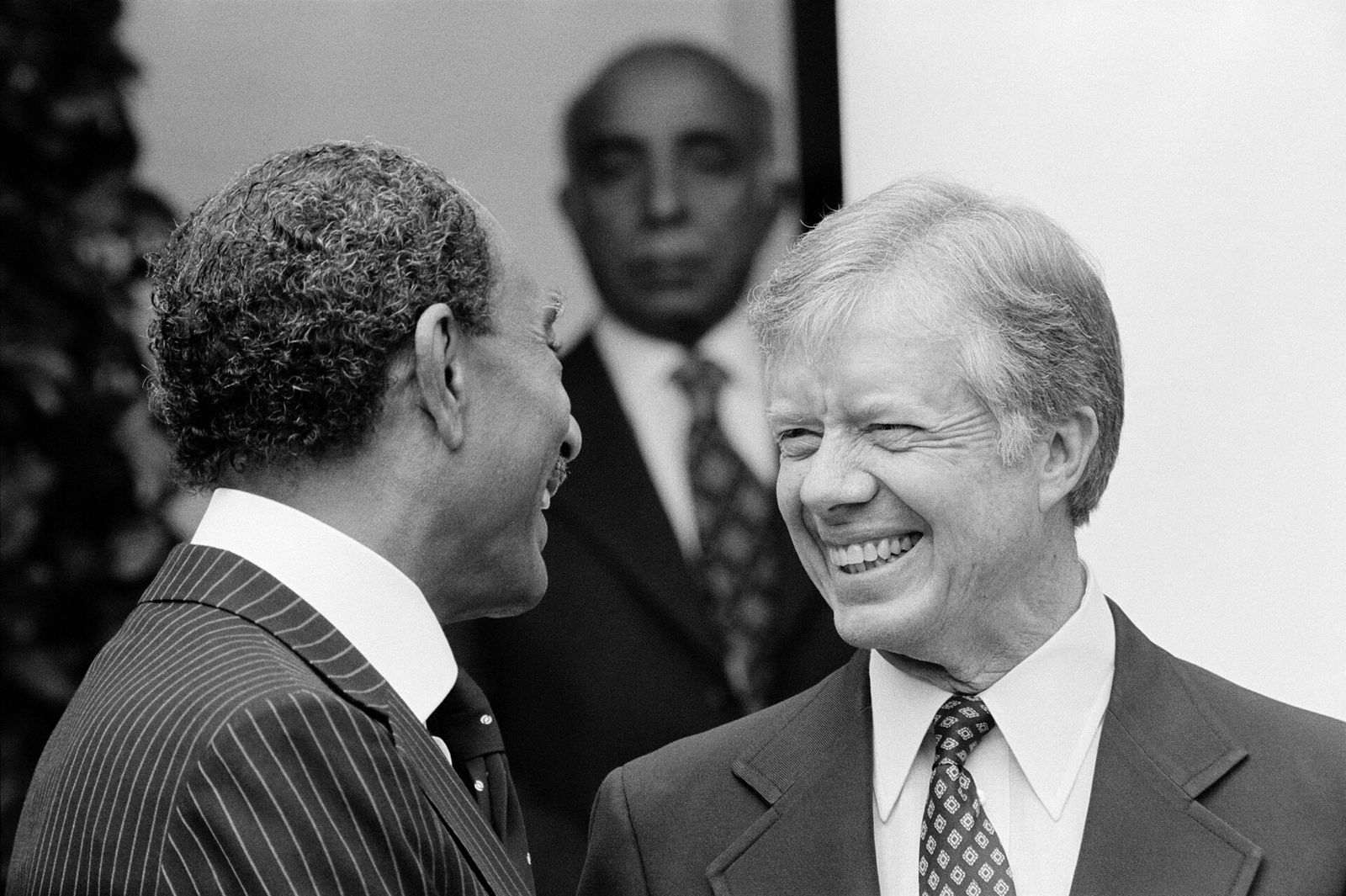
Jimmy Carter didn't pick up woodworking as a retirement hobby: he learned it out of necessity. Growing up on a Georgia farm during the Great Depression, his father taught him to be handy with just about everything. He kept at it through shop class and Future Farmers of America, and even built furniture for his own home during his Navy years.

Carter donated many of his handmade pieces to charity auctions benefiting Habitat for Humanity , a cause he championed throughout his post-presidential life. He even joked that a miniature of the White House he once built had nothing to do with his ambitions — though history would suggest otherwise.

8
Theodore Roosevelt: Boxing and judo
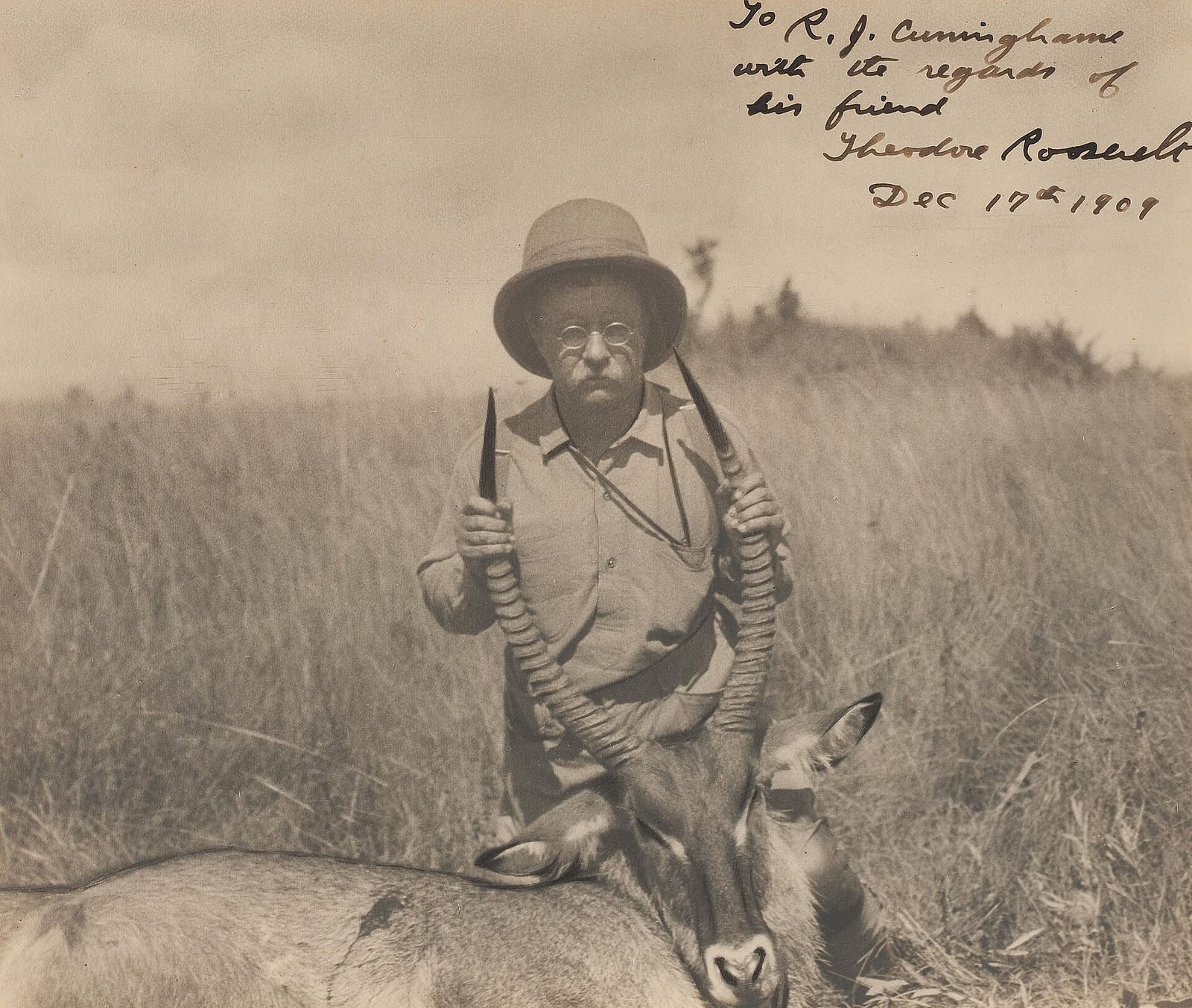
Image: Richard John Cunninghame (1871-1925), Public domain, via Wikimedia Commons

Teddy Roosevelt didn't exactly need a tough-guy reputation boost: the man charged up San Juan Hill, for crying out loud. But even as President of the United States, he kept up a regular boxing practice right inside the White House. He'd spar with aides and military officers, seeing it as a way to stay sharp, both mentally and physically.

That hobby came with a real price, though. In 1908, during one sparring session while in office, a punch left him blind in his left eye, a fact he kept secret for years. He later switched to judo, eventually earning a brown belt.

9
Condoleezza Rice: Competitive figure skating

Image: TechCrunch, CC BY 2.0, via Wikimedia Commons

Condoleezza Rice served as National Security Advisor and then Secretary of State under President George W. Bush, two of the most demanding jobs in the world. She's also a trained classical pianist. But here's the one that really catches people off guard: she was a competitive figure skater as a young girl growing up in Birmingham, Alabama.

Rice started skating as a child and trained seriously enough to compete. She has spoken about how the discipline required in skating —the repetition, the commitment, the ability to get up after you fall— shaped the way she approached everything else in her life . From the ice rink to the world stage, the mindset, it turns out, was always the same.

10
George W. Bush: Painting
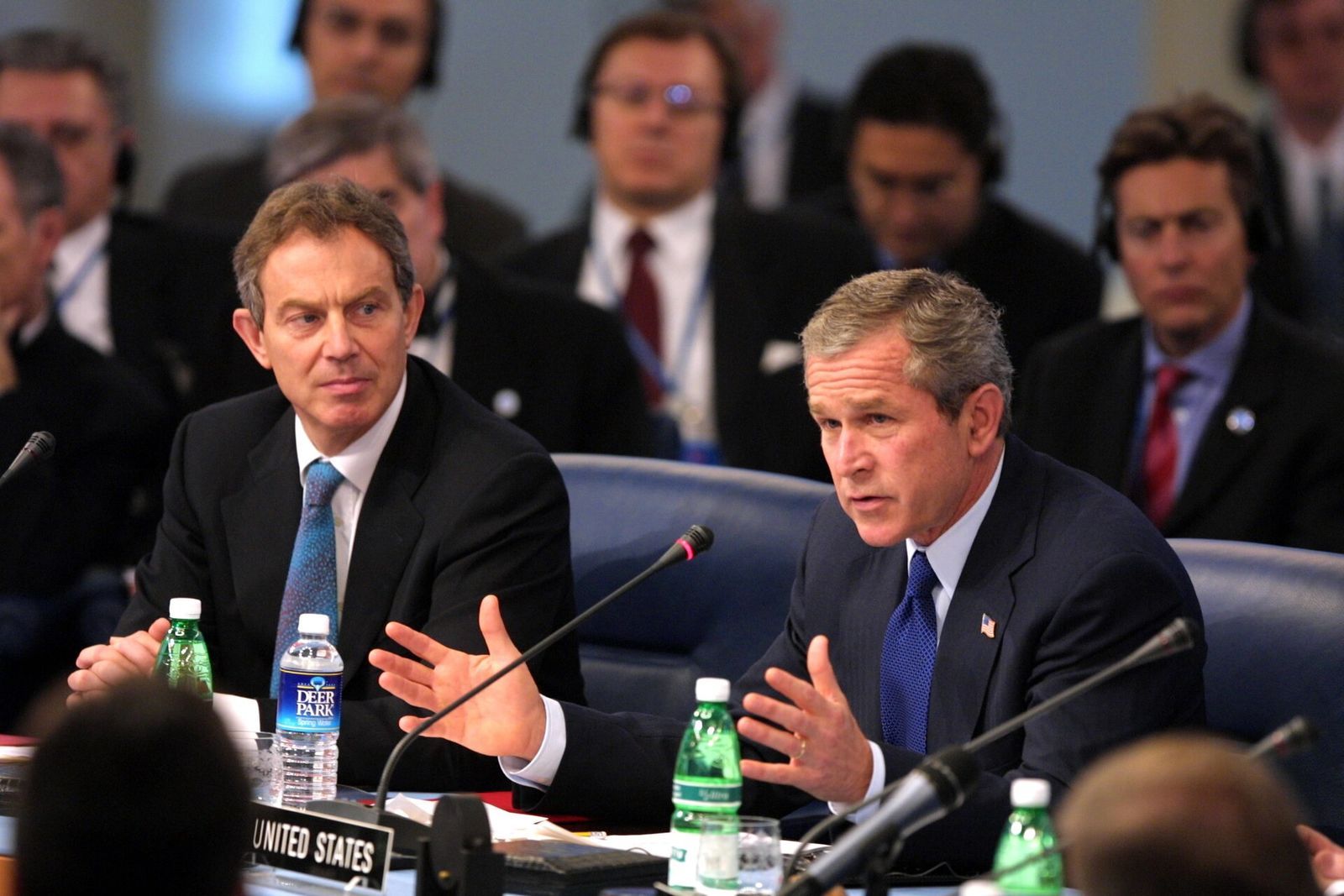
Image: Paul Morse, Public domain, via Wikimedia Commons

After leaving the White House in 2009, George W. Bush picked up a paintbrush, and nobody was more surprised than he was by how much he loved it. He started with his dogs and landscapes, quietly teaching himself the basics of oil painting with the help of online tutorials and books.

He eventually moved on to portraits of world leaders, veterans, and immigrants, and held gallery showings of his work . Critics who expected something amateurish were genuinely taken aback by the results. For instance, Washington Post journalist Karen Tumulty summed up the reaction of many when she admitted on social media that Bush's paintings were, surprisingly, kind of edgy.
Geography Geography 5 min read

Stories carved by the Colorado River

The missing pieces of the Grand Canyon: 10 incredible facts

Image: jesus esteban

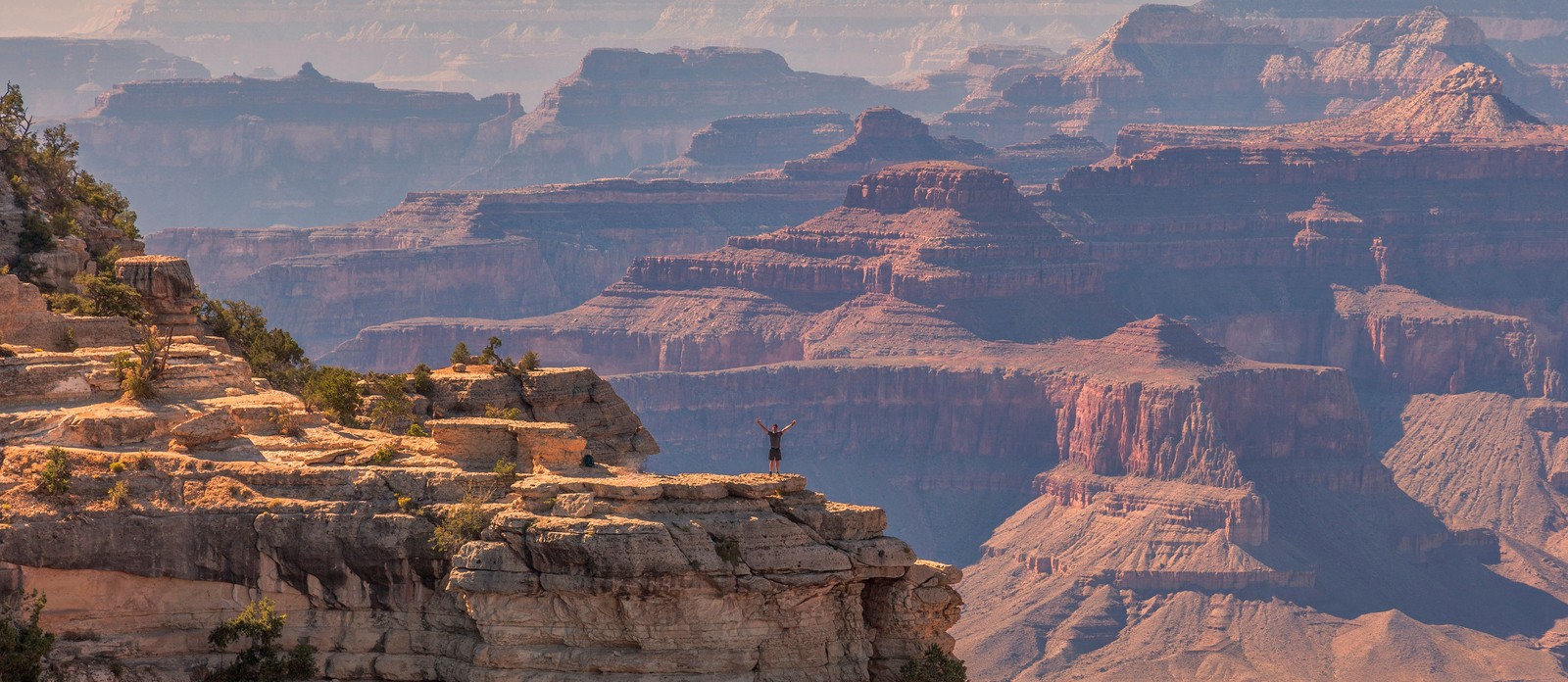
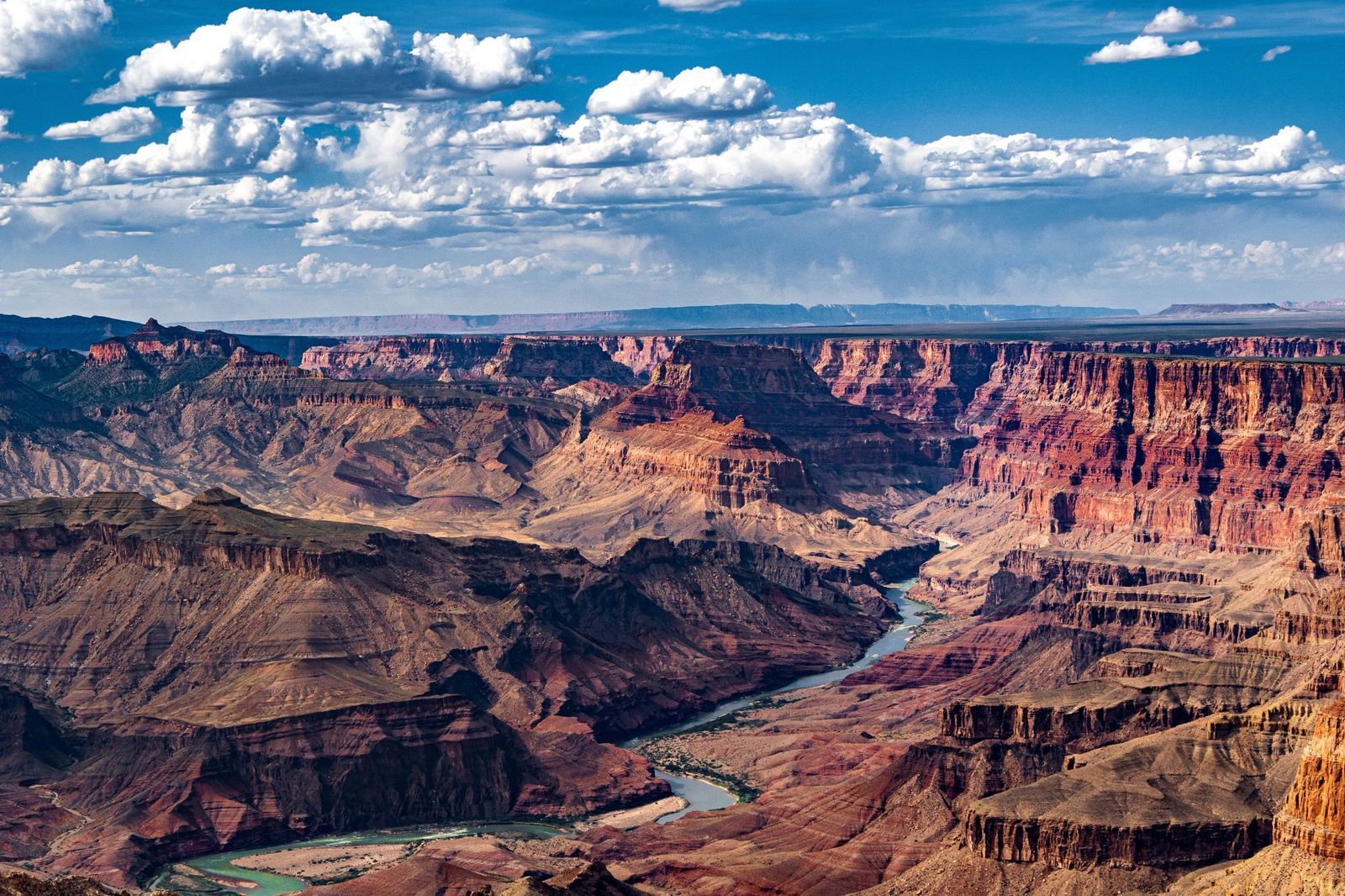
The Grand Canyon is bigger than Rhode Island. It's deeper than four Empire State Buildings stacked end to end. Its rocks are older than dinosaurs. But those stats alone don’t quite capture its immensity — and are hardly the most shocking. There are nuclear shelters, hidden villages, and billion-year mysteries involved. Read on to learn 10 lesser-known facts about the Grand Canyon.

1
There's an unexplained billion-year gap

Image: John Graybosch

Look closely at the canyon walls, and you'll notice something strange: a clean, sharp line where ancient rock simply stops, and a much younger layer begins directly above it.

This geological puzzle is called the "Great Unconformity," and it represents over a billion years of rock layers that are simply absent , as though that stretch of time never happened. In some spots, rock dated 1.8 billion years old sits directly beneath rock that is only 520 million years old. Where did the missing billion years go?

The leading theory involves the violent breakup of an ancient supercontinent, but scientists are still piecing it together.

2
During the Cold War, it hid a nuclear fallout shelter

Image: Lauri Väin from Tallinn, Estonia, CC BY 2.0, via Wikimedia Commons

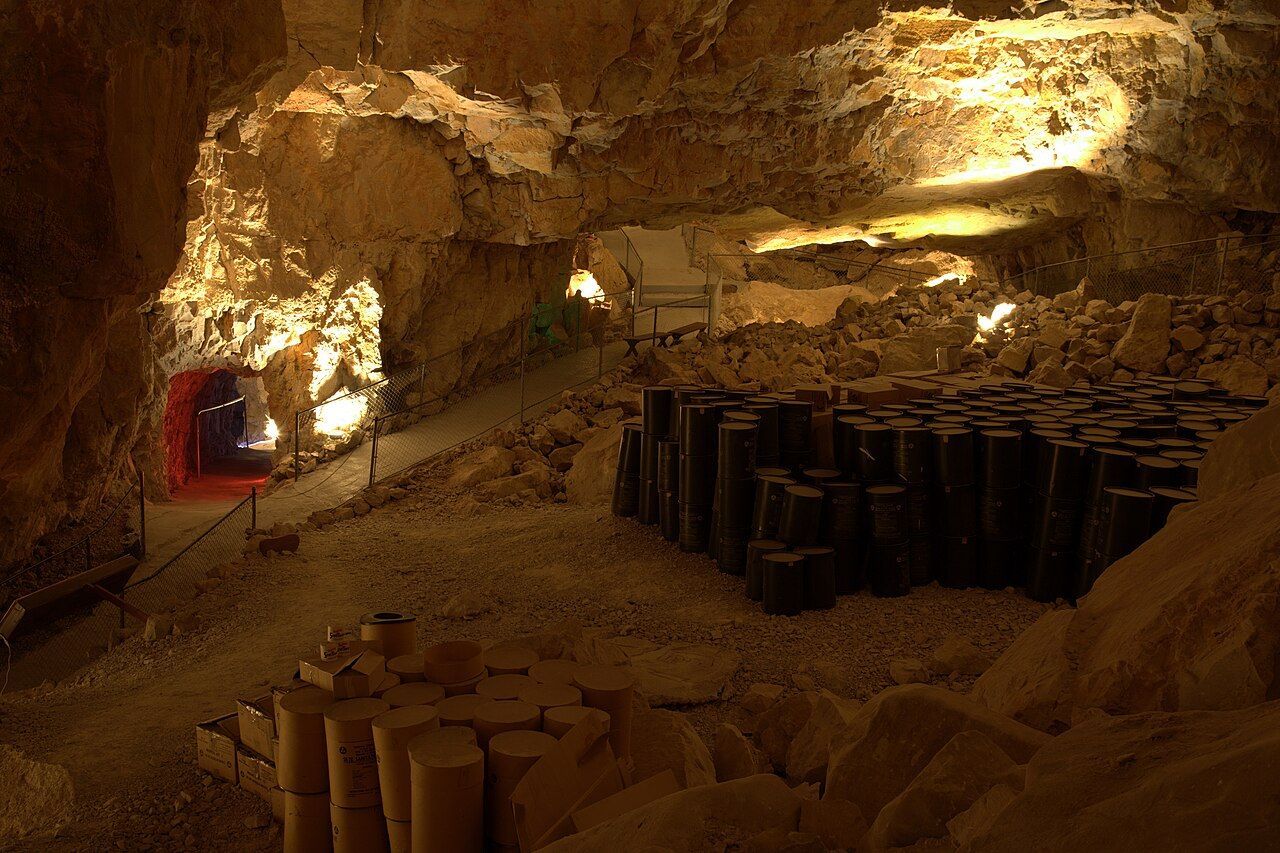
During the Cuban Missile Crisis in 1962, the U.S. government converted part of the Grand Canyon Caverns into a fallout shelter. This dry cave system, more than 200 feet underground, was stocked with enough food and water to sustain 2,000 people. Naturally, it was never occupied, and the supplies were never used.

The caverns have since been transformed into a tourist attraction, with organized tours winding through the same underground chambers that were once intended as a refuge from nuclear war. You can even book a night's stay there.

3
The Federal Aviation Administration was founded after a crash over the canyon

Image: Alexandre Henry Alves

In 1956, two commercial passenger planes collided in midair over the eastern Grand Canyon, killing all 128 people on board both crafts. Rescue teams struggled to reach the wreckage deep inside the canyon, and the extreme heat of the crash had caused the planes' aluminum to fuse with the bedrock. There were no survivors.

The disaster exposed a terrifying truth: the U.S. air traffic control system was dangerously outdated, relying on pilots' visual estimates and rough guesswork from controllers , with no way to separate fast-moving aircraft from slow ones, or instrument-flying planes from those navigating by sight. Congress responded by passing legislation that created both the Federal Aviation Administration (FAA) and the National Transportation Safety Board.

4
A hoax suggested that an Egyptian civilization had lived there

Image: abdurrohman dzar

In 1909, the Arizona Gazette reported that an explorer named G. E. Kinkaid had discovered a vast underground citadel inside the canyon, filled with artifacts linked to ancient Egyptian civilization. He even claimed the expedition had been funded by the Smithsonian.

This story described hieroglyphics on the walls, mummies in the chambers, and relics pointing to a direct connection with the Egypt of the pharaohs. It was incredibly detailed, and it was, of course, a hoax. No evidence for any of Kinkaid's claims ever surfaced.

5
Fewer than 100 people have ever hiked its full length

Image: Abhishek Navlakha

Among the few people who have completed the through-hike of the Grand Canyon is Jen Hogan, the first woman to accomplish it, finishing her journey in 2021–2022.

It’s a full 800-mile length below the rim. The route involves extreme heat, flash floods, near-impassable areas, and stretches with no water or trail whatsoever. Around 60 or 70 people have reportedly accomplished it. This makes it one of the most exclusive feats on Earth.

6
The Grand Canyon's rocks predate dinosaurs entirely

Image: MARIOLA GROBELSKA

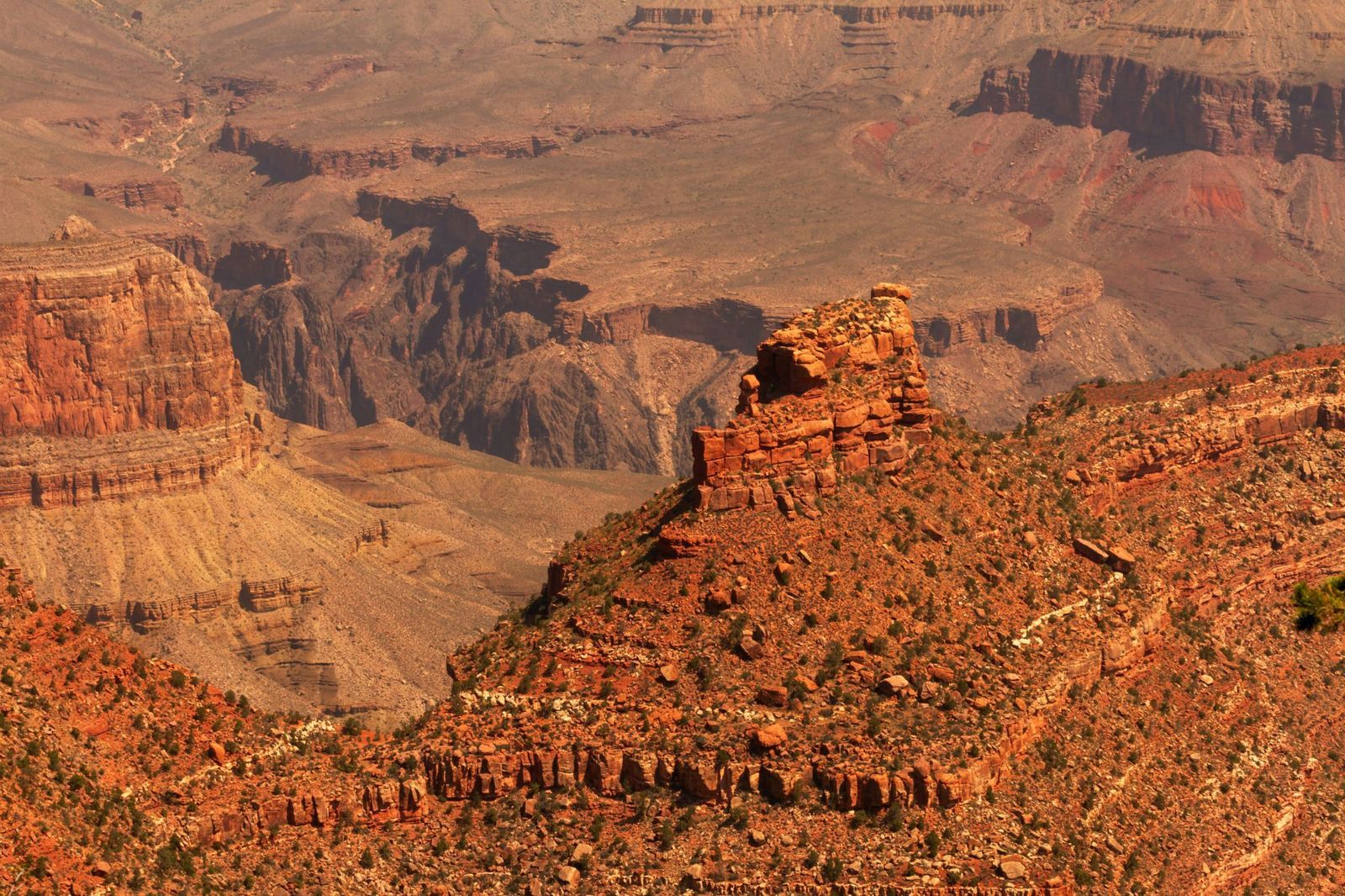
Visitors scanning the canyon walls for fossils are often surprised to learn they won't find any dinosaur bones here. The rock layers of the Grand Canyon are simply older than dinosaurs. This fact alone can be shocking: staring at its walls means staring at marine fossils from as far back as 1.2 billion years ago. Some of its caves hold the remains of ancient mammals. The canyon is a window into a world that existed long before the dinosaurs, when the land that is now Arizona lay beneath a shallow sea.

7
The park is bigger than Rhode Island

Image: AussieActive

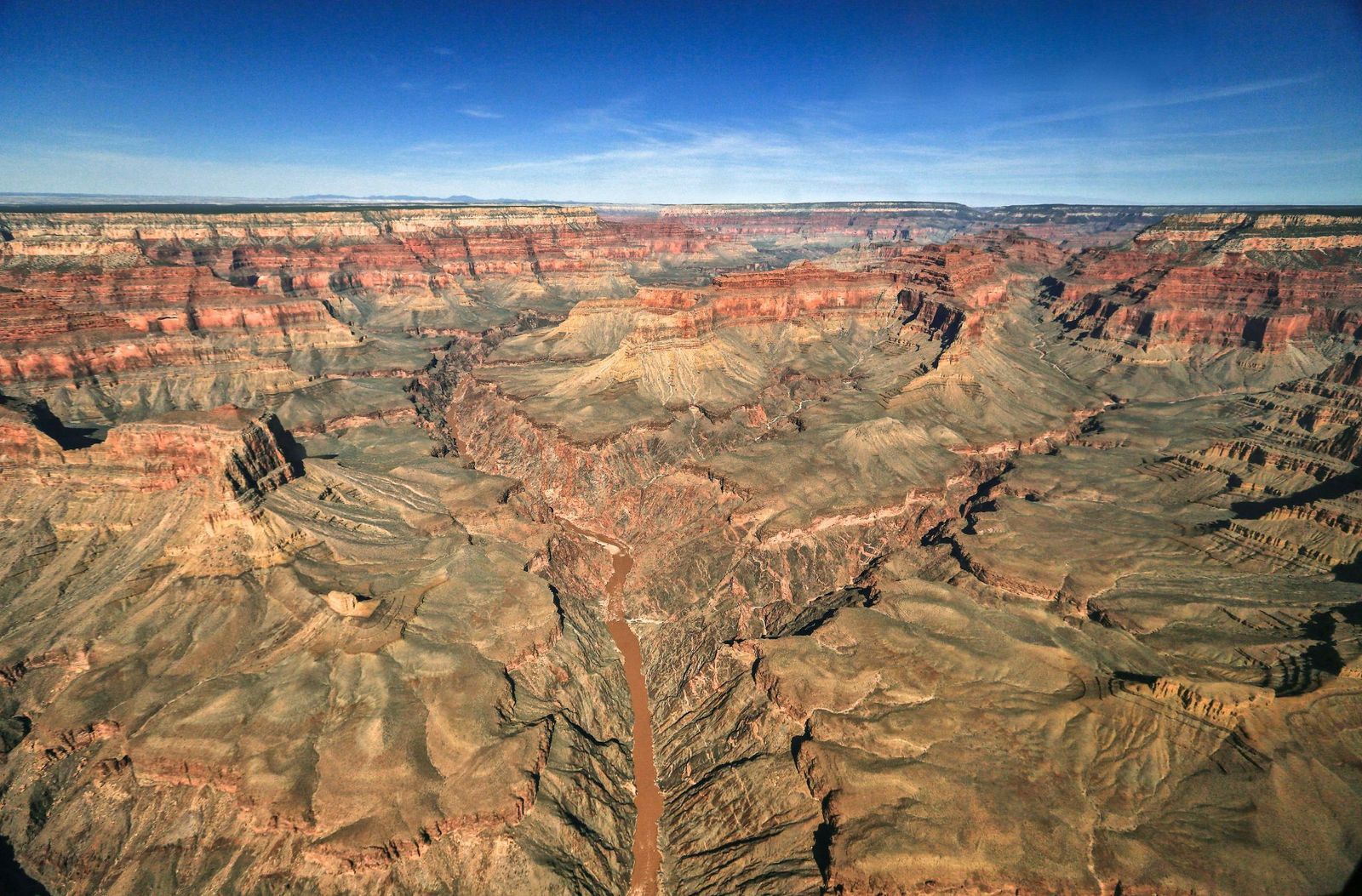
Numbers alone rarely capture the Grand Canyon's scale, so here's a different approach. Rhode Island covers about 1,214 square miles, and the Grand Canyon National Park spans 1,904 square miles.

The canyon's depth exceeds four Empire State Buildings (which is 1,454 feet) stacked on top of one another. That’s 6,093 feet at its deepest point.

8
But it's not the deepest canyon on Earth

Image: Naeemphotographer2

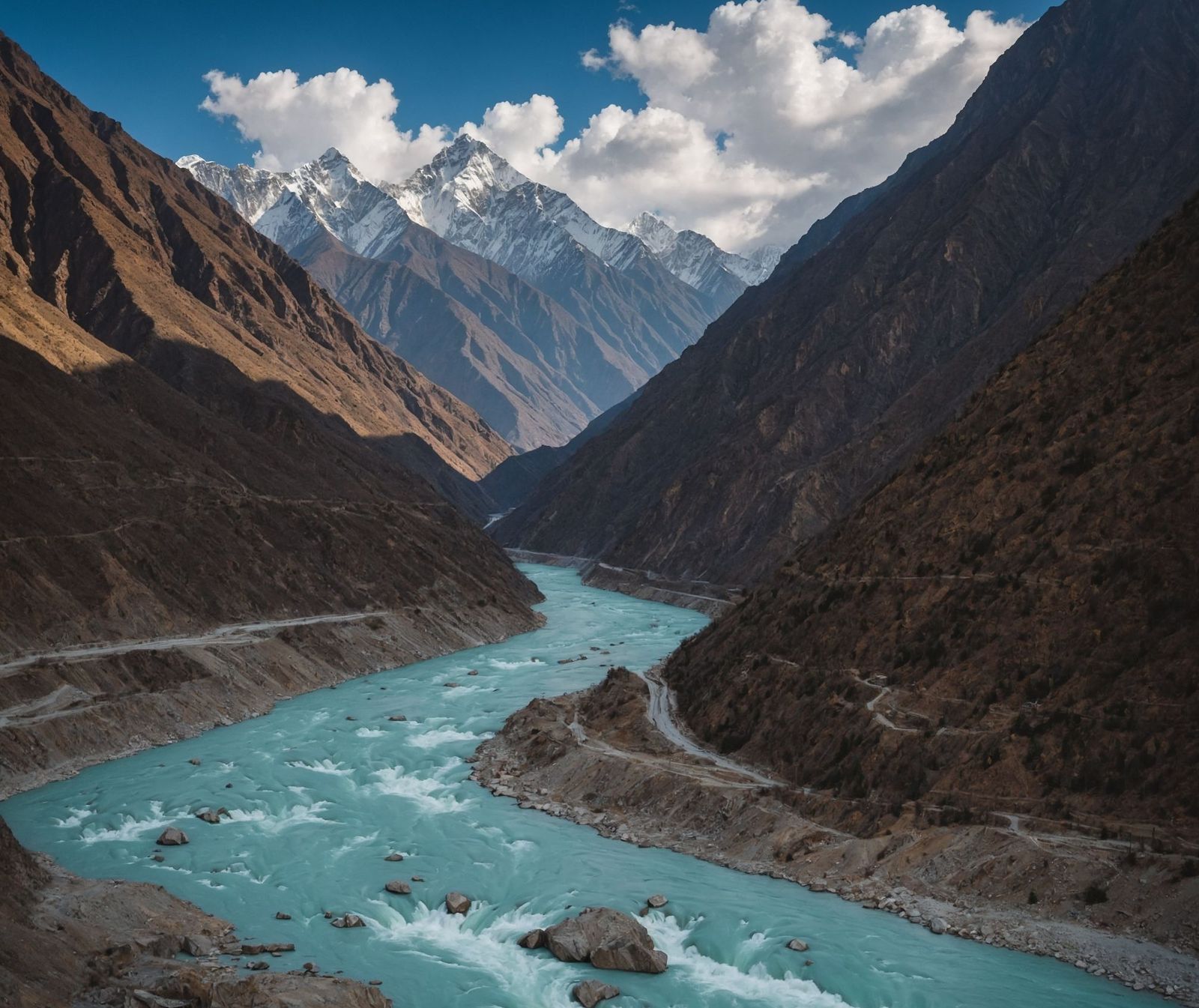
For all its grandeur, the Grand Canyon does not hold the depth record. Pictured above, the Yarlung Tsangpo Grand Canyon in Tibet, China, plunges to 17,567 feet, which is nearly three times deeper. Carved by the Yarlung Tsangpo River as it cuts through the eastern Himalayas, that canyon is so remote and extreme that it remained largely uncharted until the late 20th century.

9
It is home to a pink rattlesnake found nowhere else on Earth

Image: Alexander Wong

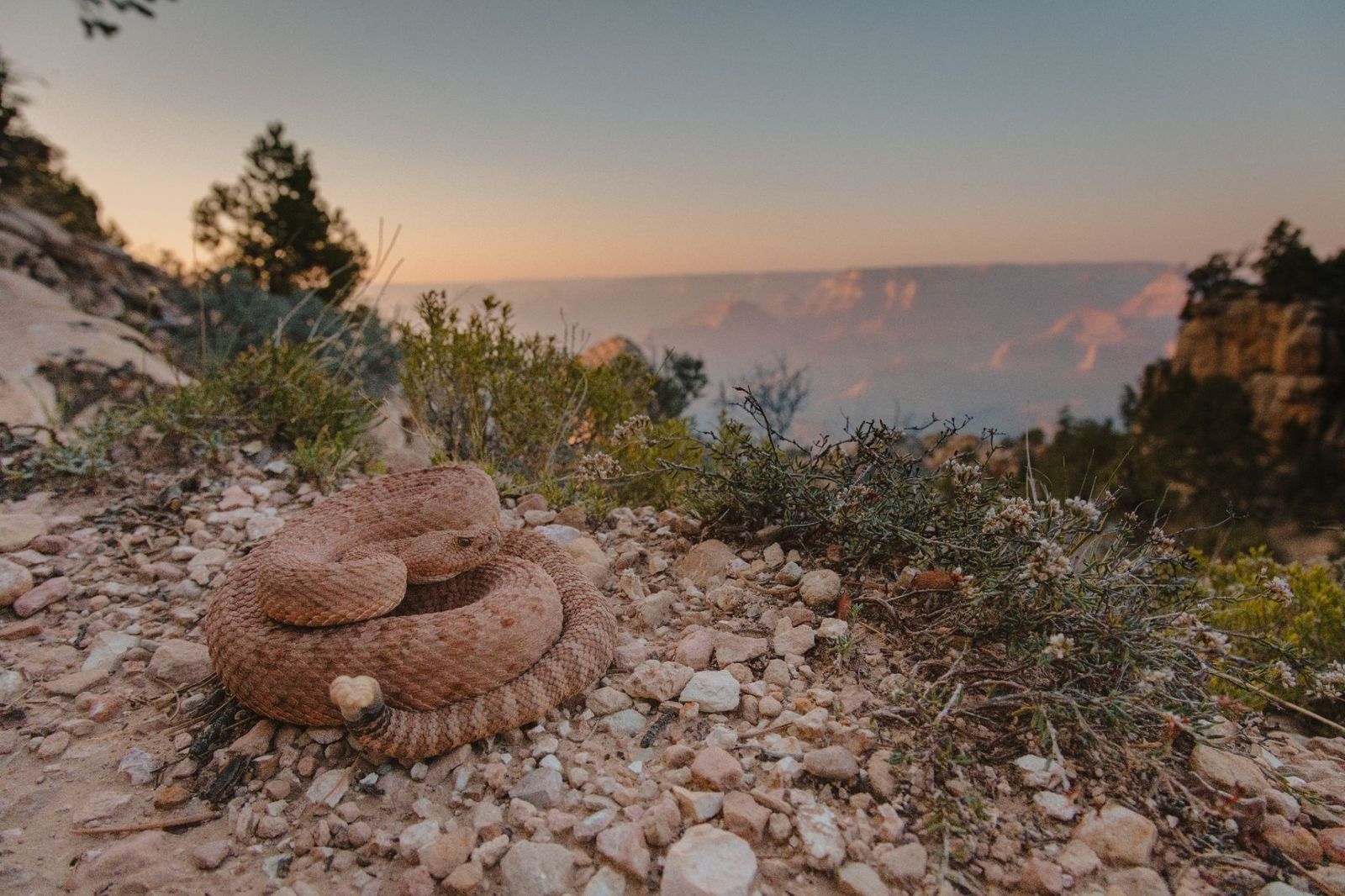
The Grand Canyon Pink Rattlesnake has a pinkish-red coloring that matches the canyon's own distinctive rock walls so closely that it's nearly invisible. It is found nowhere else in the world. Officially classified as Crotalus oreganus abyssus , it has darker diamond-shaped markings along its back that deepen the camouflage further.

10
There's a village at the bottom: Supai Village

Image: joojoob27

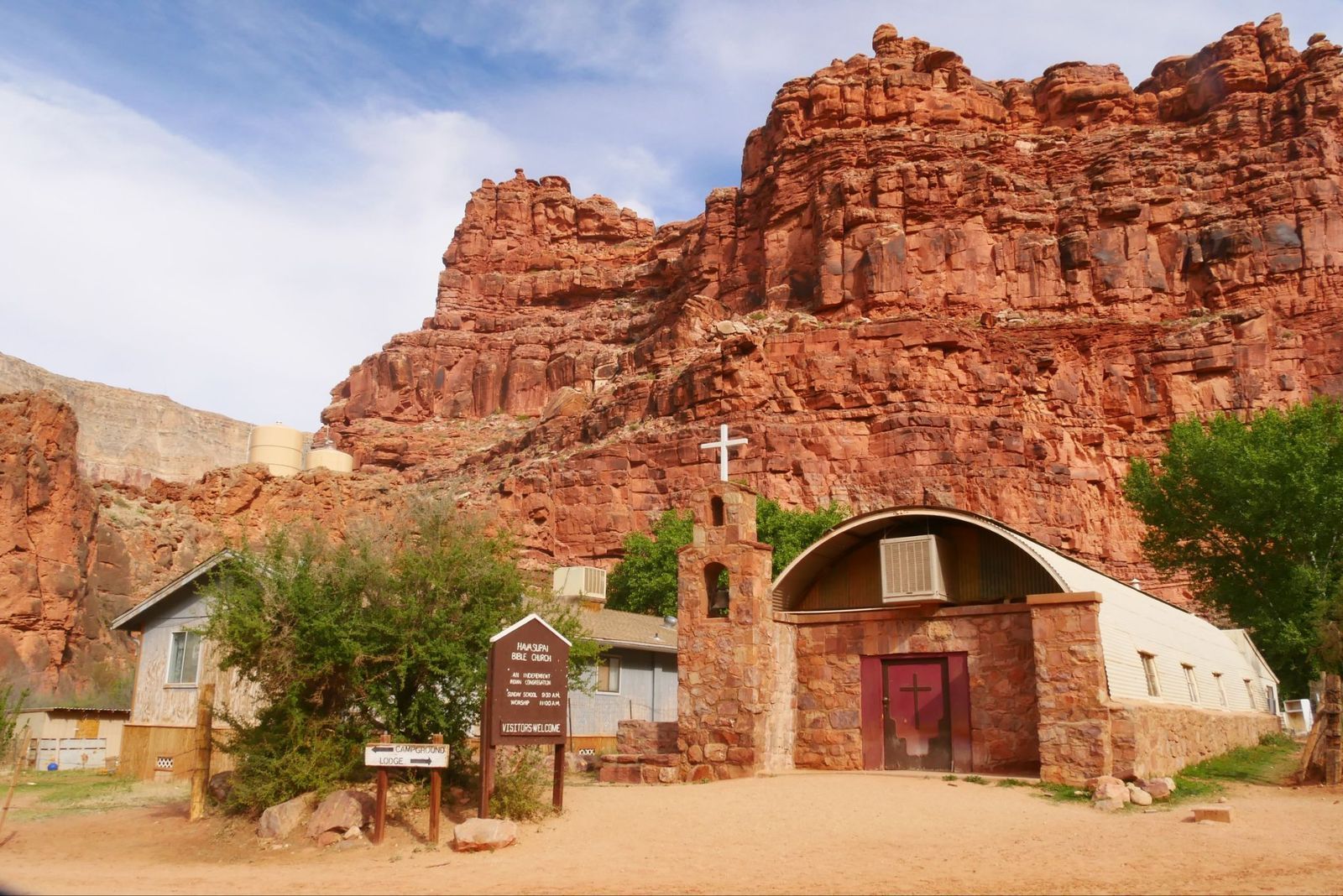
For over 1,000 years, the remote village of Supai has been home to the Havasupai Tribe, the People of the Blue-Green Waters. It is located an eight-mile hike from the rim, but sits roughly 3,000 feet deep inside the Grand Canyon.

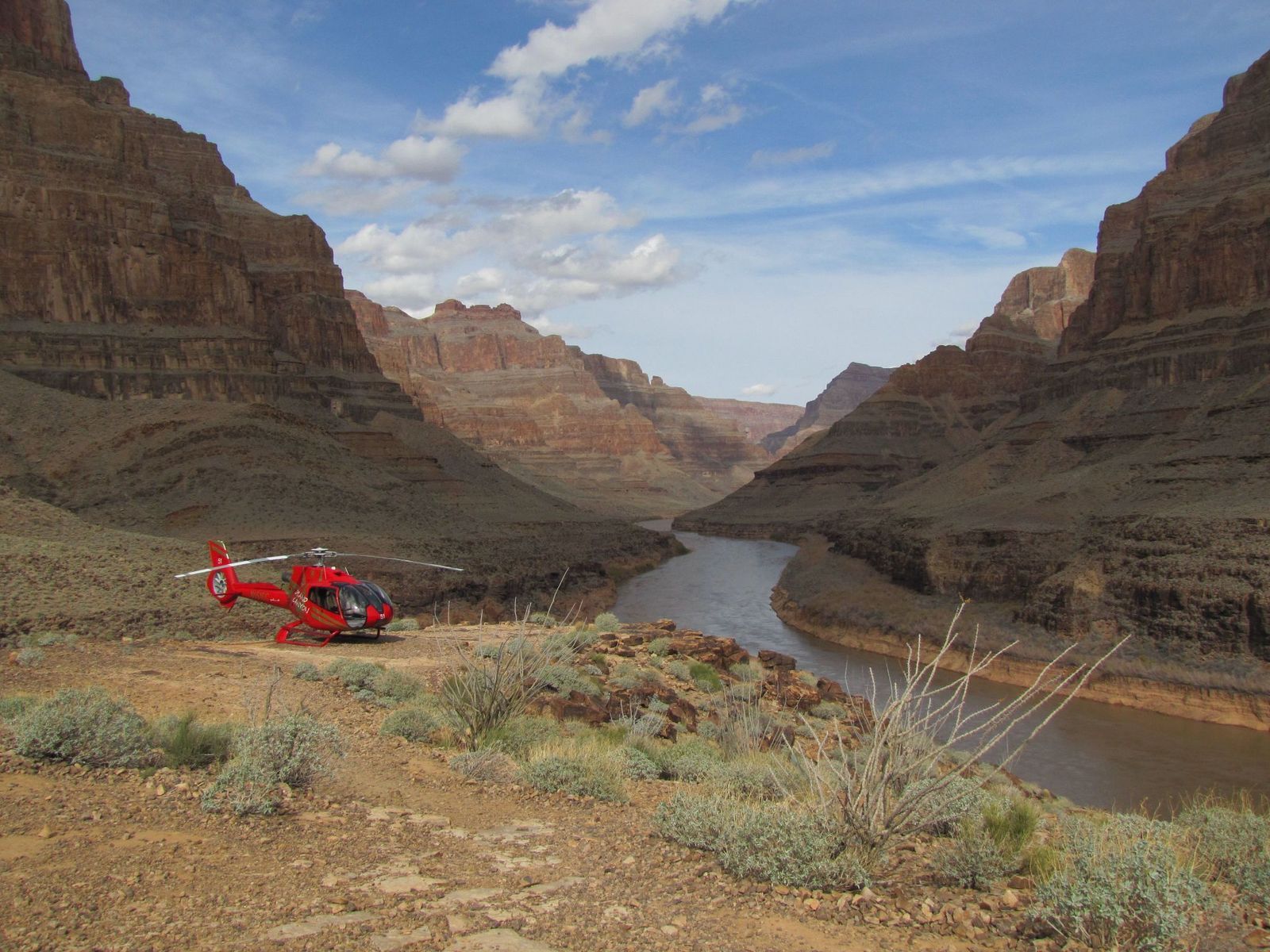
The U.S. Department of Agriculture has called it the most remote community in the contiguous United States, and it has no automobiles and no road access. The only ways in are on foot, by mule, or by helicopter. It is also the only place in the United States where the postal service still delivers mail by mule train.

History History 6 min read

Who was the real Paul Revere? 10 shocking facts beyond the legend

Image: Keith J Finks

Like many stories from early American history, the myth of the heroic patriot galloping through the midnight dark, shouting a legendary warning, has completely overshadowed the man. The real Paul Revere was a fascinating human being. He was a craftsman, an innovator, and a family man. Let’s pull back the curtain on the legend and look at ten surprising facts you probably never knew about America’s favorite midnight rider.

1
He was of French descent

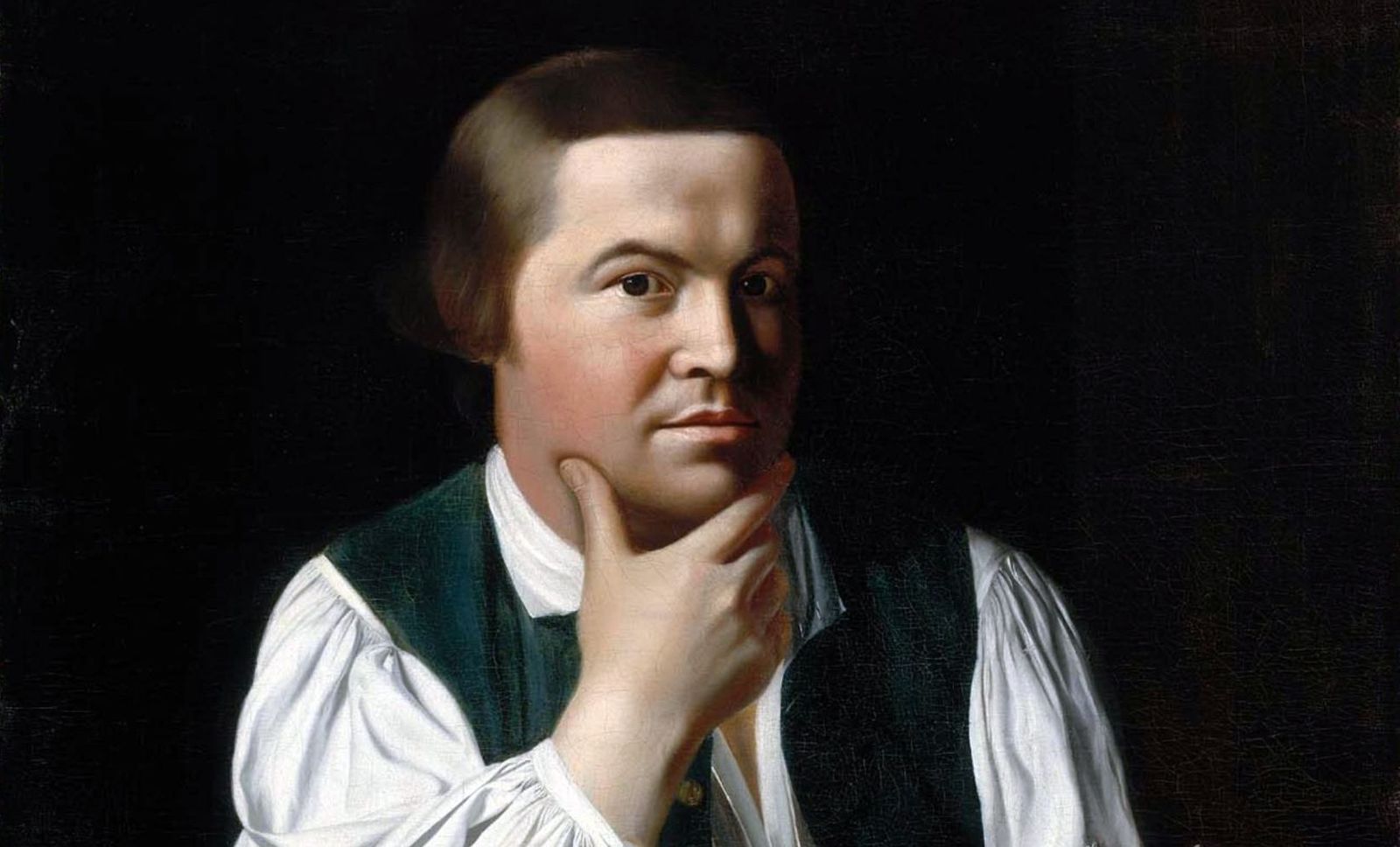
Image: John Singleton Copley, Public domain, via Wikimedia Commons

While we think of Paul Revere as an early American icon, his roots lay across the Atlantic. His father, Apollos Rivoire, was a French Huguenot (a member of the French Reformed Church) who fled religious persecution and immigrated to Boston as a teenager.

To fit in his new home, Apollos Americanized the family name to "Revere". Paul was born in late 1734 or early 1735, the son of Apollos and a Boston local called Deborah Hichborn. Apollos was so interested in blending in that he never taught his children to speak and read French. In fact, a young Paul Revere even fought against the French as part of the colonial forces during the French and Indian War.

2
He was an accomplished artisan

Image: Paul Revere, CC0, via Wikimedia Commons

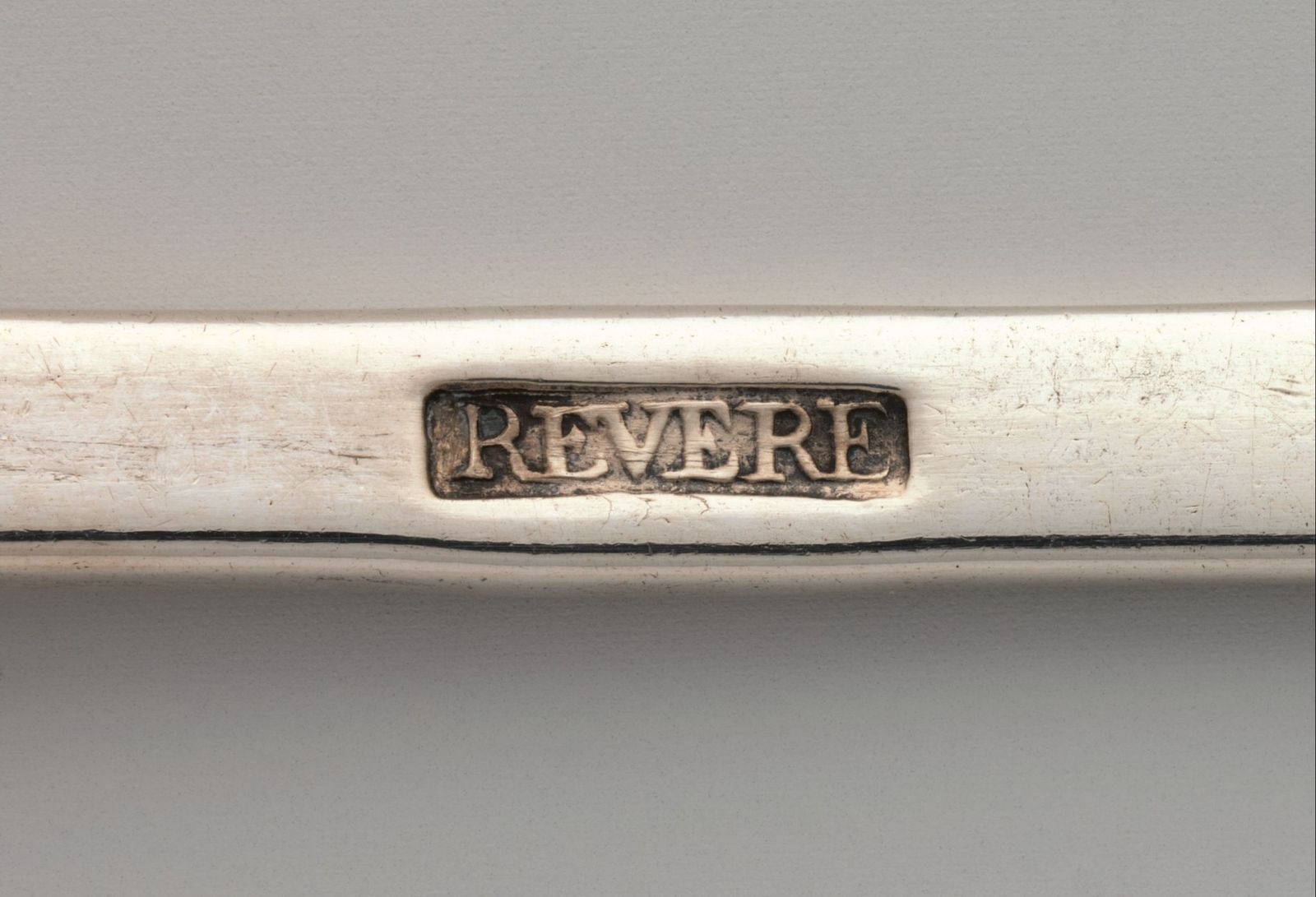
Before he was a revolutionary, Revere was a master craftsman. He learned the art of silversmithing from his father and quickly gained a reputation as an accomplished artisan. He designed seals, coats of arms, plate engravings, and silver teapots.

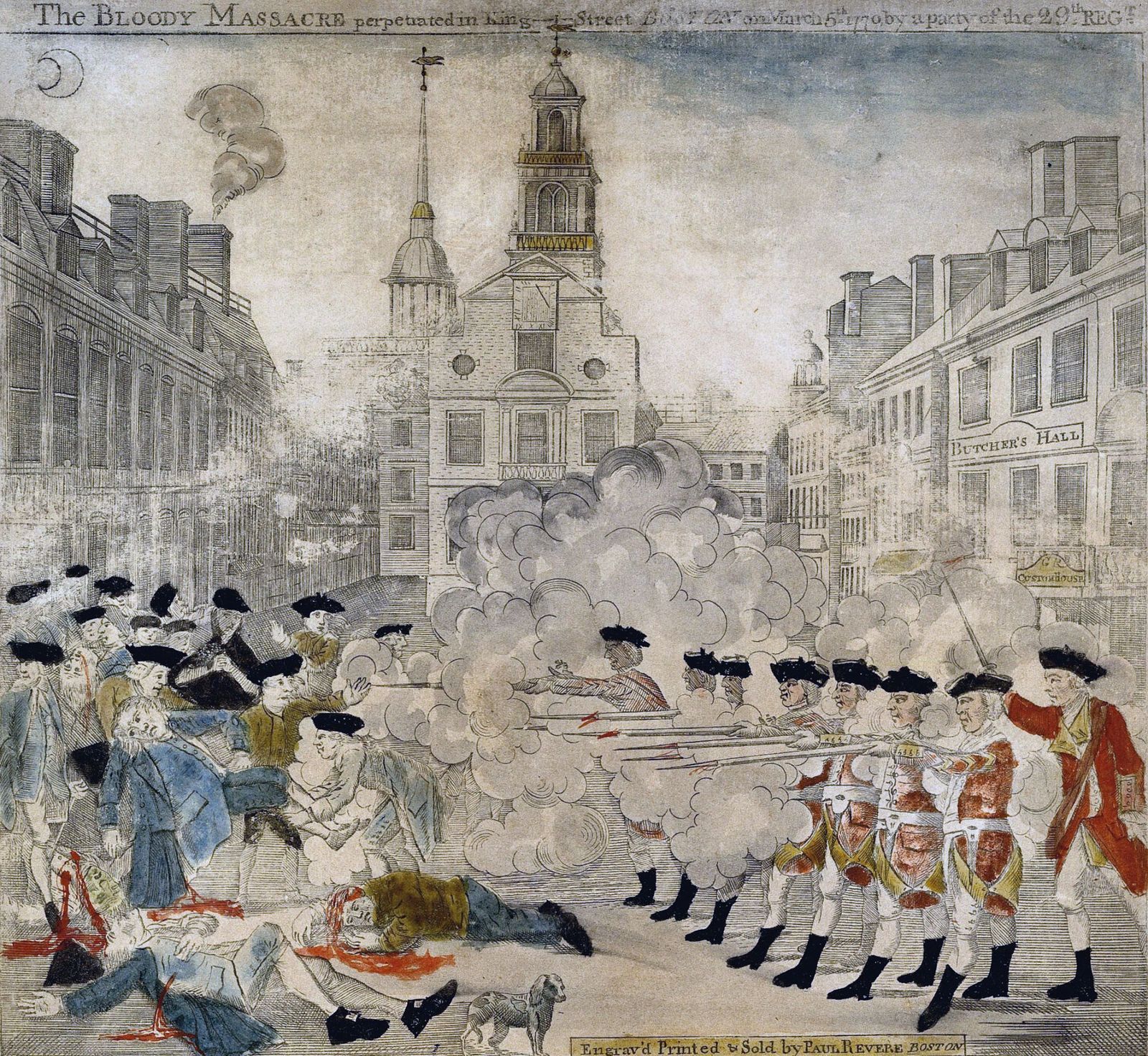
Revere also used his engraving skills to create sharp political cartoons that mocked the British. His most famous artistic work was a sensationalized engraving of the 1770 Boston Massacre. It wasn’t entirely historically accurate, but it spread through the colonies, stirring up the anti-British sentiment that laid the groundwork for the Revolution.

3
He worked as an amateur dentist

Image: See page for author, CC BY 4.0, via Wikimedia Commons

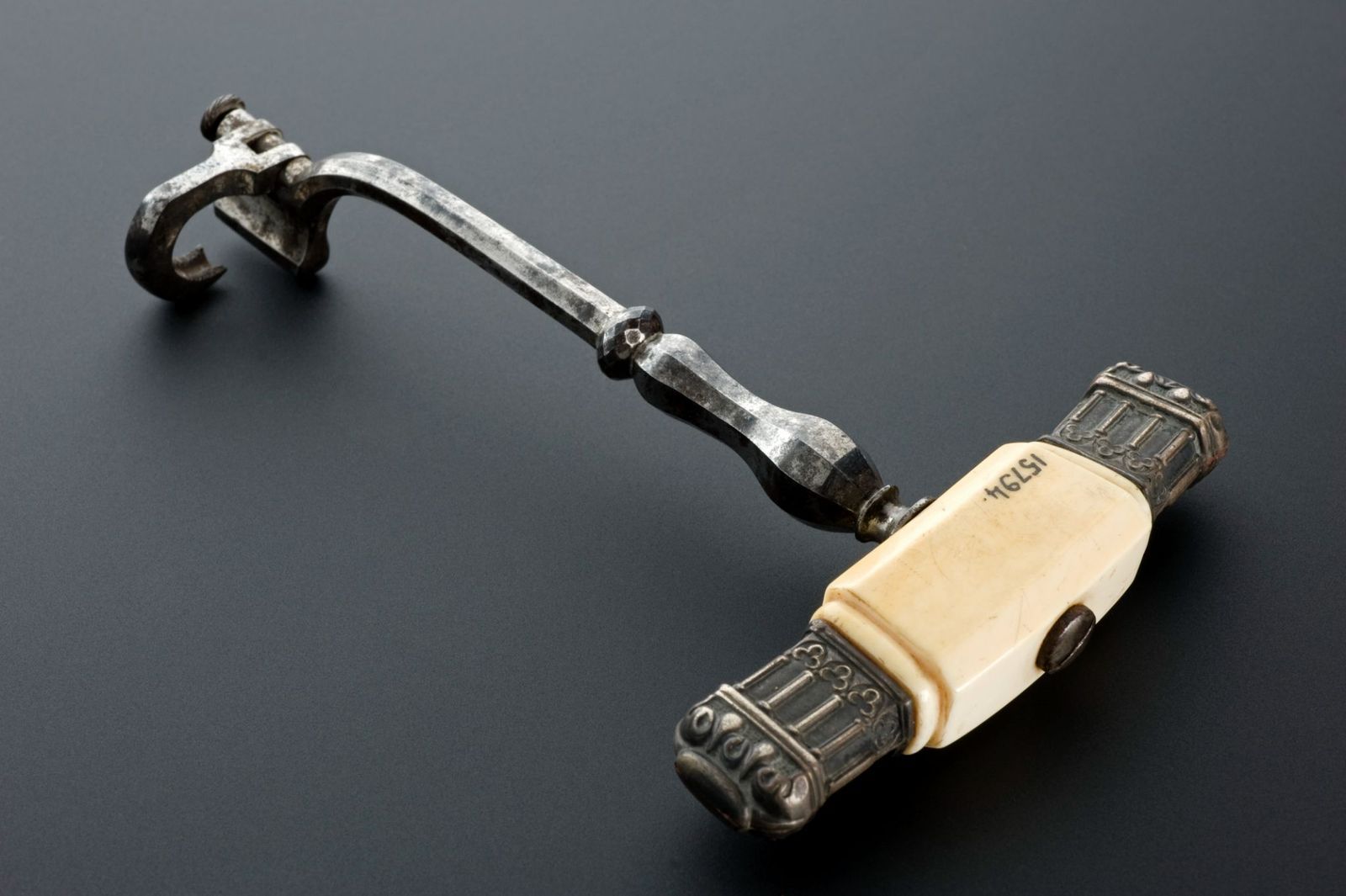
When silversmithing work ran slow, Revere picked up a side hustle: dentistry. He started cleaning teeth and crafting dental prosthetics out of animal teeth and walrus ivory for the people of Boston.

This amateur dental career actually led to a major moment in American history. In 1775, Revere’s close friend, Dr. Joseph Warren, was killed at the Battle of Bunker Hill and buried in an unmarked mass grave by British soldiers. A year later, when the bodies were exhumed, the remains were unrecognizable. Yet, Revere was able to identify Warren’s body by recognizing the specific ivory tooth and custom wire bridge he had personally crafted for his friend. It’s widely considered one of the earliest documented cases of forensic dentistry in the United States.

4
He played a key role in early intelligence efforts

Image: Zack Frank

Long before the CIA existed, Paul Revere was working as a pioneer of organized American espionage. As a member of the Sons of Liberty, Revere wanted to track British movements closely. In 1774, he helped form a spy group known as "the mechanics" or the "Liberty Boys".

These men were Bostonian blacksmiths, artisans, and laborers who used their ordinary routines to watch British troops, listening for rumors of upcoming military actions. The spies would gather at the city’s historic Green Dragon Tavern to trade secrets and map out British movements.

5
Longfellow's inaccurate poem

Image: Grant Wood, Public domain, via Wikimedia Commons

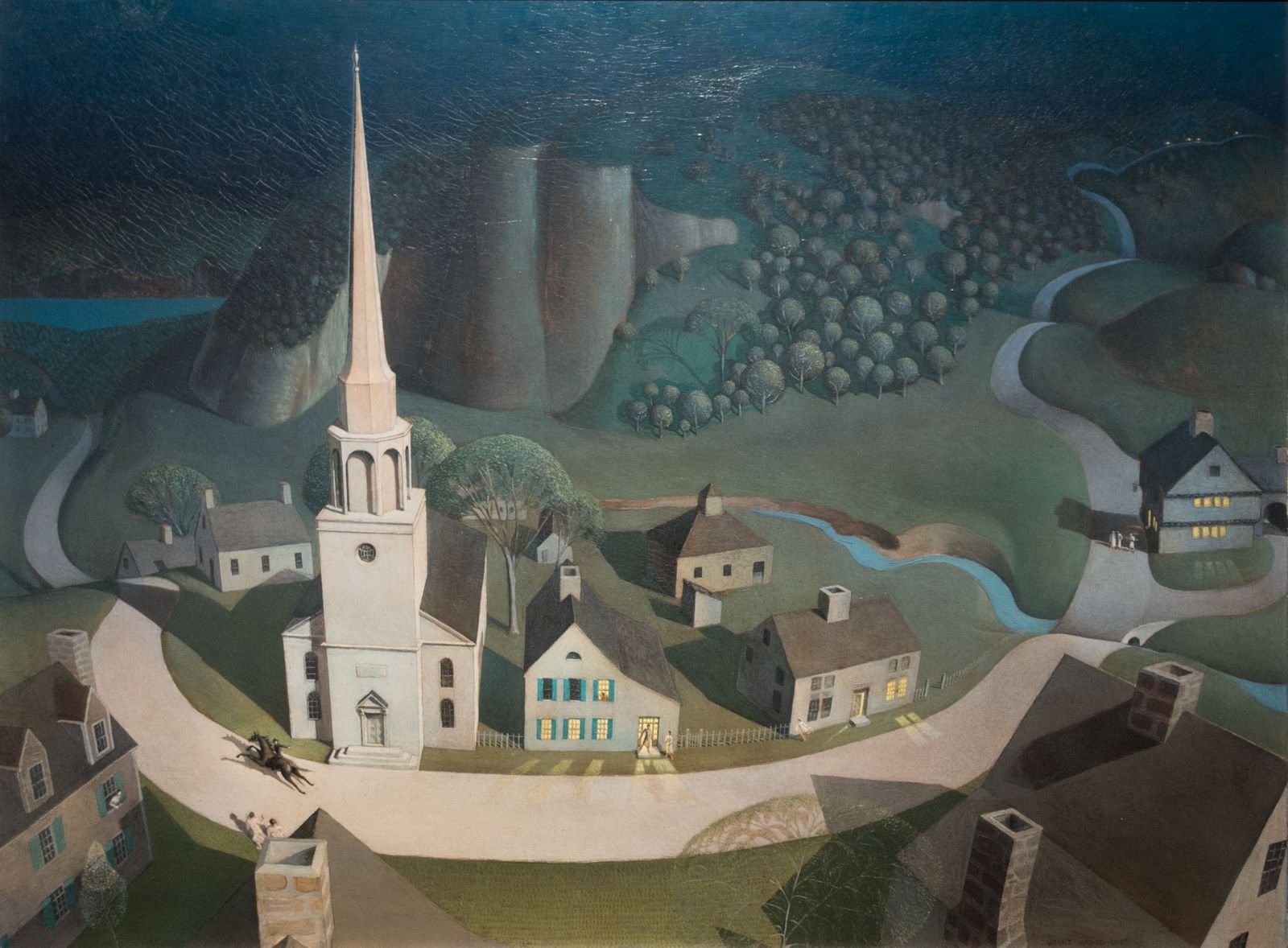
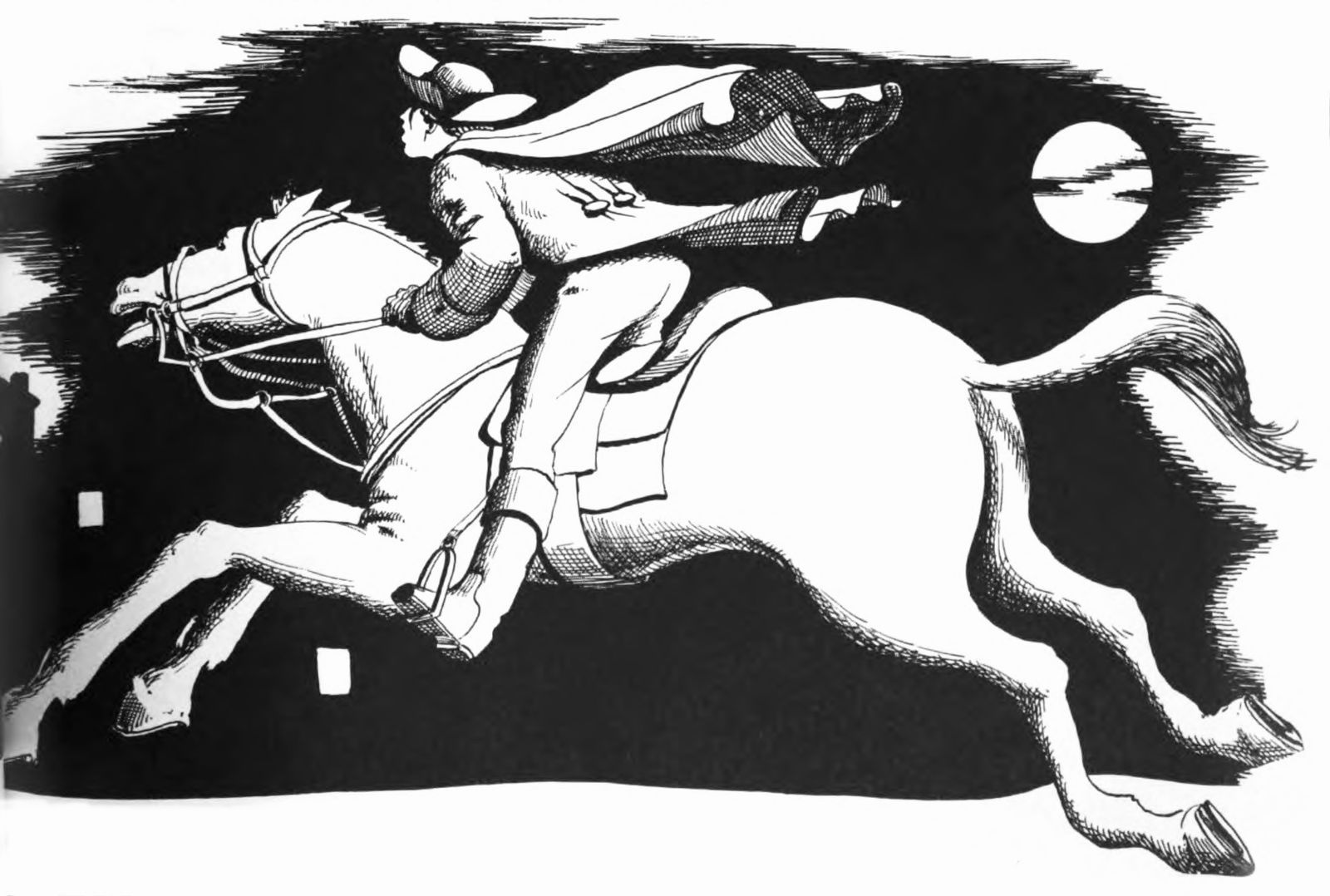
If your knowledge of Revere comes from Henry Wadsworth Longfellow’s famous 1861 poem, "Paul Revere's Ride," you’ve been given a romanticized version of history. Longfellow wrote the poem nearly a century later, on the brink of the American Civil War, to stir up national pride.

In reality, Revere wasn’t a lone rider. The night of April 18, 1775, Revere set out with two other main horsemen: William Dawes and Dr. Samuel Prescott. As they triggered local alarms, dozens of other riders joined the effort. By midnight, more than 40 people were racing across the country, spreading the word. Furthermore, Revere never actually made it to his final destination of Concord. He was captured and briefly detained by a British patrol.

6
He didn’t even own a horse for his midnight ride

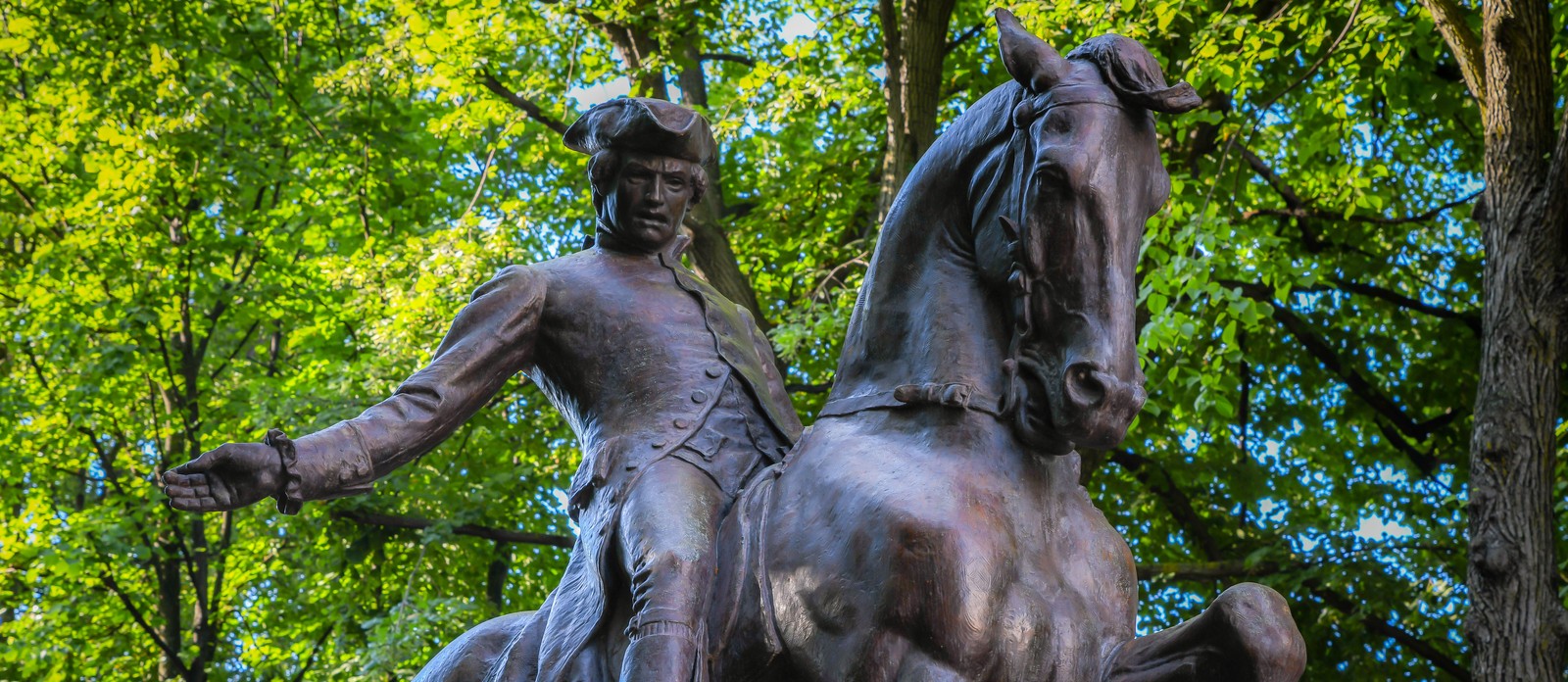
Image: Tichnor Bros. Inc., Boston, Mass., Public domain, via Wikimedia Commons

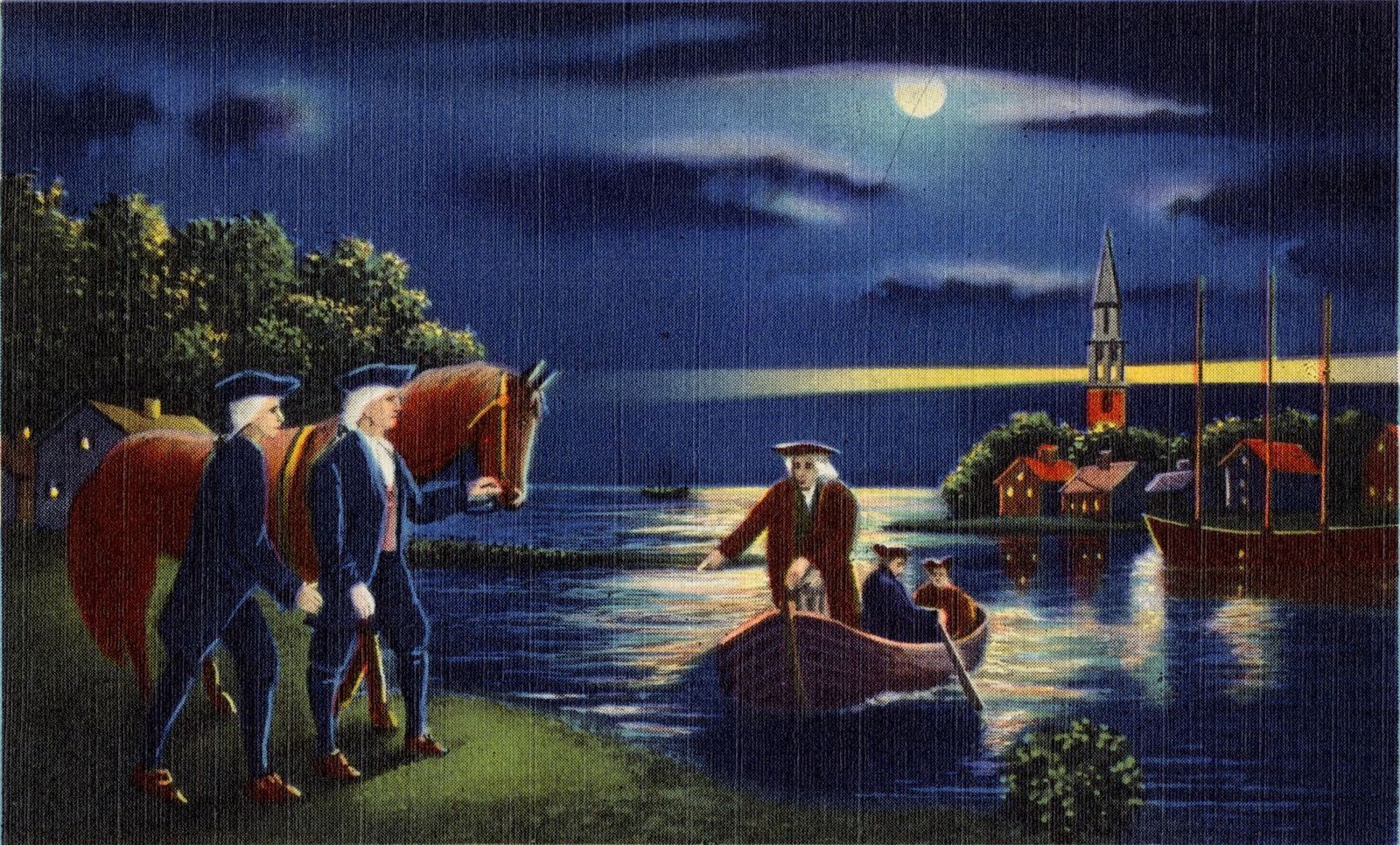
It’s hard to imagine the midnight ride without Revere’s faithful steed, but the truth is, Revere didn’t even own a horse when the fateful night arrived. Because he had to be quietly rowed across the Charles River, bringing a horse from Boston was out of the question.

Once he reached Charlestown, he had to find a ride. He ended up borrowing a horse from a sympathetic local merchant called John Larkin. Legend has it that this borrowed mare was named "Brown Beauty". Sadly, after Revere was captured later that night, the soldiers confiscated the horse, and she was never seen again.

7
He didn’t actually say THAT

Image: Leonard Everett Fisher, Public domain, via Wikimedia Commons

"The British are coming!" is one of the most famous quotes in American history, but Revere never said it. The countryside was crawling with British soldiers, so his mission had to be very quiet. Yelling at the top of his lungs would have landed him in military prison before he even left town. Instead, he went door to door delivering the warning quietly to specific patriots.

Also, the phrase wouldn’t have made sense to the colonists. At the moment in 1775, the colonists still considered themselves British citizens. Instead, historical accounts indicate that Revere used the phrase, "The Regulars are coming out!" "Regulars" was the standard colonial term for the standing British army troops.

8
His military record wasn't outstanding

Image: Public domain, via Wikimedia Commons

Although Revere was a phenomenal community organizer and courier, his transition into traditional military leadership didn’t go smoothly. During the war, he served as a major and later a lieutenant colonel in the Massachusetts State Artillery. His military career hit a disastrous low point in the summer of 1779 during the Penobscot Expedition in modern-day Maine.

The mission was a total failure for the Americans. In the aftermath, Revere was accused of cowardice, laziness, and disobedience. He faced a court-martial and spent several years fighting to clear his name. He was ultimately acquitted of all charges in 1782, but the incident permanently tarnished his dreams of military glory.

9
Fatherhood came early… and often

Image: Jeffrey M. Frank

If you think managing a household today is stressful, consider Paul Revere’s domestic life: he fathered an astonishing 16 children.

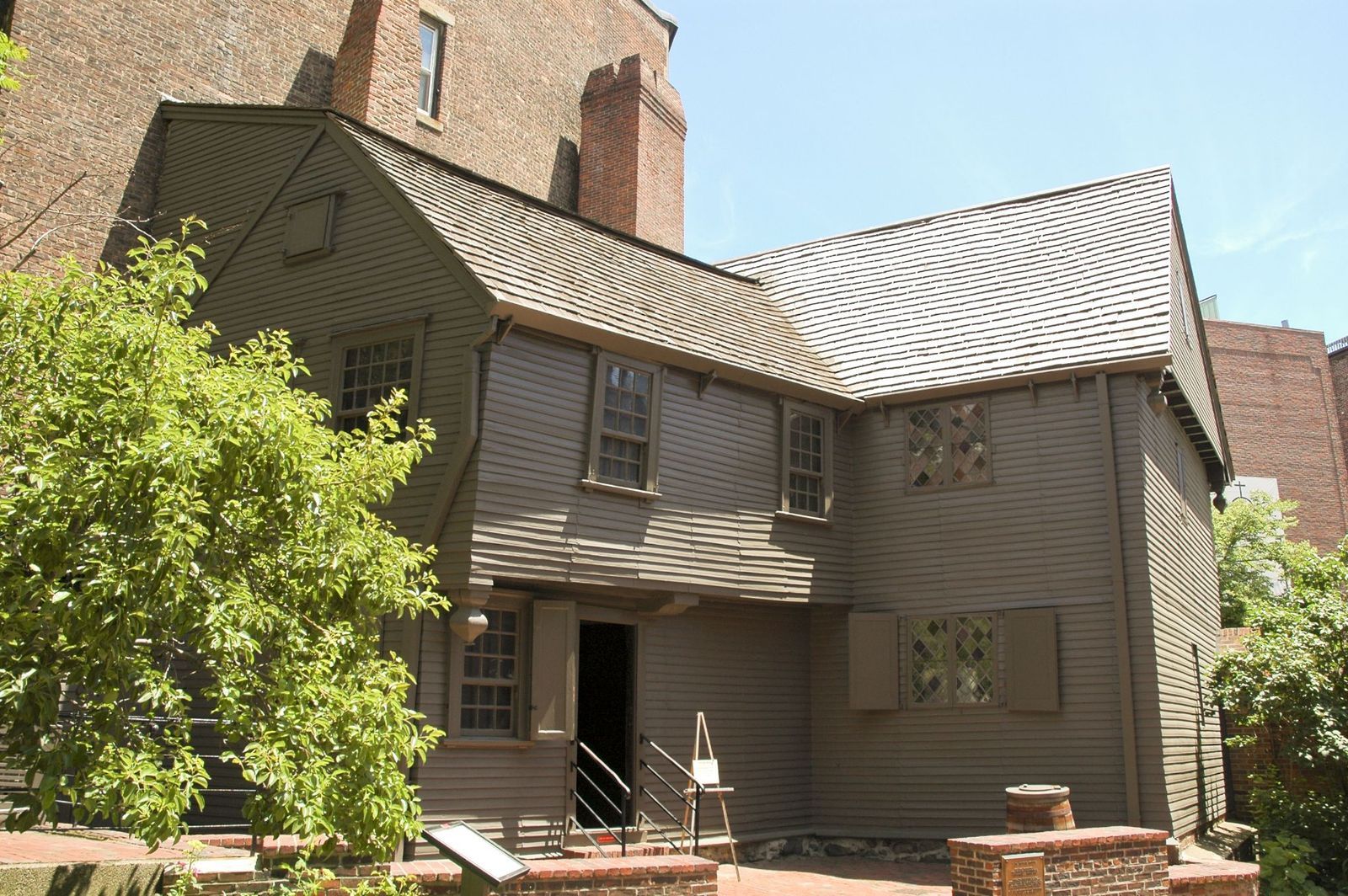
He had his first eight children with his first wife, Sarah Orne. Following her death in 1773, he remarried a woman called Rachel Walker, with whom he had another eight children. They crammed this huge family into a small townhouse at 19 North Square in downtown Boston. Amazingly for the 18th century, 11 of his 16 children survived to adulthood.

10
Revere Copper Products, Inc. is still in operation

Image: Jaclyn Vernace

After the Revolution ended, Revere left politics and went back to industry with some success. He opened a hardware store, a foundry, and the first rolling copper mill in the United States.

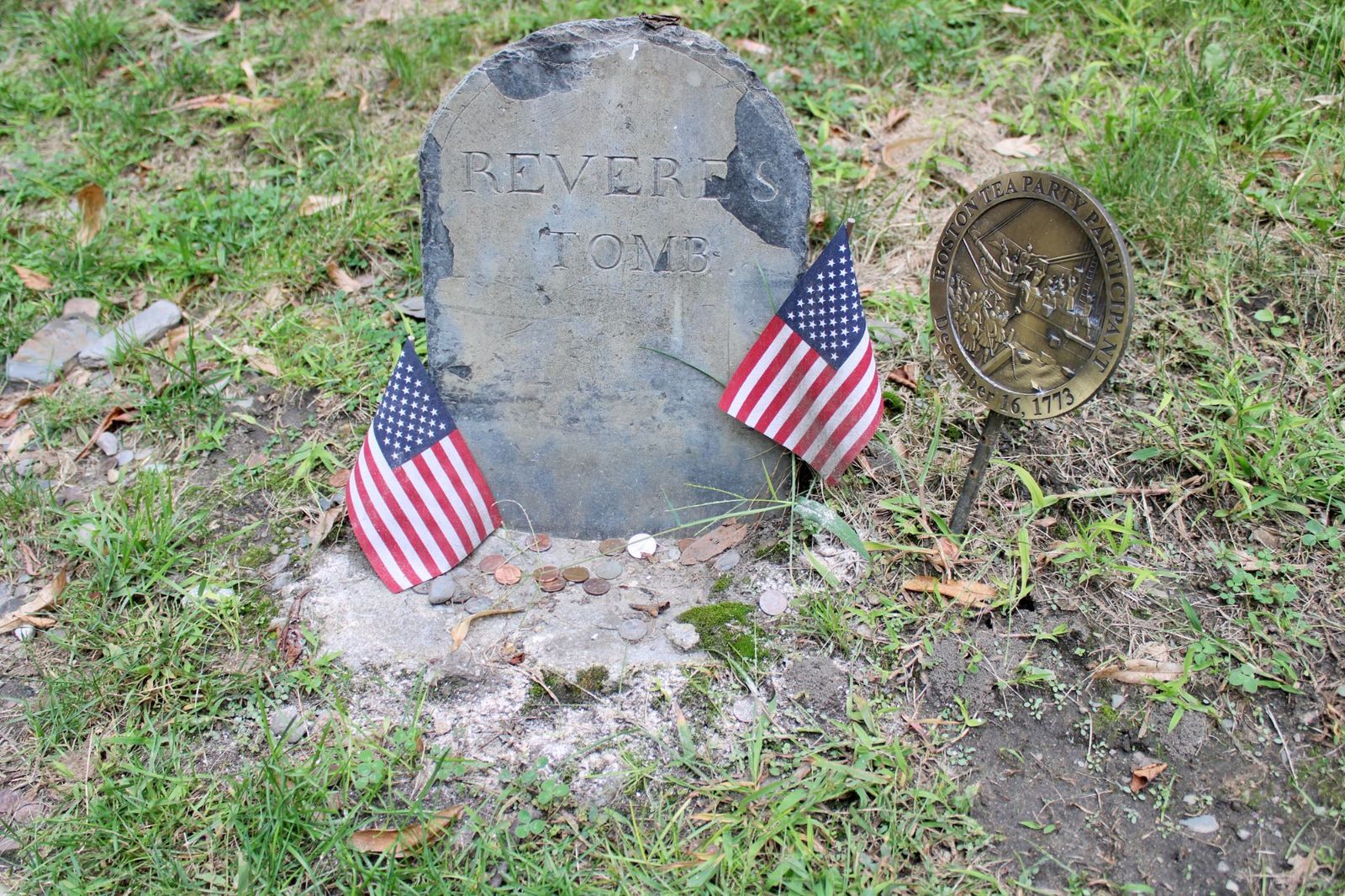
In fact, his business supplied the copper used to protect the hull of the USS Constitution. He also cast nearly 1,000 church bells, many of which still ring across New England today. Amazingly, the company he founded, Revere Copper Products, Inc., is still in business. Paul Revere passed away in 1818 at the age of 83, leaving behind a legacy more industrious than a single night’s ride.

Explore more American facts

Choose your favorite category!

General
General

As American as apple pie—the very best America has to offer!

Culture
Culture

Delve into the astounding richness of American lore.

Geography
Geography

Hop in and explore vast and diverse American landscapes.

History
History

Discover the key moments that shaped the United States.