Geography Geography 6 min read

Sub-America

Did you know there are hidden underground cities in the US?
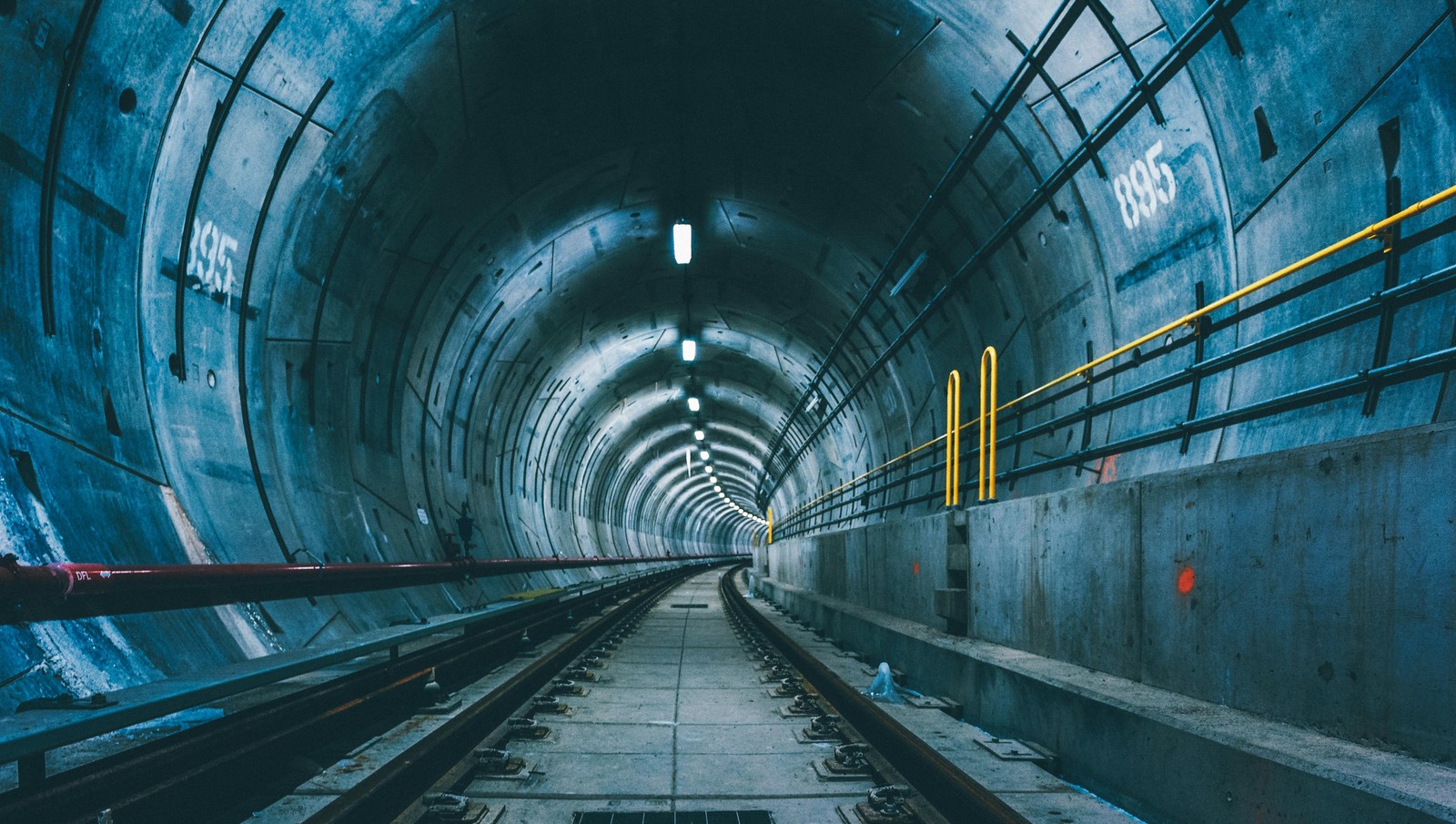
Image: Harrison Haines

Some cities are so top secret they can’t even be found on a map. Subterranean cities have existed throughout human history, and in the United States, we have a few amazing examples. Some are bunkers built during the Cold War to survive nuclear attacks, others were born as ingenious alternatives to escape extreme weather conditions. Whether they are hidden inside a mountain or buried deep underground, here are 12 subterranean places in America that are hidden in plain sight.

1
Raven Rock Mountain Complex
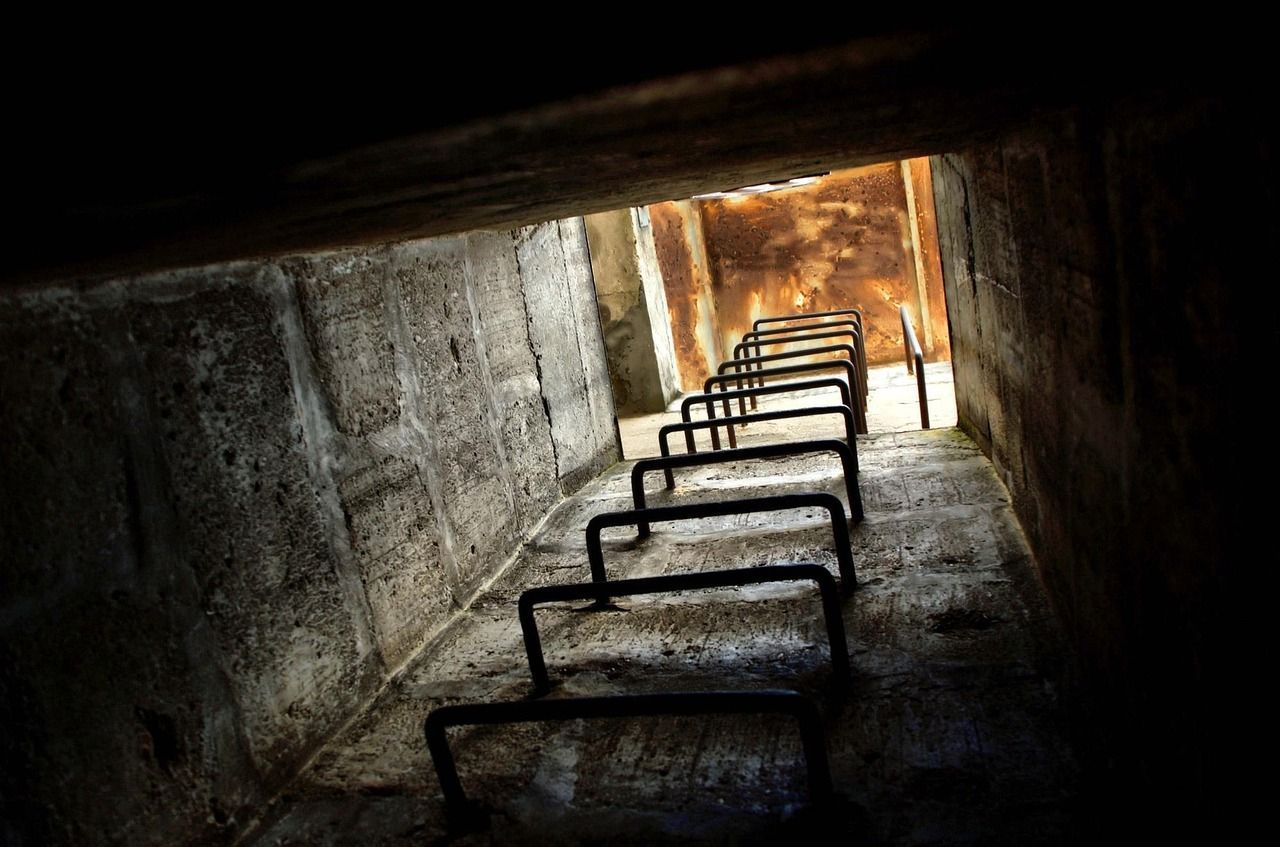
Image: Ilagam

Did you know that in the 1950s, the US government carved out a secret underground city that could survive a nuclear attack? It’s called an "underground Pentagon", and very much like Area 51, it is one of the government's most classified projects.

This military complex and nuclear bunker is located near Blue Ridge Summit, Pennsylvania, 768 feet below the ground. It’s protected by 23.5 ft thick 30-ton doors built on top of springs to survive the shock from a blast. Raven Rock has five buildings with 15 floors big enough to live and work. The base has everything it needs to keep running, like a cafeteria, a barbershop, water generators, and even a medical center.

2
SubTropolis
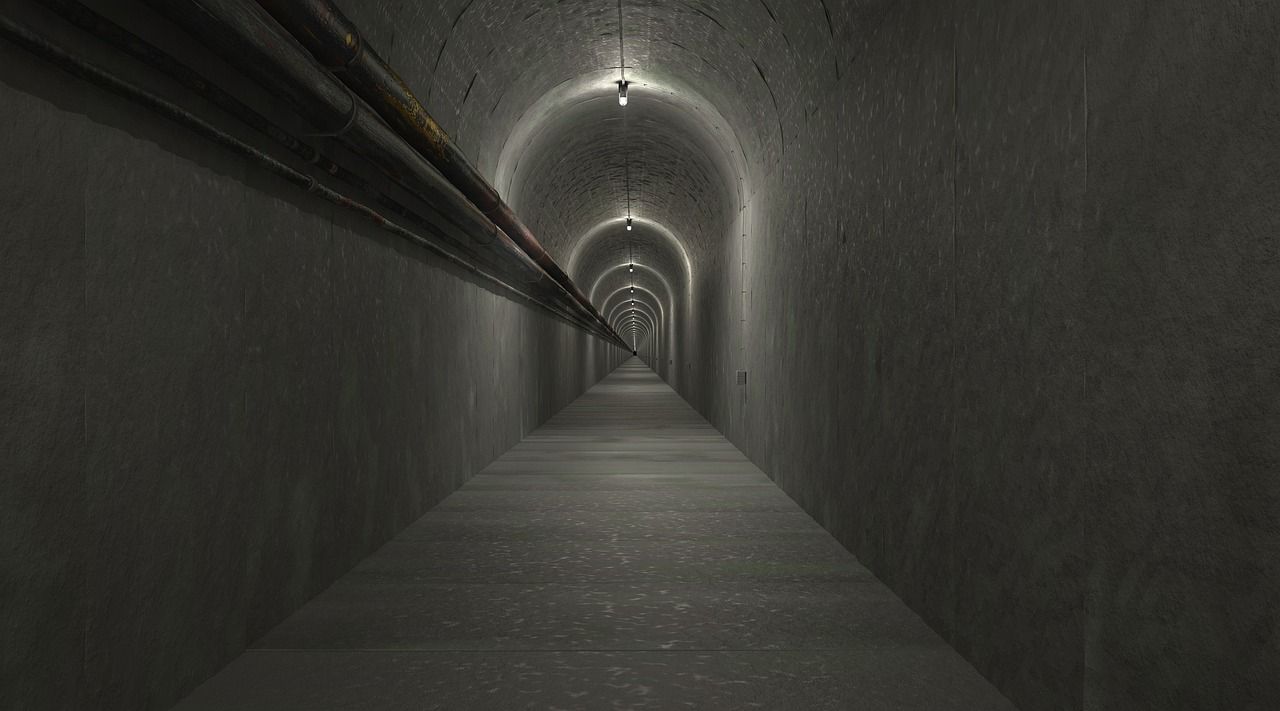
Image: mwewering

Below Kansas City, Missouri, lies the world's largest underground business complex. SubTropolis is a structure located inside a mine north of the Missouri River. It was carved out of limestone some 135 to 185 feet underground and covers a total of 55 million square feet.

Kansas City Chiefs founder Lamar Hunt built this subterranean city in the 1960s. It has offices, storage space, and even factories. Over 1,600 people work here every day, largely because SubTropolis remains cool all year, making it an ideal location for businesses. Fun fact: some of Hollywood’s most beloved masterpieces are kept here, including the original film reels of Gone with the Wind and The Wizard of Oz.

3
Underground Atlanta
Image: Ronny Sison

Underground Atlanta is a historic spot in downtown Atlanta, Georgia. It was built in the late 1800s, right after the Civil War, as a commercial district centered around the railroad. In the 1920s, viaducts were built and the streets were raised, creating a second level of streets, buildings, and shops.

During Prohibition, the abandoned underground space served as the best spot for speakeasies and juke joints. For decades, people forgot about the hidden city, but in the 1960s, it was brought back to life as a fun place for music bars and nightlife.

4
New York City Subterranean World
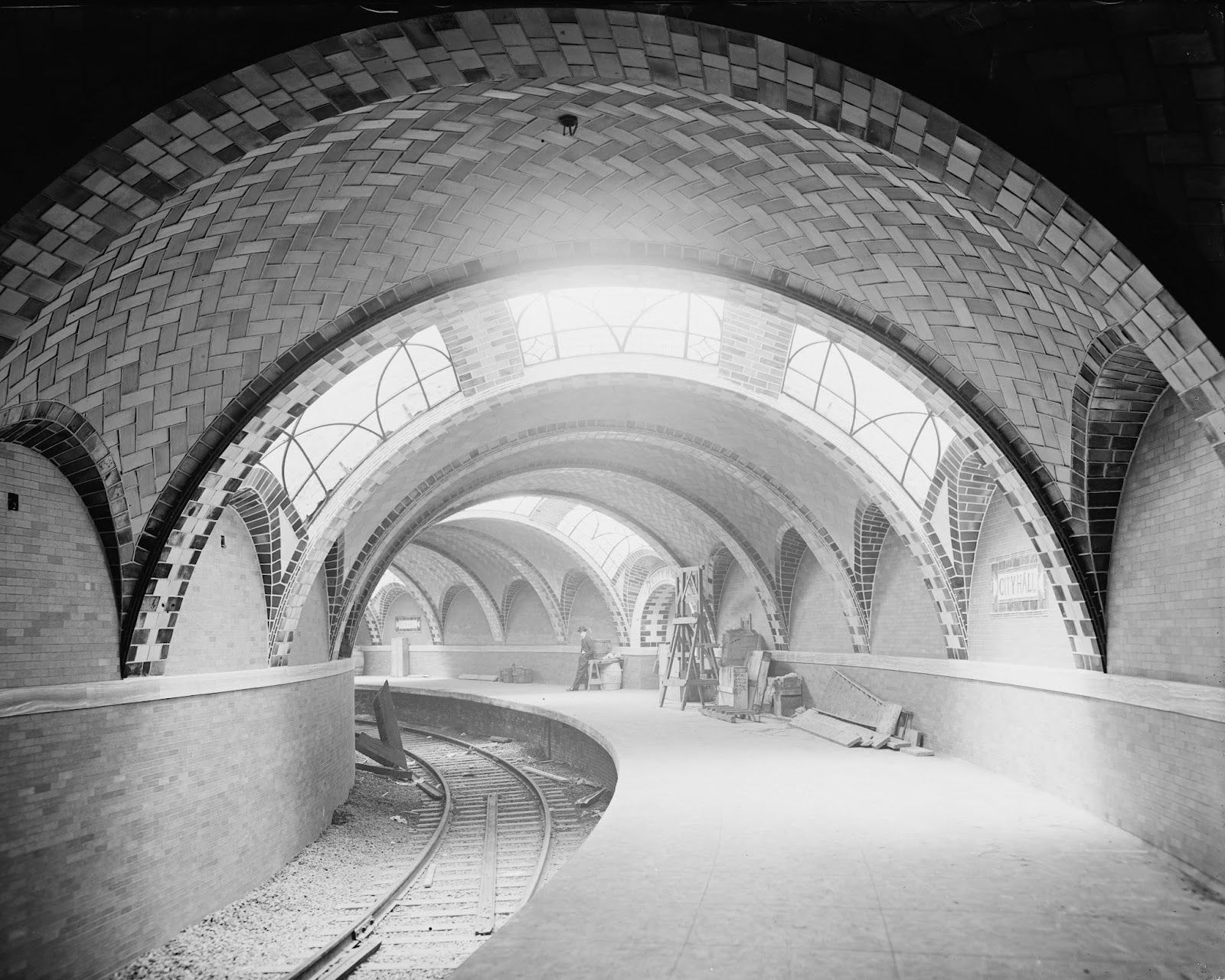
Image: Photographer: unknown, Public domain, via Wikimedia Commons

Under America’s most populous city, there's a whole hidden world. For example, beneath Little Italy and the Public Library, there are secret vaults. Beyond the subway millions of people use daily, there is City Hall station, opened in 1904 and closed in 1945. It's a hidden gem with stained glass and mosaics that you can still visit by staying on the 6 train past the last stop.

But that’s not all! There are trading tunnels in SoHo and old cattle tunnels in the Meatpacking District. Also, in 1897, there were mail tubes built around the city to send letters between post offices that operated until the 1950s. Some of these underground spaces go as deep as 800 feet!

5
Permafrost Tunnel Research Facility
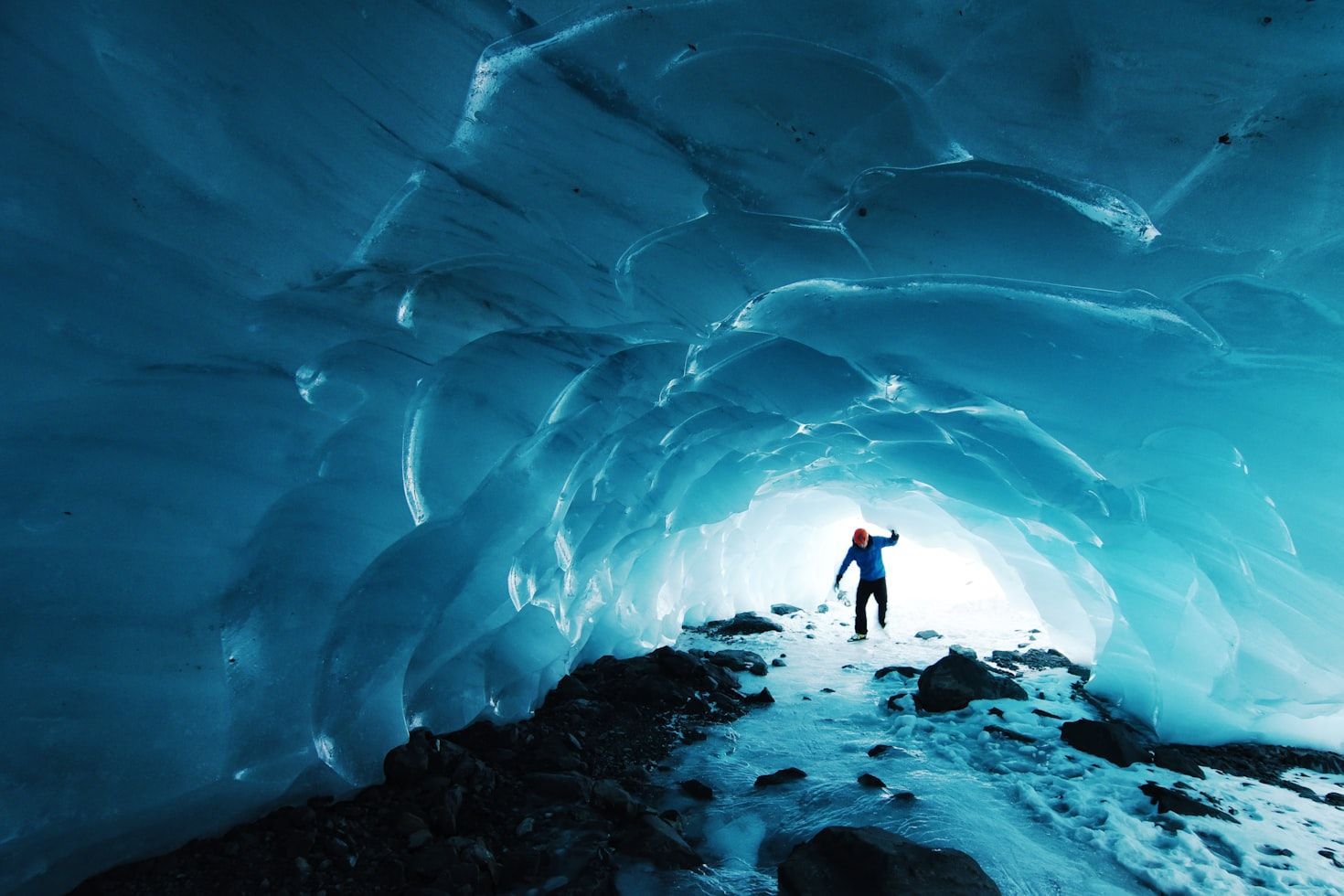
Image: Paxson Woelber

A large part of the land in the northern hemisphere is Permafrost, so it makes sense that there is a research facility specially built to study it. The Permafrost Tunnel in Alaska is the best place to learn about frozen soil that's over 40,000 years old.

The long tunnel was dug from 1963 to 1969 to study how to build and mine in frozen environments. Inside the facility, scientists study ice, ancient plants, and even bones from animals like mammoths. The tunnel shows different layers of earth, uncovering frozen ground from different time periods that help scientists anticipate what might happen as the world gets warmer.

6
The Greenbrier Bunker
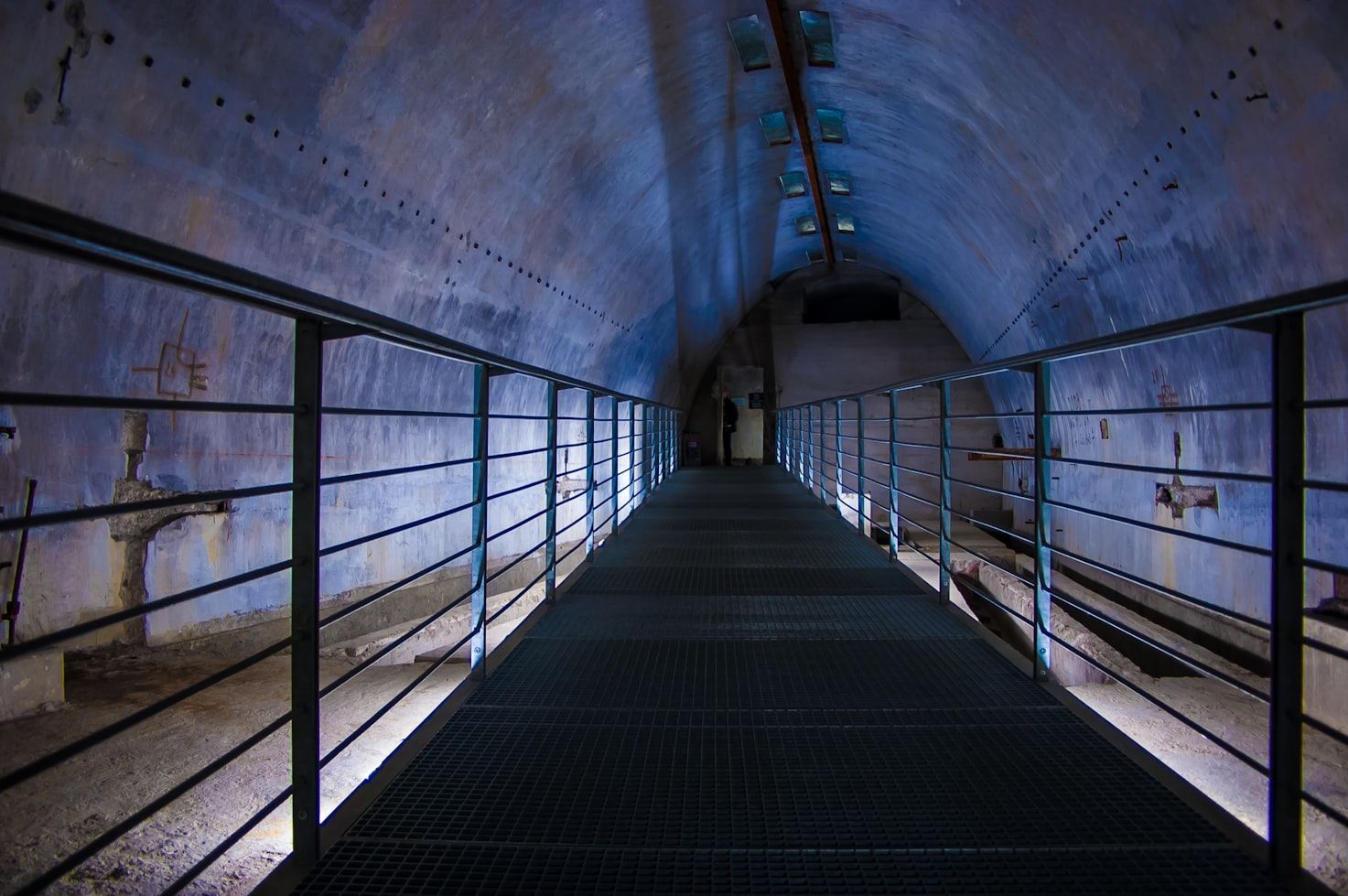
Image: Alex Holzreiter

The Greenbrier Bunker in White Sulphur Springs, West Virginia, is a secret underground facility beneath a luxury hotel that has hosted numerous US presidents and famous guests. It was built during the Cold War to protect the US Congress in the event of a nuclear attack. The bunker was designed to house all 535 members of Congress and their staff for a long time.

This classified underground facility remained a secret until 1992, when a Washington Post article exposed it. Today, visitors can take tours to see special rooms, blast doors, and decontamination areas.

7
The Caverns
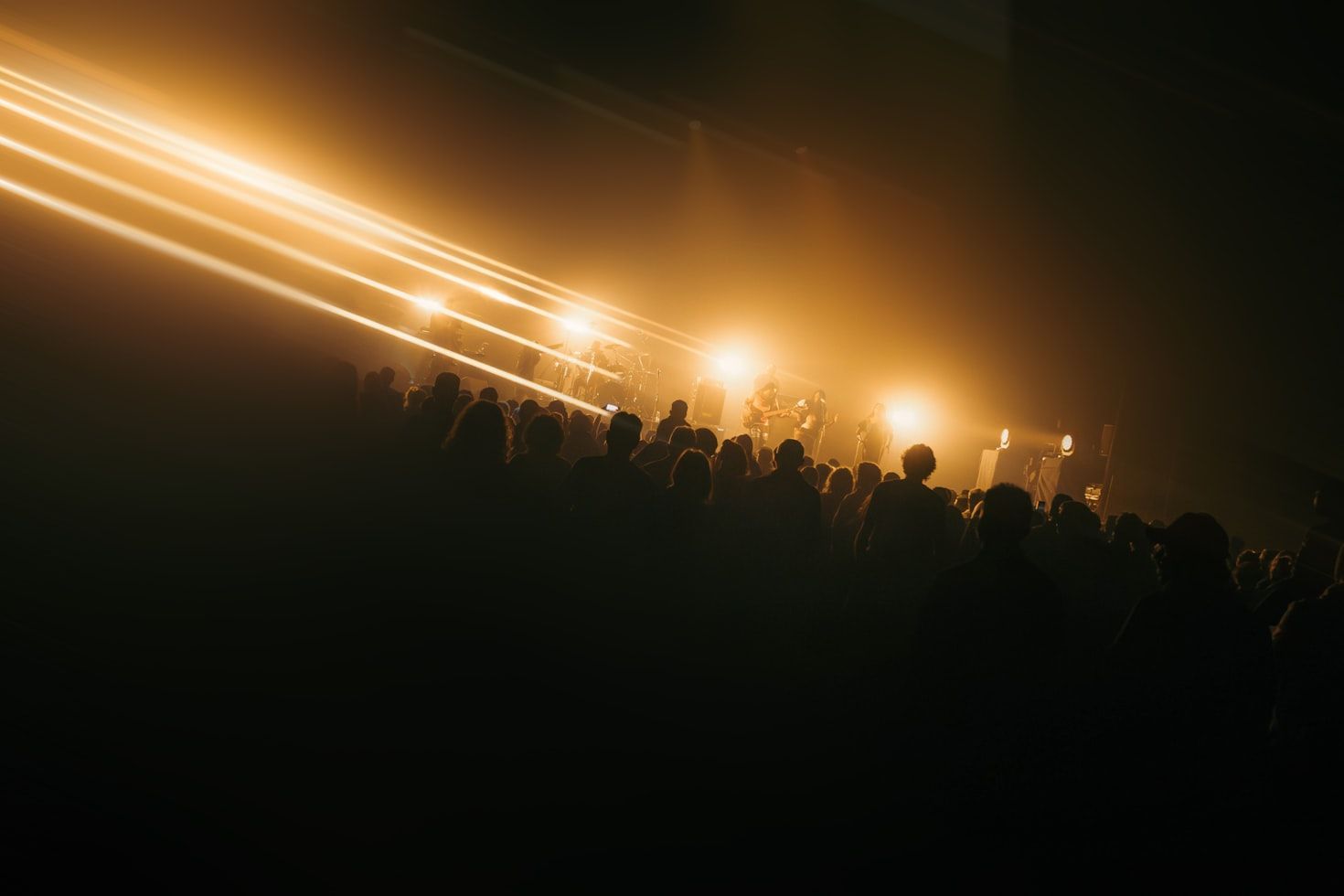
Image: jymy duhomme

Would you attend a concert underground? If you travel to Tennessee is totally possible! The Caverns, formerly known as Bluegrass Underground, is a very cool spot in Grundy County, Tennessee. Lying deep in a cave 333 feet underground, this concert venue with natural acoustics is the perfect place for live music.

People come from all over to hear a variety of performances, especially Bluegrass music. The Caverns can accommodate up to 1,200 people standing up and are equipped with state-of-the-art sound and lights. The cave's cool and quiet atmosphere makes the experience extra special!

8
Crystal City Underground
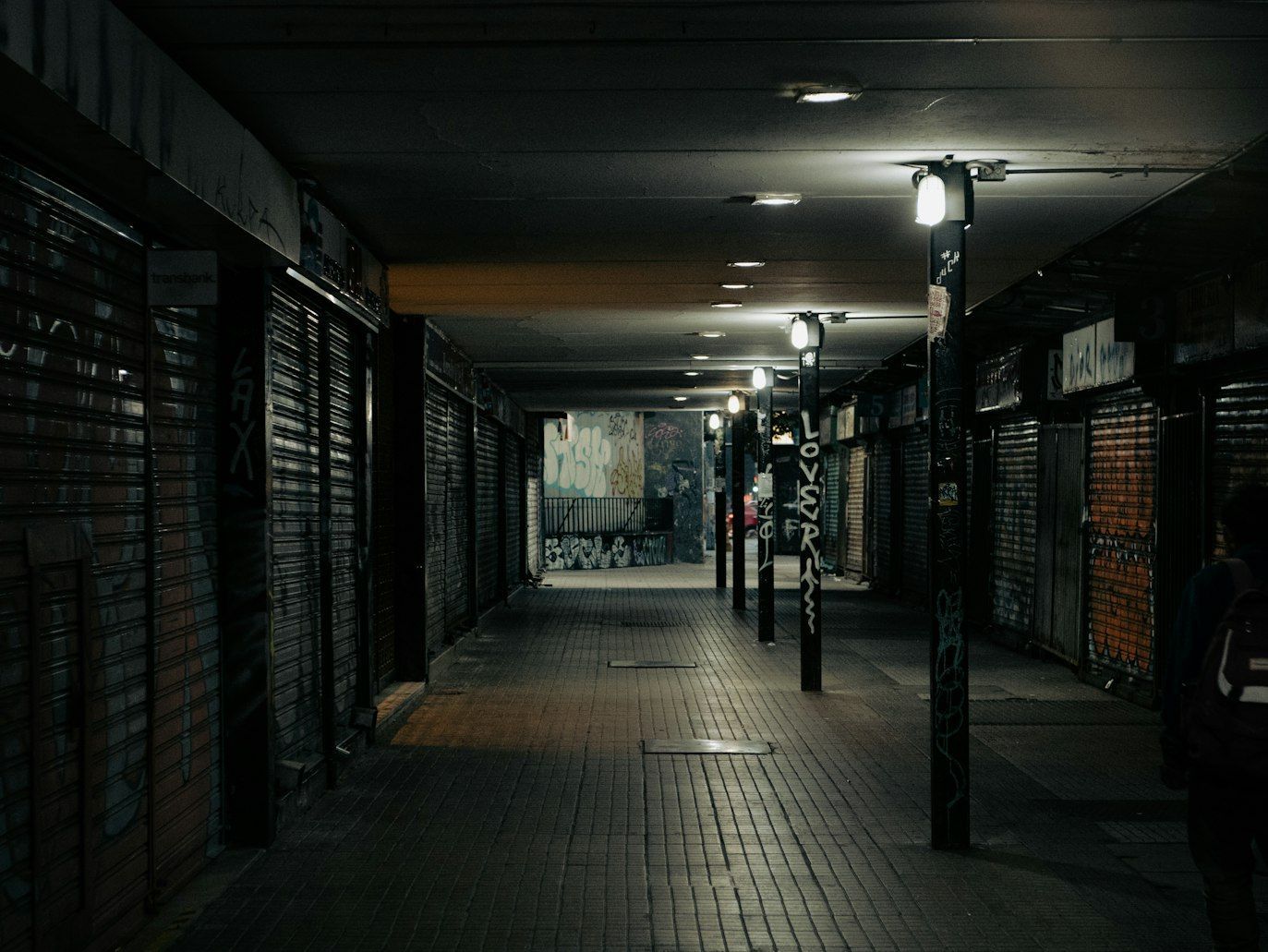
Image: Gustavo Alejandro Espinosa Reyes

Beneath the neighborhood of Crystal City, near Washington, DC, lies a network of shops, restaurants, and offices. It opened in 1976 and was designed to feel like an old shopping village with cobblestone streets and antique glass windows.

The underground space covers 150,000 square feet and connects several buildings. It's a popular spot for office workers and visitors, especially when the weather is bad. Unfortunately, in 2024, the shops closed, ending their retail era. Yet, the underground walkways and connections to the Metro remain open for pedestrians.

9
Los Angeles Prohibition Tunnels
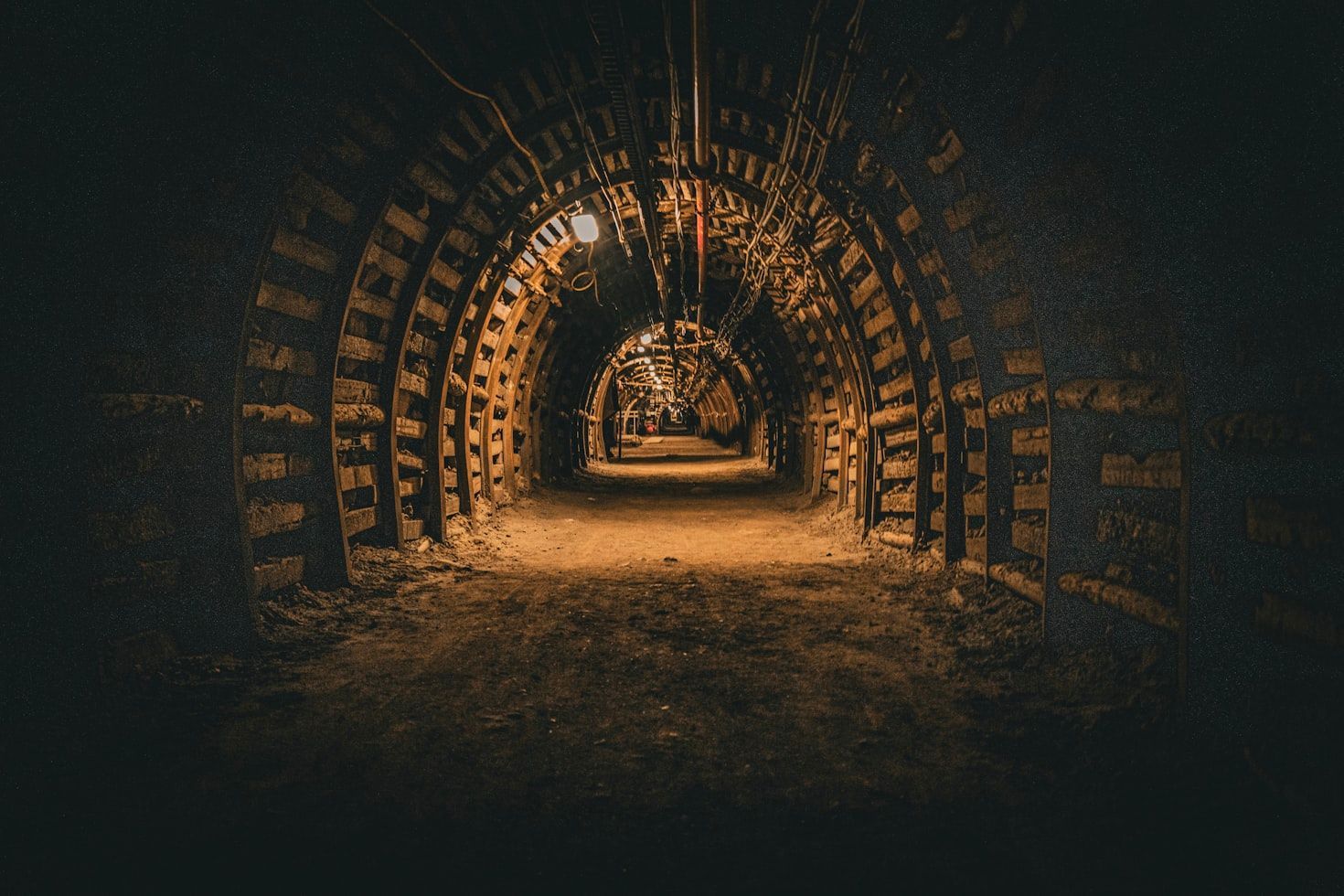
Image: Alpha Perspective

In the 1920s, during Prohibition, people had to find ingenious ways around the restrictions on selling and consuming alcohol. That's why they built about 11 miles of underground tunnels right under Los Angeles.

Many of these subterranean sites are now closed, but you can still find a few hidden entrances around the city. You can even go on a tour to explore the tunnels and learn about their secret history.

10
Havre Beneath the Streets
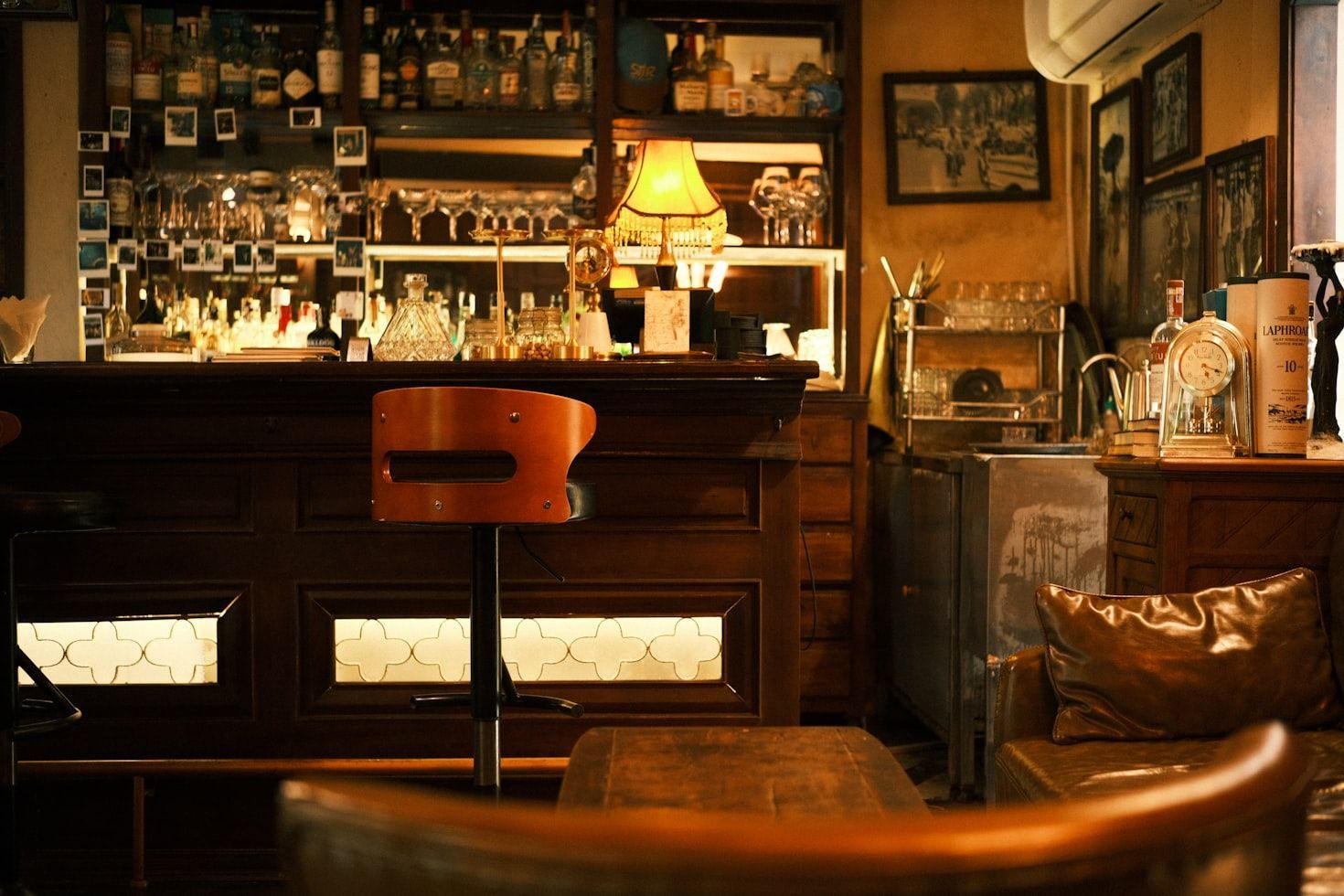
Image: Đào Việt Hoàng

After a big fire in 1904 destroyed Havre’s business district in Montana, many shops moved underground. They used the old steam tunnels to stay safe from fires and bad weather. For years, the tunnels were busy with people and stores, such as saloons, drugstores, laundromats, and even a brothel. But today it is completely silent.

Fortunately, you can still visit what is left of this hidden city to see old shops and learn how people stayed safe and worked over 100 years ago. It's like going back in time!

11
Cheyenne Mountain Complex
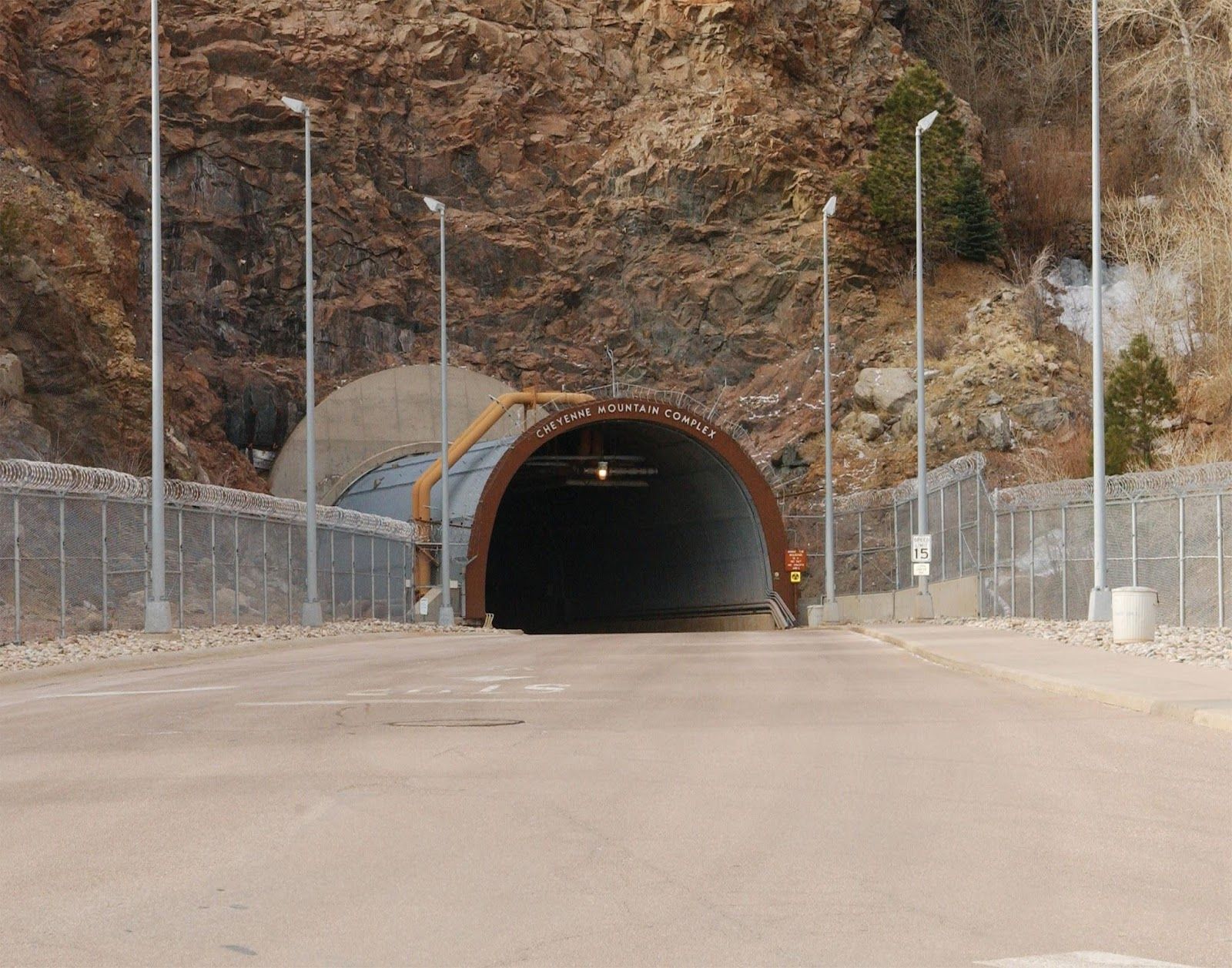
Image: See page for author, Public domain, via Wikimedia Commons

One of the safest places in the world is right here in America, more specifically in El Paso County, Colorado. Hidden inside a mountain, Cheyenne Mountain Complex was built in the 1960s to protect the US military from nuclear attacks.

The bunker stands under 2,000 feet of solid Granite, making it super strong and safe. It was once the command center for NORAD (North American Aerospace Defense Command). The complex has blast doors that weigh 25 tons each and can withstand a nuclear blast. It also has its own power, water, and food supply. People could survive there for months!

12
Forestiere Underground Gardens
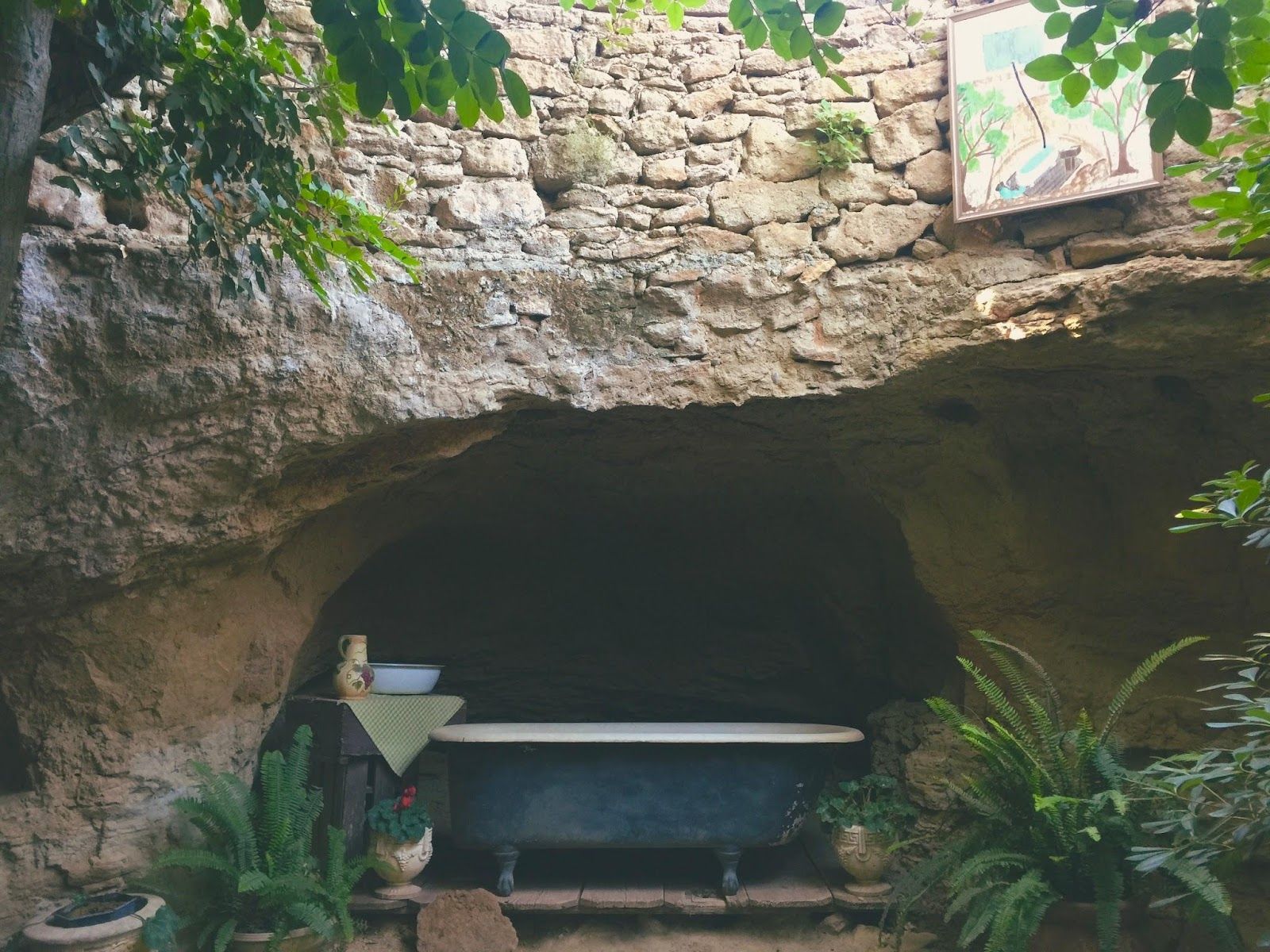
Image: Levi Clancy, CC0, via Wikimedia Commons

A Sicilian immigrant called Baldassare Forestiere spent 40 years digging and building a series of subterranean structures by hand in Fresno, California. Inspired by Roman catacombs and old wine cellars, he created around 65 rooms, tunnels, and courtyards to escape the hot summer sun.

The Gardens have fruit trees, grapevines, fishponds, and even a chapel. Some of the trees are more than 90 years old! Today, Forestiere Underground Gardens is a Historical Landmark you can visit if you want to discover a true underground paradise.
History History 3 min read

Say what?!

Believe it or not, these foods were once marketed as health remedies

Image: Barnabas Davoti

For much of American history, grocery staples didn’t just promise flavor, they also claimed to heal. Yes, you read that right: before strict regulations, inventors, pharmacists, health reformers, and plain snake oil salesmen pushed new products as cures for nerves, digestion, or things as abstract as "vitality". Take a look at 11 everyday food items that were once considered medicinal.

1
Coca-Cola

Image: Artem Beliaikin

The first item in our list is one of the most famous examples. Created in 1886 by a pharmacist named John Pemberton, Coca-Cola was introduced as a nerve tonic meant to calm headaches and boost energy . Early ads called it a "brain elixir," and it was sold from pharmacy counters.

Over time, the drink’s medicinal claims faded as its sweet and refreshing flavor alone won over the public.

2
Grape-Nuts

Image: Mona Bernhardsen

Grape-Nuts arrived in 1897 with big promises about health benefits, including digestion and even appendicitis . Ads insisted on its remarkable healing power.

As science advanced, the claims faded, but the cereal stayed popular. Its crisp texture and hearty flavor became the true selling point once the medicinal hype fell through.

3
Corn flakes

Image: Deepak N

Developed at the Battle Creek Sanitarium, Kellogg’s Corn Flakes were created as a bland, calming food meant to improve digestion and overall health . They were part of a larger awareness movement.

The cereal’s simple crunch won broad appeal, and the medical message softened. It ultimately became the breakfast staple that we know today.

4
Ovaltine

Image: pariwat pannium

Introduced in the early 1900s, Ovaltine claimed to boost strength, improve sleep, and support children’s growth . It was marketed as a malt-based health enhancer.

As breakfast habits changed, Ovaltine’s tine softened, but its cozy appeal endured. It became more of a nostalgic treat than a serious health product.

5
7-Up

Image: Shawn Powar

This one had some backing to its claims. When 7-Up was launched in 1929, it contained lithium citrate, an ingredient used in mood-stabilizing treatments . Early advertising pitched it as a mood-lifting, calming tonic.

As formulas changed and regulations grew, the lithium disappeared, and 7-Up’s identity shifted. It ultimately took its place as a crisp lemon-lime soda with no therapeutic claims.

6
Jell-O

Image: Girl with red hat

When Jell-O debuted, it was pitched as a pure, digestible food for children and invalids . Doctors were encouraged to recommend it as a gentle nourishment.

Its colorful aspect soon eclipsed any medicinal sales angle. Today, Jell-O is tied to family gatherings, not medicinal prescriptions.

7
Fig Newtons

Image: Armando Brenlha

Early ads promoted Fig Newtons as a digestive biscuit thanks to their fruit filling . They were considered easy to assimilate and helpful for regularity issues.

Modern marketing focuses on wholesome snacking rather than health claims. Their soft, chewy texture is their lasting appeal.

8
Marshmallow candy

Image: Ricardo Loaiza

Before becoming modern candy, marshmallow confections were sold in pharmacies as throat soothers made from marshmallow root. They were considered medicinal lozenges.

As recipes changed, and gelatin replaced the plant extract, their purpose shifted entirely. Today, they’re tied to desserts and campfires.

9
Peanut butter

Image: Towfiqu barbhuiya

Health reformers promoted peanut butter as a protein-rich substitute for meat , ideal for the ill or elderly who struggled with chewing. It was part of a therapeutic diet.

Soon, its versatility outshone its medicinal beginnings. Peanut butter became beloved for sandwiches and snacks rather than health regimens.

10
Ginger Ale

Image: Nancy Hughes

Ginger Ale entered the market positioned as a stomach soother . Ginger’s long-standing reputation as a digestive remedy made the drink appealing to pharmacies.

Over time, ginger ale settled into its role as a refreshing mixer and comfort beverage. Its gentle reputation lingers, though it’s no longer pitched as a medical aid.

11
Welch’s Grape Juice

Image: Callum Hill

Welch’s promoted grape juice as a pure, healthful alternative to alcohol . Early ads suggested it supported vitality and overall well-being.

Its wholesome image stuck, though the medical claims did not. Today, Welch’s is associated more with family and wholesome habits than with old health ideals.

History History 5 min read

Do you know what SoHo, NoLIta, and TriBeCa actually mean? Find out now!

Image: Florian Wehde

For a small island just 13 miles long, the Big Apple holds centuries of history in its neighborhood names. Some were borrowed from Dutch or British settlers, others from police officers, urban planners, or real estate promoters, and a few were coined by architects armed with a map and imagination. Each name tells a story of how the city grew, block by block. Here’s a lively stroll through 12 of Manhattan’s most famous neighborhoods and the stories of how their names first came to life.

1
Hell’s Kitchen

Image: Michael Matloka

What’s in a name? In this case, fire, grit, and a wink of humor. Legend has it that during a riot, a young police officer muttered, "This place is hell itself," only for his older partner to quip, "Hell’s a mild climate—this is hell’s kitchen." The pun was too good to forget, and the nickname stuck. Years later, developers tried a new label—"Clinton"—hoping it would sound more welcoming on real estate brochures. But New Yorkers can be a bit stubborn, and locals chose to keep the old name. After all, only "Hell’s Kitchen" could do justice to a neighborhood with that much flavor, grit, and, well, heat.

2
Harlem

Image: Phil Evenden

Back in the 1600s, when northern Manhattan was little more than farmland, Dutch settlers, homesick for their town across the sea, named the area Nieuw Haarlem after Haarlem in the Netherlands. Time smoothed away the "Nieuw," but the name remained. Centuries later, Harlem became something entirely of its own: a world capital of music, art, and pride. The rhythms may have changed from Dutch hymns to jazz and soul, but the name still carries the same echo of nostalgia and creativity.

3
Greenwich Village

Image: Budgeron Bach

Long before jazz bars and coffeehouses filled the air with chatter, this corner of Manhattan was a quiet patch of countryside known as Groenwijck—Dutch for "pine district." The British, with their habit for renaming, turned it into Greenwich, and generations of locals affectionately shortened it to "the Village." Its winding lanes still ignore the city’s rigid grid, twisting and bending like memories of the farmland that came before. Even today, as musicians play on stoops and artists linger in cafés, the Village keeps that timeless feeling.

4
Chelsea

Image: Elric Pxl

Here’s a name steeped in nostalgia and old-world charm. In the mid-1700s, retired British Major Thomas Clarke bought a large plot of land overlooking the Hudson River and built his dream home, naming it "Chelsea" after the genteel London district he once knew. The estate is long gone, swallowed by the city’s constant growth, but its name never left the map. Over the centuries, the neighborhood evolved with a flair worthy of its heritage. First a quiet residential area, then a bustling creative hub filled with galleries, theaters, and fashion studios. Much like its London namesake, New York’s Chelsea has always worn its artistic spirit proudly, with just the right touch of elegance.

5
The Meatpacking District

Image: TanjaSchwarz

It sounds tough because it was. In the early 1900s, this corner of Manhattan had more than 250 meatpacking plants and slaughterhouses filling the air with noise—and, yes, a certain aroma that no candle could ever mask. Workers hauled sides of beef down cobblestone streets dusted with ice and sawdust, a daily ballet of grit and muscle. Today, the scent of raw steak has been replaced by perfume and espresso, and the warehouses now house boutiques and rooftop bars. Still, the name "Meatpacking District" hangs on proudly, a reminder that even glamour was built on hard work and heavy lifting.

6
Times Square

Image: James Ting

Believe it or not, the origin of this glowing crossroads has more to do with ink and paper than neon lights. In 1904, when The New York Times moved its headquarters to what was then called Longacre Square, the city decided to rename the area in the paper’s honor. To mark the occasion, the Times threw a grand celebration complete with fireworks and electric lights. Decades later, the newspaper has long since moved out, but the glow never dimmed. What began as a nod to journalism became the city’s biggest stage, where the lights still flash like headlines that never stop breaking.

7
SoHo

Image: Zeke Goodyear

It may sound like a borrowed bit of London, but this SoHo is a New York creation. Back in the 1960s, urban planner Chester Rapkin was writing a report about a fading industrial zone just SOuth of HOuston Street, and casually shortened that phrase into "SoHo." He couldn’t have known he was naming one of the city’s trendiest neighborhoods. As artists began filling the old cast-iron factories with studios and galleries, the nickname spread faster than wet paint. Soon, SoHo meant loft living, street art, and downtown cool. And here’s a fun fact for visitors: in Manhattan, Houston is pronounced HOW -ston, not like the Texas city. Mispronounce it, and you’ll hear all about it before you hit the next crosswalk!

8
NoHo

Image: Dylan Dehnert

By now, you probably know the drill. After the renaming of SoHo proved such a success, the north couldn’t be left behind. When the area NOrth of HOuston Street, another cluster of lofts and studios began to bloom, it soon earned the mirrored name "NoHo." Smaller and quieter, it kept its creative streak without the chaos. Cast-iron buildings, cobbled streets, and a calm charm that feels like SoHo’s thoughtful twin, equally artistic but happy to hum instead of shout.

9
TriBeCa

Image: Essow K

What if geometry had a ZIP code? That’s pretty much how TRIangle BElow CAnal Street —better known as TriBeCa—came to be. The name began as a bit of city-planning jargon for a small, oddly shaped area, but once The New York Times printed it, the label spread faster than a rumor on the subway. Before long, the whole neighborhood embraced its new identity. Today, those wide streets and grand old warehouses host film festivals, art galleries, and lofts so sleek they make geometry look downright glamorous.

10
NoLIta

Image: Alex Haney

Tucked just NOrth of LITtle ITAly, this petite pocket of Manhattan once blended seamlessly with its pasta-and-pastry-filled neighbor. Then came the wave of stylish boutiques, corner cafés, and street-front charm that begged for its own identity. The solution? NoLIta, a name so snappy it sounds like it’s been around forever. Sleek, sunny, and effortlessly cool, it’s proof that in New York, a clever name can turn a few city blocks into a full-blown destination.

11
Turtle Bay

Image: Masahiro Naruse

At first glance, the name sounds cute enough for a storybook, and in a way, it is. Back in the 1600s, Dutch settlers named a small farm near a creek that flowed into the East River. Some say it referred to the turtles that lived there; others claim it came from the Dutch word deutal , "bent blade," describing the curve of the bay. Either way, it’s one of Manhattan’s softest names, a calm corner in the city that never sleeps.

12
Gramercy

Image: Megan Bucknall

Long ago, this Manhattan neighborhood was a swampy patch of land the Dutch called Krom Moerasje , meaning "little crooked marsh," hardly the kind of description you’d want on a real estate brochure. In the early 19th century, developer Samuel B. Ruggles acquired the land and renamed it Gramercy , adapting an archaic expression derived from the French grand merci , meaning "many thanks." Suddenly, it sounded far more elegant. The neighborhood grew around its most famous feature: Gramercy Park, a private, gated square that remains key-only to this day. In New York, that’s about as close as it gets to a secret garden.

Explore more American facts

Choose your favorite category!

General
General

As American as apple pie—the very best America has to offer!

Culture
Culture

Delve into the astounding richness of American lore.

Geography
Geography

Hop in and explore vast and diverse American landscapes.

History
History

Discover the key moments that shaped the United States.