General General 6 min read

Save the date!

National Days: 10 extra (and quirky) reasons to toast!

Image: chicken mackay

Halloween, Thanksgiving, and the 4th of July are the true classics that nobody misses, but life’s too short to skip out on quirky celebrations too, right? While birthdays and anniversaries are wonderful, there’s something uniquely fun about having a random day to honor something totally unexpected! From cow-milking up in the air to imagining pets with thumbs, our country has a national day for nearly everything you can imagine (and some you probably can’t). Let’s dive into 10 fun and bizarre holidays you didn’t know existed, and maybe inspire you to celebrate them, too. Ready for some good laughs and odd facts? Let’s get started!

1
Cow Milked While Flying in an Airplane Day

Image: Adam Sherez

Let’s kick off this list with a day that nobody ever imagined would be a thing, but here we are nonetheless! Have you ever heard of cows taking to the skies? Well, in 1930, that became true. A cow named Elm Farm Ollie became the first to fly in an airplane and be milked while airborne! This curious day, observed on February 18th, honors Ollie’s mile-high milking session.

You might be wondering why they did this in the first place. It was actually a scientific experiment to test the cow’s ability to produce milk during flight. And it was great publicity for the aircraft they used to do it. A classic win-win, and a quirky holiday on the side!

2
Namesake Day

Image: Jamie Street

Do you know that feeling when you walk up to a certain group for the first time and, among the introductions, you discover someone shares your name? You may not have anything else in common with that person, but the invisible string is there and that’s thanks to having the same name.

In our country, there’s even a day dedicated to celebrating our namesakes . That is every first Saturday in March, though the reason or origin behind this day remains unclear. However, it is a perfect opportunity to celebrate our shared identities.

3
Sock Monkey Day

Image: Denisse Leon

This list is getting crazier and crazier and don’t say you weren’t warned! But isn’t it fun to learn that there is a National Sock Monkey Day in our country? This holiday celebrates one of America’s quirkiest homemade toys: the sock monkey!

Traditionally made from Rockford Red Heel socks, these little guys have been around since the 1890s, although some also say that they were the result of the Great Depression.

Regardless, when can you celebrate this charming tradition? March 7th is the official day to honor this cheerful craft. It’s a day for making, gifting, or simply hugging a sock monkey in appreciation. With a little patience and a pair of old socks, you might even make one yourself! Embrace your inner child and get crafty on Sock Monkey Day!

4
National Senior Citizens Day

Image: Clay Banks

This one is not crazy at all! If anything, this one should be a must-celebrate for everyone! August 21st is all about recognizing the wisdom and experience that come with age. Established by President Reagan in 1988, National Senior Citizens Day encourages respect and appreciation for older generations.

Now, what motivated this holiday? As medical technology improved over time, life expectancy increased dramatically. While it was common to live for 30 years in the Late Middle Ages, by the 20th century, people were reaching 50 or even 60 years. That progress alone was reason enough to celebrate—and thus, this special day was born!

5
National Fried Chicken Day

Image: Tyson

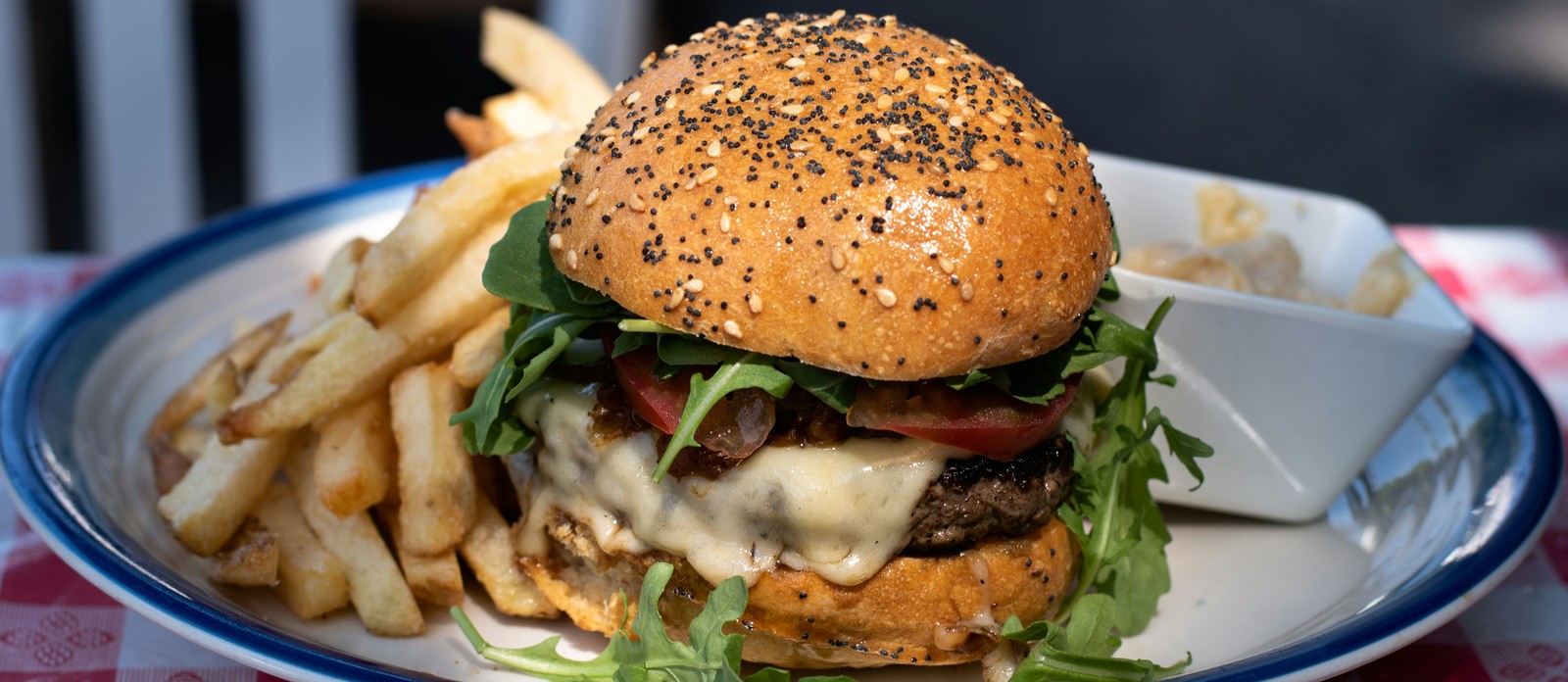
If we gave you thirty seconds to name the most American things you can think of, how long would it take for fried chicken to make your list? It would probably be the second or third item on your list, right? Well, now you can see why fried chicken has a national day too!

July 6th is National Fried Chicken Day, a day to revel in one of America’s tastiest comfort foods! From crispy Southern-style to spicy Nashville hot, fried chicken has a place in the hearts (and stomachs) of many. The origins of fried chicken are a blend of Scottish and West African cooking traditions, but today it’s an American staple.

Not that we need much of a reason to have a nice bucket of fried chicken, but isn’t it extra special to indulge on its very own day?

6
Put on Your Own Shoes Day

Image: Nathan Dumlao

Don’t we all do that every single day of our lives? So, what makes this a special holiday? Put on Your Own Shoes Day on December 6th may seem simple, but when you read into it, you’ll find it’s a subtle nod to independence.

The truth is information regarding the origins of this day is not abundant, but we can confidently say that it’s more of a symbolic celebration. It’s a day to help our little ones learn how to tie their shoes, or maybe take their first steps. It’s also a metaphor that, adults as we are, we have made it this far, after all, independence comes in many forms, even lacing up your shoes! So, walk proudly on this quirky holiday and celebrate your strides toward independence!

7
National Ghost Hunting Day

Image: Erik Müller

No, this is not the same as Halloween, of course. But, if you may, it’s kind of a warm-up for the spooky season, since this one takes place on the last Saturday in September, exactly a month before Halloween, making it the perfect prelude to all things eerie.

For those who enjoy a good scare , National Ghost Hunting Day was created in 2016 and is perfect for thrill-seekers and fans of the paranormal. Groups often venture to "haunted" spots armed with flashlights, cameras, and a lot of curiosity. It’s also a chance to explore local legends and folklore about ghosts and spirits. Even if you stay home, you can participate by watching a ghost-hunting show. Get your flashlight ready and have a ghoulishly good time!

8
National Nothing Day

Image: Edwin Splisser

What? That’s right, this one is indeed a National Day and it has been ever since 1973 when Harold Coffin, an American newspaper columnist suggested that there were too many useless commemorative days . This is getting meta, don’t you think?

Anyway, National Nothing Day is celebrated every January 16th, and it is, quite literally, a day to do absolutely nothing! It was originally conceived as a way to avoid celebrations, this day offers a "holiday from holidays." There are no obligations, no parades, and no need to mark the occasion in any way. In short, this day is a license to relax. You may be wondering what should you do to celebrate and the answer is right there: Nothing!

9
National Spaghetti Day

Image: Jeswin Thomas

Spaghetti is not exclusive to America, it’s a dish gifted to the world by the Italians. But America, with its classic intense feelings about the things that make it great, felt the need to create a day specifically designed to have a delicious bowl of Spaghetti . And honestly? We love it!

January 4th is National Spaghetti Day, a pasta dream come true! The best part is that there are as many variations and toppings as there are people who enjoy it. Whether you love it with marinara, meatballs, or pesto, there’s a recipe for everyone.

Many celebrate by whipping up a pasta dish or visiting their favorite Italian restaurant. Whatever you choose, twirl some spaghetti and toast to this delicious day!

10
National If Pets Had Thumbs Day

Image: Jamie Street

Imagine if your cat could open the fridge or your dog could hitchhike! If only, right?

March 3rd is National If Pets Had Thumbs Day in our country, a humorous look at what life would be like if pets had opposable thumbs.

The day makes us all wonder about the possibilities, and maybe even the mischief if we know our furry friends, of a more skillful pet . What would be the first thing you’d do? Some pet owners share funny stories or create scenarios imagining what their pets might do with that extra dexterity.

This holiday is all about celebrating the quirks and charm of our pets. Get ready to laugh, because a thumbs-up from your pet might be closer than ever!

General General 4 min read

HIDDEN GEMS

America’s best-kept secret: 10 small towns worth the trip

Image: Rosan Harmens

New York, Las Vegas, Hollywood, and other big cities are great, but there is something to small towns that is unique and can’t be found anywhere else. Our country is full of small towns worth visiting, and in this article, we will be talking about 10 little villages and the great things they have to offer. Ditch the crowds and discover the charm of these small yet amazing towns in our country!

1
Williamsburg

Image: Mateus Campos Felipe

In terms of population, Williamsburg is a bit larger: 15,000 people live there. It is located in the state of Virginia, and it was the state capital until 1780 . Williamsburg was a key location in the American Revolution and that’s the magic behind it.

Around the Colonial District, you’ll find actors dressed in clothes of the time! You can also visit the National Historic Park, where the Yorktown Battle took place.

But Williamsburg is not only about history, it’s also about fun. If you get tired of the history lessons, head over to Water Country USA, one of the best waterparks in the country.

2
Telluride

Image: Mick Kirchman

Do you feel like waking up to this view? You have to visit Telluride, in Colorado. With a population of only 2,500 , this small town draws visitors for one simple reason: the breathtaking scenery.

Telluride is located in the middle of the Rocky Mountains, in a box canyon with snowy mountain peaks. Despite its size, it is full of shops, restaurants, and hotel accommodations to welcome visitors.

From festivals, cultural events, and exclusive golf resorts, Telluride offers something for everyone. Would you add it to your bucket list? We know we would!

3
Lake Tahoe

Image: Peter Hulce

Lake Tahoe straddles the border between California and Nevada. It is home to approximately 20,000 people, and it is a choose-your-own-adventure kind of place. Why is that? Because it adapts to both summer and winter trips.

During the winter, skiing is the preferred sport for both locals and visitors, but, during the summertime, visitors can enjoy the lake and the water activities just as much.

And if that is not enough, you can always step into the Nevada side and enjoy a good time at the casinos, right?

4
Dahlonega

Image: Brandon Carson

With nearly 300 years of history, Georgia has a rich culture and is known for more than one thing: peaches, nine natural wonders, Martin Luther King Jr, and more. But it’s also home to Dahlonega, a beautiful little village of only 7,500 people.

In Dahlonega, visitors can tour regional vineyards, and taste wine around the Public Square. The Dahlonega Gold Museum narrates the gold mining chronicles and the downtown area is filled with local shops and restaurants.

5
Sitka

Image: E Orlando

Sitka is home to 8,500 people and it is located in the state of Alaska, so you can imagine what the views are up there: Snowy mountains with gorgeous (yet freezing) waters surrounding the coastal town.

This village belonged to Russia until 1876 and its name derives from Tlingit, a language part of the Na-Dené family. By its literal translation, it means "People on the outside of Baranof Island," the group of islands to which Sitka belongs. Would you visit it?

6
Sedona

Image: Anthony Melone

Located in the Arizona desert, this place combines adventure with comfort and relaxation. Similar to Lake Tahoe, it caters to a variety of people. For example, nature enthusiasts can enjoy over 200 hiking trails . But if you are feeling fancy, you can always book a visit to the luxurious spas.

Moreover, visitors can enjoy wine tastings or go on a classic retail therapy at the Tlaquepaque Arts & Shopping Village. Now, whatever you choose, you cannot miss the views along the Red Rock Scenic Byway—it's a must!

7
St. Augustine

Image: Michael J. Vega

Florida has great places to visit, and St. Augustine is one of the best. This small town is home to 15,000 people and in it, you can enjoy both historic sites and unspoiled beaches.

Visitors can take a walk along the Colonial Quarter, where you’ll find the St. Augustine Lighthouse & Maritime Museum. After that, the beaches in St. Augustine have pristine waters and they are just the perfect place to relax and soak up the sun.

Are you a fan of the paranormal? Then consider saving some time for the haunted spots around the town!

8
Bar Harbor

Image: Ran Ding

If you’re looking for a retreat on the East Coast, Bar Harbor in Maine is the perfect destination. This coastal town is, according to many, the best small town in America and that is because of all the outdoor fun it has to offer.

Probably the best activities are the boat tours to get to know the harbor. The main attraction, however, has to be Acadia National Park, where you can hike, kayak, and enjoy various other activities. Of course, no visit is complete until you have a lobster! Do you like them?

9
Gettysburg

Image: Devonshire

There are natural spots, there are foodie spots, and there are those kinds of spots that take you back in time : Gettysburg is one of those. Visiting Gettysburg is like stepping back into one of those pivotal moments of the nation, the Civil War.

In this small town, you’ll find well-preserved monuments and markers that vividly bring the 1863 battle to life. Gettysburg also has a lovely downtown full of cozy coffee shops, unique shops, and that vibe only small towns have. What do you think?

10
Martha’s Vineyard

Image: Andy Fluet

Who is this Martha, and why is her town so popular? Martha’s Vineyard, in Massachusetts, is actually an island and it was frequently considered a gateway spot for the wealthy. However, it receives visitors from all walks of life who seek pristine beaches and a laid-back vacation.

Kayaking, stand-up paddle boarding, and various water sports are the preferred choice by many. But if that is not for you, or if you’re looking for an alternative plan, you can always enjoy the company of the animals at Island Alpaca Company or visit the cottages in Oak Bluffs.

Culture Culture 6 min read

Geniuses at work

We're here today because of them! Meet 10 Americans who changed history

Image: Quino Al

The United States is a land of progress and innovation, so it makes sense that many of the world's most important inventors and scientists are Americans. From breakthroughs like the lightning rod and the light bulb to advancements in the world of medicine, biology, and astronomy, there have been many men and women who, from different fields of study, have contributed to the scientific progress of our country and the entire world. Join us as we review these 10 American inventors and scientists who changed history!

1
Thomas Edison

Image: Call Me Fred

When it comes to inventors, we can't fail to mention the incredible Thomas Alva Edison.

Edison was born on February 11, 1847, in Milan, Ohio, and since he was a child, he showed his interest and talent in mechanics and electricity. At the age of 11, he set up his first laboratory in his parents' home, and by the age of 12, he ran his own business: a newspaper he designed, printed, and sold himself.

Creator of the phonograph (the first device capable of recording and reproducing sounds) and a fundamental part in the development and popularization of inventions such as the electric light bulb and the motion picture camera, Edison patented more than 1000 creations during his lifetime. Impressive!

2
Benjamin Franklin

Image: Dan Mall

Born in Boston, Benjamin Franklin was one of our Founding Fathers, the men whose principles, values, and ideas shaped America. But as if that weren't enough, Franklin was also a renowned scientist, inventor, and polymath.

A pioneer in the field of electricity, he's remembered for his famous kite experiment, which demonstrated the electrical nature of lightning and led to the invention of nothing less than the lightning rod. In addition, he's also credited with iconic inventions such as the first efficient wood-burning stove (later known as "the Franklin Stove"), the bifocal glasses, and the glass armonica.

3
Samuel Morse

Image: The New York Public Library

Unlike other scientists and inventors on this list, Samuel Morse began his journey in a completely different field: art.

Morse studied at Yale, where he completed his studies in 1810. He then embarked on a trip to Europe to continue his artistic education, but this trip awakened another peculiar interest in him. Frustrated by the communication methods of his time, Morse focused his creativity on finding ways to transmit information over long distances using electrical signals. Thus, the revolutionary telegraph was born, along with its way of communication, the Morse code.

4
The Wright Brothers

Image: Simon Fitall

The Wright Brothers were the famous siblings who, in the 20th century, achieved a goal long sought by humanity: flight.

Wilbur and Orville Wright are credited with inventing, building, and flying the world's first successful airplane. As you probably know, on December 17, 1903, they made the first sustained flight in history using the Wright Flyer, their iconic invention.

On that December morning, the brothers flipped a coin, letting fate decide who would be the first to test the aircraft. Although Wilbur won, that first attempt failed. So it was Orville who flew for 12 seconds, traveling 120 feet over Kitty Hawk, North Carolina.

5
George Washington Carver

Image: Tom Hermans

George Washington Carver was born in the 1860s in Diamond, Missouri. In the 1890s, his intelligence and hard work enabled him to enter Iowa State College (now Iowa State University), where he earned a master's degree in agricultural sciences. In 1896, he became the head of the agriculture department at Tuskegee Institute in Alabama, where his career as a professor and a researcher took off.

Thanks to his investigations and tests, George Washington Carver made major contributions to agriculture, including his innovative techniques for crop rotation . In addition, he developed many and varied peanut products, such as oil, flour, soap, and ink, helping to make this crop one of the key products of the country's economy.

6
Carl Sagan

Image: Vaibhaw Kumar

The stars and the mysteries of the universe captivated the famous Carl Sagan from an early age. Born in Brooklyn, New York, in 1934, Sagan studied at the University of Chicago, where he earned degrees in physics, astronomy, and astrophysics, eventually working and collaborating with NASA.

His contributions to the field of astronomy earned him a position in projects such as the Mariner, Viking, Voyager, and Galileo missions, thanks to which we have learned a lot about Venus, Mars, and Jupiter. The famous high temperatures of Venus, for example, were confirmed thanks to his work.

Additionally, his book and series Cosmos attracted the public's interest in astronomy, inspiring many others to follow in his footsteps.

7
Grace Hopper

Image: Museums Victoria

While computer programming may seem like a modern issue, the pioneers of this field were already working as early as the 1940s.

Grace Hopper graduated in mathematics and physics in 1928 and obtained a master's degree and a Ph.D in mathematics from Yale University in 1934. Famous as a pioneer in the world of programming, Hopper's work began during World War II when she joined the US Naval Reserve. There, she worked on the earliest electromechanical computers and developed extensive and complex manuals to operate them.

Her greatest contribution came from her work with mathematical codes, which she translated and adapted into innovative machine-readable language. That innovation led to the creation of the first high-level programming languages.

8
Jonas Salk

Image: Олег Мороз

Jonas Salk is none other than the mind behind a medical milestone: the polio vaccine.

In the 1940s, Salk was beginning his career in medical research. While working at the University of Michigan, his work was crucial in developing the first successful influenza vaccine for the military during WWII. This event marked his later study of the poliovirus.

Polio was devastating during the first decades of the 20th century, but that changed dramatically thanks to Salk's work. The scientist led a team that succeeded in developing the first safe and effective injectable inactivated poliovirus vaccine (IPV) in 1955, and the rest is history.

9
Barbara McClintock

Image: digitale.de

Although her name may not be as instantly recognizable as some others on this list, her work definitely is. Barbara McClintock has undoubtedly made one of the most significant contributions to medicine and genetics.

In the 1940s and 1950s, she worked with chromosomes, investigating their role in inheritance, which led to discoveries that forever changed our understanding of genes.

Before her, genes were believed to be fixed and immutable. But McClintock came to change that idea with her most famous contribution: the discovery of transposable elements, aka "jumping genes." She demonstrated that jumping genes are present in multiple organisms, including humans, and play an essential role in genetic evolution.

10
Alexander Graham Bell

Image: Misho Tektumanidze

Alexander Graham Bell became interested in sound and communication at a young age, something that led to his greatest and most remembered contribution: the telephone.

Although born in 1847 in Edinburgh, Scotland, Alexander Graham Bell settled in the United States in 1871 and became an American citizen years later. It was here that he developed most of his experiments and research.

After years of experimenting with methods to transmit sound through electrical currents, Bell finally spoke into his invention on March 10, 1876, saying to his assistant, "Mr. Watson, come here. I want to see you." That was the first successful telephone call in history.

Explore more American facts

Choose your favorite category!

General
General

As American as apple pie—the very best America has to offer!

Culture
Culture

Delve into the astounding richness of American lore.

Geography
Geography

Hop in and explore vast and diverse American landscapes.

History
History

Discover the key moments that shaped the United States.