Culture Culture 5 min read

The 10 best films about real American presidents

Image: Barack Obama Presidential Library, Public domain, via Wikimedia Commons

Throughout history, Hollywood has captured the complexity of commanding America’s highest office in countless films. The lives and challenges of characters such as Abraham Lincoln, George Washington, and John F. Kennedy have been vastly explored on the big screen. Each of these productions has not only depicted the crucial decisions made by these leaders, but also the values and conflicts that have shaped American society. Can you guess which are the top 10 films about the United States' most emblematic presidents?

1
The Crossing (2000)
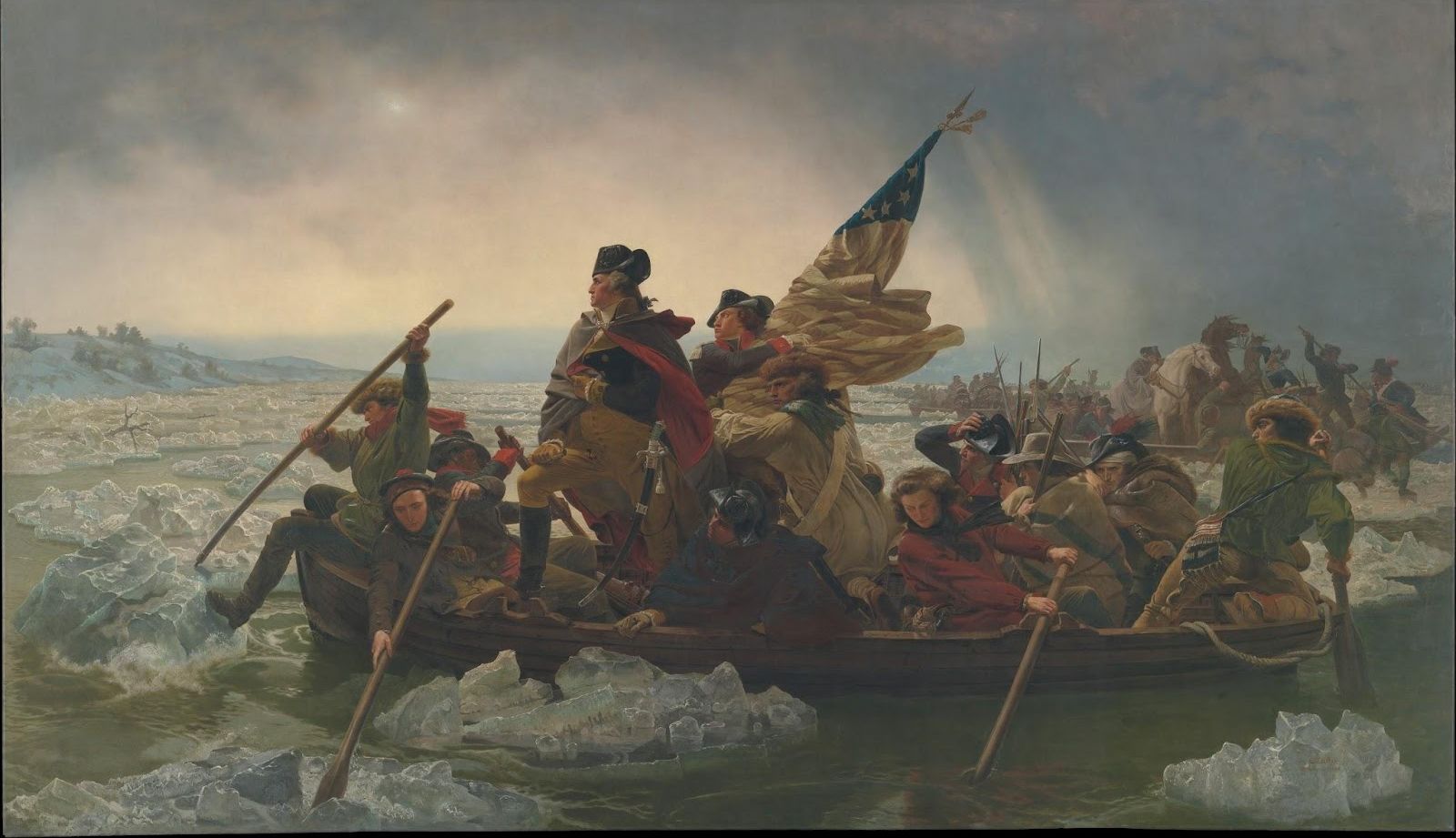
Image: Emanuel Leutze, CC0, via Wikimedia Commons

Of course, there had to be a film that reflected at least a small portion of the extensive political and military life of the first president of the United States. The Crossing focuses on the famous Delaware River mission commanded by Washington, a surprise attack against the British that would definitively change the course of the Revolutionary War.

Jeff Daniels' superb performance expertly captures George Washington's bravery and sense of duty, especially in relation to the patriotic vision that drove him to lead America’s independence.

2
Thirteen Days (2000)
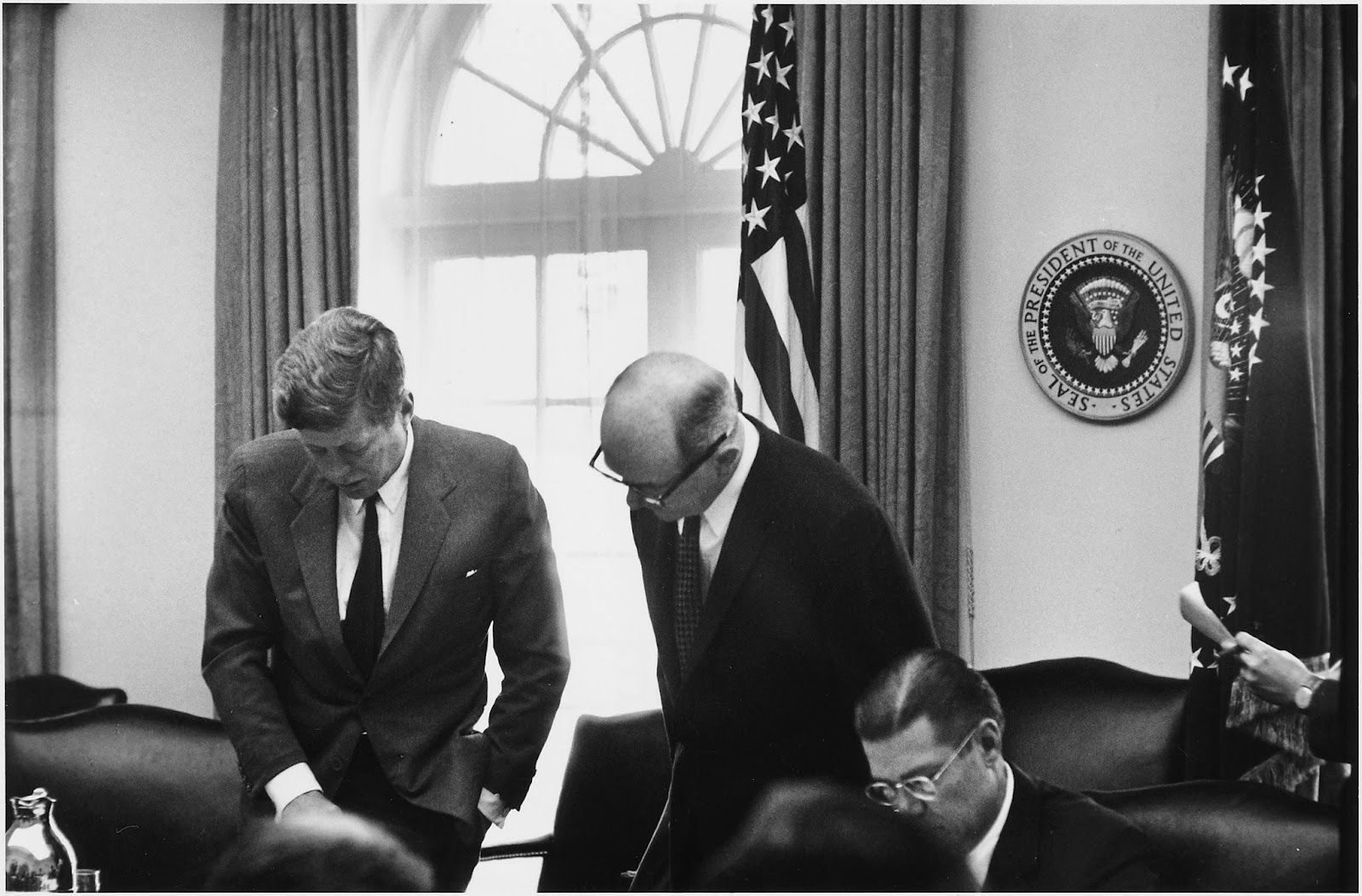
Image: Cecil W. Stoughton, Public domain, via Wikimedia Commons

This historical political thriller dramatizes the intense 13 days during the Cuban Missile Crisis in October 1962. The film captures John F. Kennedy’s strategic mind and leadership qualities as he navigates diplomatic and military dilemmas to avert a nuclear war with the Soviet Union.

Starring Bruce Greenwood, Thirteen Days showcases a president under immense pressure steering the United States through one of the toughest moments of the Cold War. Greenwood’s nuanced portrayal of Kennedy’s resolve, fear, and commitment to peace offers a riveting glimpse into the decision-making process inside the White House during a pivotal moment in history.

3
Truman (1995)
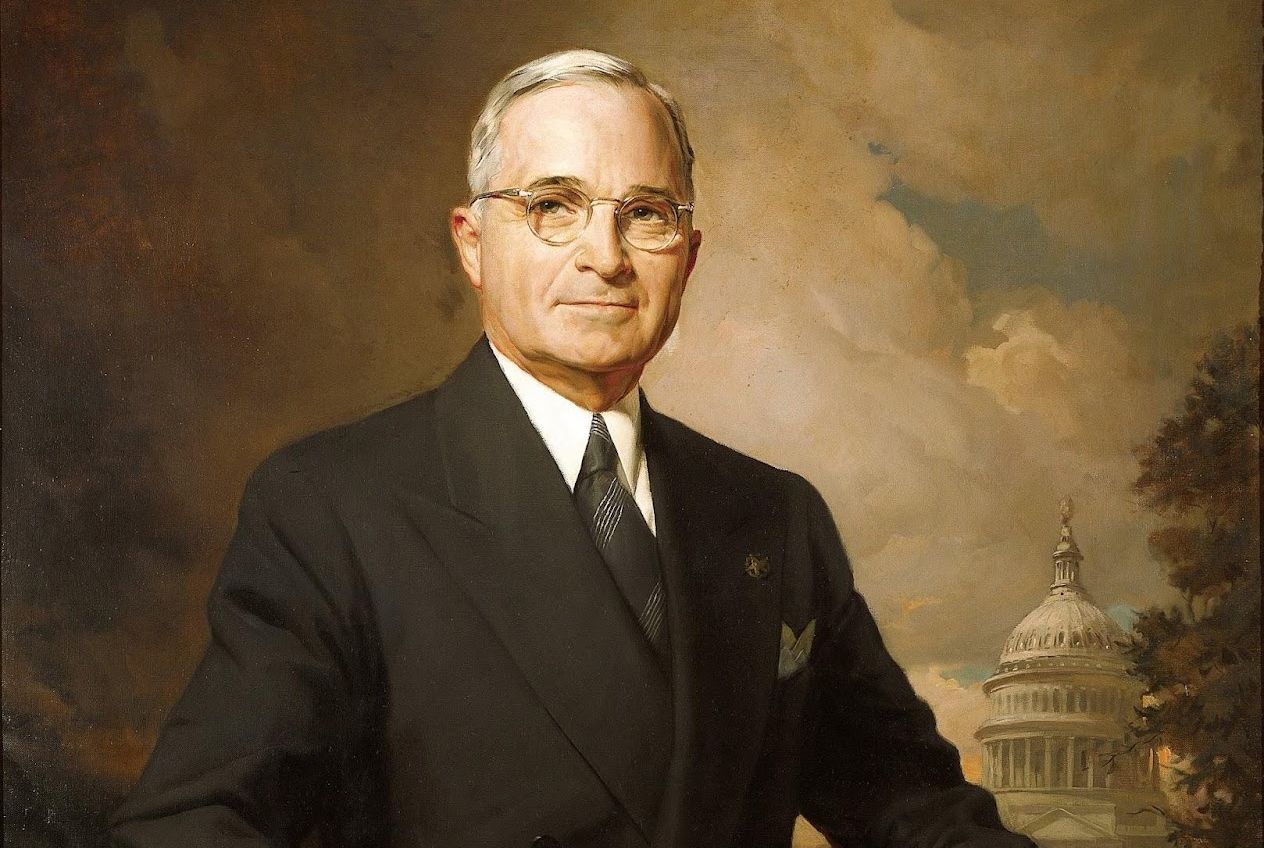
Image: Greta Kempton, Public domain, via Wikimedia Commons

This portrayal of Harry S. Truman is a masterful take on an often underestimated president who led our country through the end of World War II and the first years of the Cold War.

In the role of Truman, Gary Sinise effectively captures the 33rd president’s ascent from a modest background to the highest office. Sinise embodies Truman’s integrity and willpower, while bringing up his pragmatic approach to governance, which earned him a well-deserved Golden Globe.

4
The Special Relationship (2010)

Image: Ralph Alswang White House Photograph Office, Public domain, via Wikimedia Commons

The special relationship traces Bill Clinton’s interactions with British Prime Minister Tony Blair between 1997 and 2001, offering viewers front-row insight on power dynamics, how friendship develops in high-level governance, and its impact on global affairs.

Dennis Quaid brings to life the former president’s multifaceted persona, shedding light on his vulnerabilities. He perfectly nails not only Bill Clinton’s magnetic charm but also his ability to navigate complicated political landscapes and balance diplomacy with personal connections.

5
Hyde Park on Hudson (2012)
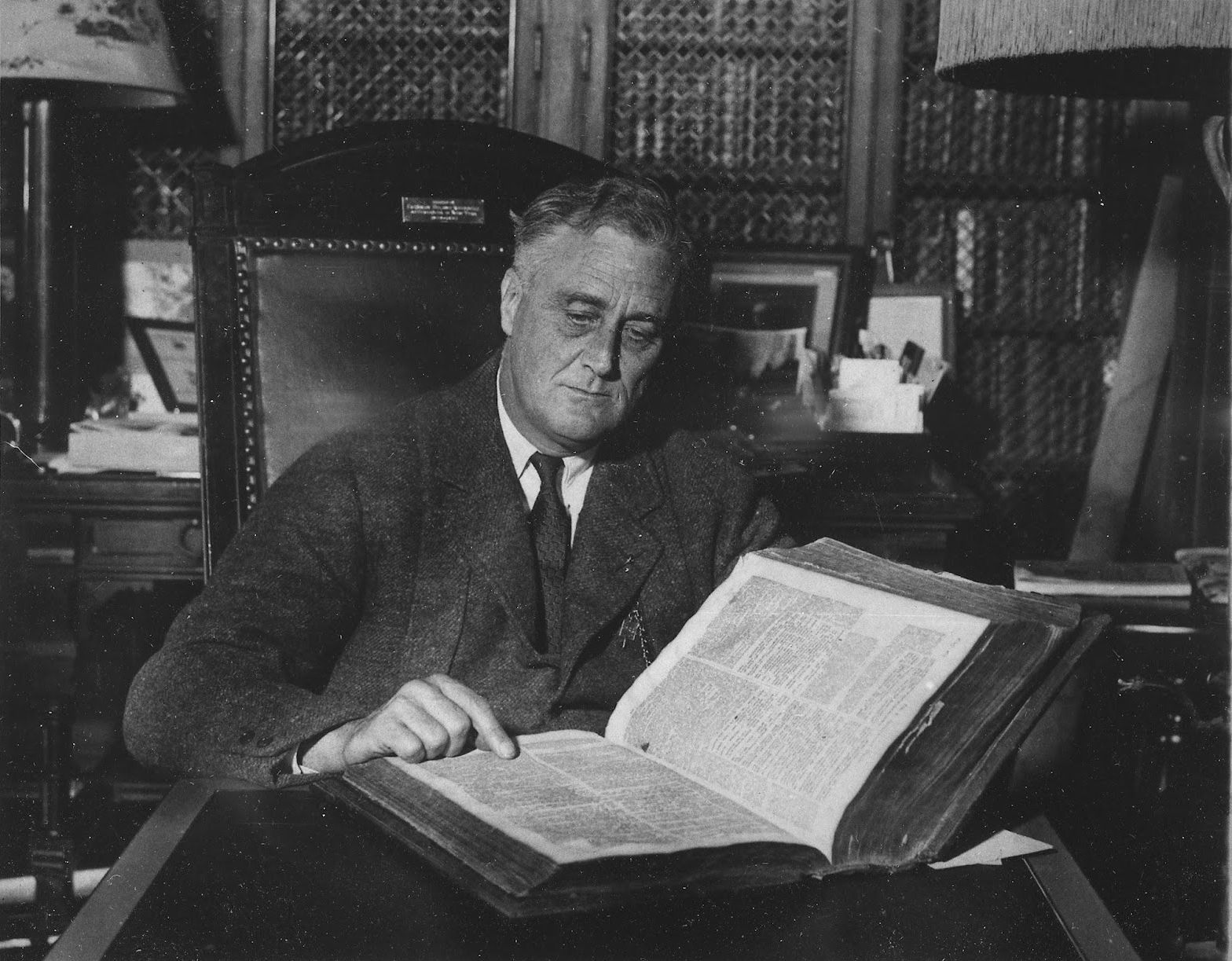
Image: National Archives and Records Administration, Public domain, via Wikimedia Commons

This historical drama depicts Franklin D. Roosevelt’s personal life and the complexities of leadership during a weekend visit by the King and Queen of England. Hyde Park on Hudson navigates through the 32nd president’s intimate relationships within his inner circle while working on strengthening the US-UK alliance on the eve of World War II.

Primarily known for his comedic genius, Bill Murray’s portrayal of Roosevelt reveals a lesser-seen side of the former president. Murray manages to capture his charm, wit, and burdens of leadership with a subtle performance blending the president’s public persona with his private vulnerabilities.

6
W. (2008)

Image: d

Oliver Stone’s W. explores George W. Bush’s journey from his early tumultuous years to his tenure in the White House. The film delves into his motivations, decisions regarding the Iraq war, and his personal and political challenges.

Josh Brolin successfully embodies Bush’s distinctive mannerisms, speech patterns, and the dynamics of his relationships with his family and advisers. The actor’s take is critical yet empathetic, providing insight into the former president’s character without caricature, and offering a deeper understanding of the man behind the president.

7
All the Way (2016)
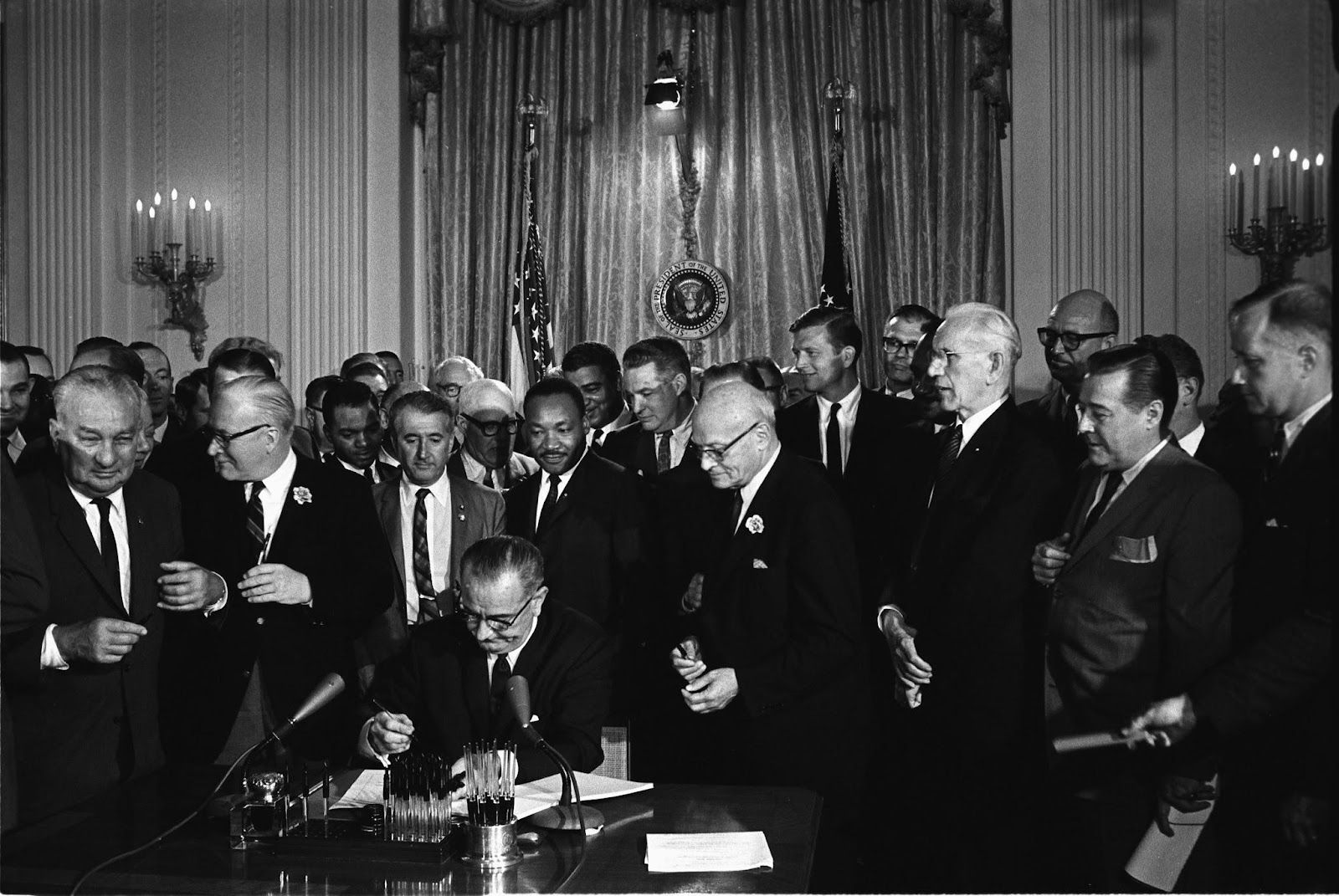
Image: Cecil Stoughton, White House Press Office (WHPO), Public domain, via Wikimedia Commons

This TV biographical drama focuses on Lyndon B. Johnson’s efforts to pass the Civil Rights Act during his first year in office, while showcasing his persuasive tactics, political dexterity, and the moral challenges he had to deal with.

Bryan Cranston remarkably captures a leader committed to transformative social change who is, at the same time, burdened by the legacy of his predecessor, John F. Kennedy. His embodiment of Johnson’s larger-than-life personality, along with conveying intimate moments of vulnerability, earned Cranston much critical acclaim for bringing humanity to one of America’s most consequential figures.

8
Frost/Nixon (2008)

Image: Robert D. Ward, Public domain, via Wikimedia Commons

Centered around a series of televised interviews between Richard Nixon and British talk show host David Frost, this riveting film showcases a battle of wits and wills. Directed by Ron Howard, Frost/Nixon offers a deeply human look at an isolated president struggling with the consequences of his actions.

Frank Langella plays Nixon in the aftermath of his resignation, as he attempts to salvage his legacy while grappling with the guilt and shame of his downfall. Langella’s masterful depiction of one of America’s most controversial figures goes beyond impersonation, which earned the actor an Academy Award nomination.

9
Amistad (1997)
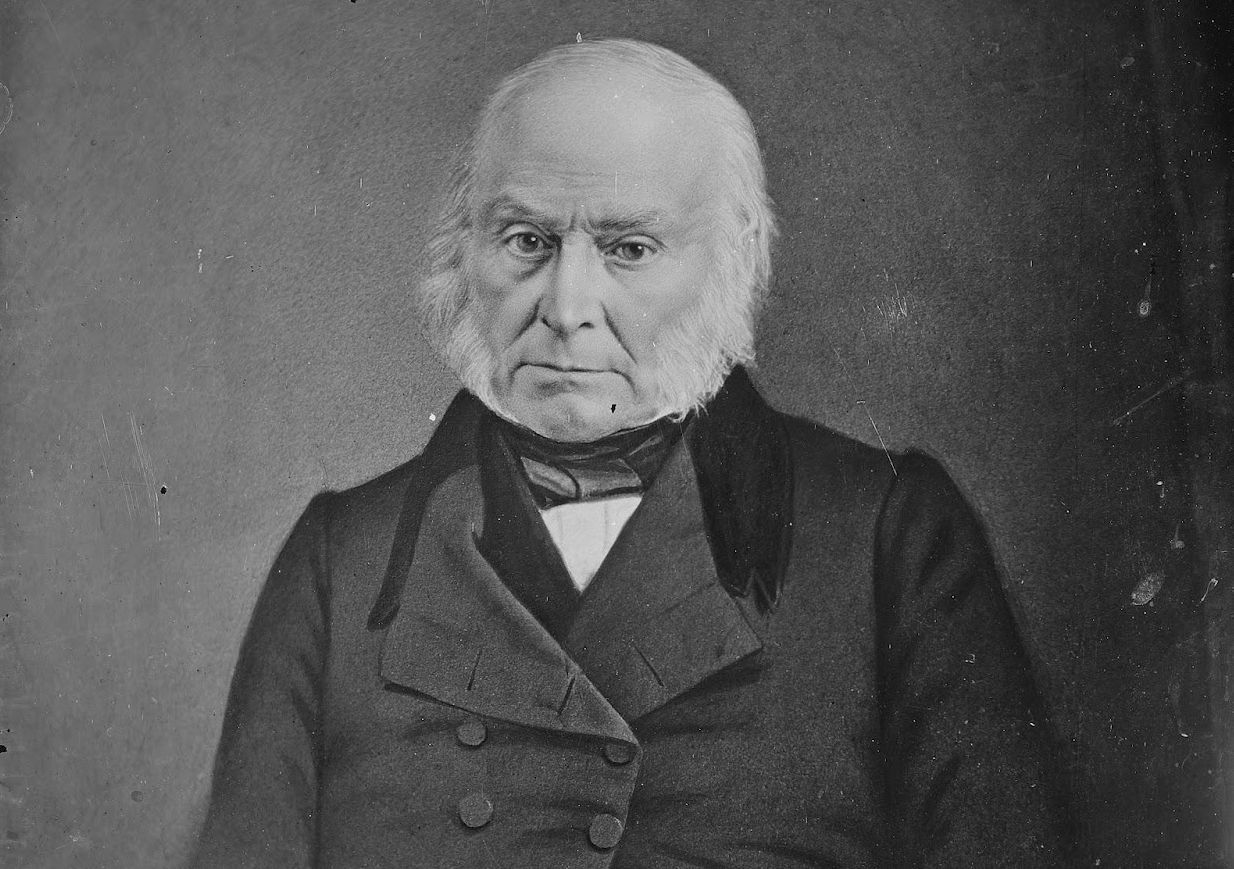
Image: Mathew Benjamin Brady, Public domain, via Wikimedia Commons

Steven Spielberg’s Amistad revolves around John Quincy Adams’ role as an attorney defending African men who revolted aboard a Spanish slaveship. The legendary Anthony Hopkins portrays Adam’s passionate arguments before the Supreme Court and reveals his commitment to justice and equality.

Hopkins also compellingly conveys Adam’s intelligence, determination, and the weight his legacy as both a former president and a champion of the abolitionist cause represented for him.

10
Lincoln (2012)
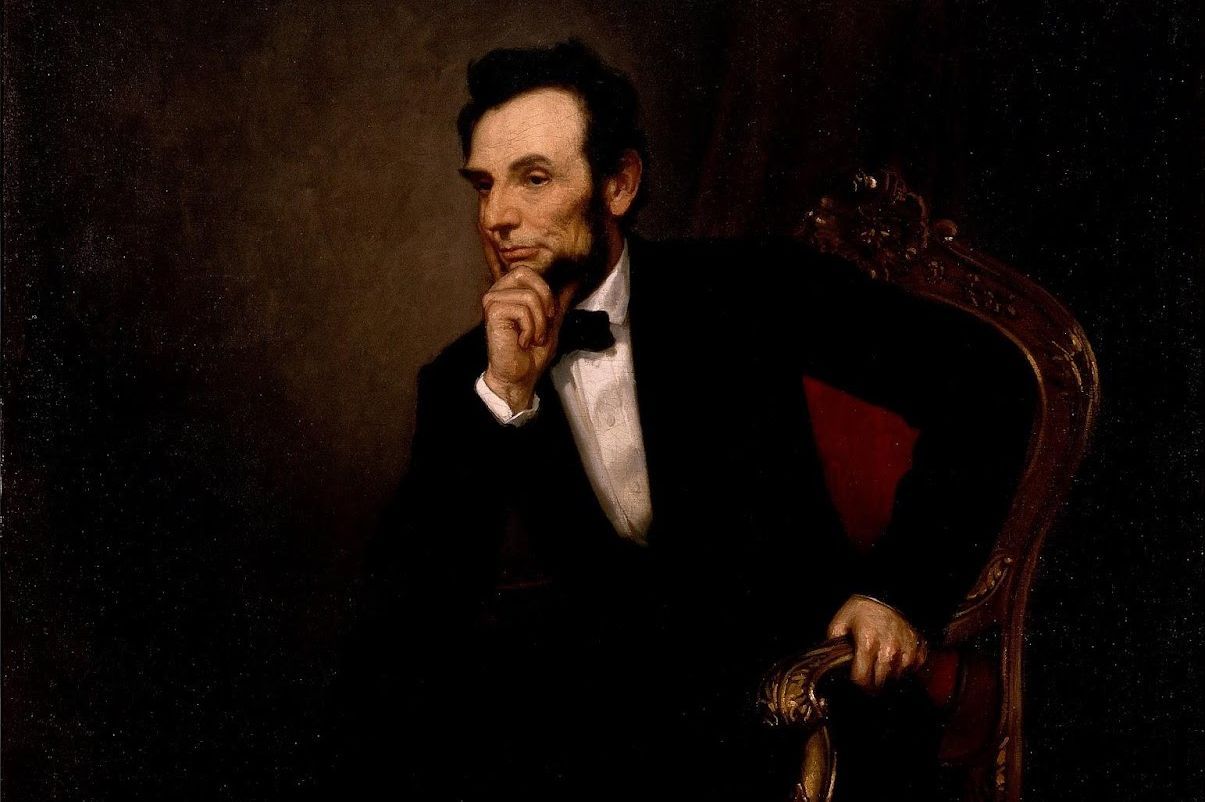
Image: George Peter Alexander Healy, Public domain, via Wikimedia Commons

Focused on the final moments of Abraham Lincoln’s life, Steven Spielberg’s biopic highlights the 16th president’s efforts to pass the 13th Amendment, abolishing slavery.

The talented Daniel Day-Lewis delivers an absolutely iconic performance as Lincoln. He embodies the former president’s physicality and voice with such authenticity that viewers are transported to the heart of 19th-century American politics. Day-Lewis also manages to perfectly blend the president’s moral gravity, political savvy, and personal turmoil. His commitment to the role is so evident that it earned him an Oscar for Best Actor.


History History 3 min read

Leeches are not a cure

From mercury to leeches: 12 historical cures deadlier than the disease

Image: garten-gg

Friedrich Nietzsche’s famous saying, "What doesn’t kill you makes you stronger," may be true in many aspects of life, but it certainly does not apply to everything, as our ancestors perilously discovered. Modern medicine required a lot of experimentation to get to where it is, and a lot of things that were once considered beneficial were, in fact, not. Believe it or not, these 12 procedures were once common practice. Thankfully, that is no longer the case.

1
Rabies

Image: Samuell Morgenstern

Rabies-infected people and animals cannot swallow water. This is why rabid dogs drool at the mouth, because they are unable to swallow.

In the ancient world, a "cure" for rabies involved forcibly submerging people in bodies of water to force the liquid intake . Quite often, the consequence, as you might have guessed, was death by drowning.

2
Bloodletting

Image: David Trinks

In the days when barbers were also designated surgeons, bloodletting was a common cure for multiple conditions. This gruesome technique was performed not just using surgical tools but also by using leeches , which were directly applied on the human body , to suck blood out of the wretched individuals who required treatment.

3
Madstones

Image: Atul Vinayak

Folk remedies were common in a time when seeking professional medical help was a luxury for most people. Popular in mid-19th-century America, madstones were big hairballs extracted from the guts of goats and deer .

These objects were believed to possess medicinal properties, such as curing rabies and serving as an antidote to various poisons.

4
Chloroform

Image: Carlos Felipe Ramírez Mesa

Many substances that we now recognize as poisonous were once believed to be beneficial to health. During the 19th century, chloroform was commonly used as an anesthetic in surgeries .

However, later studies revealed that long-term exposure to chloroform could cause liver and kidney damage, respiratory depression, and may even increase the risk of cancer.

5
Arsenic

Image: Denise Chan

Another poisonous substance once thought to be beneficial was arsenic, which was used to treat malaria, syphilis, and other ailments during the 19th and early 20th centuries.

However, it was later discovered that arsenic exposure could lead to poisoning, causing severe health complications and even death.

6
Mercury

Image: Benjamin Hibbert-Hingston

Similar to chloroform and arsenic, mercury was once thought to be beneficial to the human body. However, as scientific understanding advanced, its harmful effects became widely known .

Today, we know that mercury is highly toxic and can cause severe damage to the kidneys and nervous system.

7
Urine

Image: Fotografía de Alimentos

Drinking urine for medicinal purposes was common in ancient Egypt, Greece, and Rome, where it was believed to have therapeutic benefits and was used as a remedy for various health conditions, including kidney and liver problems .

8
Trepanning

Image: Mathew Schwartz

Trepanning, a common medical practice in ancient civilizations, involved drilling a hole in the skull to relieve pressure or treat a variety of medical ailments such as headaches, seizures, and mental disorders .

However, due to the lack of modern anesthesia and surgical tools, the procedure was extremely dangerous and carried significant risks.

9
Cupping

Image: Katherine Hanlon

Creating a vacuum on the skin using heated glass cups was a popular therapy for various conditions, including pain, inflammation, respiratory problems, and digestive disorders . While not a particularly harmful technique, aside from the markings left on the skin, its benefits have not been scientifically proven.

10
Mummy powder

Image: Narciso Arellano

In medieval times, it was commonly believed that "mummy powder" possessed healing properties. This substance was made from ground mummies obtained from Egypt and was thought to be particularly effective in treating wounds, headaches, and digestive issues .

11
Nightshade

Image: Georg Eiermann

Nightshade is a poisonous plant with soothing properties, which was used as a pain reliever as it can induce a state of calm in the user.

However, this plant is also highly toxic and can cause hallucinations, delirium, and even death if consumed in large quantities.

12
Tobacco

Image: Juano colombo

It might be hard to believe today, but back in the 1600s, schoolchildren were encouraged to smoke cigarettes , which were then thought to be disinfectants.

Cigarettes were also believed to be beneficial for both the lungs and the mind. Thankfully, we now know better.

Geography Geography 6 min read

Nicknames for miles

How many pelicans does it take? The stories behind 10 US state nicknames

Image: Pixabay

Who first called New York the "Empire State"? Does Minnesota actually have 10,000 lakes? And why is Florida the "Sunshine State," if Arizona boasts more sunny days a year? The nicknames that the U.S. states have cultivated over the decades are straightforward in some cases but very intriguing in others. What is a "Hoosier," and how many pelicans are there in Louisiana? Let’s explore the stories behind these license-plate monickers and whether others were considered for these 10 states.

1
The Show-Me State

Image: Chris Duan

Missouri’s license plates contain one of the strangest state nicknames in our list: The Show-Me State. Does that speak of residents with a no-nonsense, skeptical character? In part. This title can be traced back to 1899, when U.S. Congressman Willard Duncan Vandiver used the phrase in a speech, implying that Missourians aren't easily swayed by "frothy eloquence" and need proof, saying, "I am from Missouri. You have got to show me. "

Since then, though "Show-Me State" isn't an official legislative title, it has been recognized as part of the state’s identity. Beyond this nickname, Missouri also holds others such as "The Cave State" due to its large number of caves, and "The Mother of the West" because of its historical significance in westward expansion.

2
The Hoosier State

Image: Pixabay

Indiana is famously known as "The Hoosier State", though the origin of this monicker is one of the most debated topics in the state’s history. One popular theory attributes it to a canal contractor named Samuel Hoosier, who preferred to hire workers from Indiana. These laborers were known as "Hoosier’s men," which eventually shortened to "Hoosiers."

Others say it came from the frontier slang word hoozer , meaning "someone from a rural area". Whichever version is real, "Hoosier" gained popularity in the 1830s through a poem titled The Hoosier's Nest by John Finley, which celebrated Indiana’s rural charm. The "Hoosier Dome" (now the site of Lucas Oil Stadium) and companies like the Hoosier Bat Company embraced the nickname. Indiana is sometimes also known as the "Crossroads of America" for being a key geographical center for major highways.

3
The Beehive State

Image: David Hablützel

The nickname "Beehive State" has roots in Utah's founding by members of the Church of Jesus Christ of Latter-day Saints (LDS). When these settlers arrived in the Salt Lake Valley, they viewed the beehive as an emblem of industriousness, unity, connection, and hard work —qualities they wanted their new society to represent.

The other term used to reference all things Utah is "Deseret," with a similar story: the term appeared in the Book of Mormon standing for "honeybee." It’s also the reason why the state’s motto is "Industry", and features an illustration of a beehive in the center of the state’s flag.

4
The Land of 10,000 Lakes

Image: Josh Hild

Minnesota actually has around 11,842 lakes , excluding smaller ponds and wetlands. But calling it "The Land of Over 11,842 Lakes" would have been a nuisance. This nickname evokes the territory’s vast natural beauty: The catchy term was adopted as part of a strategic tourism campaign in the early 20th century, aiming to get more Americans to visit the state. With the automobile industry booming, Minnesota promoted itself as a destination for camping, boating, and fishing.

The slogan helped create a reputation for Minnesota as a water paradise and led to the formation of the Ten Thousand Lakes of Minnesota Association in 1917, which spread the message of the joys of lakeside vacations. Within a decade, Minnesota's lakes were drawing visitors from across the country. The state is also sometimes called "The North Star State" or L'Étoile du Nord for being the northernmost state in the contiguous U.S.

5
The Empire State

Image: Frederik Sørensen

The Empire State is New York's longstanding nickname. It’s hard to dispute: it stands for the state’s significant economic, cultural, and historical influence. Though the exact origin of the nickname remains unclear, it’s believed to have stemmed from a comment by George Washington in 1785, where he referred to New York as the "Seat of the Empire" in recognition of its central role in the post-Revolutionary War. With time, this expression grew into the nickname "Empire State".​

The famous Empire State Building is an example of the prevalence of the nickname: The iconic skyscraper was completed in 1931 and held the title of the world's tallest building for several decades. The Empire State Plaza in Albany, a government complex, is another example. New York also goes by other nicknames, including "The Excelsior State," referencing the state motto, "Excelsior," meaning "ever upward."

6
The Pelican State

Image: Zac Lois

How many pelicans does it take to earn a full state this nickname? It is said that early settlers were impressed not just by the amount of birds in the territory’s bayou, but by the nurturing character that the birds showed. The brown pelican eventually became the state’s official bird and prominent emblem. It was endangered in the '60s, but fortunately, thanks to the state’s efforts in banning the pesticides that harmed them, the population was restored.

Louisiana also has other descriptive nicknames. It’s known as "The Bayou State" for its lush marshlands, "The Creole State" for its unique culture, and "The Sportsman’s Paradise."

7
The Lone Star State

Image: Lucas Beck

The "Lone Star" reflects Texas's struggle for independence from Mexico , when Texas briefly became its own republic before joining the United States in 1845. This star stood as a symbol of pride and the determination for self-governance. Today, it still shines bright in the middle of Texas’ flag.

Texas has a few other nicknames, though they’re less well-known. In the 1960s, The New Yorker called it the "Super-American State". Texas has also been called "The Beef State" and "The Jumbo State".

8
The Golden State

Image: Elizabeth Iris

Is it because of the beautiful sunsets tainting the Pacific Coast in a golden light? Well, no. California’s nickname, "The Golden State," refers to multiple facets of its history. Most prominently, it alludes to the California Gold Rush of 1848-1855, a period that saw thousands flock to the state. Gold remains a powerful symbol in California, commemorated by the state’s official colors, blue and gold, representing the state’s skies, beaches, and mineral wealth.

The state also boasts an official fish, the California golden trout, and a butterfly, the California dogface butterfly, whose hues contribute to this golden theme. There are other unofficial names, such as "The Land of Milk and Honey" and "The Grape State."

9
The Sunshine State

Image: Nextvoyage

Who could dispute this nickname? Florida boasts an impressive average of 237 sunny days a year, so of course we would refer to it as "The Sunshine State." Florida's year-round pleasant weather has positioned it as a top destination for those seeking a break from colder regions, especially in winter. But technically, Florida isn’t the sunniest state —that title goes to Arizona .

Before settling on "The Sunshine State," Florida had other, less recognized nicknames, including the "Alligator State" and "Everglade State." Today, the "Sunshine State" nickname supports Florida’s brand as a sunny paradise, though it’s worth noting that its climate also includes frequent rain and thunderstorms, making it both sunny and tropically lush year-round.

10
The Natural State

Image: Jessica Garner

The state is renowned for its 52 state parks , lush forests, clear rivers, and diverse geography that includes everything from mountainous regions to bayous. Arkansas earned its official nickname, "The Natural State," in 1995, replacing "The Land of Opportunity." This new name aided in promoting it as a top destination for outdoor-enthusiast tourists.

Arkansas has had several other notable nicknames throughout its history. "The Bear State" was one of its earliest names, winking at the high number of black bears once found there. "The Wonder State" was adopted in the 1920s to highlight its natural wonders, and "The Land of Opportunity" came into use around the 1940s as part of an economic development initiative.​

Explore more American facts

Choose your favorite category!

General
General

As American as apple pie—the very best America has to offer!

Culture
Culture

Delve into the astounding richness of American lore.

Geography
Geography

Hop in and explore vast and diverse American landscapes.

History
History

Discover the key moments that shaped the United States.