General General 3 min read

American giants

10 massive U.S. industries that secretly run America
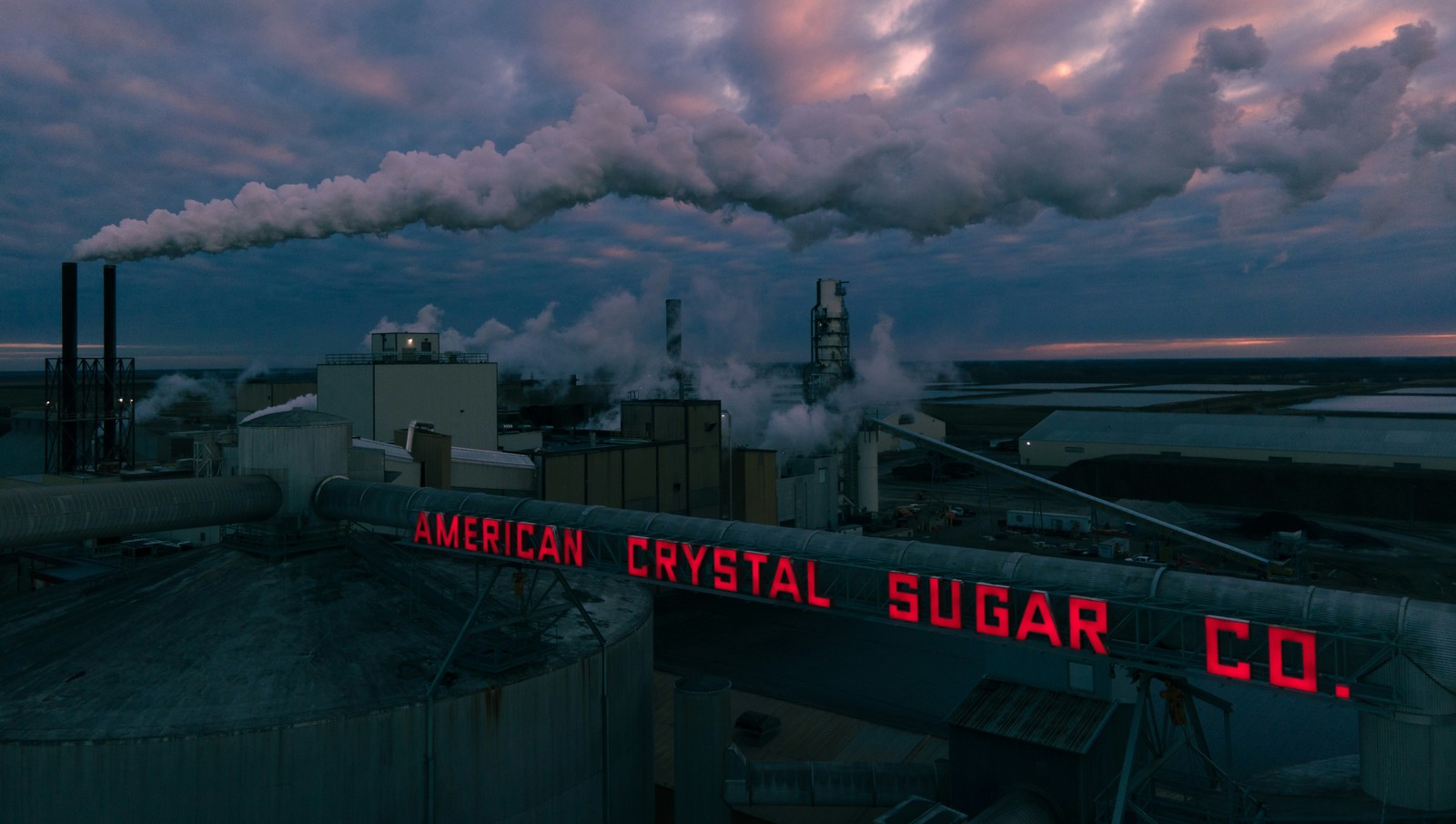
Image: White Field Photo

Behind the scenes, the U.S. economy is driven by massive industries with global reach— shaping markets, driving innovation, and employing millions. From tech giants and energy producers to farms that feed the world, each sector plays a distinct role in keeping the country moving. This list breaks down 10 of the biggest American industries today.

1
Technology

Image: Shoeib Abolhassani

The U.S. tech sector exceeds $2 trillion in market value and leads the world in software, cloud computing, and semiconductor innovation.

While major hubs like Silicon Valley concentrate much of the activity, the industry has a nationwide footprint—from research centers and investor networks to hardware design and advanced manufacturing. Also, AI investment now represents a substantial share of the sector, which remains overwhelmingly U.S.-driven.

2
Healthcare

Image: Piron Guillaume

Healthcare spending in the U.S. surpassed $4.5 trillion recently, accounting for nearly 20% of GDP. Hospitals, insurers, biotech firms, and pharmaceutical companies together form the largest employment ecosystem in the country.

Moreover, the pharmaceutical segment alone exceeds $600 billion, placing the U.S. at the forefront of global drug development and clinical research.

3
Finance

Image: Nick Chong

Banking, investment, and insurance services generate over $2.5 trillion annually, and Wall Street remains the world’s largest capital market by trading volume.

Believe it or not, U.S. asset managers oversee more than $30 trillion in global funds, a scale unmatched anywhere else. American payment networks and credit systems also form a major part of the infrastructure that supports international commerce.

4
Energy

Image: Documerica

The U.S. is one of the world’s top producers of oil and natural gas, with the energy sector generating hundreds of billions of dollars each year. Texas is the largest state contributor, while New Mexico and North Dakota also rank among the leading producers.

Although renewables now surpass several fossil fuels in total electricity generation—driven largely by wind and solar—the energy sector as a whole remains robust and highly diversified.

5
Manufacturing

Image: Simon Kadula

Manufacturing underpins the growth of countless other industries, and American heavy industry contributes more than $2.3 trillion to GDP, spanning automobiles, machinery, electronics, and advanced materials.

The sector employs over 12 million people and remains a global leader in areas like industrial automation, chemical production, medical devices, and food processing. U.S. factories also rank among the world’s most productive thanks to high-tech equipment, robotics, and supply chains that integrate everything from raw materials to final assembly.

6
Retail

Image: Viktor Bystrov

Feel like going shopping? You’re certainly not alone—the U.S. retail sector generates over $7 trillion annually. Big-box chains, e-commerce giants, and grocery networks together make up one of the nation’s largest employment sectors.

E-commerce alone now exceeds $1 trillion, fueled by major progress in logistics, fulfillment technology, and nationwide delivery networks.

7
Agriculture

Image: Hannah Shedrow

The fertile Midwest and Great Plains are often called the "breadbasket of the world," and it’s no exaggeration—U.S. farms produce more than $500 billion in goods each year.

While corn, soybeans, beef, and dairy dominate overall output, the sector supports a wide array of other crops and livestock. It also drives innovation in precision machinery, fertilizer development, and agricultural technology that shapes global food production.

8
Transportation
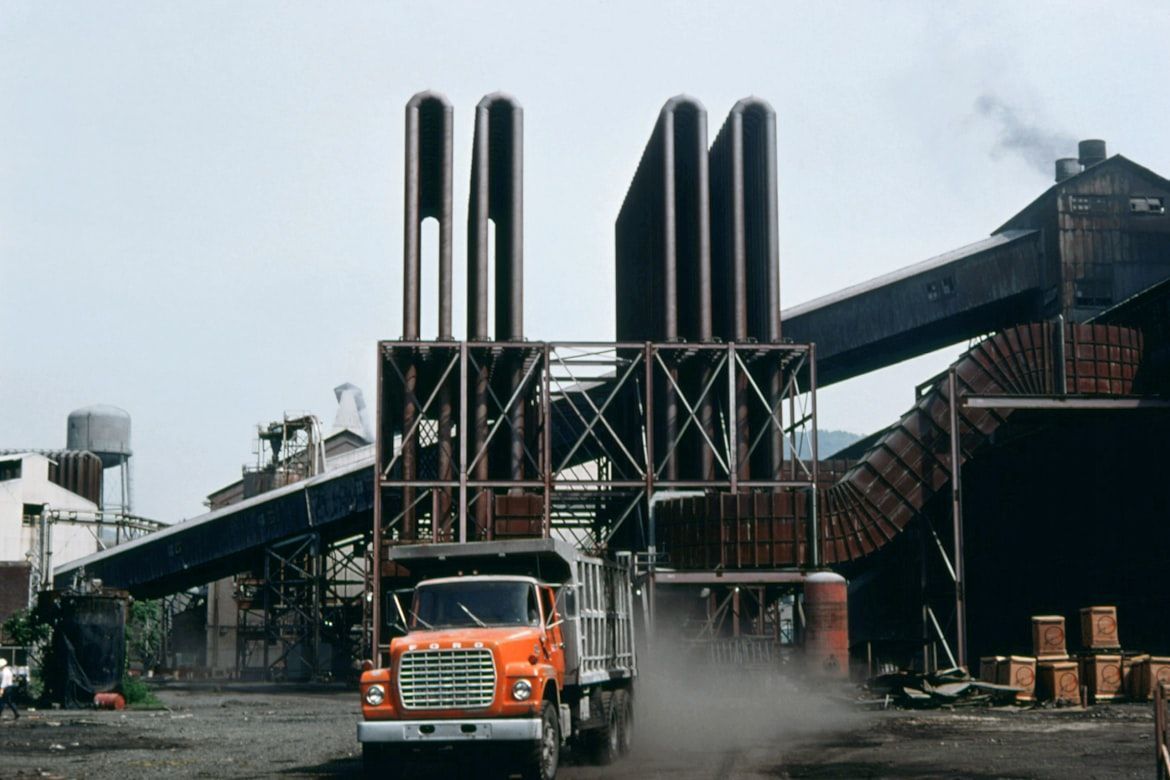
Image: Documerica

Transportation is a massive sector—covering airlines, shipping, trucking, and rail—and generates more than $1.4 trillion annually. Trucking alone moves over 70% of domestic freight, while rail remains essential for transporting bulk commodities like grain, coal, and industrial materials.

Air travel supports millions of jobs, with major hubs such as Atlanta and Dallas ranking among the world’s busiest by passenger traffic. Ports like Los Angeles, Long Beach, and Houston handle some of the highest cargo volumes in the Western Hemisphere, while the U.S. highway system remains one of the largest and most heavily used in the world.

9
Construction

Image: C Dustin

In a country where iconic skylines are considered part of the landscape, construction is naturally a major economic force. The sector now exceeds $2 trillion in annual output, driven by persistent housing demand and large-scale commercial development.

Infrastructure also accounts for a significant share of spending, covering everything from bridges and tunnels to highways and transit systems. Residential building cycles strongly influence employment, making construction one of the most sensitive indicators of broader economic health.

10
Aerospace & defense
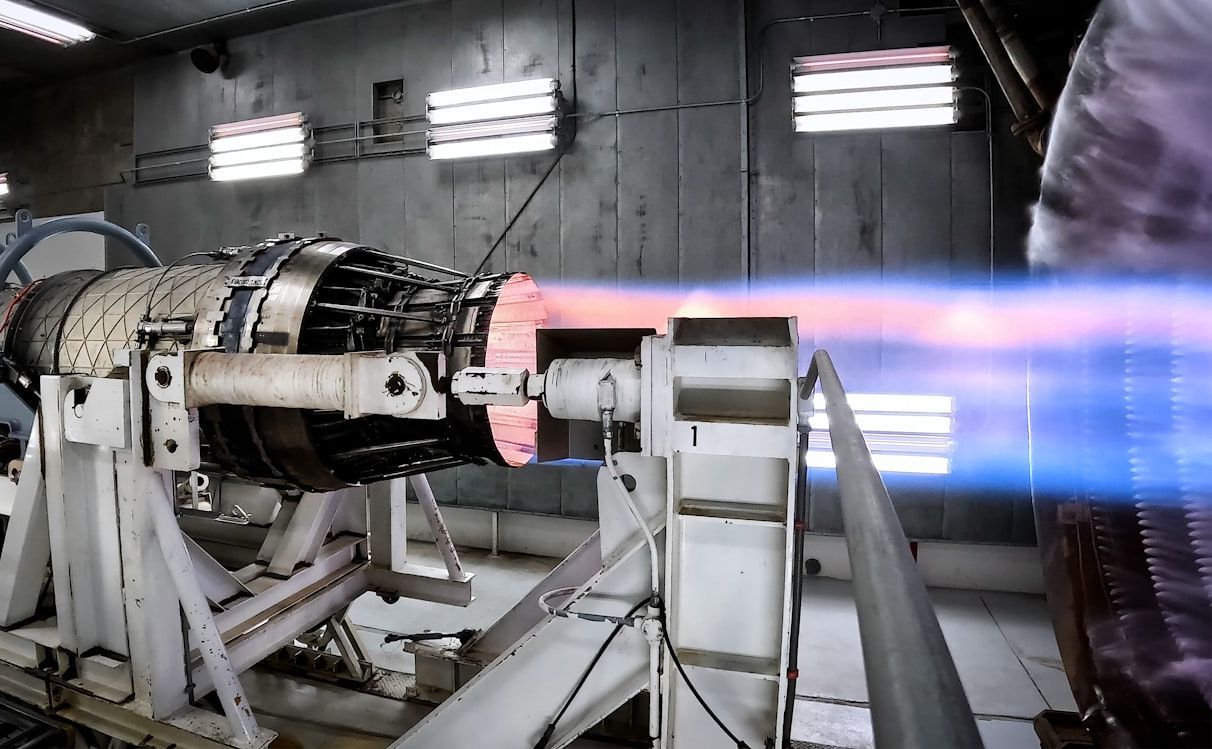
Image: Hermeus

As one of the world’s leading centers of innovation, the U.S. aerospace sector—often intertwined with the defense industry— contributes more than $400 billion annually, driven by aircraft manufacturing, satellite technology, and advanced defense systems.

Government defense spending, which exceeds $800 billion per year, supports major contractors, sustains global military partnerships, and helps maintain a technological edge over international competitors.


Culture Culture 4 min read

Old origins, modern entertainment

Was "America's pastime" invented in America?

Image: Paolo Aldrighetti

Sports, with their allegiances, rivalries, and championships, play a huge role in our culture, but we sometimes forget that not all sports were born in America. Where did our favorite pastimes originate? How did the rules, guidelines, and equipment evolve? Let’s explore the origins of America’s 10 most popular sports.

1
Football

Image: Muyuan Ma

Although born across the Atlantic as a mix between rugby and soccer in 19th-century England , football as we know it today was largely developed at Yale University, which formed its own football program in 1872. The line of scrimmage, the snap, and the system of downs were all American additions.

2
Baseball

Image: Josh Hemsley

Though derived from English stick-and-ball sports like cricket, baseball is called "America’s pastime" for a reason. By the mid-19th century, rudimentary versions of the game were popular across the country, but they varied greatly. The first official version of the game was created in 1845 by Alexander Cartwright for the New York Knickerbockers Club .

3
Basketball

Image: Markus Spiske

Its inventor was Canadian, but we can claim basketball as an American sport, on account of it being developed in Springfield, Massachusetts. In 1891, P.E. teacher James Naismith, hailing from Almonte, Ontario, was looking for a way to keep his students active without exposing them to the harsh December weather. Equipped with a soccer ball and two peach baskets as rudimentary hoops, he developed a basic set of rules and created one of our most competitive sports.

4
Ice hockey

Image: Jerry Yu

Stick-and-ball games have been played for centuries, and records show they existed in ancient civilizations such as Egypt and Persia. Many of these games were brought to America by settlers, where they came across Native American versions, such as lacrosse. But who decided to play on ice? The Canadians, who had long winters and plenty of icy surfaces to spare . In time, ice hockey became much more popular in North America than its field counterpart.

5
Golf

Image: Will Porada

Originating in 15th-century Scotland and initially played by using bent sticks to hit pebbles into sand dunes, this game was so popular that it was banned between 1457 and 1502 because it distracted soldiers. Golf was one of the first games brought to America by Scottish immigrants , and there are 17th-century records about broken window complaints in New York City as a result of its popularity.

6
MMA

Image: Steven Cordes

Martial arts have been practiced for centuries, often in a mixed format. The Ancient Greeks played pankration , a mix of wrestling, boxing, and street fighting. The MMA that we know today emerged in Denver in the 1990s with the Gracie brothers , of Brazilian origin and with a background in martial arts, who created a single-elimination tournament featuring players from several martial arts and combat disciplines. Though it initially caused a strong reaction due to the violence of the sport, it became accepted as the rules were defined, and has become a global sport.

7
Soccer

Image: Emilio Garcia

Though played for centuries by many cultures, modern soccer emerged in 1863, when the first rules of the English Football Association were written, separating it from rugby by forbidding the use of the hands to handle the ball. The word ‘soccer’ itself is British as well, a result of students shortening association to assoc/asoccer and then soccer . While the name never stuck in Britain, it did in America.

8
Tennis

Image: John Fornander

Did you know that original tennis used the palm of the hand instead of a racket? Invented in France around the 12th century by monks, it was called jeu de paume , or "game of the palm". The racket was invented a few centuries down the line by the British. Why is it called tennis? When serving the ball, the monks would shout tenez! (‘take it!’). Handball is still played to this day, with over 2,000 devoted courts in New York City alone.

9
Track and field

Image: Braden Collum

With roots going back to Ancient Greece, the first records of track and field are the 776 BC Olympic Games, which included the pentathlon, a combination of a 200-meter race, discus and javelin throws, long jump, and wrestling. In America, track and field is one of the most-played high school sports.

10
Motorsports

Image: Casey Calhoun

Motorsports is a wide category that includes several different competitions, the most popular in the U.S. being NASCAR. The first motor vehicle competitions date back to late 19th-century France, where races were a way for inventors to test and promote their new "horseless carriages." The first motor race in America was held in 1895 in Illinois, and it sparked an interest in the sport, which led to the construction of the Indianapolis Motor Speedway a few years later.

General General 4 min read

Do you enjoy walking?

A trekker's paradise: Explore 10 amazing American trails

Image: Holly Mandarich

German philosopher Friedrich Nietzsche once said: "All truly great thoughts are conceived by walking." And, while this might be a bit of a metaphorical statement, there is some practical truth to it, as any hiker can testify. With an almost infinite array of trails, America is filled with opportunities to wander through its natural parks and ponder about life or simply enjoy it. The following ten are but a small sample of these trails and we encourage you to look for one near your area and, if possible, maybe even go for a hike yourself!

1
Appalachian Trail, Shenandoah National Park, Virginia

Image: Wes Hicks

Yes, the entire Appalachian Trail is extremely long. Actually, it is over 2,190 miles long. But, the Shenandoah National Park, 75 miles from Washington, D.C., has over 500 miles of hiking trails, including more than 100 miles of the Appalachian Trail ; You can tackle a small section in a day’s hike.

The park is the perfect place to explore the great outdoors in Virginia and it consists of 200,000 acres of protected land that are home to animals like deer and songbirds.

2
Burroughs Mountain Trail, Mount Rainier National Park, Washington

Image: Scott Longerbeam

More than 260 miles of maintained trails lead visitors through peaceful old-growth forests, river valleys, and subalpine meadows on the Mount Rainier National Park in Washington state.

The park is home to one of the most iconic mountains in the world: Mount Rainier rises 14,410 feet above sea level straight into the clouds. Check out the Burroughs Mountain Trail for stunning views of mountain peaks and the alpine landscape.

3
Rim Trail, Bryce Canyon National Park, Utah

Image: Tim Golder

Bryce Canyon National Park in Utah is home to the largest collection of odd-shaped pillars of rock left standing from the forces of erosion, known as hoodoos. Many of them can be viewed from the 5.5-mile Rim Trail .

The park also offers hikes for all levels, including backcountry options for those looking for a little added adventure and guided Full Moon Hikes for night-owl explorers.

4
Upper Emerald Pools Trail, Zion National Park, Utah

Image: Jamie Hagan

A park filled with hiking trails for all experience levels, Zion National Park, Utah's first national park , is famous for its massive cream, pink, and red sandstone cliffs, and freestanding arches.

Hikers should attempt to visit at sunrise and sunset to enjoy the breathtaking views of sunlight splashing off the cliffs and into the rivers below. And if it is an approachable trail they’re looking for, the Upper Emerald Pools Trail is an easy hike leading to sparkling waterfalls.

5
Grinnell Glacier Trail, Glacier National Park, Montana

Image: Aaron Clinard

Over 700 miles of hiking trails, including more than a dozen options around the Many Glacier area , like the popular Grinnell Glacier Trail , can be found at the Glacier National Park.

Lucky visitors can spot some of the park's varied wildlife, including 71 species of mammals, from the tiny pygmy shrew to one of the largest remaining grizzly bear populations in the country.

6
Charlies Bunion Hike, Great Smoky Mountains National Park, Tennessee and North Carolina

Image: Leslie Cross

The Great Smoky Mountains are world-renowned for its animal and plant life diversity, as well as for its miles of official and backcountry trails with views of waterfalls and old-growth forests.

The Great Smoky Mountains National Park spreads across two states and offers plenty of activities for hikers. For a particularly breathtaking vista, hike to Charlies Bunion, a popular outcropping along the Appalachian Trail.

7
Billy Goat Trail, Chesapeake and Ohio Canal National Historical Park, Maryland

Image: Eduardo Gutierrez

Considered a moderate-difficulty trail, Maryland's Billy Goat Trail has three sections totaling eight miles, though portions are strenuous and challenging . Outdoor enthusiasts can experience the raging Potomac River and the rocky crags of Great Falls. The hike is very popular, so early hours are advisable to beat the crowds.

8
Chautauqua Trail, Chautauqua Park, Colorado

Image: Leslie Cross

An old park, Chautauqua Park in Boulder, Colorado, has been around since 1898. The 80-acre park has miles of hiking, much of which are uphill . But there are less strenuous hikes, too, like the Chautauqua Trail, which offers views of the Flatiron mountains and Boulder.

9
Canyon to Rim Loop, Smith Rock State Park, Oregon

Image: Alex Diaz

Hikers of every level can find an appropriate trail at Smith Rock State Park, in Oregon. These vary in length and difficulty, but they all offer beautiful views of the Central Oregon landscape**.**

The park offers hundreds of miles of hiking and biking trails, and visitors may spot golden eagles, prairie falcons, river otters, and beavers throughout the day.

10
Petroglyph Wall Trail, Red Rock Canyon National Conservation Area, Nevada

Image: Kristin Melville

As visitors to the Red Rock Canyon National Conservation Area can testify, not all short-distance hikes are the same. Many are labeled difficult, and it can take four to five hours to complete a five-mile hike.

Along the different routes, desert wildlife can be spotted, including lizards, toads, and hawks. One of the park's most beginner-friendly hikes is the 0.2-mile Petroglyph Wall Trail , where centuries-old rock art can be appreciated.

Explore more American facts

Choose your favorite category!

General
General

As American as apple pie—the very best America has to offer!

Culture
Culture

Delve into the astounding richness of American lore.

Geography
Geography

Hop in and explore vast and diverse American landscapes.

History
History

Discover the key moments that shaped the United States.