General General 3 min read

Money matters

In cash we trust: The hidden history of American money
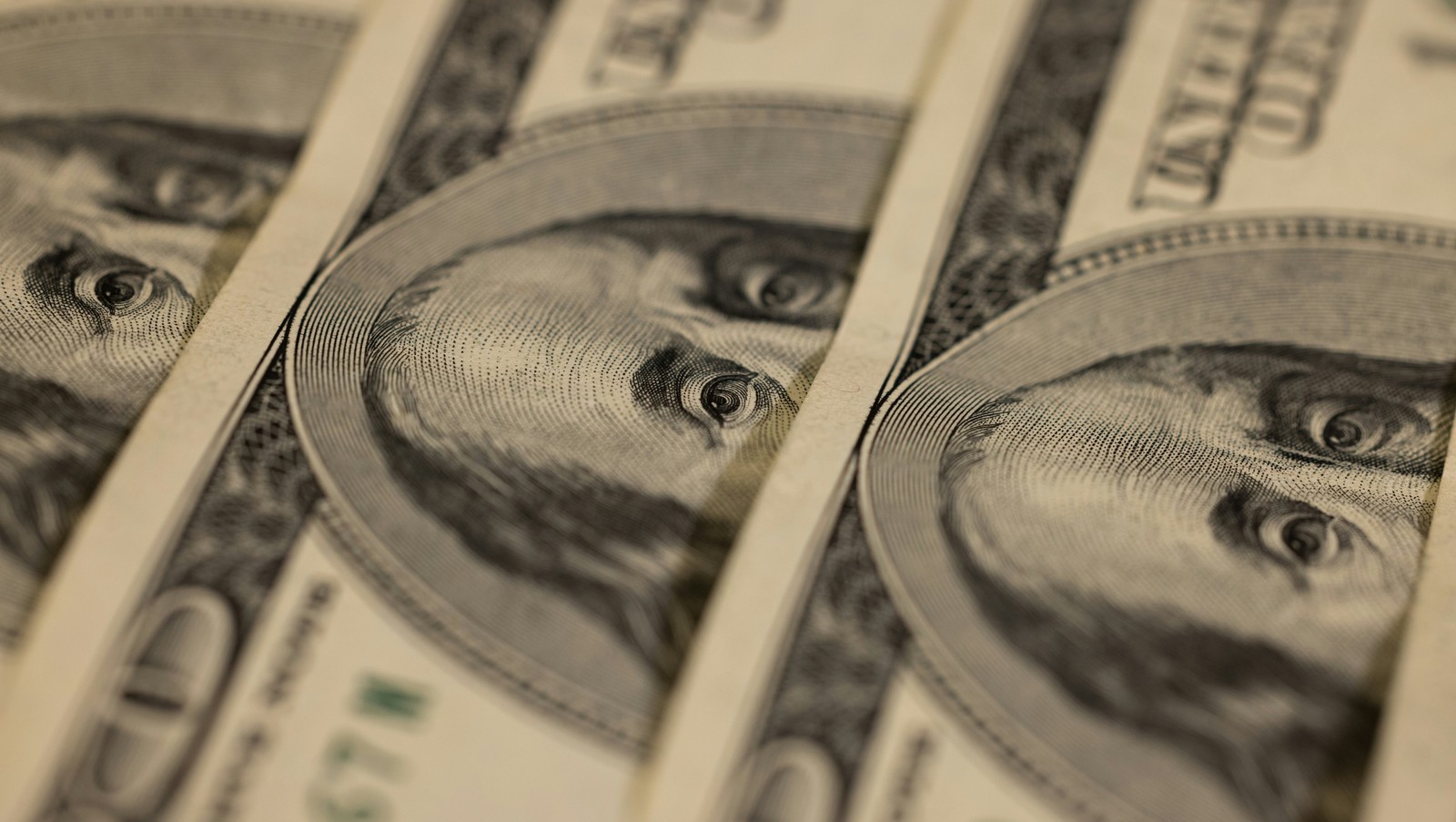
Image: engin akyurt

We handle money every day but rarely stop to think about where it all came from. Every coin and bill in your wallet has a story to tell . Some are serious, some are funny, and some are just plain surprising. From hidden symbols to sky-high denominations, here are ten true stories about US currency that might make you look at your wallet a little differently.

1
In God we trust
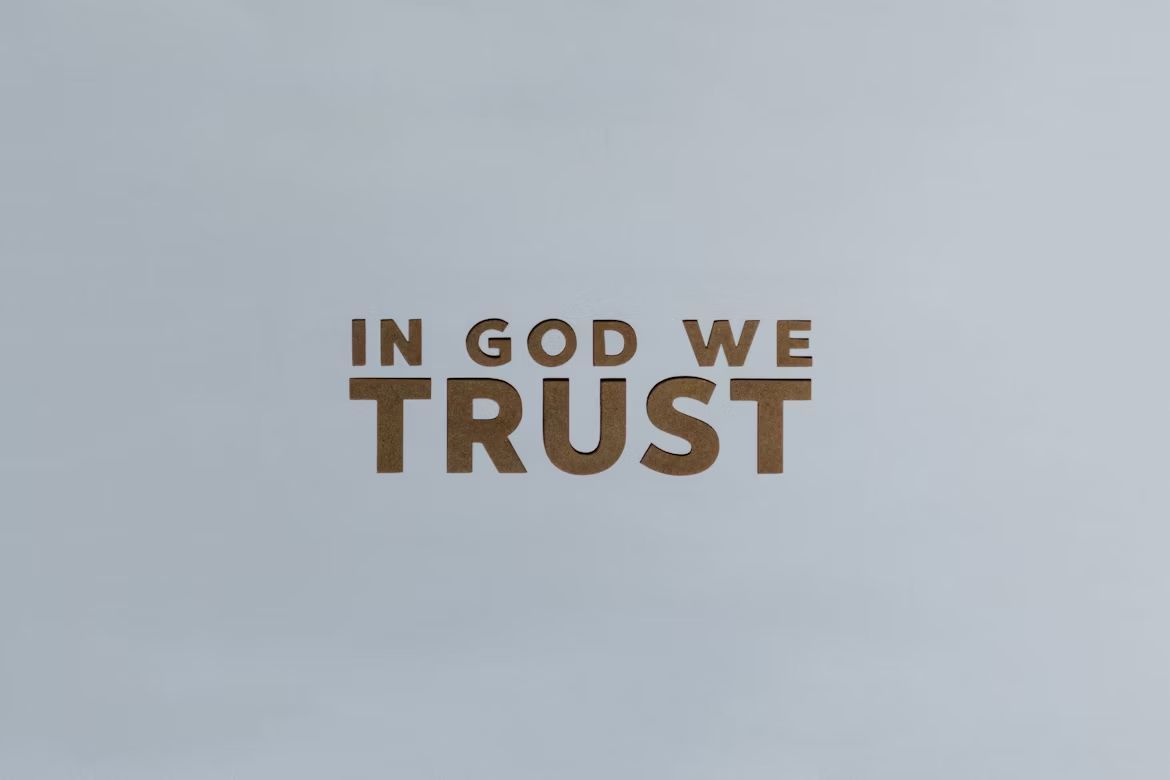
Image: Kelly Sikkema

The famous phrase "In God We Trust" hasn’t always been part of our money. It first showed up on some coins during the Civil War , when the country was looking for hope in tough times. It didn’t become standard on all bills and coins until 1955, during another period of strong religious feeling. Today, it’s part of our national identity and one of the most recognized mottos in the world.

2
The all-seeing eye on the dollar
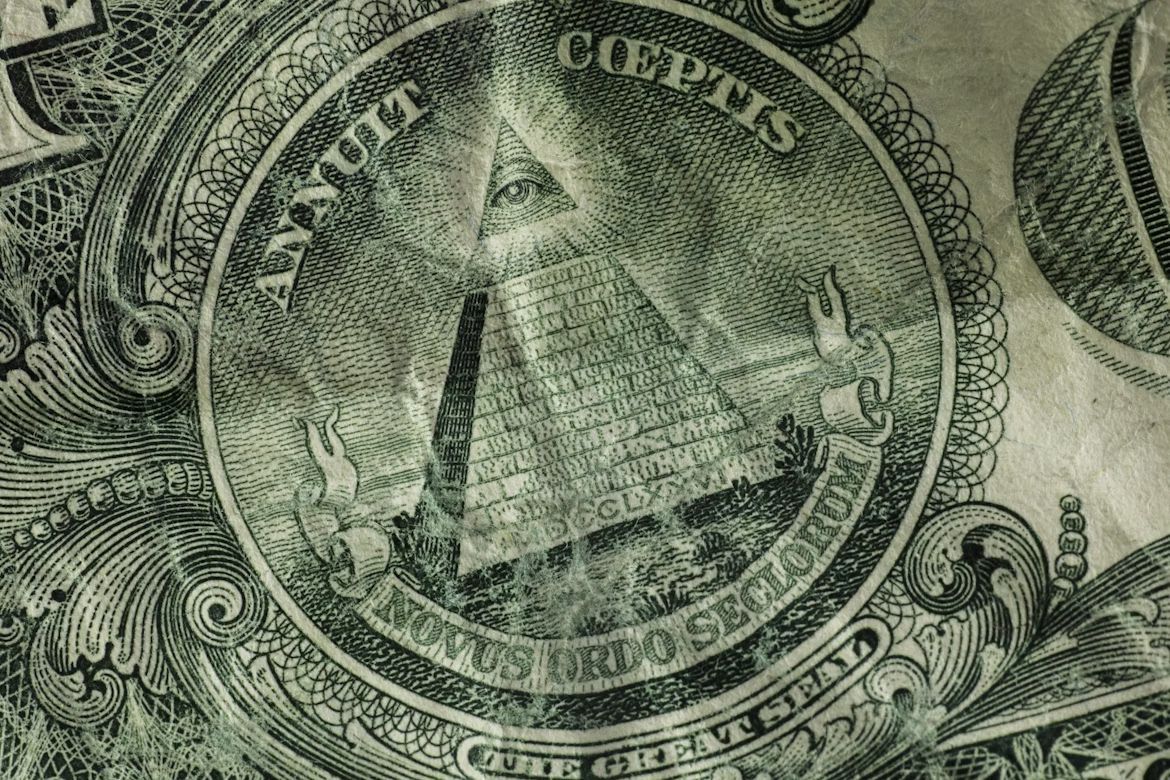
Image: Thought Catalog

That little pyramid with an eye floating above it on the one-dollar bill has sparked plenty of wild theories, but the truth is rooted in history. Known as the "Eye of Providence," it represents divine guidance and watchfulness . The Founding Fathers saw it as a symbol of wisdom and protection.

3
The Secret Service started with cash, not presidents
Image: Collin

When the Secret Service was created in 1865, it had nothing to do with protecting the president. Its original job was to fight counterfeit currency , which had become a huge problem during the Civil War. Back then, nearly one in three bills was fake! The agency did its job so well that it built the foundation for the secure money system we have today.

4
The $10,000 bill that once roamed the banks
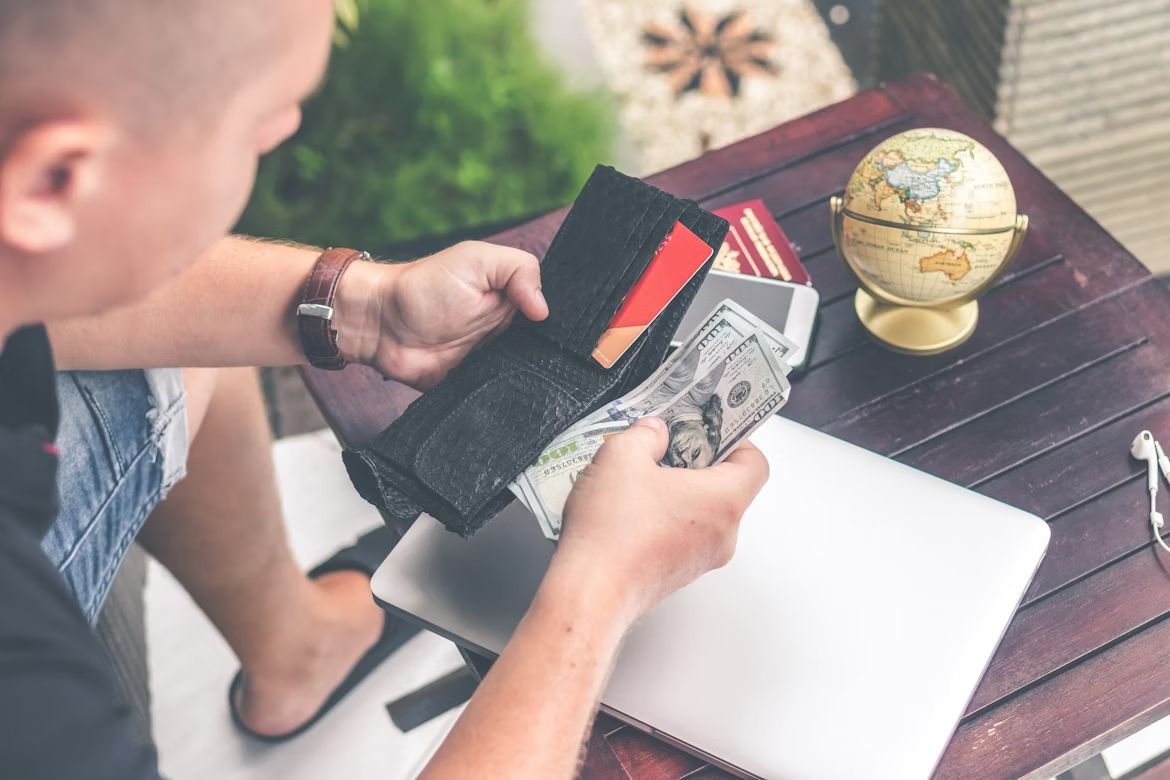
Image: Artem Beliaikin

Yes, there really was a $10,000 bill, and it carried the face of Salmon P. Chase, who served as Lincoln’s Treasury Secretary . It was never meant for everyday use at the store, of course. Banks used it for large transfers between Federal Reserve branches. Although it’s been out of circulation for decades, collectors still love to get their hands on one.

5
Fighting fakes with science
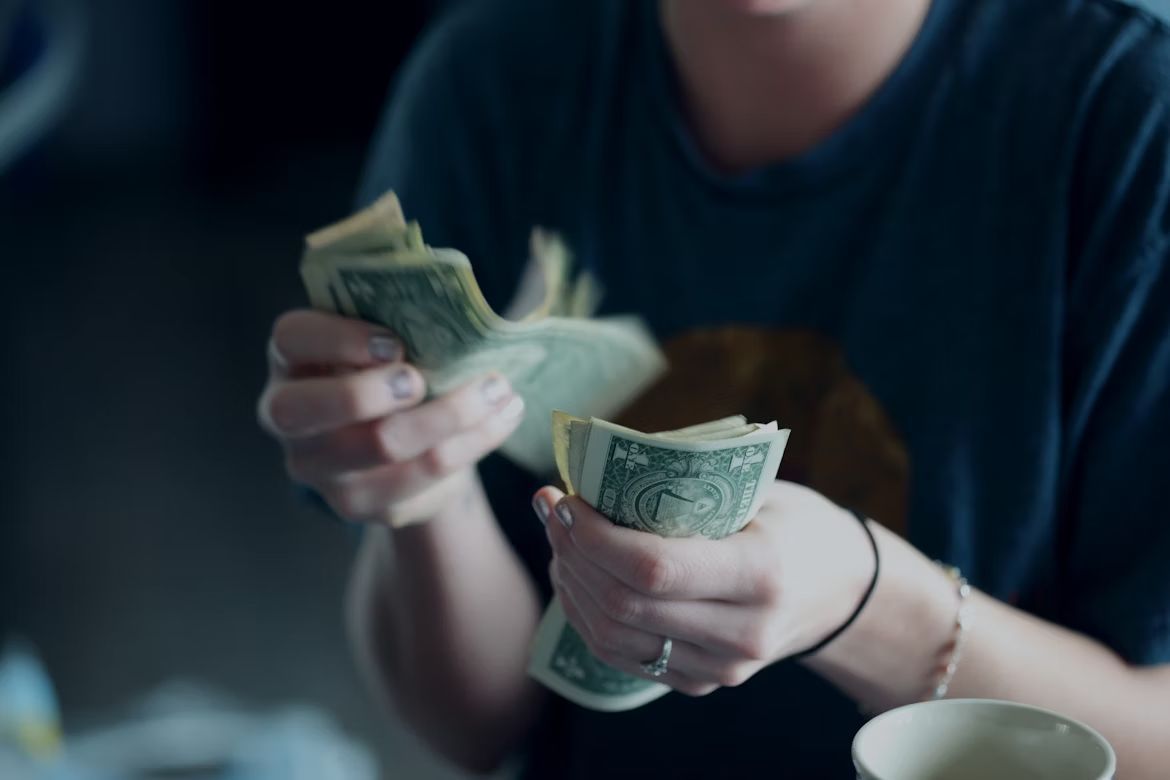
Image: Alexander Grey

Counterfeiting has been a problem since the first coins were made, but modern bills are loaded with clever security tricks . Watermarks, color-shifting ink, and hidden security threads help stop fake money before it spreads. If you tilt a newer bill in the light, you’ll see colors shift and patterns appear. It’s not just decoration, it’s actually protection.

6
Paper money doesn’t live forever
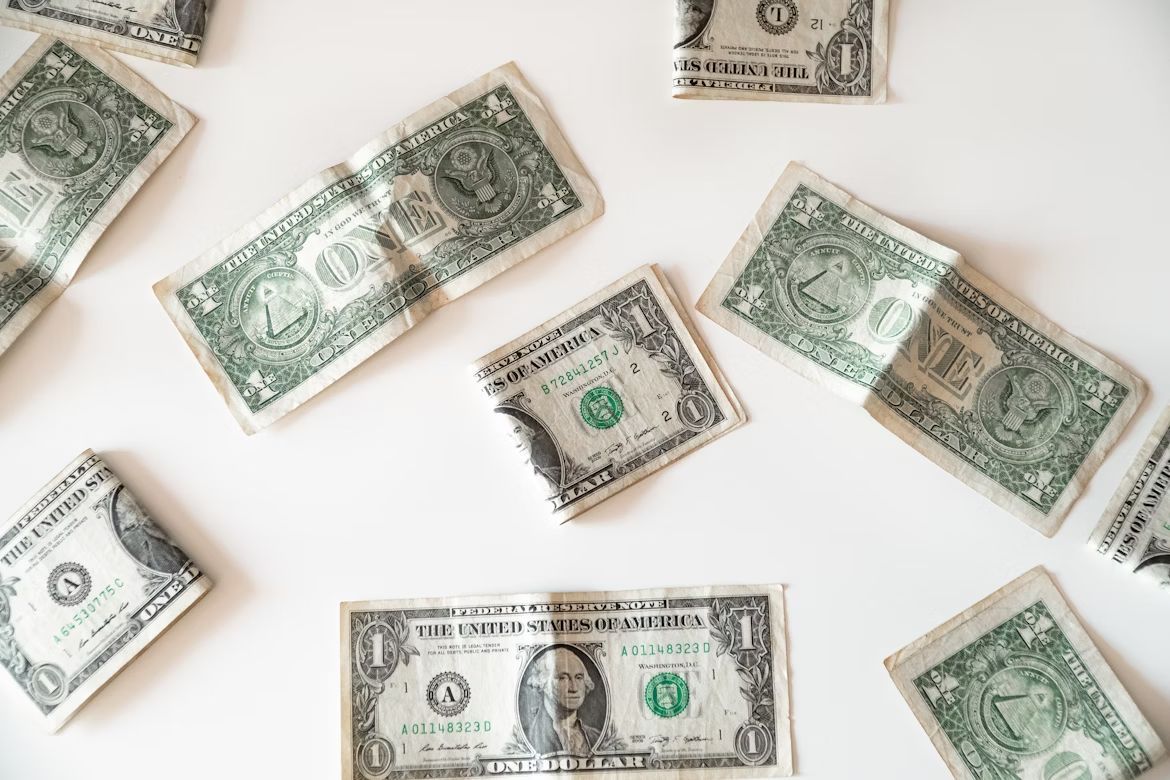
Image: Emilio Takas

Every bill has a limited lifespan. A $1 bill lasts about five years before it wears out, while higher denominations tend to last longer since people handle them less often. When a bill becomes too soft or torn, the Federal Reserve removes it from circulation and replaces it with a new one. Check your wallet and see if any of your bills need changing!

7
Tiny text with a big job
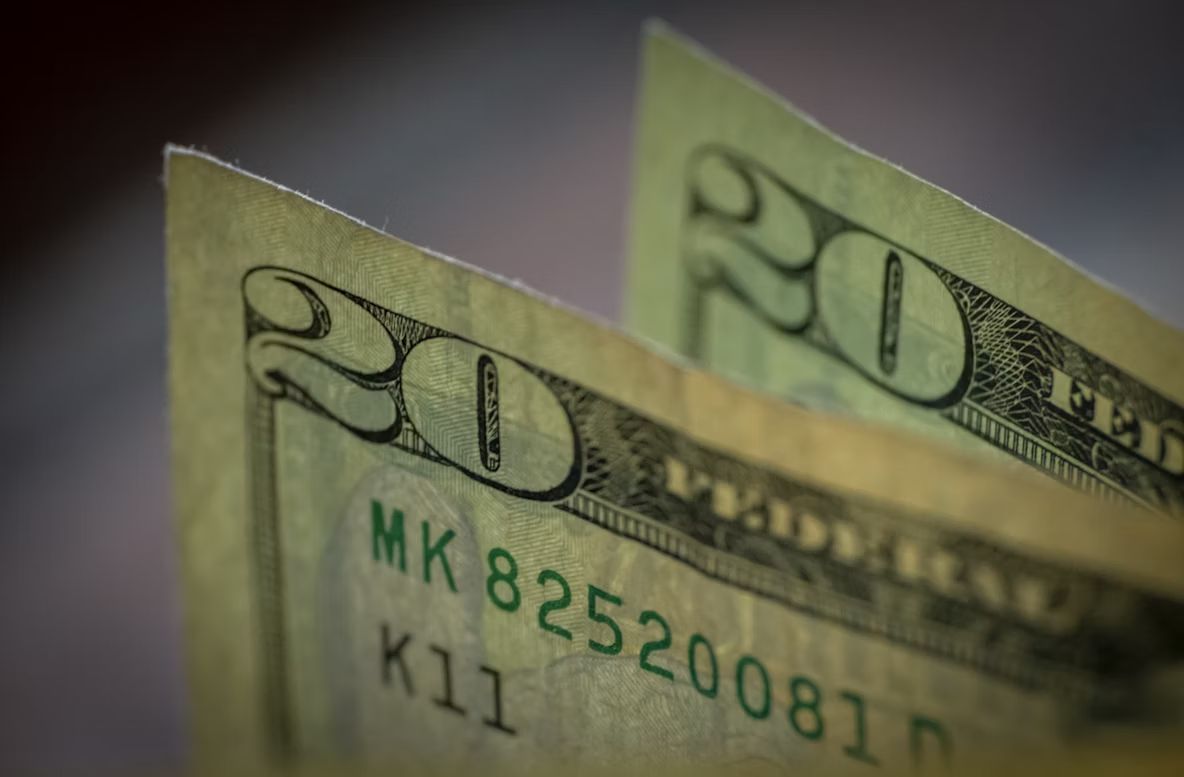
Image: Pete Alexopoulos

If you look very closely at your bills, you might spot lines of tiny printed words around the portraits and borders. That’s called microprinting. It’s so small that it’s nearly impossible to copy accurately. Most people never notice it, but it’s one of the details that protects the money from being easily counterfeited.

8
The penny paradox
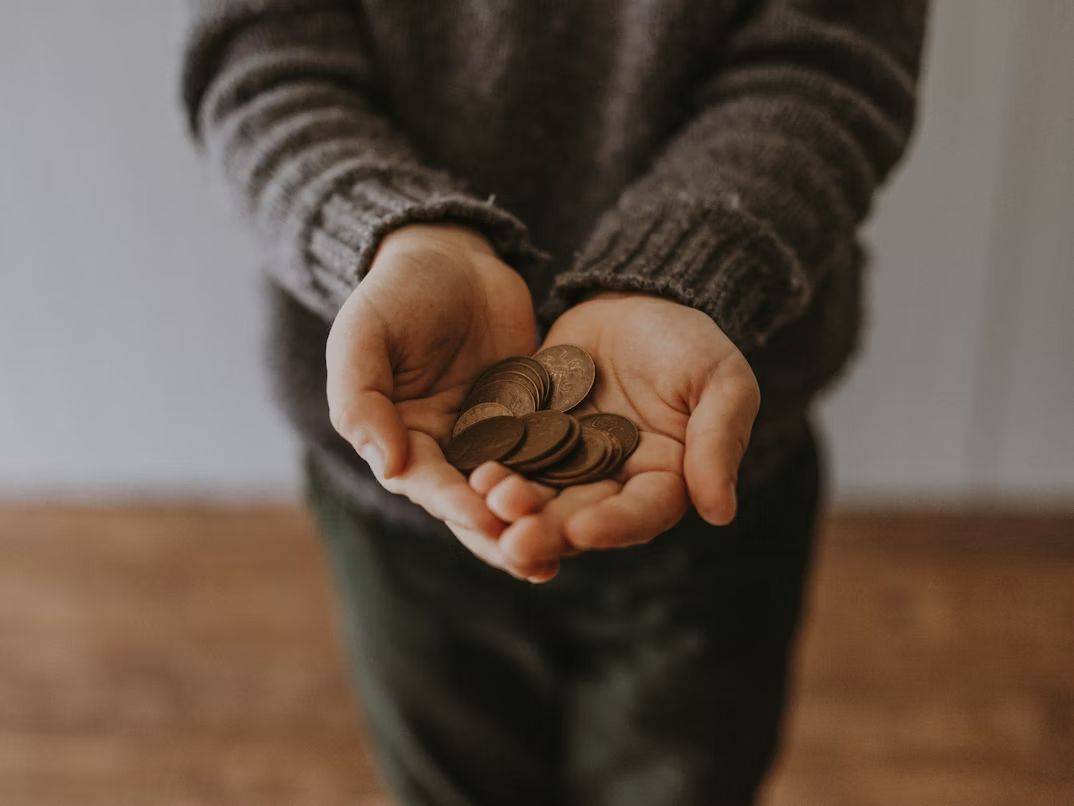
Image: Annie Spratt

It’s funny to think about, but a single penny costs more than one cent to make. The mix of copper and zinc isn’t cheap , and that’s been true for years. Some even say it’s time to retire the penny, while others can’t imagine America without it. Maybe it’s more than money. Maybe it’s nostalgia that keeps Lincoln’s little coin alive. What do you think?

9
When spare change becomes treasure
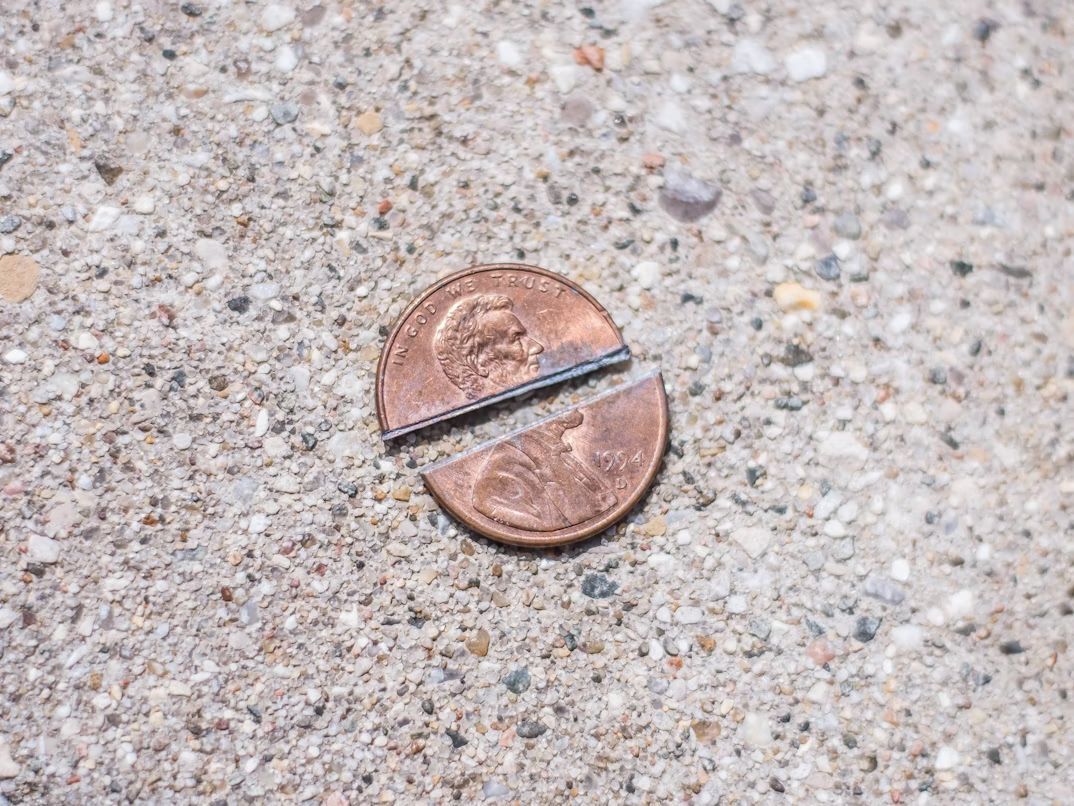
Image: Gio Bartlett

Sometimes a coin is worth far more than its face value. The 1913 Liberty Head nickel is one of the best examples. Only five of them exist, and one sold for over four million dollars! Collectors spend years searching for coins like that. It’s part history lesson, part treasure hunt. It may look like an ordinary coin, but it’s really priceless!

10
A woman’s face finally gets her due

Image: Kirt Morris

For most of our history, only men appeared on our currency. However, that’s changing. There are renewed efforts to redesign the twenty-dollar bill and feature Harriet Tubman in it, the fearless leader of the Underground Railroad. Even if it’s not official yet, it’s an important step toward showing the full story of America.

History History 3 min read

Weird science

Prepare to be shocked: 10 bizarre scientific experiments from history

Image: PublicDomainPictures

While the very nature of experimentation involves doing things that have never been done before, some of these investigations are strange even within that context. Take a look at these 10 downright odd studies performed in the name of science, and you may be surprised more than once. Did you know about any of these?

1
The spacesuit satellite

Image: Sieuwert Otterloo

Shoving an astronaut suit out of an airlock and into space might seem like a scene from a movie, but it really happened. In 2003, an empty spacesuit was thrown into space , nicknamed Ivan Ivanovitch (or Mr. Smith), stuffed with old clothes and a radio transmitter .

The idea was that old spacesuits could be used as satellites. SuitSat-1, as it was named, went on to spend several months in silent orbit before entering Earth's atmosphere and burning up on September 7, 2006.

2
The "invisible" gorilla

Image: Mike Arney

In this strange psychological experiment, researchers asked participants to watch a video of people passing a basketball and count how many passes were made. The catch was that, during the video, a person in a gorilla suit walked into the frame, stopped to pound its chest, and then walked out.

The study revealed a curious phenomenon known as "inattentional blindness": people were so focused on counting the passes that they failed to notice the gorilla .

3
Space spiders

Image: Vidar Nordli-Mathisen

In 2011, scientists sent two golden silk orb-weaver spiders on a 45-day trip aboard the ISS. They were kept in an adequate habitat, and both spiders adapted beautifully, continuing to spin their webs and hunt for food.

But not everything was normal. In microgravity, the spiders spun their webs differently —flatter and rounder—compared to the more three-dimensional, asymmetrical structures that orb-weavers spin on Earth.

4
Bitter fingernails

Image: Nick Karvounis

In 1942, a professor conducted an experiment with boys who had been diagnosed as chronic nail-biters. He used a phonograph with the recorded message " My fingernails taste bitter ," playing it over and over at night in the room where the boys slept.

At the end of the summer, the professor examined the boys' nails and concluded that 40% of them had kicked the habit.

5
Syrup swimming

Image: Arwin Neil Baichoo

In 2004, sixteen people with varying swimming skills swam in both a regular pool and a pool of guar syrup , which is twice as thick as water, for an experiment conducted by the University of Minnesota. The differences in their recorded times were negligible.

6
Bearcats and popcorn

Image: Corina Rainer

People encountering bearcats have noted that these animals smell like movie theater popcorn. A non-profit organization tested the bearcat's urine , and the results showed the presence of a chemical compound called 2-acetyl-1-pyrroline.

As it turns out, this is the same compound that gives popcorn its signature smell .

7
The 28-hour day

Image: Ocean Ng

Hoping to find out whether the 24-hour sleep-wake human rhythm was merely a habit, two scientists spent 32 days in a cave to avoid any external reference to day and night.

They tried out a 28-hour day, sleeping for 9 hours, working for 10 hours, and having 9 hours of leisure time . The younger scientist adapted within the first week, while the older one failed to adapt.

8
The fake doctor

Image: Hunters Race

A fake doctor delivered a lecture in 1970 to a crowd of assembled experts titled "Mathematical Game Theory as Applied to Physician Education." His performance impressed the audience so much that nobody noticed he was an actor who didn’t know anything about game theory.

The researchers behind the experiment wanted to find out if a great delivery technique could fool a group of experts—and it did.

9
The electric kite

Image: Brett Wharton

The most famous experiment on our list is also one of the strangest. In 1752, Benjamin Franklin flew a kite in a thunderstorm to demonstrate the electrical nature of lightning .

While many believe otherwise, no lightning hit the kite. Instead, ambient electrical charge moved through the hemp wire, and when Franklin touched the key attached to the wire, he felt a spark, thus proving the existence of such electricity.

10
Moon trees

Image: David Dibert

As we've learned, Americans like taking things to outer space and then bringing them right back. The Apollo 14 mission carried hundreds of tree seeds into space . These "moon trees" were then planted across the country by the US Forest Service.

Unsurprisingly, the trees grew just like any other tree of the same species.

Geography Geography 5 min read

What are they actually named?

Is it not the Statue of Liberty? 10 alternate names of iconic landmarks

Image: Cayetano Gil

All across America, we can find iconic landmarks known by everyone, at least by name . But, which name? Like people, some of these landmarks have a nickname so used that many often forget what they are officially called. In other cases, the official name coexists with an ancestral name. Here are ten examples of double-named landmarks!

1
Mt. McKinley/Denali

Image: Jacob Vizek

This Alaskan mountain has changed names several times. Historically called Denali (meaning ‘the big one’) by the Koyukon Athabaskan tribe, it was referred to as Bolshaya Gora (‘big mountain’) by the Russians. After the Alaska purchase, it was temporarily named Densmore's Mountain before gaining the name McKinley in support of the then-presidential candidate. It was renamed Denali in the 1970s at the state level and in 2015 at the federal level, before reverting to McKinley in 2024, although Denali is still the name of the National park that houses it . With this many changes, it’s no wonder some people still mix the names.

2
Liberty Enlightening the World/The Statue of Liberty

Image: Pierre Blaché

This statue is one of the indisputable icons of the USA and of New York City, but not everyone knows that ‘The Statue of Liberty’ is just a popular name. As a gift from France, it was named La Liberté éclairant le monde , or ‘Liberty Enlightening the World’ , but no matter what it’s called, it has become an iconic symbol of American values.

3
Alcatraz Island/The Rock

Image: Shelby Cohron

One of the most infamous American prisons, Alcatraz Island, is located less than two miles from the San Francisco coast. Spanish explorer Juan Manuel de Ayala named it Isla de los Alcatraces or Island of the Pelicans due to the prevalence of these birds. After becoming U.S. territory, Alcatraz Island became a military fort, and then a federal prison that housed some of America’s most notorious criminals. While many believe that it's popularly called The Rock because it was impossible to escape, the nickname is simply due to its rocky appearance and its isolated location.

4
Mt. Rainier/Tahoma

Image: Greg Sellentin

Located in the Mount Rainier National Park, Washington, Mt. Rainier is the tallest mountain (and volcano) in the Cascade Range. Native American tribes of the area have given numerous names to this peak, but the most prominent one is Tahoma or Tacoma , a name still used by some. Officially, however, it is called Mt. Rainier , a name given by the British explorer George Vancouver in the 1790s.

5
Lake Superior/Gitche Gumee

Image: Brian Beckwith

The largest of the Great Lakes, Lake Superior, is one of the biggest freshwater reserves in the world. Its current name originated when French explorers, after traversing Lake Huron, called this lake le lac supérieur (‘the lake above’). After the French and Indian War, the British simply translated the name. However, this lake also has a native name, usually transliterated as Gitche Gumee, a name used by the poet Longfellow in his work The Song of Hiawatha .

6
Mt. Rushmore/The Six Grandfathers

Image: Jake Leonard

This mountain has been considered a sacred place by many tribes of the region —such as the Arapaho, Cheyenne, or Lakota Sioux— who named it ‘The Six Grandfathers’ after their ancestral deities . The place gained its current name when Charles E. Rushmore, a lawyer surveilling the area as a representative of a mining company, asked the name of the mountain. His guide replied that it had no name, but it would from that day be called ‘Rushmore’. The name stuck, and was officially recognized a few decades later.

7
Mission San Antonio de Valero/The Alamo

Image: Gabriel Tovar

The battle of the Alamo is a well-known episode in Texan history, and its location is considered a shrine to Texan valor and liberty. However, what many don’t know is that the place is called Mission San Antonio de Valero , a name given by the Spanish. Where does the ‘Alamo’ name come from? After the place stopped being used as a Catholic mission, it became a military fortress, housing a military unit nicknamed Álamo de Parras after their city of origin, a nickname that extended to the site.

8
Cloud Gate/The Bean

Image: Lance Anderson

Chicago regulars (and even those who never set foot in Chicago) know that The Bean is as iconic as it gets when talking about the city. Inspired by liquid mercury, this impressive sculpture might be shaped like a ginormous jellybean, but its official name is Cloud Gate . The sculptor, Anish Kapoor, initially disliked the popular nickname, but he has reportedly come to terms with it, even saying that he now calls it ‘the Bean’ too.

9
State House Bell/Liberty Bell

Image: Bev Sykes from Davis, CA, USA, CC BY 2.0 , via Wikimedia Commons

At its birth, this bell was simply the bell of the Pennsylvania State House (now Independence Hall). Cast in the 18th century, it cracked the first time it was rung. It was recast twice, but it cracked again in the 19th century. Allegedly rung after the Declaration of Independence, it was hidden during the Revolutionary War, and it changed hands several times in the following century. Despite its popular association with the American Revolution, the ‘Liberty Bell’ name was actually given by anti-slavery groups , who took it as a symbol due to its inscription reading "Proclaim Liberty throughout all the land unto all the inhabitants thereof."

10
Cape Canaveral/Cape Kennedy

Image: Bill Jelen

Originally named Cabo Cañaveral by the Spanish after its abundance of canes, its name was simply anglicized after the territory became part of the United States. In the 20th century, Cape Canaveral became the center of a series of missile and rocket tests, and it was the launch site of the Apollo 11 mission. A few days after J.F.K.’s assassination, the newly-instated President Johnson publicly announced that the cape would be renamed ‘Cape Kennedy’ as a memorial . The name change was not well-received by local Floridians, and the original name was reinstated a decade later, with the full support of the Kennedy family. The NASA space center is still named after President Kennedy.

Explore more American facts

Choose your favorite category!

General
General

As American as apple pie—the very best America has to offer!

Culture
Culture

Delve into the astounding richness of American lore.

Geography
Geography

Hop in and explore vast and diverse American landscapes.

History
History

Discover the key moments that shaped the United States.