History History 9 min read

American landmark cases

These Supreme Court rulings changed American lives forever
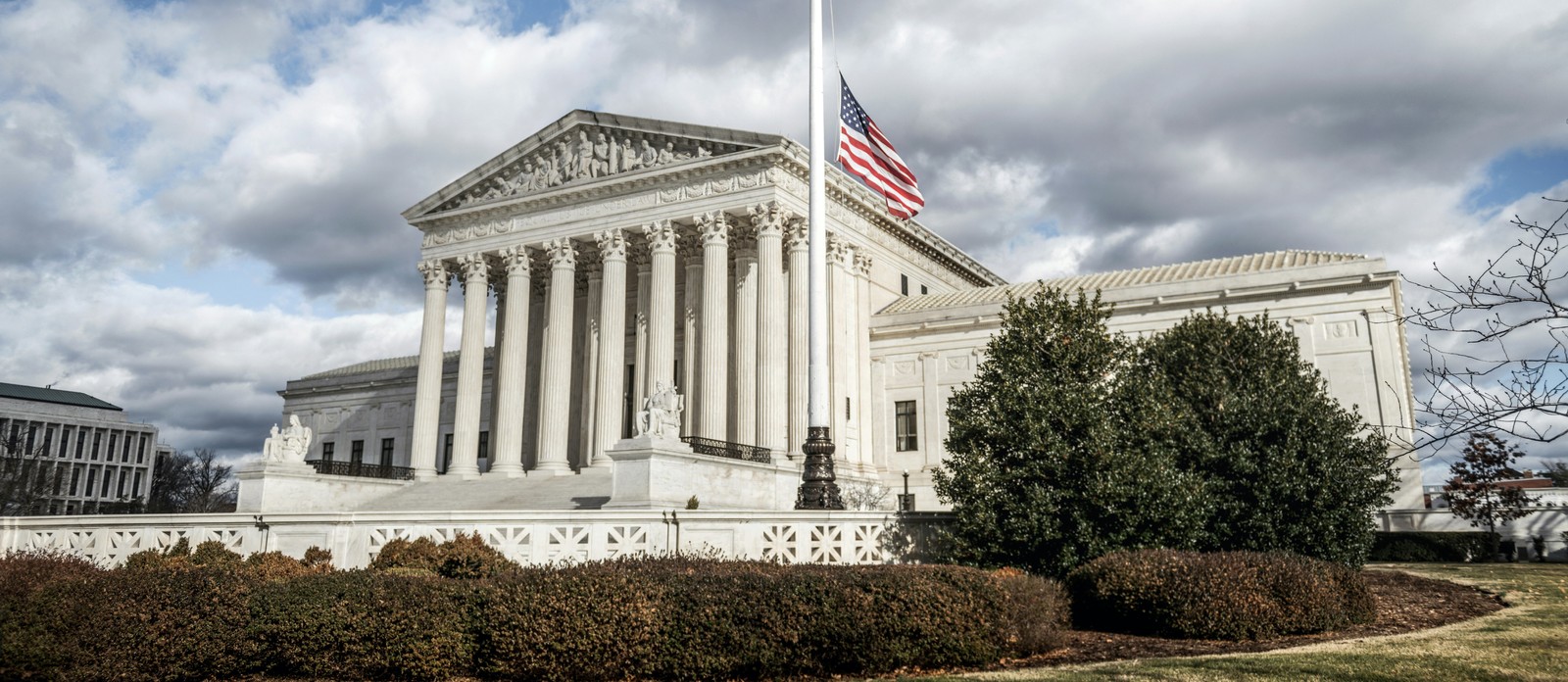
Image: Tim Mossholder

Many of the rights and freedoms Americans enjoy today were shaped by landmark Supreme Court decisions. Desegregated schools are common sense now, but that wasn’t the case until 1954, and free legal counsel wasn’t a reality until 1963. From the creation of judicial review in the early 1880s to historic rulings on education, free speech, criminal justice, and privacy, these cases influenced how the Constitution is interpreted and applied. Behind each decision was a real conflict that reflected the challenges, debates, and social changes of its time.

1
​Miranda v. Arizona (1966)

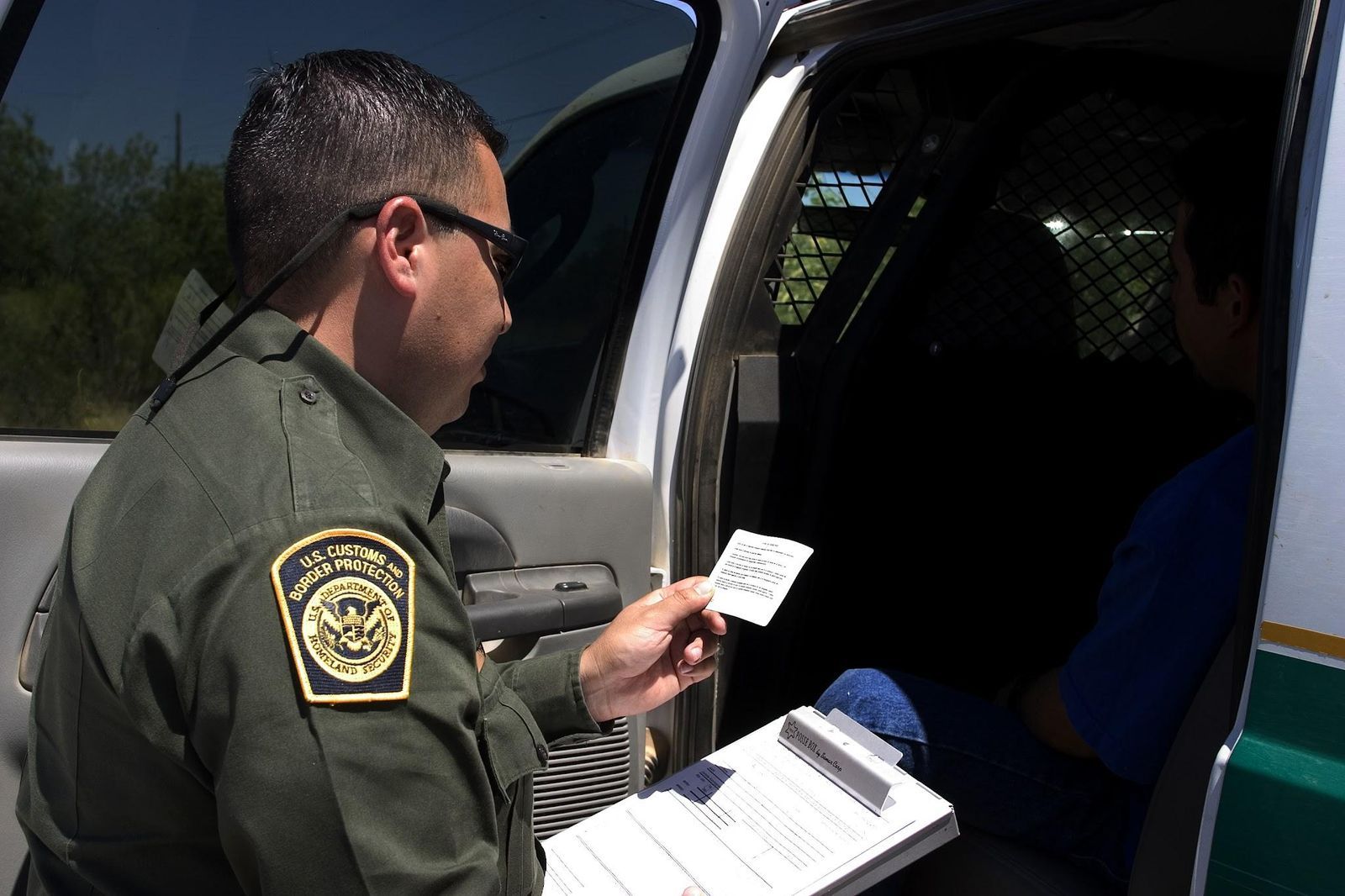
Image: Gerald L. Nino, CBP, U.S. Dept. of Homeland Security, Public domain, via Wikimedia Commons

Every legal TV drama has a "You have the right to remain silent" moment. But that phrase actually became part of American culture thanks to a Supreme Court ruling. In 1963, American laborer Ernesto Miranda was arrested in Phoenix, Arizona, and questioned by police for several hours about a kidnapping and assault case. During the interrogation, officers did not tell him he had the right to remain silent or the right to speak with a lawyer. Miranda eventually signed a confession that was later used to convict him at trial.

His lawyers appealed, arguing that he had not been properly informed of his constitutional rights. In a narrow five-to-four ruling, the Supreme Court agreed. Chief Justice Earl Warren explained that police interrogations place heavy pressure on suspects, making safeguards necessary. The Court ruled that suspects must be informed of their rights before questioning begins. Today, the Mirada Rights warning is one of the best-known legal protections in the U.S.

2
​Brown v. Board of Education (1954)

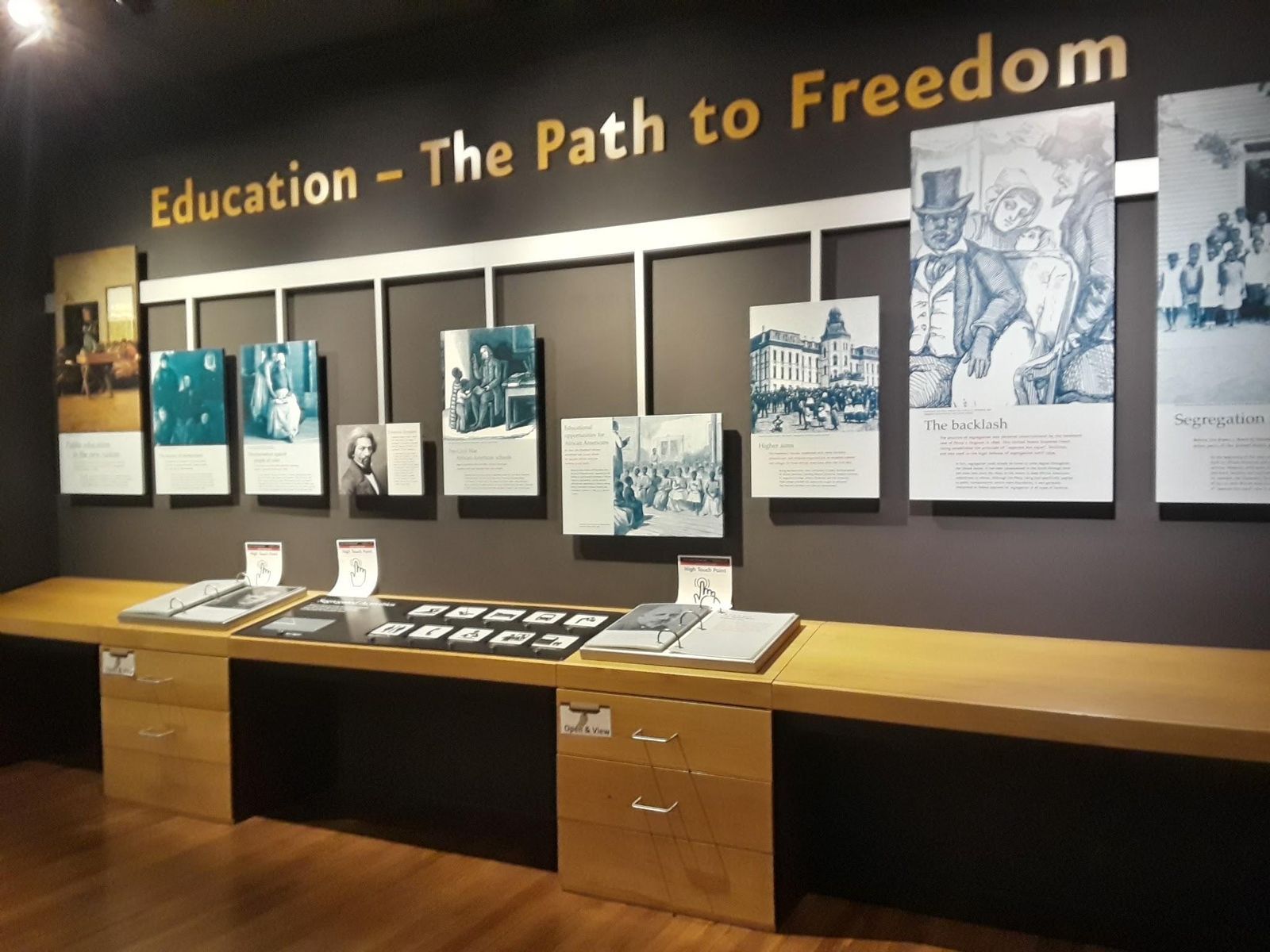
Image: Ser Amantio di Nicolao, CC BY-SA 4.0, via Wikimedia Commons

For many decades, racial segregation in public schools was considered legal under the doctrine "separate but equal." In reality, schools for Black children were often underfunded and unequal in nearly every other way. The issue came to a head in Topeka, Kansas, when Oliver Brown tried to enroll his Black daughter Linda in a nearby white elementary school. She was denied admission because of segregation laws.

Brown joined other families in challenging school segregation with support from the National Association for the Advancement of Colored People, NAACP, whose legal team was led by Thurgood Marshall. The Supreme Court heard arguments from several related cases and faced enormous pressure because of the issue’s national importance. In 1954, Chief Justice Earl Warren delivered a unanimous decision declaring that separate educational facilities are inherently unequal. The ruling overturned earlier legal precedent and became one of the most important decisions in American history, helping launch the modern Civil Rights Movement.

3
​Tinker v. Des Moines (1969)

Image: Eli Hiller, CC BY-SA 2.0, via Wikimedia Commons

During the Vietnam War, protests and political debates spread across the country, including in public schools. In 1965, a group of students in Des Moines, Iowa, decided to wear black armbands to school to protest the war and support a Christmas truce. School officials quickly announced that students wearing the armbands would be suspended. Mary Beth Tinker and her brother John wore the armbands anyway and were suspended from school. Their family challenged the decision, arguing that the students’ First Amendment rights had been violated.

The case eventually reached the Supreme Court, which ruled seven to two in favor of the students. In 1969, Justice Abe Fortas wrote that students do not lose their constitutional rights when they enter a school building. The Court concluded that schools may only limit student expression if it seriously disrupts learning. The ruling became a major precedent protecting peaceful expression in public schools.

4
​Roe v. Wade (1973)

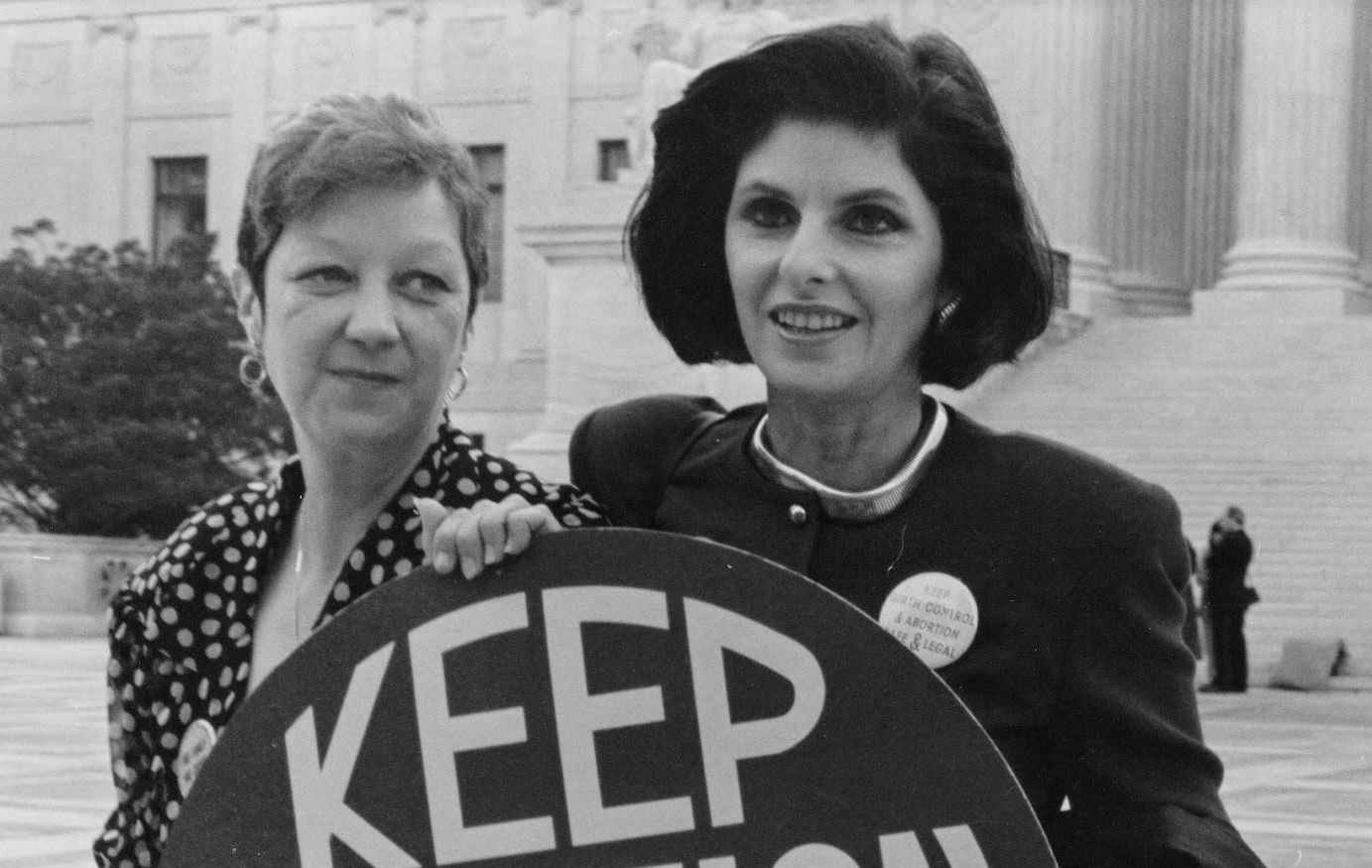
Before Roe v. Wade, abortion laws differed greatly from state to state, and many states severely restricted access to the procedures. The case began when, in 1969, a Texas woman, Norma McCorvey, challenged state laws under the pseudonym "Jane Roe." Texas only allowed abortions in cases where the mother’s life was in danger. Roe argued that the law violated constitutional protections for personal privacy.

The Supreme Court heard the case during a period of growing national debate over reproductive rights and government authority. In 1973, the Court ruled seven to two that the Constitution protects a woman’s right to privacy under the Fourteenth Amendment, including certain decisions about abortion. The justices created a legal framework balancing individual rights with state interests. Roe v Wade continued to be one of the most debated decisions in history. It was overturned by the Supreme Court in 2022 via the Dobbs v. Jackson Women's Health Organization case, which eliminated the federal constitutional right to an abortion and allowed individual states to set their own abortion laws.

5
​Regents of the University of California v. Bakke (1978)
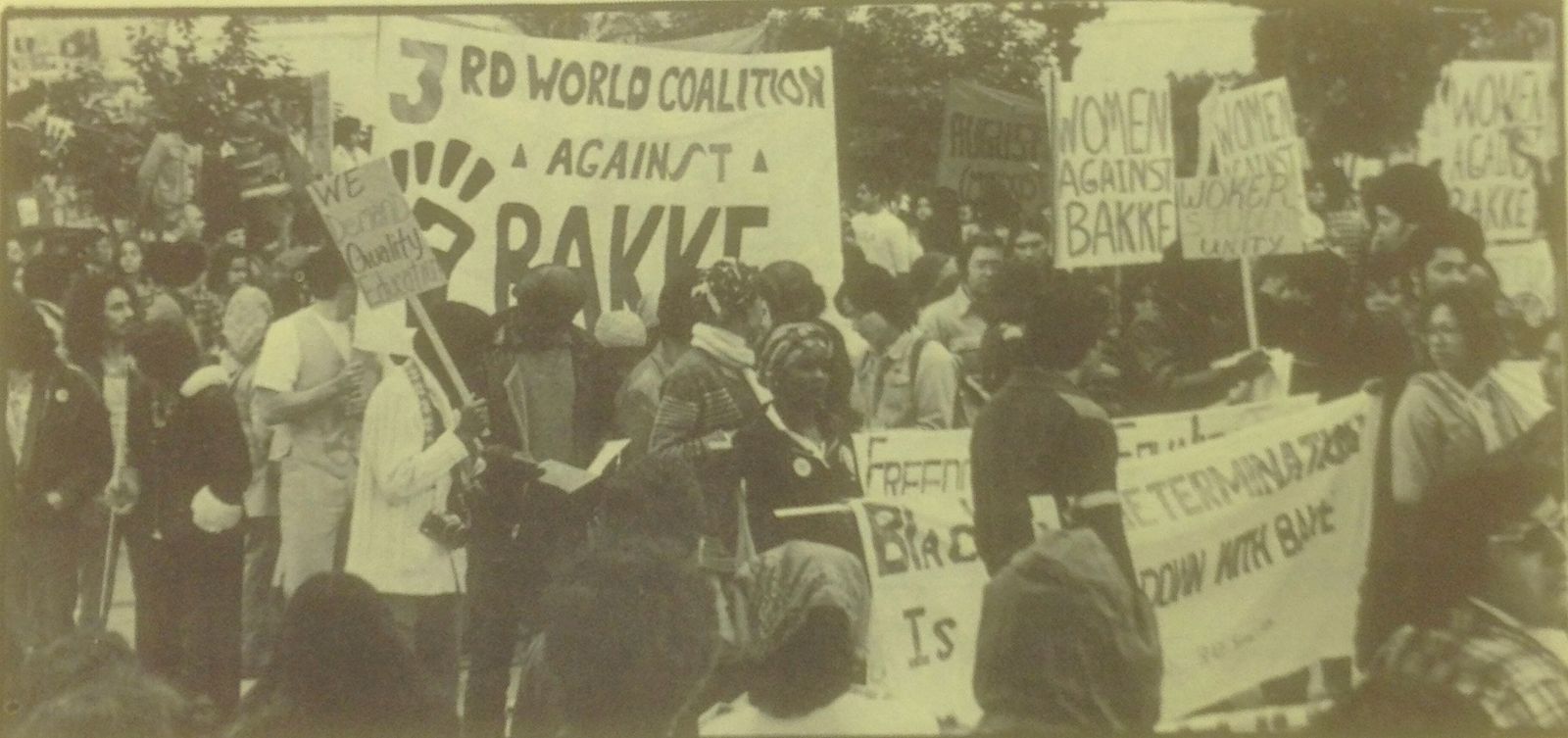
Image: See page for author, Public domain, via Wikimedia Commons

Inequality based on race took all kinds of forms, and school desegregation was just the beginning of a long pursuit of justice and equality. As universities sought to address racial inequality in higher education during the 1970s, affirmative action policies became the subject of national debate. Alla Bakke, a white 30-year-old engineer from California, applied to the medical school at the University of California, Davis, and challenged its admissions program after being denied entry.

Bakke argued that the school’s racial quota system violated the Equal Protection Clause. In 1978, the Supreme Court ruled that strict racial quotas were unconstitutional, but also said race could still be considered as one factor among many in admissions decisions. The ruling shaped college admissions policies for decades. In 2023, however, the Court overturned much of that framework, via Students for Fair Admissions, Inc. v. Harvard College, ruling that race-conscious admissions programs at Harvard and the University of North Carolina violated the Constitution, bringing a major chapter of the affirmative action debate to a turning point.

6
​Gideon v. Wainwright (1963)

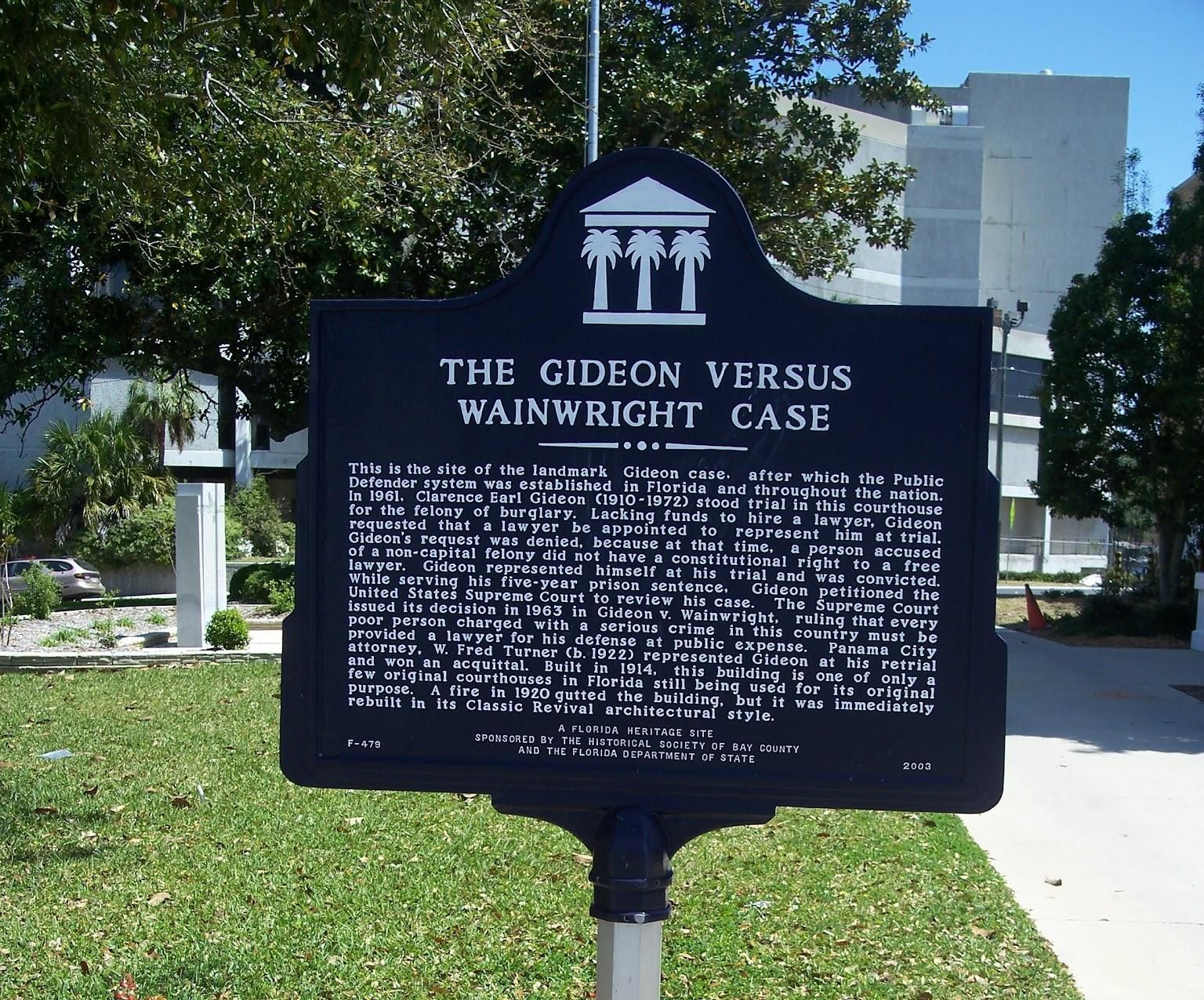
Image: Ebyabe, CC BY-SA 3.0, via Wikimedia Commons

Before 1963, many Americans accused of serious crimes had no guaranteed right to a lawyer if they couldn’t afford one. Clarence Earl Gideon, an impoverished Missourian drifter, learned this firsthand after being charged with burglary in Florida. Too poor to hire an attorney, Gideon asked the court to appoint one for him, but the request was denied because state law only required lawyers in death penalty cases.

While incarcerated, he sent a handwritten petition to the Supreme Court arguing that his constitutional rights had been violated. The Court agreed to hear the case and ruled unanimously in his favor. The Justices declared that the Sixth Amendment guaranteed the right to legal counsel in serious criminal cases and that states must provide attorneys for defendants who cannot afford them. The ruling greatly expanded protections for ordinary citizens in the criminal justice system.

7
​Schenck v. United States (1919)

Image: Royal Navy official photographer, Public domain, via Wikimedia Commons

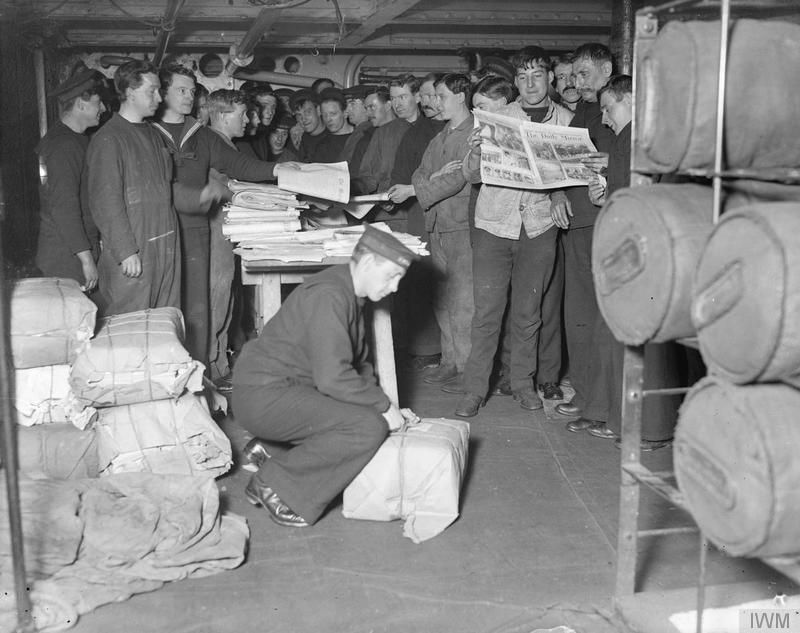
During WWI, the U.S. government became increasingly concerned about opposition to the military draft. Charles Schenck, a leader in the Socialist Party, distributed pamphlets encouraging drafted men to resist military service peacefully. He was arrested under the Espionage Act of 1917 and argued that his actions were protected by the First Amendment. But the Supreme Court didn’t see it that way.

Justice Oliver Wendell Holmes Jr. explained that free speech rights are not unlimited, especially during wartime. In one of the most famous lines in Supreme Court history, Holmes stated that the law would not protect someone falsely shouting "fire" in a crowded theater and causing panic. The Court created the "clear and present danger" test, allowing the government to limit speech that creates an immediate threat to public safety or national security. The ruling became an important balance between civil liberties and public protection.

8
​McCulloch v. Maryland (1819)

Image: Beyond My Ken, CC BY-SA 4.0, via Wikimedia Commons

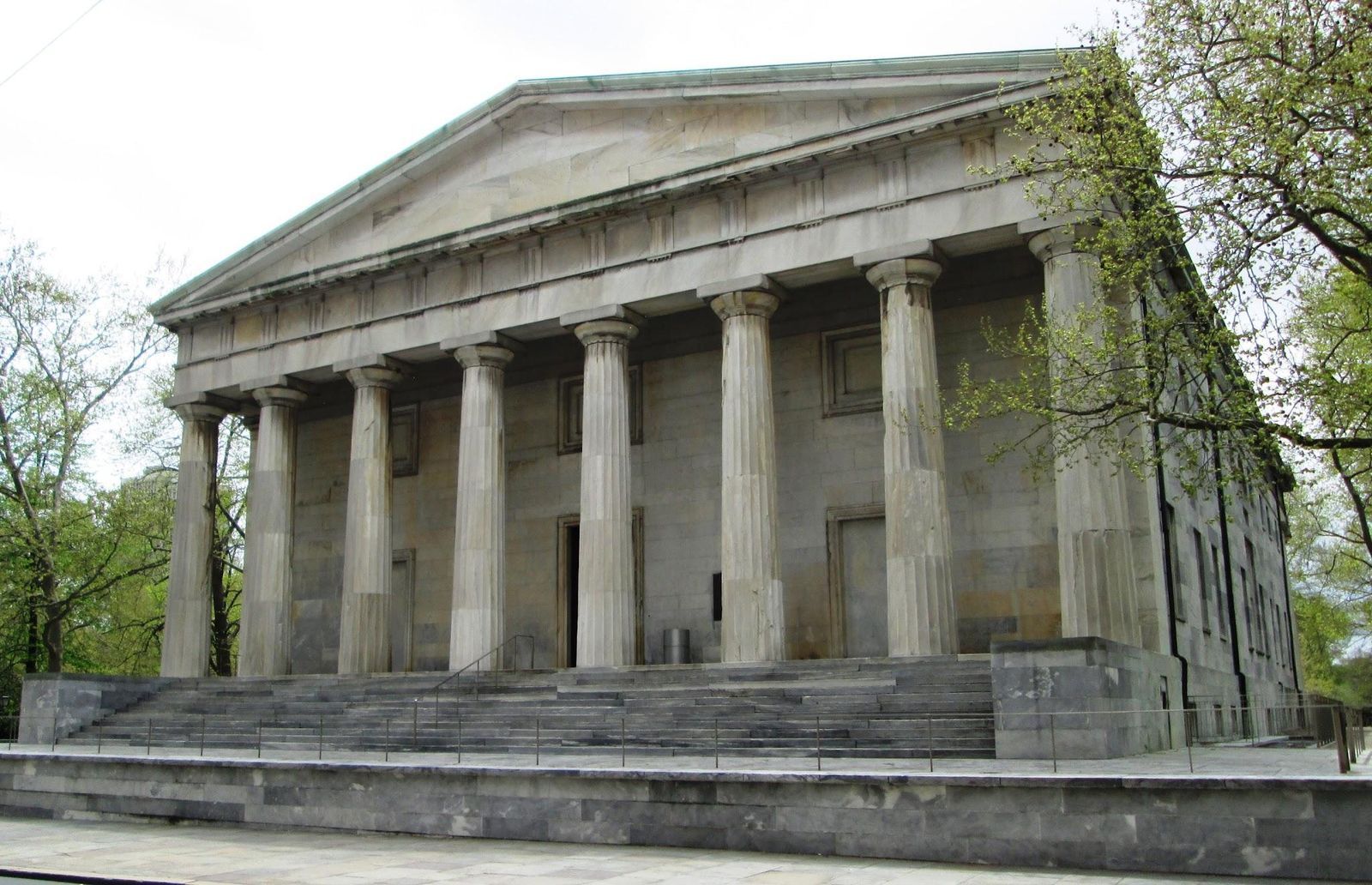
In the early years of the U.S., many Americans still viewed their states almost like separate countries. After the War of 1812, in 1816, the federal government created the Second Bank of the United States to help stabilize the economy. Several states opposed the national bank, including Maryland, which placed a heavy tax on it. James McCulloch, who worked at the Baltimore branch of the federal bank, refused to pay the tax , and the dispute reached the Supreme Court.

In 1819, Chief Justice John Marshall ruled that Congress had the authority to create the bank, even though the Constitution did not specifically mention national banks. He explained that the Constitution gives the federal government certain implied powers needed to carry out its duties. The Court also ruled that states could not tax federal institutions. The decision strengthened federal authority and helped create a more stable national economy at a time when the young country was still finding its footing.

9
​Gibbons v. Ogden (1824)

Image: Hennepin County Library, Public domain, via Wikimedia Commons

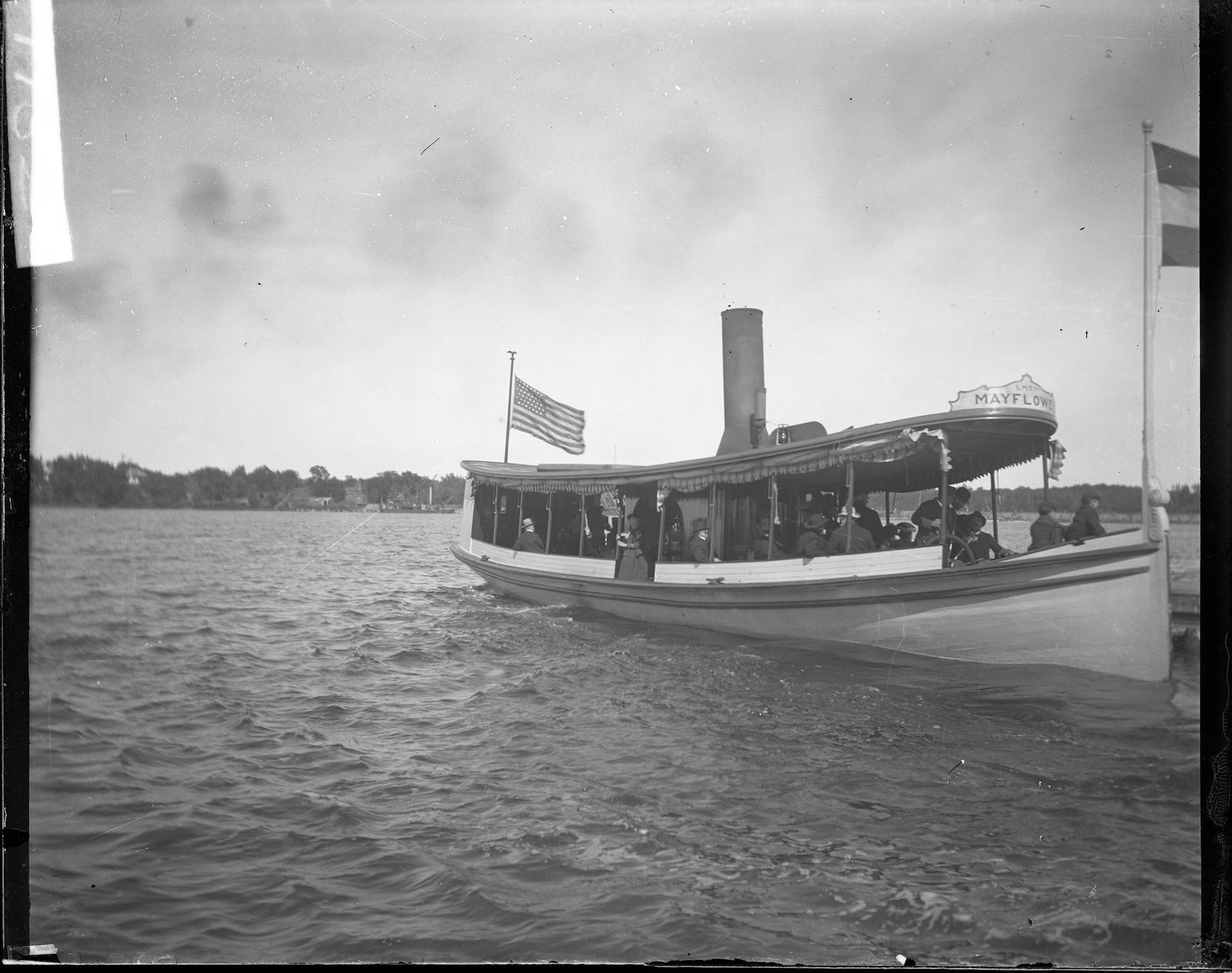
In the 1820s, steamboats were transforming transportation and trade across the U.S. New York granted a monopoly, giving certain operators exclusive rights to run steamboats on its waters. Aaron Ogden operated a ferry service between New York and New Jersey under that monopoly. Thomas Gibbons began running a competing ferry service using a federal license, leading to a major legal battle. The case raised an important question: Could individual states control interstate trade, or did that authority belong to the federal government?

In 1824, the Supreme Court ruled in favor of Gibbons. Chief Justice John Marshall declared that Congress alone has the power to regulate interstate commerce. The Court also defined commerce broadly to include navigation and transportation. The ruling prevented states from blocking trade across borders and helped create the open national economy Americans know today, making travel and business between states far easier and more consistent.

10
​Marbury v. Madison (1803)

Image: Tholey, A. (Augustus), artist, Public domain, via Wikimedia Commons

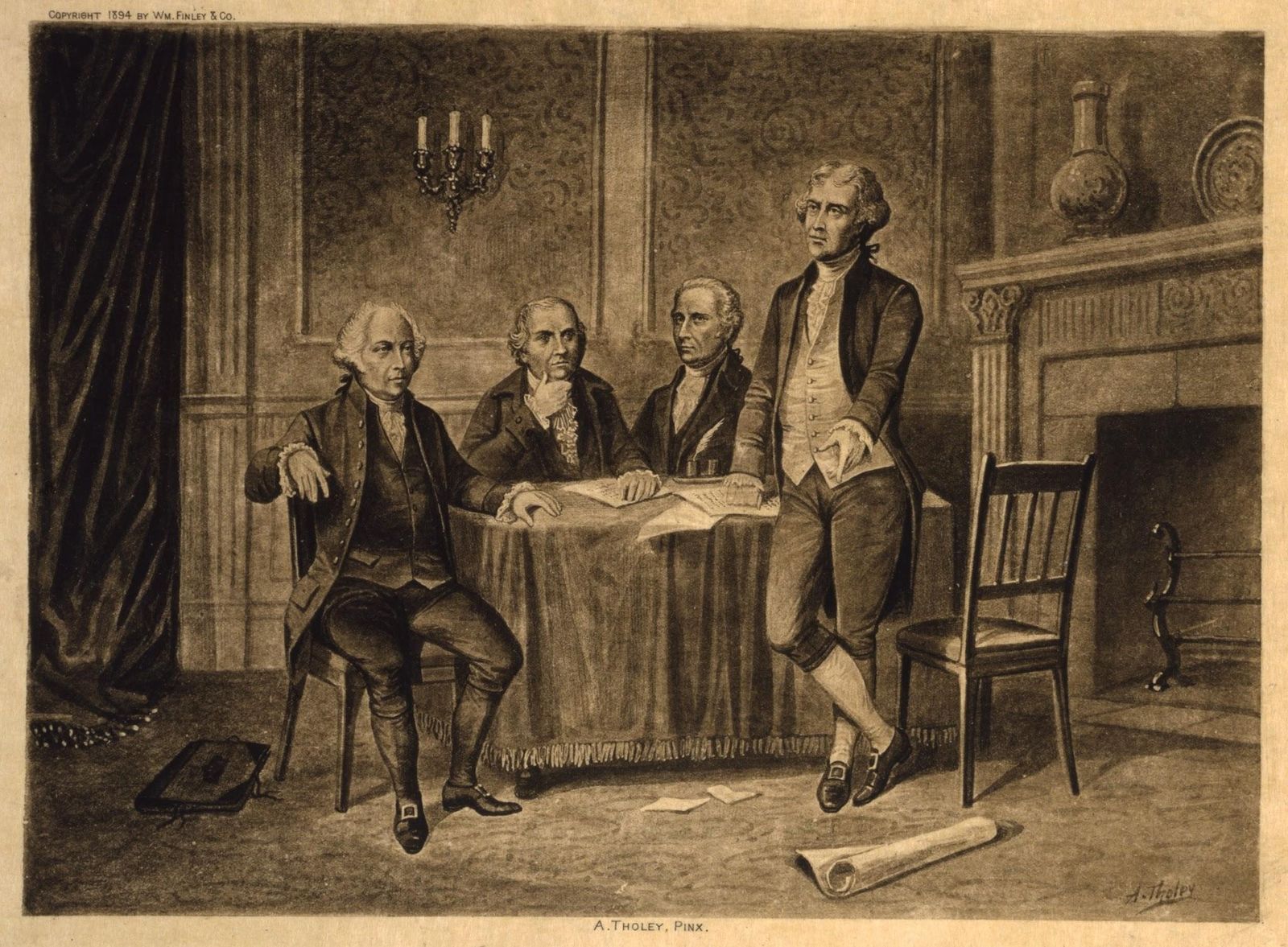
Every time Americans expect the Constitution to protect their rights, they are relying on a principle established in Marbury v. Madison. Before 1803, nobody was entirely sure who had the final authority to decide whether a law violated the Constitution. That question arose during a tense transfer of power between Presidents John Adams and Thomas Jefferson. In his final hours in office, Adams appointed several judges, including Maryland businessman William Marbury. Some appointment papers were never delivered before Jefferson took office, and he ordered his brand-new Secretary of State, James Madison, not to hand them over to the appointees.

Marbury sued, asking the Supreme Court to force Madison to deliver the documents. Chief Justice John Marshall ruled that Marbury deserved the position, but the law allowing the Court to hear the case directly was unconstitutional. In doing so, Marshall established judicial review, giving the Supreme Court the power to strike down laws that conflict with the Constitution.

Culture Culture 7 min read

CHILDHOOD WONDERS

Relive Your Childhood With 10 Of The Most Popular Toys!

Image: Vanessa Bucceri

Toys are usually a child’s first companions: They were there when we were lonely or bored, they taught us through playtime and maybe even allowed us to meet our first real-life friends with whom to share the treasures in our toy box. Since the dawn of our country, a myriad of toys and games have defined each decade, creating wonderful memories in the minds of generations of American children.

We have selected ten of the most iconic toys that have truly defined the lives of countless Americans. Is your favorite toy from your childhood on this list? Keep on reading and enjoy!

1
Teddy bear

Image: Oxana Lyashenko

We’ll start with the surprising origins of a global icon. While there is some debate as to the country of origin of the teddy bear, there’s absolutely no doubt as to where the furry companions of our childhood got their names. And, considering that the source of the teddy bear’s name comes from the highest office in the United States government , we think we can safely state that this toy is truly an American icon.

In 1902, President Theodore Roosevelt was invited on a hunting trip to Mississippi, on which his group cornered and tied a black bear to a tree for the president to shoot. Displeased by what he thought was unsportsmanlike behavior, the President refused and the bear was freed. This story was published in many national newspapers, and it quickly became extremely popular. So much so, that a Brooklyn businessman designed a small, cuddly bear and advertised it on his shop as "Teddy’s bear" . And just with that, our 26th President unwillingly named this quintessential toy.

2
Super Soaker

Image: Steward Masweneng

If you were a kid during the 80s or 90s, you probably played with the extremely refreshing Super Soaker on a hot summer day. This reimagined water gun featured an innovative design that added pressurized air for longer and stronger water bursts. Showcasing a futuristic design, the Super Soaker felt like shooting a sci-fi laser gun, which seems only reasonable considering it was created by a former NASA engineer.

In 1982, engineer Lonnie Johnson, who specialized in aerospace design, came across the idea of the Super Soaker while conducting an experiment in his house. Johnson’s prototype combined household items like a PVC pipe and a two-liter soda bottle. While rudimentary, this first design successfully shot powerful streams of water. The rest is history: Johnson was able to mass-produce his design, and the Super Soaker became the summer toy for millions of American children.

3
Slinky

Image: Adam Valstar

Just like with the Super Soaker, the man behind this iconic toy was a successful American engineer. In 1943, while investigating a way to suspend sensitive equipment aboard ships, naval engineer Richard T. James accidentally dropped a torsion spring he was working with. James noticed the curious way in which the spring kept on moving after hitting the ground, and with that, the idea of one of the most beloved toys of the 20th century was born.

Richard and his wife Betty initially made 400 "Slinkys", which were first carried by a department store in Philadelphia for Christmas 1945. This first production was sold in less than 90 minutes , and the Slinky quickly proved to be an instant success. To this day, approximately 300 million Slinkies have been sold all over the world.

4
Rubik’s cube

Image: Olav Ahrens Røtne

Let’s deal with the elephant in the room first: No, the Rubik’s Cube is not an American invention. However, just like the rest of the world, this tricky puzzle took the United States by storm during the 70s and 80s, so it seemed only fair to add this beloved toy to this list. In the 1970s, Hungarian architecture professor Ernő Rubik designed the first prototype of the Rubik’s cube, as a way to create a system with parts that could move independently. However, he realized he had built a rather entertaining puzzle when he tried to restore the sides of his cube. Rubik applied for a patent in Hungary and started selling his "Magic Cube" by 1975.

By the 1980s, the Rubik’s Cube became a global sensation. It is reported that over 200 million cubes were sold between 1980 and 1983. In America, this puzzle immediately gained status as a cultural icon: In 1981, the Museum of Modern Art in New York exhibited a Rubik’s cube, while the 1982 World's Fair in Knoxville, Tennessee featured a six-foot version of the toy.

5
G.I. Joe

Image: Justin Wilkens

In 1963, Manhattan inventor and licensing agent Stanley Weston came up with the idea of a military action figure . Perhaps unbeknownst to him, Weston’s prototypes would soon inspire G.I. Joe, the first toy to teach American children about how every U.S. soldier can be a superhero to treasure and admire.

Produced by Hasbro, the G.I. Joe series encompasses countless action figures throughout their almost 60 years of history. Most of the toys feature the titular "G.I. Joe Team", a league of military heroes that defends the world from the evil deeds conducted by the "Cobra" organization.

6
Frisbee

Image: Patrick Reynolds

If any kid playing around with a cool stick they found lying can teach you anything, it doesn’t take much to make a fun toy that children will enjoy. Case in point: In 1937, Walter Frederick Morrison and his future wife Lucille realized how fun it was to toss a popcorn can lid back and forth. After WW2, Morrison worked on several designs until, in 1955, he designed "the Pluto Platter" , the very first version of what we now know as the Frisbee.

The story behind the name of this iconic toy is rather interesting. Wham-O, the company behind the commercialization of the Pluto Platter, realized that Yale University students were calling their product by another name. Since the plastic discs resembled empty pie tins , they called them "Frisbies" after the Frisbie Pie Company, a pie supplier for the university.

7
Barbie

Image: Elena Mishlanova

Barbie truly needs no introduction : She’s definitely the world's most famous doll, selling over six billion units in its 60-year history. She has been featured in a myriad of TV shows and movies, including an Academy Award-winning live-action film in 2023. With such a prolific and wondrous career, it’s easy to forget how Barbie's story started: With an innovator watching her daughter play.

One evening in the 1950s, businesswoman Ruth Handler noticed that, whenever her daughter played with paper dolls, she enjoyed pretending they were adults. At the time, most dolls depicted infants and babies, so Handler created the prototype of an adult-bodied doll, which she named "Barbie" after her daughter Barbara. On March 9, 1959 (a date which is now Barbie’s official birthday), the very first Barbie doll was presented at the American International Toy Fair in New York City.

8
Hula hoop

Image: Patricia Prudente

The hula-hoop is definitively the oldest toy on this list: Archaeologists believe that children and adults played with hoops of some kind since at least 500 BC. However, in 1958, a plastic hoop launched by American toy company Wham-O became insanely popular, and with that, the hula-hoop mania was born.

Named after its resemblance to the hip movements of the traditional Hula dance, the hula-hoop is still a remarkably popular toy . Not only that, hooping is considered an excellent and fun exercise, promoted as an excellent way to improve cardiovascular health.

9
View-master

Image: Girl with red hat

Just like the Slinky, the View-Master wasn’t originally conceived as a kid’s toy. And, to be perfectly honest, at its core it is truly an entertainment experience for all ages: An innovative and fresh way of enjoying beautiful images and scenery. However, it wouldn’t be right not to include this wonderful device in this list, since it has touched the hearts of thousands of American children since 1939.

Created by pharmacist Edwin Mayer in Portland, Oregon, the View-Master was introduced at the 1939 New York World's Fair. While its original intent was to provide an alternative to postcards, over time it included cartoons and short stories aimed at children. Famously, the View-Master’s most popular reels featured Disney and Hannah Barbera characters.

10
Legos

Image: Xavi Cabrera

We’ll end this list with an absolute classic . With over 75 years of history and no sign of slowing down, Legos have truly shaped the lives of millions of children around the world. The true beauty of these colorful bricks is that they are only limited by children’s imagination which, we are sure you’ll agree, is definitively limitless. In the right hand, a single plastic brick can be the start of a giant dinosaur, a spaceship, or a bell tower.

The humble beginnings of Lego come from the town of Billund, Denmark, where a carpenter named Ole Kirk Christiansen started making wooden toys in 1932. Christiansen named his company "Lego" after the Danish phrase leg godt , which translates to "play well". By the end of the 1940s, the company was already producing an early version of its iconic interlocking bricks, now considered a completely ubiquitous cultural icon.

Geography Geography 4 min read

Try not to laugh!

Why? No name? You won’t believe these US towns are called that!

Image: Jeremy Adams

America is home to some truly unique town names… You know, some are charming, some are also confusing , but then again, some make you wonder what exactly the founders were thinking. For example, is Unalaska trying to fly solo? Whether inspired by accidents, geography, or a bit of a je-ne-sais-quoi , these towns prove that creativity knows no bounds. Try to pick a favorite!

1
Unalaska, Alaska

Image: Hari Nandakumar

Despite what the name suggests, Unalaska is not trying to break away from the rest of the state. The town’s name comes from Agunalaksh , the original name given by the Unangan people. Over time, spelling and pronunciation changes led to the simplified version: Unalaska.

In the late 1800s, the US Board on Geographic Names made it official, but don’t worry, it’s just the name; the beauty is certainly Alaskan!

2
Why, Arizona

Image: Kaileen Fitzpatrick

If you’ve ever asked yourself "Why?", you might be thinking too hard. This Arizona town got its name because of a simple road design: State Routes 85 and 86 originally met in a Y-shape.

When it was time to name the community, the locals wanted to call it Y (yes, you read that right), but Arizona law required town names to have at least three letters. So, they got creative and went with Why. Why, right?

3
No Name, Colorado

Image: Rich Martello

What do you call a town when you just can’t decide on a name? Apparently, (and logically, if we might say so), No Name. The story goes that when developers were working on Interstate 70, they left the town’s exit sign blank.

A transportation official later labeled it "No Name", and the locals decided to go with it . State officials tried to rename the area, but the people weren’t having it. They simply loved it!

4
Burnt Store, Florida

Image: Done By Alex

The name Burnt Store sounds like something out of a Wild West showdown, and the real story (or the legend, actually) isn’t too far off, you know?

Legend has it that in 1849, a trading post on the Peace River was burned to the ground after an attack. The store’s manager, George Payne, had dealings with the Seminole Indians before he was killed in an ambush. Shortly after, the store itself was destroyed. The tragic event left a permanent mark on the town’s history and its name.

5
Santa Claus, Indiana

Image: Ryan De Hamer

Originally called Santa Fe, this town located in Indiana had to change its name when officials discovered another Santa Fe already existed in the state.

People saw this as an opportunity, and instead of picking something new and extraordinary, they went all in on holiday spirit and became Santa Claus in 1856.

The town fully embraces its Christmas identity; it has attractions like Holiday World, Lake Rudolph Campground, and Frosty’s Fun Center. If you love the holidays, this is the place to be!

6
Bald Head, Maine

Image: Michael Denning

If you’re expecting a town full of shiny, bald-headed guys, well, you might be disappointed. Bald Head, Maine, actually gets its name from a nearby cliff called Bald Head Cliff .

Now, we all want to know the same: Does it look like a bald head? Sorry to disappoint, but not really. Still, the name has stuck, and the scenic beauty of the area more than makes up for any confusion. Just don’t show up expecting a bald head convention!

7
Accident, Maryland

Image: Colin Lloyd

Accident, Maryland, owes its name to an actual accident… Well, kind of. In the 1700s, two land surveyors both accidentally claimed the same piece of land without realizing it . One of them, William Deakins, Jr., later allowed the other, Brooke Beall, to keep it. Rather than rename the town, the name Accident stuck. Talk about a happy accident… And generosity!

8
Whynot, North Carolina

Image: Brendan Steeves

Similar to Why, Arizona, this North Carolina town also came about after a naming debate that got a little too long.

Legend has it that settlers were arguing over what to call their new town when one exasperated resident finally said, "Why not just name it Whynot and go home?" And just like that, Whynot was born.

9
Boring, Oregon

Image: everett mcintire

Yes, we get it. The first thing that comes to mind is "Why would you name your town this?" But despite what the name suggests, Boring, Oregon, isn’t actually boring . If you need some proof, just ask the locals!

Named after William Harrison Boring, one of its early settlers, the town became a hub for the timber industry. To make things even funnier, Boring has international "sister city" partnerships with Dull, Scotland, and Bland, Australia. If you ever visit, you’ll find that Boring is anything but!

10
Mosquitoville, Vermont

Image: Peter James Eisenhaure

If you were reluctant to visit Boring, imagine visiting Mosquitoville! The name alone makes us want to grab a can of bug spray!

Mosquitoville is actually a small community in Barnet, Vermont, and while we can’t confirm just how many mosquitoes live there, the name doesn’t sound very promising. You’ll just have to go one summer and find out! Only if you dare!

Explore more American facts

Choose your favorite category!

General
General

As American as apple pie—the very best America has to offer!

Culture
Culture

Delve into the astounding richness of American lore.

Geography
Geography

Hop in and explore vast and diverse American landscapes.

History
History

Discover the key moments that shaped the United States.