Geography Geography 3 min read

Rediscovering our land

Ghostly caves, surreal swamps, and other US natural oddities
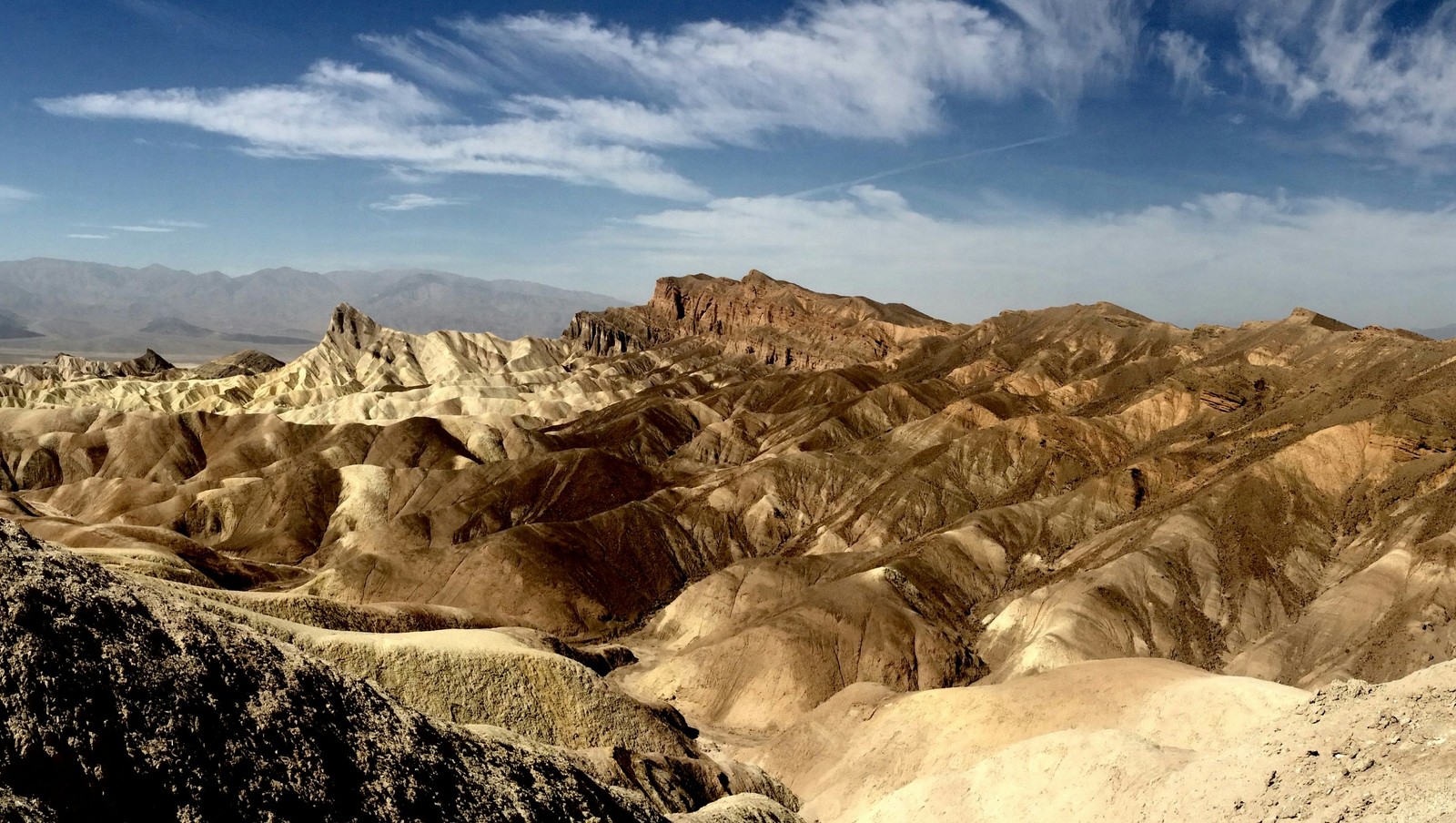
Image: Drahomír Hugo Posteby-Mach

America is as vast as it is diverse, so it's no wonder that you'll find every kind of scenic marvel here, from the ordinary to the truly surreal. Ever heard of a national park filled with volcanoes, where glowing lava flows across the land and pours straight into the ocean? If you’re ready to discover 10 natural wonders in the US that will blow your mind, keep reading!

1
Hawaii Volcanoes National Park, Hawaii
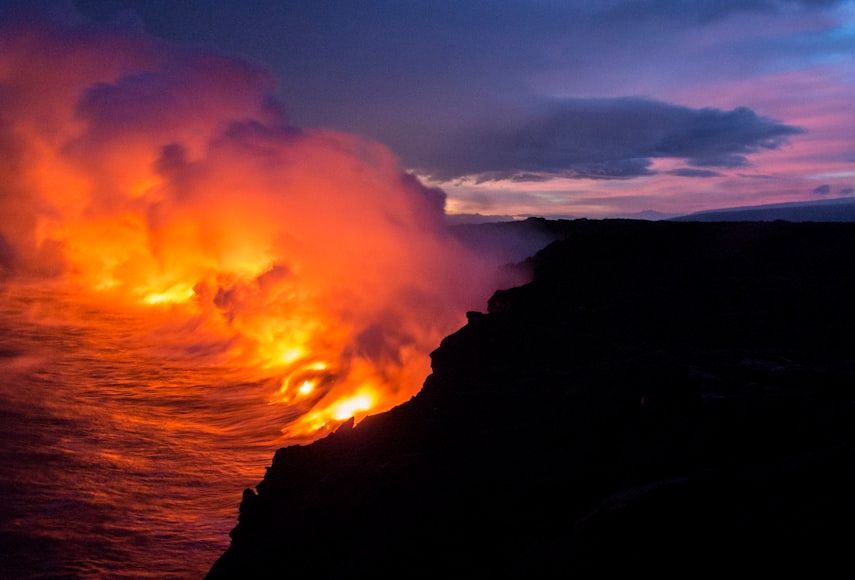
Image: Mandy Beerley

If you've ever imagined what hell might look like, Hawaii Volcanoes National Park could come close—not because it’s a place of suffering (you'll actually witness some of the most incredible views on Earth), but because it's full of glowing, molten, menacing lava. The lava flows from Kīlauea, one of the most active volcanoes in the world. But not everything here burns; this national park is also home to unique flora and fauna.

2
Grand Prismatic Spring, Wyoming
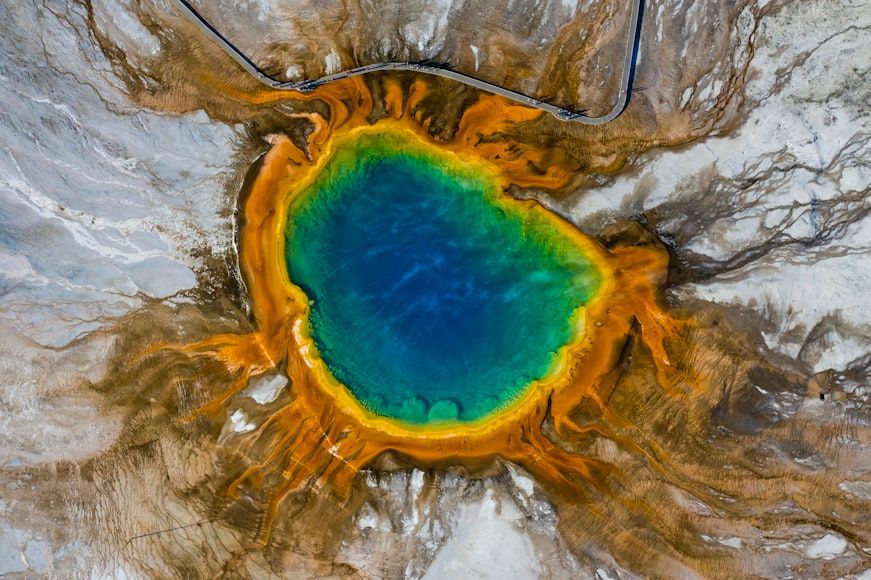
Image: Dan Meyers

What you're looking at might resemble a weather forecast map, but it's not. It's the Grand Prismatic Spring, Yellowstone's most famous hot spring. With its brilliant blue, orange, yellow, and green hues, it looks like a surrealist painting. Although it might look small in pictures, the Grand Prismatic Spring is huge—about 370 feet in diameter and 160 feet deep. That makes it the largest hot spring in the US and the third largest in the world!

3
Antelope Canyon, Arizona
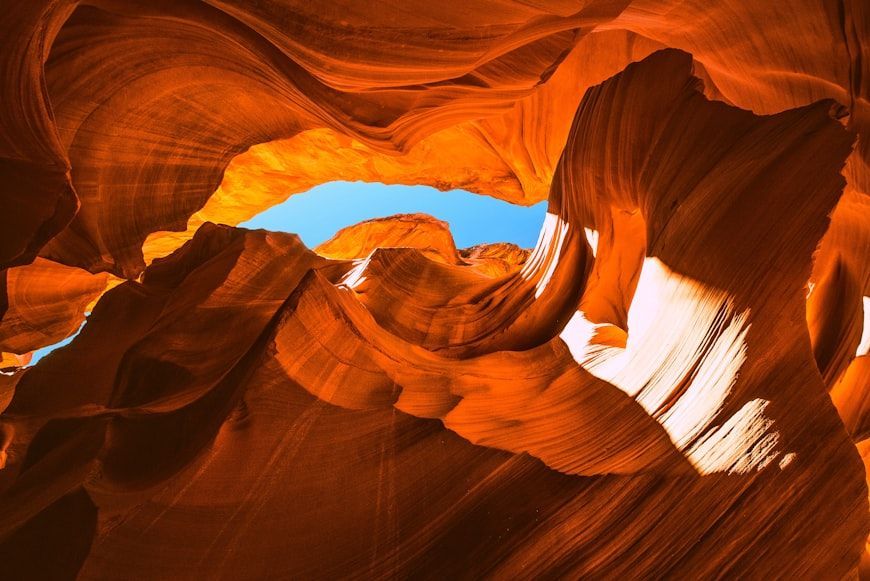
Image: Fudo Jahic

If you want to feel like you're walking through a giant red stone maze, Antelope Canyon near Page, in northern Arizona, is the perfect spot. Carved over thousands of years by flash floods and erosion, its towering walls allow sunlight to stream in from above, creating an unforgettable experience for visitors.

4
Painted Hills, Oregon
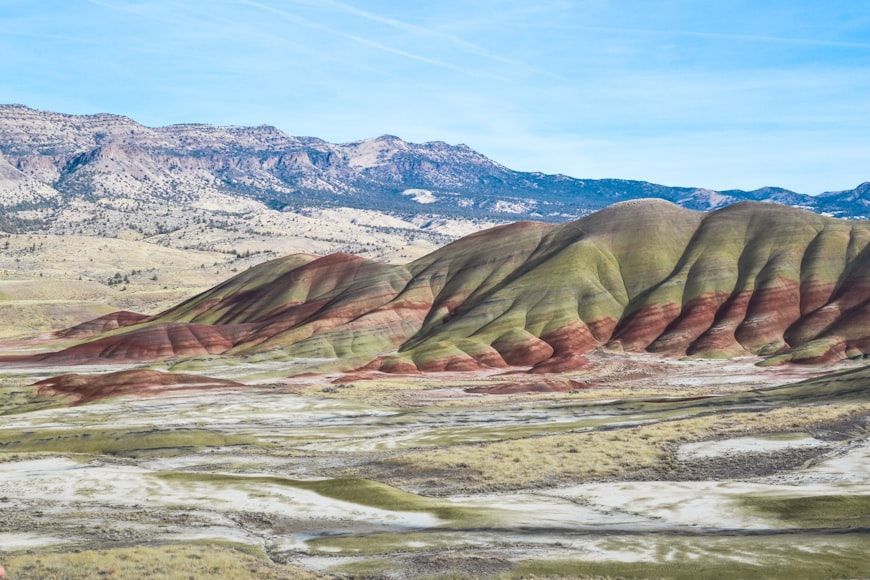
Image: Ashley Bard

If an artist were to paint a series of enormous hills in vibrant colors, it would probably look a lot like Oregon's stunning Painted Hills. Located within the John Day Fossil Beds National Monument, these hills display stripes of red, yellow, gold, and black. But that's not all! The colors shift with the seasons and change throughout the day, creating a breathtaking, ever-changing landscape.

5
Mendenhall Glacier Ice Caves, Alaska
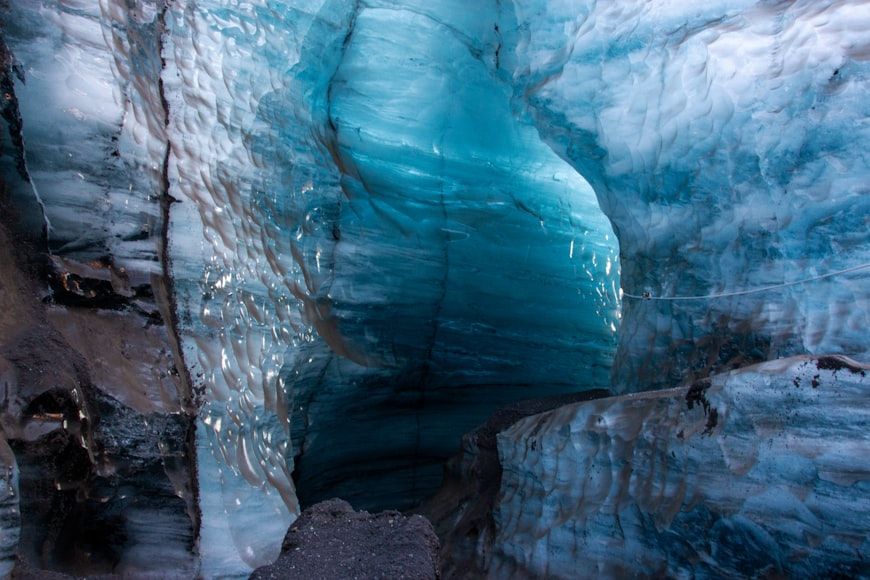
Image: Salomé Guruli

Exploring caves can be risky and terrifying for many, but imagine a cave system made entirely of ice! It sounds like something from a fantasy movie, but it really exists—and it's in Alaska. The stunning Mendenhall Glacier Ice Caves lie beneath the glacier of the same name, formed by meltwater carving tunnels and chambers deep within the ice.

6
Turnip Rock, Michigan
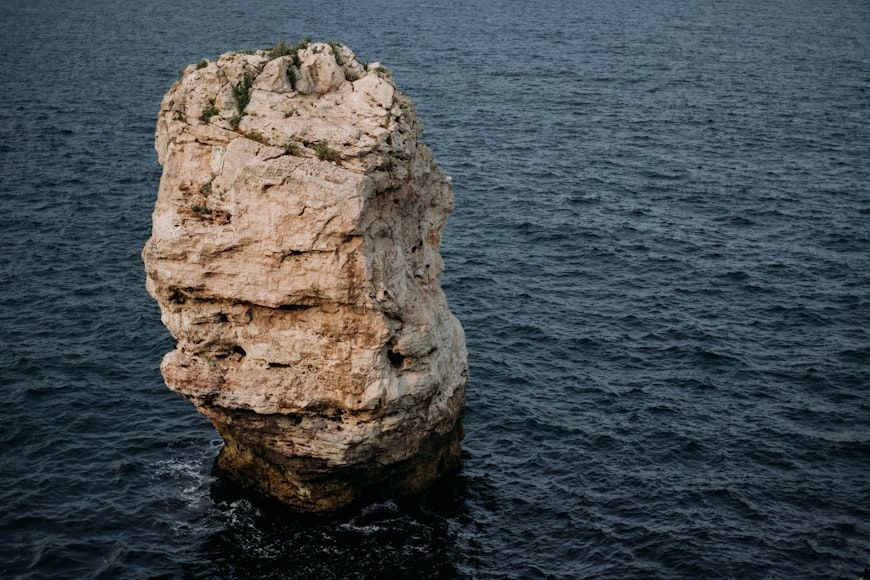
Image: Maria Teneva

Turnip Rock, located in the famous Lake Huron in Michigan, is as fascinating as it is mysterious. What makes this rock so special? Standing about 20 feet tall, it has a turnip-like shape—its narrow base supports a much wider top—giving it a perfectly balanced appearance that amazes all who see it.

7
Hubbard Glacier, Alaska
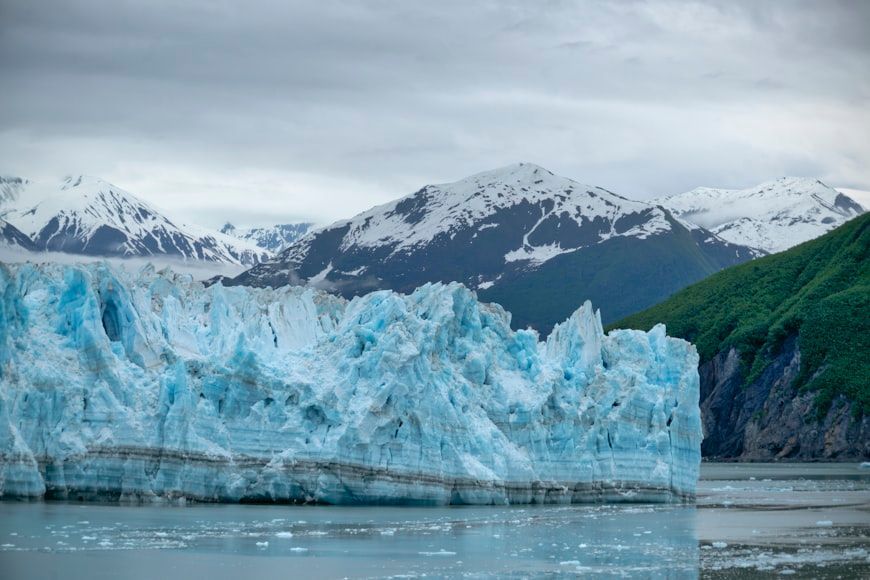
Image: Peter Hansen

The Mendenhall Glacier Ice Caves are just one of Alaska's many spectacular sights. Another must-see is the incredible Hubbard Glacier in southeastern Alaska, one of the largest and most active tidewater glaciers in North America. Trust us— its sheer size and dramatic ice cliffs will absolutely blow your mind!

8
Bisti/De-Na-Zin Wilderness, New Mexico
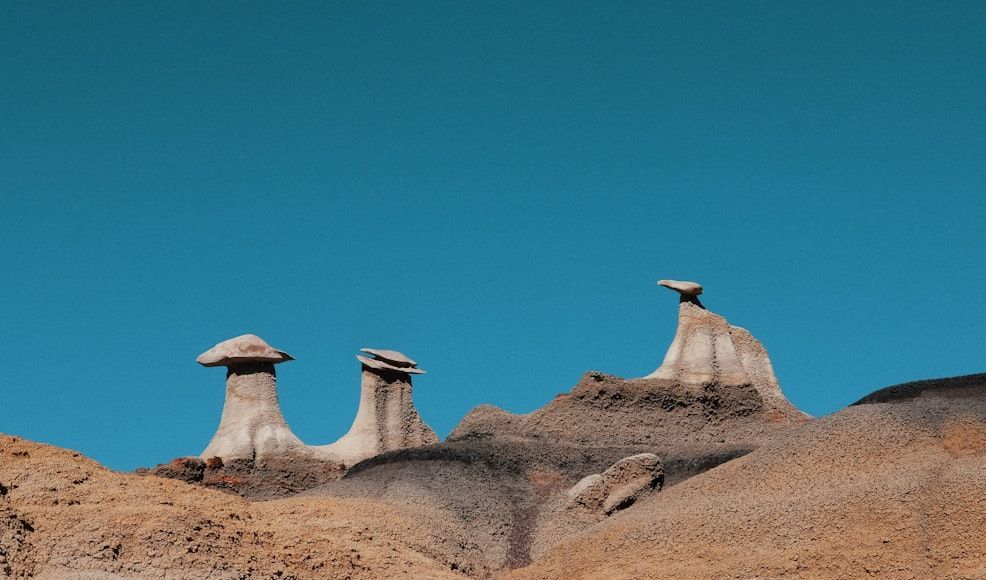
Image: Robert Harkness

When it comes to surreal landscapes, New Mexico's Bisti/De-Na-Zin Wilderness can't be left out. Its towering rock formations, blending shades of white, gray, red, and orange, were shaped by erosion and look like something straight out of another planet!

9
Mammoth Cave, Kentucky
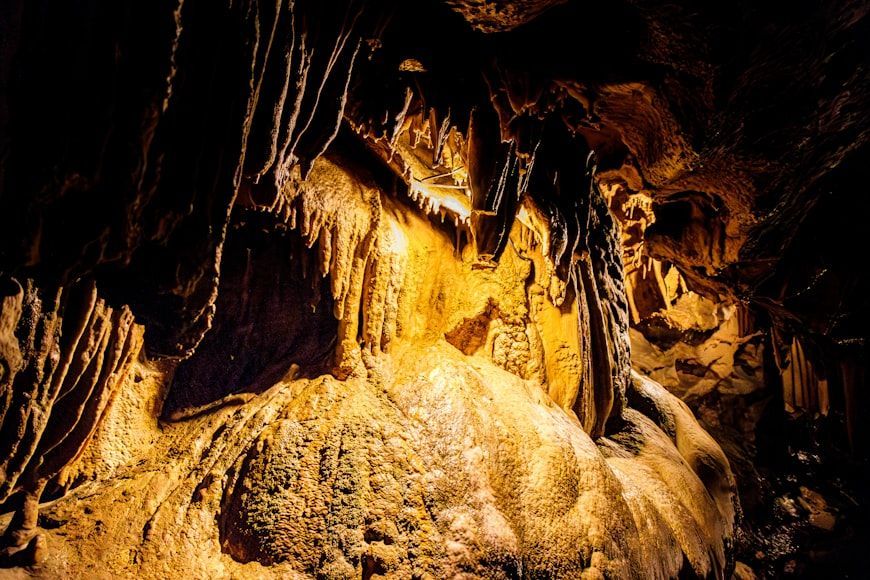
Image: Adrien Tanic

A cave doesn't always have to be a small, cramped space. Mammoth Cave stands out with its enormous underground chambers, filled with impressive rock formations in both shape and size. In fact, it's the world's longest-known cave system—and it's right here in the state of Kentucky!

10
Atchafalaya Basin, Louisiana
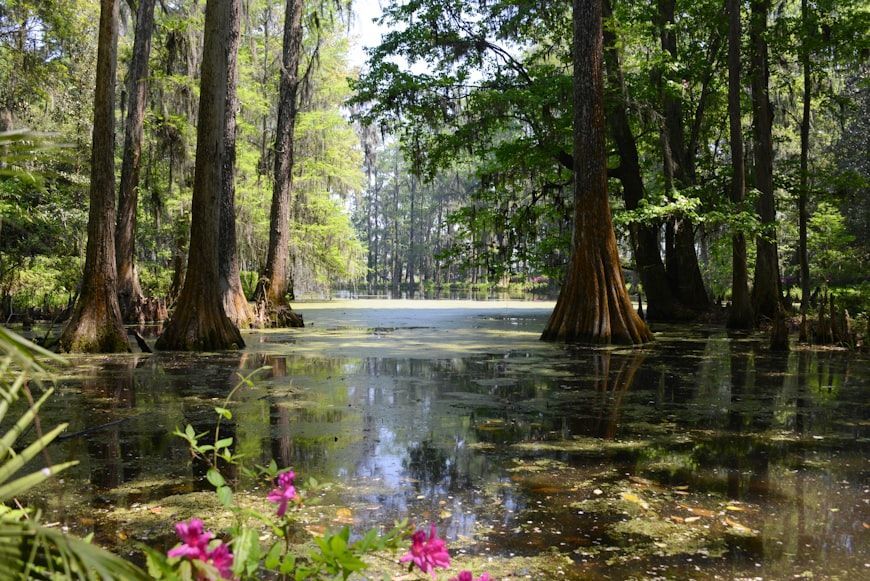
Image: Carlo Lisa

If you're easily spooked, Louisiana's Atchafalaya Basin might not be your idea of a fun trip, especially at night! It's the largest swamp and wetland area in the US, packed with twisting bayous, spooky cypress trees, and massive alligators lurking around.

General General 5 min read

BEHOLD OLD GLORY

History of the American flag: 10 fascinating facts you never knew

Image: Paul Weaver

A symbol of freedom, courage, and justice, the United States flag is one of the most iconic emblems in the world . No matter where it’s flying, everyone can recognize it from miles away. But it's not just a piece of fabric: its history, what its stripes, stars, and colors represent, is full of fascinating stories you should learn about. Read on to discover 10 fun and interesting facts about the American flag you probably didn’t know.

1
The American Flag has a special day

Image: Pramod Kotipalli

Every June 14 in the United States we celebrate Flag Day by hanging the flag outside our homes and participating in parades and other patriotic events. It was on this same day in 1777 that the Second Continental Congress officially adopted our flag as America's national symbol.

The first Flag Day was celebrated in 1877, 100 years after the Continental Congress. However, it was President Woodrow Wilson who finally issued a presidential proclamation establishing June 14 as Flag Day in 1916. A few years later, in 1949, President Harry Truman officially made it a national observance .

2
Colors have meaning

Image: Joshua Hoehne

Have you ever thought about why our flag is red, blue, and white? Yes, we’ve originally taken the colors from the British flag, and although they didn’t have a special meaning in the beginning, over time they took on new significance .

In 1782, Charles Thomson, Secretary of the Continental Congress, presented a proposed U.S. seal. He suggested that each of the colors of the American flag represented something different : white for purity and innocence, blue for perseverance and justice, and red for bravery and valor.

3
The first flag

Image: Gerard Avril

As the colonies seceded from Great Britain, it became necessary to have a flag to represent the patriotic cause. It is a popular belief that the first American flag was created in 1776 by a seamstress known as Betsy Ross at the request of George Washington, Robert Morris, and George Ross. However, there is no conclusive historical evidence to confirm this theory.

What is certain is that a year later, on June 14, 1777, Congress approved the first official flag composed of 13 red and white stripes representing the American colonies and 13 stars over a blue field symbolizing a constellation.

4
Twenty-seven versions

Image: Dan Parlante

Since that first 1777 version of 13 stripes and 13 stars, the flag of the United States has undergone numerous changes. In fact, over the years, there have been 27 versions of the American flag .

Each time a state was incorporated into the Union, a star was added to the flag. Of the 27 versions, some flew for only a short time, a clear sign of the nation’s rapid expansion. Our current flag has 50 stars representing the 50 states that make up the United States today, but to know the story behind this particular flag you’ll have to keep on reading.

5
Designed by a school student?

Image: Luke Michael

The history of great nations is also based on much-needed myths of origin. For many years it was believed that our current flag, one of the most recognizable symbols in the world, had come out of the creative mind of a teenager . According to this version, 17-year-old Robert G. Heft of Lancaster, Ohio had won a contest in 1958 for creating a new flag that represented the growth of the country.

However, this legend was refuted in 2022 by writer Alec Nevala-Lee. The truth is that the 50-star flag we use today was made official in 1960 with the addition of Alaska and Hawaii. The final design was selected by President Dwight D. Eisenhower from among 1500 contenders. At the time, credit for this design was given by the executive department to the United States Army Institute of Heraldry.

6
Our flag has a nickname

Image: Thomas Ashlock

Well, actually, it has a few. Over the years the American flag has received many monickers , including Stars and Stripes and Star-Spangled Banner . But perhaps the most known nickname for our red, white, and blue flag is Old Glory . This name derives from a flag owned by the 19th-century American sea captain William Driver who proudly flew it on his ship throughout his career.

According to historical reconstructions, this flag was sewn by Driver's mother and other women in 1824 and given to him as a gift when he was granted his own ship. It is believed that the Captain, before sailing to China and other places in Asia and the Pacific, uttered the following words, "Behold Old Glory." This flag was preserved and is now part of the collection of the Smithsonian Institution, and can be visited at the National Museum of American History.

7
Backward flag

Image: Jessica Radanavong

Did you know that the American flag must be displayed backward on military uniforms ? This tradition dates back to the early days of the Army. During the Civil War, both cavalry and infantry units had a bearer who was responsible for carrying the standard in combat. After launching an offensive, the impulse would cause the flag to be raised backward.

Since then, the Stars and Stripes have been placed in such a way that the section with the blue field stands on the right. This location makes it possible to create an effect as if the flag were waving before combat.

8
Say goodbye with dignity

Image: Anthony Garand

Although some may consider it disrespectful, the proper way to dispose of an American flag is to burn it . If the flag can no longer be washed or repaired, ceremonial burning is the correct and respectful way to discard a damaged flag.

It is believed to be illegal to set the flag on fire. As a matter of fact, according to the First Amendment to the United States Constitution, it is unconstitutional for any government to prohibit the cremation of a flag if it was made as a cultural or political statement, due to its status as "symbolic speech."

9
To the Moon and back

Image: NASA

The U.S. flag has flown everywhere the nation has conquered, even the Moon. Probably one of the most iconic images of the 20th century is that of astronaut Buzz Aldrin saluting the American flag during the Apollo 11 mission. It was quite an achievement: in order to get the flag to fly and stay upright in the airless lunar environment, NASA technicians had to design a special mechanism .

In the following three years, 5 other flags were planted on the Moon . But the flag left by Apollo 17 is the most special. It is a piece that had traveled on Apollo 11 and had returned to Earth. It was kept at Mission Control until it was time to return to the place it was destined for: the Moon.

10
Capitol Flag Program

Image: Adam Michael Szuscik

You probably didn't know this: you can own a flag that has flown over the Capitol . Amazing, right? The Capitol Flag Program began in 1937 and allows citizens to have access to an official flag through the offices of the members of the United States Senate and the House of Representatives.

Flags flown every day on Capitol Hill —except Thanksgiving Day, Christmas Day, and New Year's Day— receive a certificate of authenticity before they are delivered. There are currently about 100,000 orders for flags from members of Congress and the number is increasing each year. So now you know, if you want your official capitol flag just contact your local representative or senator!

General General 4 min read

WHAT GOES INTO A NAME?

10 States with unusual names explained

Image: Nico Smit

A lot of consideration goes into naming a state. Or, at least, it should. After all, that enormous piece of public land will be an important part of the country, and its citizens will be defined by its name as well. Some states’ names are obvious: New York was named after the English town of York, New Mexico was named after Mexico, and so on. But many other states have strange-sounding names, like Wyoming or Connecticut. Stick around until the end of this list and learn why ten of these states are named that way!

1
Massachusetts

Image: Kaya Arro

A curious word in itself, Massachusetts originated from an Algonquian word meaning "large hill place." The term "Massachusett" was first recorded in 1616 as the name of a village near present-day Boston, and the English added an -s to signify the plural.

The name was applied to the bay, from which the Massachusetts Bay Company, founded in 1629, took its name. With the Massachusetts Constitution of 1780, legislators officially adopted the name Commonwealth of Massachusetts.

2
Michigan

Image: Aaron Burden

Another name with an Algonquian origin, like Massachusetts, Michigan comes from the word mishigama which means "big lake." The state was named after its chief geological feature: that large body of water to its west. After all, Michigan is in direct contact with four of the five Great Lakes.

When the area became a U.S. territory, the name Michigan was adopted as the name of the state. Michigan achieved statehood in 1837.

3
Montana

Image: Tim Stief

A name most likely derived from the either Spanish ( Montaña ) or Latin ( Montanus ) word for mountain, Montana was suggested by Rep. James M. Ashley of Ohio, who was a member of the House Committee on Territories. He recommended it in 1863 for the territory that would become Idaho. He liked the name so much that he recommended it again for a territory being organized in 1864.

The name Montana itself was first given in 1858 to a town in the Pike’s Peak gold region, which was at the time part of Kansas and is today part of Colorado. The town eventually died, though, when the gold ran out, but the name lived on.

4
Oklahoma

Image: Skyler Smith

The name Oklahoma was coined in 1866 by Allen Wright, a Choctaw chief and Presbyterian minister who served in the Confederate Army during the Civil War. He combined two Choctaw words that, together, mean "Land of the Red People." Eventually, the name was adopted into the Choctaw-Chickasaw Treaty.

5
Pennsylvania

Image: Lera Kogan

In 1681, the English king Charles II gave a land grant to William Penn. The charter designated that the colony was to be called Pennsylvania, which was a combination of Penn’s name and the Latin " silva " (spelled " sylva " in the 17th century), meaning "forest." Therefore, Pennsylvania means " Penn’s forest ."

William Penn had originally suggested that the land be called New Wales, but since the charter was signed with Pennsylvania permanently inscribed, he declared that the name was in honor of his father.

6
Tennessee

Image: Brice Cooper

While the names of many states originate from descriptions, the name of Tennessee didn’t have any particular meaning when it was bestowed upon the Volunteer State. This name originally came from a Cherokee town called Tanasqui by the Spanish, and Tinnase by the English. But the Cherokees themselves didn’t associate any literal meaning with the word.

The name was also given to a stream near the town, and as English settlers moved downstream, they carried the name with them. Tennessee first appeared in that spelling as the name of a newly organized county in North Carolina in 1788, and it was eventually proposed and accepted by Congress as a state name in 1796.

7
Wyoming

Image: Kellie Klumb

The name of Wyoming originated from the Algonquian word meche-weami-ing , which meant " at the big flats. " It was originally applied to a valley in Pennsylvania and became well-known through Thomas Campbell’s epic 1809 poem "Gertrude of Wyoming," which was about a girl from Pennsylvania.

James Ashley, a member of the House Committee on Territories representing Ohio, suggested the name for a new territory in 1868.

8
Alaska

Image: Rod Long

The name Alaska is thought to come from the Aleut word aláxsxaq or aleyska , which translates to " an object to which the sea is directed ."

When Alaska was purchased from Russia in 1867, the name Alaska was suggested by Senator Charles Sumner under the belief that it meant "great land," when in fact the word was simply what Aleuts used to refer to the mainland.

9
Connecticut

Image: Christopher Luther

Whoever thinks Connecticut sounds like a complicated word, should take a look at the Algonquian word from which it originated: Quinnehtukqut , which means " place beside the long tidal river. "

An English scribe probably inserted the second, silent "c" in the name into the word to form the more common "connect" section, as we know it today.

10
Idaho

Image: Clay Elliot

The name of the state of Idaho has at least two probable origins. On the one hand, it may be derived from the word Idahi , the Kiowa-Apache name for the Comanche, both of whom were known to have been in that area. On the other hand, it might have been fabricated by a mining lobbyist at a time when native-sounding names were popular.

When Colorado was being organized as a territory in 1860, the name Idaho was considered, but Congress chose Colorado instead. The name came up again in 1863 when territories farther north were being organized. Montana was first proposed for the new area, but the U.S. Senate decided to call it Idaho.

Explore more American facts

Choose your favorite category!

General
General

As American as apple pie—the very best America has to offer!

Culture
Culture

Delve into the astounding richness of American lore.

Geography
Geography

Hop in and explore vast and diverse American landscapes.

History
History

Discover the key moments that shaped the United States.