History History 3 min read

Post history

11 shocking facts about the U.S. Postal Service
Image: Ekaterina Belinskaya

If you think that the U.S. Postal Service is just about delivering mail and selling stamps, you’ve got another thing coming. Over its long history, the USPS has encountered some unusual occurrences, like the time someone mailed a child, or how it has a whole department just to decode messy handwriting. Prepare to be surprised by these 11 incredible facts about our postal service!

1
Postal "Army" (of Sorts)
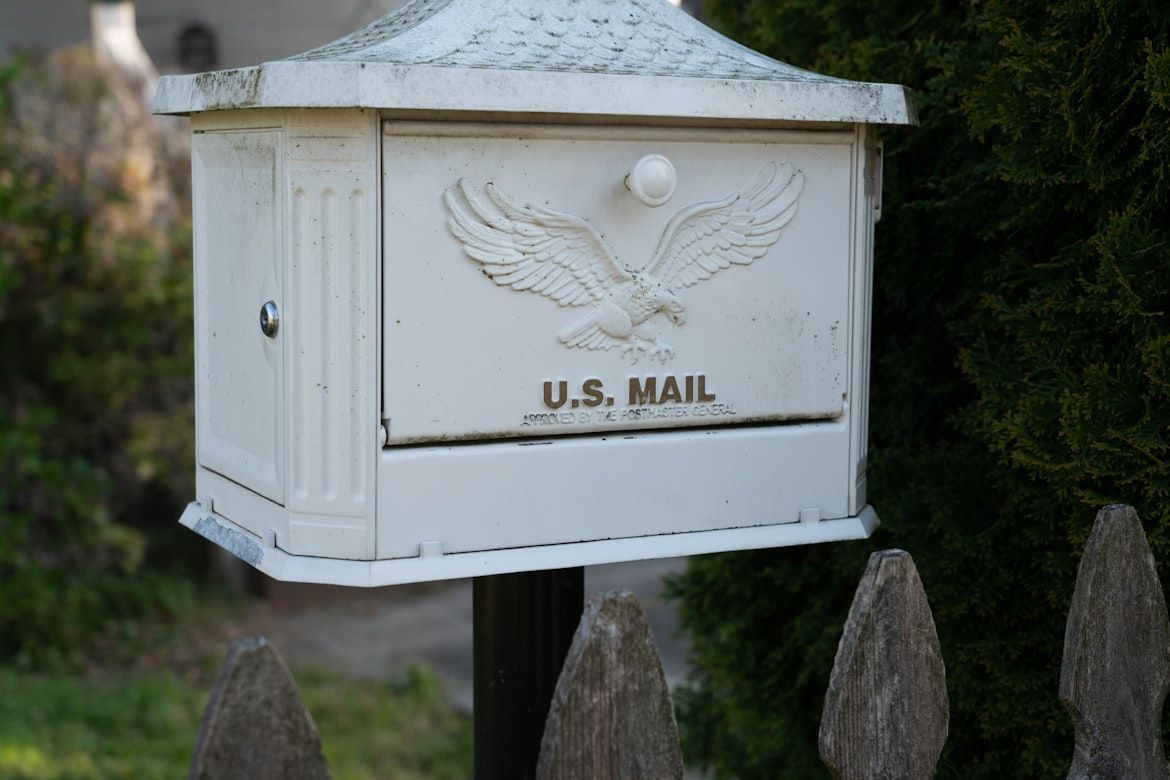
Image: Emily Powers

The U.S. Postal Inspection Service (USPIS), founded in 1775, is the nation’s oldest federal law enforcement agency . It protects the USPS, its employees, and its customers from crimes such as mail fraud, theft, and identity theft.

USPIS agents investigate mail-related crimes, provide security at postal facilities, and work to stop illegal drugs from being transported through the mail system.

2
Zip codes
Image: Tareq Ismail

ZIP codes were introduced by the USPS in 1963 to improve mail sorting and delivery. The five-digit code, short for Zone Improvement Plan, pinpoints specific geographic areas.

The digits represent a region, a city or county, and a local delivery zone . Today, ZIP codes are also used to study demographics and help businesses target mailings to particular areas.

3
The Postal Anthem

Image: Keagan Henman

The "United States Postal Service Anthem," composed by Jack Stamp (yes, that is his real name), honors the USPS and its long-standing service to the nation. It’s a musical tribute to the dedication of postal workers and the agency’s role in American life.

The lyrics highlight the USPS’s core values: honesty, integrity, and reliability, while celebrating its impact on U.S. history and everyday citizens.

4
Guaranteed delivery
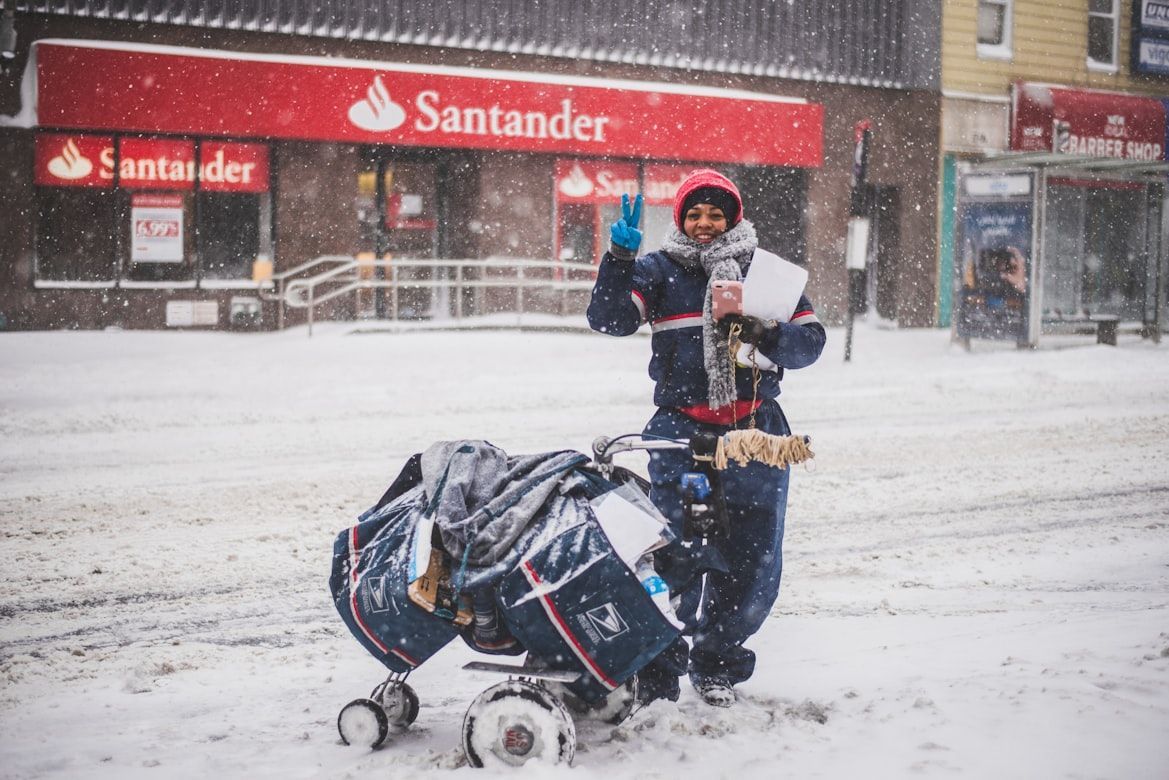
Image: Victória Kubiaki

The USPS is legally required to deliver to every U.S. address, no matter how remote . This includes over 153 million addresses, even in hard-to-reach areas.

To meet this huge challenge, USPS uses curbside mailboxes, local post offices, and partnerships with community centers. Virtual mailbox services, such as Stable, also help remote residents access and manage their mail online.

5
A lot of mail
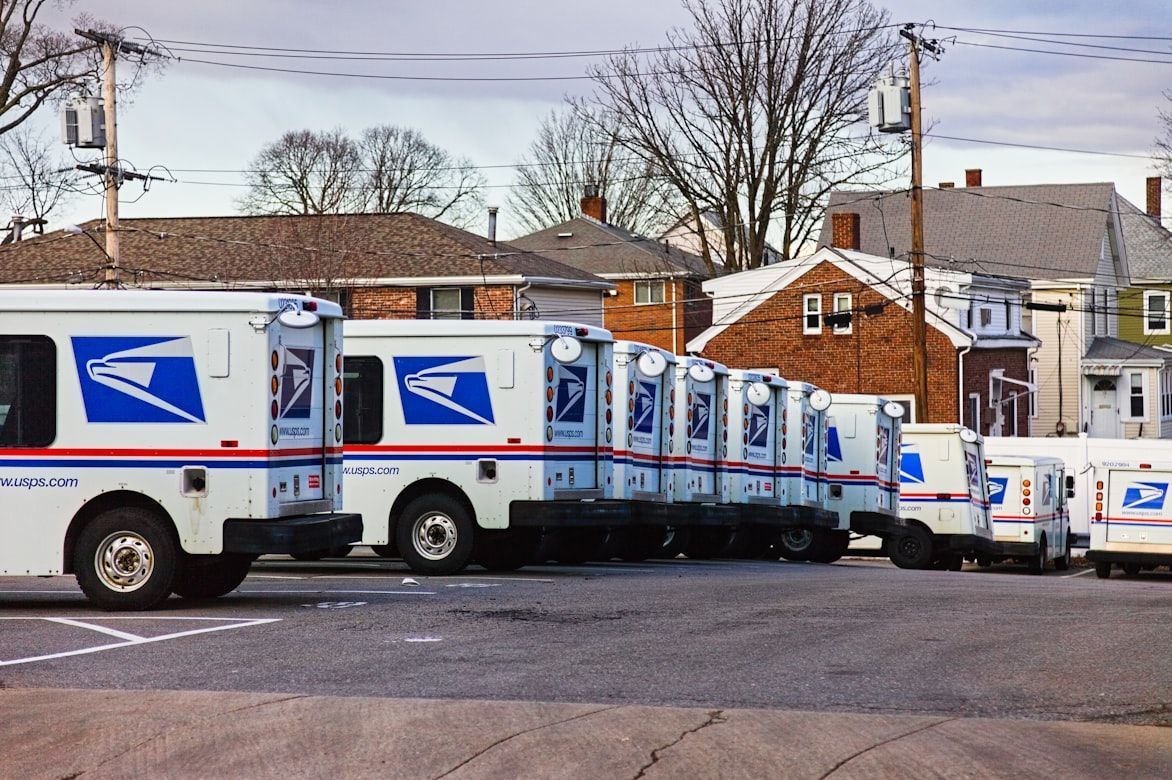
Image: Sam LaRussa

Every day, the USPS handles over 400 million pieces of mail, including 162 million First-Class items. It delivers worldwide to more than 180 countries through its Global Express Guaranteed service and processes approximately 44% of the world’s mail . That is a lot of mail, by any standard.

To manage this massive volume, USPS uses advanced automation tools and operates over 34,000 retail locations, keeping its system fast, efficient, and reliable.

6
Going out West
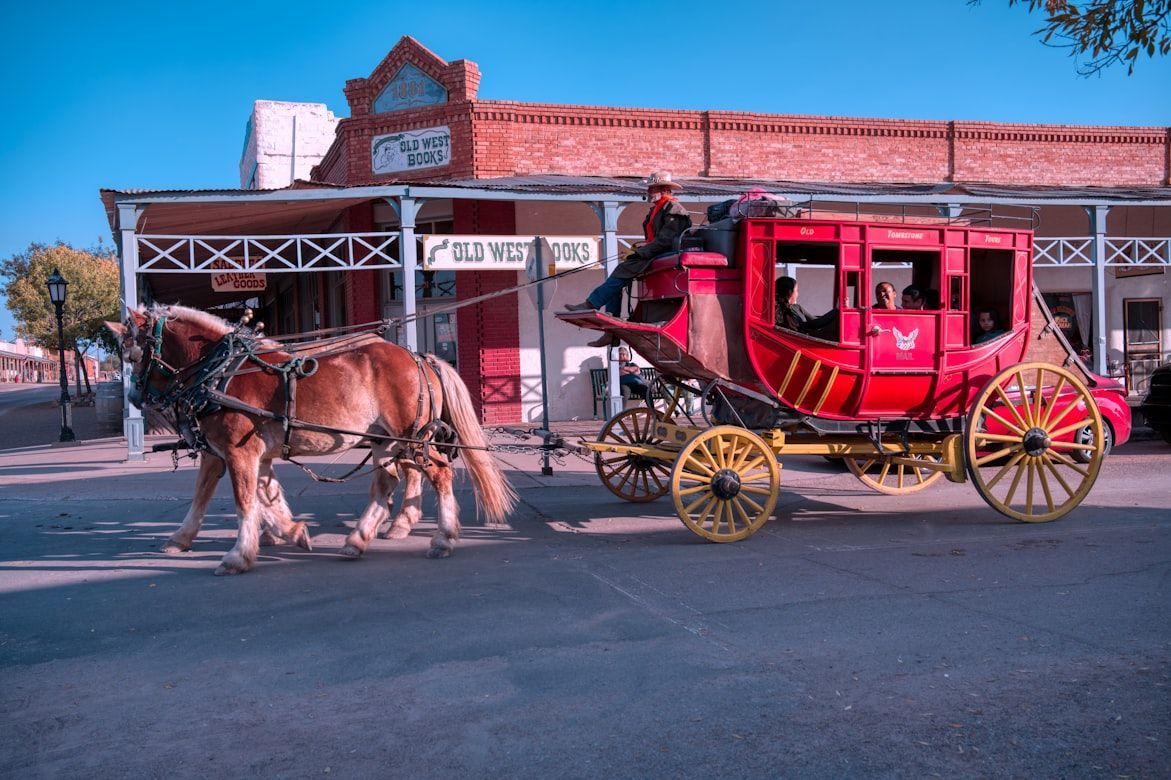
Image: Jim Strasma

In the 19th century, the USPS played a vital role in developing the American West, providing new settlements with access to mail, supplies, and communication. Post offices and mail routes connected remote areas to the rest of the country.

This network helped settlers stay in touch with loved ones, receive news, and trade goods. Without the USPS, much of the frontier would have remained isolated.

7
Post office in a tavern

Image: Kevin Snow

The first USPS office was established in Boston in 1775, inside a tavern associated with Benjamin Franklin , who served as the first Postmaster General. Franklin viewed mail delivery as key to America’s independence and began developing a postal network.

The office supported routes to Philadelphia and New York, and by 1789, post offices existed in all 13 colonies.

8
A floating post office

Image: Alessio Billeci

The Halibut Cove Post Office in Homer, Alaska (ZIP code 99603, in case you are interested), is unlike any other: it floats on water!

This tiny post office operates from a houseboat that’s permanently docked , serving the local community right from the harbor.

9
Bad handwriting department

Image: Kit (formerly ConvertKit)

We are not sure as to how often this happens, but it must be often. When automated equipment at a USPS processing plant cannot read a piece of letter mail, an image of the mail is captured and sent to the Remote Encoding Center (REC). At the REC, employees review the image and manually enter the address information .

The information is matched up with a valid address, the data is transmitted back to the equipment at the plant, and a barcode is printed on the letter, which can be read by the processing machines.

10
Mail a brick
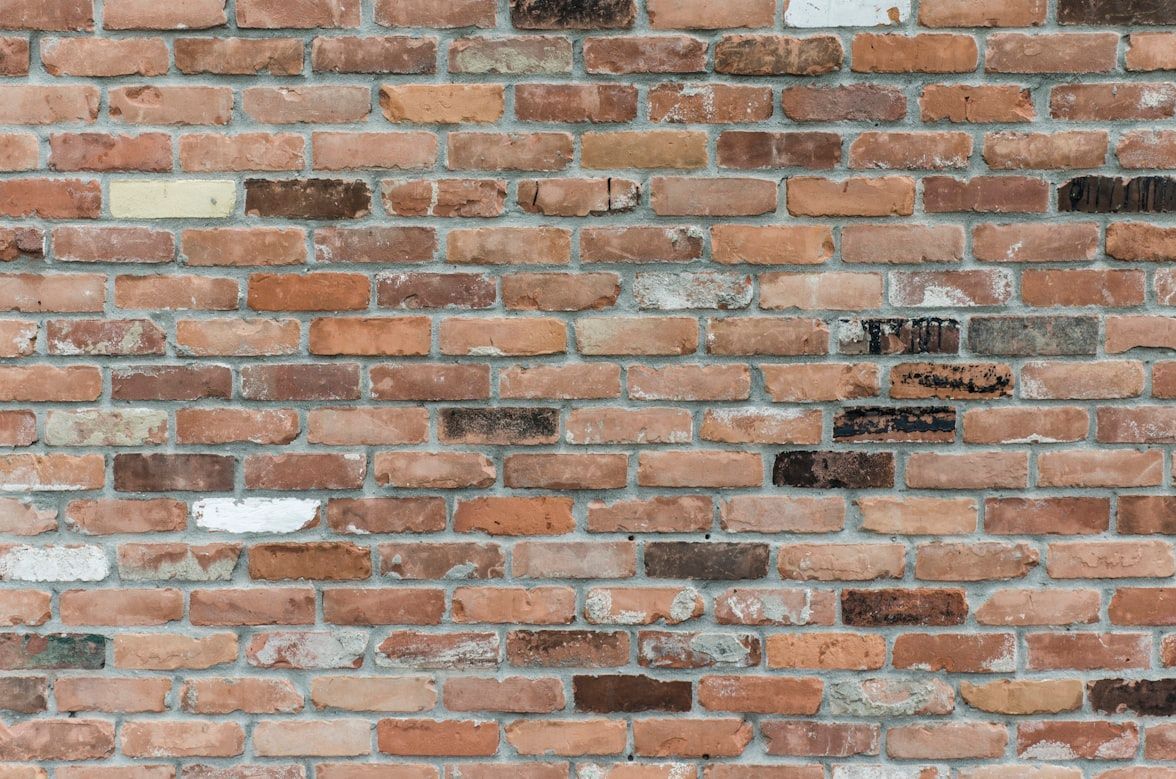
Image: Math

Yes, you can mail a brick through the U.S. Postal Service. Just write the recipient’s address and return information directly on the brick with a permanent marker .

Once it’s weighed and stamped with the correct postage, your brick is ready to ship.

11
Someone mailed a kid

Image: Jonathan Borba

In 1913, shortly after the Parcel Post service began, some parents mailed their children to relatives. One baby in Ohio was sent to his grandmother just a few miles away .

The child arrived safely, but the incident led to new rules banning people from being sent through the mail.


Geography Geography 4 min read

Discovering America

What's the easternmost point of the US? If you say Maine, think again!

Image: Jon Sailer

We’ve all picked up "facts" about the fifty states somewhere along the way, but not all of them hold up. Some are half-truths passed around for generations , others are just plain wrong. So, in an attempt to set the record straight once and for all, we’ve gathered some fun truths that clear up the biggest mix-ups about our states.

1
Arizona skips Daylight Saving Time

Image: Christoph von Gellhorn

This is partly true because most of the state doesn’t bother with Daylight Saving Time . They stopped changing the clocks back in 1967. The exception is the Navajo Nation, which stretches into Utah and New Mexico and keeps DST so all its communities stay on the same schedule. Now, as for the smaller Hopi reservation, inside the Navajo Nation, it sticks with Arizona time… Yes, quite confusing if you’re not a local.

2
Georgia isn’t really the Peach State

Image: Jessica Furtney

Georgia loves its peaches, sure, but the state’s top fruit money-maker is actually blueberries . In recent years, blueberries have brought in several times more cash for farmers than peaches. Meanwhile, California grows far more peaches than Georgia ever has. The nickname stuck from the old days when Georgia peaches were famous for their flavor, not their volume. So while the pride is real, the peaches aren’t quite the powerhouse people may think.

3
Nevada didn’t record the hottest US temperature

Image: tommao wang

You probably think of Nevada’s desert heat as unmatched, but the all-time record belongs to California’s Death Valley . In July 1913, it hit a mind-melting 134 degrees Fahrenheit, the hottest temperature not only in America but the hottest ever recorded on Earth!

4
Minnesota doesn’t have the most lakes

Image: Tom Conway

Minnesota proudly calls itself the "Land of 10,000 Lakes," but that’s selling itself short… The real number is closer to 12,000. However, Alaska wins this battle . The state has more than 3 million lakes over five acres in size. In fact, Alaska contains over 40 percent of the nation’s surface water. If you love fishing, kayaking, or just staring at a quiet stretch of water, the true lake capital of America is far up north.

5
Pineapples aren’t native to Hawaii

Image: Christian Joudrey

Pineapples are everywhere in Hawaiian imagery, but the plant actually comes from South America , mainly Paraguay and southern Brazil. Spanish explorers likely brought them to Hawaii in the 1500s after spreading them across the Pacific to places like the Philippines and Guam. Hawaii’s climate turned out to be perfect for growing them and by the 1900s, the islands were producing so many pineapples that the fruit became a symbol of Hawaii itself.

6
Maine isn’t the country’s easternmost point

Image: Chris Henry

If you’re a Geography geek, you’ll love this one. You might picture Maine’s rocky coast as the eastern tip of America, but the actual easternmost point is thousands of miles away, on Alaska’s Semisopochnoi Island in the Aleutians. How is that possible? Well, that’s because it crosses the 180th meridian, putting it in the Eastern Hemisphere. That means part of Alaska technically sits farther east than anywhere in Maine.

7
The biggest US earthquake didn’t happen in California

Image: Lala Miklós

California has suffered some big earthquakes in its history, but the most powerful earthquake in America struck Alaska in 1964 . It hit Prince William Sound with a magnitude of 9.2. It was so strong it shook the ground for four and a half minutes and triggered massive tsunamis. In today’s dollars, the damage would total more than $2 billion. Alaska sits on a collision zone of tectonic plates, making it one of the world’s most seismically active regions.

8
The Everglades isn’t America’s biggest swamp

Image: Joshua J. Cotten

A lot of people picture the Florida Everglades when they think of swamps, but technically, the Everglades isn’t a swamp at all. The real title of the largest swamp in the United States goes to Louisiana’s Atchafalaya Basin , which spans about 1.4 million acres. This swamp has a vast mix of cypress forests, bayous, and marshes, and it’s more than twice as productive as the Everglades when it comes to wildlife and plant life.

9
Big cities aren’t always capitals

Image: Mackenzie Cruz

It surprises people how often the biggest city isn’t the state capital . New York City? Not the capital… Albany is. Chicago? Nope, that honor goes to Springfield. Pennsylvania’s capital isn’t Philly or Pittsburgh, it’s Harrisburg. Even California’s capital isn’t L.A. or San Francisco, it’s actually Sacramento. Out of fifty states, only seventeen have their most populous city as the capital.

10
Alaska isn’t divided into counties

Image: Rod Long

Alaska likes to do things its own way. Instead of counties, it’s split into boroughs , and a massive area known as the Unorganized Borough has no local government at all. People out there don’t pay property taxes, but that freedom comes with challenges, limited services, fewer job options, and tough living conditions.

General General 4 min read

America’s favorite

Is your dog on this list? America's 10 favorite breeds

Image: Joel J. Martínez

According to recent statistics, about 66% of American homes have a pet, and dogs are the clear favorite. How popular are they? It turns out that 65 million US households own at least one dog. So which breeds top the list? Which ones claim the crown as the most chosen in American homes? Join us to see if your favorite breed makes the ranking.

1
French Bulldog

Image: Karsten Winegeart

The French Bulldog has held the title of the most popular dog breed in the US since 2022. Their friendly and adaptable nature, combined with their small size, makes them perfect companions for people living in apartments or smaller homes. They may snore a little when they sleep, but that only makes them even cuter.

Just be cautious around water. Despite their bold personalities, French Bulldogs are not strong swimmers. So it’s important to supervise them closely near pools, fountains, or any other body of water.

2
Labrador Retriever

Image: Grant Durr

In second place, we have the beloved Labrador Retrievers, who were surpassed by French Bulldogs only in 2022. For more than three decades, the sweet Labrador was America’s favorite dog, and for good reason.

Known for their outgoing and gentle temperament, they get along wonderfully with adults, children, and even other animals. Their intelligence and sensitivity also help them stand out not only as loyal family pets and hunting companions, but also as therapy and service dogs.

3
Golden Retriever

Image: Taylor Sondgeroth

Right behind Labradors are Golden Retrievers, the good guys of the neighborhood. With their warm temperament and endless energy, they’ve earned the number three spot among the most popular breeds. Often described as "people pleasers," Goldens are more than just obedient; they’re quick learners who are always eager to join you on any adventure.

4
German Shepherd

Image: Steve Smith

Fourth on the list are German Shepherds, elegant, impressive dogs renowned for their loyalty, intelligence, and ability to learn quickly. Unlike Labradors and Golden Retrievers, however, they often have a more serious image, largely because they’re commonly associated with police work, search and rescue, and service roles. Naturally protective, they tend to be reserved at first but become affectionate with those they trust.

Do you remember Rin Tin Tin? He was a great example of the breed and helped bring German Shepherds to worldwide fame.

5
Poodle

Image: Steven Van Elk

It’s hard to write a paragraph about Poodles, not because we don’t have anything to say, but because it’s easy to be distracted by all that cuteness. Ranked fifth among the most popular breeds, Poodles also rank among the most intelligent dogs in the world. Their extraordinary smarts and enthusiasm to learn come from their history as skilled hunting dogs and even circus performers. Thanks to their obedience, agility, and strong bond with people, they continue to hold a top spot among America’s favorite breeds.

6
Dachshund

Image: Christopher Cassidy

In sixth place are the adorable Dachshunds. Famous for their long bodies, short legs, and big personalities, these dogs weren’t in the top rankings a decade ago. Many believe their surge in popularity has been fueled in part by viral internet videos showcasing their charm and humor. But don’t let their small size fool you: Dachshunds may be small, but their deep, bold bark makes them sound much bigger than they really are.

7
Beagle

Image: Marcus Wallis

Beagles come in seventh place, though if there were a contest for best ears, they’d surely take first. They’re loved not only for their adorable looks but also for their intelligence and, above all, their extraordinary sense of smell. Originally bred as rabbit-hunting hounds, Beagles have a highly efficient nose and a powerful tracking instinct.

8
Rottweiler

Image: Joash Viriah

With their striking appearance and muscled bodies, Rottweilers naturally command respect. Known for their loyalty and strong protective instincts, Rottweilers are a favorite among families who have enough space for these large, energetic dogs.

Did you know they’re considered one of the oldest surviving dog breeds? It’s true! Their ancestors are believed to have accompanied the legions of the ancient Roman Empire, where they were used to herd and guard livestock.

9
Bulldog

Image: Sébastien Lavalaye

They may have a grumpy look, but Bulldogs are incredibly sweet and calm. Ranked number nine on the list, this lovable breed is a great choice for anyone looking for a dog that easily adapts to their home and lifestyle. While they’re not exactly lazy, Bulldogs do enjoy taking plenty of breaks and conserving their energy, often choosing a cozy spot on the couch over a run around the block. Plus, with those funny faces, you’ll never run out of excellent pictures.

10
German Shorthaired Pointer

Image: Marie-Pier Fillion

Last on this list, but still among the most popular breeds in the country, the German Shorthaired Pointer is admired for its elegance and presence. Originally bred in Germany as versatile hunting dogs, this breed excels at pointing, retrieving, and tracking. With their boundless energy, German Shorthaired Pointers are best suited to homes with plenty of outdoor space, as their athletic build and enthusiasm also help them shine in a wide range of dog sports.

Explore more American facts

Choose your favorite category!

General
General

As American as apple pie—the very best America has to offer!

Culture
Culture

Delve into the astounding richness of American lore.

Geography
Geography

Hop in and explore vast and diverse American landscapes.

History
History

Discover the key moments that shaped the United States.