General General 4 min read

The price of popularity

10 brands that became generic names
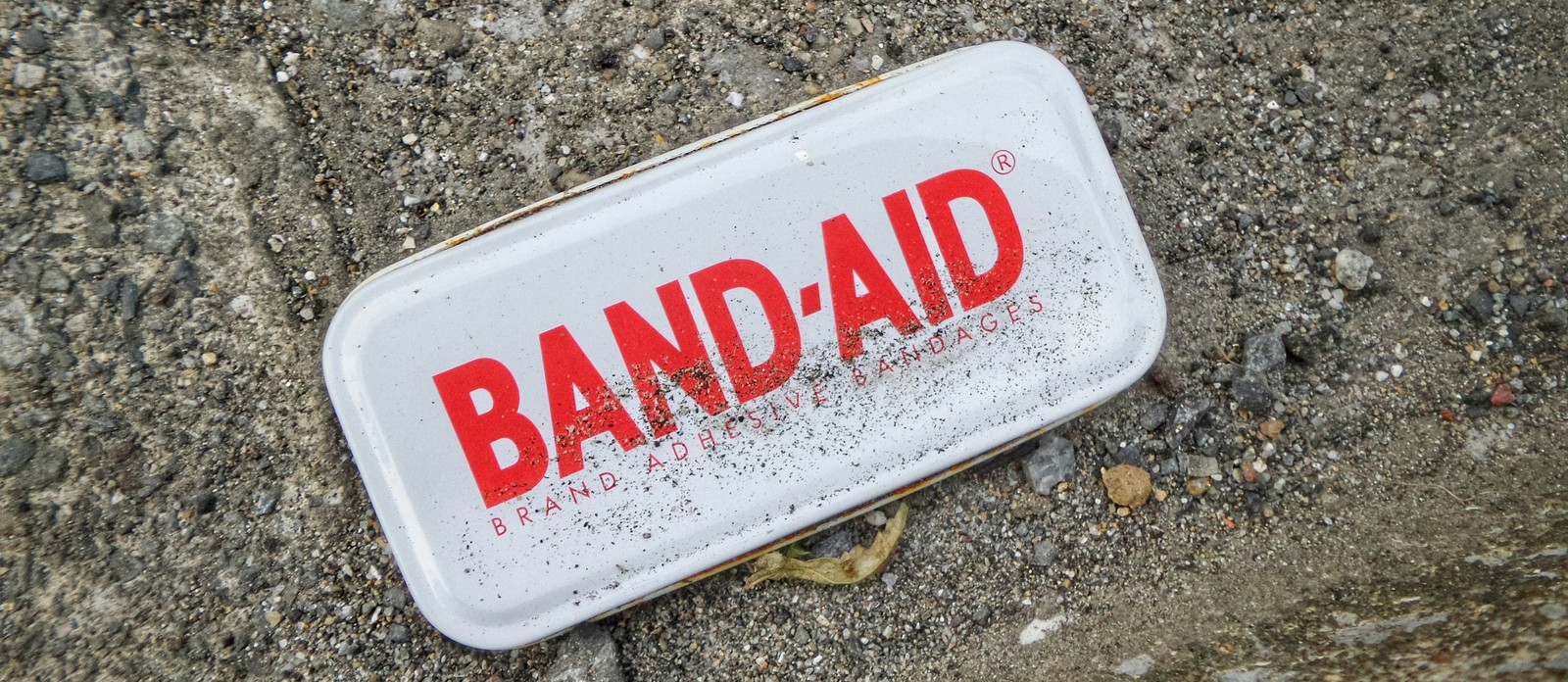
Image: Franck V.

How often do you ask for an adhesive bandage or a waste container? What about solid carbon dioxide? The answer is probably never, but you have certainly used the words band-aid, dumpster, or dry ice. While trademarked names are legally protected, there is little brands can do when a product is so popular that it becomes the generic name, regardless of manufacturer. While some of these common names are still trademarked brands, some have already entered the popular lexicon. Here are 10 brands that became generic names.

1
Band-Aid
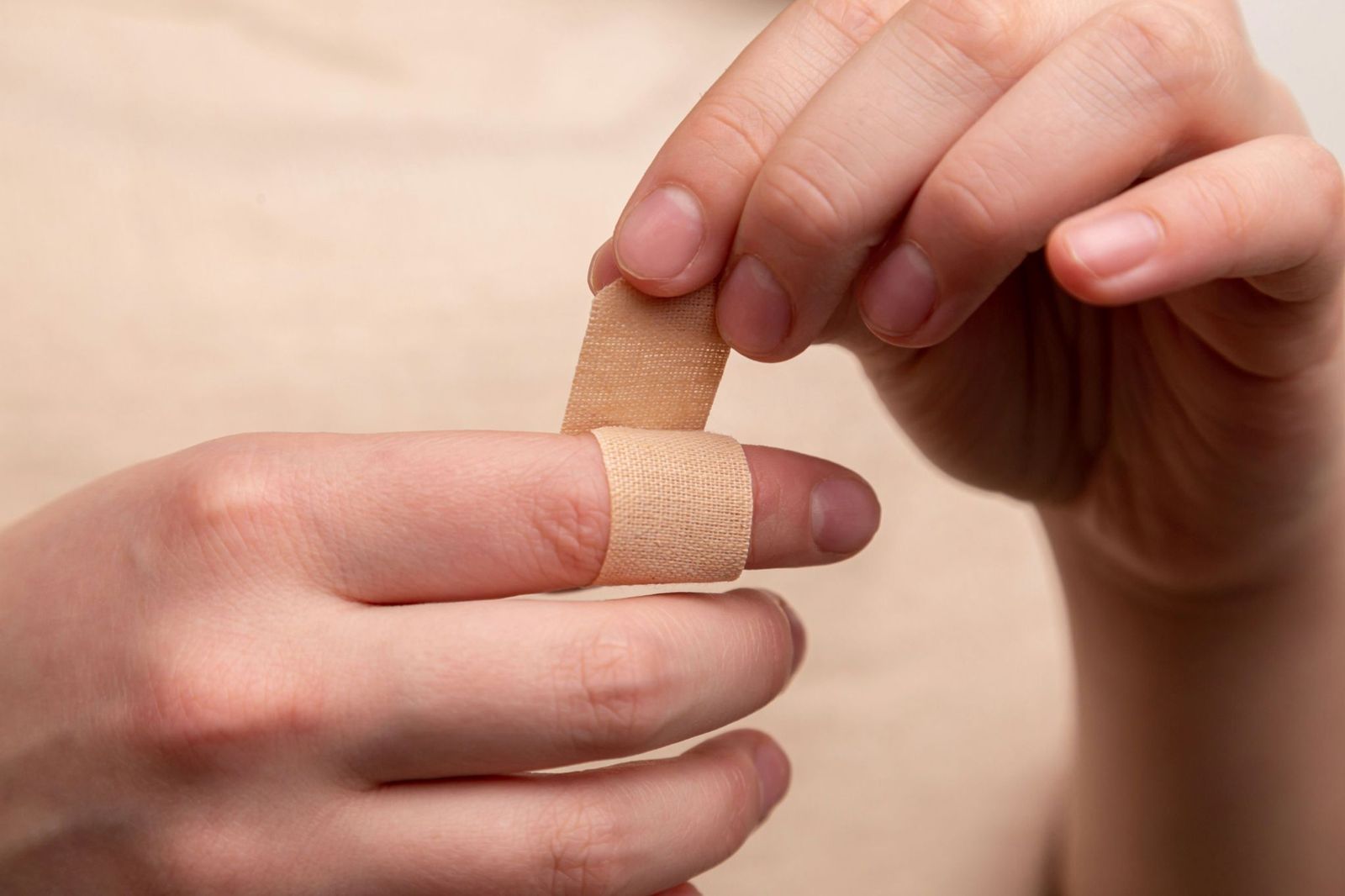
Image: Diana Polekhina

While Band-Aid is still a generic name —other brands use the terms "adhesive bandage" or "plaster" in their products— it is undoubtedly the most popular brand and word used for this kind of bandage. Invented in 1920 by a Johnson & Johnson employee whose wife often injured herself while cooking, the Band-Aid became popular during the Great Depression , as it was a quick and cheap alternative to going to the hospital for minor injuries.

2
Dumpster
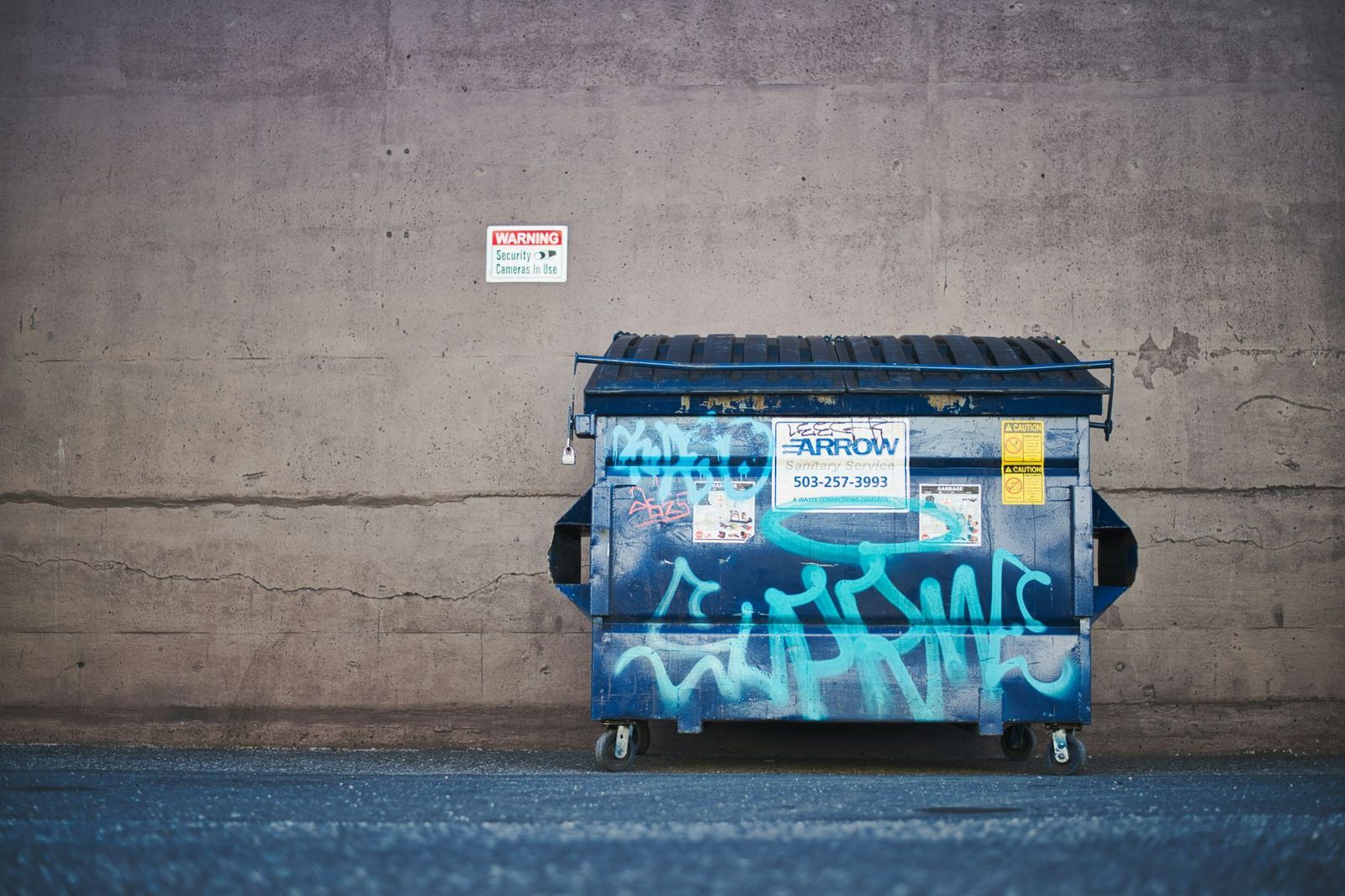
Image: Kevin Butz

Most folks wouldn't know that Dumpster is a brand, but this product is officially called "waste container". The term dumpster was first used in 1936 as part of the mechanic Dempster-Dumpster system, which allowed for standardized containers to be emptied into garbage trucks. Dumpster was a portmanteau of Dempster (the company's name) and the word "dump" , and the system became so successful that dumpster became synonymous with any garbage container.

3
Tupperware

Image: Kim Deachul

This case is the opposite of the "dumpster": Tupperware has become a generic name for storage containers, but everyone knows that Tupperware-branded tupperwares are the best tupperwares . Founded in 1942 by Earl Tupper, the brand grew through a sales plan that allowed people —usually women— to earn an income without a salaried, in-office job. Through home gatherings known as "Tupperware parties", these women were able to show the products, network, and make sales among their neighbors and acquaintances, a format that contributed greatly to the popularity of Tupperware products.

4
Cellophane
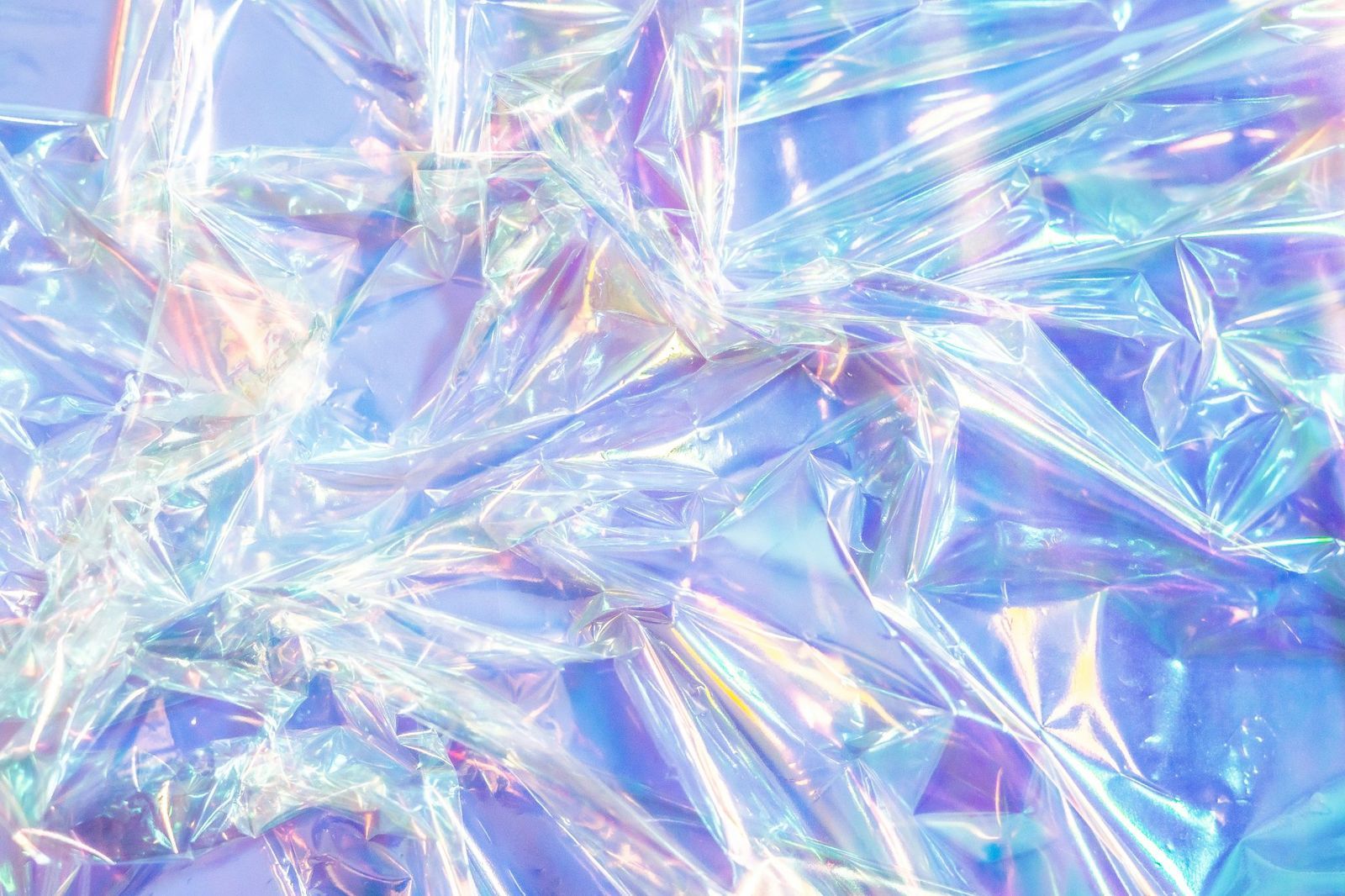
Image: Emily Bernal

The chances of hearing "cellulose film" instead of "cellophane" are low, but never zero. While in the UK and other countries, Cellophane is still a trademarked name, in the U.S. the term is not only generic, but is also used for products that are not made from cellulose film , such as plastic wrap or kitchen film.

5
Dry Ice
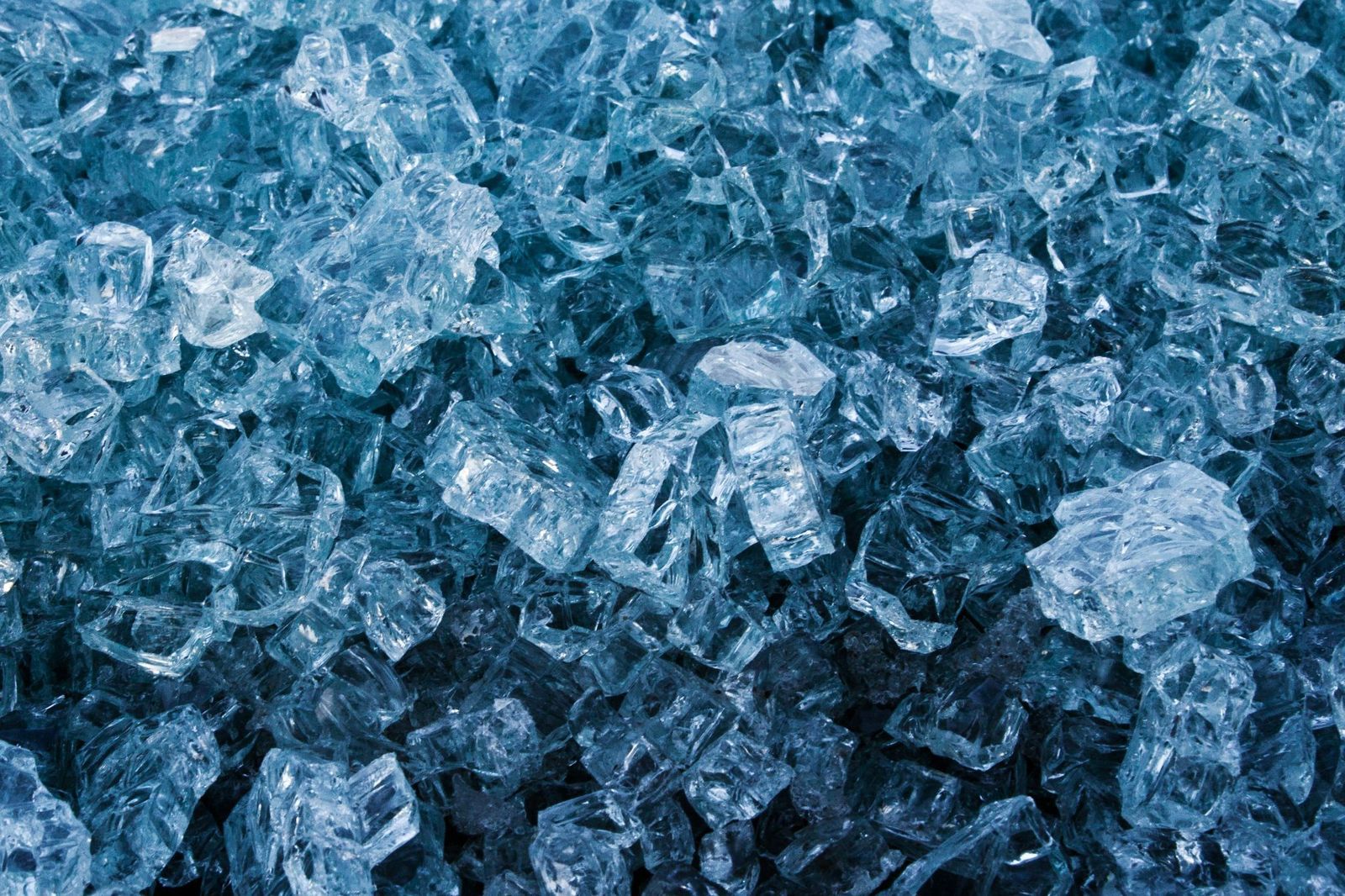
Image: Scott Rodgerson

Nowadays, "dry ice" is a common name for solid carbon dioxide, a form of ice that melts at a slower pace and without leaving a puddle. But did you know that "dry ice" was originally a brand name? Developed in the late 19th century by French inventor Adrien-Jean-Pierre Thilorier, it was first commercialized in the U.S. in 1924. The name "Dry Ice" for this product was trademarked by the DryIce Corporation of America , and quickly became the generic name.

6
Escalator

Image: Teemu Laukkarinen

You might have heard of the Otis Elevator Company, founded by the inventor of the modern elevator, Elisha Otis, but did you know that this company trademarked the word "Escalator"?. Although they were not the inventors of the moving staircase, they were the first to develop the modern flat-step commercial escalator that we use today , a machine so common that its name became generic, leading to the cancellation of the trademark.

7
Ping-Pong
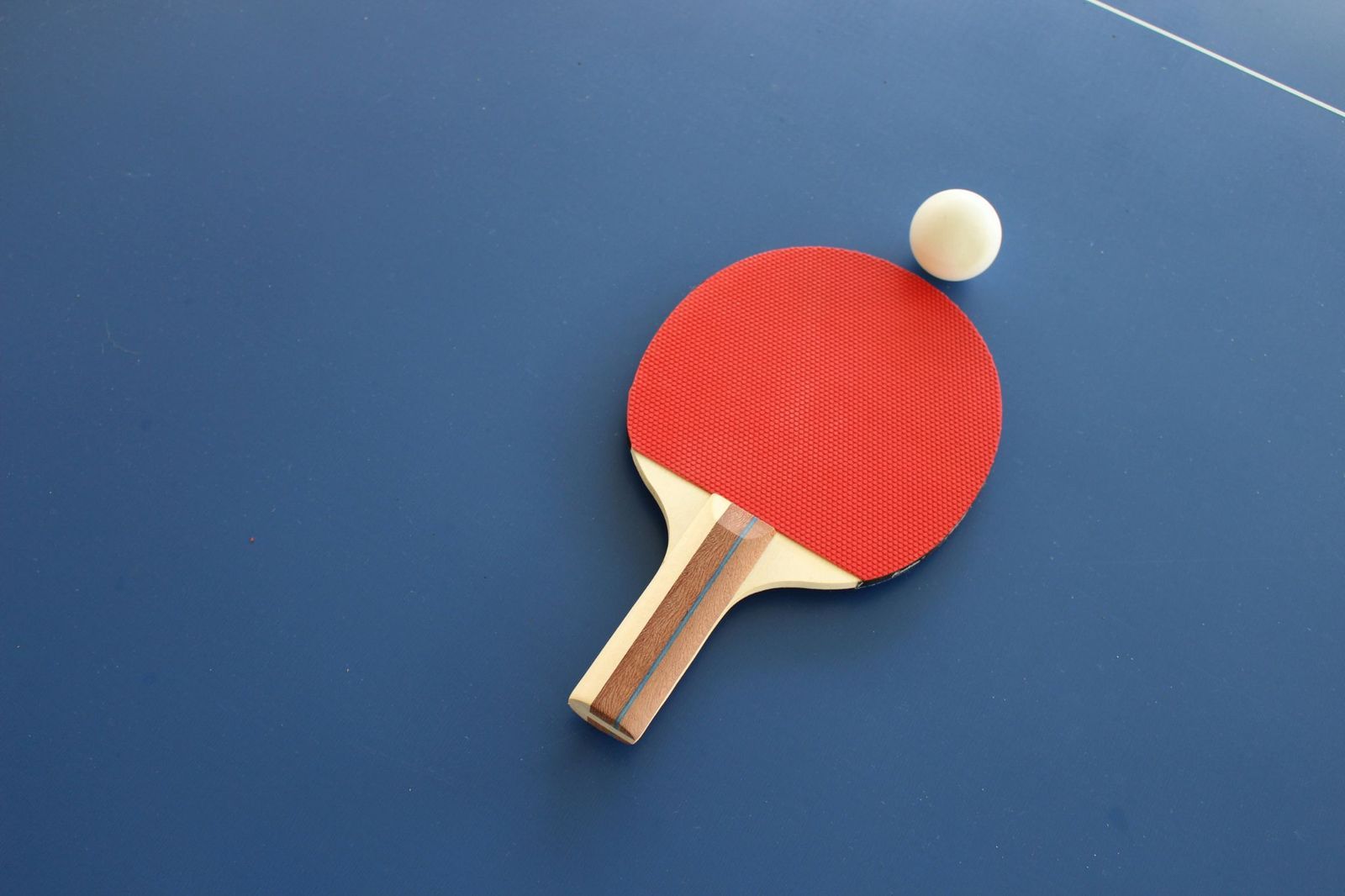
Image: Lisa Keffer

If you are an avid Summer Olympics watcher, you might have noticed that "Ping-Pong" is not officially used for the sport usually known by that name. That is because the sport is officially called "table tennis". The name Ping-Pong was initially used as a brand in the UK, and later trademarked in America by the Parker Brothers. Although it is the most widely known name of the sport, the International Table Tennis Federation uses the name "table tennis" in order to avoid trademark conflicts.

8
Realtor

Image: Tierra Mallorca

Despite what many would think, "realtor" is a trademarked name and not the official name of a profession. Owned by the National Association of Realtors (NAR), the generic term for the profession is "real estate agent" or "real estate broker". The only real estate agents that can legally use the name "realtor" are active members of NAR.

9
Trampoline
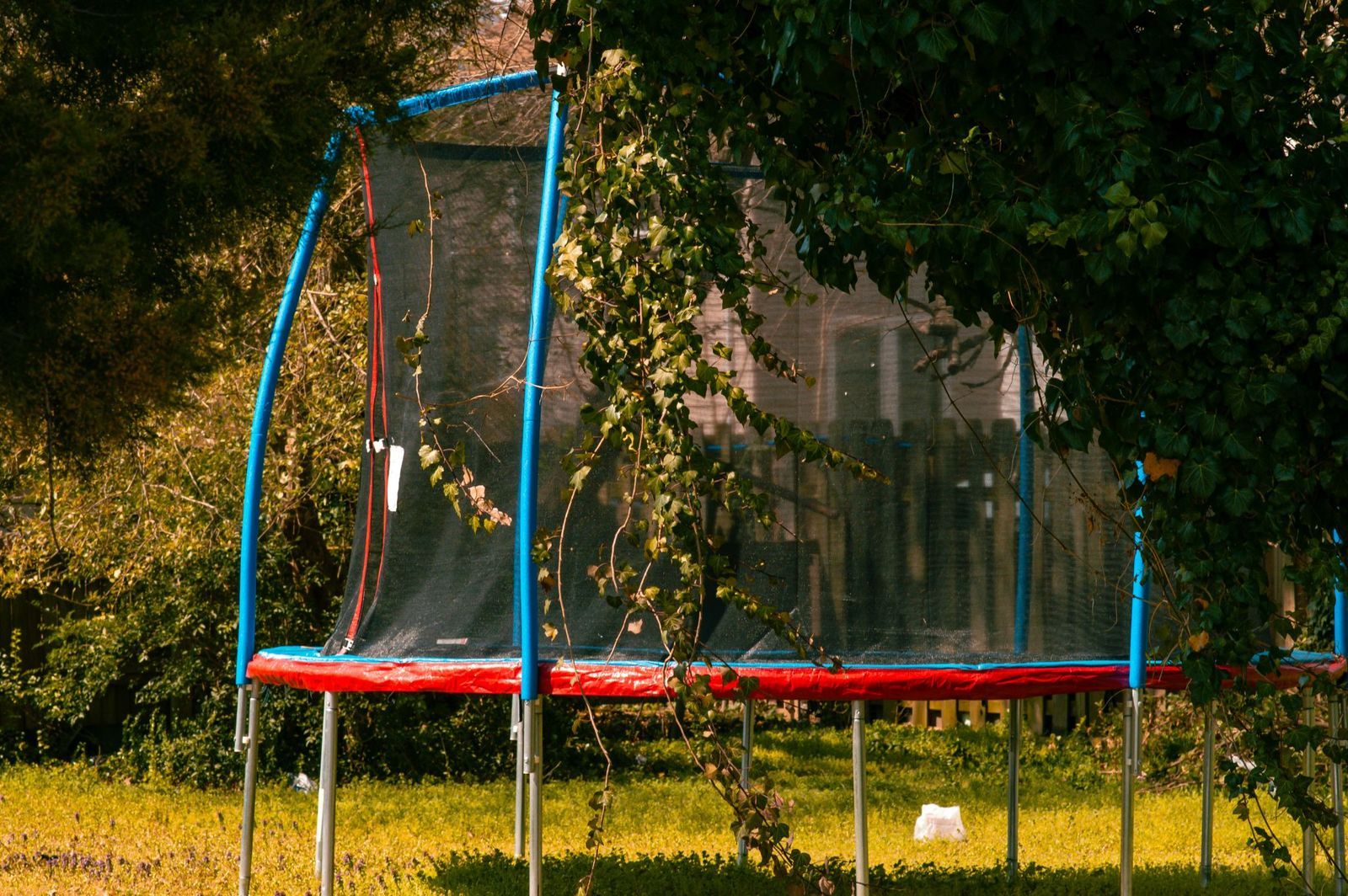
Image: Shay

Trampoline is no longer a trademarked name, but it was in its origins. Derived from the Spanish trampolín ("diving board"), it was created and trademarked by the Griswold-Nissen Trampoline & Tumbling Company in 1930, and the technical name for the product was "rebound tumbler" . Trampoline is now accepted as a generic name for a variety of bouncing apparatuses.

10
Windbreaker
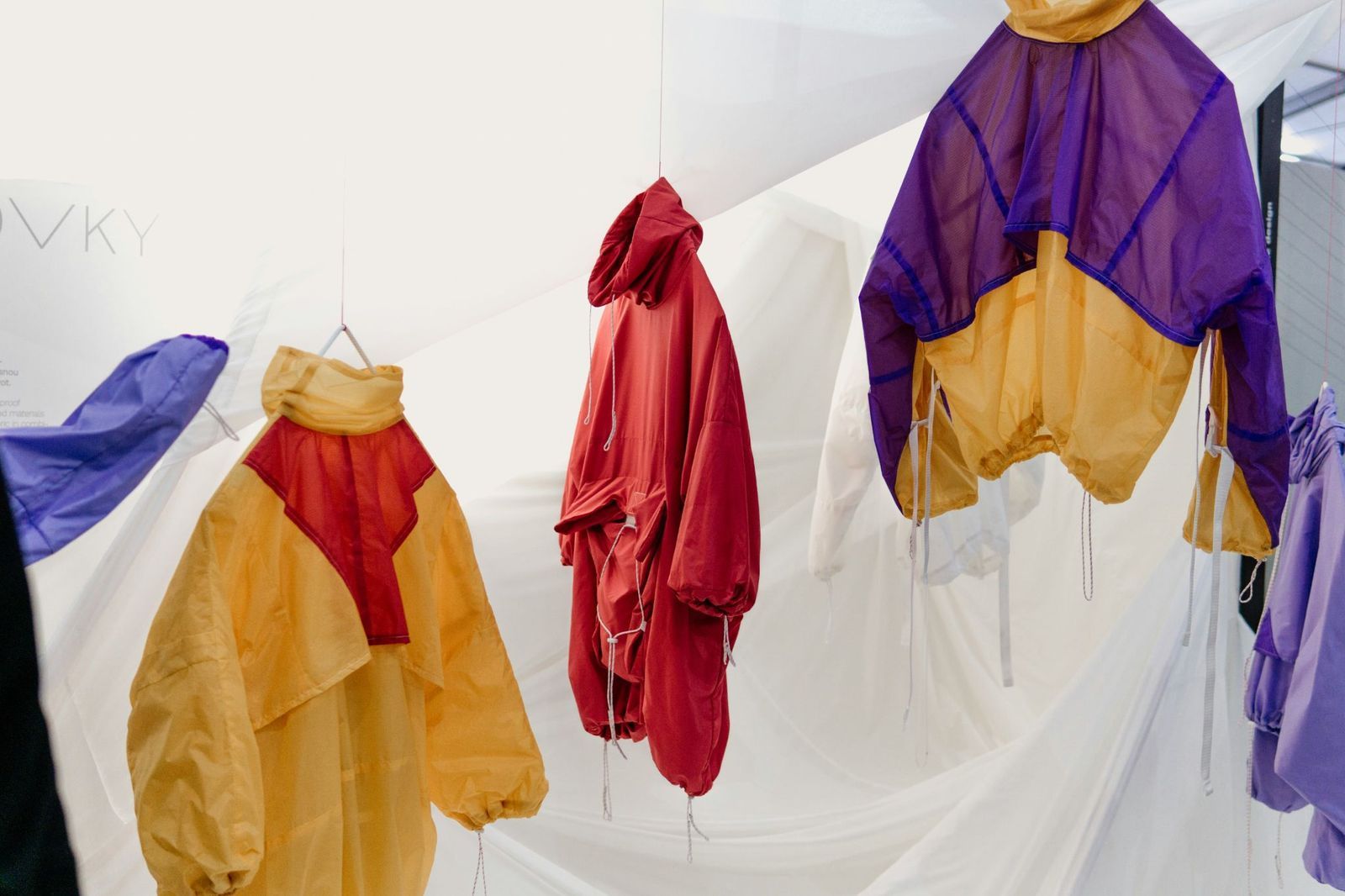
Image: David Dvořáček

We now understand that a windbreaker is any lightweight, wind-resistant jacket, but it originally referred to gabardine jackets by the John Rissman Company of Chicago . The name was developed and trademarked in the 1940s for this specific type of jacket, but down the line it not only became generic for waterproof jackets, but also synonymous with a jacket made of thin synthetic fabric like nylon or polyester.
History History 7 min read

The reason the Oval Office has such an iconic shape

Image: Gorodenkoff

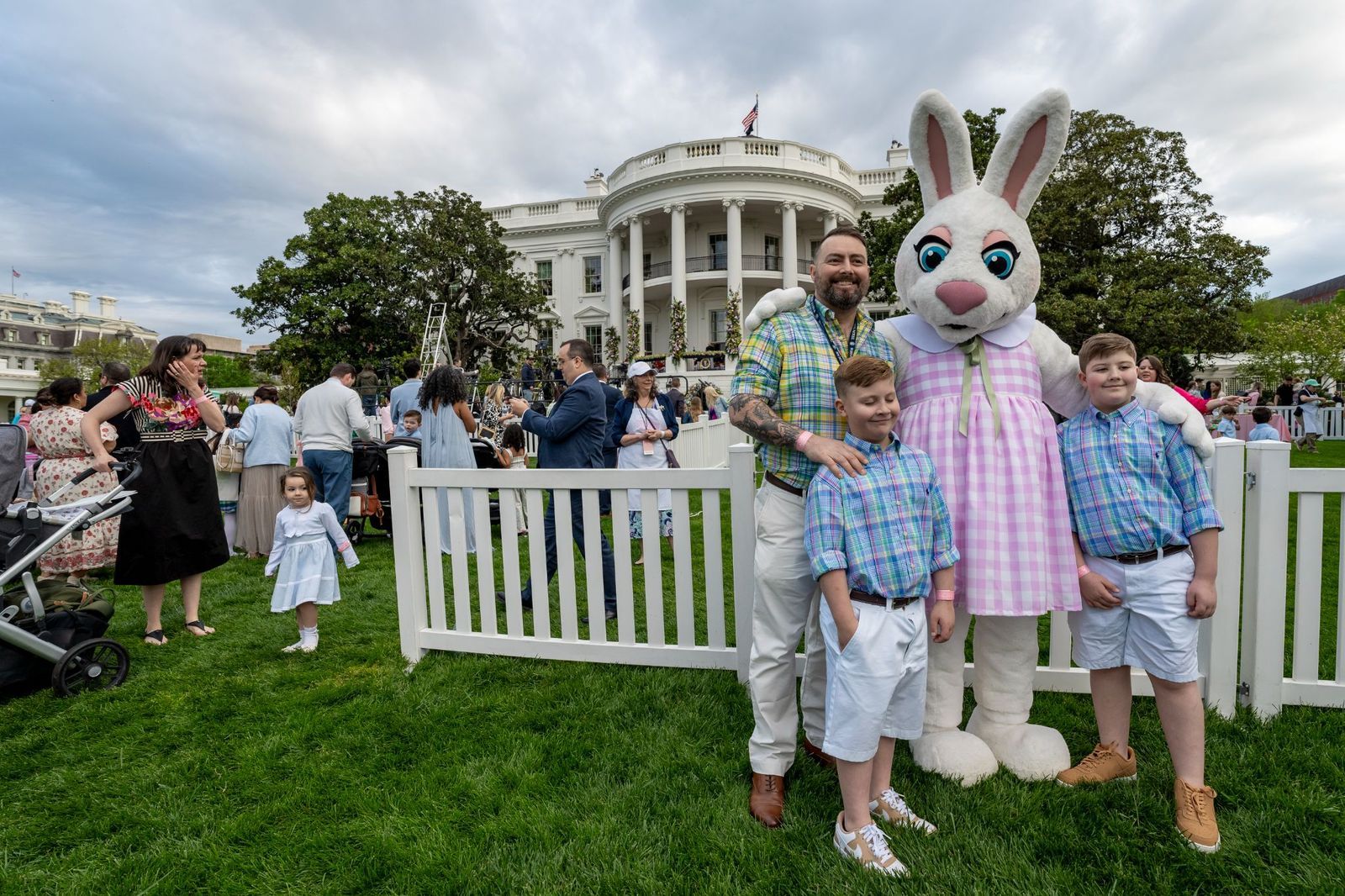
Some traditions seem to have been around forever. The Easter egg hunt at the White House, or the Teddy bear in most kids’ bedrooms. A turkey is pardoned every Thanksgiving. As it turns out, some traditions and food items trace back to a single president having a very ordinary, human moment: a soft spot for a scared animal, a craving from a trip abroad, a wife tired of watching her husband go unnoticed. Here are the real stories behind them.

1
The White House Easter egg roll

Image: The White House, Public domain, via Wikimedia Commons

In the 1870s, Washington kids rolled colored eggs on the Capitol lawn every Easter Monday until Congress banned the practice in 1876 to save the grass. On Easter Monday 1878, a group of those disappointed children walked up Pennsylvania Avenue to the White House gates. President Rutherford B. Hayes told his guards to let them in , and the South Lawn became their new playground. Word spread fast, and by the following year, hundreds of families showed up expecting the same welcome. Hayes never announced a policy; he just opened a gate for some kids with nowhere else to roll their eggs, and a White House holiday tradition was born, with future presidents dutifully continuing it.

2
The "Teddy Bear" stuffed animal

Image: Jimmy Parker

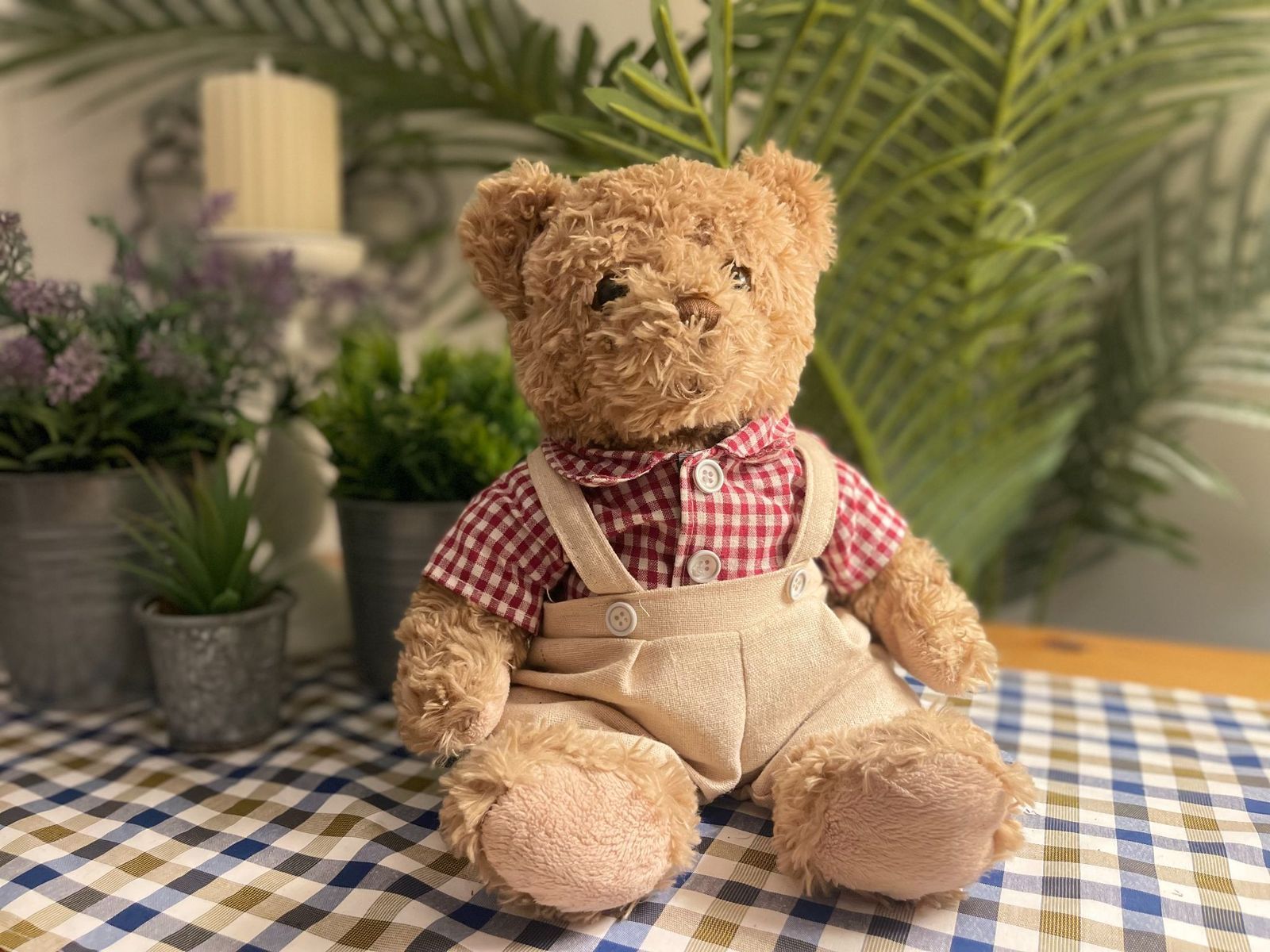
That stuffed bear tucked in with a grandchild owes its existence to a presidential hunting trip gone sideways.

In November 1902, Theodore Roosevelt traveled to Onward, Mississippi, hoping to bag a bear as the rest of his hunting party had. After days with no luck, his guides cornered an exhausted old bear, tied it to a tree, and invited the president to take the easy shot. Roosevelt refused, calling it unsportsmanlike. The story ran in the newspapers nationwide, and Washington Post cartoonist Clifford Berryman turned it into a sketch titled "Drawing the Line in Mississippi." Brooklyn shop owner Morris Michtom saw the cartoon, sewed a small stuffed bear, and displayed it in his windows as Teddy’s Bear. Customers wanted one immediately, and a toy industry was born from a single act of mercy.

3
The official Thanksgiving turkey pardon

Image: Credit: George H.W. Bush Presidential Library and Museum, Public domain, via Wikimedia Commons

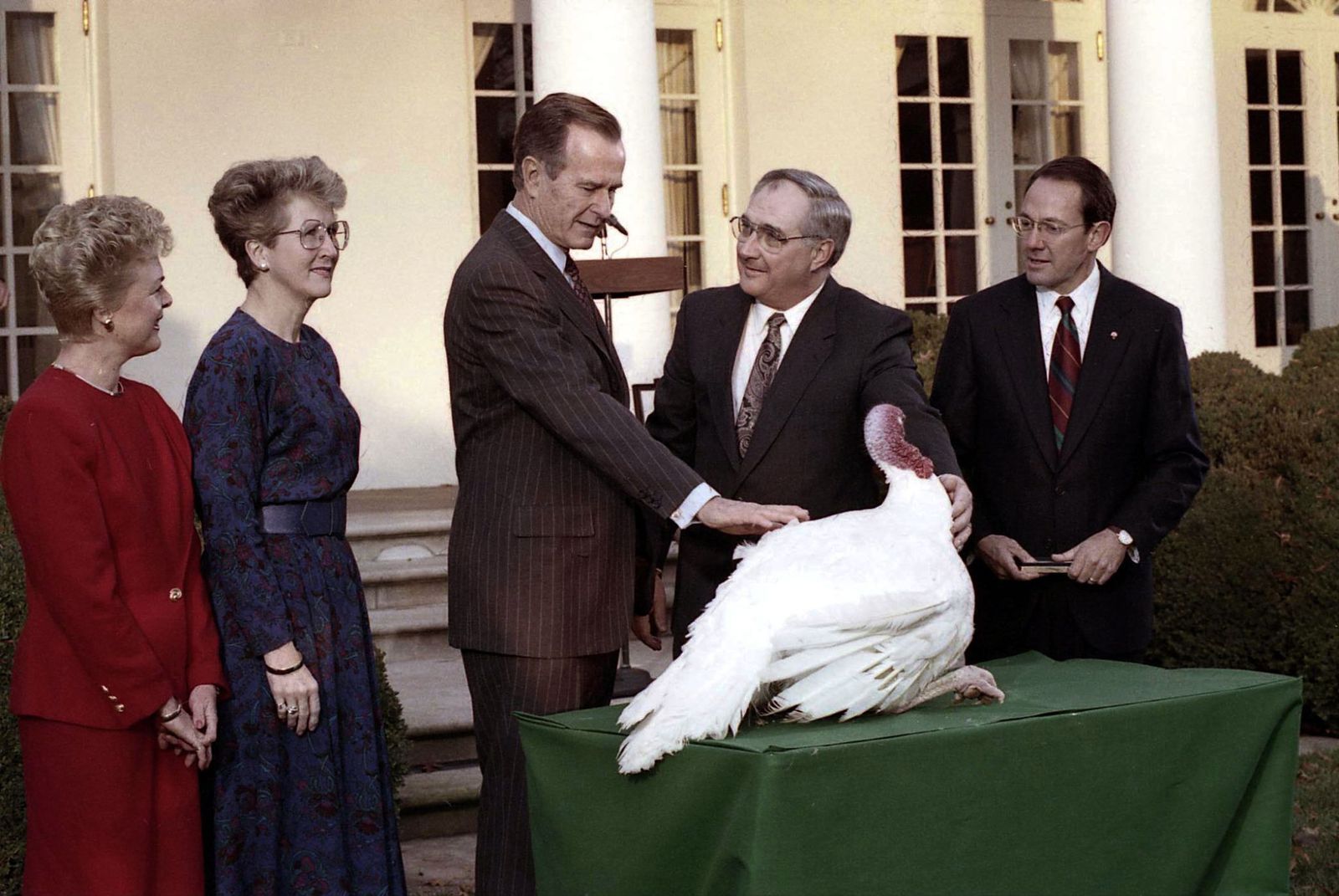
Every November, cameras gather in the Rose Garden to watch the president spare a turkey from the Thanksgiving table, a moment that feels as old as the holiday itself. But the origin of that ceremony is very recent.

For decades, presidents from Truman onward accepted a ceremonial turkey each year, and most of those birds ended up exactly where you’d expect. That changed on November 17, 1989. As animal rights activists picketed nearby, President George H. W. Bush looked at a visibly nervous tom turkey and improvised , telling the crowd he’d granted the bird a presidential pardon on the spot and that it would live out its days on a farm instead. The line got a laugh, but Bush kept it going the next year, and the year after. What started as a spontaneous joke became the official ceremony every president has repeated since.

4
The shape of the Oval Office

Image: amadeustx

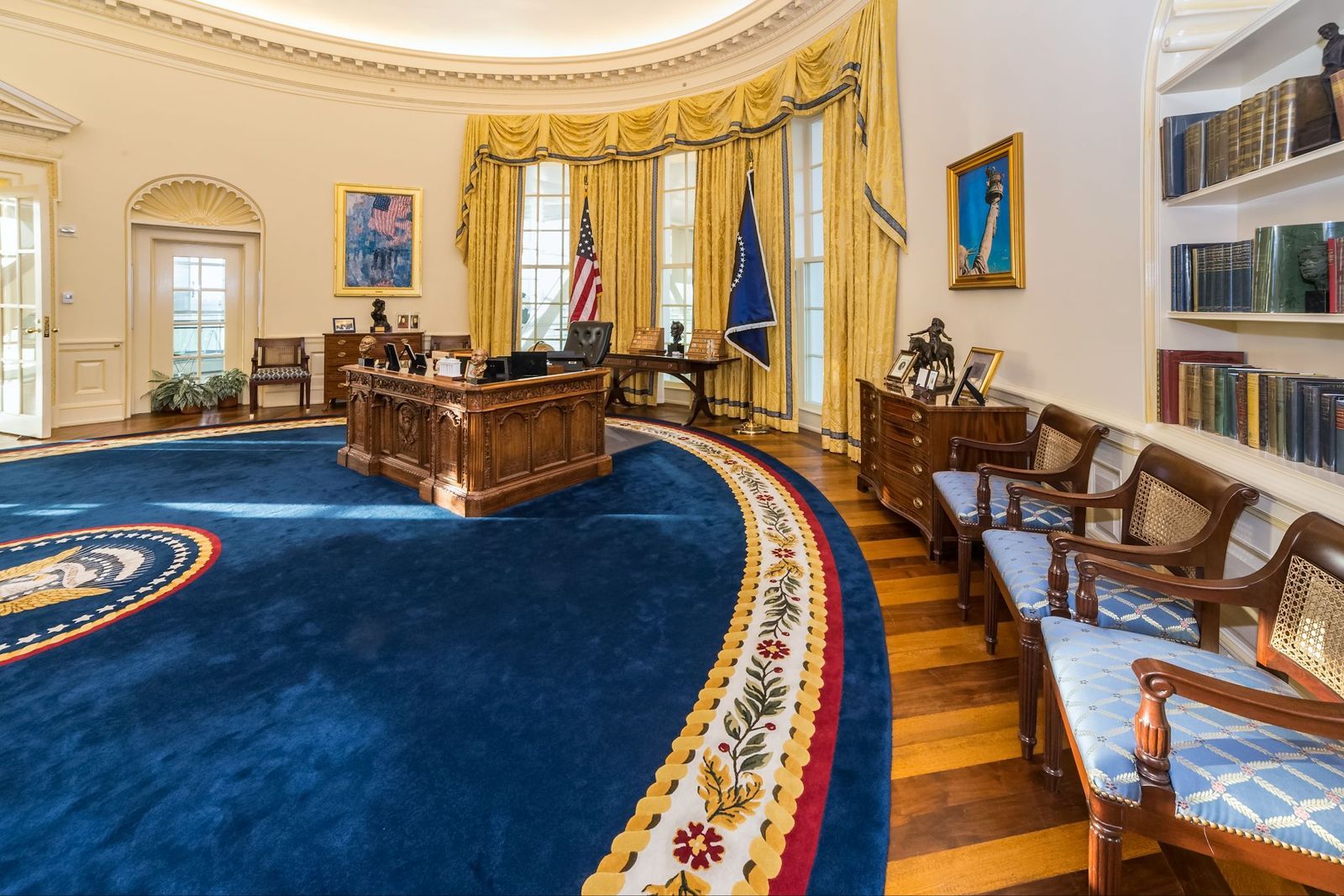
The Oval Office is instantly recognizable: the presidential seal carpet, that famous desk, the flags and busts. But the curved shape itself traces back to one president's frustration with cramped quarters.

When William Howard Taft took office in 1909, he found the West Wing, built as a temporary fix under Theodore Roosevelt, too small and too disconnected from the rest of the White House. Taft held a competition for architects to expand it into something permanent. The winner, Nathan Wyeth, looked to the White House's own Blue Room, an oval-shaped parlor where presidents had greeted guests since the early 1800s, and echoed its shape for the new presidential office. Construction finished that same year. Every president since has worked inside walls first curved to match a room built more than a century before any of them took office.

5
Modern gourmet macaroni and cheese in the U.S.

Image: olepeshkina

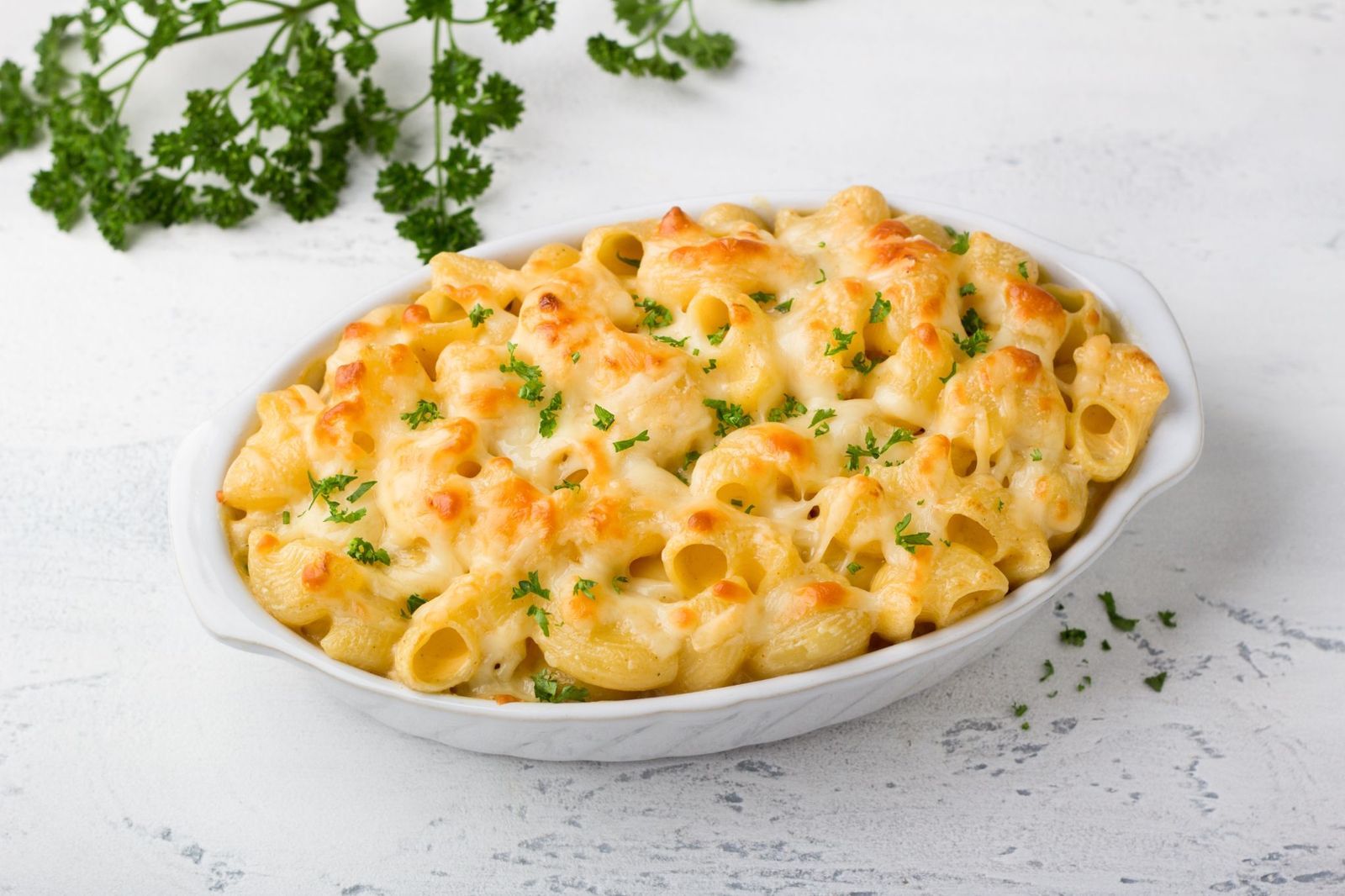
Mac and cheese shows up at potlucks and holiday tables across the country, but its American debut came from a president with expensive European taste.

While serving as minister to France in the 1780s, Thomas Jefferson fell for the pasta dishes he encountered in Paris and Italy. He had a pasta press shipped home, but kept importing macaroni and parmesan from Europe for years. In 1802, as president, Jefferson served a baked macaroni dish at a formal White House dinner. Not every guest was impressed. Congressman Manasseh Cutler called the pie disagreeable, mistaking the pasta for onions until a fellow diner explained what it was. Cutler’s confusion didn’t stop the dish from catching on, and it’s been a comfort food staple ever since.

6
Presidential marching music: "Hail to the Chief"

Image: alamy, Public domain, via Wikimedia Commons

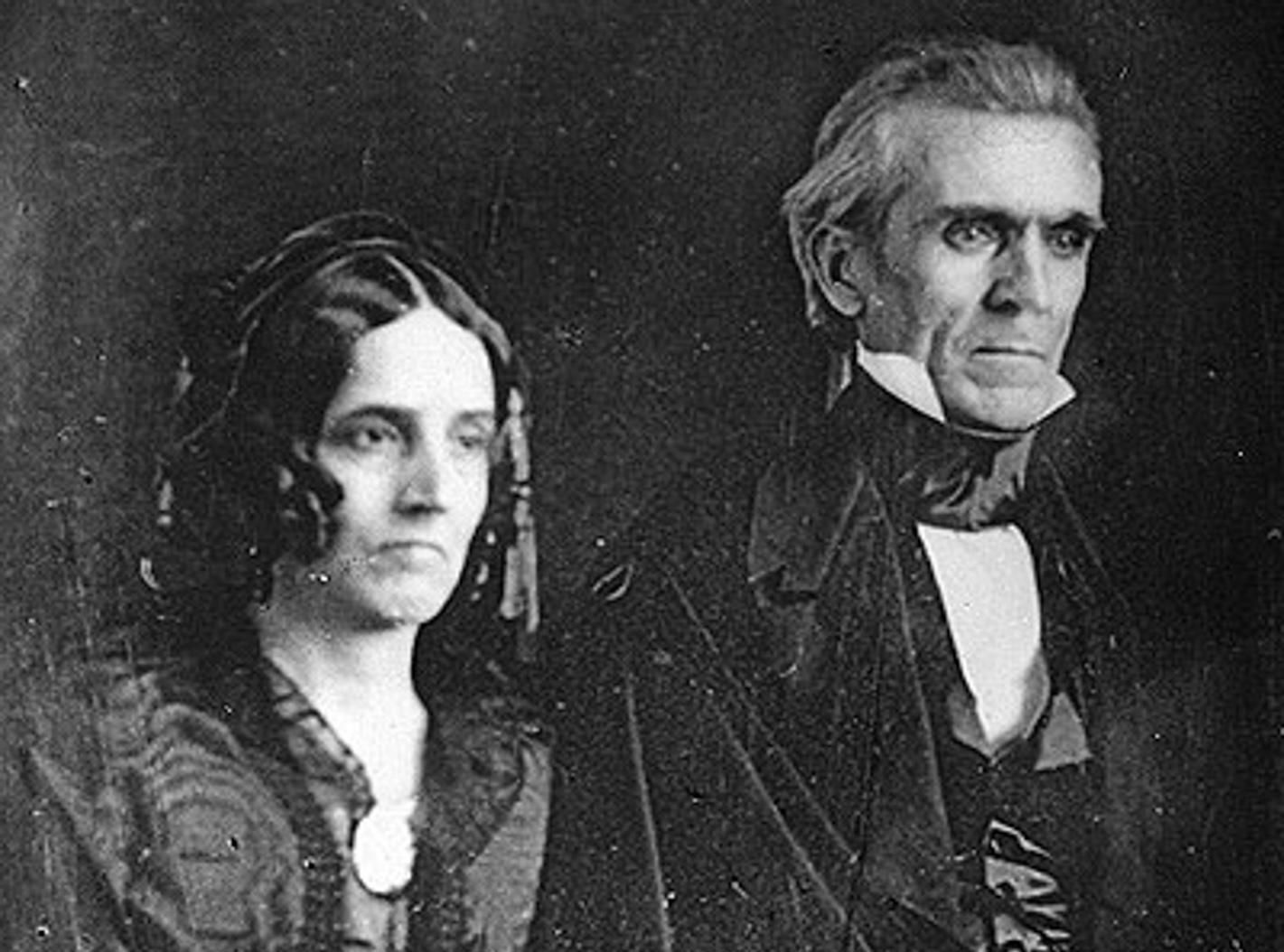
Whenever a president walks into a room for a major event, the Marine Band strikes up the same tune, and the crowd knows exactly who just arrived. That entrance music exists because James K. Polk had the opposite problem.

Elected in 1844, Polk was famously soft-spoken and easy to overlook in a crowded hall, the kind of president who could walk into a reception and have half the room not notice. His wife, Sarah Childress Polk, decided that wouldn’t do. She arranged for the Marine Band to play "Hail to the Chief" whenever her husband entered a room, giving guests a clear cue that the president had arrived. The tune, written by English composer James Sanderson and reserved for special events like inaugurations, had been around for 40 years prior to Polk’s taking office, although it was during his presidency when it started opening the door for every Commander-in-Chief.

7
The national Christmas Tree Lighting ceremony

Image: The White House from Washington, DC, Public domain, via Wikimedia Commons

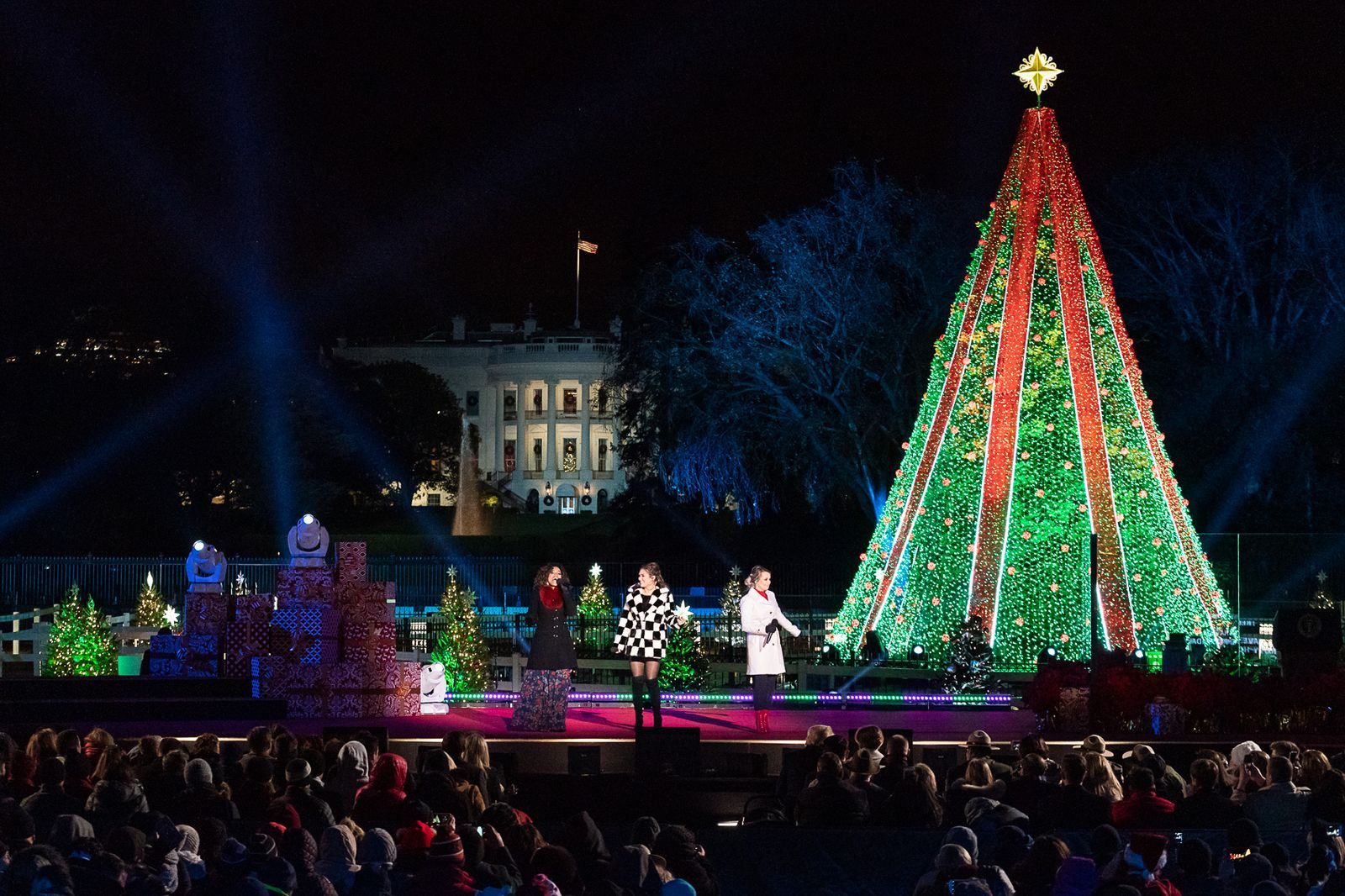
The National Christmas Tree Lighting each December draws crowds to the Ellipse just south of the White House, but the very first one almost happened somewhere else entirely.

In November 1923, organizers asked First Lady Grace Coolidge for permission to put a community Christmas tree on the White House grounds. She already had a carol sing planned for the North Lawn and didn’t want two events competing, so she suggested the Ellipse instead. On Christmas Eve, President Calvin Coolidge walked over from the White House, pressed a button, and lit a 48-foot balsam fir donated by his home state of Vermont in front of thousands of spectators. True to his famously quiet nature, Coolidge said nothing and simply flipped the switch, letting the lights be the show.

8
The presidential "First Pitch" at Major League Baseball games

Image: Robert LeRoy Knudsen, Public domain, via Wikimedia Commons

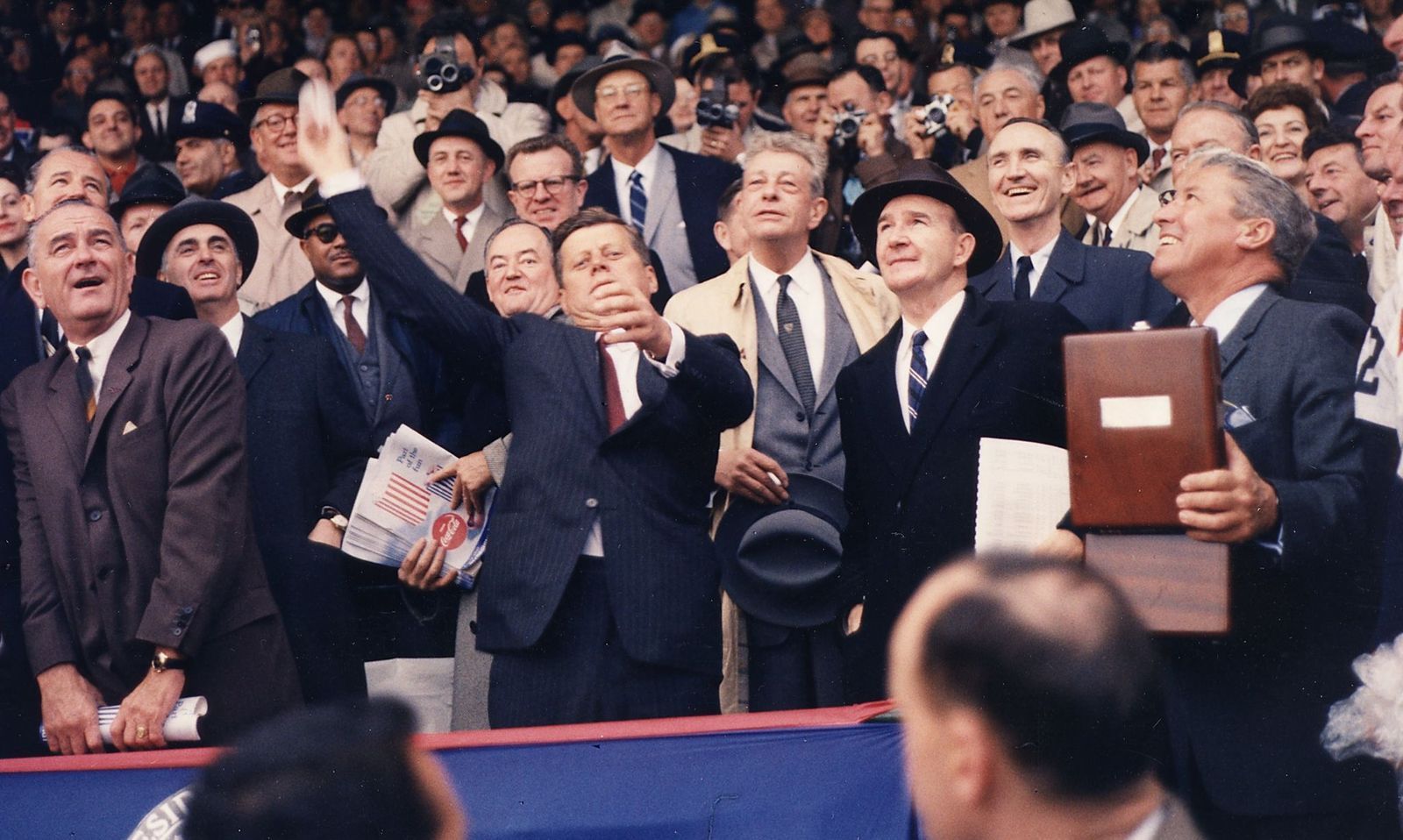
Every baseball season still opens with someone tossing a ceremonial first pitch, a tradition that dates back to a president who almost wasn't invited.

On April 14, 1910, William Howard Taft attended the Washington Senators' opener against the Philadelphia Athletics, in Washington, D.C. The plan was for him to throw to Washington Senators catcher Gabby Street, since ace pitcher Walter Johnson had shyly turned down the honor. Taft had other ideas. From his box seat, he turned and fired the ball straight to Johnson instead, who caught it, kept it as a souvenir, and later had the president autograph it. Johnson went on to pitch a one-hit shutout that afternoon. Taft returned to throw another first pitch in 1911, and the ceremony has opened baseball seasons for presidents ever since.

9
Blueberry Jelly Belly Beans

Image: National Archives and Records Administration, Public domain, via Wikimedia Commons

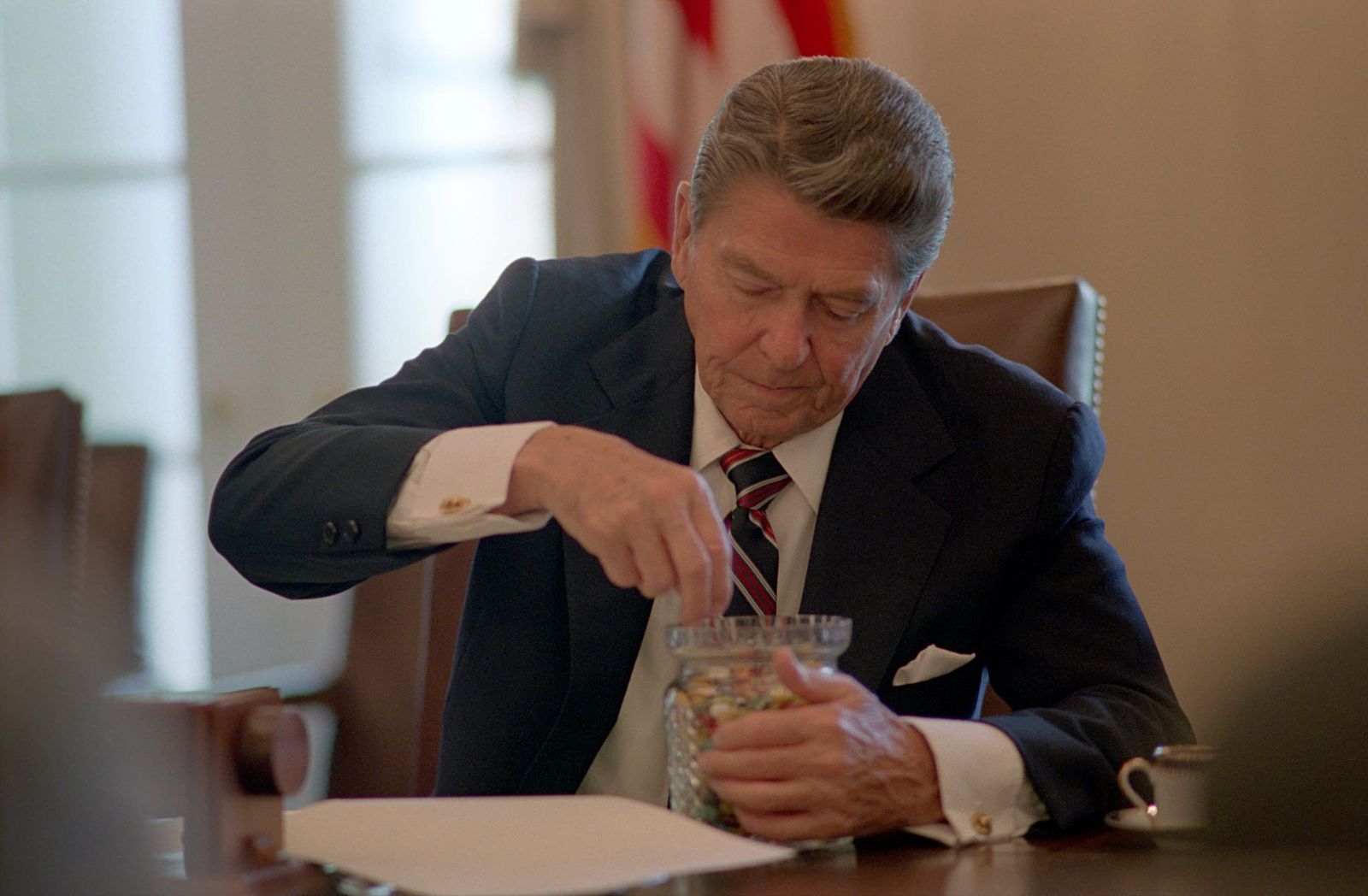
Grab a bag of Jelly Belly beans today, and you'll likely find blueberry among the flavors, a color that didn't exist until one president requested it.

Ronald Reagan started eating jelly beans in 1966 to help quit pipe smoking, and by the time he reached the White House, he kept jars in the Oval Office and Cabinet Room alike. For his 1981 inauguration, Reagan wanted a patriotic red, white, and blue display . Jelly Belly already made Very Cherry for red and Coconut for white, but nobody had ever needed a blue bean before, so there wasn't one. The company invented the blueberry flavor specifically for the occasion and shipped three and a half tons of beans to Washington for the celebration. More than 40 years later, blueberry remains one of Jelly Belly's most popular flavors.

10
Hoover-ball, a new sport

Image: English: NPGallery, Public domain, via Wikimedia Commons

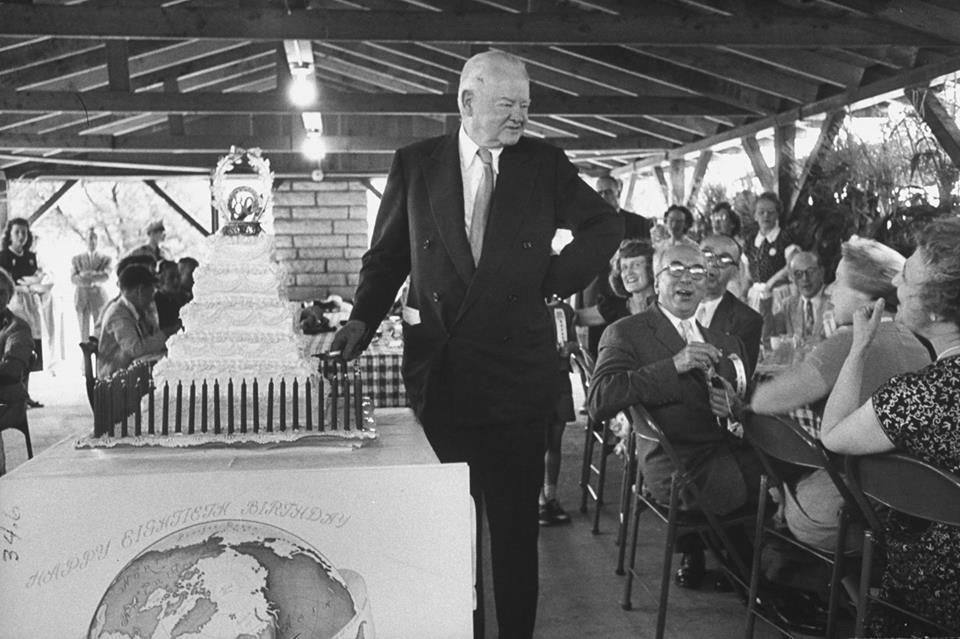
Presidential influence is not to be denied. And one former president even gave Americans a new sport. When Herbert Hoover entered office in 1929, his doctors were concerned about his weight and lack of exercise. His physician, Joel T. Boone, came up with an answer that was considerably more fun than a daily walk.

Boone adapted the game from medicine-ball exercises and tennis , creating a sport in which players stood on opposite sides of a net and threw a heavy medicine ball back and forth. The game quickly became a regular activity on the White House grounds, and players even earned a nickname: the "Medicine Ball Cabinet." Although it never became mainstream, the sport lived on through local competitions in Hoover’s hometown of West Branch, Iowa.

History History 3 min read

Weird science

Prepare to be shocked: 10 bizarre scientific experiments from history

Image: PublicDomainPictures

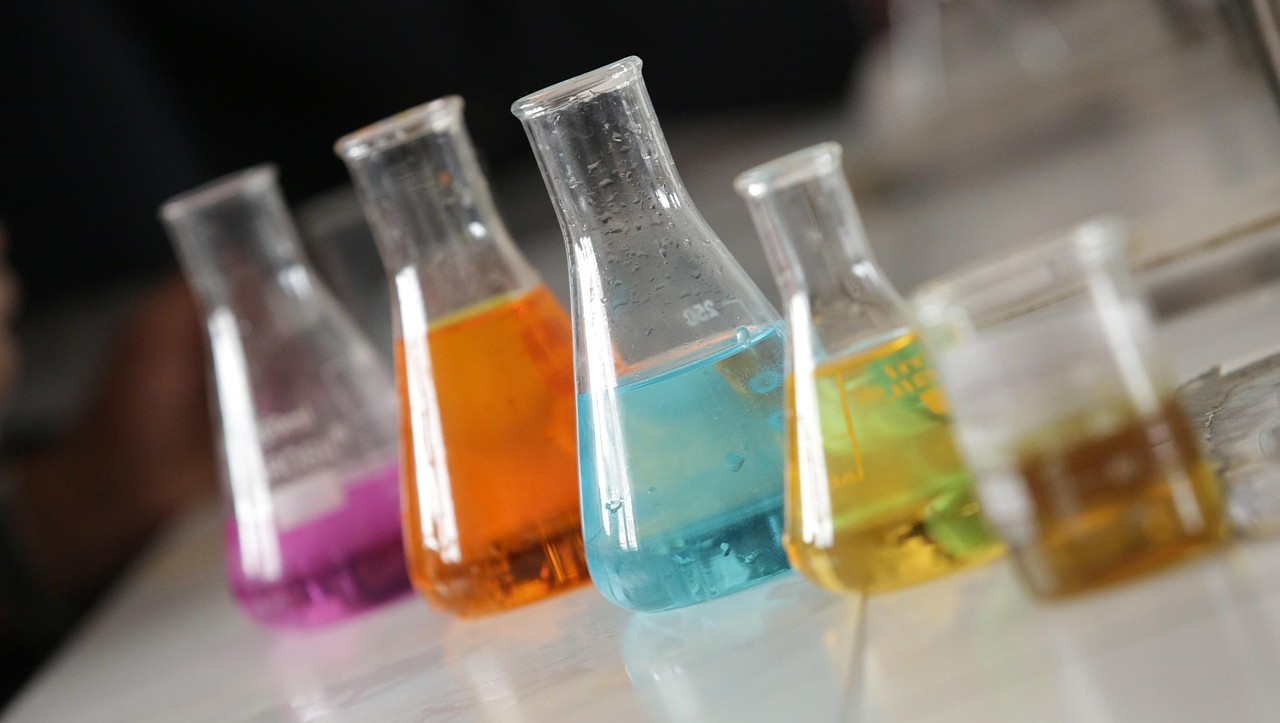
While the very nature of experimentation involves doing things that have never been done before, some of these investigations are strange even within that context. Take a look at these 10 downright odd studies performed in the name of science, and you may be surprised more than once. Did you know about any of these?

1
The spacesuit satellite

Image: Sieuwert Otterloo

Shoving an astronaut suit out of an airlock and into space might seem like a scene from a movie, but it really happened. In 2003, an empty spacesuit was thrown into space , nicknamed Ivan Ivanovitch (or Mr. Smith), stuffed with old clothes and a radio transmitter .

The idea was that old spacesuits could be used as satellites. SuitSat-1, as it was named, went on to spend several months in silent orbit before entering Earth's atmosphere and burning up on September 7, 2006.

2
The "invisible" gorilla

Image: Mike Arney

In this strange psychological experiment, researchers asked participants to watch a video of people passing a basketball and count how many passes were made. The catch was that, during the video, a person in a gorilla suit walked into the frame, stopped to pound its chest, and then walked out.

The study revealed a curious phenomenon known as "inattentional blindness": people were so focused on counting the passes that they failed to notice the gorilla .

3
Space spiders

Image: Vidar Nordli-Mathisen

In 2011, scientists sent two golden silk orb-weaver spiders on a 45-day trip aboard the ISS. They were kept in an adequate habitat, and both spiders adapted beautifully, continuing to spin their webs and hunt for food.

But not everything was normal. In microgravity, the spiders spun their webs differently —flatter and rounder—compared to the more three-dimensional, asymmetrical structures that orb-weavers spin on Earth.

4
Bitter fingernails

Image: Nick Karvounis

In 1942, a professor conducted an experiment with boys who had been diagnosed as chronic nail-biters. He used a phonograph with the recorded message " My fingernails taste bitter ," playing it over and over at night in the room where the boys slept.

At the end of the summer, the professor examined the boys' nails and concluded that 40% of them had kicked the habit.

5
Syrup swimming

Image: Arwin Neil Baichoo

In 2004, sixteen people with varying swimming skills swam in both a regular pool and a pool of guar syrup , which is twice as thick as water, for an experiment conducted by the University of Minnesota. The differences in their recorded times were negligible.

6
Bearcats and popcorn

Image: Corina Rainer

People encountering bearcats have noted that these animals smell like movie theater popcorn. A non-profit organization tested the bearcat's urine , and the results showed the presence of a chemical compound called 2-acetyl-1-pyrroline.

As it turns out, this is the same compound that gives popcorn its signature smell .

7
The 28-hour day

Image: Ocean Ng

Hoping to find out whether the 24-hour sleep-wake human rhythm was merely a habit, two scientists spent 32 days in a cave to avoid any external reference to day and night.

They tried out a 28-hour day, sleeping for 9 hours, working for 10 hours, and having 9 hours of leisure time . The younger scientist adapted within the first week, while the older one failed to adapt.

8
The fake doctor

Image: Hunters Race

A fake doctor delivered a lecture in 1970 to a crowd of assembled experts titled "Mathematical Game Theory as Applied to Physician Education." His performance impressed the audience so much that nobody noticed he was an actor who didn’t know anything about game theory.

The researchers behind the experiment wanted to find out if a great delivery technique could fool a group of experts—and it did.

9
The electric kite

Image: Brett Wharton

The most famous experiment on our list is also one of the strangest. In 1752, Benjamin Franklin flew a kite in a thunderstorm to demonstrate the electrical nature of lightning .

While many believe otherwise, no lightning hit the kite. Instead, ambient electrical charge moved through the hemp wire, and when Franklin touched the key attached to the wire, he felt a spark, thus proving the existence of such electricity.

10
Moon trees

Image: David Dibert

As we've learned, Americans like taking things to outer space and then bringing them right back. The Apollo 14 mission carried hundreds of tree seeds into space . These "moon trees" were then planted across the country by the US Forest Service.

Unsurprisingly, the trees grew just like any other tree of the same species.

Explore more American facts

Choose your favorite category!

General
General

As American as apple pie—the very best America has to offer!

Culture
Culture

Delve into the astounding richness of American lore.

Geography
Geography

Hop in and explore vast and diverse American landscapes.

History
History

Discover the key moments that shaped the United States.