Culture Culture 3 min read

We say Batman, you say Robin: iconic duos that stuck together!

Image: Mathias Reding

Some names just sound better in pairs: We say Batman, you say… Robin, of course! But that’s not the only one; there are many more. Some pairs remind us of teamwork, chemistry, and the fun of watching two people play off each other. From comedy legends to outlaw partners, America has produced some truly unforgettable dous. Let’s revisit some of the most iconic pairs in history!

1
Batman and Robin

Image: Yulia Matvienko

The Dark Knight and his trusty sidekick first teamed up in 1940, becoming the ultimate superhero duo. Fighting crime in Gotham City, they set the gold standard for the hero-and-sidekick formula. Generations grew up watching their adventures unfold in comics, on TV, and in movies, making them one of the most recognizable pairs of all time.

2
Simon and Garfunkel

Image: Unseen Histories

Paul Simon and Art Garfunkel sang their way into history with songs that helped define the 1960s. Hits like Bridge Over Troubled Water and Mrs. Robinson carried both energy and tenderness, and became the soundtrack of many lives. Even though the duo eventually split, their music remains timeless.

3
Abbott and Costello
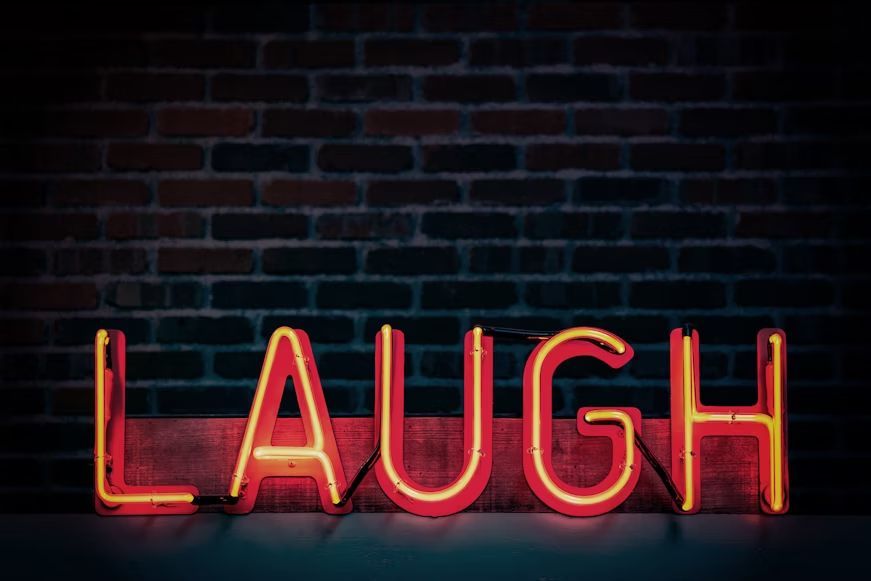
Image: Tim Mossholder

This comedy team made America laugh during the Great Depression and World War II. Their "Who’s on First?" routine is still quoted today, proving just how sharp their timing was. They thrived on radio, film, and TV, proof that good comedy can cross every medium and keep audiences smiling for years.

4
Sonny and Cher

Image: De an Sun

This singing couple burst onto the scene in the 1960s with "I Got You Babe." Their playful banter and variety show made them a TV sensation. Even after their marriage ended, they both continued to make their mark, showing us they could share the spotlight and remain pop culture icons either way.

5
Tom and Jerry

Image: Melike İlayda Baksı

This cat-and-mouse pair gave us some of the funniest animated chases ever created. Tom and Jerry first appeared in 1940, and they proved they never needed words to entertain. Their comedy has crossed generations; kids and adults alike still chuckle at their endless games.

6
Joey and Chandler
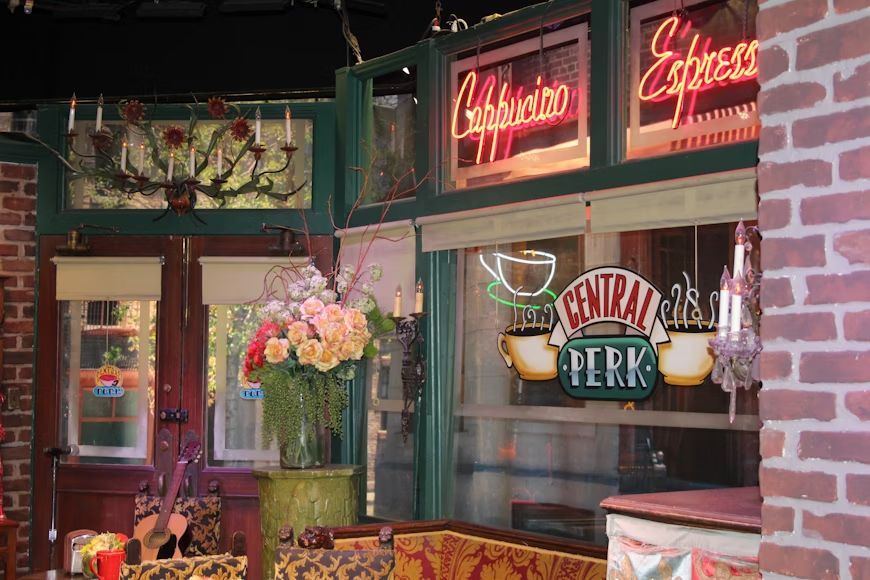
Image: Ilse Orsel

In Friends , Joey Tribbiani and Chandler Bing gave us one of TV’s most memorable bromances. Between foosball games, recliner time, and their shared apartment antics, they showed the ups and downs of friendship in a way that felt real. Through every argument and every laugh, they stayed best buds.

7
Scooby-Doo and Shaggy

Image: Nik

Since 1969, Scooby and Shaggy have been the lovable cowards of the Mystery Inc. gang. Their appetite for giant sandwiches and their knack for stumbling into spooky situations made them favorites for kids and adults alike. They may not be the sharpest detectives, but their friendship is as loyal as it gets.

8
Bonnie and Clyde
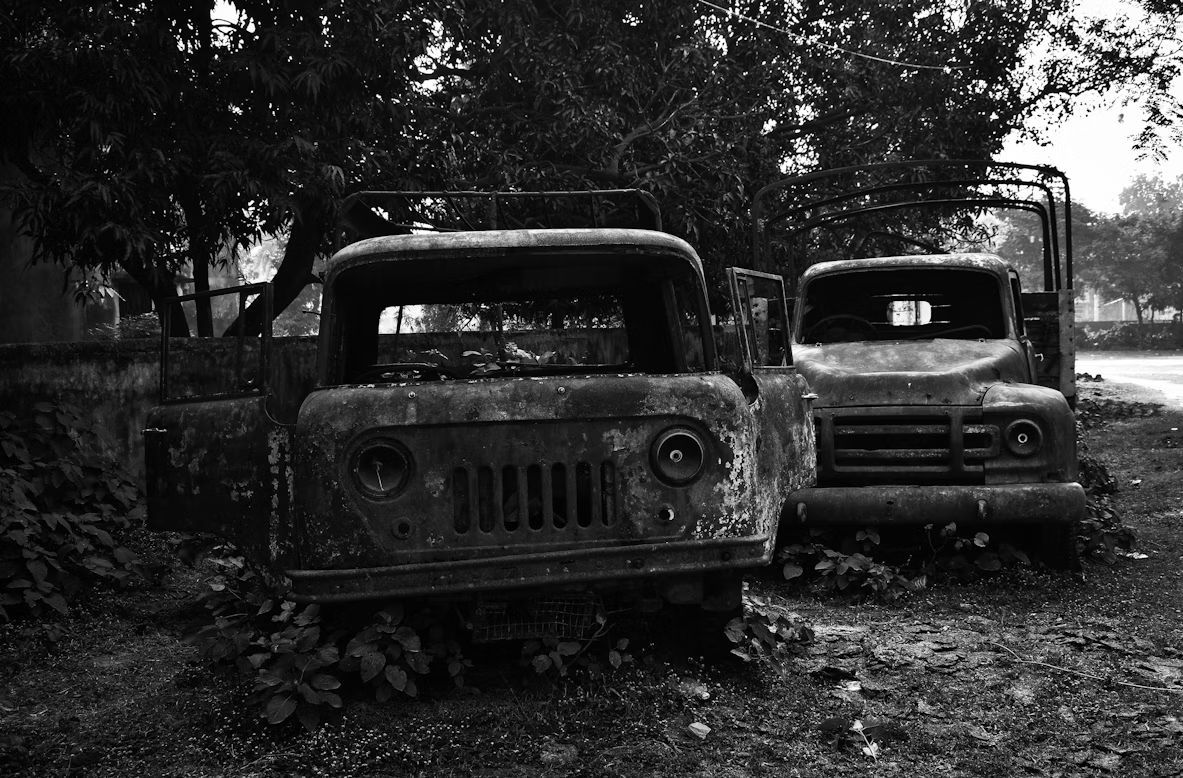
Image: Kishore Chandra

During the Depression, Bonnie Parker and Clyde Barrow became notorious across America. Young and reckless, they were constantly on the run, both criminals and folk legends in the public imagination. Their violent story ended in 1934, but books and movies have kept their names alive in popular memory.

9
Lucy and Ricky Ricardo
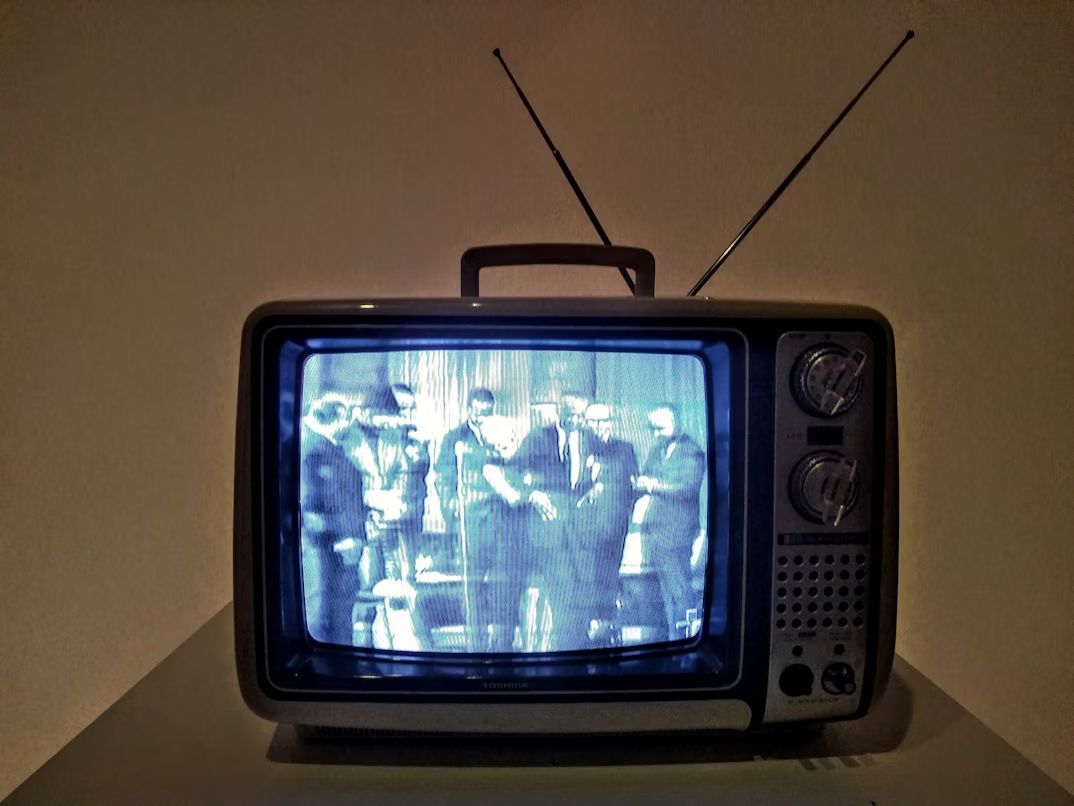
Image: Bruna Araujo

In I Love Lucy , Lucille Ball and Desi Arnaz broke new ground as a real-life couple playing husband and wife on TV. Lucy’s wild schemes paired with Ricky’s charm created episodes that redefined the sitcom format. Their chemistry made them unforgettable, and their show remains a staple of classic television.

10
Penn and Teller
Image: Call Me Fred

This magic duo mixes illusions with comedy, giving audiences both awe and laughter. With a long-running Las Vegas residency and countless TV appearances, they’re proof that a partnership can stay fresh and surprising for decades.
History History 5 min read

What’s in a speech?

10 speeches that marked America

Image: The New York Public Library

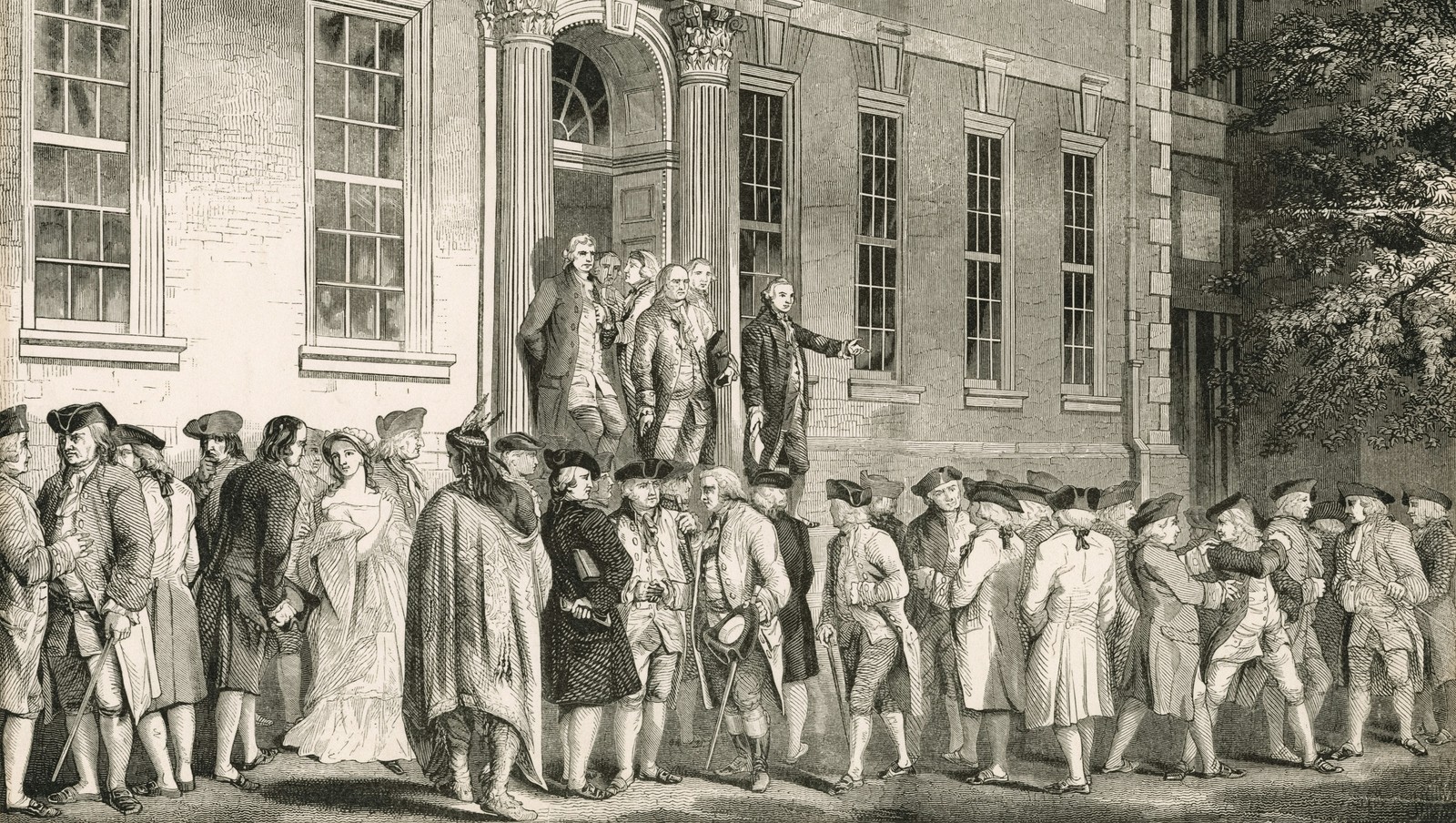
In more than two centuries of American history, countless speeches and addresses have proven worthy of remembrance. These words and ideas were expressed by all kinds of Americans, from presidents to fugitive slaves , and each left a lasting mark on the hearts and memories of their audiences. Here are 10 speeches that earned their place in the nation’s memory.

1
Patrick Henry: Give Me Liberty or Give Me Death!

Image: Eric Wiser

On March 23, 1775, those gathered at the Second Virginia Convention debated whether Virginia should raise troops in preparation for armed resistance against Great Britain. Patrick Henry, a delegate from Hanover County, addressed the convention and argued that war had already started and the confrontation was inevitable , so an independent militia was necessary. Henry concluded with the famous declaration: "I know not what course others may take; but as for me, give me liberty or give me death!", a passionate appeal that helped secure the required votes.

2
Jimmy Carter: A Crisis of Confidence

Image: WikiImages

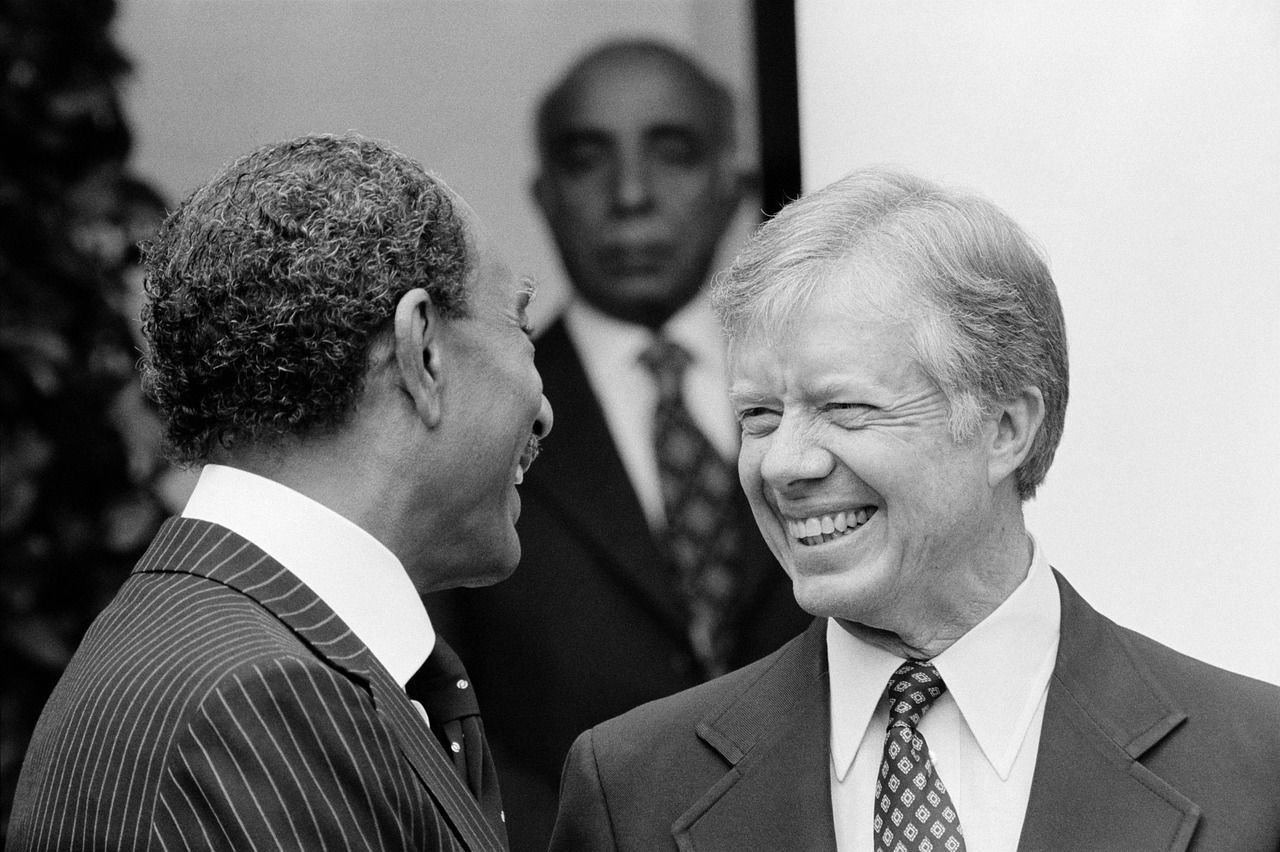
Also known as the "malaise speech" (though Carter never used that word), this address by President Carter recognized a dire problem in 1979’s America: the people felt abandoned by the government in their time of need. The crisis was much more than an economic issue, and Carter wanted to know what everyday Americans thought and needed . In a speech shaped by conversations he had with ordinary Americans, Jimmy Carter declared that America’s crisis was " a crisis of confidence" that had struck at the very heart and soul of the nation.

3
Martin Luther King, Jr.: I Have a Dream

Image: Raffaele Nicolussi

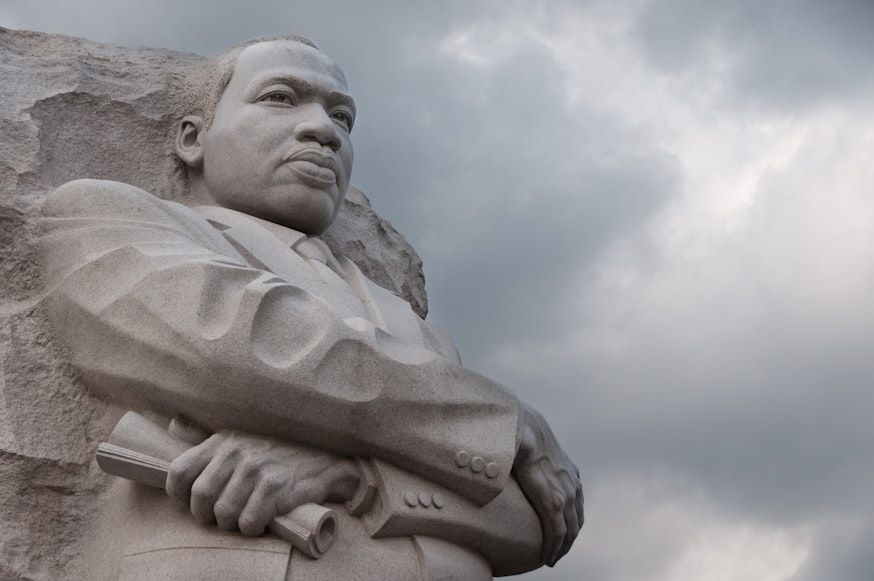
In one of the most iconic speeches in civil rights history, Martin Luther King Jr. addressed more than 200,000 people at the Lincoln Memorial in Washington, D.C., on August 28, 1963, during the March on Washington for Jobs and Freedom. Nearly a century after the Emancipation Proclamation, those freed from slavery were still not really free . After denouncing the laws that legalized racism and segregation, MLK expressed his wish for a free and unified America with a phrase that would go down in history: "I have a dream!"

4
Abraham Lincoln: The Gettysburg Address

Image: Timothy Pierce

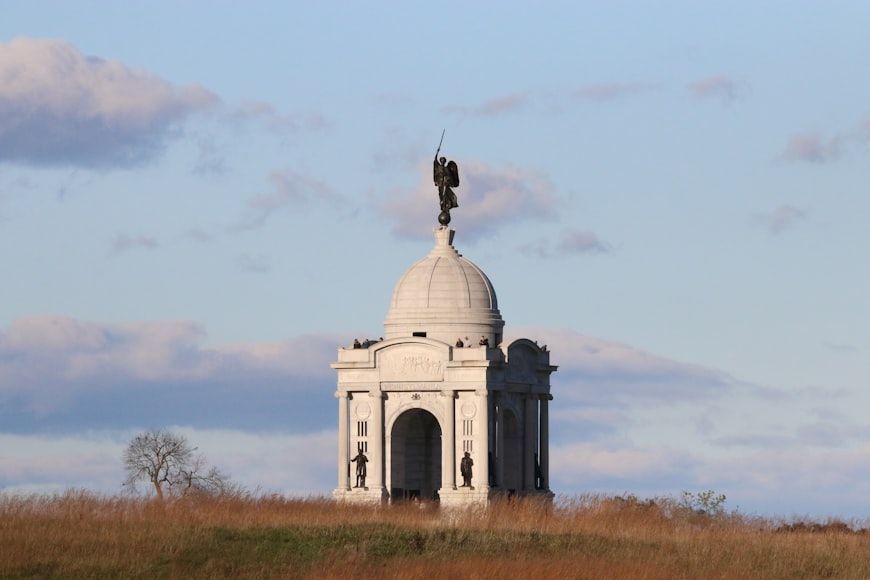
Fought between July 1 and July 3, 1863, the Battle of Gettysburg was one of the bloodiest engagements of the American Civil War and was a decisive victory for the Union. Four and a half months later, President Lincoln delivered this speech on the battlefield, now a cemetery for more than 50,000 fallen soldiers. Lasting only about two minutes, Lincoln’s address reminded those present that it was the responsibility of the living to ensure that the sacrifice of the fallen would not have been in vain .

5
Sojourner Truth: Ain’t I a Woman?

Image: Hussain Badshah

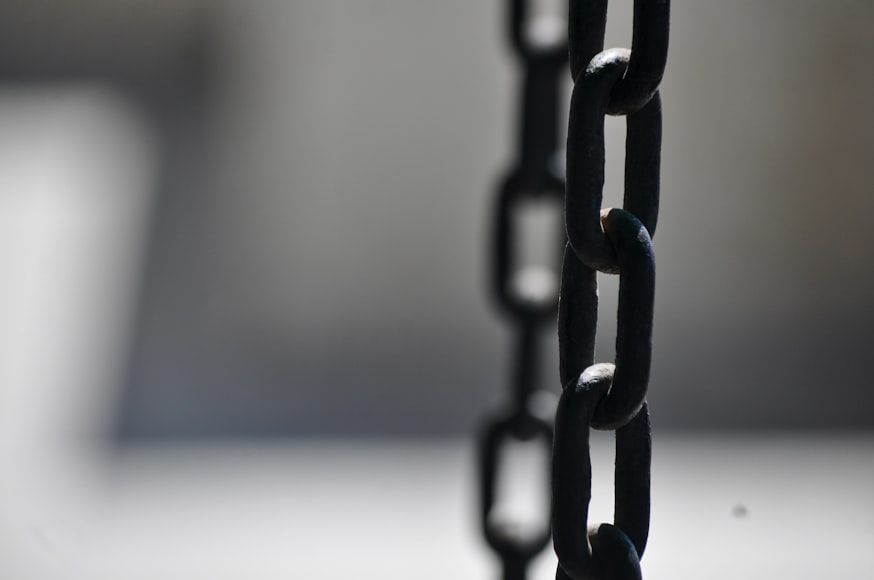
Born into slavery as Isabella Baumfree, Sojourner Truth escaped after her enslaver failed to honor a promise to free her early under New York’s gradual emancipation law and uphold the New York Anti-Slavery Law of 1827. She later became an itinerant preacher and was involved in both the women’s rights and abolitionist movements. At the 1851 Women’s Rights Convention, she delivered a speech highlighting the double discrimination suffered by Black women . Even without full rights, white women received deferential treatment from men. Her phrase "Ain’t I a woman?" denounced that, while she had done all the things white women did and more, she was not considered worthy of respect because of her race.

6
Franklin D. Roosevelt: Pearl Harbor Address to the Nation

Image: Winston Chen

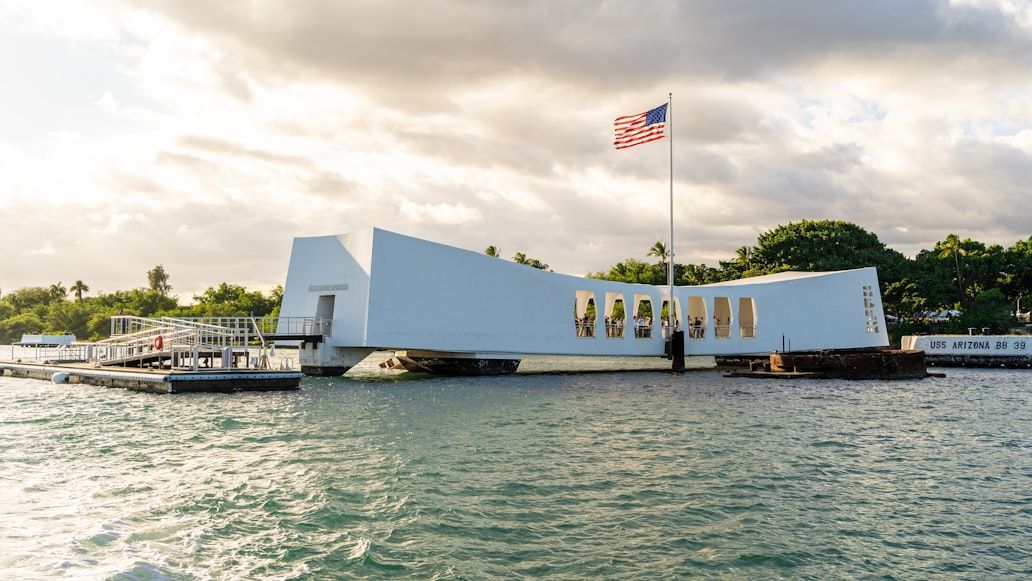
The bombing of Pearl Harbor by the Imperial Japanese Navy on December 7, 1941, marked the United States’ entry into World War II. The next day, President Roosevelt addressed Congress during a joint session, asking for a declaration of war. This address, famously remembered by its opening line—"Yesterday, December 7, 1941—a date which will live in infamy"— reinforced the idea of the attack as an unprovoked aggression that had resulted in over 2,400 casualties, both civilian and military, and appealed to patriotic sentiments. The speech attracted the largest live audience in American history (over 80% of the adult population) and resulted in Congress unanimously declaring war on Japan that same day.

7
John F. Kennedy: Inaugural Address

Image: History in HD

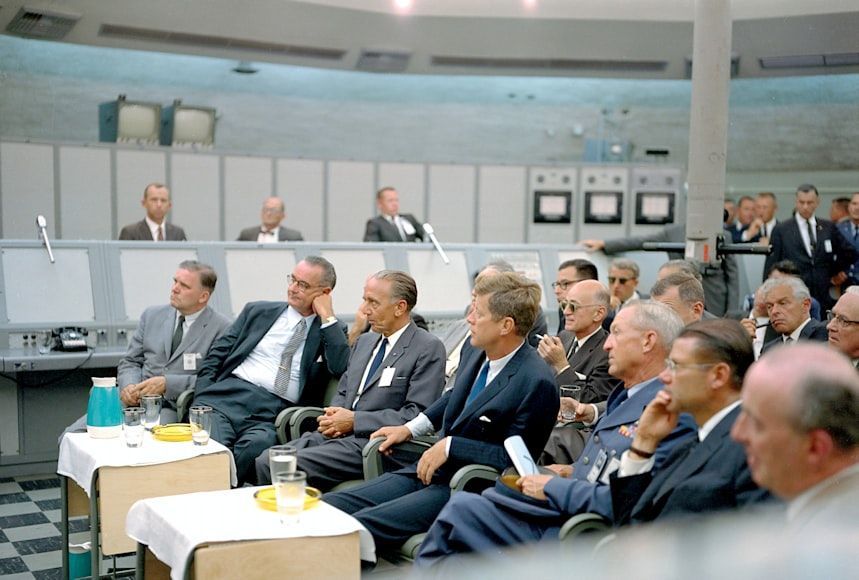
John F. Kennedy gave several memorable speeches during his presidency, but his inaugural address remains one of the most remarkable, and for good reason. According to accounts from his inner circle, the speech was meticulously crafted and reworked multiple times by Kennedy , who consulted the opinion of friends and advisors, and poured hours into making sure his first address as president would reflect the route he intended to take. As the youngest person elected to the presidency, Kennedy represented a generational change in the government. The central theme of his address was a call for civic responsibility and national service, an idea summarized in the address’s most memorable line: "Ask not what your country can do for you—ask what you can do for your country."

8
Frederick Douglass: What to the Slave is the Fourth of July?

Image: Stephanie McCabe

A writer, orator, and statesman, Frederick Douglass was a major figure of the abolitionist movement. Born into slavery, he became renowned for his autobiographical writings and powerful oratory, offering a living refutation against the slavist argument of the inferior capacity of African Americans. His most famous speech, What to the Slave Is the Fourth of July? , given to the Rochester Ladies' Anti-Slavery Society in 1852, is an acute analysis of how the American values of freedom and liberty were contradicted by the state and treatment of those in slavery.

9
Theodore Roosevelt: The Man in the Arena

Image: Rafael Camacho Greilberger

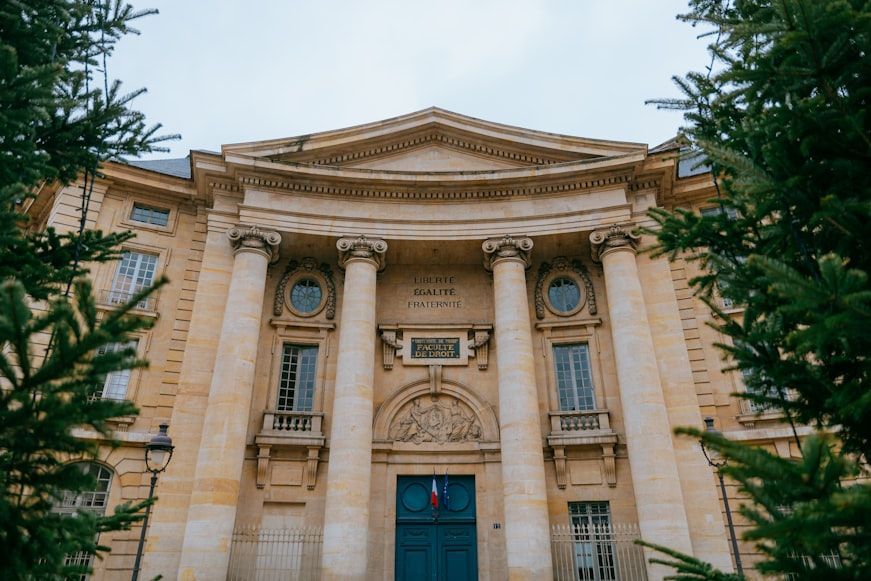
"Citizenship in a Republic" is one of Theodore Roosevelt’s most memorable speeches. He delivered it on April 23, 1910, at the Sorbonne in Paris, after leaving the presidency. In his long address, Roosevelt explains his convictions about democracy, civic virtue, and leadership. But there is a passage that stands out: "The Man in the Arena" highlights the value of those who strive and go on despite failure and ongoing challenges, and even those who fail in the end, but not for lack of effort . This passage has been quoted numerous times in American politics, including by Richard Nixon in both his 1968 victory speech and his 1974 resignation address.

10
Ronald Reagan: Tear Down this Wall

Image: André Fuck

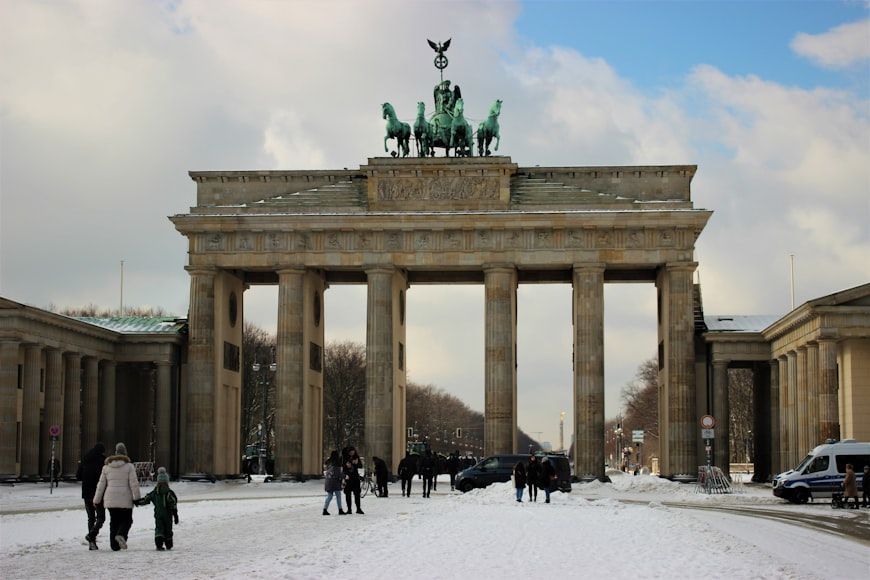
More than two decades after Kennedy’s " Ich bin ein Berliner " speech, President Reagan delivered another historic address at the Berlin Wall. Speaking at the Brandenburg Gate in a Berlin much more hostile to the American president’s presence, aides and advisors had recommended a change in the tone of the speech to avoid straining the relationship between the American and Soviet administrations . Reagan retained the passage that had caused concerns, which contained the most iconic phrase. In a direct appeal to the Soviet leader Mikhail Gorbachev, he declared: "Mr. Gorbachev, open this gate! Mr. Gorbachev, tear down this wall!" The speech was not widely covered by the media, and the reactions were lukewarm. Only after the fall of the Berlin Wall in 1989 did the address gain widespread recognition as a symbol of American resolve during the final years of the Cold War.

Geography Geography 3 min read

Beauty is everywhere

10 beautiful works of art in America that are free for all to enjoy

Image: Adriaan Greyling

While a huge portion of the world’s best artworks are in museums, galleries, and private collections, many masterpieces are out in the open, embellishing their surroundings, free for everyone to admire and enjoy. These sculptures, statues, and monuments live in our parks, streets, or almost anywhere else. Pedestrians stumble upon them, most of the time without even taking the time to look at them. But when they do, their beauty speaks to them. America is brimming with amazing works of art everywhere you look. In almost every city, you can find artworks out in the open, for everyone to admire. Are you near any one of the following ten?

1
Brookgreen Gardens, South Carolina

Image: Alano Oliveira

The largest collection of figurative American sculpture in the world –over 2,000 works– can be seen at Brookgreen Gardens in South Carolina.

Everything is displayed outdoors, in gardens laid out in 1931 in the shape of a butterfly by the sculptor Anna Hyatt Huntington and her husband, rail magnate Archer Milton Huntington. The gardens are listed on the National Register of Historic Places.

2
Laumeier Sculpture Park, St. Louis

Image: Nathaniel Shuman

With 105 acres and over 70 works, Laumeier is one of the largest urban sculpture parks in the nation . It has some really big pieces, including works by Alexander Liberman, Tony Tasset, Jonathan Borofsky, Odili Donald Odita, and more.

3
Minneapolis Sculpture Garden, Minneapolis

Image: Meizhi Lang

The massive sculpture of a cherry atop a huge spoon prompts visitors to photograph it using perspective tricks to make it look like they’re eating the cherry. As spectacular as this artwork is, the garden has many more world-class sculptures, including important pieces by Alexander Calder, George Segal, Judith Shea, and Roy Lichtenstein.

4
Nasher Sculpture Center, Dallas

Image: Zalfa Imani

Taking a walk through the Nasher Sculpture Center in Dallas feels like being inside a prestigious world-class museum, but outdoors . Works by Rodin, Picasso, Brancusi, Koons, Calder, de Kooning, Giacometti, Matisse, Serra, and other masters can be found on the premises.

These grounds offer an uncrowded, intimate experience in which the sculptures feel like they're in conversation with one another.

5
National Gallery of Art Sculpture Garden, Washington, D.C.

Image: Andriy Oliynyk

If you happen to visit the National Gallery of Art Sculpture Garden in Washington, D.C. in the winter months, you will find a skating rink along with Louise Bourgeois' Spider with a light dusting of snow, a Chagall mosaic, a variation by Robert Indiana on his famous LOVE statue , and 17 other important works of modern art. The garden is one of the most serene places in the city.

6
Nelson-Atkins Museum of Art, Kansas City

Image: Omar KH

Being at the Nelson-Atkins Museum of Art, in Kansas City, feels a bit like walking through a land of giants, amidst their huge everyday objects . Visitors will find mammoth shuttlecocks, amongst other monumental works of art.

The Nelson-Atkins Museum's outdoor sculpture park was originally named after Henry Moore because it contains a large number of bulbous works by that artist. His pieces eventually were joined by a fanciful glass labyrinth by Robert Morris, as were sculptures by Magdalena Abakanowicz, Alexander Calder, Mark di Suvero, and others.

7
Olympic Sculpture Park, Seattle

Image: Elham Abdi

The Olympic Sculpture Park treats its visitors with sweeping views over Elliott Bay . The monumental sculptures complement the view in both directions. And, if you stand in just the right spot, Alexander Calder’s Eagle frames the Space Needle perfectly.

The park also features notable works by Louise Nevelson, Roxy Paine, Richard Serra, Louise Bourgeois, Mark di Suvero, and Beverly Pepper.

8
Storm King Art Center in New Windsor, New York

Image: Mike Hindle

With 500 acres, Storm King is the largest sculpture park in the United States , offering its visitors several distinct ecosystems —woodlands, meadows, and lakes among them.

The park boasts works by numerous 20th-century art stars, including Maya Lin, Isamu Noguchi, Henry Moore, Alexander Calder, Richard Serra, Andy Goldsworthy, Anthony Caro, Louise Bourgeois, Sol LeWitt, and David Smith.

9
Frederik Meijer Gardens & Sculpture Park, Michigan

Image: Albert Dehon

The Frederik Meijer Gardens & Sculpture Park in Grand Rapids, Michigan, boasts Victorian gardens with pieces by famed artists Edgar Degas and Auguste Rodin , a collection of carnivorous plants, sweeping outdoor gardens (which include a 1930s-era farm garden), a Japanese garden, and a large outdoor amphitheater that hosts famed musicians every summer.

10
The Stuart Collection, California

Image: Is@ Chessyca

The Stuart Collection is an amazing grouping of artworks by world-famed artists like Michael Asher, John Baldessari, Mark Bradford, Jackie Ferrara, Do Ho Suh, and more. One of the collection’s goals is to reexamine conventional views of public art in playful and thought-provoking ways as it showcases experimental art to the public and the community.

Explore more American facts

Choose your favorite category!

General
General

As American as apple pie—the very best America has to offer!

Culture
Culture

Delve into the astounding richness of American lore.

Geography
Geography

Hop in and explore vast and diverse American landscapes.

History
History

Discover the key moments that shaped the United States.