Geography Geography 4 min read

Paying homage to fauna

Why is Buffalo, NY, named like that?
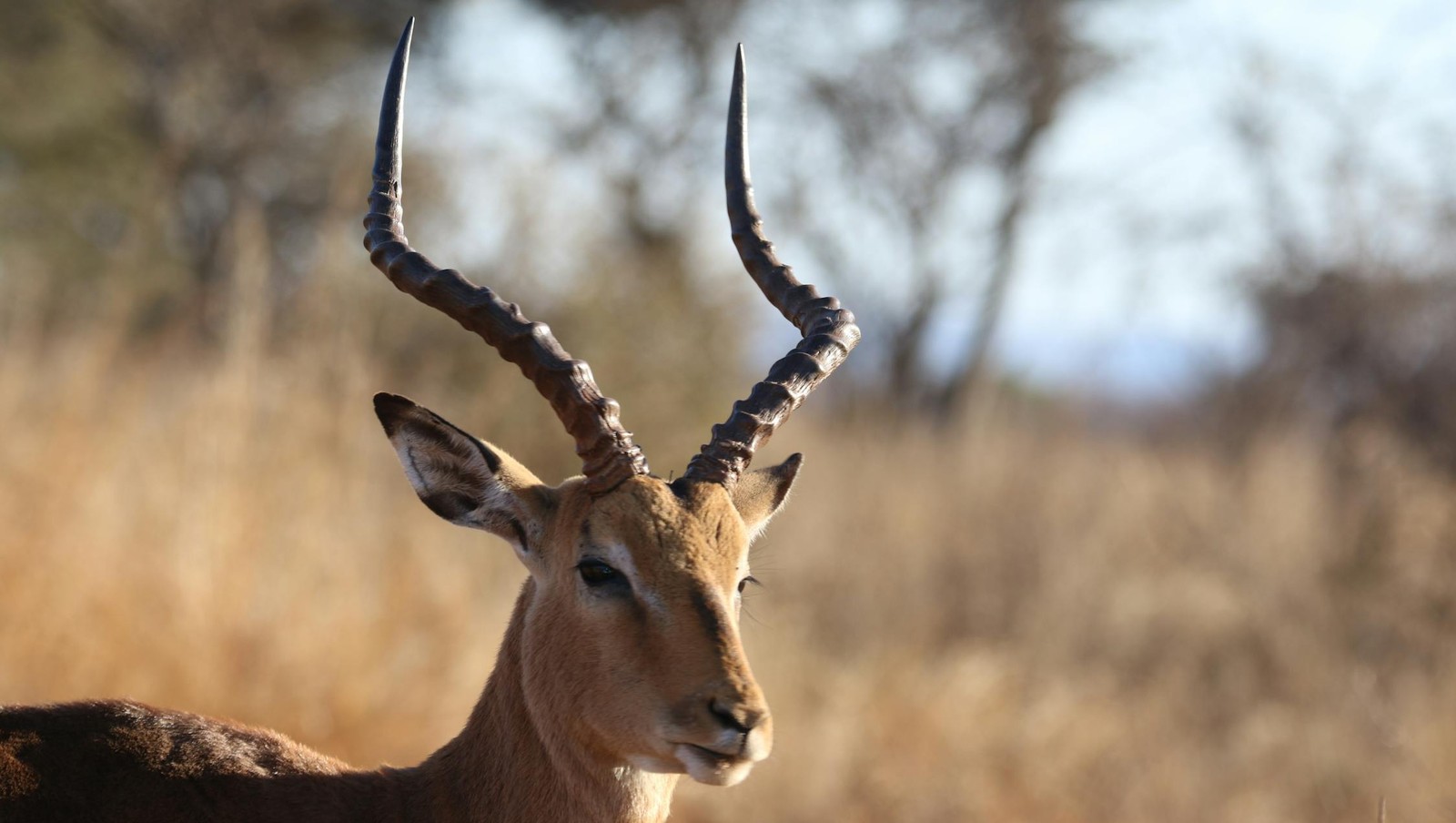
Image: Magda Ehlers

The American landscape is dotted with places named after creatures, great and small. Sometimes these names were a nod to nature, and other times a big misunderstanding. Today, such names remain in slogans and memorabilia around the city, even in places where residents have never seen, say, a White Salmon. So let’s take a cross-country trip through the places where the beasts live on, even if only in bronze statues and welcome signs.

1
Antelope Canyon, Arizona

Image: Paul IJsendoorn

Technically, pronghorns are not true antelopes , but try telling that to early settlers. This stunning slot canyon was named in their honor.

Winding through the Navajo Nation in northern Arizona, its entrance was once grazed by herds of pronghorns gracefully navigating the red rock terrain. Although the original inhabitants have mostly been scared away, the beautiful landscape remains.

2
Buffalo, New York

Image: Pixabay

Despite the name, no actual buffalo roam here—only football fans in snow boots. There are several theories about the origin of the name: some say it comes from the French beau fleuve ("beautiful river"), while others insist early settlers mistook bison sightings for true buffalo .

Either way, the city still honors the animal’s spirit through bronze statues, sports teams, and, of course, Buffalo wings.

3
White Salmon, Washington

Image: Drew Farwell

White Salmon, Washington. This charming town above the Columbia River Gorge got its name from an unusual fish tale. In 1805, Lewis and Clark spotted pale-colored Chinook salmon swimming upstream and named the White Salmon River, which later lent its name to the town.

The white salmon themselves are rare spring sightings, but the name stuck, like a good fishing story.

4
Mammoth Cave, Kentucky

Image: Jonathan Cooper

No, they didn’t find woolly mammoth bones here. The name "Mammoth" refers to the size , not the species, of this mind-bending cave system. With over 400 miles explored, this south-central Kentucky cave is the largest known cave system on Earth.

5
Eagle River, Alaska & Wisconsin

Image: Greg Johnson

Two towns, one majestic bird , and a very straightforward name. In Alaska, Eagle River sits just outside Anchorage, where bald eagles actually soar overhead—and sometimes steal a salmon right out of your hands.

In Wisconsin, Eagle River offers a quieter charm: a hub for lake lovers and snowmobilers who know how often the eagle motif appears on murals, signs, and T-shirts.

6
Wolf Creek Pass, Colorado

Image: Deepak Adhikari

The name alone sounds like it belongs in a Western, and the real place doesn’t disappoint. This high mountain pass in southern Colorado winds its way through the San Juan Mountains, where wolves once prowled the slopes .

Though they’ve long been gone from the area, the name remains, also immortalized in a song by C.W. McCall.

7
Pelican Bay, Florida

Image: J Dean

This coastal enclave near Naples is all palm trees, golf carts, and private beaches, but yes, there are still pelicans.

Big, slightly clumsy, and oddly charming , they’re often seen gliding above the Gulf waters or crash-landing into the surf. The bay itself is a protected estuary, and the birds serve as unofficial greeters.

8
Moose, Wyoming

Image: Danika Perkinson

If you were to walk around the area, you’d understand why this town got its name: actual moose wander here. Just outside Grand Teton National Park, the scenic town of Moose offers ranger stations, cozy lodges, and the occasional 1,200-pound mammal chewing shrubs near the parking lot.

9
Fox River, Illinois & Wisconsin

Image: David Gomez

This river wasn’t named directly after the clever creature, but after the Fox (Meskwaki) Native American tribe . The winding river flows more than 200 miles, passing through Midwest towns, bike trails, and history-rich spots

Today, statues, murals, and local school mascots keep the fox theme alive, although you’re unlikely to spot a red fox along the riverbanks these days.

10
Bear Lake, Utah & Idaho

Image: Megan Nixon

This turquoise lake marks the Utah–Idaho border and was named after, you guessed it, actual bears.

Grizzly and black bears once roamed the surrounding area, though nowadays you’re more likely to spot jet skis than paw prints. Locals call it the "Caribbean of the Rockies," thanks to its unique limestone-rich, electric-blue waters.

11
Cougar, Washington

Image: Leah Huyghe

Cougar, a tiny town in southwestern Washington, gets its name from the sleek mountain lions that once roamed the thick forests nearby. The area is best known for its proximity to Mount St. Helens. A post office called "Cougar" was established there in the early 1900s, and the unincorporated community followed soon after.

12
Coyote, California

Image: Kaylin Pacheco

In what is now Silicon Valley, Coyote was once a standalone ranch town named for the clever canines that run across the hills.

While coyotes still prowl the region—occasionally crashing backyard barbecues—the town itself has been mostly absorbed into San Jose. Still, the name lingers in road signs, local parks, and historic maps.

13
Hawk Mountain, Pennsylvania

Image: Frank Cone

High above the Appalachian ridges of eastern Pennsylvania, Hawk Mountain is a sanctuary. It was transformed into the world’s first refuge for birds of prey in the 1930s.

Today, birdwatchers flock here every fall to witness thousands of hawks, eagles, and falcons gliding overhead. There’s no town—just trails and sky.

General General 4 min read

Beyond pizza

Gourmet traveling: 10 amazing local dishes from 10 American states

Image: Ben Eaton

Most of us already know about Chicago’s pizza, Philadelphia’s cheesesteak, New England’s clam chowder, and quite a long list of delicious local dishes. But there is always another dish, maybe not as popular but equally tasty, in every corner of the country. Take a look at the following ten and see if you recognize any of these or even fancy making it at home!

1
Chicken Tetrazzini, California

Image: Lampos Aritonang

California is famous for several dishes, including sushi, avocadoes, and many more but the Chicken Tetrazzini is also a very popular and delicious local dish. Named for an Italian-born opera star who lived in San Francisco, the dish involves thin sliced chicken served with mushrooms in a cream-based sauce flavored with white wine .

The dish was supposedly invented in the early 1900s by Ernest Arbogast, the chef at the Palace Hotel in San Francisco, where Luisa Tetrazzini made her American debut at the Tivoli as Gilda in Rigoletto in 1905.

2
Scrapple, Delaware

Image: Martinet Sinan

While the name may not sound all that appealing, the flavor makes up for it. This meat loaf is made of cornmeal, flour, seasonings, and pork scraps , which gives it its name. It’s then sliced thinly and pan-fried before serving.

As the story goes, this dish owes its existence to the Pennsylvania Dutch not wanting to waste their meat trimmings. Locals claim that it makes for an excellent snack or breakfast addition.

3
Italian Beef, Illinois

Image: Farhad Ibrahimzade

It sounds like beef, but it is a beef sandwich, actually. This deliciousness is made by slow-cooking beef, slicing it thinly, and placing it into a white bread roll with a local hot pickled pepper relish or roasted sweet peppers.

The origin of this dish is informed by Chicago’s meat packing history, as it was made quickly as a lunch item for workers with ingredients at hand.

4
Bierock, Kansas

Image: Jeremias Ybañez

Quite similar to Argentinean "empanadas", bierock are small meat pies created in Kansas by German immigrants in the late 1800s. They are typically stuffed with cabbage, ground beef, and onion but many other flavors can be found as the format lends itself to creativity and can be stuffed with just about anything.

These savory treats are common among the German community and it was brought to the United States in the 1870s by German Russian Mennonite immigrants.

5
Toasted Ravioli, Missouri

Image: Lorenzo Tomassetti

A local specialty from St. Louis, "toasted" ravioli are actually deep-fried and meant to be dipped in sauce and eaten with your hands . They function as an appetizer, entrée, and snack. As the legend goes, in the early 1940s, a raviolo was accidentally dropped into the fryer by a chef. Apparently, someone thought that this happy accident tasted good because, shortly thereafter, the item began appearing on menus across The Hill.

6
Cider Doughnuts, New Hampshire

Image: Pere Jurado

New Hampshire cider doughnuts get their flavor from cinnamon, nutmeg, and apple cider used in the batter. These are cakey donuts, perfect for snacking during fall, and are a harvest tradition sometimes sold at cider mills. They are often paired with apple cider and may be covered with cinnamon and/or granulated sugar.

7
Kase Knoephla, North Dakota

Image: Frank Zhang

These hard-to-pronounce cheese buttons are a form of dumplings of German origin, a nod to the settlers who immigrated to the area. They’re stuffed with a cottage cheese mixture and served with sauteed onions, cheese, and sour cream .

These treats have some similarities with Italian ricotta ravioli. The recipe for the noodle dough is exactly the same as a common recipe for pasta, and the recipe for the cheese is similar to at least one version of ricotta.

8
Pepperoni Rolls, West Virginia

Image: Jez Timms

Imagine a soft white bread roll stuffed with slices of pepperoni and you will be picturing a pepperoni roll. This dish can attribute its existence to the local coal mining industry, as it was created by an Italian baker so miners would have a no-fuss lunch they could pack for work.

During baking, the fats in the pepperoni melt, resulting in a spicy oil suffusing into the bread. Pepperoni rolls are typically eaten for lunch or breakfast, either unheated or slightly warmed.

9
Conch fritters, Florida

Image: Anshu A

You can skip this one if you are not into snails but if you are, by all means, read on. Conch are large sea snails native to the Florida Keys, the Bahamas, and surrounding regions battered and fried as to become a deliciously salty and savory snack.

This dish can be eaten on its own, or fried with chips, or in a seafood salad. But the fritters are perfect for sharing.

10
Ham Balls, Iowa

Image: Сергей Орловский

It should come as no surprise that a state with so many pork farms has its own version of a metaball but with ham. Or at least partially, since ham balls have a mixture of ground meats: ground ham, ground beef, and ground pork . Ham is a cured cut of pork with a smoky quality, it contains a different flavor than ground pork alone.

While these three types of meat together might sound like an odd combination, the mixture results in a flavorful and perfectly textured meatball. Also, to differentiate even further from the classic meatballs, ham balls use graham cracker crumbs instead of breadcrumbs.

Geography Geography 5 min read

Unparalleled sights

Have you ever seen these geological oddities found only in the US?

Image: Steve Wrzeszczynski

Hot springs painted like rainbows, diamond-handpicking lands, and a mysterious disappearing waterfall—these are some of the unique geological spots you can find only in the U.S. Surreal rock and mineral formations, like the Petrified Forest or the Fly Ranch Geyser, have acquired their vibrant colors over decades or even millennia and are still there, waiting to be marveled at by hikers and visitors. Have you ever seen or read about these one-of-a-kind marvels? Let’s dive into how they came to be!

1
Grand Prismatic Spring

Image: MikeGoad

The steaming, multicolored circle of the Grand Prismatic Spring is one of the most hypnotic and unique sights in the U.S. Part of Yellowstone National Park, this hot spring is the largest in the country and the third-largest in the world, measuring 370 feet wide and 160 feet deep.

Its vibrant colors, ranging from deep blue in the center to fiery red and orange at its edges, are unlike anything we see in nature every day. Minerals and microbes are responsible for these hues, with water temperature causing the pigments to fluctuate . The spring owes its existence to geothermal activity driven by Yellowstone's underlying magma chamber and is located in the Midway Geyser Basin.

2
Fly Ranch Geyser

Image: Ken Lund, CC BY-SA 2.0

One of the reasons why Fly Ranch Geyser is unique in the world is that it was formed after a human accident . This technicolor geothermal geyser, located on the Fly Ranch property in the Hualapai Geothermal Flats of Washoe County, Nevada, wasn’t there before 1916.

In 1916, while drilling a well for irrigation in the area, workers struck near-boiling geothermal water, leading to the creation of the first geyser. Decades later, in 1964, a geothermal energy company drilled a second well nearby, which caused the emergence of the Fly Geyser we know today. It has been spouting water into the sky ever since, forming several cone-like vents atop a mound that continues to grow.

3
Devil’s Kettle

Image: chrishawaii

Where does the water from the Brule River go when it falls? For a long time, this was a mystery. Located in Judge C.R. Magney State Park near Grand Marais, Minnesota, along the North Shore of Lake Superior, the river is famous for its unusual split: one half flows downstream, while the other plunges into a seemingly bottomless hole .

This waterfall has baffled visitors and scientists for years because objects thrown into the "kettle," such as logs and ping-pong balls, appeared to vanish without resurfacing. This fueled theories of underground rivers or deep caverns beneath the falls. The mystery was solved recently when hydrologists discovered that the water entering the kettle resurfaces downstream . The kettle's strong currents explain why objects thrown in don’t resurface; they are broken apart and held underwater, functioning like a natural washing machine.

4
Mono Lake Tufa Towers

Image: Stephen Leonardi

These unique limestone formations, known as the Mono Lake Tufa Towers, emerge from the salty, alkaline waters of Mono Lake , fed by underwater springs. Located in eastern California, near the Sierra Nevada mountains and about 13 miles east of Yosemite National Park, they are a striking natural wonder.

These tufa towers rise dramatically from the water. How were they formed? Mono Lake has no outlet, so its high alkalinity and salinity caused minerals to accumulate over time. This unique environment supports an ecosystem of brine shrimp, alkali flies, and migratory birds. To give you an idea, the lake’s salinity is more than twice that of the ocean, which means you could float effortlessly in its waters, as many visitors do.

5
Crater of Diamonds

Image: Brett Sayles

If you find a diamond here, you get to keep it—this is the only diamond-bearing site in the world where that's possible. Open to the public for mining , the Crater of Diamonds is a 37.5-acre field located near Murfreesboro, Arkansas. It marks the eroded surface of a volcanic pipe composed of lamproite, a rare volcanic rock.

Visitors sometimes find diamonds of various colors, including white, yellow, and brown, along with other gems like amethyst and garnet. It was here that the "Uncle Sam Diamond" was found, the largest diamond ever dug out in North America, weighing 40.23 carats. Diamonds were first discovered here in 1906 when a local farmer found unusual crystals on his land, which sparked a minor diamond rush.

6
Antelope Canyon

Image: Roberto Lee Cortes

Rocks that look like flowing water: Antelope Canyon is a famous and breathtaking slot canyon in northern Arizona. It consists of two main sections: Upper Antelope Canyon (a.k.a. Tsé bighánílíní, or "the place where water runs through rocks") and Lower Antelope Canyon ( Hazdistazí, or "spiral rock arches").

The canyon was formed over millions of years as flash floods and desert winds eroded the Navajo Sandstone. Even today, seasonal flash flooding continues to shape and carve the canyon’s mesmerizing features. Its surreal, wave-like formations in shades of orange are a favorite subject for photographers and tourists from all over the world.

7
Petrified Forest

Image: Megan Clark

The Petrified Forest National Park in northeastern Arizona boasts one of the world's largest and most vibrant concentrations of petrified wood . The park, part of the Painted Desert, is located between the Apache and Navajo Counties.

Most of the wood found there is from ancient conifer trees that date back about 225 million years to the Late Triassic period. These trees were swept into river systems, buried by sediment, and transformed into stone through a process called permineralization . The park also features a wealth of fossilized remains of ancient animals, including early reptiles.

8
Devils Tower

Image: Kyle Petzer

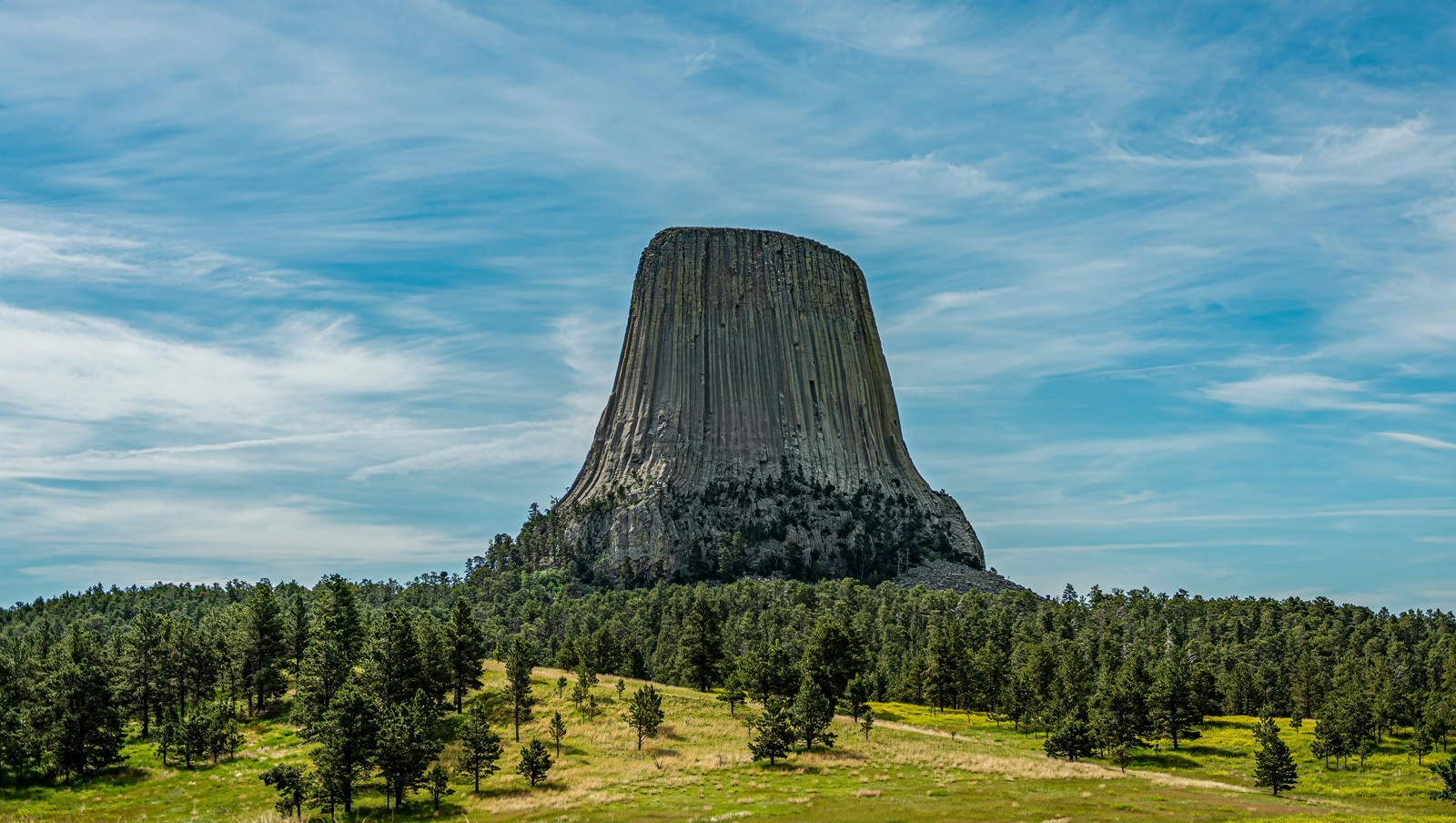
The Devils Tower stands alone, protruding dramatically from the plains. Considered sacred by Native American tribes, it was originally called "bad god’s tower," a name that eventually evolved into its current form. Located in northeastern Wyoming, this igneous rock monolith soars 867 feet above its base.

It was designated the first U.S. National Monument by President Theodore Roosevelt in 1906. Geologists agree that Devils Tower was formed through the intrusion of magma into sedimentary rock layers about 50 to 60 million years ago. Today, climbers from around the world are drawn to its sheer walls, though climbing is prohibited in June to honor Native ceremonies.

9
The Wave

Image: Mark Nemenzo

The Wave is a visually stunning sandstone formation located in the Coyote Buttes North area of the Vermilion Cliffs National Monument. Known for its hypnotic, swirling bands of red, orange, and yellow, its delicate ridges are so easily damaged that even one misplaced footstep could ruin the beautiful patterns.

Approximately 185 million years ago, this area was a vast desert covered in dunes. Over time, layers of sand were deposited, compacted, and cemented, forming this Navajo sandstone shape. Unfortunately, The Wave is only accessible by a challenging hike that requires a permit, due to the fragility of its ecosystem and high demand from visitors. With less than 5% of applicants obtaining a permit each year, it is one of the most exclusive hiking destinations in the world.

10
Kasha-Katuwe Tent Rocks National Monument

Image: Bruce Warrington

The Kasha-Katuwe Tent Rocks National Monument, located in northern New Mexico, displays a unique landscape of tall, cone-shaped rock formations. These "tent rocks," composed of pumice and tuff, are known as "hoodoos." They are natural formations ranging from a few feet to approximately 90 feet tall.

The name "Kasha-Katuwe" means "white cliffs" in the Keresan language of the Cochiti Pueblo. Hiking trails, such as the Slot Canyon Trail, offer visitors the opportunity to explore the cones up close while walking through dramatic, narrow canyons.

Explore more American facts

Choose your favorite category!

General
General

As American as apple pie—the very best America has to offer!

Culture
Culture

Delve into the astounding richness of American lore.

Geography
Geography

Hop in and explore vast and diverse American landscapes.

History
History

Discover the key moments that shaped the United States.