General General 4 min read

Do you agree with these 10 absurd rules still in existence in the U.S.?
Image: Tara Winstead

America is famous for its love of freedom, yet a few peculiar and oddly specific rules survived in dusty town codes and old state books. Some were written to solve long-forgotten problems; others simply remained by accident. What they all have in common is that they are a reflection of our quirks and contradictions. From outlawed snowballs to forbidden confetti, these 10 real bans prove that, in the land of the free, common sense sometimes just goes and take a coffee break.

1
Snowball fights

Image: Arina Krasnikova

It may sound like the premise for a coming-of-age comedy film, but it’s absolutely true: in Wausau, Wisconsin, throwing a snowball is technically against the law. The city once grouped snowballs in the same category as "stones and missiles," as if every kid with a pair of mittens were a potential threat to public safety. Of course, local police don’t patrol sledding hills looking for offenders anymore. The rule mostly lives on as a charming reminder that even winter fun can end up in the law books.

2
Camel hunting
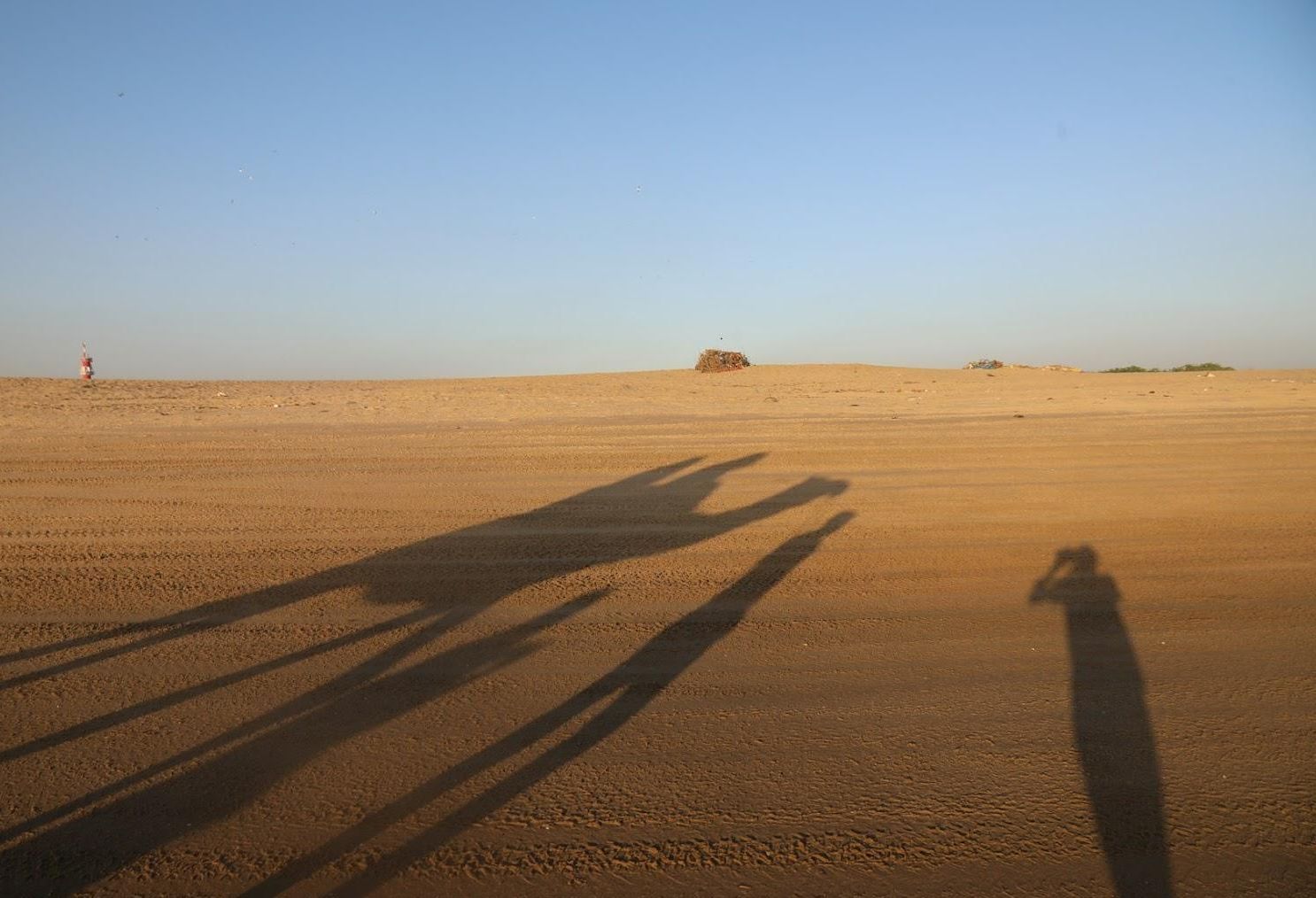
Image: Shaun Danny

Camels in Arizona? Well, technically. Back in the mid-1800s, t he U.S. Army brought camels to the Southwest, hoping their strength and stamina would make them the perfect means for desert transport. The experiment didn’t last—soldiers preferred their mules—but the camels did, wandering off into the wild. To protect the survivors, the State of Arizona outlawed camel hunting, a law that still stands today. So if you ever spot one, grab your camera, not your hunting license!

3
Texting while walking
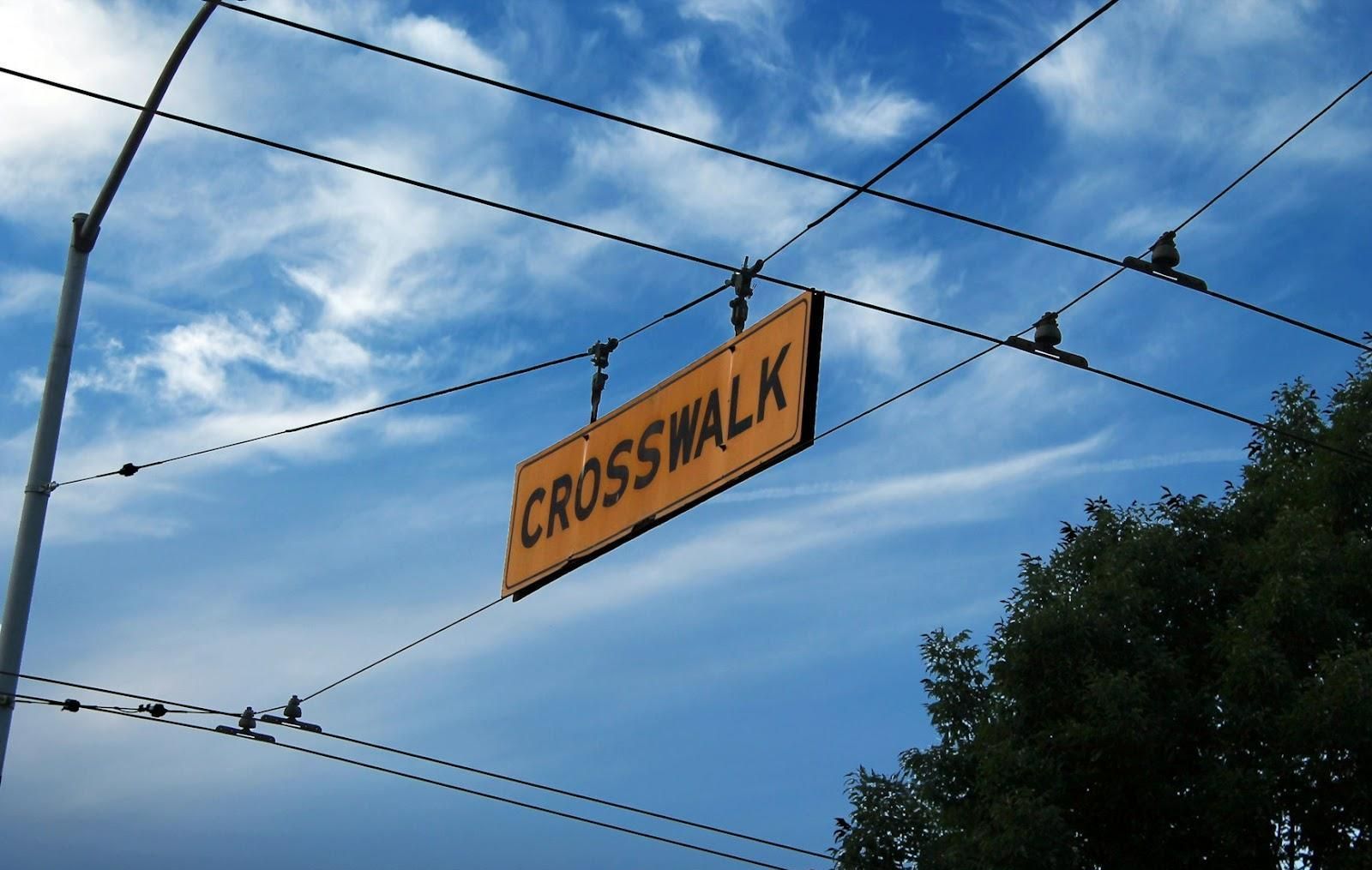
Image: Elizabeth Woolner

Crossing the street with your eyes glued to your phone is the 21st century’s twist on jaywalking. In Honolulu, Hawaii, that nasty habit can cost you up to $99, thanks to a local ordinance meant to curb "distracted walking." Officials say it’s about protecting pedestrians from accidents; residents jokingly call it "the eyes-up law." Whether you see it as common sense or overreach, the rule makes one thing clear: the text, meme, or emoji can wait until you’re safely on the other side.

4
Apple pie must come with ice cream
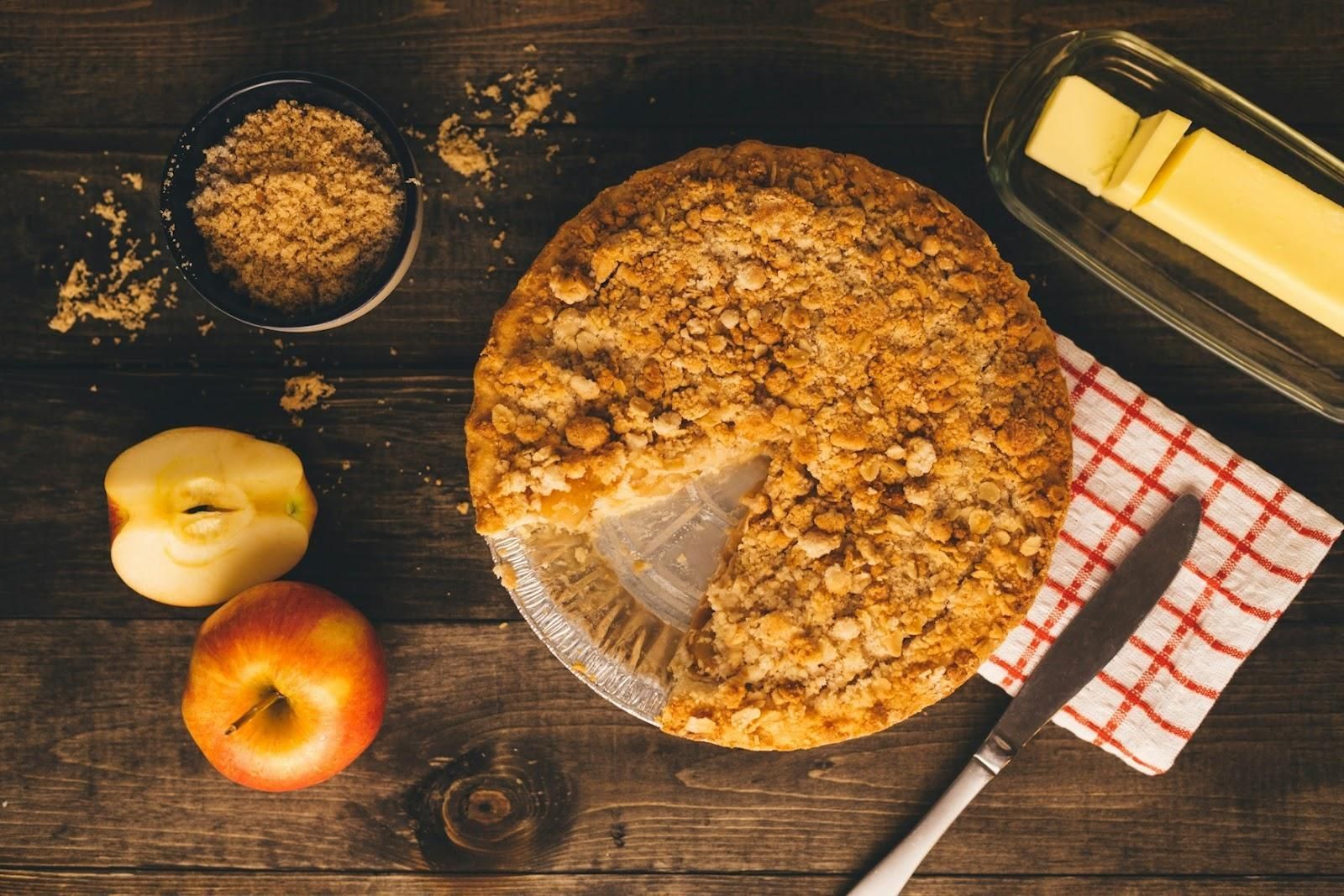
Image: Patrick Fore

Here’s a rule everyone can get behind. Vermont, proud home of rolling orchards and autumn harvests, officially crowned apple pie as its state dessert. But lawmakers didn’t stop there; they added a charming twist, recommending that each slice be served "in good faith" with a scoop of vanilla ice cream, a piece of sharp cheddar, or a glass of cold milk. It’s less a regulation and more a warm invitation to enjoy a simple American treat. Yes, the law can sometimes be fun and downright delicious!

5
Bear wrestling
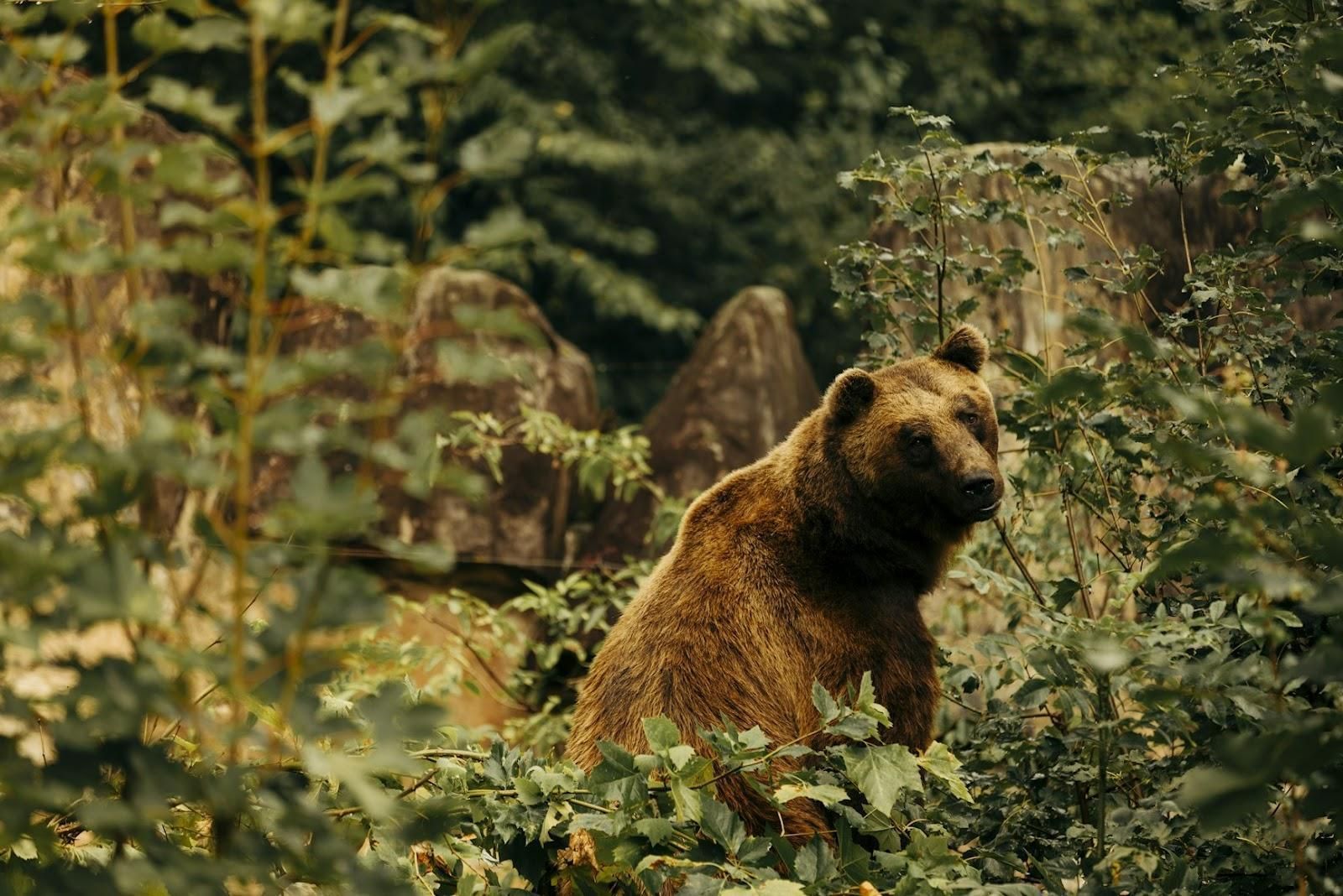
Image: Florian Schindler

Believe it or not, there was a time when people thought wrestling a bear was a good idea. Traveling shows and roadside attractions once featured men squaring off against hulking bruins for cheers and pocket change. Eventually, Alabama decided it was a spectacle best to leave it in the past. In 1996, the state officially banned bear wrestling, making it illegal to train, promote, or even sell tickets to such events. Today, the law stands as a small but noble victory for animal welfare. As for the bears? They walked away undefeated, every single one of them.

6
Password sharing

Image: cottonbro studio

Before Netflix made it official, Tennessee was already ahead of the curve. Back in 2011, the state passed a law making it illegal to share passwords for paid streaming services. The rule was originally meant to stop hackers from selling stolen logins, but it ended up being a cautionary tale for the streaming wars to come. Technically, lending your password to a friend could cost you $2,500 and even land you a year in jail. What once seemed overcautious now feels oddly prophetic, almost like Tennessee read the fine print of the future.

7
Dueling
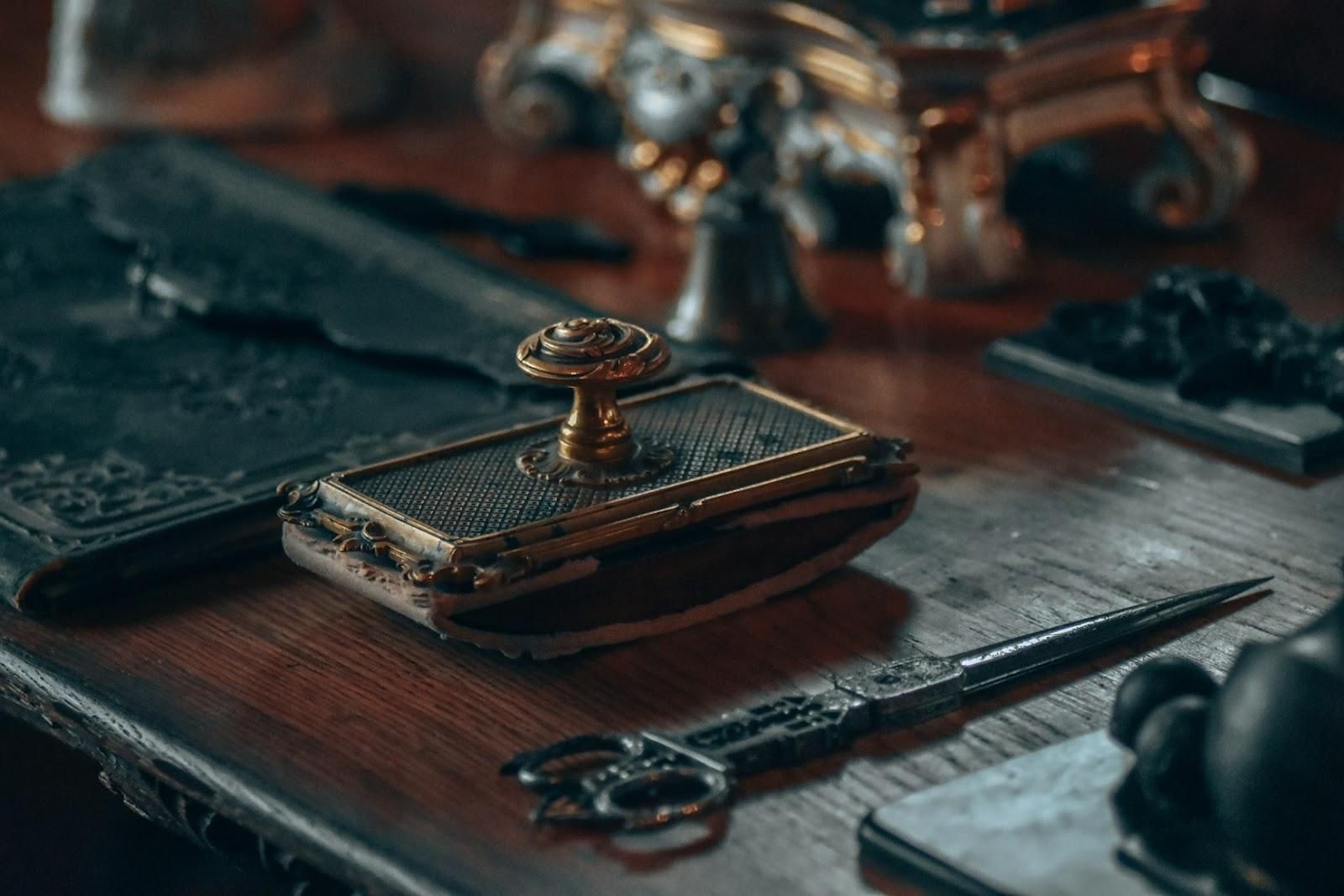
Image: Leon Kohle

If you’ve ever challenged someone to a duel—yes, the kind with pistols and a handshake at dawn—you can forget about running for office in West Virginia. The state’s constitution, written in the 1800s, includes a clause that permanently bars any duelist from holding public office. The idea was to keep gentlemen of "honor" from turning government into a shooting gallery. More than a century later, the law remains untouched, a relic of a time when reputations were defended at ten paces.

8
Roller-skating
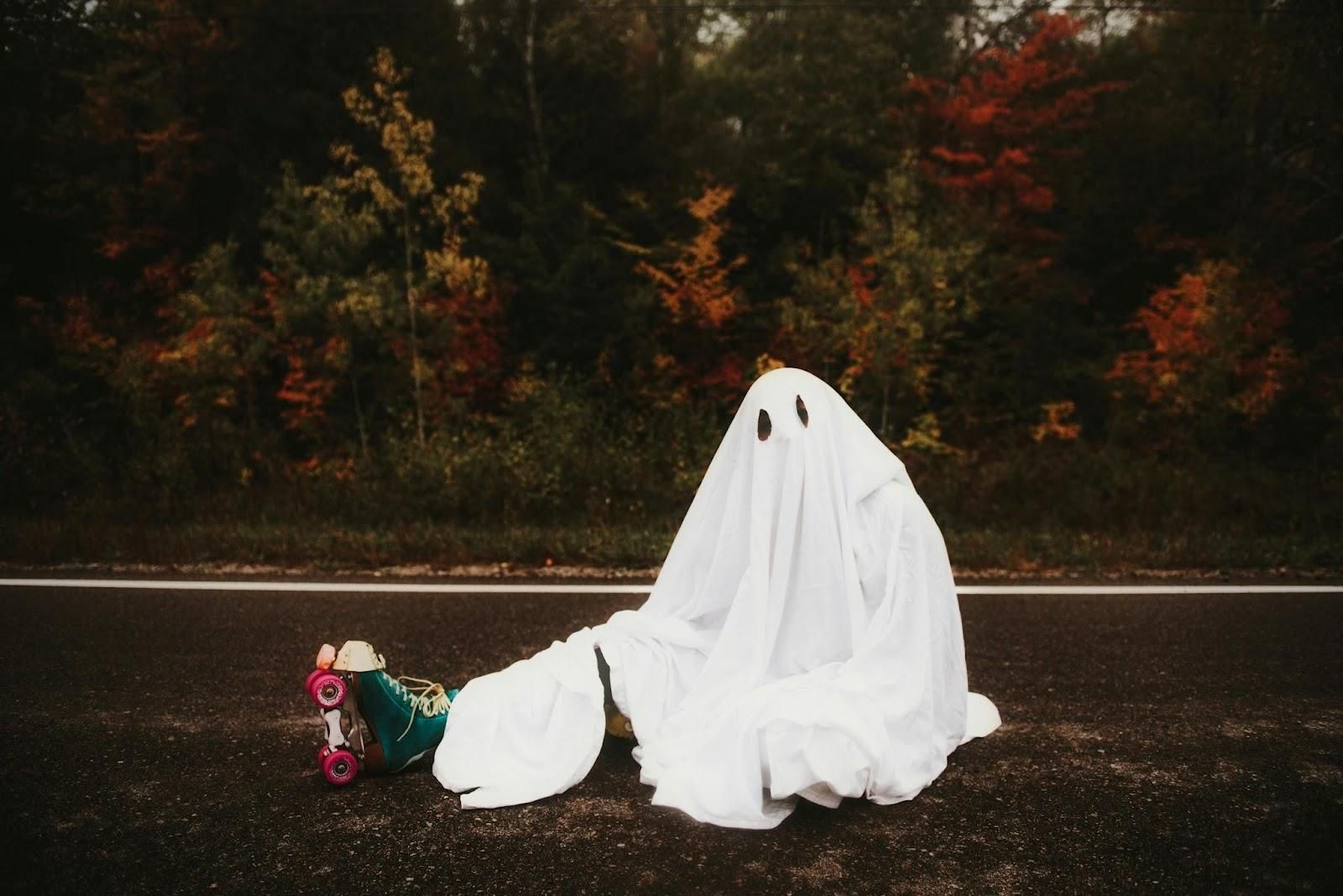
Image: Harrison Haines

Can you imagine roller-skating being banned in your town? Back in the 1930s in Biddeford, Maine, sidewalks were sacred ground for Sunday strolls, not racetracks for daredevils on wheels. So, the city downright prohibited skating and biking on sidewalks. Believe it or not, the rule, established in a slower era when the biggest traffic hazard downtown wasn’t a speeding car, but a kid on skates, still lingers in the city code today.

9
Fishing with your hands
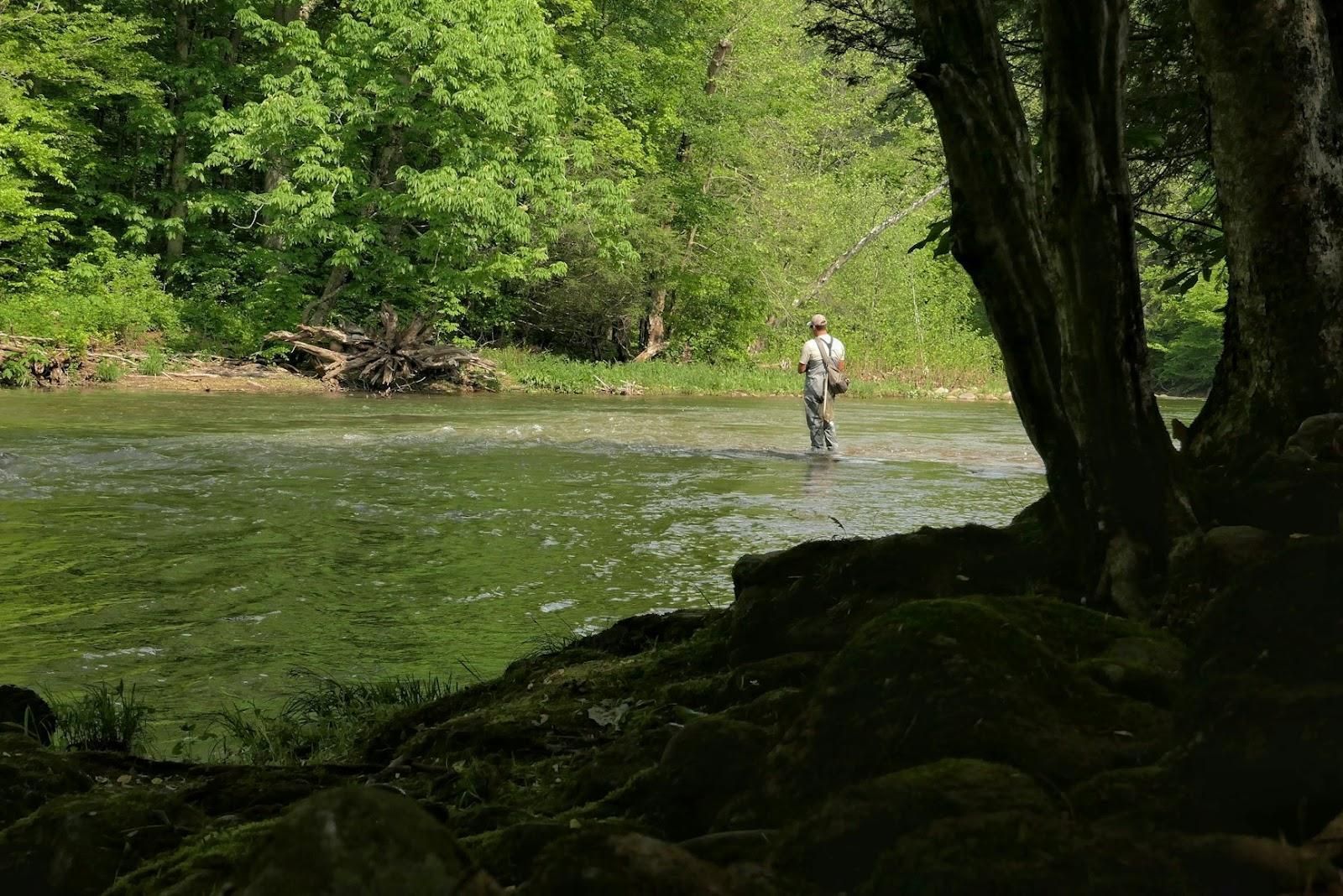
Image: Patti Black

Think you’re tough enough to catch a catfish with your bare hands? In Indiana, that risky stunt—known as "noodling"—will earn you more than bragging rights; it could get you fined. The practice involves reaching into murky holes and hoping the fish bites, but lawmakers decided it was safer for everyone if they didn’t. The ban protects catfish during breeding season and probably saves a few bold fishermen’s lives. So, if you’re visiting Indiana and are feeling adventurous, bring a rod instead!

10
Confetti
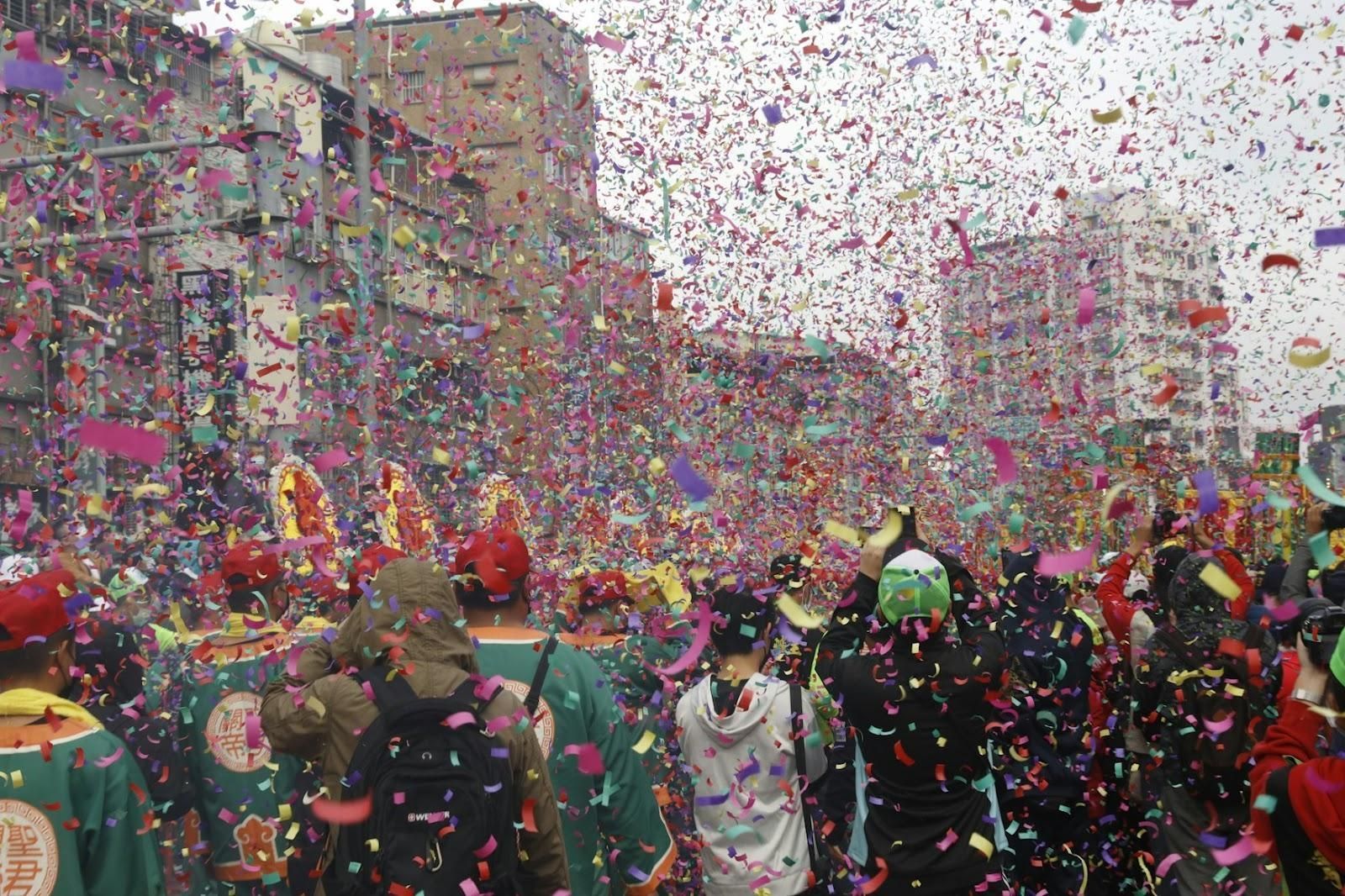
Image: jameson wu

Mardi Gras in Mobile, Alabama, bursts with color, music, and flying beads, but there’s one thing you won’t see floating in the air: confetti or silly string. The city banned both to keep its historic streets clean after the celebrations. The rule might sound like a party pooper, but locals don’t mind. They’ve turned cleanup into an art form, celebrating with floats, jazz bands, and smiles instead of streamers. After all, the joy of Mardi Gras isn’t in what you toss but in the rhythm, the laughter, and the sparkle that doesn’t need sweeping up.

History History 5 min read

History time

Let’s honor our 13 original colonies with 13 interesting facts!

Image: Kaboompics.com

The 13 original British colonies along the East Coast of what is now the United States were the building blocks of a new nation. At the same time, they were lively, complex, and filled with unique stories. Founded for reasons ranging from religious freedom to economic gain, each colony brought its own flavor to the mix. While they eventually united to resist British rule, their individual histories remain captivating. Let’s explore 13 interesting facts about these foundational colonies and uncover the tales that make them unforgettable.

1
New Hampshire: Constitution and potatoes

Image: Spenser Sembrat

New Hampshire was a pioneer in colonial America: They were the first colony to establish its own constitutional government. But its tastiest contribution? Potatoes!

In 1719, Scotch-Irish immigrants near Londonderry planted the first permanent potato crops. The tubers quickly became a staple and spread across the colonies only to become the most consumed vegetable in the country. Plus, New Hampshire even declared the potato its official state vegetable in 2013. Who knew potatoes had such historical roots?

2
Massachusetts: Named after the original inhabitants

Image: Wei Zeng

When English settlers arrived on the Mayflower in 1620, they weren’t stepping onto empty land. Indigenous peoples had called the area home for thousands of years.

The colony’s name, Massachusetts, honors the Massachusett tribe. Derived from the Algonquian word Massa-adchu-es-et , it translates to "great hill-small place." Even as history tells a more complicated story about their interactions with the settlers, it’s a nice tribute to the land's original inhabitants.

3
Connecticut’s secret tree

Image: Christopher Luther

Connecticut’s colonial history has a touch of mystery and rebellion . In 1662, the colony was granted a royal charter ensuring its right to self-govern by King Charles II. After his death, in 1686, King James II tried to revoke it.

Legend has it that, during a heated debate, the charter was spirited away during a momentary blackout and hidden in the hollow trunk of a white oak tree. The "Charter Oak" became a symbol of freedom and self-determination, and it’s now honored as Connecticut’s official state tree.

4
Rhode Island: Refuge for the rejected

Image: Demure Storyteller

The colonies were revolutionary, but some views were too progressive for the era. That is why Roger Williams, Rhode Island’s founder, was banished from Massachusetts . He had progressive views on religious freedom and so he found sanctuary in what later became Rhode Island.

In 1636, he purchased land from the Narragansett people and founded a colony based on the separation of church and state. It became a haven for minority religious groups like Baptists, Quakers, and Jews.

5
New York: From New Netherland to a global capital

Image: Benjamín Gremler

Before it was New York, it was New Netherland, a bustling Dutch colony founded in 1624. The Dutch established New Amsterdam on Manhattan Island, but in 1664, the English seized the territory and renamed it after the Duke of York.

New York grew rapidly, eventually becoming the first capital of the United States after the Revolutionary War. It’s amazing to think this vibrant city started as a modest Dutch trading post.

6
New Jersey’s devilish legend

Image: Benjamin Ashton

The Pine Barrens of New Jersey are home to one of America’s oldest and creepiest legends : the Jersey Devil. Do you know how it goes?

According to folklore, a woman named Mother Leeds cursed her 13th child, who was born as a monstrous creature, and fled into the forest. The tale, rooted in both colonial superstition and Indigenous folklore, has been passed down for centuries, keeping imaginations alive, and visitors on edge, in the Garden State.

7
Pennsylvania: The King’s debt becomes a colony

Image: The Body

Pennsylvania owes its existence to a royal, and quite big, IOU. King Charles II granted William Penn the land in 1681 as payment for a debt owed to Penn’s father.

Penn established the colony as a safe haven for Quakers, emphasizing religious tolerance and fair dealings with Indigenous peoples. Pennsylvania, clearly named after the family’s name, became a model of diversity and coexistence, attracting settlers of all faiths and backgrounds.

8
Delaware: The First to Declare Independence

Image: Demure Storyteller

Independence from Britain? They all did that, but Delaware took it a step further! Though initially governed as part of Pennsylvania, Delaware established its own legislature in 1704.

On June 15, 1776, this colony declared independence not just from Britain but also from Pennsylvania, making it the first colony to break away formally . Known as the "First State" for ratifying the US Constitution in 1787, Delaware’s pioneering spirit is woven into its history.

9
Maryland: A pirate colony?

Image: Luisa Frassier

Maryland’s early days weren’t all peaceful. William Claiborne , a man of the Virginian council, refused to accept that his settlement on Kent Island was part of Maryland after the colony’s charter was granted in 1632.

Claiborne launched pirate raids on Maryland’s trading posts, leading to charges of piracy and murder. While he eventually lost his claim, Claiborne’s defiance adds a plot twist to Maryland’s story.

10
Virginia: Witch trials in the South

Image: Henry Deng

Did you think witch trials only happened in Salem? Think again. Virginia held about two dozen trials between 1626 and 1730, including the infamous case of Grace Sherwood. If that name doesn’t ring a bell, maybe "The Witch of Pungo" does.

While we’re not going to get into the details of how they proved she "was a witch," she was convicted of witchcraft and spent several years in jail before she was released.

11
North Carolina: The Mystery of Roanoke

Image: Gene Gallin

North Carolina’s Roanoke Colony remains one of America’s greatest mysteries. In 1587, over 100 settlers vanished without a trace , leaving behind only the word "Croatoan" carved into a tree.

As you can imagine, there are plenty of theories surrounding this event: Did they join local Indigenous tribes, or succumb to the harsh environment? While we may never know, the "Lost Colony" keeps historians and treasure hunters quite captivated.

12
South Carolina’s "Blue Gold" boom

Image: Omri D. Cohen

South Carolina’s indigo trade, led by Eliza Lucas Pinckney in the 1730s, turned the colony into an economic powerhouse. This vibrant blue dye, vital for textiles, was so lucrative it earned the nickname "blue gold."

Despite the challenges, which included sabotage by rivals, the crop’s success transformed South Carolina’s economy. However, its growth came at the cost of enslaved labor, a sobering reality of the colony’s prosperity.

13
Georgia: A colony for a cause

Image: Jaanus Jagomägi

Founded in 1732 by James Oglethorpe, a prison reformer, Georgia was established as a social experiment . It was designed to provide a fresh start for England’s "worthy poor," and to that end, the colony outlawed slavery and large landholdings.

However, settlers soon pushed back, and by 1751, many of the original restrictions were lifted. Despite its challenges, Georgia’s idealistic beginnings make it a unique addition to the 13 colonies.

Culture Culture 6 min read

FROM THE PAGES OF OUR CHILDHOODS

Boom! Kapow! Celebrate These 10 Iconic American Superheroes!

Image: Yulia Matvienko

Superhero stories are usually referred to as "modern mythology", and with good reason: After all, it’s easy to see the connection between heroes like Hercules or Gilgamesh with the wondrous tales of these men and women graced with powers and abilities beyond our comprehension. However, an argument could be made that modern superheroes teach us a substantially more important lesson: Through their desires to defend justice and defeat evil, these heroes teach us that we too can be better.

We have chosen ten of the most groundbreaking American superheroes that have inspired generations of Americans throughout history. Wondering if your favorite childhood hero made it to this list? Keep on reading and find out!

1
Superman

Image: Jon Tyson

It’s a bird! It’s a plane! No, it’s our first entry to this article! For many, the "Man of Steel" is the epitome of an American superhero : Not only is he one of the oldest superheroes still in circulation, but he is also a die-hard defender of truth, justice, and the American Dream.

Superman’s story has been told countless times, but here’s a quick summary just in case: Born in the far-away planet of Krypton, Kal-El was sent to Earth as a baby, where he was adopted and named Clark by Martha and Jonathan Kent. Young Clark discovered his amazing powers at an early age, and grew to become Superman, the "Man of Tomorrow".

2
Batman

Image: Obi - @pixel8propix

Right along with Superman, Batman is perhaps the world’s most famous superhero. What’s interesting is that, although both superheroes are equally iconic, they couldn’t be more different: While Superman is a superpowered public figure, who regularly engages with the American people in a friendly manner, Batman is a dark and mysterious figure , who fights evil-doers from the shadows and has no superpowers other than his superhuman determination (and his fair share of high-tech gadgets!).

Bruce Wayne, the man behind Batman, has a backstory that’s almost as dark as his alter ego: Born into the wealthy Wayne family, Bruce's parents Thomas and Martha were tragically murdered when he was eight years old. Determined to fight the evil that took his family away from him, Bruce spent his life and fortune to become Batman, Gotham City’s Dark Knight.

3
Spider-Man

Image: Jean-Philippe Delberghe

Up until the emergence of this beloved superhero, whatever our childhood heroes did for a living was not particularly important. For instance, Clark Kent is a Pulitzer-winning reporter, while Bruce Wayne comes from an extremely wealthy family. However, what separates Spider-Man from the rest (besides his groundbreaking arachnid powers ) is the fact that he had to juggle his superhero activities with his education and part-time photography job. In a sense, Peter Parker was the first to show us that superheroes could also come from struggling backgrounds.

When he was first published in 1962, Spider-man was also one of the youngest superheroes out there: At age 15, Peter Parker was bitten by a radioactive spider, which gave him his amazing and uncanny abilities . Spiderman can climb up walls, swing around skyscrapers, and sense danger with his trusted "Spider-sense".

4
Iron Man

Image: Igor Bumba

Even before being immortalized by actor Robert Downey Jr . in what’s probably the most lucrative film franchise in history, Iron Man was already one of Marvel’s most recognizable superheroes. Created by Stan Lee and Jack Kirby in 1962, this hero drew his abilities from machines’ raw power and mankind’s insurmountable ingenuity.

Unlike many superheroes, Tony Stark’s backstory is characterized by his search for redemption: Born into a wealthy family, he sought to dismantle his family’s lucrative arms-dealing business after he witnessed first-hand the horrors his products caused. Tony used his superior intellect to design and construct his iconic "Iron Man" suit , a metal exoskeleton armor that grants him flight, superhuman strength, and access to repulsor blasts and other high-tech gadgets.

5
Wonder Woman

Image: Dale de Vera

Comic books are usually considered a boys’ club, but the truth is that not all superheroes are male. We could have chosen from a myriad of iconic female heroes, but we finally settled on one of DC’s powerhouses : Wonder Woman. Though she recently saw a resurgence in popularity thanks to her 2017 jump to the big screen, this Amazonian warrior has always been a force to be reckoned with.

Princess Diana comes from the island of Themyscira, a fictional island home to the warrior race of the Amazons. Wonder Woman’s strength is almost unmeasurable, and she also possesses the gifts of flight, speed, and invulnerability. She is also armed with her indestructible bracelets and her iconic "Lasso of Truth" , which forces those trapped in it to reveal their secrets. Fun fact: Wonder Woman’s creator William Moulton Marston invented the lasso while working on his other groundbreaking invention, the modern lie detector.

6
The Hulk

Image: Hermes Rivera

When Robert Louis Stevenson published his 1886 novella Strange Case of Dr. Jekyll and Mr. Hyde , he wasn’t aware that he was also creating the basis of one of the world’s most iconic superheroes. While The Hulk is known mostly for his brutish strength and uncontrollable rage , this seemingly simple superhero also deals with mankind’s fear of its own dark side, and what happens when this more violent aspect of ourselves is let loose.

You are probably aware of the Hulk’s origin story: Dr. Bruce Banner, a brilliant scientist, was hit with a heavy dose of gamma rays after an experiment went wrong. This accident transformed Dr. Banner, turning him into the green-skinned, rampaging Hulk whenever his anger reaches a breaking point. While his powers are definitively destructive, over the years the Hulk has turned into a force of good, and a superhero in his own right.

7
X-Men

Image: Erik Mclean

The first superhero team to make it to this list, the X-Men introduced the world to "mutants", the next step of human evolution. Mutants displayed fantastical powers from an early age, although some of their mutations made them look threatening or off-putting to society. In the end, prejudice was one of the X-Men’s greatest foes, and a recurring theme throughout this series’ 60 years.

The X-Men saw a resurgence in popularity throughout the 90s and early 2000s, in part thanks to an amazing TV adaptation and a series of films produced by 20th Century Fox. Among the team’s most famous roster, we have the X-Men’s leader Cyclops (who can shoot energy beams from his eyes), Storm (a mutant that can control the weather), and Wolverine (who can heal almost instantly, and whose skeleton was reinforced with an unbreakable metal).

8
The Flash

Image: Joel Muniz

Superman might be "faster than a speeding bullet", but the Justice League’s undisputed speedster is definitively The Flash. While his superspeed power might seem simple, it is anything but: Flash is connected to an extradimensional energy source known as "the Speed Force", which allows him to move, think, and react at superhuman speed.

While the first character to take this name was Jay Garrick in 1939, the Flash most people are familiar with is Barry Allen, who was granted the powers of the Speed Force after an experiment gone wrong. His red suit and lightning-fast reflexes have made him one of the most recognizable heroes in history.

9
Thor

Image: Manuel Salinas

As we mentioned before, many believe superheroes to be our modern myths. However, what’s fascinating about this superhero is that it perfectly combines the standard characteristics of a comic book hero with the amazing feats of the most adventurous Nordic god . Thor Odinson, Marvel’s iconic otherwordly protector, is definitively the best of both worlds.

When Jack Kirby and Stan Lee created Thor in 1962, they kept many aspects of the Nordic deity: Marvel’s Thor has super-human strength, can control thunder, and is always aided by his enchanted hammer, Mjolnir . However, the modern adaptation added a new layer: Deemed too arrogant by his father Odin, Thor was banished to Earth, where he became our planet’s trusted guardian.

10
Captain America

Image: Marjan Blan

We’ll end this list with an American icon. In 1940, worried by the advancement of WW2, writer Joe Simon and artist Jack Kirby sought to create a superhero that would both encompass the values of American life and fight to preserve peace and justice in the free world. And with that, Captain America was born.

The Captain’s story has been told many times: Steve Rogers was a frail but brave American who was administered a "Super Soldier" serum that gave him super-human speed, strength, and reflexes. However, one of Cap’s superpowers that is usually overlooked is his tenacity, both in comics and in real life: After being canceled in the 1950s, this character was brought to life once again by Stan Lee, who designed the modern version of Captain America that we now know and love.

Explore more American facts

Choose your favorite category!

General
General

As American as apple pie—the very best America has to offer!

Culture
Culture

Delve into the astounding richness of American lore.

Geography
Geography

Hop in and explore vast and diverse American landscapes.

History
History

Discover the key moments that shaped the United States.