History History 4 min read

White House, obscure facts

What’s under the White House? Discover 10 incredible secrets revealed
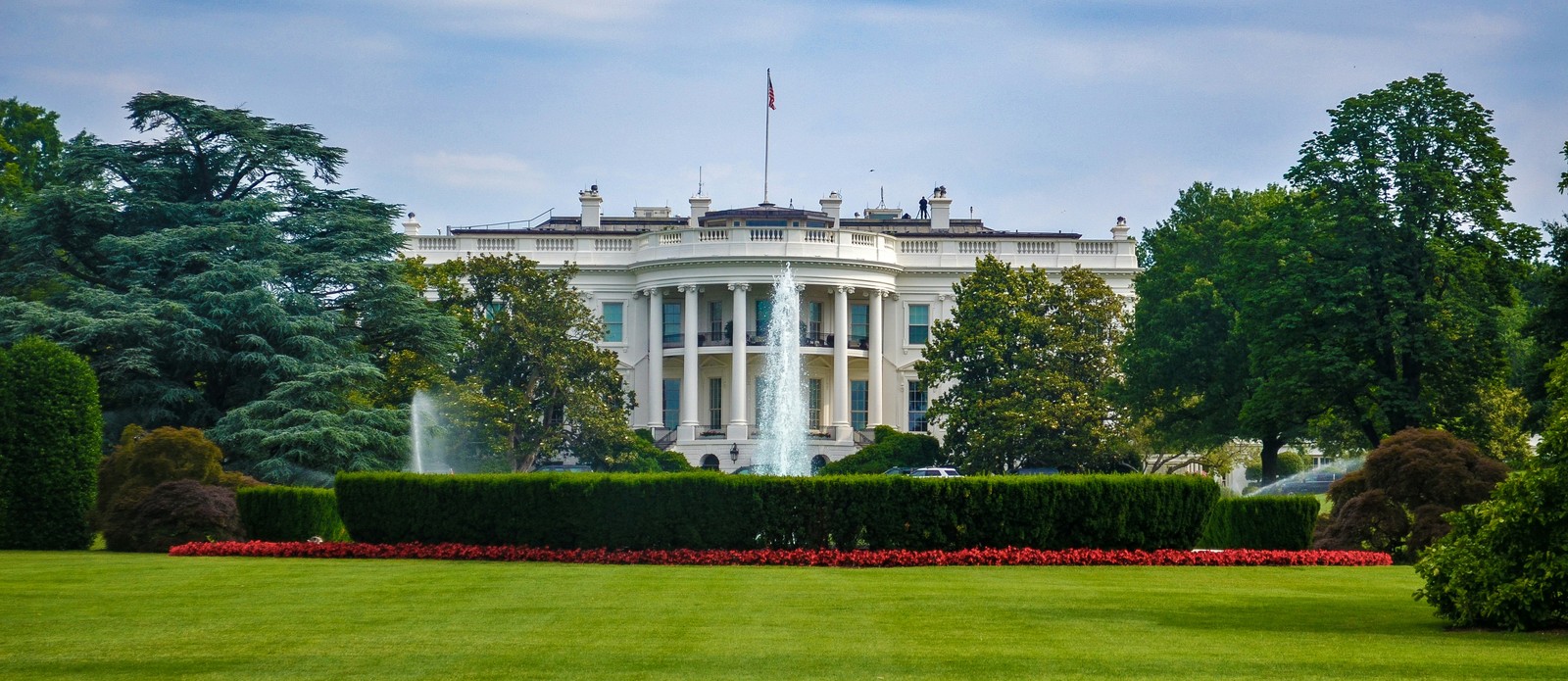
Image: David Everett Strickler

For more than two centuries, the White House has served as the home of American presidents and the center of the executive branch of the U.S. government. But behind its famous columns and historic rooms lies a hidden world that most visitors never see. Beneath the mansion are secret bunkers, underground passageways, forgotten spaces, and surprising facilities built for emergencies, security, and private presidential life. Take a look at 10 of these incredible secrets. Did you know about any of these?

1
Hidden bunker
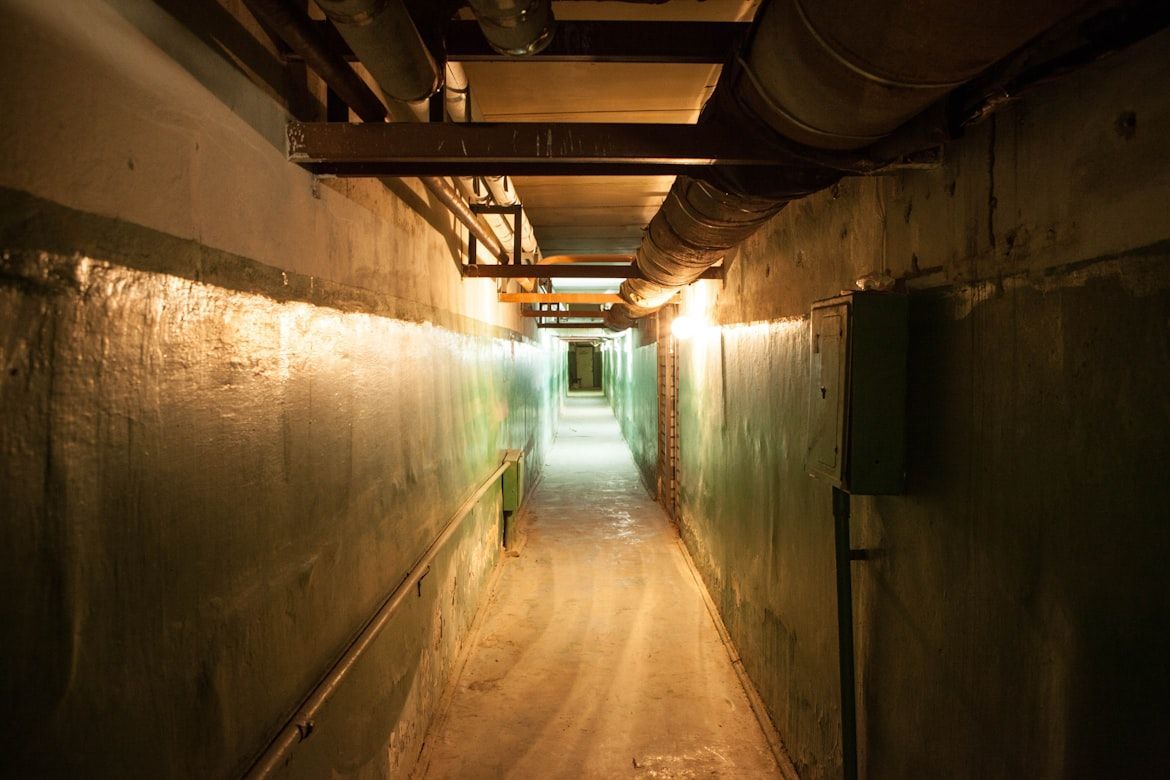
Image: Evgeniy Smersh

Beneath the East Wing sits the Presidential Emergency Operations Center (PEOC), a heavily fortified bunker created during World War II for President Franklin D. Roosevelt. It was expanded during Harry Truman’s massive White House renovations from 1948 to 1952 and became one of the safest locations in Washington, D.C.

The bunker became widely known after the September 11, 2001, attacks, when Vice President Dick Cheney and senior officials were rushed underground by the Secret Service. It was eventually dismantled in October 2025 when the entire White House East Wing was torn down by work crews to make way for a new, modernized underground command center and a large State Ballroom

2
Indoor swimming pool
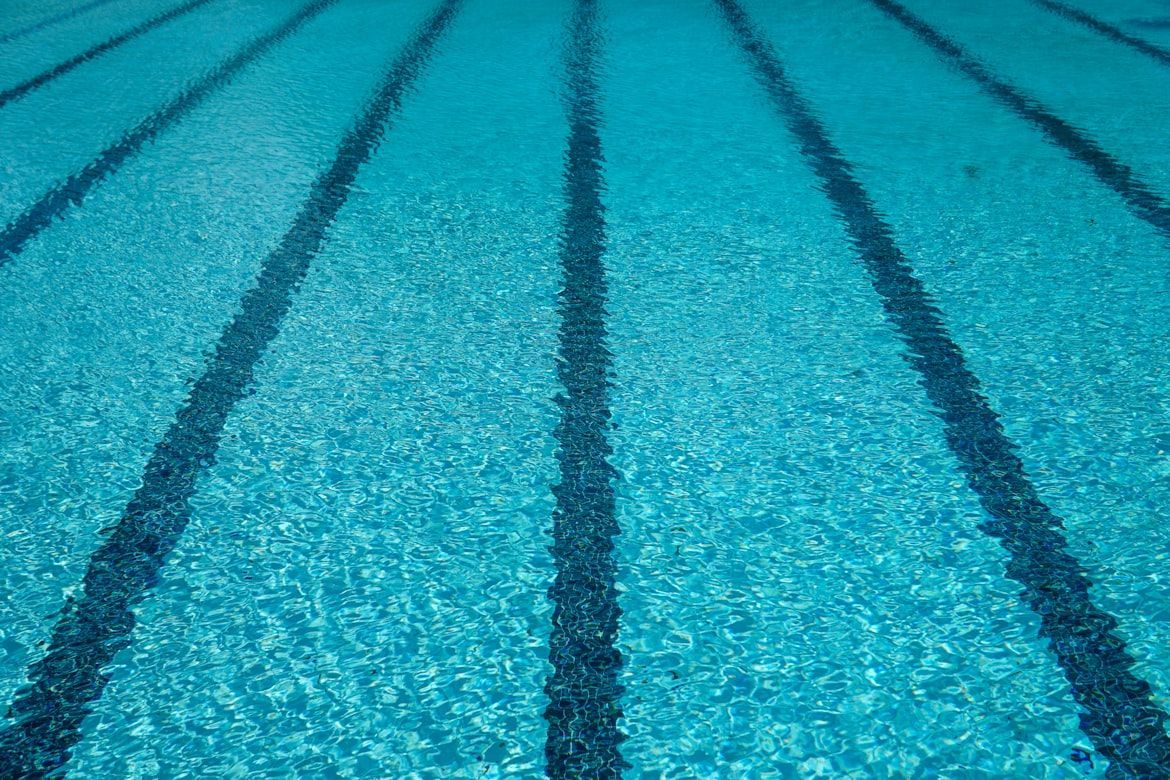
Image: Thomas Park

An indoor swimming pool was installed in 1933 by Franklin D. Roosevelt, who used swimming therapy to help manage the effects of polio. The pool was considered extremely modern for its time, with underwater lighting and advanced filtration systems .

Harry Truman, John F. Kennedy, and Lyndon Johnson all used the pool regularly. In 1970, President Richard Nixon ordered the space converted into the White House press briefing room, though the original pool structure remains hidden underneath the floor today.

3
Dentist office
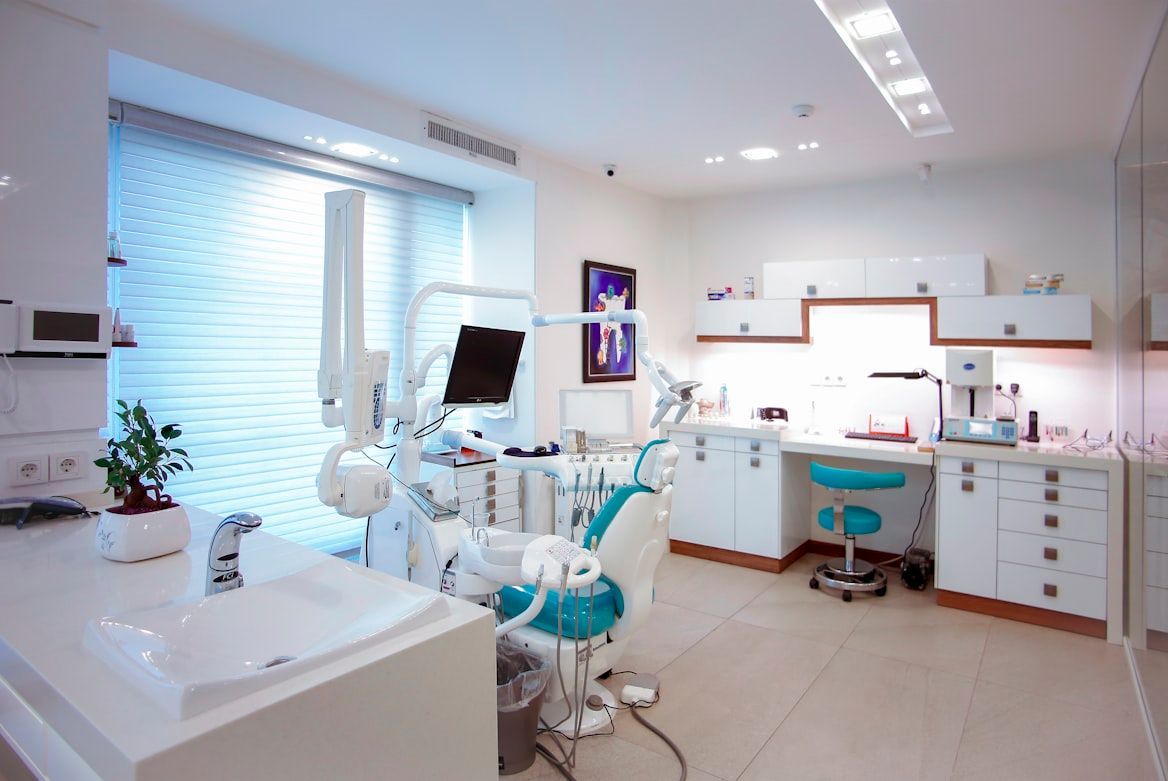
Image: Benyamin Bohlouli

Very few people realize the White House has had its own dental office since the Hoover administration in the early 1930s. The facility was placed in the basement so presidents could receive emergency treatment without leaving the building .

Historic photographs from March 10, 1948, show the office fully equipped before the Truman renovation began. Barack Obama later joked in an interview that he was surprised to discover "the whole chair" and dental setup hidden beneath the White House. The practice is still fully operational and in use today.

4
Private movie theater
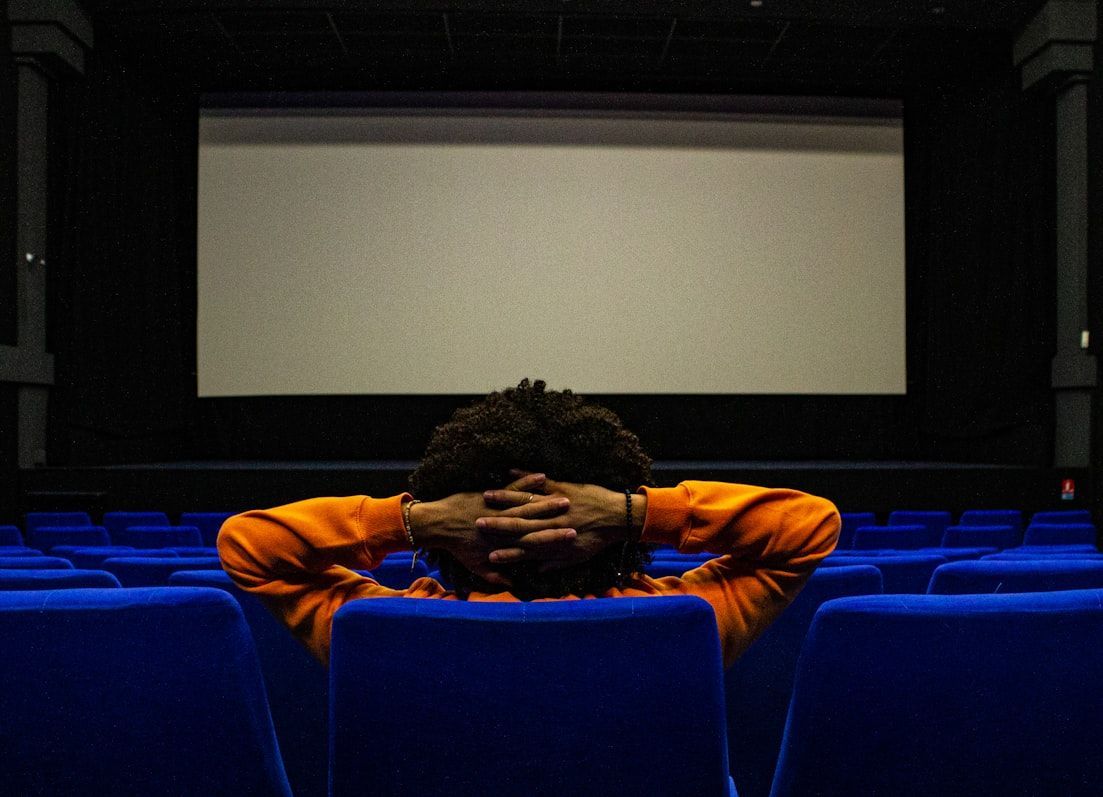
Image: Marius GIRE

The White House once contained its own private movie theater inside the East Wing. Created during Franklin Roosevelt’s presidency in the 1940s, the room was converted from a cloakroom into a screening space during wartime renovations .

Presidents have used the theater for both entertainment and diplomacy. Ronald Reagan frequently screened westerns there, while modern presidents have previewed major Hollywood releases before public premieres. The theater was demolished in October 2025 alongside the rest of the East Wing to make way for a new state ballroom.

5
Almost demolished during the Truman era
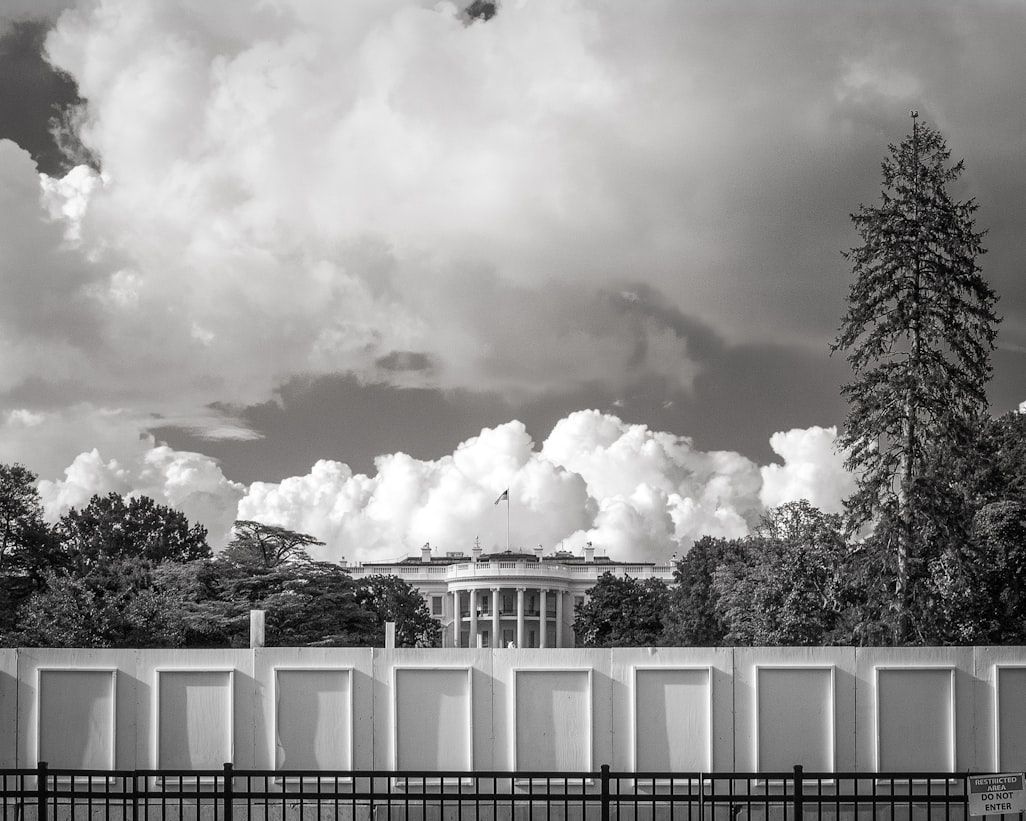
Image: Rosie Kerr

By the late 1940s, the White House had become dangerously unstable, physically speaking. Floors sagged, walls cracked, and parts of the building were close to collapse after decades of expansions and poor structural support .

President Harry Truman ordered a complete gut renovation from 1948 to 1952. The interior was almost entirely dismantled while the exterior walls were temporarily held in place with steel supports. The Truman family lived across the street at Blair House during the reconstruction.

6
Escape route for the Cold War era
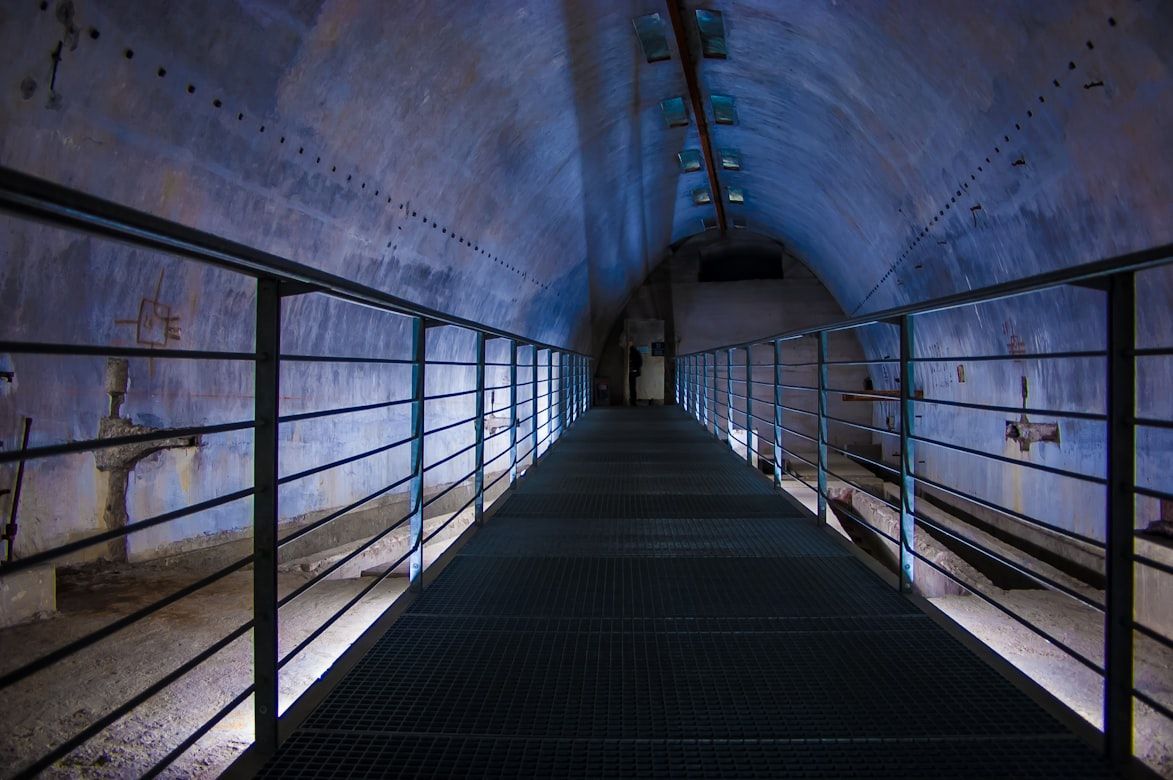
Image: Alex Holzreiter

During the Cold War, secret underground passageways and emergency routes were reportedly added beneath the White House complex to prepare for nuclear threats . Many details remain classified even today.

The reinforced underground network connected secure areas beneath the East Wing and surrounding government buildings. These emergency systems were especially strengthened during the Truman renovation as fears of atomic attack grew in the early 1950s.

7
The attic was used as wartime storage
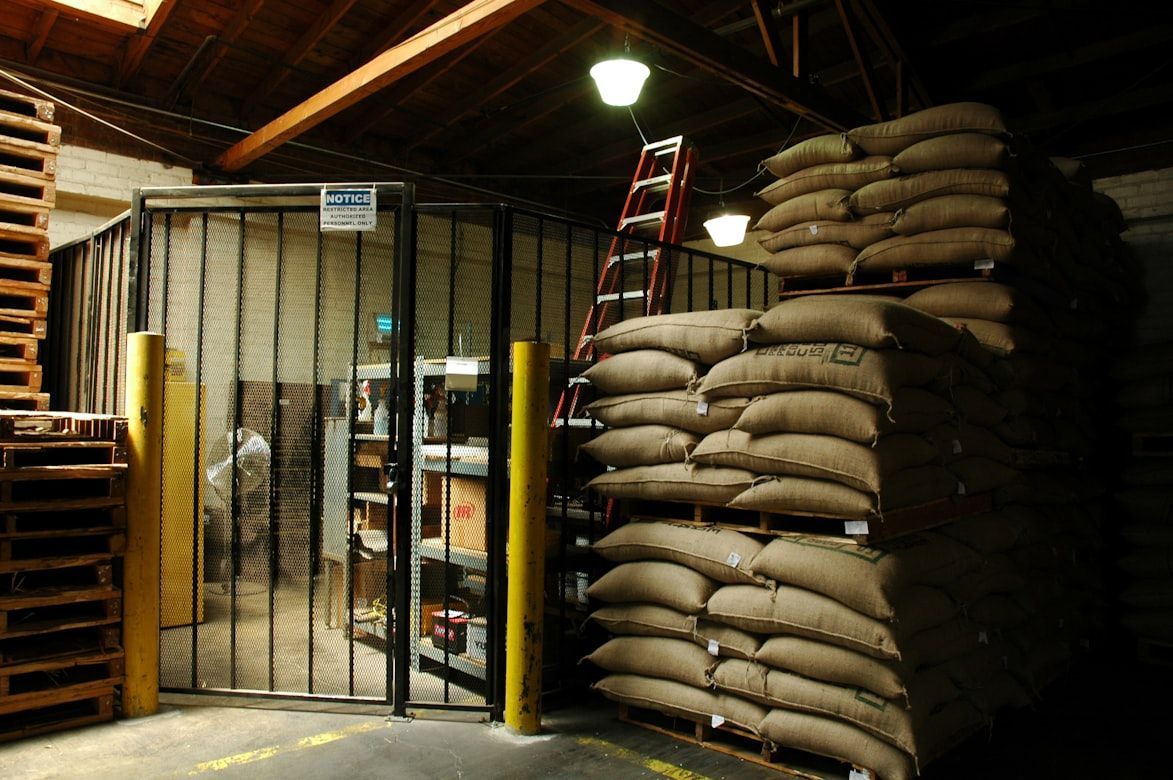
Image: Wonderlane

During World War II, unused areas of the White House attic were used as storage for emergency supplies, documents, and wartime materials . Security concerns dramatically increased after the attack on Pearl Harbor in 1941.

The upper levels of the mansion were also used to protect historic furnishings and archives during renovation projects and wartime precautions. Many visitors never realize the White House includes hidden utility and storage spaces above the famous state rooms.

8
Secret floral workshop

Image: Hillary Ungson

The White House maintains a hidden floral design workshop operated by an official team of florists. They prepare thousands of flower arrangements each year for state dinners, diplomatic receptions, and holiday events.

The operation works behind the scenes to coordinate flowers with historic rooms, national traditions, and visiting foreign leaders . Designers often work overnight before major ceremonies so arrangements appear fresh for televised events and tours.

9
Forgotten rooms and artifacts
Image: Hans Eiskonen

The White House contains dozens of lesser-known rooms rarely seen by the public, including old service areas, storage rooms, and spaces left over from earlier renovations . Some hidden corners still preserve traces of earlier administrations.

Historic artifacts are also stored throughout the mansion and its underground levels, including furniture, paintings, and decorative objects removed during renovations. Some pieces date back to the early 1800s and are noted in and out of public rooms over time.

10
Multiple underground levels
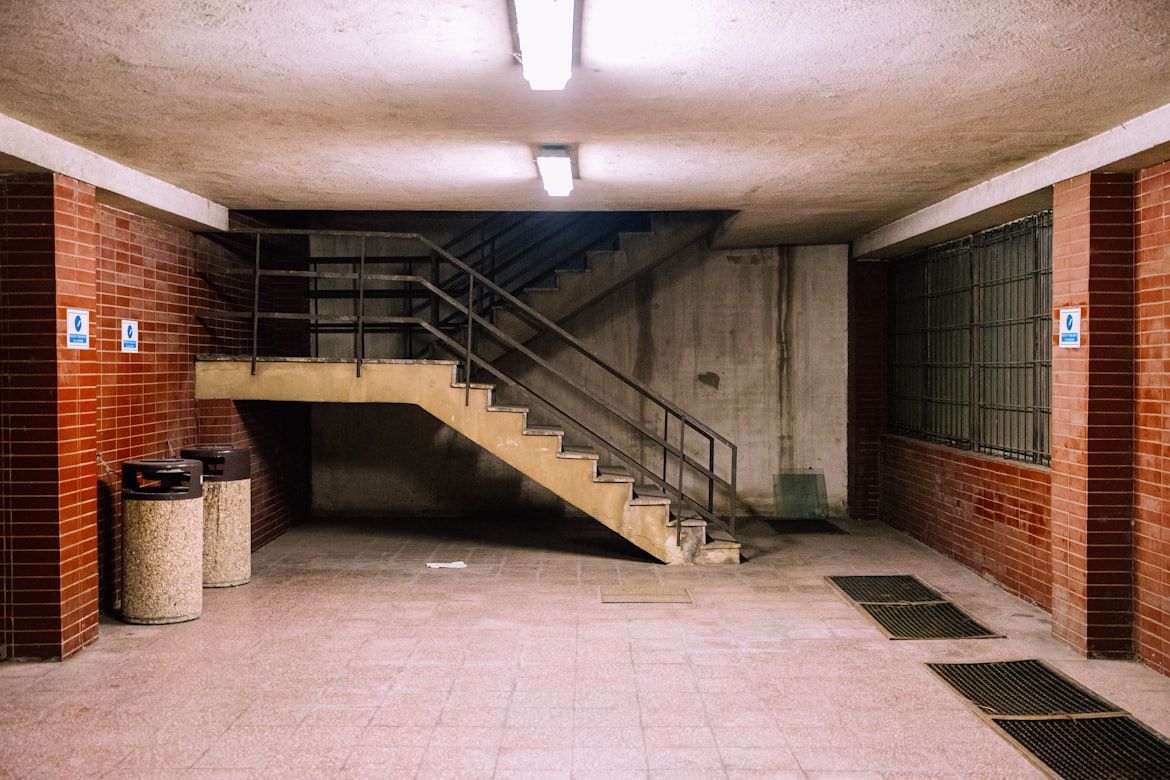
Image: Michal Balog

Most visitors never realize the White House extends far below ground level. In addition to the main floors, the complex includes sub-basements, mechanical systems, secure communications areas, kitchens, storage facilities, and emergency infrastructure.

Historians estimate the White House contains roughly 55,000 square feet and six levels in total . Much of the underground structure was reinforced with concrete and steel during the Truman renovation to improve security and stability.
Culture Culture 6 min read

From Braveheart to JFK: 10 movies that got history completely wrong Braveheart to JFK : 10 movies that got history completely wrong

Image: Pressmaster

Hollywood often prioritizes spectacle and drama over strict historical accuracy. Period epics tend to win big at the Academy Awards, but their relation to real-world events ranges from artistic license to complete fabrication. These ten celebrated films delivered unforgettable cinema, yet failed all history tests.

1
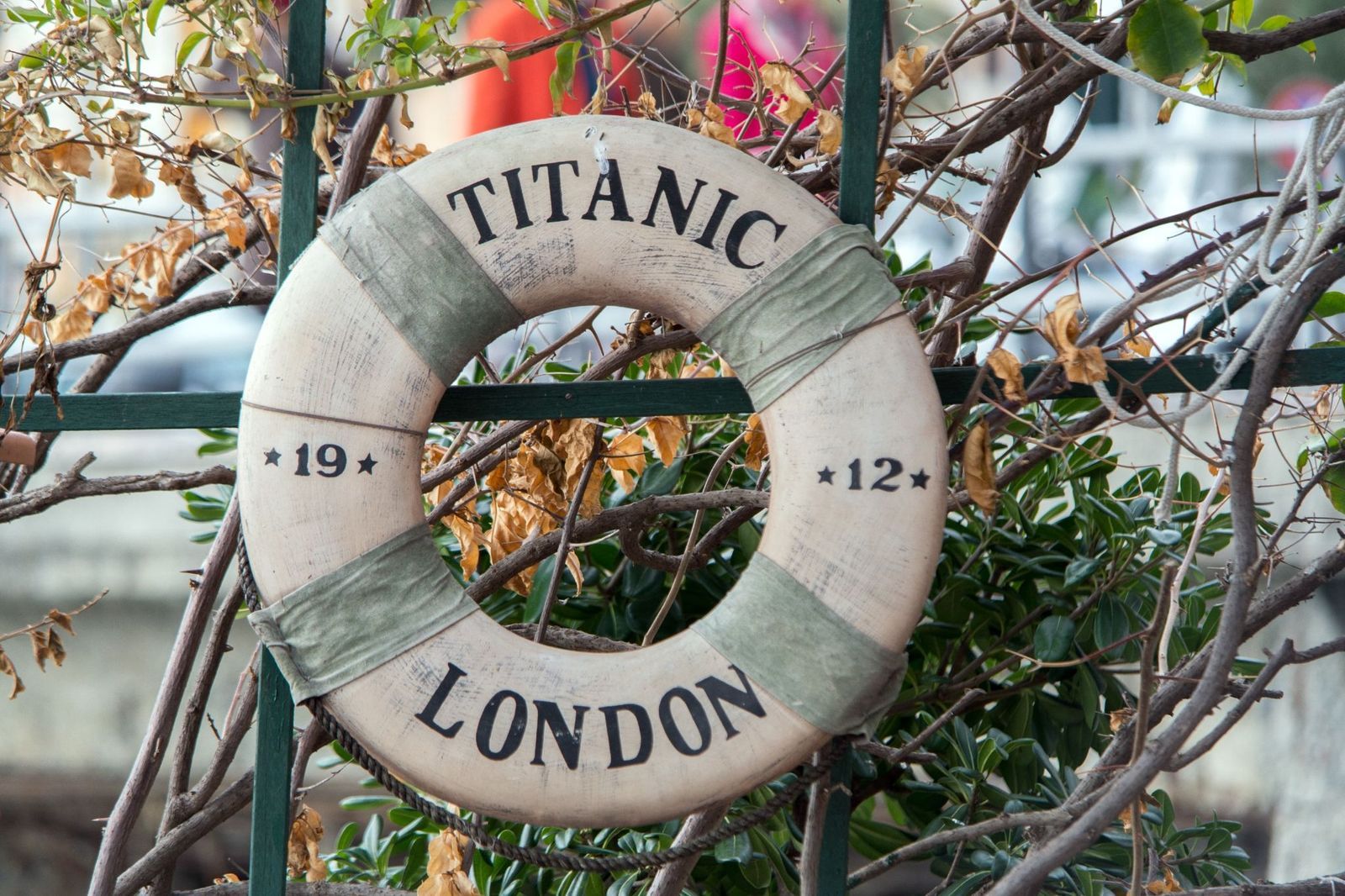
Titanic (1997)

Image: Andrea Izzotti

James Cameron’s Oscar-winning blockbuster frames the tragic 1912 sinking around the fictional romance of Jack (Leonardo DiCaprio) and Rose (Kate Winslet), while depicting real-life First Officer William Murdoch (Ewan Stewart) accepting bribes, shooting passengers, and taking his own life.

When the film premiered in 1997, the portrayal of Murdoch caused significant outrage. Survivor accounts prove the First Officer acted heroically, working tirelessly to launch lifeboats and saving hundreds of lives before dying in the freezing Atlantic. Additionally, third-class passengers were not locked below deck by armed guards as portrayed in the movie. _Titanic_’s producers eventually traveled to Murdoch’s hometown of Dalbeattie, Scotland, to issue an official apology to his descendants.

2
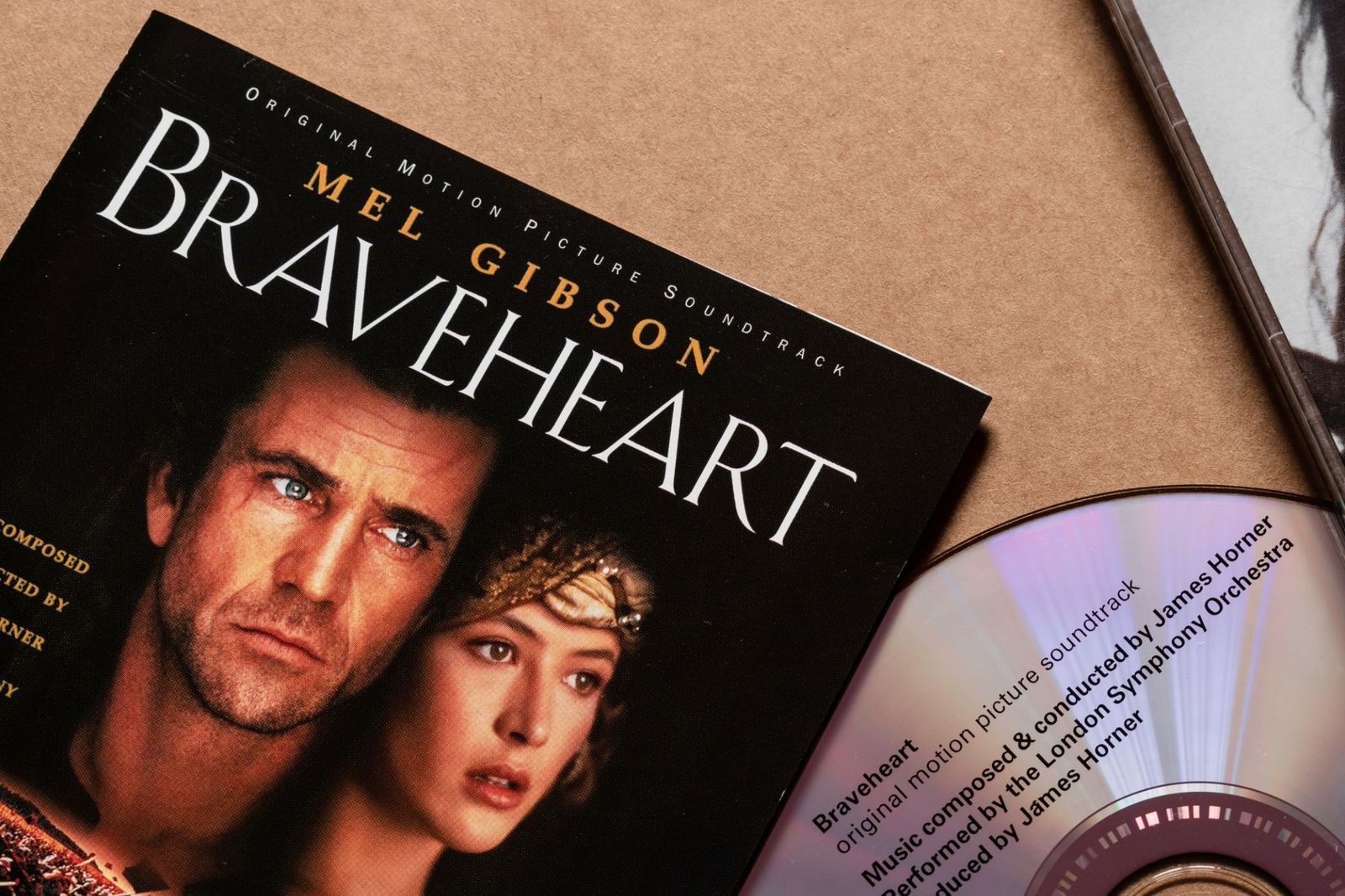
Braveheart (1995)

Image: Snap Spot

Mel Gibson’s epic depicts William Wallace leading a 13th-century Scottish rebellion against English rule, wearing belted plaid kilts and seducing Isabella of France (Sophie Marceau).

Many details in the film are inaccurate. For example, Scots didn’t wear kilts until the 16th century, nearly 300 years after Wallace’s death. Furthermore, Isabella was roughly three years old and living in France during Wallace’s rebellion, making the affair impossible.

3
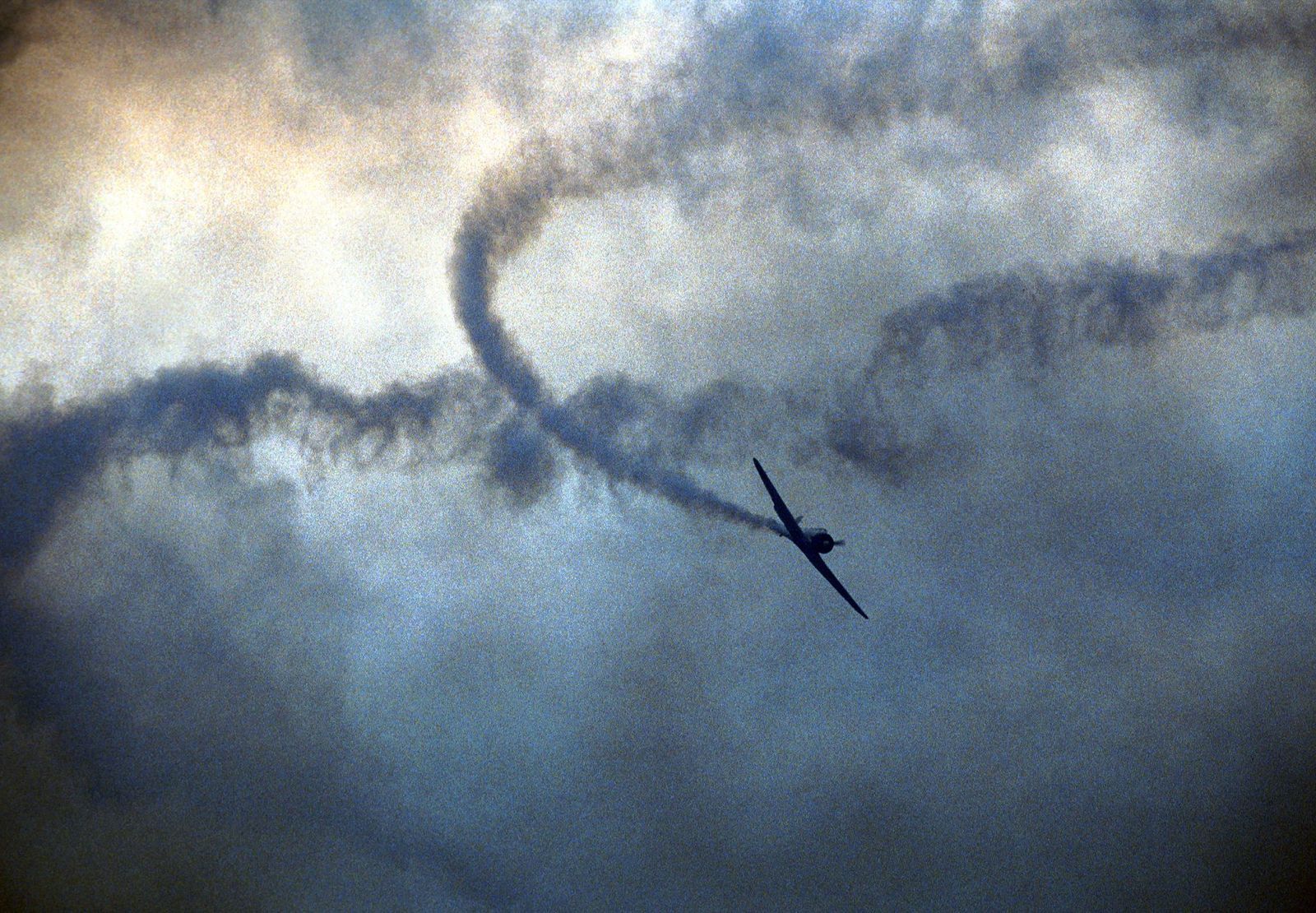
Pearl Harbor (2001)

Image: Gary Ell, USAF, Public domain, via Wikimedia Commons

In Michael Bay’s romantic war drama, Rafe McCawley (Ben Affleck) and Danny Walker (Josh Hartnett) face Japanese Zero fighters, join the British Eagle Squadrons before the U.S. enters World War II, and witness direct attacks on civilian medical units.

In real life, U.S. Army Air Corps officers like Rafe were legally forbidden from joining Britain’s Eagle Squadrons while the United States remained neutral. During the December 7, 1941 raid, the Japanese prioritized attacking battleships, airfields, and fuel depots, and they didn’t target field hospitals or civilian nurses as depicted in the film. Also, President Franklin D. Roosevelt’s (Jon Voight) dramatic moment where he stands up out of his wheelchair to inspire his cabinet never occurred.

4
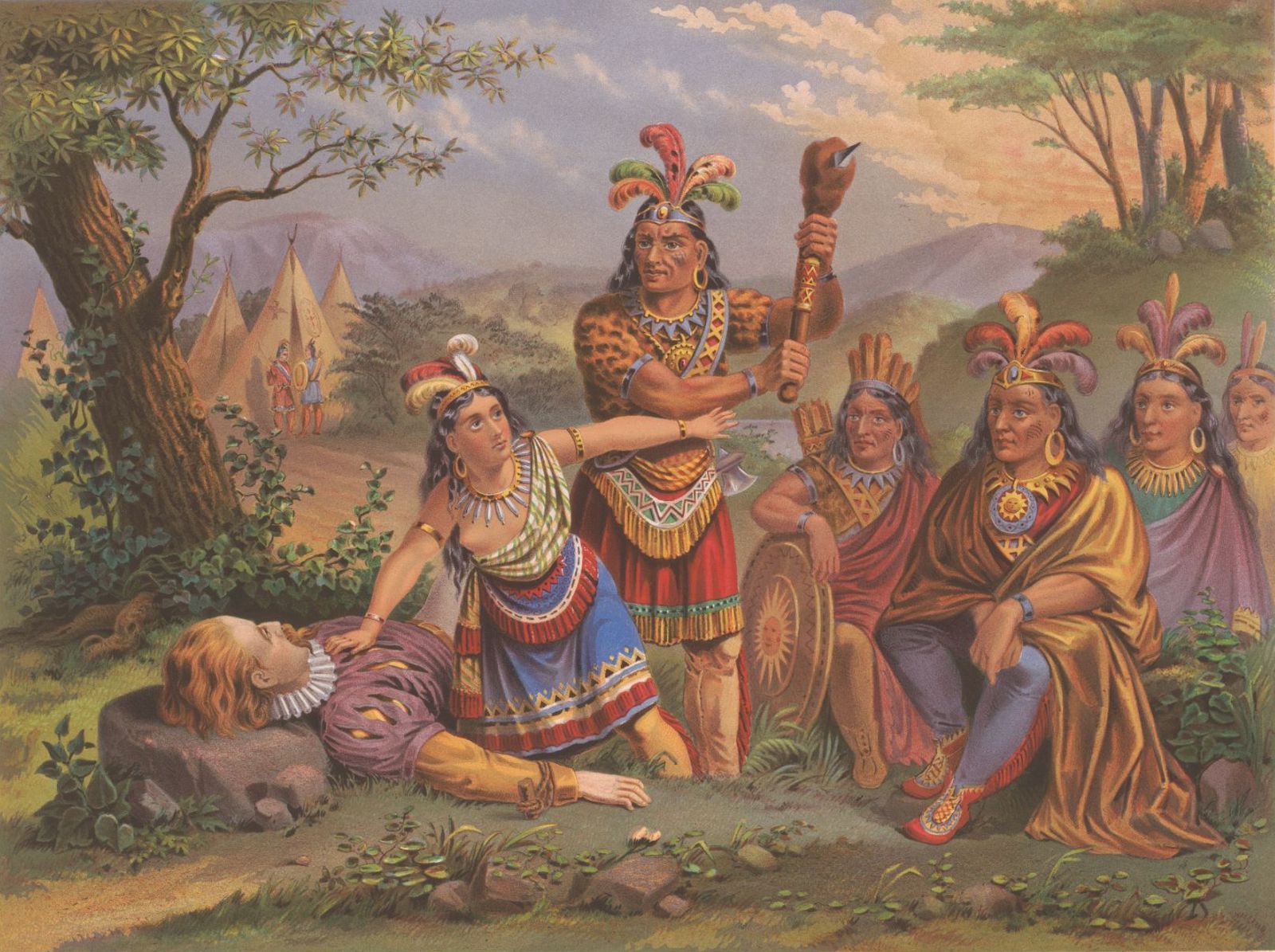
Pocahontas (1995)

Image: New England Chromo. Lith. Co., Public domain, via Wikimedia Commons

Disney’s animated film famously tells the story of a young Powhatan woman named Pocahontas who falls in love with the English explorer Captain John Smith, helping to promote peace between their two cultures.

When John Smith arrived in Virginia in 1607, Pocahontas (whose actual name was Matoaka) was only around 10 to 12 years old, while Smith was a 27-year-old soldier, and there was no romantic relationship between them. Smith’s famous account of Pocahontas saving his life by placing her head over his is debated by modern historians, who view it as either a misunderstanding of a tribal adoption ceremony or an invention in his later writings. Pocahontas was later captured by English settlers, held for ransom, converted to Christianity, and married tobacco merchant John Rolfe before dying in England at age 21.

5
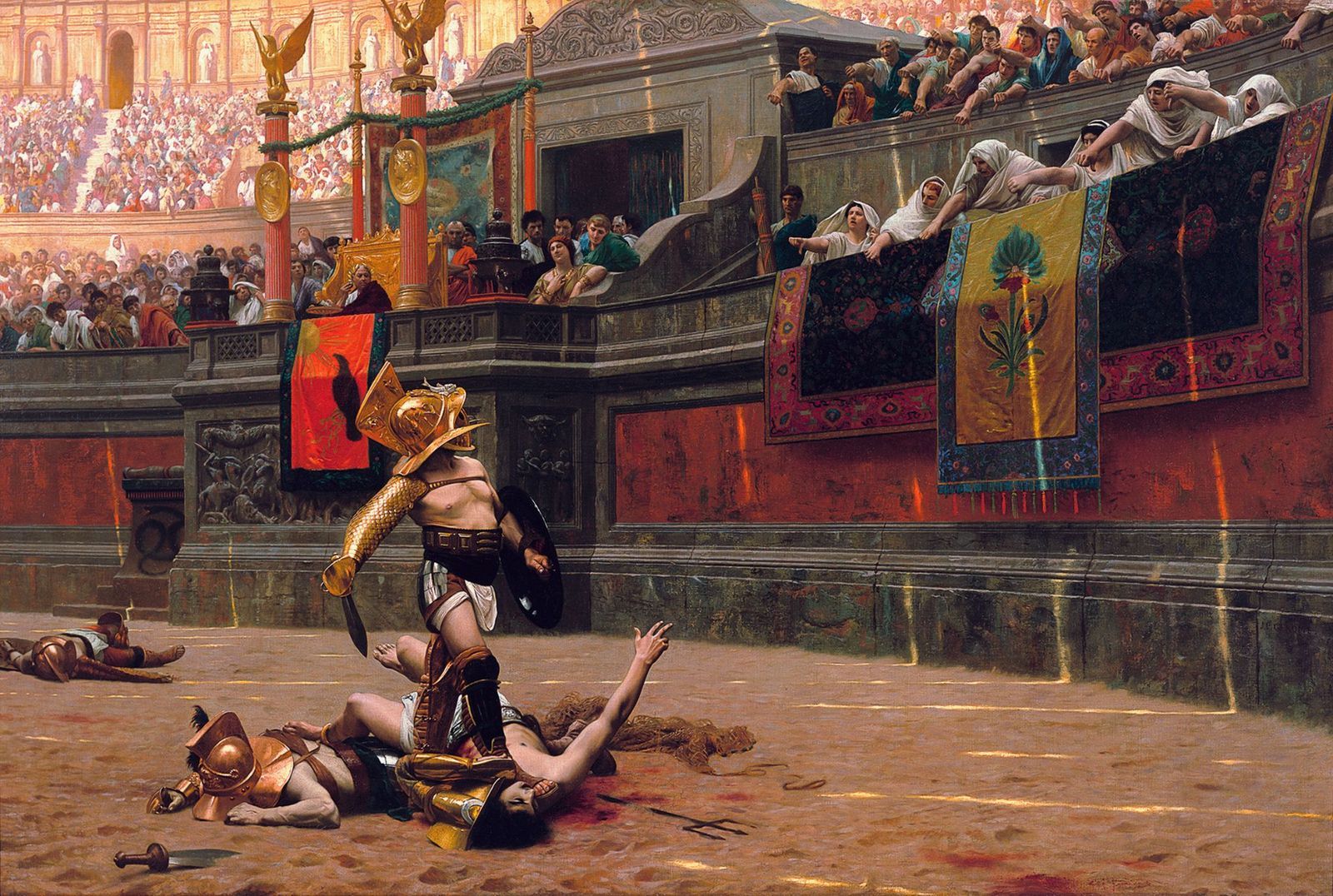
Gladiator (2000)

Image: Jean-Léon Gérôme, Public domain, via Wikimedia Commons

The plot of Gladiator revolves around Maximus Decimus Meridius (Russell Crowe) when he witnesses Emperor Marcus Aurelius (Richard Harris) being smothered to death by his son Commodus (Joaquin Phoenix), who seizes the throne, rules as a tyrant, and is later killed in gladiatorial combat inside the Colosseum.

In reality, Marcus Aurelius was never murdered by his son; he died of an infectious illness in 180 AD. Commodus had already been co-emperor for three years before his father’s death. Far from an usurpation, Commodus ruled Rome for 12 years. He didn’t die in the sands of the arena either: he was strangled in his bath by his wrestling partner, Narcissus, during a palace coup. Moreover, Roman gladiatorial fights were officiated sporting events, not chaotic deathmatches.

6
Shakespeare in Love (1998)

Image: Gimas

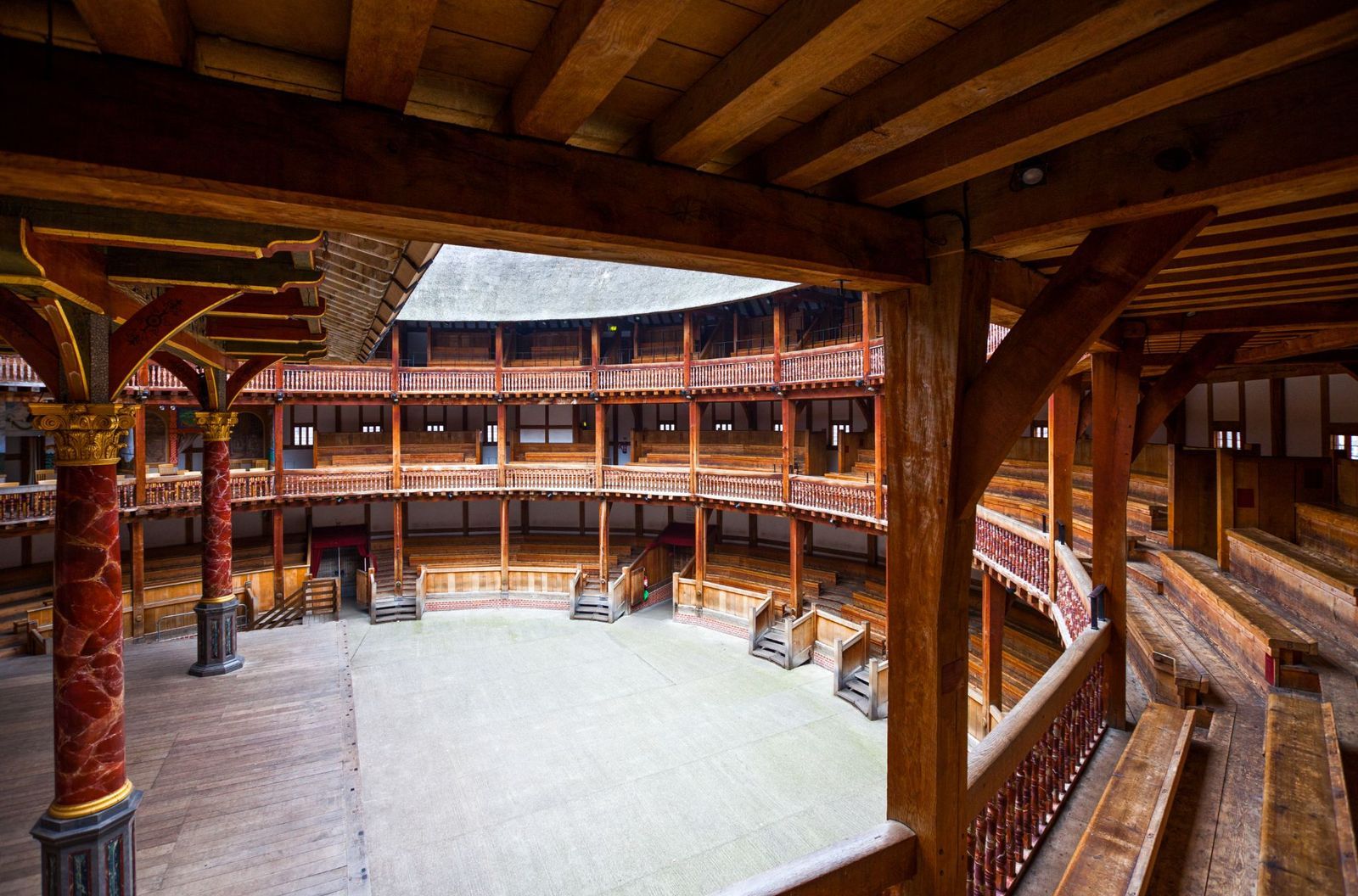
A young William Shakespeare (Joseph Fiennes) suffers from writer’s block until he meets aristocrat Viola de Lesseps (Gwyneth Paltrow), who disguises herself as a man to act on stage, inspiring him to write Romeo and Juliet .

Almost the entire narrative is historical fiction. Viola de Lesseps never existed, and Romeo and Juliet wasn’t inspired by a secret love affair. Women were indeed banned from performing on the Elizabethan stage, but monarchs like Queen Elizabeth I never attended public theaters, which were considered unsafe and unhygienic. Instead, theater companies were hired to give private performances at court. Furthermore, by the mid-1590s, Shakespeare was already married to Anne Hathaway and was an established playwright in London, not an impoverished unknown struggling for ideas.

7
A Beautiful Mind (2001)

Image: Woodan

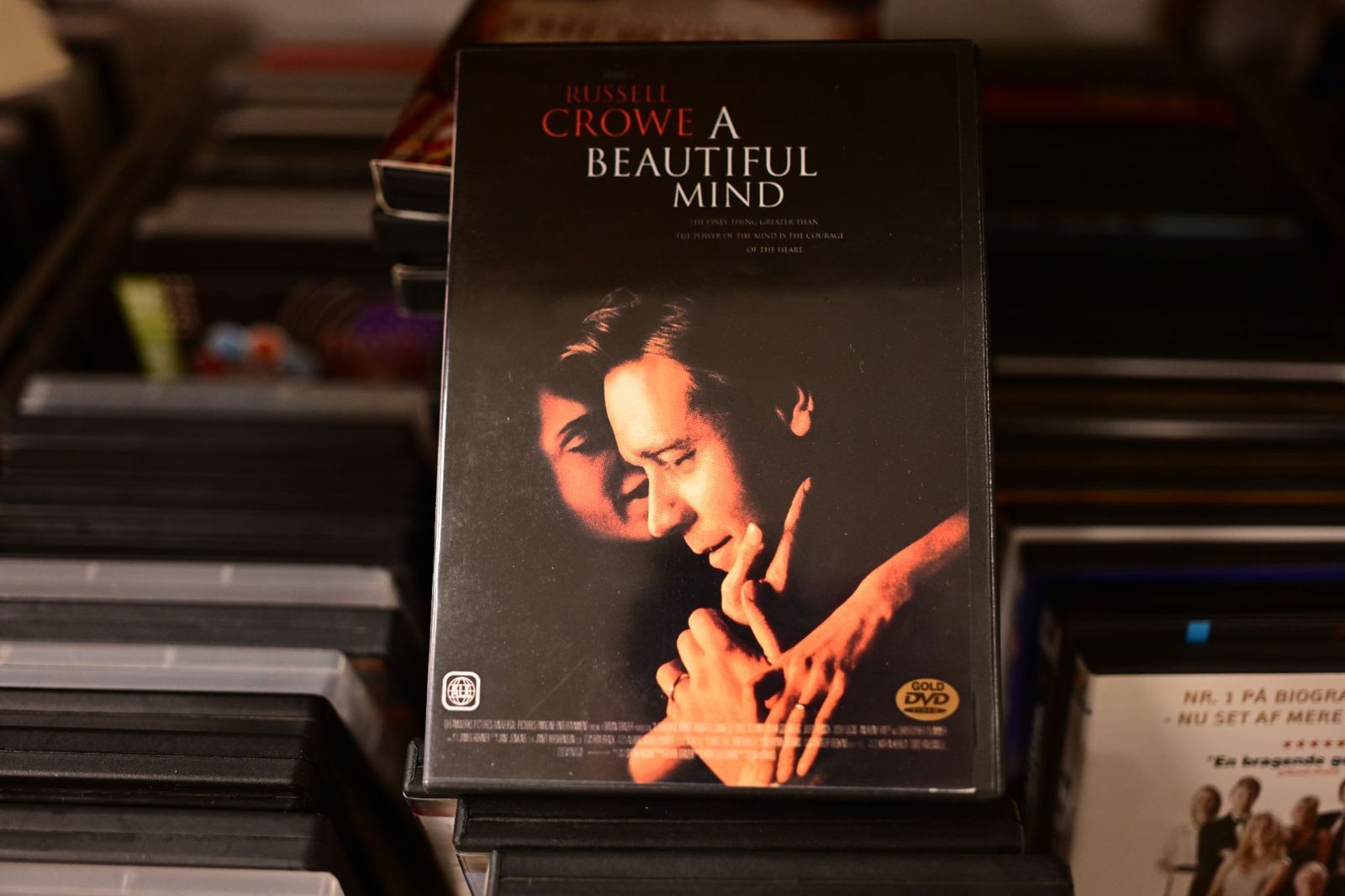
Ron Howard’s biopic presents John Nash (Russell Crowe) battling schizophrenia. In the film, the Nobel Laureate mathematician has vivid visual hallucinations of a college roommate, a young girl, and a secret government handler.

It is true that John Nash lived with paranoid schizophrenia, but his hallucinations were auditory and delusional (he heard voices and believed extraterrestrial beings were communicating through newsprint). Filmmakers acknowledged altering his symptoms because visual figures were easier to convey on screen. The film also sugarcoated Nash’s personal life, omitting his first child born out of wedlock, his divorce from his wife Alicia, and his intimate relationships with other men.

8
JFK (1991)

Image: Walt Cisco, Dallas Morning News, Public domain, via Wikimedia Commons

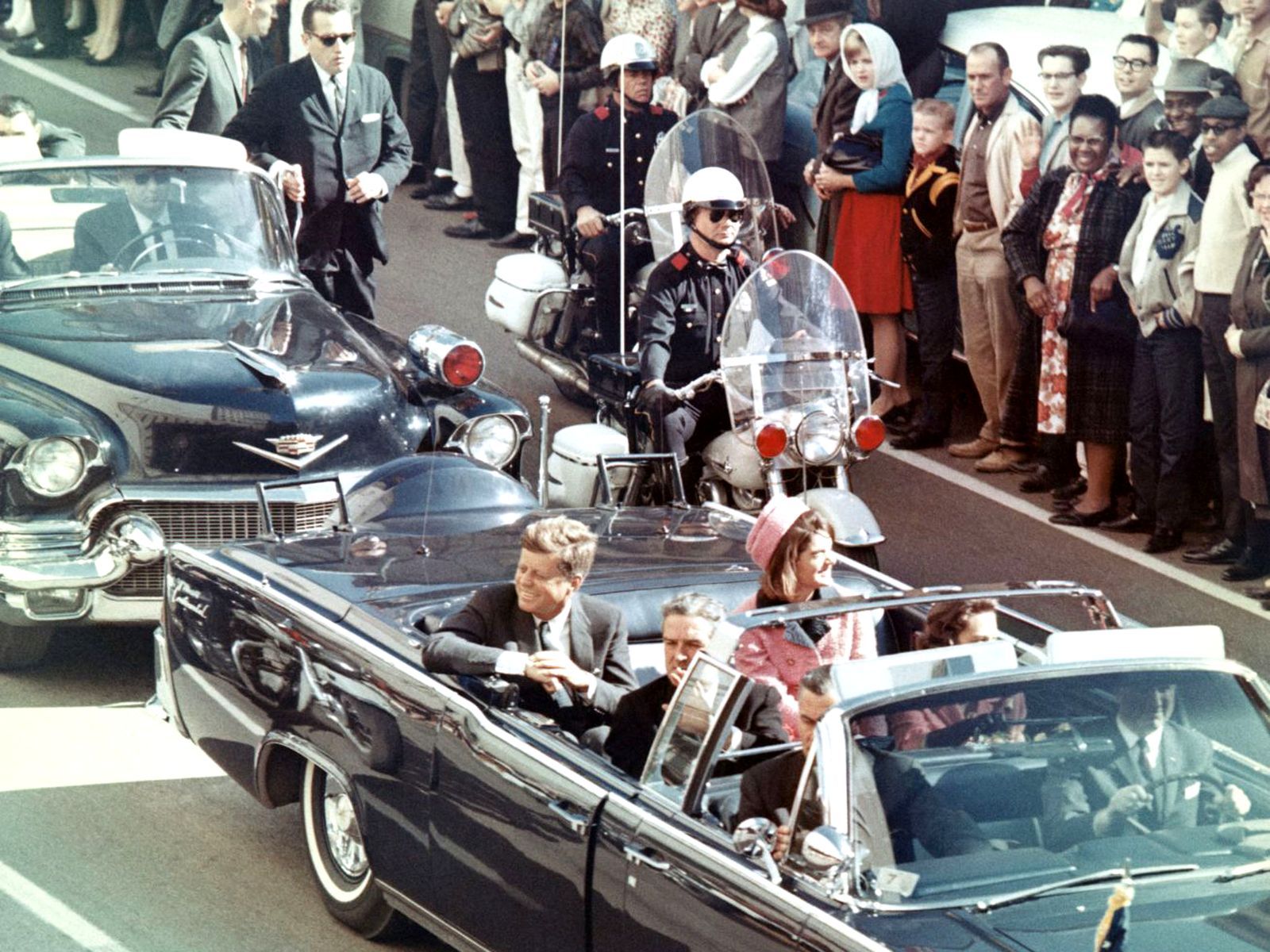
Director Oliver Stone follows New Orleans District Attorney Jim Garrison (Kevin Costner) as he uncovers a conspiracy behind President John F. Kennedy’s 1963 assassination involving the CIA, FBI, military leaders, and Vice President Lyndon B. Johnson.

Historians criticize JFK for presenting discredited conspiracy theories as historical facts. Key characters in the film (such as Donald Sutherland’s "Mr. X") were complete fabrications. Garrison’s actual prosecution of businessman Clay Shaw was based on dubious testimony and resulted in Shaw’s acquittal in under an hour. The narrative of a multi-agency coup remains unsupported by official evidence, yet the film prompted the release of classified records under the JFK Records Act.

9
The Sound of Music (1965)

Image: HEakin

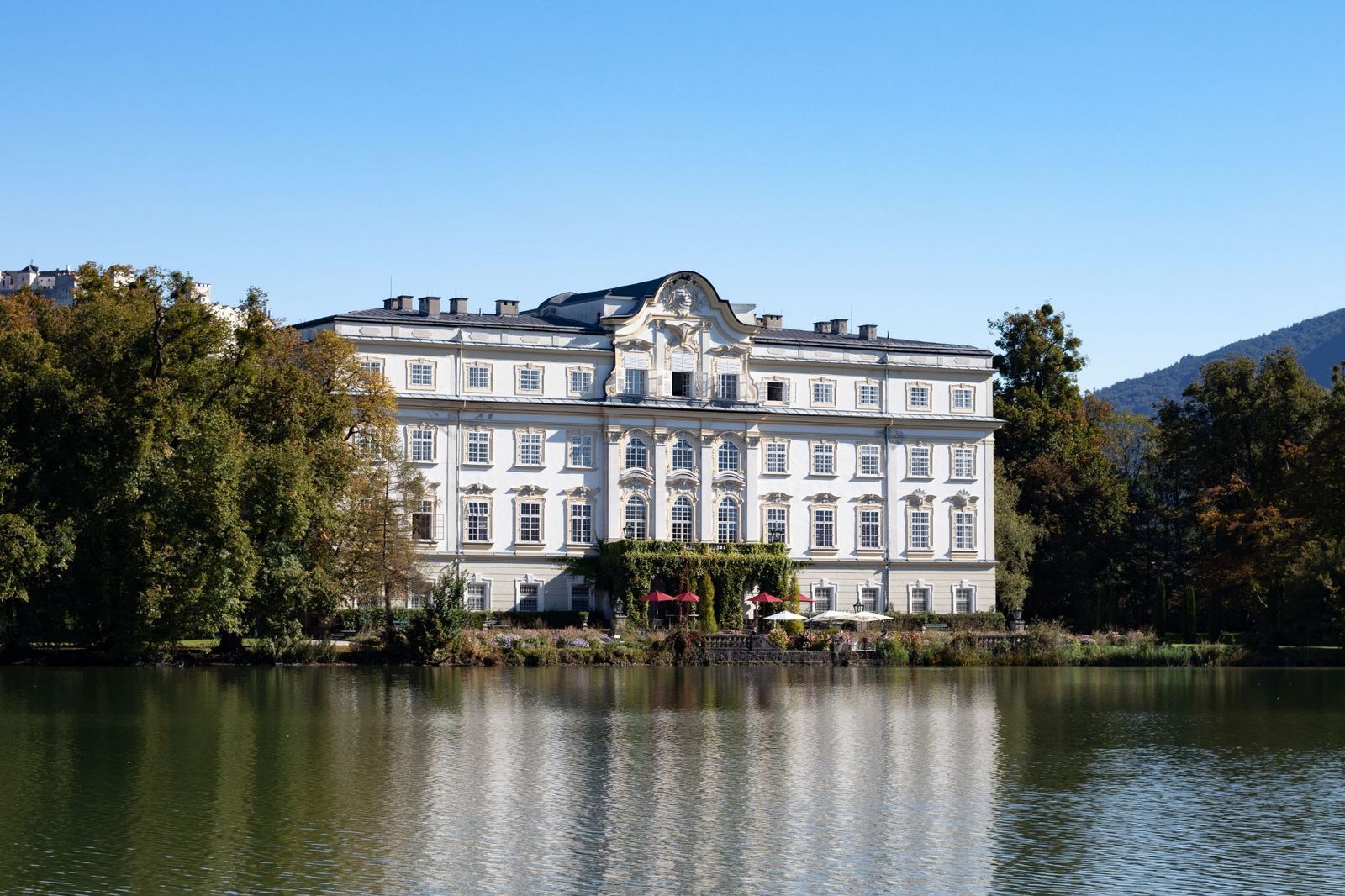
In the iconic film The Sound of Music , governess Maria (Julie Andrews) teaches naval Captain von Trapp’s seven children to sing and helps the family escape the 1938 Nazi annexation of Austria by hiking over the Alps into Switzerland.

Had the von Trapp hiked over the mountains behind their house in Salzburg, they would have walked straight into Nazi Germany near Hitler’s mountain retreat at Berchtesgaden. In real life, the family walked to their local train station and boarded a train to Italy before emigrating to the United States. Also, the personalities were reversed: the real Captain von Trapp was warm and musical, whereas Maria was strict. What’s more, the couple had already been married for over ten years before leaving Austria.

10
Saving Private Ryan (1998)

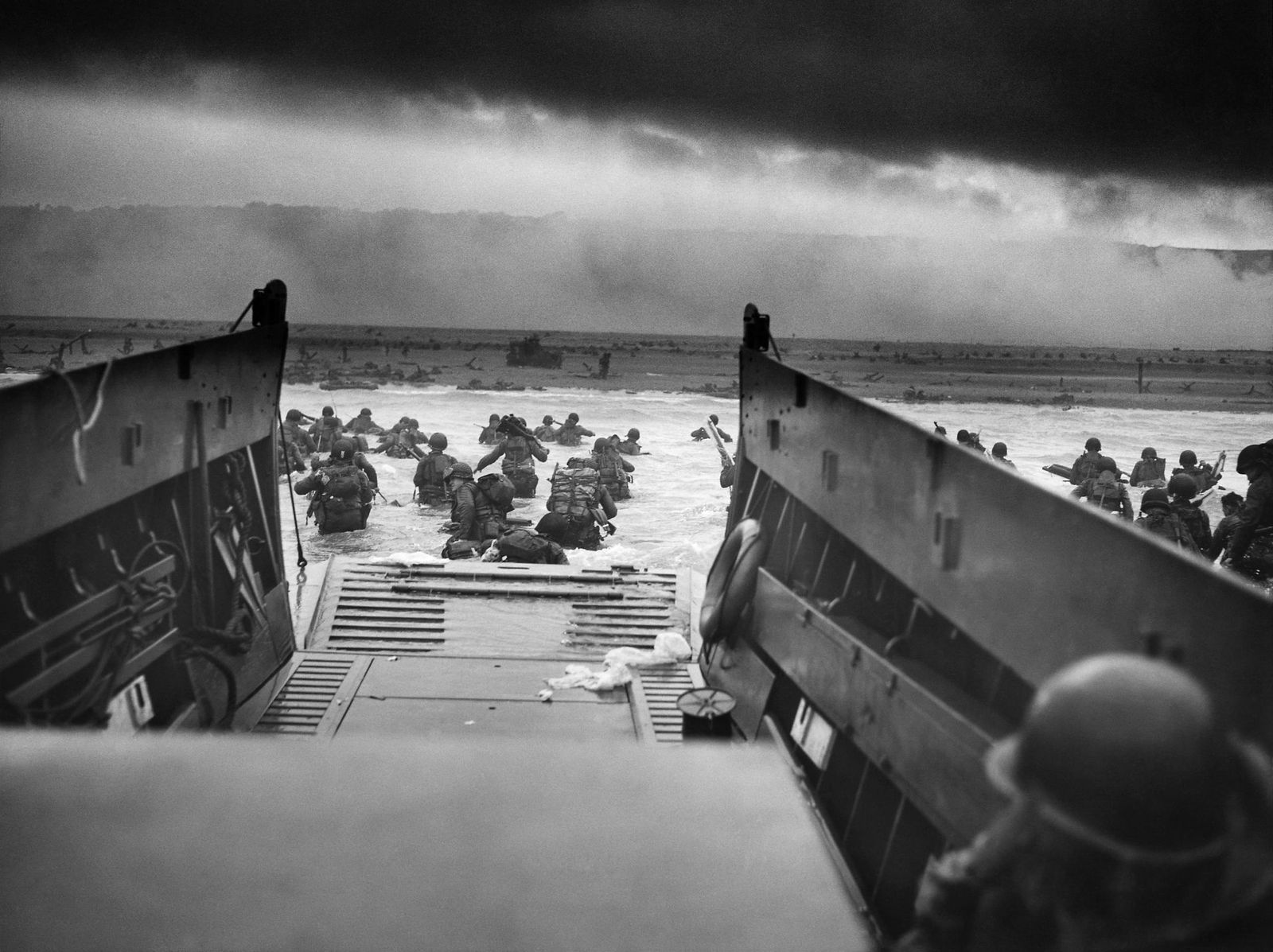
Image: National Archives and Records Administration, Public domain, via Wikimedia Commons

The opening D-Day landing sequence in Saving Private Ryan is praised by military veterans for its technical realism, but the film’s core premise is fictional. Following the invasion at Omaha Beach, Captain Miller (Tom Hanks) leads a U.S. Army Ranger squad into enemy territory in Normandy to find Private James Ryan (Matt Damon), whose three brothers were killed in action.

The plot is loosely inspired by the real-life Niland brothers, but the U.S. military never dispatched an entire squad on a dedicated search mission through enemy lines to extract a single private. Additionally, the final battle in the fictional town of Ramelle overstates the ability of infantry small arms against heavy German armor, which in reality was neutralized by artillery and tactical air strikes.

Culture Culture 6 min read

How do the most powerful blow off steam?

Which US President spent a quarter of his presidency at a ranch in Texas?

Image: Robert LeRoy Knudsen, Public domain, via Wikimedia Commons

Running the White House is a highly demanding job, so throughout history, many presidents have found ways to relieve the pressure and stress of leading at the highest level of government. When not shaping the path of the nation, presidents have enjoyed a variety of hobbies and pastimes that provide them with leisure time to relax, unwind, and clear their minds. From golfing and swimming to reading and painting, here are 12 U.S. Presidents who found the perfect balance between pleasure and duty.

1
George Washington

Image: Alonzo Chappel, CC0, via Wikimedia Commons

Founding Father and first president of the United States, George Washington, enjoyed many recreational activities during his free time. He was a true outdoorsman—he loved hunting and fishing and was a devoted gardener and farmer .

It’s common knowledge that after deciding not to run for a third term, he retired to his Virginia farm and dedicated the rest of his life to farming. But one fact you may not know is that, in his youth, Washington was a frequent dancer —and rumor has it, he was even extremely good at it! He considered dancing an important social interaction, describing it as "so agreeable and innocent an amusement."

2
Franklin D. Roosevelt

Image: National Archives and Records Administration, Public domain, via Wikimedia Commons

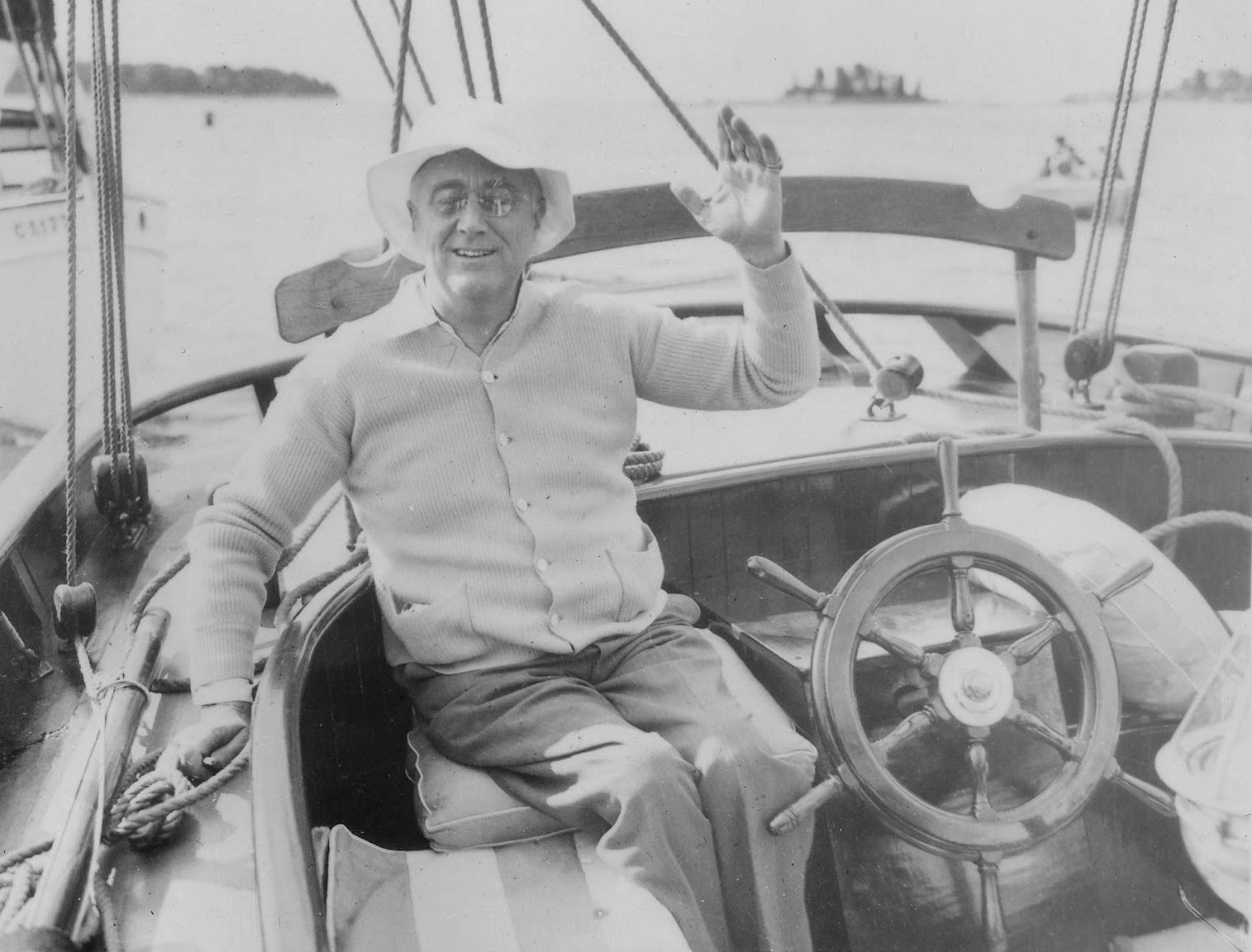
Franklin D. Roosevelt, the only president to be elected to four consecutive terms, led the country through the critical years of the Great Depression and World War II. To maintain a clear mind while navigating such tumultuous times, Roosevelt embraced a number of pastimes. He collected books , stamps , and ship models , for example.

In addition, he was an avid swimmer . After losing the ability to walk due to polio, Roosevelt began swimming three times a week to strengthen his muscles. Following his election, the New York Daily News donated a swimming pool to the White House so he could continue his practice.

3
James A. Garfield

Image: Unknown; part of Brady-Handy Photograph Collection., Public domain, via Wikimedia Commons

Before becoming the 20th president, James A. Garfield enjoyed fishing , hunting , and playing billiards . But he was also exceptionally intelligent and studious.

Though many people may know Garfield for serving just four months in office, he was also the first ambidextrous president of the United States . Not only could he write with both hands, but when asked a question, he could simultaneously write the answer in ancient Greek with one hand and Latin with the other. Pretty impressive, don’t you think?

4
Calvin Coolidge

Image: National Photo Company Collection, Public domain, via Wikimedia Commons

The 30th president of the United States liked riding horses so much that he had an electronic horse installed in the White House. The device had two speeds—trot and canter—and he rode it every day.

That said, Calvin Coolidge was a taciturn man of few words, who enjoyed taking afternoon naps, earning him the nickname "Silent Cal." He also had a very particular sense of humor . He reportedly enjoyed pressing the alarm buttons in the Oval Office or hiding in the garden shrubbery to startle his Secret Service agents.

5
Jimmy Carter

Image: Tuntematon, Valkoisen talon valokuvaajat (01/20/1977 - 01/20/1981), Public domain, via Wikimedia Commons

Throughout his life, Jimmy Carter was a curious man who never stopped doing things. He studied nuclear physics in college, could read two thousand words a minute, wrote numerous books, and even won a Nobel Peace Prize in 2002.

But what did this brilliant man like to do in his spare time? Carter had a variety of hobbies, including painting , poetry , tennis , cycling , fly fishing , and skiing . However, the one activity in which he perhaps excelled most was woodworking . After retiring, the 39th president of the United States set up a garage workshop on his Georgia ranch, where he built furniture that was later auctioned to benefit the Carter Center.

6
John Quincy Adams

Image: Pieter Van Huffel, 1769 - 1844, CC0, via Wikimedia Commons

John Quincy Adams was notoriously meticulous and kept a diary detailing his daily routine. Thanks to this, we now know that the sixth president of the United States liked to relieve the stress of the presidency with an early morning swim .

After waking up around 4 or 5 a.m., Adams would walk two miles to the Potomac River and leave his clothes on the shore before taking a swim. According to lore, one morning, a reporter named Anne Royall snatched his clothes and demanded that the president give her an interview. Adams had no choice but to answer her questions while standing deep in the river, completely naked.

7
Harry S. Truman

Image: Abbie Rowe, Public domain, via Wikimedia Commons

Harry S. Truman governed the United States from 1945 to 1953, right after World War II—a difficult and stressful time, to be sure. To blow off some steam, the 33rd president liked to immerse himself in one of his two long-time passions: reading and music .

Truman had eye problems, which prevented him from participating in sports. As a result, he became an avid reader from an early age—in fact, he once boasted of having read every book in the library by the age of 14. He was also a very skilled piano player , having started lessons at the age of seven.

8
Lyndon B. Johnson

Image: Yoichi Okamoto, Public domain, via Wikimedia Commons

Living up to the legacy of one of the most popular presidents in American history can't be easy. But it appears that the 36th president of the United States knew just how to maintain a good balance between responsibility and leisure. During his five-year administration, Lyndon B. Johnson spent 490 days —about a quarter of his presidency— at the LBJ Ranch in Stonewall , Texas, combining work and vacation so seamlessly that the place became known as "The Texas White House."

At this ranch, Johnson had an extensive collection of vehicles . Among them was the Amphicar, an amphibious passenger car built in the 1960s, which he used to play pranks on his visitors.

9
Richard Nixon

Image: White House Photographer, Public domain, via Wikimedia Commons

Not many people know this, but Richard Nixon was an artistic man. He enjoyed theater—he even met his future wife during a community theater audition—and he could play five musical instruments : piano, saxophone, violin, clarinet, and accordion.

But he was also into sports. In addition to being a huge football fan, he and First Lady Pat Nixon enjoyed bowling . In fact, the Nixons were responsible for moving the White House bowling alley back to the Executive Mansion after it had been relocated to a nearby building years earlier.

10
George W. Bush

Image: Series: Photographs Related to the George W. Bush Administration, 1/20/2001 - 1/20/2009Collection: Records of the White House Photo Office (George W. Bush Administration), 1/20/2001 - 1/20/2009, Public domain, via Wikimedia Commons

During his free time, George W. Bush enjoyed golfing, biking, attending baseball games, and reading American history. He was also a very competitive runner .

However, when the 43rd president of the United States left office, he was only 62 years old—plenty of time to acquire a new pastime. In the years following his time in the White House, Bush surprised many by turning to painting . "I’m a painter," he told Jay Leno on The Tonight Show .

11
Dwight D. Eisenhower

Image: ddd

To relieve the stress of leadership, Dwight D. Eisenhower maintained a number of hobbies that he cultivated throughout his life. One of his main passions was golf , which he played during and after his presidency. He even kept a small putting green in the White House garden and had a four-hole practice course installed at Camp David.

But that’s not all. Ike enjoyed fishing, hunting, shooting, watching Western movies, and playing bridge. He was also an avid painter who often captured natural landscapes and gave them as gifts to friends. After leaving the White House, Ike settled on a farm near Gettysburg, Pennsylvania, where he raised Black Angus show cows that won blue ribbons at state and county fairs.

12
John F. Kennedy

Image: Robert LeRoy Knudsen, Public domain, via Wikimedia Commons

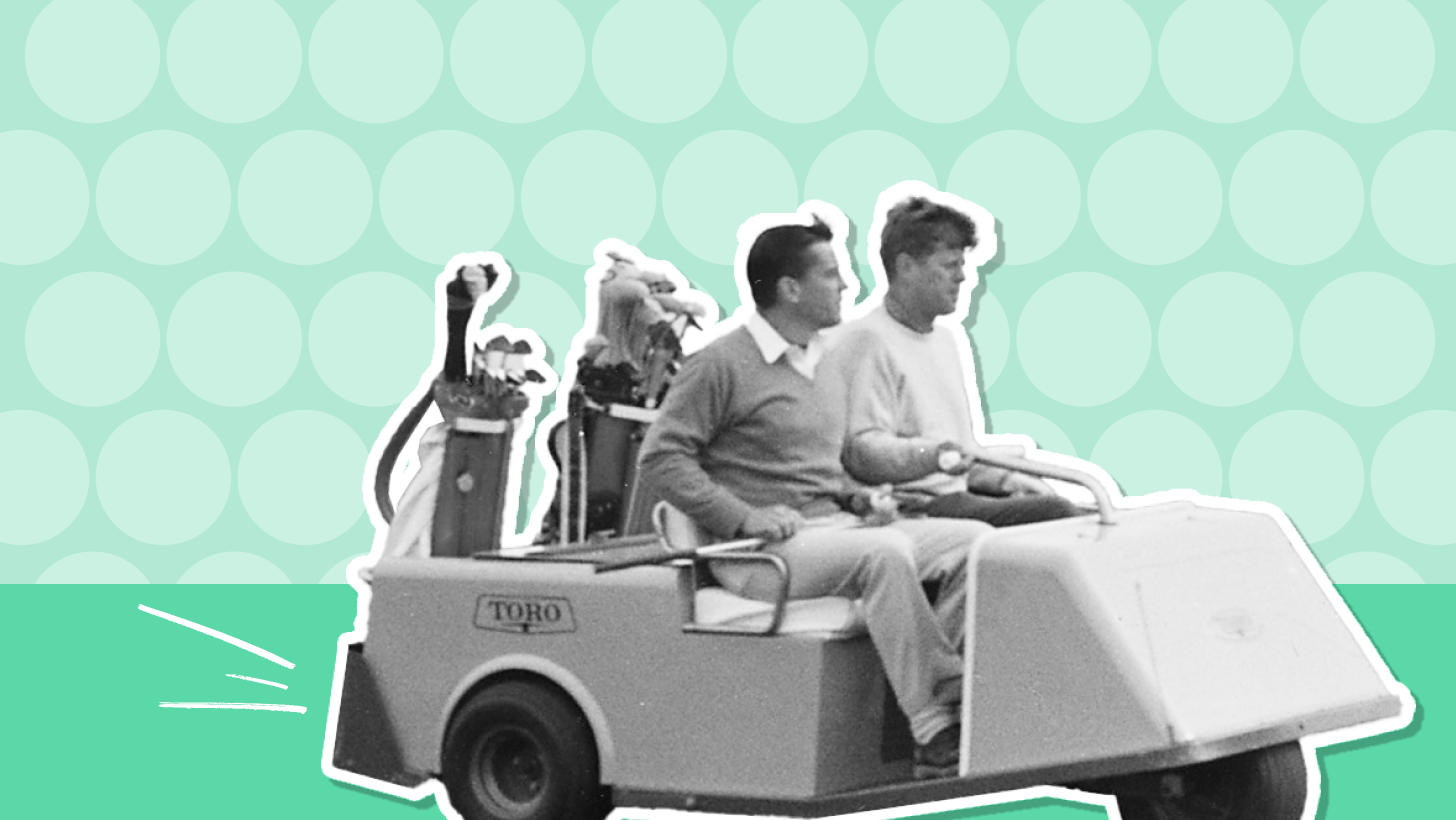
John F. Kennedy was an exercise enthusiast and something of a jock. He played many sports : golf, tennis, swimming, baseball, and football. Despite being an athletic man, he enjoyed smoking between four and five cigars a day—his favorite brands were Upmanns and Monticellos!

But perhaps the hobby that most helped him relax from the tensions of the presidency was boating. Like many members of his family, John F. Kennedy loved to sail and was often photographed at sea with his wife and young children.

Explore more American facts

Choose your favorite category!

General
General

As American as apple pie—the very best America has to offer!

Culture
Culture

Delve into the astounding richness of American lore.

Geography
Geography

Hop in and explore vast and diverse American landscapes.

History
History

Discover the key moments that shaped the United States.