History History 3 min read

Got mail?

Did you know these 12 facts about the evolution of mail delivery?
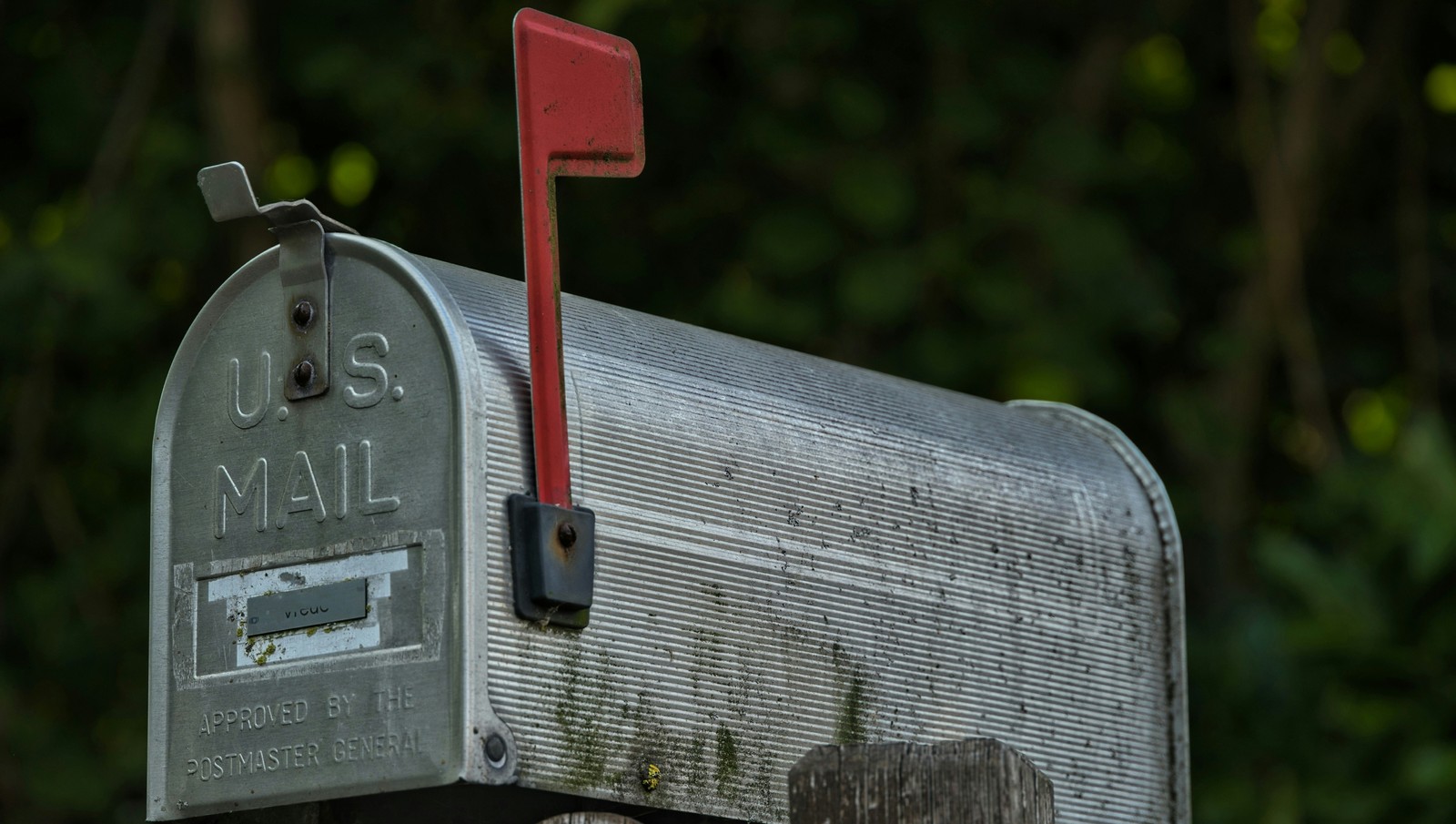
Image: Wolfgang Vrede

We take many things for granted, especially when they have been around forever. Their stability is reassuring and commanding. But everything has to start somewhere, and mail delivery certainly has had an interesting history in America. From humble tavern-based post offices to airplanes and ZIP codes, the postal service has a few stories to share. Did you know about these 12?

1
The first post office? A Boston tavern
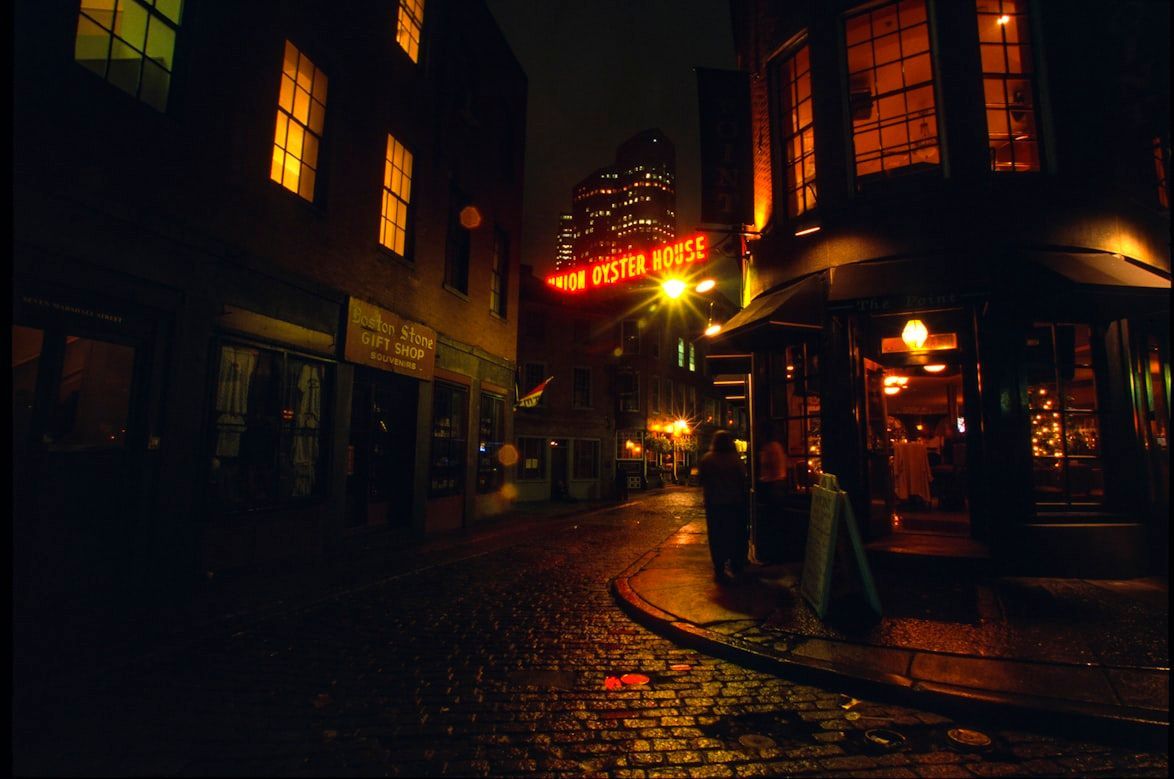
Image: Mick Haupt

In 1639, the first organized mail service in British North America started at Richard Fairbank’s tavern . The owner collected and distributed mail brought by ship.

Although informal and modest by today’s standards, this post office laid the foundation for communal mail collection and delivery.

2
Enter Benjamin Franklin
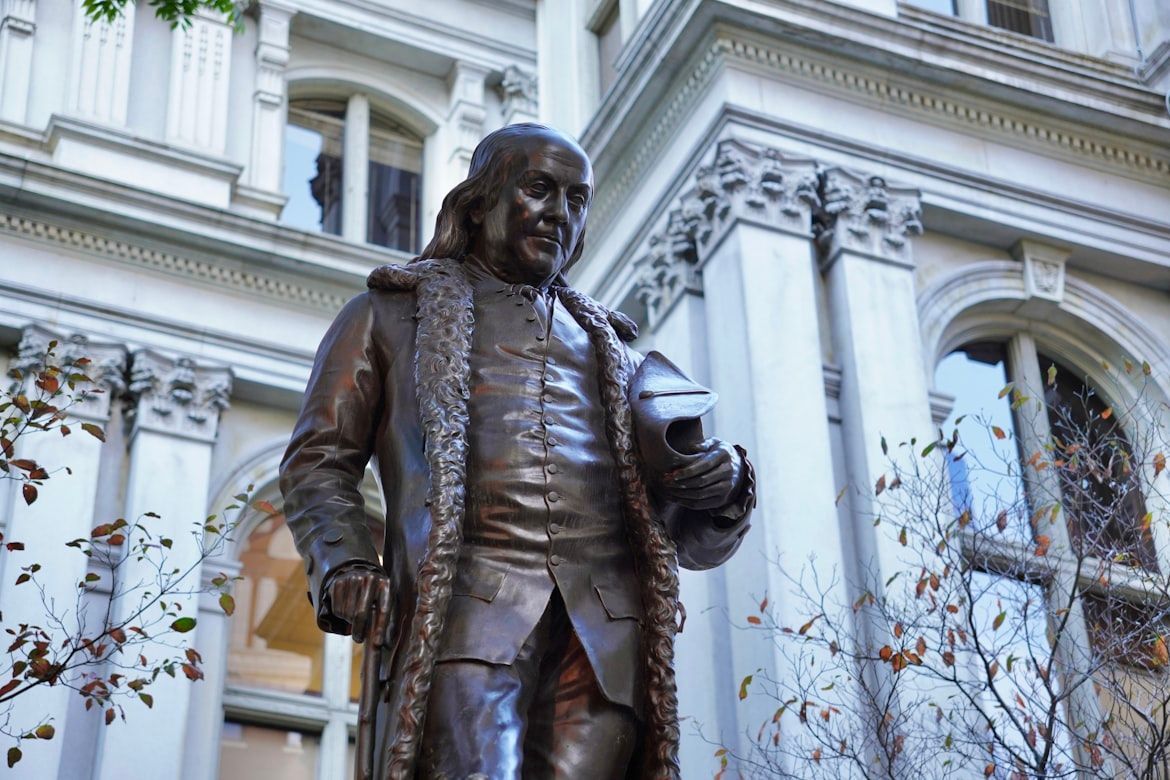
Image: Brett Wharton

From 1753, Franklin served as joint Postmaster General for the colonies and undertook a sweeping reform: he organized delivery routes, aligned them with major roads and rivers, and cut the mail travel time between Philadelphia and New York to about 33 hours .

He also introduced the first rate chart, standardizing delivery costs based on weight and distance, turning what had been a scattered courier network into a more reliable, structured mail system.

3
National Postal System founded
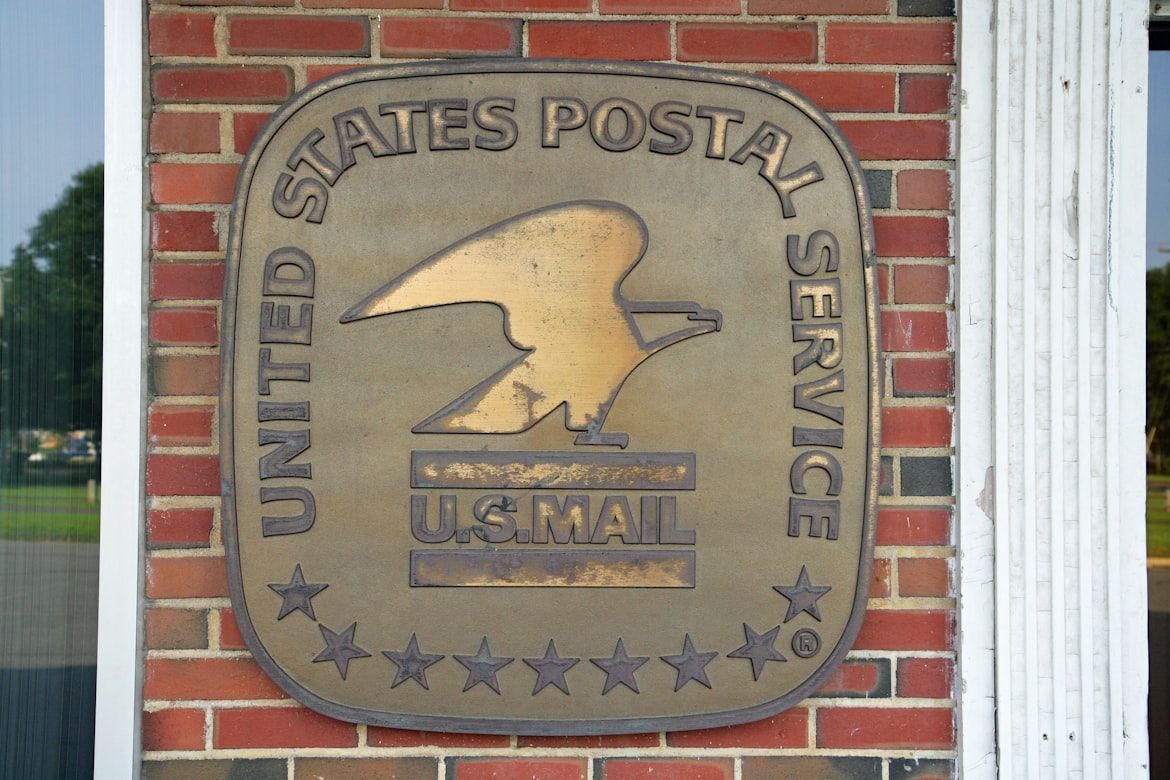
Image: David Trinks

With the American Revolution underway, the Second Continental Congress established the first national postal agency in 1775 , appointing Benjamin Franklin as the first Postmaster General.

This new postal service initially handled mostly military and diplomatic correspondence, but the agency laid the groundwork for what would become a national communications service.

4
The Age of Steam: mail by steamboat
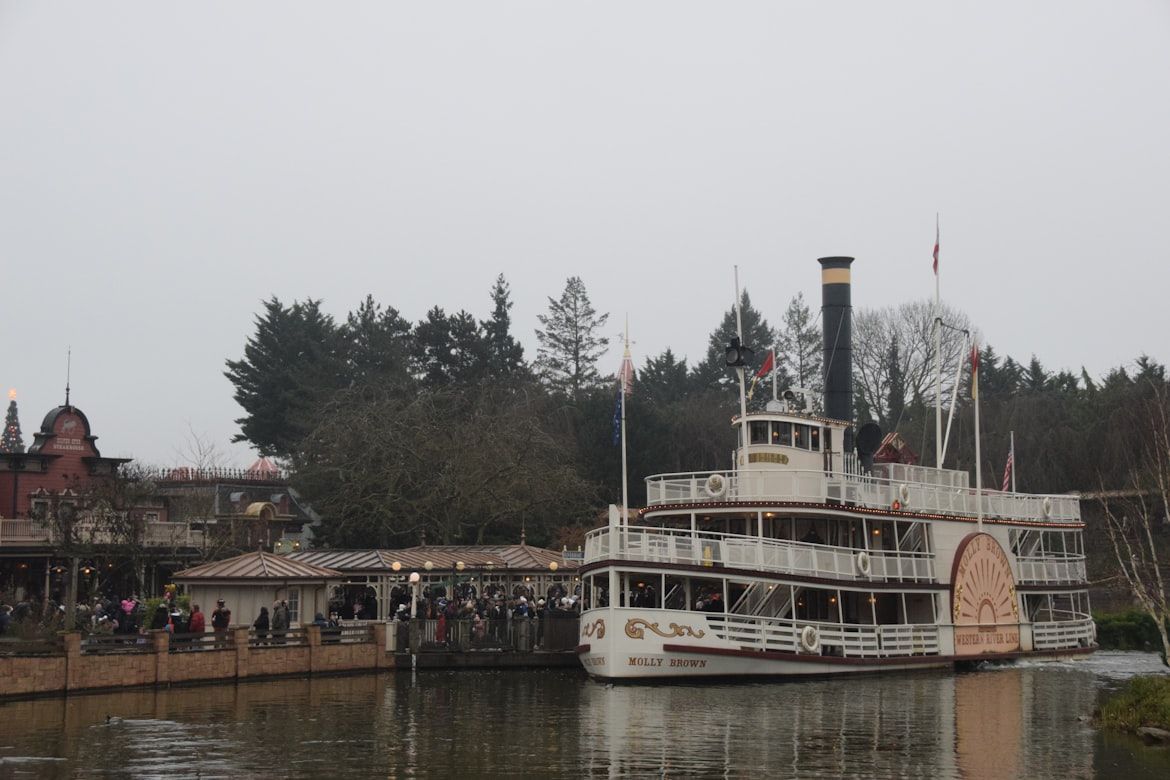
Image: mandylin

In 1813, Congress authorized the Postmaster General to contract steamboat companies to carry mail. Soon, steamboats were ferrying mail up and down the East Coast and the Mississippi River .

By 1848, mail even traveled to California via steamship and across the Isthmus of Panama, a three-week voyage.

5
Overland stagecoaches and the Butterfield Overland Mail
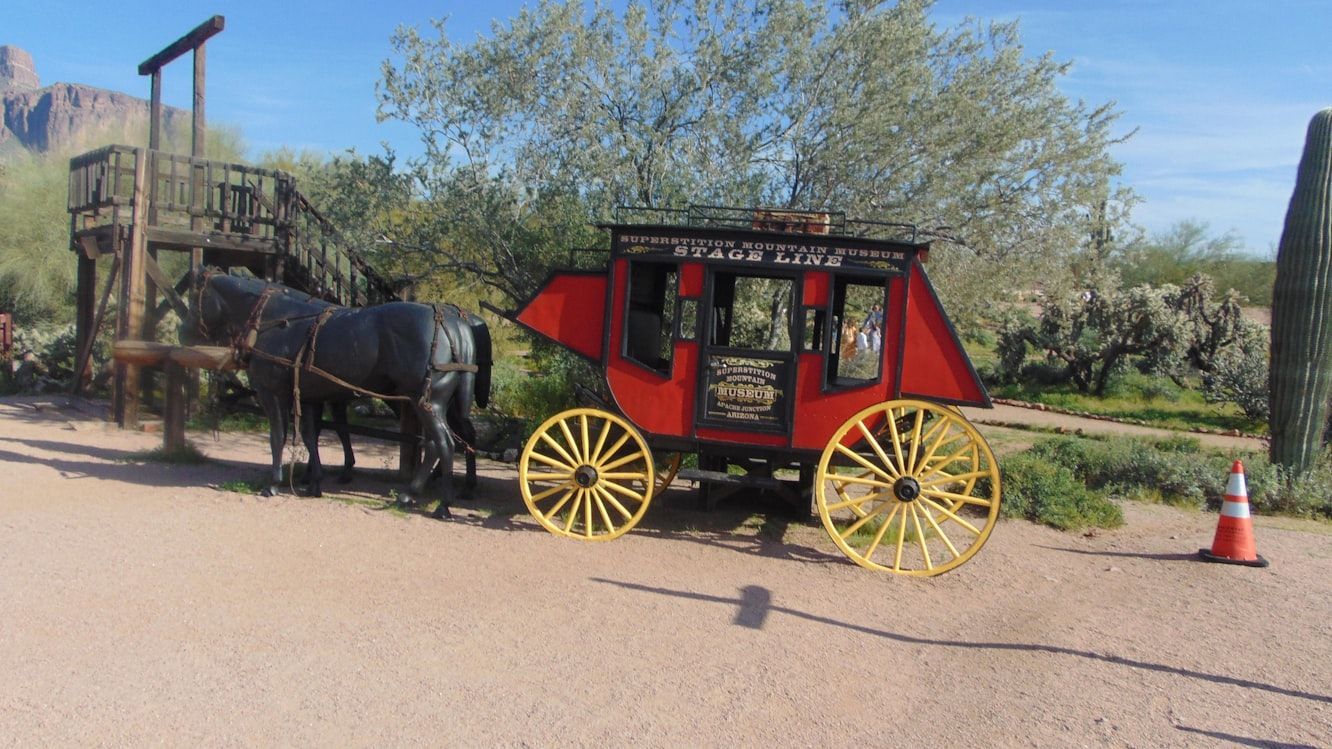
Image: Ricky BiggsSr

Between 1858 and 1861, the Butterfield Overland Mail stagecoach service carried U.S. mail across the western frontier, from eastern posts like Memphis and St. Louis to San Francisco .

This service helped connect the eastern U.S. with rapidly growing western settlements long before the completion of the transcontinental railroad.

6
Railroads enter the picture

Image: Jay Kettle-Williams

As railroads expanded, the postal service started to use this new technology: in 1832, the first mail deliveries by train were made.

Rail transport vastly improved speed and reliability compared to horse and stagecoach travel , and became a key advance as mail traffic increased and the nation expanded westward.

7
First U.S. postage stamps
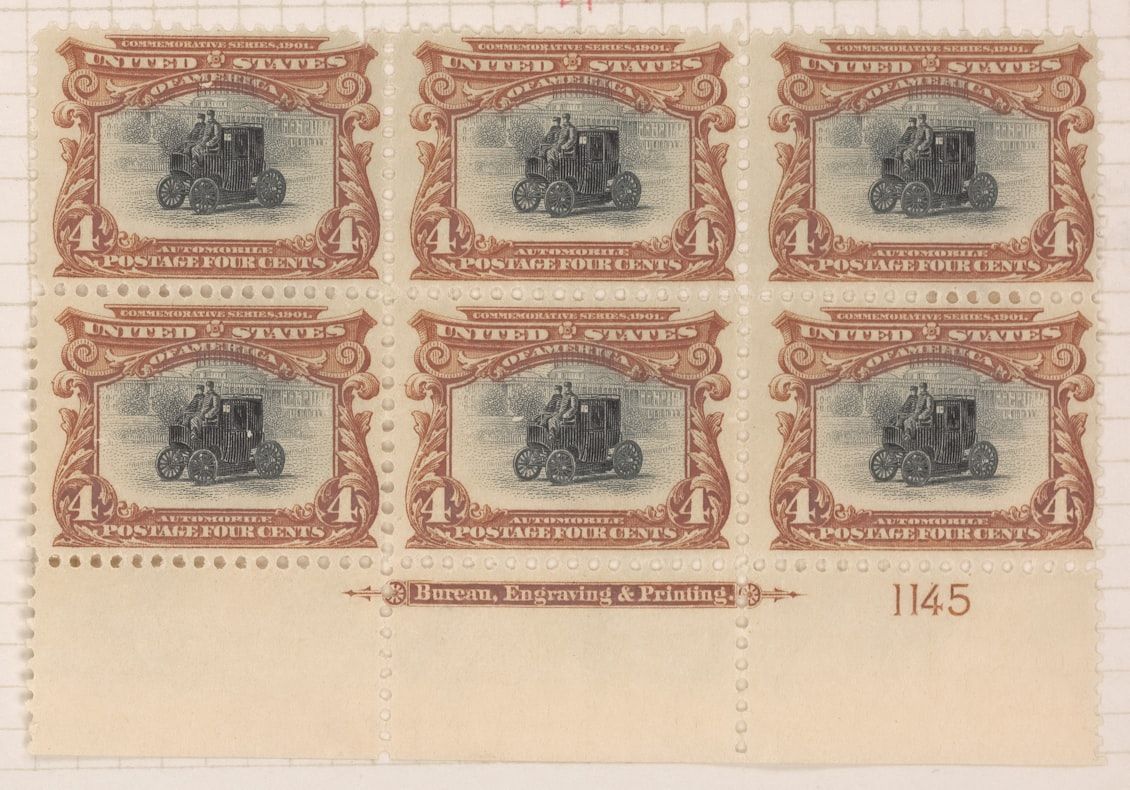
Image: The New York Public Library

In 1847, the first official U.S. postage stamps were issued: a 5-cent stamp featuring none Ben Franklin and a 10-cent stamp featuring George Washington .

Prepaid stamps simplified payment and collection of postage, removing complications from pay-on-delivery systems and helping the postal system function more efficiently.

8
The Pony Express
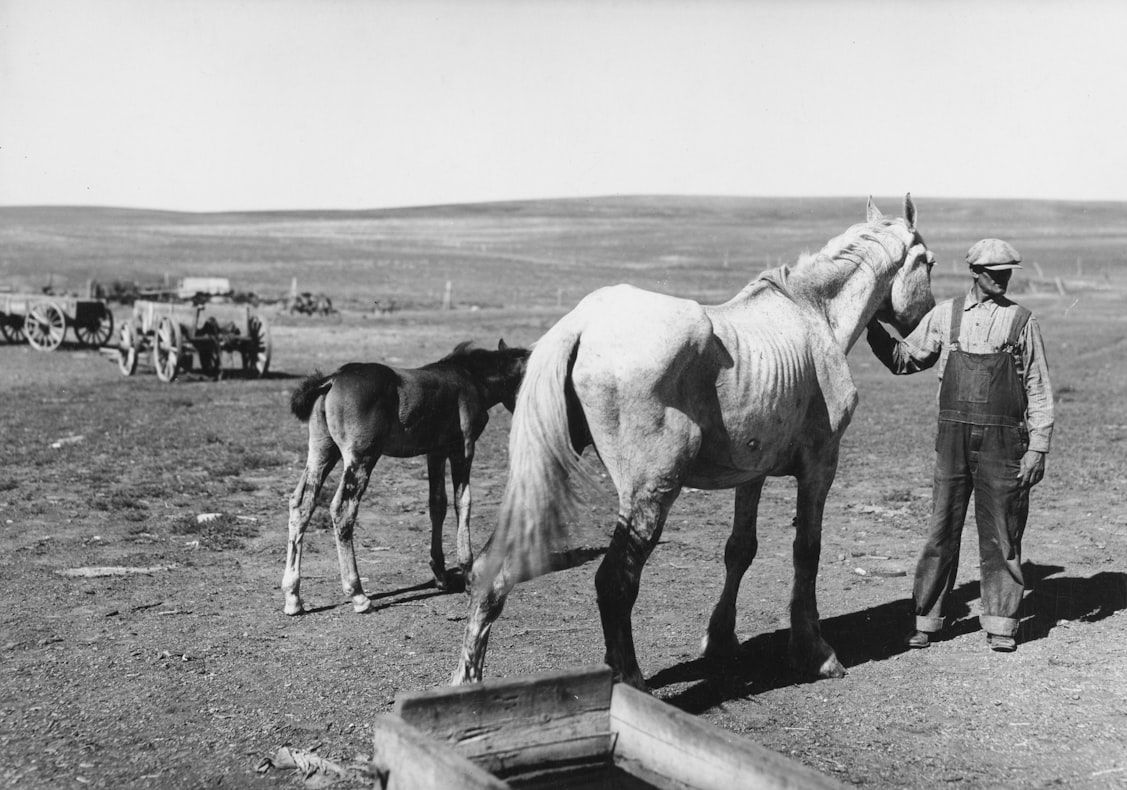
Image: The New York Public Library

In 1860, the Pony Express started its overland mail route between Missouri and California, nearly 1800 miles of relay horseback riding . The mail took 10 days between endpoints.

Although short-lived (it ended in 1861), the Pony Express demonstrated the demand for rapid cross-country communication.

9
City-wide home delivery
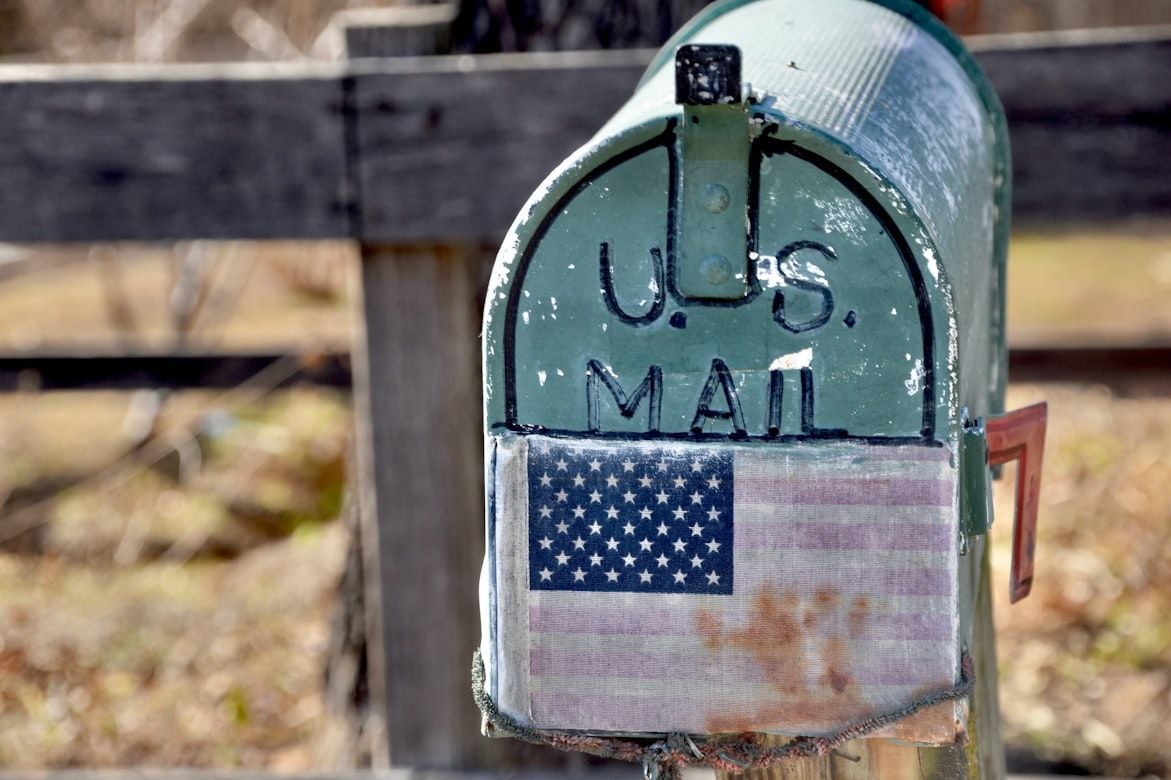
Image: Lesli Whitecotton

In 1863, free city mail delivery began , allowing residents in major cities to receive letters directly at their homes rather than picking them up at a post office.

This represented a major shift: mail became a part of everyday domestic life, not just something dropped off and picked up by hand.

10
Pneumatic tube mail in NYC

Image: The New York Public Library

In 1897, a pneumatic-tube mail system began operation in New York City. Mail could travel underground at high speeds, from the General Post Office to other offices in Manhattan within minutes .

At its peak, the system carried thousands of letters daily: at one point, nearly 30% of New York City mail went through this immense underground network.

11
Parcel post service launches
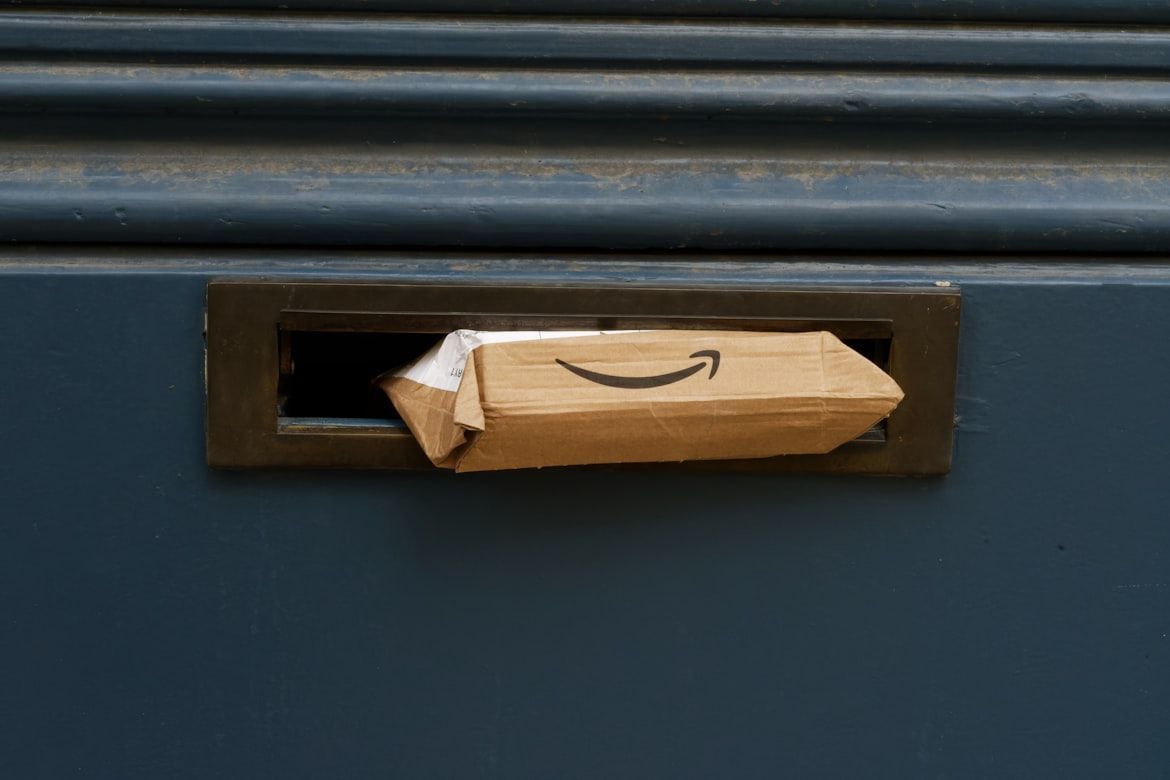
Image: Olivier Rouge

On New Year’s Day 1913, the U.S. Post Office inaugurated the first official parcel post service , allowing packages, not just letters, to be sent through the mail.

The impact was immediate: within the first five days, millions of packets passed through post offices, fueling mail-order business and expanding commerce everywhere.

12
First airmail route
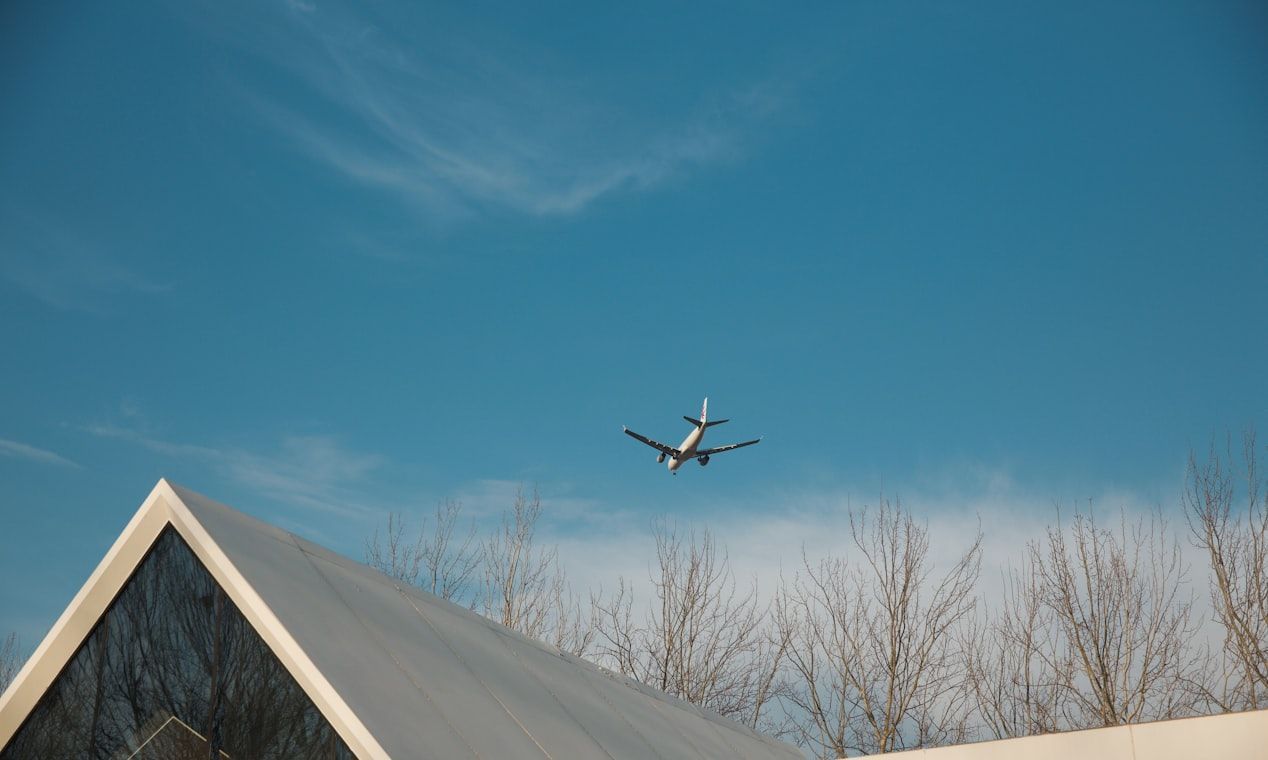
Image: Qihao Wang

In 1918, the postal service launched the first regularly scheduled air mail route between Washington, D.C., and New York , marking the beginning of mail carried by airplane.

Airplane mail allowed far faster coast-to-coast and long-distance communication, a major leap from sailboats, stagecoaches, or railroads.
Geography Geography 4 min read

Discovering America

What's the easternmost point of the US? If you say Maine, think again!

Image: Jon Sailer

We’ve all picked up "facts" about the fifty states somewhere along the way, but not all of them hold up. Some are half-truths passed around for generations , others are just plain wrong. So, in an attempt to set the record straight once and for all, we’ve gathered some fun truths that clear up the biggest mix-ups about our states.

1
Arizona skips Daylight Saving Time

Image: Christoph von Gellhorn

This is partly true because most of the state doesn’t bother with Daylight Saving Time . They stopped changing the clocks back in 1967. The exception is the Navajo Nation, which stretches into Utah and New Mexico and keeps DST so all its communities stay on the same schedule. Now, as for the smaller Hopi reservation, inside the Navajo Nation, it sticks with Arizona time… Yes, quite confusing if you’re not a local.

2
Georgia isn’t really the Peach State

Image: Jessica Furtney

Georgia loves its peaches, sure, but the state’s top fruit money-maker is actually blueberries . In recent years, blueberries have brought in several times more cash for farmers than peaches. Meanwhile, California grows far more peaches than Georgia ever has. The nickname stuck from the old days when Georgia peaches were famous for their flavor, not their volume. So while the pride is real, the peaches aren’t quite the powerhouse people may think.

3
Nevada didn’t record the hottest US temperature

Image: tommao wang

You probably think of Nevada’s desert heat as unmatched, but the all-time record belongs to California’s Death Valley . In July 1913, it hit a mind-melting 134 degrees Fahrenheit, the hottest temperature not only in America but the hottest ever recorded on Earth!

4
Minnesota doesn’t have the most lakes

Image: Tom Conway

Minnesota proudly calls itself the "Land of 10,000 Lakes," but that’s selling itself short… The real number is closer to 12,000. However, Alaska wins this battle . The state has more than 3 million lakes over five acres in size. In fact, Alaska contains over 40 percent of the nation’s surface water. If you love fishing, kayaking, or just staring at a quiet stretch of water, the true lake capital of America is far up north.

5
Pineapples aren’t native to Hawaii

Image: Christian Joudrey

Pineapples are everywhere in Hawaiian imagery, but the plant actually comes from South America , mainly Paraguay and southern Brazil. Spanish explorers likely brought them to Hawaii in the 1500s after spreading them across the Pacific to places like the Philippines and Guam. Hawaii’s climate turned out to be perfect for growing them and by the 1900s, the islands were producing so many pineapples that the fruit became a symbol of Hawaii itself.

6
Maine isn’t the country’s easternmost point

Image: Chris Henry

If you’re a Geography geek, you’ll love this one. You might picture Maine’s rocky coast as the eastern tip of America, but the actual easternmost point is thousands of miles away, on Alaska’s Semisopochnoi Island in the Aleutians. How is that possible? Well, that’s because it crosses the 180th meridian, putting it in the Eastern Hemisphere. That means part of Alaska technically sits farther east than anywhere in Maine.

7
The biggest US earthquake didn’t happen in California

Image: Lala Miklós

California has suffered some big earthquakes in its history, but the most powerful earthquake in America struck Alaska in 1964 . It hit Prince William Sound with a magnitude of 9.2. It was so strong it shook the ground for four and a half minutes and triggered massive tsunamis. In today’s dollars, the damage would total more than $2 billion. Alaska sits on a collision zone of tectonic plates, making it one of the world’s most seismically active regions.

8
The Everglades isn’t America’s biggest swamp

Image: Joshua J. Cotten

A lot of people picture the Florida Everglades when they think of swamps, but technically, the Everglades isn’t a swamp at all. The real title of the largest swamp in the United States goes to Louisiana’s Atchafalaya Basin , which spans about 1.4 million acres. This swamp has a vast mix of cypress forests, bayous, and marshes, and it’s more than twice as productive as the Everglades when it comes to wildlife and plant life.

9
Big cities aren’t always capitals

Image: Mackenzie Cruz

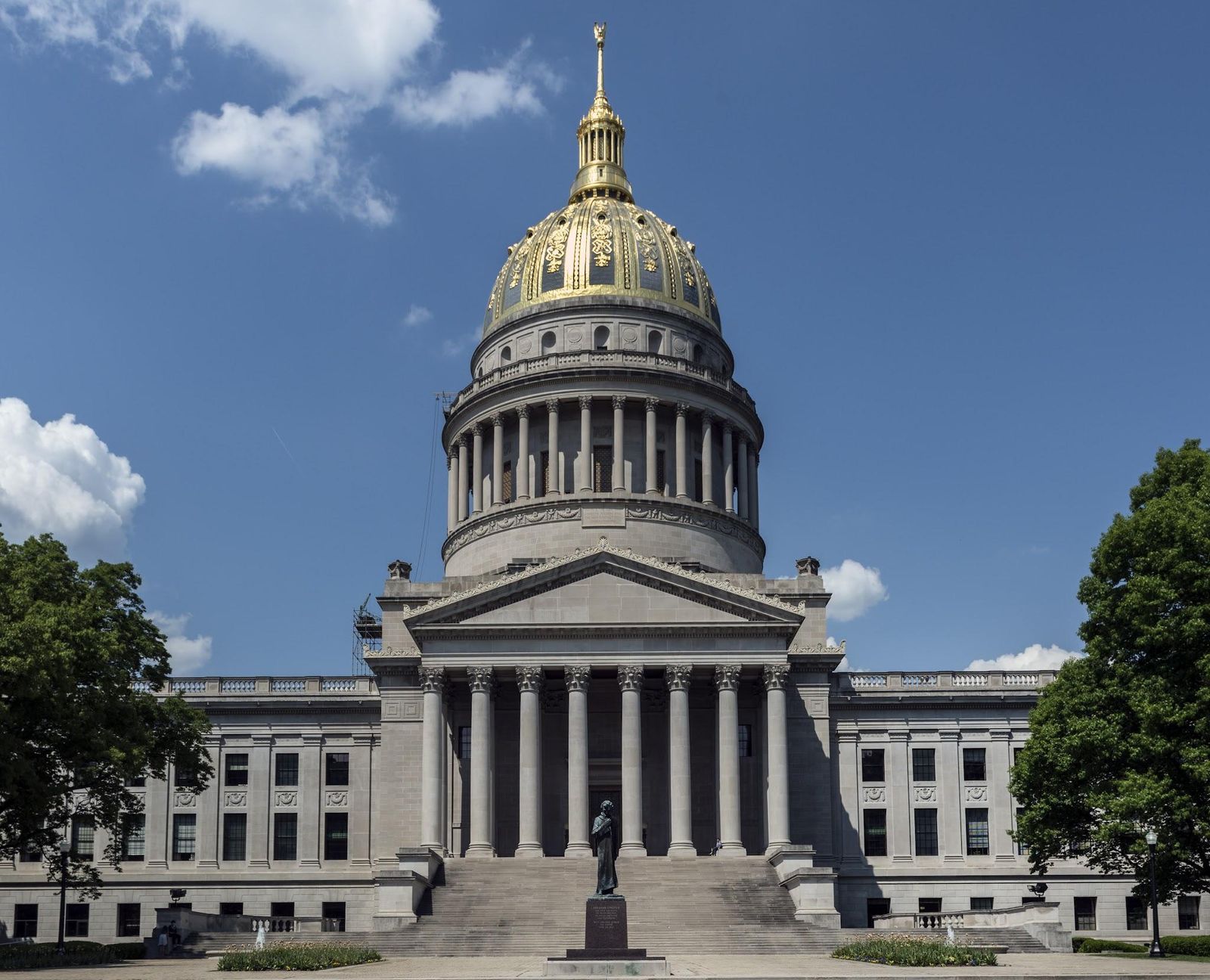
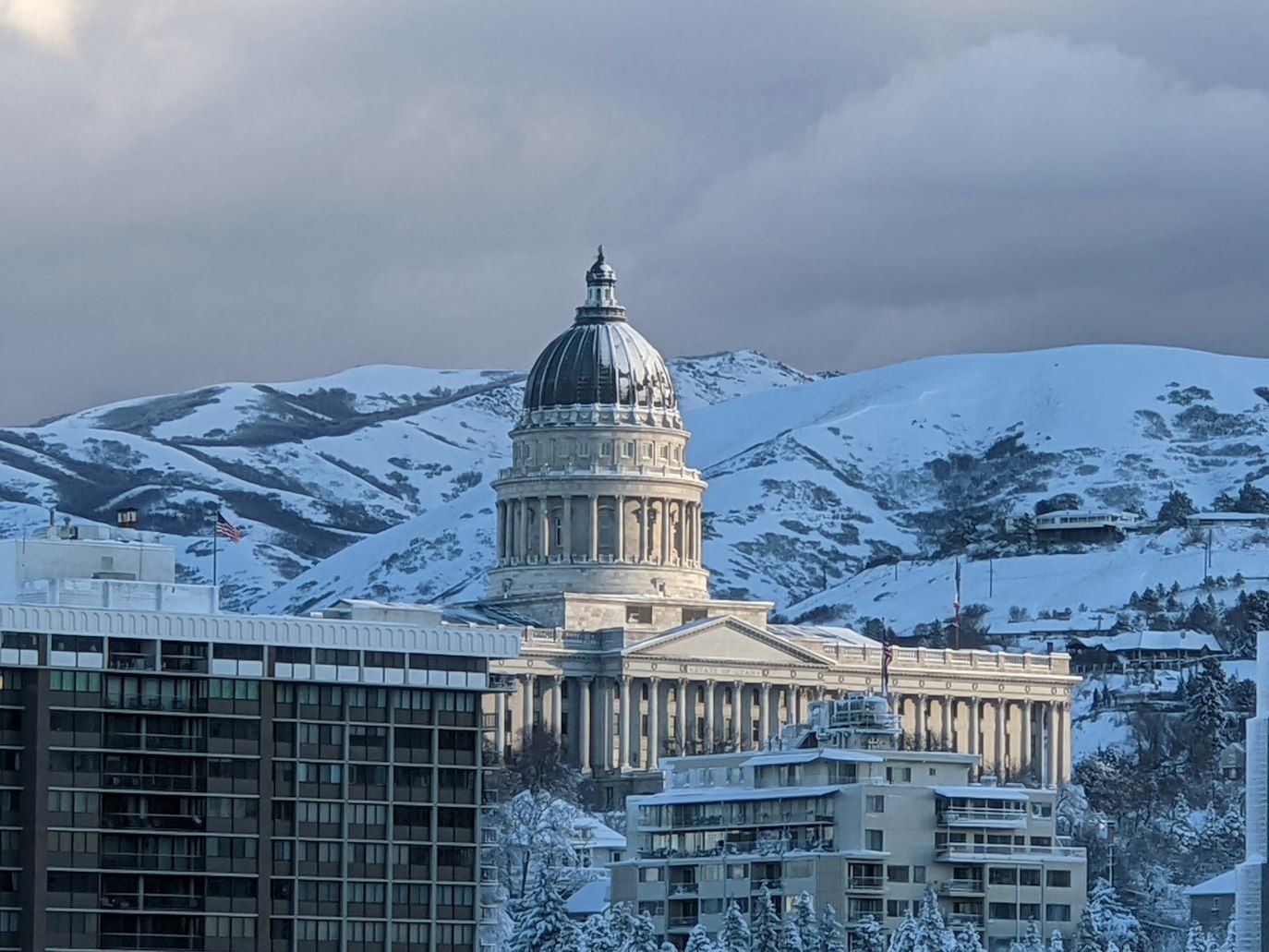
It surprises people how often the biggest city isn’t the state capital . New York City? Not the capital… Albany is. Chicago? Nope, that honor goes to Springfield. Pennsylvania’s capital isn’t Philly or Pittsburgh, it’s Harrisburg. Even California’s capital isn’t L.A. or San Francisco, it’s actually Sacramento. Out of fifty states, only seventeen have their most populous city as the capital.

10
Alaska isn’t divided into counties

Image: Rod Long

Alaska likes to do things its own way. Instead of counties, it’s split into boroughs , and a massive area known as the Unorganized Borough has no local government at all. People out there don’t pay property taxes, but that freedom comes with challenges, limited services, fewer job options, and tough living conditions.

Culture Culture 2 min read

American vocabulary

Words borrowed from Native Americans (and you say them daily)

Image: Andreas Wagner

English is full of words borrowed from Native American languages. From foods to places, these terms carry centuries of history and culture, quietly blending into everyday speech. Here are 11 words you use every day without realizing their origins.

1
Chili

Image: Steve Johnson

From Nahuatl chīlli , referring to the hot pepper central to Mesoamerican cuisine.

Chili peppers shaped food traditions across the Americas. The word—and the plant—spread globally, influencing flavors from Asia to Europe.

2
Chocolate

Image: Towfiqu barbhuiya

"Chocolate" comes from the Nahuatl word xocolātl , used by the Aztecs for a bitter cacao drink.

Cacao was central to Mesoamerican culture, used in rituals, trade, and even as currency. Europeans adapted it—sweetening it and spreading it worldwide. Today, chocolate is a global industry worth billions.

3
Canoe

Image: Michael Niessl

From the Carib kana:wa , "canoe" described small, lightweight boats used by Indigenous peoples across the Americas.

European explorers borrowed both the vessel and the word for river and coastal navigation. Today, "canoeing" is a popular recreational activity worldwide.

4
Hurricane

Image: Thomas Dewey

From the Taíno hurakán , meaning "god of the storm," the word was adopted by Spanish explorers.

Hurricanes shaped Caribbean history, influencing trade, settlement, and agriculture. English speakers retained the term, giving rise to a scientific and meteorological vocabulary.

5
Barbecue

Image: Evan Wise

From the Taíno barbacoa , describing a framework for slow-cooking meat over fire.

Barbacoa influenced American culinary traditions, evolving into the modern barbecue. The word traveled with colonists, preserving its Indigenous culinary roots.

6
Opossum

Image: Khải Đồng

From the Powhatan apasum , meaning "white animal," early colonists mispronounced it as "opossum."

North American opossums became part of colonial diets and local ecosystems. The word also illustrates how Indigenous terms influenced wildlife terminology in English.

7
Pecan

Image: Or Hakim

From Algonquian pakan , meaning "nuts requiring a stone to crack."

Pecans were staple foods for Indigenous peoples, and European settlers adopted both the nut and its name. Today, pecans are central to American desserts like pies and pralines.

8
Squash

Image: Melanie Hughes

From Narragansett askutasquash , meaning "eaten raw or uncooked."

Squash was a foundational crop in the "Three Sisters" agricultural system alongside maize and beans. Europeans embraced the plant, retaining the Indigenous name.

9
Chipmunk

Image: Annegret Kammer

From Ojibwe ajidamoo , meaning "one who descends trees headfirst."

Colonists adapted both the word and the animal’s name, preserving the Ojibwe reference. Today, chipmunks are iconic North American wildlife.

10
Tomahawk

Image: Anne Nygård

From Powhatan tamahak , describing a small axe used for hunting and combat.

European colonists adopted both the tool and the word, which became iconic in North American frontier history. Today, tomahawks are primarily ceremonial or sporting tools.

11
Coyote

Image: Dylan Ferreira

From Nahuatl coyotl , describing a canid known for its adaptability and cunning.

Coyotes thrive in both urban and rural environments. The word entered English through Spanish, reflecting both biological and cultural observation.

Explore more American facts

Choose your favorite category!

General
General

As American as apple pie—the very best America has to offer!

Culture
Culture

Delve into the astounding richness of American lore.

Geography
Geography

Hop in and explore vast and diverse American landscapes.

History
History

Discover the key moments that shaped the United States.