General General 4 min read

We do it our way

10 American conventions that shock the rest of the world
Image: Luke Michael

Have you ever travelled abroad and felt that some things you thought were completely normal are not the standard elsewhere? Or maybe a foreign friend comes to America for a visit and keeps getting surprised by random things like sales taxes, drink refills, or dollar bills? Customs naturally change from country to country, but some American customs can be shocking to others, even if they are completely natural for us. Here are ten American conventions that set us apart from the rest of the world.

1
Unlimited drink refills

Image: Jonas Jacobsson

The only thing better than a tall glass of iced tea on a hot day is knowing that you can get up and get a refill as many times as you want. This is nothing new for Americans, but it’s one of the most surprising things for foreign tourists. While American restaurants see unlimited refills as a way to keep customers happy at extremely low prices, in most other countries, you usually pay for each drink separately.

2
The measuring system
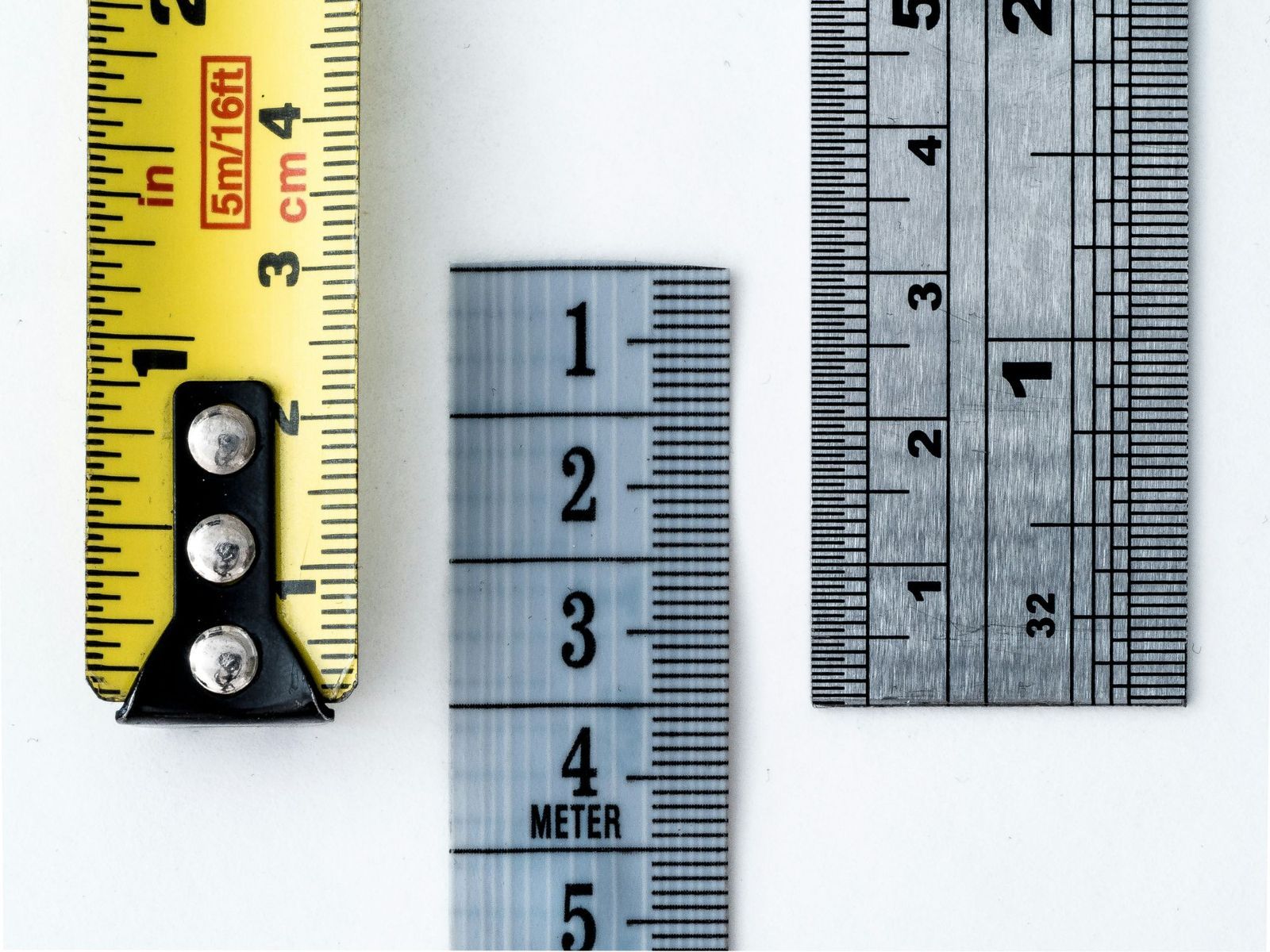
Image: William Warby

America follows the U.S. customary units system, which includes elements derived from the old Imperial System used in the United Kingdom. Why is it so difficult for foreigners from other English-speaking countries to understand the American system, then? Although countries like Canada or the UK use Imperial units for things like body weight or distances, they also use metric units for other areas, while non-English-speaking countries, as well as Australia and New Zealand, rely entirely on the metric system.

3
Sales taxes
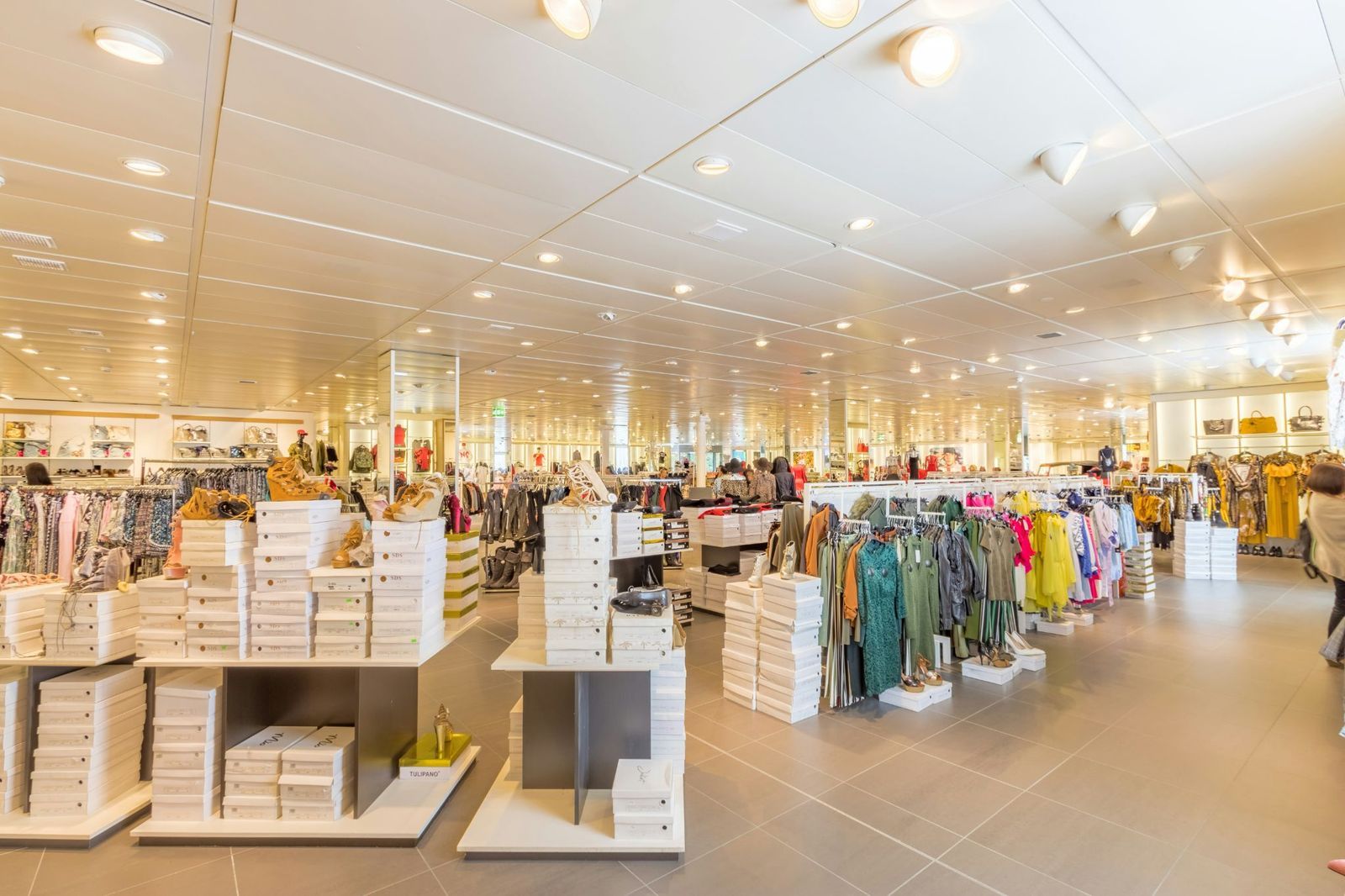
Image: Alexander Faé

How do you know if you have enough money to buy anything at a store? You look at the price and calculate the sales tax that will be added at checkout —unless you are in one of the five states that don’t charge sales taxes. If you travel abroad, however, you don’t have to worry about calculations; you just have to look at the price tag. It’s not that sales taxes don’t exist elsewhere, but that they are already included in the advertised tag.

4
Measuring temperature

Image: Jarosław Kwoczała

If foreigners are confused about the American measuring system, they are definitely baffled by the way we measure temperature. The Fahrenheit scale was developed following scientific parameters, but also considering human body temperature: 0°F is really cold weather, and 100°F is really hot weather. The Celsius scale, however, is based on water: at 0°C, water freezes, and at 100°C, water boils. The range difference often results in foreigners being confused at the high temperature numbers.

5
Entrees
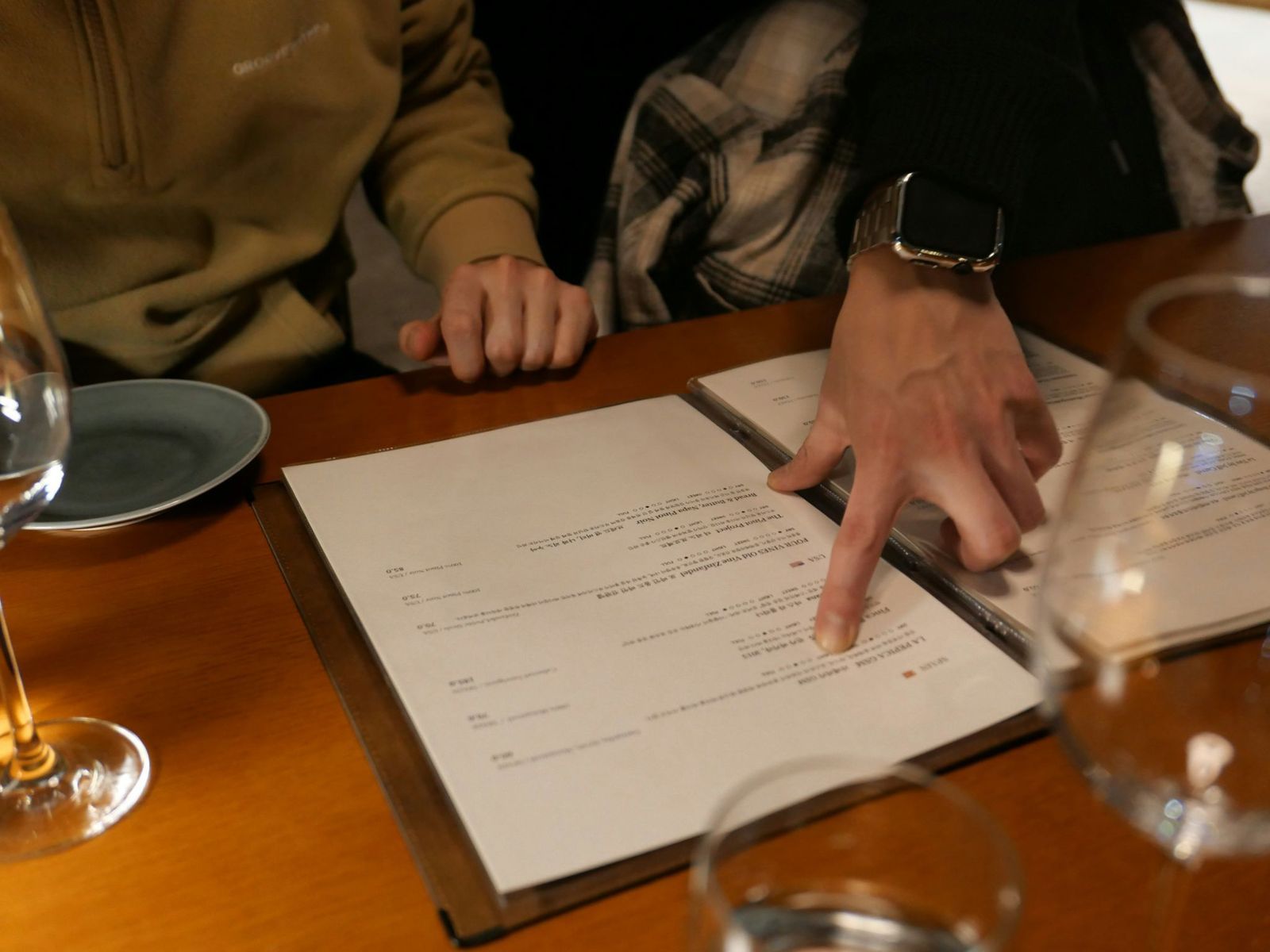
Image: Hyoshin Choi

The topic of American portion sizes being bigger than portion sizes elsewhere is nothing new, but is not the only important difference when it comes to eating out. In a standard American menu, the Entree section will include dishes that are considered main courses, while the Appetizer section will have snacks or finger foods typically eaten before the main course. Why is this confusing for non-Americans? The word ‘entree’ originally referred to appetizers, and is still used with that sense in most countries, especially in Europe and Latin America.

6
Dollar bills
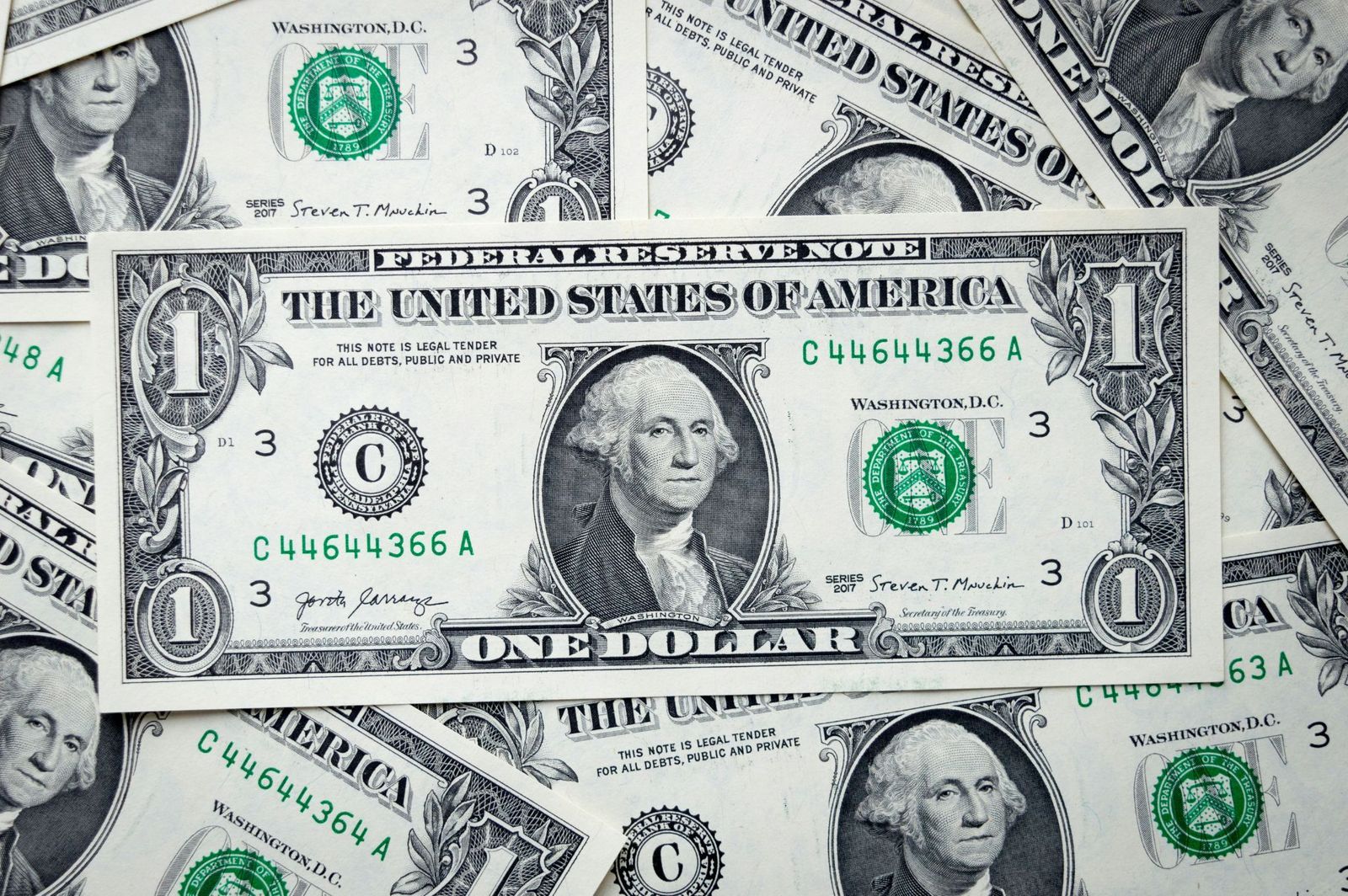
Image: Lukasz Radziejewski

American dollar bills are easily recognizable all around the world, not only because they are often used as an international currency, but also because dollar bills are somewhat unique. Firstly, they are made of a special cotton and linen blend that gives them a unique texture and makes them extremely durable. They are also the same size and color, no matter the value, while other countries tie the size or color of the bill to the different values.

7
Decimals and thousands separators

Image: Mika Baumeister

This is less of a U.S. and more of an English-speaking countries issue, but one that confuses foreigners nonetheless. All around the world, we learn that big numbers are grouped in threes: once we go from nine hundred and ninety-nine to a thousand, we have to use a comma. Or is it a period? While English speakers use a comma for the thousands, non-English speakers use a period. When it comes to decimals, the symbols are also swapped: in English, decimals are separated by a period, but for the rest of the world they are separated by a comma.

8
Citizen-based taxation

Image: Olga DeLawrence

Foreigners often find the American taxing system confusing, but this particular instance can also surprise many American citizens who realize that they have to pay taxes even if they live abroad and don’t do business or have properties in America. The U.S is one of two countries in the world that uses citizenship (and not residence) as a taxing basis. The only other country that uses this system is Eritrea, located in East Africa.

9
Political colors
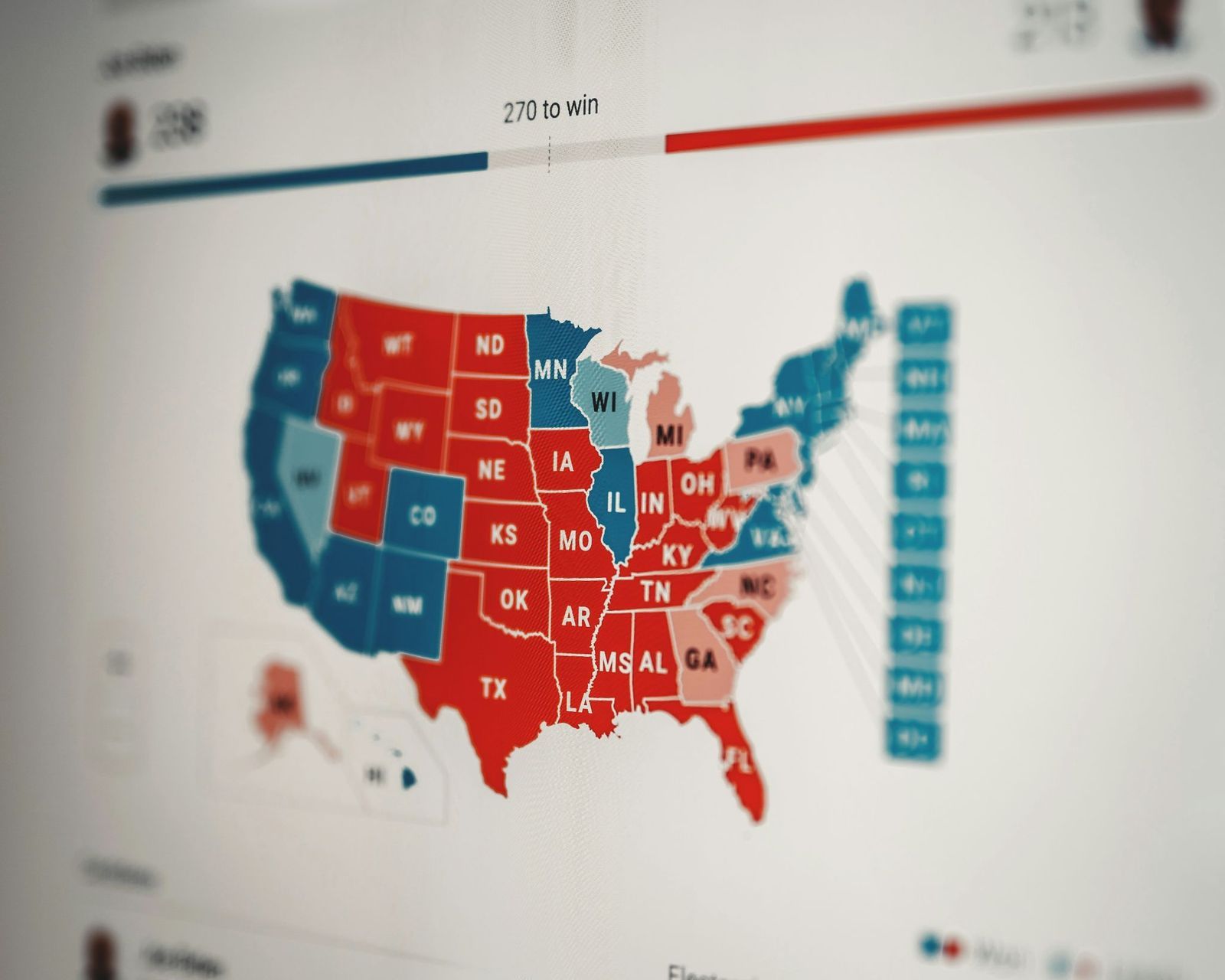
Image: Clay Banks

The history of political colors in the U.S. is fairly recent —the red-blue dichotomy was formally established during the 2000 presidential election— but no less important or symbolic. It does, however, stand out from the political use of color in other parts of the world where —leaving specific color associations aside— red is often tied to left-wing ideologies, and yellow (not blue) is the color associated with liberalism.

10
Football
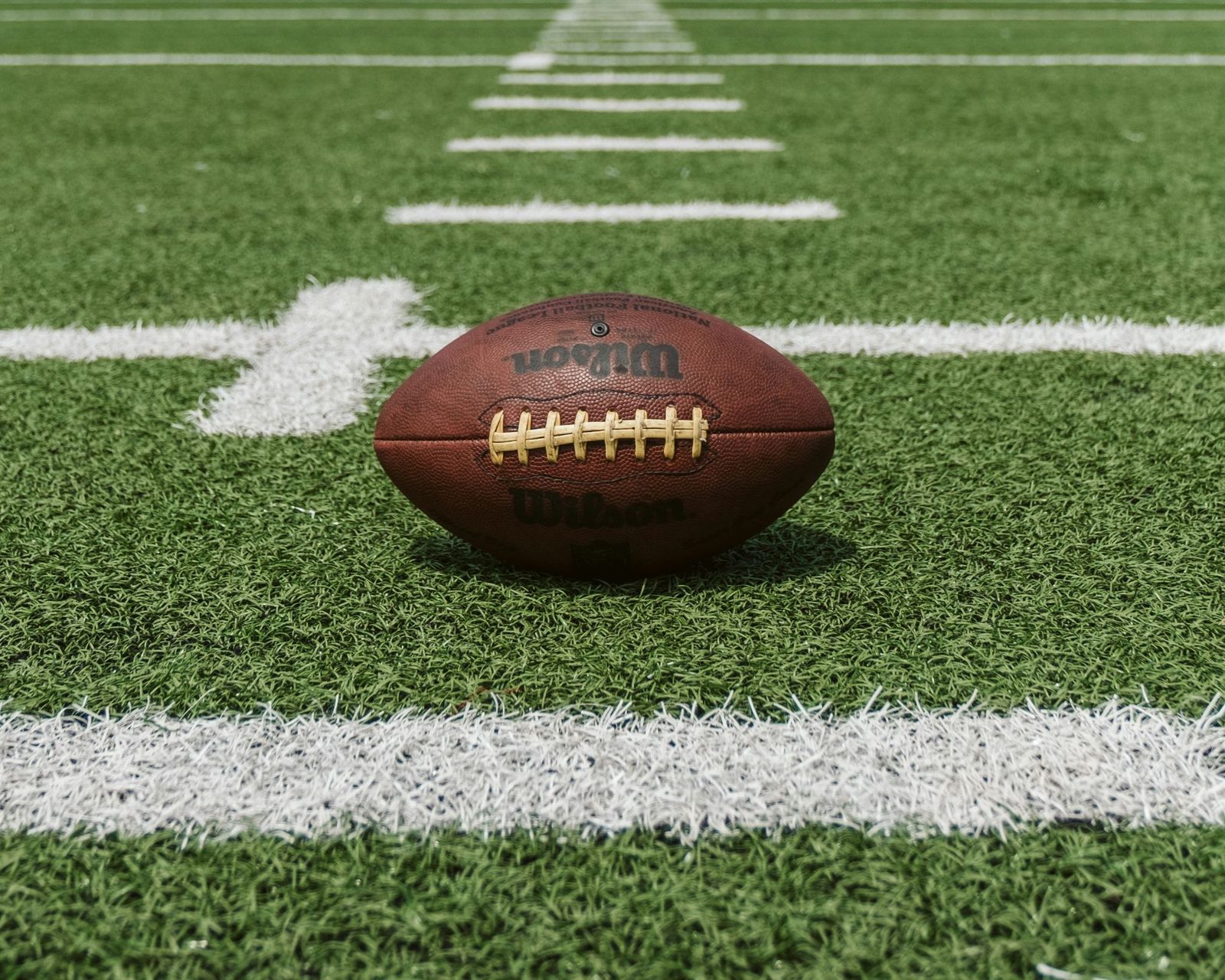
Image: Dave Adamson

Why is America the only country that uses the name football for a sport that is not soccer? The English are to blame here. In the 19th century, football was used for many different sports, among them Rugby football, Association football, and Gridiron football. Association football, also called assoccer (and later, soccer), became extremely popular in England, while Gridiron became popular in America. While the English ultimately decided to use football for Association football, Americans had already identified that word with Gridiron football, so they adopted soccer as the alternative.
Culture Culture 6 min read

Wartime Inventions

Why M&M's never melt in your hand: 10 wartime inventions

Image: Shutterstock

The phrase "Necessity is the mother of invention" is especially apt during wartime. During World War II, for example, soldiers needed lots of things to survive that didn’t exist yet. These inventors weren’t just scientists: mothers, businessmen, and car companies joined the challenge, too. When the Army asked, they took action and invented these 10 products that remained part of our everyday lives long after wartime.

1
Duct Tape Was Made to Protect Ammunition Cases

Image: Shutterstock

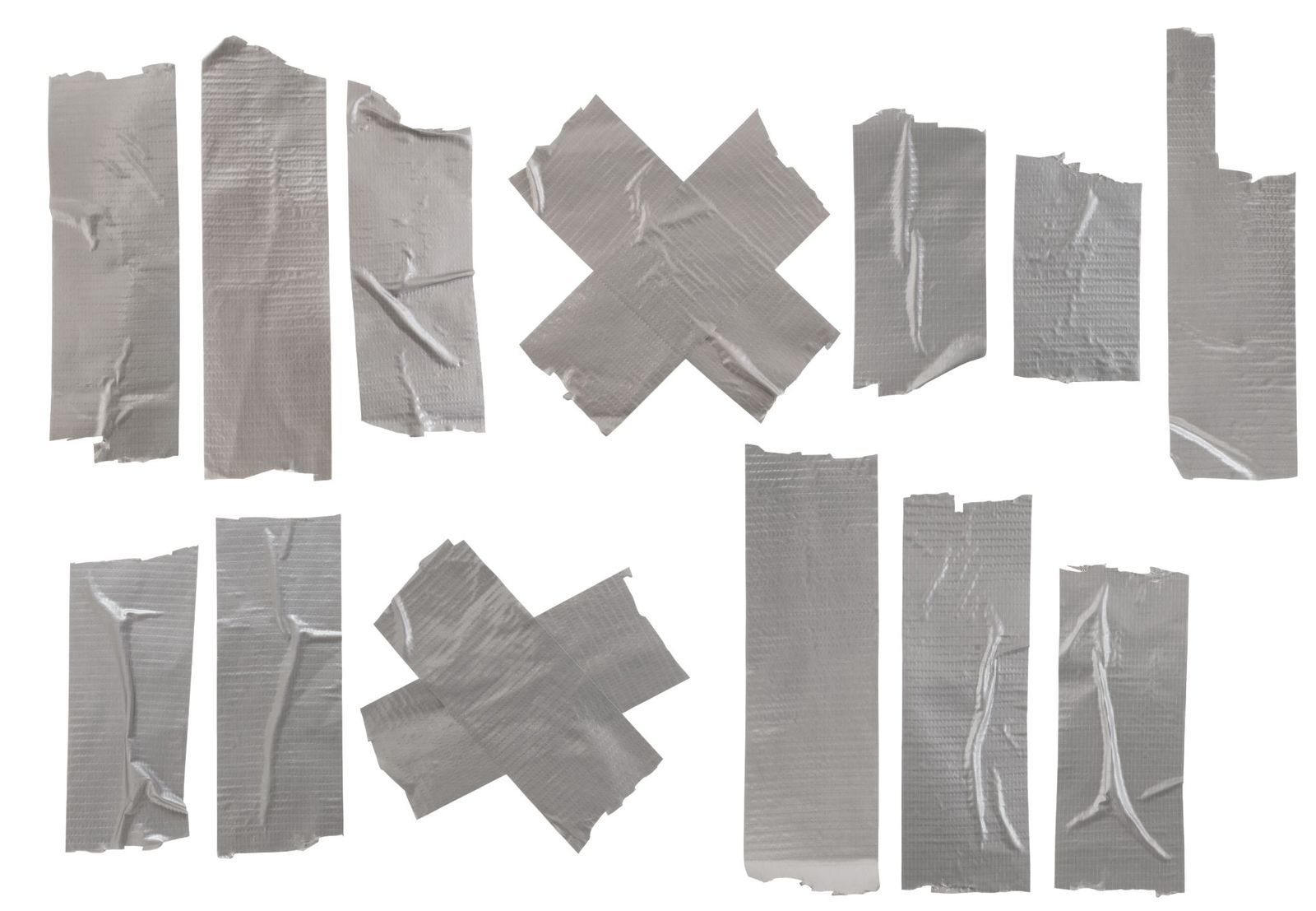
During World War II, the ammunition boxes sent to American troops were sealed with paper tape and dipped in wax to keep water out. Soldiers were supposed to pull a small paper tab to open them quickly. But the thin tape could tear, leaving them struggling to reach the ammunition. Vesta Stoudt, who packed and inspected these boxes at the Green River Ordnance Plant in Illinois, recognized this danger. She also had two sons serving in the U.S. Navy, so she devised a solution.

Stoudt proposed replacing the paper tape with a strong, waterproof cloth tape that soldiers could easily pull off. As she had no response from her supervisors, she wrote directly to President Franklin D. Roosevelt, including drawings of her idea. Roosevelt sent the proposal to the War Production Board, which asked a Johnson & Johnson operating company to manufacture the tape. It not only worked, but troops soon used the strong tape to repair boots and fix military vehicles too. Today, duct tape is still the solution to many everyday repairs.

2
M&M’s Were Designed With Soldiers in Mind

Image: Shutterstock

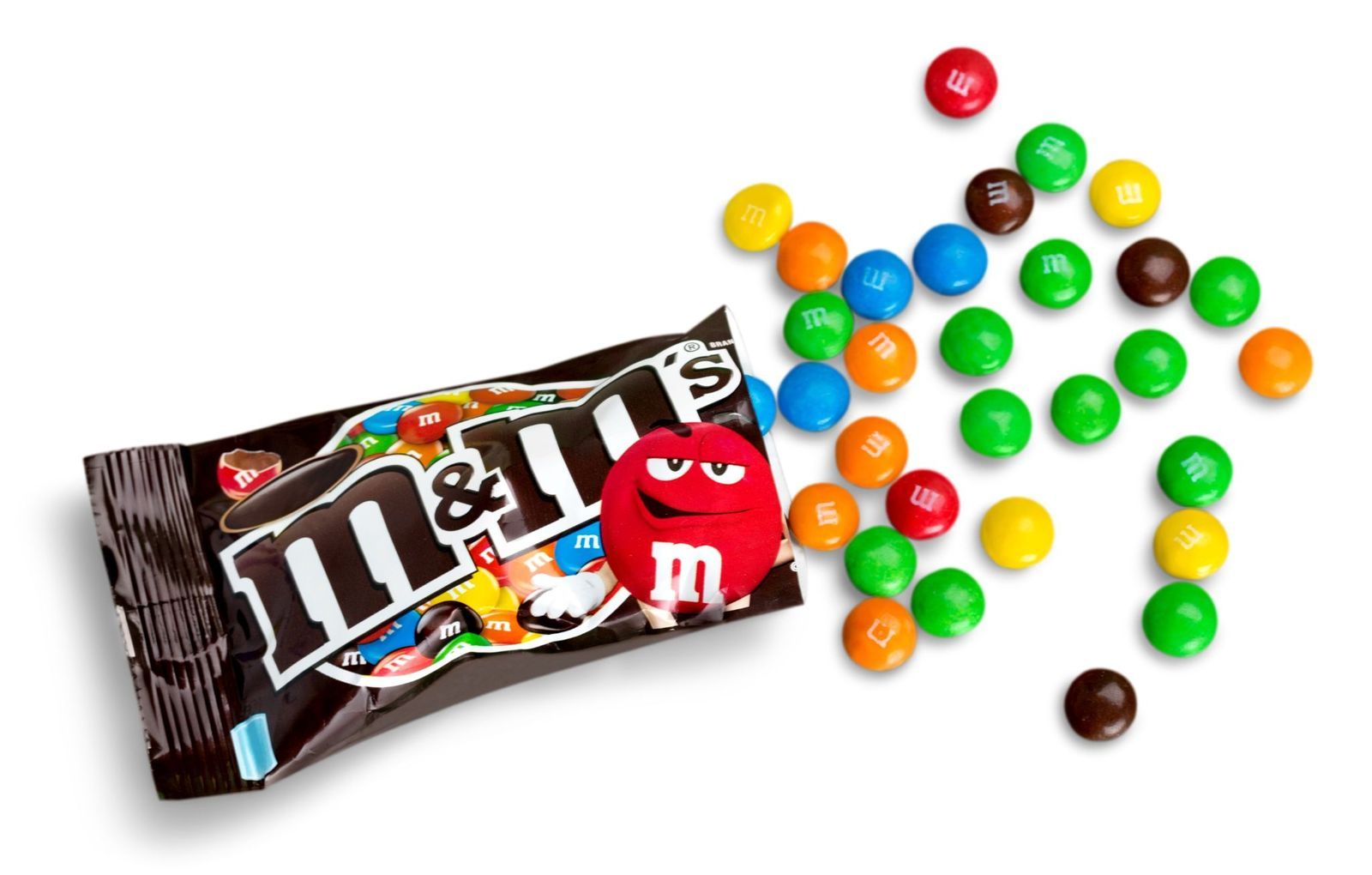
You probably remember the iconic M&M's slogan "melts in your mouth, not in your hand." Well, this characteristic was intentionally created for troops, allowing them to eat chocolate even under the hot sun.

When businessman Forrest Mars Jr. was travelling to Spain in the late 1930s during the Spanish Civil War, he observed how soldiers ate chocolate encased in sugar shells. The sugar crust prevented the chocolate from melting, and soldiers could enjoy the treat, even in hot temperatures. Mars soon partnered with Bruce Murrie, the son of Hershey's president, to secure a steady supply of chocolate for American troops. Their collaboration led to the creation of M&Ms, named after the initials of their last names. By 1947, the candy was made available to the public.

3
The Jeep Was Built for the U.S. Army

Image: Shutterstock

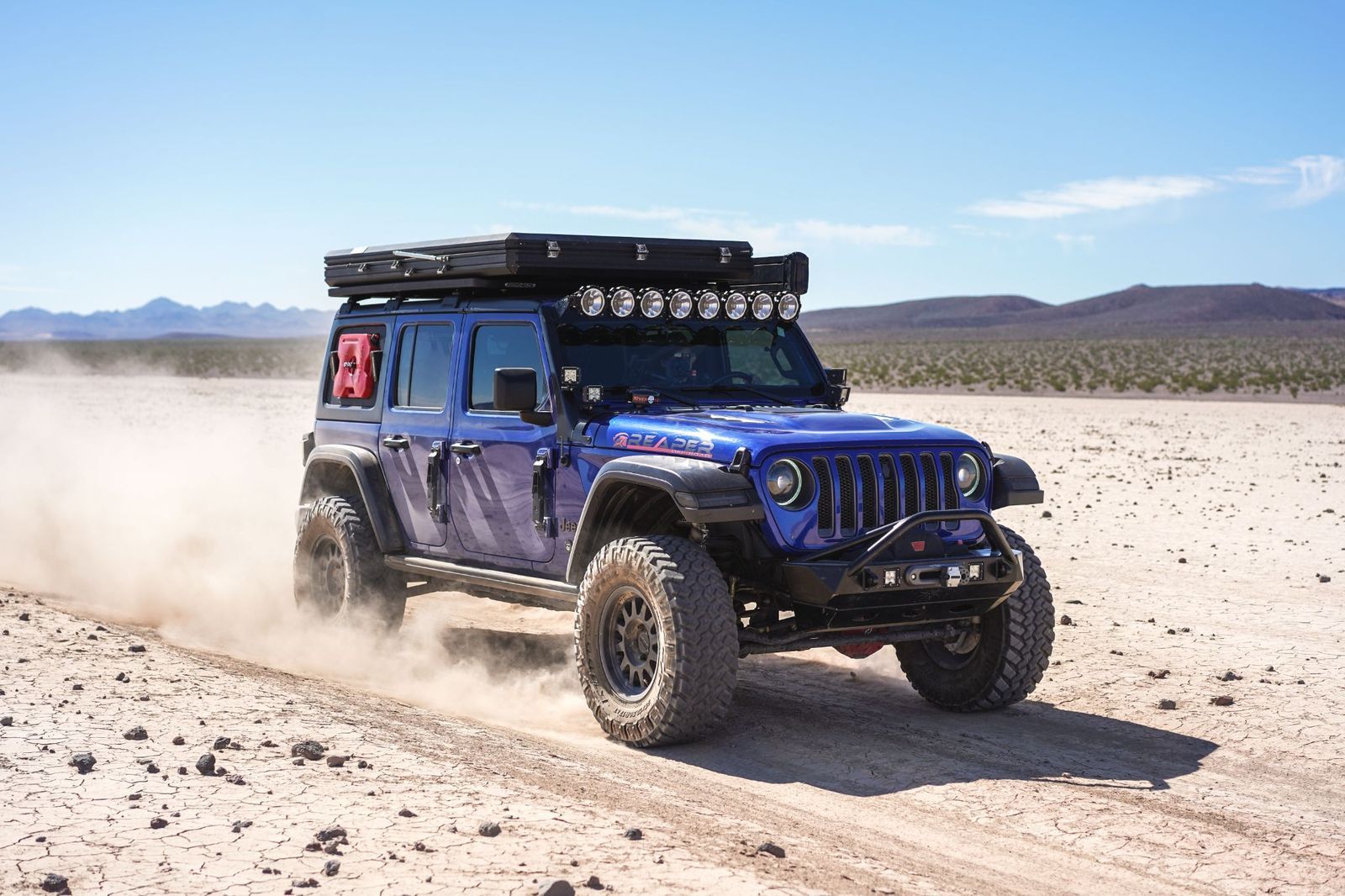
In 1940, the U.S. Army asked automakers to create a small four-wheel-drive vehicle that could carry soldiers across rough terrain. Bantam, Willys, and Ford entered the competition, and Willys won the main production contract. However, the final Willys MB also borrowed some of Ford’s flat grille and hood fastener design.

The new Jeep could travel through mud, climb steep roads, and reach places trucks couldn’t. Soldiers and mechanics could repair it quickly, and its parts were easy to remove and replace. Soldiers liked it so much that demand continued after they returned home, and Willys introduced the civilian CJ-2A in 1945 shortly after the war ended. The modern Jeep Wrangler still carries the same adventurous spirit.

4
The Slinky Started With a Naval Engineer’s Spring

Image: Shutterstock

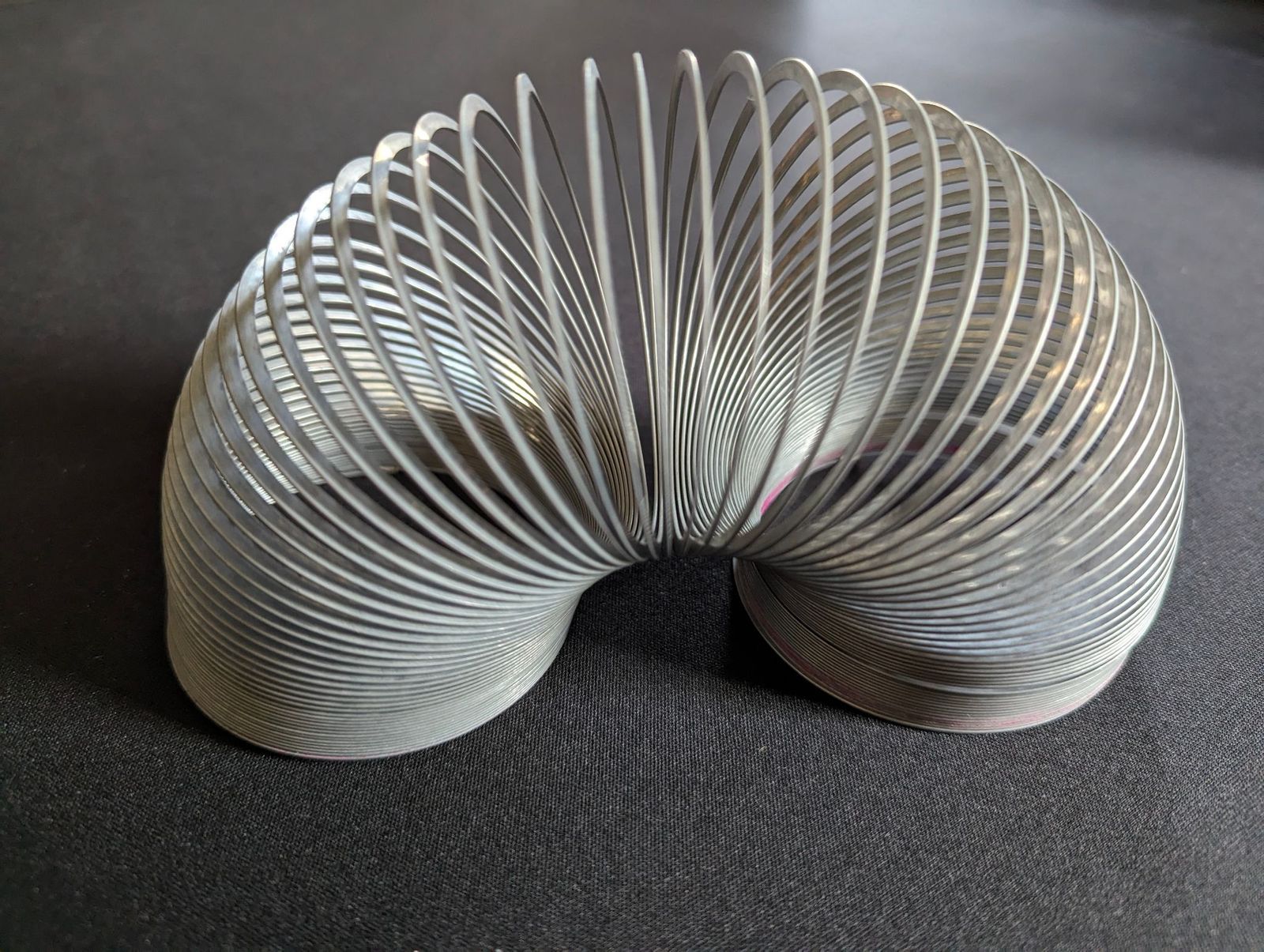
In 1943, naval engineer Richard James was developing a spring to keep equipment steady on ships during rough seas. One day, he knocked one of his experimental springs onto the floor. Instead of falling in one place, it moved end over end. James rapidly realized its potential as a toy.

He spent the next two years finding the right size and tension for the spring. His wife, Betty, named it "Slinky," because of its smooth movement, and they introduced it to the market in 1945. But shoppers were confused and didn’t know what to make of it at first. The situation changed after James demonstrated it at a Philadelphia department store: all 400 Slinkys were sold in less than two hours.

5
Super Glue Emerged From Wartime Research

Image: Shutterstock

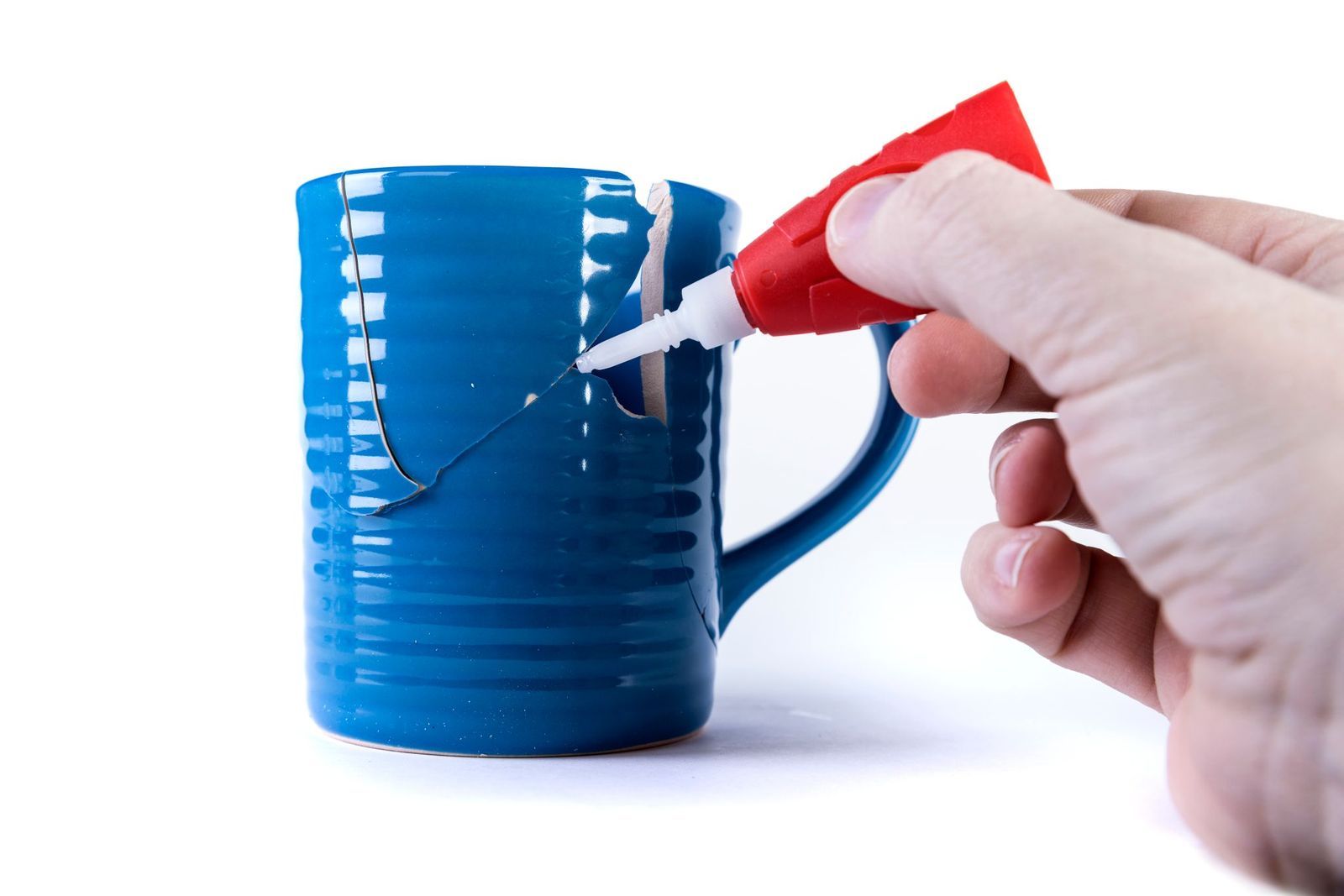
Today, we use Super Glue to repair broken items, for crafting, woodworking, and for countless quick fixes. But in 1942, chemist Harry Coover created it while trying to make a clear plastic for military gunsights during World War II. He was testing chemicals called cyanoacrylates when his team found that they stuck to almost everything they touched. As that feature made them unsuitable for the original project, the researchers moved on.

Coover encountered the chemicals again in 1951 while his team was developing materials for jet canopies. This time, he realized that their powerful bond was useful because it required no heat or pressure. Kodak later refined the adhesive and released it as Eastman 910 in 1958. That accidental discovery became widely known as Super Glue.

6
Silly Putty Grew Out of a Search for Synthetic Rubber

Image: Shutterstock

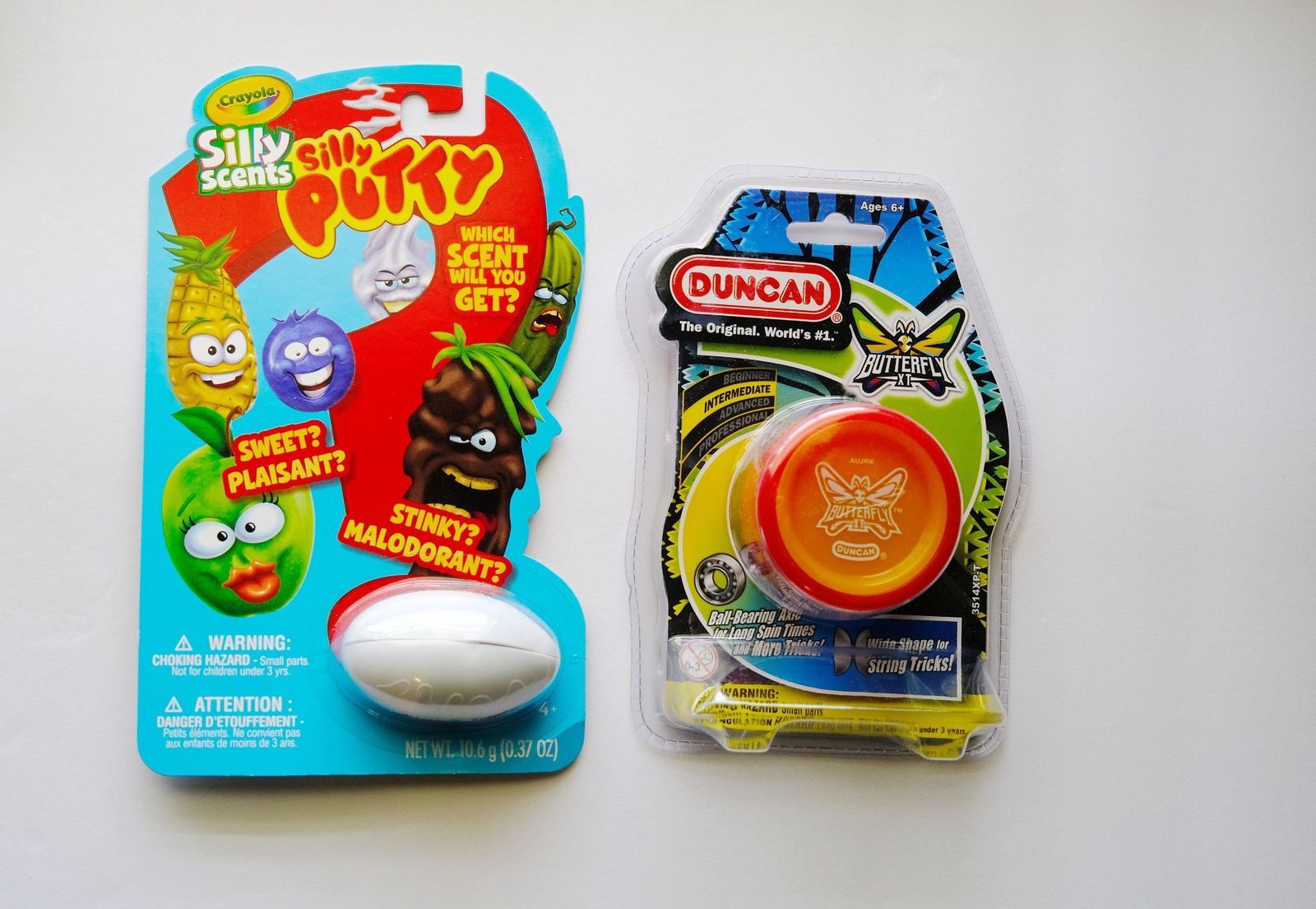
Silly Putty is that stretchy stuff that comes in plastic eggs and bounces and bends, depending on how you pull it. It was created during World War II, when rubber was needed for tires, boots, gas masks, and other military supplies. Japan’s expansion in Asia cut the United States off from much of its natural rubber, so American scientists were forced to look for a replacement.

In 1943, General Electric engineer James Wright mixed boric acid with silicone oil and created a strange, elastic material. It bounced higher than rubber, but it wasn’t strong enough for the military’s needs. General Electric shared samples with scientists, hoping someone might find a practical use for it. Meanwhile, people began passing it around at parties for fun. At one of them, hosted by a General Electric executive, businessman Peter Hodgson watched guests play with it, recognized its potential as a toy, named it Silly Putty, and in 1950, he commercialized it.

7
Frozen Orange Juice Was Developed for American Troops

Image: Shutterstock

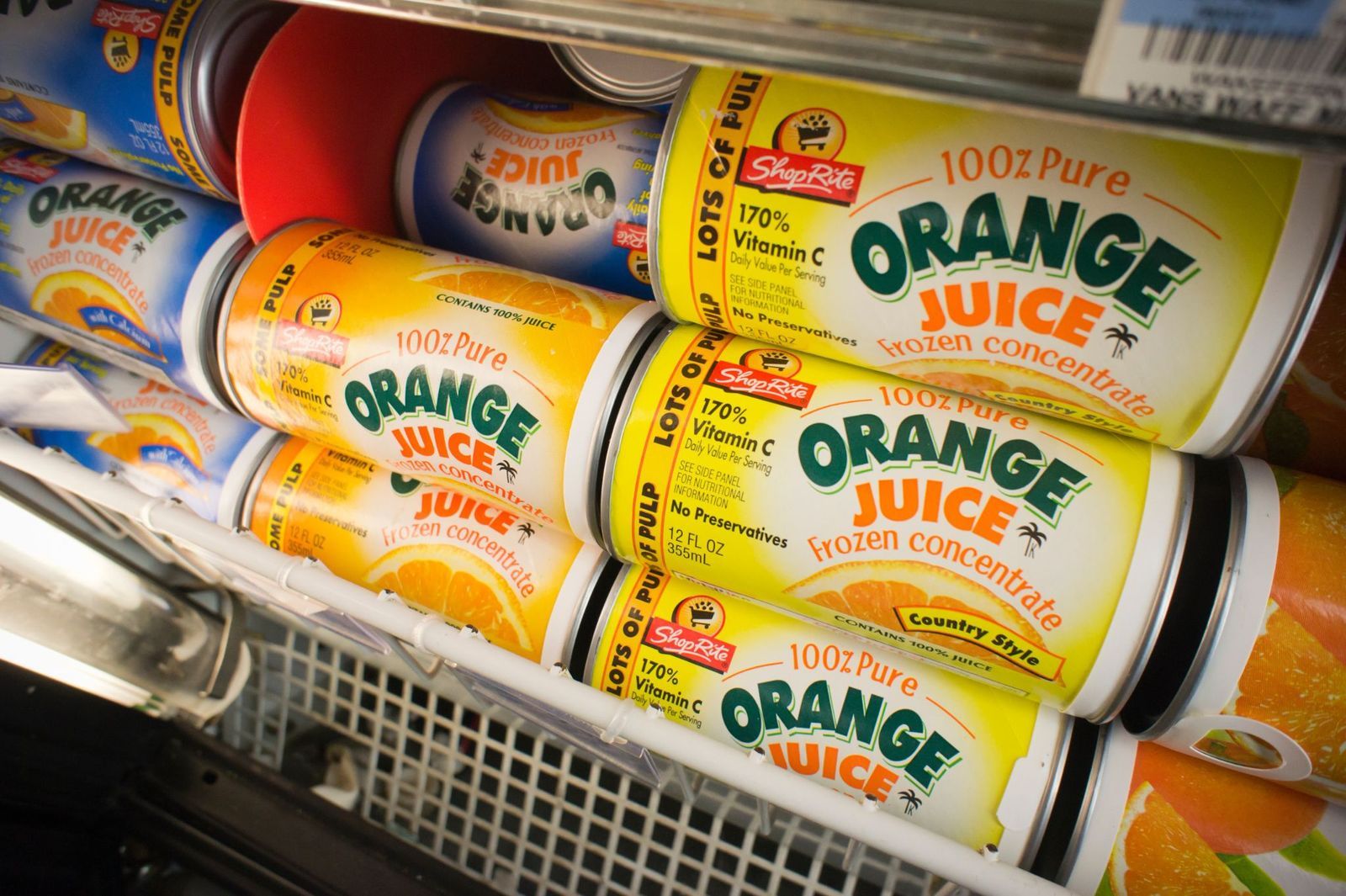
Orange juice provides vitamin C, which supports the immune system and helps the body heal wounds. During World War II, the military understandably needed to make sure troops received enough vitamin C. However, regular frozen juice lost its fresh taste during storage and transport, sometimes developing a flavor compared to turpentine. So in 1942, the Army asked researchers to create a frozen version that could travel without losing its flavor.

And by 1945, scientists of the Department of Agriculture removed water from fresh juice at low temperatures and then added a little fresh juice back into the concentrate. The process preserved the orange oils responsible for its familiar taste. The Army ordered 500,000 pounds, but the war ended before the product could be delivered. Instead, it reached American grocery stores in 1946 under the name Minute Maid and soon became a breakfast favorite.

8
Penicillin Became Widely Available Through U.S. Wartime Production

Image: Shutterstock

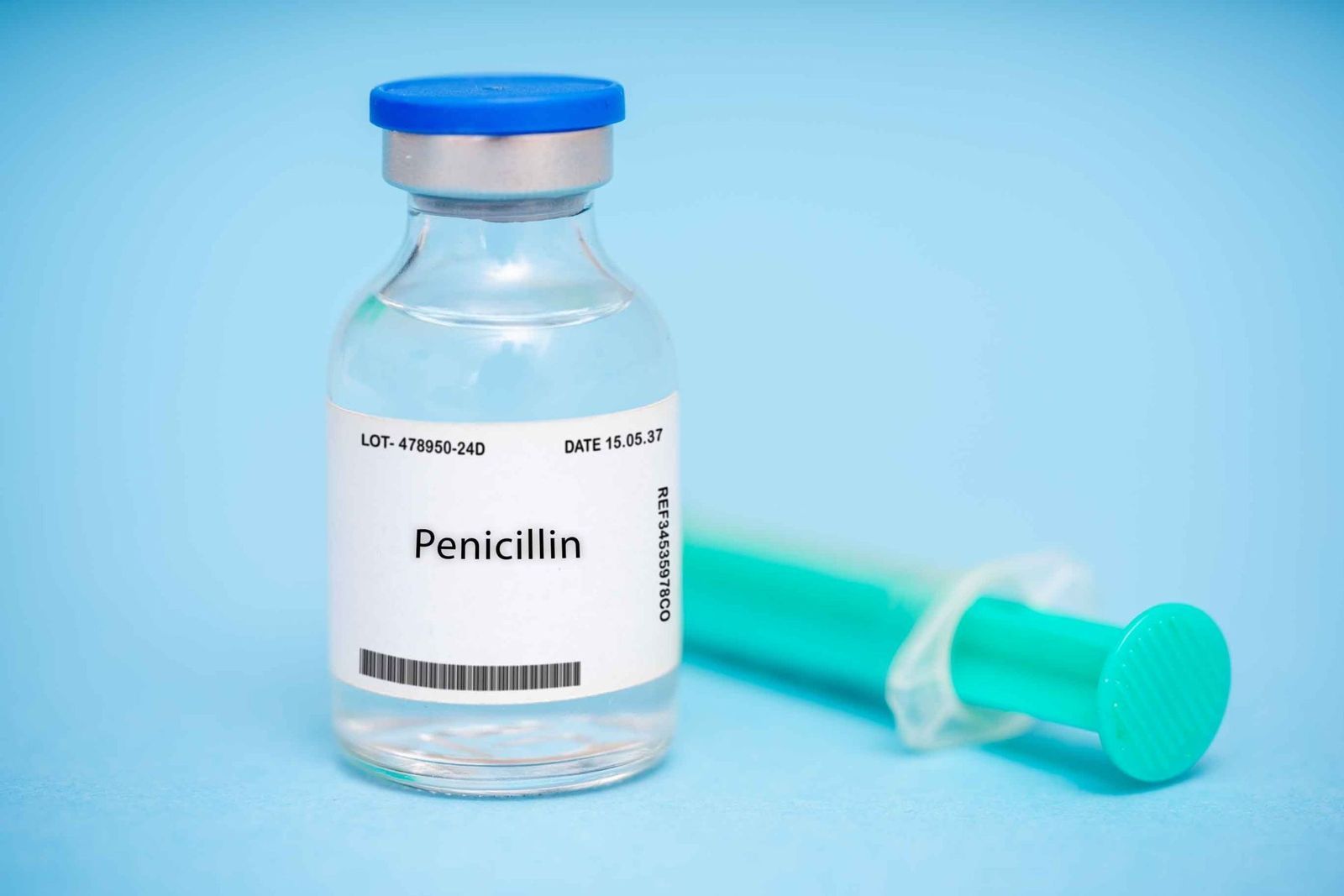
Penicillin offered a powerful solution to bacterial infections, which could otherwise turn a small wound deadly. But there was still one major problem: even a small amount took a lot of time and effort to produce. With thousands of wounded troops needing treatment during combat, the Allies had to find a way to produce much more of it.

British researchers brought their work to the United States, where government laboratories and drug companies took on the challenge. Scientists then found that growing the mold in deep tanks with a corn-based liquid produced much larger amounts . By 1944, American factories were making enough penicillin to treat Allied troops wounded during the D-Day invasion.

9
Aerosol Bug Spray Protected Soldiers From Insects

Image: Shutterstock

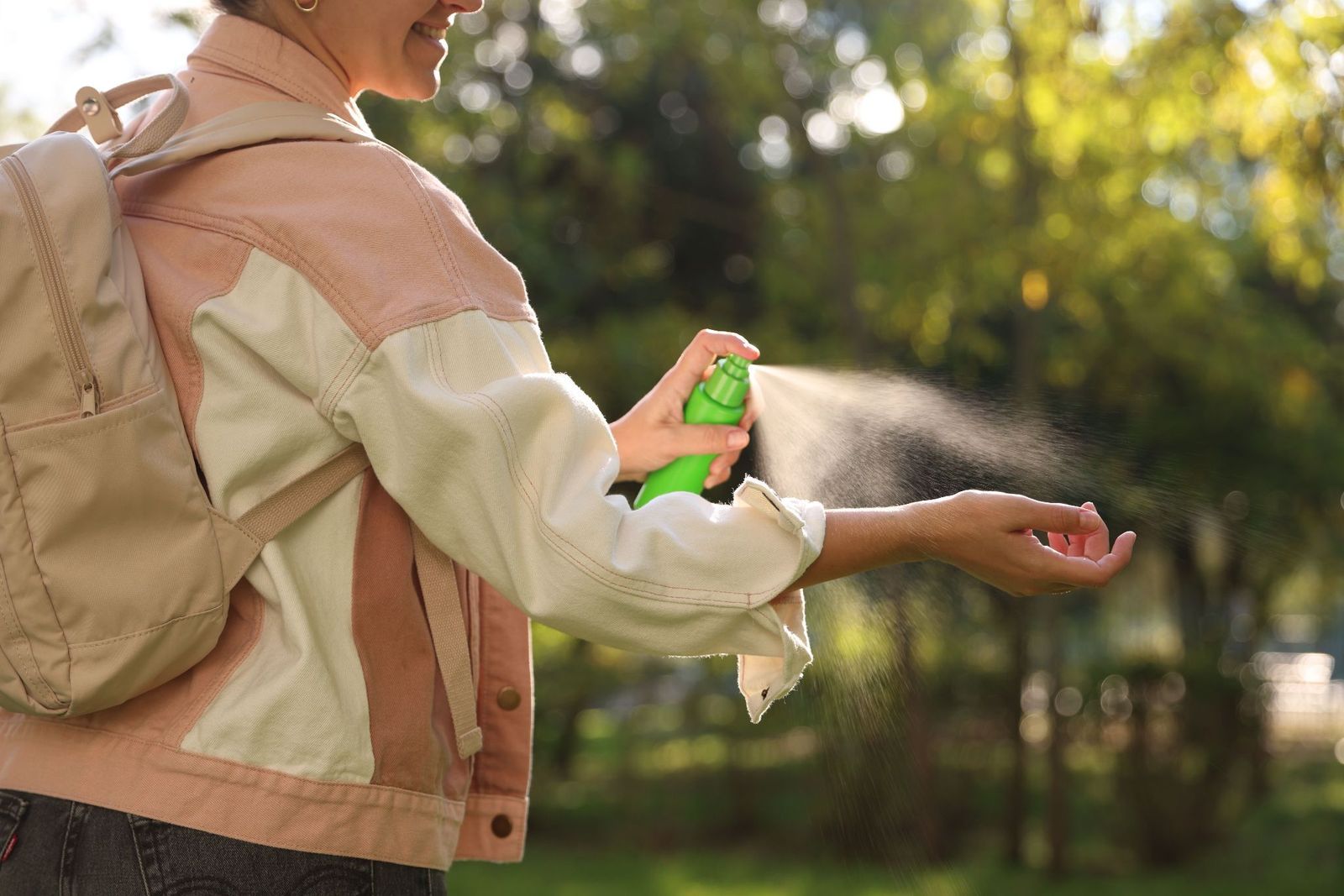
A mosquito bite wasn’t just annoying during war; it could literally take a soldier out of action. In tropical regions, mosquitoes carried malaria and other diseases that sickened lots of soldiers. An easy way to kill insects in tents and planes was needed, and large sprayers weren’t that practical.

Department of Agriculture researchers Lyle Goodhue and William Sullivan developed a small pressurized canister that released insecticide as a fine mist. Nicknamed the "bug bomb," it allowed troops to spray an entire space in seconds. It was patented in 1943, and more than 40 million cans were produced for military use during the war. It didn’t take long for that same technology to be used for home repellents.

10
Synthetic Rubber Kept American Vehicles Moving

Image: Shutterstock

A great number of wartime items needed natural rubber. — to make tires, hoses, engine belts, seals, life rafts, gas masks, and many other waterproof parts . But after Japan captured major rubber-producing areas in Southeast Asia, the U.S. lost access to most of its supply. Recycling and rationing efforts helped, but it wasn’t enough.

The government took action and brought oil, chemical, and tire companies together to build a synthetic-rubber industry at home. Made mostly from petroleum-based chemicals, the new material could do many of the same jobs as natural rubber. U.S. production grew from only 230 tons in 1941 to more than one million tons in 1945. Synthetic rubber kept military vehicles moving during the war and remained essential for tires and other everyday products afterward.

Culture Culture 4 min read

They said, "No Thanks."

From Dolly Parton to Tom Cruise: why these stars refused major awards

Image: Mirko Fabian

Have you ever imagined yourself winning an Oscar or an Emmy? While that might sound like a dream come true for many people, some stars have actually turned down major awards. From clashes with fellow nominees to political statements, each had their own reasons. Keep reading to discover why these 10 famous stars said "no thanks" to these recognitions.

1
Marlon Brando

Image: Trailer screenshottrailer at IMDB, Public domain, via Wikimedia Commons

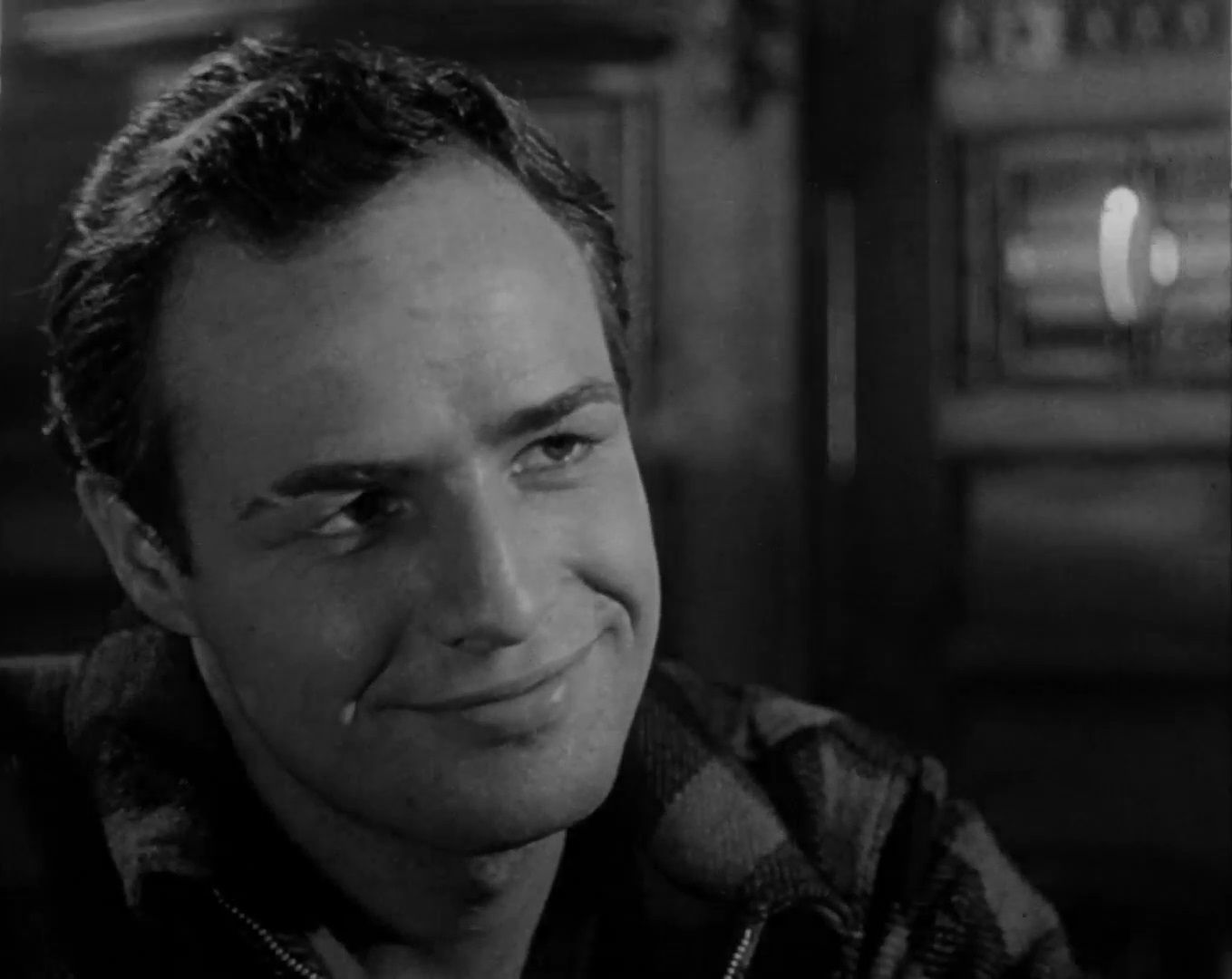
Marlon Brando was one of Hollywood’s most iconic stars, admired for his talent, charisma, and unforgettable roles. He won his first Oscar for On the Waterfront (1954), but things took a very different turn with his second win. When The Godfather earned him another Academy Award in 1972, Brando refused to attend and sent a Native American representative in his place, using the moment to protest Hollywood’s mistreatment and misrepresentation of Indigenous peoples.

2
Tom Cruise

Image: Gabriel Hutchinson Photography, CC BY-SA 4.0 <https://creativecommons.org/licenses/by-sa/4.0>, via Wikimedia Commons

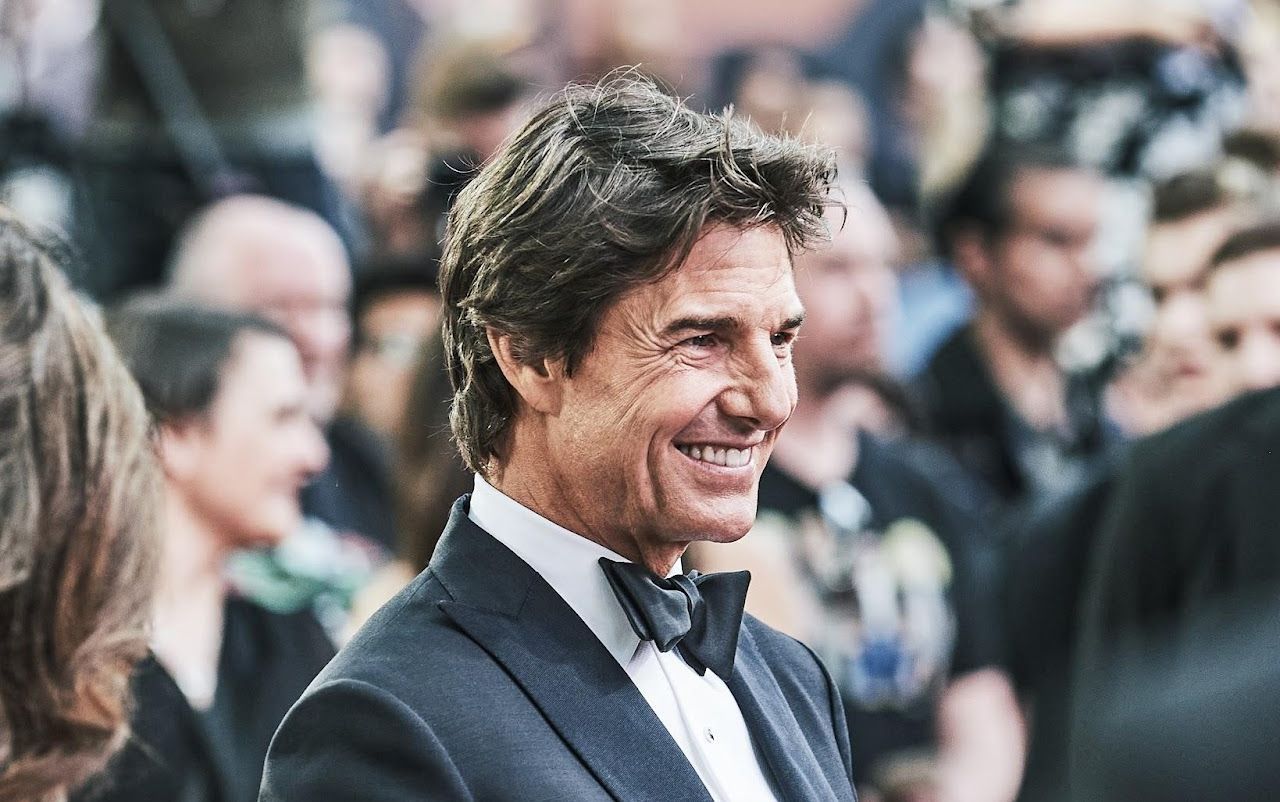
Like many of the actors on this list, Tom Cruise is a global icon whose career has earned him three Golden Globes: Best Actor for Jerry Maguire (1996), Best Actor for Born on the Fourth of July (1989), and Best Supporting Actor for Magnolia (1999). But in 2021, he made headlines for a very different reason: he returned all three awards. According to reports, Cruise did so as a protest against the ethics and lack of diversity within the organization behind the Globes.

3
Woody Allen

Image: Andreas Tai, CC BY-SA 3.0 <https://creativecommons.org/licenses/by-sa/3.0>, via Wikimedia Commons

Woody Allen is known for refusing to participate in awards season, despite earning many nominations throughout his career. With around 24 Academy Award nominations, he has attended virtually none of the ceremonies. He has won four Oscars, but he never went to pick them up, though he did not decline or return them. And it’s not just the Oscars: Allen rarely attends any award ceremonies, including the Golden Globes.

4
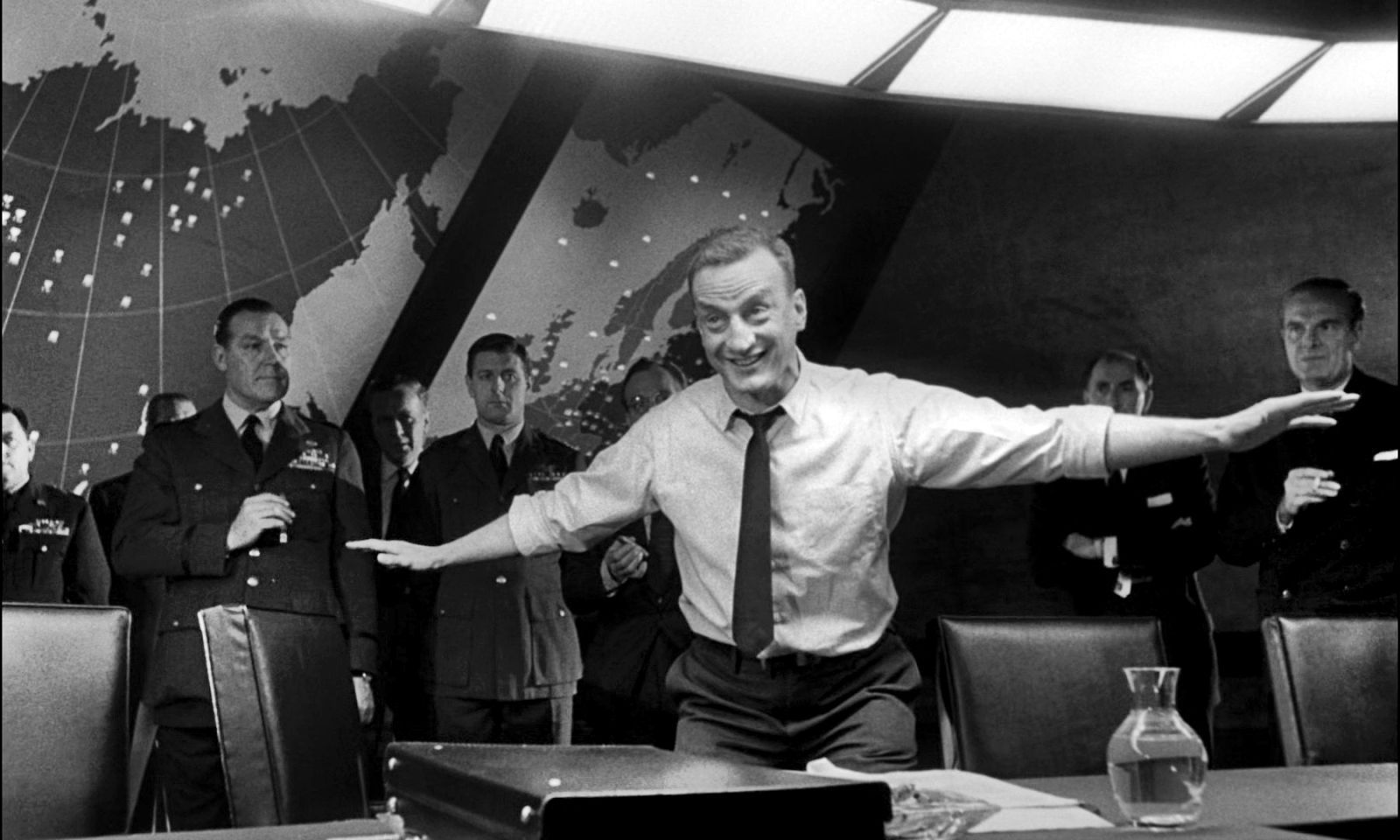
George C. Scott

Image: Directed by Stanley Kubrick, distributed by Columbia Pictures, Public domain, via Wikimedia Commons

George C. Scott was one of Hollywood’s great classic stars, celebrated for his powerful work on both stage and screen. And he was also the first actor in history to refuse an Oscar. Not only did he decline nominations for The Hustler (1961) and The List of Adrian Messenger (1963), but he also rejected the Best Actor award he won for Patton (1970). Scott believed that each performance is too unique to be ranked against another, and that art should never be treated like a competition. What do you think?

5
Dolly Parton

Image: https://upload.wikimedia.org/wikipedia/commons/0/08/Dolly_Parton_with_guitar.jpg

Actors aren’t the only ones who turn down awards; musicians do it too. One of them is Dolly Parton, who has declined more than just music honors. She was selected three times for the Presidential Medal of Freedom and turned it down each time. The first two refusals were during the pandemic, and the third came from her concern that accepting might seem politically partisan. In addition, in 2022, she also declined a nomination to the Rock & Roll Hall of Fame, saying she hadn’t yet "earned that right."

6
Katharine Hepburn

Image: Metro-Goldwyn-Mayer Studios; Restored by Adam Cuerden, Public domain, via Wikimedia Commons

The incredible Katharine Hepburn won four Oscars! But she never showed up to collect a single one. She always sent someone else to accept them on her behalf. In fact, she only attended the Oscars once, and it wasn’t to receive an award but to present one. When asked why she stayed away, she summed it up perfectly: "Awards are nothing; my reward is my work."

7
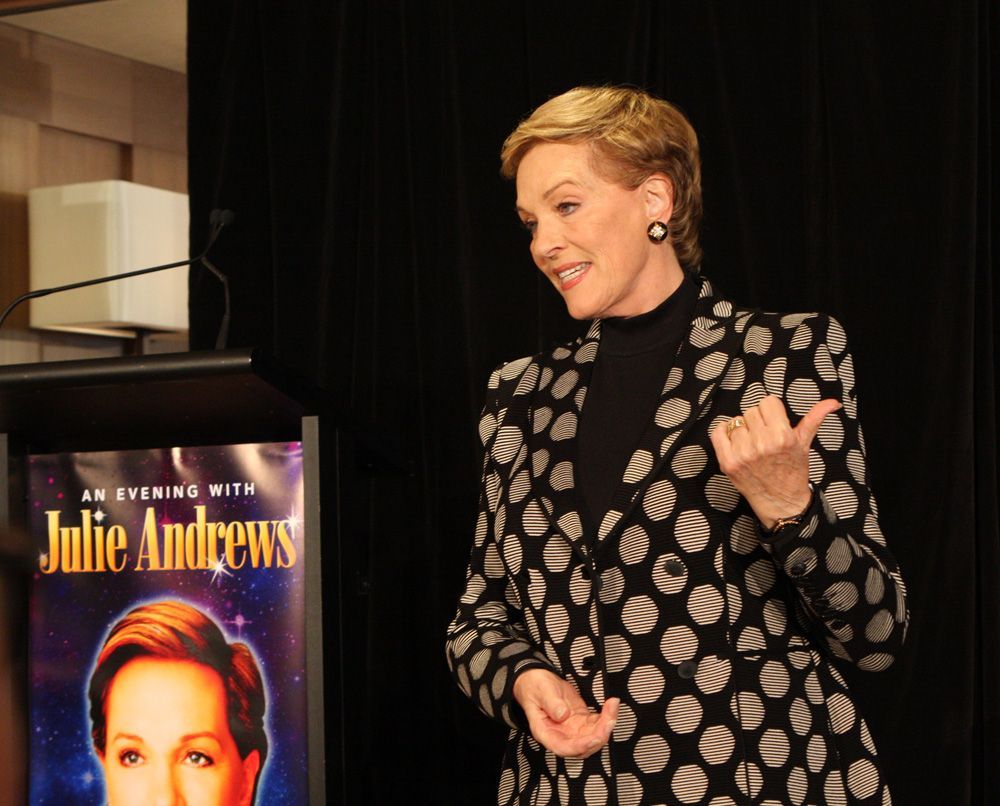
Julie Andrews

Image: Eva Rinaldi, CC BY-SA 2.0 <https://creativecommons.org/licenses/by-sa/2.0>, via Wikimedia Commons

Born in the United Kingdom, Julie Andrews is adored by Americans for many reasons, including the unforgettable films, such as Mary Poppins (1964) and The Sound of Music (1965). But beyond her cinematic gems, she also built a remarkable career in theater. In 1996, she received a Tony nomination for her role in Victor/Victoria , and chose to decline it. Why? Because she was the only member of the entire cast and production recognized, and she simply didn’t think that was fair.

8
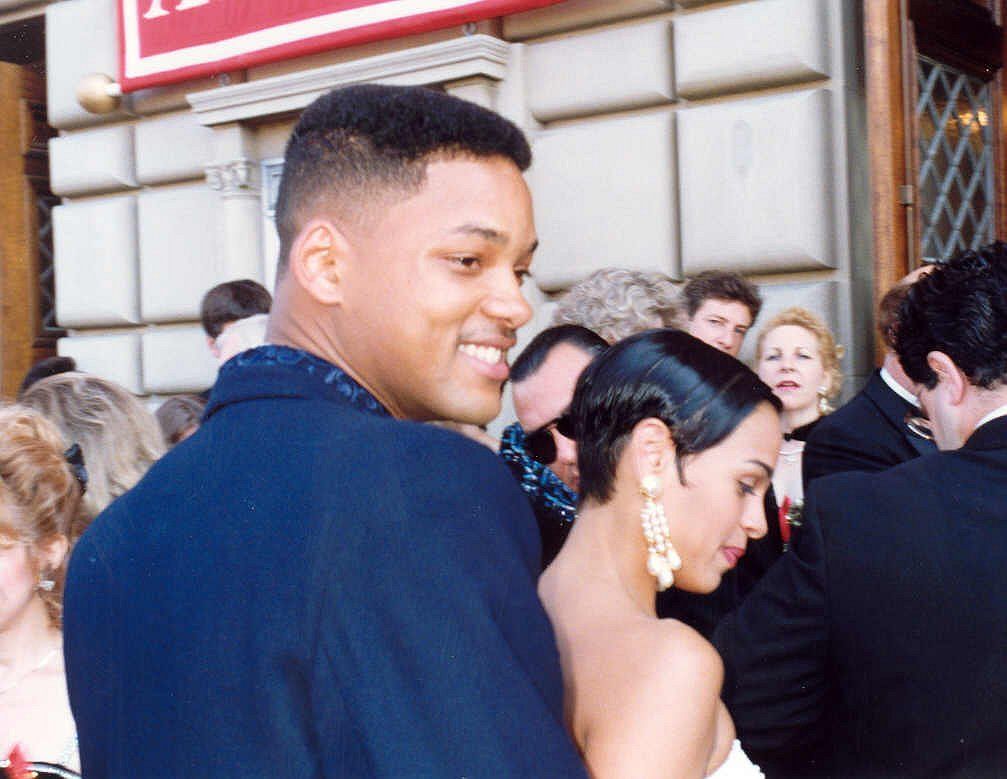
Will Smith

Image: photo by Alan Light, CC BY 2.0 <https://creativecommons.org/licenses/by/2.0>, via Wikimedia Commons

In the late 80s, Will Smith and DJ Jazzy Jeff won the first-ever Grammy for Best Rap Performance. But when they learned that their category wouldn’t be televised, they chose to boycott the 1989 Grammy Awards in protest. They didn’t turn down the award itself, but their stand made an impact: the following year, the rap category was broadcast on air, finally receiving the same visibility as the others.

9
Sinéad O'Connor

Image: Globe photo/Dave Shea, Public domain, via Wikimedia Commons

Sinéad O'Connor was world-famous, and in America, we remember her mainly for the unforgettable hit "Nothing Compares 2 U." As a passionate activist, she carried her convictions into her career choices, which led her to turn down her Grammy nomination. She specifically asked that her name be withdrawn, arguing that the Grammys were too commercial and rewarded popularity over ethics, artistry, and musical integrity.

10
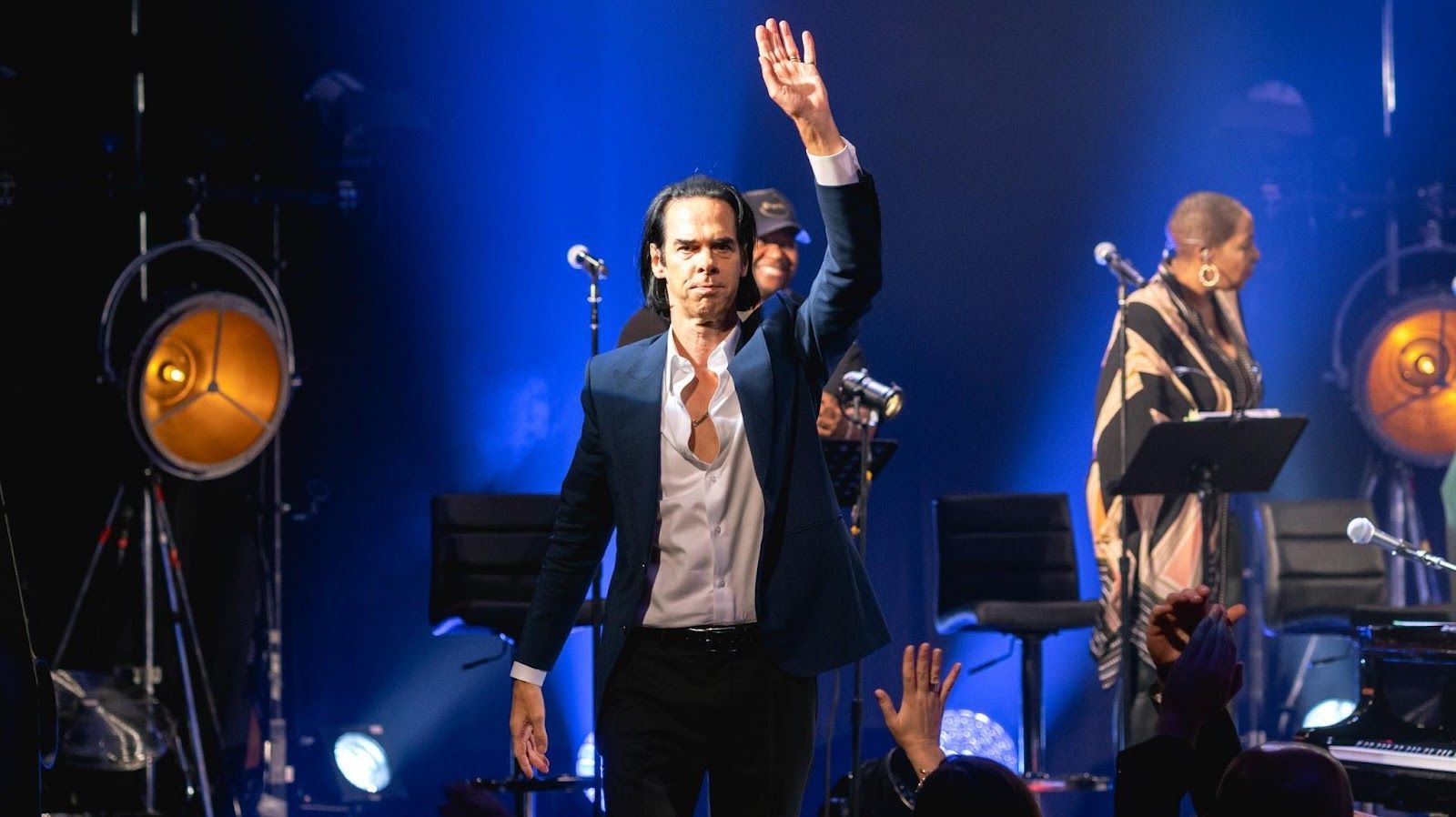
Nick Cave

Image: Raph_PH, CC BY 2.0 <https://creativecommons.org/licenses/by/2.0>, via Wikimedia Commons

Australian artist Nick Cave declined his nomination for Best Male Artist at the 1996 MTV Video Music Awards. He even sent a formal letter asking that his name be withdrawn, famously saying: "My muse is not a horse, and I am not in any horse race."

Explore more American facts

Choose your favorite category!

General
General

As American as apple pie—the very best America has to offer!

Culture
Culture

Delve into the astounding richness of American lore.

Geography
Geography

Hop in and explore vast and diverse American landscapes.

History
History

Discover the key moments that shaped the United States.