Culture Culture 8 min read

Iconic fails

Fired, broke, rejected: The secret past of America's most beloved icons

Image: Uuganbayar

Being told "no" can sting at any age, especially after putting time, money, or pride into something. But some of America’s most familiar names heard it over and over. Thomas Edison was dismissed as a poor student, Elvis was reportedly told to return to truck driving, and Stephen King nearly threw his first best-seller away. Their stories get even more surprising from there. Here are 10 Americans whose biggest setbacks were simply the first step towards success.

1
Abraham Lincoln
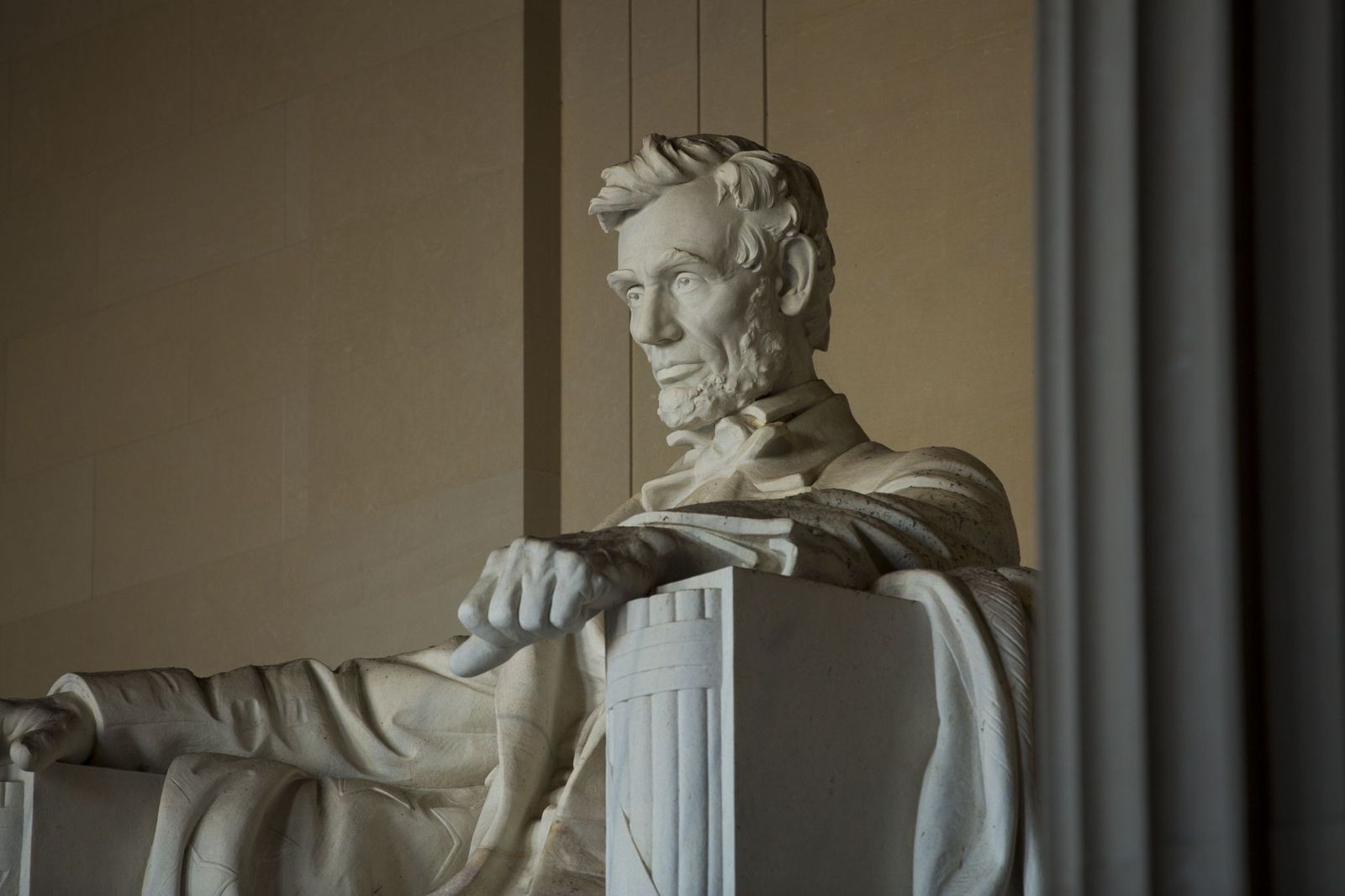
Image: Hermosa_Chris

Political life usually comes with a few disappointing election nights. Long before he was memorialized on Mount Rushmore, Abraham Lincoln spent decades collecting setbacks.

He went into business with a partner in Illinois in 1833 by purchasing a general store. Known as the Berry and Lincoln store, the enterprise failed due to poor sales, leaving him in debt for years. He ran for the state legislature and lost. He served in the Illinois militia during the Black Hawk War in 1832 and was demoted from captain to private. Over the following years, he ran for office again and again, including two unsuccessful bids for the U.S. Senate, and lost most of them. Regardless of that, he kept showing up, and in 1860, he won the presidency and went on to guide the country through the Civil War and end slavery. Friends who knew him in his Illinois years later said what stood out most wasn’t his brilliance, but how he never let defeat be the last word.

2
Elvis Presley
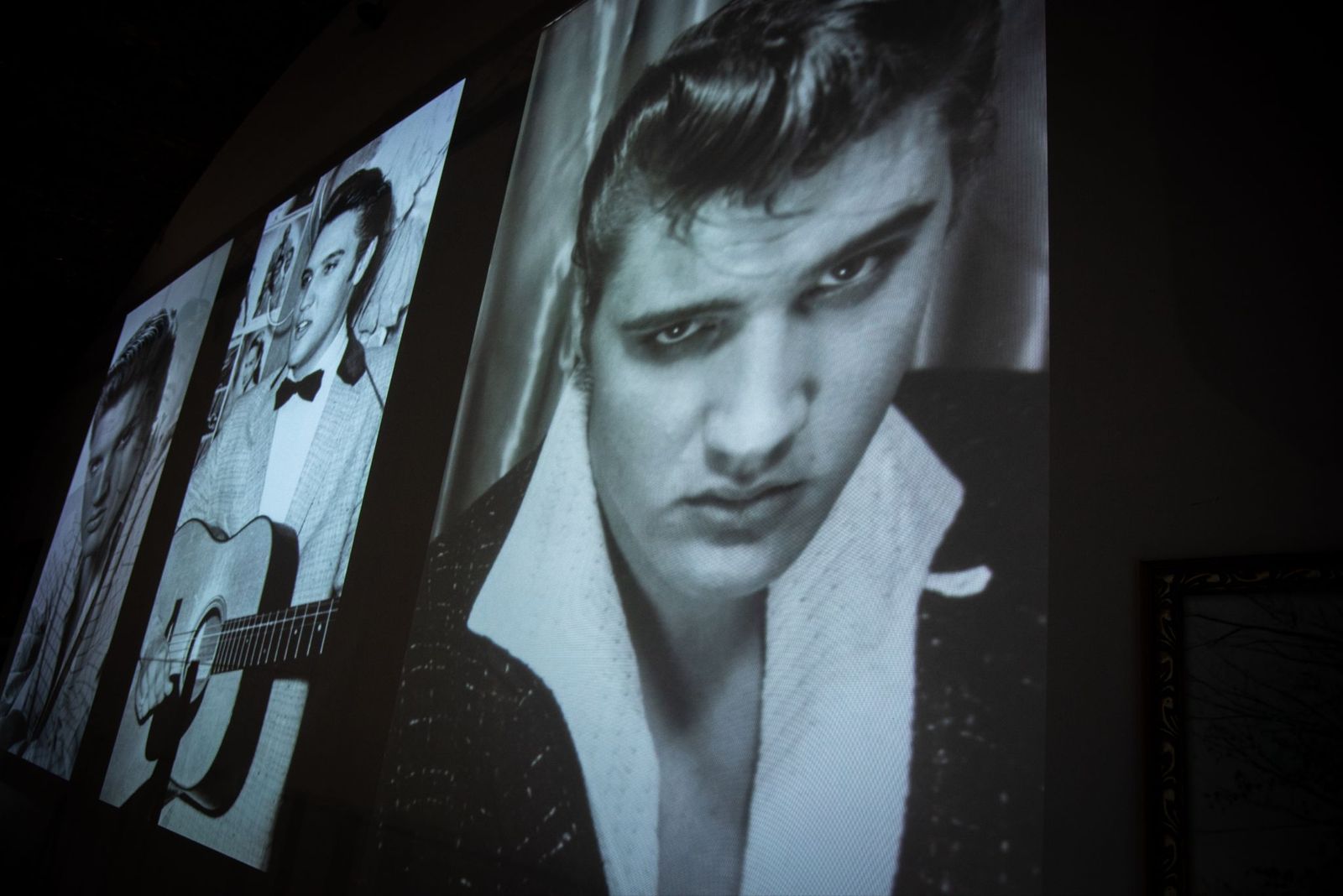
Image: Loredana Sangiuliano

Picture a then-unknown Elvis Presley in 1954, long before the jumpsuits, sold-out arenas, and screaming fans. He was only 19 and still trying to figure out where his unusual blend of country, blues, and rhythm and blues belonged.

Elvis had just released his first single and was invited to perform at the Grand Ole Opry in Nashville, a stage that represented the pinnacle of country music. He sang a rockabilly-tinged version of "Blue Moon of Kentucky," and the traditional Opry crowd, expecting straight bluegrass, gave him little more than polite applause. According to Opry lore, talent director Jim Denny told him afterward that he wasn’t going to make it as a singer and should go back to driving a truck. Elvis was so shaken that he reportedly cried the whole drive home to Memphis. He never performed at the Opry again. But two years later, "Heartbreak Hotel" hit number one, and Elvis Presley became one of the best-selling solo music artists in history, forever known as the King of Rock and Roll.

3
Thomas Edison
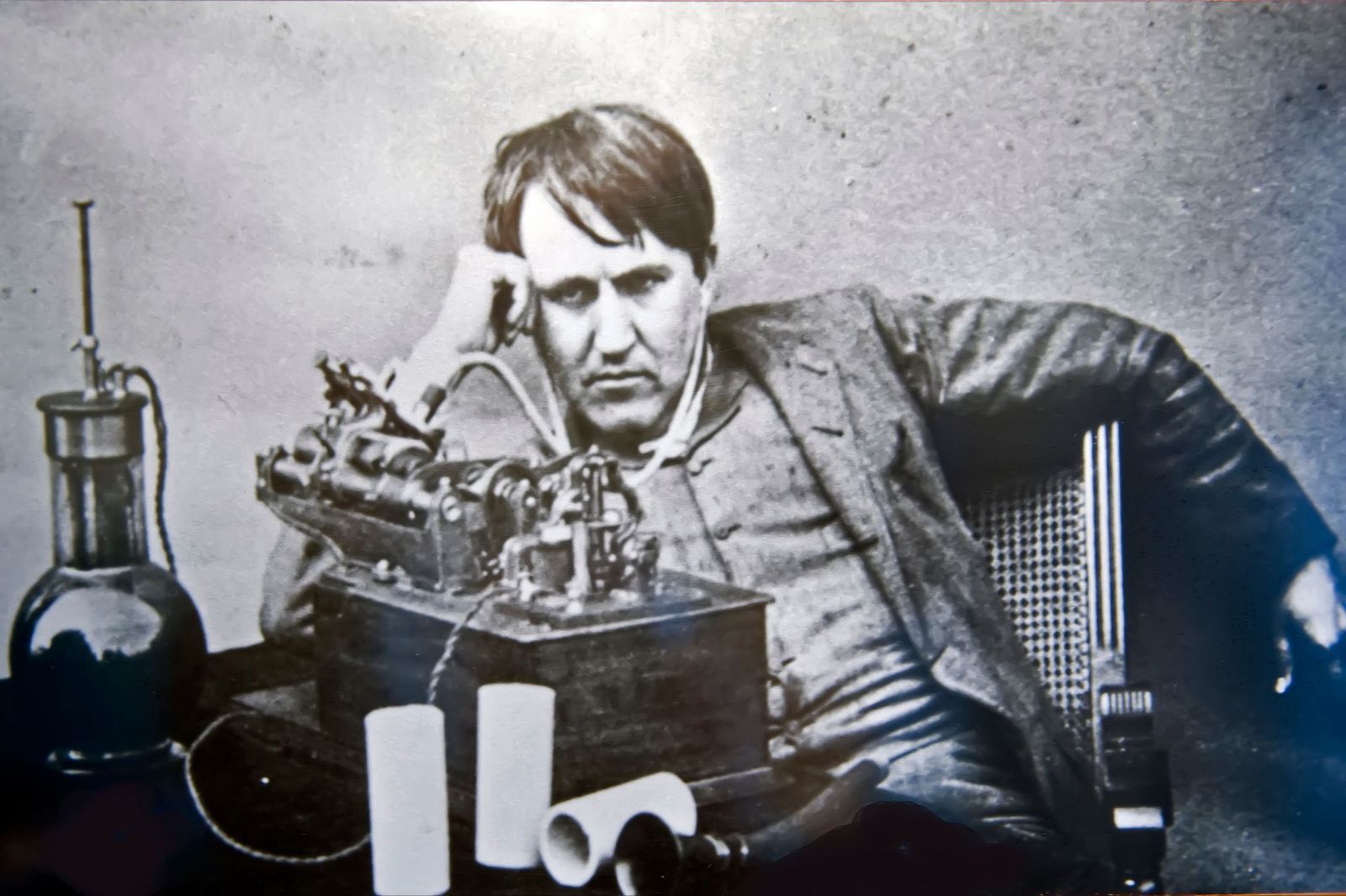
Image: Dennis MacDonald

Thomas Edison struggled in the classroom. By the age of 12, he was partially deaf and easily distracted , and after only three months, in 1854, Nancy Edison, his mother, took charge of his education at home after a teacher sent him home with a note calling him "too difficult to teach." Much of his learning came at home through reading, experimenting, and satisfying his endless curiosity. As a young man, he also had trouble finding the right fit in the working world. Popular accounts say he was fired from two jobs because employers considered him unproductive. None of that matched what came next: Edison became an extraordinarily prolific inventor and eventually held 1,093 U.S. patents. His work included the phonograph, improvements to electric lighting, and motion-picture technology.

4
Lucille Ball
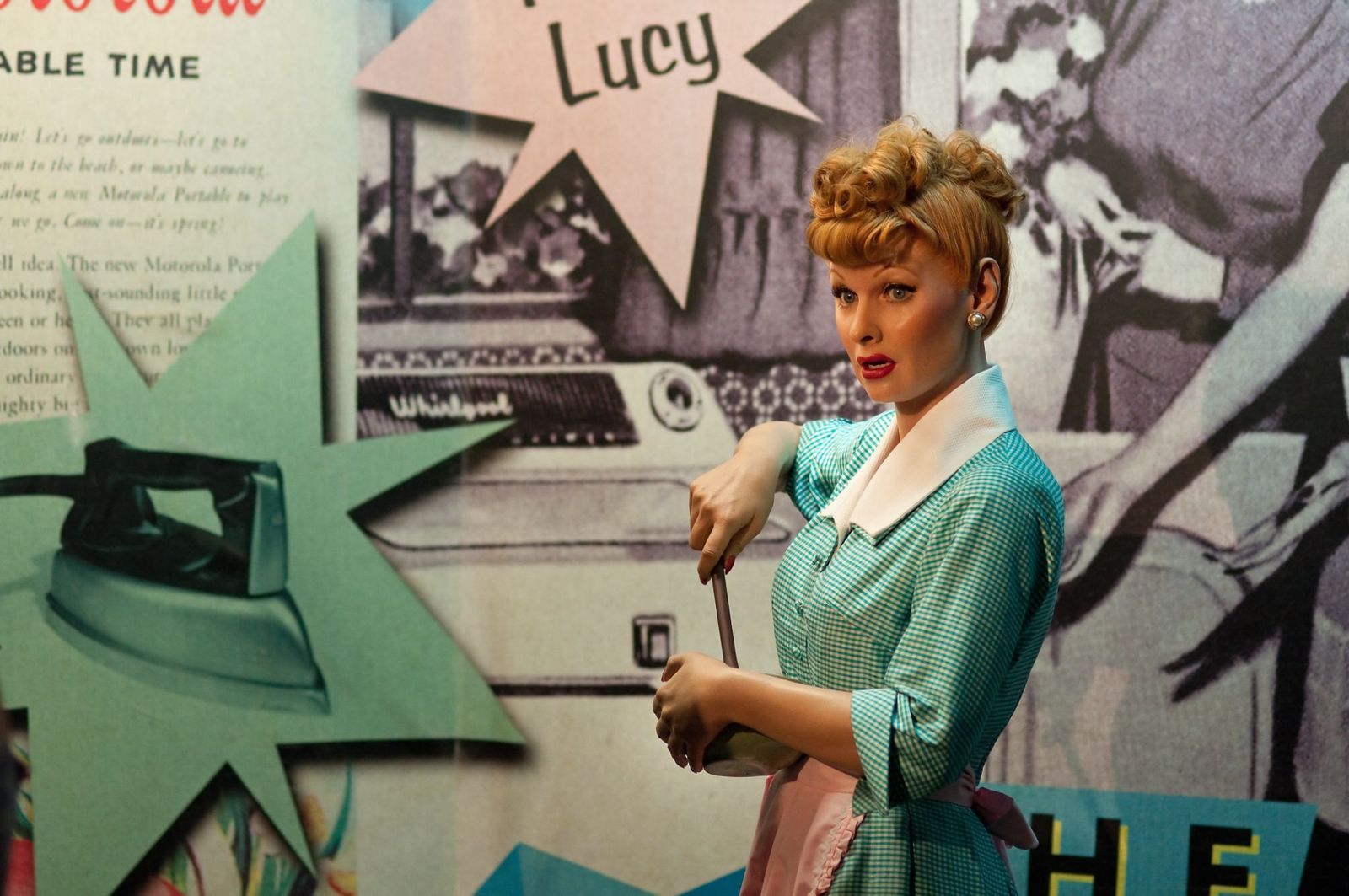
Image: rewelda

If you watched I Love Lucy , you know Lucille Ball was capable of turning a simple household mishap into complete comic chaos. But as a teenager, Ball was not yet the performer who commanded a room.

As a young woman, Lucille Ball enrolled at the Johnny Murray Anderson School for the Dramatic Arts in New York in 1926, at the age of 15, hoping to become an actress. Her instructors weren’t exactly encouraging. She was reportedly considered too shy and too timid for the stage and was advised to consider a different line of work entirely. She spent years afterward modeling and taking small, unremarkable film roles, far from stardom. Ball eventually found her footing not in dramatic film but in comedy and television, where her fearless physical humor became her signature. In 1951, she co-created and starred in I Love Lucy with then-husband Desi Arnaz, and it became one of the most successful sitcoms in television history.

5
Henry Ford
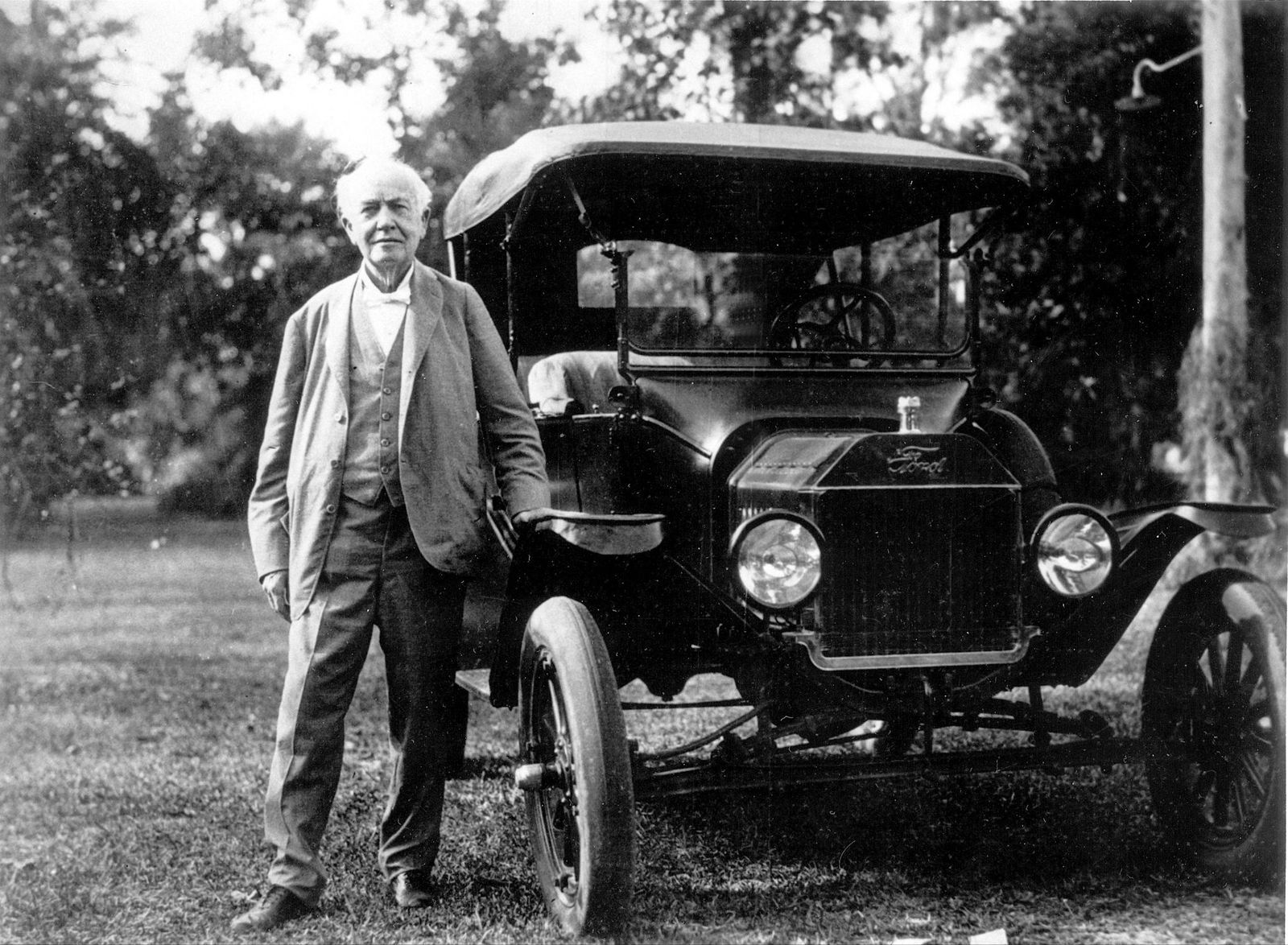
Image: Rawpixel.com

Buying a new car today can make it easy to forget how experimental the automobile business once was. Around the turn of the 20th century, companies started and collapsed, and Henry Ford was one of those business owners who had to reinvent himself more than once.

Ford’s first venture, the Detroit Automobile Company, launched in 1899 and folded within two years , undone by vehicles that were too expensive and too slow to build. His backers pushed him out. He tried again with the Henry Ford Company, but it ended the same way, with investors losing patience and Ford losing control of the business bearing his own name. By 1902, he had two failed automakers behind him and no company at all. For the third time, in 1903, Ford started again. This time, he focused on building one dependable, affordable car and figuring out how to produce it faster than anyone thought possible. That car was the Model T, and the assembly line method he built around it didn’t just save Ford Motor Company; it changed how the entire world manufactures goods.

6
Martin Luther King Jr.
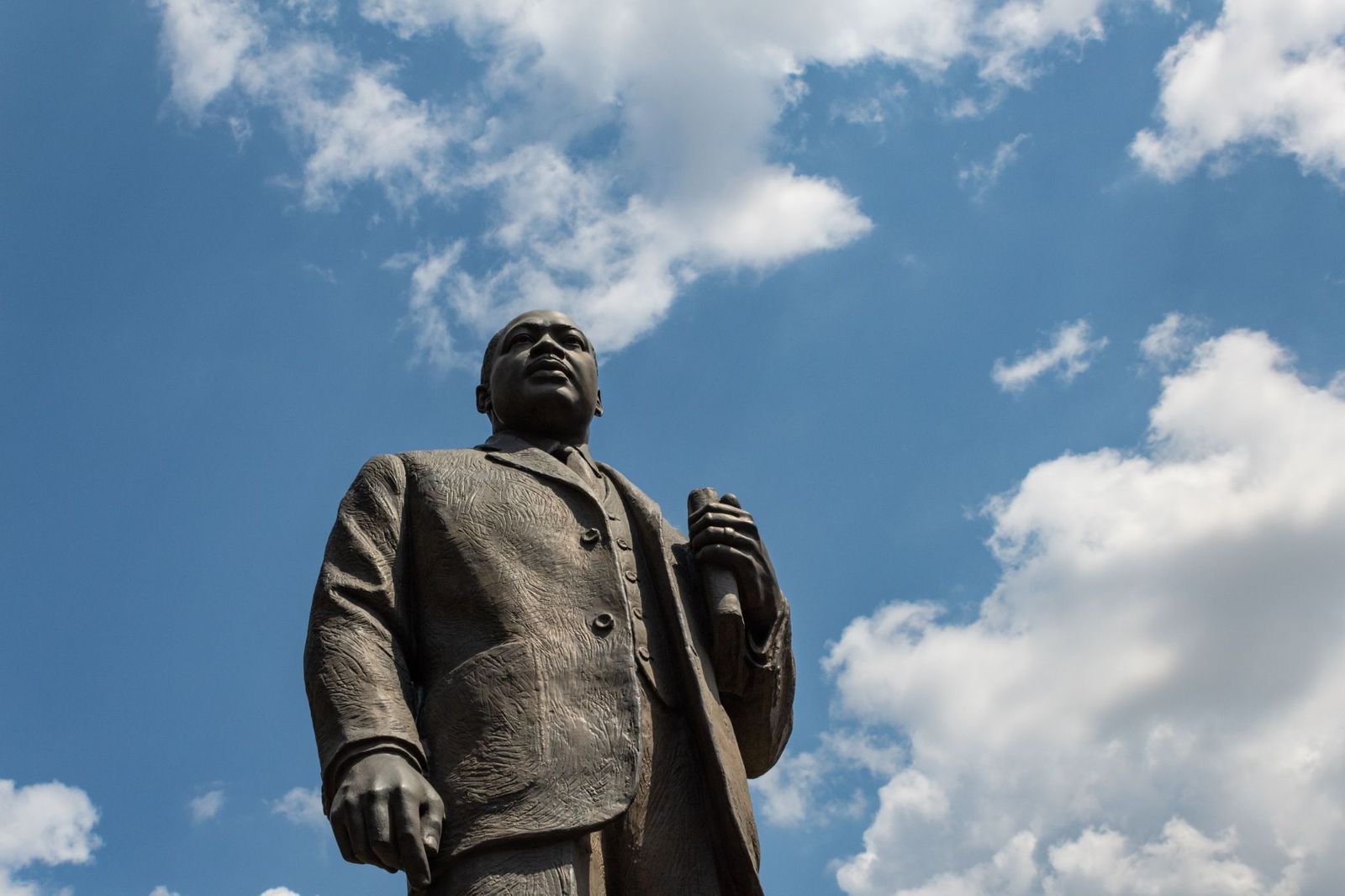
Image: NatalieSchorr

It’s weird to think that one of history’s greatest orators struggled in a classroom. But that’s exactly where Martin Luther King Jr.’s path began.

As a first-year student at Crozer Theological Seminary in the late 1940s, King took a course in public speaking and received a grade of C , a modest mark for a young man who hadn’t yet found his voice. He kept working at it throughout seminary, refining the cadence and clarity that would later define his preaching. Within a decade, that same voice was leading the Montgomery bus boycott and delivering the "I Have a Dream" speech to hundreds of thousands of people at the March on Washington in 1963, becoming one of the most recognized voices of the 20th century.

7
Oprah Winfrey
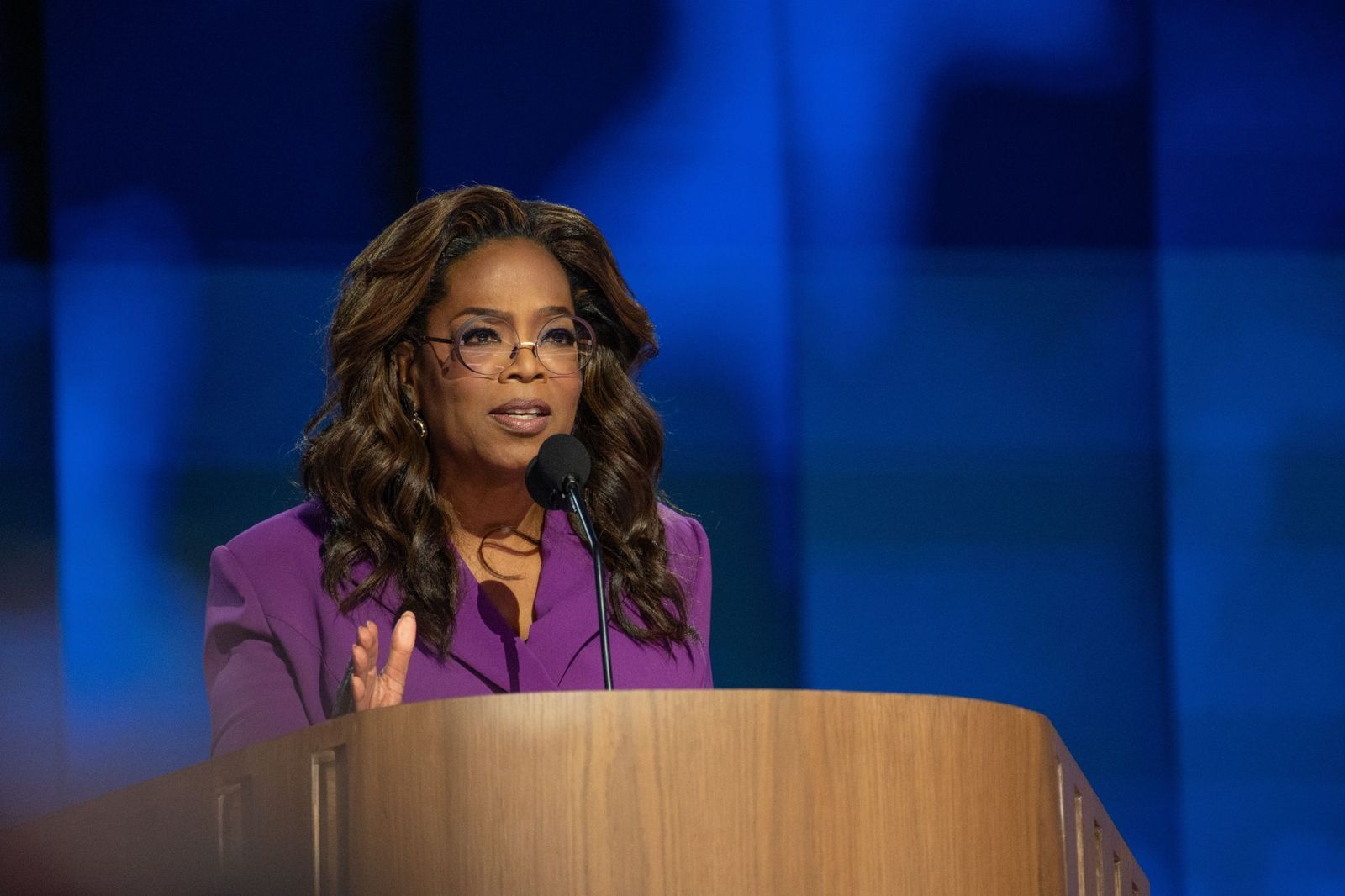
Image: Peter Serocki

Considering how controlled news anchors’ expressions used to be, Oprah Winfrey’s early career sounds almost like a casting mistake.

In 1976, a 22-year-old Winfrey moved to Baltimore to co-anchor the evening news at WJZ-TV. The fit was rocky from the start. Her delivery was warmer and more emotional than the traditional hard-news style the format called for, and station management eventually pulled her off the anchor desk, with one producer reportedly calling her unfit for television news. It could’ve ended her career in broadcasting entirely. Instead, WJZ moved her to a struggling daytime talk show called People Are Talking . There, freed from reading headlines in a flat, detached tone, Oprah’s natural warmth turned into her greatest asset. The local talk show became the blueprint for The Oprah Winfrey Show , which ran for 25 years and made her one of the most influential media figures in American history.

8
Colonel Harland Sanders
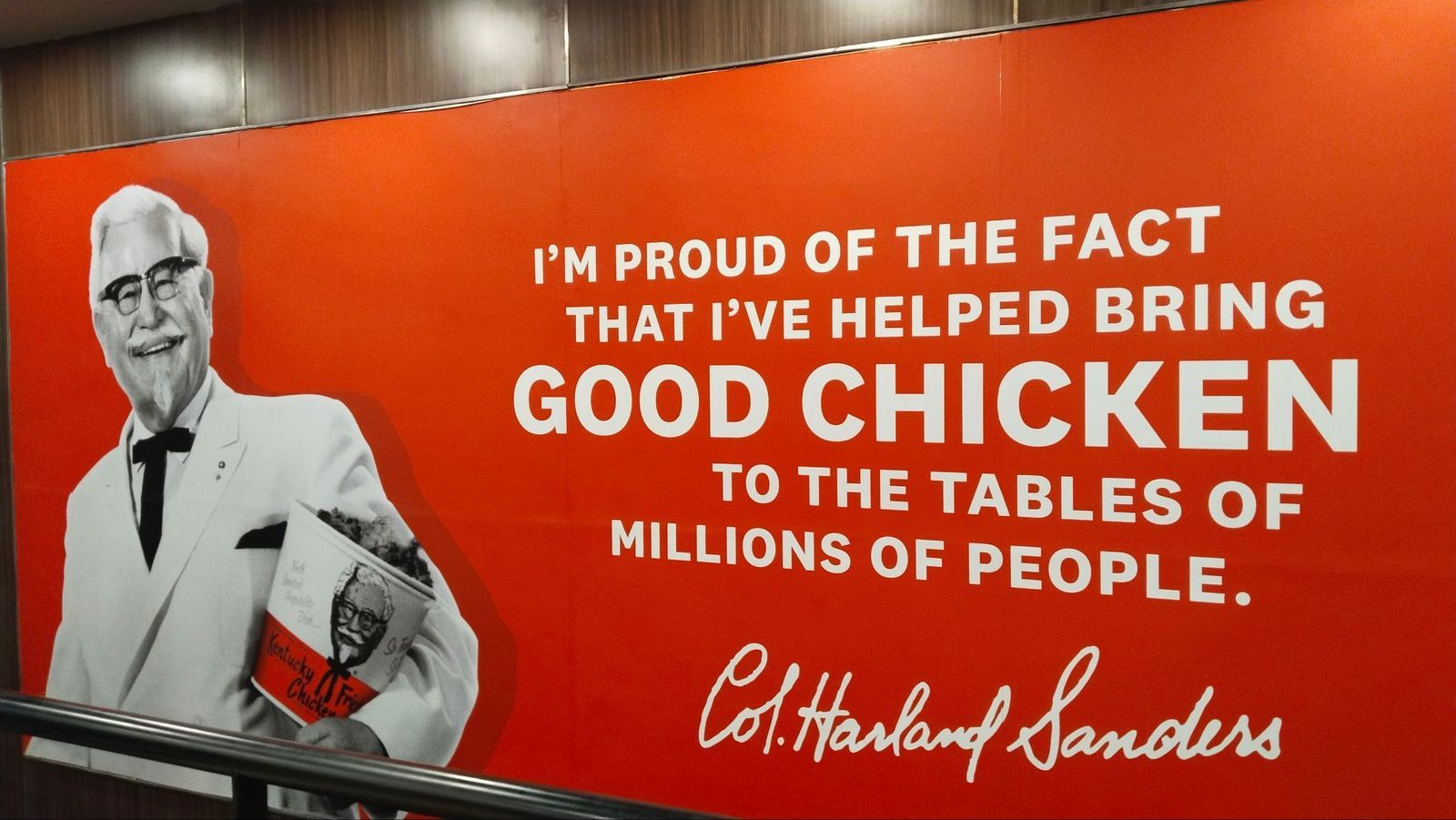
Image: Farantb

Imagine reaching 65 and deciding that instead of settling into retirement, it’s time to travel around the country trying to convince restaurant owners to serve a recipe. Harland Sanders made exactly that decision.

By his mid-sixties, Sanders had lived through a string of failed jobs and businesses , and the small Kentucky restaurant where he’d perfected his fried chicken recipe closed after a new highway diverted its traffic away. Broke and living on a modest Social Security check, he decided to take his recipe on the road, driving from restaurant to restaurant and offering to share it in exchange for a small cut of sales. As the legend goes, he heard "no" more than a thousand times before a restaurant in Utah finally said yes in 1952. That handshake deal became the first Kentucky Fried Chicken franchise. Within a decade, hundreds of KFC restaurants dotted the country, and the white-suited Colonel Sanders (who died in 1980 at age 90) became one of the most recognizable faces in American food.

9
Stephen King
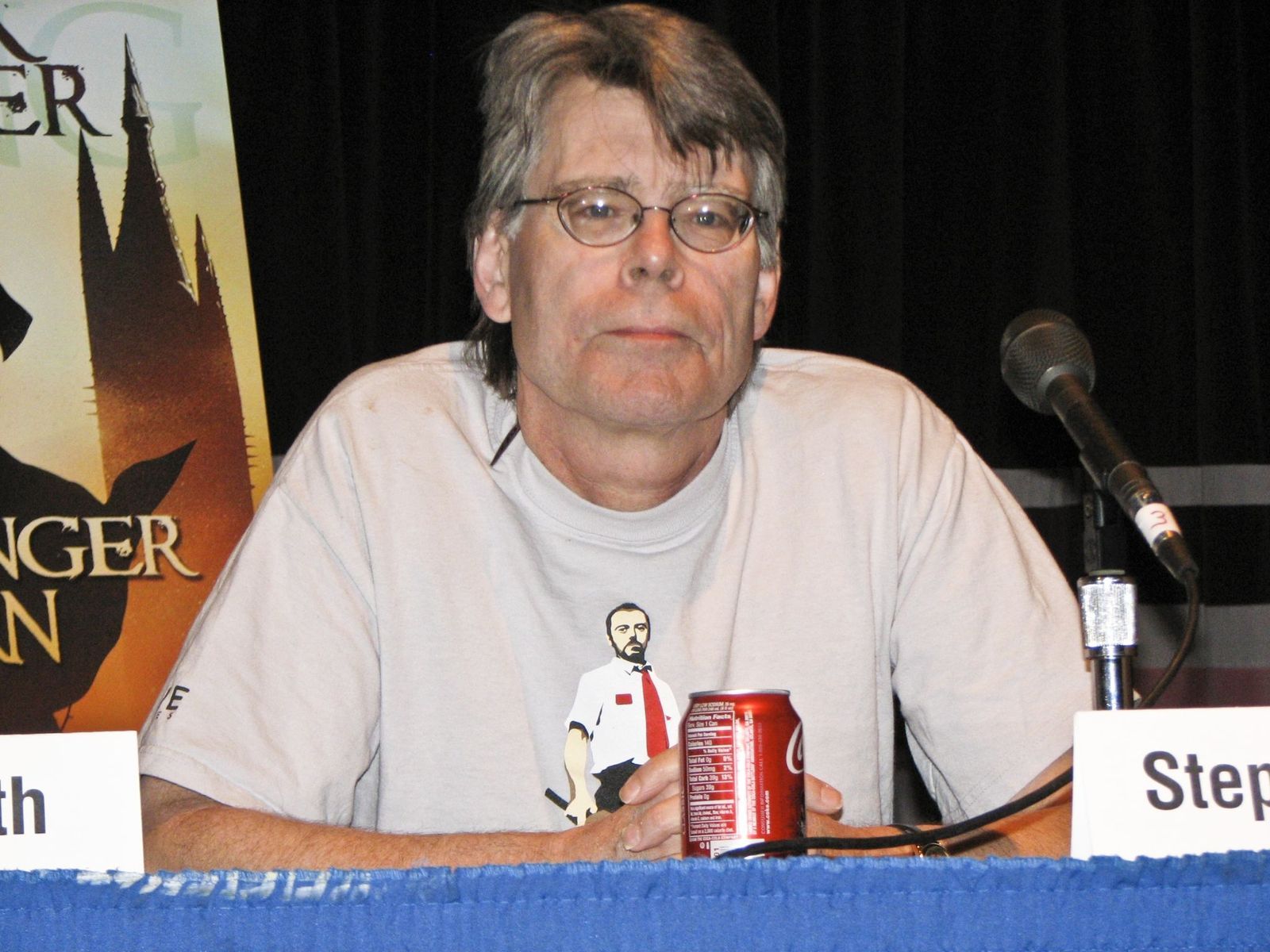
Image: George Koroneos

You’ve probably read Carrie , or watched It , but before he became a household name in modern terror, Stephen King was a young writer trying to get his work published.

In the early 1970s, King was teaching high school in his home state of Maine and writing in his spare time, often in a trailer with his wife and young kids nearby. He wrote a novel about a bullied teenage girl with telekinetic powers, but after around 30 rejection letters from publishers, he gave up on it and threw the manuscript in the trash . His wife, Tabitha, fished the pages back out and encouraged him to finish it, believing in the book even when he didn’t. That story became Carrie , published in 1974. It launched King’s career and eventually sold millions of copies, kicking off a body of work that would make him one of the most successful and prolific authors in American history.

10
Dr. Seuss (Theodor Geisel)
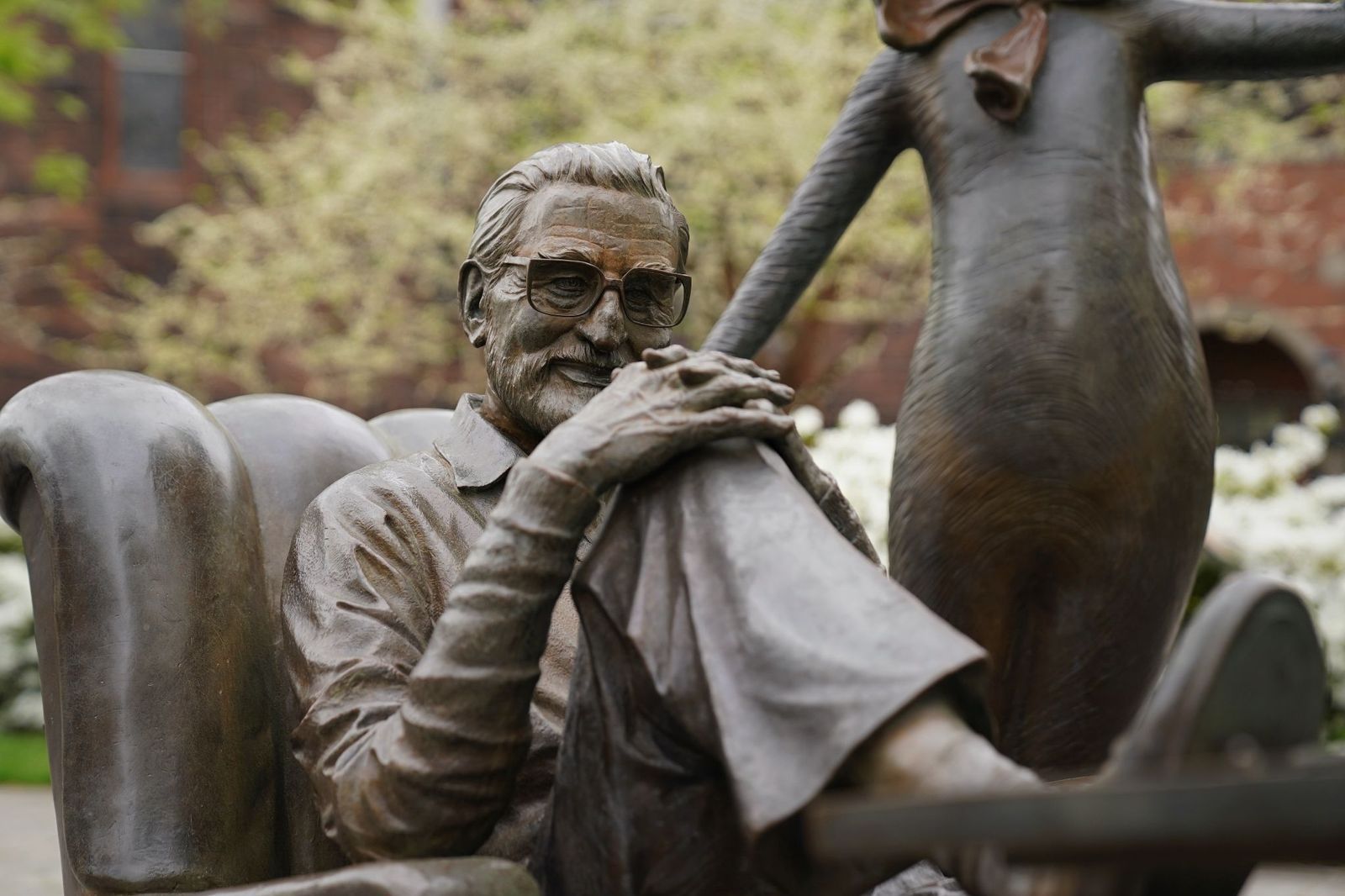
Image: NatalieSchorr

You may think publishing more than 50 books was easy for Dr. Seuss. But back when he was known as Theodor Geisel, his work got rejected dozens of times.

In the 1930s, Geisel wrote and illustrated a whimsical children’s book called And to Think That I Saw It on Mulberry Street. Publisher after publisher turned it down, reportedly around 27 of them, saying it was too different from anything else on the market. As the story goes, Geisel was walking down a New York street, manuscript in hand and ready to give up, when he ran into an old college acquaintance who happened to work at a publishing house and offered to take a look. That chance meeting led to the book’s publication in 1937. It launched Dr. Seuss’s career, which would go on to include classics like The Cat in the Hat and Green Eggs and Ham , beloved by generations of kids and their grandparents alike.

11
Frederick Smith (FedEx)

Image: Yau Ming Low

Today, overnight shipping is so ordinary that a package arriving the next morning (if not on the same day) barely raises an eyebrow. In the 1960s, reliably moving urgent packages overnight across the country was a very different proposition.

In 1965, as an undergraduate at Yale, Smith wrote an economics term paper describing a delivery service that would route urgent packages through one central hub by plane rather than relying on passenger airlines. His professor wasn’t convinced the idea was practical and marked the paper with a C. Smith went on to serve in the Marine Corps in Vietnam, but the idea from that paper never left him. In 1971, he founded Federal Express, built exactly around the hub-and-spoke concept he’d once sketched out for a grade. FedEx now moves millions of packages a day across the globe, and Smith spent the rest of his life running the company he first imagined as a 21-year-old college student.

History History 6 min read

TIMELESS LOVE

Let's Celebrate Love By Remembering These 10 Iconic American Couples!

Among the many events, battles, agreements, disagreements, expansions, gains, and losses that occurred in American history, there were also countless versions of something beautiful: love stories .

While nurturing a relationship over time is no easy task, these 10 American couples not only stood the test of time, but they also became political or cultural icons and left a mark on our country's romantic history. Let's celebrate love by remembering them!

1
George and Martha Washington

Image: Matt Briney

As the first presidential couple of the United States, the union of George and Martha Washington is undoubtedly one of the most important in our history.

George met Martha in 1758. At the time, she was a recent widow with two children, and he was a young officer who soon fell in love with her. Their connection was so strong that they got engaged after just a few months of knowing each other.

George and Martha married on January 6, 1759, and moved to the iconic Mount Vernon, to which they returned in 1797, after George's presidency.

To this day, some of his love letters to her have been preserved, proof of the deep love they had for each other.

2
Martin Luther King Jr. and Coretta Scott King

Image: Neal Sweeney

We all have that cupid friend who finds the perfect match for each of their buddies. The great Martin Luther King Jr. also had a friend who introduced him to the woman who would become the love of his life, Coretta Scott.

Martin and Coretta met in Boston in 1952. They went on a date and quickly discovered many shared values and interests. United by their ideals, they fell in love and were married the following year in Alabama.

Together, they drew strength from one another, building a partnership that led to transformative and lasting changes for our country.

3
John F. Kennedy and Jacqueline Bouvier Kennedy

Image: Jeremy Wong Weddings

A congressman and a journalist working for the Washington Times-Herald. The two were John F. Kennedy and Jacqueline Bouvier, who met in 1952 at a dinner party in Washington, D.C.

Just like MLK and Coretta, JFK and Jackie quickly discovered many shared interests and ideals, and the crush was immediate.

John proposed to Jackie, and their engagement was announced in June 1953. They were married in September of that year. Their wedding, celebrated in Rhode Island, was attended by over 700 guests!

In 1960, JFK was elected President of the United States, and Jackie became the iconic First Lady we all came to know .

4
Johnny Cash and June Carter Cash

Image: Ahmed Rizkhaan

Love often arrives when least expected, and that's what happened to Johnny Cash and June Carter while touring together in the late 1950s. Both were married to other people when they met. Their connection was immediate and undeniable, but it took several years before they decided to be together.

Johnny was anything but reserved with his marriage proposal: he proposed to June during a live show in Ontario, Canada, in 1968! Fortunately, she said yes, and they married in March of that same year.

Their deep love was reflected in several duets they performed together, such as "Far Side Banks of Jordan," "Jackson," and "The Loving Gift."

This country love story remains one of the most iconic in U.S. music history, and they are both fondly remembered.

5
Amelia Earhart and George Putnam

Image: Tomas Martinez

Love, respect, and admiration were among the pillars of the relationship between pioneering aviator Amelia Earhart and George Putnam.

Amelia Earhart was already an experienced aviator when she met Putnam, a publisher and promoter. In 1928, Putnam offered her an investment to help her become the first woman to fly across the Atlantic Ocean. This professional relationship evolved into a personal one, which eventually became a love story.

Amelia and George married on February 7, 1931 , in an intimate ceremony. However, the journey to that moment was far from easy: George had to ask Amelia to marry him several times before she finally said yes!

6
Eleanor and Franklin D. Roosevelt

Image: freestocks

Eleanor Roosevelt was 17 years old when she met her future husband in the summer of 1902 . We're talking about Franklin Delano Roosevelt , who was Eleanor's fifth cousin once removed and the future president of our nation.

From the moment they met, they began to secretly correspond and became engaged the following year. Some people opposed this union, such as Franklin's mother, Sara Ann Delano. However, love was stronger, and they ended up making their relationship public and getting married on March 17, 1905.

As it is known, the one who gave the bride away was none other than Theodore Roosevelt, president at the time and Eleanor's uncle.

7
Dolly Parton and Carl Dean

Image: israel palacio

Maintaining a love story under the scrutiny of the public eye is not easy.

However, Dolly Parton and Carl Dean achieved this and much more for more than 50 years! An example of patience, commitment, and resilience, this couple met in 1964, shortly after Dolly moved to Nashville, Tennessee, to pursue her music career.

Dean, a businessman, preferred to keep a low profile despite Dolly's fame, but this did not stop them from marrying on May 30, 1966, in a private ceremony.

To this day, they continue to accompany and support each other.

8
John and Abigail Adams

Image: Sandy Millar

John Adams , our country's second president, met Abigail Smith in 1759 . She was a cultured and intelligent young woman who aroused John's interest. They married in 1764 and had five children. In November of 1800, they became the first presidential couple to live in the Executive Mansion, later known as The White House.

To this day, more than 1,100 of John and Abigail's letters are preserved, displaying the deep love, respect, and complicity they shared. In these letters, John referred to his wife as "Miss Adorable," isn't it the cutest detail?

9
Bonnie and Clyde

Image: Tengyart

The names Bonnie and Clyde are so intertwined that it's hard to think of one without the other.

During the Great Depression era, these two outlaws captured the attention of the press and public due to their unbreakable bond, which survived despite their criminal lives.

The two met in Texas in 1930, and, as the story goes, they quickly fell in love. They and their gang committed various types of crimes in several states across our country for a couple of years, managing to evade the law.

However, their luck ran out in 1934 when they were ambushed and fatally wounded by the police in the state of Louisiana.

10
Grace Kelly and Prince Rainier III of Monaco

Image: Hisu lee

Next time you're invited to a fancy event, make sure to go! You might meet the love of your life. This was the case for the iconic actress Grace Kelly , who met Prince Rainier III of Monaco in 1955 at the glamorous Cannes Film Festival.

The two exchanged letters over a period before making their relationship official. The prince would visit Grace in the United States, and she would also travel to Monaco.

He proposed to her in December 1955. The union became a global sensation, captivating the press worldwide due to her fame and his royal position. The event that became known as the "Wedding of the Century" took place in April of the next year. She retired from her acting career, and the couple had three children: Princess Caroline, Prince Albert, and Princess Stéphanie.

Geography Geography 4 min read

Call them by their names!

If Chicagoans are from Chicago, where are Nutmeggers from?

Image: Pixabay

Have you ever wondered what to call someone from a different state or city? While some state or city names naturally lend themselves to demonyms (for example, someone from Chicago is called a Chicagoan ), others have taken more creative or unexpected routes. Some demonyms are historic, while others are quirky and worth a second look. So, here are some of the most interesting official (and unofficial) demonyms from across the country!

1
Connecticut - The Land of the Nutmeggers

Image: Rusty Watson

While "Connecticuter" might be the official term, most people in Connecticut prefer the more charming nickname: Nutmegger. The name dates back to colonial times, when Connecticut traders were said to sell wooden nutmegs to unsuspecting buyers.

Maybe this is just a myth, but the nickname stuck, and today, Nutmeggers wear it with pride.

2
Kansas - Jayhawkers and Kansans

Image: madeleine craine

Kansas residents have two names to choose from: the straightforward "Kansan" and the more colorful "Jayhawker."

The latter has roots in the Civil War era, when it was the term used to describe anti-slavery guerrilla fighters. Over time, it evolved into a general nickname for Kansans and is now especially associated with the University of Kansas and its sports teams.

3
Massachusetts - Bay Staters Unite

Image: Venti Views

Many state-based nicknames trace their roots to official state monikers. For example, residents of Massachusetts proudly call themselves Bay Staters, a nod to the state’s nickname, "The Bay State."

Massachusetts has a long colonial history defined by its coastal economy, from fishing to trade. So, while "Massachusettsan" technically works, you’ll rarely hear anyone use it. Bay Staters take pride in their rich Revolutionary War history, world-class universities, and, of course, their love of sports (go Sox!).

4
New Hampshire - The Granite Staters

Image: Suraj Gattani

If you’re from New Hampshire, you’re a Granite Stater—a name that reflects the state’s rugged and independent spirit. But do you know where the term comes from?

It originates from the state’s vast granite formations and quarries, which were once a major industry. But the nickname represents more than just rock; it’s a metaphor for the residents’ resilience and toughness. No wonder the state’s motto is "Live Free or Die"!

5
Ohio - The Buckeye State’s Buckeyes

Image: Matthew Bornhorst

Ohioans have an official demonym, but most people prefer Buckeye. The nickname comes from the state tree, the buckeye, whose nut resembles the eye of a deer.

It gained popularity during the 1840 presidential campaign of Ohioan William Henry Harrison, who was nicknamed the "Log Cabin and Hard Cider Candidate." Today, Buckeye is more than a demonym—it’s the name of a sports team, a state candy, and a symbol of Ohio pride!

6
Indiana - Hoosier Mysteries

Image: Ryan De Hamer

No one knows exactly where the term Hoosier comes from, but that hasn’t stopped Indiana residents from embracing it enthusiastically.

Some theories suggest it originated as an old frontier greeting ("Who’s here?"), while others trace it to hardworking laborers called "hoosiers" in the 1800s. In any case, Hoosiers are fiercely proud of their basketball legacy, farming roots, and the legendary Indy 500.

7
New Jersey - New Jerseyans or New Jerseyites?

Image: Manisha Raghunath

New Jersey residents can choose between New Jerseyan and New Jerseyite, though the former is much more common.

While the rest of the country might associate New Jersey with diners, boardwalks, and The Sopranos , New Jerseyans know their state is about much more. With its mix of beaches, suburbs, cities, and farmland, they've earned the right to choose their own demonym!

8
Hawaii - Kama‘āina, Malihini, and More

Image: Luke McKeown

In Hawaii, what you call someone often depends on how long they’ve been there. Does that make sense? It does to them!

A kama‘āina is a longtime resident, regardless of ethnicity, while a malihini is a newcomer. Yes, "Hawaii resident" is perfectly acceptable, but the island terms carry deeper meaning. Kama‘āina reflects a strong connection to the islands, traditions, and way of life, while malihini refers to those still learning and adapting. No matter whether you're kama‘āina or malihini , the aloha spirit welcomes all.

9
Michigan - Michiganians, Michiganders, or Michiganites?

Image: Brad Switzer

Michigan residents have a lot of options: Michiganians, Michiganders, or Michiganites. Let’s set the record straight: Michiganian is the official term, but Michigander is by far the most popular, thanks in part to Abraham Lincoln, who supposedly coined it to tease a political opponent from Michigan.

Some people even prefer Michiganite , though it sounds more like a type of rock than a person, right? No matter the term, they’re all part of the same mitten-shaped home.

10
Colorado - Coloradan or Coloradoan?

Image: Rich Martello

The great and final debate: Coloradan or Coloradoan? Actually, both are used, but Coloradan is the more common choice. The extra "o" in Coloradoan might seem unnecessary, but some argue it better reflects the state’s Spanish origins.

Either way, residents of Colorado are known for their love of the outdoors, craft beer, and breathtaking mountain landscapes. So, if you’re wondering what to call them, just don’t call them flatlanders!

Explore more American facts

Choose your favorite category!

General
General

As American as apple pie—the very best America has to offer!

Culture
Culture

Delve into the astounding richness of American lore.

Geography
Geography

Hop in and explore vast and diverse American landscapes.

History
History

Discover the key moments that shaped the United States.