Geography Geography 4 min read

Famous mottos

What does "Dum Spiro Spero" truly mean? The story behind iconic mottos!

Image: Roszred

State mottos reflect the identity and values of each US state, often appearing on flags, monuments, and even license plates. But with 50 states, remembering all of them can be a challenge! Think you can do it? Put your patriotism to the test and see if you can match these 6 mottos to their respective states . Let’s play!

1
"Sic Semper Tyrannis"

Image: Scott Pruett

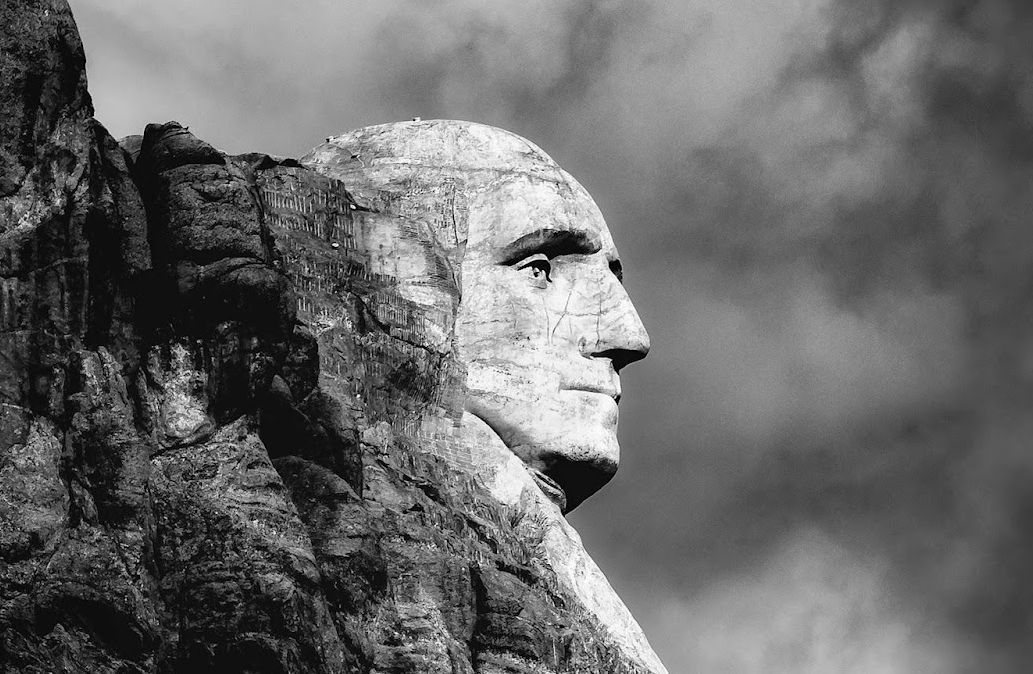
You’ve probably come across this motto many times—it belongs to one of the most historically significant states in our country. In fact, this state is sometimes called the "Mother of States"!

Eight U.S. presidents were born here, including none other than George Washington himself. Can you guess which state we’re talking about?

2
"Excelsior"

Image: Matheus Cenali

Many iconic landmarks make this state one of the most famous—Times Square, Broadway, and Wall Street, to name a few. It’s also known for its apple and maple syrup production.

When it comes to history, this state played a fundamental role. The Federalist Papers , which helped shape the Constitution, were written here! We bet you know which state we’re talking about—don’t you?

3
"Live Free or Die"

Image: Brian Wangenheim

Home to Mount Washington, this state is renowned for its stunning landscapes. Its impressive quarries and granite formations earned it the nickname "The Granite State."

This state played a key role in the American Revolution , serving as an early center of resistance against British rule. It later became the ninth state to ratify the US Constitution. So, what's your guess?

4
"Dum Spiro Spero"

Image: Dylan Mullins

This state is home to historic Fort Sumter, where the American Civil War officially began . It’s also the birthplace of Andrew Jackson, the seventh US president—though some historical debate remains.

On the other hand, this US state is known as "The Palmetto State" for its beautiful palmetto trees, which are also featured on its flag. Think you've got it?

5
"Friendship"

Image: Lori Stevens

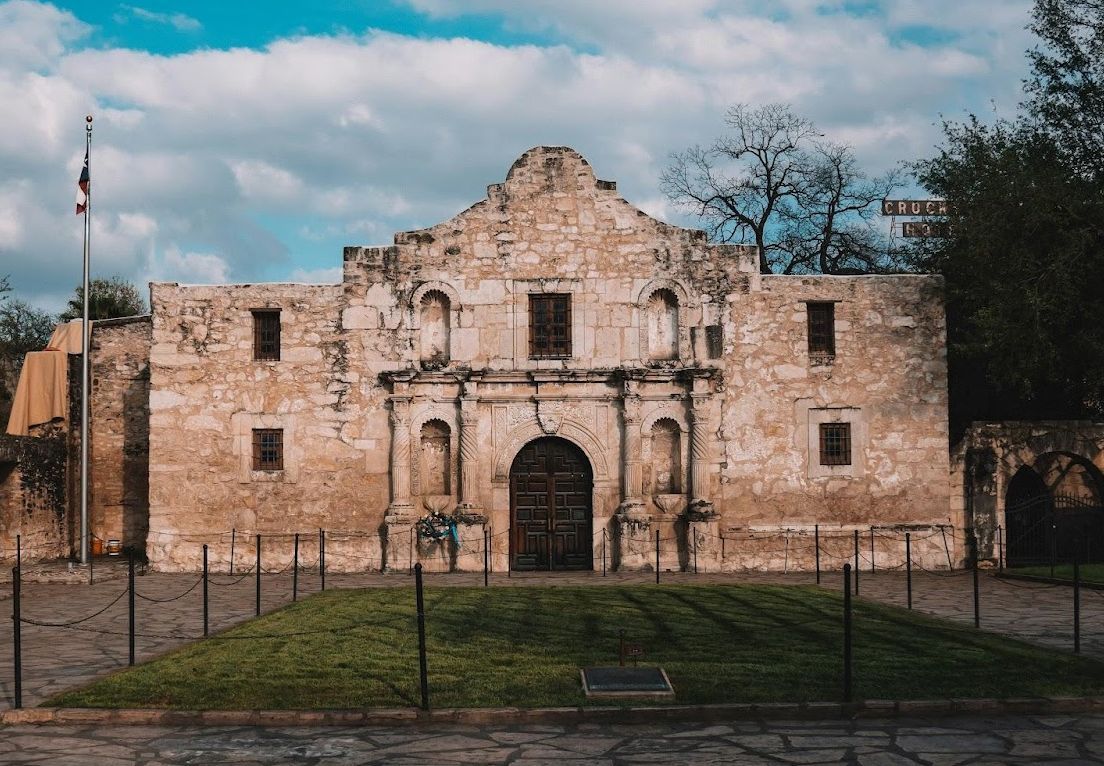
Known as "The Lone Star State," this state was once an independent republic before joining the US. It’s home to the Alamo , the historic site of a pivotal battle in its revolution.

In addition to Presidents Dwight D. Eisenhower and Lyndon B. Johnson, famous figures like Beyoncé and Farrah Fawcett were also born here!

6
"Eureka"
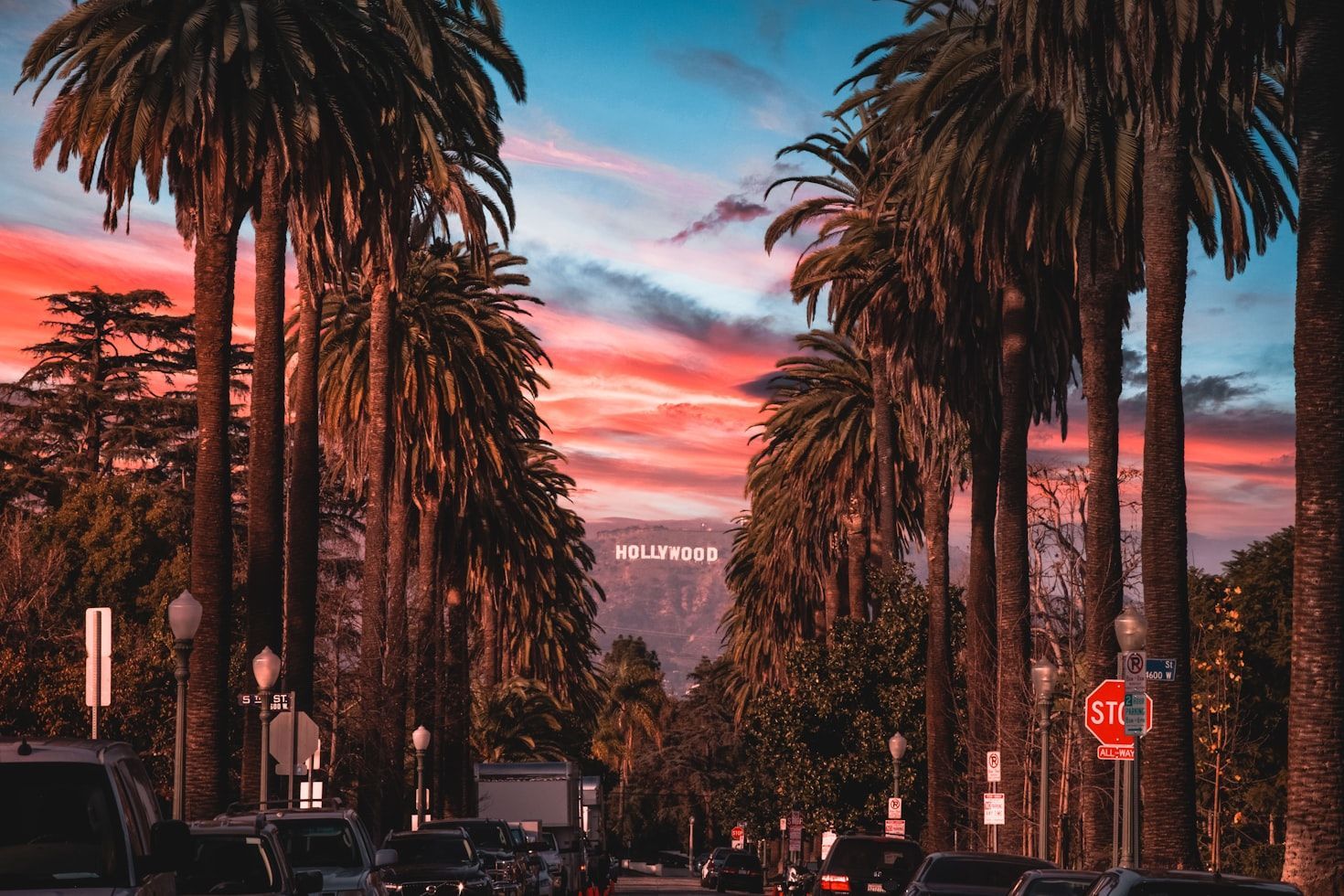
Image: Jake Blucker

This is the splendid motto of a state famous for its wine and citrus fruit production. It's also considered a tech hub for being home to the iconic Silicon Valley, a global center for tech innovation.

Known as "The Golden State," it boasts famous landmarks like the Hollywood Walk of Fame and the Hollywood Sign. Got the answer?

7
"Sic Semper Tyrannis": Virginia

Image: Richard Hedrick

You got it right! Sic Semper Tyrannis is Virginia’s state motto, meaning "Thus always to tyrants" in Latin. Chosen in 1776, this phrase symbolizes Virginia’s historic stand against tyranny, reflecting its key role in the Revolutionary War.

8
"Excelsior": New York

Image: Luke Stackpoole

If you guessed New York, congratulations! Excelsior , meaning "Ever Upward" or "Higher," has been the state’s motto since 1778 . True to its meaning, New York chose this motto to symbolize its relentless ambition and drive for progress. Did you know that?

9
"Live Free or Die": New Hampshire

Image: The New York Public Library

New Hampshire adopted "Live Free or Die" as its official state motto in 1945. The phrase was coined by General John Stark , a hero of the American Revolutionary War . In 1809, Stark was invited to an anniversary reunion of the Battle of Bennington, where he had fought and led New Hampshire militiamen. Unable to attend due to poor health, he sent a letter with his toast: "Live free or die: Death is not the worst of evils."

10
"Dum Spiro Spero": South Carolina

Image: Leo Heisenberg

Dum Spiro Spero is South Carolina’s official state motto! Officially adopted in 1776, this Latin phrase means "While I Breathe, I Hope." Pretty inspiring, isn’t it? But that’s not all—South Carolina actually has 2 mottos ! The other, also adopted in 1776 and engraved on the original Great Seal, is Animis Opibusque Parati ("Prepared in Mind and Resources").

11
"Friendship": Texas

Image: Avi Werde

Texas chose a powerful word as its state motto! "Friendship" has symbolized Texas since 1836, when it declared independence from Mexico and became a republic. The motto remained even after Texas joined the US in 1845 .

Representing the state’s unity and diplomatic intentions, the word was officially adopted as the state motto in 1930 .

12
"Eureka": California

Image: Maarten van den Heuvel

You were right! Eureka is California’s state motto, meaning "I have found it" in Greek. But why this phrase? Well, California's state motto takes inspiration from the Gold Rush that kicked off in 1848, after the precious metal was discovered in the state's lands.

Culture Culture 6 min read

LAUGHING THROUGH DECADES

Have You Watched These 10 American Sitcoms That Changed TV Forever?

Today, we have the freedom to choose what to watch, when to watch it, and at what pace; the offer is practically endless. However, the contents we enjoy today owe their existence to the pioneering shows that came to TV to change everything! A favorite of many Americans, these sitcoms were TV milestones that not only reached success in their day but knew how to leave their mark and influence new content. Anyone who has ever turned on the screen in their living room will undoubtedly recognize these 10 American shows that transformed the way we watch TV !

1
I Love Lucy

Image: Nick Fewings

Airing from October 15, 1951 , to May 6, 1957, I Love Lucy was undoubtedly a pioneering sitcom that marked the way people produce and watch TV. This show was one of the first to be filmed using a multi-camera setup and in front of a live studio audience!

Lucy Ricardo , portrayed by Lucille Ball, was the protagonist who won the hearts of many Americans with her enthusiastic and funny personality. In addition, her ambition to reach stardom inspired many women to fight for their dreams beyond the diverse impediments that society put in their way.

2
All In The Family

Image: Lucrezia Carnelos

All in the Family , which first aired in 1971 , was among the first shows to bring to television the controversial social, cultural, and political issues that were central during the 1960s.

With a humorous tone, All in the Family put on the screen some topics that other sitcoms didn’t dare to handle, with characters that embodied different ideas very well.

Thus, this sitcom marked American TV, influencing other shows that came later, including some spin-offs of the series itself, such as the iconic The Jeffersons.

3
Barney Miller

Image: Pavan Trikutam

While there are many series and shows about police departments and detectives today, in 1975, TV gave us Barney Miller , one of the sitcoms that would pioneer the genre.

Set in New York City, the show focuses on the lives of detectives Barney Miller (Hal Linden), Philip K. Fish (Abe Vigoda), Stan "Wojo" Wojciehowicz (Max Gail), Ron Harris (Ron Glass), and Nick Yemana (Jack Soo); characters with personalities as varied as they are funny.

What made Barney Miller stand out was the realistic way it narrated the lives of the different detectives, all influenced by their peculiar jobs.

4
The Mary Tyler Moore Show

Image: Senad Palic

The 70s were years of premieres. And one of them was The Mary Tyler Moore Show , a sitcom that came to revolutionize television.

With an independent , smart, career-focused, and single woman as the main character, this show stood out in those days. This aspect led the sitcom to win several Emmys and Golden Globes for its acting, writing, and impact on TV and society.

Mary interacted in the show with funny, witty, and adorable characters, such as Rhoda and Murray.

5
The Golden Girls

Image: Lance Asper

Airing for seven years, The Golden Girls is undoubtedly one of those sitcoms that all Americans remember. Four grown women sharing a house in Miami is enough premise to create countless scenes and comedic situations. Among them, the legendary Betty White fills the screen with sweetness and grace, playing "Rose."

The Golden Girls drew attention at the time for being one of the first sitcoms to show women of their age living different aspects of life like any other adult, without restrictions of any kind. If you haven't seen it yet, run to the TV and turn on an episode!

6
Cheers

Image: Edgar Chaparro

Boston, Massachusetts, is the setting of Cheers , the sitcom that ran for more than ten years, from 1982 to 1993.

"Cheers" is the name of the bar where the main characters work: Sam, Diane, Carla, Coach Ernie (later replaced by Woody Boyd), Cliff, and Norm. All kinds of stories, encounters, misunderstandings, and much more unfold there, all highlighted by a witty script and hilarious performances.

Winner of several Emmys, the series marked an era, leaving jokes that were repeated on TV throughout the decades that followed.

7
Seinfeld

Image: Patrick Tomasso

Larry David and Jerry Seinfeld together created one of the funniest sitcoms this country has ever seen.

First aired in 1989 , Seinfeld was humorously described as "a show about nothing," as it portrayed the daily lives of four friends in New York. However, the characters were enough of a driving force to make things happen. Jerry Seinfeld, a stand-up comedian, and his three friends -George, Elaine, and Kramer- brought to life a series of hilarious situations, each character more eccentric than the last.

Seinfeld stood out because it focused more on each comic situation than on the long-term development of its characters. In addition to that, the show consistently used an ironic tone to critique social norms and stereotypes !

8
Friends

Image: Ilse Orsel

One of the sitcoms influenced by Seinfeld was the iconic Friends , which aired for ten years, from 1994 to 2004.

Which was your favorite character: Ross, Rachel, Monica, Chandler, Phoebe, or Joey? Each of these quirky guys living in New York had a huge fan base in the 90s when the series aired on NBC. The success of Friends was undeniable, and its actors went on to earn sums of money that few comedy actors had ever earned before.

Although it has been criticized in recent years for its lack of diversity, there is no denying that this sitcom has given us a good dose of laughs and touched the hearts of many Americans over the years!

9
The Office

Image: Adolfo Félix

You'd think a run-of-the-mill office wouldn't have much to give the viewer, right? Well, The Office appeared in 2005 to prove that's not true at all.

To achieve the success it enjoyed (and continues to enjoy), this sitcom only needed a great script, superb direction, and some seriously exceptional actors.

While the American version of this mockumentary is an adaptation of the British original, it was the American one that went around the world. That was largely thanks to actors like Steve Carell as the unusual boss Michael Scott, Rainn Wilson as the hilarious Dwight, and the talented John Krasinski as Jim. They, along with the rest of the cast, made this series a comedic masterpiece.

10
The Simpsons

Image: Stefan Grage

When it comes to iconic animated characters, The Simpsons instantly comes to mind.

Probably the most famous animated family in the world, the Simpsons have been on our screens for many years, debuting in 1989 and continuing to this day. The mastermind behind the show, Matt Groening, created characters that, while hilarious and charming from their first appearance, evolved to reveal complexity and depth over the years.

The biggest fans may say that the series is no longer what it once was. While this may be true, no one can deny that Homer , Marge, Bart , Lisa, Maggie, and other iconic characters like Flanders, Crusty, Barney, Burns, and Skinner will always be part of American culture.

History History 4 min read

Historical misconceptions

No, George Washington did not have wooden teeth: Debunking American myths

Image: EricThriller

Did you really imagine George Washington with wooden teeth? Or Betsy Ross drawing the Star-Spangled Banner in a scrapbook? Some longstanding stories associated with US history are, after all, more myth than reality. Let’s explore what is fact and what is fiction about stories we have probably all heard!

1
George Washington had wooden teeth

Image: Todd Trapani

Washington suffered from dental problems throughout his adult life and did wear several sets of false teeth. However, he did not wear wooden ones.

They were made from materials like ivory, metal, and springs . The "wood" myth probably comes from the staining of ivory and from 19th-century caricatures.

2
Salem witches were burned at the stake

Image: Sofia Holmberg

We hold the long-standing belief that the accused Salem "witches" were burned like European witch victims.

However, in the Salem (and colonial New England) trials of 1692–1693, convicted witches were almost always executed by hanging ; burning at the stake was not the legal penalty under English law in the colonies.

3
Paul Revere rode and shouted, "The British are coming!" alone

Image: Mikhaël Noury

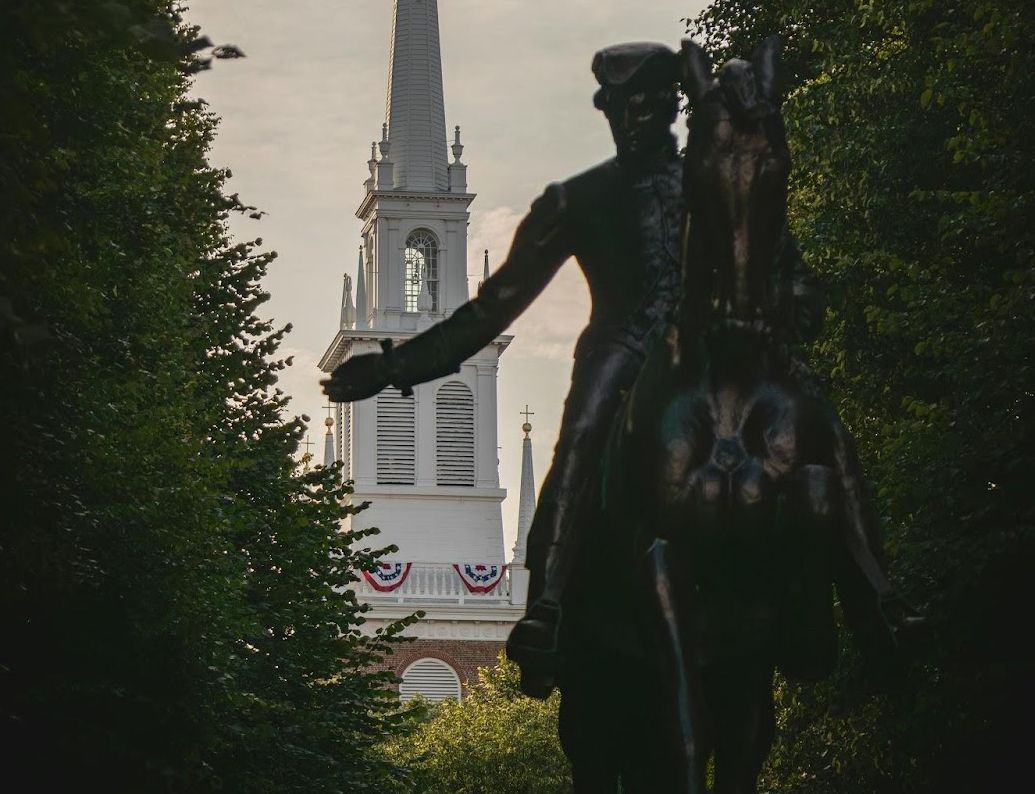
He may be riding alone in the Boston statue that represents the dramatic midnight ride in which he warned of the British troop movements.

But in reality, Revere was one of several riders who spread word of the British troop movements; Longfellow’s 1860 poem amplified and simplified the story, including the shouted line, which would have been unlikely among colonists.

4
Betsy Ross designed the first American flag

Image: Heather Newsom

We have heard again and again the myth that Betsy Ross stitched the first Stars and Stripes after being asked by George Washington. In reality, this tale grew from a family tradition promoted more than a century after 1776. Historians have found no contemporary documentation proving that she designed the first official flag.

The flag’s creation was likely more complex and collective. Ross has always remained a folk symbol, but there is no proof that she was the sole designer.

5
Mrs. O’Leary’s cow started the Great Chicago Fire

Image: raquel raq

The myth: a cow kicked over a lantern in Catherine O’Leary’s barn and caused the 1871 conflagration. The cow story originated in sensational newspaper reporting and later became part of folklore.

Investigations have never produced conclusive proof, and modern historians treat the O’Leary–cow tale as an unfair scapegoating and probably apocryphal. The fire’s precise origin remains a mystery.

6
"Molly Pitcher" was a famous woman who operated a cannon at Monmouth

Image: Foysal Razu

The story of Molly Pitcher, a single heroic woman who supposedly took over a cannon when her husband fell, may have been created to represent several women . The best documented candidate is Mary Ludwig Hays, but the legend also reflects the broader contributions of women who supported troops during the Revolutionary War, with or without having been widowed.

7
Davy Crockett died fighting to the last at the Alamo

Image: Eric Francis

Did Crockett heroically fight to the death amid hand-to-hand combat at the Alamo? Well, that was indeed the location of his death, but sources conflict about the manner.

Some eyewitness accounts and Mexican records suggest he may have been captured and executed; other accounts describe him dying in combat. The neat heroic portrait was shaped by 19th-century myth-making.

8
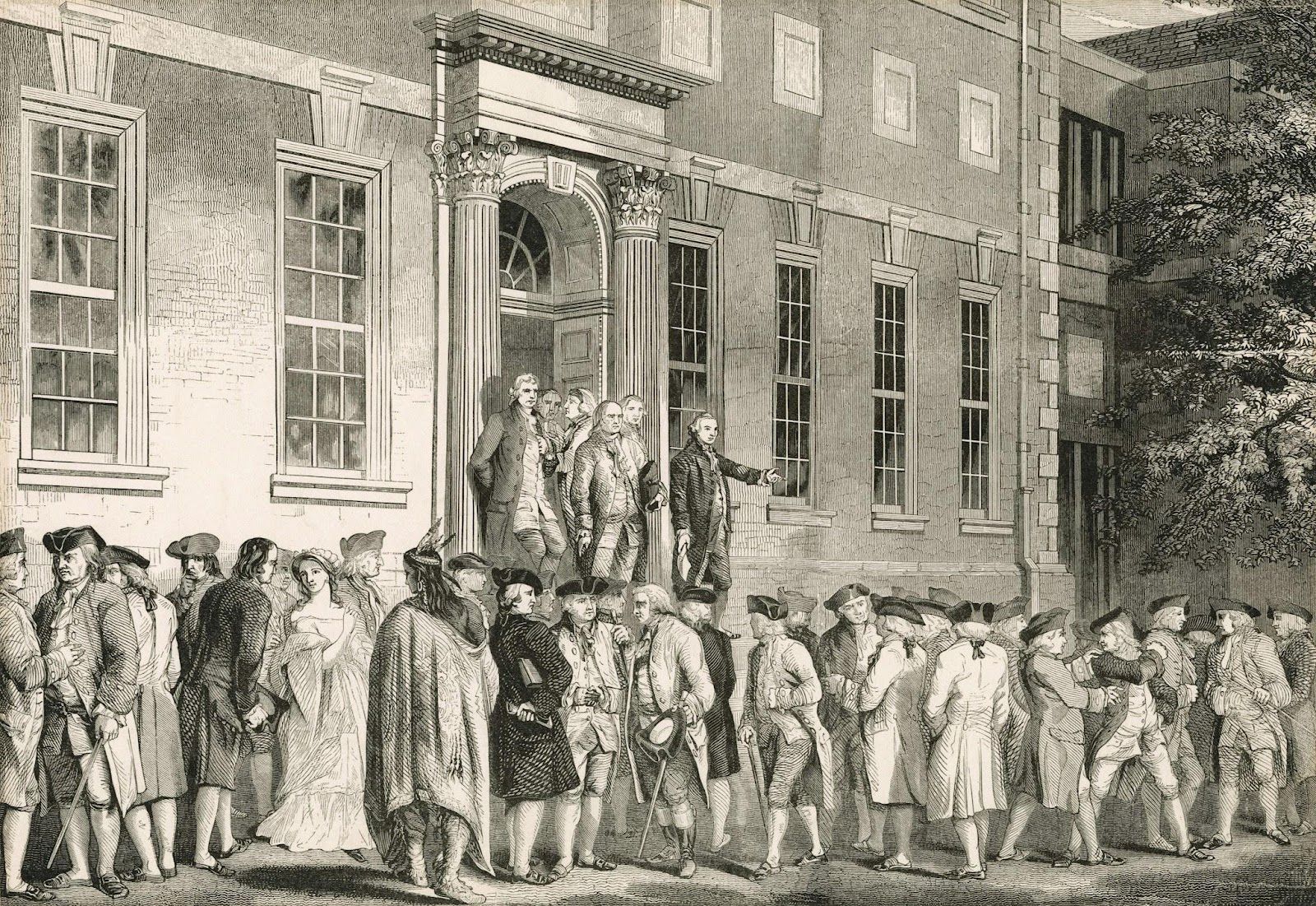
The Declaration of Independence was signed on July 4, 1776

Image: The New York Public Library

It is widely believed that all signers of the Declaration of Independence scribbled their names on it on July 4, which is why we celebrate that date.

Congress adopted the Declaration on July 4, but most delegates did not sign the parchment copy until August 2 of that year (and a few added their names even later). July 4 became the commemorative date for adoption and celebration, not the universal signing day.

9
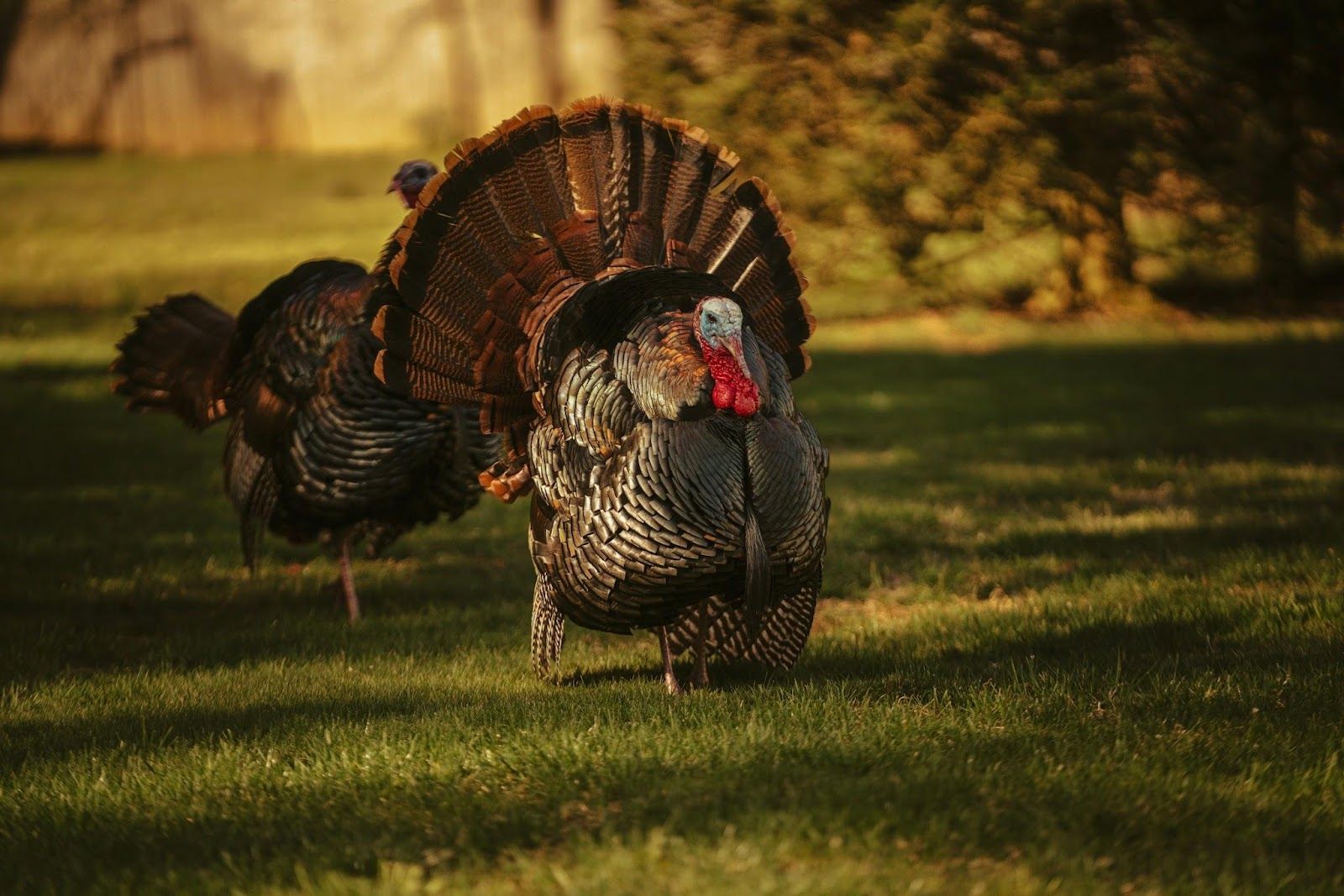
The Pilgrims’ "First Thanksgiving" centered on a big roast turkey, like today

Image: Tyler Donaghy

No, the 1621 harvest meal at Plymouth did not feature the same turkey-centered feast we picture now.

Accounts mention venison and wildfowl, but the menu and ritual context were very different from modern Thanksgiving dinners. The idea of an annualized, turkey-centered national holiday developed much later (19th century onward).

10
Thomas Edison single-handedly invented the light bulb

Image: Tamas Pap

Many believe that Edison alone invented the incandescent light bulb out of whole cloth. But electric light was the product of decades of work by many inventors (from Humphry Davy to Swan and others).

Edison’s contribution was significant improvements and the critical development of a commercially viable, manufacturable system, but he did not "invent" electric light in isolation.

11
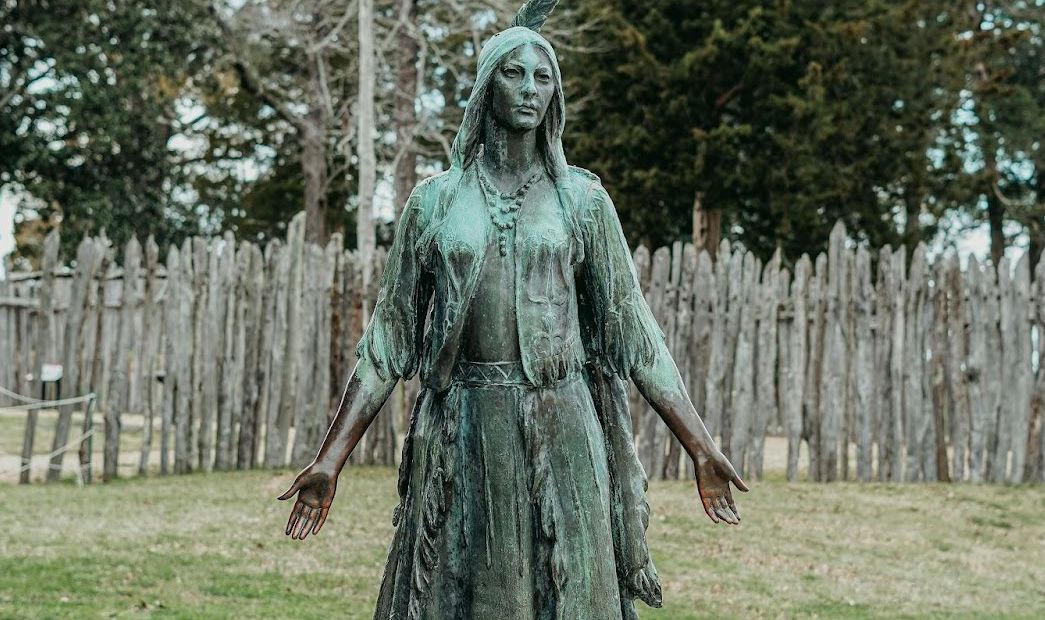
Pocahontas dramatically saved John Smith from execution

Image: EricThriller

The myth holds that Pocahontas heroically rescued Captain John Smith by throwing herself over him at the moment of execution.

Disney may have amplified the romantic and dramatic aspects of this story. John Smith’s account of a dramatic rescue appears in later writings and is debated by historians. Many scholars now interpret the scene as a ritual adoption or a ceremonial act rather than a literal rescue, or they suspect Smith embellished the story.

Explore more American facts

Choose your favorite category!

General
General

As American as apple pie—the very best America has to offer!

Culture
Culture

Delve into the astounding richness of American lore.

Geography
Geography

Hop in and explore vast and diverse American landscapes.

History
History

Discover the key moments that shaped the United States.