General General 4 min read

America's deadliest jobs

The real risks behind the 10 most dangerous jobs in the U.S.
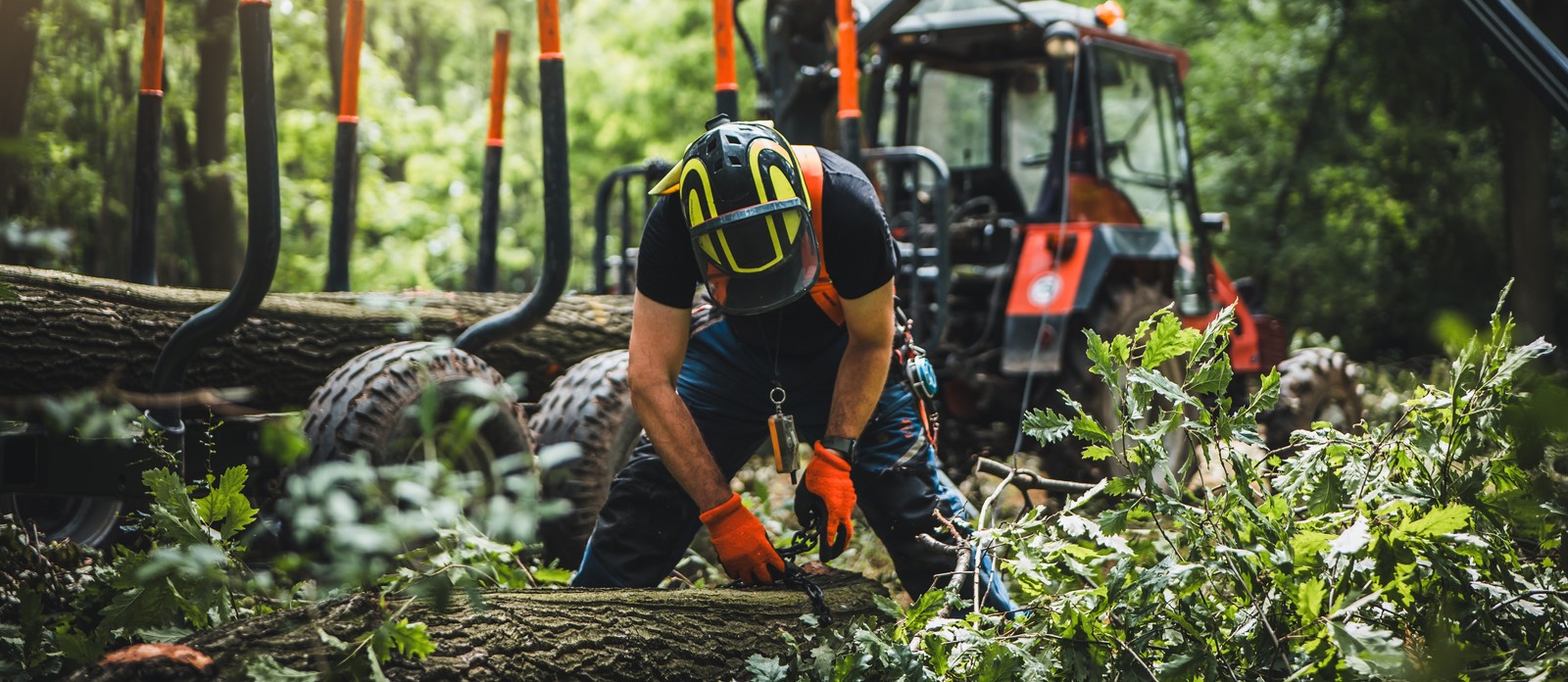
Image: Peter Kniez

Accidents can happen on just about any job, but a paper cut truly doesn't compare to what workers in logging or commercial fishing face every day. These jobs aren't for the faint of heart : chainsaws, hundred-foot trees, freezing seas, and machinery that doesn't care how careful you are. The folks who do this work train hard, build real skill, and summon the kind of bravery most of us never have to at the office. What’s more, they must follow strict safety rules—because one slip really can be their last.

1
Logging workers
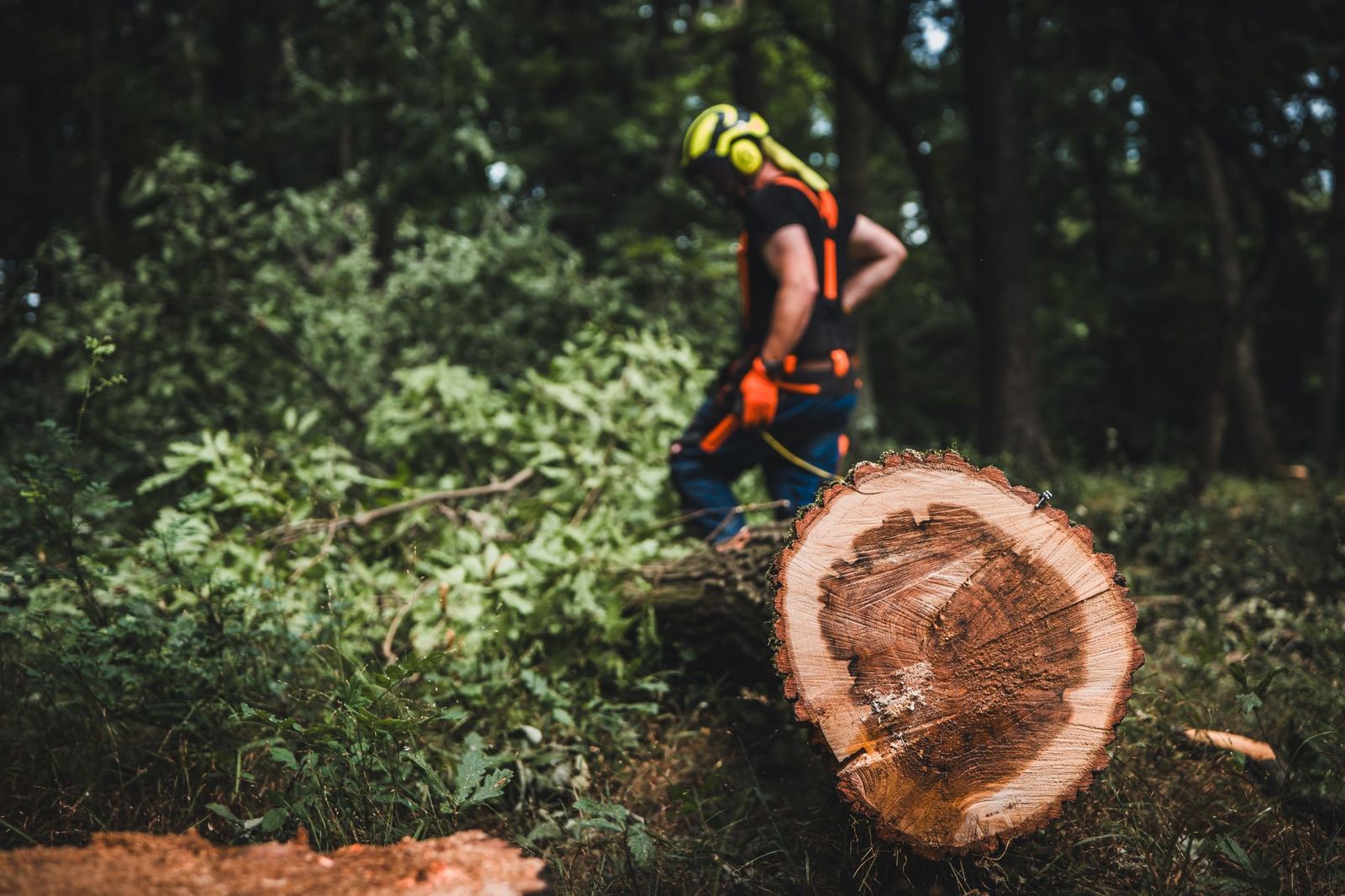
Image: Peter Kniez

Loggers cut down trees for lumber, paper, and everything in between, often deep in remote forests using chainsaws and heavy equipment. It takes real physical stamina, sharp judgment, and constant awareness of your surroundings . A tree can fall the wrong way, equipment can jam, or a loose branch can drop from above.

Picture a veteran logger yelling "timber!" only for the wind to shift at the last second. Makes your worst office mishap look pretty tame by comparison.

2
Fishing and hunting workers
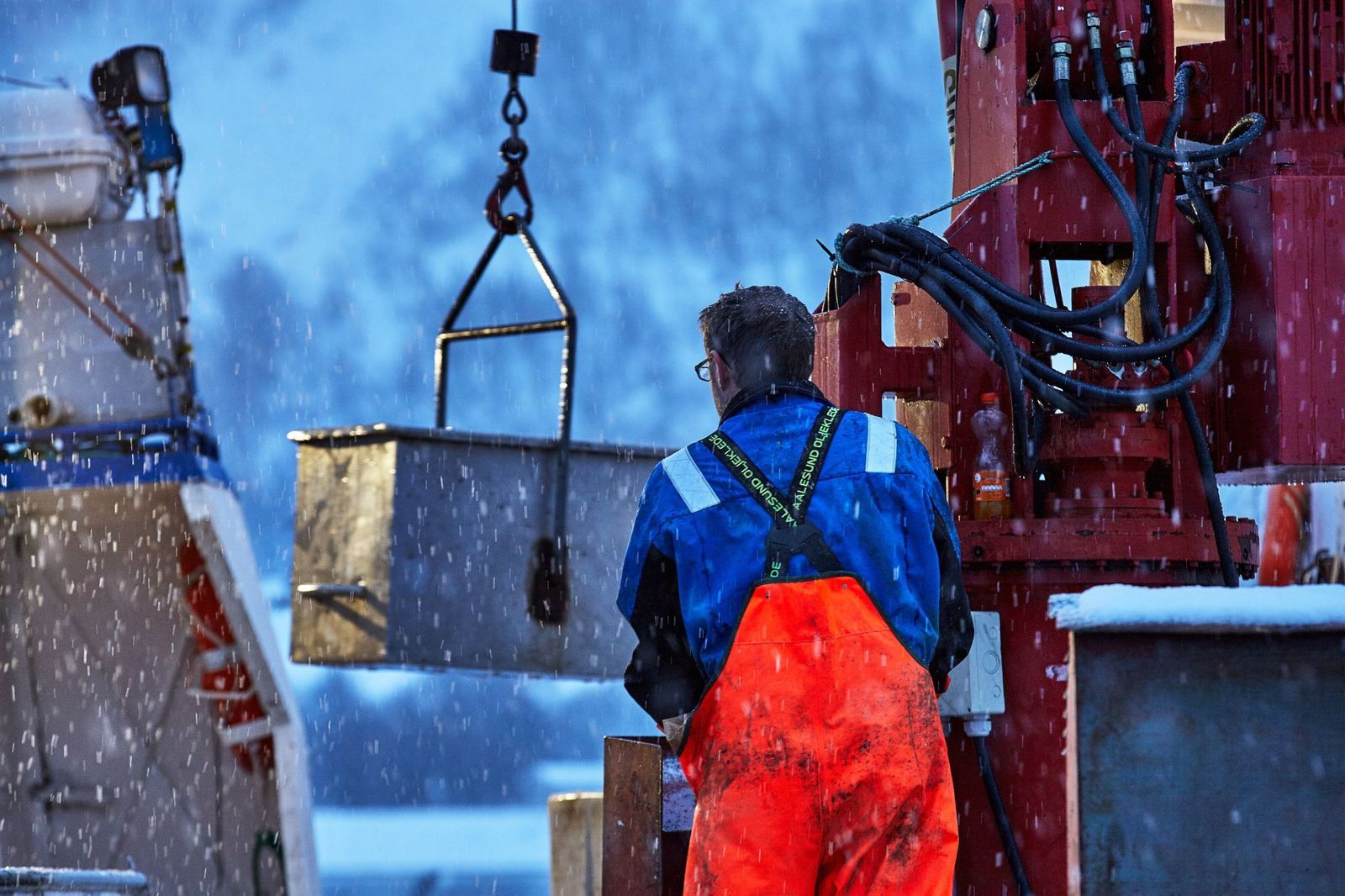
Image: Miroslav Denes

Commercial fishing and hunting crews work far from shore, sometimes for weeks, hauling in their catch through brutal weather. It takes endurance, boat-handling skills, and a tolerance for isolation most of us can't imagine. Storms, rogue waves, and equipment failures can turn routine into catastrophe fast .

Next time you order fish at a restaurant, spare a thought for the crew who braved the open ocean for it.

3
Aircraft pilots and flight engineers
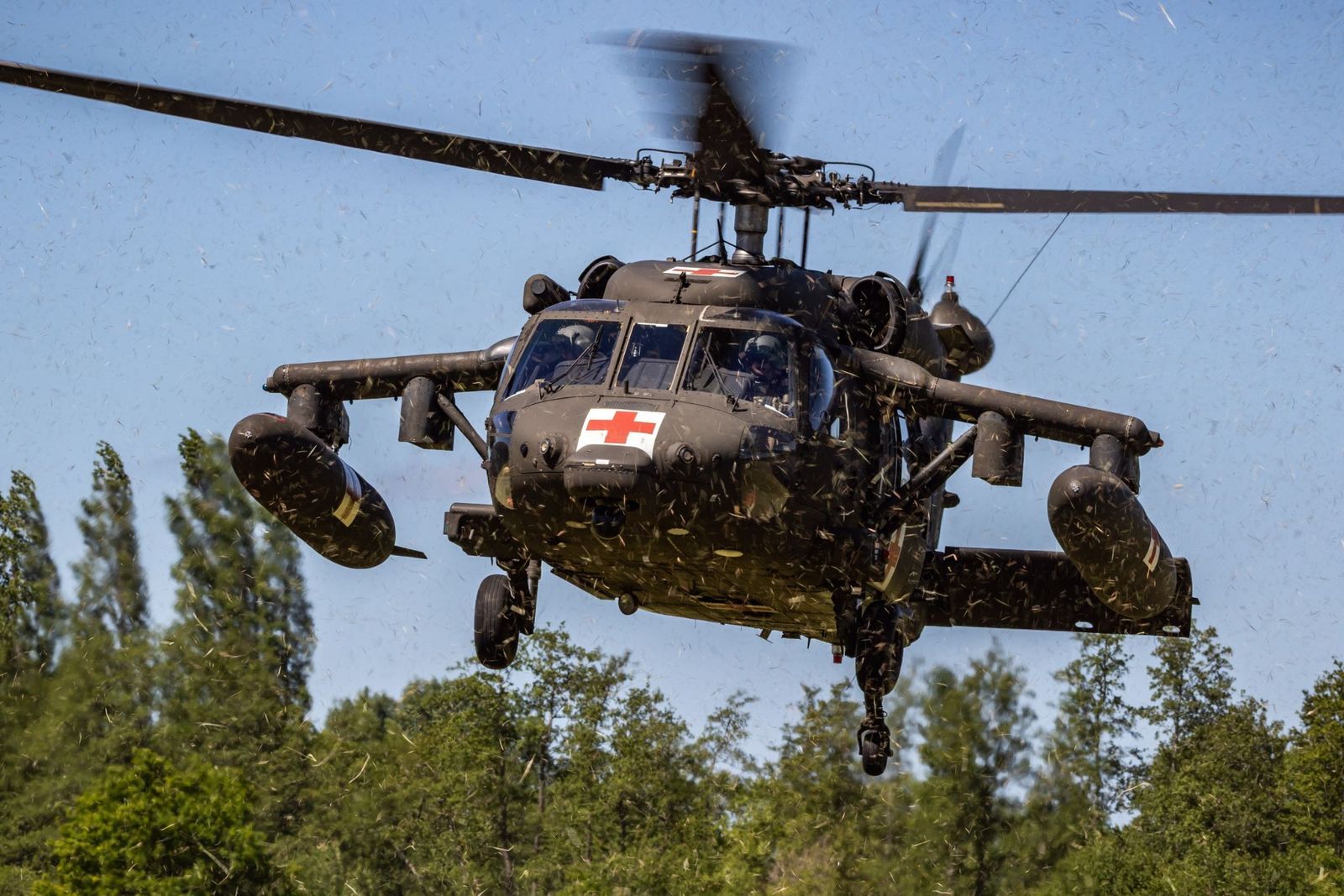
Image: VanderWolf Images

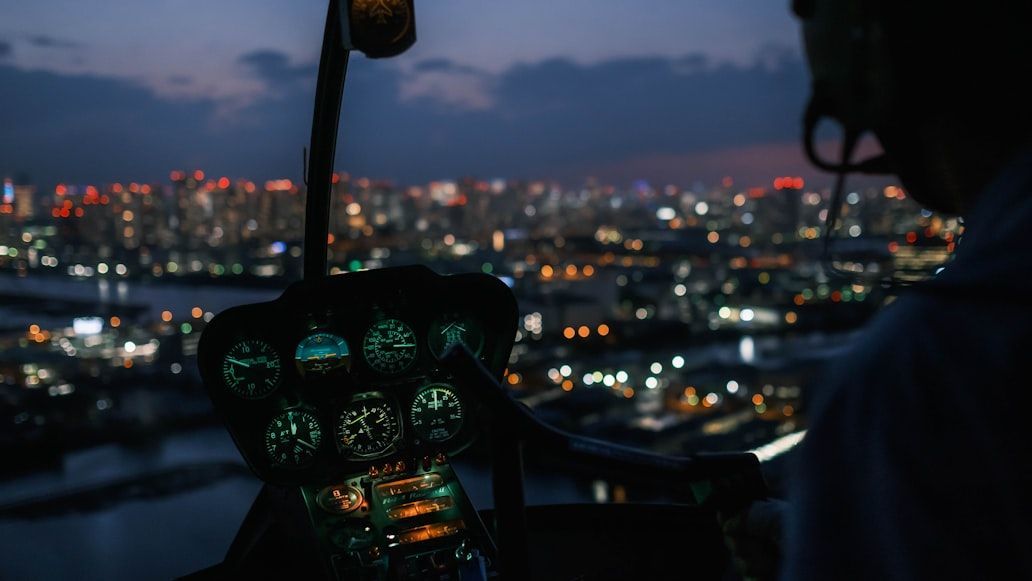
These pilots fly small planes and helicopters for cargo runs, aerial surveys, medevac flights, or crop-dusting: jobs far removed from a typical airline cockpit . It demands precision flying, split-second decisions, and calm under pressure . Mechanical failure, sudden weather, or a rough landing strip can spell disaster.

4
Roofers

Image: Juraj Kral

Roofers install and repair the roofs over our heads, balancing on slanted, sometimes slick surfaces in blazing heat or biting cold. The job demands balance, full-body strength, and total focus: one careless step is all it takes . Falls remain the biggest danger, especially without a proper harness.

Picture a roofer shingling a two-story house on a windy afternoon, steadying himself as a gust hits. Next time you gripe about cleaning gutters, remember someone does this all day, 30 feet up.

5
Refuse and recyclable material collectors
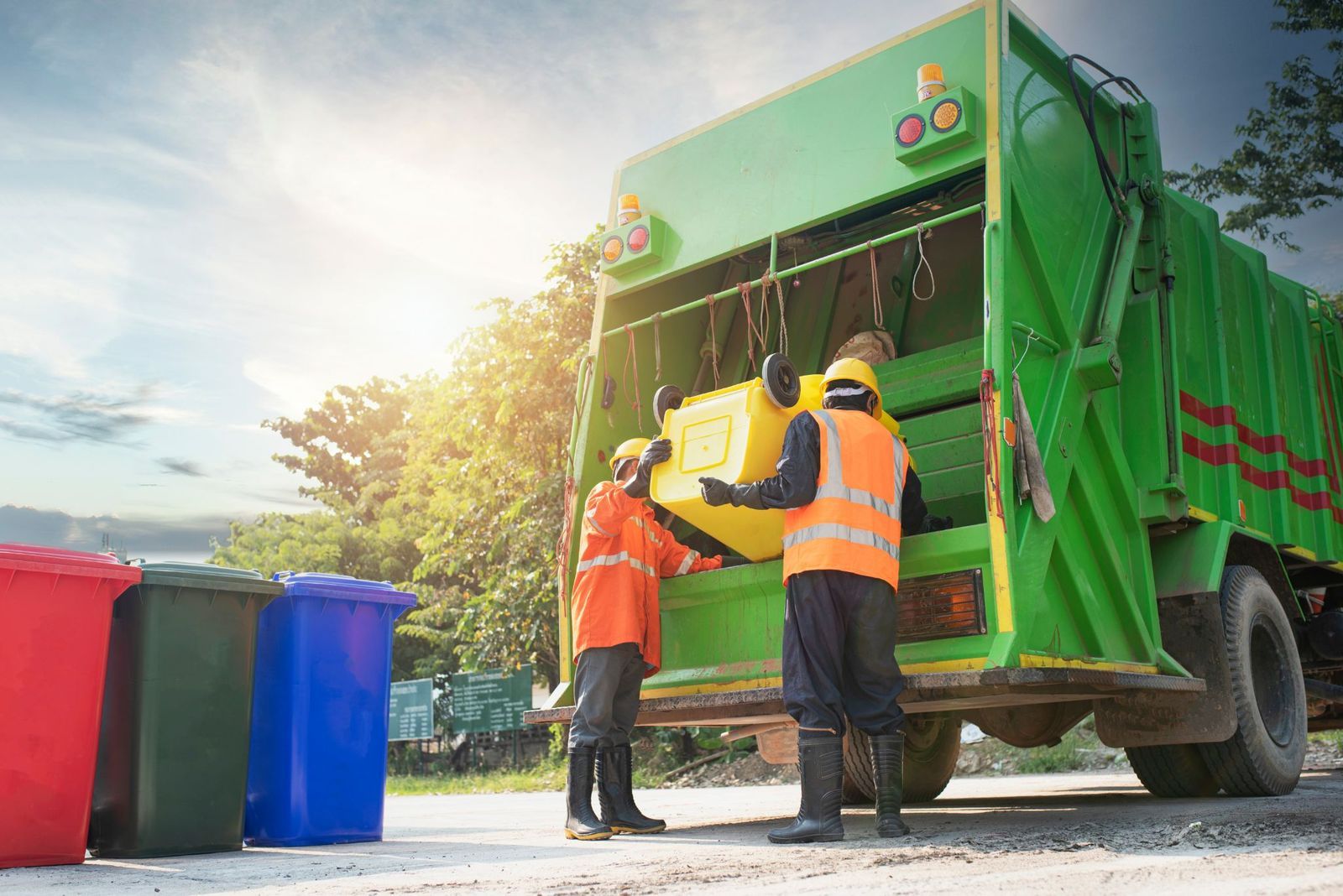
Image: Somchai_Stock

Garbage and recycling collectors keep neighborhoods running, riding trucks and lifting bins before most of us are even awake. It takes strength, stamina, and constant vigilance around fast-moving traffic and heavy machinery . Accidents often happen when a distracted driver doesn't see them, or a limb gets caught in equipment.

It's a job we rarely think about… until the week the bins don't get emptied.

6
Structural iron and steel workers
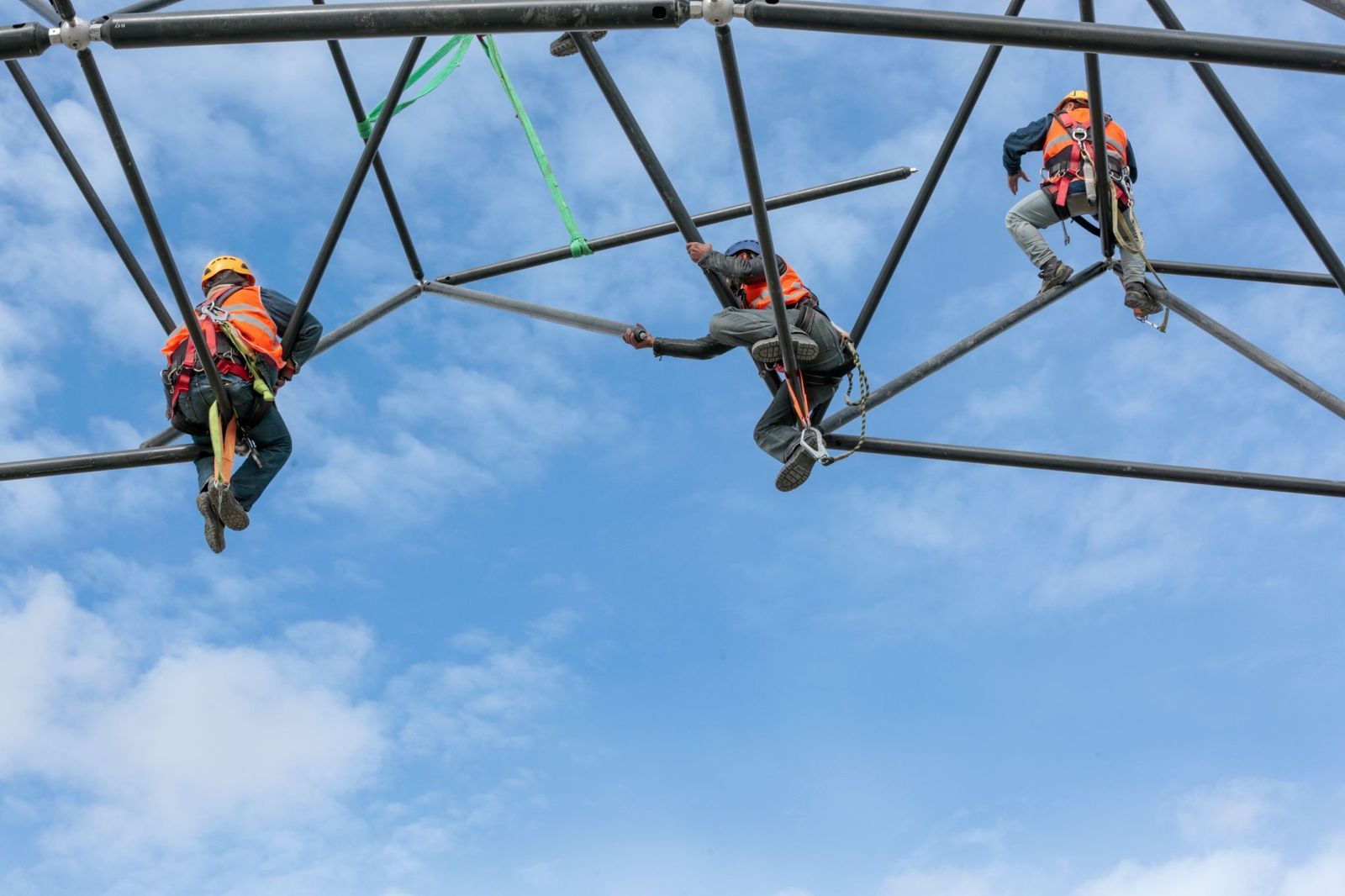
Image: Bulent camci

Ironworkers assemble the steel skeletons of skyscrapers and bridges, walking beams hundreds of feet up with only a harness for company. The job demands "nerves of steel" plus balance and precise coordination. A missed clip, a gust of wind, or a dropped tool can be fatal .

7
Truck drivers
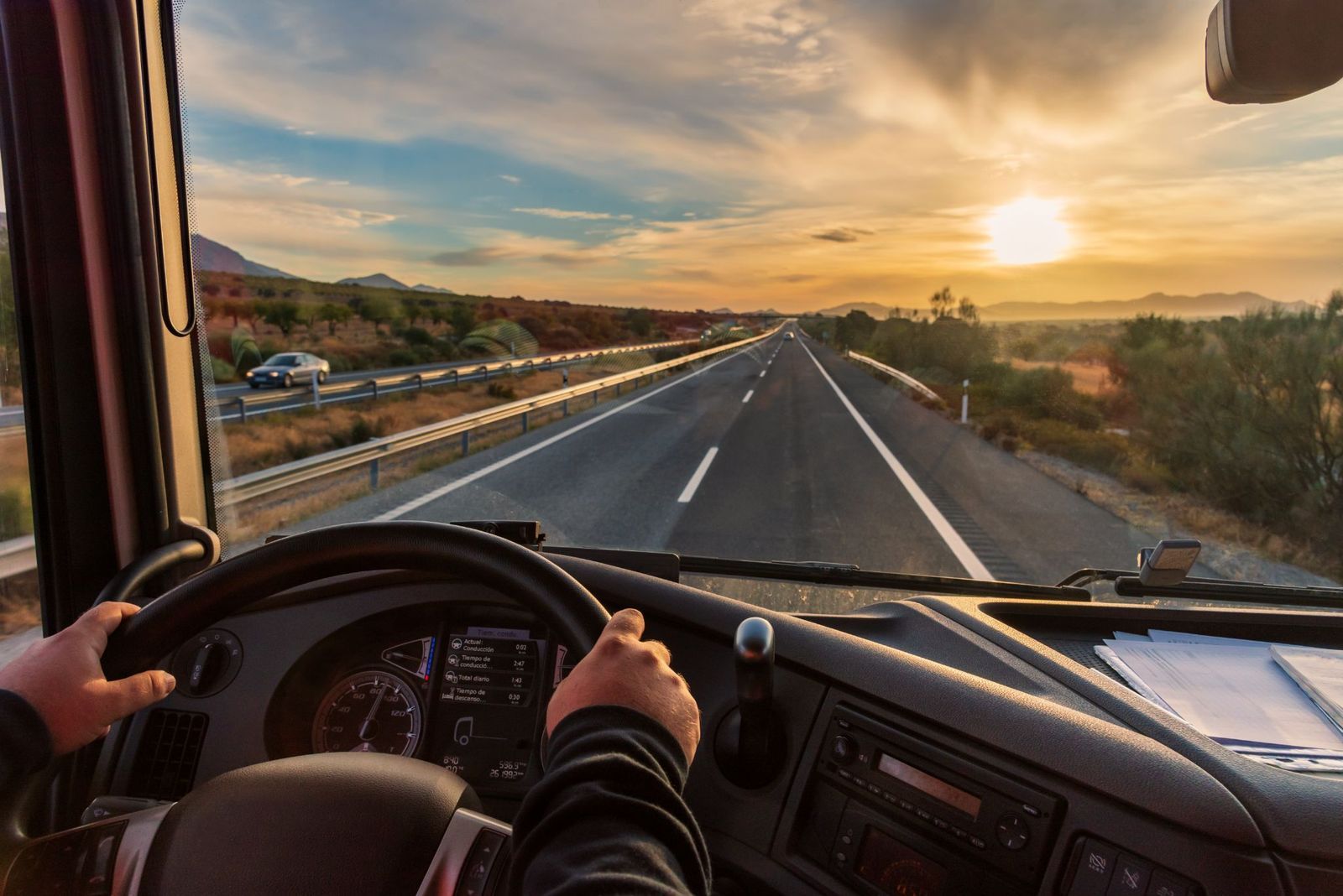
Image: Miguel Perfectti

Truck drivers haul goods across the country, spending long hours behind the wheel through every kind of weather and traffic. The job demands discipline, endurance, and staying sharp on empty highways at 2 a.m. Fatigue, distracted drivers, and rough road conditions cause countless accidents .

Imagine a trucker fighting drowsiness on a dark interstate, energy drink in hand, still hours from the next rest stop. It's worth remembering: nearly everything in your house got there because someone pushed through exhaustion to deliver it.

8
Farmers, ranchers, and agricultural managers
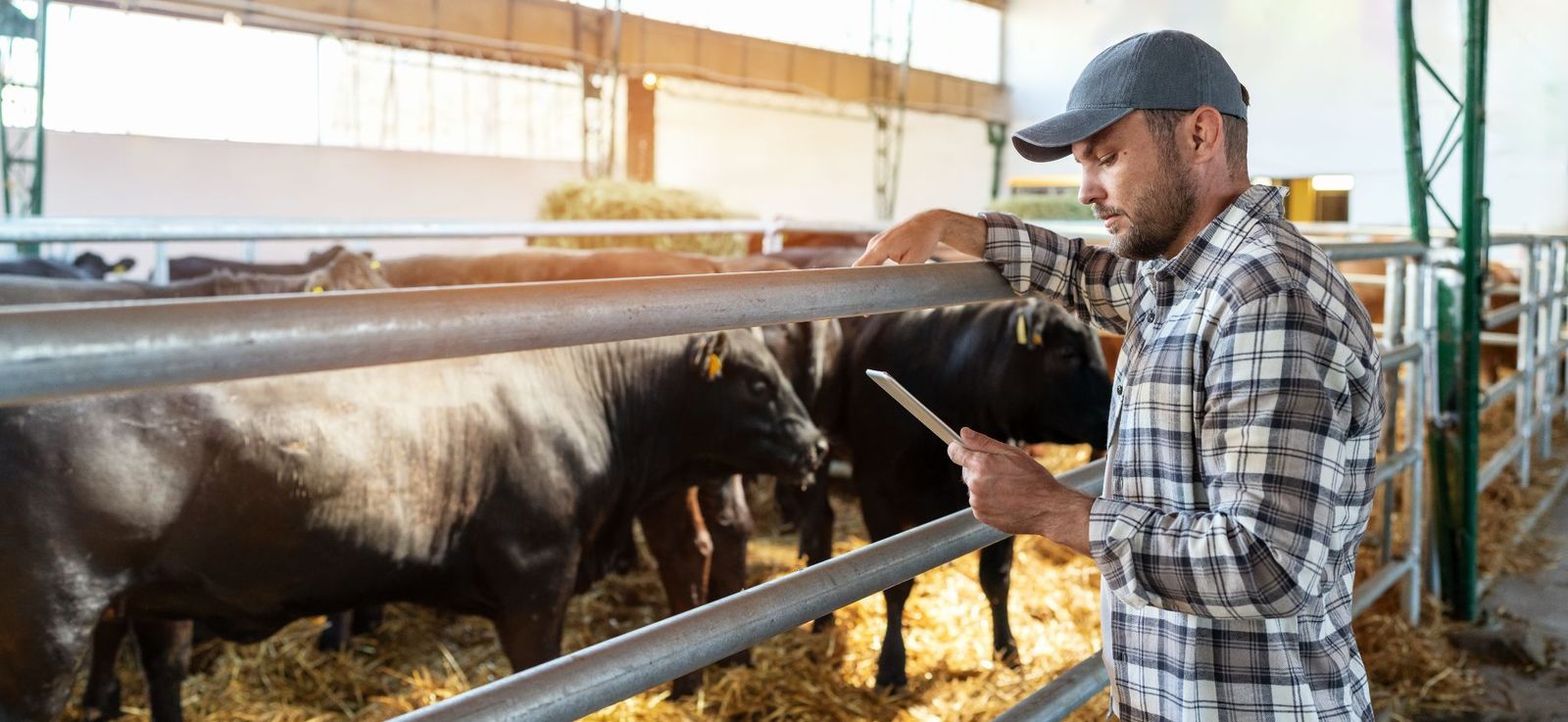
Image: Barillo Images

Farmers and ranchers manage crops, livestock, and heavy machinery, often working alone across vast land from dawn to dusk. The work demands mechanical know-how, physical toughness, and quick thinking around unpredictable animals and equipmen t. Not to mention, tractor rollovers and machinery entanglements are constant threats.

9
Power line workers
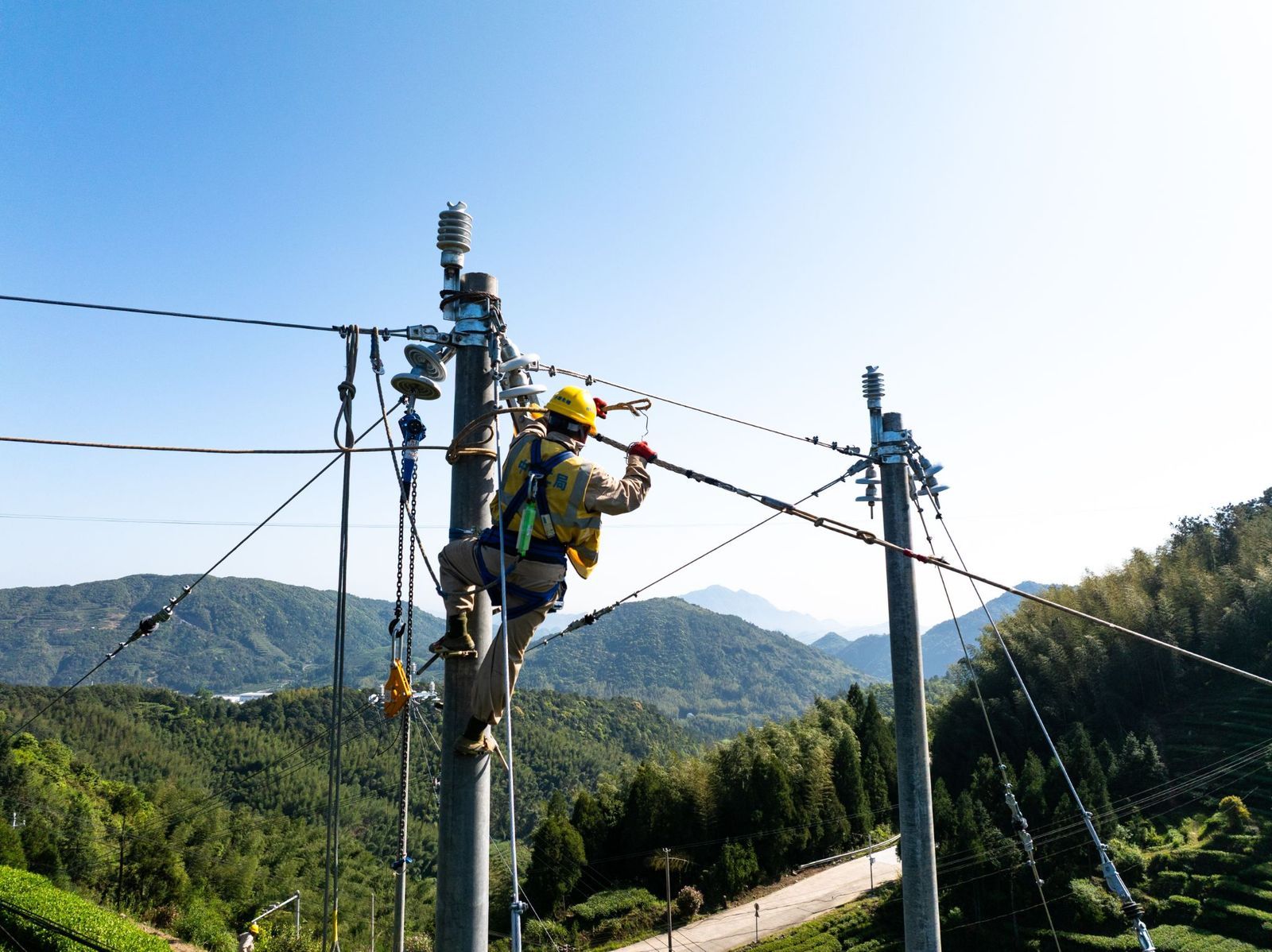
Image: zhu difeng

Power line workers climb utility poles and towers to install and repair electrical lines, often in storms when outages need fixing fastest. The job requires technical training, physical fitness, and total respect for high-voltage electricity . One wrong move near a live wire can be lethal, and falls add another layer of danger.

Imagine a lineman restoring power mid-hurricane, rain pouring, wires sparking nearby. Next time your power comes back after an outage, remember someone braved the storm to make that happen.

10
First-line supervisors of construction workers
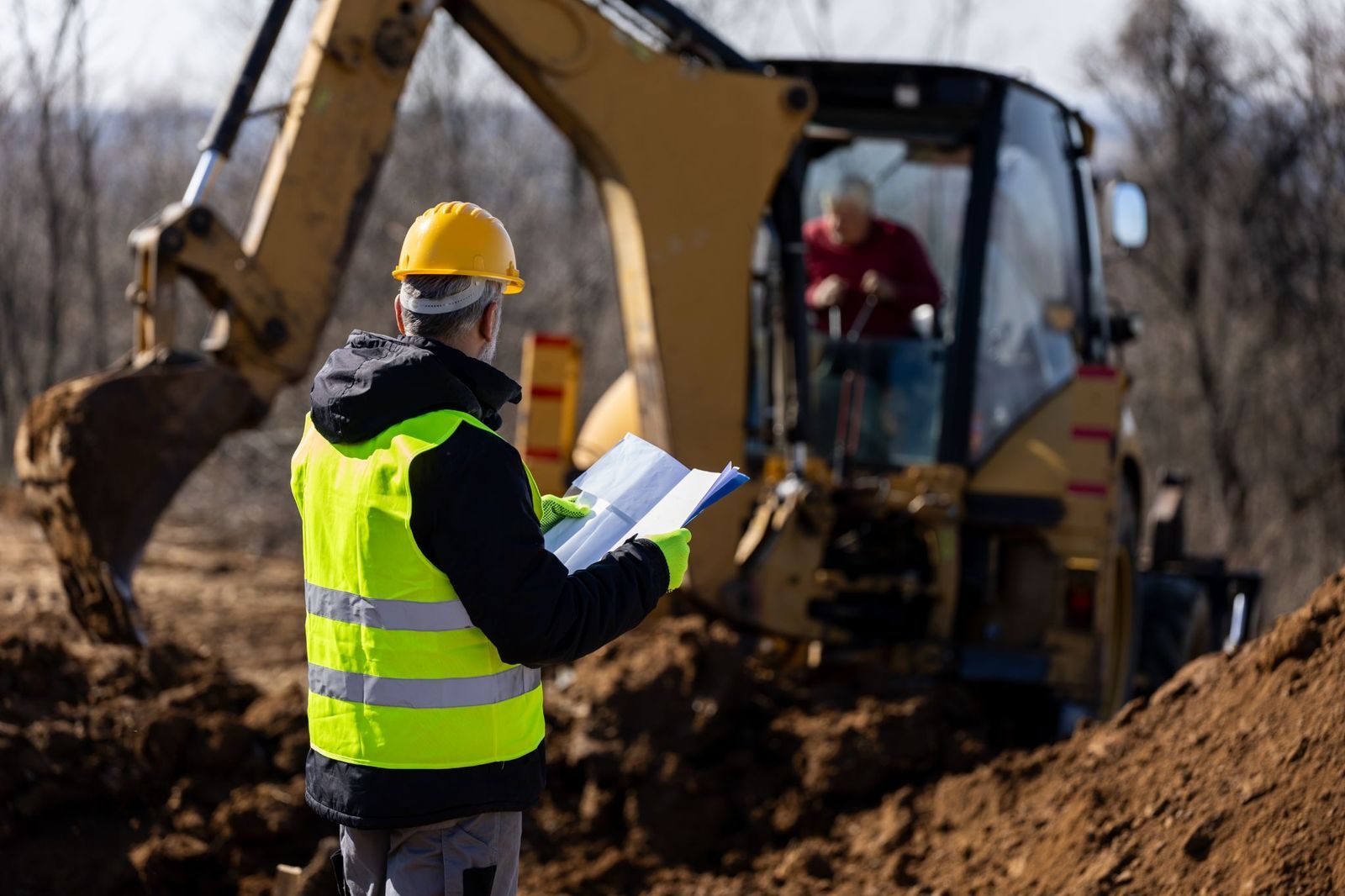
Image: zoff

These supervisors oversee construction crews, coordinating schedules, safety protocols, and hands-on work across the whole site. The role demands leadership, sharp attention to detail, and a willingness to step into the same hazards as their crew. Falling debris, heavy equipment, and structural collapses put them at risk daily .
General General 4 min read

Unexplained & unforgettable

Wait, they saw what? 10 UFO sightings that will make you question reality

Image: Bruce Warrington

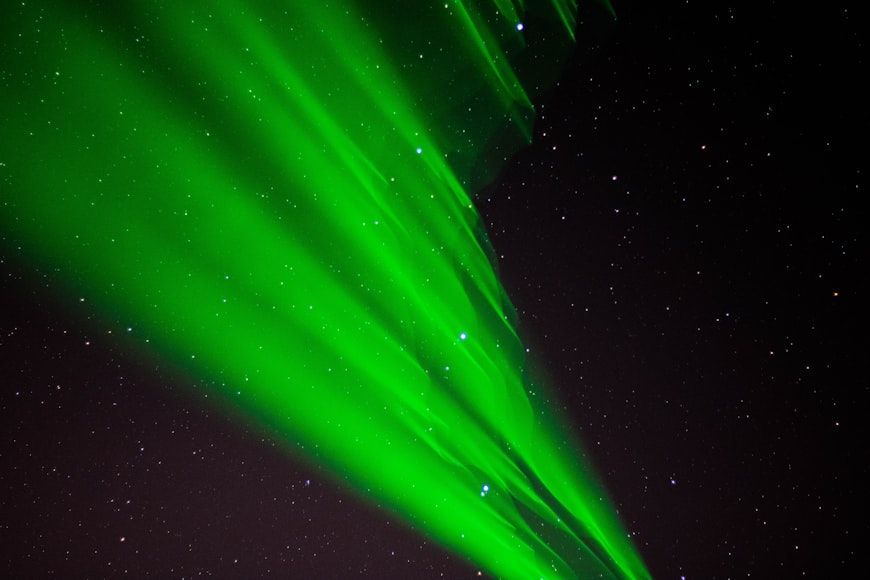
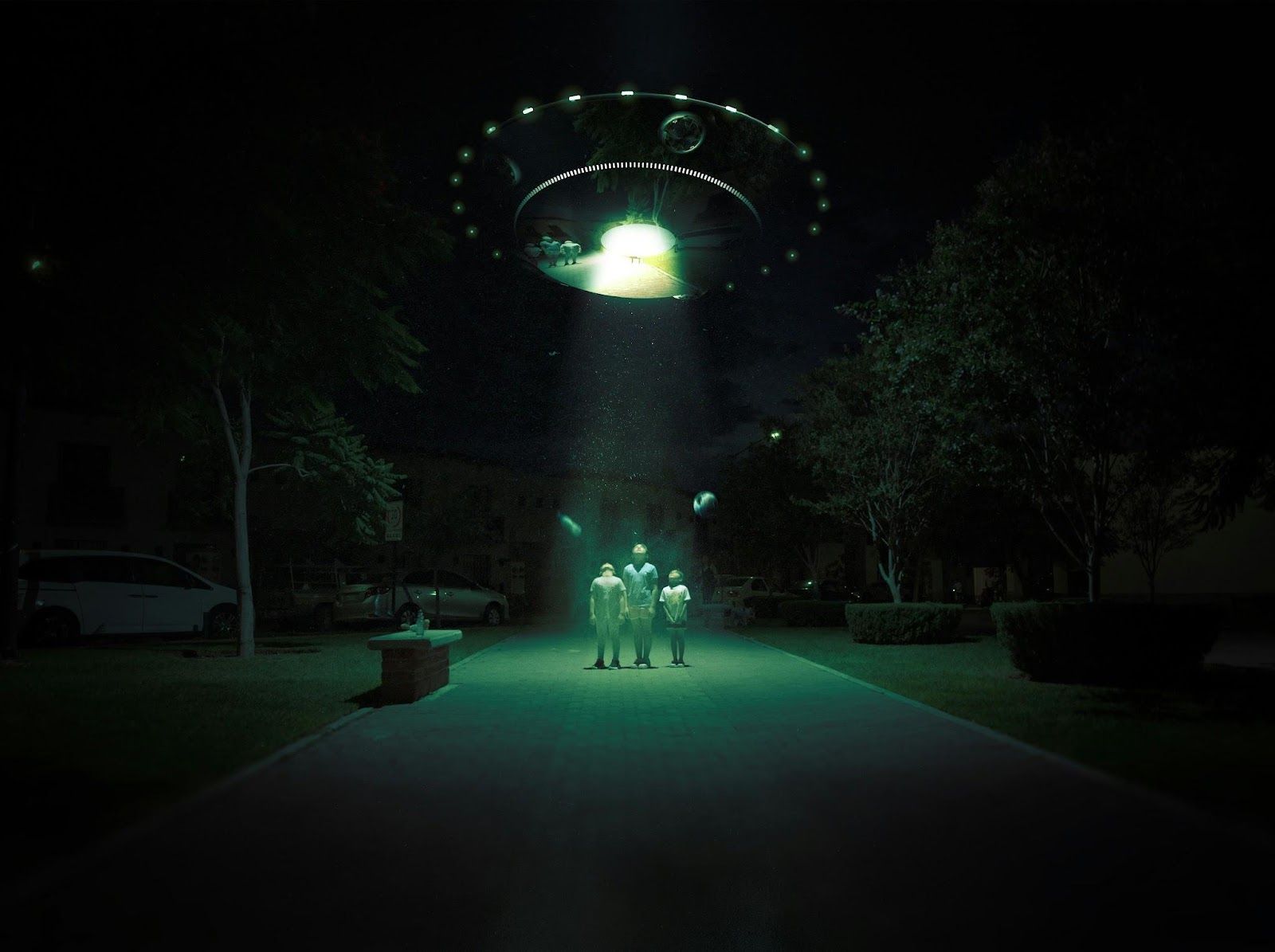
Since the dawn of time, humans have stared at the heavens in search of answers, and the question of life on other planets has always been with us. But sometimes what we see defies explanation. From strange-shaped objects crossing the sky to tales of encounters with extraterrestrials, today we’re remembering 10 shocking UFO stories.

1
Roswell Incident (New Mexico, 1947)

Image: Albert Antony

It was July 1947 when something extraordinary happened near Roswell, New Mexico: a mysterious, large object crashed on a ranch outside the town. It wasn't an airplane, it wasn't a helicopter, it didn't resemble any known aircraft at the time. Interestingly, the military first described it as a "flying disc," only to later retract the statement and claim it was just a weather balloon. This shift caused endless theories and made Roswell perhaps the most famous UFO story of all time.

2
Kenneth Arnold Sighting (Washington, 1947)

Image: Parastoo Maleki

No one knows the skies better than pilots, and in June 1947, one of them, Kenneth Arnold, saw something that would change the way we think about extraterrestrial life. According to his report, Arnold spotted nine bright objects moving near Mount Rainier, Washington. He described their flight as being like "a saucer skipping across water." That phrase would go on to coin the term "flying saucer," marking what many consider the beginning of the modern UFO era.

3
Washington, DC, Flap (1952)

Image: Ben Collins

Do you think UFO sightings only happen in rural or remote areas? Between July 12 and 29, 1952, something unexplainable occurred over Washington, DC. People in the US capital reported seeing mysterious objects moving randomly in the sky. But that wasn't all; pilots and even radar stations reported the same. While the US Air Force suggested that temperature might have affected radar performance, the sightings were never fully and clearly explained.

4
Kelly-Hopkinsville Encounter (Kentucky, 1955)

Image: Danie Franco

On August 21, 1955, two families in rural Kelly, Kentucky, experienced something straight out of their wildest nightmares. In the evening, a bright, fleeting light appeared in the sky. According to their reports to the police, the light was followed by the arrival of small creatures with large eyes and long arms, described as "little green men," who allegedly approached their homes and peered through the windows. Terrified, the families shot at them for nearly four hours, until the "little green men" finally seemed to disappear. When police arrived the next day, the houses were empty. According to neighbors, both families had packed up and left, saying the creatures had returned around 3 a.m.

5
Kecksburg UFO Incident (Pennsylvania, 1965)

Image: Lamna The Shark

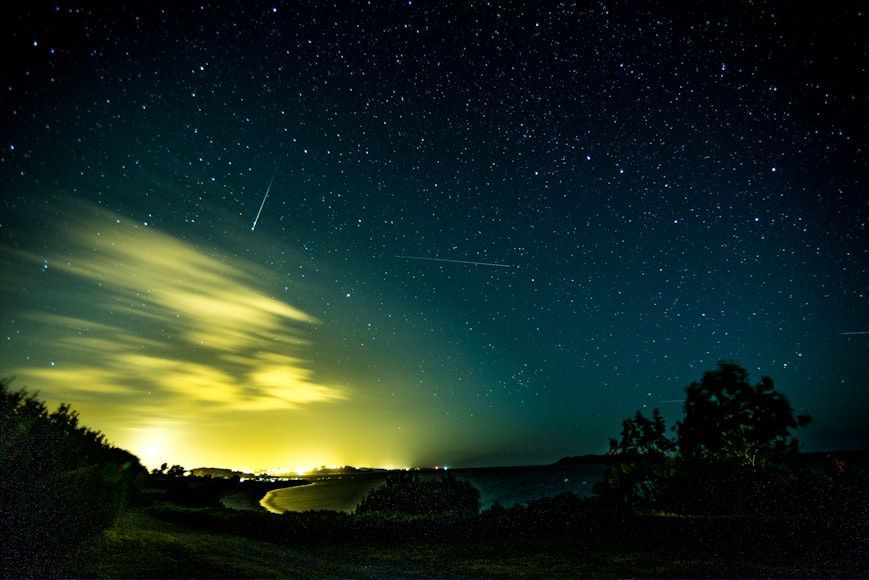
We all know what to do when we see a shooting star: make a wish! But that was far from the reaction in Kecksburg, Pennsylvania, where on December 9, 1965, residents watched what looked like a massive fireball streak across the night sky before crashing into a forest on the town’s outskirts. Some people rushed to the site and claimed they saw a large metallic object shaped like an acorn. The military arrived soon after and launched an investigation that suggested it may have been a meteor or space debris. But the doubters were not convinced, and the event sparked a wave of theories and speculation that continues to this day.

6
Coyne Helicopter Incident (Ohio, 1973)

Image: James Pere

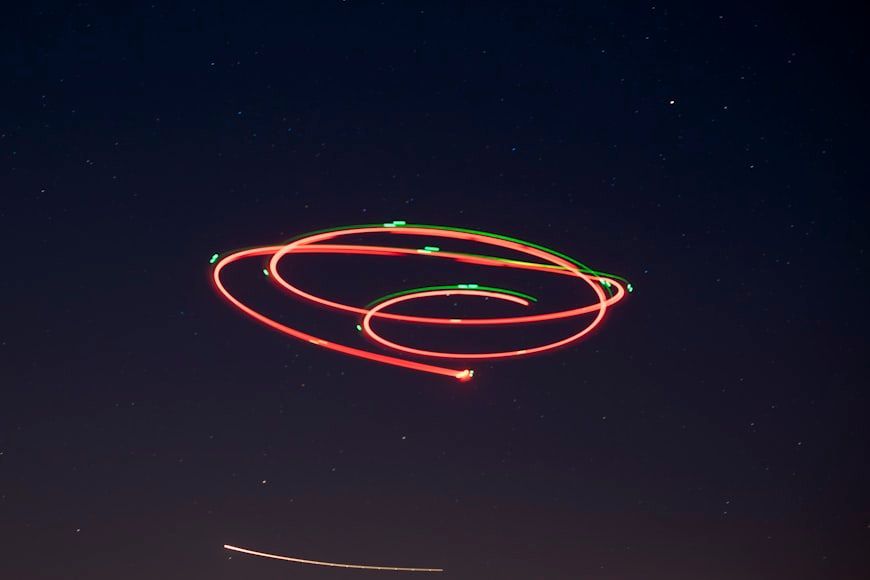
On October 18, 1973, near Mansfield, Ohio, something occurred that would challenge even the most stubborn skeptics. Captain Lawrence Coyne was piloting a US Army Reserve helicopter when it was allegedly intercepted by a large, cigar-shaped craft flying erratically at high speed and emitting green and red lights. During the encounter, the helicopter suddenly ascended beyond Coyne’s control. People on the ground witnessed the event and later confirmed parts of the pilot’s account. To this day, the incident remains unexplained.

7
Cash–Landrum Incident (Texas, 1980)

Image: Anton Kapralov

The ’80s were a wild decade, and that even included alleged encounters with alien spacecraft! In December 1980, three people reported a terrifying experience while driving through Texas: they were suddenly forced to stop when a huge craft hovered over the highway. According to their account, the metallic object emitted bright lights and intense heat. Later, all three developed physical symptoms, including burns, nausea, vomiting, and hair loss. Medical reports suggested these effects were consistent with prolonged radiation exposure, although it could not be proven that the incident itself caused the symptoms.

8
Hudson Valley UFO Wave (New York, 1982-1986)

Image: Clay Banks

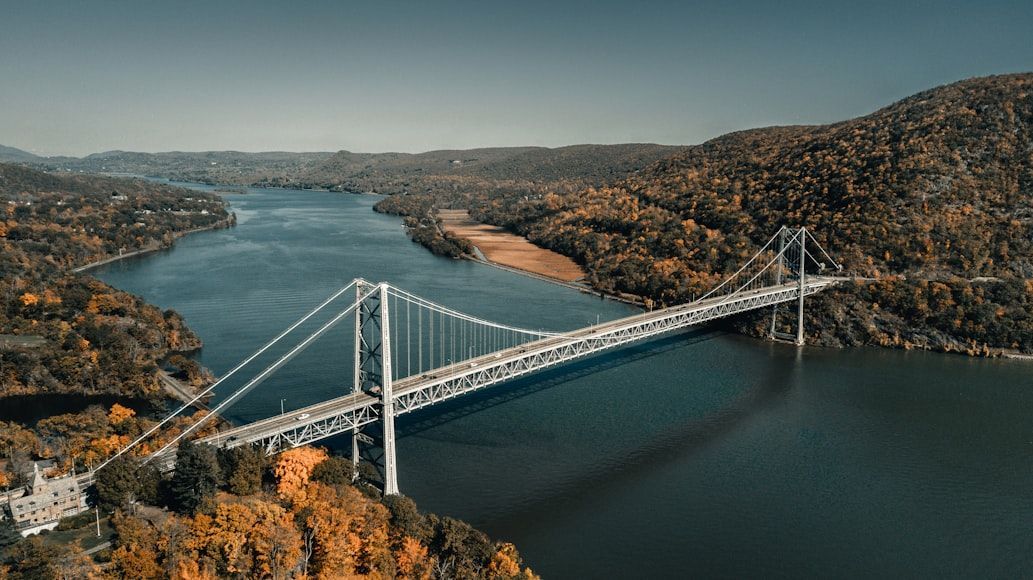
An isolated UFO sighting involving just a few people is one thing. But it’s quite another when, for years, hundreds of people report sightings in the same place with similar characteristics. We’re talking about New York’s Hudson Valley, where for several years (1982–1986), residents, police officers, and even pilots reported UFO sightings. Many described the same thing: a large craft with a V-shaped row of lights that moved strangely and flew very low, sometimes even approaching houses. While some skeptics claimed they were planes flying in formation, witnesses didn’t fully accept this explanation.

9
Phoenix Lights (Arizona, 1997)

Image: Jaizer Capangpangan

If one person’s sighting seems hard to believe, maybe the testimony of thousands will convince you. In March 1997, one of the most famous UFO events witnessed by large groups occurred. Thousands of people reported seeing the same phenomenon in the skies over Arizona, Nevada, and Mexico: a formation of lights moving silently and strangely across the night sky. Even Fife Symington, the then-governor of Arizona, later claimed he had seen the lights himself.

10
O'Hare Airport Sighting (Illinois, 2006)

Image: David Syphers

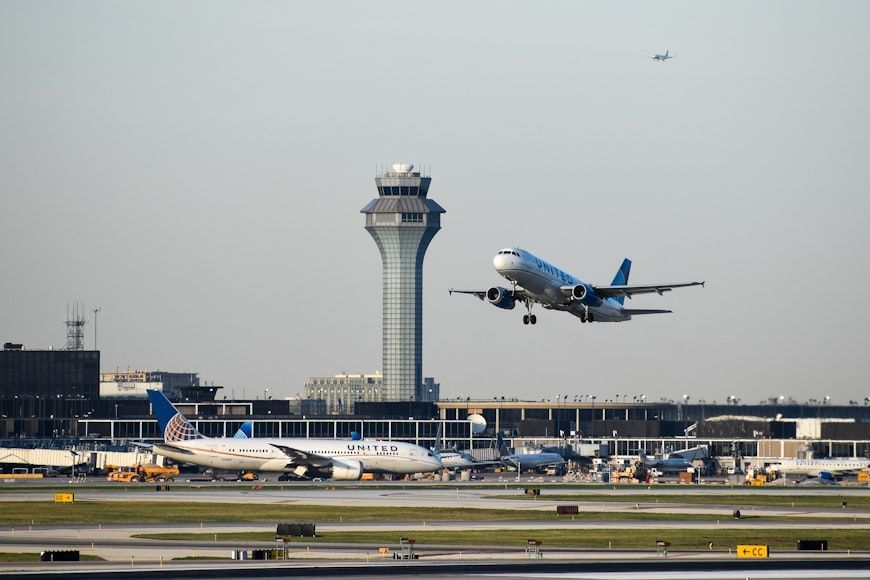
If your skepticism has lasted this long, the next story might make you rethink everything. In November 2006, a large group of pilots, mechanics, and airline staff spotted a metallic, disc-shaped object hovering above United Airlines Gate C17 at O’Hare International Airport just outside Chicago. Witnesses say the object punched a circular hole in the clouds before shooting off. The FAA (Federal Aviation Administration) initially called it a "meteorological phenomenon," but later-released ATC audio reveals tower and ground staff discussing the object in total confusion.

General General 7 min read

Made in the US

Inventing America: Discover the roots of these 10 national classics

Image: Tara Winstead

Ever wonder how everyday favorites like the Frisbee, Gatorade, or even the Zamboni came to be? Behind each one is a quirky story of chance, innovation, and a bit of luck, like most of the best inventions! From playground toys to sports essentials, these simple creations have become cultural icons. Let’s take a look at the surprising origins of these classic inventions and the clever minds that brought them to life. You might be amazed by how much history is hidden in the things we love!

1
The frisbee

Image: Robin Jonathan Deutsch

The best things are often created by accident, and you never know when that accident will strike. For example, did you know the Frisbee was born from a humble cake pan?

In 1938, Fred Morrison and his girlfriend were tossing a pan around on a beach in Connecticut when a passerby offered to buy it. That moment sparked an idea that stayed with Morrison through his service in World War II, where he learned about aerodynamics and began to dream of creating the perfect flying disk. After several failed attempts, he finally hit on a design in the 1950s, calling it the "Pluto-Platter."

Enter Wham-O, a company known for quirky toys like the Hula-Hoop. They bought the rights in 1957, gave it the now-iconic name "Frisbee" (inspired by Yale students tossing pie tins from the Frisbie Pie Company), and refined the design. The Frisbee took off—quite literally—spinning its way into parks, beaches, and backyards across America.

2
The slinky

Image: Adam Valstar

The slinky was also the result of accidental creativity in 1943 when Richard James, a naval engineer, knocked a spring off a shelf and noticed it "walked" in a curious way. Intrigued, he refined the design, and with his wife Betty’s help, they turned it into a toy sensation. Although the name was purely her idea!

In 1945, a demo at Gimbels Department Store sold 400 units in 90 minutes, and the Slinky quickly became a household name.

Without going into too much detail, Richard later took a wrong turn, and it was Betty who stepped in as CEO, saving the company from financial ruin. She even commissioned the iconic Slinky jingle! Under her leadership, the Slinky sold 300 million units before she finally sold the company in 1998. Talk about female power, huh?

3
The Ferris wheel

Image: Steve Shreve

Did you know the Ferris wheel was named after a person? That person was George Ferris who, in 1893, introduced the Ferris wheel at the Chicago Columbian Exposition.

Ferris, a young engineer, proposed the idea of a massive steel wheel that would rival the Eiffel Tower both in size and symbolism. He certainly set quite the challenge for himself!

Though initially rejected, Ferris funded his own research to prove the design’s safety, and his persistence paid off. The Ferris wheel became the star attraction—naturally since it stood 250 feet tall and offered visitors a thrilling 20-minute ride for fifty cents.

Sadly, Ferris’s success was short-lived. After the fair, he faced legal battles and financial ruin, and so the original wheel had one last appearance at the St. Louis World's Fair in 1904 before being destroyed.

4
Gatorade

Image: Jacob Rice

Sports legends become such because they strive to get better. And because they had a good coach who had their back. An example of a coach who went above and beyond was that of Florida’s football team.

In 1965, the Florida Gators’ football coach asked a group of professors if there was a way to help players reload fluids lost during games. Led by Dr. Robert Cade, the team created a mix of water, sodium, sugar, and lemon juice, later called "Gatorade," you can imagine why.

Of course, the first few versions tasted awful, but after some adjustments, the drink became more palatable. The Gators credited their improved performance, including their 1967 Orange Bowl win, to this new beverage.

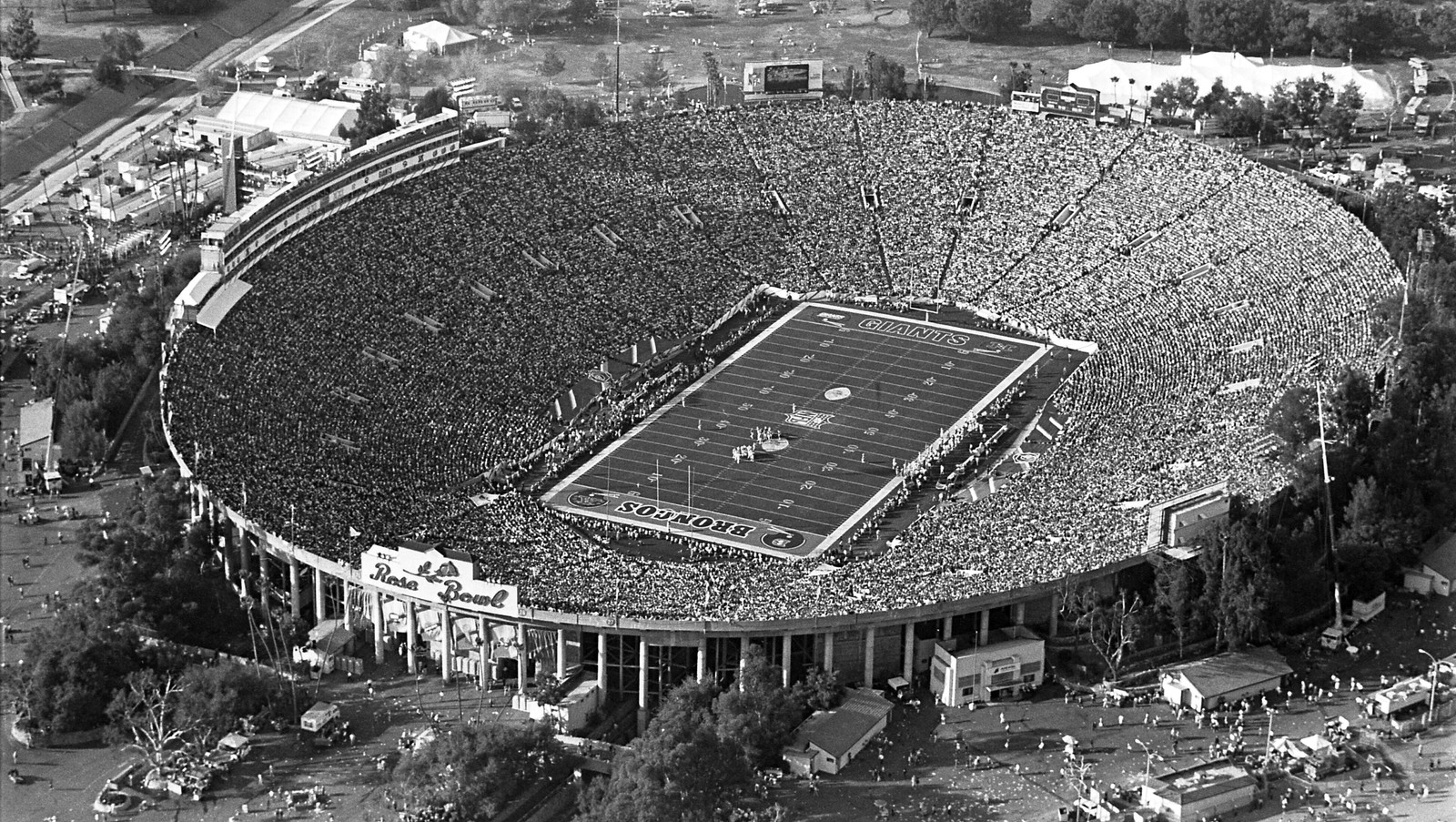
No gatekeeping on the teams’ side, word spread, and by 1970, Gatorade was under the national spotlight when the Kansas City Chiefs used it in their Super Bowl victory.

5
The super ball

Image: Shubham Dhage

Some toys became popular after being discovered to be useless for anything else! That was the case with the Super Ball.

In 1964, chemist Norman Stingley invented a unique synthetic rubber but couldn't find an industrial use for it. However, he quickly found a solution: he turned to Wham-O, the toy company behind the Hula-Hoop and they released the Super Ball in 1966. The ball, made from the secret ingredient "Zectron," could bounce to incredible heights.

Aside from the fun, we have something else to thank the Super Ball for—it inspired the name of one of the biggest events in sports today. Lamar Hunt, owner of the Kansas City Chiefs, saw his daughter play with the toy and jokingly suggested to NFL Commissioner Pete Rozelle that the first championship game between the NFL and AFL should be called the "Super Bowl." The rest is history!

6
Fritos

Image: Roberto Carlos Román Don

Few things are as American as snacks, don’t you think? Let’s take a look at how Fritos came to be!

In 1932, Charles E. Doolin, a San Antonio confectioner, was looking for a new product when he bought a fried corn recipe from a man named Gustavo Olguin for $100.

After tweaking the recipe, Doolin created bite-sized corn chips called Fritos, which quickly became a hit. By 1933, Fritos were being mass-produced, and Doolin pioneered new marketing strategies, like direct stocking and placing clip-racks near cash registers—making his product even more accessible. (We all fall for that one, don’t deny it!)

But that’s not all. Doolin’s business success led him to invest in Disneyland, where his "Casa de Fritos" restaurant accidentally gave birth to Doritos.

7
Crossword puzzle

Image: Ross Sneddon

It feels like the crossword puzzle has been around forever, but it wasn’t actually invented until 1913. Arthur Wynne, working for the New York World newspaper, was asked to create a challenging puzzle for the "Fun" section. The concept of fun is indeed a time-sensitive concept!

The inspiration came from a childhood word game: he designed a puzzle with clues instead of words and the first crossword was published on December 21, 1913. Want to hear a fun fact? One of the clues was "What this puzzle is." The answer? "Hard."

And this invention is full of interesting tidbits. For instance, the name "Cross-word" was the result of a typing mistake—but it stuck! And, over a hundred years later, here we are!

8
Alka-Seltzer

Image: Daniel Gregoire

Alka-Seltzer was born in 1928 when Hub Beardsley, president of the Dr. Miles Medical Company, noticed a local newspaper staff staying healthy during a flu epidemic. The editor told him their secret: aspirin with baking soda dissolved in water. Inspired by this, Beardsley asked his chief chemist, Maurice Treneer, to create a remedy based on the idea, leading to a compound of aspirin, bicarbonate of soda, and Vitamin C. When Beardsley tested it on flu sufferers, the results were promising—and Alka-Seltzer was born.

You can imagine what happened next, a strong advertising campaign in the 1930s, turned Alka-Seltzer into the go-to remedy for everything from colds to hangovers. The company rebranded as Miles Laboratories in 1935 and was later acquired by Bayer in 1979. Even today, Alka-Seltzer remains a staple of American medicine cabinets.

9
Zamboni

Image: Aleksi Partanen

One would think that a machine like the Zamboni, which is used to make ice smooth was created in a place like Alaska, right? Or at least a place where snow is present almost all year round. Surprisingly, it wasn’t—the Zamboni was invented in sunny Paramount, California.

Frank Zamboni, a man who came from the ice and refrigeration business, built the machine to save time at his Skateland Skating Rink. Before the Zamboni, resurfacing the ice was a 90-minute task done manually by five workers. Can you imagine how tedious that must have been?

Using parts from an airplane, oil derrick, Jeep, and wooden bin, Zamboni created a machine that could clean and smooth the ice in only a few minutes. Realizing its potential, Zamboni turned his invention into a business, with the first orders coming from Olympic skater Sonja Henie and the Chicago Black Hawks.

10
Baseball scoreboard

Image: Taiki Ishikawa

It goes without saying that baseball is one of Americans’ favorite pastimes. Everything about it is fun; it’s not just the game.

In the late 1800s, English immigrant Harry M. Stevens saw that and made the most of it. After moving to Ohio, Stevens started a business providing food and drinks at baseball games and eventually secured contracts with major league ballparks. While he’s often credited with popularizing the hot dog, his real innovation was the creation of the modern baseball scorecard. Using Henry Chadwick's shorthand scoring system, Stevens designed a simple grid fans could use to track the game. Does the phrase "You can't tell the players without a scorecard" ring any bells?

Stevens’s scorecard caught on, and fans began scoring games themselves. Today, his scorecard system is still in use, and we all love it!

Explore more American facts

Choose your favorite category!

General
General

As American as apple pie—the very best America has to offer!

Culture
Culture

Delve into the astounding richness of American lore.

Geography
Geography

Hop in and explore vast and diverse American landscapes.

History
History

Discover the key moments that shaped the United States.