History History 5 min read

Performances that changed everything

No one knew until her show began! 10 shocking Super Bowl halftime moments
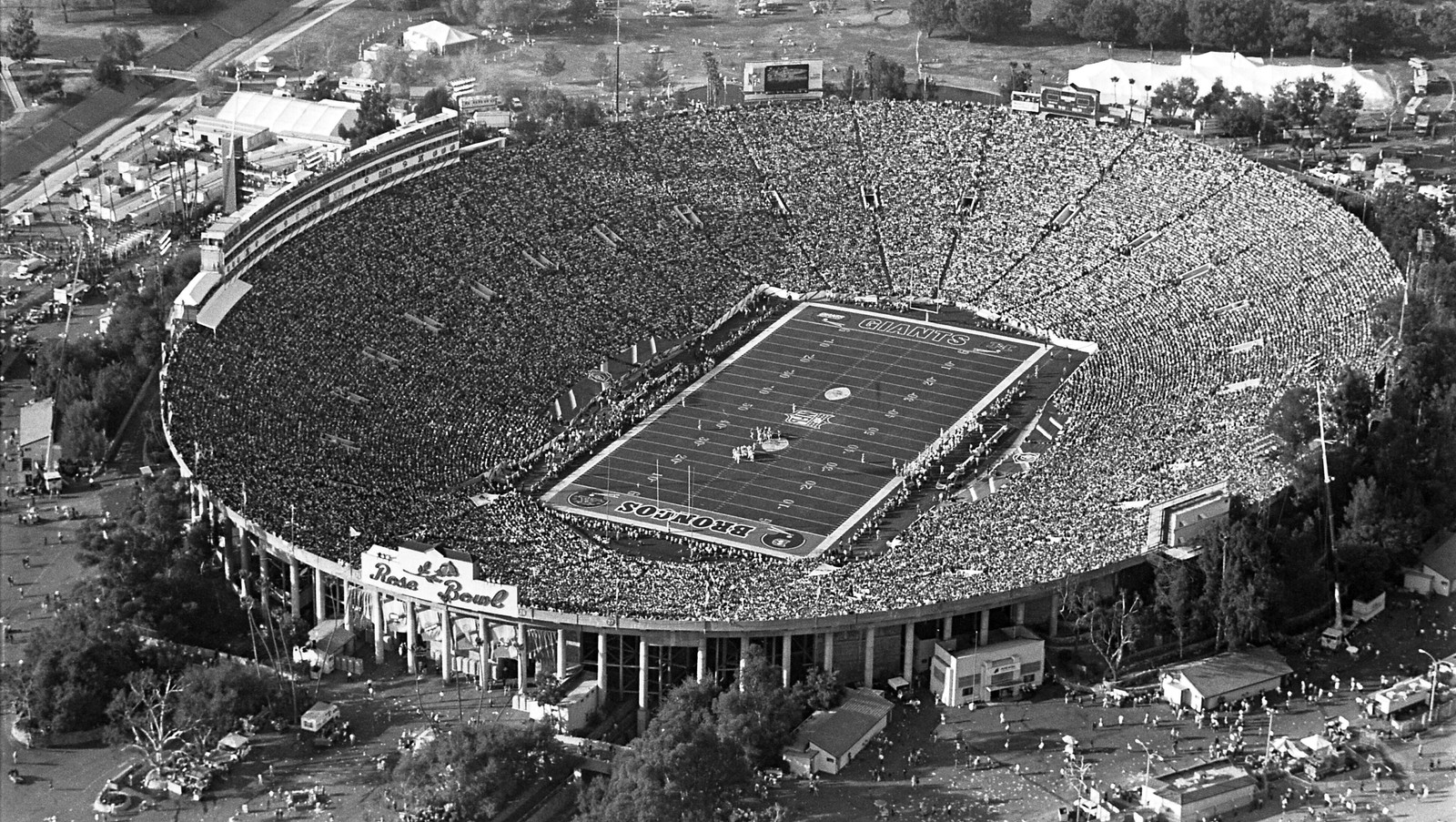
Image: Ellen Jaskol, Los Angeles Times, CC BY 4.0, via Wikimedia Commons

Do you remember Prince singing "Purple Rain" in a real downpour at Super Bowl XLI in 2007? Or Bruce Springsteen telling people to "Put the chicken fingers down" in 2009? What began in 1967 as a marching band show has grown into one of the most-watched events in the entire world. Let’s look back at these 10 halftime performances that totally changed the game.

1
Prince (2007)
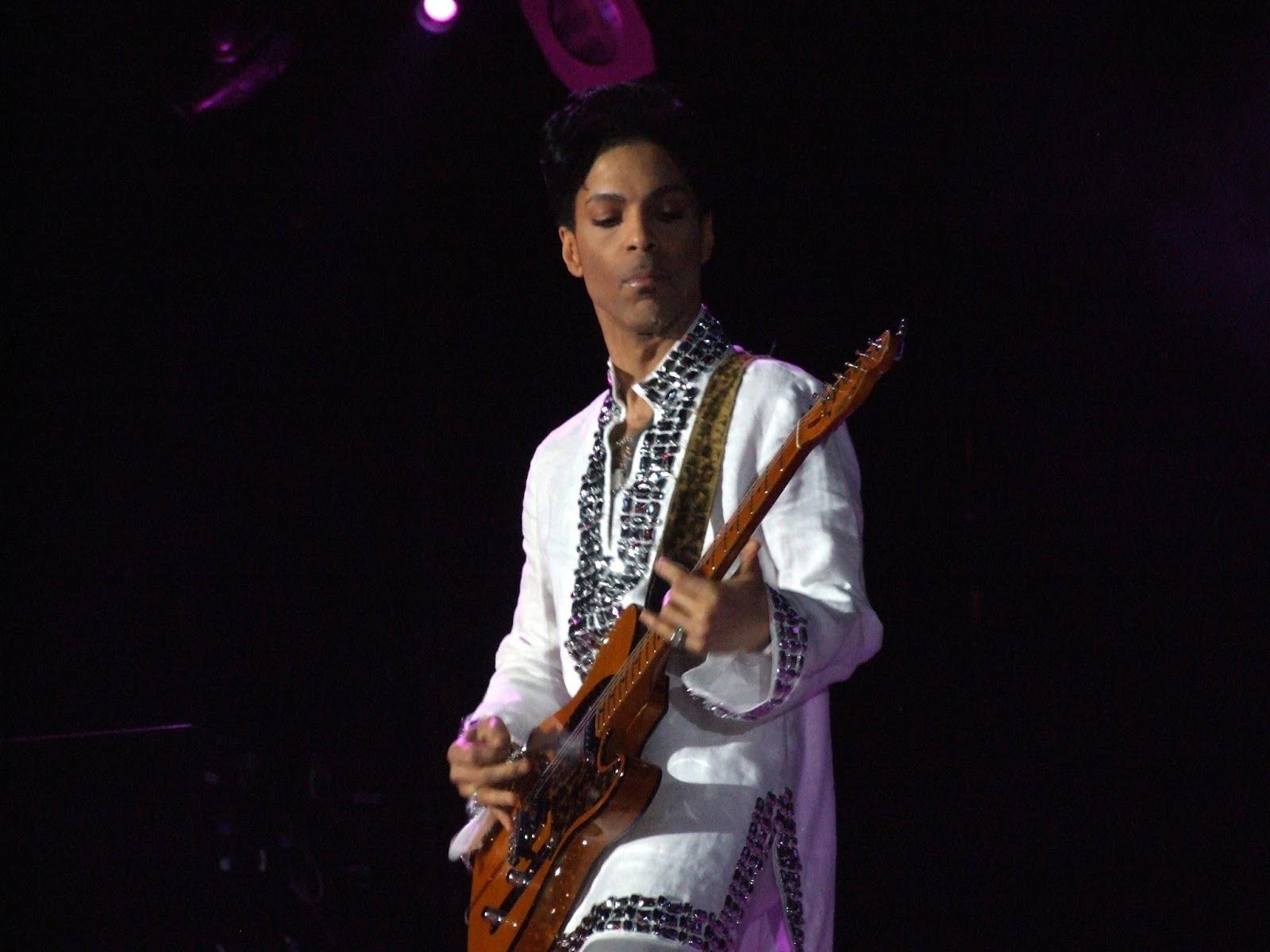
Image: penner, CC BY-SA 3.0, via Wikimedia Commons

Prince delivered a legendary performance at Super Bowl XLI in 2007, often considered the greatest halftime show ever. Without tricks or surprise guests, just his incredible talent and iconic guitar, Prince killed it with songs like "Let’s Go Crazy" and "Baby I’m a Star." But the true gem of the night was "Purple Rain": As heavy rain poured from the sky and purple lights washed over the stage, everyone at the Dolphin Stadium and millions of us watching live at home lived a moment we would never forget.

2
Michael Jackson (1993)
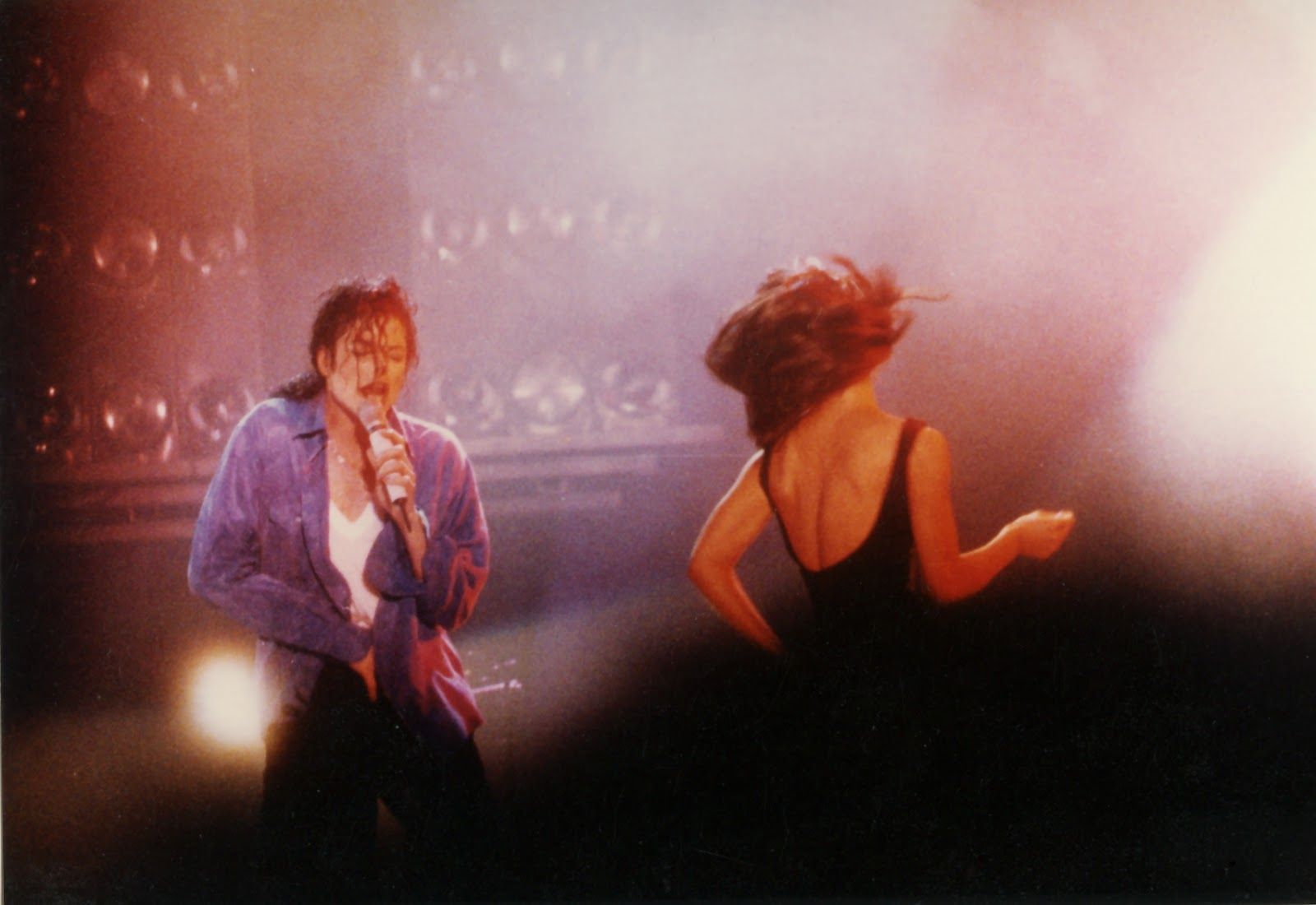
Until 1993, the Super Bowl halftime show looked very, very different. But the marching bands and themed productions came to an end when Michael Jackson took the stage at the Rose Bowl during Super Bowl XXVII. He turned the halftime show into a world-class pop concert. With a dramatic opening, perfectly coordinated choreography, and shocking visuals, Jackson got more viewers than the game itself, something that had never been done before.

3
The Rolling Stones (2006)
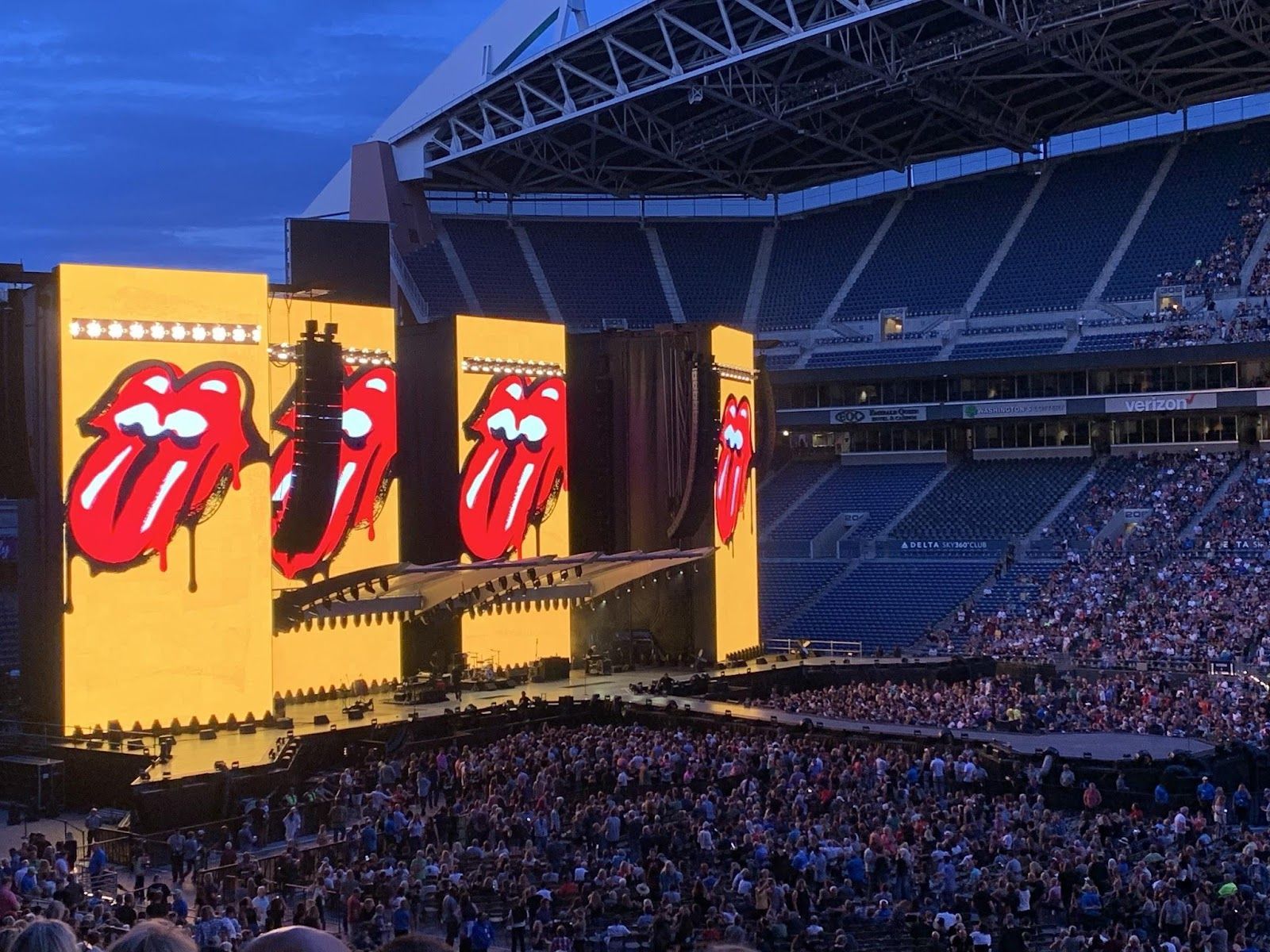
Image: TheSandDoctor, CC BY-SA 4.0, via Wikimedia Commons

There were about 68,200 people at Ford Field in Detroit for Super Bowl XL on February 5, 2006, when the Rolling Stones hit the stage. As Mick Jagger delivered the opening lines of "Start Me Up," the crowd knew they were witnessing something special.

The legendary band didn’t need gimmicks or elaborate effects, just true rock and roll. However, they still gave the show their own special touch: a giant stage shaped like their iconic tongue logo.

4
Paul McCartney (2005)
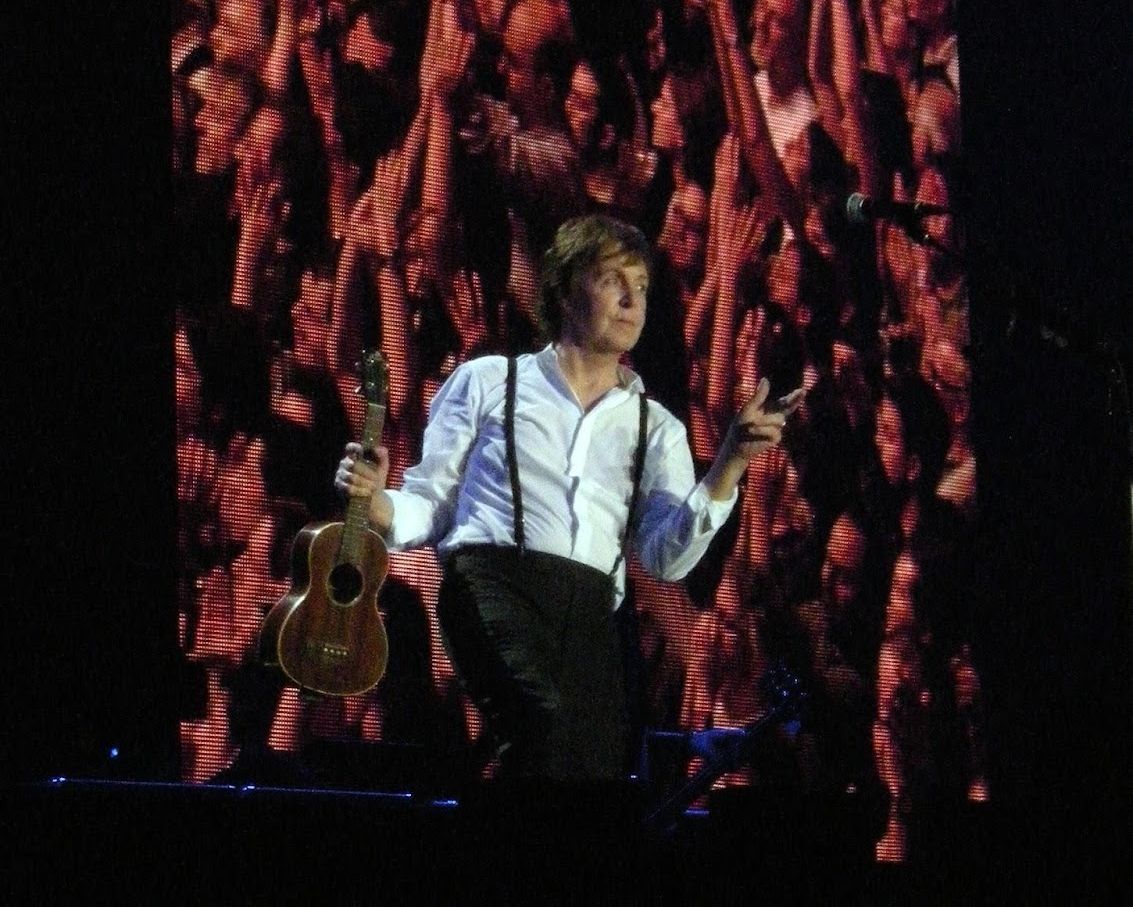
Image: Gorupdebesanez, CC BY-SA 3.0, via Wikimedia Commons

In 2005, the NFL chose one of the world’s most respected musicians to lead the halftime show at Super Bowl XXXIX. Luckily for us, Paul McCartney said yes and took the stage at Alltel Stadium to deliver one of the Super Bowl’s most memorable performances.

Music lovers were euphoric as the former Beatle performed classics like "Drive My Car," "Get Back," and "Live and Let Die." Of course, he saved the best for last and closed his show with more than 80,000 people in the stadium singing along to "Hey Jude."

5
Bruce Springsteen (2009)
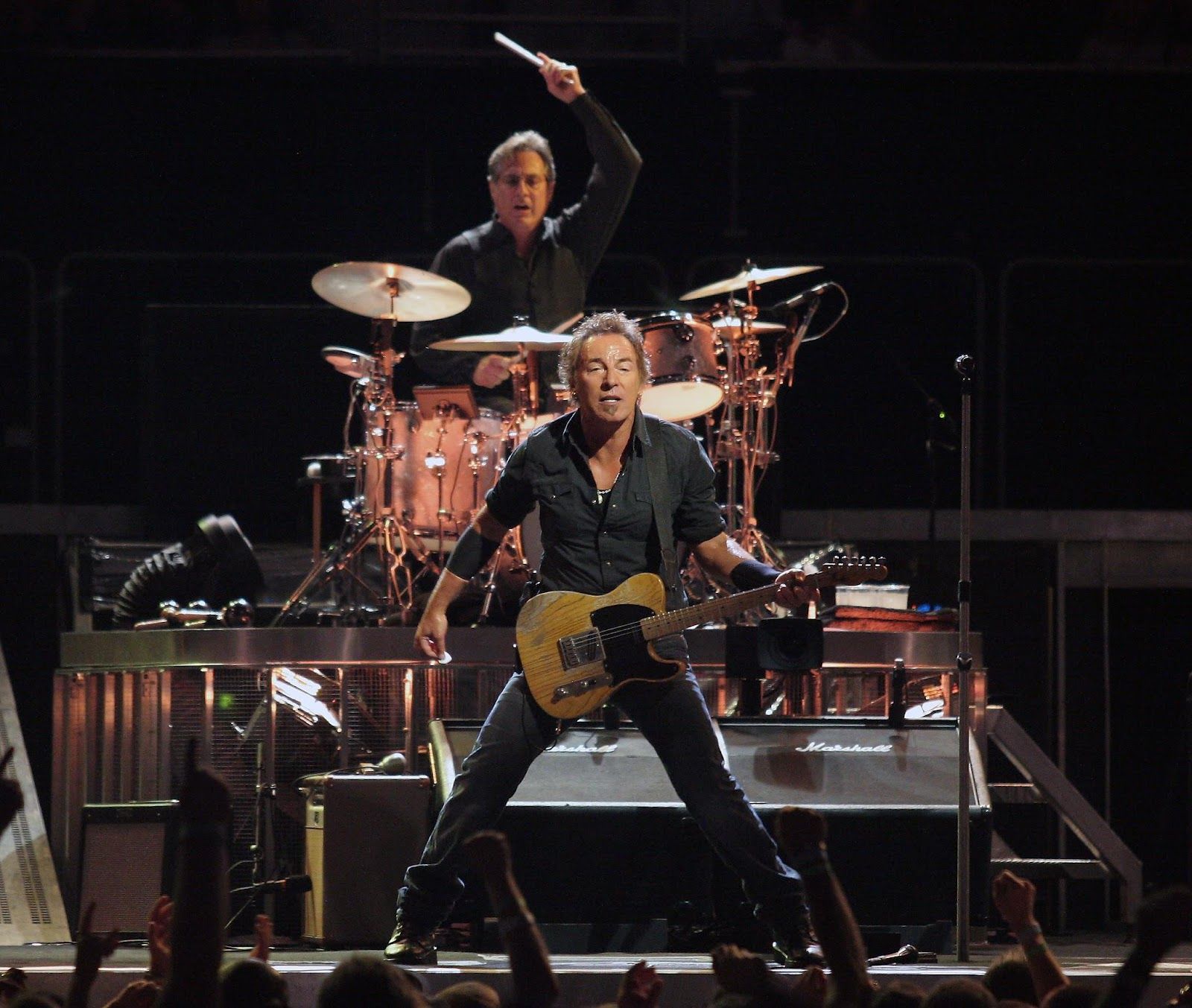
Image: Craig ONeal, CC BY-SA 2.0, via Wikimedia Commons

The energy of real music filled the stage at Raymond James Stadium from the very first second of Bruce Springsteen’s halftime show at Super Bowl XLIII. The E Street Band was already doing its thing when the singer tossed his guitar aside, took the mic, looked straight into the camera, and told America, "Put the chicken fingers down and turn your TV all the way up!", becoming one of the most memorable shows for old-school rock and roll fans.

6
Janet Jackson (2004)
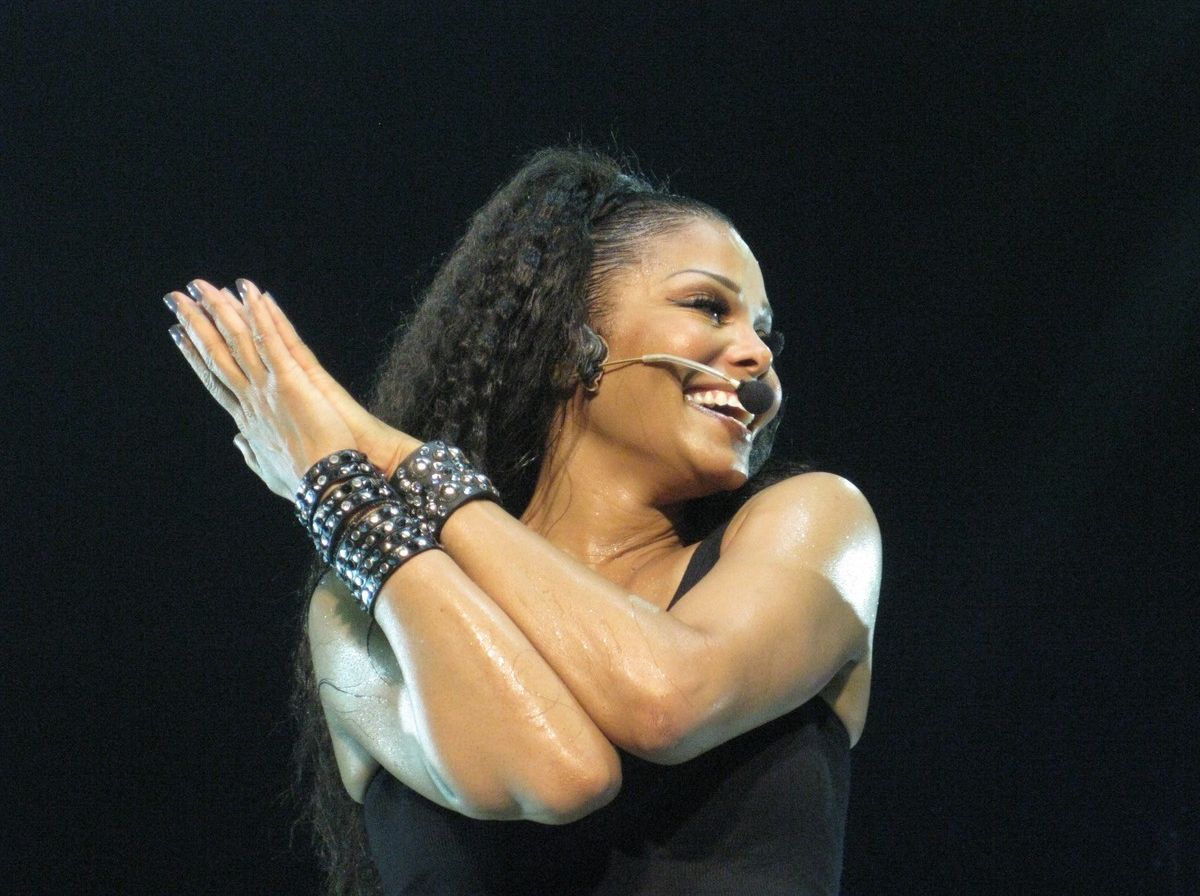
Image: Amy Leiton, CC BY 2.0 , via Wikimedia Commons

Janet Jackson filled the stage with talent, dance, and impressive stage effects during her halftime show at Super Bowl XXXVIII at Reliant Stadium. But what most people remember isn’t the music; it’s what happened at the very end of the show.

For the final song, "Rock Your Body," Janet was joined by Justin Timberlake. Everything was going perfectly until a miscalculated move led to the infamous "wardrobe malfunction." The incident sparked immediate controversy and overshadowed what had been a great and powerful performance.

7
Madonna (2012)
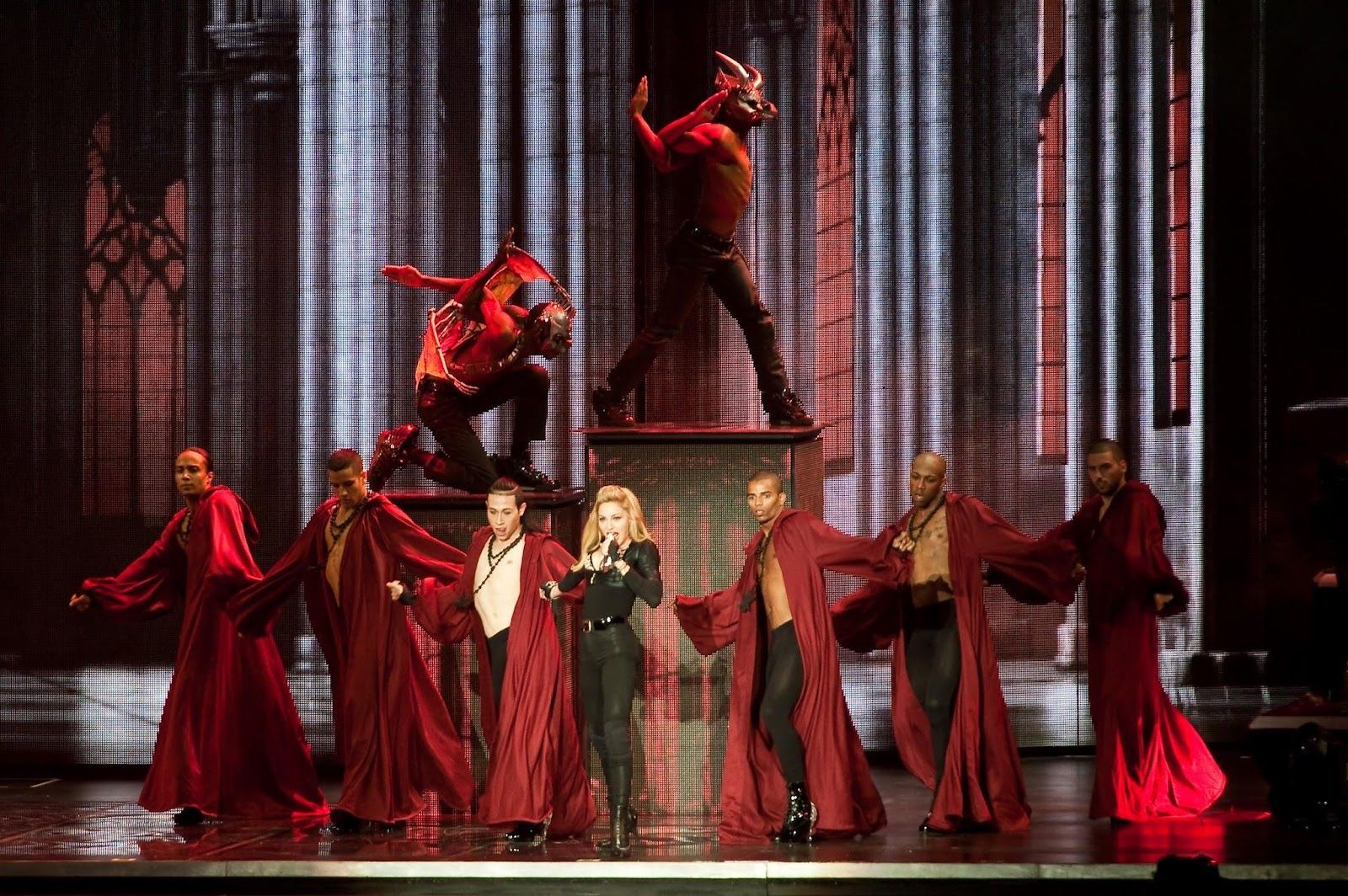
Image: Youngrobv, CC BY-SA 3.0, via Wikimedia Commons

A legion of Roman gladiators in armor and helmets introduced the incredible Madonna during her halftime show at Lucas Oil Stadium for Super Bowl XLVI. The Queen of Pop was carried in as the unmistakable intro to "Vogue" began to play. With precise choreography, amazing visuals, and captivating stage design, the spectacle fascinated audiences around the world, drawing more than 114 million viewers.

8
Beyoncé (2013)
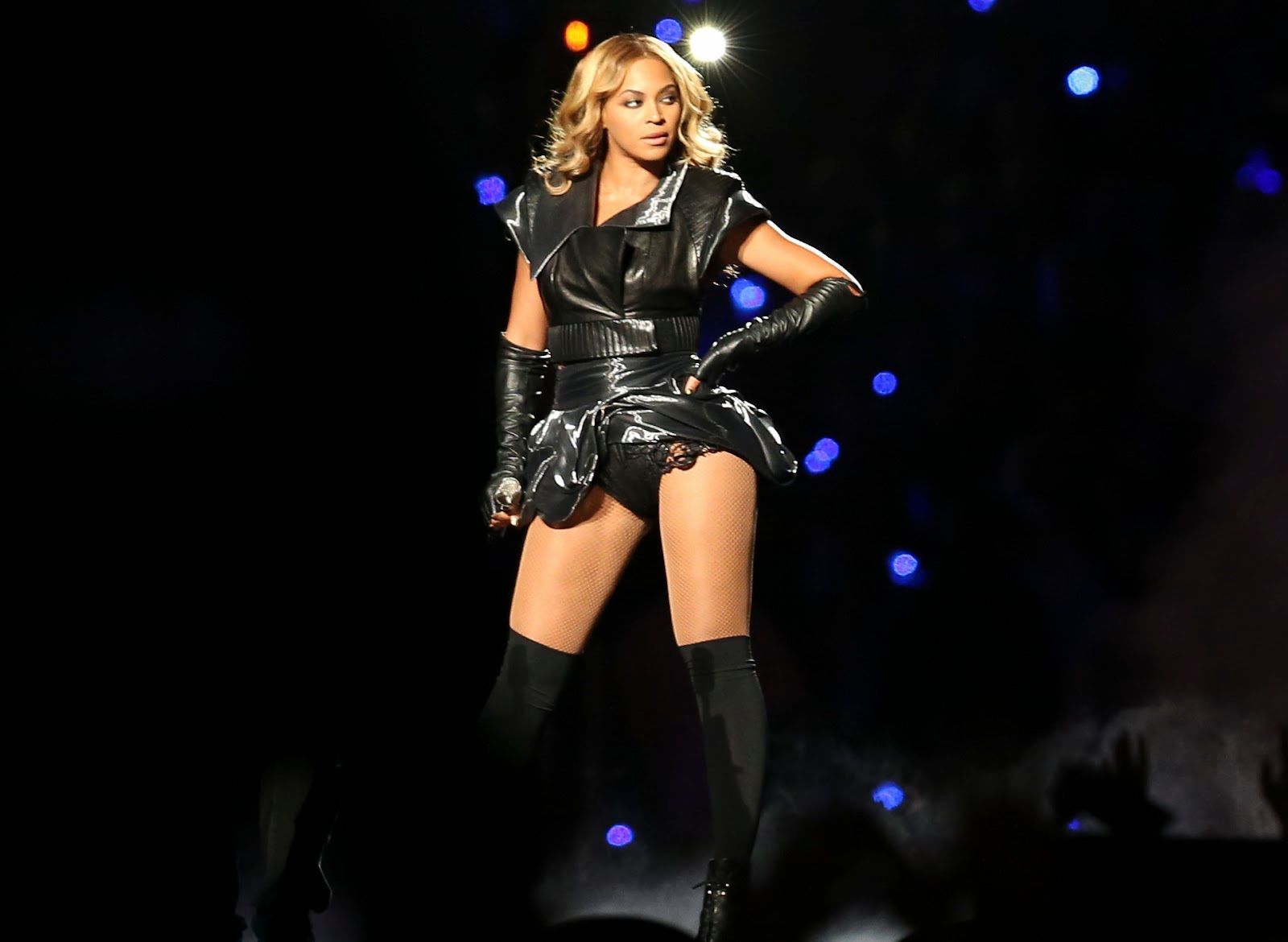
Image: Pete Sekesan from New York, USA, CC BY 2.0, via Wikimedia Commons

In 2013, the stage at Super Bowl XLVII literally burst into flames as one of pop’s biggest stars prepared to deliver a halftime performance that people would remember for years.

Before we could even clearly see her face, Beyoncé’s powerful voice echoed through the stadium, letting us know that we were about to see an unforgettable performance. Still, few expected what came next. Just minutes into the show, Kelly Rowland and Michelle Williams, her former bandmates from Destiny's Child, rose onto the stage, making fans go wild.

9
Dr. Dre and friends (2022)
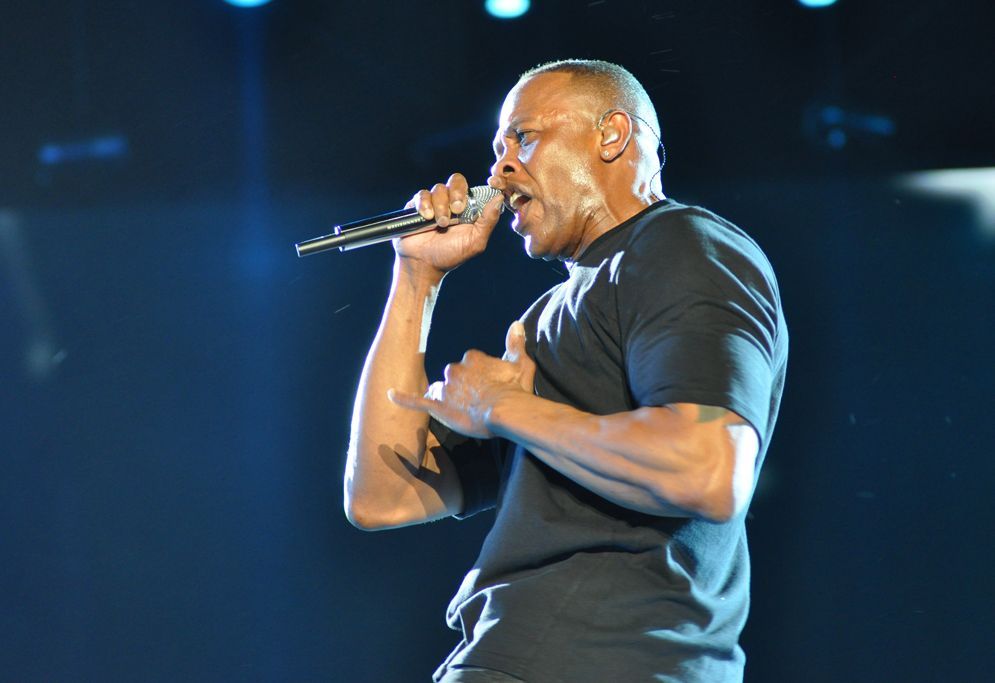
Image: Jason Persse, CC BY-SA 2.0, via Wikimedia Commons

Rap and hip-hop fans will never forget the electrifying halftime show led by Dr. Dre and friends at Super Bowl LVI in 2022. The stadium trembled as stars like Snoop Dogg, Eminem, Kendrick Lamar, and Mary J. Blige joined him on stage. But as if that weren't enough, in one of the night’s biggest surprises, 50 Cent appeared to perform his hit "In Da Club." The event marked a turning point for both the Super Bowl show and the hip-hop genre, and won several Primetime Emmy Awards.

10
Rihanna (2023)
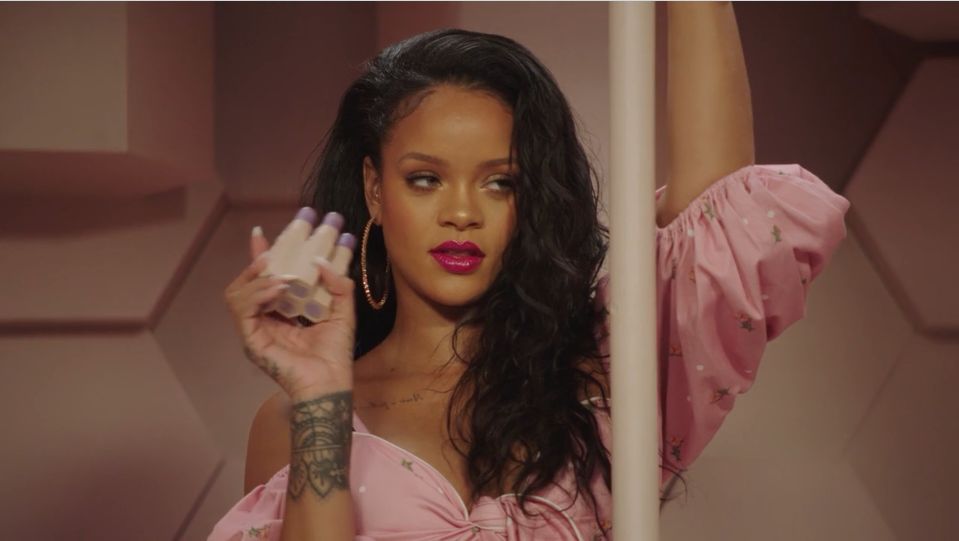
Image: SIGMA, CC BY 3.0, via Wikimedia Commons

Rihanna’s 2023 Super Bowl performance at State Farm Stadium was definitely special. What at first seemed like a typical pop show became one of the biggest surprises in halftime history. As she started to sing the very first song, Rihanna suddenly revealed her baby bump: she was pregnant with her second child, a secret that even her dancers and team didn’t know. The show drew around 121 million viewers, making it the most-watched halftime ever at that time.
History History 5 min read

Political trailblazers: 10 inspiring women who shaped America

Image: Mikhail Nilov

From dusty prairie towns to marble halls in Washington, American women have inched, marched, and leaped their way into places they were once told they didn’t belong. Each milestone was more a crack in the wall for others to walk through than a personal triumph. With a mix of courage, persistence, and perfect timing, the stories of these 10 trailblazing women prove that anything’s possible in life and politics.

1
First presidential candidate: Victoria Woodhull

Image: Daria Kraplak

In 1870, a publisher and stockbroker on Wall Street, Victoria Woodhull, stepped up to do something no woman had ever done before. In a letter to the New York Herald, she announced her intention to run for president of the United States. Some laughed, others scoffed, but Woodhull never flinched.

Her message was revolutionary for its time: equal rights for women, fair pay for workers, and an end to hypocrisy in politics. No electoral votes went her way, but that wasn’t the point. By daring to run, she opened the door for future generations and secured her place as the first woman bold enough to chase the presidency, long before the law recognized her right to vote.

2
First member of Congress: Jeannette Rankin

Image: C. T. Chapman, Public domain, via Wikimedia Commons

In 1916, Montana elected a woman to Congress for the first time. Jeannette Rankin was a suffragist who had already helped secure voting rights for women in her state before most of the nation even dreamed of it. When she arrived at the Capitol to take her seat, the gallery overflowed with onlookers buzzing with curiosity and disbelief. Rankin, calm and resolute, didn’t shout to be heard; she spoke with the steady conviction of someone who knew she belonged. Her presence proved that a woman’s reasoning could command the same respect as any man’s voice, and once heard, it could never again be silenced.

3
First U.S. senator: Hattie Caraway

Image: Stephen Walker

She started out almost unnoticed. In 1931, when Arkansas senator Thaddeus Caraway died, his widow, Hattie, was appointed to fill his seat, a move many assumed was merely symbolic. But Hattie had no interest in being a placeholder. The following year, she launched her own campaign, traveling dusty southern roads and shaking hands with quiet confidence.

Against all odds, she won, becoming the first woman ever elected to the U.S. Senate. Dubbed "Silent Hattie" for her reserved manner, she wasn’t known for fiery speeches or flashy gestures. Through persistence and integrity, she proved that results, not rhetoric, are what truly echo in the chambers of power.

4
First woman mayor: Susanna Salter

Image: LSE Library

This is the story of a prank going sideways. In 1887, a group of men in a tiny Kansas town slipped the name of 27-year-old Susanna Salter onto the mayoral ballot in Argonia, confident that voters would laugh her off. To their dismay, when the ballots were counted, Salter had won.

Overnight, she became the first woman mayor in U.S. history. Far from feeling overwhelmed, Salter handled her duties with grace and sharp practicality, earning the respect of the same townsmen who tried to embarrass her. By the end of her term, she’d turned a bad joke into a precedent.

5
First state governor: Nellie Tayloe Ross

Image: Roman Manshin

Wyoming’s nickname, the Equality State, seems well deserved. When voters chose Nellie Tayloe Ross as governor in 1925, the nation watched as a woman stepped into a role no one of her gender had ever held before. She wasn’t the fiery campaign type; her strength came from quiet precision and an unwavering sense of duty.

Ross believed that leadership meant doing the work well, not making noise about it. Her calm authority and financial prudence won over even the most skeptical. Years later, as the first female director of the U.S. Mint, she literally shaped the nation’s currency, an apt legacy for a woman who always knew the worth of patience, persistence, and steady hands.

6
First cabinet member: Frances Perkins

Image: The New York Public Library

At the beginning of the 1930s, when breadlines stretched around city blocks and hope felt like a luxury, a female labor leader and consumer advocate came to the rescue. President Franklin D. Roosevelt saw in Frances Perkins not just a reformer, but a force of nature. As Secretary of Labor —and first woman ever to hold a Cabinet post—Perkins walked into the men-filled halls of power and quietly redrew the map of American work.

She championed fair wages, safer conditions, and limits on child labor, all while helping craft the Social Security system that still anchors millions of lives today. Decades later, her influence lingers in every pay stub, every pension, and every law that insists work should come with dignity.

7
First Supreme Court justice: Sandra Day O’Connor

Image: Stephanie Rhee

It’s hard to picture the dusty plains of Arizona leading to the marble halls of the Supreme Court, yet that’s exactly where Sandra Day O’Connor’s story began. Raised on a remote cattle ranch miles from the nearest town, she learned the value of hard work, clear thinking, and a level head. All these qualities would serve her well when, in 1981, President Ronald Reagan nominated her as the first woman justice in U.S. history.

O’Connor brought that same frontier pragmatism to Washington, preferring reason over rhetoric and humor over ego. "I’m just trying to do the right thing, one case at a time," she once said. For a quarter century, her voice became the Court’s steady center, proving that fairness stretches farther than politics.

8
First U.S. Secretary of State: Madeleine K. Albright

Image: sohail shaikh

Madeleine Albright, born in Czechoslovakia and raised on the idea that words alone could shape nations, found a clever way to make hers sparkle beyond her famous brooches. She could easily become a spider when negotiations grew tense, and a gentle dove when peace was within reach.

Albright believed diplomacy could be both art and strategy. When she became the first woman to serve as U.S. Secretary of State in 1997, she blended intellect with unmistakable flair, commanding global respect. She showed that courage, conviction, and strength can coexist with a warm personality occasionally sparkling from a lapel.

9
First major party’s presidential nominee: Hillary Rodham Clinton

Image: Gage Skidmore from Peoria, AZ, United States of America, CC BY-SA 2.0, via Wikimedia Commons

It took nearly a century and a half after Victoria Woodhull’s daring run for president before another woman would stand beneath the spotlights of a major party convention. In 2016, Hillary Rodham Clinton walked onto the stage with the spirit of the suffragists who had paved her path.

That night meant history was catching up. Smiling at the crowd, she declared, "We’ve reached a milestone, but we still have glass to break." Whether she won or lost mattered less than the fact that she stood there at all. Clinton’s campaign turned a dream whispered for generations into something tangible.

10
First elected vice president: Kamala Harris

Image: Manny Becerra

Fast-forward to 2020. A California senator steps up to the microphone, smiles, and thanks "the women who paved the way." Kamala Harris is the daughter of immigrants, a former prosecutor, and now the first woman ever elected Vice President of the United States.

Her voice carried the weight of generations who’d been told to wait their turn. Echoing the suffragists who once marched so she could stand there, Harris reminded America that progress is a relay, not a sprint. Her message rang clear and timeless: dream boldly, even when the trail ahead is foggy.

General General 5 min read

How well do you really know the Seattle Space Needle?

Image: Andrea Leopardi

Rising above Seattle’s skyline since the early 1960s, the Space Needle is easy to recognize but often taken for granted. Built for a single world’s fair, it is a beacon of design and history. From its fast construction to its changing colors and hidden features, this tower has quietly collected dozens of stories. Here are 10 facts that show how much more there is to know about the Seattle Space Needle!

1
It was built for the Seattle World’s Fair

Image: Seattle Public Library, No restrictions, via Wikimedia Commons

The Space Needle wasn’t supposed to be a permanent monument. It was completed in 1962 specifically for the Seattle World’s Fair, an event aimed to highlight science, technology, and forward-looking design. During the fair, the tower helped visitors orient themselves within the Seattle Center grounds and served as a central meeting point. After the fair ended, the building was not dismantled, as many other fair structures were. Instead, it remained open to the public and gradually became a regular part of the city’s skyline.

2
The original colors had distinctive Space Age names

Image: Thom Milkovic

When the Space Needle first opened, its paint scheme reflected the era’s optimism about technology and space exploration. The main tower was painted Astronaut White, while the central core used a darker tone called Orbital Olive. Accent areas were finished in Re-Entry Red, and the top featured a warm, yellow-orange color called Galaxy Gold . These names were officially used at the time and appeared in design documents and promotional materials. Although later renovations replaced this scheme with more neutral colors, the original palette shows how strongly the tower’s design was tied to early 1960s ideas about the future.

3
Elvis was there

Image: Courtney Hutchin

Not long after it opened, the Space Needle entered American pop culture. Elvis Presley filmed scenes at the tower for the movie It Happened at the World’s Fair , which was released in 1963. The filming took place shortly after the 1962 World’s Fair, when the structure was still new. At that time, many Americans had never traveled to Seattle, and television and movies were major sources of information about distant cities. Hence, the film helped introduce the Space Needle to a nationwide audience.

4
It was inspired by a UFO

Image: Patrick Hodskins

The building’s most recognizable feature, the round observation deck, was shaped with intention. Designers chose a wide, circular form that reflected the Space Age themes common in the late 1950s and early 1960s. At the time, images of spacecraft and flying saucers appeared often in popular magazines, films, and exhibitions. The Space Needle’s top was meant to echo those ideas in a way that was easy to recognize from a distance. This design helped distinguish the tower from older observation structures and aligned it closely with the forward-looking message of the World’s Fair.

5
It was built in 400 days

Image: Andy Li

Speed mattered. Construction began in 1961, and the entire tower was completed in roughly 400 days so it could open on time for the World’s Fair in 1962. This schedule required crews to work in carefully planned stages, with steel sections fabricated off-site and assembled quickly once delivered. Concrete for the foundation and core had to be poured and set on a tight timeline. Despite the fast pace, engineers followed existing building standards, and inspections were carried out to ensure the tower could safely handle weight, wind, and daily public use.

6
Forget the elevator, take the stairs

Image: HAYOUNG CHO

Most visitors take the elevator, but the Space Needle also has stairs, 848 of them, from the base to the observation level. The stairs are primarily used for maintenance and special events rather than daily tourist access. Structurally, the tower is held together by tens of thousands of bolts and rests on a deep concrete foundation. Engineers designed the foundation and central core to withstand high winds and seismic activity, which are common in the Pacific Northwest. These construction details are not visible to most visitors, but they play a key role in keeping the tower stable and open to the public year after year.

7
It harbored a secret time capsule from the 1980s

Image: Mick Haupt

In 1982, staff placed a time capsule inside one of the Space Needle’s steel beams without a public announcement. The capsule was sealed and left in place as part of a routine update, rather than a formal ceremony. It remained hidden for more than thirty years until it was rediscovered and opened in 2017. Inside were everyday items from the early 1980s, including handwritten letters, photographs, and postcards. Several of these items were saved and included in a new capsule, which is planned to be opened in 2062 to mark the tower’s 100th anniversary.

8
It was the site of a famous April Fools’ prank

Image: Ben Mater

In 1989, a local television station aired a report claiming the Space Needle had collapsed. The segment was intended as an April Fools’ joke and included on-screen text explaining that it was not real. Even so, many viewers did not notice the disclaimer or tuned in late. Emergency phone lines and the station’s own offices received hundreds of calls from concerned residents and relatives. The reaction showed how familiar and important the Space Needle had become to people in Seattle and beyond.

9
There’s a restaurant at the top

Image: Jason Dent

Dining has always been part of the Space Needle experience. A restaurant opened with the tower in 1962 and was designed to give guests a place to eat while overlooking the city. Over the years, the restaurant has changed names, seating arrangements, and menu styles to match new trends and renovations. Despite these updates, the basic idea has stayed the same. Visitors can order food or drinks and spend extended time at the top, rather than just stopping briefly to look out the windows. For many people, the combination of a meal and a wide city view defines the visit.

10
It has the world’s first and only revolving glass floor

Image: Morgan Petroski

A major renovation in 2018 introduced The Loupe, a rotating glass floor in the observation area. The platform moves slowly, allowing visitors to stand in one place while the view changes. Through the clear panels, people can look straight down at streets, buildings, and open spaces below. This is the only revolving glass floor of its kind in the world. The addition shows how the Space Needle continues to update its visitor experience while keeping its original structure intact.

Explore more American facts

Choose your favorite category!

General
General

As American as apple pie—the very best America has to offer!

Culture
Culture

Delve into the astounding richness of American lore.

Geography
Geography

Hop in and explore vast and diverse American landscapes.

History
History

Discover the key moments that shaped the United States.