History History 4 min read

American athletic history

Who did America defeat in "The Miracle on Ice"?

Image: Fredrick Lee

Sports have a remarkable way of keeping us on the edge of our seats during an exciting game, filling our hearts with joy when we see our country claim victory. With that in mind, the sports moments we’ve selected are among the most iconic American wins in history. However, we’re putting a twist on this: While we undoubtedly celebrate the incredible Americans behind these achievements, we’ve decided to highlight those who were defeated by the United States in these legendary contests.

Can you remember the teams and athletes who fell to America in these unforgettable moments? Let’s find out! You’ll find the answers at the end of this quiz, so keep reading!

1
The Miracle on Ice
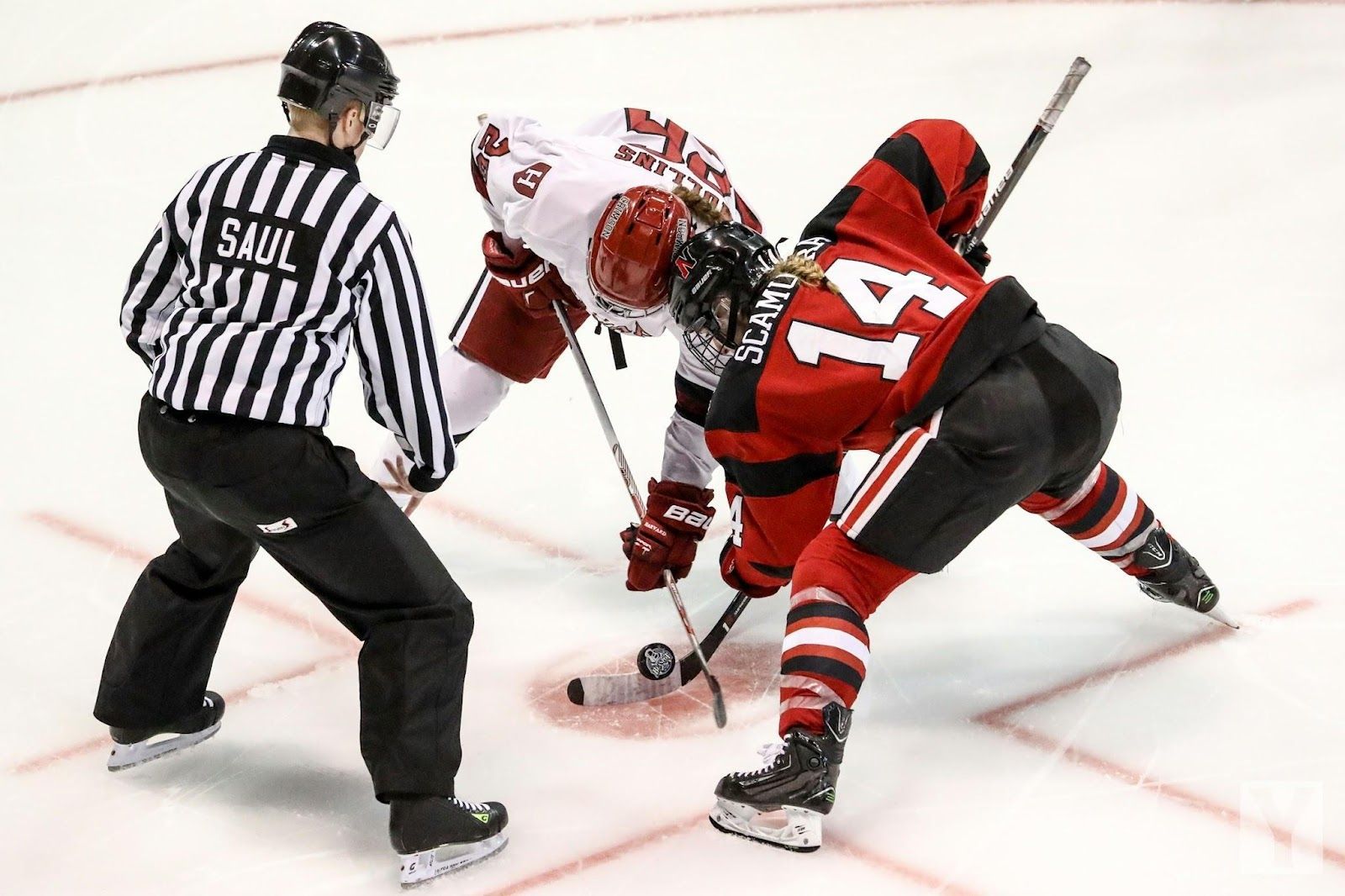
Image: Jerry Yu

We begin with an unforgettable underdog story. At the 1980 Winter Olympics in Lake Placid , New York , the United States faced what many considered a leviathan in ice hockey history. Adding to the challenge, the American team was composed mostly of 21-year-olds, making it the youngest U.S. squad in Olympic history . Yet, against all odds, these determined players triumphed over a heavily favored opponent in what became known as the " Miracle on Ice ."

Do you remember which formidable rival they defeated?

2
Rumble in the Jungle

Image: Attentie Attentie

Many sports historians consider " The Rumble in the Jungle " to be the greatest boxing match in history. Held in 1974 in what is now the Democratic Republic of the Congo, this legendary bout cemented Muhammad Ali’s place in boxing history. Even more impressively, Ali’s victory came against an undisputed and undefeated heavyweight champion, whom he knocked out in the eighth round.

Though he is not as widely remembered as "The Greatest," this American boxer is still regarded as one of the best fighters of his generation. Can you guess his name?

3
Michael Jordan’s Last Shot
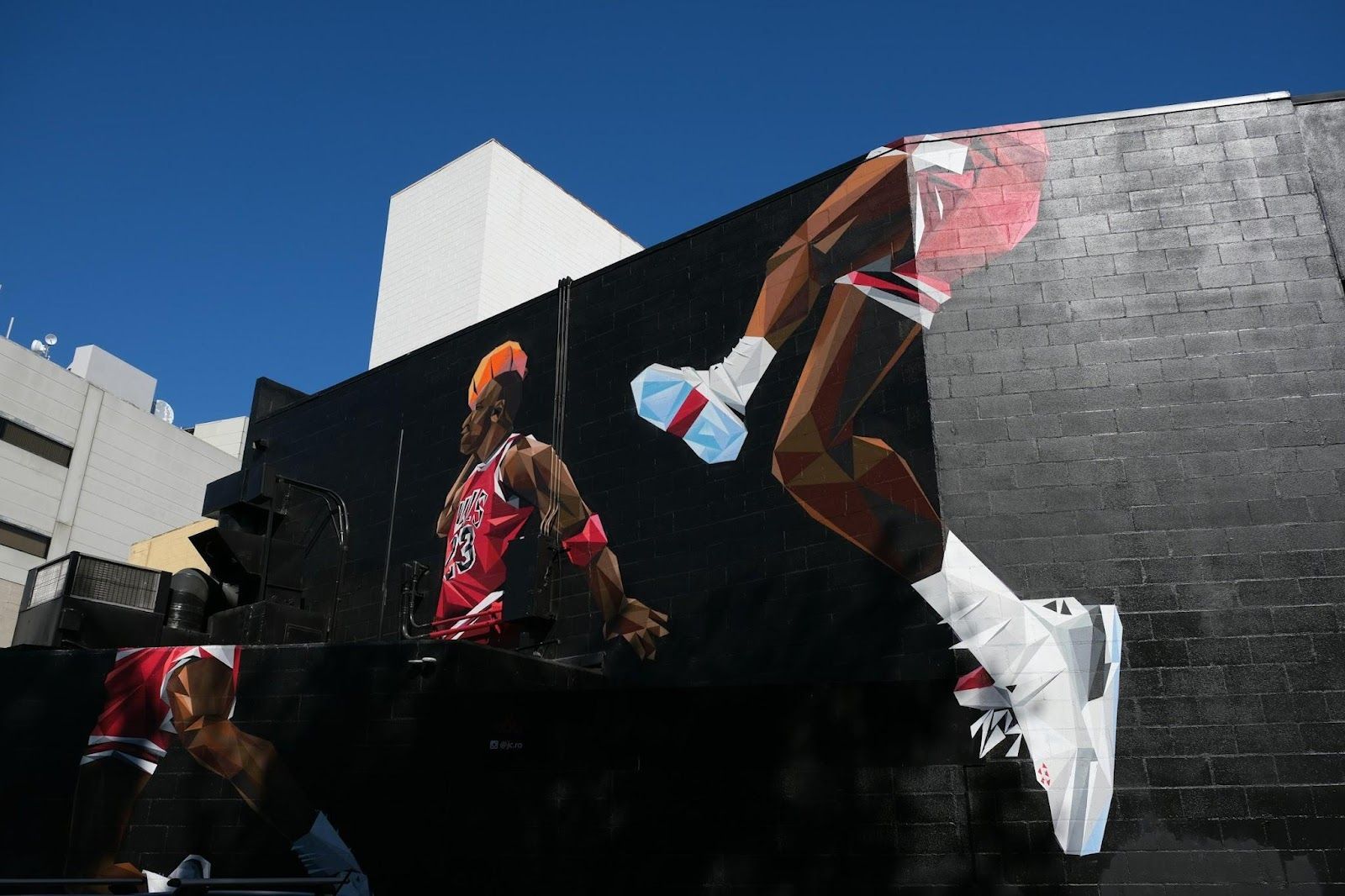
Image: Mike Von

It’s no exaggeration to say that Michael Jordan completely revolutionized basketball worldwide. Over his 15-season career , he delivered countless jaw-dropping moments. As you’d expect, choosing just one was no easy task, but we ultimately selected what is now known as Michael’s "Last Shot."

In the final seconds of the 1998 NBA Finals against the Utah Jazz , Jordan sank a game-winning shot that secured the Bulls’ victory. While you already know which team he scored against, there’s a certain player who is always featured in retellings of this iconic moment. Do you know who we’re talking about?

4
Serena Williams’ Golden Medal in London

Image: Josephine Gasser

What can be said about Serena Williams that hasn’t already been said? Arguably the greatest American tennis player in history, Williams’s career is a collection of remarkable achievements. However, we’ve chosen to highlight one of her later triumphs—her dominant performance at the 2012 London Olympics , where she became only the second woman to complete a career Golden Slam in singles.

Even more impressive was the way she secured her victory, defeating her opponent 6-0, 6-1 to claim the gold medal. Do you know who she faced in that historic match?

5
Michael Phelps's record-breaking achievements in Beijing 2008

Image: Gentrit Sylejmani

During the 2008 Beijing Olympics, the world was introduced to Michael Phelps , an affable kid from Baltimore who achieved the impossible: breaking seven world records and earning eight gold medals —the first step in his journey to becoming the most decorated Olympian of all time.

Phelps’s incredible feats often overshadow his competitors, so we thought we’d take a moment to recognize the swimmers who came close but couldn’t overcome " The Baltimore Bullet ." Do you remember them?

Answers:

6
Miracle on Ice - Soviet Union

Image: Markus Spiske

If you guessed that the Soviet Union was the Goliath defeated by the American team at the Winter Olympics, you were right! At the time of the match, the Soviet team was a four-time defending gold medalist and the heavy favorite to win. Although the United States pulled off a legendary upset, the victory didn’t come easily . The game was a thrilling showdown , with the American team scoring the decisive goal exactly 10 minutes before the final buzzer.

7
Rumble in the Jungle - George Foreman

Image: Johann Walter Bantz

Known as " Big George ," Texas-born boxer George Foreman was defeated by Muhammad Ali in the legendary "Rumble in the Jungle." As mentioned earlier, Ali’s victory was even more remarkable given Foreman’s dominance in the sport—he was a two-time world heavyweight champion , an Olympic gold medalist , and the favorite to win the match. Today, Foreman is remembered not only for his boxing achievements but also for his entrepreneurial success: Since 1994, his iconic George Foreman Grill has sold over 100 million units.

8
Last shot - Bryon Russell
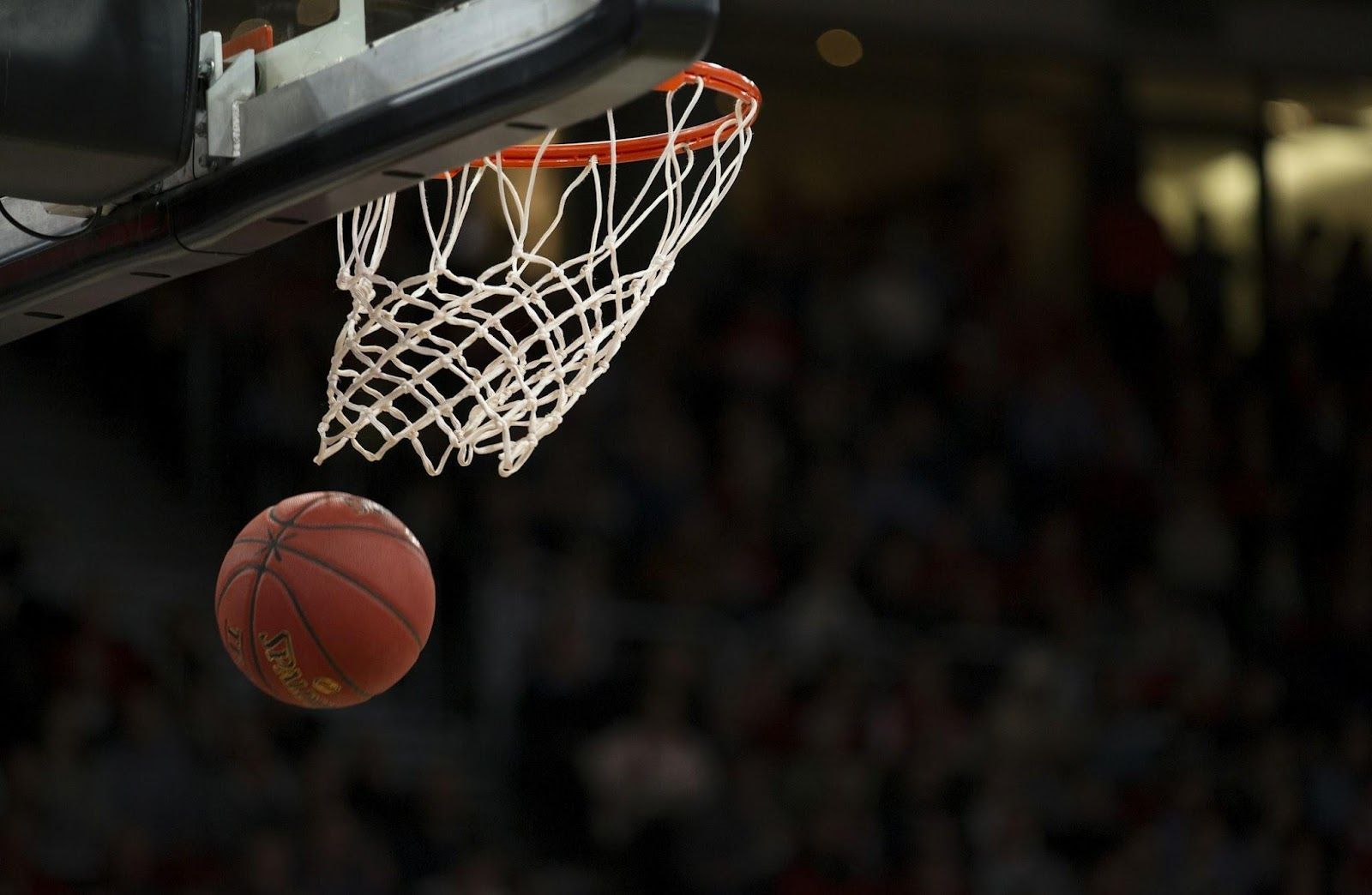
Image: Markus Spiske

The play that would become known as " The Last Shot " began when Michael Jordan stole the ball from Karl Malone and raced down the court. Before taking the shot, he swiftly dodged Utah Jazz defender Bryon Russell , causing him to trip and fall. By the time Russell got back on his feet, the ball was already soaring through the air, swishing through the net and sealing victory for the Bulls.

9
Serena Williams’ Golden Medal - Maria Sharapova

Image: Valentin Balan

Throughout their careers, Serena Williams and Maria Sharapova maintained a high-profile rivalry as two of the biggest names in women’s tennis. Fortunately for tennis lovers everywhere, the 2012 Olympics brought these titans head-to-head, and while Serena dominated the match , it was far from the end of Sharapova’s career—she continued to showcase her talent until retiring in 2020.

10
Michael Phelps - László Cseh and Milorad Čavić
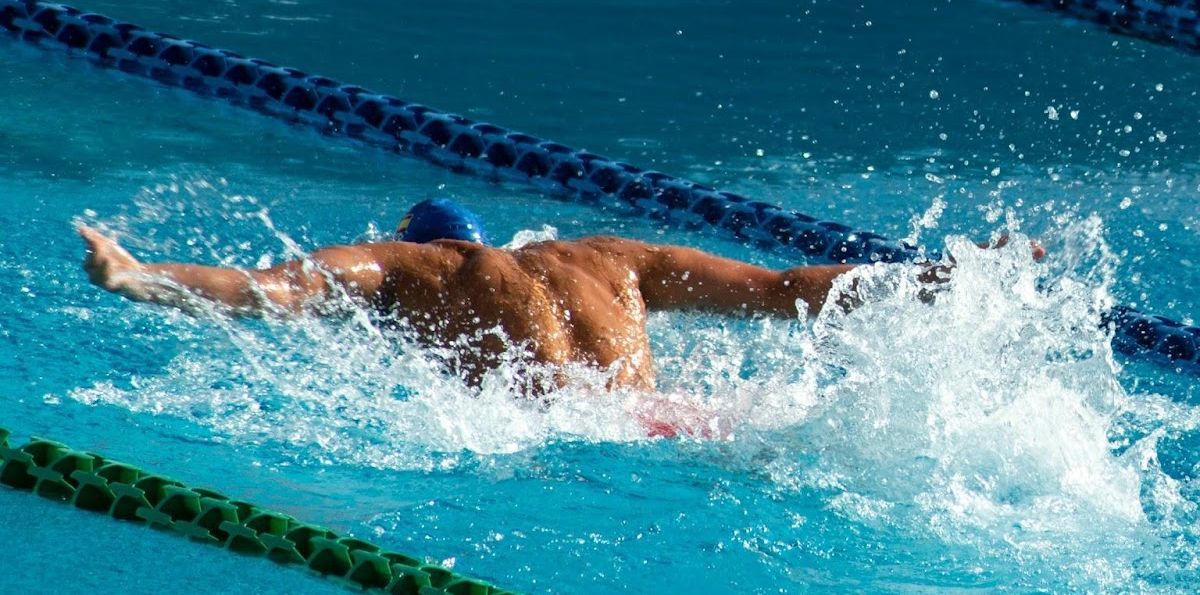
Image: Serena Repice Lentini

As mentioned earlier, Michael Phelps' historic victories at the 2008 Beijing Olympics were unprecedented, and narrowing it down to just one of his competitors wouldn't do justice to the event. Instead, we’d like to highlight a few remarkable runner-ups. Hungarian swimmer László Cseh secured multiple silver medals, often finishing just fractions of a second behind Phelps . Meanwhile, Serbian swimmer Milorad Čavić lost the 100m butterfly by an astonishing one-hundredth of a second —though he still managed to break the European record in the process.

Geography Geography 5 min read

Cradles of history

America's forgotten capitals: Cities that were once their state’s main

Image: Martin Zenker

Every state has its heart: A main city that serves as the center for governance, lawmaking, and administration. But what about the cities that once held the title, only to see it moved elsewhere? Did any of them resist the change? Let’s look into towns that left indelible marks on the culture of their states, even after the halls of power packed up and moved inland.

1
San Francisco, California

Image: Belle Co

San Francisco was never officially a state capital, but there was a 9-month period during the early governance of California when the capitol stood in the city’s Merchant’s Exchange building .

The seat of California’s capital moved multiple times among cities, including Monterey, San Jose, Vallejo, and Benicia. In the mid-19th century, it settled in Sacramento, strategically situated at the confluence of major rivers –which also meant proneness to flood . Severe flooding hit the city in the 1860s, temporarily incapacitating it as a state capital.

The administration then moved to San Francisco, which had been instrumental during the Gold Rush and remained a cultural and economic powerhouse. When Sacramento had recovered, though, the legislature moved back and it has remained the state capital since.

2
Savannah, Georgia

Image: Jessica Furtney

Savannah, the beautiful city in Georgia famous for its cobblestone streets and picturesque squares, was the state’s first colonial capital. It continued to hold the capitol following the American Revolution.

In the late 1700s, however, the capital moved inland to Augusta, where the population was growing. The decision was also meant to protect the government from potential coastal attacks .

Several cities served as capitals in the decades that followed, such as Louisville and Milledgeville. It wasn’t until a constitutional convention was held in Atlanta that the city’s potential as a state capital was recognized, and later realized.

3
St. Augustine, Florida

Image: Maddie DiFilippo

Known for its well-preserved colonial architecture, like the Castillo de San Marcos fortress , St. Augustine was the capital of East Florida for hundreds of years, since Spanish rule.

When Florida became a U.S. territory, St. Augustine, on Florida's northeast coast, maintained its role as one of two capitals, alongside Pensacola, which served West Florida. However, the difficulty of travel between these two cities led to inefficiencies in governance.

A halfway point was set exactly at Tallahassee to make access easier for legislators of both sides. To this day, St. Augustine maintains many constructions and a strong heritage from its colonial past.

4
New Orleans, Louisiana

Image: Stella He

When Louisiana was admitted into the Union, vibrant New Orleans was the state capital, and it remained so for over 30 years until the government seat was changed to Baton Rouge.

New Orleans was the largest and most economically significant city in the state at the time, so it was a natural choice. Still, its location also posed challenges, like disease outbreaks that often plagued it, and the powerful political influence of the French Creole population .

Eventually, Baton Rouge became the official capital, and its new Gothic Revival-style capitol building opened in the mid-19th century. Today, New Orleans remains a cultural hub for the state and the country.

5
Lewiston, Idaho

Image: Anthony Camerlo

The original capital of Idaho was upstate Lewiston, a key shipping hub thanks to its access to river transport. But the discovery of gold in the Boise Basin meant that the population –and the riches– flew to southern Idaho.

With the majority of settlers now in the south, the capital's relocation was pushed. Lewiston residents did not take this lightly: They fiercely resisted losing the capital and went so far as to lock the territorial seal and papers in the town jail to prevent their removal.

Federal troops had to intervene to complete the relocation. Today, Lewiston still proudly proclaims itself as "Idaho's First Territorial Capital," a line displayed everywhere downtown.

6
Plymouth, Massachusetts

Image: donwhite84

Plymouth, located in southeastern Massachusetts on Plymouth Bay, was the landing site of the Pilgrims in 1620. For many decades it remained its capital until the colony merged with that in Massachusetts Bay.

After the merger, Boston, a city with a larger population and a central hub for trade and governance, was designated the new capital. But Plymouth is still considered "America's Hometown" and hosts elaborate Thanksgiving celebrations annually.

Plymouth will always retain its historical significance, such as being the home of Plymouth Rock , which commemorates the site of the disembarkation of the Mayflower Pilgrims.

7
Kingston, New York

Image: Amy Lavine, CC BY-SA 4.0

Kingston is located along the Hudson River in Ulster County, New York, with a scenic backdrop of the Catskill and Shawangunk Mountains.

It retains its Revolutionary War-era stone buildings, historic landmarks, and its title as the "birthplace" of New York State's government; It was its first capital. But when it became a center for revolutionary activities in the late 18th century, British forces burned the city in retaliation.

Kingston was rebuilt, but it never regained its capital status. Albany was later chosen as the capital for its central location and strong infrastructure.

8
Detroit, Michigan

Image: Alex Brisbey

Detroit, a.k.a. "Motor City," is not just the center of the U.S. automotive industry, but was Michigan's first capital before it moved inland to Lansing.

Michigan Territory had Detroit as its center, and it remained so even after it became a state. But there were concerns over Detroit's proximity to the Canadian border , and, as with many other capitals, a desire to fix the capitol in the state’s center.

Lansing, just a small settlement at the time, was more accessible and more secure. Detroit didn’t stay behind, though; Its role as a transportation hub during the Industrial Revolution helped it become a manufacturing powerhouse .

9
Kaskaskia, Illinois

Image: Dave Hoefler

Kaskaskia is now nearly a ghost town , a quiet community of fewer than 20 residents. This is due to Mississippi River flooding and shifting channels –but it was once its state capital.

Situated in Randolph County, Illinois, near the Mississippi River, it’s uniquely located on the western bank of the river. In the early 19th century it was a center for trade and governance and remained the capital until the legislature decided to relocate to Vandalia.

Vandalia, inland and growing, was a reasonable choice back then, but it would be replaced by Springfield eventually, largely due to the efforts of Abraham Lincoln .

10
New Castle, Delaware

Image: jakob

New Castle served as Delaware’s colonial capital during the 17th and 18th centuries. It was here, in 1776, that Delaware declared independence from both Pennsylvania and Great Britain, establishing itself as a state.

The city’s location by the Delaware River was key during colonial times, but it also made it susceptible to British naval attacks during the American Revolution. That was why the seat was moved to Dover, although it wasn’t made the permanent capital until the 1780s.

New Castle still keeps its well-preserved colonial architecture, particularly in the district surrounding its courthouse.

General General 4 min read

What if it rains?

Retro but modern: 10 great drive-in theaters in America

Image: Jeff Watson

Few things are as quintessentially American as the drive-in theater. While it was born in the early 1930s, these venues exploded in the 1950s and are deeply associated with that era. Though these establishments have dwindled since their heyday, many are still going strong all over the country—and even the world. From the second-oldest drive-in theater in the country to a venue that invites viewers to watch Jaws from a huge pool, outdoor cinema continues to attract new and old audiences every night. Take a look at the following 10 and decide if you want to visit one!

1
Stars & Stripes Drive-In, Texas

Image: Josh Sanabria

The first entry on our list is a drive-in located in New Braunfels, Texas , that brings a breath of fresh air to the industry, having opened its doors as recently as 2003. It features three screens, all of which play double features on weekends, as well as a ’ 50s-themed café snack bar with an extensive menu, serving everything from Frito Pie and Funnel Cakes to Mexican sandwiches and box dinners, such as steak fingers served with fries, corn fritters, and gravy.

2
Shankweiler’s Drive-In Theatre, Pennsylvania

Image: David Clode

The oldest operating drive-in theater in the country, Shankweiler’s opened in 1934 in Orefield and operates year-round—even in those tough Pennsylvania winters. The theater shows double features on weekends, has a decent snack bar, and even offers visitors two drive-up party rental spaces , each of which holds about 15 people, in case you were wondering if such a thing was possible.

3
Harvest Moon Twin Drive-In Theatre, Illinois

Image: Tim Mossholder

Don’t let its 70 years of existence fool you, the Harvest Moon Twin Drive-In has one of the most modern and environmentally friendly features you could possibly find in an establishment of this kind: it is the country’s only wind-powered drive-in theater. The wind turbines power the theater’s screens, speakers, projectors, and snack bars. Additionally, the venue uses LED lighting and encourages recycling among its visitors.

It’s not often that one sees such a commitment to future generations from an establishment as old as this one!

4
Fairlee Motel, Vermont

Image: Manuell Tony

Imagine going to the movies and being able to sleep right there if you are too tired. That’s exactly what the Fairlee offers. A combination drive-in and motel, this venue lets you watch a show and then stay overnight. The theater and the roadside motel have both been open since 1950.

The snack bar comes especially recommended by locals for its burgers made with beef raised on the property owners’ farm.

5
Park Place Drive-In Theater, Virginia

Image: Pixabay

If you’re in Marion, Virginia , and have a craving for a round of mini-golf, the Park Place Drive-In is a sure bet. This one-stop shop for family entertainment offers not only a night out at the movies but also access to an ice cream shop and a mini-golf course . Play 18 holes of putt-putt, grab a scoop or two of Hershey’s Ice Cream, and then head over to the theater for a movie.

6
Rubidoux Drive-In, California

Image: RDNE Stock project

If a 1948 Art Deco-themed screen wasn’t appealing enough, the Rubidoux Drive-In also featured a petting zoo and a miniature railroad , among other family-oriented attractions. Alas, those two features have closed for the time being. Still, the drive-in theater offers plenty of amenities for families to enjoy on their visits.

The theater features two additional screens, aside from the Art Deco one, each of which plays double features on weekends.

7
Bengies Drive-In Theatre, Maryland

Image: Jeremy Yap

If you’ve ever wondered how big the biggest drive-in cinema screen in the country is, this one takes the prize. Bengies Drive-In has a screen that measures 52 by 120 feet, making it the largest in the United States.

This is an important feature, not just because of the cool factor, but also because it means movies can be shown at their full theatrical size, allowing viewers to see all the details in the corners of the screen, just as the filmmakers intended.

8
Wellfleet Drive-In, Massachusetts

Image: Maxim Benkendorf

A flea market, an 18-hole mini golf course, a cocktail bar, and the biggest screen in the New England area await you at Cape Cod’s Wellfleet, a local institution that has been entertaining moviegoers since 1957.

In recent years, the projection system was upgraded to digital with Dolby Digital sound, making the experience even more enjoyable for moviegoers.

9
Alamo Drafthouse Cinema, Texas

Image: Noom Peerapong

This one is special, even among drive-in theaters. Alamo Drafthouse offers a unique screening of the classic thriller Jaws , where moviegoers watch the film from inner tubes on Lake Travis . This annual tradition provides a creative and immersive way to rewatch this iconic movie from a truly unique perspective. Would you dare to try it?

10
The Mahoning Drive-In Theater, Pennsylvania

Image: Christian Wiediger

Embracing the idea that drive-in theaters are a nostalgic experience, the Mahoning dedicates its three screens to weekend-long themed festivals . For example, Zombie Fest takes place over three nights and screens cult horror films, with overnight camping allowed.

Second Chance Weekend features critically panned films that deserve a closer look, such as a pairing of Howard the Duck with Masters of the Universe . Last but not least, Bite Night showcases 35mm prints of Jaws and Jurassic Park , and in July, the theater celebrates Christmas in July with holiday films.

Explore more American facts

Choose your favorite category!

General
General

As American as apple pie—the very best America has to offer!

Culture
Culture

Delve into the astounding richness of American lore.

Geography
Geography

Hop in and explore vast and diverse American landscapes.

History
History

Discover the key moments that shaped the United States.