Culture Culture 4 min read

Ominous Hollywood

Is your favorite on this list? 10 iconic apocalyptic movies
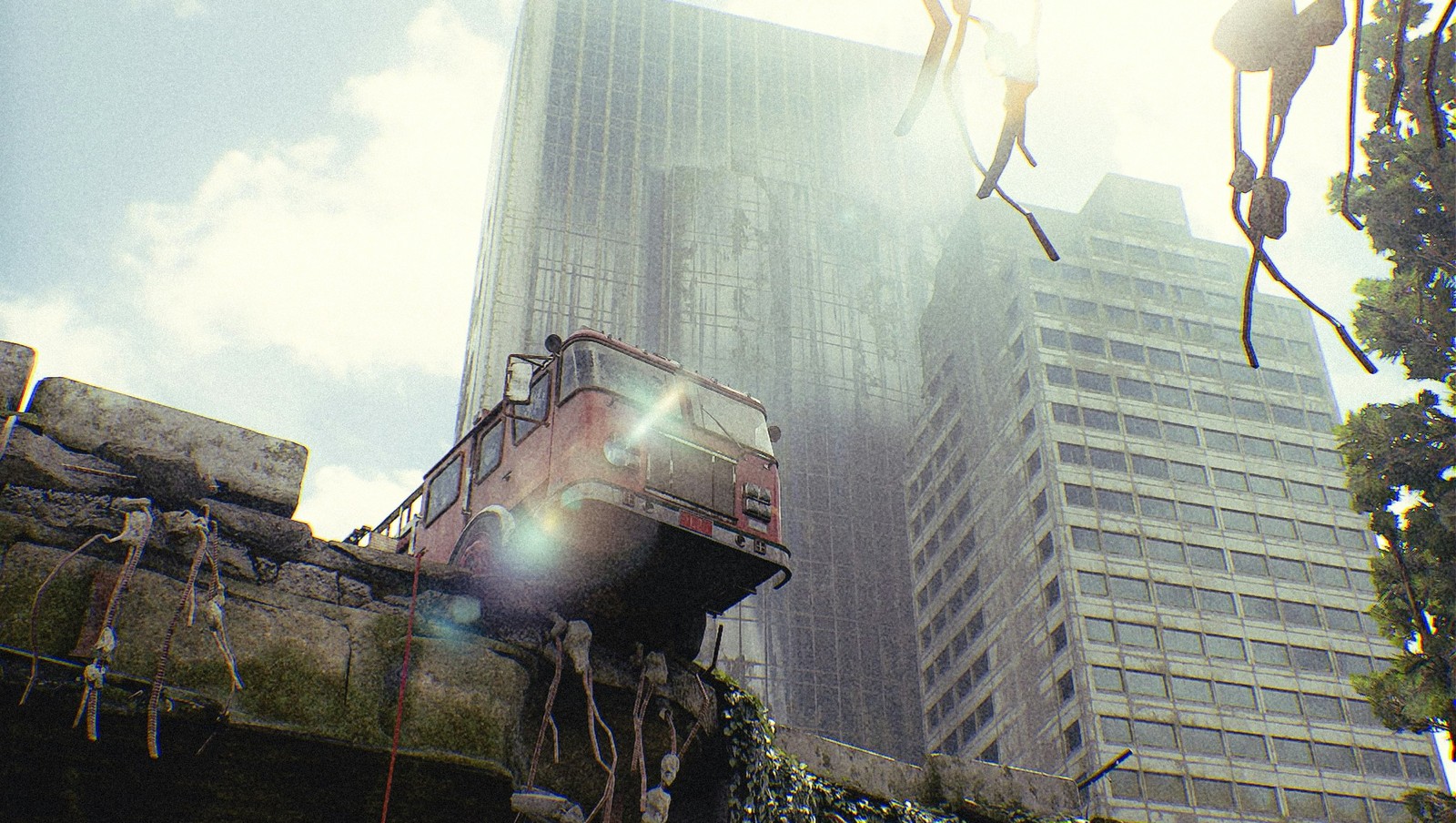
Image: Max Ovcharenko

Alien invasions, nuclear accidents, or major natural disasters… The end of the world has been depicted countless times in cinema. Whether for their spectacular visuals or their realistic portrayal of humanity’s demise, some of these films have become icons that most of us have likely seen and remember vividly. Join us as we explore the most popular American apocalyptic films.

1
Independence Day

Image: Jason W

Nothing beats a classic apocalyptic alien invasion, where extraterrestrials arrive to destroy the planet, but encounter a group of humans willing to give everything to save humanity. This is the premise of Independence Day (1996), one of the most famous disaster films. Starring Will Smith, the movie marked a turning point in science fiction, showcasing visual effects that, although they may not be as surprising today, set a new standard at the time.

2
Armageddon

Image: Javier Miranda

It’s hard to keep track of how many explosions light up the screen in Armageddon (1998), but rest assured, there are a lot of them. This film follows the classic natural disaster formula: a massive asteroid threatens Earth, and the only hope for survival is to destroy it. When the planet’s at risk, who better to call than Bruce Willis? Alongside Ben Affleck, he steps up to risk everything in a race against time.

Do you also remember this movie every time you hear Aerosmith's "I Don't Wanna Miss a Thing"? You are one of us!

3
The Day After Tomorrow

Image: Mason Mulcahy

A new Ice Age threatens humanity after a series of devastating storms strike the planet in The Day After Tomorrow (2004), a film that takes climate change and pushes its possible consequences to the extreme. With spectacular disaster sequences and visuals, the movie became a total box office success worldwide.

4
I Am Legend

Image: Natalya Letunova

Imagine waking up one day and realizing that you are, as far as you can tell, the last survivor in the city. This is what happens to scientist Robert Neville, played by Will Smith, in I Am Legend (2007). The now-classic apocalyptic theme is a deadly virus that has devastated humanity, and it is Dr. Robert Neville who appears to be the only one capable of doing something to reverse the effects of this.

5
Interstellar

Image: Guillaume Le Louarn

In 2014, we saw one of the most exciting movies to hit the big screen: Christopher Nolan's Interstellar . Acclaimed by audiences and critics alike for its visual effects and its complex and thrilling plot, this film is one of those you’ll find hard to forget. Set on an Earth that is becoming uninhabitable, Matthew McConaughey plays Cooper, a former NASA pilot who joins a mission to travel through a wormhole near Saturn in search of a new place for humanity.

Fun fact: It’s not surprising that it has been well received even by the scientific community, since a Nobel Prize–winning physicist collaborated on the script.

6
Planet of the Apes
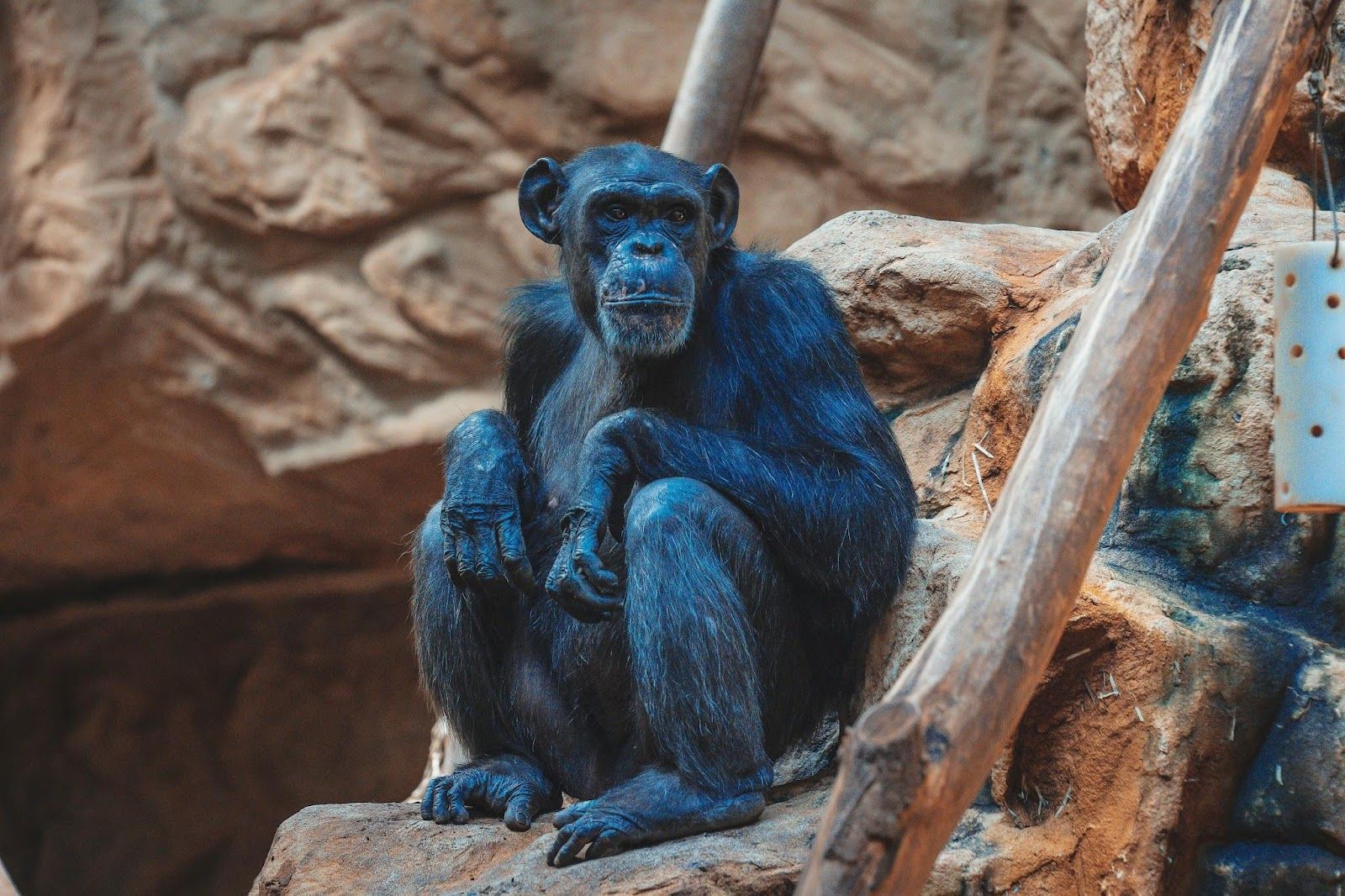
Image: Mateusz Suski

In the original Planet of the Apes (1968), the story takes us to a distant future planet where chimpanzees, gorillas, and orangutans have evolved to possess human-like intelligence and social structures, dominating that world while humans are reduced to an oppressed species. Featuring one of the most shocking and unforgettable plot twists in cinema history, the film stands as an essential classic of dystopian science fiction.

7
Night of the Living Dead

Image: Daniel Jensen

We couldn’t leave Night of the Living Dead off this list, the 1968 film that changed cinema forever. While the concept of "zombies" may feel familiar today, this George A. Romero’s film was the first to present the idea of the dead rising again and becoming a real threat to the living.

8
12 Monkeys

Image: Liam Andrew

Bruce Willis is once again called upon to help humanity (or what remains of it) in the 1995 film 12 Monkeys , this time alongside none other than Brad Pitt, who earned an Oscar nomination for this role. Set in a dark future, most of humanity has been wiped out by a deadly virus, and Willis’s character must travel back in time to gather information about its origins and help find a way to stop it.

9
Dawn of the Dead

Image: airci K

Of course, George A. Romero wasn’t going to appear just once on this list. In 1978, Dawn of the Dead was released, once again portraying the end of the world brought on by the return of the undead. A group of survivors takes refuge in a shopping mall, but human conflicts soon emerge as a threat equal to, or even greater than, that posed by the zombies themselves.

10
The Day the Earth Stood Still
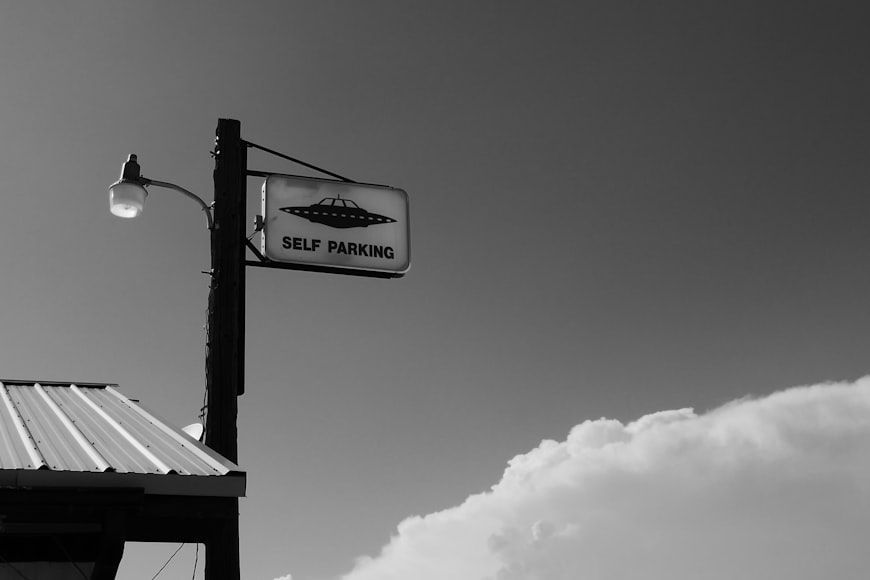
Image: Michael Herren

The Day the Earth Stood Still (1951) is definitely a science fiction classic. Unlike the other films on this list, its catastrophe is not inevitable; disaster can still be avoided. Rather than centering on spectacular destruction, the film delivers a philosophical warning to humanity. An alien visitor arrives on Earth to deliver a stark message: abandon nuclear violence, or face devastating consequences.


General General 2 min read

Which one is your favorite?

People voted the best sandwich in each state: Can you guess these 10?

Image: Mae Mu

Visiting another state is always an invitation to try its culinary goods! Based on that principle, online conversations have long been debating which sandwich is a must-have in their city or state. From fried seafood to cheese-filled burgers, a variety of staple foods have made it to the list. How many of these would you try, and which one would you call your favorite?

1
Wild Alaskan salmon sandwich

Image: Thomas Mertens

In Alaska, the sandwich of choice comes straight from its icy waters . The wild Alaskan salmon sandwich features freshly caught salmon, often grilled or lightly smoked, served on hearty bread with crisp lettuce, tomato, and a tangy dill sauce.

2
Frybread "Navajo Taco"

Image: Bob LaCour

Tacos with a twist: Arizona’s beloved frybread "Navajo taco" is a sort of open-faced sandwich. A variety of taco fillings served on pillowy frybread ; golden and crisp on the outside, soft inside.

It’s generously topped with seasoned ground beef or shredded meat, beans, lettuce, cheese, and sometimes salsa or sour cream.

3
Deep-Fried catfish sandwich

Image: Jonathan Borba

In Arkansas, a true taste of home often comes between two buttered buns. The deep-fried catfish sandwich features flaky catfish fillets, breaded in cornmeal and fried to a golden crisp. It usually contains a smear of tartar sauce, a few pickles, and maybe some shredded lettuce.

4
Italian Beef Sandwich

Image: Yoad Shejtman

Chicagoans take their beef seriously, and nothing embodies the city’s flavor like the Italian beef sandwich. Thinly sliced roast beef is simmered in its own seasoned jus, piled high on an Italian-style roll, and often topped with giardiniera or sweet peppers.

5
Pork Tenderloin Sandwich

Image: Jacinto Diego

Indiana’s pride comes between two buns: the legendary pork tenderloin sandwich. This oversized, breaded, and deep-fried pork cutlet, often wider than the bun itself, is served with classic toppings like lettuce, tomato, and pickles.

6
Hot Brown

Image: Natalia Gusakova

The Hot Brown is Louisville’s indulgent favorite. This open-faced marvel layers roasted turkey and crisp bacon atop toasted bread , smothered in creamy Mornay sauce, and baked until golden. It was created in 1926 at the Brown Hotel, designed as a late-night supper for hotel guests.

7
Jucy Lucy

Image: Juan Santos

Burgers count! Minneapolis is home to a burger with a deliciously molten secret: the Jucy Lucy. This cheese-stuffed masterpiece hides gooey American cheese inside two patties of seasoned beef. Today, it’s a must-try for any visitor seeking a twist on a classic American burger.

8
Pastrami Sandwich

Image: Akhil Pawar

Few sandwiches are as iconic as New York’s pastrami on rye, and Katz’s Delicatessen is the reigning champion. Brined, smoked, and expertly sliced pastrami piled high on fresh rye bread , often with mustard, has been a favorite since the deli opened in 1888.

9
The Elvis Sandwich

Image: Dexter McQueen

Tennessee claims a sweet-and-savory creation forever linked to its most famous son: Elvis Presley. The Elvis sandwich combines peanut butter, banana, and crispy bacon . Would you like to try it?

10
Lobster Roll

Image: Jesse

This one was an easy choice: no Maine culinary list is complete without the lobster roll. Bursting with fresh, tender lobster meat lightly dressed in butter or mayo and nestled into a soft, toasted roll, this sandwich is a staple of seaside shacks .

General General 6 min read

12 American inventions that shaped modern life

Image: National Gallery of Art, CC0, via Wikimedia Commons

From life-saving medical developments to groundbreaking technologies, American inventors have transformed how we live, work, and communicate. These innovations not only transformed everyday life but also ignited the flame of progress across the globe. Let’s dive into our selection of the 12 inventions that best reflect American creativity and ingenuity.

1
The light bulb

Image: Zach Lucero

Delivering electricity to the masses was one of the greatest technological advances in human history. The mid-1800s saw great competition in this area, as inventors around the world raced to invent their own electric light. The first filament bulb was developed by British inventor Warren de la Rue in 1840, but his use of a platinum filament made it expensive and impractical.

A few years later, Joseph Swan in the UK and Thomas Edison in the US each independently invented bulbs using cheaper elements. However, Edison received a patent on his bulb in early 1880, slightly before Swan. The light bulb, an invention that quickly reached every home, revolutionized life around the world, led to the development of the electrical grid, and set the stage for our modern electricity-dependent society.

2
The telephone

Image: viarami

In this modern era of emails and text messages, it can be hard to appreciate that the telephone was once revolutionary. The telegraph, the phone’s predecessor, only transmitted brief written messages. The telephone, however, allowed people to speak with one another in real time over long distances.

Inventor, scientist, and engineer Alexander Graham Bell invented the electric telephone in 1876. Although Bell was Scottish-born and also lived in Canada, he patented his invention in the US . The telephone was a game-changing technology that improved business efficiency, enabled instant global connections, and allowed emergencies to be reported as they occurred. It effectively made the world more connected and faster-paced.

3
The fire escape

Image: Lewis J Goetz

When we think of US inventions, the first things that come to mind are usually the light bulb or the telephone. But did you know that the modern fire escape was also a US innovation? Designed in 1887, this simple yet life-saving invention changed building safety forever.

In the late 1800s, fires were devastating cities across America. One woman, Anna Connelly, saw this horror up close and decided to do something about it. She designed an external iron staircase system, and in 1887, she patented it. At a time when women couldn’t even vote, Anna’s invention became a safety standard in most major cities, saving thousands of lives. Today her name is barely known, but next time you see a fire escape, remember the woman who made them possible.

4
The cash register

Image: Di Du

The first mechanical cash register for calculating and recording sales transactions was invented by saloonkeeper James Ritty following the American Civil War. He was looking for a way to stop cashiers from stealing, and finally patented his novel invention in 1879.

When a transaction was completed, Ritty's Incorruptible Cashier made a bell sound, and the amount was displayed on a large dial on the front of the machine. During each sale, a paper tape was hole-punched so the vendor could keep track of sales. Pretty ingenious, don’t you think?

5
Interchangeable parts

Image: gayulo

Standardized interchangeable parts for machines are now a staple of modern manufacturing, but it’s not a new idea. There’s evidence that thousands of years ago, ancient Carthage used them to build warships, and ancient China applied the idea to crossbows. Many centuries later, French experimentation with interchangeable musket parts inspired Thomas Jefferson.

In 1798, President George Washington and his Congress finally agreed to Jefferson’s idea of implementing the technology in America. They awarded a contract to Eli Whitney—the inventor of the cotton gin—to supply the government with 20,000 muskets. Whitney recognized the potential of developing firearms with identical parts and mechanisms. His advancements in interchangeable parts laid the foundation for modern manufacturing, enabling improved quality control, reduced costs, and faster production of goods.

6
The assembly line

Image: Public domain, via Wikimedia Commons

For most of human history, manufactured goods were custom-made. Every model of a machine, piece of clothing, or tool was unique. The development of interchangeable parts was a huge advancement, but automobile manufacturer Ransom Olds took it a step further with the assembly line in 1901. By standardizing and automating many aspects of manufacturing, uniform goods could be created faster and at lower costs.

Olds’ vehicle, the Oldsmobile Curved Dash, became the first mass-produced car . His method was later adopted and perfected by Henry Ford, whose moving assembly line for the Model T in 1913 revolutionized manufacturing. Today, the assembly line combines human labor and automation to produce nearly every mass-market product on Earth. Many experts agree it was one of the most significant technological developments of the 20th century.

7
The airplane

Image: Wright Brothers, Public domain, via Wikimedia Commons

People have always observed birds and insects and dreamed of flying. The Greeks told the story of Icarus and Daedalus, who crafted wings of wax and feathers; Leonardo da Vinci sketched and theorized flying machines, but it wasn’t until 1903 that the airplane became a reality in Kitty Hawk, North Carolina.

Wilbur and Orville Wright experimented with aeronautics for several years before achieving their successful first flight. A few years later, airplanes were first used in warfare. Within seven decades, their technology evolved and took us to the Moon. Today, the airplane is an indispensable technology that allows us to transport goods and people around the world in no time.

8
GPS

Image: Stanislav Kondratiev

It’s hard to imagine life without GPS—but do you know how it began? When the Soviet Union launched Sputnik in 1957, American physicists realized they could track the satellite’s radio transmissions using the Doppler effect.

Soon after, the U.S. military began testing and launching the Navstar Global Positioning System satellites. In 1983, President Ronald Reagan approved GPS for civilian use, and by the start of the 21st century, GPS devices were widely available in vehicles and mobile phones . Today, GPS is an essential technology for business, travel, and military operations.

9
Personal computers

Image: Unidentified U.S. Army photographer, Public domain, via Wikimedia Commons

The first electronic general-purpose computer, ENIAC, was built in 1946 at the University of Pennsylvania. It occupied 1,800 square feet of floor space and weighed 30 tons. At the time, imagining a consumer-grade computer small enough to fit in every home would have seemed impossible. Yet, just one generation later, the impossible became reality.

Over the years, computers became smaller, cheaper, and more powerful than the ENIAC’s creators could have imagined. In 1971, John Blankenbaker developed the first PC, the Kenbak-1. Fifty years later, it is clear that personal computing has fundamentally shaped the modern world.

10
The internet

Image: Lorenzo Herrera

Revolutionary technologies such as the wheel, the internal combustion engine, the telephone, and the airplane have forever changed the way we travel and communicate. The internet is no exception; it gives people access to the entirety of human existence with just a few clicks.

In 1969, computer scientists at the Advanced Research Projects Agency (ARPA) created the first network connecting labs at UCLA and Stanford. Over time, their network expanded, connecting anyone with a device. Since then, the internet has revolutionized the way human beings access resources and share information.

11
E-mail

Image: Brett Jordan

After the personal computer and the Internet, we only needed to invent a modern method of sending messages and letters to each other. The Advanced Research Projects Agency Network, known as ARPANET, sent the first email in 1971. Within five years, the majority of exchanges within the ARPANET community were via email.

With the introduction of attachments in the early 1990s, electronic mail became the fastest and easiest way to send information from point to point. By the start of the 21st century, email enabled people around the world to communicate quickly and inexpensively, and the technology quickly became one of the primary tools for global communications.

12
Magnetic resonance imaging

Image: MART PRODUCTION

The impact of the MRI machine on medicine is invaluable. The principles behind nuclear magnetic resonance (NMR) have been known since at least the end of World War II. Yet, two researchers in the late 1960s and early 1970s recognized the potential of this technology to revolutionize medicine forever.

American chemist Paul Lauterbur and physician Raymond Damadian separately experimented with NMR in scanning for cancer cells. After publishing the promising results of their experiments, a patent was filed. By 1977, the first full-body scanner was developed. Since then, millions of lives have been saved by the MRI machine. For his contributions, Lauterbur was awarded the Nobel Prize in Physiology or Medicine in 2003.

Explore more American facts

Choose your favorite category!

General
General

As American as apple pie—the very best America has to offer!

Culture
Culture

Delve into the astounding richness of American lore.

Geography
Geography

Hop in and explore vast and diverse American landscapes.

History
History

Discover the key moments that shaped the United States.