General General 4 min read

Ever wondered where presidents live?

Where did presidents escape when the White House got too stressful?
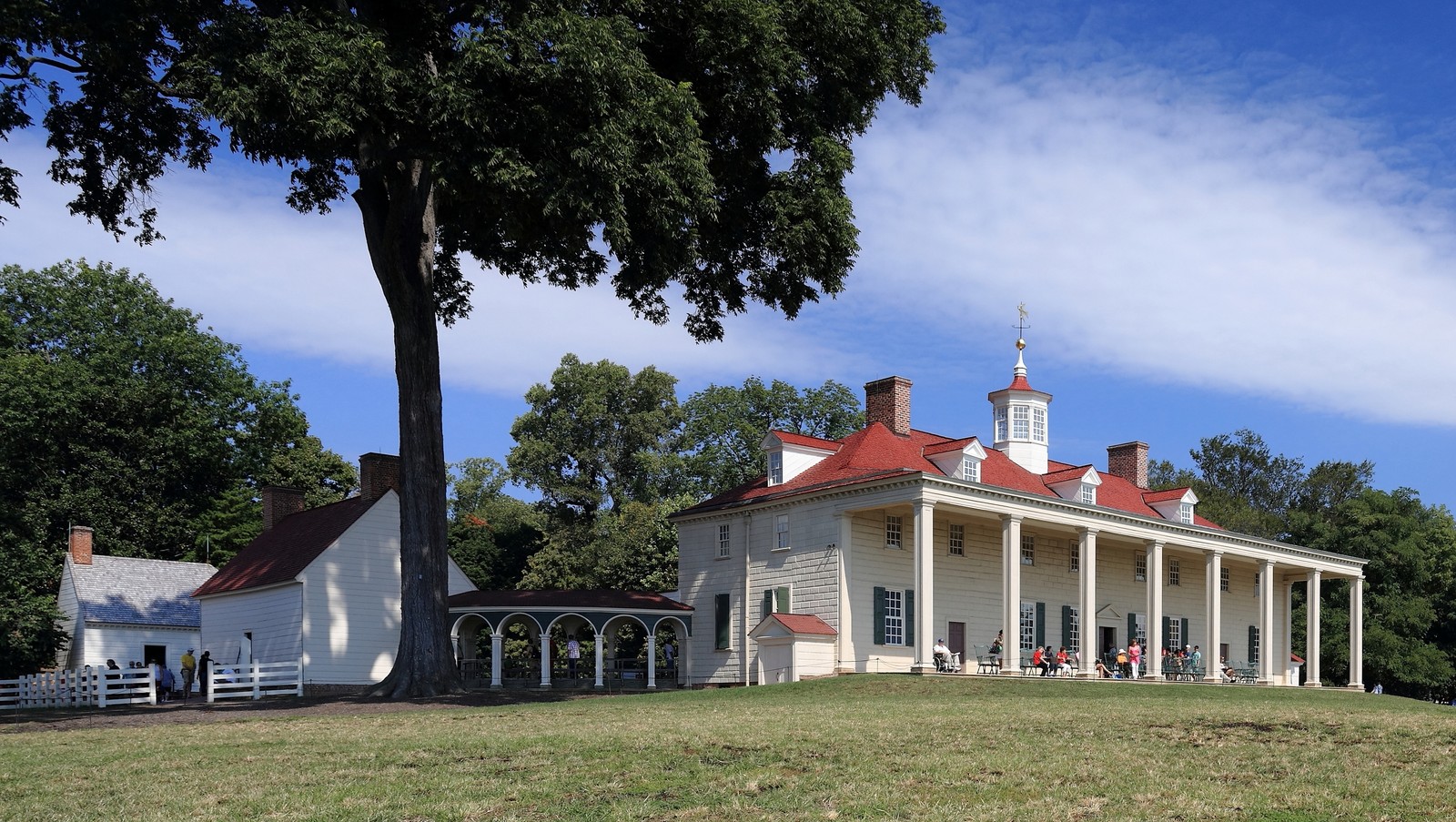
Image: Anthony Roberts

Ever wonder what kind of digs a president calls home when they’re not stress-eating in the Oval Office? It turns out our commanders-in-chief have surprisingly eclectic tastes in real estate. From sprawling plantation estates to modest farmhouses , these presidential pads offer a peek behind the curtain of American history. So grab your walking shoes and your sense of historical curiosity—here are ten presidential homes that welcome visitors.

1
Mount Vernon (George Washington) - Mount Vernon, Virginia
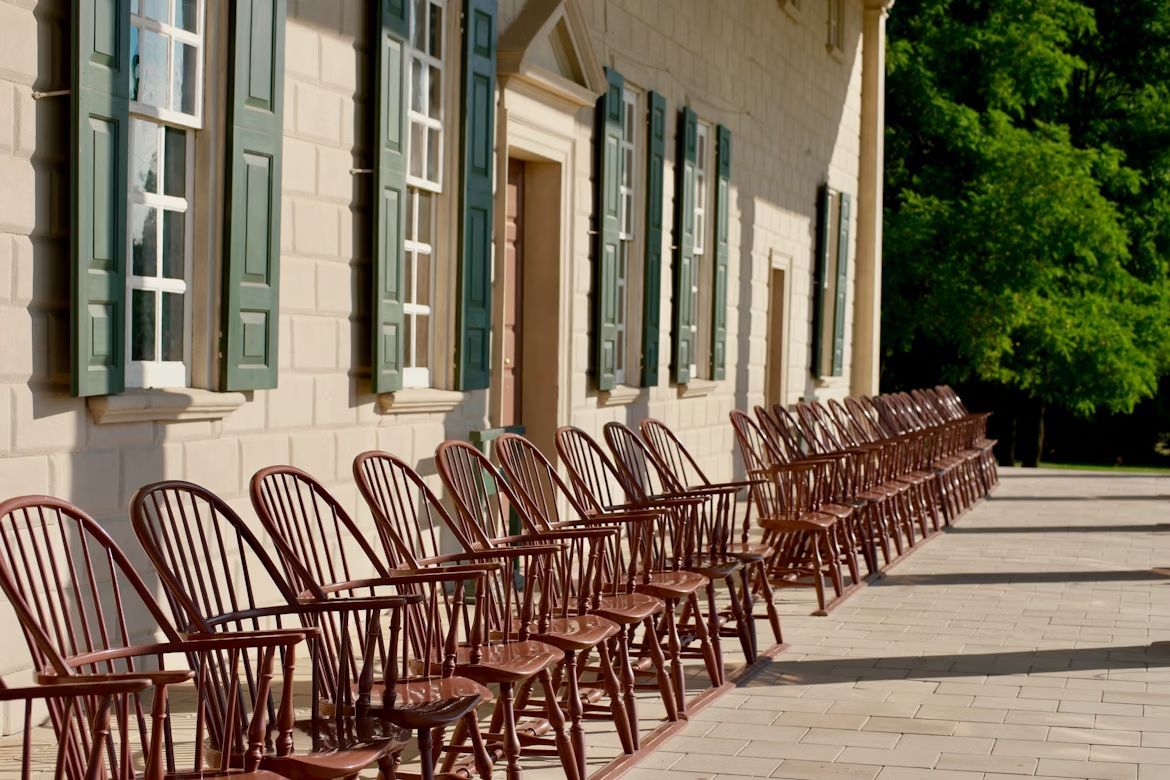
Image: Matt Briney

George Washington's Mount Vernon isn't just a house—it's basically an 18th-century empire. Sitting majestically on the Potomac River, this sprawling estate was where our first president played gentleman farmer when he wasn't, you know, founding a nation.

The estate includes the mansion, beautiful gardens, Washington's tomb, and even a working distillery where they still make whiskey using his original recipe. Fair warning: the place is huge, so plan to spend at least half a day exploring.

2
Monticello (Thomas Jefferson) - Charlottesville, Virginia
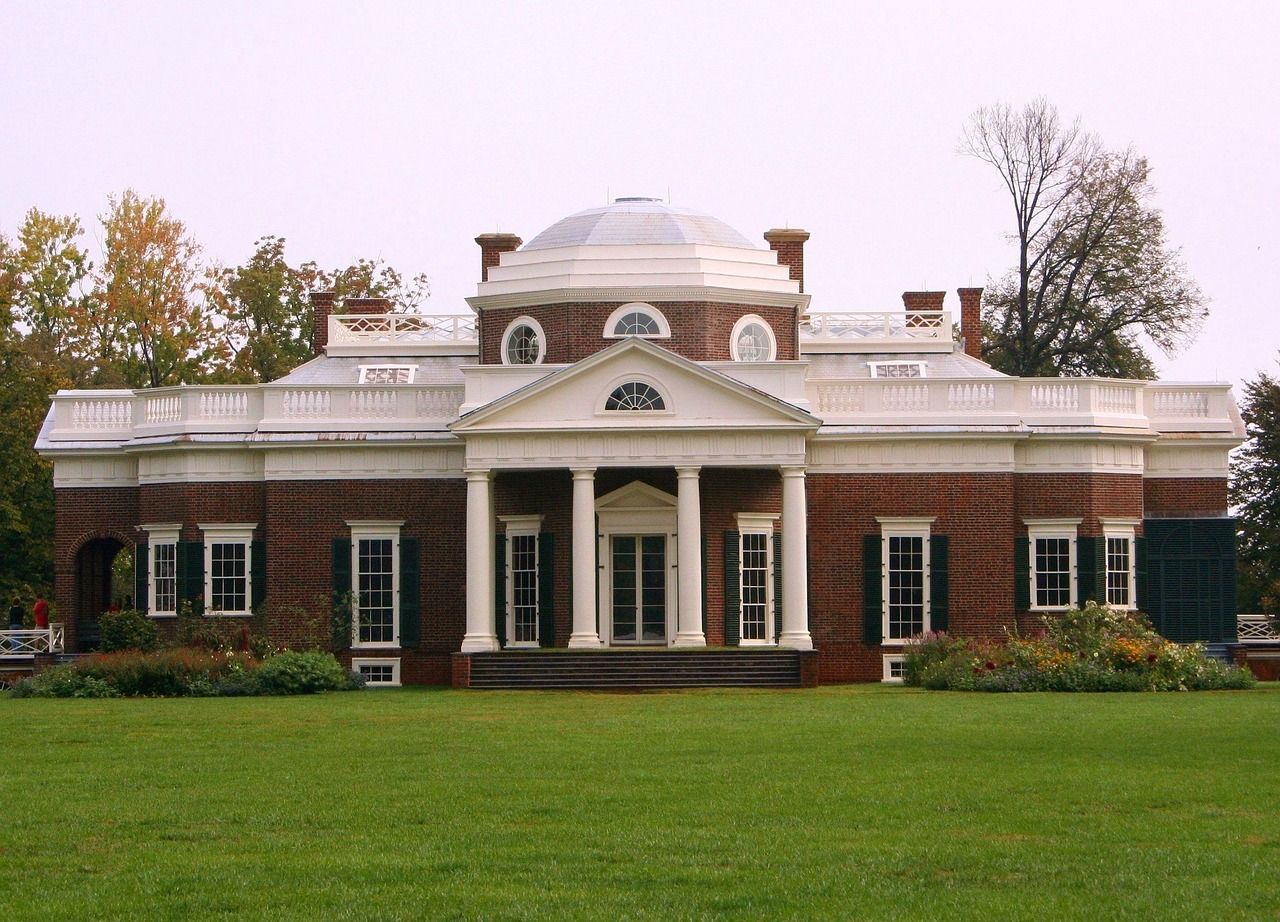
Image: James DeMers

Thomas Jefferson didn't just write the Declaration of Independence—he also designed one of America's most ingenious homes. Monticello is an architectural marvel, packed with Jefferson's clever inventions, from a seven-day clock to a bed alcove between two rooms .

Perched atop a mountain with stunning views of Virginia's countryside, Monticello reflects Jefferson's obsessions: architecture, science, wine, and collecting artifacts. You'll see his extensive library, scientific instruments, and even the desk where he penned some of America's most important documents.

3
Hermitage (Andrew Jackson) - Nashville, Tennessee
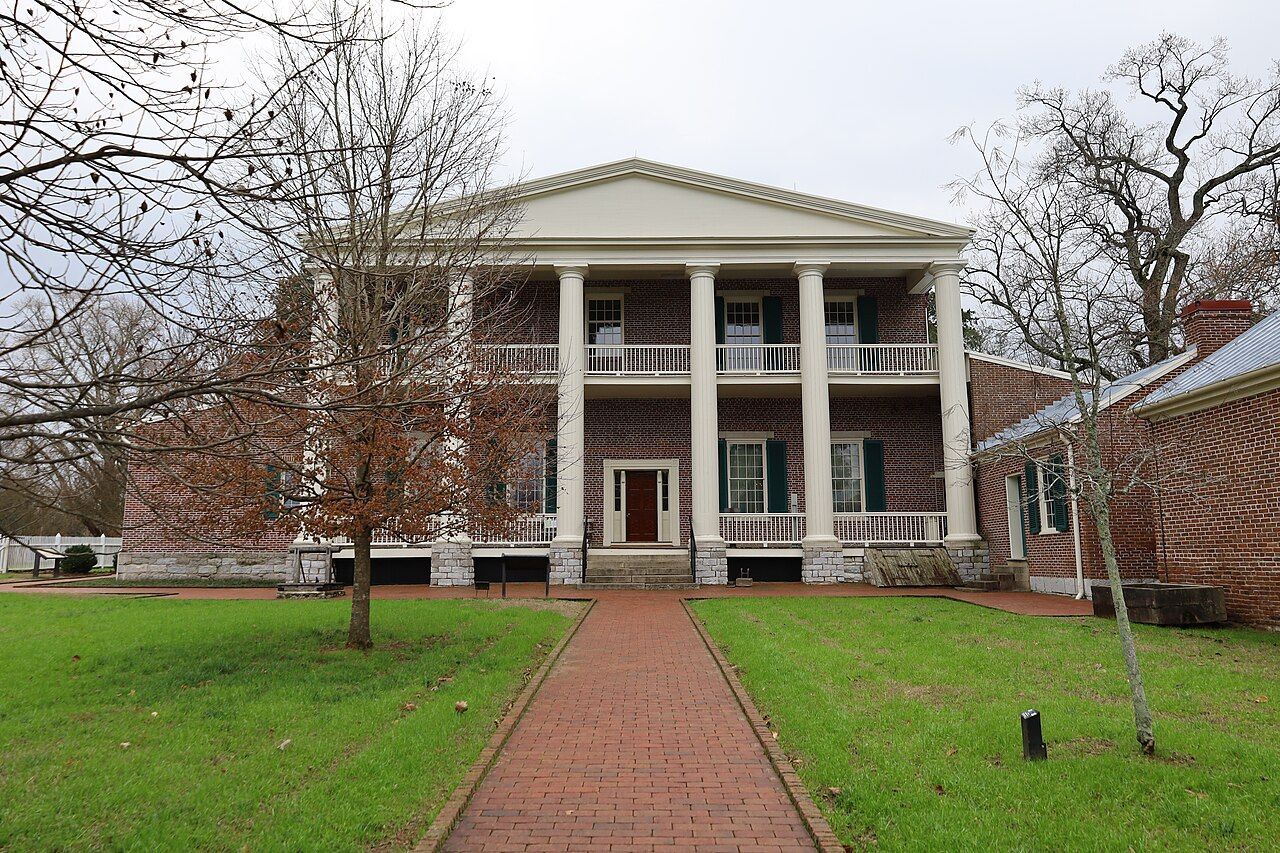
Image: Giorgio Trovato

Andrew Jackson's Hermitage proves that Old Hickory had a softer side—at least when it came to interior decorating. This Greek Revival mansion near Nashville showcases surprisingly elegant taste for a guy who basically invented political mudslinging. The home features original wallpaper, family furnishings, and enough period detail to make any history buff swoon.

The grounds include Jackson's tomb, beautiful gardens, and the Tulip Grove mansion where his nephew lived . There's also a museum that doesn't shy away from the more controversial aspects of Jackson’s legacy, including his policies toward Native Americans.

4
Sagamore Hill (Theodore Roosevelt) - Oyster Bay, New York
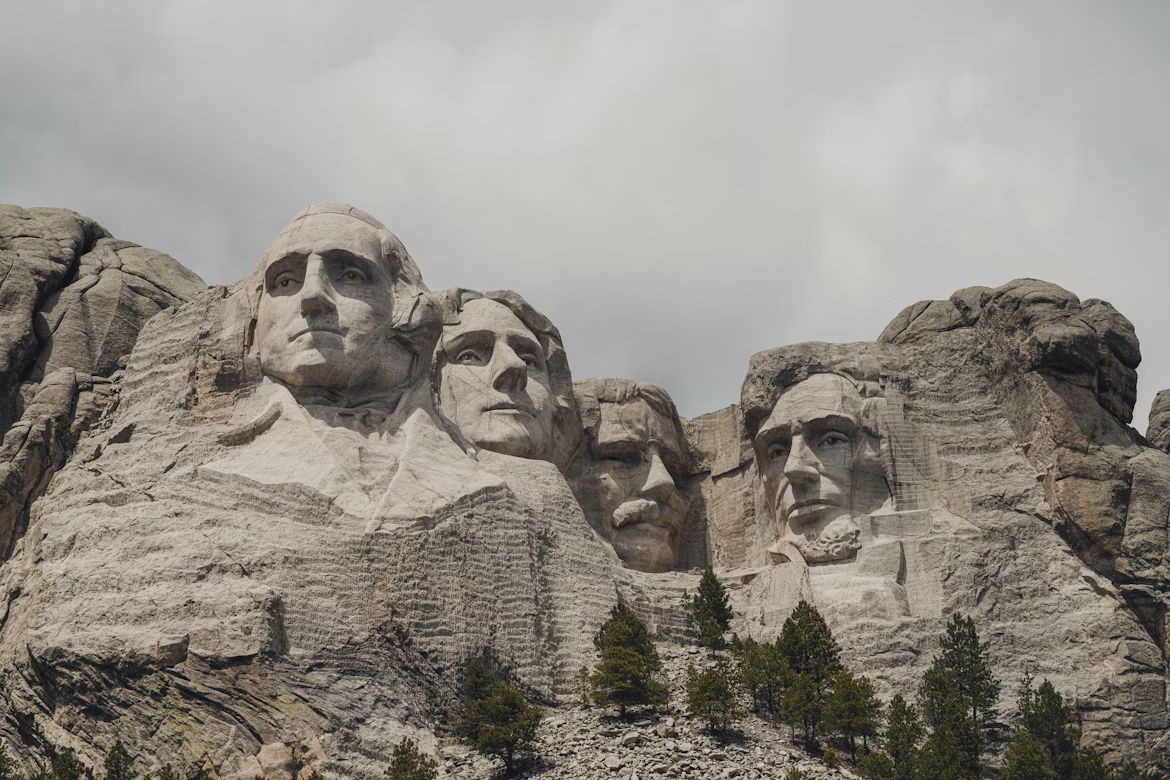
Image: Laura Nyhuis

If you've ever wondered what a president's "Summer White House" looks like, Sagamore Hill delivers in spades. Teddy Roosevelt's Long Island retreat is filled with hunting trophies, books, and artifacts from his adventures around the globe .

The rambling Victorian mansion overlooks Oyster Bay and perfectly captures TR's larger-than-life personality. You'll see the study where he conducted presidential business while supposedly on vacation, because apparently, Teddy Roosevelt didn't understand the concept of "unplugging."

5
Springwood (Franklin D. Roosevelt) - Hyde Park, New York
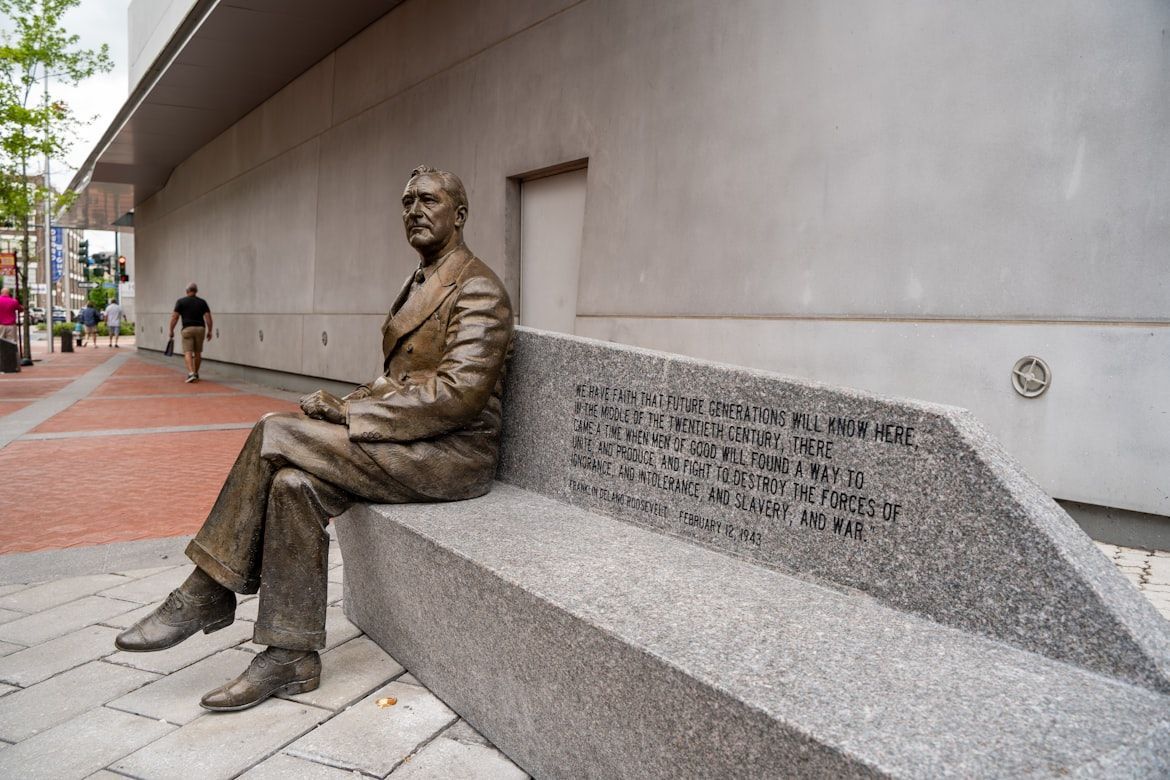
Image: Jessica Tan

Springwood is where Roosevelt returned throughout his presidency, seeking refuge from Washington's pressures and the challenges of polio. The house tour includes the room where he was born .

The estate also features his presidential library—the first of its kind—and the rose garden, where both Franklin and Eleanor are buried. The Top Cottage, FDR's personal retreat on the property, shows insight into how he adapted to living with paralysis.

6
Harry S. Truman House - Independence, Missouri
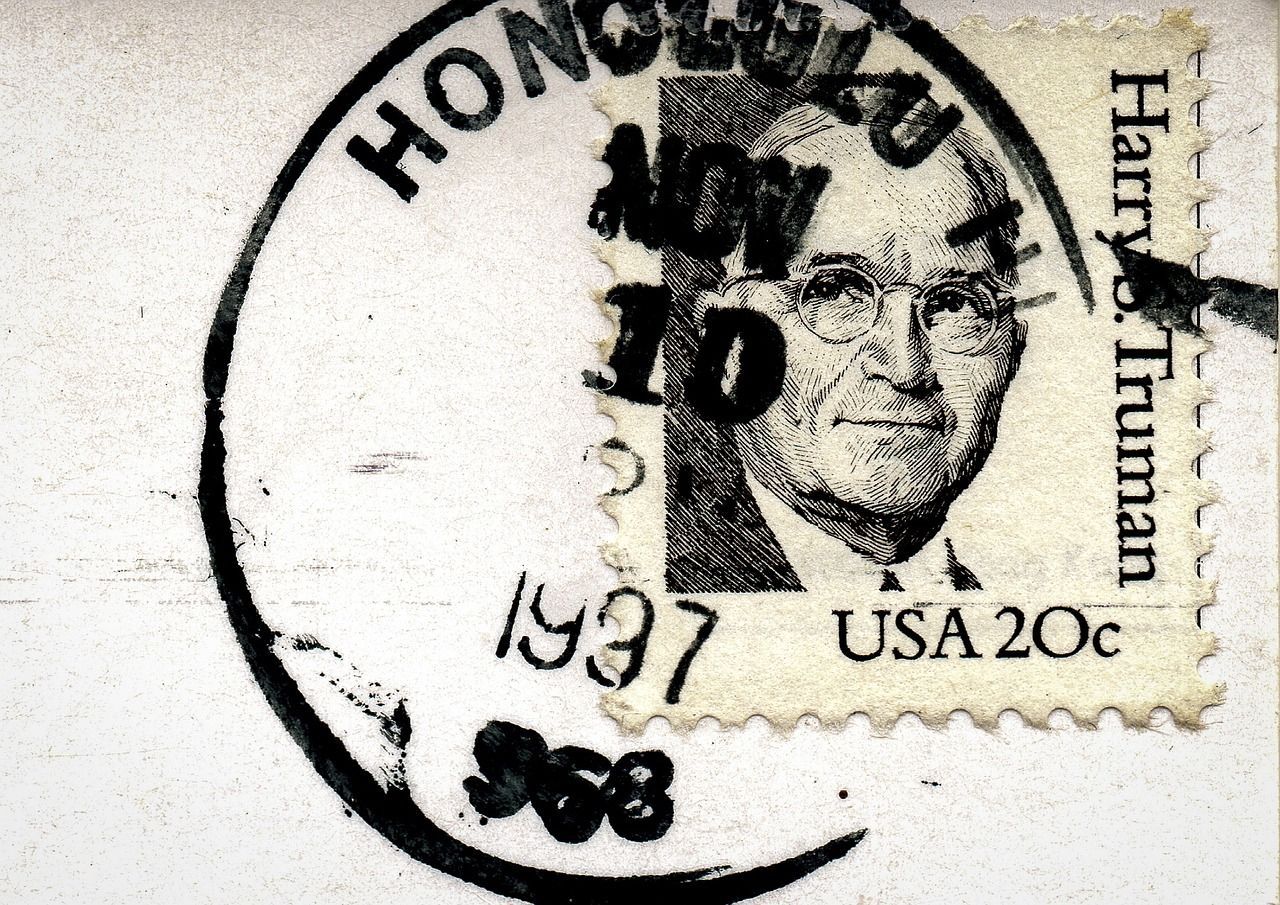
Image: urbanvibe14

Harry Truman's home in Independence is refreshingly normal—which makes sense for a man who went from haberdasher to president without losing his everyman touch. This white Victorian house belonged to his wife Bess's family, and the Trumans lived there before, during, and after his presidency.

The house looks like the Trumans just stepped out for groceries, with original furnishings, Harry's hat hanging in the hall, and Bess's piano in the parlor . It's a time capsule of mid-20th-century American life, proving that you don't need a mansion to make history.

7
Lyndon B. Johnson Ranch - Stonewall, Texas
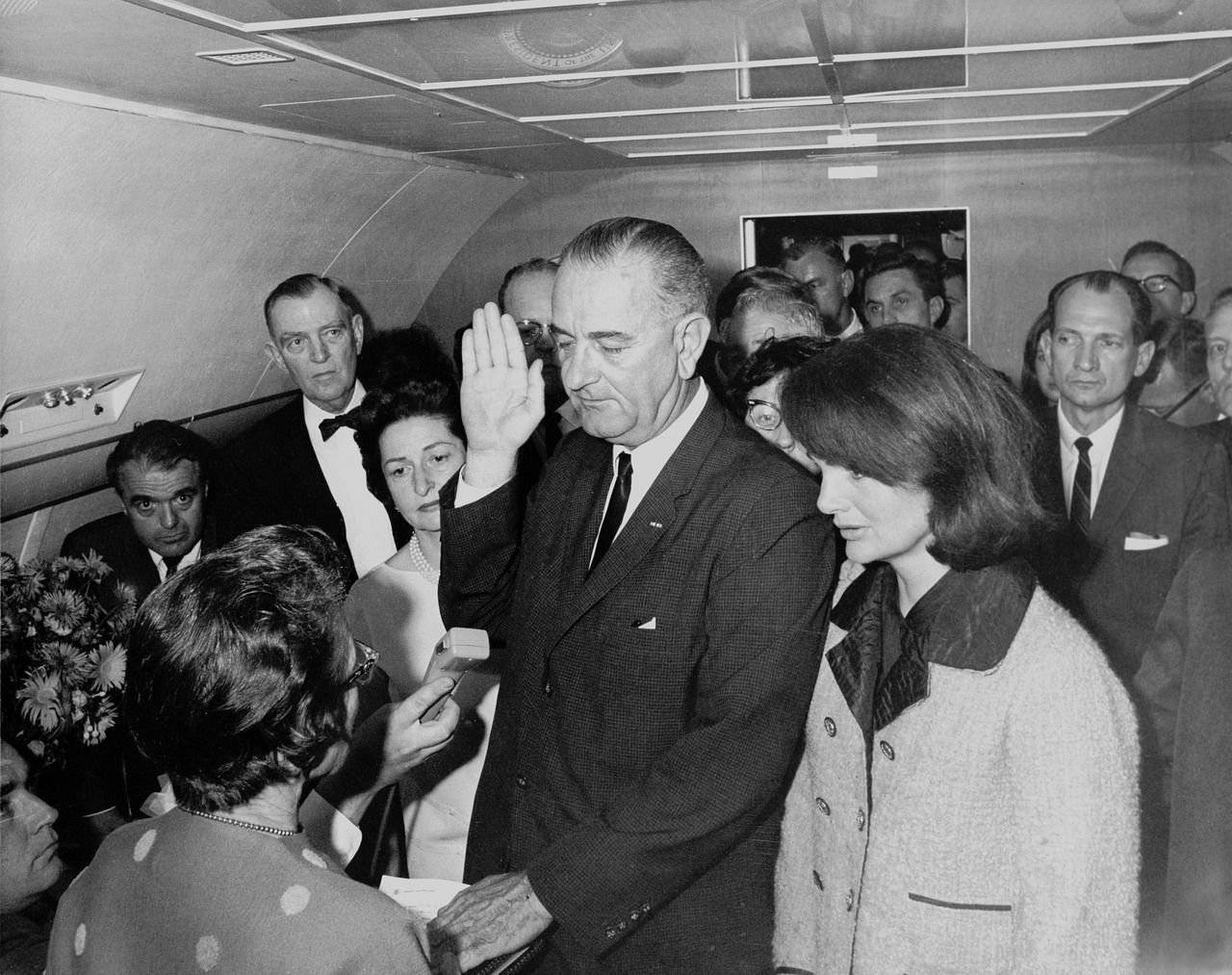
Image: WikiImages

The Texas White House, as LBJ called it, is where the 36th president went to escape Washington's fishbowl and reconnect with his Hill Country roots. The ranch is still a working cattle operation, which somehow makes it even more authentically Texan. You can tour the ranch house, see LBJ's famous Amphicar (half car, half boat, all LBJ showmanship), and visit the one-room schoolhouse where his education began .

The ranch is part of Lyndon B. Johnson National Historical Park, which also includes his birthplace and the family cemetery where he's buried. The house itself is modest but comfortable, filled with Western art and the kind of leather furniture you'd expect from a Texas rancher.

8
Jimmy Carter Boyhood Farm - Plains, Georgia
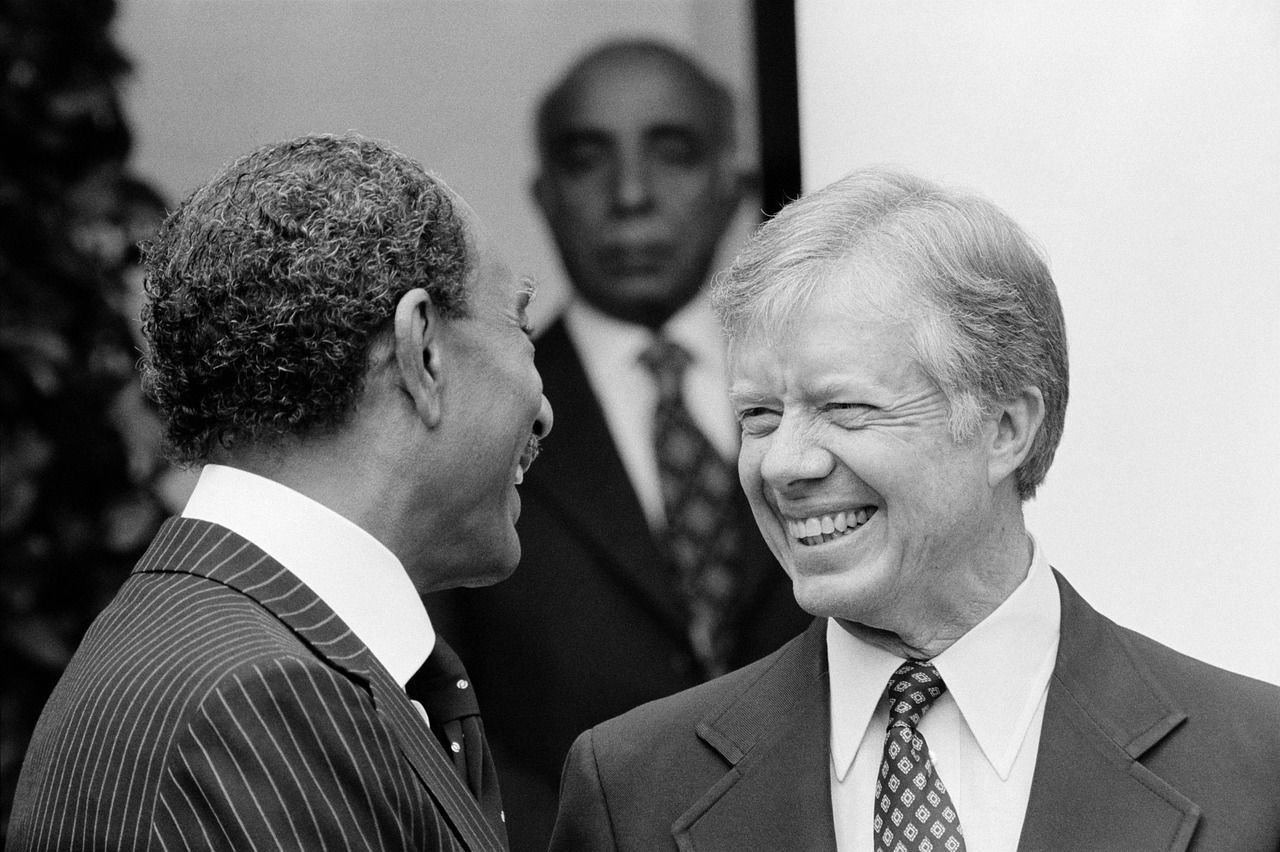
Image: WikiImages

Before he was president, Jimmy Carter was just a peanut farmer's kid growing up in rural Georgia without electricity or running water. The restored farmhouse and grounds show what life was like in 1930s rural America . The pump in the yard wasn't decorative; it was how they got water.

Visiting the Carter farm is like stepping into a time machine. You'll see the commissary where tenant farmers bought supplies, the blacksmith shop, and the outhouse that served as the family's "facilities."

9
Ronald Reagan Ranch - Santa Barbara, California
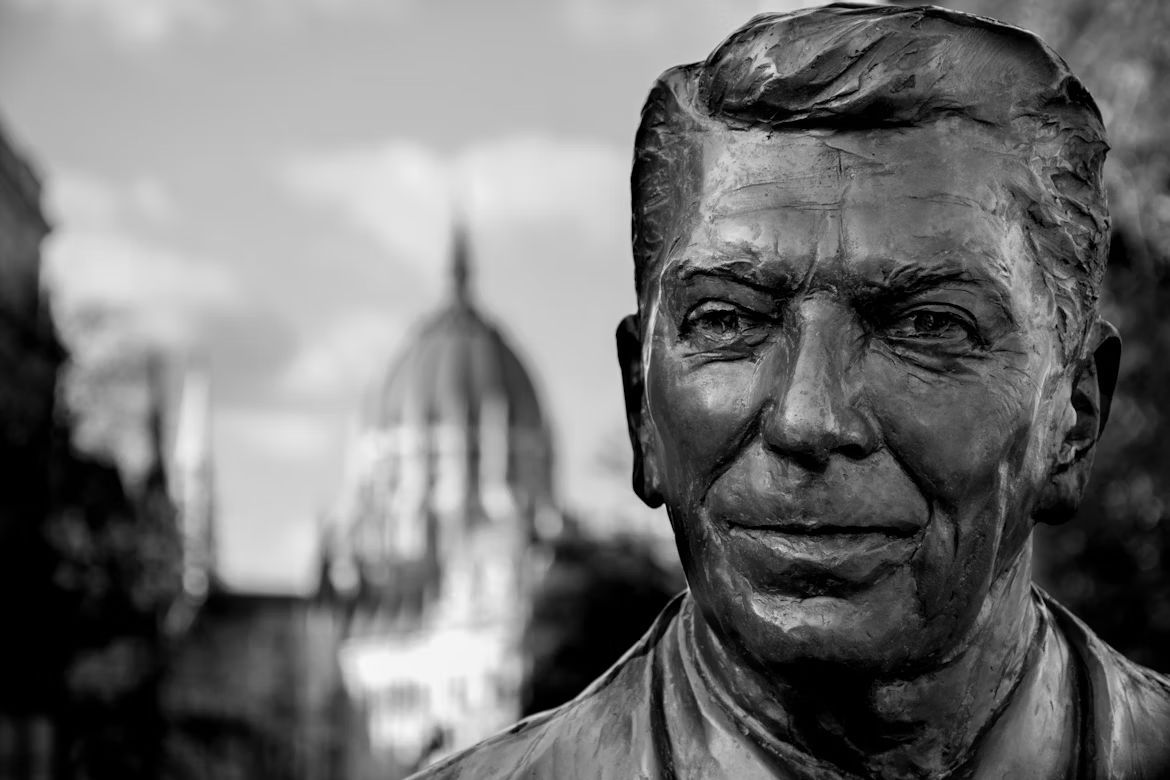
Image: Nicolas HIPPERT

Perched in the Santa Ynez Mountains with sweeping Pacific views, this 688-acre ranch was where the Gipper went to ride horses, clear brush, and make decisions that shaped the 1980s. The rustic adobe house is surprisingly modest : no movie-star mansion here, just a comfortable retreat.

Tours are limited and require advance booking, but they're worth the effort. You'll see Reagan's Jeep, the tack barn where he kept his horses, and the house where he and Nancy entertained world leaders like Mikhail Gorbachev.

10
George W. Bush Prairie Chapel Ranch - Crawford, Texas
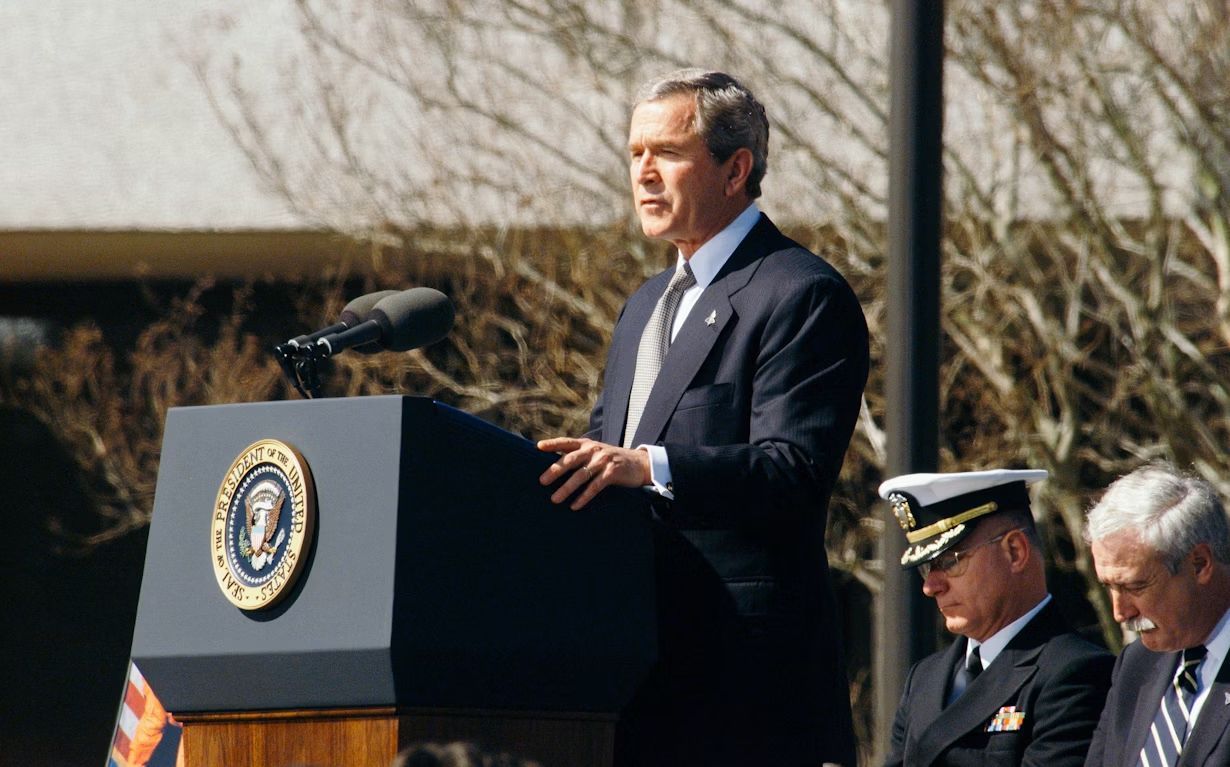
Image: History in HD

While Bush's Crawford ranch isn't open for public tours (yet), it deserves mention as a modern presidential retreat that captured the nation's imagination. The environmentally conscious "Western White House" featured geothermal heating, a rainwater collection system, and lots of brush for W to clear while contemplating post-9/11 America . It's where he hosted everyone from Vladimir Putin to Tony Blair, proving that Texas hospitality works in any era.

History History 4 min read

Which ad do you remember?

From Nike to Dove: Discover the stories behind 12 iconic ads

Image: Shreesha bhat

Some ads are so catchy, clever, or downright bold that they become part of American culture. From slogans we still repeat to jingles we can’t forget, the best campaigns leave a lasting impression. Take a look at the stories behind 12 of these iconic pieces. Which one do you remember most?

1
Pepsi: "Is Pepsi OK?"

Image: NIKHIL

If you’ve ever asked for a Coke and heard, "Is Pepsi OK?", you’re not alone—it’s a common scenario that has become a cultural cliché. In 2019, Pepsi embraced that moment and turned it into an ad campaign.

Featuring celebrities, the ads leaned into the joke and confidently rebranded Pepsi as more than just "OK."

2
Westinghouse: "We Can Do It!"

Image: Nayani Teixeira

Westinghouse Electric’s We Can Do It! poster, created during World War II to boost morale among female workers , later became a symbol of female empowerment in the 1970s.

Initially unrelated to the Rosie the Riveter character, the poster eventually gained widespread use in advertisements and pop culture, celebrating women’s strength and independence.

3
Pan-American Coffee Bureau: "Give yourself a coffee break!"

Image: Jakub Dziubak

In the 1950s, the Pan-American Coffee Bureau popularized the concept of the "coffee break" with a campaign that encouraged workers to relax while drinking the popular beverage .

By the 1960s, coffee breaks had become so essential that the United Auto Workers union demanded them in their contracts, even threatening a strike if they were not included.

4
Marlboro: The Marlboro Man

Image: Brendan Stephens

Created in 1954, the Marlboro Man transformed Marlboro from a women’s cigarette into a symbol of rugged masculinity . The iconic cowboy became so recognizable that by the late '90s, nearly 90% of schoolchildren knew him.

The character was retired in 1998 as part of a tobacco industry settlement that banned the use of human and cartoon figures in advertisements.

5
Ad Council: "Friends don't let friends drive drunk."

Image: Aedrian Salazar

Launched in 1983, the "Friends Don’t Let Friends Drive Drunk" PSA became a cultural milestone, directly addressing the widespread problem of drunk driving .

At the time, alcohol was involved in roughly half of all car crash fatalities. The campaign played a key role in shifting public attitudes and helped reduce that number to around 31% in the decades that followed.

6
Levi Strauss & Co.: "A Guide to Casual Businesswear"

Image: Varun Gaba

In the 1980s, "Casual Fridays" gained popularity , but many companies quickly regretted the trend as employees began showing up in overly casual or sloppy attire. In 1992, Levi Strauss & Co. capitalized on the situation by releasing A Guide to Casual Businesswear , promoting its Dockers and Levi’s brands as polished, workplace-appropriate options.

By 1995, Levi’s reported record sales of $6.2 billion, helping to redefine "business casual" and promoting a more professional yet relaxed dress code in the workplace.

7
Snickers: "You’re Not You When You’re Hungry"

Image: Shyam Mishra

Snickers’ Super Bowl ad featuring Betty White, in which hunger causes a man to momentarily "become" her during a football game , became an instant hit and introduced the now-iconic tagline: "You’re Not You When You’re Hungry."

The campaign's humor and relatable message made it highly successful, with the concept evolving over the years through new scenarios and celebrities.

8
KFC: "FCK"

Image: Aleks Dorohovich

During a 2018 chicken shortage , KFC used humor to manage the crisis with a bold ad that featured an empty bucket and the letters "FCK" in place of its logo .

This self-aware and cheeky approach helped diffuse customer frustration and strengthened the brand’s connection with its audience through honesty and wit.

9
Pepsi: "Pepsi Challenge"

Image: NIKHIL

Pepsi’s second entry on this list is the iconic "Pepsi Challenge," a blind taste-test campaign that invited consumers to compare Pepsi and Coca-Cola .

By focusing on taste and showing that many participants preferred Pepsi, the campaign successfully shifted public perception and boosted brand loyalty during the fiercely competitive "Cola Wars" of the 1980s.

10
Nike: "Just Do It"

Image: wuyi

Launched in 1988, Nike’s "Just Do It" campaign featured athletes like 80-year-old marathoner Walt Stack to inspire people from all walks of life to take action.

The slogan quickly resonated with audiences, sparking countless personal stories of bold choices and perseverance. It has since become one of the most enduring and recognizable taglines in advertising history.

11
California Milk Processor Board: "Got Milk?"

Image: engin akyurt

Launched in 1993, the legendary "Got Milk?" campaign emphasized the importance of milk through a study showing how people felt when they ran out .

With its clever use of celebrity endorsements and pop culture references, the campaign ran for over two decades and produced hundreds of memorable ads nationwide, cementing its place as one of the most influential marketing successes in advertising history.

12
Dove: "Real Beauty"

Image: Matthew Tkocz

Launched in 2004, Dove’s "Real Beauty" campaign aimed to boost self-confidence by challenging traditional beauty standards.

Featuring real women instead of professional models , the campaign focused on diversity, aging, and natural imperfections, promoting a more inclusive and empowering definition of beauty.

General General 4 min read

A guide to America's most unconventional museums

The bizarre American museums you never knew existed (but need to visit)

Image: Flickch

Forget the Louvre and the Smithsonian. If you're craving something a little more... unusual on your next museum outing, America has you covered. From pickles to parasites, these wonderfully weird institutions prove that literally anything can be museum-worthy if you're passionate enough about it.

1
The Museum of Bad Art (Massachusetts)

Image: Jerry Wang

Founded in 1994, MOBA showcases art "too bad to be ignored," featuring paintings so spectacularly awful they circle back to being captivating . We're talking off-kilter portraits, baffling subject matter, and techniques that defy explanation.

The collection includes masterpieces like "Lucy in the Field with Flowers," featuring a grandmother dancing in a meadow while wearing what might be a nightgown. Each piece comes with a tongue-in-cheek description that treats these disasters with the same reverence the Met gives to Rembrandts.

2
The International Banana Museum (California)

Image: Deon Black

This museum holds the Guinness World Record for the largest collection of banana-related items . With over 25,000 banana things crammed into one yellow-painted space, it's exactly as bonkers as it sounds. Banana phones, banana lamps, banana art—if you can slap a banana on it, it's here.

The museum's motto is "Yes, we have no bananas... we have more!" which pretty much sums up the gloriously ridiculous vibe.

3
The Museum of Broken Relationships (California)

Image: Kelly Sikkema

This surprisingly poignant museum displays donated objects from failed romances , each accompanied by a brief story from the heartbroken donor. Started in Croatia and now with an outpost in Los Angeles, it transforms personal pain into shared human experience. You'll find everything from wedding dresses to an actual prosthetic leg, each item representing a relationship that didn't quite make it.

What could be depressing is actually oddly uplifting: there's humor, anger, relief, and occasionally shocking pettiness on display. One exhibit features an axe someone used to destroy their ex's furniture, piece by therapeutic piece.

4
The International Cryptozoology Museum (Maine)

Image: Jon Sailer

This Portland museum is dedicated to creatures that may or may not exist , from Sasquatch and the Loch Ness Monster to the Chupacabra. Founded by cryptozoologist Loren Coleman, it houses hair samples, plaster casts of mysterious footprints, and endless speculation about what's lurking in our forests and lakes.

5
The Mustard Museum (Wisconsin)

Image: Pedro Durigan

Wisconsin's National Mustard Museum celebrates that yellow squeeze-bottle staple with 6,000+ varieties of mustard from all 50 states and over 70 countries . Curator Barry Levenson started collecting after his beloved Boston Red Sox lost the World Series in 1986, and a voice in a grocery store told him to pursue mustard instead. As one does.

The museum offers free tastings because, apparently, there's a whole world of mustard beyond French's that many of us have been missing. From champagne mustard to chocolate mustard to varieties with names you can't pronounce, it's a full-on condiment education.

6
The Museum of Clean (Idaho)

Image: JESHOOTS.COM

Spanning 75,000 square feet, it chronicles the history of cleaning from ancient times to modern day . It features vintage vacuum cleaners, washing machines, and cleaning products that would horrify today's safety inspectors.

The museum makes a compelling case that cleaning technology has shaped civilization more than we realize. You'll see how our ancestors scrubbed, swept, and sanitized before electricity, and gain a weird appreciation for your Swiffer.

7
The Mutter Museum (Pennsylvania)

Image: Tibor Dányi

This Philadelphia institution houses medical oddities, anatomical specimens, and antique medical equipment that can look more like torture devices. Think preserved organs, skeletal anomalies, and a wall of skulls that's both educational and nightmare-inducing.

The museum's most famous resident is the "Soap Lady," whose body turned into a soap-like substance after burial. There is also a sample of Albert Einstein’s brain tissue on display, because why not?

8
The American Toby Jug Museum (Illinois)

Image: agmclellan

Toby jugs are those quirky ceramic pitchers shaped like people's heads and bodies, usually depicting jolly characters in tricorn hats. This Evanston museum houses over 8,000 of them, representing the world's largest collection of these peculiar drinking vessels .

The collection spans centuries and includes rare jugs worth thousands of dollars alongside kitschy modern versions. You'll learn that Toby jugs have depicted everyone from Winston Churchill and Sherlock Holmes to characters from literature and politics.

9
The Spam Museum (Minnesota)

Image: ZHIJIAN DAI

This 14,000-square-foot museum in Austin, Minnesota, celebrates the canned pork product that fed armies and annoyed email users everywhere . Interactive exhibits let you pretend to work on the Spam production line, and you'll learn more about processed meat than you thought possible.

10
The International UFO Museum and Research Center (New Mexico)

Image: Danie Franco

Located in Roswell, the site of the most famous alleged UFO crash in history, this museum is ground zero for alien conspiracy theories. Founded by people who claim firsthand knowledge of the 1947 incident, it presents eyewitness accounts, declassified government documents, and enough speculation to keep you wondering all night .

Beyond Roswell, the museum explores UFO sightings worldwide, alien abduction stories, and government cover-up theories that range from plausible to completely bonkers.

Explore more American facts

Choose your favorite category!

General
General

As American as apple pie—the very best America has to offer!

Culture
Culture

Delve into the astounding richness of American lore.

Geography
Geography

Hop in and explore vast and diverse American landscapes.

History
History

Discover the key moments that shaped the United States.