History History 5 min read

New professions

The president who went back home to produce whiskey
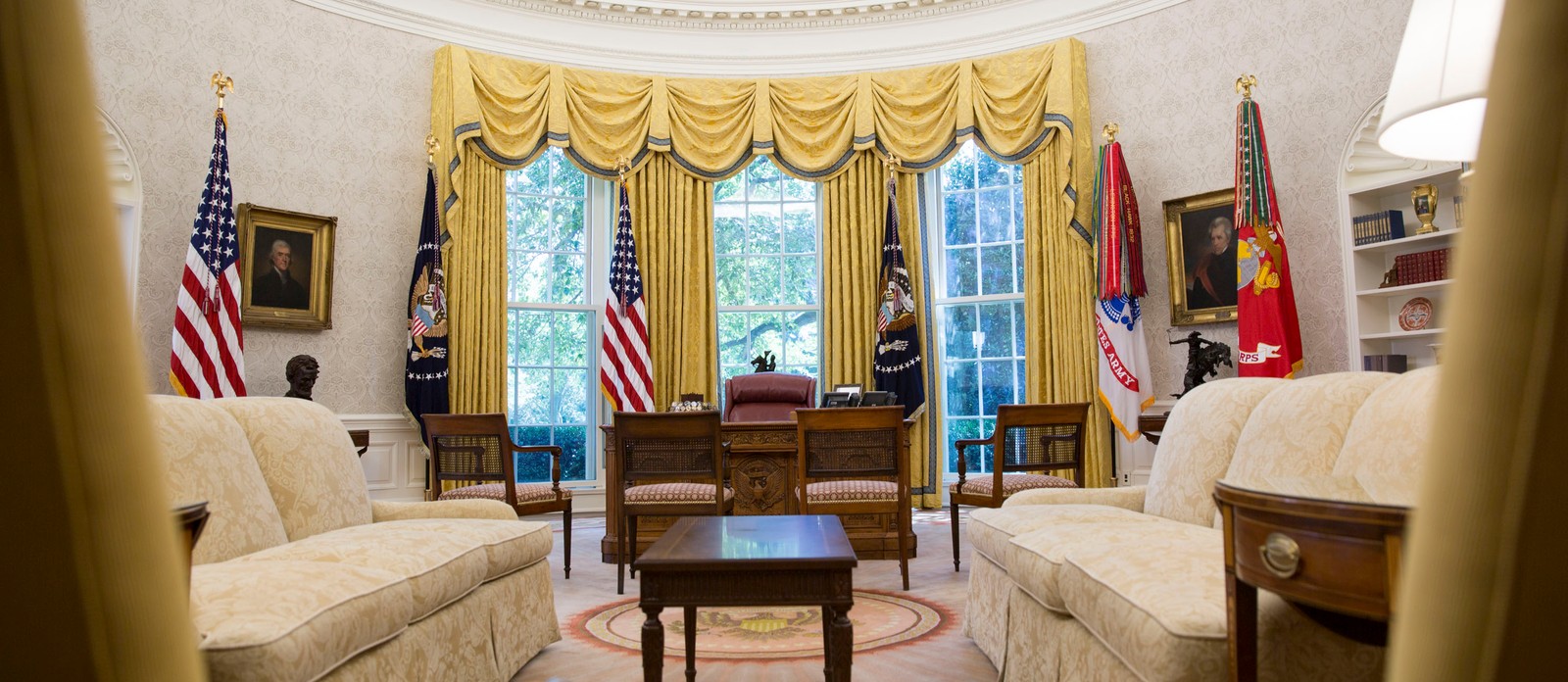
Image: White House, Public domain, via Wikimedia Commons

Being the President of the United States of America is a sure-proof way of being remembered by generations to come, be it for one’s triumphs and achievements, for one’s mistakes, or even for being unremarkable. But what does one do after being the most powerful person in the country? Here are 10 American presidents and their endeavors after retiring from office.

1
George Washington: Whiskey distiller
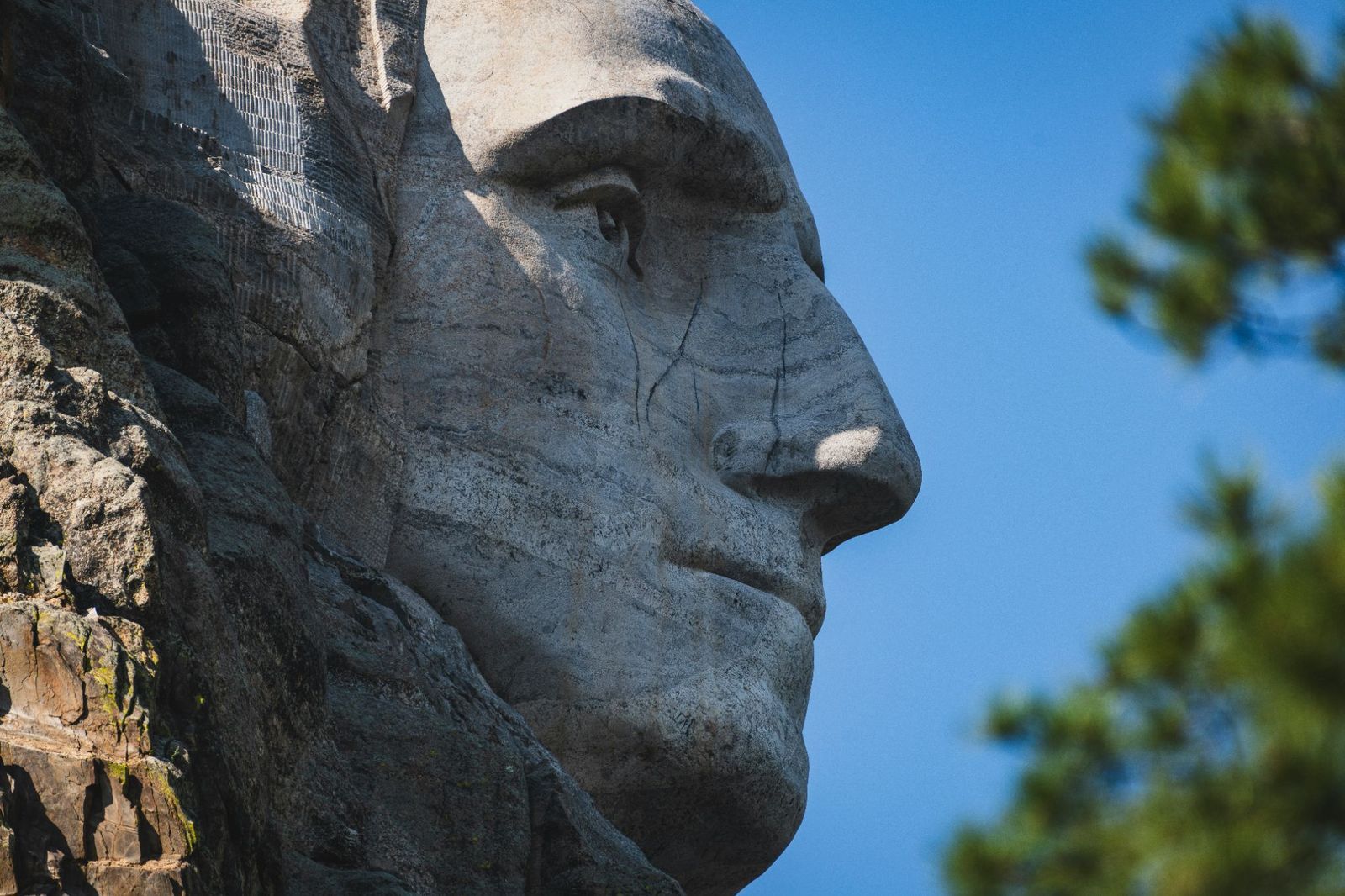
Image: Jon Sailer

George Washington’s retirement after his second presidency (1797) was important in itself as it set a precedent for presidents only serving two terms —although this was only a tradition and not a legal limit until the ratification of the 22nd Amendment in 1951. Despite his enormous prestige, George Washington decided to retire from public life and returned to his Mount Vernon estate , focusing on agriculture and building a whiskey distillery that would become one of the biggest in the country. He was appointed General of the Army by President Adams in 1798, but he never actively served in that position.

2
John Adams: Farmer and writer
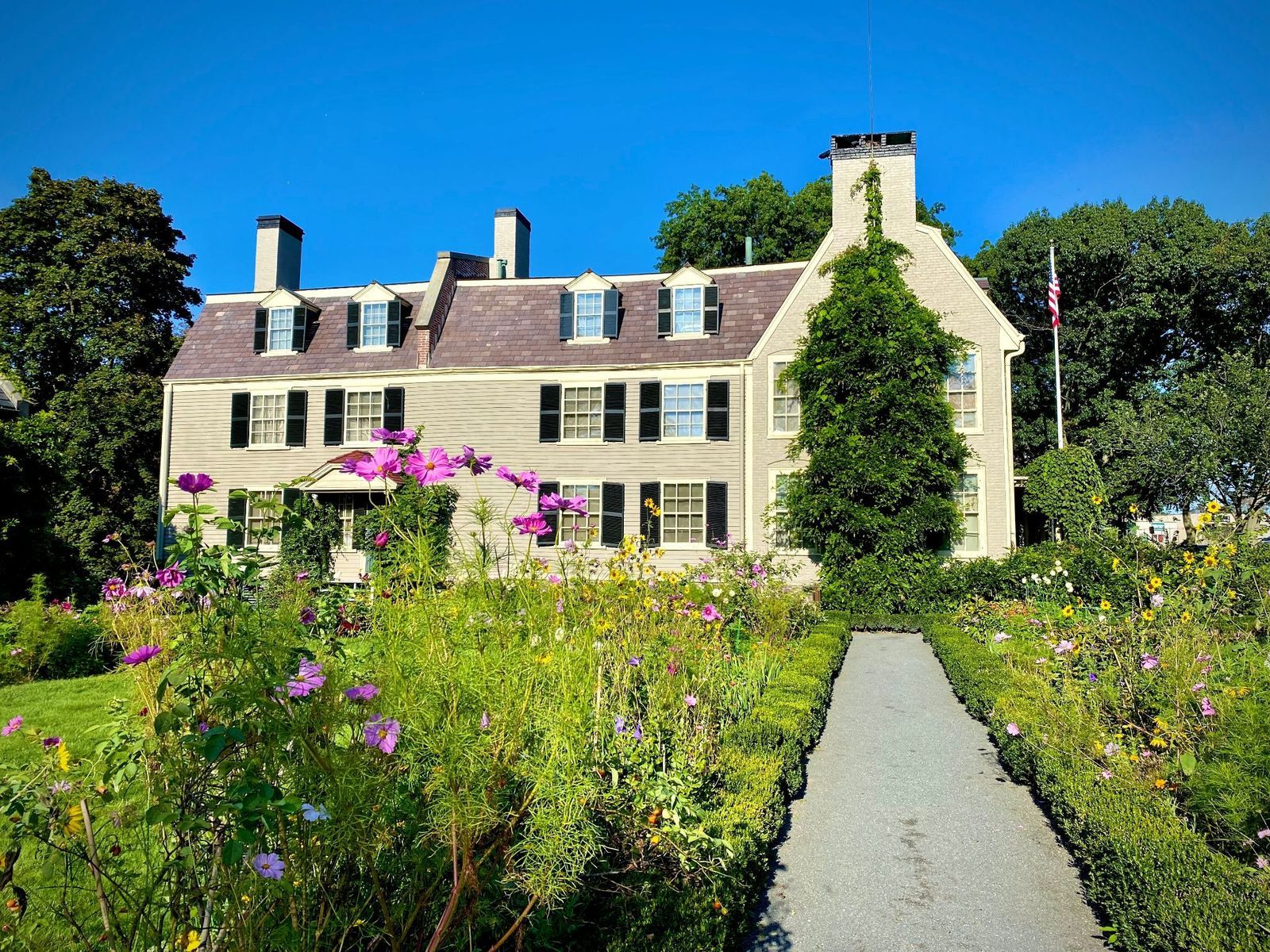
Image: Storied Vistas

In 1801, John Adams retired to Massachusetts, where he would spend the rest of his life managing his estate and writing his autobiography . Reconciled with his former friend and long-time rival Thomas Jefferson, they exchanged letters and writings for more than a decade. After seeing the inauguration of his son, John Quincy Adams, as the 6th American president in 1825, Adams died on July 4, 1826. Famously, his last words were "Thomas Jefferson still survives", not knowing Jefferson had passed a few hours earlier.

3
Thomas Jefferson: Founder of the University of Virginia
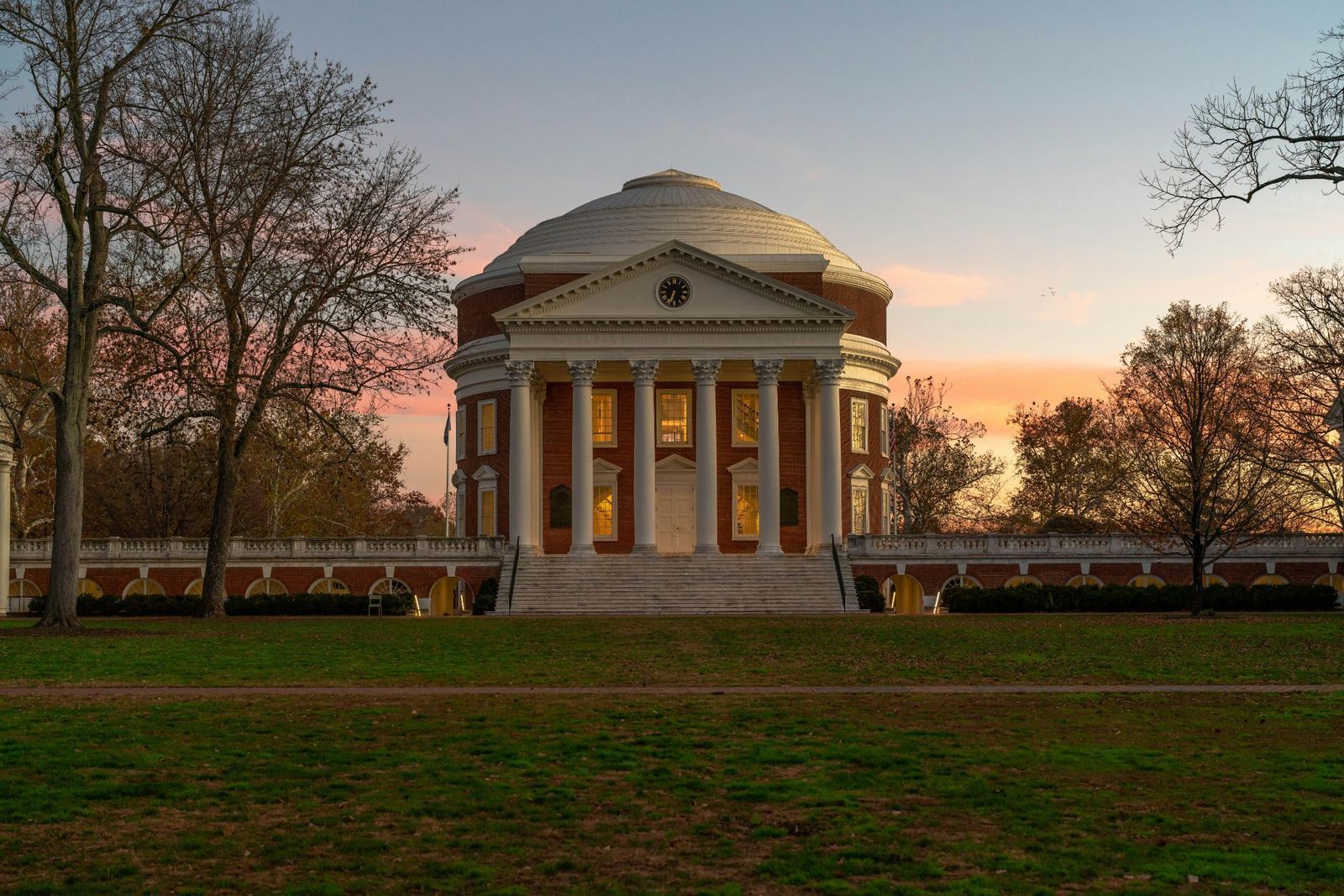
Image: Tim Thorn

After leaving the White House in 1809, Thomas Jefferson went back home to Monticello, Virginia, where he devoted his time to reading, writing, and science, while corresponding with many political figures of the time. In 1815, he sold his personal book collection to Congress to help replace the books burned by the British in 1814. A firm believer in education as a pillar of society, Jefferson envisioned a university where students could pursue studies not offered in other institutions. He chose the location, campaigned for the state charter, designed the buildings and the curriculum, and served as the first rector of the University of Virginia.

4
William H. Taft: Supreme Court Justice
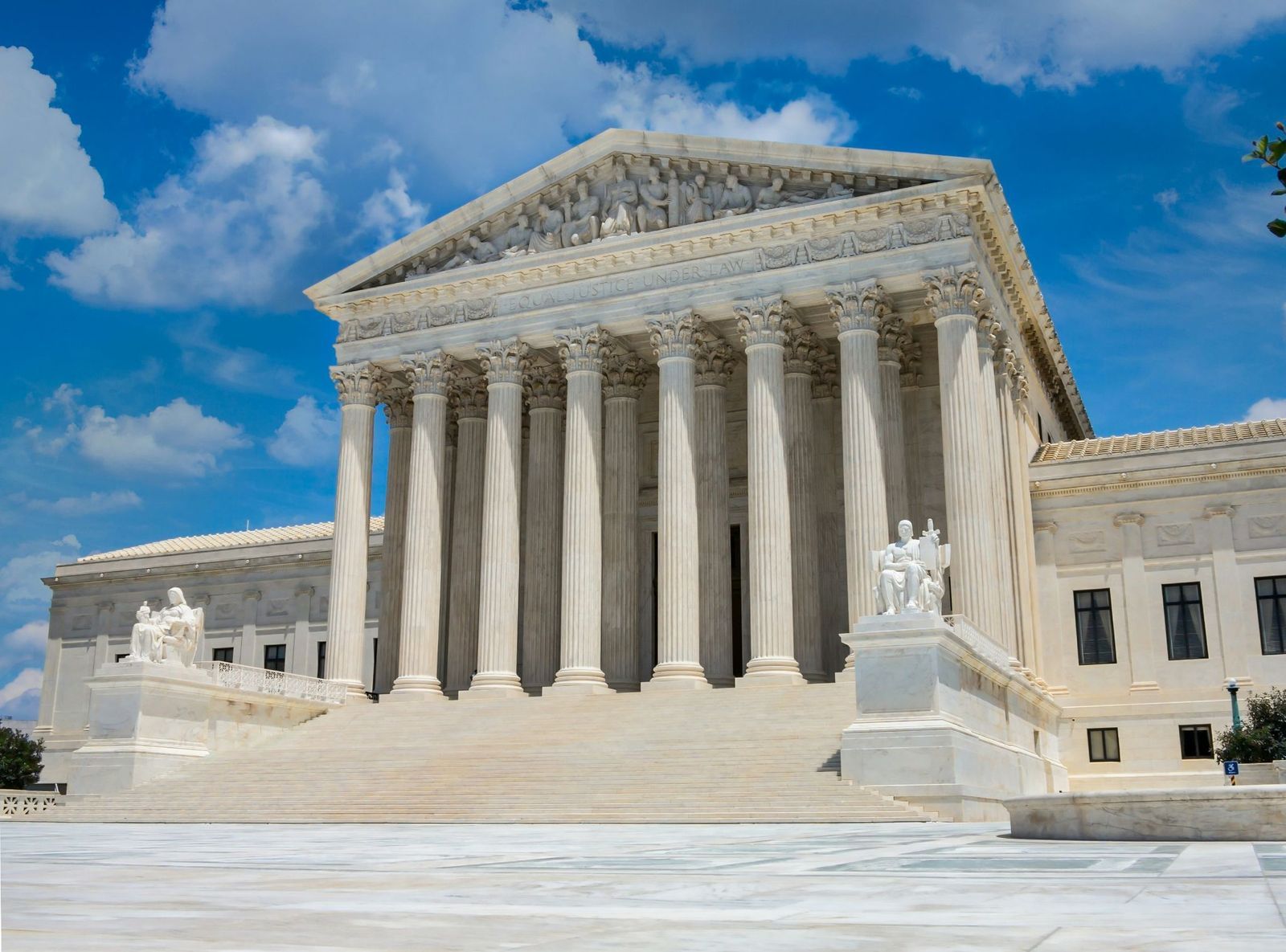
Image: Fine Photographics

Upon his retirement from office in 1913, Taft considered returning to the practice of law. However, he had appointed many federal judges —a few Supreme Court Justices included— which created a conflict of interest. Instead, he decided to accept a position as a lecturer at Yale University. In 1920, after Harding was elected president, Taft was offered a position as a Supreme Court Justice, and he accepted , making him the only person to be both President and Chief Justice of the Supreme Court. After his appointment, Taft focused on organizing the legal system and making it more efficient, and campaigned for the construction of the Supreme Court building.

5
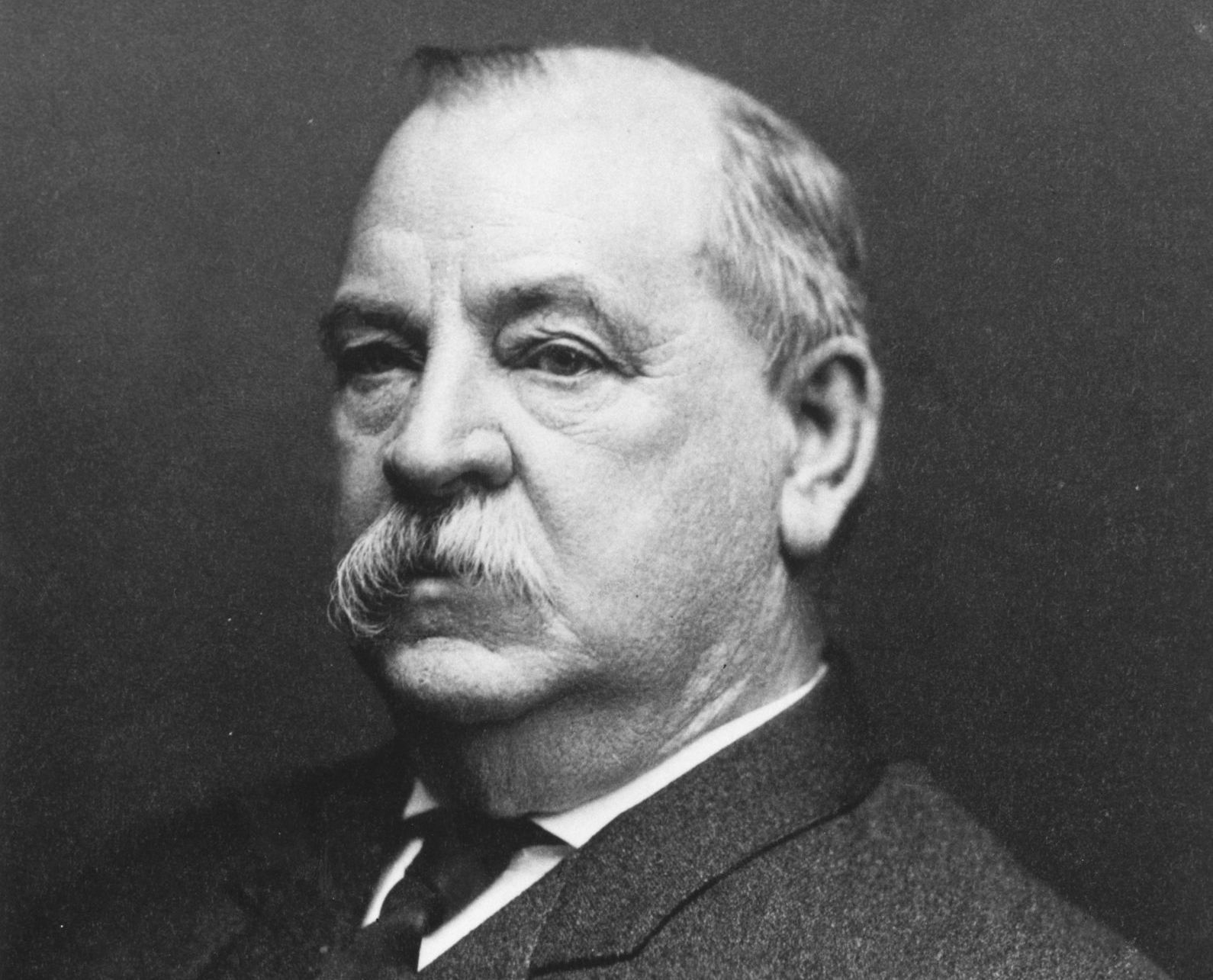
Grover Cleveland: Lawyer
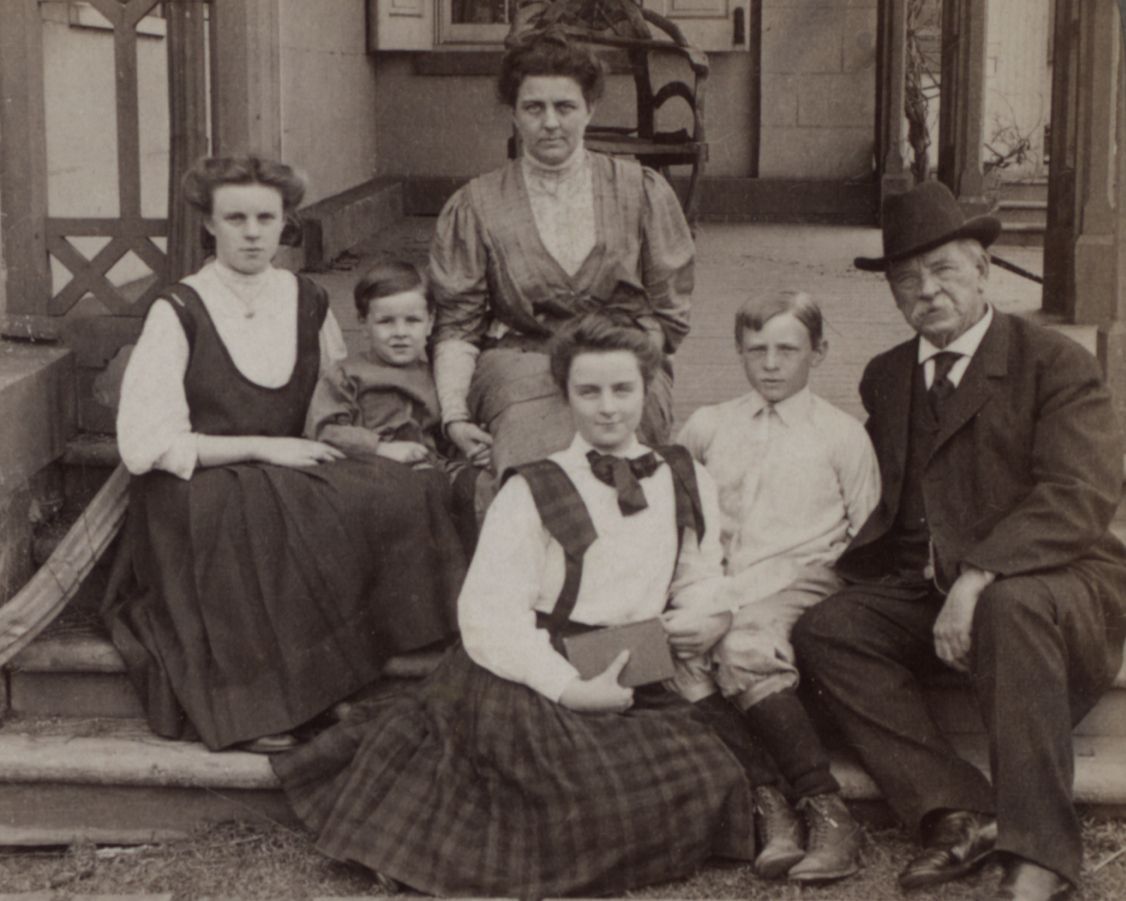
Image: Underwood & Underwood (Publisher), Public domain, via Wikimedia Commons

After losing re-election in 1889, Cleveland took a position at a law firm in New York City and mostly stayed out of politics. A year before the 1892 election, however, he wrote a public letter against President Harrison’s economic policies that quickly made him a favored candidate and won him the Democratic nomination. After winning the election and serving his second term, Cleveland went back to practicing law. He is one of only two presidents to have served two non-consecutive terms.

6
Theodore Roosevelt: Explorer
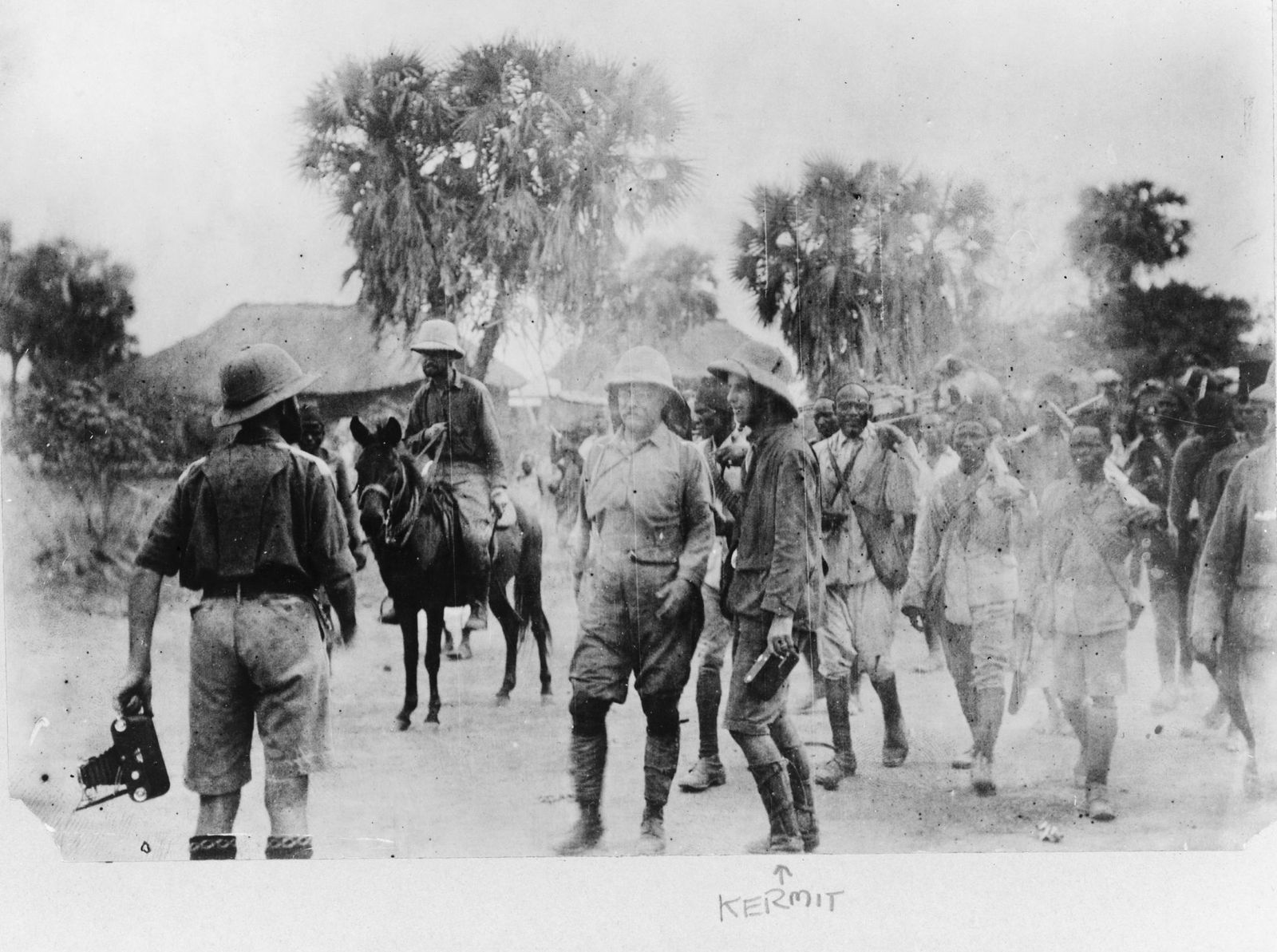
Image: Scott Kraft from USA, Public domain, via Wikimedia Commons

After leaving office in 1909, Roosevelt led a safari expedition in Africa, where he hunted specimens for the Smithsonian Institution. After running for president in 1912 and losing to Woodrow Wilson, Roosevelt and his son Kermit embarked on a seven-month expedition across the jungles of Brazil to explore the Amazon Rive r. During the journey, Roosevelt contracted malaria and suffered from an infected leg wound, which nearly killed him. Back in America, he devoted his time to writing about politics and science, and actively campaigned for the war effort as the U.S. joined World War I.

7
Ulysses S. Grant: Writer
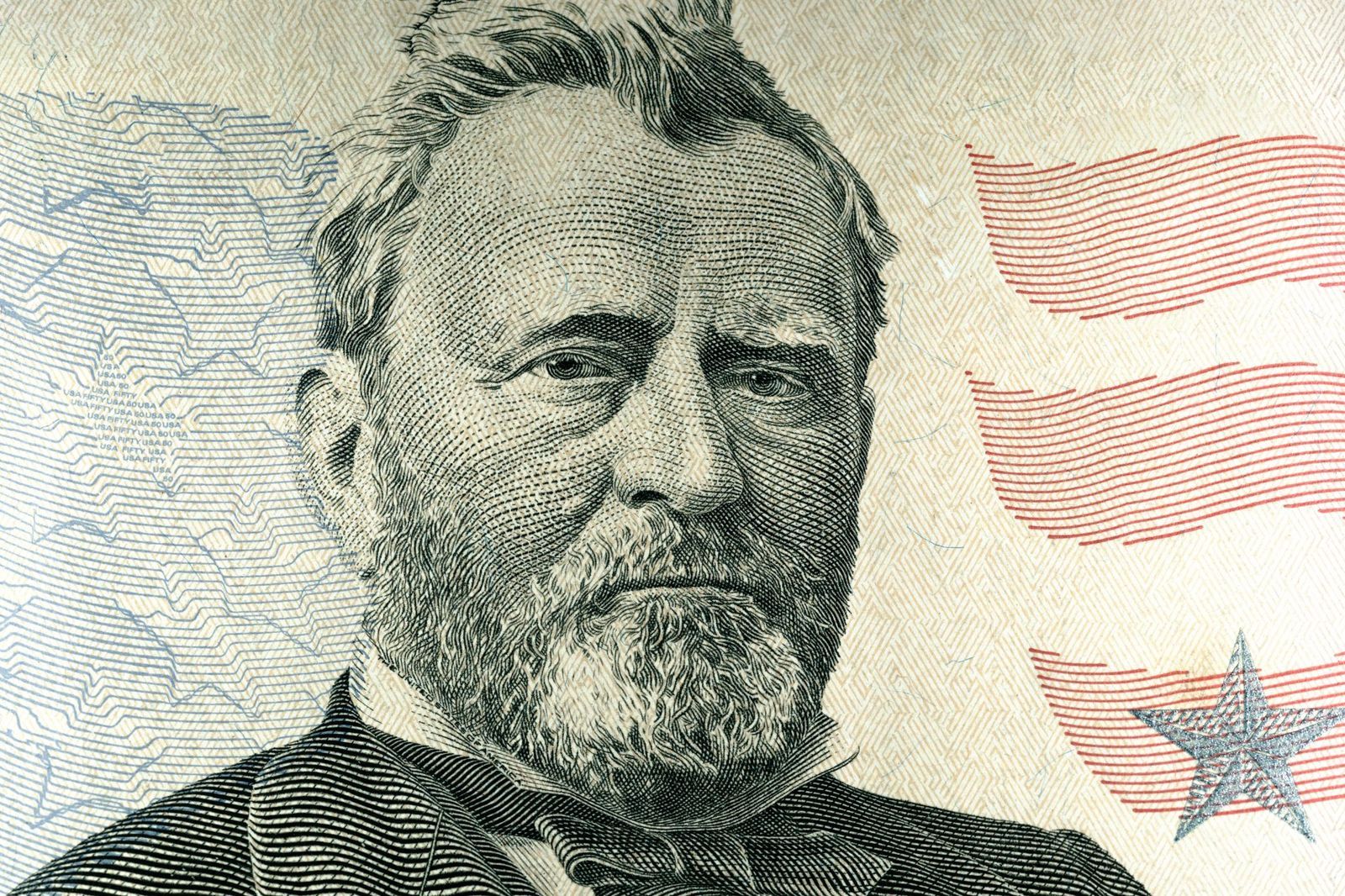
Image: Klochkov SCS

A hero of the Civil War and the Reconstruction era, Grant embarked on a two-year world tour after leaving office in 1877, where he was received by leaders such as Queen Victoria, Chancellor Otto Von Bismarck, and the Japanese Emperor Meiji. Back in America, he invested all of his savings into a Wall Street firm run by his son, but lost all of his money as a consequence of a Ponzi scheme. Penniless and diagnosed with terminal cancer, Grant started writing articles for magazines in order to raise money for his family , while also penning an autobiography, which he finished on his deathbed. The book was a major success, earning his family close to $450,000 and securing their future.

8
John Quincy Adams: Congressman
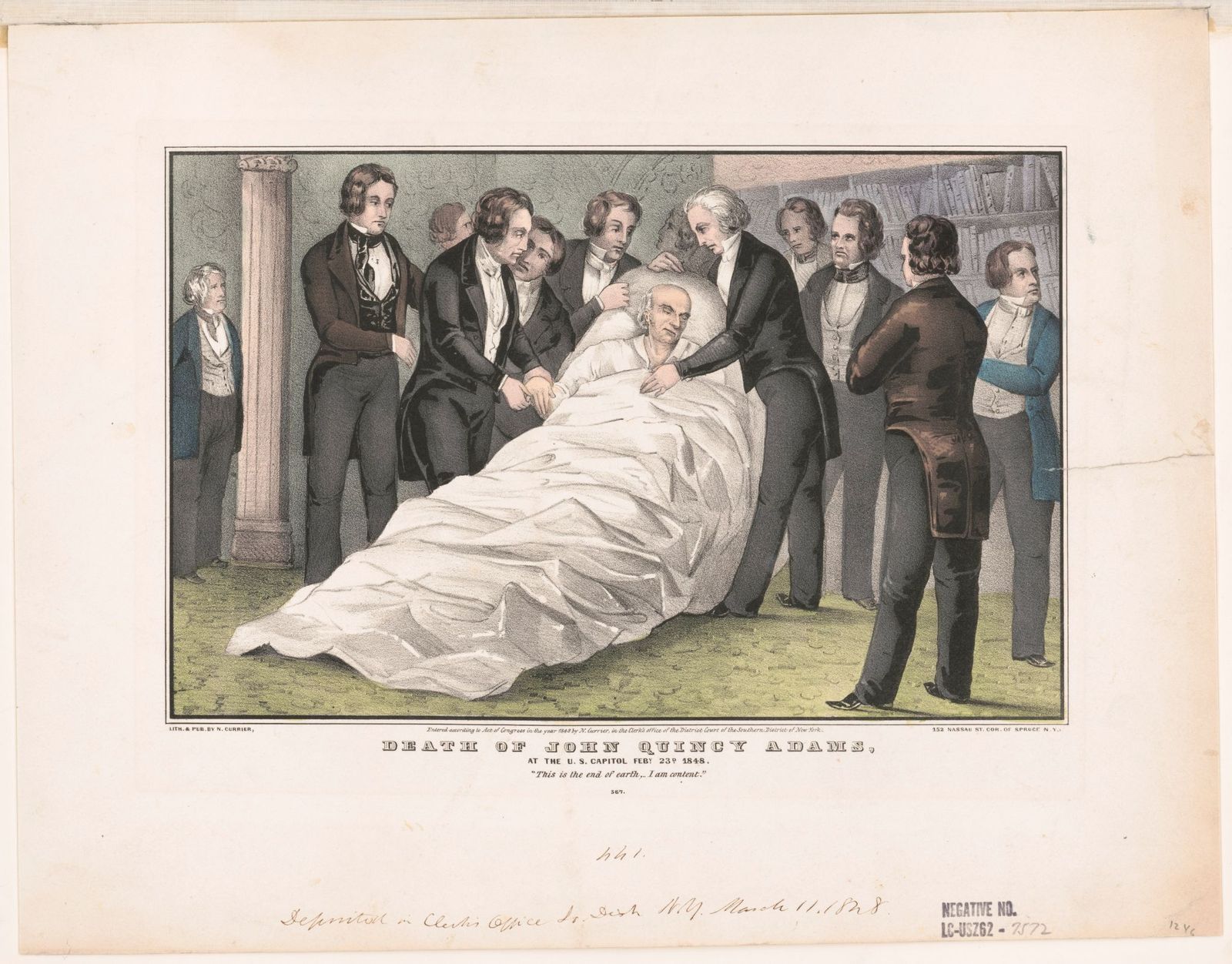
Image: N. Currier (Firm), Public domain, via Wikimedia Commons

After retiring from office in 1829, John Quincy Adams returned to Congress, where he had previously served as senator, but this time as a member of the House of Representatives, being the only U.S. President to do this (Andrew Jackson is the only other former president to go back to Congress, but as a senator). Across 18 years and nine terms as a congressman, he became one of the leaders of the abolitionist cause, fighting to repeal a gag rule that prevented Congress from discussing slavery, and presenting several petitions for the abolition of slavery. Working as a congressman until the end, he died in the Capitol after suffering a stroke during a passionate debate against war.

9
Dwight D. Eisenhower: Cattle rancher
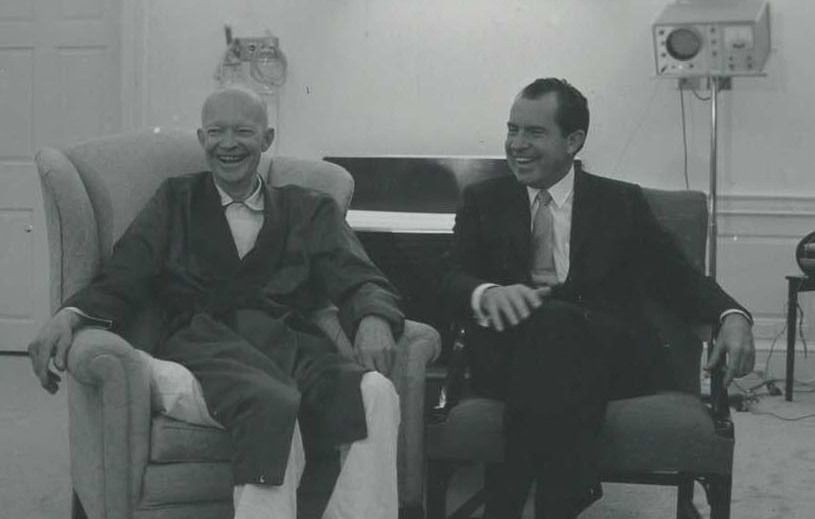
Image: Robert L Knudsen, Public domain, via Wikimedia Commons

As many presidents did before him, Eisenhower retired to his farm after leaving office in 1961. However, he remained involved in politics, serving as an advisor to presidents such as Kennedy, Johnson, or Nixon . Despite having resigned his military commission upon becoming president, Eisenhower had his five-star general rank reinstated by President Kennedy, being the only president —except Washington— to re-enter the armed forces after the presidency.

10
George W. Bush: Oil painter
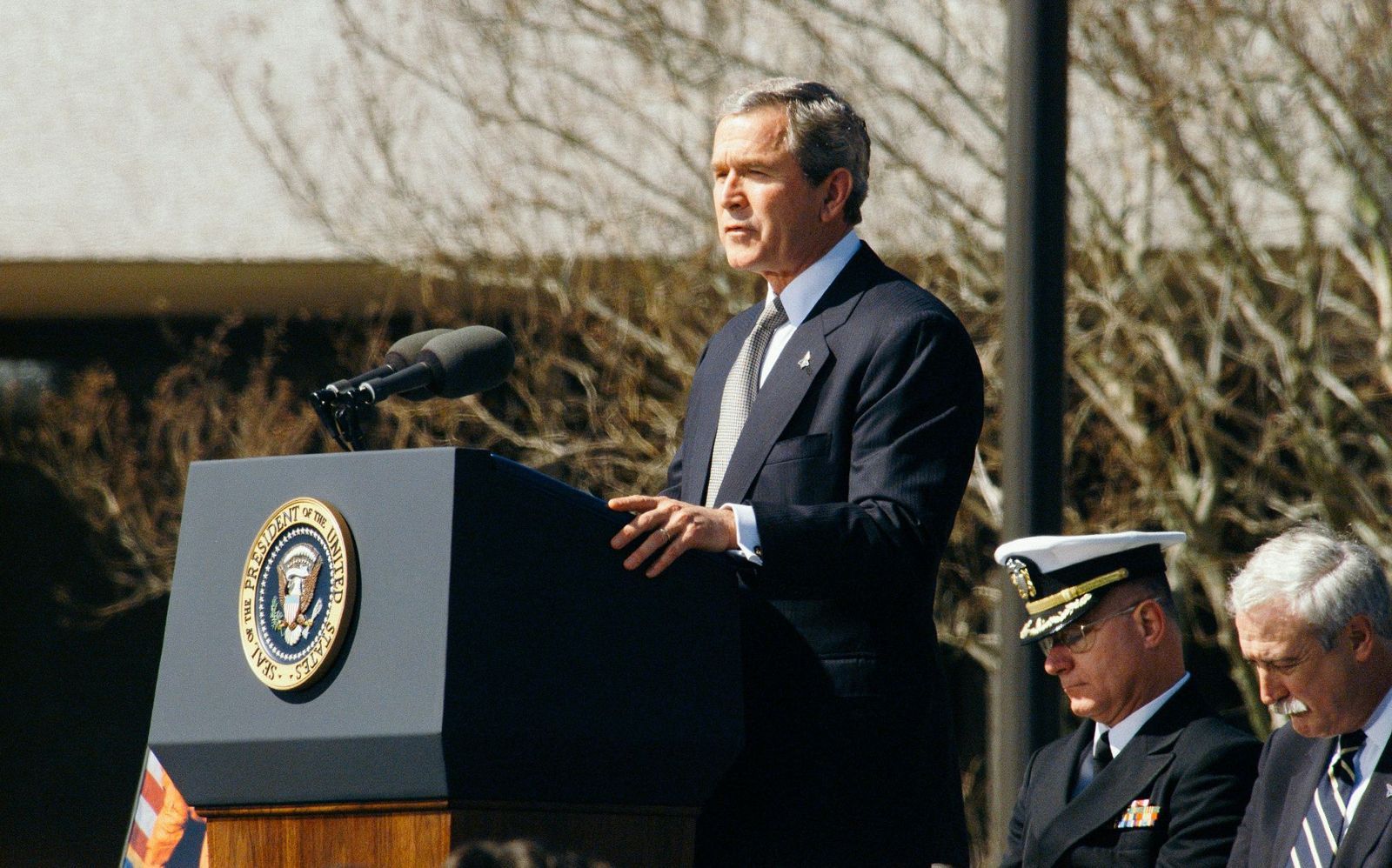
Image: History in HD

After leaving office in 2009, George W. Bush retired to his home in Texas. There, inspired by Winston Churchill’s essay "Painting as a Pastime", he took up oil painting , focusing on portraits of close friends, pets, and world leaders he had met while in office. In 2017, he released an art book focused on portraits of U.S. veterans and their stories.
History History 7 min read

America's most famous names

Bill Clinton wasn't born Bill Clinton—and that's just the start

Image: Cecil W. Stoughton, Public domain, via Wikimedia Commons

What if we told you that Bill Clinton wasn't born "Bill Clinton"? Or that Harry S. Truman's famous middle initial didn't actually stand for anything? And would you believe Lyndon B. Johnson went three months without a name? We've known about America's presidents our entire lives, so it's easy to assume there's nothing left to learn about them. But behind some of the most familiar names in U.S. history are stories stranger than fiction. From accidental initials that lasted a lifetime to surnames that changed completely, here are 10 surprising stories behind the names of American presidents.

1
Bill Clinton

Image: National Archives and Records Administration, Public domain, via Wikimedia Commons

Have you heard of Bill Blythe? Probably not, but you definitely know who he is: Bill Clinton, the 42nd president of the United States.

Born William Jefferson Blythe III on August 19, 1946, in Hope, Arkansas, Clinton never knew his biological father, who passed away in a car accident three months before he was born. His mother, Virginia Cassidy Blythe, later married Roger Clinton Sr. At 15 years old, Bill chose to take the surname Clinton, adopting the name of the man who had raised him .

2
Lyndon B. Johnson

Image: Arnold Newman, Public domain, via Wikimedia Commons

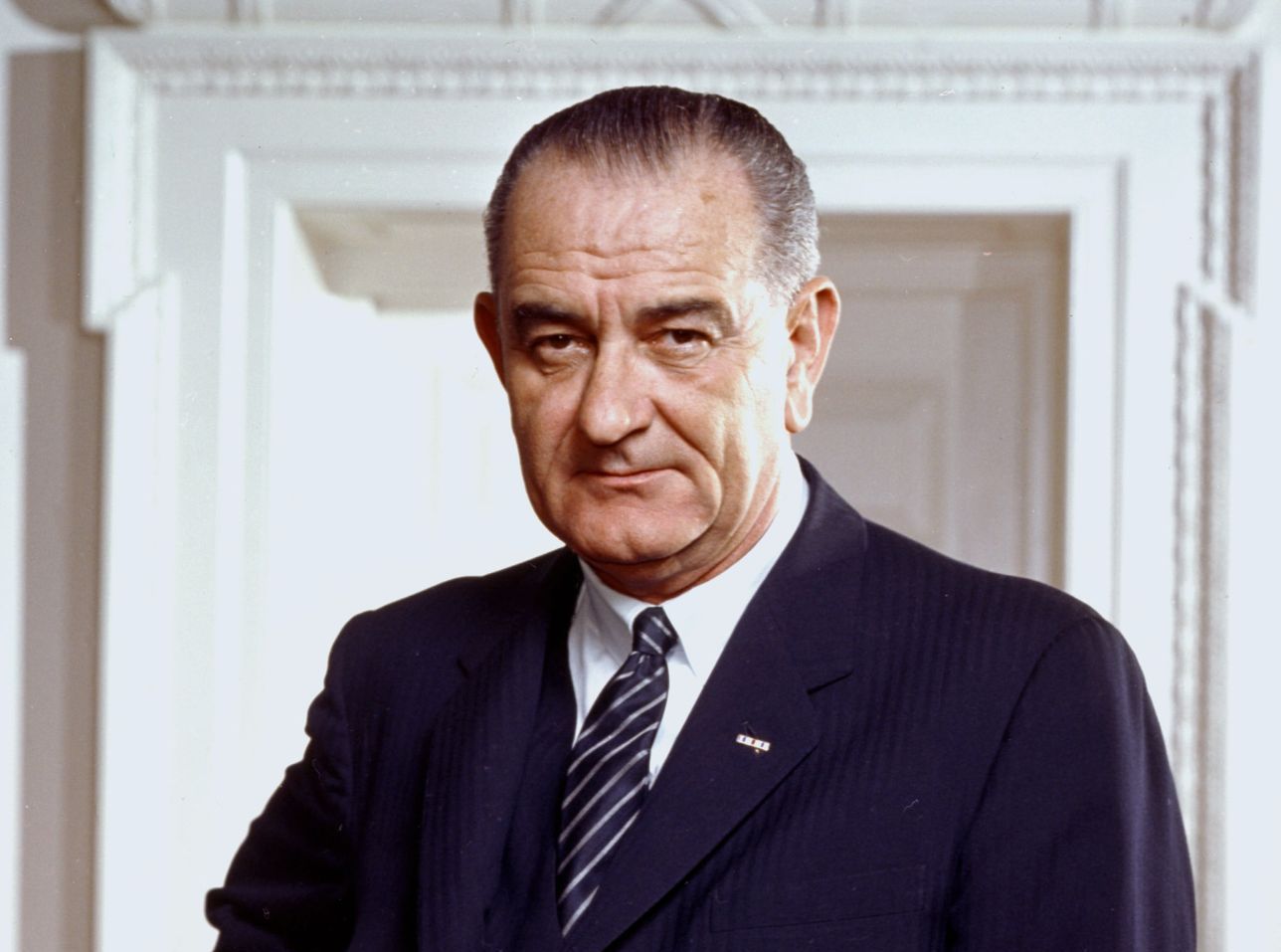
Have you ever heard of a baby who went three months without a name ? As unusual as it sounds, one US president began life exactly that way.

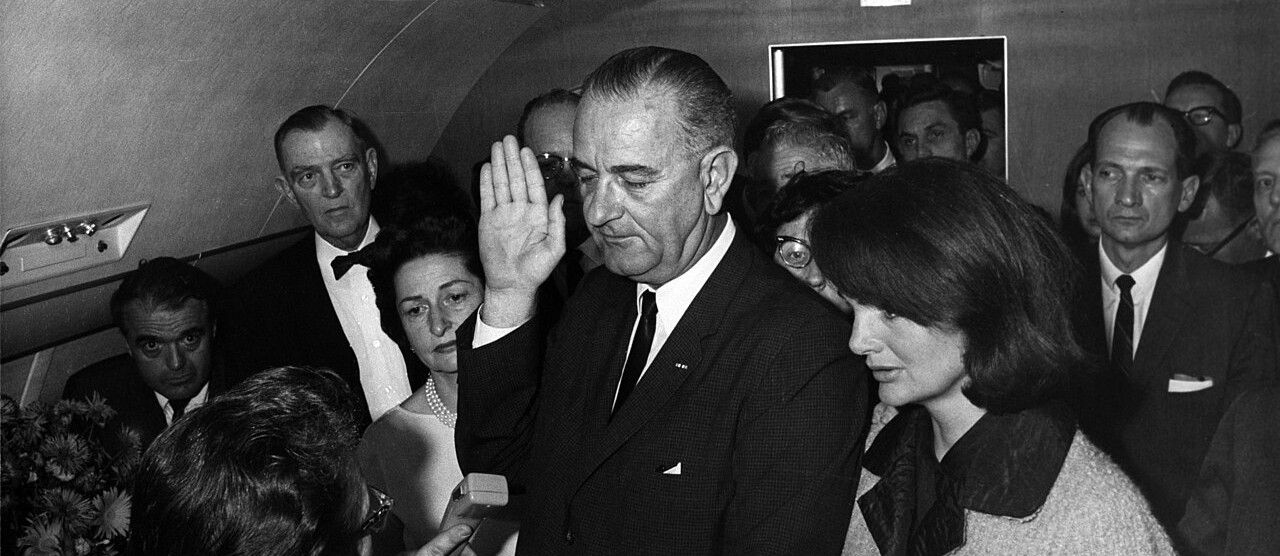
The future Lyndon B. Johnson was born on August 27, 1908, near Stonewall, Texas. But instead of naming their newborn son, his parents found themselves in a standoff. According to historical records from the Miller Center at the University of Virginia, his mother, Rebekah Baines Johnson, wanted to name him Clarence, while his father, Sam Ealy Johnson, wanted the baby named after himself. Unable to agree, they left him officially unnamed, and for the first three months of his life, he was simply "Baby Boy Johnson." The deadlock finally ended when his mother gave in, and the future president was named Lyndon Baines Johnson , honoring Lyndon Baines, a family friend admired by his father.

3
Ulysses S. Grant

Image: Brady-Handy Photograph Collection, Library of Congress, Public domain, via Wikimedia Commons

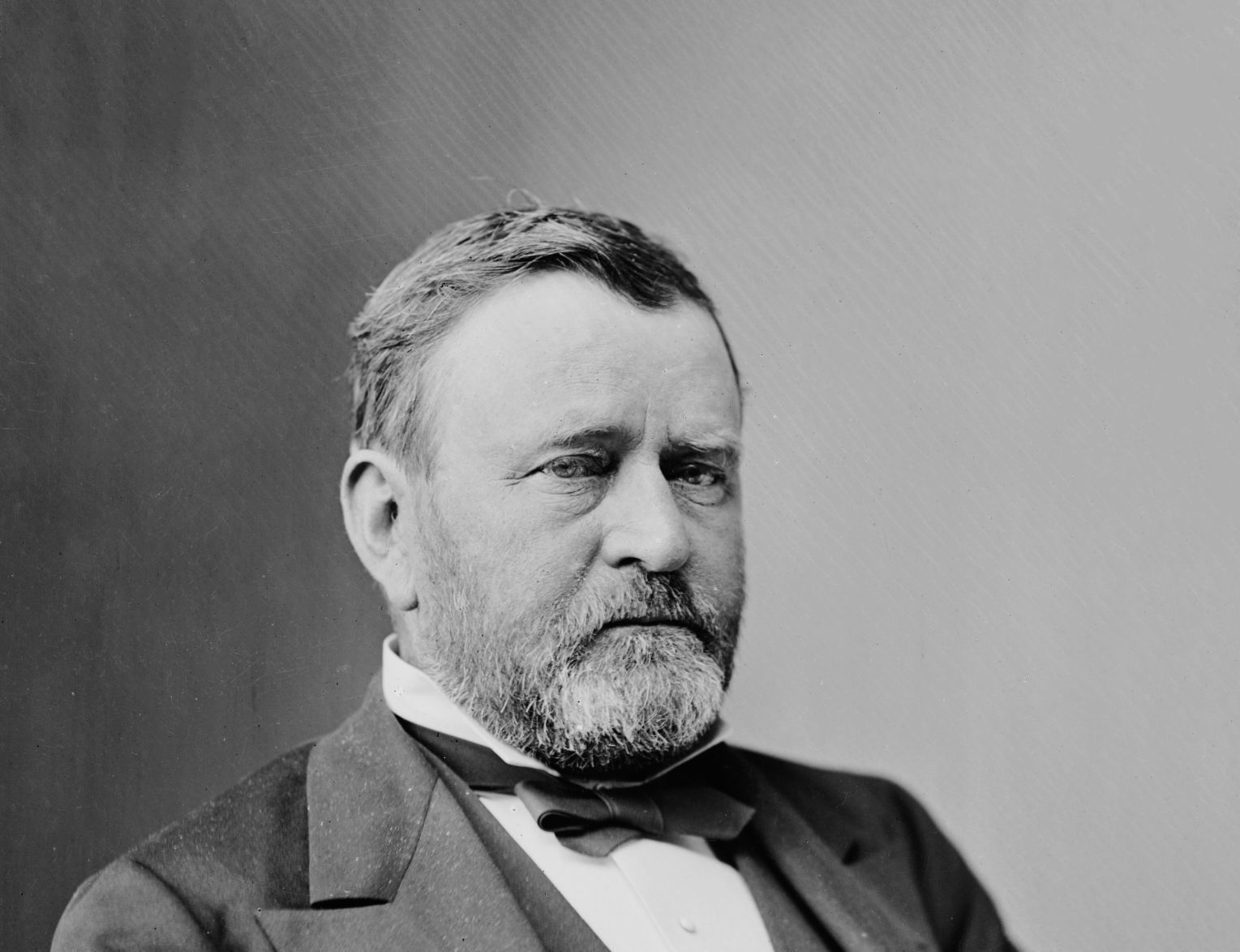
The 18th president of the United States wasn't born with the name we all know. He was born on April 27, 1822, in Point Pleasant, Ohio, as Hiram Ulysses Grant. So where did the famous "S." come from?

The answer is a paperwork mistake. In 1839, Ohio Congressman Thomas Hamer nominated the 17-year-old Grant to the US Military Academy at West Point. Knowing the young man went by Ulysses and that his mother's maiden name was Simpson, Hamer accidentally wrote "Ulysses S. Grant" on the nomination. Grant considered correcting the error, but eventually gave up, for two main reasons. He disliked the initials of his birth name, "H.U.G.", so the mistake didn't bother him much. In addition, fixing it would have meant a mountain of paperwork that could have jeopardized his appointment to West Point. So he simply let the new name stand, and the accidental middle initial stayed with him for the rest of his life.

4
Harry S. Truman

Image: Harris & Ewing, photographer, Public domain, via Wikimedia Commons

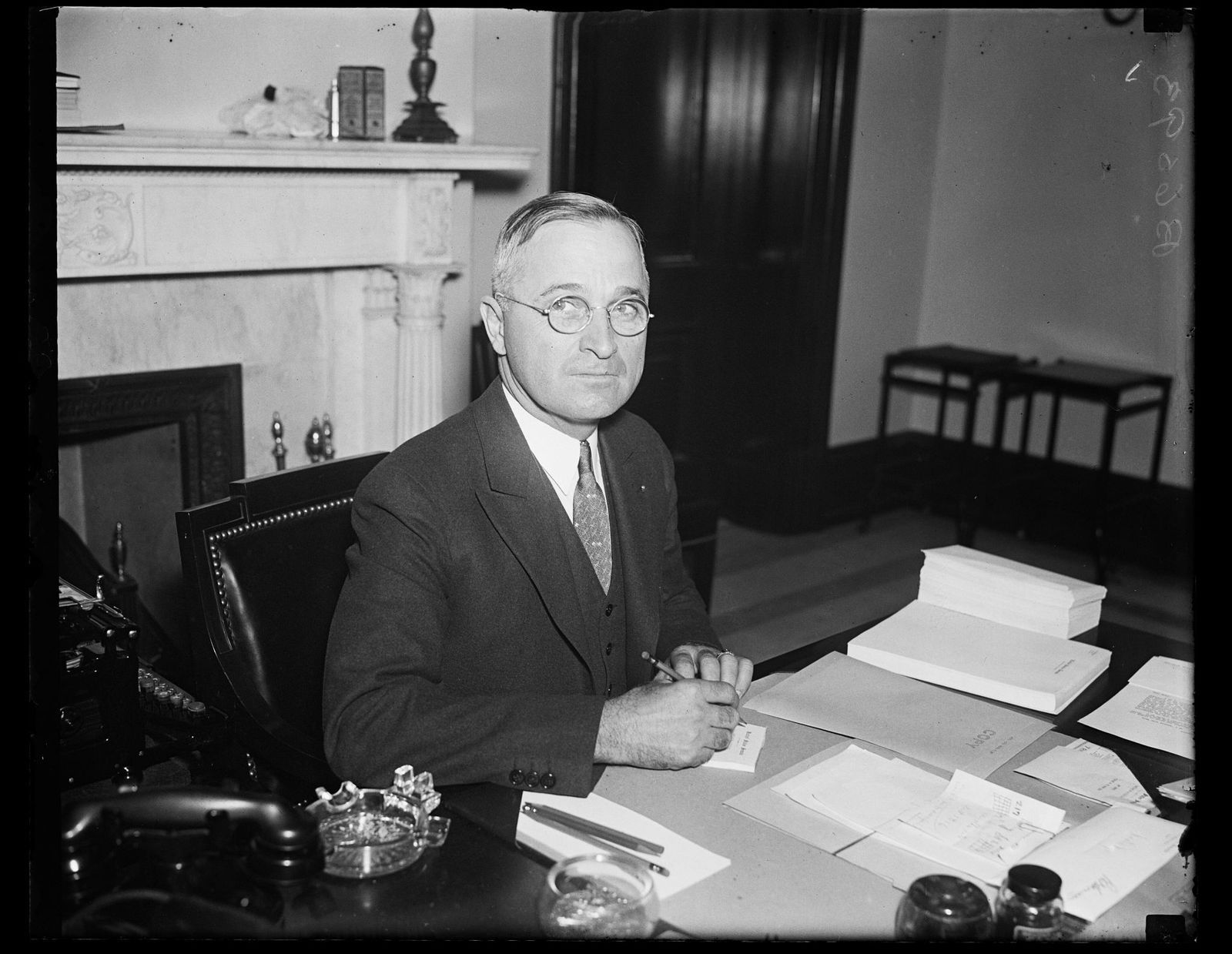
Harry S. Truman may have one of the strangest stories on this list.

His first name, Harry, honored his maternal uncle, Harrison "Harry" Young. His middle initial, however, didn't actually stand for anything. Truman's parents chose the "S" to honor both of his grandfathers, Anderson Shipp Truman and Solomon Young, without choosing one name over the other. In other words, the "S" wasn't short for Shipp or Solomon; it was simply "S". Truman himself usually wrote it without a period, since it wasn't an abbreviation. But after he became president, his staff encouraged him to add the period in official correspondence because it looked more conventional. That's why today he's almost always remembered as Harry S. Truman.

5
Dwight D. Eisenhower

Image: National Archives at College Park, Public domain, via Wikimedia Commons

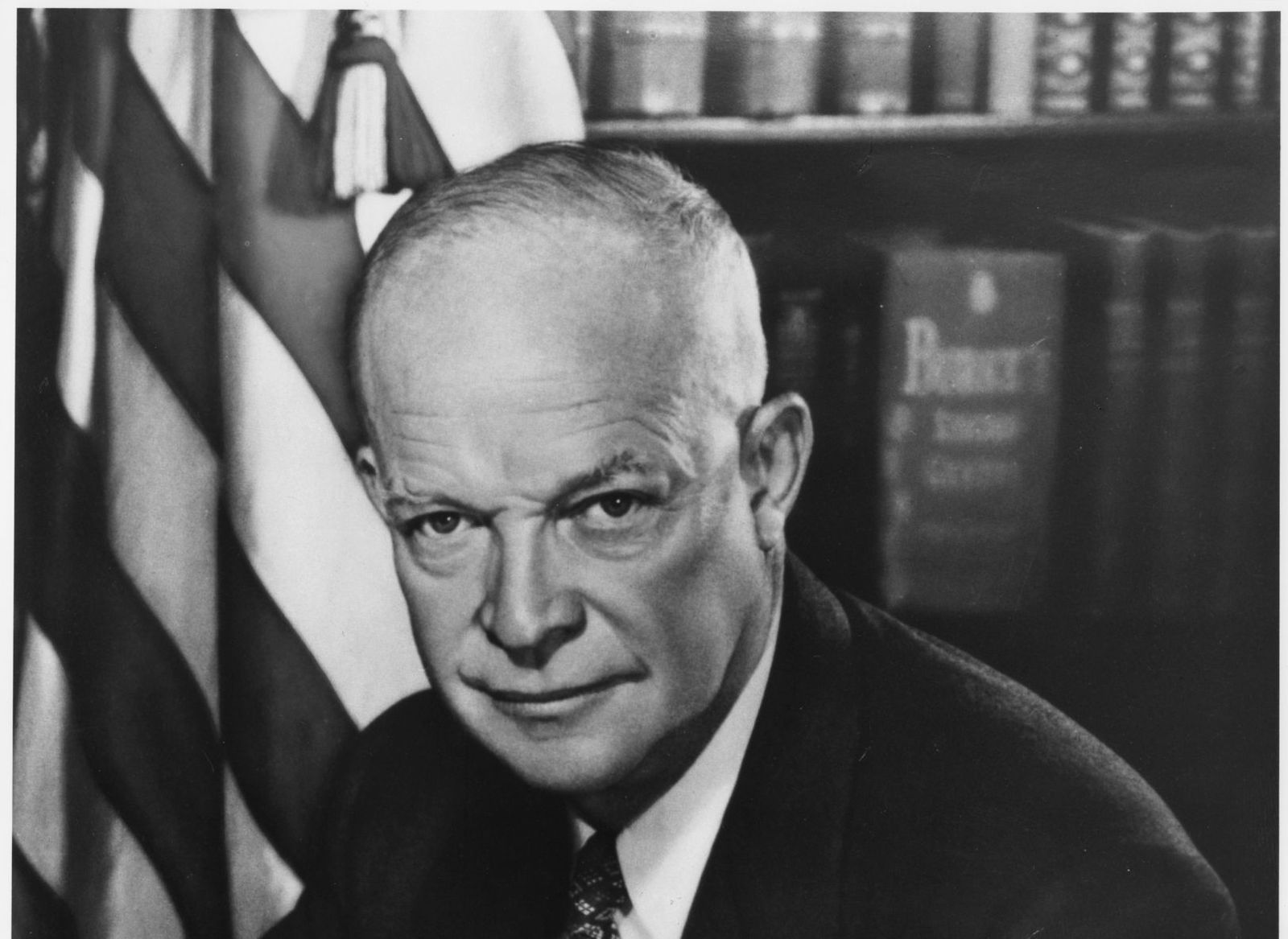
President Dwight D. Eisenhower is remembered for leading the nation through the Cold War and signing the Civil Rights Act of 1957. But there's one surprising detail about him that most people never hear.

The man we know as Dwight Eisenhower was actually born David Dwight Eisenhower on October 14, 1890, in Denison, Texas. Named after his father, David Jacob Eisenhower, he quickly ended up with a problem: there were now two Davids in the same household. To avoid the confusion, his mother, Ida, simply began calling her son Dwight instead. He went by his middle name as if it were his first for years, but the change didn't become official until he applied to West Point at age 20. Wanting his official records to match the name everyone already knew him by, he registered as Dwight David Eisenhower and made the switch permanent.

6
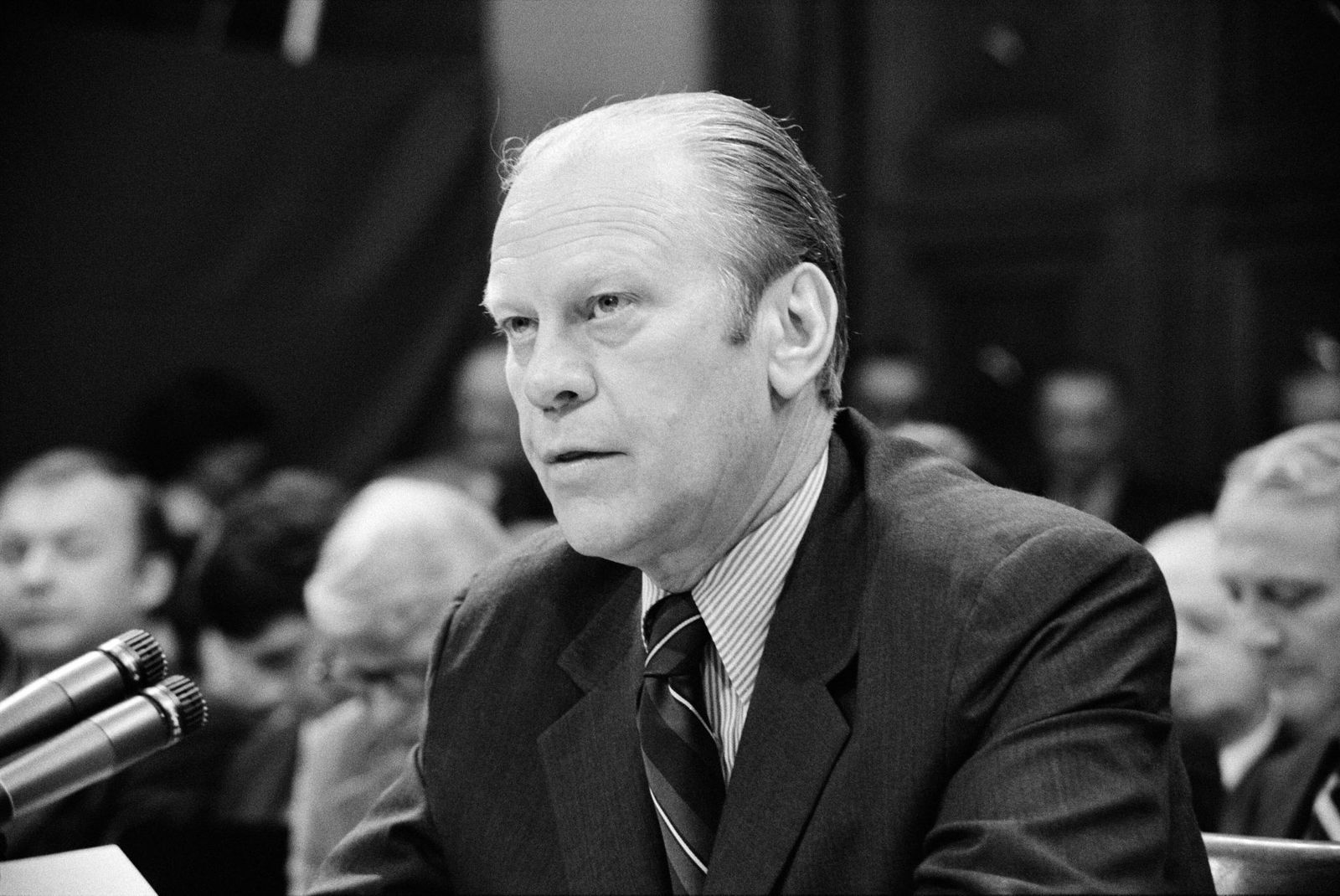
Gerald R. Ford

Image: Thomas J. O'Halloran, photographer, Public domain, via Wikimedia Commons

On July 14, 1913, a baby boy named Leslie Lynch King Jr. was born in Omaha, Nebraska, and 61 years later, he became the 38th president of the United States. If the name doesn't sound familiar, there's a good reason: he entered the White House under a completely different name.

Leslie Lynch King Jr. was named after his father. However, just 16 days after his birth, his mother, Dorothy, fled the marriage with her infant son to escape her abusive husband. Three years later, she divorced King and married Gerald Rudolph Ford, a paint salesman who raised the boy as his own. From then on, everyone knew him as Gerald Rudolph Ford Jr. , even though he didn't legally change his name until December 3, 1935, when he was 22 years old.

7
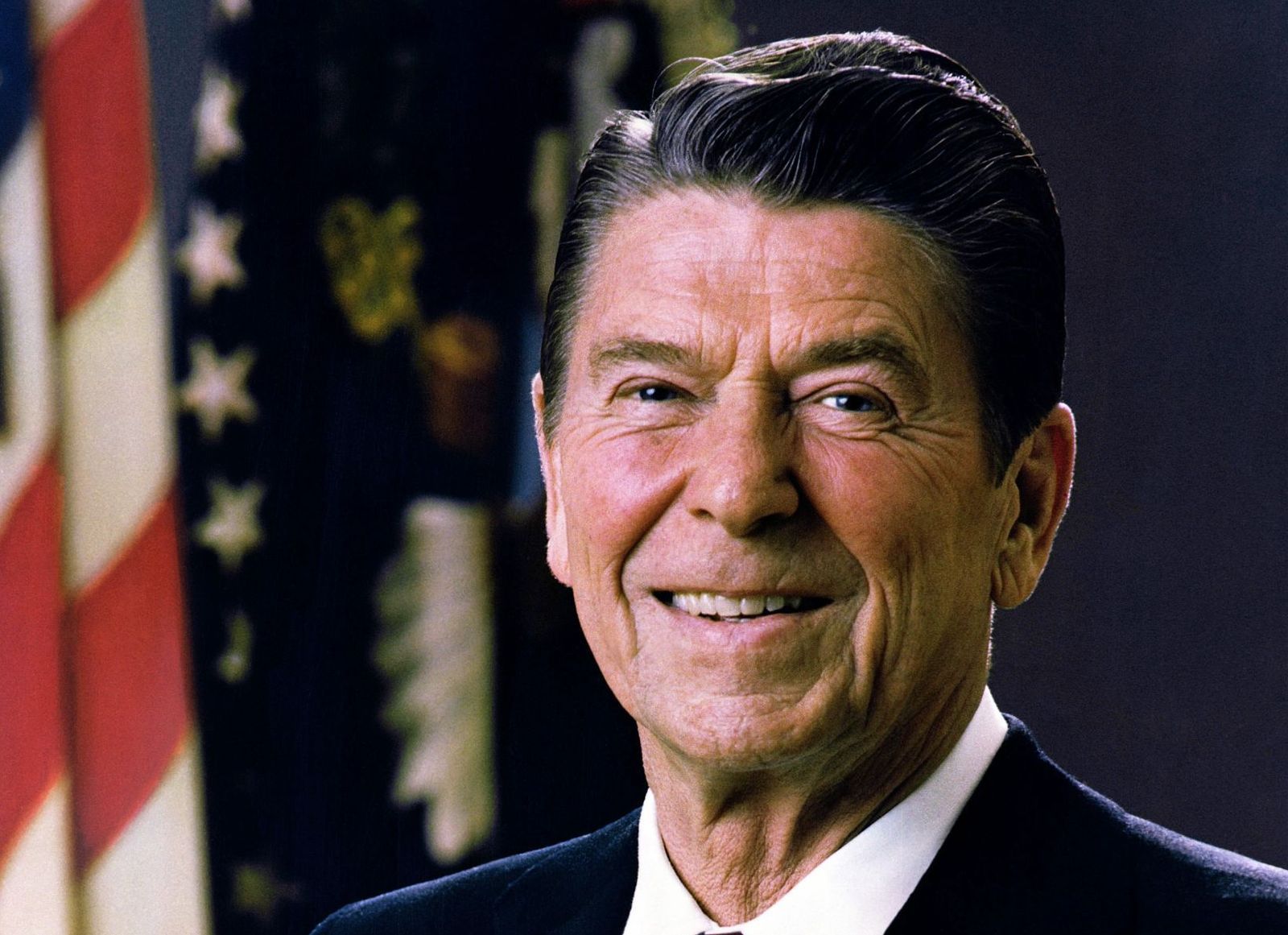
Ronald Reagan

Image: Michael Evans, Public domain, via Wikimedia Commons

Have you ever heard of "Dutch" Reagan? Perhaps not, but that was in fact the childhood nickname of Ronald Reagan, the 40th president of the United States.

Born as Ronald Wilson Reagan on February 6, 1911, in Tampico, Illinois, Reagan got his nickname from his father, who thought his newborn son looked like a "fat little Dutchman." The moniker stuck almost immediately. As a boy, Reagan embraced it so completely that, according to his autobiographies and records at the Ronald Reagan Presidential Library, he disliked being called Ronald and insisted everyone call him Dutch instead. That changed only after he arrived in Hollywood in the late 1930s, when studio executives convinced him that "Dutch Reagan" wasn't exactly leading-man material.

8
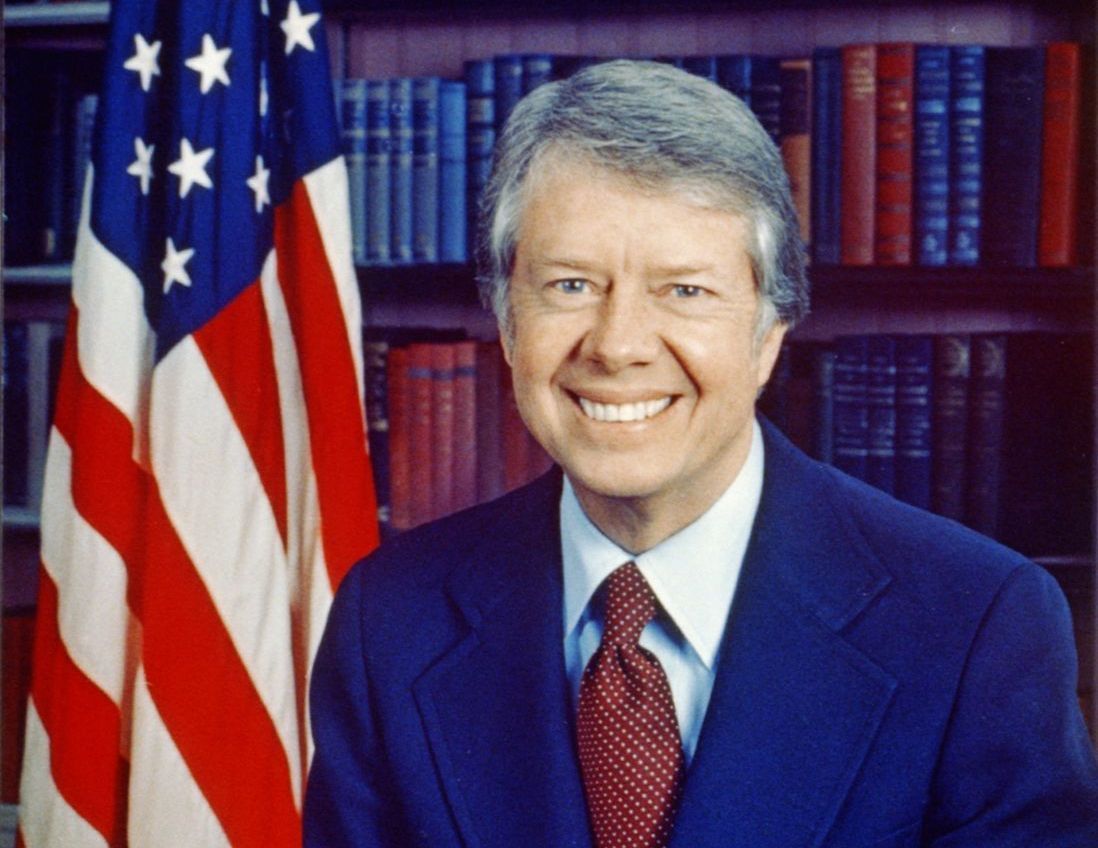
Jimmy Carter

Image: White House, Public domain, via Wikimedia Commons

Born James Earl Carter Jr. on October 1, 1924, in Plains, Georgia, and named after his father, the future president had been called "Jimmy" almost from the day he was born.

Over the years, the nickname became the name he truly identified with. So when he took the presidential oath in 1977, Carter broke with tradition. Instead of using his formal first name like all the presidents, he was sworn in as Jimmy Carter, becoming the first (and still the only) US president to take the oath of office using a nickname rather than his legal name.

9
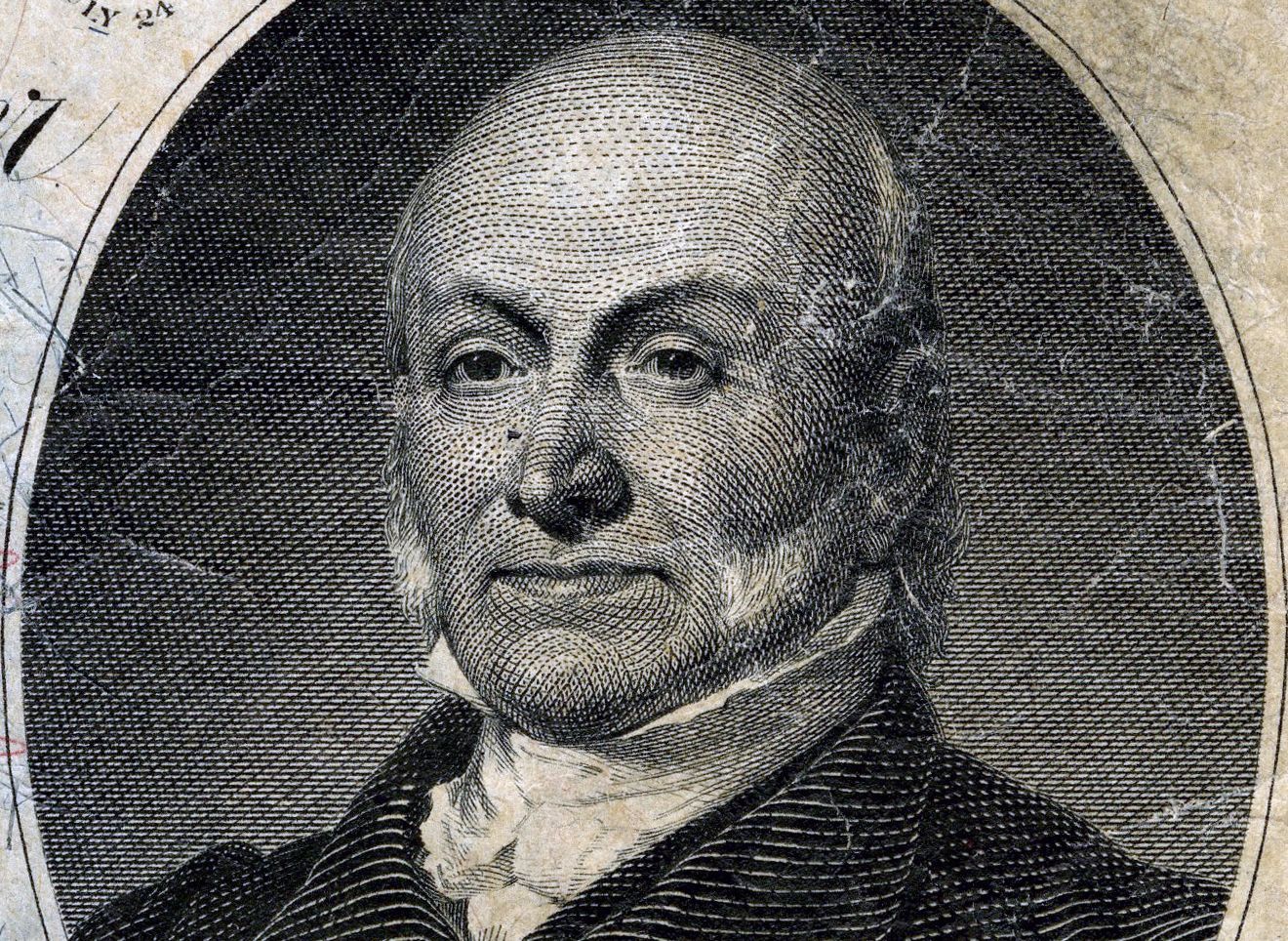
John Quincy Adams

Image: National Museum of American History, Public domain, via Wikimedia Commons

The second president of the United States, John Adams, is one of the best-known Founding Fathers. His name is instantly recognizable to most Americans, and that's exactly why his son made an important decision about what he would be called.

John Quincy Adams was born on July 11, 1767, in the North Precinct of Braintree, Massachusetts, an area that was officially renamed Quincy in 1792. The nation's sixth president and the first son of a president to become president himself carried a name with a story. He was named not only after his father, but also after his maternal great-grandfather, Colonel John Quincy, who was gravely ill when the baby was born. Although Quincy was originally a family surname, it became the baby’s middle name. As an adult, he embraced all three names, John Quincy Adams, helping distinguish himself from his famous father while honoring both sides of his family.

10
Grover Cleveland

Image: National Archives at College Park, Public domain, via Wikimedia Commons

Most people have never heard of Stephen Cleveland, but mention Grover Cleveland, and they'll know exactly who you're talking about. The thing is, they're the same person.

Born on March 18, 1837, in Caldwell, New Jersey, the future 22nd and 24th president of the United States was actually named Stephen Grover Cleveland. His father, a Presbyterian minister, chose the name to honor Reverend Stephen Grover, the first pastor of the First Presbyterian Church in Caldwell, where he was serving at the time. As he grew older, however, Cleveland made an unusual choice: instead of going by his first name, Stephen, he adopted his middle name because he simply liked the sound of "Grover Cleveland" better.

Geography Geography 5 min read

Long-held misconceptions

Maine isn't where we thought it was, and 9 other truths about states

Image: Megan Clark

How can Canada be south of the United States? Is the Statue of Liberty really in New York? It turns out many of the "facts" Americans grew up learning in school aren’t completely true. From states that aren’t where you think they are to maps that wildly distort size and distance, these 10 geography myths will make you see the United States in a totally different way.

1
Where is the Statue of Liberty really located?

Image: Pierre Blaché

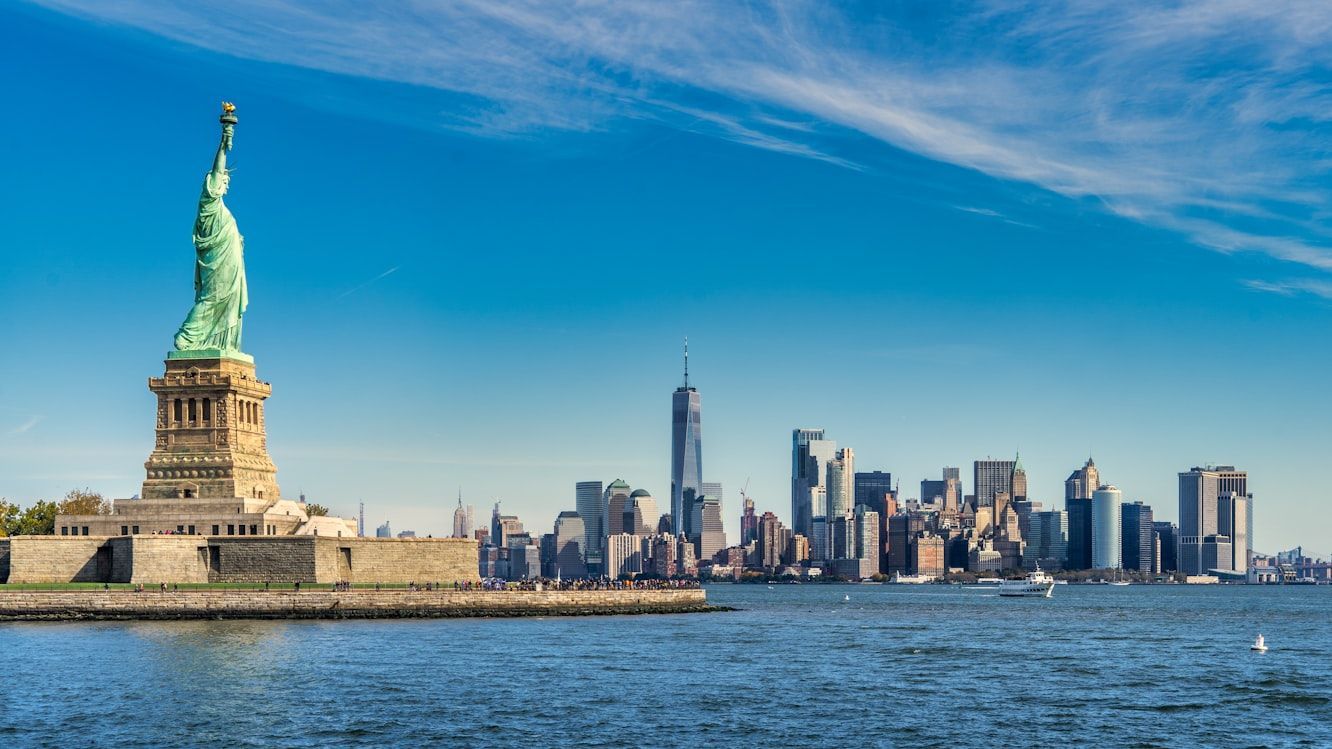
Most of us have always associated the Statue of Liberty with New York City. It’s on postcards, movies, souvenirs, and more. But technically, the famous statue stands in New Jersey’s waters.

The statue itself sits on Liberty Island, which legally belongs to New York, even though it’s actually closer to Jersey City than to Manhattan. Under an 1834 agreement between the two states, New York kept ownership of Liberty and Ellis Islands, while New Jersey retained control of the surrounding waters. So while the Statue of Liberty is officially New York property, it’s technically sitting on New Jersey’s side, something that still surprises many Americans today.

2
Canada is not always north

Image: Floris Siegers

Because of the way maps have always looked to us, most Americans grow up thinking you always have to travel north to reach Canada; we even call it "our neighbor to the north." For almost everyone, that’s true… except the people in Detroit, Michigan.

Thanks to the curve of the Detroit River and the city’s unusual location, the Canadian city of Windsor actually sits south of Detroit. That means when drivers cross the bridge from Detroit into Canada, their compass literally points south, even though they’re entering "The Great White North."

3
Daylight Saving Time isn't for everyone

Image: stefan moertl

Most Americans are used to Daylight Saving Time: clocks move forward one hour on the second Sunday in March and back again on the first Sunday in November. But two "rebel" states refuse to follow the rest of the country.

We’re talking about Hawaii and Arizona, which stay on Standard Time year-round. Hawaii skips Daylight Saving Time because its tropical location means daylight hours barely change between summer and winter. Arizona, meanwhile (except for the Navajo Nation), stopped observing it in 1968 because of the state’s extreme desert heat. During a 1967 trial run, they found that an extra hour of evening sunlight actually increased energy use, so Arizona decided it simply wasn’t worth it.

4
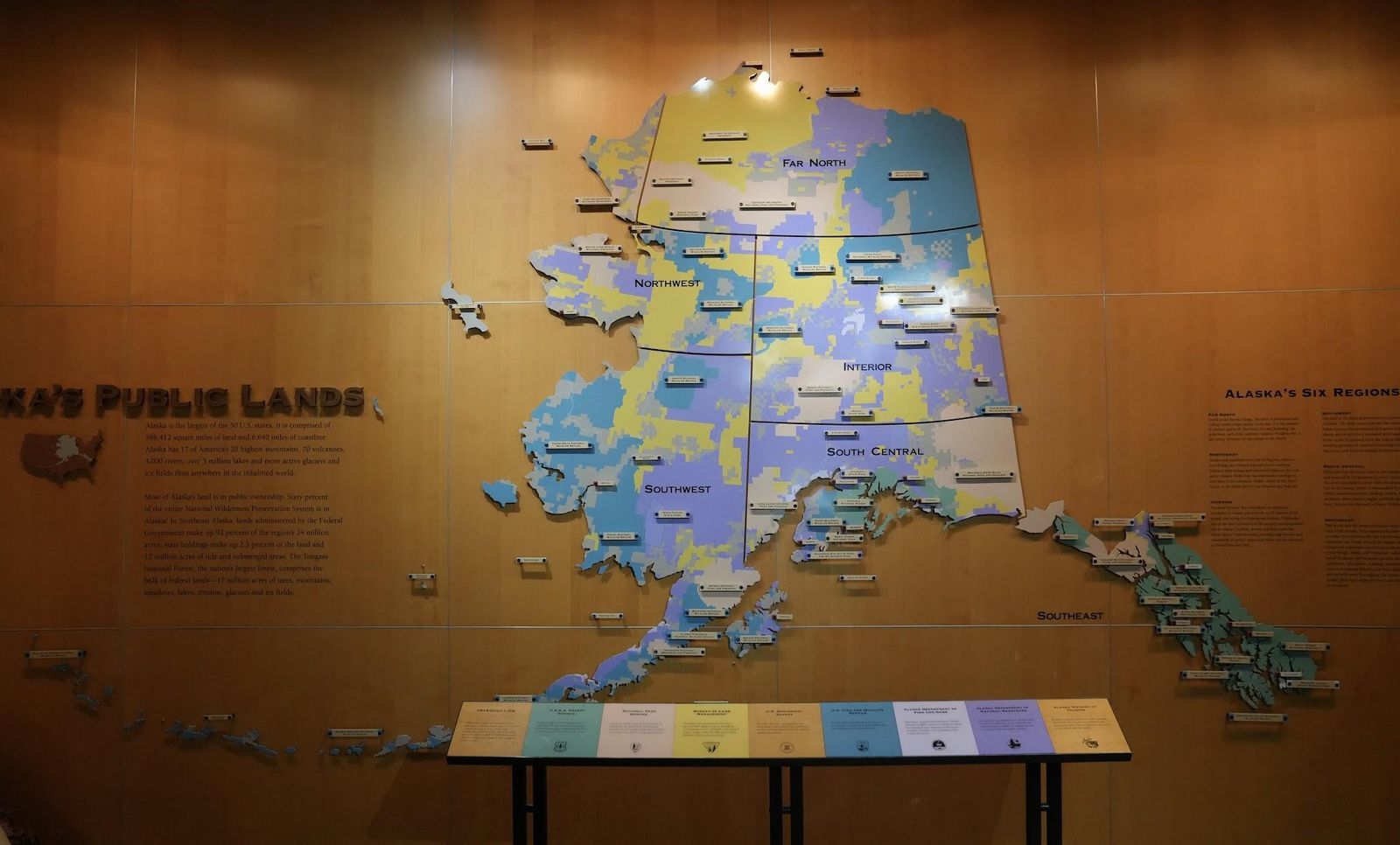
Maps distort Alaska

Image: Richard N Horne, CC BY-SA 4.0, via Wikimedia Commons

For generations, the maps hanging in American classrooms have tricked us about the true size of Alaska.

On many US maps, Alaska is squeezed into a small box in the corner, making it seem only slightly bigger than states like Texas or California. But the reality is shocking: Alaska covers about 663,300 square miles, making it so enormous that you could fit Texas, California, and Montana combined inside it. The distortion happens because flat maps shrink and compress distant areas to make them fit neatly on the page. In real life, though, "The Last Frontier" is far more vast than we think.

5
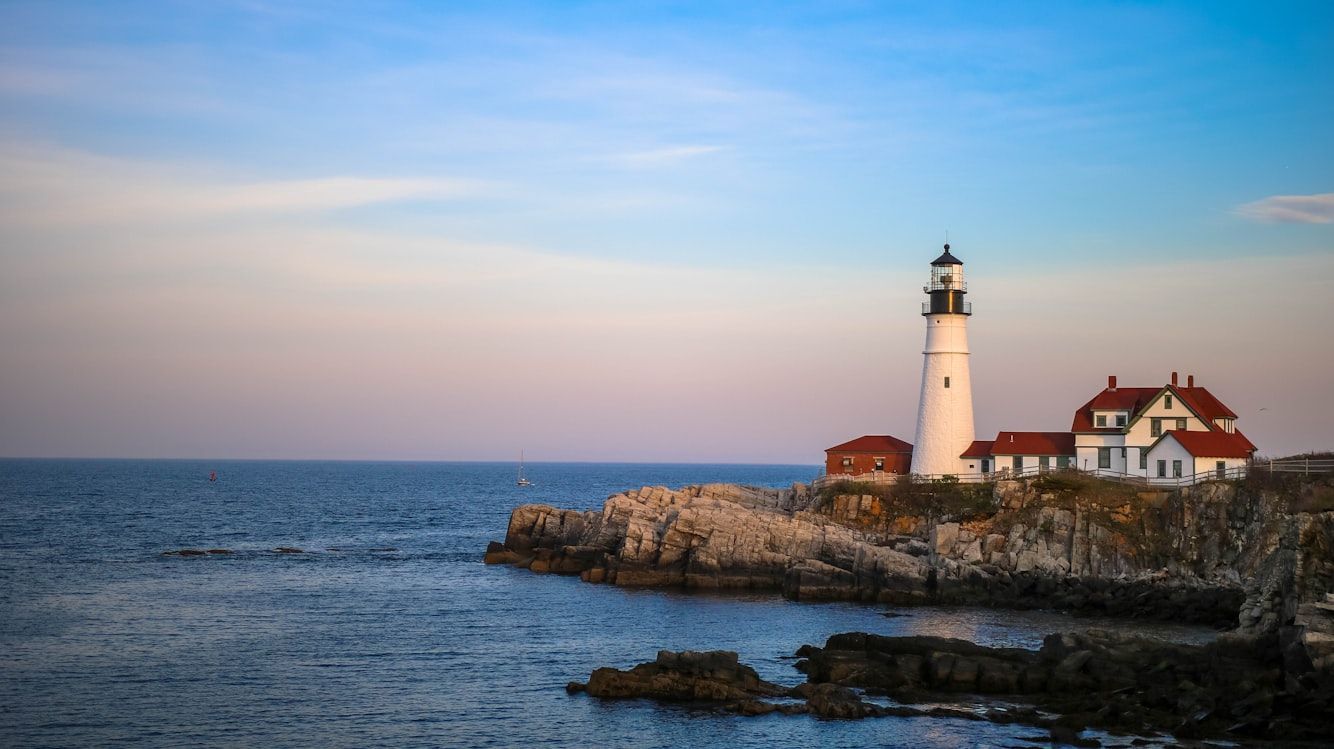
Maine is not located where we thought

Image: Mercedes Mehling

If someone asked, "Which is the easternmost US state?" most Americans would probably answer Maine without even thinking twice. But surprisingly, that’s not actually correct.

While it’s true that Maine is the easternmost state in the contiguous US, when all 50 states are included, the answer surprises many: the easternmost state is actually Alaska. How is that possible? It turns out that Alaska’s Aleutian Islands stretch so far west that they cross the 180th meridian into the Eastern Hemisphere, meaning part of Alaska is technically farther east than Maine.

6
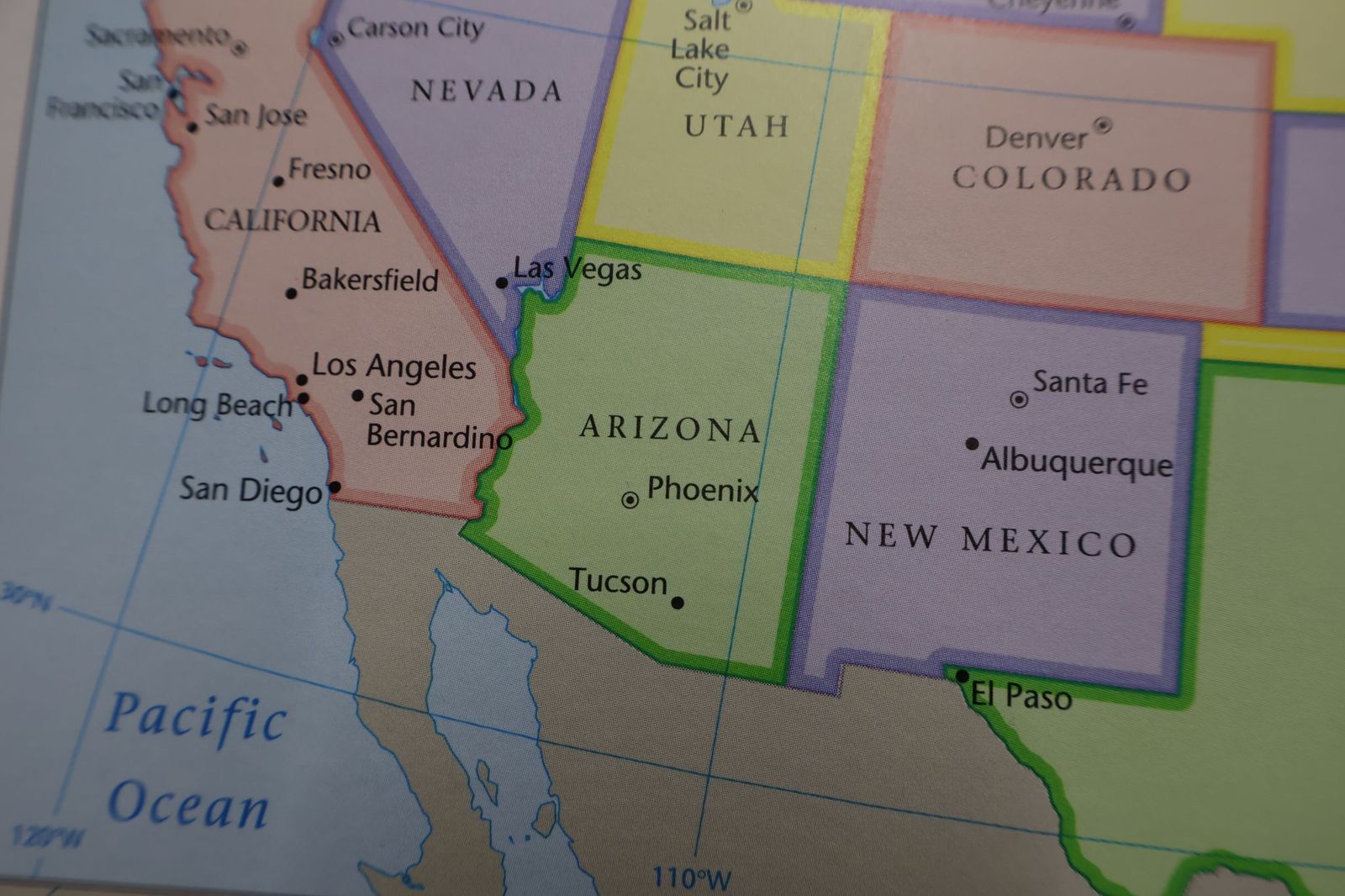
Is California always west of Nevada?

Image: shutterstock

If you were standing in California and needed to travel to Nevada, you’d probably assume you’d have to head east. But geography has a surprise here, too.

Believe it or not, Reno is actually about 86 miles farther west than Los Angeles. But how could a city in Nevada be farther west than a city on the Pacific coast? The answer is in California’s curved coastline. Because the coast bends inward so dramatically, Los Angeles sits farther east than most people realize, while Reno stretches surprisingly far west.

7
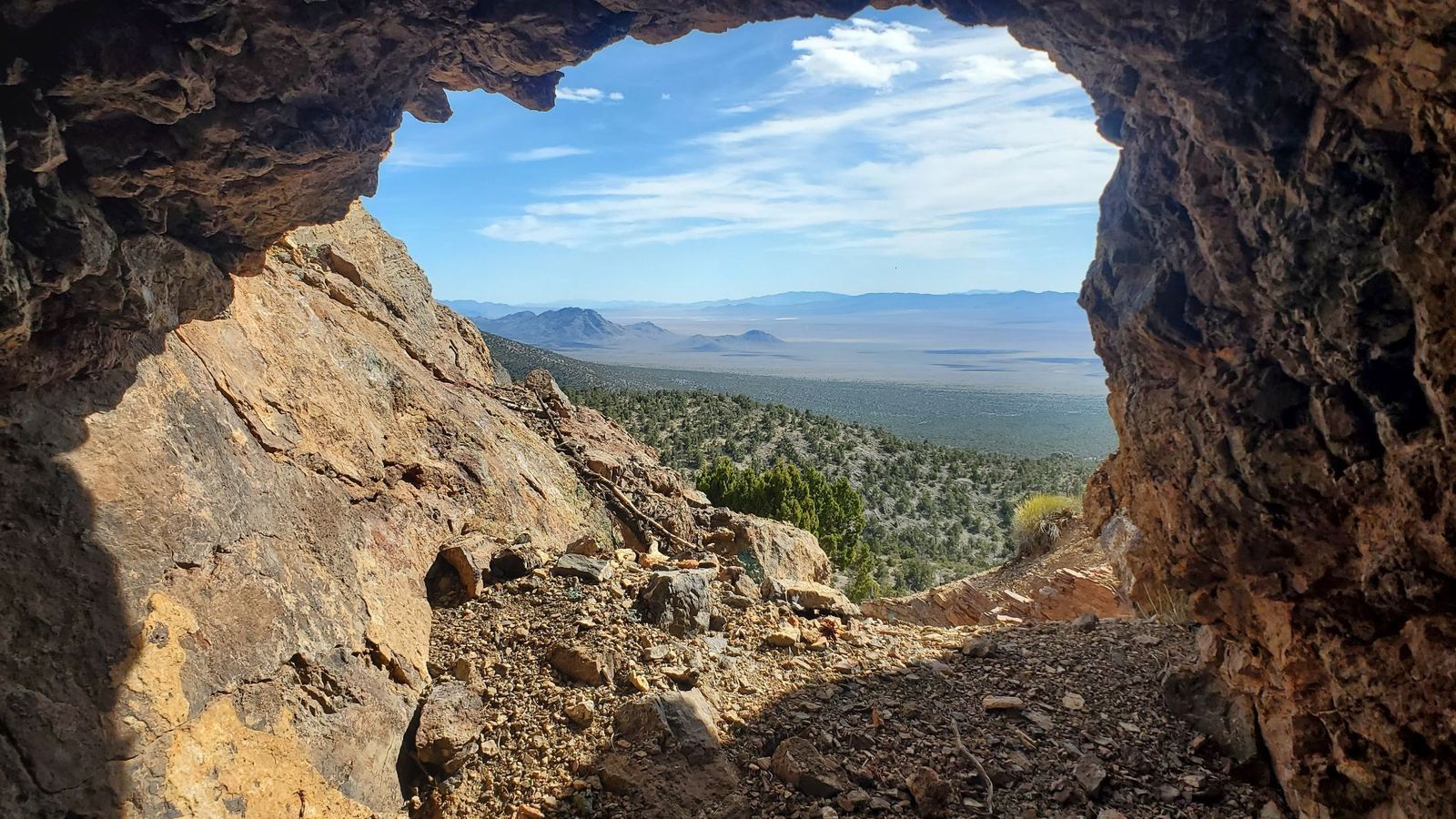
Not all deserts are hot

Image: shutterstock

When most Americans picture a desert, they imagine blazing sun and unbearable heat, but not all deserts in the US fit that image.

The huge Great Basin Desert, which stretches across much of Nevada and parts of Utah, California, Oregon, Idaho, and Wyoming, is classified as a cold desert. In fact, during winter, its temperatures can plunge below freezing, with heavy snowfall covering the landscape. The lowest official temperature ever recorded in the area was on January 8, 1937: an incredible -50 °F.

8
Almost all of the US is privately owned

Image: Yina Li

Many of us grew up assuming that most land in the United States is privately owned. And in much of the East, that idea is accurate. But for the West, the reality is different.

In the Western United States, about 47% of the land is owned by the federal government . And when you add state-owned land, the share of public land becomes even larger. Some states are especially striking: in Nevada, about 87% of the land is public, while in Utah, it’s around 75% .

9
The most populous state

Image: Luca Bravo

The incredible New York City is the most populous in the United States, with about 8.48 million residents, and there’s no doubt about that. Maybe that’s why many people naturally assume the state of New York is also the most populated, but it isn’t.

That distinction actually belongs to the state of California, with around 39.35 million residents , compared to roughly 20 million in New York state.

10
Which state is closest to Africa?

Image: Kristin Wilson

As we’ve seen, flat maps can distort how we think about distance and size. Because of that, many Americans assume Florida is the US state closest to Africa. But that’s actually not true.

Because of the Earth’s curvature, the US state closest to Africa is actually Maine. The northeastern tip at Quoddy Head is about 3,154 miles from El Beddouza, Morocco. By comparison, Florida’s eastern edge (around Singer Island) is roughly 4,085 miles from the African coast near Guerguerat, Western Sahara.

Explore more American facts

Choose your favorite category!

General
General

As American as apple pie—the very best America has to offer!

Culture
Culture

Delve into the astounding richness of American lore.

Geography
Geography

Hop in and explore vast and diverse American landscapes.

History
History

Discover the key moments that shaped the United States.