Culture Culture 4 min read

One hit is better than none

12 famous actors who could never escape their most famous role

Image: Julee Juu

What movie do you remember Macaulay Culkin from? Or Tobey Maguire? Or Helen Hunt? The fact that we all remember them from the same movies is not a coincidence. Some actors make such a strong impression in a single role that it sticks with them for the rest of their lives.

Take a look at these 12 famous stars who everybody knows for a single role. Which one do you think is more than a one-hit wonder?

1
Edward Furlong
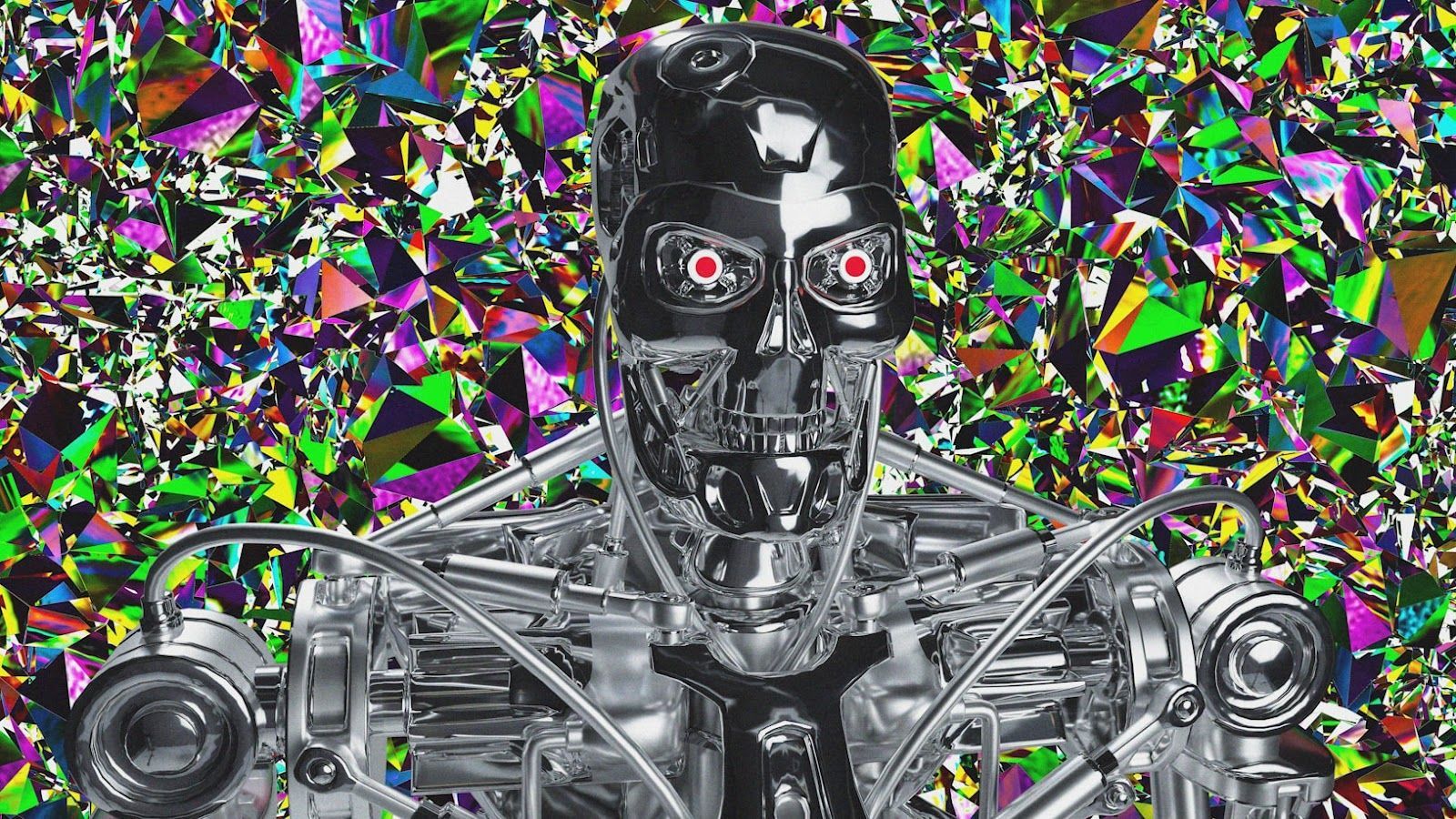
Image: Logan Voss

Moving on from childhood is a natural transition for most people, except for child actors, who often experience it as a kind of identity loss, since they are publicly connected to their younger selves.

Edward Furlong is forever known as John Connor , the kid from Terminator 2: Judgment Day . Though he has appeared in some movies in minor roles, he never truly moved beyond his most famous role.

2
Macaulay Culkin

Image: Liubomyr Vovchak

One of the most famous child actors of all time, Macaulay Culkin, became a phenomenon with Home Alone , released more than 30 years ago. The film made him a household name.

Since then, Culkin has appeared in a few minor roles, but nothing approaching the impact of the movie that made him famous.

3
Carrie-Anne Moss

Image: Markus Spiske

Released in 1999, The Matrix quickly became a cultural phenomenon, and Carrie-Anne Moss shot to fame as Trinity .

She later appeared in the sequels and in a few Marvel projects, but Trinity remains her most iconic and defining role.

4
Tobey Maguire
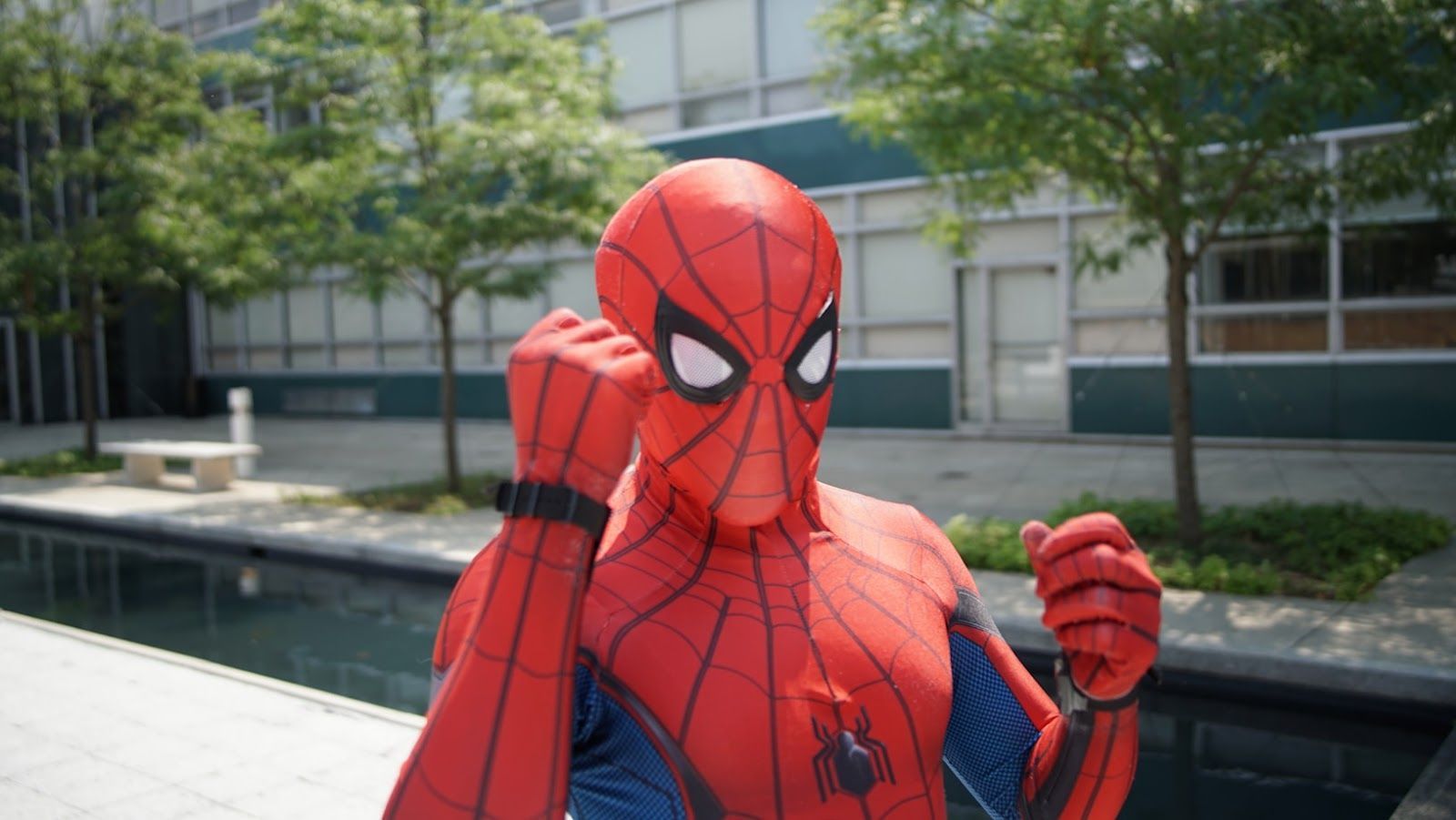
Image: Stem List

Tobey Maguire became a Hollywood star thanks to his role as Peter Parker in Spider-Man (2002) , with his upside-down kiss scene becoming iconic.

He returned for Spider-Man 2 and Spider-Man 3 before the franchise was rebooted with a new actor. But he reprised the role in Spider-Man: No Way Home (2021), earning widespread acclaim from fans. So far, it remains the biggest role of his career.

5
Helen Hunt
Image: Ralf Sauter

Helen Hunt won four Emmys and three Golden Globes for Mad About You , and later earned an Oscar for As Good as It Gets .

Despite these honors, her later roles didn’t match the staying power of those roles. The Sessions (2012) marked one of the last peaks of her career in terms of critical acclaim, even though she has continued to take on other roles since then.

6
Demi Moore

Image: Taylor Heery

Demi Moore has often made headlines for her personal life, and while her acting career has included other notable roles ( G.I. Jane , A Few Good Men ), there is one that has truly stood the test of time.

Ghost (1990) , in which she starred alongside Patrick Swayze , remains her most successful and iconic role to this day.

7
Elijah Wood
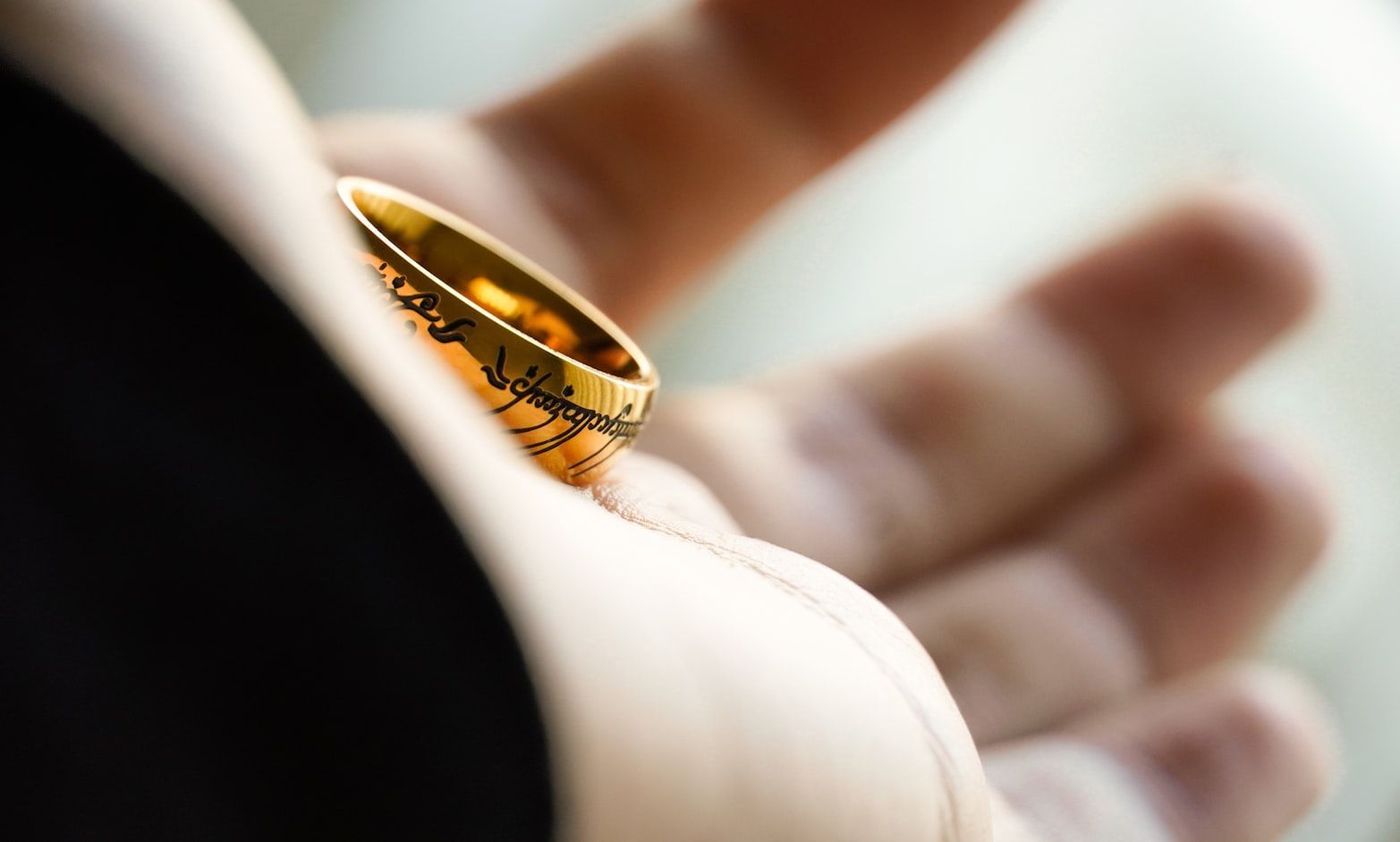
Image: Ergo Zakki

Elijah Wood has taken on a variety of roles in films like Eternal Sunshine of the Spotless Mind and Green Street Hooligans , as well as series like Wilfred and Dirk Gently’s Holistic Detective Agency .

But despite his diverse work, most people still remember him best as Frodo Baggins from The Lord of the Rings trilogy .

8
Anthony Perkins
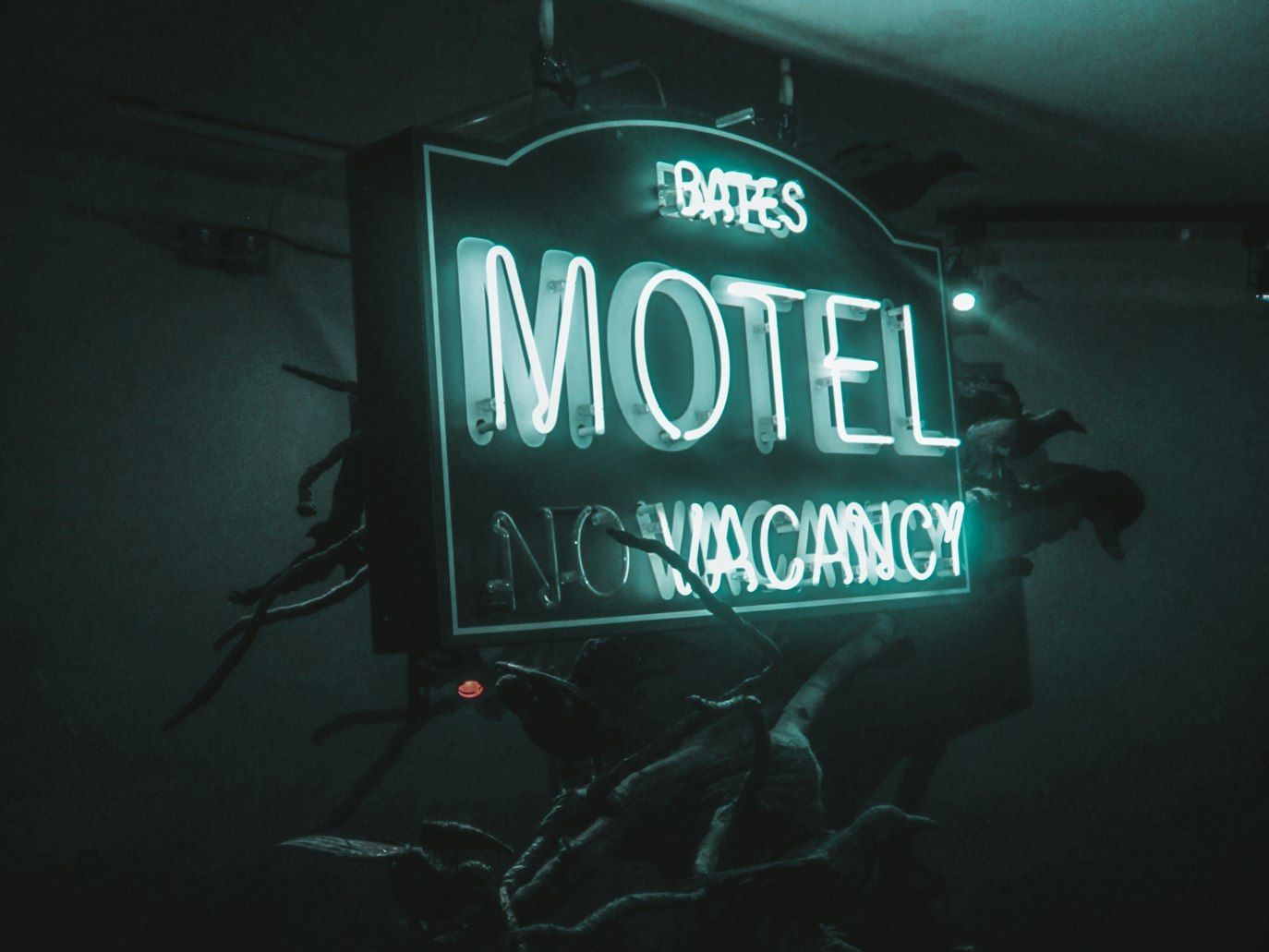
Image: Maxime Roedel

Perhaps one of the earliest examples of an actor best known for a single role, Anthony Perkins is remembered above all for his portrayal of the murderous motel owner Norman Bates in Alfred Hitchcock’s 1960 thriller Psycho .

He reprised the role in three sequels, none of which matched the success of the original film.

9
Christopher Reeve
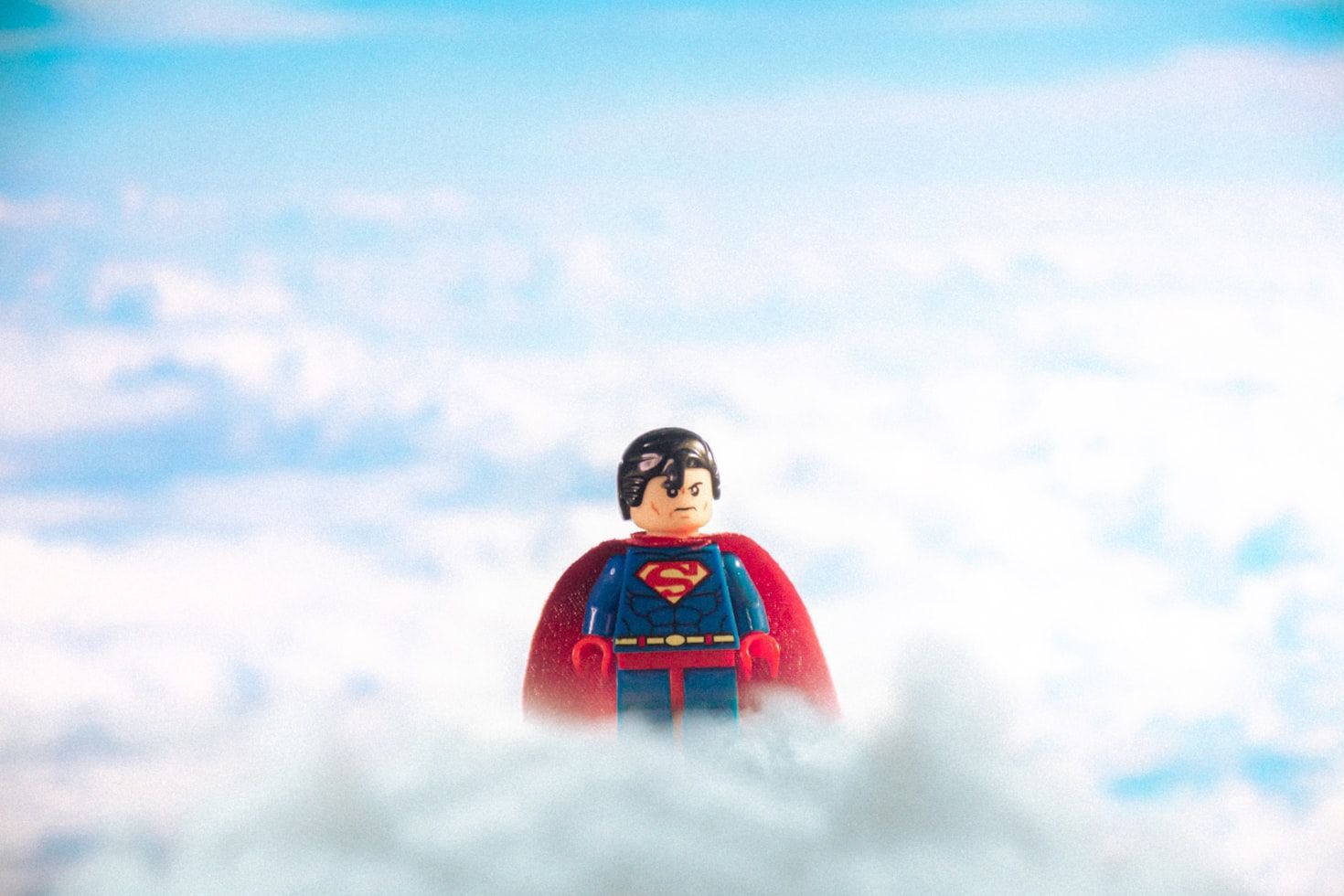
Image: MeSSrro

Christopher Reeve became forever linked with Superman , a role that brought him both fame and typecasting. He chose roles carefully, hoping to protect the image of the character he had defined.

In his 1998 memoir Still Me , Reeve reflected on life before and after his 1995 accident, noting that Superman had both opened and limited doors in his acting career.

10
Hugh Jackman
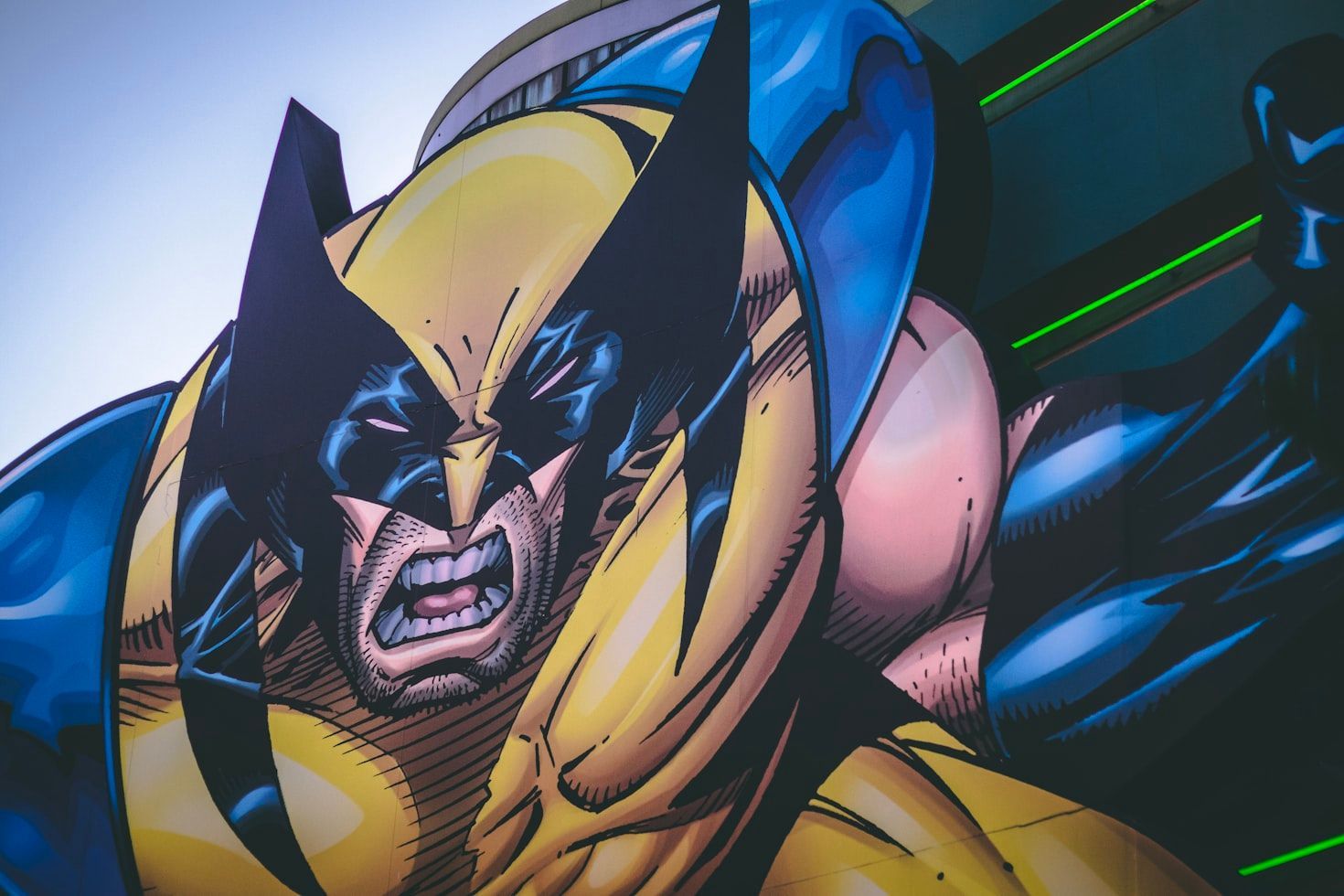
Image: Jack O'Rourke

A man of many talents, Hugh Jackman is an actor, singer, and producer. But he is forever linked to the character that brought him international fame: Wolverine , from the X-Men film franchise .

Although he’s acclaimed for roles in The Greatest Showman and Les Misérables and has appeared in numerous films and stage shows, winning many awards, he is still best known to this day for his role as the mutant superhero.

11
Daniel Radcliffe
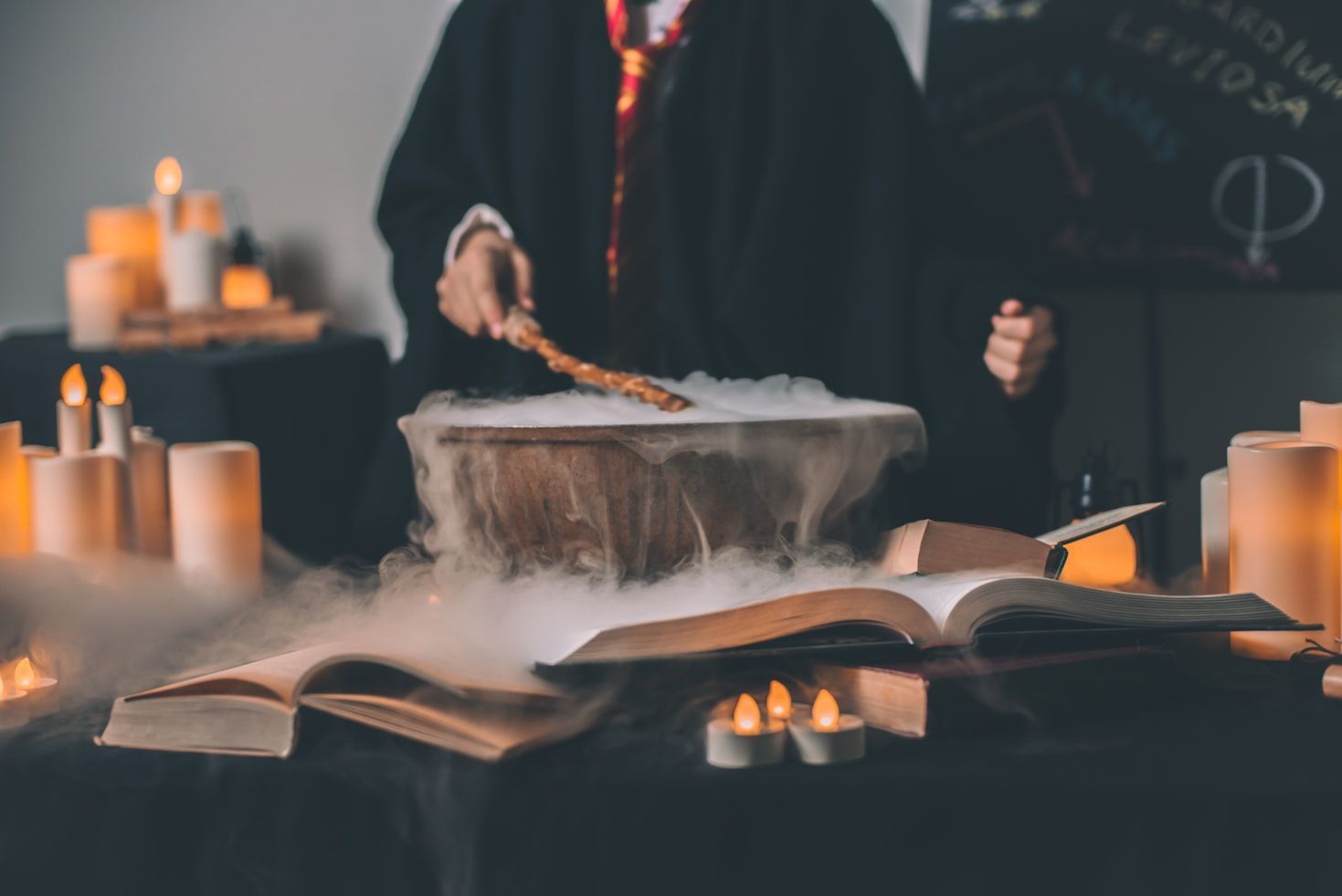
Image: Artem Maltsev

Another famous child actor, Daniel Radcliffe, rose to fame at age twelve for portraying the title character in the Harry Potter film series . He starred in all eight films, from Harry Potter and the Philosopher’s Stone to Harry Potter and the Deathly Hallows – Part 2 .

He has since appeared in a variety of roles, but none has matched the impact of his most famous one.

12
Mark Hamill
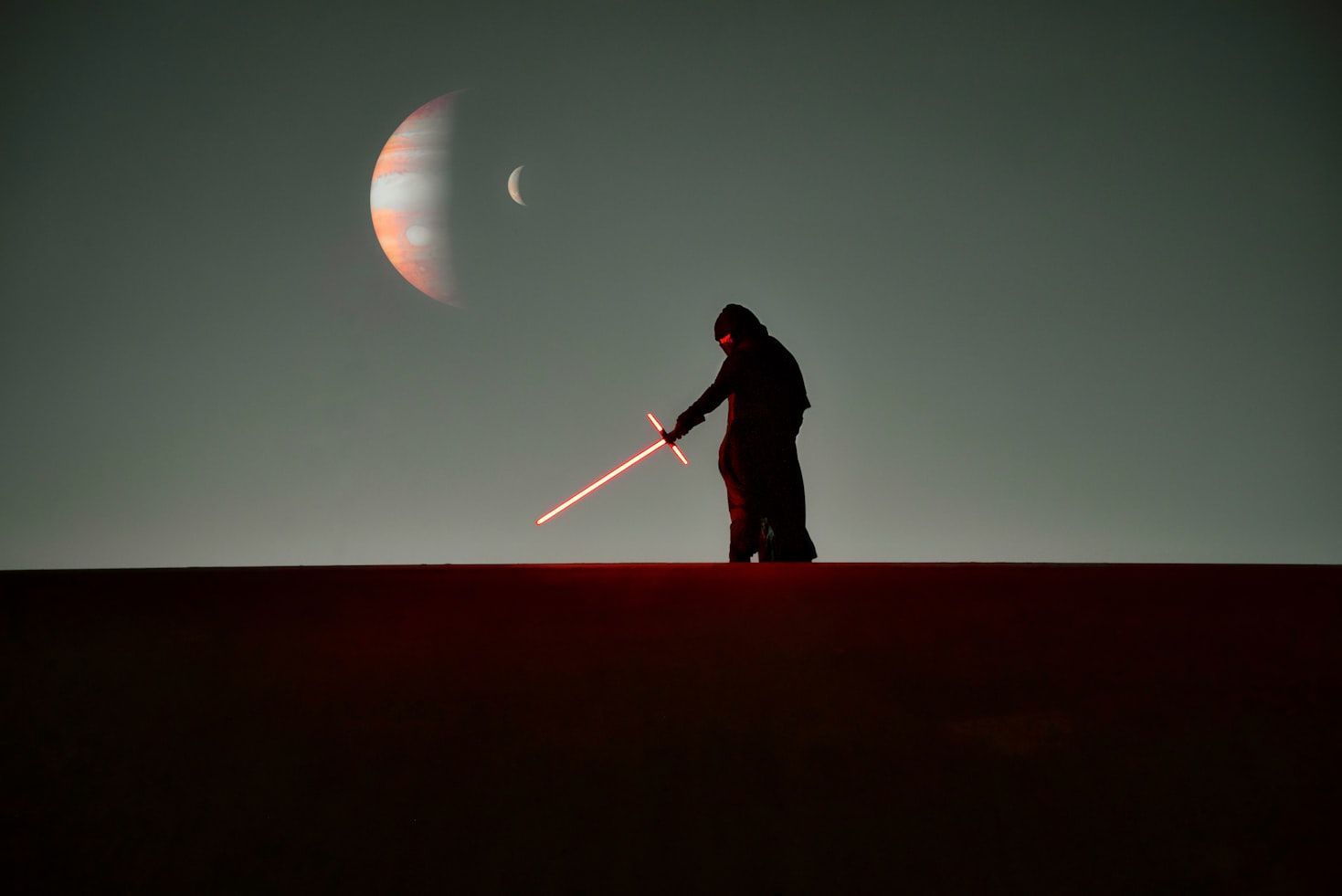
Image: Venti Views

The last entry on this list is one of the most iconic examples of an actor identified with a single role. Mark Hamill is best known for starring as Luke Skywalker in the Star Wars franchise .

And although he has also built a strong career as a voice actor (notably as the Joker), the movies were such a cultural phenomenon that his persona became forever linked to this character.
General General 3 min read

Banned in the USA

Would you ban velvet Elvis paintings? These towns really did it

Image: Dmitry Alexandrovich

The Land of the Free has had its fair share of strange bans over the years, and not all of them make sense today. From quirky laws to outright odd restrictions, plenty of everyday things have been outlawed at one point or another. Here are 12 unusual things that, believe it or not, were once banned in the U.S.

1
Sliced bread

Image: Laura Ockel

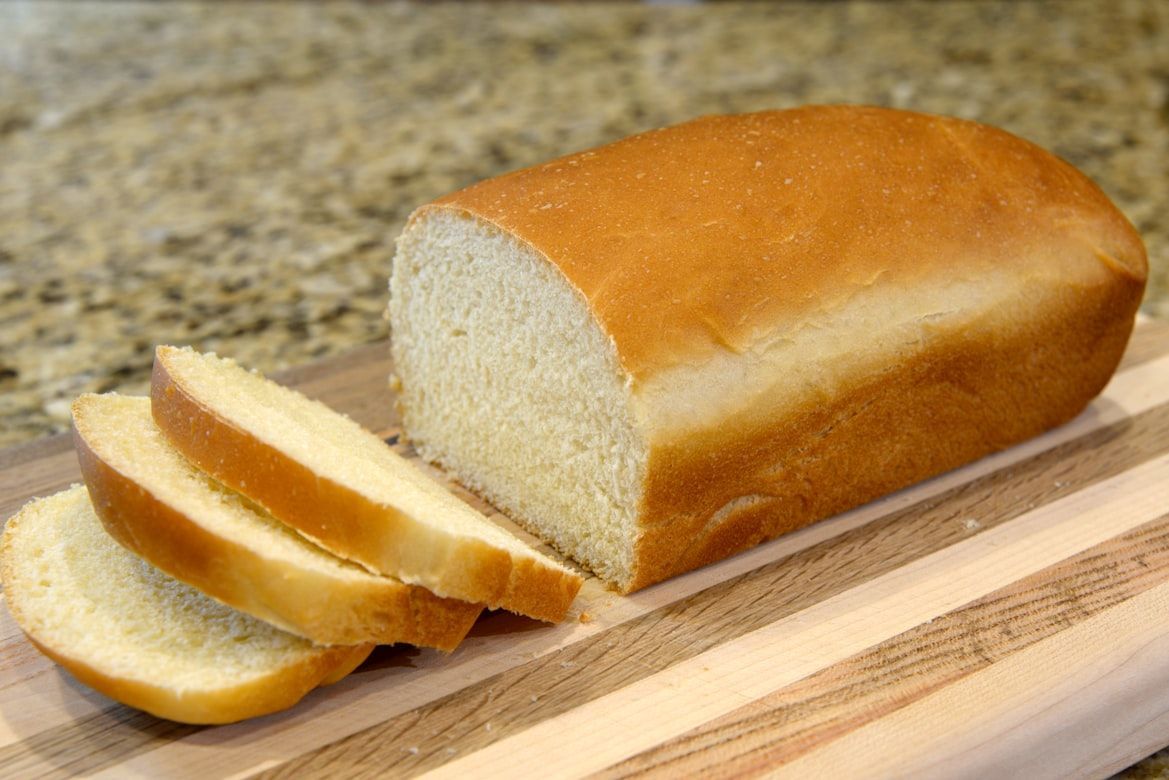
Not even the best of inventions are safe from odd bans. In 1943, the U.S. government temporarily banned pre-sliced bread as part of wartime resource conservation .

Thankfully, the ban only lasted a few months. Housewives, bakeries, and even newspapers complained, arguing that sliced bread was a necessity. The ban was lifted quickly due to public backlash.

2
Pinball machines

Image: Louie Castro-Garcia

Believe it or not, from the 1940s until the mid-1970s, pinball machines were outlawed in several major cities, including New York and Chicago. Officials claimed the machines promoted gambling and corruption .

Machines were confiscated and destroyed. The ban finally ended when it was proven that pinball was more skill-based than luck, leading to its revival as a popular arcade game.

3
Yo-Yos

Image: Eric Prouzet

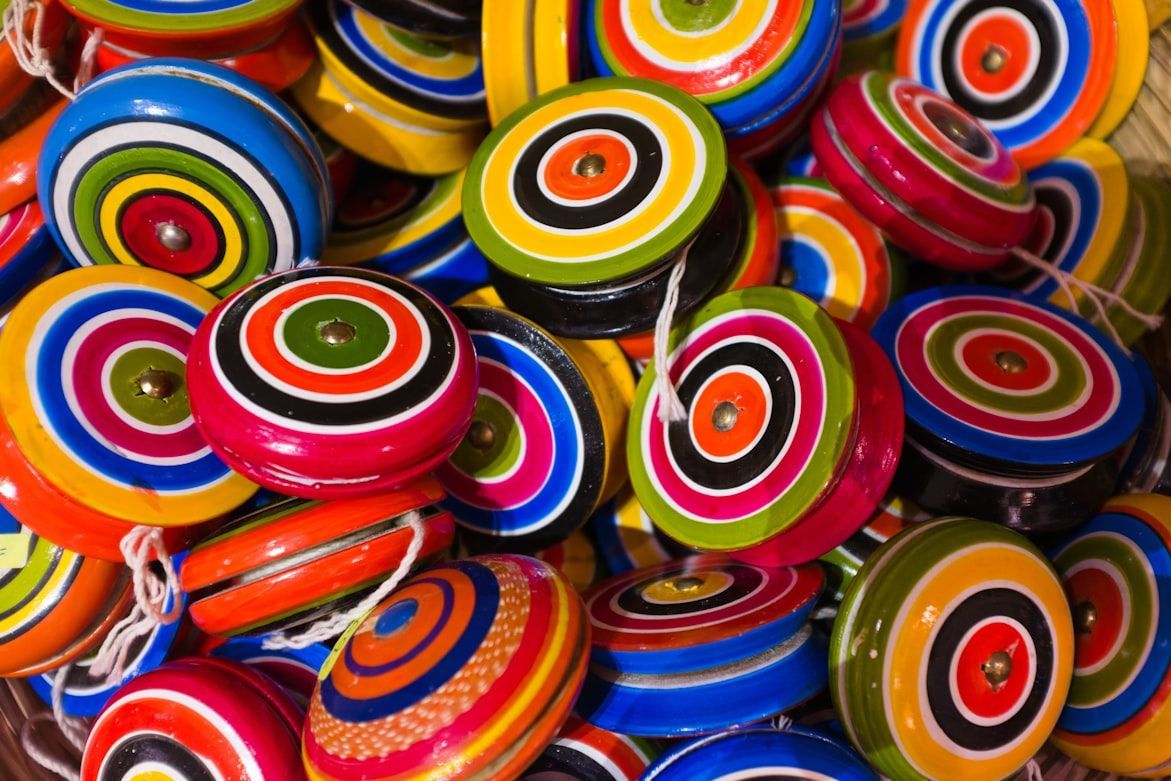
During the 1930s, some U.S. towns banned yo-yos, believing they caused bad luck and distracted children from schoolwork . The fad was seen as both frivolous and superstitious.

Though short-lived, the bans show how something as harmless as a toy could spark moral panic and strange local laws.

4
Christmas

Image: Erwan Hesry

In the 1600s, the Puritans of Massachusetts Bay Colony banned Christmas , claiming it was rooted in pagan traditions and encouraged rowdy behavior .

Anyone caught celebrating risked punishment or fines. It wasn’t until the mid-1800s that Christmas gained widespread acceptance in the U.S.

5
Dancing after midnight

Image: Scott Broome

At different occasions during the 20th century, some cities enforced laws that restricted or outright banned late-night dancing . New York City’s "Cabaret Law" limited dancing to licensed venues only.

Authorities argued it was about maintaining order, but many saw it as cultural repression. By the 1990s, these laws faced strong opposition, and most have since been repealed, allowing nightlife to thrive.

6
Comic books

Image: Waldemar

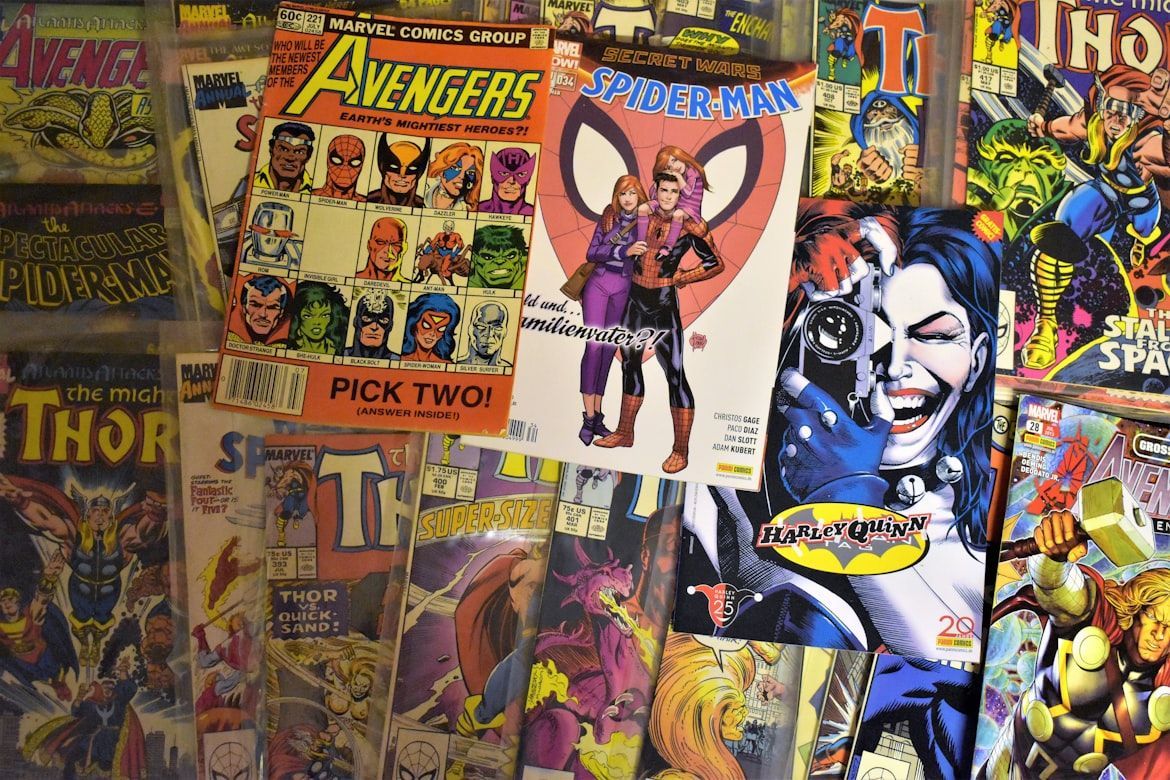
Comic books have been a scapegoat for different things in different periods. For example, in the 1950s, they came under fire, accused of corrupting America’s youth . Parents, educators, and politicians believed violent and horror-themed comics encouraged delinquency.

Entire towns banned sales, and even public book burnings took place in different corners of the country.

7
Yellow margarine

Image: Marine Le Gac

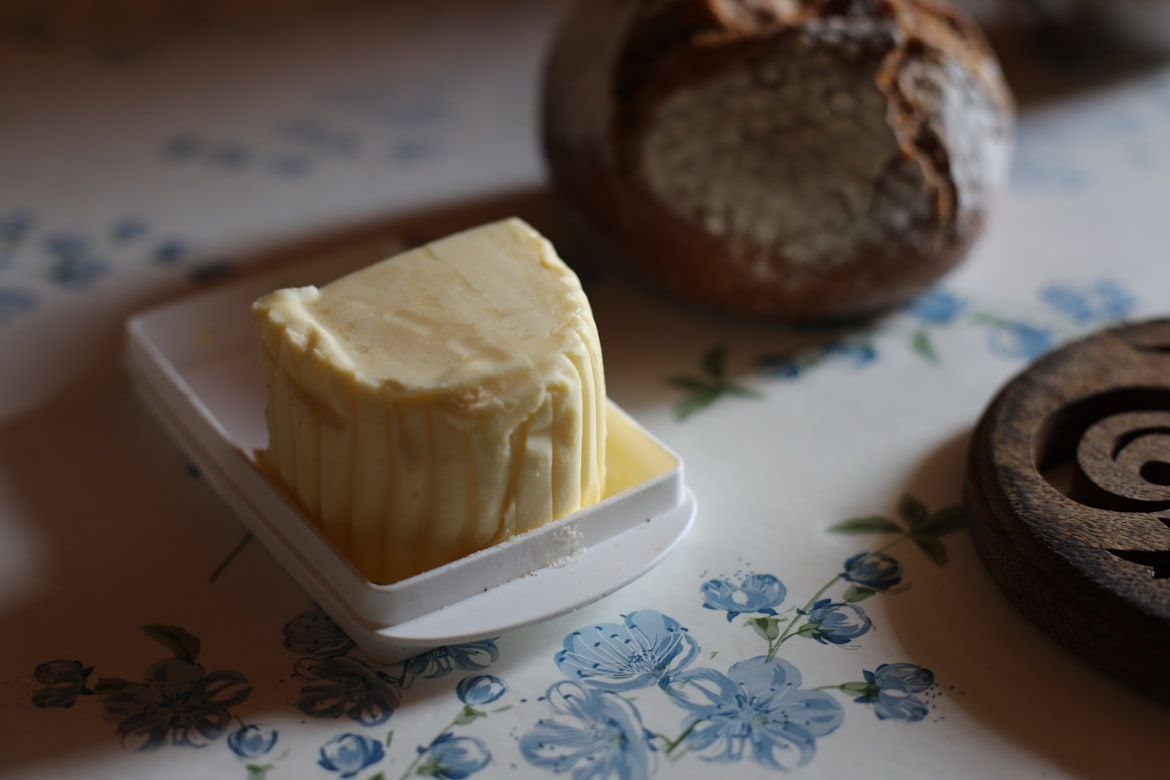
Being a substitute for butter, margarine was heavily lobbied against by dairy farmers in the late 1800s. Several states passed laws banning margarine dyed yellow to resemble butter .

As a result, margarine was sold plain white, or consumers had to mix in dye packets themselves. These odd restrictions lasted well into the mid-1900s before finally being repealed.

8
Men’s long hair

Image: Siri louis

During the 1960s and 70s, schools across the U.S. cracked down on boys with long hair . Beatles-inspired styles were viewed as rebellious, unclean, and disruptive.

Some students were suspended or expelled over hair length. These policies reflected the cultural clashes of the era.

9
Left-handed writing

Image: Anna Savina

For much of the 19th and early 20th centuries, left-handed students were forced to switch hands . Teachers tied their left arms or punished them until they wrote with their right hand.

This practice was based on superstition and prejudice, with left-handedness considered "wrong" or even sinister.

10
Bathing suits above the knee

Image: Brett Jordan

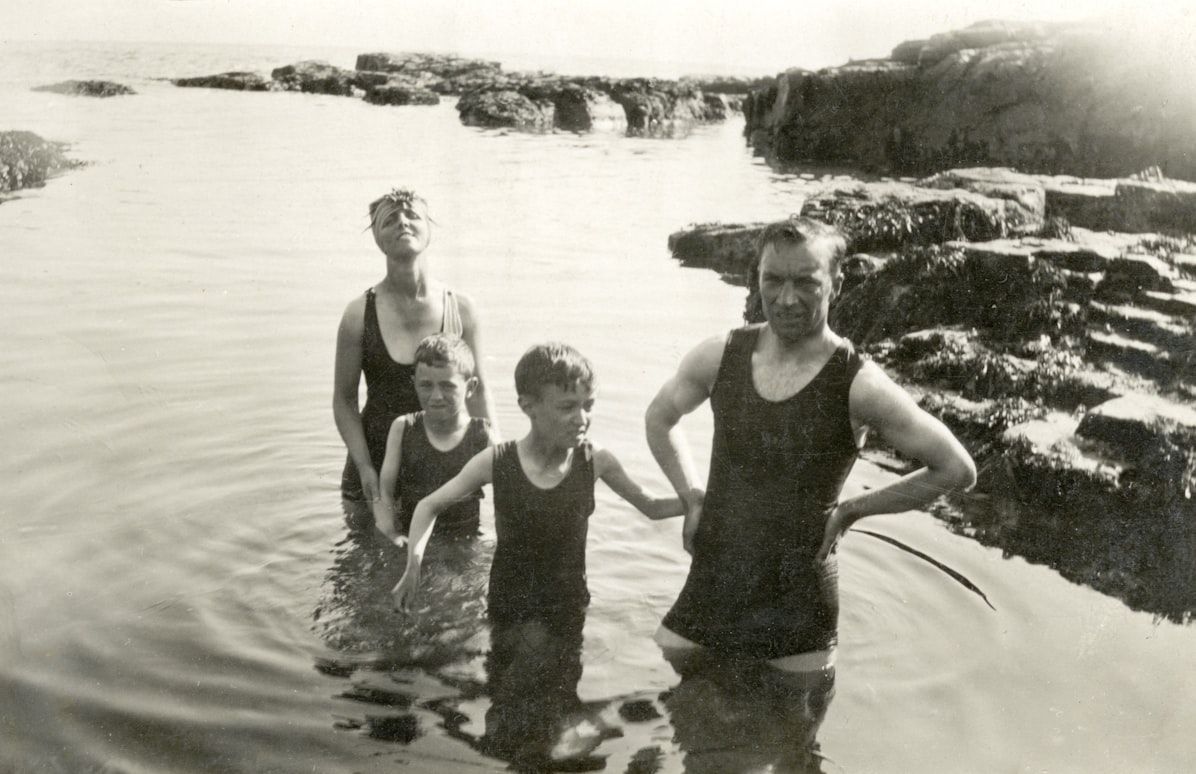
In the early 1900s, strict laws dictated swimwear modesty at public beaches . Bathing suits that rose above the knee could result in fines or even arrest by "beach police."

Photographs from the time show officers measuring swimsuit lengths with rulers. The bans slowly disappeared as fashion and social norms shifted.

11
Coffee

Image: Jakub Dziubak

In the late 1600s, in Boston, coffee was briefly banned for being considered dangerous and unproductive . Authorities feared it encouraged idleness and vagrancy.

Coffeehouses were seen as gathering places for gossip and dissent. The ban didn’t last long, and coffee soon became a staple of American culture, eventually surpassing tea in popularity.

12
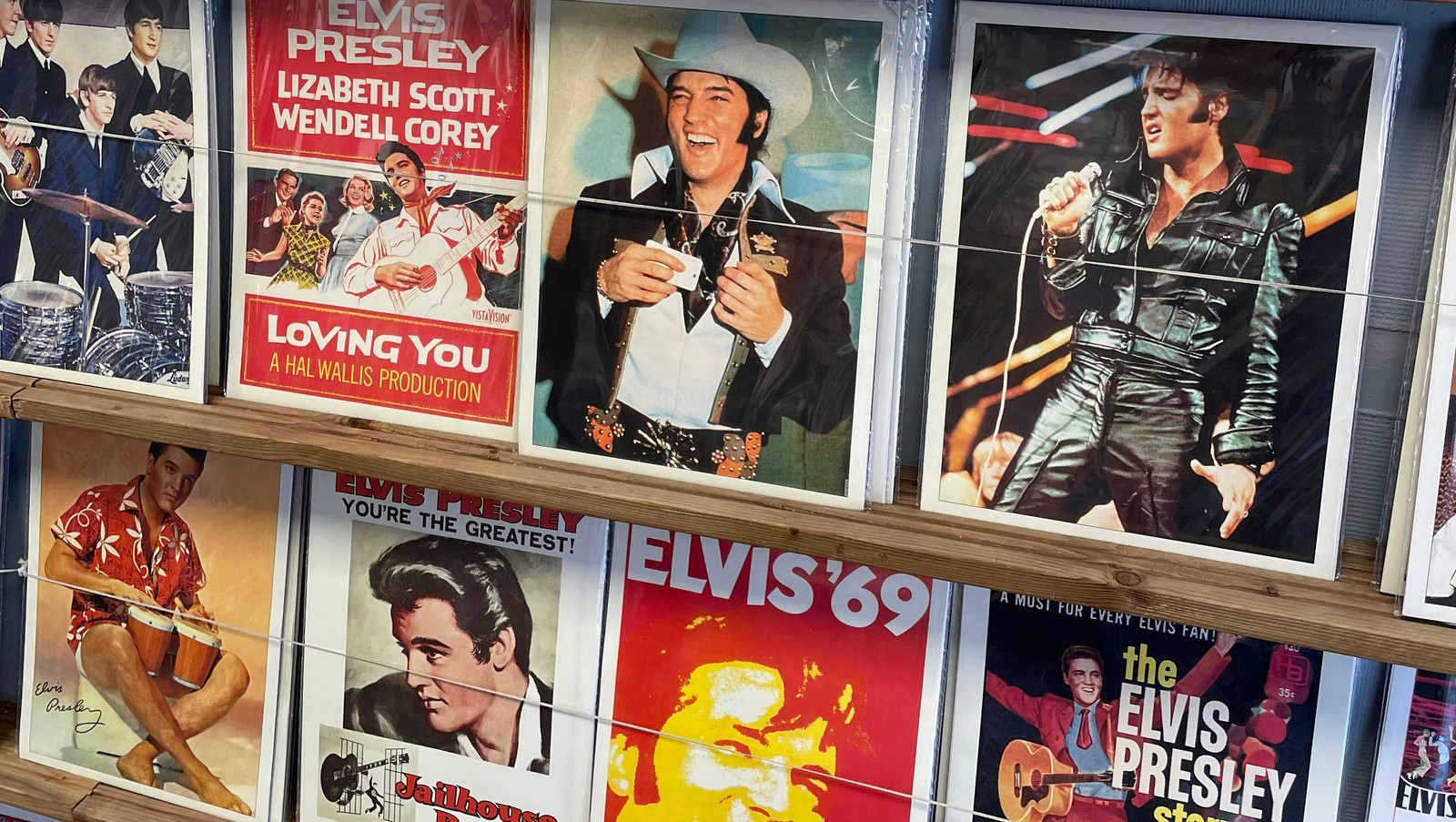
Velvet Elvis paintings

Image: Susan Mohr

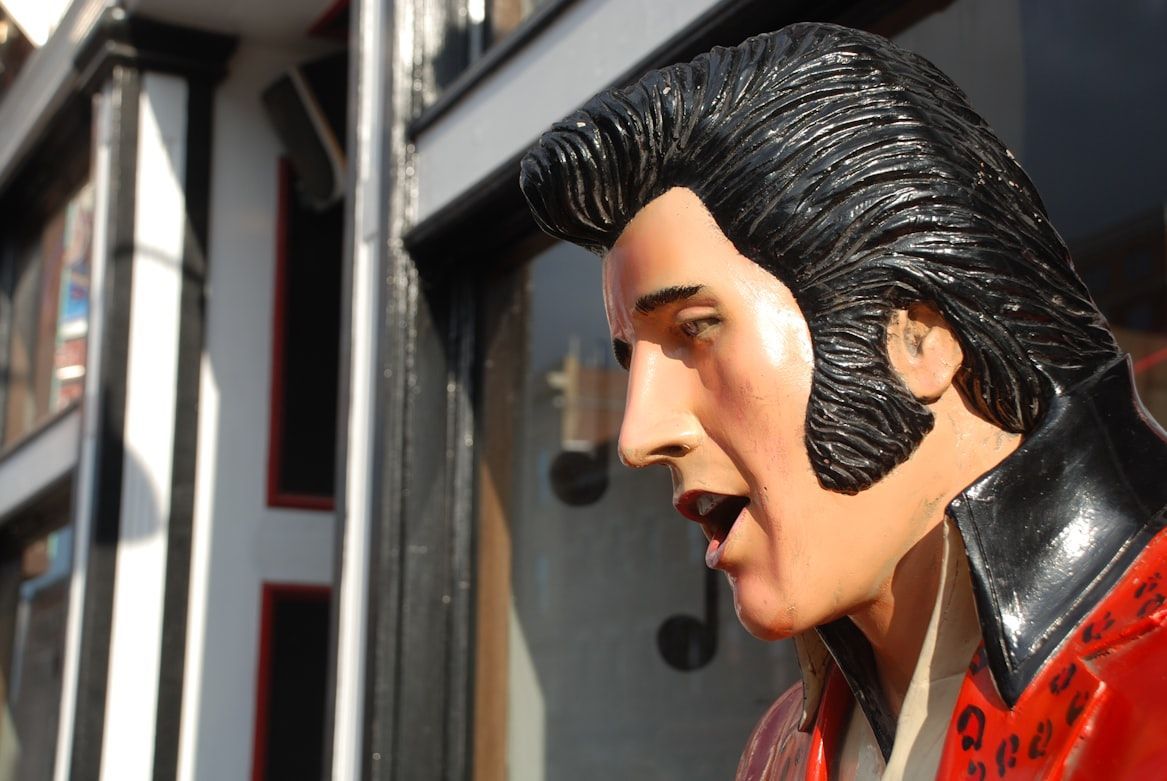
In the 1970s and 80s, velvet Elvis paintings became a kitschy art craze. Some towns, embarrassed by the trend, tried banning their sale, calling them indecent or tacky .

Though the bans were rarely enforced, they reflected how taste and morality sometimes crossed into law.

General General 4 min read

Beyond the Preamble

The amendment that took 200 years and other intriguing Constitution facts

Image: Anthony Garand

The Constitution is undoubtedly one of the most important documents in our history —and in our present! But even if we think we know everything about it, there are still some surprising details that might shock even the most knowledgeable history fans. Did you know that the 27th Amendment, which is also the last one, took more than 200 years to be ratified? Join us to uncover 10 fascinating facts about the Constitution that many people don't know about!

1
10/12

Image: Sue Winston

We know that the Bill of Rights consists of the first 10 amendments to the Constitution, but did you know that Congress originally proposed 12 amendments? That's right! Yet, the states ratified only 10, leaving two out.

But here's the interesting part: One of these unratified amendments —the one concerning congressional compensation— was ratified more than 200 years later! In 1992, it became the 27th Amendment, which is also the last one.

2
World record

Image: Pierre Bamin

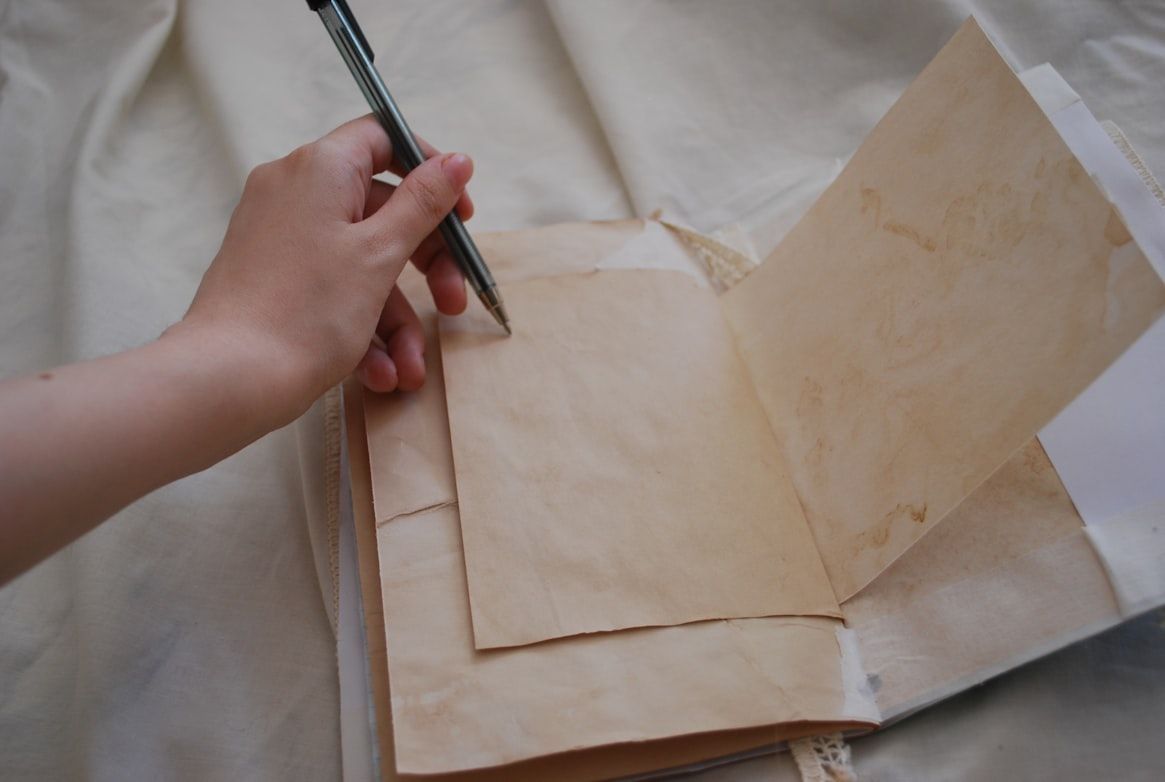
Our Constitution was signed in the 18th century, and while we know it's been a long time, what you might not know is that it is considered the world's oldest written national constitution still in effect today.

With various changes and amendments added over the years, this document not only defined the ideals of our nation but also earned us a world record!

3
The youngest

Image: MJ S

The men who signed this historic document were of varying ages. In fact, the age difference between the youngest and oldest signer was a remarkable 55 years!

The youngest to sign was attorney Jonathan Dayton of New Jersey, who was 26 years old at the time. Do you want to know who was the oldest? Keep reading!

4
The oldest

Image: Adam Nir

Well, as we mentioned, there was a 55-year age gap between the youngest and oldest signers of the US Constitution.

Do you know who the oldest was? That's right, Benjamin Franklin! He was a distinguished 81 years old when he signed this historic document.

5
500 copies

Image: Christa Dodoo

The original Constitution had 500 copies printed for distribution, made by the Founding Fathers themselves. They distributed those copies to members of Congress and state legislatures. Of those 500 original copies, however, only 13 are known to exist today. We have to say that, given that more than 230 years have passed, it's impressive that so many have survived!

6
How much?

Image: Jp Valery

Logically, since so few original copies remain, they ' re incredibly rare and valuable. In fact, one of these original documents was sold in 2021, and you won't believe its price!

You might have imagined it was sold for $5 million, maybe $10 million. But no, this invaluable copy went for $43.2 million. With that sale, it also became the most expensive historical document ever sold at an auction.

7
30 bucks

Image: Barry A

The person who transcribed the original US Constitution signed in 1787 had an important job, didn't he? The man who accomplished this major deed was Jacob Shallus, a clerk of the Pennsylvania General Assembly at the time. He was responsible for taking the text drafted by the Founding Fathers and transcribing it onto parchment: over 4,000 words scribbled down entirely by hand! Surprisingly, he was paid just $30 for this task.

8
Let's celebrate

Image: Kelly Sikkema

In 1789, long before Thanksgiving became an official national holiday, President George Washington issued a proclamation declaring November 26 as a day to give thanks. As it was an occasion for national gratitude, he also encouraged citizens to celebrate the birth of the new nation and the recently established Constitution.

9
A spelling issue

Image: Katherine McAdoo

Being a text from so long ago, some words —particularly proper nouns— may have changed slightly since the Constitution was first drafted. This was the case for the state of Pennsylvania, which is spelled as "Pensylvania" in the original document. However, while some may consider it a misspelling today, it was actually an accepted spelling for the state's name in the 18th century.

Fun fact: You can also find "Pensylvania" engraved on the Liberty Bell!

10
The Father of the Constitution

Image: Richard Hedrick

"The Father of the Constitution" is one of the nicknames given to James Madison, one of our Founding Fathers. And it's these very words that appear on the rare $5,000 bill.

Although this bill is no longer in circulation, if you are lucky enough to get your hands on one, you'll read "James Madison, The Father of the Constitution" next to the portrait of the 4th U.S. President.

Explore more American facts

Choose your favorite category!

General
General

As American as apple pie—the very best America has to offer!

Culture
Culture

Delve into the astounding richness of American lore.

Geography
Geography

Hop in and explore vast and diverse American landscapes.

History
History

Discover the key moments that shaped the United States.