Culture Culture 4 min read

Debunking myths

Famous Americans: The myths everyone believes and why they’re wrong

Image: JR Harris

No doubt, we love a good legend. Give us a glamorous movie star, a sports hero, or a cultural icon, and we’ll happily embroider the facts to make a story sparkle. But many of the tales we repeat with total confidence never actually happened . Here are some of the most stubborn myths about famous Americans, and (hopefully) the real stories behind them.

1
Elizabeth Taylor had purple eyes

Image: Studio publicity still, Public domain, via Wikimedia Commons

Elizabeth Taylor’s stare really did look otherworldly, so fans started saying she had naturally violet eyes, calling it a genetic rarity fit for a Hollywood goddess.

In reality, her eyes were a deep blue that photographed with an unusual richness, especially when paired with lavender clothing, dramatic lighting, or the era’s film stock.

2
There was a long-standing feud between Venus and Serena Williams

Image: Jimmie48 Photography

The Williams sisters have faced each other on the world’s biggest tennis stages, which naturally fueled talk of a bitter, lifelong rift. The truth is far less dramatic.

Their relationship, by their own accounts, has been a mix of intense competitiveness and unwavering loyalty, exactly what you’d expect from two elite athletes raised side by side.

3
Michael Jackson bought the Elephant Man’s bones

Image: RJA1988

During the height of his fame, Michael Jackson couldn’t sneeze without generating rumors. One of the wildest was that he purchased the bones of Joseph Merrick, the "Elephant Man," a Victorian-era Englishman who had been famous in his life due to his severe, rare physical deformities.

But this whole story had been a publicity stunt released by his own team to promote the album Bad in 1987. Jackson later denied the claims, but he did admit that he had always felt a kinship for Merrick and that more than once he had visited his remains, which had been kept at Royal London Hospital since his death in 1890.

4
Many listeners panicked during the "War of the Worlds" broadcast

Image: Muhammed ÖÇAL

For generations, many have repeated the tale of Americans running into the streets in terror after Orson Welles’s 1938 broadcast about a fictional Martian invasion.

While some listeners were confused or alarmed, the supposed nationwide chaos was wildly exaggerated. Newspapers of the era had a vested interest in making radio look irresponsible, and they pumped the story up accordingly.

5
Judy Garland made less than Toto in "The Wizard of Oz"

Image: Stainless Images

This rumor survives because it’s shocking and symbolic: In this 1939 production, Hollywood underpaid its young star so badly that even the dog earned more.

But Judy Garland was paid roughly $500 a week , which would be equivalent to $12,000 today. That was four times what was given to Carl Spitz, owner and trainer of the female Cairn Terrier named Terry, who played Toto. Spitz earned about $125 a week ($3,000 today). Some background actors did earn less than the dog, which may be the fact that gave birth to the myth.

6
Harrison Ford was discovered while working as a carpenter for George Lucas

Image: Craft Kitties

Hollywood loves an "accidental discovery" story, so Harrison Ford supposedly landing Star Wars while hammering nails for George Lucas became an instant classic.

The real version is less exciting. Ford did work as a carpenter to support his family, and he had already acted for Lucas in American Graffiti . When Star Wars came around, his talent and his existing relationship with the director mattered far more than his toolbox.

7
Marilyn Monroe was fragile and camera-shy

Image: Europeana

Marilyn Monroe is often dismissed as a pretty face who could barely get through a scene, but that stereotype hides a more complicated reality. The superstar did struggle with intense anxiety, insomnia, and low self-esteem. Anecdotes report that she was often late to set or that she requested dozens of takes.

But the blanket claim that she was incapable is debunked by her collection of performances. Some of her directors defended that she was undeniably magnetic and mastered camera presence. Her struggles were born from relentless perfectionism and a fight to be taken seriously in a system that constantly patronized her.

8
Elvis Presley once gave a blind fan concert tickets for life

Image: Lara Wehbe

Over the years, an irresistibly sweet story surfaced about Elvis gifting a blind girl a lifetime of free concert tickets and a large check. It’s touching, but as far as anyone can verify, it never actually happened.

There’s no record of the alleged gift in estate archives, major biographies, or credible reporting. What is true is that Elvis was famously generous, which probably helped this seem like something he could have done.

9
Babe Ruth was orphaned as a young boy

Image: Steshka Croes

Babe Ruth’s larger-than-life charisma lent itself to rags-to-riches storytelling, and somewhere along the way, people began claiming he grew up as a true orphan.

In reality, Ruth was sent to St. Mary’s Industrial School for Boys in Baltimore, Maryland, because his parents struggled with his behavior, not because they had died. The institution played a huge role in shaping both his childhood and his baseball skills, but his parents remained alive during those early years.

10
Walt Disney is cryogenically frozen

Image: serjan midili

A die-hard urban legend! The idea that Walt himself is frozen in a hidden chamber under Disneyland might be the most famous of them all. The truth is much more ordinary: he was cremated shortly after his death in 1966.

The cryonics rumor appeared almost immediately, likely because the technology was making headlines and Disney’s legacy already felt larger than life.

General General 5 min read

Survival foraging in America

These 10 plants could save you from starvation

Image: Alisa Golovinska

Ever felt those hunger pangs while hiking through the countryside and wondered if you could forage to fuel up in an emergency? You absolutely can—if you know where to look. America is blessed with a variety of wild edible plants that could help you out in a pinch—and maybe even add a fresh twist to your next salad. From versatile cattails to delicious blackberries, nature’s pantry offers a surprising amount of nutrition to those who know what to seek. But remember, not every plant is safe, so don’t just sample everything you see. That’s why we’ve compiled this list of 10 common wild edible plants in the U.S. to help you forage smartly!

1
Cattails

Image: Vlad Tchompalov

If you’ve ever seen a cattail and thought it looked kind of yummy, you were on the right track! Cattails grow abundantly in marshy areas across the U.S., and nearly every part of this plant is edible. Often called the "supermarket of the swamp," cattails are incredibly rich in carbohydrates and are a highly versatile food source. These plants not only provide nutrition but also materials for shelter and fire-starting, making them a top resource for wilderness survival in America.

The roots, once cleaned and cooked, have a potato-like quality and can also be dried and ground into flour. Impressively, they even outperform potatoes in starch yield per acre. Young shoots are edible as well, offering a fresh bite when raw or a tender taste when boiled, much like asparagus.

2
Dandelions

Image: Keegan Houser

Often dismissed as a pesky weed, dandelions are actually among the most nutritious plants you can find in the wild. In fact, dandelions are considered even more nutritious than broccoli or cabbage! Every part of the dandelion is edible, from the leaves to the roots. With a taste and texture similar to chicory, the leaves are packed with vitamins A and C and be eaten raw in salads or cooked like spinach.

The bright yellow flowers can also be used to make tea, while the roots can be roasted as a coffee substitute. Dandelion tea is loaded with powerful antioxidants, including beta-carotene and polyphenols, and studies suggest it may benefit heart health.

3
Wild Asparagus

Image: Gil Ndjouwou

Who knew you could harvest your own asparagus in the wild? Wild asparagus grows across much of the U.S., particularly in moist, sunny areas. While it looks similar to its cultivated cousin, wild asparagus tends to be thinner and tougher. When foraging, look for young shoots, which are more tender and can be eaten raw or cooked.

Like its commercial counterpart, wild asparagus is high in fiber and vitamins, offering a nutritious snack or even a potential side dish in a survival situation.

4
Acorns

Image: Annie Spratt

You’re likely already familiar with acorns, the nuts of oak trees. Found abundantly across the U.S., particularly in forests and woodlands, these wild nuts are indeed edible after some processing. Acorns contain bitter tannins, which can be toxic and need to be removed by repeated boiling or soaking in water.

Once safe to eat, acorns can be either roasted or ground into flour. Though they don’t taste like much, they’re packed with carbohydrates, fats, and proteins. Historically, acorns were a staple food for Native Americans and ancient cultures worldwide, proving their value as a survival resource.

5
Cactus (Prickly Pear)

Image: George Pagan III

In the arid landscapes of the American Southwest, prickly pear cacti offer both nourishment and hydration. The pads (nopales) and the fruit (tunas) are not only edible but are also staples in Mexican cuisine.

The cactus fruit, known as a prickly pear, is super sweet and can be eaten raw right off the plant. Depending on ripeness, the flavor ranges from mildly sweet to syrupy. Packed with vitamin C and water, prickly pear cacti can be a true lifesaver if you find yourself stranded in the desert.

6
Wild Onions

Image: Zoe Schaeffer

Wild onions grow widely across the U.S., thriving in fields, forests, and even backyards. Their bulbs, stems, and leaves are all edible and can be used just like store-bought onions to add flavor and nutrition to any meal. But foragers, beware—there’s an important distinction to keep in mind!

A highly toxic lookalike called death camas can be easily mistaken for wild onions, and as its name kindly suggests, it can have potentially lethal effects if consumed. The easiest way to tell them apart? Wild onions have a strong onion scent, while death camas has no odor. When in doubt, always trust your nose. That being said, unless you are 100% confident in your ability to identify wild onions, it’s wise to consult an expert or avoid foraging them altogether.

7
Pine Nuts

Image: Leila Issa

Pine trees are scattered across America, and their seeds—pine nuts—are a nutritional powerhouse. These small seeds, found inside pine cones, are rich in fats and proteins, making them a concentrated source of energy. In fact, pine nuts have sustained Native American tribes for centuries.

While they are labor-intensive to harvest, the effort is worthwhile. Packed with calories and bursting with flavor, they are an abundant and reliable food source. But it doesn't end there—surprisingly, most parts of a pine tree can be consumed, including the bark, needles, cones, and resin, either as food or for medicinal purposes.

8
Chicory

Image: Christopher Luther

Chicory is often found along roadsides and in open fields throughout the U.S. The plant is recognizable by its bright blue flowers, and while its leaves can be eaten like lettuce, its roots are also useful—they can be roasted and used as a coffee substitute.

During the American Civil War, soldiers used chicory to stretch their coffee supplies, and even today some beer brewers occasionally use roasted chicory to add a bitter flavor to stout varieties.

9
Blackberries

Image: Eric Prouzet

Who hasn't enjoyed picking a few blackberries during a walk? Blackberry bushes thrive across the country, especially in sunny, open areas. These delicious berries are loaded with vitamins C and K, along with fiber, making them an excellent survival food when in season. Additionally, their leaves can be brewed into a soothing tea.

Wild raspberries and strawberries are similarly plentiful in the American backcountry. Their unmistakable appearance and sweet flavor make them a great choice for novice or inexperienced foragers to safely enjoy nature’s pantry.

10
Clover

Image: Kelly Sikkema

Who knew that stumbling upon a clover patch could bring more than just good luck? Clover grows abundantly across the U.S., from lawns to meadows, and both its leaves and flowers are edible. The flowers are often dried to make tea, while the leaves can be tossed directly into salads or soups an added nutritional boost.

Rich in protein and minerals, clover has historically served as fodder for livestock, but it can also provide essential nutrition for humans, especially in a survival situation! Its versatility certainly makes it a valuable addition to any forager's repertoire.

General General 3 min read

Money matters

In cash we trust: The hidden history of American money

Image: engin akyurt

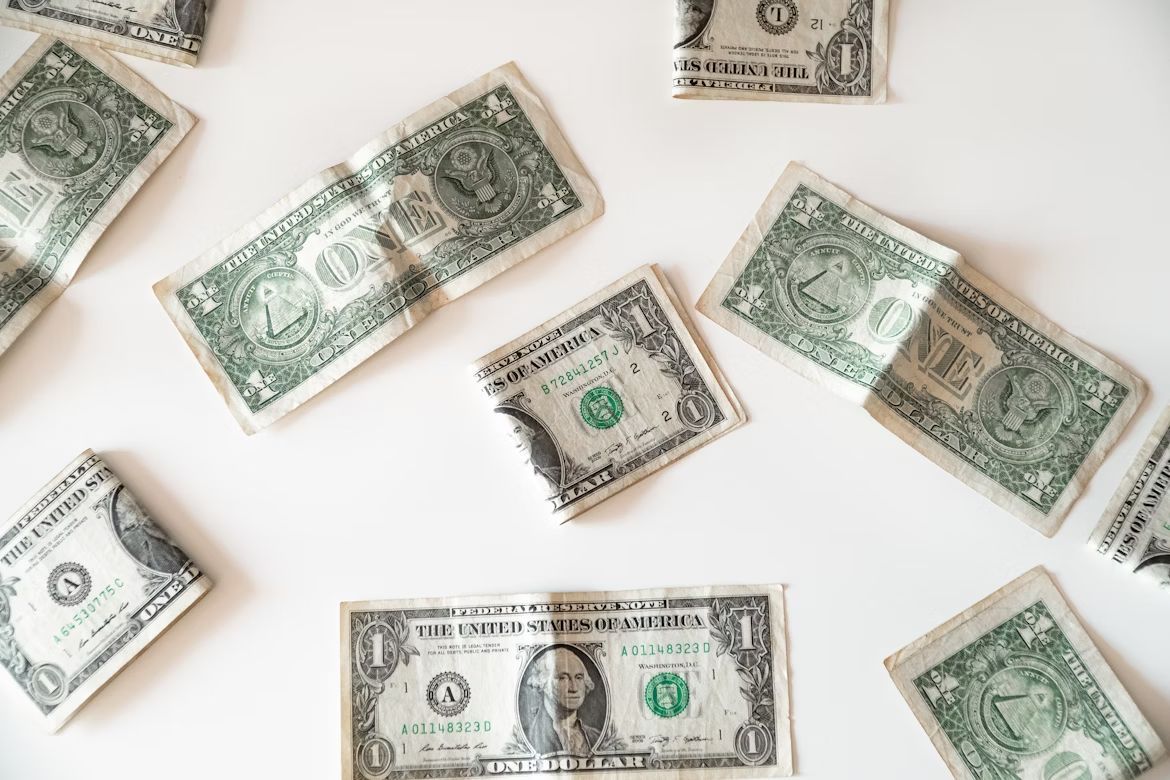
We handle money every day but rarely stop to think about where it all came from. Every coin and bill in your wallet has a story to tell . Some are serious, some are funny, and some are just plain surprising. From hidden symbols to sky-high denominations, here are ten true stories about US currency that might make you look at your wallet a little differently.

1
In God we trust

Image: Kelly Sikkema

The famous phrase "In God We Trust" hasn’t always been part of our money. It first showed up on some coins during the Civil War , when the country was looking for hope in tough times. It didn’t become standard on all bills and coins until 1955, during another period of strong religious feeling. Today, it’s part of our national identity and one of the most recognized mottos in the world.

2
The all-seeing eye on the dollar

Image: Thought Catalog

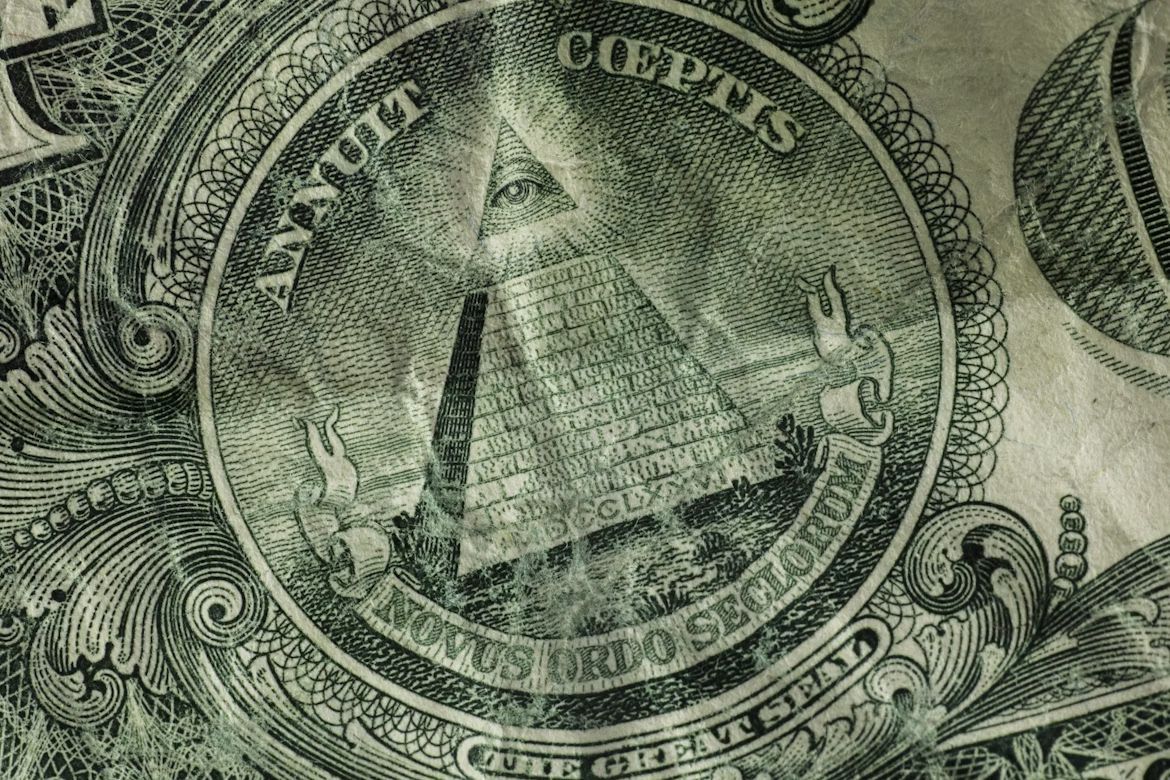
That little pyramid with an eye floating above it on the one-dollar bill has sparked plenty of wild theories, but the truth is rooted in history. Known as the "Eye of Providence," it represents divine guidance and watchfulness . The Founding Fathers saw it as a symbol of wisdom and protection.

3
The Secret Service started with cash, not presidents

Image: Collin

When the Secret Service was created in 1865, it had nothing to do with protecting the president. Its original job was to fight counterfeit currency , which had become a huge problem during the Civil War. Back then, nearly one in three bills was fake! The agency did its job so well that it built the foundation for the secure money system we have today.

4
The $10,000 bill that once roamed the banks

Image: Artem Beliaikin

Yes, there really was a $10,000 bill, and it carried the face of Salmon P. Chase, who served as Lincoln’s Treasury Secretary . It was never meant for everyday use at the store, of course. Banks used it for large transfers between Federal Reserve branches. Although it’s been out of circulation for decades, collectors still love to get their hands on one.

5
Fighting fakes with science

Image: Alexander Grey

Counterfeiting has been a problem since the first coins were made, but modern bills are loaded with clever security tricks . Watermarks, color-shifting ink, and hidden security threads help stop fake money before it spreads. If you tilt a newer bill in the light, you’ll see colors shift and patterns appear. It’s not just decoration, it’s actually protection.

6
Paper money doesn’t live forever

Image: Emilio Takas

Every bill has a limited lifespan. A $1 bill lasts about five years before it wears out, while higher denominations tend to last longer since people handle them less often. When a bill becomes too soft or torn, the Federal Reserve removes it from circulation and replaces it with a new one. Check your wallet and see if any of your bills need changing!

7
Tiny text with a big job

Image: Pete Alexopoulos

If you look very closely at your bills, you might spot lines of tiny printed words around the portraits and borders. That’s called microprinting. It’s so small that it’s nearly impossible to copy accurately. Most people never notice it, but it’s one of the details that protects the money from being easily counterfeited.

8
The penny paradox

Image: Annie Spratt

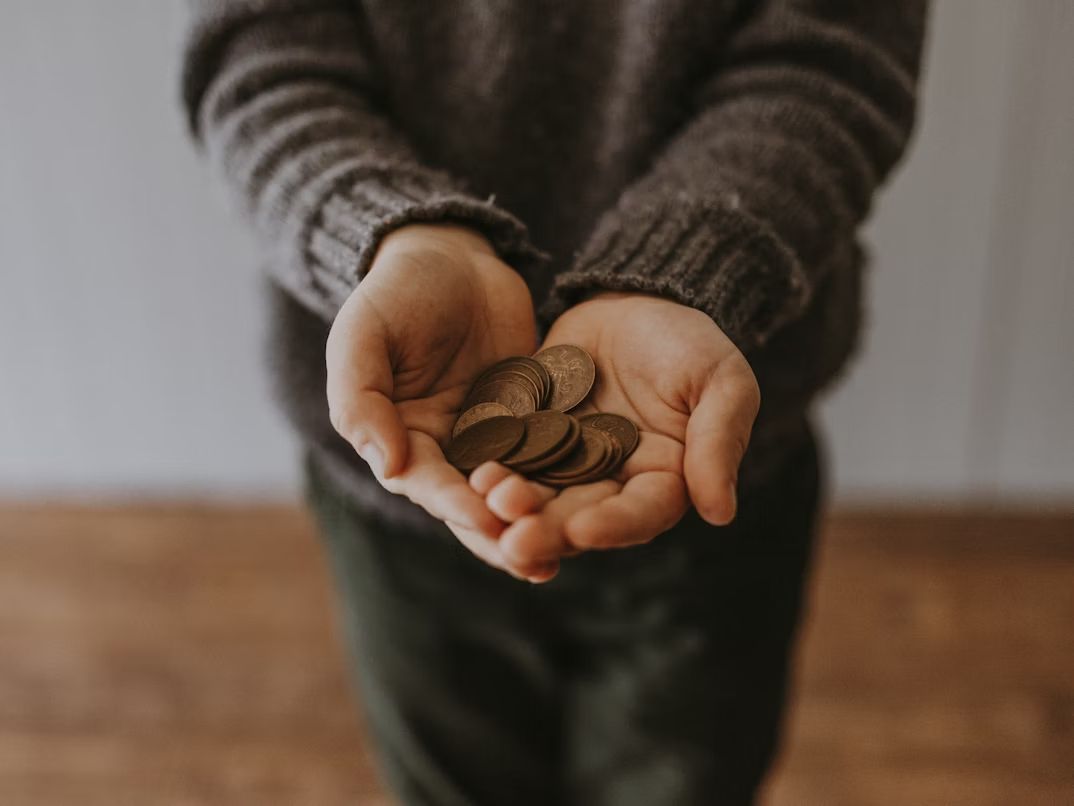
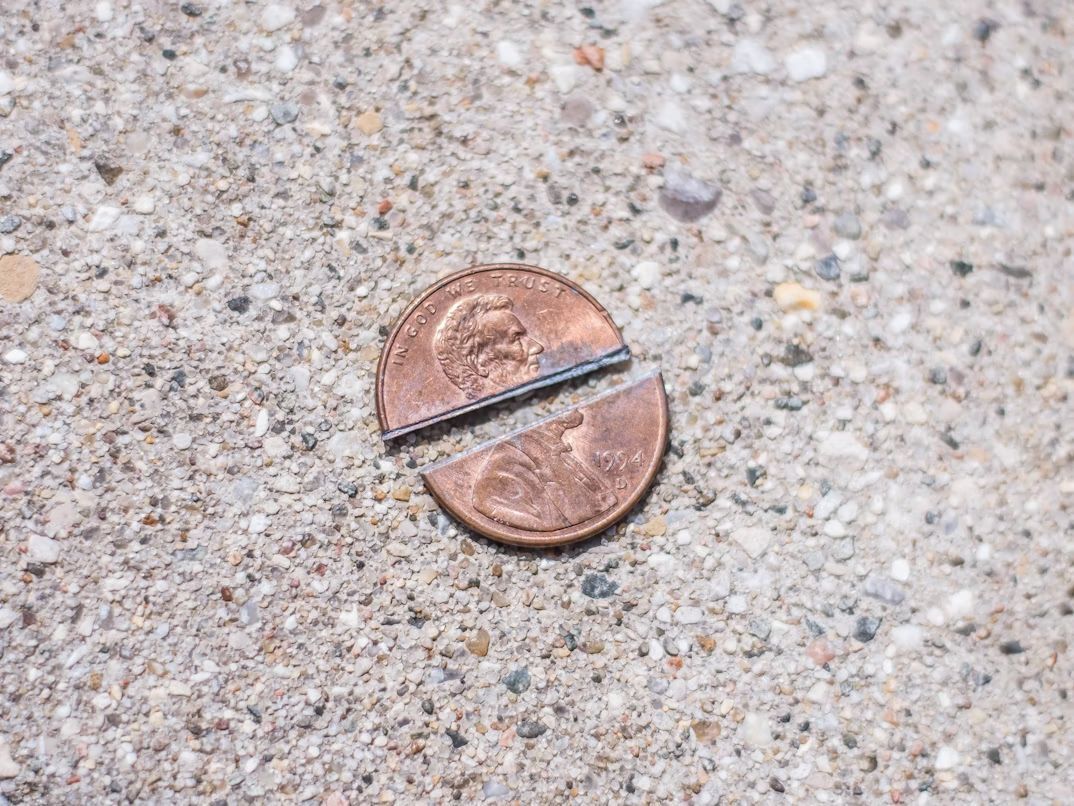
It’s funny to think about, but a single penny costs more than one cent to make. The mix of copper and zinc isn’t cheap , and that’s been true for years. Some even say it’s time to retire the penny, while others can’t imagine America without it. Maybe it’s more than money. Maybe it’s nostalgia that keeps Lincoln’s little coin alive. What do you think?

9
When spare change becomes treasure

Image: Gio Bartlett

Sometimes a coin is worth far more than its face value. The 1913 Liberty Head nickel is one of the best examples. Only five of them exist, and one sold for over four million dollars! Collectors spend years searching for coins like that. It’s part history lesson, part treasure hunt. It may look like an ordinary coin, but it’s really priceless!

10
A woman’s face finally gets her due

Image: Kirt Morris

For most of our history, only men appeared on our currency. However, that’s changing. There are renewed efforts to redesign the twenty-dollar bill and feature Harriet Tubman in it, the fearless leader of the Underground Railroad. Even if it’s not official yet, it’s an important step toward showing the full story of America.

Explore more American facts

Choose your favorite category!

General
General

As American as apple pie—the very best America has to offer!

Culture
Culture

Delve into the astounding richness of American lore.

Geography
Geography

Hop in and explore vast and diverse American landscapes.

History
History

Discover the key moments that shaped the United States.