Culture Culture 3 min read

No Empire State on this list

It is hard to believe, but these architectural gems are often overlooked
Image: Kyoshi Reyes

When most people think of American architecture, famous structures like the Chrysler Building or the Golden Gate usually come to mind. But tucked away in quiet towns and unexpected corners are some truly stunning, lesser-known architectural gems. Let’s take a tour of 11 of these under-the-radar buildings that deserve a second look.

1
Forestiere Underground Gardens
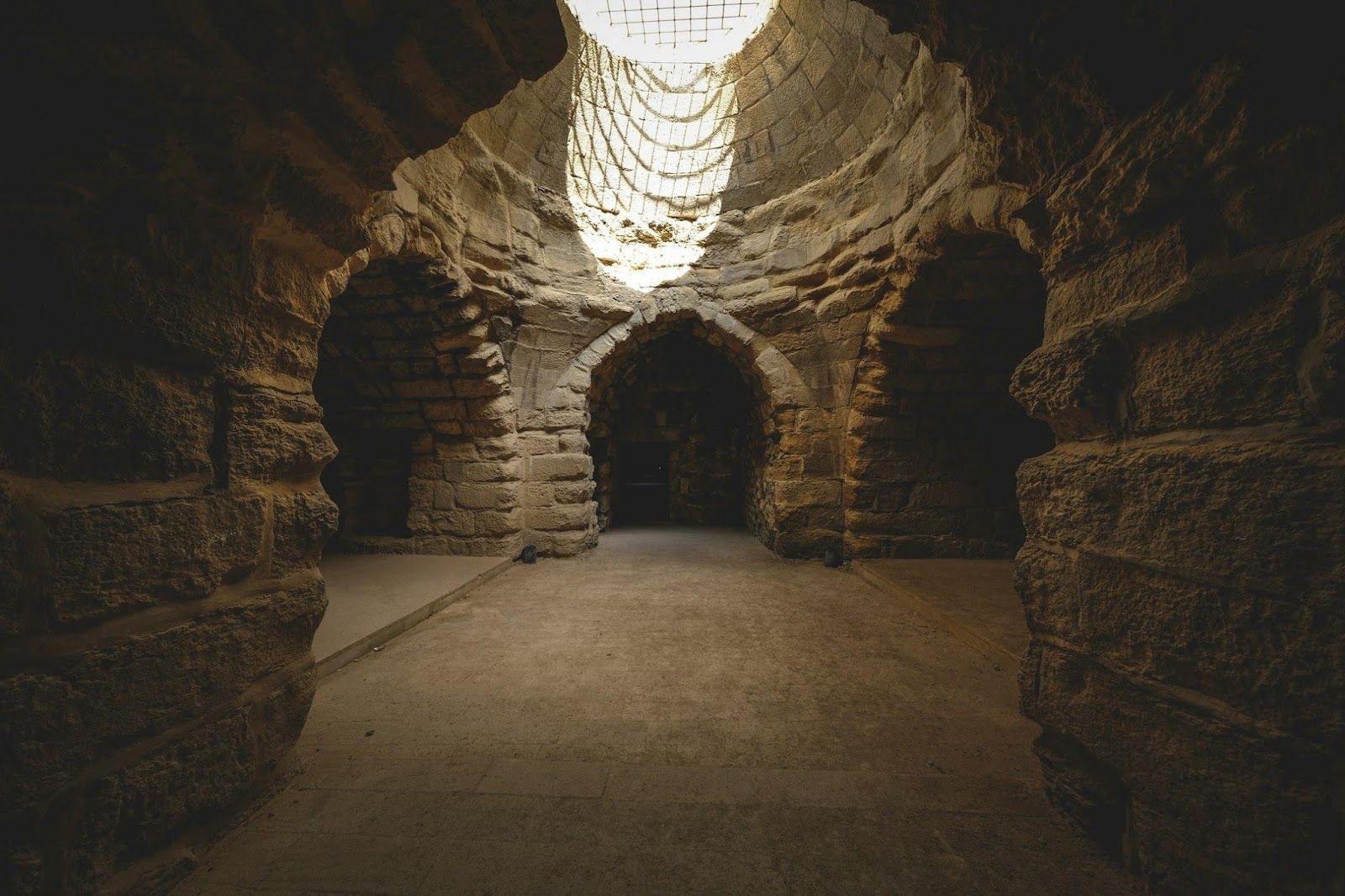
Image: Francesco Ungaro

Baldassare Forestiere, a Scicilan immigrant built a series of subterranean structures over a period of 40 years in Fresno, California.

Initially created as a small cellar to escape the summer heat, Baldassare carved a series of attached rooms, with underground trees , creating an incredible structure that can be visited today.

2
Swaminarayan Akshardham
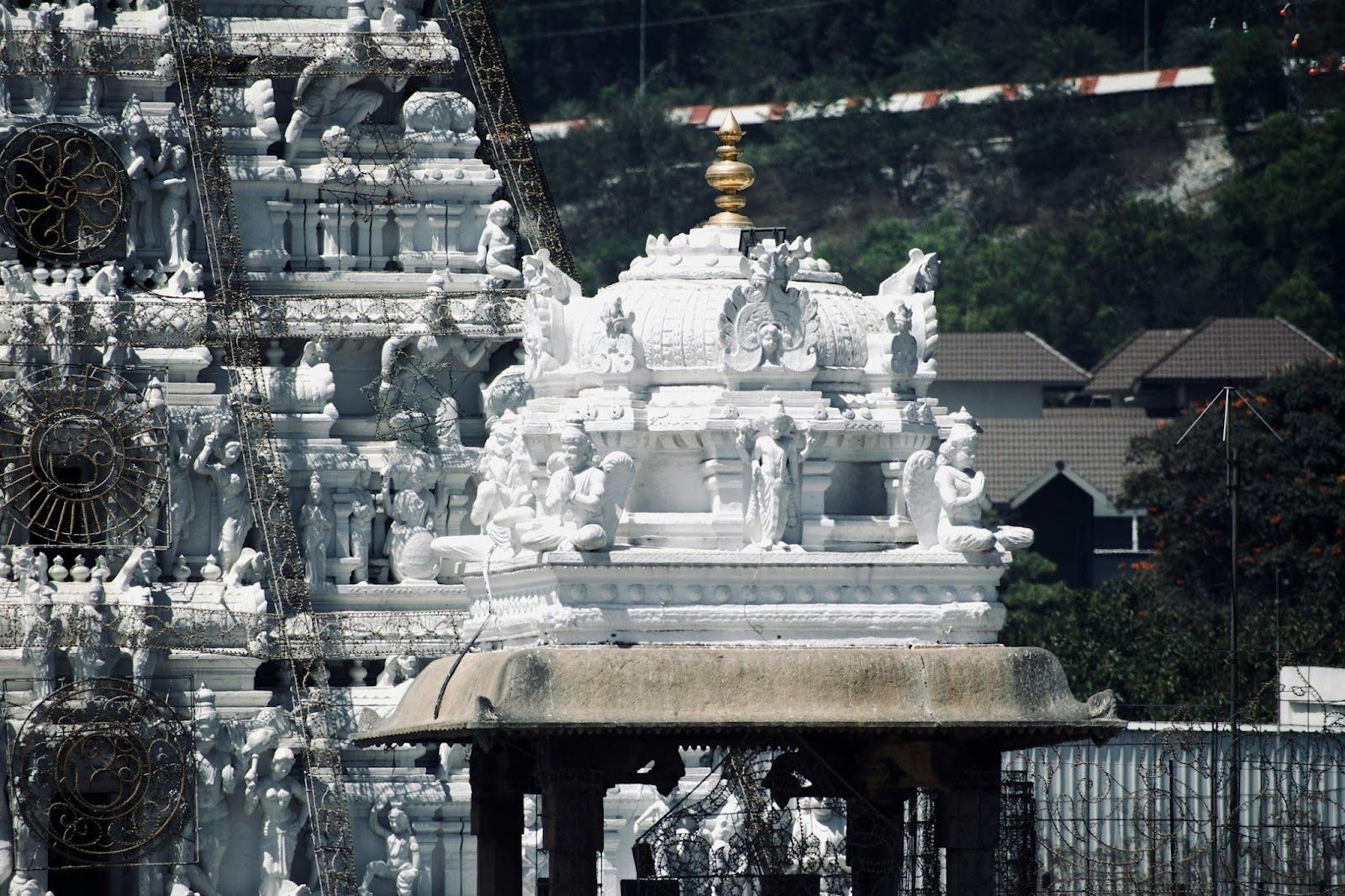
Image: Usha Kiran

A structure that most people would associate with a very different part of the world was built between 2015 and 2023 in Robbinsville, New Jersey: a large Hindu temple . It is the largest building of this kind in the United States and the second largest in the world.

3
Cathedral of Learning
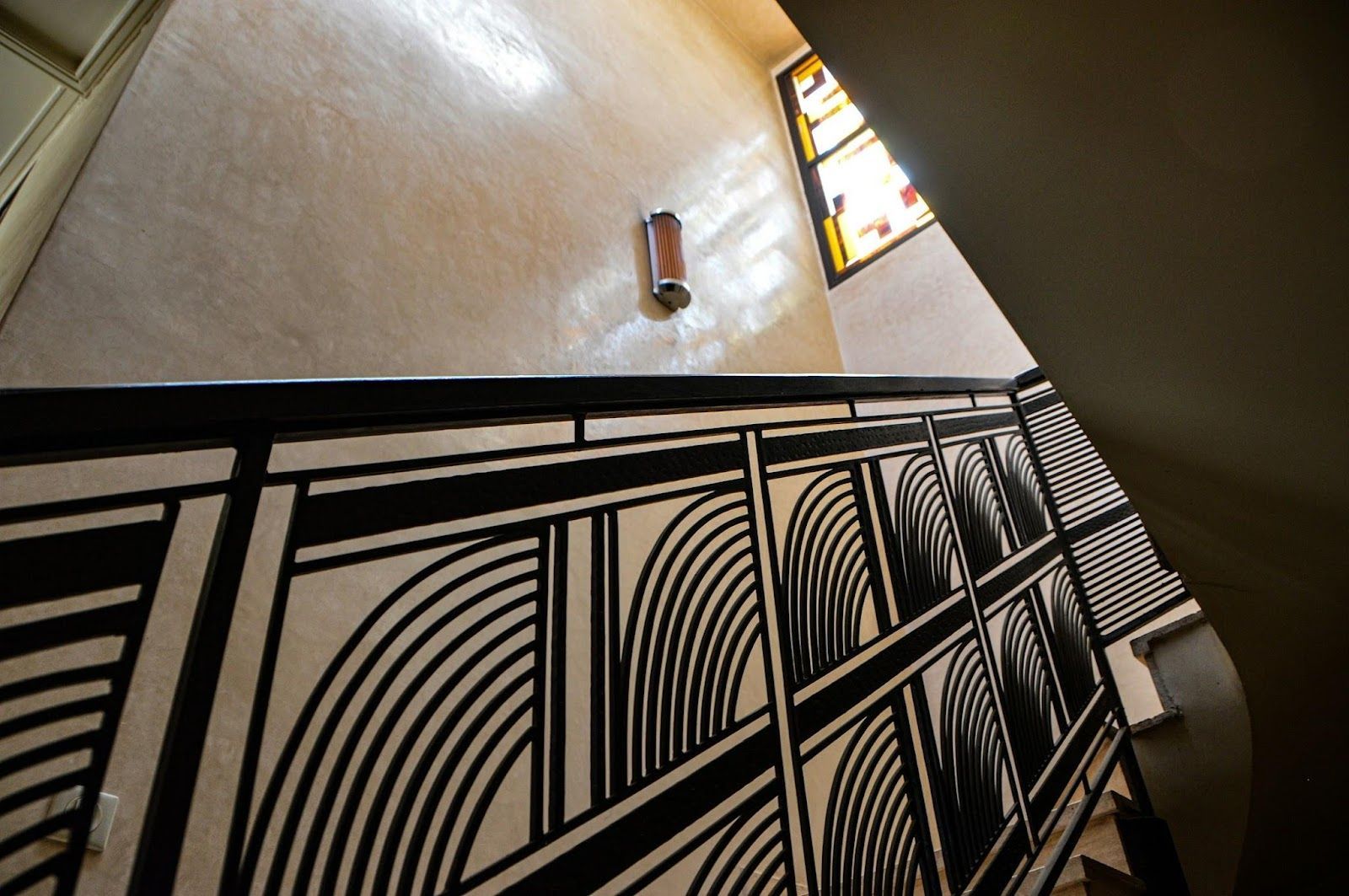
Image: henry perks

A 42-story skyscraper that looks like an Art Deco cathedral, the Cathedral of Learning is part of the University of Pittsburgh’s main campus in Pittsburgh, Pennsylvania.

Standing at 535 feet, this Late Gothic Revival structure is the tallest educational building in the Western Hemisphere and the second-tallest university building in the world. It is also the second-tallest gothic-style building in the world, after the Woolworth Building in Manhattan.

4
Hammond Castle
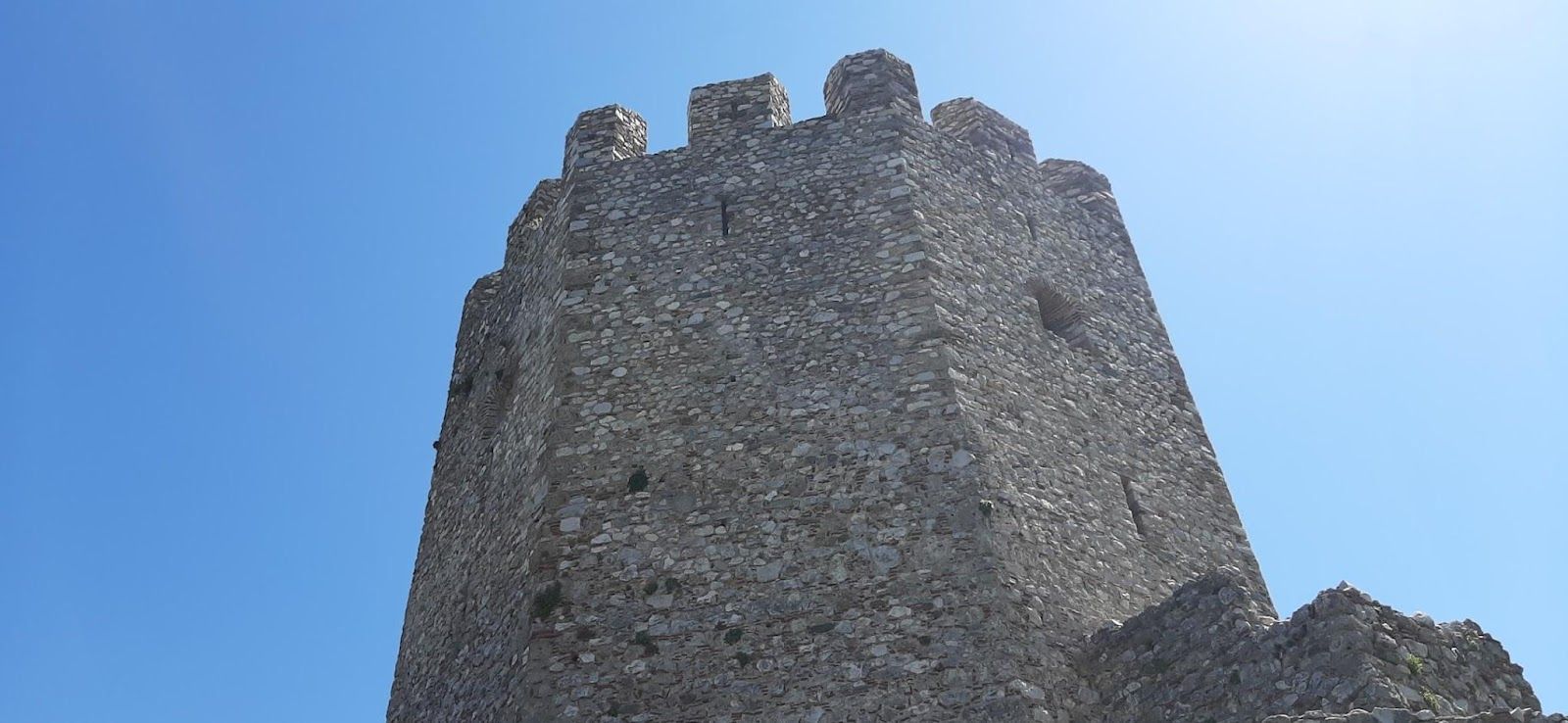
Image: Ted Gracz

An impressive feature of the Atlantic coast in the Magnolia area of Gloucester, Massachusetts, the Hammond Castle was the home, laboratory, and museum of John Hays Hammond Jr., an inventor and pioneer in the study of remote control .

The building is composed of modern and 15th-, 16th-, and 18th-century architectural elements, and operates as the Hammond Castle Museum, displaying Hammond's collection of Roman, medieval, and Renaissance artifacts as well as exhibits about his life and inventions.

5
San Antonio Japanese Tea Garden
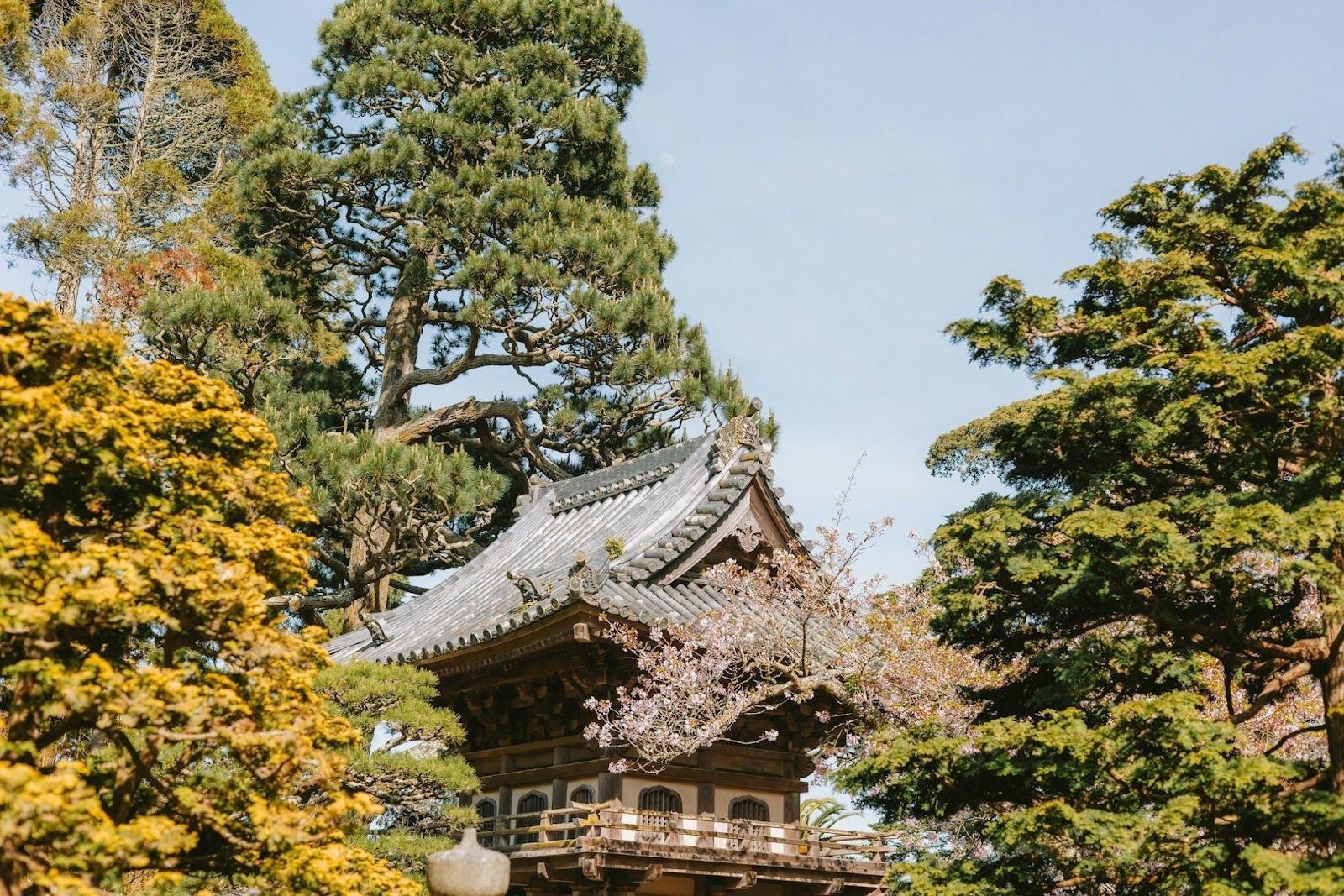
Image: Annie Spratt

Imagine a Japanese Tea Garden set in an abandoned limestone rock quarry, and you will be picturing the San Antonio Japanese Tea Garden, or Sunken Gardens in Brackenridge Park, San Antonio, Texas.

After several years working as a quarry, the area was redeveloped as the tea garden that it is today, with walkways, stone arch bridges, an island, a Japanese pagoda, and, of course, a tea room .

6
Ashbel Smith Building
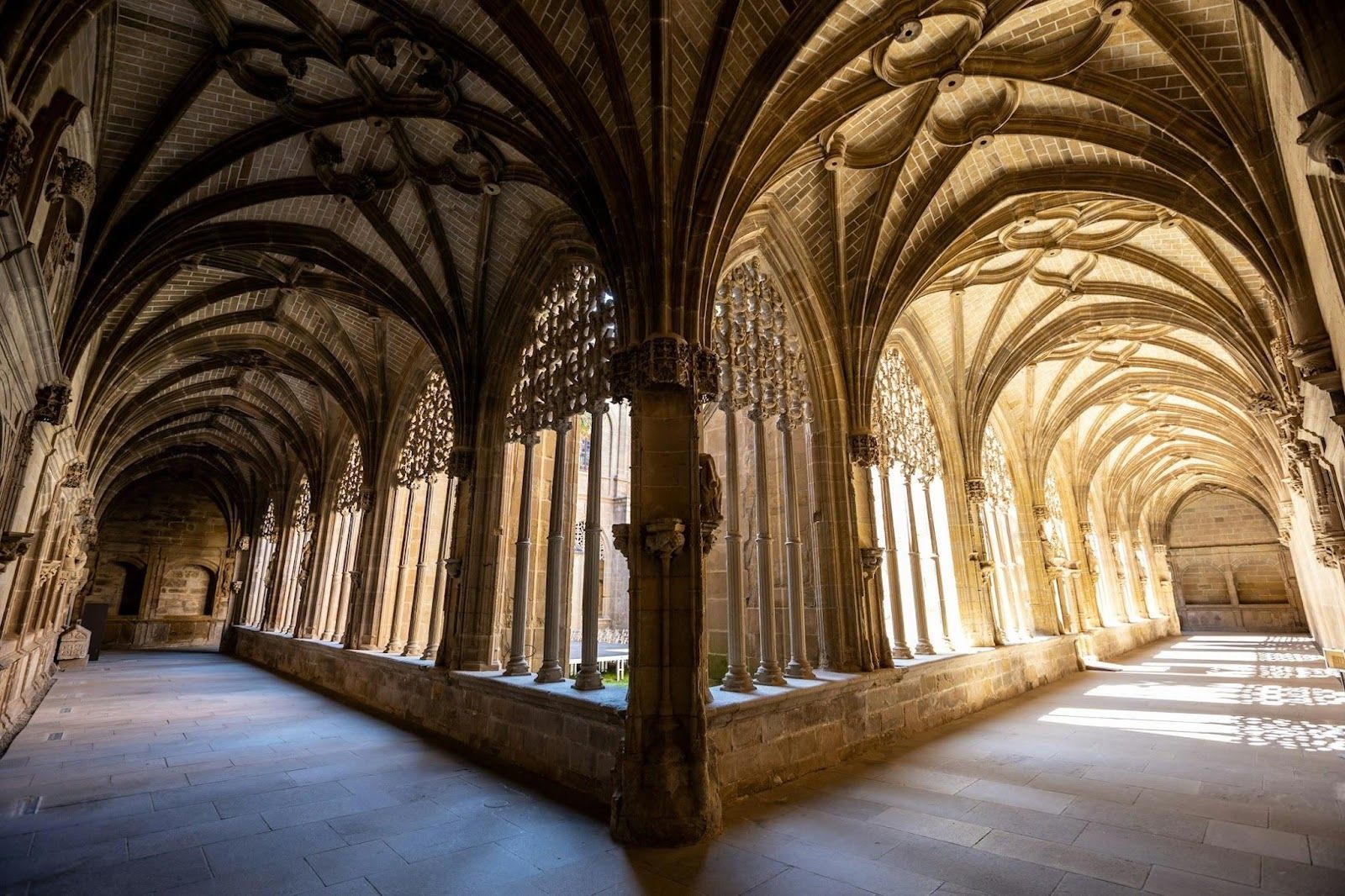
Image: Mario La Pergola

The huge Romanesque Revival building in Galveston, Texas, familiarly known as Old Red, was built in 1891 with red brick and sandstone . The Ashbel Smith Building, as it is officially named, was the first University of Texas Medical Branch edifice.

7
Mission San Xavier del Bac
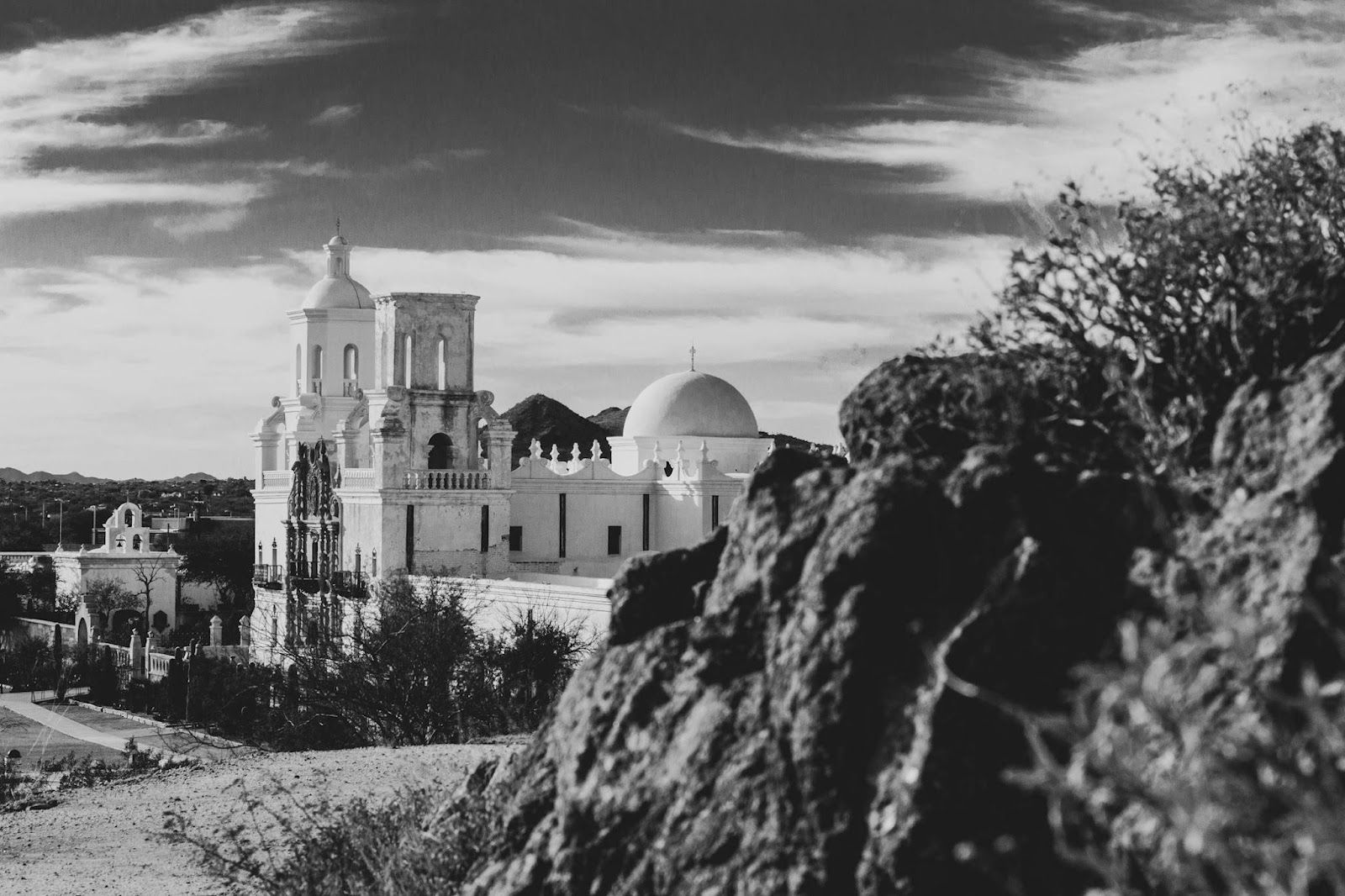
Image: Sean Benesh

The oldest European structure in Arizona is the Mission San Xavier del Balc. This historical Spanish Catholic mission is 10 miles south of Tucson and was founded in 1692. It is an outstanding example of Spanish Colonial architecture in the United States and it is a well-known pilgrimage site, with thousands visiting each year on foot and on horseback, some among ceremonial cavalcades or cabalgatas.

8
New River Gorge Bridge
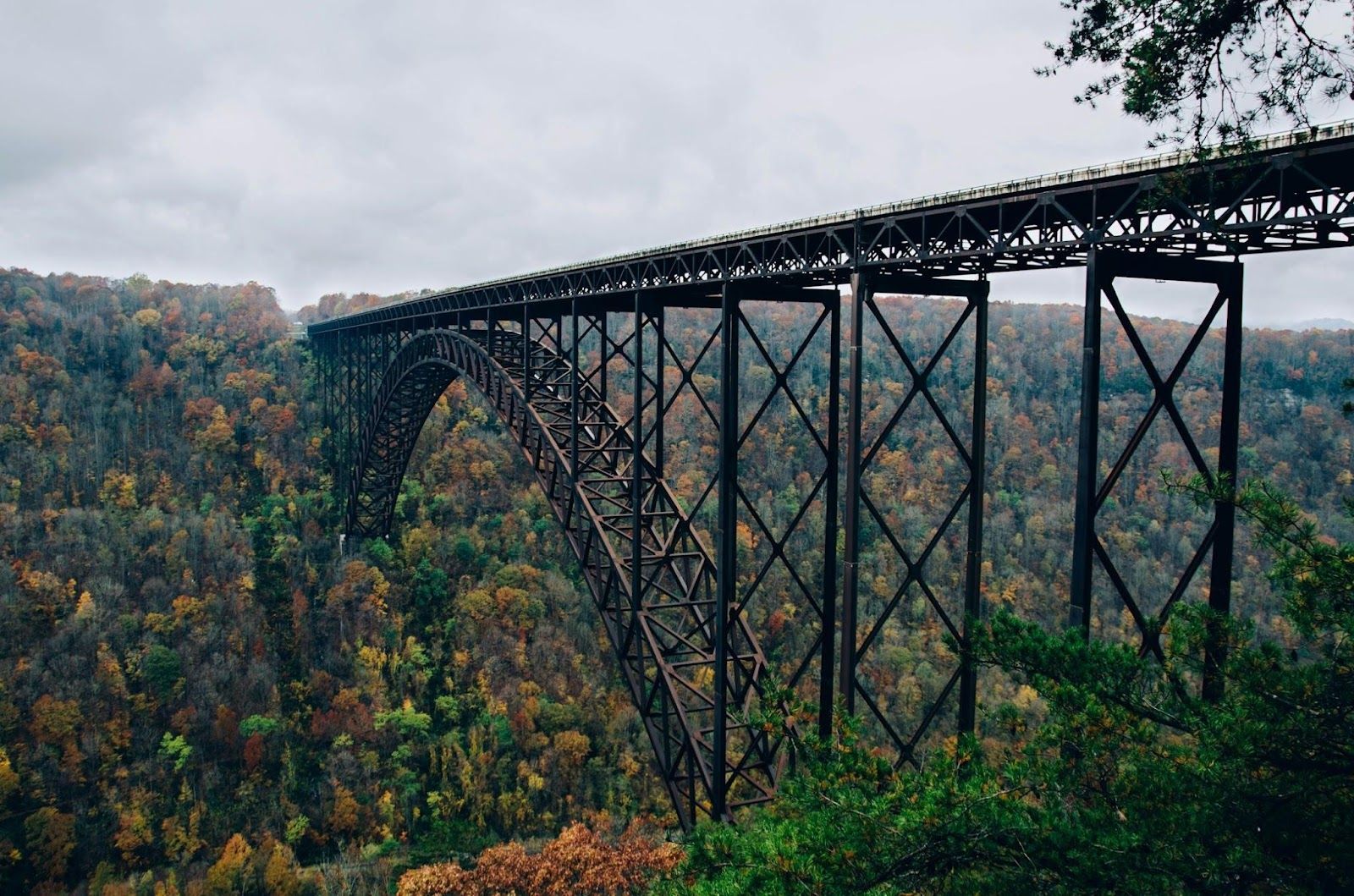
Image: Ashley Knedler

The New River Gorge Bridge is a steel arch bridge 3,030 feet long over the New River Gorge near Fayetteville, West Virginia, in the Appalachian Mountains. With an arch 1,700 feet long, the New River Gorge Bridge was t he world's longest single-span arch bridge when completed in 1977.

9
National Park Seminary
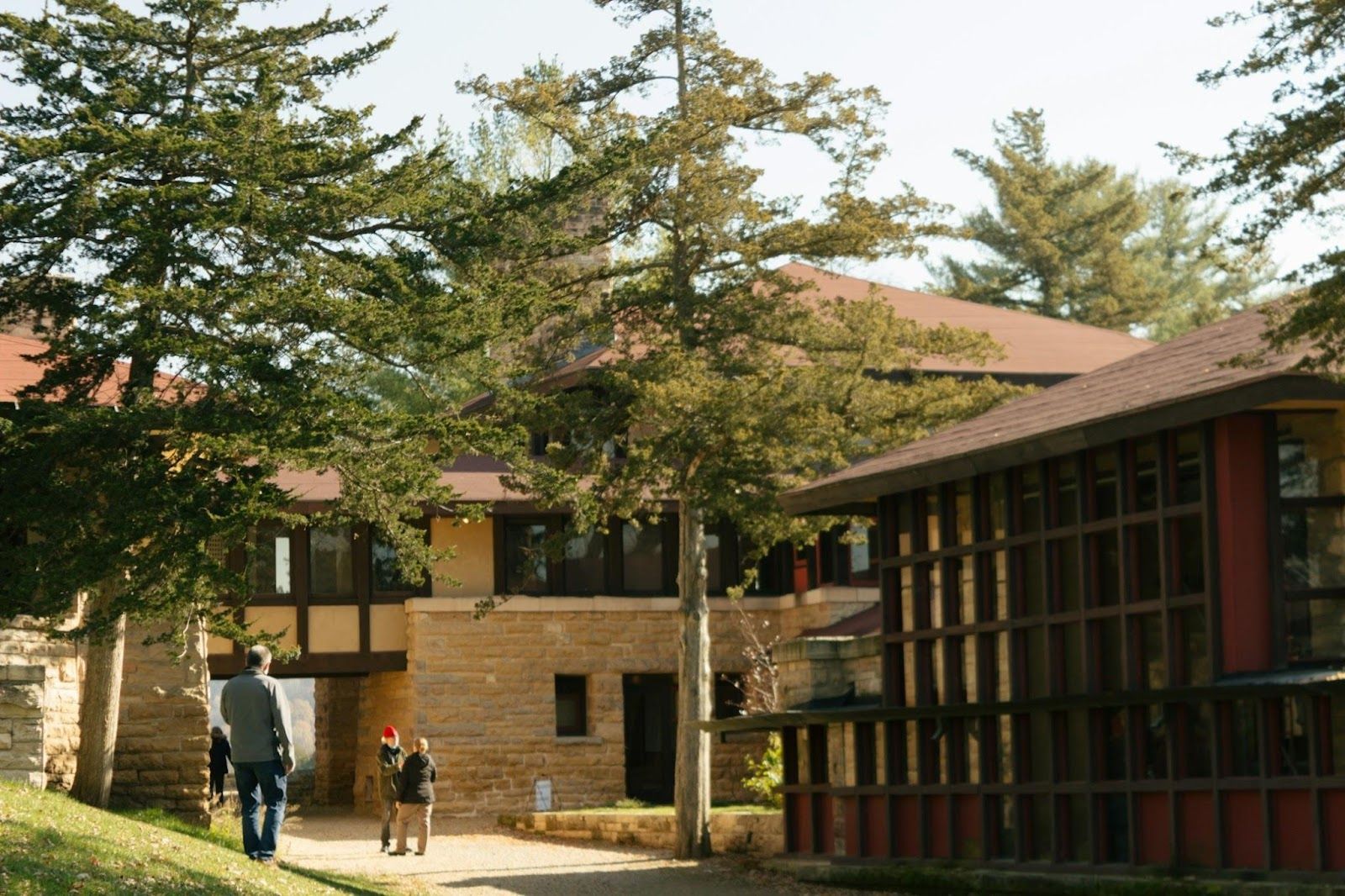
Image: Charles Marleau

National Park Seminary was a private girls' school open from 1894 to 1942 , located in Forest Glen Park, Maryland. Its name refers to the nearby Rock Creek Park. The historic campus boasts a massive building dating from the late 1800s.

10
Mercer Museum
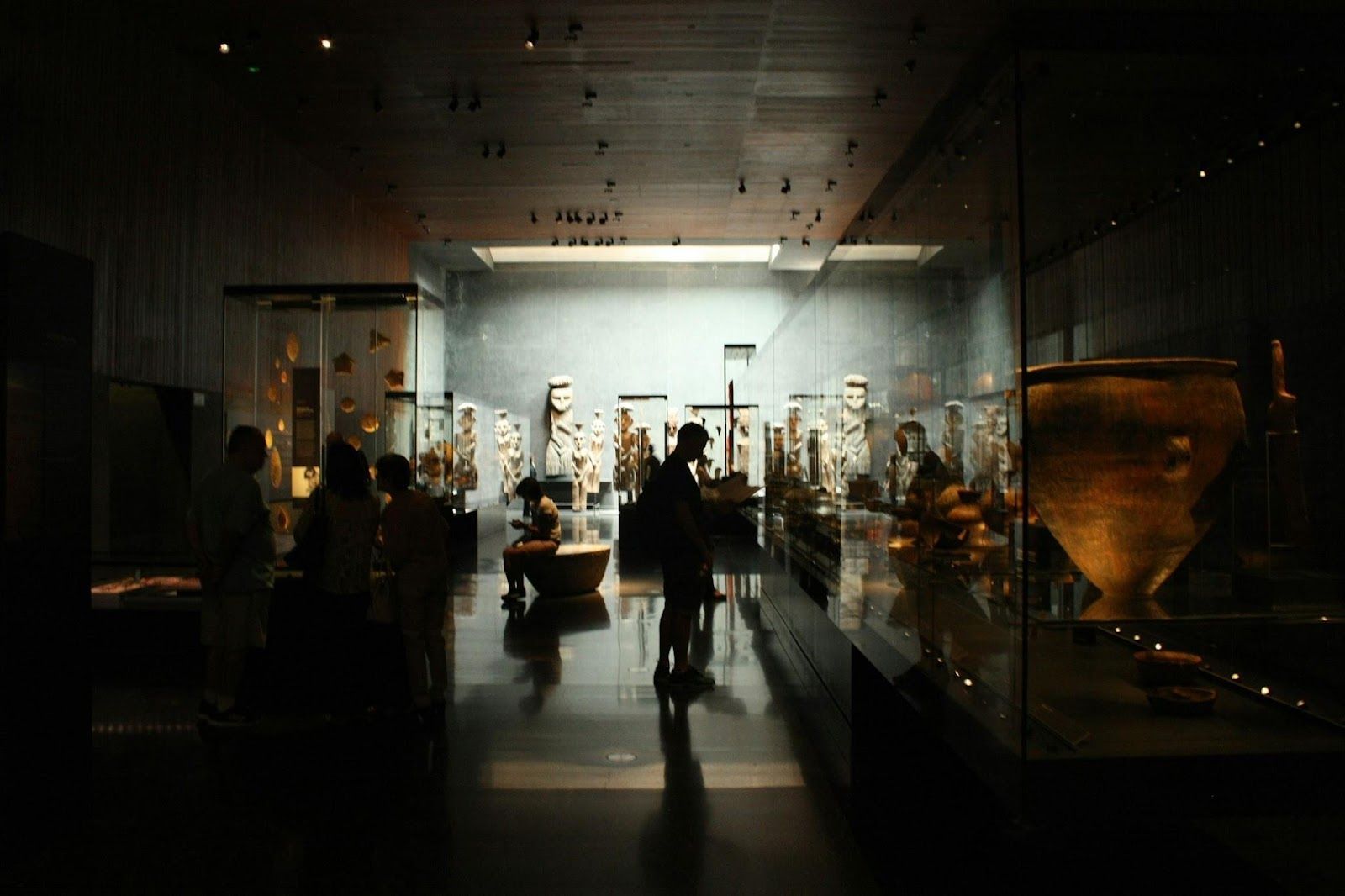
Image: Camila Credidio

The incredible Mercer Museum is a poured-in-place concrete structure built by the museum's founder, archeologist Henry Chapman Mercer, originally meant as his private residence. It is located in Doylestown, Pennsylvania.

11
Annunciation Greek Orthodox Church
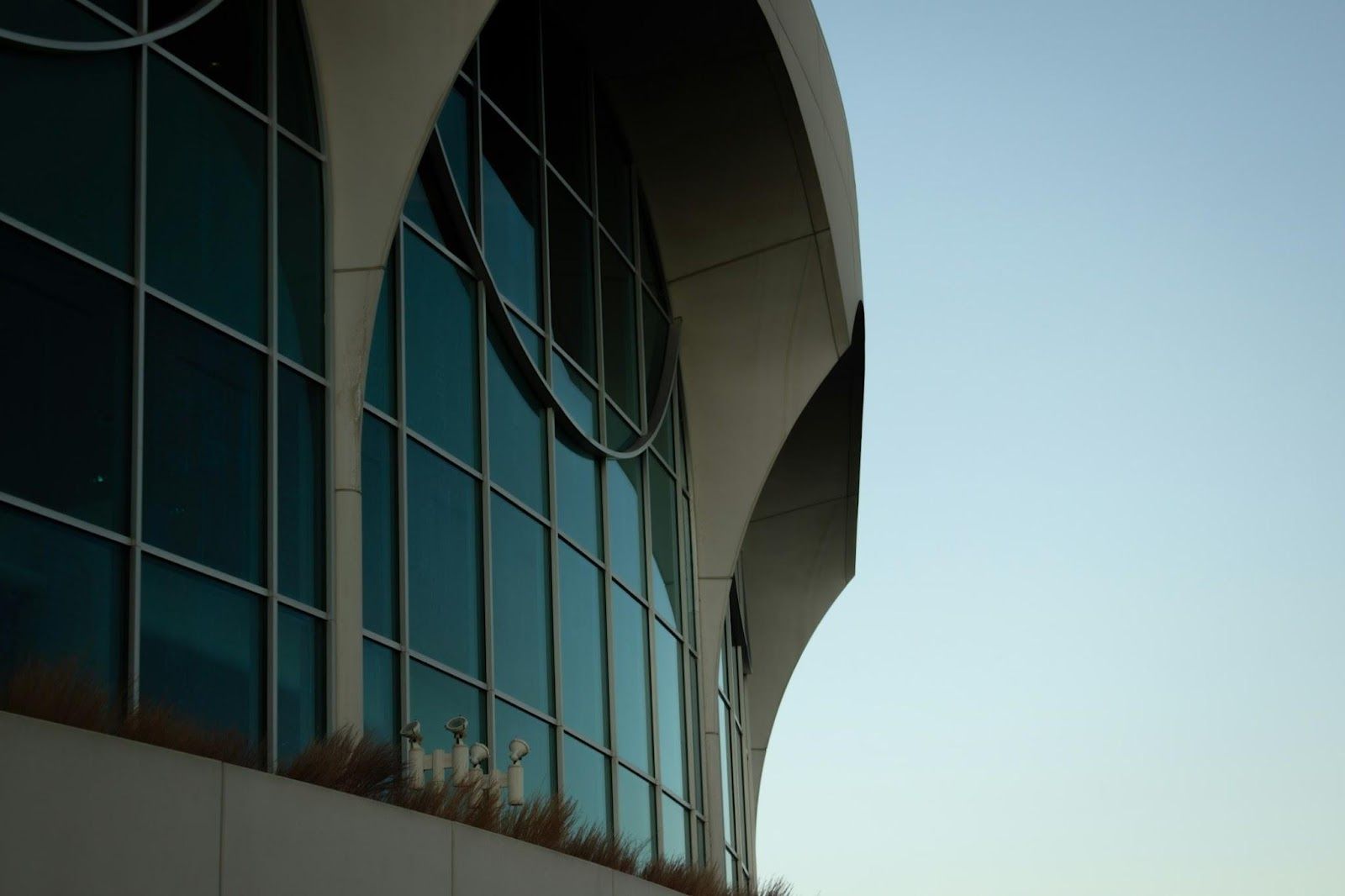
Image: Charles Marleau

The Annunciation Greek Orthodox Church in Wauwatosa, Wisconsin, United States, was designed by architect Frank Lloyd Wright in 1956, and completed in 1961.

Created according to traditional Byzantine architectural forms , but reinterpreted by Wright to suit the modern context, this building offers a striking view to its visitors.
Geography Geography 3 min read

Carved in stone

The Secret Room and 10 Secrets about Mount Rushmore

Image: Takefreebies

We've all seen Mount Rushmore, whether in person or on screen. But this monumental landmark is more than just four giant heads carved into granite. If you want to discover some surprising facts they don't teach in schools, read on!

1
A tough decision

Image: Spencer James Lucas

While the first three figures —Washington, Jefferson, and Lincoln— were almost unanimously agreed upon, there was some debate over who should be the fourth face on Mount Rushmore. Gutzon Borglum, the sculptor, advocated for Theodore Roosevelt, but others believed Woodrow Wilson should be included. In the end, Borglum stuck with his original choice, and that's why today we see Teddy Roosevelt up there on America's Shrine of Democracy.

2
The original plan

Image: Jon Sailer

While it's hard to picture the Black Hills without the iconic faces of Washington, Jefferson, Roosevelt, and Lincoln, the original idea for Mount Rushmore was actually quite different. At first, Sculptor Gutzon Borglum envisioned a more complex job (yes, even more complicated than it already is!) In his original plan, he imagined not just the presidents' heads but their upper bodies as well! There was even talk of including other key figures from American history, like explorers Lewis and Clark.

3
14 long years

Image: piotr sawejko

We can assume that carving the giant heads of 4 presidents into the granite was no easy task. But do you know how long it took to complete the monument we see today? 14 years! That's right; 14 years of hard work, 400 men, and a whole lot of dynamite went into bringing this colossal project to life.

4
The first

Image: Spencer James Lucas

As the first President of the United States and widely known as the "Father of His Country," George Washington was a must for this incredible monument. In fact, his face was the first to be completed and was officially dedicated in a grand ceremony. In addition, as part of the powerful symbolism behind the work, Washington's sculpture is also the most prominent.

5
Starting over

Image: Raimund Schlager

One of the many unexpected construction challenges involved the placement of Thomas Jefferson's sculpture.

The original plan was to place Jefferson's face to the left of Washington. However, when the dynamiting process began, they found quartz beneath the surface, which made it impossible to continue carving in that spot. After 18 months of work, they "erased" (yes, again, with dynamite) what they had of Jefferson and started over to the right of Washington, where it is today.

6
The secret door

Image: Tommy Bond

Did you know there's a secret room hidden behind the 60-foot-tall heads on Mount Rushmore? The sculptor had big plans for the monument, including a Hall of Records carved into the mountain to store important national documents like the Constitution. And he started to build it! However, when Congress found out that part of the budget was set aside for the Hall of Records, they asked Borglum to focus solely on carving the heads.

7
The last one

Image: caleb weiner

After Washington's, the other faces followed: Jefferson's was dedicated second, and Lincoln's was officially unveiled in 1937. So, which one came last? That's right! The last to be completed was Theodore Roosevelt's, with his iconic mustache included! Of course, members of the Roosevelt family attended the big ceremony.

8
The legacy

Image: Ashim D’Silva

Building Mount Rushmore took many years. Unfortunately, Gutzon Borglum, the mind behind the project, didn't get to see it fully completed, as he passed away just a few months before the work officially ended. However, it was his son Lincoln who stepped in to complete the great work his father had started.

9
An extra foot

Image: Andrew Ling

Borglum believed this monument should stand the test of time, built to inspire and be admired for thousands of years to come. So, how did he achieve that? Some historical sources suggest one of Borglum's techniques was adding extra material to certain angled areas of the sculpture, like Washington's nose, for example. That's right! It's believed that the author added an extra foot to George Washington's nose to help it better withstand erosion over time.

10
The man behind the name

Image: Pamela Huber

Long before the presidents were carved into the Black Hills, a New York lawyer paid a visit to the area, and that visit wouldn't go unnoticed. In 1885, attorney Charles E. Rushmore was at the site for business, and he asked for the name of a particular peak. When they told him it didn't have a name, he jokingly suggested they could call it "Rushmore Peak." Charles E. Rushmore was actually the first person to make a private donation to get the project started: $5,000! And so it was that his name stuck.

General General 6 min read

Ho Ho Ho vibes!

Unwrapping 10 fun Christmas facts that you probably didn’t know!

Image: JESHOOTS.COM

We all love this time of the year, don’t we? Christmas is all about twinkling lights, holiday music, wrapping and unwrapping presents, and getting together. But the traditions of our country all have a backstory and, popular as this date is, there are a lot of quirky fun facts to unveil. So, we’ve gathered 10 of them for you to start getting into the holiday spirit. Are you ready? Let’s go!

1
Shopping chaos

Image: Nathan Lemon

Move over, Black Friday! It seems counterintuitive to think there’s a day that is busier than the one day devoted to buying and taking advantage of super sales, but as it turns out, the two days right before Christmas actually take the ranking as the busiest shopping days of the year.

As the holiday countdown hits single digits, shoppers everywhere rush for those last-minute gifts and stocking stuffers.

Do you know what we mean? Those few days, you can almost feel the energy buzzing at every checkout line. If you have ever been in a store on December 23rd, you know the frenzy firsthand. Now, want some pro-tip? Make a list and check it twice to avoid panic shopping! Who knew that Christmas Eve could rival Black Friday for chaotic crowds?

2
The dangers behind decorating

Image: freestocks

While holiday decorating is one of the joys of the season, it’s also a little risky business. November and December see an uptick in home accidents, with 34% of decorating injuries caused by falls. Climbing ladders to string up lights or reaching for that high branch on the tree can get tricky!

It’s a good reminder to decorate with care and maybe enlist some help for those high-up decorations. After all, the holidays are about spending time with family, not in the ER. So, keep it safe and merry as you turn your home into a winter wonderland.

3
Rudolph’s Advertising Origins

Image: Tim Gouw

Who doesn’t love Rudolph the Red-Nosed Reindeer? He is a true Christmas icon, but he wasn’t always the holiday figure we know today. In fact, he got his shiny start as an advertising gimmick for Montgomery Ward back in 1939.

The department store created the character to attract holiday shoppers and boost sales, and boy did it work! Rudolph quickly became a beloved part of Christmas lore, it captured hearts with his glowing red nose and underdog story.

It’s funny to think that one of the most famous Christmas figures was born from a marketing strategy, but if you come to think about all these traditional figures, they were all born the same way. Regardless, Rudolph lights the way for Santa every year and we simply adore it!

4
Dickens’ Speedy Classic

Image: Elin Melaas

Talk about Christmas traditions! Charles Dickens’ timeless tale, A Christmas Carol , feels like it’s been around forever, and we’ve all probably read it more than once.

Did you know it only took him six weeks to write ? That’s right, in just a month and a half, he crafted one of the most long-lasting holiday stories of all time. Published in 1843, Dickens’ story of redemption and the Christmas spirit has been adapted into countless films, plays, and musicals.

He wrote it in a hurry because he needed money. Little did he know his rush would produce a masterpiece read in every classroom and household during the holiday time and any other time of the year!

5
Seattle’s sky-high tree

Image: Annie Spratt

Talk about decking the halls! The tallest Christmas tree ever displayed in our country stood tall and proud in Seattle, Washington, and it reached a jaw-dropping 221 feet ! If you can’t figure out how tall that is, that’s about the height of a 20-story building!

It was displayed in 1950 and, tall as it was, imagine all the lights and ornaments it took to decorate that beautiful tree. It quickly became a symbol of holiday glory. While it’s not every day you see a Christmas tree as tall as a skyscraper, it’s fun to imagine what that lighting ceremony must have been like. Don’t worry, most of us are happy with our 6-footers! But this defies the belief that less is more, right? When it comes to Christmas spirit, more is more!

6
Visa goes crazy!

Image: CardMapr.nl

We’ve already established that the Christmas season is the busiest in sales. But if you think holiday shopping is busy, imagine how busy Visa credit cards are! Here’s the fact: During the Christmas season, Visa cards are used around 6,000 times per minute . That’s a whole lot of swiping (or tapping,) don’t you think?

And it’s not only to buy gifts, consider this is also a touristic time of the year so, from buying presents to booking travel, credit cards get quite the workout in December. It’s not surprising, considering how much we all spend on making the holidays special! Even if our credit cards don’t really like it.

7
Franklin Pierce’s presidential tree

Image: Annie Spratt

The White House Christmas tree is a wonderful tradition, (one of our personal favorites, at least) but do you know who was in charge of setting this precedent?

In this case, we’ve got Franklin Pierce to thank, because in 1856 he became the first US president to put up an official Christmas tree in the White House .

Of course, back then, it wasn’t the massive display we see today, but it was the beginning of a tradition that continues to this day. Every year, a whole spectacle is set around putting up the Christmas tree and is televised for everyone to enjoy. There was a first, but we haven’t seen the last of this tradition yet!

8
X marks the Christmas spot

Image: Cris DiNoto

Not a year goes by without millions of people getting a text from a loved one saying "Mery X-mas! Lots of love" This is also a common thing in sales. Now, if you’ve ever seen "X-mas" and thought it was just a shortcut for "Christmas," think again!

The "X" in X-mas actually comes from the Greek letter Chi , which is the first letter of the Greek word for Christ . So, it’s not a lazy abbreviation of a long word, it is a historical nod to the religious roots of the holiday. It’s been used for centuries, though some people still debate its use today and it is more popular among the younger generations. Do you use it?

9
Oklahoma’s late start

Image: Hayden Scott

It is hard to imagine a time when Christmas was not a thing, but there was actually a moment in history, not long ago, when this fun holiday was not legal in Oklahoma!

This state might be known for its wide-open plains, but it was the last state in the country to declare Christmas a legal holiday . That didn’t happen until 1907, long after most other states had already embraced the holiday spirit.

When we say it was not legal, we don’t mean it was forbidden to celebrate it. It means that, before then, Christmas was just another workday for many Oklahomans! But once it was official, the state caught up with the rest of the country and began celebrating the season in style. Better late than never, right?

10
Leftovers season

Image: Jed Owen

Chicken, primer ribs, cranberry sauce. It’s not Christmas without a delicious feast. Yes, Christmas dinner is delicious, but you have to be careful with those leftovers!

Did you know that over 400,000 illnesses are caused by spoiled Christmas leftovers each year? It makes sense, we cook a lot, we eat only so much, and then, between the turkey, stuffing, and pies, it’s easy to forget how long food has been sitting out. Make sure to store leftovers properly and eat them within a safe timeframe. Nobody wants their holiday cheer spoiled by an upset stomach! So, while leftovers are a gift that keeps on giving, a little caution goes a long way in keeping the festive fun intact.

Explore more American facts

Choose your favorite category!

General
General

As American as apple pie—the very best America has to offer!

Culture
Culture

Delve into the astounding richness of American lore.

Geography
Geography

Hop in and explore vast and diverse American landscapes.

History
History

Discover the key moments that shaped the United States.