History History 4 min read

Weird America

Prepare to be shocked: these 10 American mysteries remain unsolved
Image: Susan Q Yin

Everyone loves a good mystery, and American history is teaming with fascinating examples. From vanished aviators to secret codes and missing treasures, these real stories have puzzled experts for decades. Some are dark, others simply strange, but all remain open chapters in our past. Take a look at the following 10 unsolved mysteries. Which ones did you already know?

1
The disappearance of Amelia Earhart (1937)
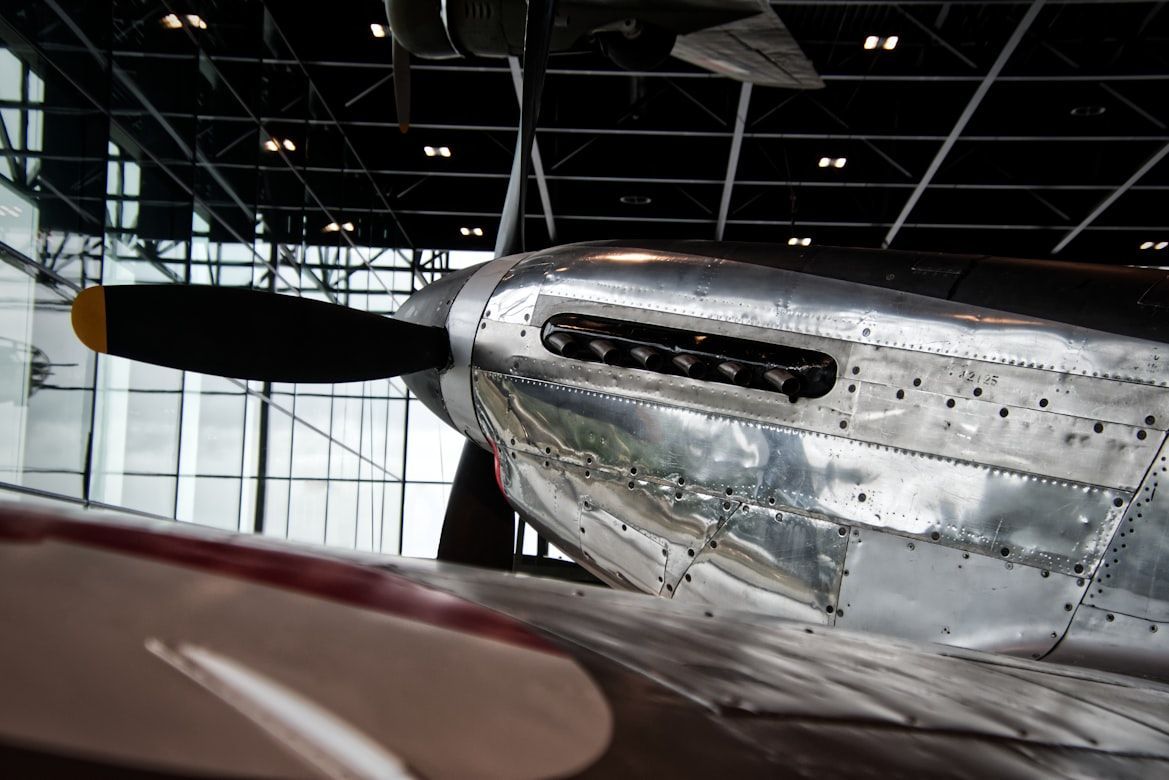
Image: Job Vermeulen

The first entry on our list is dedicated to a world-renowned flight pioneer, Amelia Earhart, who vanished while attempting to become the first woman to fly around the globe , leaving behind only fragments of her plane and endless speculation. Radio failure, poor visibility, and fuel issues are speculated to be contributing factors to her disappearance.

Even with modern technology and repeated searches, no one has ever found definitive proof of what happened to Amelia or her aircraft.

2
The D.B. Cooper hijacking (1971)
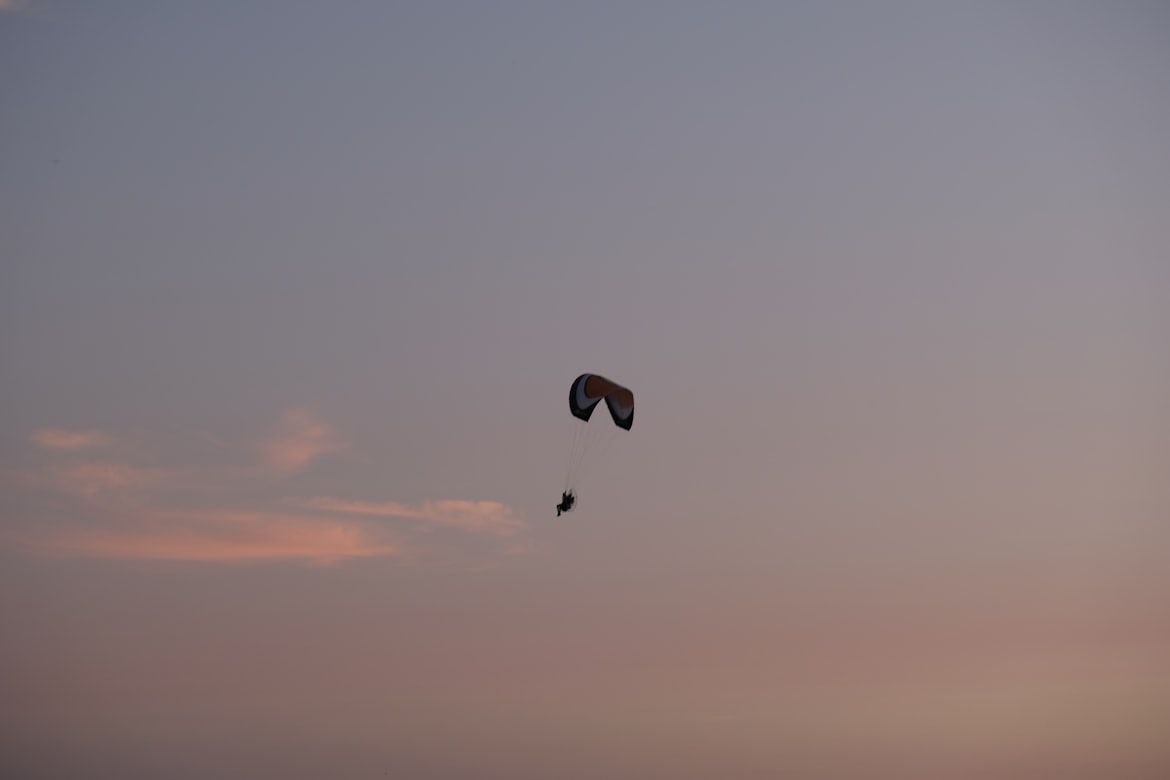
Image: Christine Trefalt

In 1971, Dan Cooper, a seemingly quiet man, boarded a plane in Portland, Oregon, which he promptly hijacked when the aircraft was in the air. He demanded $200,000 over the radio.

The plane landed in Seattle, where authorities met his demands. Cooper released all 36 passengers in exchange for the cash and parachutes. He then ordered the remaining crew to fly toward Mexico City at a low altitude and slow speed. Somewhere over southwest Washington, he lowered the aircraft's aft stairs and jumped into the freezing night, never to be seen again.

3
The disappearance of Jimmy Hoffa (1975)
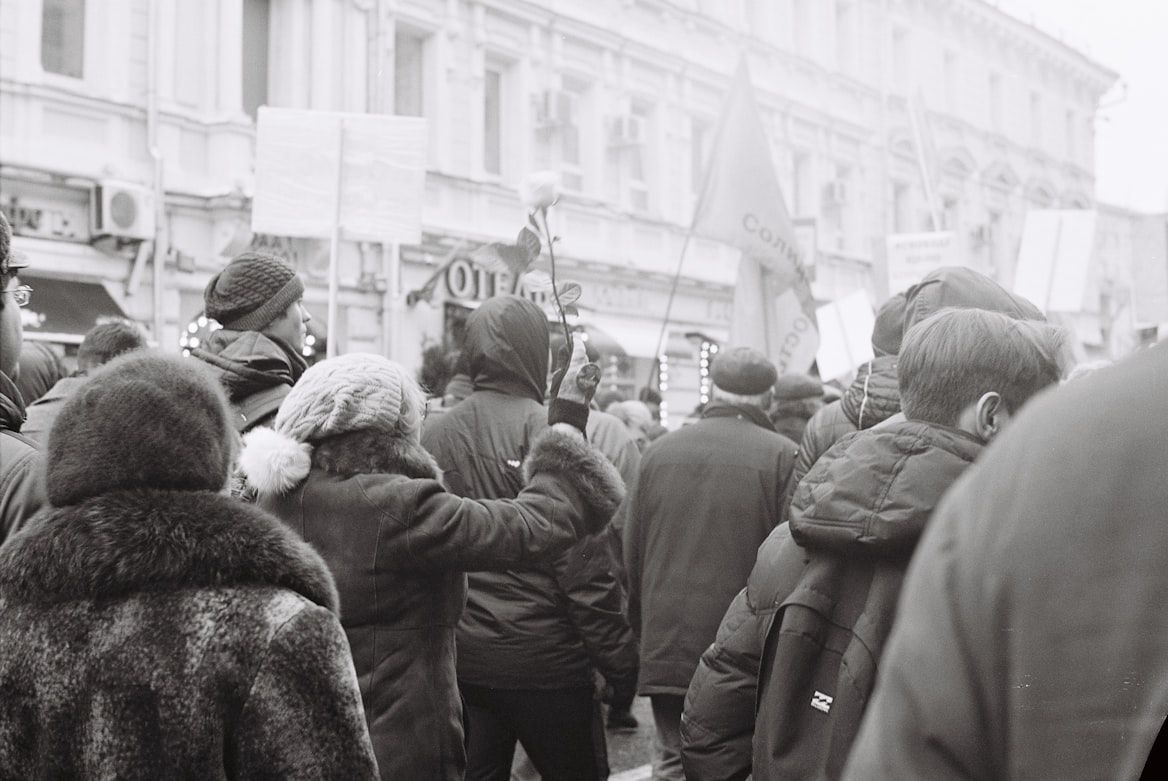
Image: Pavel Inozemtsev

The powerful union leader left a Detroit restaurant in 1975 and simply vanished . Witnesses last saw him standing by his car in the restaurant’s parking lot, and investigators believe he was coaxed into a car by people he recognized, thinking the meeting location had changed. He was never seen again. Searches in fields, lakes, and construction sites turned up nothing. To this day, it remains one of the most famous unsolved mysteries in American history.

Rumors range from mob connections to government cover-ups, but none have been proven. Ever since then, Hoffa’s name has become shorthand for anything that disappears without a trace.

4
The Yuba County Five (1978)
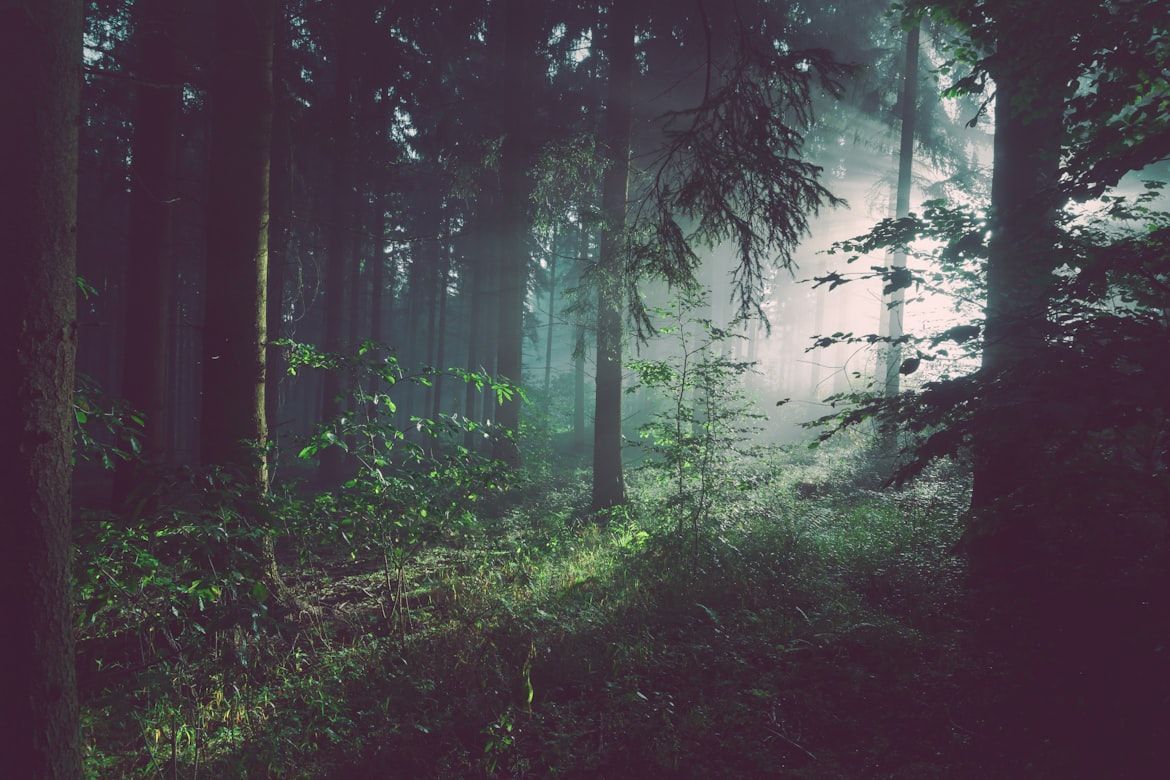
Image: Sebastian Unrau

In what came to be known as "America’s Dyatlov Pass", five friends vanished after attending a basketball game in the town of Chico, California. Months later, the bodies of four members of the group were found in the mountains under mysterious conditions .

The remaining member of the original party was never located, and their strange route into deep snow remains unexplained.

5
The Sodder Children (1975)
Image: Marita Kavelashvili

A fire destroyed the Sodder family home in West Virginia, but five children were never found among the remains of the house. Because of physical inconsistencies at the scene and strange sightings afterward, the family always believed they survived.

Over the years, strange sightings and letters fueled hope and confusion alike, but no real evidence has ever been found. Because of these clues, the Sodders never held a funeral and instead famously erected a billboard on Route 16, offering a reward for information and keeping the case in the public eye for decades.

6
The Springfield Three (1992)
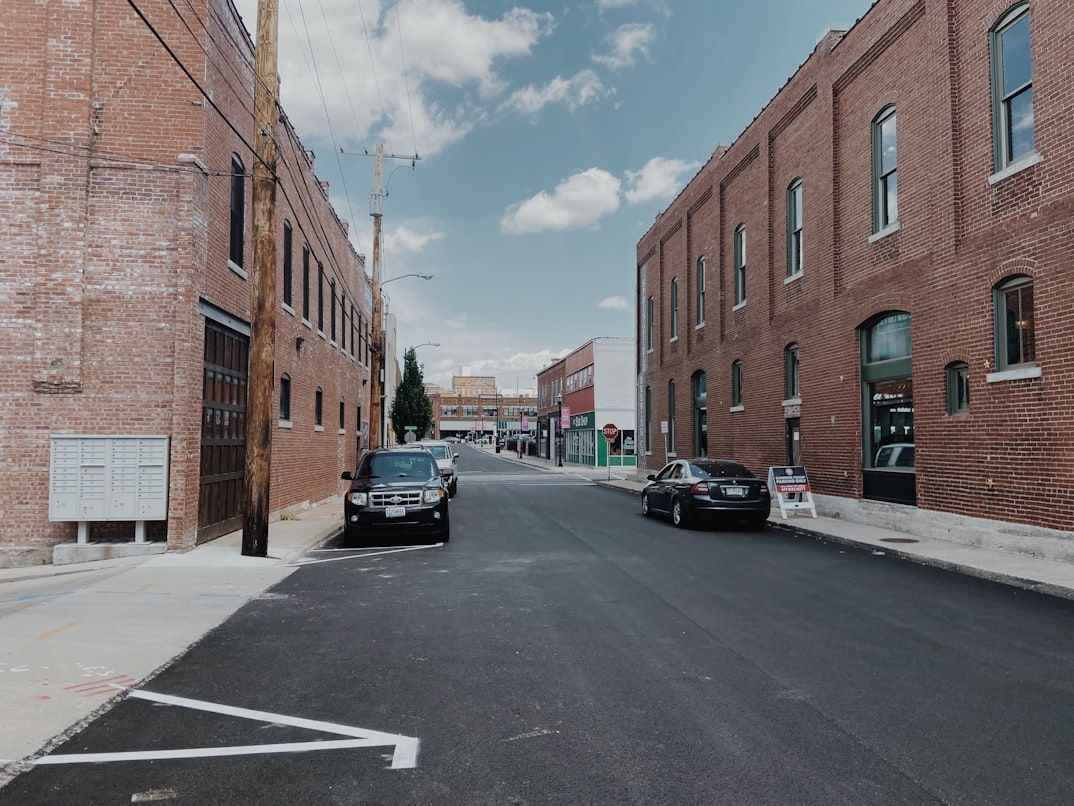
Image: David Holgerson

On a warm summer night in 1992, Sherrill Sherrill Levitt, her daughter Suzie, and Suzie's friend Stacy vanished from their home in Springfield, Missouri, leaving behind their cars, purses, and even the family dog .

Friends arriving the next morning found the house empty but unlocked. Despite thousands of leads, no evidence or remains have surfaced. The case remains one of the most talked-about disappearances in small-town America to this day.

7
The Gardner Museum Heist (1990)
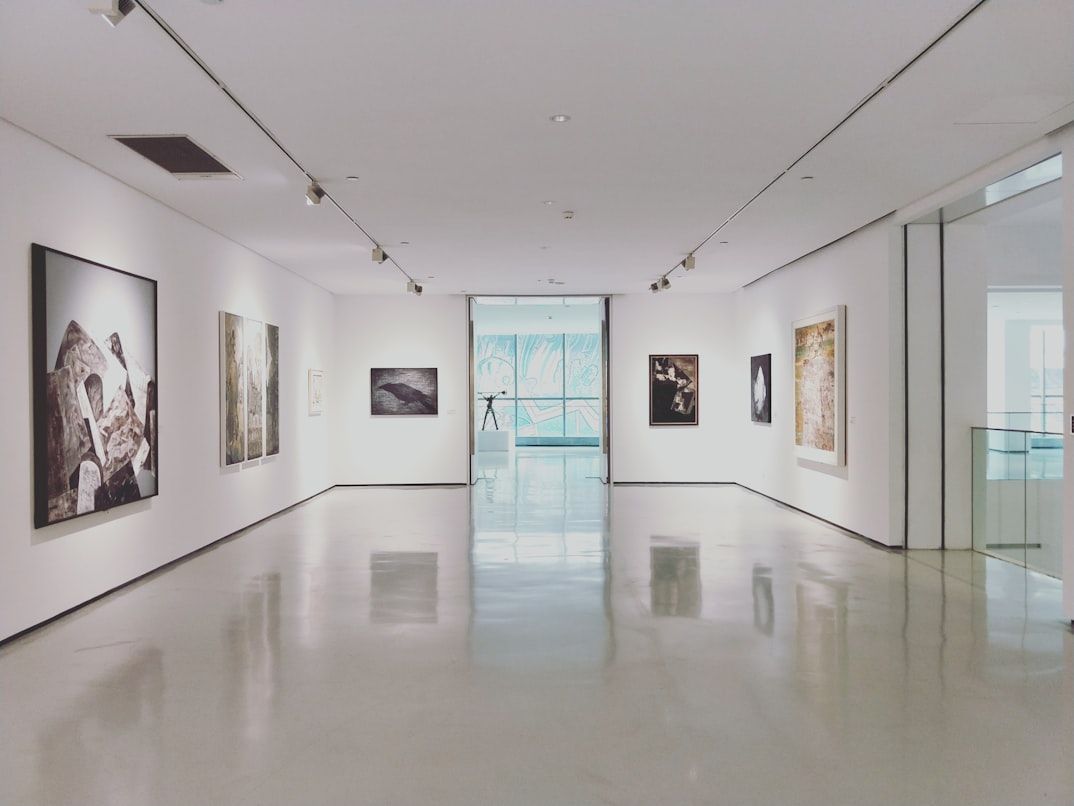
Image: Dannie Jing

Back in 1990, two men dressed as police officers entered Boston’s Isabella Stewart Gardner Museum and stole 13 works of art worth over $500 million .

No piece has ever been recovered. Empty frames still hang on the museum walls, a quiet tribute to one of history’s most expensive thefts.

8
The Max Headroom broadcast hijack (1987)

Image: Rubenz Arizta

1980s television viewers might remember Max Headroom as a somewhat clumsy computer AI TV personality and ad spokesperson. In 1987, Chicago viewers were startled when a strange figure wearing a Max Headroom mask interrupted TV broadcasts with odd messages .

The stunt lasted only seconds, but no one was ever caught or identified. It remains one of the strangest unsolved moments in television history.

9
The Great Lakes ghost ships
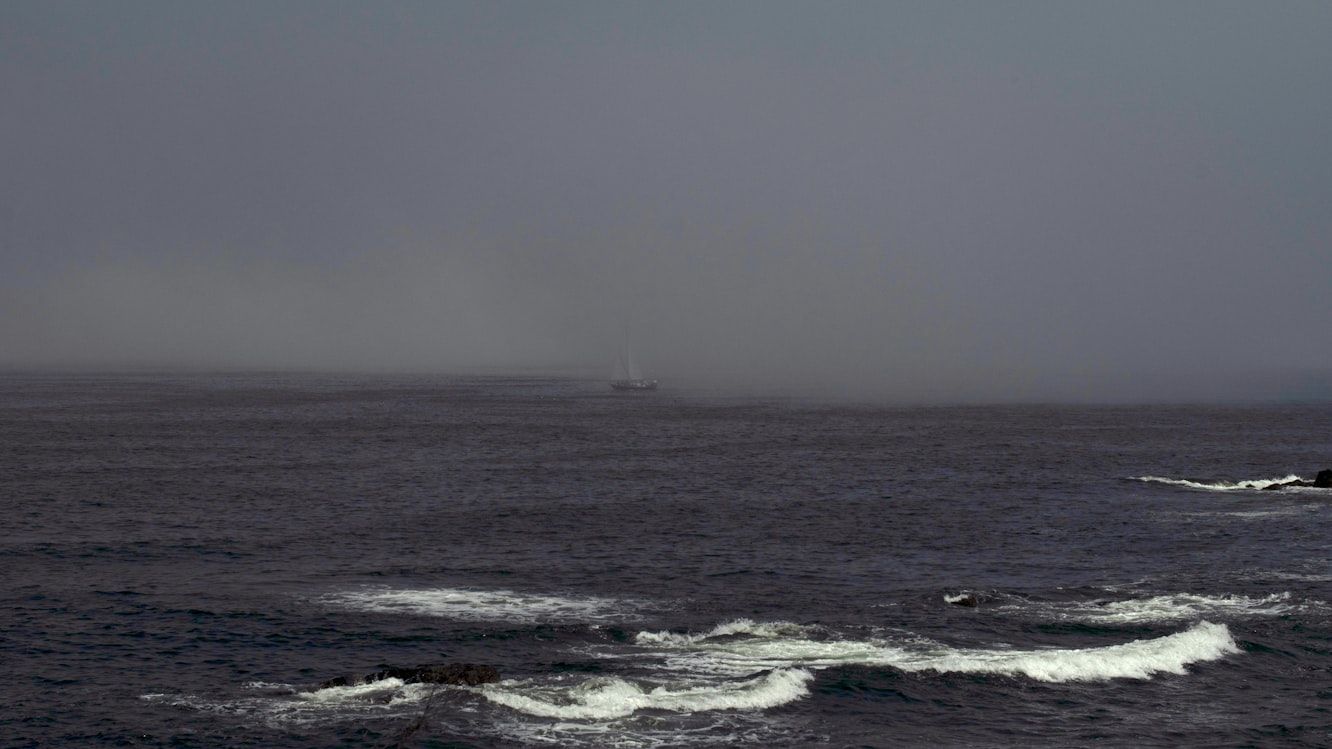
Image: Kyle Larivee

Over the years, s everal ships have vanished or been found adrift on the Great Lakes , their crews gone without explanation. Cold weather, sudden storms, and superstition all play roles in the stories, but some cases defy logic. The vast inland seas are simply too big to be accessible with the current technology.

Among the most notable unsolved cases, we can mention Le Griffon, a ship that vanished during her maiden voyage in 1679, the SS Banockburn, known as the "Flying Dutchman of Lake Superior," disappeared during a storm in 1902, or the SS Chicora, a luxury steamer lost in a violent winter gale while carrying a cargo of flour, in 1895.

10
The Dulce Base Mystery
Image: Pict4life

Beginning in the 1970s, a constant array of strange lights, unmarked aircraft, and talk of secret tunnels near the town of Dulce has fueled decades of conspiracy theories in this otherwise quiet area to this day.

While skeptics blame radar tests or imagination, locals still report odd sightings in the desert skies.

General General 5 min read

HAUNTED CELEBRATION

Unmasking Halloween: the origins behind our spookiest traditions!

Image: Łukasz Nieścioruk

It’s that time of the year when all things spooky reunite to provide everyone with a fair dose of fun and jump-scares. Halloween in the U.S. is full of quirky traditions—from trick-or-treating to carving pumpkins and stuffing ourselves with candy. Above all, it’s a magical time of the year. But do you know where these traditions come from? Why do we use black and orange? Or why do children dress up? Join us as we go through 10 Halloween traditions and their origins. Are you ready?

1
Choose a villain

Image: Paige Cody

If reason were to govern our thoughts on the matter, no one could deny that seeing people of all ages dressed up as their favorite villains is a weird thing. We’ll discuss the treating part later, but let’s get into the costumes first.

This tradition has deep roots, and it goes all the way back to the Middle Ages and the ancient festival of Samhain. Now what was the purpose of the costumes? People used to believe that spirits roamed the earth on this particular night so, dressing up in costumes was the way to ward off these phantoms. Quite original, don’t you think?

2
Apple bobbing

Image: Nathan Dumlao

Among the spooky traditions, there is also one that relates to romance and love: bobbing for apples, and we’ve got Great Britain to thank for it.

In this game, an apple represented a potential husband, and, faith for young women who wished to marry was settled by how many attempts it took her to retrieve an apple. One bite meant jolly matrimony. Two bites, a not-so-long-lasting courtship. And three… Well, that relationship was doomed altogether.

Samhain was celebrated at the end of the harvest, and when Irish immigrants brought their costumes to America, this game fit fall festivities to perfection becoming a beloved Halloween game.

3
Jack-o’-lanterns

Image: Szabó János

Who is Jack, and why was he immortalized in a Halloween lantern? Well, it is all, of course, part of a curious legend. As the story goes, Jack tricked the devil twice. The first time, he tricked the Devil into becoming a coin and then, by making him promise not to claim his soul. However, all these tricks only brought nasty consequences—neither hell nor heaven wanted him.

So what happened? He was left to wander the earth with only a burning coal inspiring a carved-out turnip to light his way.

Turnips were just the start for the Scottish and Irish, soon they turned to beets and potatoes, and the tradition took the shape of pumpkins for Americans.

4
Trick or treat yourself!

Image: Nick Fewings

We’ve discussed the costumes, so let’s dive into the sweets. What’s the origin of knocking on doors and asking for candy?

When the Catholic Church established All Souls’ Day, in the Middle Ages, the costume tradition remained and a new one was added: knocking on doors and offering prayers for the dead in exchange for food. This was a practice called "souling."

But souling also suffered some changes and, in modern times, it evolved into what we know as "trick-or-treating," an activity in which children go door-to-door promising mischief if they don’t receive candy. Now you know this, we bet you’ll always give treats away!

5
Black cats, good or bad?

Image: Adél Grőber

In some cultures, spotting a black cat is a one-way ticket to destruction. In others, a black cat is a good luck omen, a sign that you’ll even find love. However, in America, black cats are part of the first group and have become a key symbol in Halloween celebrations and decorations.

Why is that? Because, in the Middle Ages, these poor animals were associated with witches and witchcraft. They were believed to have powers and to be connected to the evil spirits roaming the earth. True or not, they certainly add to the eerie atmosphere of Halloween, don’t you think?

6
Black and orange

Image: Bee Felten-Leidel

Have you ever wondered why we use these particular colors during the Halloween season? Well, the choice was not random at all, it has to do with the meaning behind orange and black.

For one, orange is related to the autumn season, and the end of the harvest (the original time of the Celtic celebration).

Black, on the other hand, brings in the spookiness and the mystery that we all love about Halloween night. It represents the color of the night sky, the shadows, and all things that add to the eerie atmosphere of the evening.

7
Haunted houses

Image: Bee Felten-Leidel

This tradition reveals the true essence of the Halloween spirit: to get as many scares as one can in a single night. All across America, on October 31st, families get their houses ready to invite people over for a thrilling experience.

Haunted houses aim to evoke tension and fear through ghostly figures, spooky decorations, dimmed lights, and chilling sounds with special effects. Have you ever visited one?

8
Bonfires

Image: henry perks

Bonfires, another tradition inherited from the Celtic celebration, are less common but they are still a Halloween tradition. As you can imagine, the original intention of the bonfires was to ward off evil spirits and to honor the Gods.

In the more modern Irish and Scottish traditions, the bonfires were part of a protective and communal custom that later made its way to America. In turn, this tradition has only remained to add warmth and a sense of togetherness to the holiday.

9
Candy Frenzy

Image: Mary Jane Duford

If you ask any child, candy is the best reason to celebrate Halloween. And we can’t blame them— they get to dress up, knock on doors, and get dozens of candies they will later exchange and eat in the company of their loved ones.

In our country, it’s not just the children or the houses who get ready for Halloween—the Marketing industry does too! Every year, countless candy brands (any brand really) adapt their products to make them Halloween-themed. The season kicks off when your local supermarket hangs those spiderwebs up and you start spotting black and orange packaging all over!

10
Scary stories

Image: Nika Benedictova

After collecting all the candies that were rightfully theirs for dressing up, children and young adults all over the country get together to end the night devouring their treats and immersing themselves one last time in the eerie atmosphere: It’s time for the spine-tingling tales.

No Halloween celebration is complete without a good dose of scary stories, fables of ancient times with mysterious characters and details that send shivers down the listeners’ spines. Why? For the sake of fear, after all, Halloween night is all about the supernatural!

Culture Culture 4 min read

FATHER OF HIS COUNTRY

Discovering the Founding Fathers: 10 Facts About George Washington

Image: Library of Congress

Born on February 22, 1732, George Washington was, undoubtedly, a key figure in the construction of our nation. He shaped the role of President of the United States, and his name is commemorated across the country in various ways: streets, lakes, buildings, a newspaper, and, of course, the capital of our country. This Founding Father has inspired all kinds of tributes to thank him for his services. In this article, we’ll go through ten facts about George Washington , the person, the president, and the legend.

1
Self-Educated

Image: Wojciech Pacześ

George Washington’s father, died when he was just 11 years of age. There isn’t much information about his childhood and most of his virtues and qualities were invented by an admirer after he passed.

However, we do know one thing: George Washington was mostly self-educated since there was little money to support formal education.

Most of his knowledge and education came from his curiosity and eagerness to learn and become a better soldier, then farmer, and, in turn, president.

2
First Official Job

Image: Matt Briney

Since he lost his father at such an early age, Washington started working very young. His first official job was as a surveyor, which was a pretty respectable job for the 18th century. His aim in this job was to measure the land.

At the age of 16, he took on an expedition across Virginia’s western frontier in order to map the land. This experience provided him with a deep understanding of the land, the resources, and the insight he would later need in his political and military career.

3
His Only Trip Off the Mainland

Image: Tom Jur

At the age of 19, George Washington accepted going on a trip to the tropics with his half-brother Lawrence who was suffering from tuberculosis.

Now, during this trip, Washington kept a diary in which he narrated his days on the ship and the island of Barbados, confessing being struck by the beauty of the place. The trip went South shortly after his arrival: On the island, he contracted smallpox, a dreaded disease during the 18th century.

Curious enough and dreadful as it was, this gave him immunity which ultimately saved him from death during the Revolutionary War, since smallpox rapidly spread across his army.

4
Agriculture Innovator

Image: Raphael Rychetsky

It is no surprise that Washington was an innovator, a forward-thinking kind of person. Besides politics and, as we learned, whiskey, he was also interested in technology.

In the 1760s, he went from growing tobacco to cultivating wheat, which revolutionized the farming practices in his estate. He experimented with crops, fertilizers, and tools to improve productivity.

He didn’t keep innovations for himself: As a president, he patented Oliver Evans’s automated mill technology, and he designed a 16-sided, two-story threshing barn that enhanced the efficiency of wheat processing.

5
Never Lived in Washington, D.C.

Image: Edoardo Cuoghi

Washington is the only president to have never lived in the White House! He, together with his family, lived in different houses along New York and Philadephia where he used to receive members of Congress, officials, and people of the sort.

The Residence Act, which moved the capital from Philadelphia to a new city along the Potomac River (later named Washington, D.C.), actually set the White House as the official presidential residence.

6
Only President To Have a State

Image: Vlad Tchompalov

Have you ever noticed that there is no Lincoln State or Jefferson State? George Washington is the only U.S. President to have a state named after him .

As a Founding Father, the first President of the United States, Hamilton, Madison, and Jefferson thought it was necessary to pay homage to his great contributions by naming a state after him.

Together with the president’s name, the state of Washington is named Columbia, after the female personification of the country.

7
First To Sign The Consitution

Image: Anthony Garand

George Washington is a Founding Father, and we all know that. As such, he was deeply involved in the writing of the Articles of Confederation, the first frame of government.

He suggested changes and his voice was regarded in the highest esteem by his fellow countrymen. In this sense, he was chosen president of the Constitutional Convention which took four months and gave, as a result, the Constitution of the United States. In his role as president, Washington was given the privilege of signing the governing document first .

8
He Was a Natural Entertainer

Image: Adam Nemeroff

When you look at pictures of Washington, you may think he was unapproachable, stiff, and serious, but history tells us otherwise.

According to many accounts, he actually loved entertaining and welcoming guests, and having company. Parties, cotillions, balls, these kinds of events were a perfect opportunity to combine entertainment and dancing, which he also enjoyed. Did you know this?

9
Post-retirement Hobby

Image: Thomas Park

Of course, they are considered national heroes, but the Founding Fathers were people with diverse interests and pursuits. George Washington was not the exception and, after he retired he took up a most interesting hobby: whiskey.

Once he ended his life in politics, he built up a whiskey distillery where he created whiskey from rye, corn, and barley. Even if it began as a hobby, the distiller became one of the most productive in the nation and, by the time he died, it remained as one of the largest.

10
One-Dolar Bill Face

Image: Marek Studzinski

Washington’s portrait on the one-dollar bill was inspired by a painting created by Gilbert Stuart. Back in 1795, Stuart painted Washington, but this piece of work comes with a few curious facts.

The first one is that the work is known only from copies. The second is that the painting was so successful that Washington’s wife commissioned a second portrait for herself. However, the painter never finished the first commission and kept it as a reference for future work.

That incomplete painting, known as the "Athenaeum," served as the reference for creating the portrait on the dollar bill.

Explore more American facts

Choose your favorite category!

General
General

As American as apple pie—the very best America has to offer!

Culture
Culture

Delve into the astounding richness of American lore.

Geography
Geography

Hop in and explore vast and diverse American landscapes.

History
History

Discover the key moments that shaped the United States.