Geography Geography 2 min read

Regional lingo

Say these terms, and we'll guess where you grew up!

Image: Houcine Ncib

Language works because it changes; science says so! Across the globe, people use different words for the same things. But here's the fun part: even within the US, regional slang and expressions vary significantly . What you call something in Massachusetts might mean something totally different in Oregon. Let's explore these 10 regional terms and see what they reveal about where you grew up!

1
Jawn
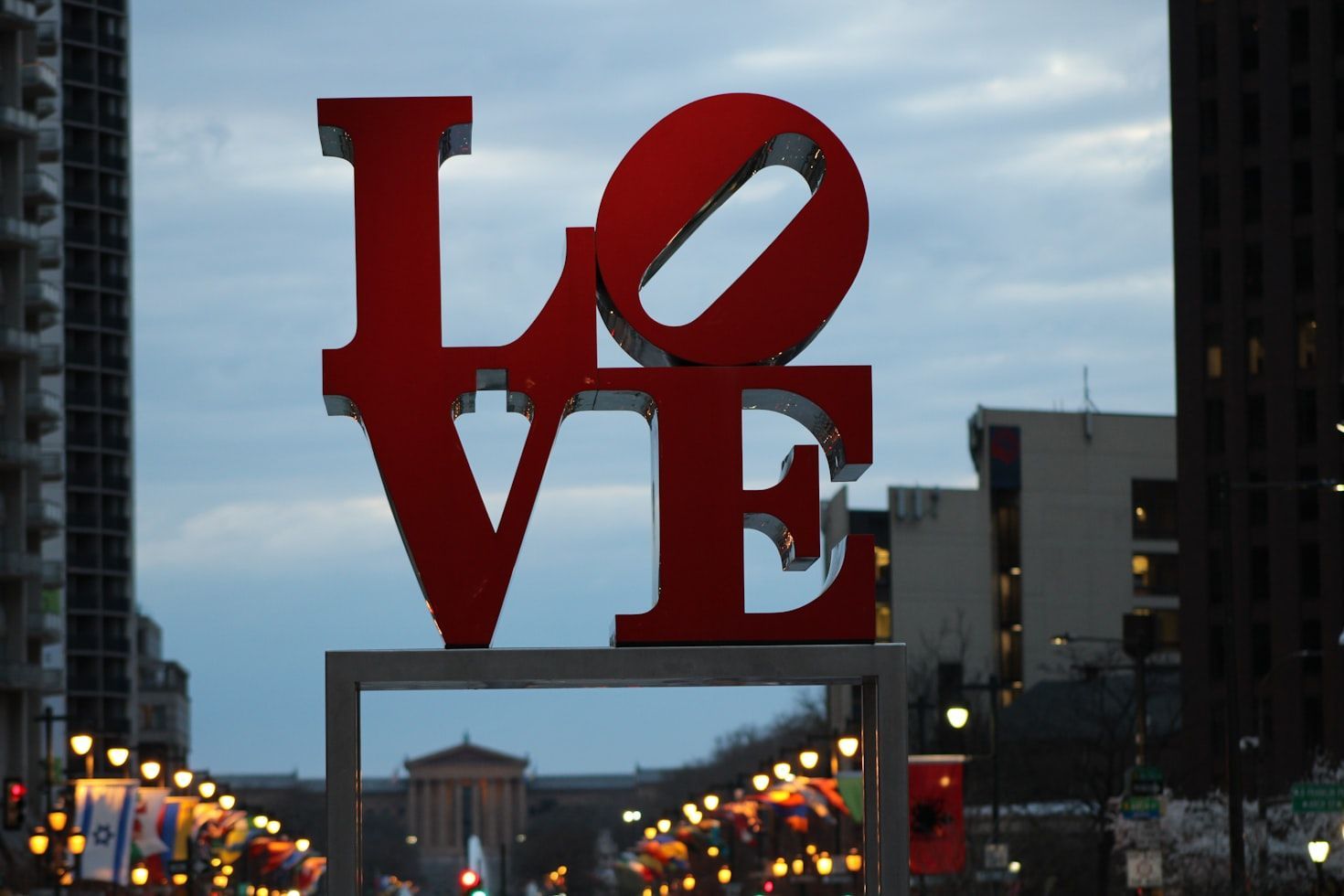
Image: Salonagility.com Daniel

If you spend time chatting with someone from Philadelphia, this word will probably come up. "Jawn" is a unique term that can refer to just about anything: objects, people, or places.

2
Sneakers

Image: Luis Felipe Lins

If you're going to the gym today, make sure you bring your workout clothes and water bottle. Don't forget your tennis shoes, which, by the way, people in the US Northeast often call "sneakers"!

3
Ope!

Image: CHUTTERSNAP

When you drop a glass or accidentally step on the dog's tail, "ope!" is the perfect word to say. In the Midwest, especially in states like Wisconsin and Minnesota, people use this expression whenever something surprising or a small accident happens. It's like a version of "Oops!"

4
Bubbler
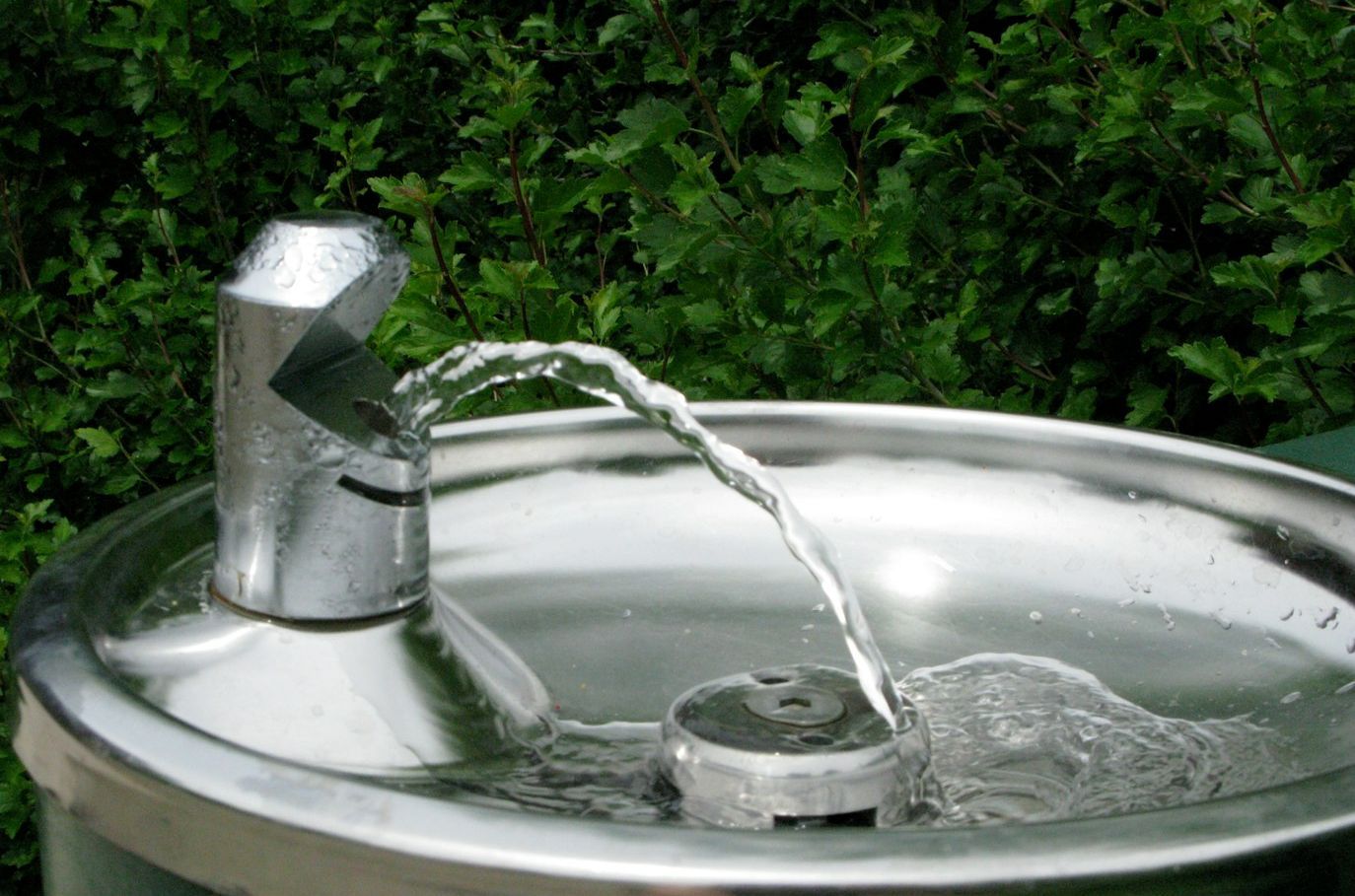
Image: Deborah L Carlson

Have you ever drunk from a "bubbler"? If you're from New England, we're sure you have, because that's what people in that region call drinking fountains. If you didn't know this fact, don't worry! A study found that only 18% of people use this original and creative term.

5
Sugar
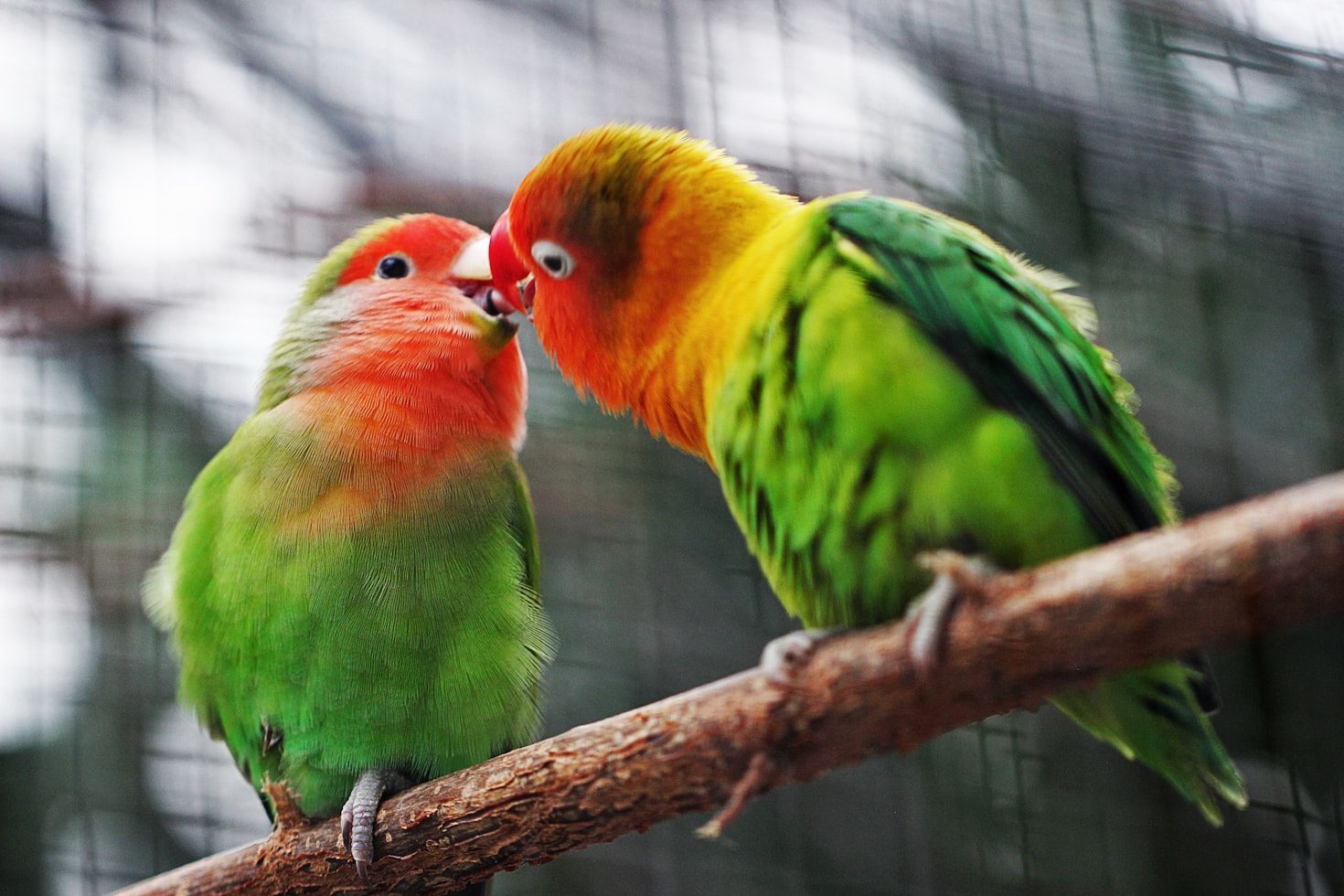
Image: Jonah Pettrich

This term is better known than the last one, so you've probably heard it before. In the southern US, when you kiss someone—either on the lips or on the cheek—you're giving them "sugar." So sweet!

6
Wicked

Image: Josh Rakower

While for most Americans, "wicked" means something evil, that's not the case for the people of Massachusetts. In the Bay State, residents use "wicked" as an intensifier to describe something cool or awesome. Instead of saying their food is "really good", they say: "Our Clam Chowder is wicked good."

7
Gnarly
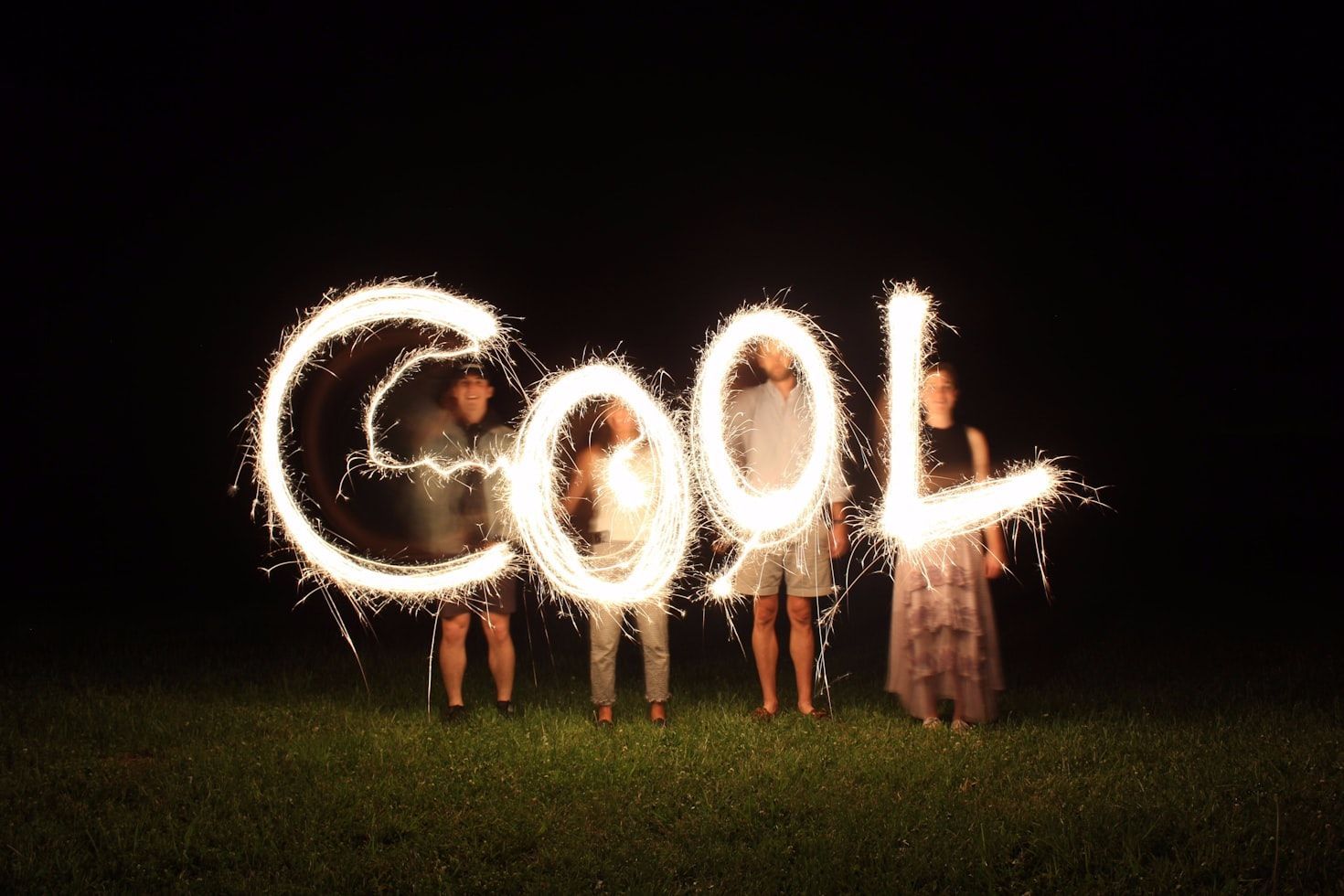
Image: Collin

Coming from surfer culture, "gnarly" is West Coast slang for something exciting, intense, or really cool. It was originally used to describe big, rough waves, so it can also mean "challenging."

8
Ayuh
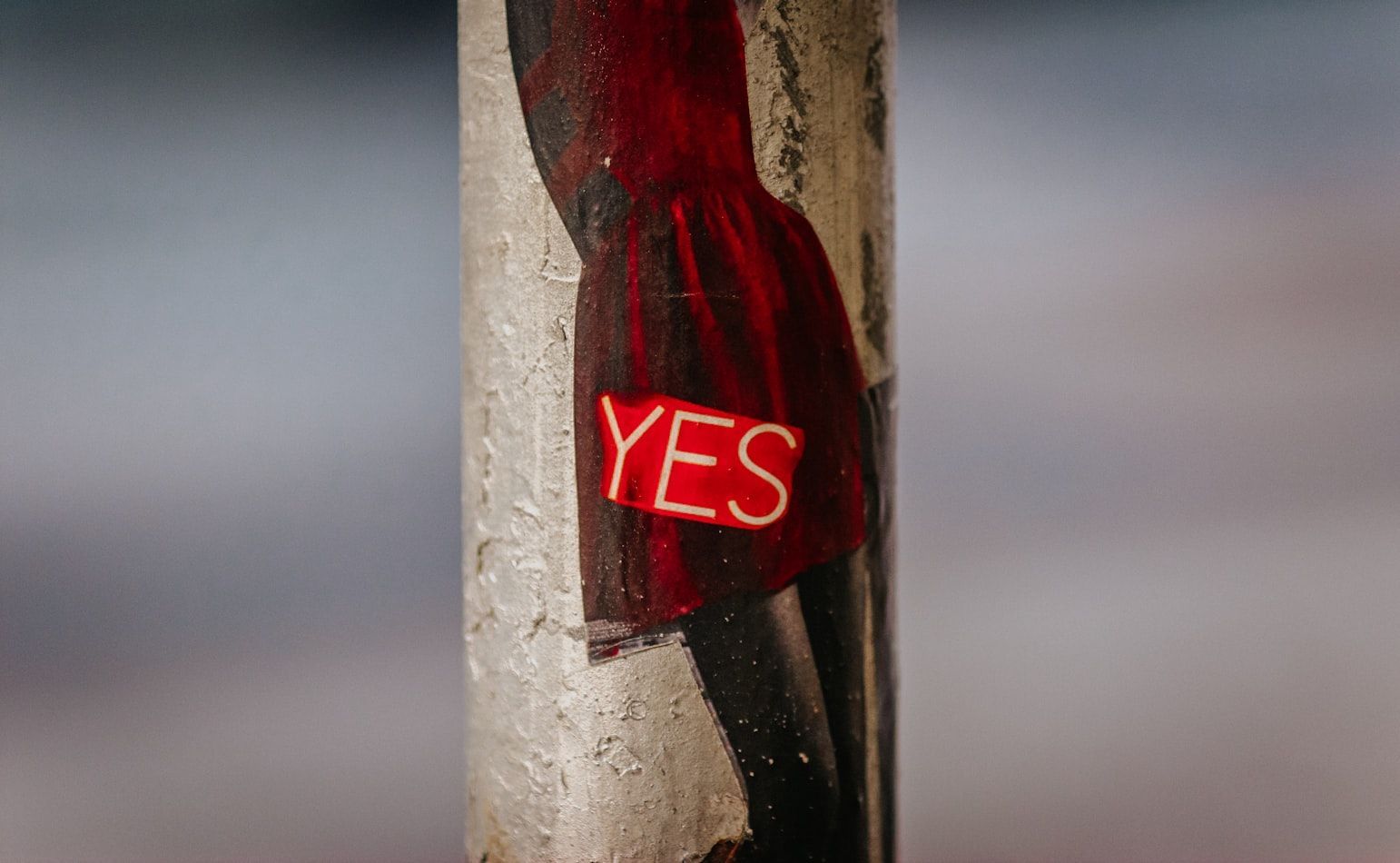
Image: Jon Tyson

If you've ever asked a question and got "ayuh" as an answer, chances are you were in Maine. Locals there use this expression, pronounced "a-yuh," to say "yes." It might sound odd to outsiders, but for Mainers, it's everyday talk!

9
Ragamuffin

Image: Tim Mossholder

You definitely don't wanna be called a "ragamuffin." Why? Well, in the southern part of the country, this term refers to someone who looks dirty or messy. In other words, a "ragamuffin" is someone who doesn't look their best.

10
Grinder

Image: Mae Mu

Sandwiches have many nicknames in different parts of the U.S., and New England is no exception! In Connecticut and parts of Massachusetts and Rhode Island, this delicious staple is called a "Grinder."

History History 6 min read

LEADING THE WAY

Let's Remember 10 Iconic American Firsts in History

Throughout the history of the United States , many historical facts and events have taken place. But there's always a first time for everything , right? While things like space travel may seem normal today, it is important to remember that there was a time when it had never been done and was also unimaginable.

If you want to remember the American pioneers who changed history, read on! Today, we will commemorate 10 of the most iconic "firsts" that shaped our nation . Maybe you witnessed one of them!

1
The Everest

Image: Martin Jernberg

James Whittaker made history as the first American to achieve one of the most difficult things in the world.

In 1963 , Whittaker, then 34 years old , became the first American to reach the summit of the highest mountain on the planet, Mount Everest , as part of the American Mount Everest Expedition led by Norman Dyhrenfurth.

Facing challenging weather and low temperatures, Seattle-born Whittaker conquered the summit of the Himalayan giant, which stands at 29,035 feet high! Can you picture yourself on such an expedition?

2
The astronauts

Image: NASA

The 1960s definitely transformed history, marking a period when humanity first traveled into outer space. The first American to reach space was Alan Shepard on May 5, 1961 . After a successful flight of 15 minutes and 22 seconds, Shepard's spacecraft splashed down safely in the Atlantic Ocean. Shepard didn’t complete an orbit of Earth on that trip, but John Glenn arrived and became the first American to orbit our planet on February 20, 1962 .

Of course, these amazing achievements were necessary for Neil Armstrong to take his historic step onto the lunar surface on July 20, 1969 , becoming the first American -and the very first human- to do so.

Want to know who was the first American woman in space ? The title went to Sally Ride , who reached outer space in 1983 .

3
The Skyscraper

Image: Pedro Lastra

Yes, skyscrapers dominate the skyline of many cities in our country today. However, there was a time when there were none. And the title of America's first skyscraper went to the Home Insurance Building in Chicago.

Designed by architect William Le Baron Jenney and completed in 1885 , it was the first to use a structural steel frame. Although iconic and unique in its time, it was demolished in 1931 to build what is now the Bank of America Building.

4
The Nobel

Image: caleb weiner

You'll be happy to know that the first Nobel Prize won by an American was in the Peace category. It was awarded to none other than Theodore Roosevelt in 1906 for his role and contribution to ending the Russo-Japanese War.

Roosevelt stood out precisely for inviting representatives from Russia and Japan to a peace conference in Portsmouth, New Hampshire, in 1905. Of course, the task was not an easy one, but Teddy was determined. His efforts ended in a historic peace agreement known worldwide as The Treaty of Portsmouth.

5
The flight

Image: History in HD

The Wright brothers ' story is one of the most famous. Coming from Dayton, Ohio , these two brothers are credited with inventing the first powered airplane and making the world's first successful flight with it.

But which of them was the first American to fly? Well, it seems Wilbur Wright, the older of the two, gave the honor to his younger brother. So, it was Orville who made history as the first to pilot the successful aircraft.

Orville piloted the first sustained flight of a powered aircraft in December 1903 near Kitty Hawk, North Carolina . His flight lasted 12 seconds and flew a distance of 120 feet. True pioneers!

6
The University

Image: Somesh Kesarla Suresh

388 years is a really long time, right? Well, that's the amount of time that has passed since the first university was founded in the territory of what would eventually become the United States of America.

We are talking about the prestigious Harvard University , born in 1636 in what was then the Massachusetts Bay Colony , with the aim of training clergy. Originally called "New College," the institution was later renamed Harvard College in honor of John Harvard , its first major benefactor.

7
The baseball team

Image: Caitlin Conner

Whether you prefer football, ice hockey, baseball, or basketball, it's undeniable that these four sports best represent our nation.

But only one has earned the title of "America's pastime." Of course, we're talking about baseball . One of the most popular sports today, it was also the earliest to establish a professional team.

The Cincinnati Red Stockings , established in 1869 , were the first professional baseball team in our country. When all the teams were still amateur, the Red Stockings became the first team with paid players, leading the way for the rest of the teams and for the eventual establishment of the National Association of Professional Base Ball Players in 1871.

8
The Flag

Image: Samuel Branch

Every independent country needs a flag to symbolize its identity and ideals. The US flag , in particular, has gone through a series of changes that show the nation's journey through history. First hoisted by George Washington on January 1, 1776 , at Prospect Hill in Somerville, Massachusetts , our first National Flag was born during the years of the Revolution .

Known as the "Continental Colors," this unofficial flag was adopted in 1775 as a symbol of the Continental Army . Its design had 13 red and white stripes , symbolizing the 13 original colonies, and the Union Jack in the upper left corner.

As the Revolutionary War progressed, the Continental Congress considered a series of changes to our flag to better represent the united colonies and their desire for independence. Thus came the "Stars and Stripes" new design on June 14, 1777 , which replaced the Union Jack with 13 white stars, initially often arranged in a circle.

9
The Oscar

Image: Mirko Fabian

If you are a movie enthusiast , this fact is probably already in your memory. And if you're not, it's still a good fact worth knowing.

The first Academy Awards ceremony was held on May 16, 1929 , and featured nominations for classic films like The Racket and Seventh Heaven , both released in 1927.

But the movie that stole the show was Wings , also from 1927 , directed by William A. Wellman and starring Clara Bow, Charles Rogers, and Richard Arlen. This silent film about WWI was the very first to win the category then known as "Outstanding Picture," which today we call "Best Picture." It was notable for its realistic aerial battles and special effects of excellent quality for its time. If you haven't seen it yet, this is your cue to do so!

10
The National Park

Image: Austin Farrington

From expansive deserts to dense forests, and from delightful beaches to impressive mountains, our country's landscapes and biodiversity are truly amazing.

Many of these natural sites have earned the title of National Parks , which guarantees their protection and conservation for the joy of locals and tourists. And while today we have many national parks to visit, there was once a first.

The very first was the great Yellowstone National Park , designated by President Ulysses S. Grant on March 1, 1872 . Located in the states of Wyoming, Montana, and Idaho, this natural site set a precedent for the conservation of our land's natural areas. Have you already visited it?

Explore more American facts

Choose your favorite category!

General
General

As American as apple pie—the very best America has to offer!

Culture
Culture

Delve into the astounding richness of American lore.

Geography
Geography

Hop in and explore vast and diverse American landscapes.

History
History

Discover the key moments that shaped the United States.