General General 3 min read

True pioneers

From the incandescent lightbulb to Mickey Mouse: 12 world-changers

Image: Júnior Ferreira

America has had its fair share of trailblazers, empire builders, inventors, artists, and many other brilliant individuals who have changed the world in various ways. Take a look at the following 12 individuals who have achieved significant milestones from backgrounds as diverse as the human race itself. Which one inspires you the most?

1
George Washington

Image: Priscilla Gyamfi

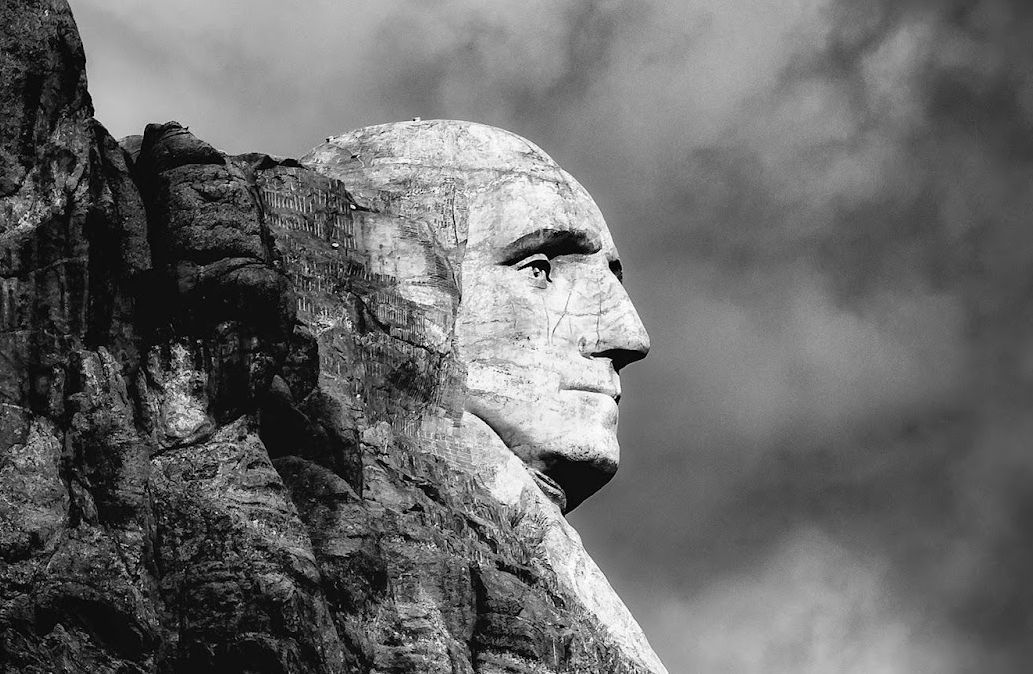
The first name on the list belongs to the Father of Our Nation and first president. As commander of the colonial troops during the Revolutionary War, Washington led the struggle against Great Britain with intelligent military strategy and unwavering leadership.

Quite possibly, his greatest contribution lies in his refusal to become a king or dictator , instead choosing to lay the foundations of a democratic republic.

2
Martin Luther King Jr.

Image: Unseen Histories

This icon of the civil rights movement used nonviolent resistance to combat racial discrimination. Through peaceful protest strategies , King led demonstrations, boycotts, and marches that helped transform the social landscape of America.

His "I Have a Dream" speech in 1963 in Washington, D.C. became a huge milestone in the struggle for equality and an inspiration for millions all over the world.

3
Franklin D. Roosevelt

Image: Jessica Tan

A steady guide through challenging times, Franklin D. Roosevelt led the nation through the Great Depression and World War II. Through his New Deal programs, he introduced revolutionary social and economic reforms, including the creation of social safety nets like Social Security.

His leadership during World War II helped establish the United States as a global power committed to supporting democracy.

4
Susan B. Anthony

Image: Giacomo Ferroni

A relentless activist in the struggle for women’s suffrage , Susan B. Anthony organized campaigns, wrote extensively, and spoke passionately in support of gender equality. Although she did not live to see it passed, her efforts laid the groundwork for the 19th Amendment, which granted women the right to vote.

5
Thomas Edison

Image: Robert Wiedemann

Life as we know it would not be the same without his inventions. And, while the lightbulb would have been reason enough for him to be present on this list, Edison was responsible for numerous innovations—he held over 1,000 patents, including for the phonograph, motion picture camera, and electric power distribution systems—that helped change the course of history forever.

6
Margaret Mead

Image: Stephen Andrews

Margaret Mead’s pioneering work in psychology and anthropology helped develop the understanding that children learn through imitation , particularly by observing their parents and community.

In addition to her academic contributions, she was a vocal advocate for women’s rights and greater sexual openness, influencing the cultural shifts that led to the sexual revolution of the 1960s.

7
Henry Ford

Image: Dan Dennis

Thank him for the popularization of the automobile and the introduction of the 40-hour, five-day workweek . America would not be the same without Henry Ford and his revolutionary industrial ideas, which transformed manufacturing and daily life.

8
Betty Friedan

Image: Deniz Demirci

Women’s rights owe much to Betty Friedan, whose groundbreaking work challenged the limited roles assigned to women in mid-20th-century America . Her book The Feminine Mystique gave voice to the dissatisfaction of the American housewife and sparked a national conversation about the validity of traditional gender roles.

9
Andrew Carnegie

Image: Denis Chick

Largely considered as one of America’s greatest self-made men, Andrew Carnegie played a pivotal role in shaping the nation's industrial identity. His leadership in the steel industry helped propel the United States into a position of global economic dominance in the early 20th century.

10
Orville and Wilbur Wright

Image: History in HD

Transportation would never have been the same without Orville and Wilbur Wright, brothers from Ohio, who changed the world forever by inventing powered flight on the shores of Kitty Hawk, North Carolina.

11
Alexander Graham Bell

Image: Pavan Trikutam

That black rectangular device near you is the modern evolution of Alexander Graham Bell’s original invention, one that would change the way humans communicate in profoundly lasting ways.

12
Walt Disney

Image: Travis Gergen

Walt Disney’s influence on the childhoods of generations of Americans is undisputed. He forever changed the world of entertainment for both children and adults through his iconic characters and innovative theme parks, which now exist all over the world.

Geography Geography 5 min read

Bucket list-worthy!

Grab your backpack and prepare to visit the 12 best day hikes in the U.S.

Image: Vi Nowak

Selecting the best day hikes in a country as vast and diverse as the United States is no easy task. With thousands of incredible hikes, parks, and trail systems, choosing your next adventure can feel overwhelming. So, where should you go next? We know it’s a tough decision, so we’ve narrowed it down to 12 unique and equally amazing options. Join us as we explore the most beautiful day hikes in the U.S.!

1
Chain Lakes Loop Trailhead

Image: Pavł Polø

If you’re looking for stunning views and vibrant fall colors, Chain Lakes is the place to go. Located in Washington’s Mount Baker National Forest, this 6.5-mile trail takes about 4 to 5 hours to complete.

The Chain Lakes Loop is one of the most scenic hikes in the country, offering a glimpse of Northern Washington’s breathtaking landscapes . A paradise for outdoor explorers and landscape photographers, it features turquoise glacial lakes, rugged mountain chains, alpine meadows, snow-capped volcanic peaks, and towering conifers—it truly has it all!

2
Tom Dick and Harry Mountain

Image: Aleksey Kuprikov

Mirror Lake, located in Oregon’s Mount Hood National Forest, is a scenic trail popular for picnicking and swimming. But for even better views, hike another mile—you’ll be rewarded with the breathtaking sights of Mount Hood, a stunning perspective of the lake below, Mount Jefferson to the south, and, on a clear day, even Mount Rainier .

Tom Dick and Harry Mountain features three distinct peaks, which inspired its name—referencing the old phrase "any Tom, Dick, or Harry," used to describe three generic people. This 7.8-mile trail takes about 4 to 5 hours to complete.

3
Miners Ridge and James Irvine Trail Loop

Image: wallace Henry

This 13-mile trail in Prairie Creek Redwoods State Park, California, is long but has relatively little elevation gain. Though it takes 6 to 9 hours to complete, the breathtaking views are totally worth it.

The Miners Ridge and James Irvine Trail Loop is one of the best places to experience the majesty of the redwoods . Staring up at these massive, ancient old-growth trees is truly awe-inspiring. But while the trees are the main attraction, they’re not the only highlight. This loop also takes you across a scenic stretch of beach—offering the perfect opportunity to cool off in the ocean midway through your hike.

4
Clouds Rest From Tenaya Lake

Image: Jess Polley

When people think of Yosemite, Half Dome usually steals the spotlight. But what if we told you there’s a less crowded hike with unique landscapes and unforgettable views?

At nearly 13 miles, the Clouds Rest Trail from Tenaya Lake is a challenging yet rewarding day hike. The trail itself is beautiful, featuring rolling terrain with several ups and downs. Reaching the summit of Clouds Rest will reward you with breathtaking 360-degree views of the national park . From the top, you can spot Tenaya Lake, the Cathedral Spires, Mount Dana, and, of course, Half Dome.

5
Angels Landing

Image: Carl Nenzen Loven

Contemplating the world from atop a jaw-dropping mountain view is a humbling experience everyone should go through at least once. At Angels Landing in Zion National Park, Utah, that sense of majesty is within reach.

Though stunning, this 4.8-mile hike is not to be taken lightly. It has some dangerous cliffs that make it a bit challenging. If you have vertigo, perhaps this trail is not for you. However, if you are in good shape and have an adventurous soul, the stunning scenery at the summit is something not to be missed.

6
Alkali Flat Trail

Image: PublicDomainPictures

For a truly unique experience, travel to White Sands National Monument in New Mexico. The breathtaking blue skies and otherworldly white dunes of the Alkali Flat Trail will transport you to a desert worthy of the best adventure films.

On regular terrain, this 5-mile hike would be considered easy. However, the desert environment and lack of shade make it far more demanding than you might expect. To stay safe, avoid hiking in the summer and be mindful of the heat.

7
Mount Bierstadt

Image: caleb weiner

Did you know Colorado is home to more than 50 fourteeners? Mountains above 14,000 feet in height are the ultimate challenge for any self-respecting hiker. Mount Bierstadt, one of the more accessible 14ers, offers a rewarding climb just a short drive from Denver.

This 7.4-mile trail provides stunning views of Mount Evans, Torreys Peak, and Grays Peak. However, no mountain should be tackled without proper preparation and planning. That said, summiting Bierstadt is an excellent test of your abilities—especially if you're gearing up for a more challenging climb.

8
Cascade Canyon Trail

Image: ELTON MENEFEE

The Cascade Canyon Trail in Grand Teton National Park, Wyoming, is a must-explore for any hiker. Just a mile from Jenny Lake, the trail features two stunning landmarks: Hidden Falls and Inspiration Point.

Many visitors turn back at this point, missing out on eight more miles of breathtaking canyon scenery. If you're up for a longer trek, continue onward to experience the true grandeur of the Tetons up close. Along the way, keep an eye out for wildlife—you might even spot moose or bears!

9
Grinnell Glacier Trail

Image: Mick Kirchman

Glacier National Park is one of the most breathtaking places in America. With its turquoise lakes and jagged, arrowhead-like peaks , it stands apart from any other park in the U.S. Among its many trails, the Grinnell Glacier hike is one of the most popular in the Montana park.

This 10.5-mile trek offers stunning views, with the massive Mount Gould dominating the horizon. A word of advice: add this hike to your bucket list ASAP. Grinnell Glacier is rapidly shrinking and may disappear within the next few decades.

10
Ricketts Glen Falls Loop

Image: Venti Views

Hiking isn’t just about summiting mountains—waterfalls can offer spectacular views too! This 6.8-mile loop in Pennsylvania features more than 20 waterfalls, making it one of the best waterfall hikes in the eastern United States . While some trails lead to taller, more dramatic falls, few offer the sheer number and variety found here.

Each waterfall is unique and beautiful in its own way, ranging from 15 to 50 feet in height, with the tallest reaching nearly 100 feet. But that’s not all—along this trail, you’ll also encounter fascinating rock formations and ancient old-growth forests.

11
Giant Mountain

Image: Ty Finck

Although New England peaks are only a third the height of the Rockies, East Coast hikes can be even more challenging due to their rugged trails, steep descents, and tricky terrain. Tackling Giant Mountain in the Adirondack High Peaks Wilderness is no small feat.

This New York trail takes 4 to 6 hours to complete, but the effort is well worth it. You’ll be rewarded with breathtaking views and a picturesque forest , making it a must-visit for those confident in their ability to take on a strenuous climb.

12
Precipice Trail

Image: Raphael Assouline

With its rocky cliffs and oceanside forests , Maine’s Acadia National Park offers a hiking experience unlike any other in the eastern United States. While all of its rugged peaks provide stunning views, no trail in Acadia is as memorable—or as challenging—as the Precipice Trail.

Despite the trail’s short length (just 2.6 miles), this is a challenging hike not recommended if you have a fear of heights. Once you reach the summit of Champlain Mountain, after nearly a thousand feet of climbing, you will be rewarded with sprawling views looking out over the park, Frenchman Bay, and the Mount Desert Narrows stretching out to the Atlantic.

History History 3 min read

History misconceptions

Did you still believe this? 10 myths about US history debunked

Image: Pierre Bamin

Do you think the US Declaration of Independence was signed in July 1776? Did you know Prohibition didn't actually make drinking illegal? The history of the United States is as vast as it is varied. Over the centuries, it has been recorded, studied, and interpreted in many ways, giving rise to many misconceptions. Join us as we debunk 10 of the most widespread myths about American history!

1
Columbus discovered America

Image: Hector John Periquin

Although this isn't strictly about the United States, it does concern our continent. It's often said that Columbus "discovered" the Americas in 1492, but that's not precisely true. He wasn't even the first outsider to arrive! The Vikings, led by Leif Erikson, reached North America around the year 1000 AD, almost 500 years before Columbus. And, of course, the continent was already inhabited long before any European explorers arrived.

2
George Washington had wooden teeth

Image: Priscilla Gyamfi

One of the most famous historical myths is that George Washington, the first US president, had wooden teeth. While it's true that he struggled with dental problems and used several prosthetic devices made from various materials, none of his teeth were actually made of wood.

3
The US Declaration of Independence was signed on July 4, 1776

Image: Glen Carrie

Every 4th of July, the country turns into a party. And it's no wonder, since we're honoring Independence Day! Perhaps because of the date of this holiday, many people believe that the US Declaration of Independence was actually signed on July 4, 1776. In reality, the key event on that day was the Continental Congress voting to adopt the Declaration of Independence. Most delegates actually signed the document later, on August 2, 1776, in Philadelphia.

4
America became fully independent in 1776

Image: The New York Public Library

On July 4, 1776, the American colonies declared their independence from Great Britain by adopting the Declaration of Independence. However, the Revolutionary War continued for several more years. It wasn't until the war ended in 1783, with the signing of the Treaty of Paris, that the United States' independence was officially recognized.

5
Cowboys wore Stetson hats

Image: Brice Cooper

Although Stetson hats are now inseparable from the cowboy image, the reality of the 19th century was pretty different. People in the Wild West sported a variety of styles: while some did wear wide-brimmed hats similar to Stetsons, these were not the most common, and many other types were also popular.

6
Paul Revere rode alone

Image: Pixabay

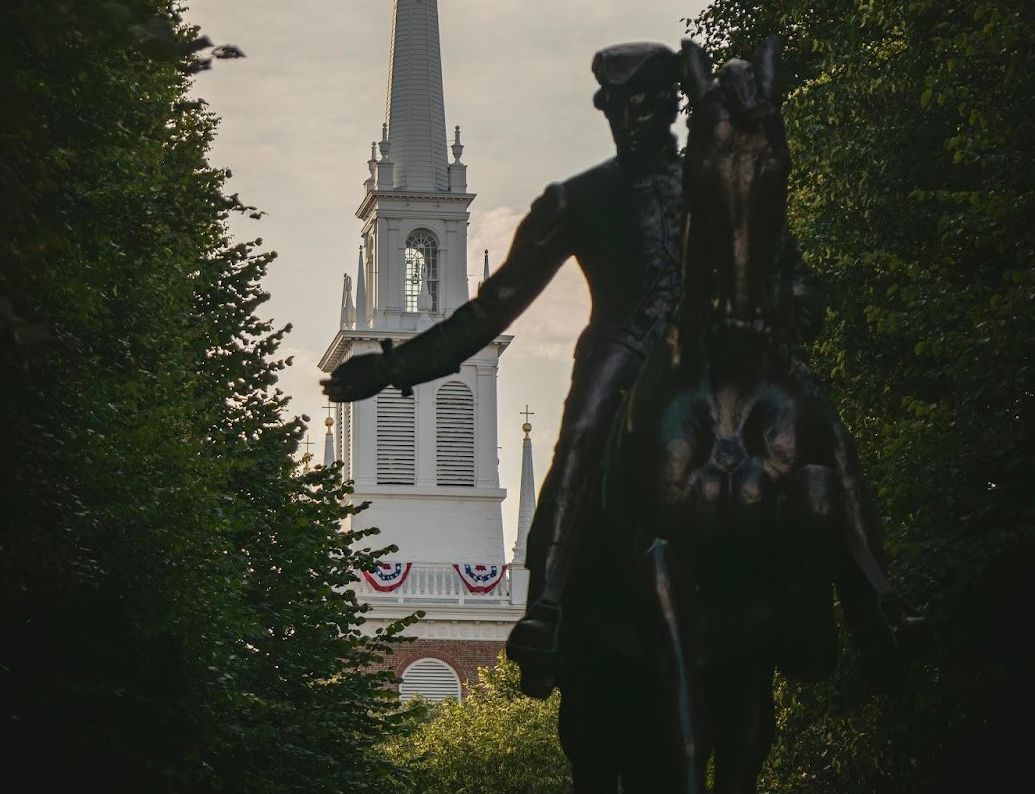
Paul Revere's name became a symbol of American courage and determination. His midnight ride on April 18, 1775, was undoubtedly heroic, but some details have been distorted over time. While many think he shouted "The British are coming!", historians suggest he likely said something closer to "The regulars are coming", given the dates. And contrary to popular belief, Revere didn't ride alone; he was part of a group of riders working together to warn the colonial militia.

7
George Washington chopped down a cherry tree

Image: Jeffrey Clayton

The story of George Washington chopping down a cherry tree is one of the most famous tales in American history. However, it's actually a myth, created by one of Washington's early biographers to highlight one of his defining characteristics: honesty. Although there is no reliable historical evidence to support this famous anecdote, there is plenty of proof of the courage and honesty of the Father of His Country.

8
Al Capone was jailed for his violent crimes

Image: Ashim D’Silva

Al Capone was one of the most infamous gangsters in history. Although his life was filled with criminal activity, it wasn't his violent acts that put him in jail, as there wasn't enough evidence to convict him. Instead, authorities used tax evasion charges, and he was finally imprisoned for that reason in 1931.

9
Prohibition made drinking illegal everywhere

Image: Drew Beamer

Many people assume that drinking alcohol was completely illegal during Prohibition. In reality, the 18th Amendment and the Volstead Act (1920–1933) banned the manufacture, sale, and transportation of alcohol, but not the act of drinking itself!

10
The Founding Fathers as a unified group

Image: J. Amill Santiago

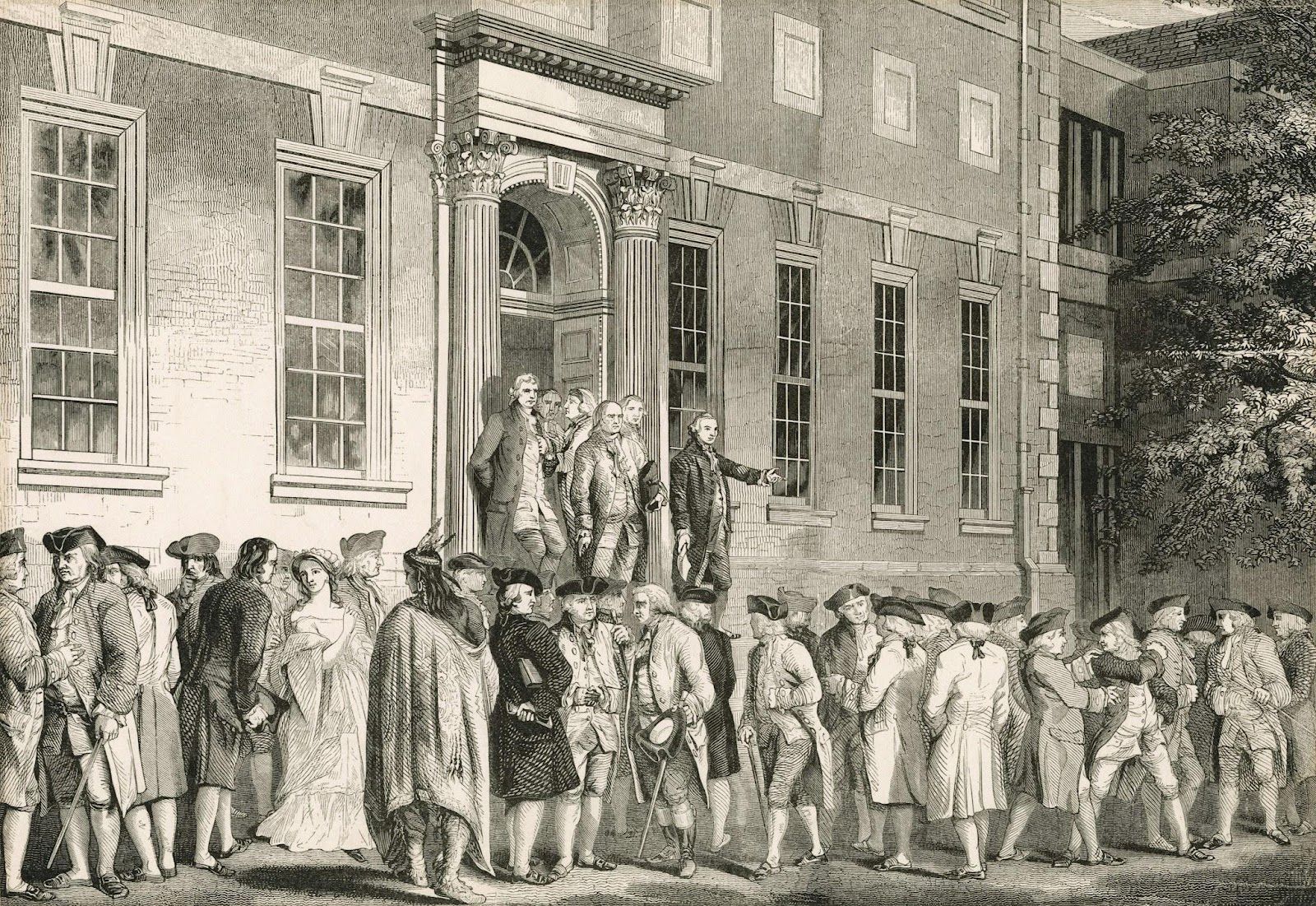
Many believe the Founding Fathers worked as a unified group, sharing a single vision without disagreement. But history tends to be a little more complex. While they collaborated and worked hard to establish the United States, they held diverse ideas and visions for the nation, and some even became rivals. Yet, despite their differences, they successfully laid the foundations for the first large-scale modern republic.

Explore more American facts

Choose your favorite category!

General
General

As American as apple pie—the very best America has to offer!

Culture
Culture

Delve into the astounding richness of American lore.

Geography
Geography

Hop in and explore vast and diverse American landscapes.

History
History

Discover the key moments that shaped the United States.