General General 3 min read

Open your wallet

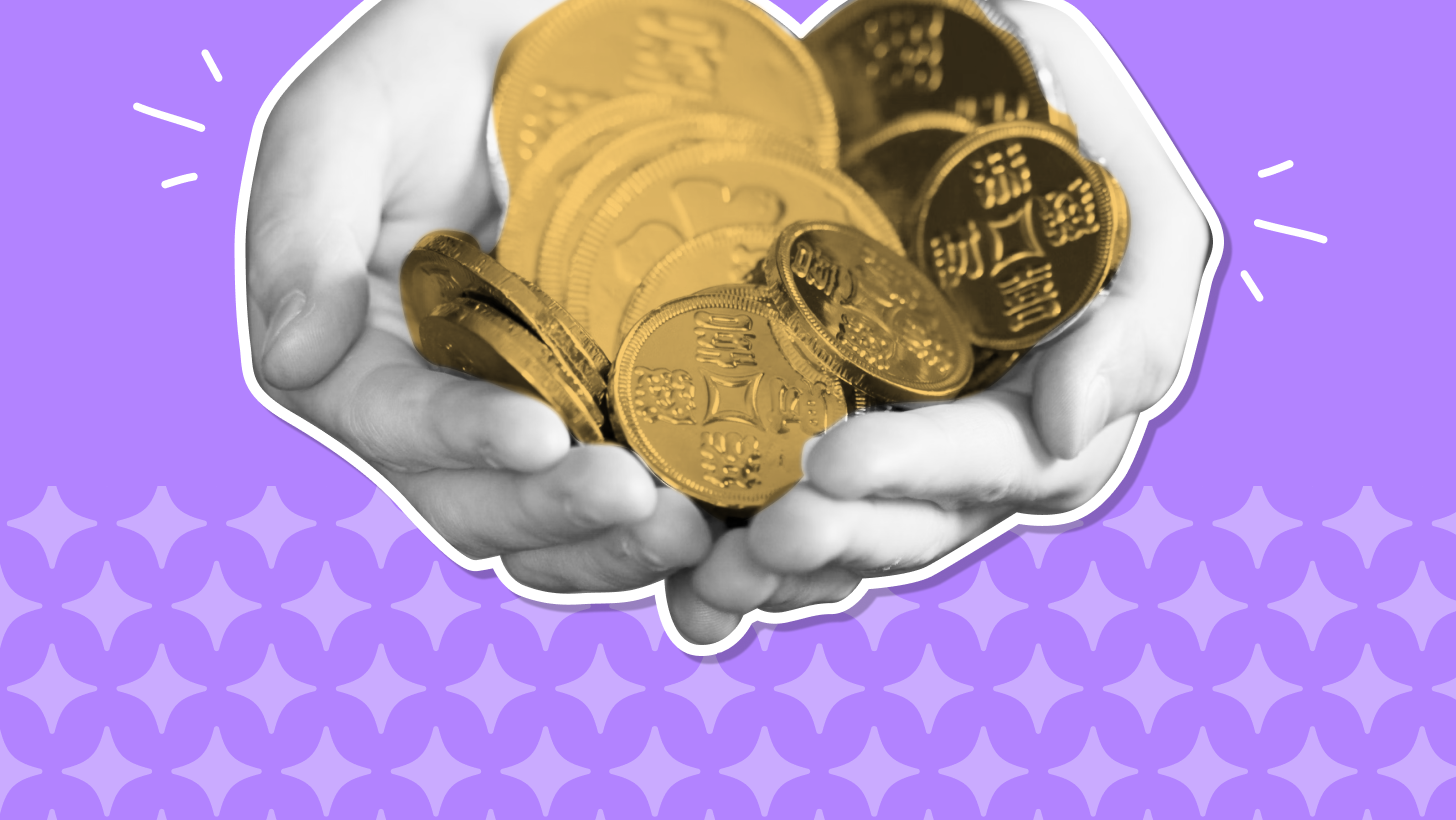
Loose change and dollar secrets: Fun facts about US currency
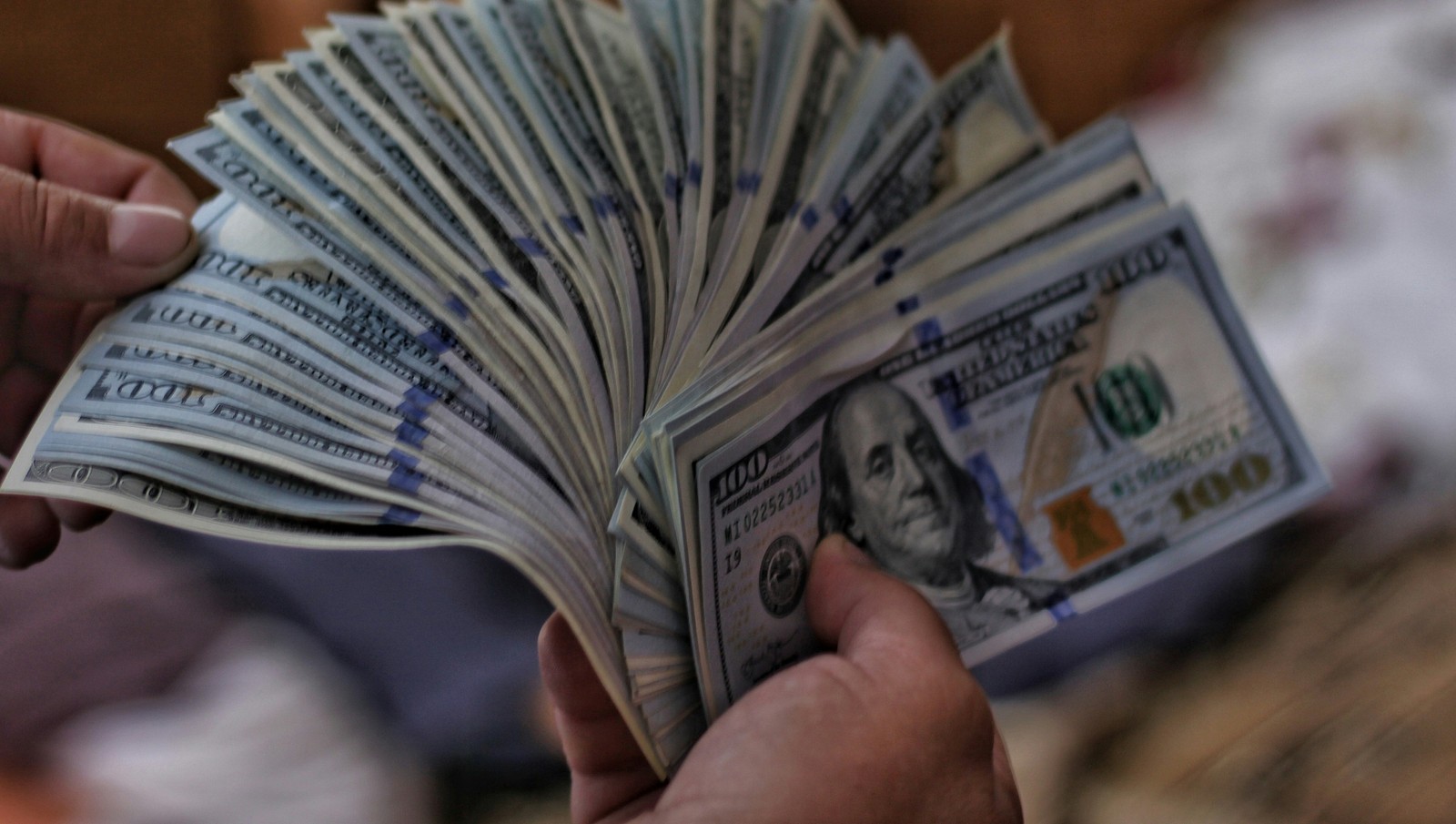
Image: Viacheslav Bublyk

You use money every single day, but you might be surprised after learning some details about it! From presidents facing the "wrong" way to secret symbols hiding in plain sight, U.S. coins and bills are packed with quirky details and curious history. Whether you're flipping a penny or eyeing a $100 bill, there’s more going on than meets the wallet. Let’s dig into some of the strangest, sneakiest, and most surprising facts about American currency.

1
The $2 bill is real and still legal

Image: Alicia Razuri

Yep, that mysterious $2 bill featuring Thomas Jefferson isn’t a collector’s fantasy. It’s still produced today (though rarely), and the reverse shows the Signing of the Declaration of Independence. People tend to save them, thinking they’re rare, but you can spend them just like any other bill.

2
The penny used to be made of pure copper
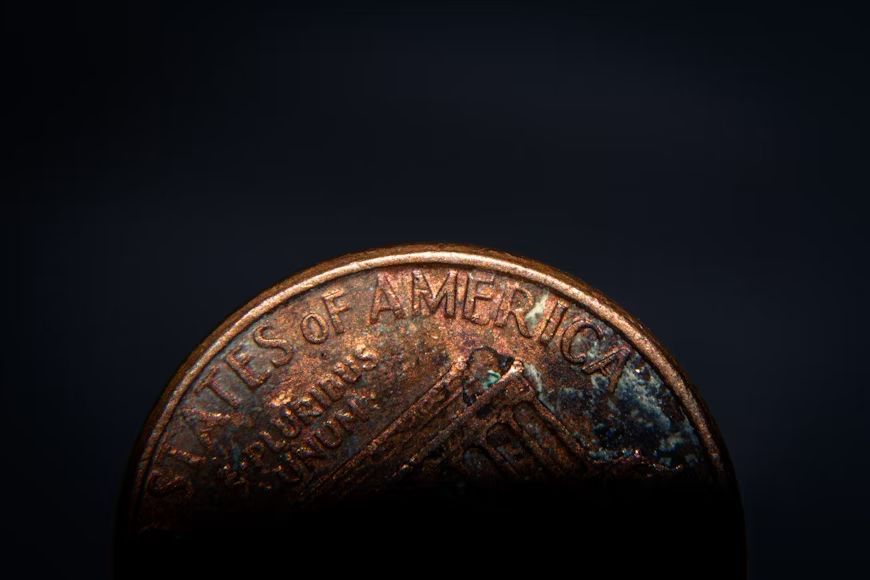
Image: Adam Nir

During WWII, copper was needed for ammo, so in 1943, pennies were made from steel and coated in zinc. They looked silver and rusted easily, some even stuck to magnets! Today, most pennies are actually 97.5% zinc with just a thin copper coating.

3
George Washington didn’t appear on the first $1 bill.

Image: Jonathan Borba

The very first $1 bill (from 1862) featured Salmon P. Chase, the Secretary of the Treasury at the time. Washington didn't show up until 1869, and Chase had a not-so-humble role in placing his own face there.

4
There’s a tiny owl hidden on the $1 bill

Image: rc.xyz NFT gallery

Take a magnifying glass to the upper-right corner of the "1" on a dollar bill. Some people swear there’s a tiny owl or spider hidden in the pattern, said to symbolize wisdom or surveillance. Officially, it's just part of the ornate design, but still a fun little mystery!

5
The $100,000 bill actually existed

Image: Dmytro Glazunov

No, you can’t use it at Target. Printed in 1934 and featuring Woodrow Wilson, this gold certificate was used only for transactions between Federal Reserve Banks. It was never meant for public use, and owning one today is illegal!

6
Lincoln faces the other way for a reason

Image: JustStartInvesting

On most bills, presidents face to the right. But on the penny, Lincoln faces left. One theory is that the designer used a portrait that happened to face left, but it also makes Lincoln the only president looking "inward" when coins are lined up in value order.

7
"In God We Trust" wasn’t always on our money

Image: Jonathan Borba

That phrase didn’t become mandatory on U.S. currency until 1955 during the Cold War. It first appeared on coins in 1864, but the push to include it everywhere came as a nod to America’s spiritual identity in contrast to atheistic communism.

8
Coins last way longer than bills

Image: Barry A

Your average dollar bill survives about 6.6 years in circulation. Coins? They can keep going for 30 years or more! That’s why coins are still a budget-friendly way for the government to make money — and we mean that literally!

9
The buildings on the back aren’t random

Image: Ryan Quintal

Each bill’s reverse side typically features a building related to the person on the front. For instance, the Lincoln Memorial is on the back of the $5 bill (with Lincoln on the front), and the White House appears behind Andrew Jackson on the $20 bill. The choice of course had to do with government history itself! Which building do you think is missing?

10
There are secret codes on every bill

Image: Andrew Dawes

Look closely and you’ll spot tiny letters and numbers that identify which printing plate was used and where the bill was made. Ever see a tiny "F6" on a $1? That means it was printed in Atlanta, Georgia.

11
A dollar is technically made of cloth

Image: Live Richer

Despite calling it "paper money," U.S. bills are actually made of 75% cotton and 25% linen. That’s why they feel so distinct, and don’t shred like regular paper when they get wet (though they still don’t love laundry day).
History History 4 min read

Face the history!

Did you know there’s a secret room within Mount Rushmore?

Image: Josh Miller

Mount Rushmore isn’t just a stunning piece of rock, it’s a piece of American history carved into the Black Hills of South Dakota. If you’ve visited or it’s on your travel list, you might be surprised by how much more there is to know. From secret rooms to explosive carving methods, this national memorial has quite a story. Below, we’ll dig into the lesser-known facts behind those four famous faces. Keep reading!

1
A mountaintop with a maintenance plan

Image: Sebastian Enriqu

Each year, around two million visitors make their way to see the monument. But keeping the presidential faces looking sharp takes serious work. Park Service staff actually rappel down the mountain to inspect for cracks. They use silicone sealant to block out moisture and keep the granite from breaking apart in the cold. This isn’t a quick job, it’s a regular, careful operation. The mountain's top sits 5,725 feet above sea level, so it’s not for the faint of heart.

2
One historian’s tourism dream

Image: Engin Yapici

Back in 1923, South Dakota historian Doane Robinson had an idea to attract visitors to the Black Hills. Now, what was his original plan? Carve Western legends like Buffalo Bill and Native American leaders into the rock. The vision then shifted to feature US presidents for broader national appeal.

President Calvin Coolidge helped land the funding, even during tough economic times. The carving began in 1927 and stretched on until 1941. Sculptor Gutzon Borglum died before finishing, and his son Lincoln carried the torch to completion.

3
Four presidents, four chapters

Image: Jeromey Balderrama

Each face on the mountain stands for a key period in our nation’s story. Can you imagine what they are?

Washington symbolizes the birth of the country, while Jefferson represents growth and expansion. Lincoln stands for unity and the preservation of the nation during the Civil War. Roosevelt brought development and the rise of the US on the world stage. Together, they tell a chronological story in stone. The idea was to highlight leadership through the ages, not just popular figures.

4
A presidential switch

Image: Andrew Ling

Originally, Thomas Jefferson was supposed to be on Washington’s left. But during the carving, the rock proved too unstable. So they scrapped the partially finished face and started over, this time on the right side.

It was a major do-over that cost time and money, a lot of it! But ultimately, it worked out for the best, structurally speaking. Today, most visitors never realize Jefferson had a false start.

5
Dynamite and a dream

Image: Takefreebies

It’s easy to forget that Mount Rushmore wasn’t sculpted with tiny chisels: It was blasted into shape. Most of the work was done with dynamite, followed by finer detailing with jackhammers and drills.

From 1927 to 1941, about 400 workers shaped the mountain. Amazingly, no lives were lost during the entire project. Many of the workers were former miners, used to rough terrain and heavy tools. It wasn’t easy, but it was efficient.

6
The presidents were supposed to have torsos

Image: Thomas Fields

The original vision for the monument wasn’t just heads, it included bodies from the waist up! Imagine that! Like many grand ideas, it ran into budget troubles. Funding dried up, and with time running out, the project was scaled back.

What we see today is actually an unfinished version of Borglum’s full plan. Still, the heads alone have become iconic. Imagine how much more impressive it would’ve been with shoulders and coats.

7
Secrets behind Lincoln’s head

Image: Rosanne Rapata

There’s a hidden room carved into the mountain, did you know that? Called the Hall of Records, it was Borglum’s idea to store important American documents and artifacts.

While the grand plans for a museum inside the mountain were never fully realized, a titanium vault was placed there. It contains copies of key US documents, including the Constitution and the Declaration of Independence. Located behind Lincoln’s head, it’s not open to the public. Still, it adds an air of mystery to the site. It makes you wanna visit, right?

8
Step off the beaten path

Image: Nils Huenerfuerst

Most visitors snap their photos from the Grand View Terrace, and it’s lovely. But for those willing to take a short walk, the President’s Trail offers even better views.

This loop takes you closer to the monument and into nature. You might spot local wildlife like mountain goats or deer along the way. The trail includes about 422 stairs, so make sure you’re wearing comfy shoes. It’s a quieter, more personal way to experience the monument.

9
Entablature

Image: Tommy Bond

Gutzon Borglum didn’t just want Mount Rushmore to be a visual tribute, he wanted it to tell the story of America, too. His idea was to chisel a brief summary history, covering events from 1776 to 1906, right into the rock face.

This massive engraving, called "Entablature," was to be etched into an 80-by-120-foot depiction of the Louisiana Purchase. President Calvin Coolidge even agreed to write it, but when Borglum edited Coolidge’s draft without permission, the president was so annoyed he refused to try again. Despite the grand vision, the project was eventually scrapped, partly because the lettering wouldn’t have been visible from a distance, and partly because the budget ran dry.

10
Don’t expect a fifth face anytime soon

Image: Ronda Darby

Over the years, people have suggested adding more figures to the mountain. Names like Susan B. Anthony, FDR, JFK, Reagan, Obama, and Trump have all come up. But the National Park Service has said a firm "no." Structurally, there’s just no safe place to add another carving. Plus, the monument is considered complete in its message. So, while the debate pops up now and then, don’t hold your breath. The original four are here to stay.

Geography Geography 6 min read

THE STRANGE AND THE UNUSUAL

10 Quirky Museums to Visit in America

Image: Liza Rusalskaya

If your idea of a museum involves dusty paintings and ancient artifacts behind glass, it is time to broaden your horizons.

America, with its boundless creativity and penchant for the peculiar, is home to some of the most bizarre and fascinating museums you can imagine . From the absurdly specific to the downright strange, these offbeat institutions offer a refreshing and often hilarious take on the concept of a museum.

Buckle up and join us as we go through 10 of the weirdest museums across the United States , from the Neon Museum to the Museum of Bad Art. Prepare to be amused, amazed, and utterly bewildered!

1
Neon Museum - Las Vegas, Nevada

Image: 李林Alwen

Let’s kick off this list with the Neon Museum in Las Vegas. The location seems just about right since Las Vegas is always bright and shining with luminous signs.

This museum, founded in 1996, holds a collection of over 250 historic signs from the city. It is located a few blocks away from the iconic Las Vegas Strip and exhibitions and projections display signs that once adorned the venue. Moreover, you will be able to see some paradigmatic signs restored like the Silver Slipper and Benny Binion’s Horseshoe.

2
International Spy Museum - Washington, D.C.

Image: Marten Newhall

Haven’t we all dreamed of becoming an international secret spy? Well, you can make your dream come true, at least for a few hours, at the International Spy Museum in Washington.

This museum was established in 2002 and it features the largest collection of international espionage artifacts ever displayed. From spy gadgets and concealed weapons to covert operations and famous espionage cases, you’ll get inside the life of a true spy.

Furthermore, it is an interactive museum so visitors can test their own skills with the experiences offered within the establishment.

3
National Mustard Museum - Middleton, Wisconsin

Image: Simona Sergi

Mustard is so much more than just a condiment, and if you think it is not, the National Mustard Museum is here to challenge that notion.

Founded in 1992 by Barry Levenson, this quirky museum celebrates all things mustard with the world’s largest collection of mustards and mustard memorabilia. It showcases over 6000 mustards from over 70 countries and visitors can learn about the mustard history and take a look at antique elements like tins, mustard pots, vintage signs, and advertisements.

If you are a foodie or a culinary curious, you can’t miss this museum!

4
Idaho Potato Museum - Blackfoot, Idaho

Image: Lars Blankers

Idaho’s love and pride for potatoes is so big, that they had to build a museum to display it and they are waiting for you!

The Idaho Potato Museum is a spud-tacular tribute to the beloved potato, fittingly located in the "potato capital of the world." Housed in the former Oregon Short Line Railroad Depot, this space of over 5,500 square feet offers exhibits on the history, cultivation, and nutritional value of the humble tuber.

Highlights include one of the world’s largest collections of potato mashers and the biggest potato crips ever made. Visitors can even perform experiments in the Potato Lab and savor a freshly baked potato in the museum’s cafe.

5
International UFO Museum and Research Center - Roswell, New Mexico

Image: Danie Franco

UFOs have always raised curiosity and the theories behind sightings and paranormal activities are one too many, right? Or at least enough to create a museum devoted to exhibiting all things UFOs.

The International UFO Museum and Research Center offers an intriguing exploration into the world of UFOs, and it is housed in a former movie theater. The creation of the museum was inspired by the Rosewell incident in 1947, a crash of a flying saucer, and it presents a variety of written, audio, and visual materials.

This museum is pet friendly and visitors can enjoy exhibits like a spinning UFO with aliens and an outdoor "Rosewell Belevies" mural. When are you paying a visit?

6
National Museum of Funeral History - Houston, Texas

Image: panyawat auitpol

There’s no denying it, we are going to die eventually. However, is death enough of an intriguing topic to open a museum devoted to it? Apparently, it is, and you can find one in Houston.

The National Museum of Funeral History houses the country’s largest collection of funeral service items, including caskets, coffins, and hearses.

The museum is over 30,000 feet and it features 19 permanent exhibits covering topics that range from embalming to the history of cremation and mourning photography. To make it even more interesting, the museum offers a unique look at funeral traditions and culture from ancient Egypt to modern times around the world.

7
Museum of Bad Art - Somerville, Massachusetts

Image: Rainer Bleek

Even if art is not for everyone, we can all agree there are standards for what is considered good or bad, right? Well, The Museum of Bad Art is here to prove us wrong!

Located in Somerville, the Museum of Bad Art is a delightful celebration of artistic mishaps and quirky creativity. What began in 1993 in a Boston basement has now expanded to the Somerville Theater’s basement in Davis Square.

This unique museum boasts over 700 pieces from artists, amateurs, and anonymous creators, featuring donations, thrift store finds, and gifts from the artists themselves. Despite its impressive collection, only about 25 works are displayed at a time , ensuring a fresh experience with each visit. Best of all, it’s free! For a fun and offbeat adventure, this is the place you need to visit!

8
National Bottle Museum - Ballston Spa, New York

Image: James Cousins

Here’s a museum you never thought would exist! But considering bottles are part of our everyday life, have you ever stopped and thought about how bottles are made? Wonder no more, better visit the museum!

The National Bottle Museum is a charming three-story brick building and it showcases over 3,000 bottles on its first floor alone! With seven permanent exhibits, you can marvel at pre-machine-made bottles from every state and even see glowing uranium glass!

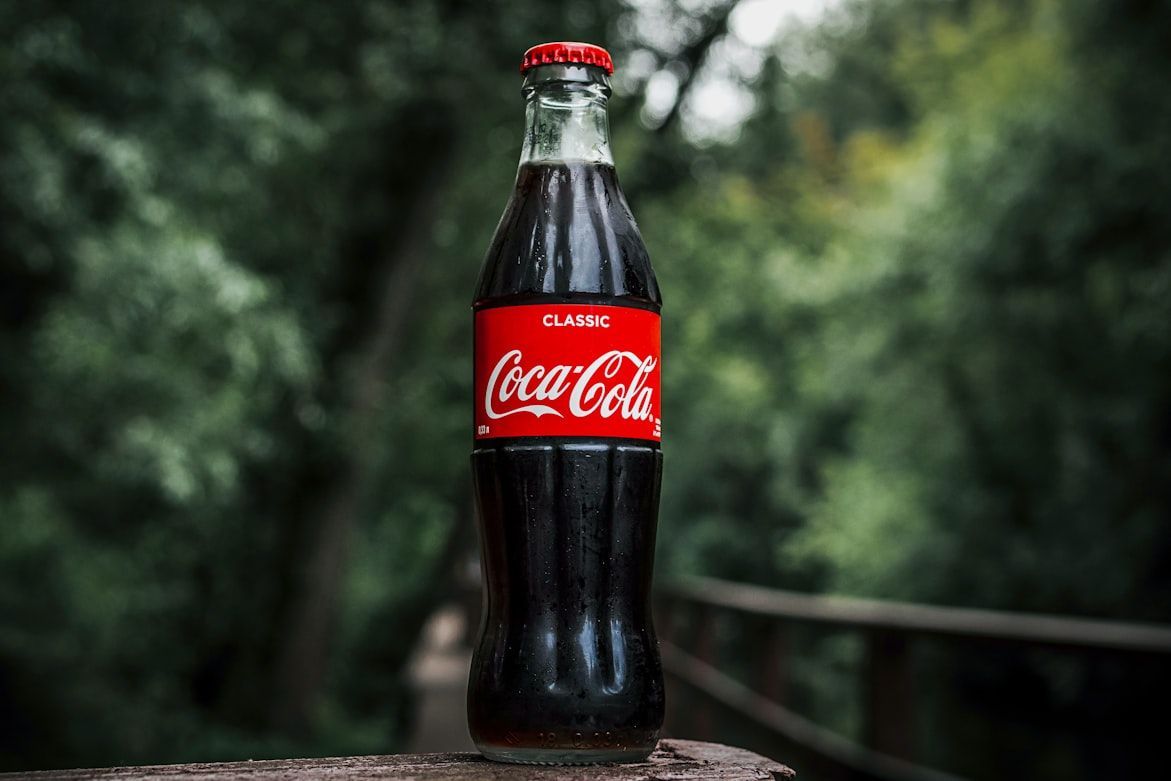
Don’t miss the quirky temporary exhibits that go from Coca-Cola bottles to shot glasses, and spa bottles! And, if you are a bottle collector yourself, you’ll love the extensive library available!

9
Sindecuse Museum of Dentistry - Ann Arbor, Michigan

Image: Jonathan Borba

Teeth are the subject of contrarian opinions! Some love it, some find it disgusting. But that wasn’t enough of a reason to prevent Michigan from having a museum devoted to dentistry.

The Sindecuse Museum of Dentistry in Ann Arbor is a hidden gem tucked away in the atrium of the University of Michigan School of Dentistry. It’s one of the few museums in the world dedicated entirely to dentistry!

With over 25,000 objects on display, you will find everything from antique dental tools to quirky historical products dating back to the 18th century. The museum also features fascinating temporary exhibits and engaging programs. Plus, admission is free, so you can enjoy this unique journey through dental history without spending a dime.

10
Museum of Jurassic Technology - Los Angeles, California

Image: Mauro Sbicego

You read that right, the words "Jurassic" and "technology" are part of the same name and they have nothing to do with Spielberg’s millionaire production.

The Museum of Jurassic Technology in Los Angeles is an enigma wrapped in a mystery. Despite its name, there’s nothing particularly Jurassic about it. Instead, this delightfully bizarre museum leads you through dimly lit halls filled with curiosities, from mini models of Napoleon and Daffy Duck to oil portraits of Soviet space dogs.

It’s a wonderfully chaotic mix that keeps visitors scratching their heads and smiling. Perfect for those who love a good mystery, the museum’s quirky collection is as baffling as it is fascinating. Come ready to be amused and bewildered!

Explore more American facts

Choose your favorite category!

General
General

As American as apple pie—the very best America has to offer!

Culture
Culture

Delve into the astounding richness of American lore.

Geography
Geography

Hop in and explore vast and diverse American landscapes.

History
History

Discover the key moments that shaped the United States.