Geography Geography 4 min read

Try not to laugh!

Why? No name? You won’t believe these US towns are called that!
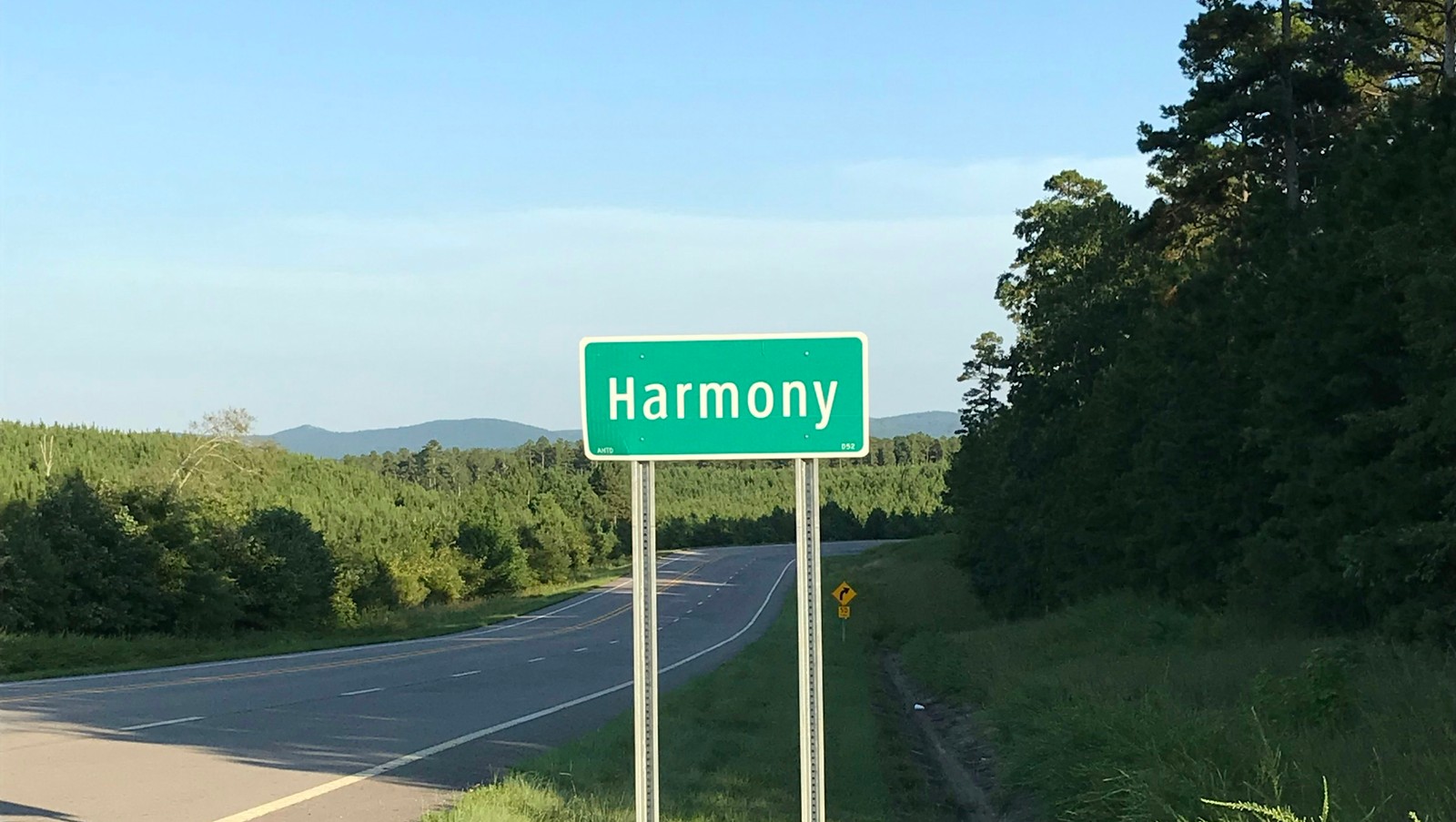
Image: Jeremy Adams

America is home to some truly unique town names… You know, some are charming, some are also confusing , but then again, some make you wonder what exactly the founders were thinking. For example, is Unalaska trying to fly solo? Whether inspired by accidents, geography, or a bit of a je-ne-sais-quoi , these towns prove that creativity knows no bounds. Try to pick a favorite!

1
Unalaska, Alaska
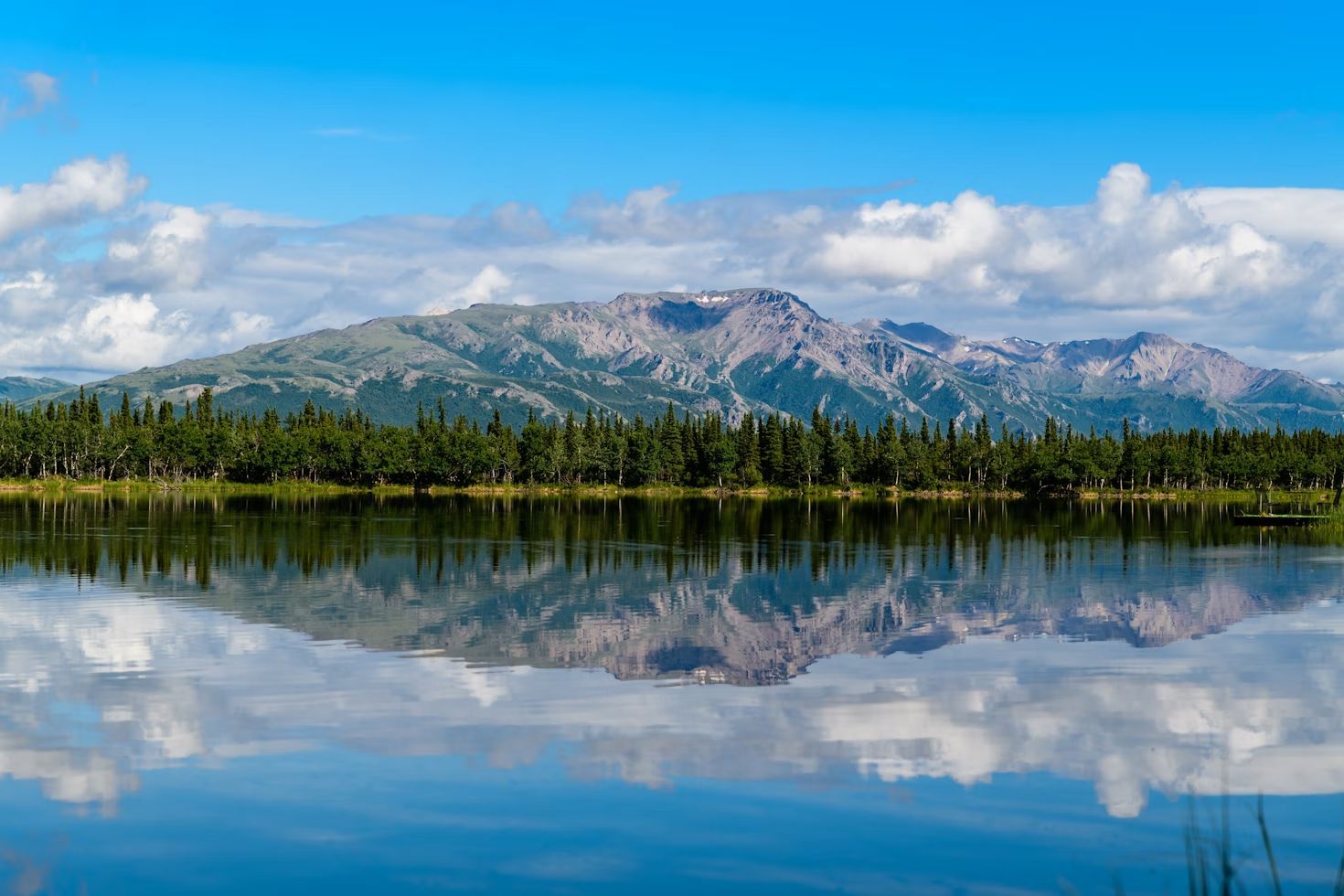
Image: Hari Nandakumar

Despite what the name suggests, Unalaska is not trying to break away from the rest of the state. The town’s name comes from Agunalaksh , the original name given by the Unangan people. Over time, spelling and pronunciation changes led to the simplified version: Unalaska.

In the late 1800s, the US Board on Geographic Names made it official, but don’t worry, it’s just the name; the beauty is certainly Alaskan!

2
Why, Arizona
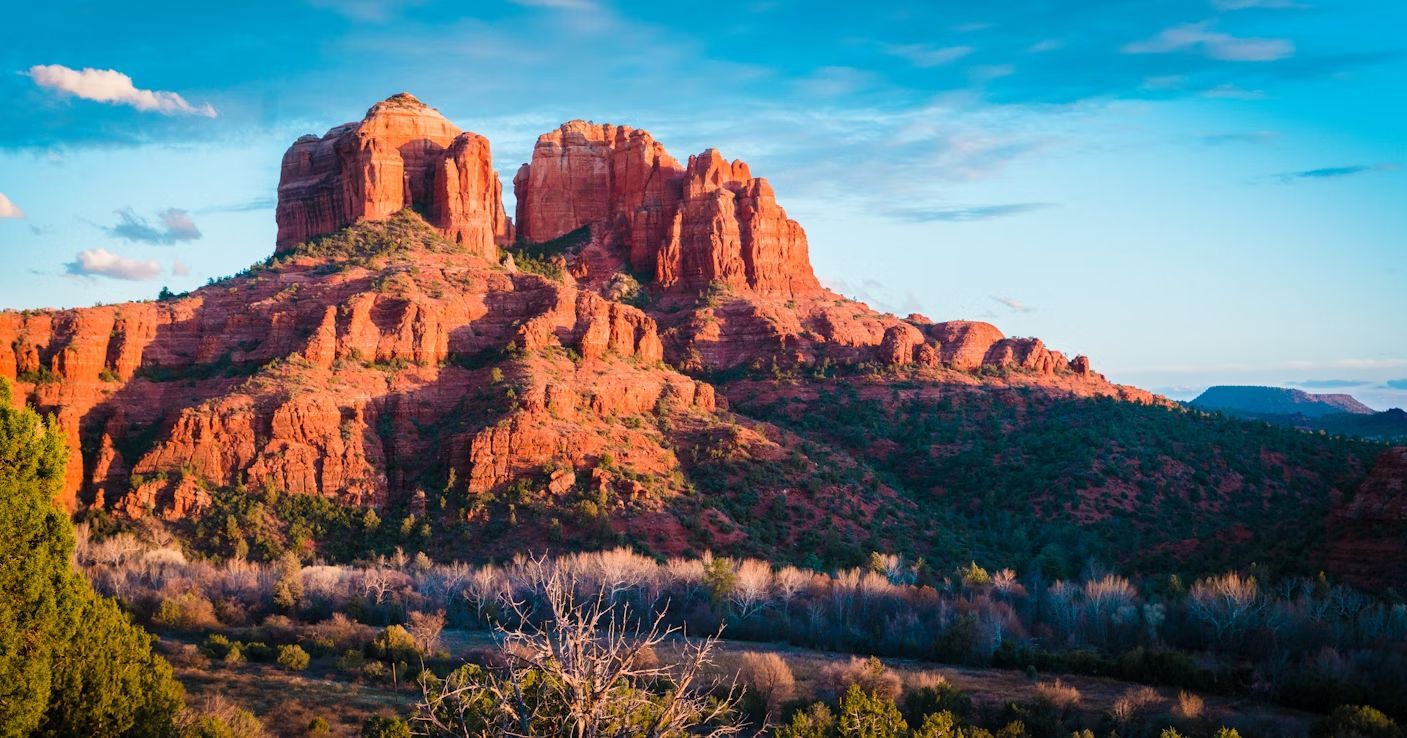
Image: Kaileen Fitzpatrick

If you’ve ever asked yourself "Why?", you might be thinking too hard. This Arizona town got its name because of a simple road design: State Routes 85 and 86 originally met in a Y-shape.

When it was time to name the community, the locals wanted to call it Y (yes, you read that right), but Arizona law required town names to have at least three letters. So, they got creative and went with Why. Why, right?

3
No Name, Colorado
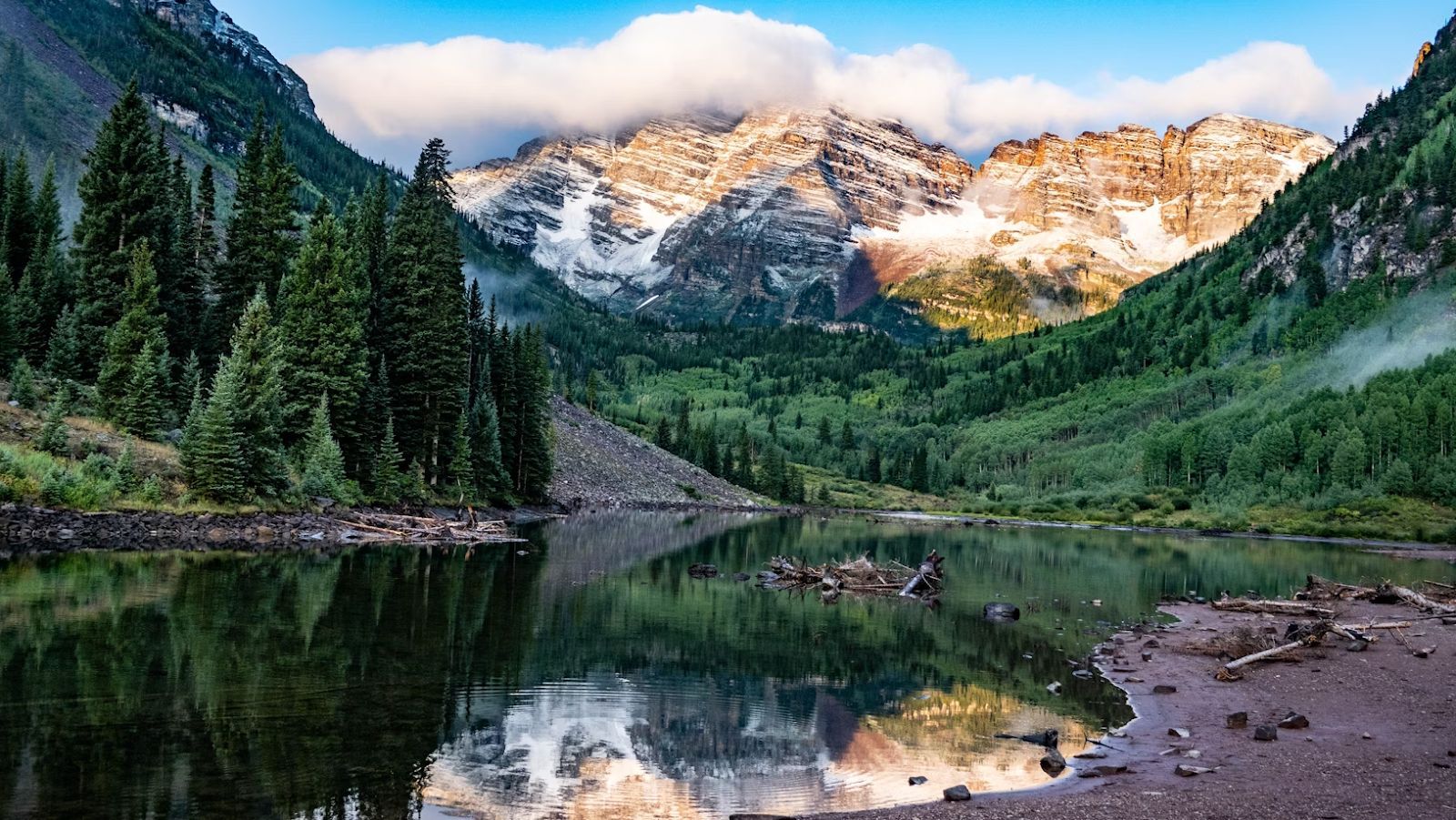
Image: Rich Martello

What do you call a town when you just can’t decide on a name? Apparently, (and logically, if we might say so), No Name. The story goes that when developers were working on Interstate 70, they left the town’s exit sign blank.

A transportation official later labeled it "No Name", and the locals decided to go with it . State officials tried to rename the area, but the people weren’t having it. They simply loved it!

4
Burnt Store, Florida
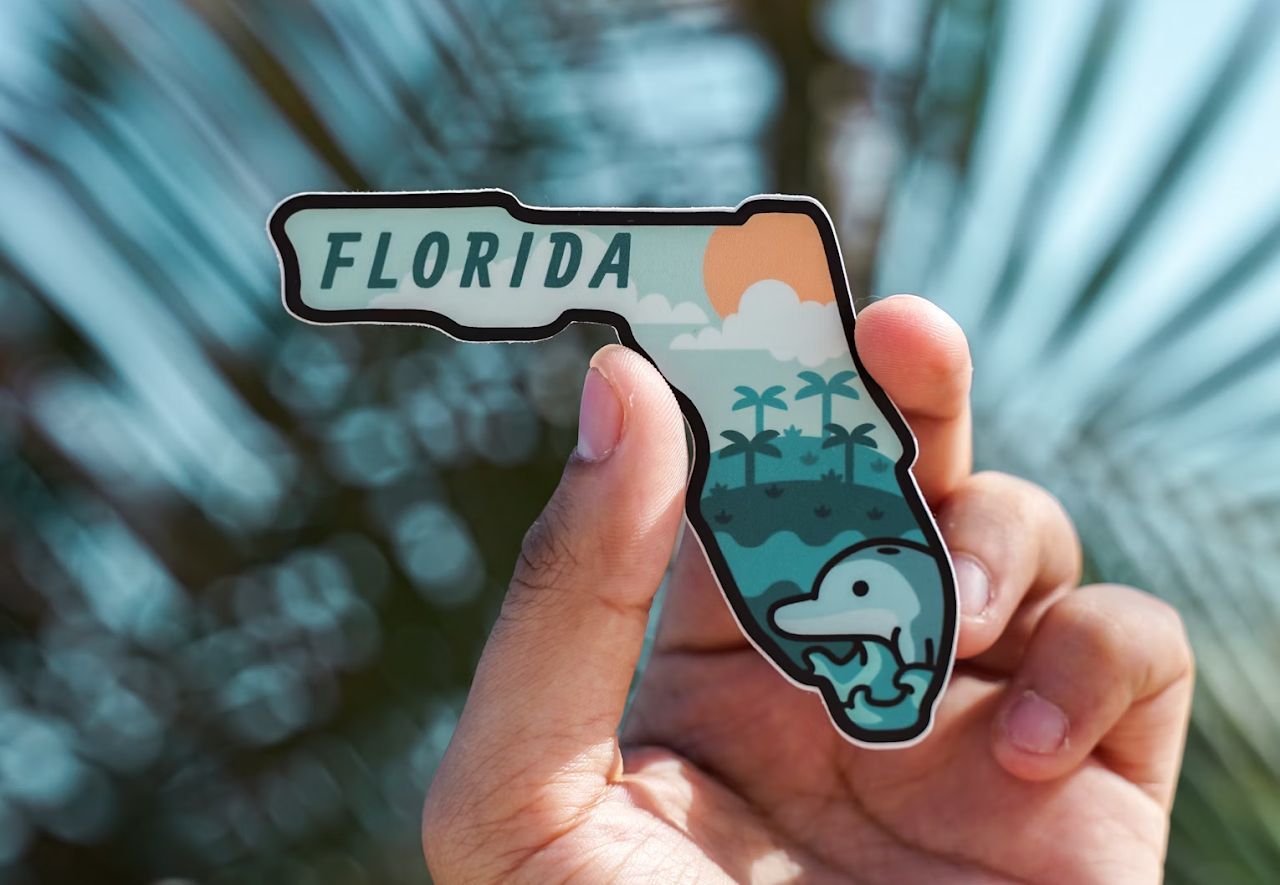
Image: Done By Alex

The name Burnt Store sounds like something out of a Wild West showdown, and the real story (or the legend, actually) isn’t too far off, you know?

Legend has it that in 1849, a trading post on the Peace River was burned to the ground after an attack. The store’s manager, George Payne, had dealings with the Seminole Indians before he was killed in an ambush. Shortly after, the store itself was destroyed. The tragic event left a permanent mark on the town’s history and its name.

5
Santa Claus, Indiana
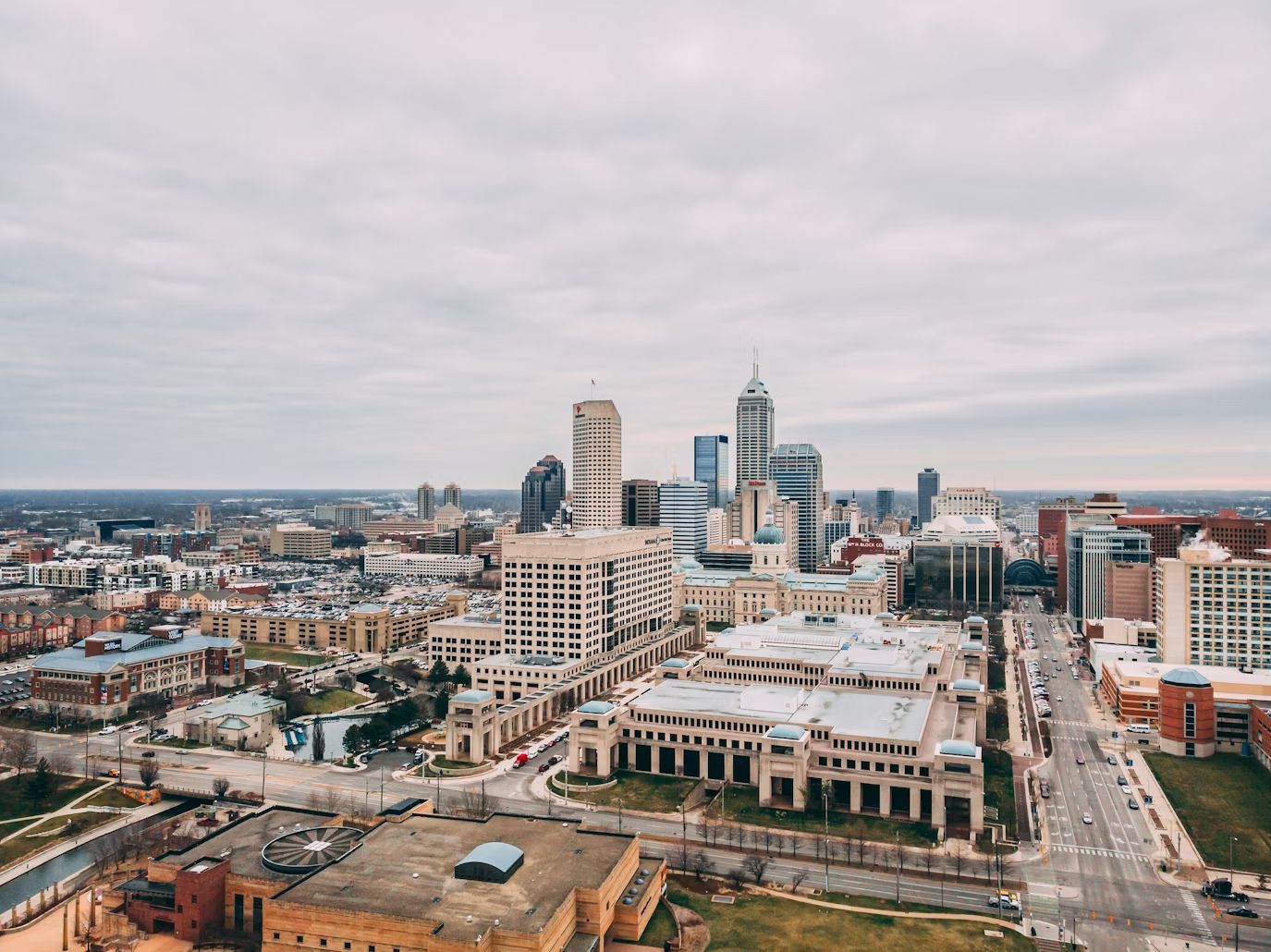
Image: Ryan De Hamer

Originally called Santa Fe, this town located in Indiana had to change its name when officials discovered another Santa Fe already existed in the state.

People saw this as an opportunity, and instead of picking something new and extraordinary, they went all in on holiday spirit and became Santa Claus in 1856.

The town fully embraces its Christmas identity; it has attractions like Holiday World, Lake Rudolph Campground, and Frosty’s Fun Center. If you love the holidays, this is the place to be!

6
Bald Head, Maine
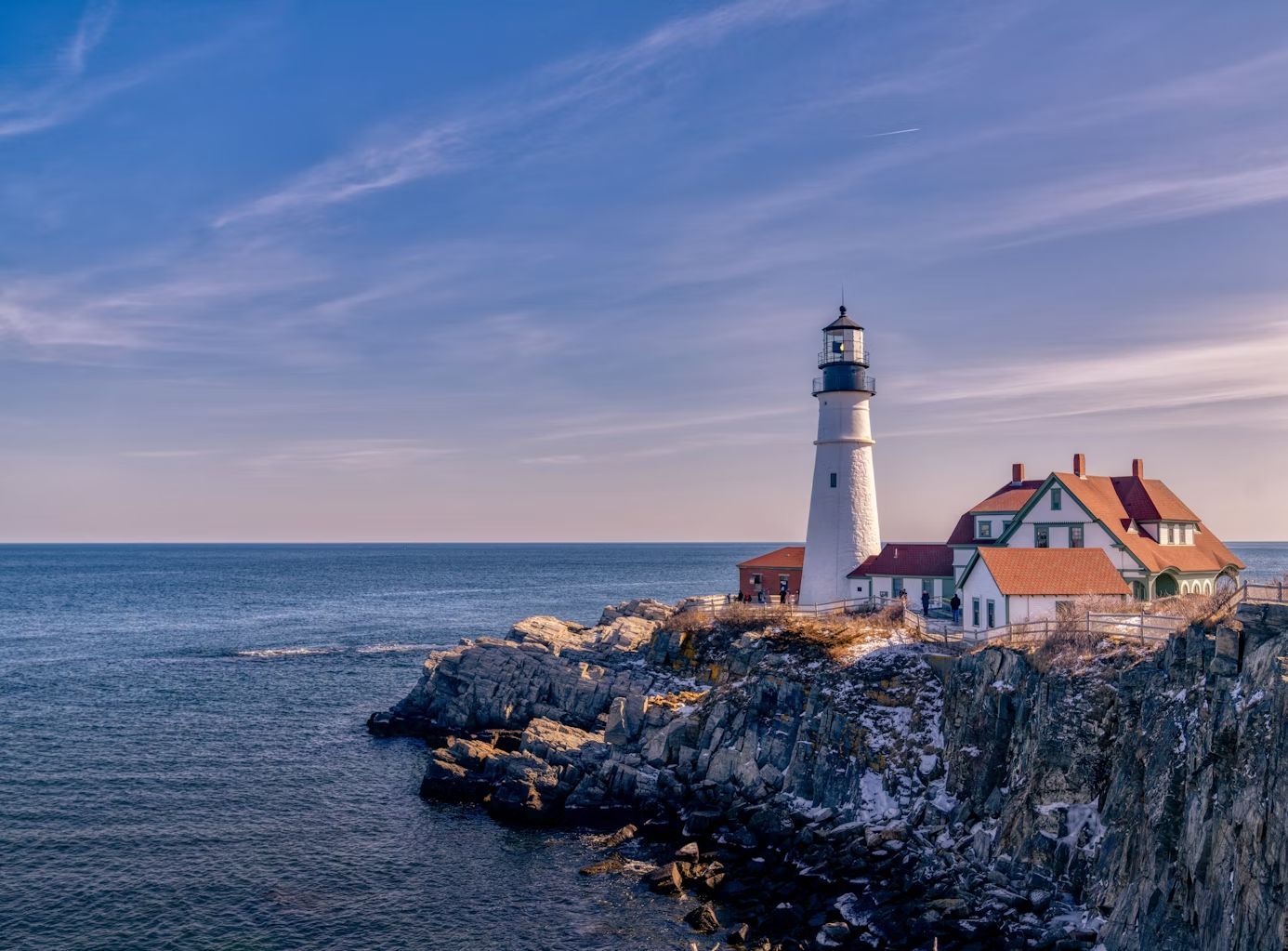
Image: Michael Denning

If you’re expecting a town full of shiny, bald-headed guys, well, you might be disappointed. Bald Head, Maine, actually gets its name from a nearby cliff called Bald Head Cliff .

Now, we all want to know the same: Does it look like a bald head? Sorry to disappoint, but not really. Still, the name has stuck, and the scenic beauty of the area more than makes up for any confusion. Just don’t show up expecting a bald head convention!

7
Accident, Maryland
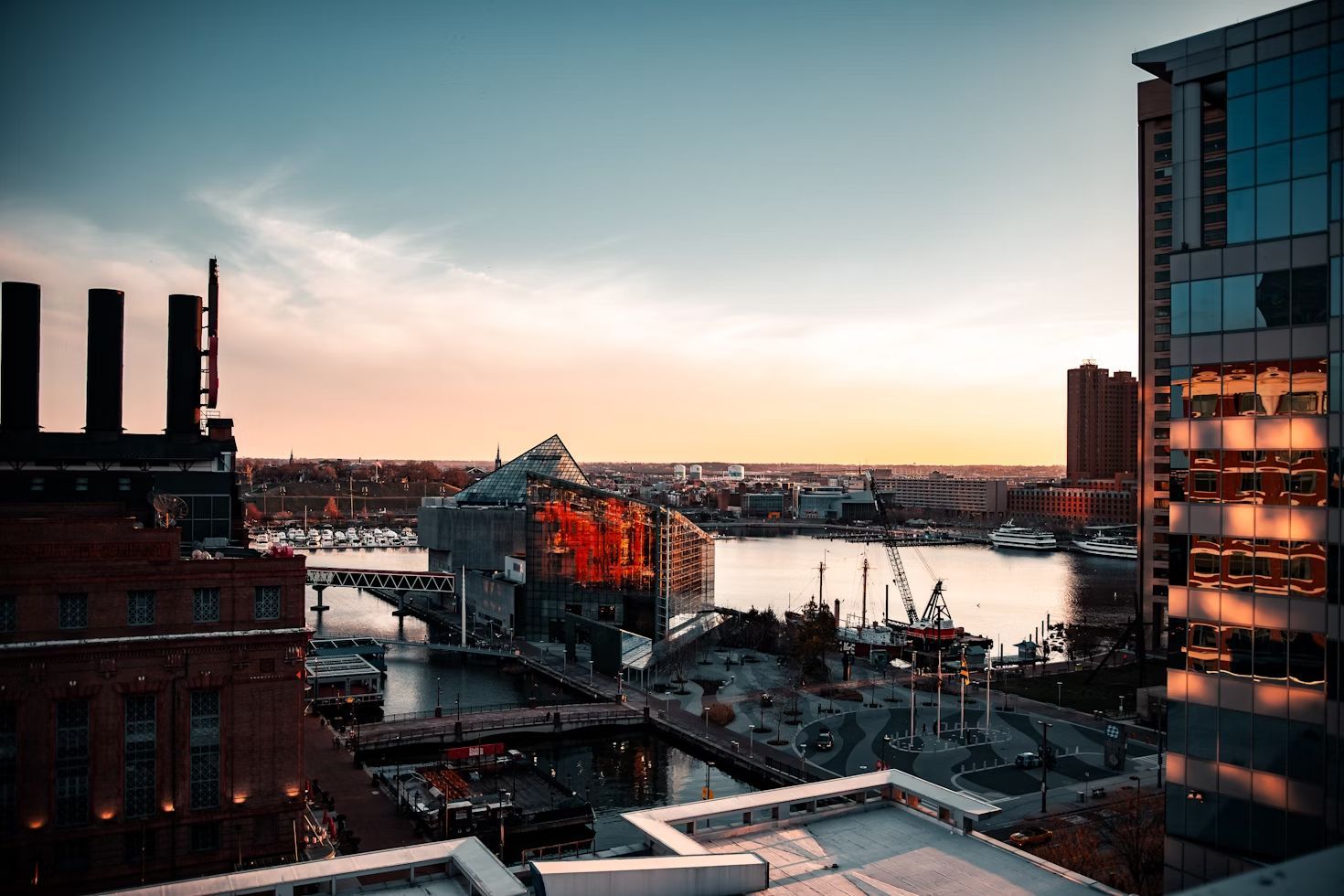
Image: Colin Lloyd

Accident, Maryland, owes its name to an actual accident… Well, kind of. In the 1700s, two land surveyors both accidentally claimed the same piece of land without realizing it . One of them, William Deakins, Jr., later allowed the other, Brooke Beall, to keep it. Rather than rename the town, the name Accident stuck. Talk about a happy accident… And generosity!

8
Whynot, North Carolina
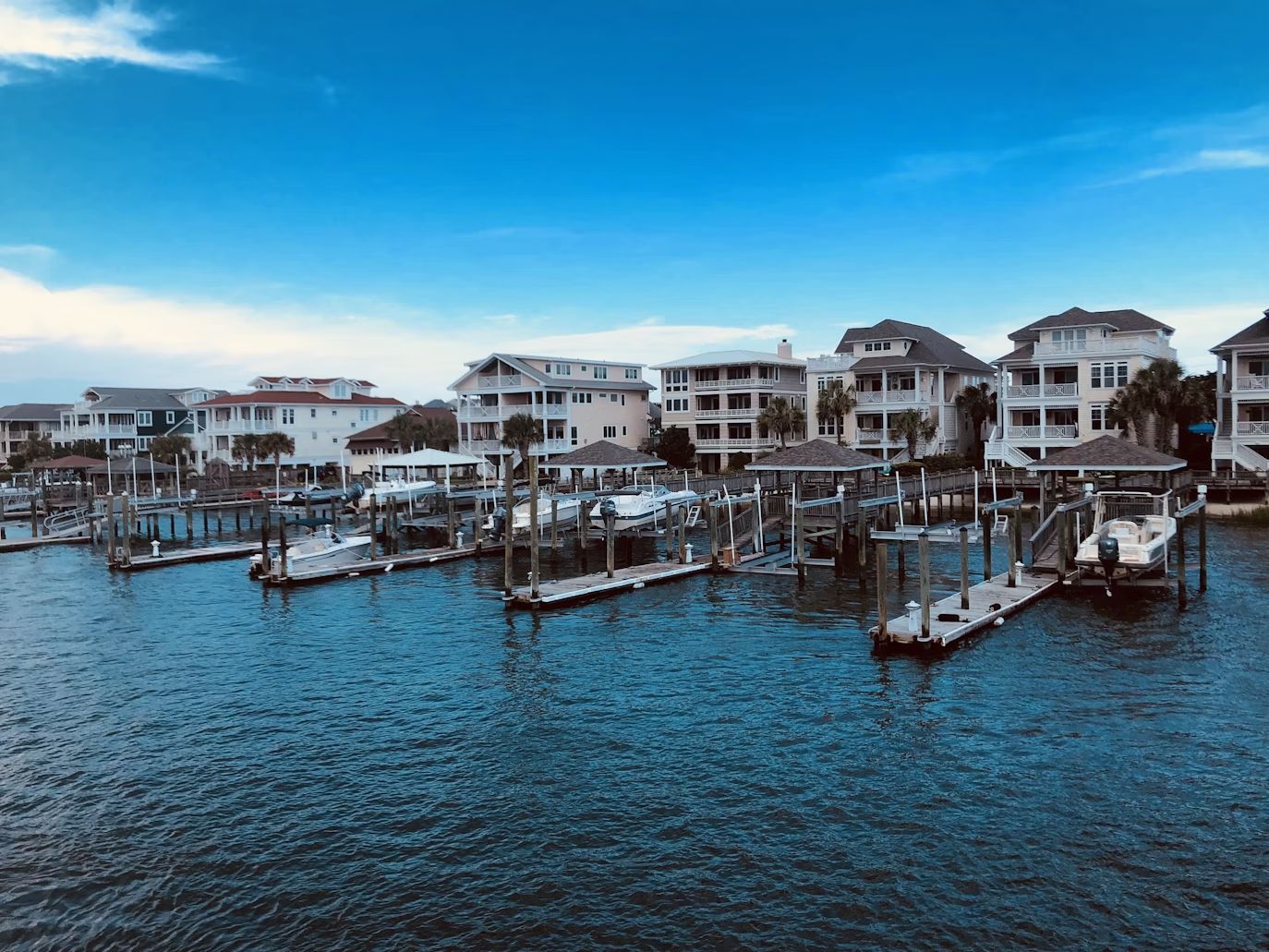
Image: Brendan Steeves

Similar to Why, Arizona, this North Carolina town also came about after a naming debate that got a little too long.

Legend has it that settlers were arguing over what to call their new town when one exasperated resident finally said, "Why not just name it Whynot and go home?" And just like that, Whynot was born.

9
Boring, Oregon
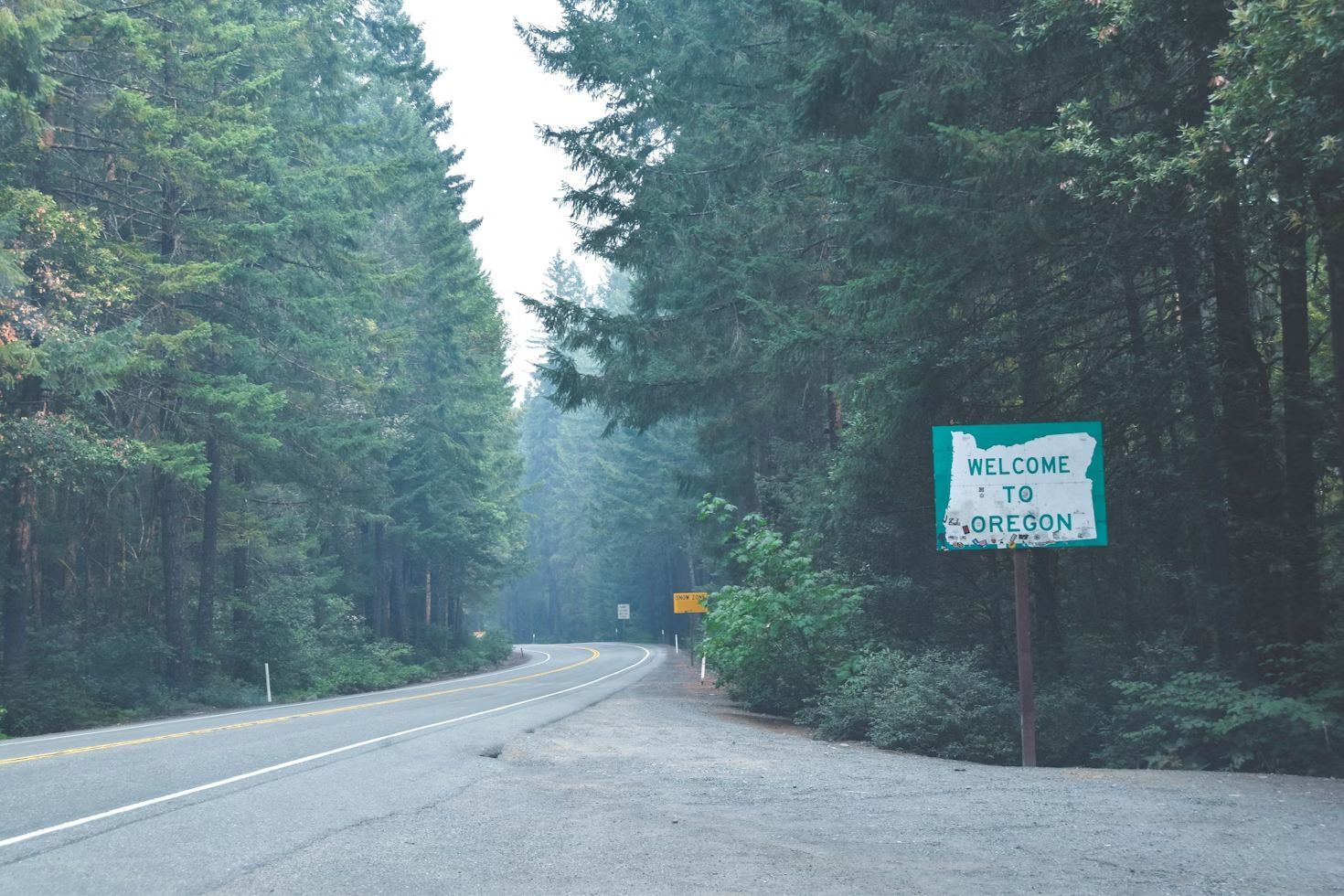
Image: everett mcintire

Yes, we get it. The first thing that comes to mind is "Why would you name your town this?" But despite what the name suggests, Boring, Oregon, isn’t actually boring . If you need some proof, just ask the locals!

Named after William Harrison Boring, one of its early settlers, the town became a hub for the timber industry. To make things even funnier, Boring has international "sister city" partnerships with Dull, Scotland, and Bland, Australia. If you ever visit, you’ll find that Boring is anything but!

10
Mosquitoville, Vermont
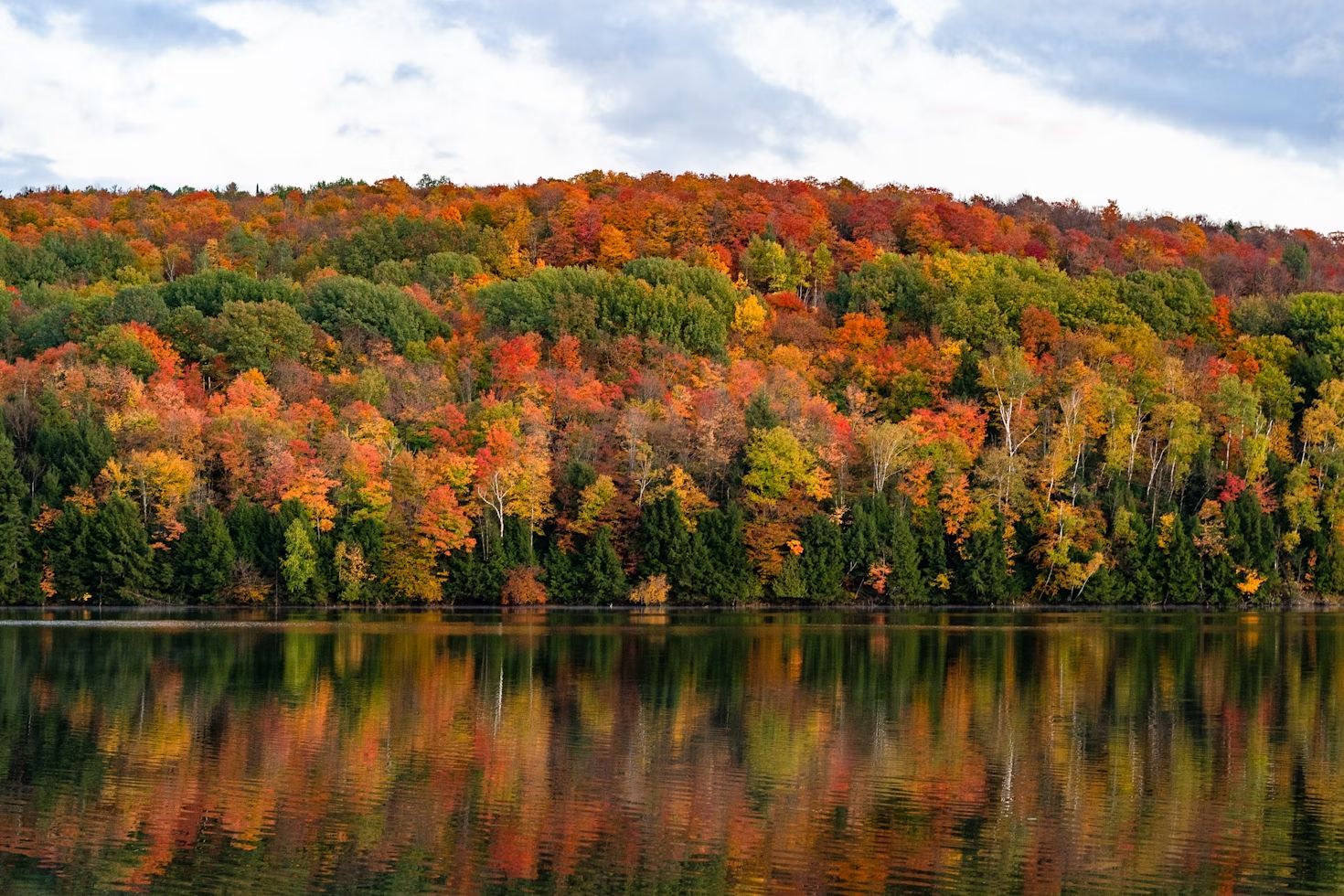
Image: Peter James Eisenhaure

If you were reluctant to visit Boring, imagine visiting Mosquitoville! The name alone makes us want to grab a can of bug spray!

Mosquitoville is actually a small community in Barnet, Vermont, and while we can’t confirm just how many mosquitoes live there, the name doesn’t sound very promising. You’ll just have to go one summer and find out! Only if you dare!
History History 3 min read

Hidden depths

America’s lost ocean: How the Great Lakes came to be

Image: Randy Laybourne

Like legendary giants, the Great Lakes are North America's watery core, influencing commerce, climate, and culture. Stretching across the U.S. and Canada, these five immense lakes—Superior, Michigan, Huron, Erie, and Ontario—contain an astounding 84% of North America's fresh surface water. Here are 11 fascinating facts about these monumental lakes that may have flown under your radar until now.

1
Lake Superior lives up to its name

Image: Jacob Skowronek

Lake Superior is the largest, deepest, and coldest of the five. It holds more water than the other four lakes combined—enough to cover North and South America in a foot of water. At 31,700 square miles, it’s the largest freshwater lake by surface area in the world.

2
Only one is fully American

Image: Ioann-Mark Kuznietsov

Lake Michigan is the only Great Lake entirely within the jurisdiction of the United States. It touches four states—Wisconsin, Illinois, Indiana, and Michigan—and its shores are home to major cities like Chicago and Milwaukee. As if this wasn’t enough, this lake also boasts the world’s largest freshwater sand dunes.

3
They create their own weather

Image: Srikanta H. U

The Great Lakes have a powerful influence on regional weather, especially through the phenomenon of "lake-effect snow." As cold air sweeps over the warmer lakes, it picks up moisture, resulting in heavy snowfall in cities like Buffalo, Cleveland, and Chicago. The lakes also generate localized storms that can rival oceanic tempests in intensity. Yet, not all is harsh; these unique conditions help create microclimates that are perfect for agriculture, supporting a range of crops across the region.

4
A shipwreck graveyard

Image: Vlad Tchompalov

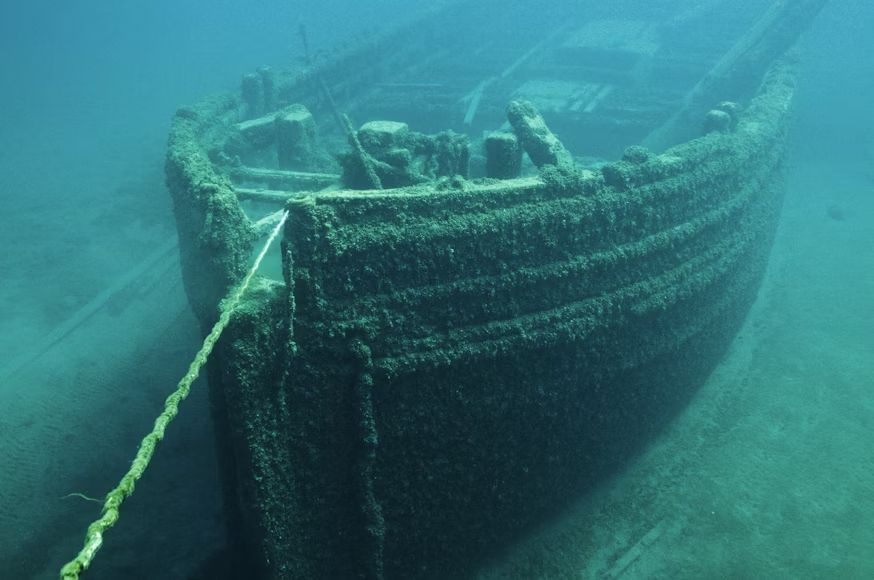
Prone to stormy and unpredictable weather, the Great Lakes are home to over 6,000 shipwrecks. The most infamous of these, the SS Edmund Fitzgerald, sank in Lake Superior during a violent storm in 1975, inspiring Gordon Lightfoot's iconic ballad. In fact, many of these wrecks are remarkably well-preserved, thanks to the cold freshwater, which slows down the decay process and keeps these sunken ships intact for decades.

5
They contain a fifth of the world’s freshwater

Image: Sime Basioli

The Great Lakes hold about 21% of the world's fresh surface water. That’s roughly six quadrillion gallons—enough to submerge the lower 48 states under about 10 feet of water. Given this staggering quantity, it's no surprise that the lakes are crucial to American drinking water, agriculture, and industry.

6
The Erie Canal’s role

Image: Lucy M

Opened in 1825, the Erie Canal linked the Great Lakes to the Atlantic Ocean via the Hudson River, transforming trade and settlement patterns. It played a pivotal role in making New York City an economic powerhouse and significantly accelerated the movement of goods between the Midwest and the East Coast. While most traffic now flows through the larger St. Lawrence Seaway, the Erie Canal remains a key chapter in U.S. history.

7
When the Niagara Falls stood still

Image: Vishwesh Jirgale

In 1969, engineers temporarily halted the flow of Niagara Falls due to concerns that erosion was progressing so rapidly the falls could disappear in a few years. After a thorough inspection by the Army Corps of Engineers, they concluded that no immediate maintenance was necessary. Despite this, the endeavor was far from futile—it provided valuable insights that would guide future preservation efforts for the iconic falls.

8
America’s forgotten "Third Coast"

Image: Richard Main

The Great Lakes coastline spans about 10,900 miles, which makes it longer than the U.S. East and West Coasts combined. This hidden "Third Coast" features sandy beaches, towering cliffs, and picturesque lighthouses, making it a popular destination for tourism and outdoor recreation.

9
Once an ancient ocean

Image: Andrzej Kryszpiniuk

Millions of years ago, the region now holding the Great Lakes was covered by an ancient sea. Over time, glaciers carved out the massive basins, which filled with meltwater after the Ice Age. The evidence of this transformation is still visible in the region’s fossils and rock formations.

10
Chicago River’s historic reversal

Image: Jake Leonard

In 1900, engineers reversed the flow of the Chicago River to prevent sewage from polluting Lake Michigan, the city’s drinking water source. Using a system of canals, the river was redirected toward the Mississippi River watershed, an astonishing feat of engineering that still works to this day.

11
Protected by an international treaty

Image: Hermes Rivera

The 1909 Boundary Waters Treaty between the U.S. and Canada governs the Great Lakes, ensuring cooperative water management. It led to the creation of the International Joint Commission, which helps both nations resolve disputes and protect this vital natural resource.

History History 3 min read

Which one is your favorite?

Did you know that these 12 places had different names?

Image: Mackenzie Cruz

Changing the name of a long-established place can seem shocking to some, but it happens more often than one might think—the recent Mount Denali to Mount McKinley name change is a prime example. Such changes occur for various reasons, and new examples of this phenomenon appear every day. Our readers can probably think of at least one or two. Did you know about the following 12?

1
Big Shanty to Kennesaw

Image: Joe Yates

Changing the name was probably a good idea, as "shanty" is not the most flattering description for this suburban city northwest of Atlanta in Cobb County, Georgia. The original name was given in the 1830s when the Western and Atlantic Railroad was built, and shanty towns were established to house the workers . In 1887, the city’s name was changed to Kennesaw.

2
Rough and Ready to Mountain View

Image: Waldemar

A community with an interesting name, for sure, Rough and Ready was originally named after the Rough and Ready Tavern (also known as the Bagley House ), a stagecoach stop on the route from Macon to northern Georgia.

The name changed in 1956 when the community was incorporated as a city. It was renamed Mountain View —a reference to the fact that, on a clear day, Stone Mountain can be seen 20 miles to the east.

3
Terminus to Atlanta

Image: Gary Doughty

Atlanta, Georgia, was once known as Terminus because it served as the final station of a major state-sponsored railroad . However, as time passed, several other railroads converged in the city, the largest being the Western and Atlantic Railroad— from which the name "Atlanta" comes.

4
Idlewild Airport to John F. Kennedy Airport

Image: Afif Ramdhasuma

Although originally named New York International Airport , the 1948 facility was commonly known as Idlewild Airport . However, following the assassination of John F. Kennedy in 1963, it was officially renamed as it is today, in his honor.

5
New Amsterdam to New York

Image: Luca Bravo

There was a time when New York was called New Amsterdam. In the 17th century, the Dutch established a settlement at the southern tip of Manhattan Island , serving as the seat of the colonial government in New Netherland . It officially became a city in 1653.

However, when the English took control of New Amsterdam in 1664, they renamed it New York after the Duke of York.

6
Minnehanonck to Blackwell to Welfare to Roosevelt Island

Image: Mason C

The third New York-area entry on our list is an island in the middle of the East River , adjacent to Manhattan. It was originally called Minnehanonck by the Native Americans and later became known as Blackwell’s Island.

In 1921, it was renamed Welfare Island, and in 1973, it was renamed once more in honor of former U.S. President Franklin D. Roosevelt.

7
Hot Springs to Truth or Consequences Hot Springs

Image: Ethan Wright-Magoon

Believe it or not, this town accepted a challenge from the 1950s game show Truth or Consequences to change its name in exchange for hosting the program.

Since then, Hot Springs, New Mexico, has been known as Truth or Consequences Hot Springs.

8
Halfway to Half.com to Halfway

Image: everett mcintire

Another example of a town that changed its name in exchange for a reward is Halfway, Oregon. In the 1990s, as part of a marketing campaign , the town agreed to rename itself "Half.com" for an entire year in return for $110,000 and 20 computers for a local school —all to promote an internet start-up.

9
East and West Mauch Chunk to Jim Thorpe

Image: Donnie Rosie

The picturesque borough of Jim Thorpe in Pennsylvania was once known as East and West Mauch Chunk . However, after Native American sports legend Jim Thorpe passed away, the municipality negotiated a deal with his heirs to become the site of his tomb and rename the town in his honor , hoping to boost tourism.

10
North Tarrytown to Sleepy Hollow

Image: Richard Hedrick

North Tarrytown was the home of American writer Washington Irving , who drew inspiration from the town for his short story, The Legend of Sleepy Hollow .

In 1996, the town officially changed its name to Sleepy Hollow , honoring both the writer and the story that brought it worldwide fame.

11
Barrow to Utqiagvik

Image: Alexis Mette

This Arctic Circle city was once known as Barrow , named for its proximity to Point Barrow , America's northernmost point. However, following a referendum approved by residents in 2016, the city's name was officially changed from Barrow to Utqiagvik to better reflect its native roots .

12
Bella Vista to West Pittsburg to Bay Point

Image: Robert Bye

The original name of this community, Bella Vista (meaning "Beautiful View" in Spanish), was changed to West Pittsburg. However, because it was often confused with the western unincorporated section of Pittsburgh, California , the name was revised again in 1993 to Bay Point, reviving a historical name used in the area.

Explore more American facts

Choose your favorite category!

General
General

As American as apple pie—the very best America has to offer!

Culture
Culture

Delve into the astounding richness of American lore.

Geography
Geography

Hop in and explore vast and diverse American landscapes.

History
History

Discover the key moments that shaped the United States.