Culture Culture 3 min read

The American way

Do you still do these? 10 American customs fading out of everyday life
Image: frank mckenna

Time leaves its mark everywhere, even on the things we thought would last forever. From playful prank calls to charming greeting cards, many customs from our childhood are becoming rare treasures. Today, we’ve put together a list of 10; how many others can you name?

1
Prank calls

Image: Happysurd Photography

With smartphones taking over, the classic prank call is slowly fading away. Back in the day, dialing a random number to play a harmless joke and share a laugh with friends was a common pastime. Today, with caller ID and mobile phones everywhere, executing those little tricks has become more complicated.

2
Block parties
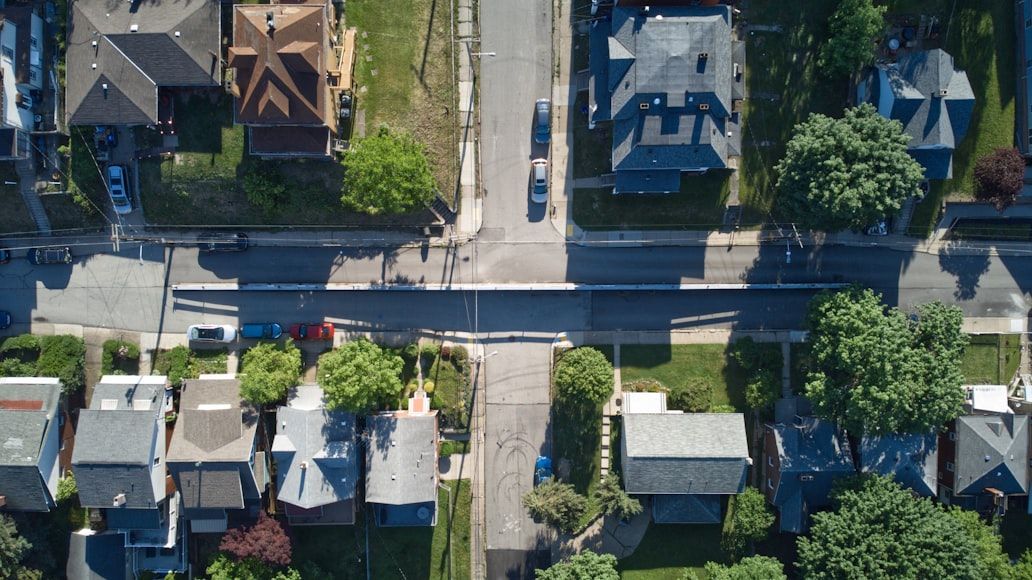
Image: Yifan Gu

We used to know all our neighbors, and that sense of community was deep. Today, things have changed. With growing cities and people moving more often, your neighbors might be gone before you even learn their names. On top of that, our lives are busier than ever, and closing off a street for a party isn’t as simple as it once was. With these new dynamics, the once-beloved block party has become a rare thing, mostly surviving in small towns or communities. Remember the last time you went to one?

3
Ding-dong ditch
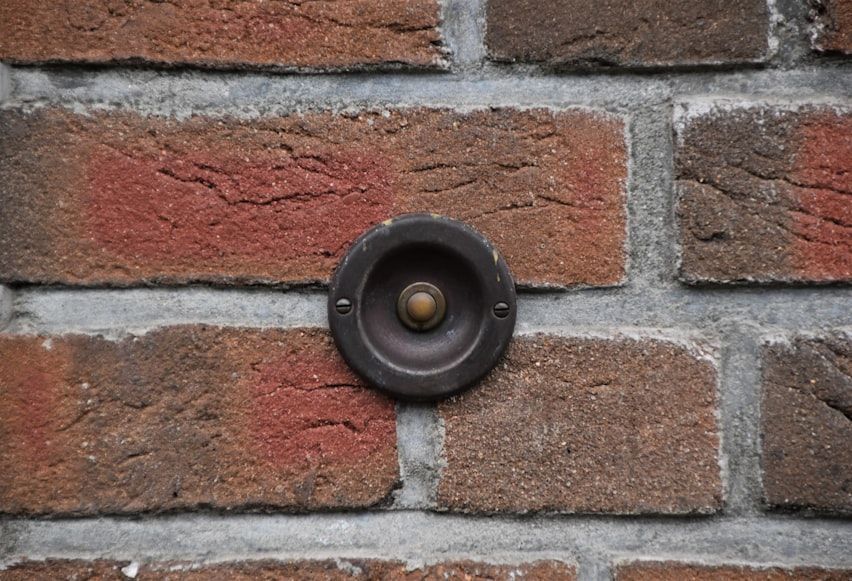
Image: Waldemar Brandt

Remember when kids could safely roam the streets for hours? The good old days! Wandering around your neighborhood or even a different one, there was always someone who came up with the idea: ringing a doorbell and running away. It might have been a little annoying for the person who opened the door, but it was all in good fun.

4
Fruit baskets
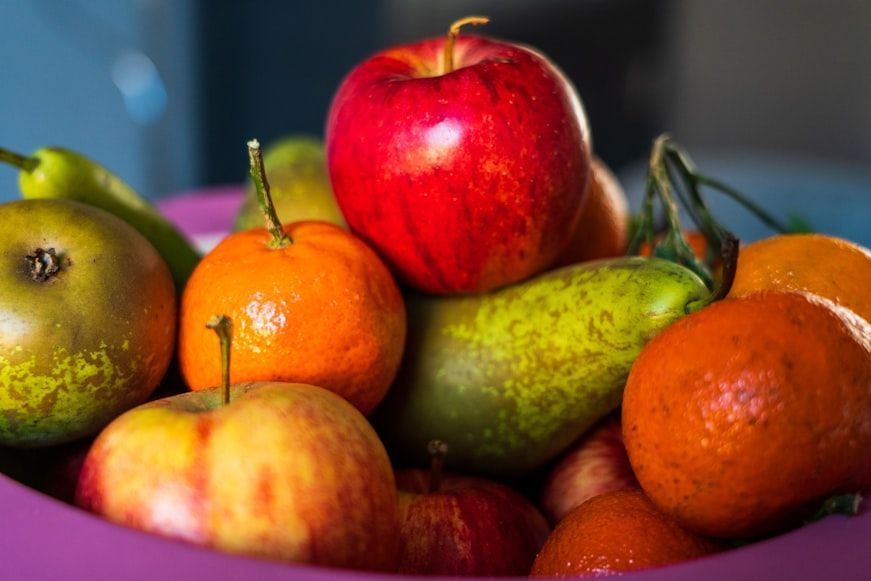
Image: Nick Fewings

Our mothers and grandmothers knew that when it came to celebrations, anniversaries, holidays, or any special occasion, a beautifully arranged fruit basket was always a thoughtful gift. This simple gesture showed care and dedication, but today, it’s slowly disappearing. Why? The convenience of online shopping and the trend toward more personalized presents have made this classic gift increasingly rare.

5
Christmas cards

Image: Richard Bell

If you’re like us and just love greeting cards, you’ve probably noticed that fewer people are taking the time to go to the store, pick the perfect card, write a message, and send it off. While traditional greeting cards and Christmas cards are slowly being replaced by digital alternatives, there will always be those of us who appreciate this lovely ritual.

6
School reunions

Image: RUT MIIT

Reunions with former classmates tend to divide people: some look forward to them with excitement, while others would rather skip them altogether. We won’t ask which side you’re on, but there’s no denying that these gatherings are becoming rarer. While a few devoted groups still make an effort to keep it alive year after year, this custom doesn’t seem to be among the younger generations’ priorities.

7
Bake sales
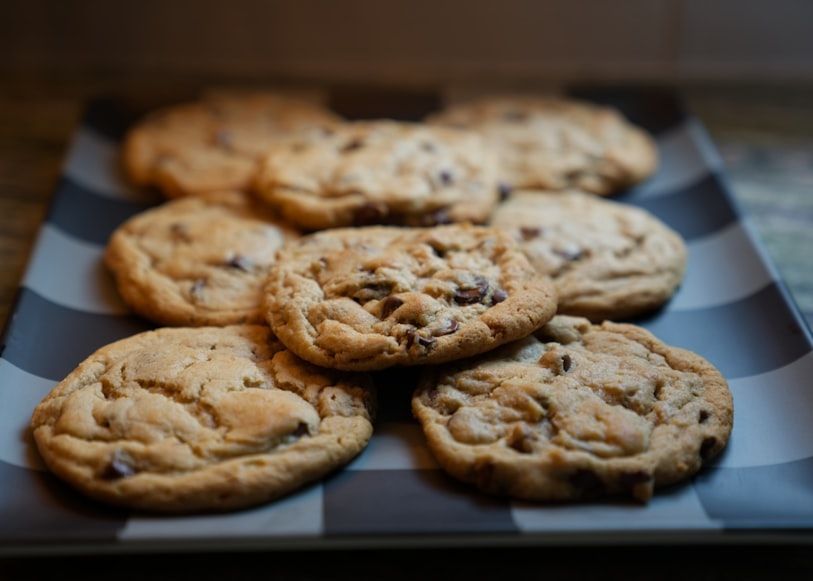
Image: John Dancy

Whether at school, church, or in the neighborhood, who didn’t take part in a bake sale as a kid? However, in today’s fast-paced world, finding time to bake delicious cookies has become a rare treat. This classic way of raising money for a shared cause hasn’t vanished, but it’s definitely losing steam. With virtual wallets and social media, fundraising looks very different today.

8
Black Friday

Image: Markus Spiske

Black Friday, as we once knew it, is evolving into something new. Those endless lines outside stores are now much shorter, thanks to the rise of online shopping. In addition, with the increase in per capita consumption, Black Friday is no longer confined to the day after Thanksgiving; it now stretches across the entire week, and in many cases, the whole month.

9
Appointment TV

Image: Vitaly Gariev

We’ve all gotten used to on-demand content, which lets us watch, rewind, and replay whenever we like. While this convenience is great, it has slowly replaced the old habit of appointment TV, those moments when families or neighbors would gather in their living rooms at a set time to watch a big game, a premiere, or the season finale, sharing a sense of community that’s not so common today.

10
Private fireworks
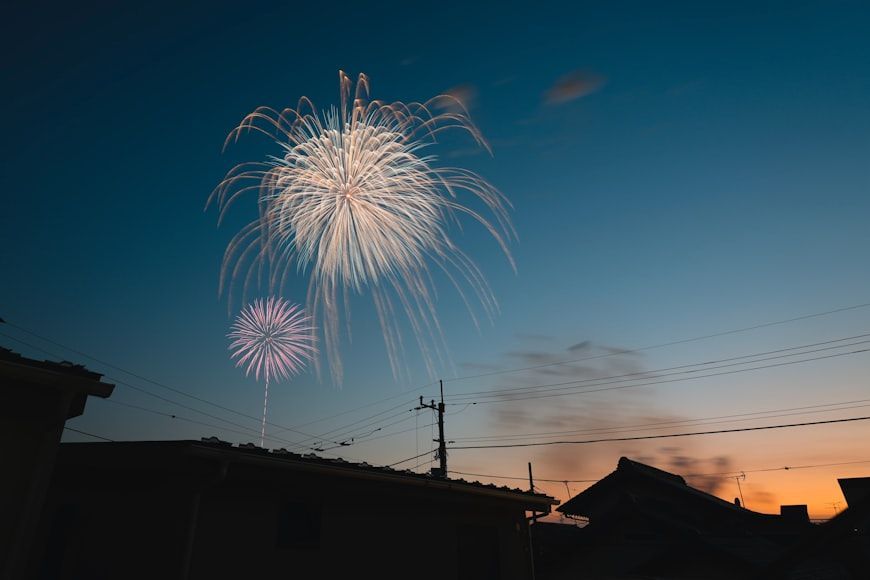
Image: Leo Okuyama

As the years have passed, we’ve learned more about the risks of fireworks: How they can frighten pets, harm the environment, and cause serious injuries in both children and adults. We can’t deny that lighting fireworks in the backyard with the family is a magical moment, but these days, that tradition has mostly moved to large events in stadiums or music festivals, where trained professionals handle the show.
Geography Geography 4 min read

Go with the flow

10 great rivers that carved American history

Image: Jp Valery

From tales of hidden treasure to the birth of major cities, America’s rivers are much more than waterways—they’re living history. These 10 rivers have shaped culture, commerce, and legend across the nation, carrying stories as deep as their currents.

1
Mississippi River

Image: Justin Wilkens

Beloved by blues musicians and immortalized by Mark Twain, the Mississippi has been central to exploration, trade, and American identity. The name comes from the Ojibwe/Anishinaabe word misi‑ziibi, meaning "Great River" or "Father of Waters."

Flowing some 2,320 miles, its watershed drains roughly 41% of the continental U.S., and its vast system remains critical for both commerce and agriculture.

2
Missouri River

Image: Jayden Herr

The name of the Missouri River comes from the Algonquian term ouemessourita, meaning "people with dugout canoes."

A crucial highway for early explorers like Lewis and Clark, as well as later settlers, this 2,300-mile-long river was once home to Native tribes such as the Missouria. Today, it remains a vital part of regional agriculture and river transport.

3
Hudson River

Image: Harry Gillen

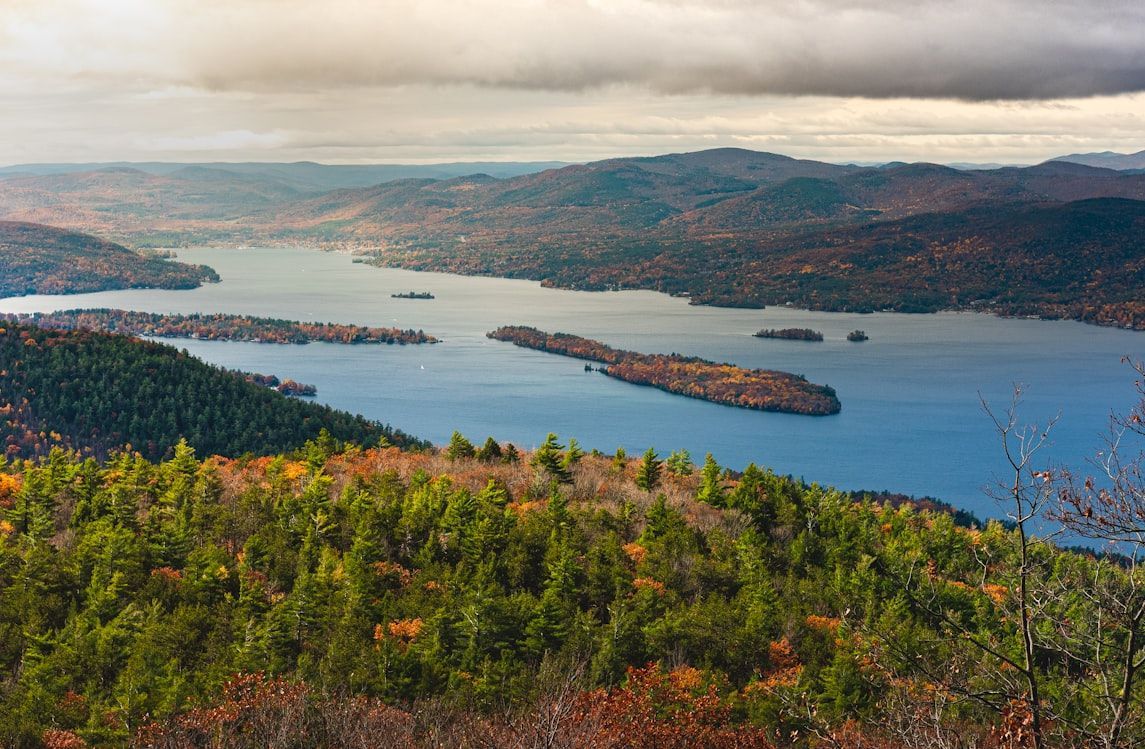
Originally called Muh-he-kun-ne-tuk ("waters that are never still") by the Mohicans, the river was later renamed after Henry Hudson, who explored it in 1609 for the Dutch East India Company.

The Hudson Valley later grew into both an economic and cultural hub, inspiring the Hudson River School of painters and playing a strategic role during the American Revolution.

4
Colorado River

Image: Mike Newbry

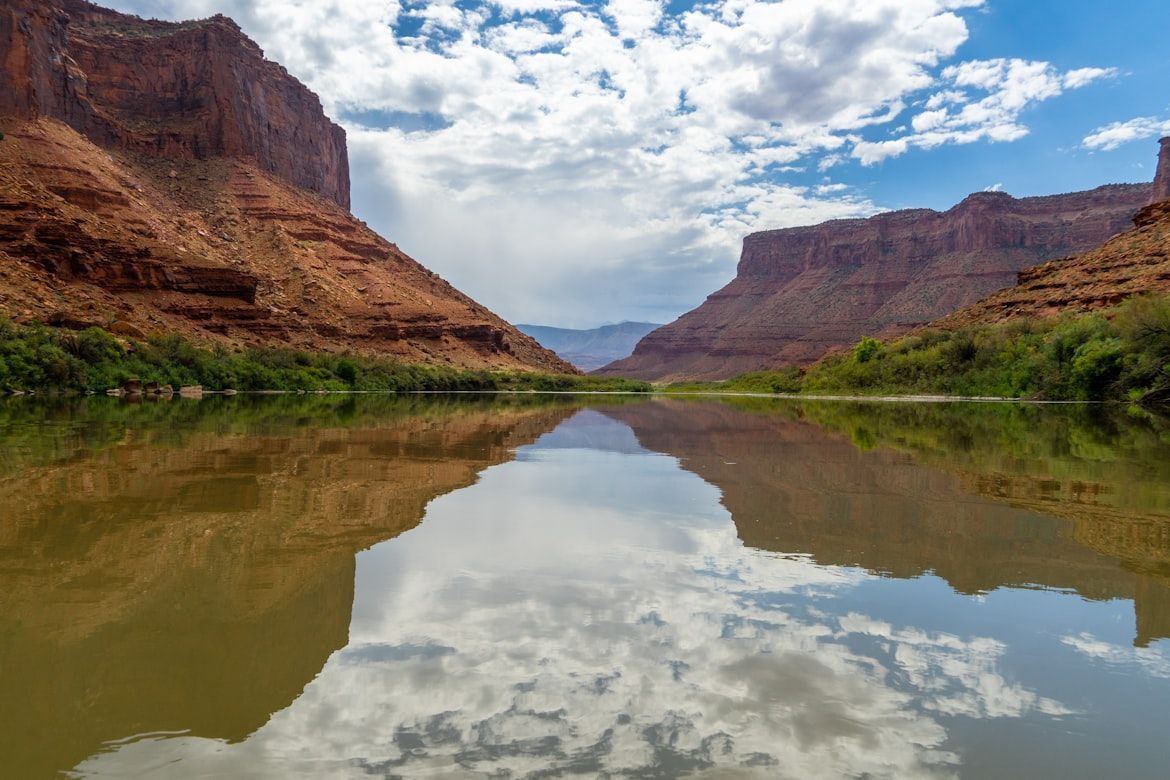
The name Colorado comes from Spanish, meaning "reddish," a reference to the red silt once carried by the river. Before 1921, its upper course was known as the Grand River, until Congress renamed it to reflect the state of Colorado.

Over millions of years, the Colorado River carved the Grand Canyon, one of the world’s most dramatic natural landscapes. Today, it supports irrigation across seven U.S. states and northern Mexico and generates hydroelectric power through major dams such as Hoover Dam and Glen Canyon Dam.

5
Rio Grande

Image: Sara Cottle

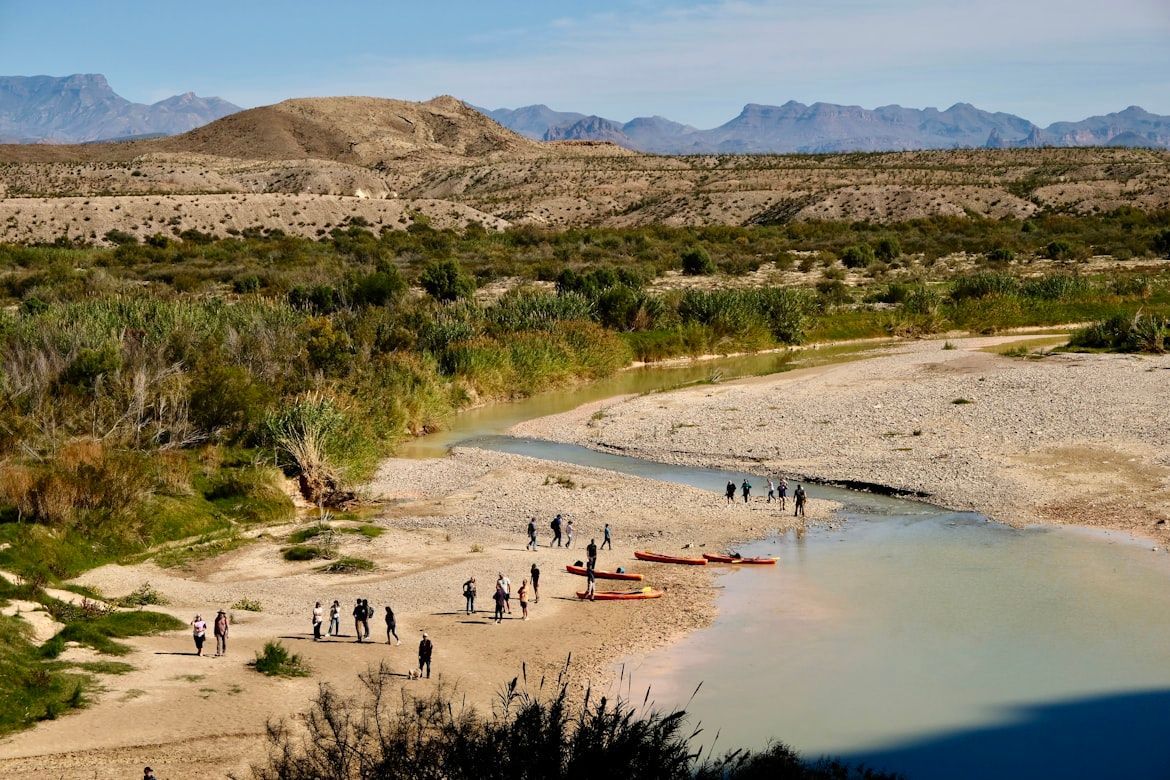
The name Rio Grande means "Big River" in Spanish. Serving as the border between the U.S. (Texas) and Mexico, it has defined geopolitical boundaries since the end of the Mexican-American War in 1848.

Historically, the Rio Grande supported Indigenous communities such as the Pueblo and Apache peoples, and later Spanish missions and settlements. Today, it serves as a lifeline for agriculture, cities, and wildlife habitats across the arid regions of Texas, New Mexico, and northern Mexico along its 1,896-mile course.

6
Ohio River

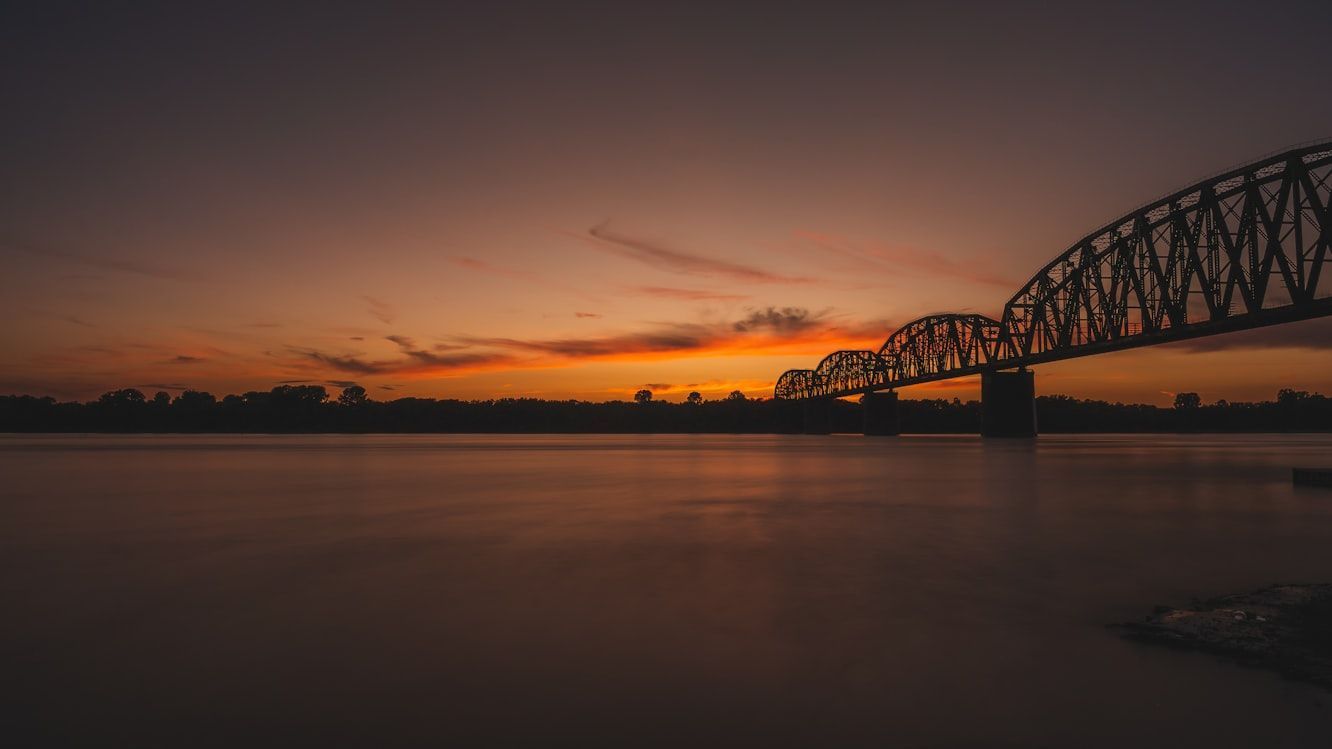
Image: Joshua Canter

"Ohio" comes from the Seneca word ohi:yo’ , meaning "good river" or "large creek." Formed by the confluence of the Allegheny and Monongahela Rivers at Pittsburgh, it flows for about 981 miles through six states before joining the Mississippi River.

In early America, the Ohio was a key route for westward expansion and trade. Settlements along its banks grew into important commercial and industrial centers, including cities like Cincinnati, Louisville, and Pittsburgh, and its fertile floodplains supported agriculture that fueled the growing nation.

7
Columbia River

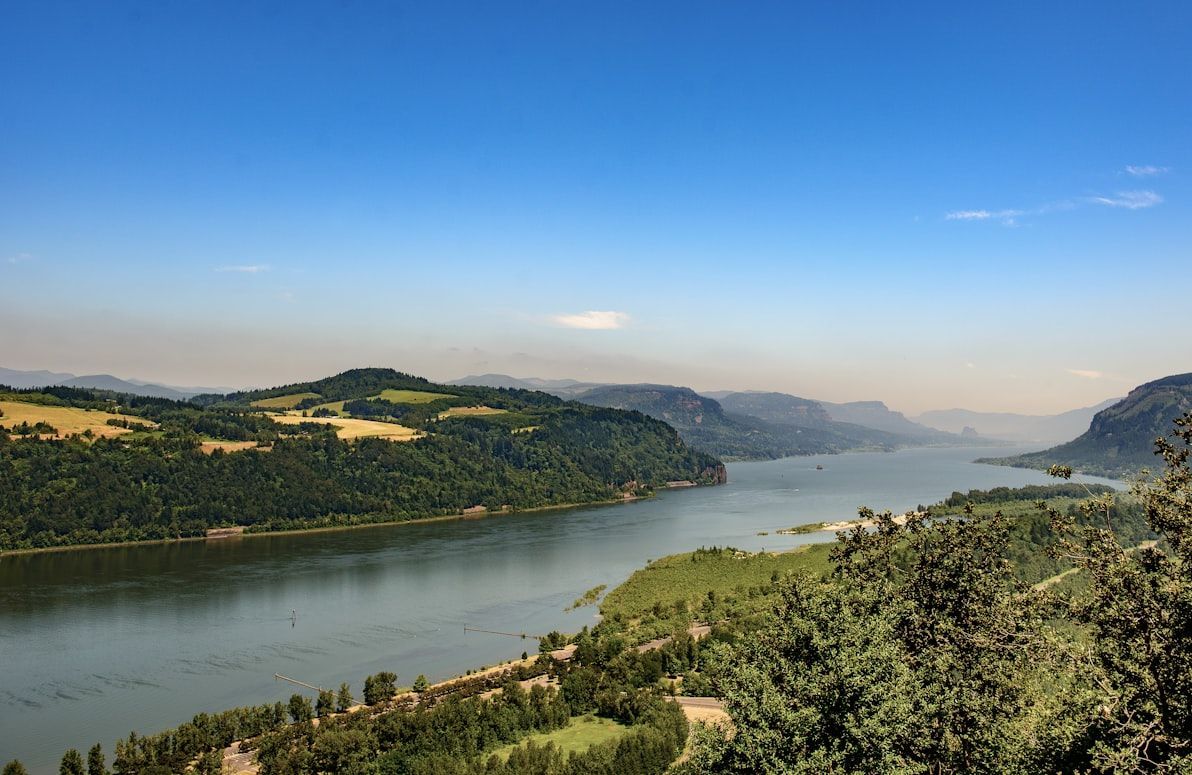
Image: Stephen Walker

The Columbia River was named after the Columbia Rediviva , the ship captained by Robert Gray , which itself was named in honor of Christopher Columbus. For thousands of years, the river served as a vital trade network for numerous Native American tribes, and later became central to the North American fur trade.

Its fertile valleys supported settlements and agricultural development throughout the Pacific Northwest. Today, the Columbia is a major source of hydroelectric power, with major dams such as Grand Coulee and Bonneville supplying electricity to millions of people.

8
Potomac River

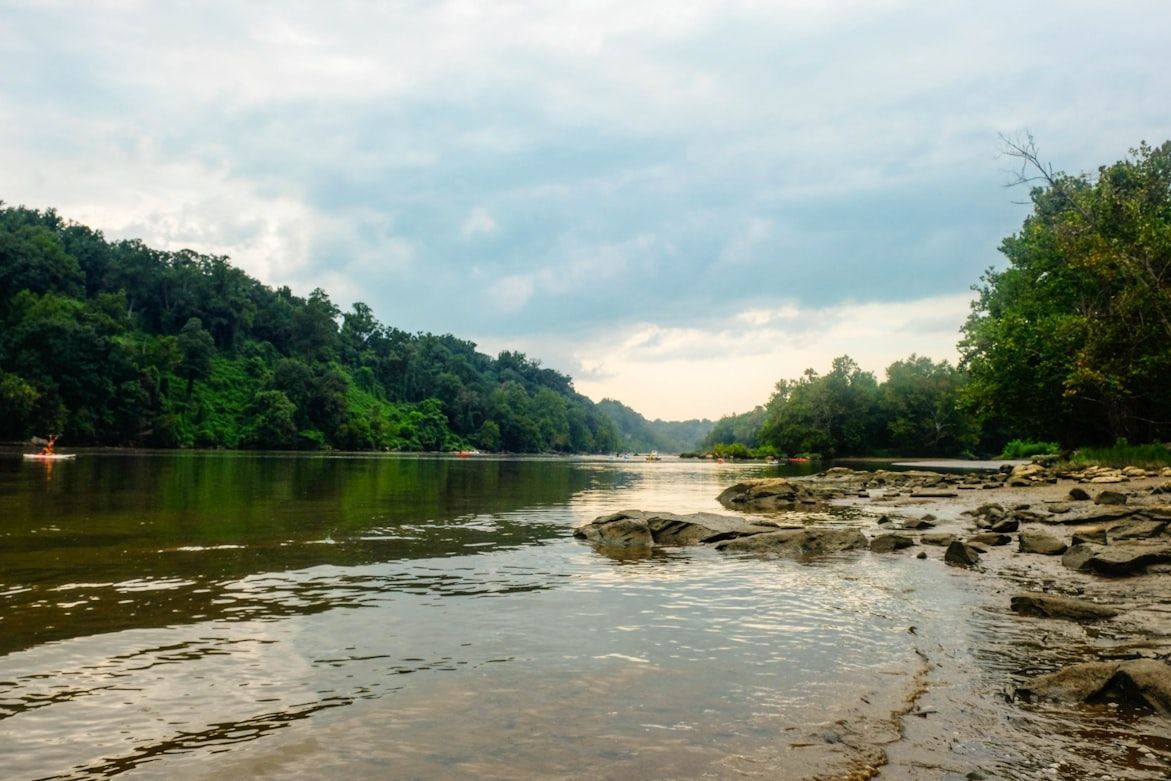
Image: Sara Cottle

The name "Potomac" comes from a Native Algonquian word, likely Patawomeck (probably Piscataway), meaning "river of swans." The river flows past Washington, D.C., and George Washington’s Mount Vernon estate overlooks it.

During the colonial era and the Civil War, it was a crucial transport route, and its watershed continues to hold historical, cultural, and political significance today.

9
Delaware River

Image: Clay Banks

Named after Lord De La Warr (Thomas West), an English nobleman and colonial governor, the Delaware River is best known for George Washington’s daring 1776 crossing, which surprised Hessian troops in Trenton and provided a crucial morale boost for the Continental Army during the Revolutionary War.

Over the years, the river has remained vital for trade and industry, shaping the mid-Atlantic economy and supporting major ports in New Jersey, Pennsylvania, and Delaware.

10
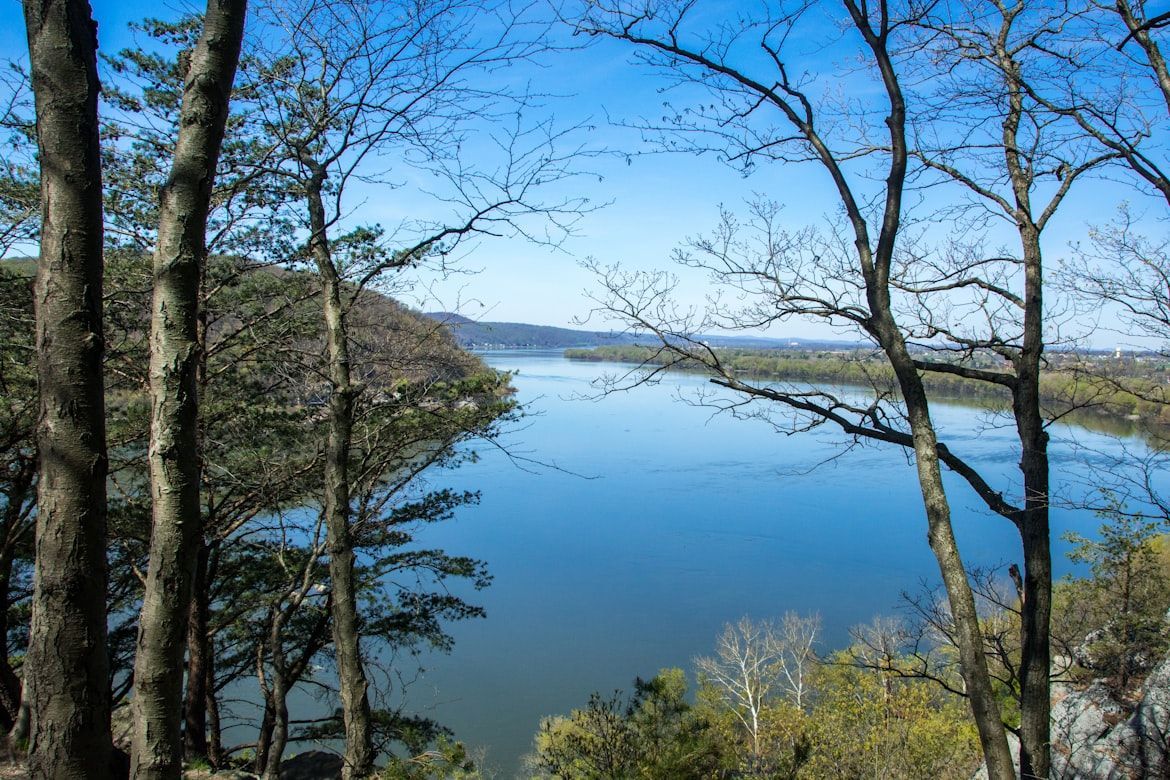
Susquehanna River

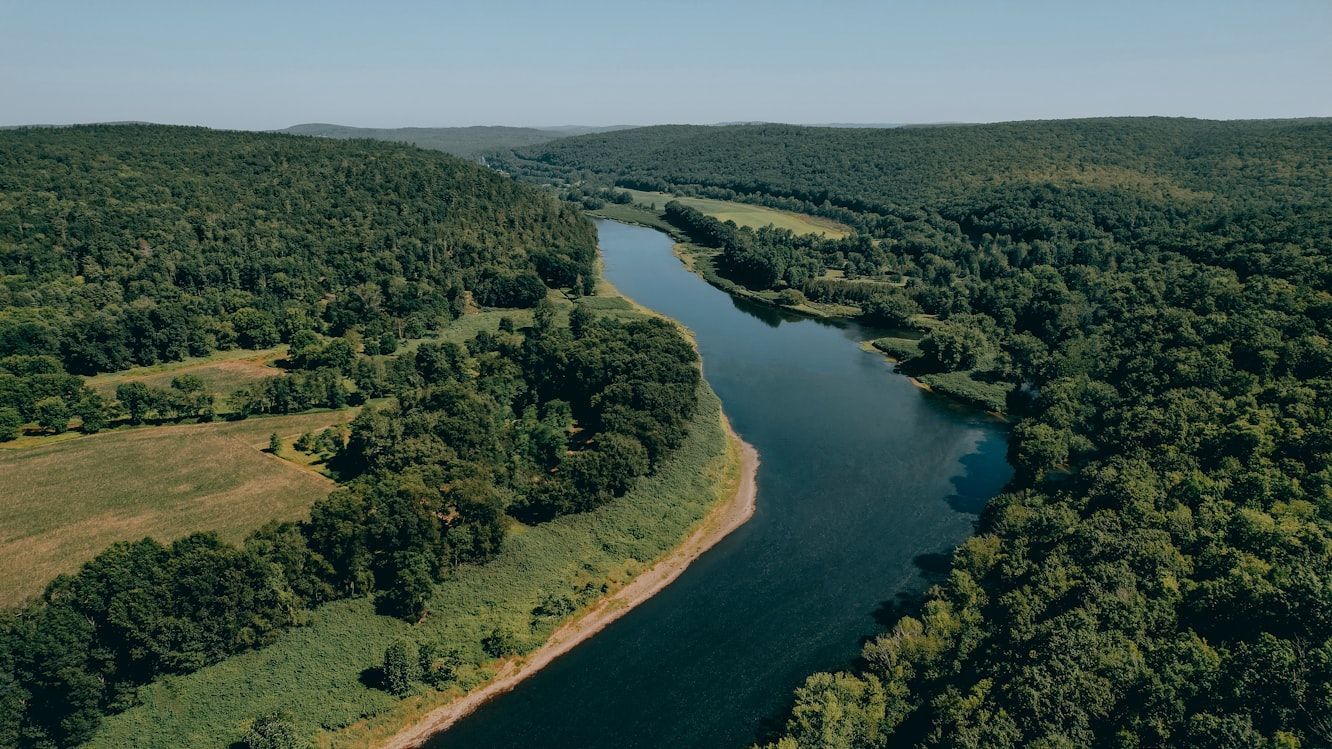
Image: Jennifer Wick

The name "Susquehanna" likely comes from the Lenape word siskëwahane, meaning "Muddy River" (though other translations, such as "Oyster River," have been proposed). One of the oldest river systems in North America, the Susquehanna stretches about 444 miles from New York through Pennsylvania to the Chesapeake Bay in Maryland.

It supported Indigenous communities such as the Susquehannock, and early colonial settlements relied on it for transport, fishing, and trade. Its fertile valley later powered mills, contributed to the region’s coal and lumber industries, and played a key role in shaping the development of the Mid-Atlantic.

Culture Culture 5 min read

Do you know which U.S. state boasts the oldest tree in the world?

Image: RDNE Stock project

America is full of tall tales, but some of them happen to be true. From giant rocking chairs to super-sunny cities, many states proudly claim a "world’s largest" title that’s as fun as it is mind-blowing. Here are 12 states where everyday life comes in extra-large size, proving that the spirit of "bigger and better" is alive and well.

1
California

Image: Ross Stone

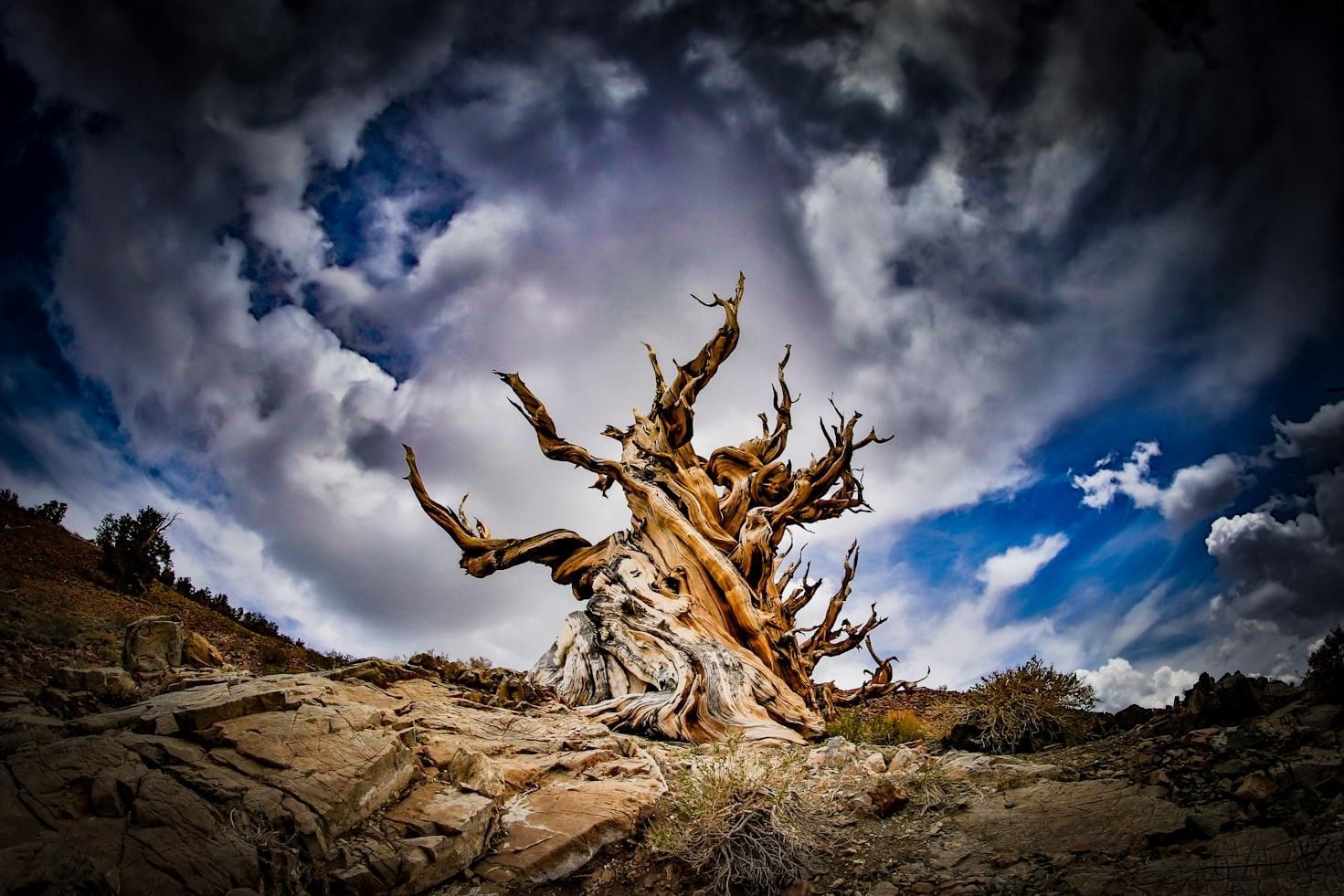
California is famous for its grand sights, but few can compete with Methuselah, a Great Basin bristlecone pine more than 4,800 years old, widely considered the oldest known tree on Earth.

Beyond its ancient forests, the state also shines in pop-culture records: one of Kurt Cobain’s guitars sold in Los Angeles for over $6 million, becoming the most expensive guitar ever auctioned. California is also home to eye-catching personal records, including the world’s longest female arm hair and the largest male afro. From timeless trees to memorable modern oddities, California’s record list is full of true West Coast flair.

2
Nevada

Image: Jordi Vich Navarro

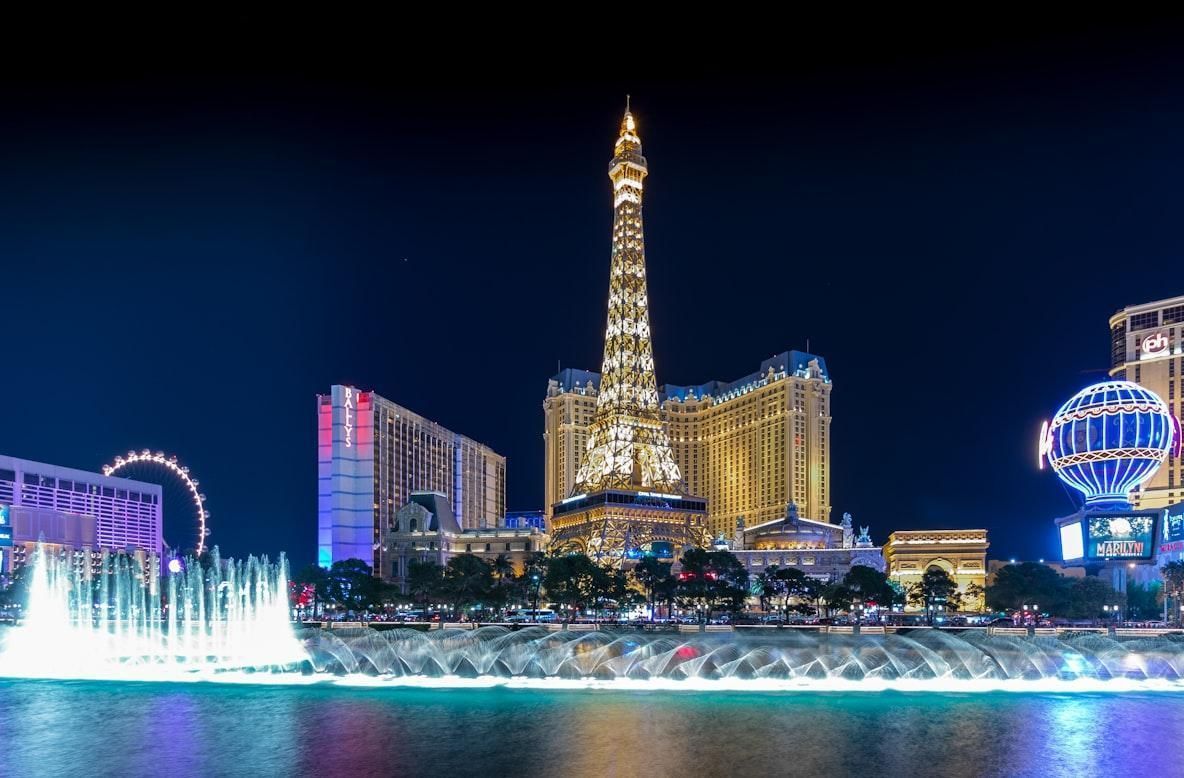
Nevada knows how to entertain…and break records along the way! Las Vegas boasts the highest density of hotel rooms in the world, along with an unmatched lineup of themed resorts that range from ancient pyramids to miniature European cities.

The Bellagio holds the record for the most fountains in a hotel, and the Venetian shines with the world’s largest polished-marble floor area. The city also has more resident magicians than anywhere else and hosts thousands of weddings each month. In Nevada, the show is always bigger, brighter, and endlessly jaw-dropping.

3
Idaho

Image: Craig Adderley

The Gem State holds some of the country’s most lighthearted records. Beard enthusiast Joel Strasser turned facial hair into a full-time hobby. He has tucked thousands of everyday objects into his whiskers, from 3,500 toothpicks to 600 barbecue skewers.

Idaho is also home to record-setter David Rush, known for everything from lightning-fast lemon-juice sipping to catching marshmallows fired from a homemade catapult. And on the scientific side, the University of Idaho helped welcome Idaho Gem, the first cloned mule in history.

4
Arizona

Image: Edmundo Mendez, Jr.

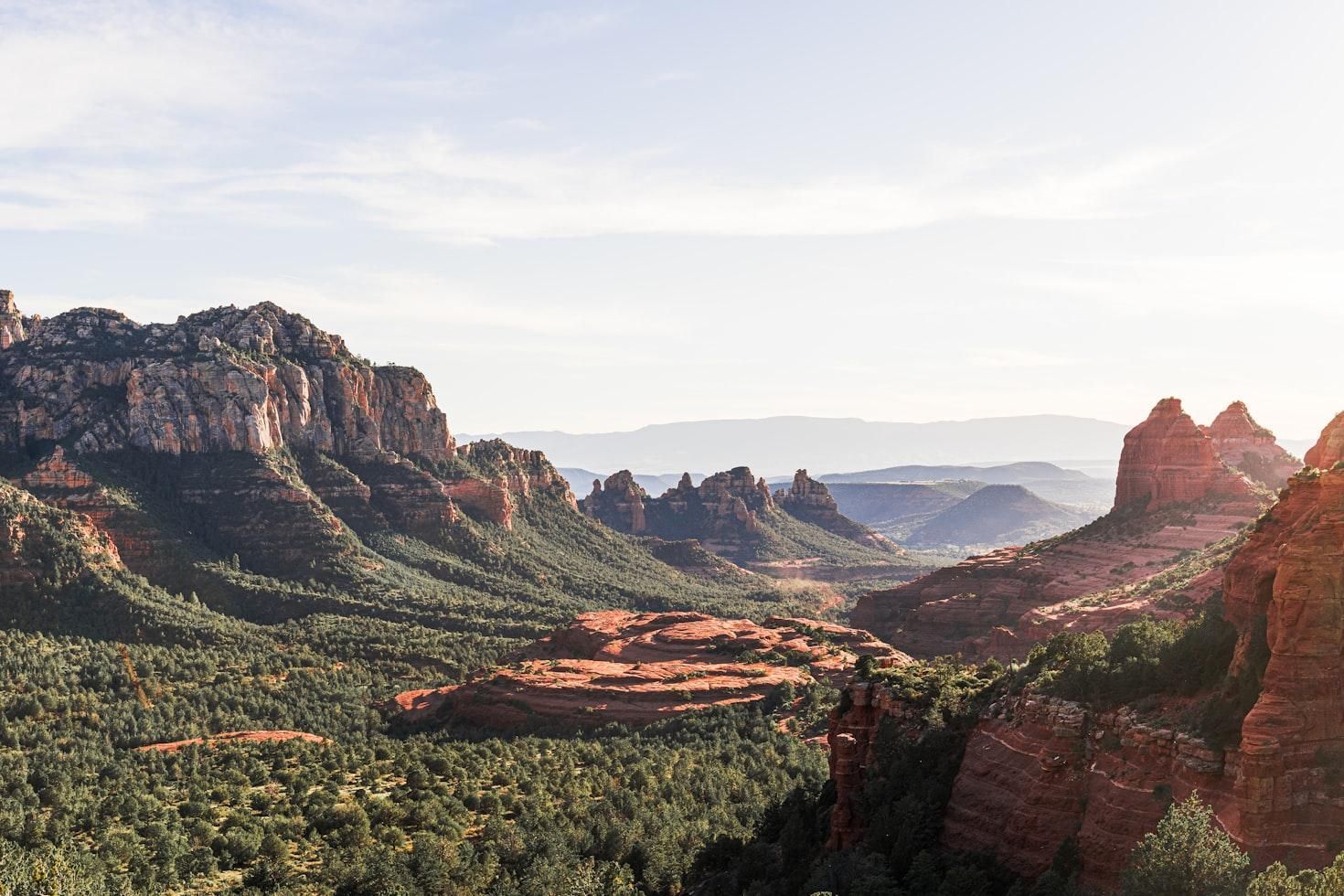
Arizona loves a good spectacle. In Phoenix, an exhibition opening once used a pair of 10-foot scissors —the largest in the world— to cut the ribbon in style. Down in Yuma, sunshine reigns supreme: the city enjoys about 91% of all possible daylight hours each year, adding up to more than 4,000 hours of bright, warm weather.

The state also embraces playful oddities, including its own "Poozeum", the world’s largest collection of fossilized… well, you can guess the rest. And at the Phoenix Zoo, visitors can even meet Nikki, the world’s oldest mandrill, adding another unique distinction to Arizona’s lineup of record-setters.

5
Georgia

Image: Public domain, via Wikimedia Commons

Georgia blends big art with big sports. The state is home to the world’s largest tattoo artwork —a massive 79-plus square-foot piece created by two Atlanta studios using a special silicone canvas and more than $30,000 in materials.

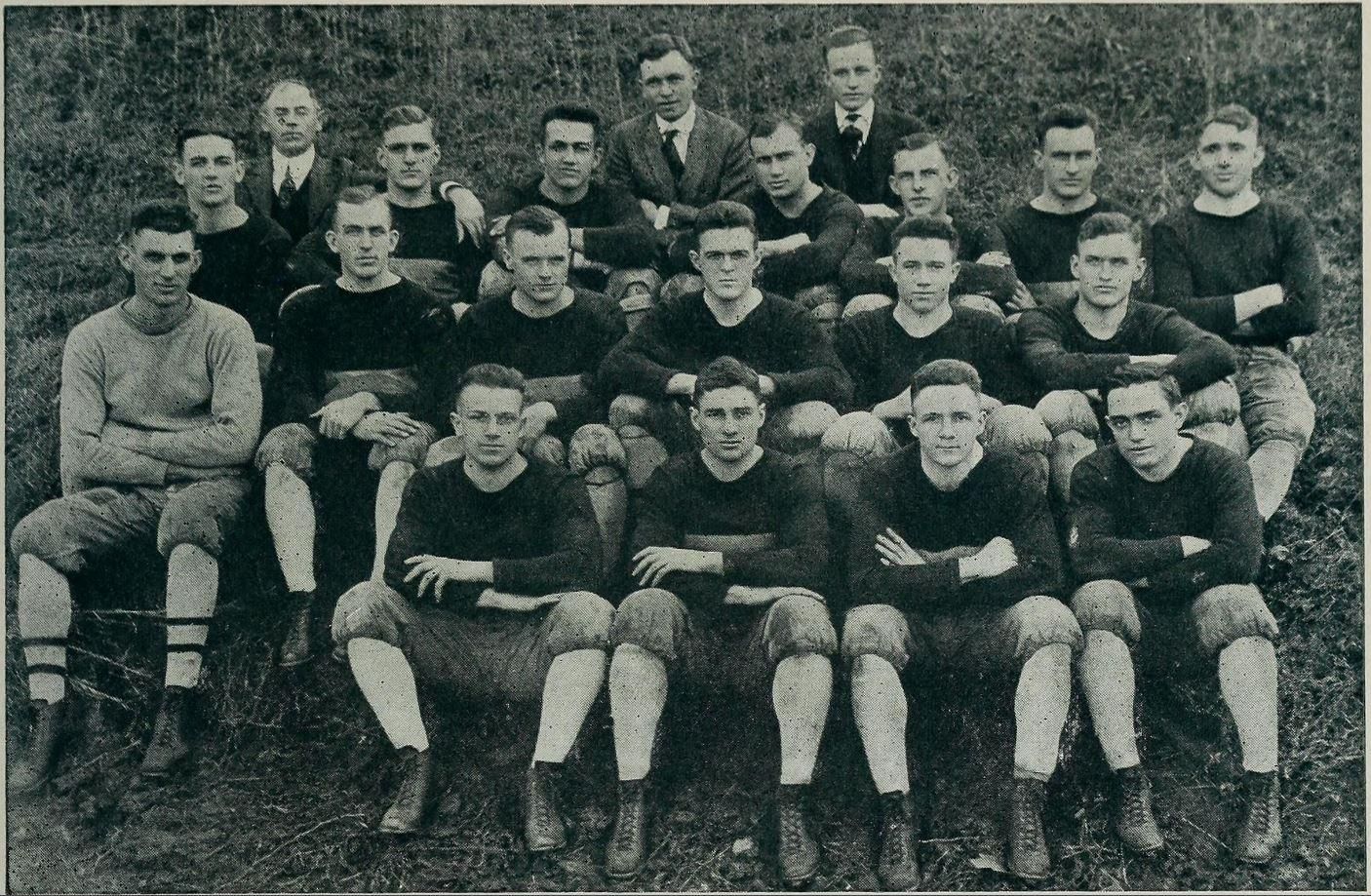
On the athletic side, Georgia Tech once set the highest football score ever recorded, finishing an unforgettable 222-0 game back in 1916. From oversized art to record-setting touchdowns, Georgia knows how to leave a bold, lasting impression.

6
Alaska

Image: Rod Long

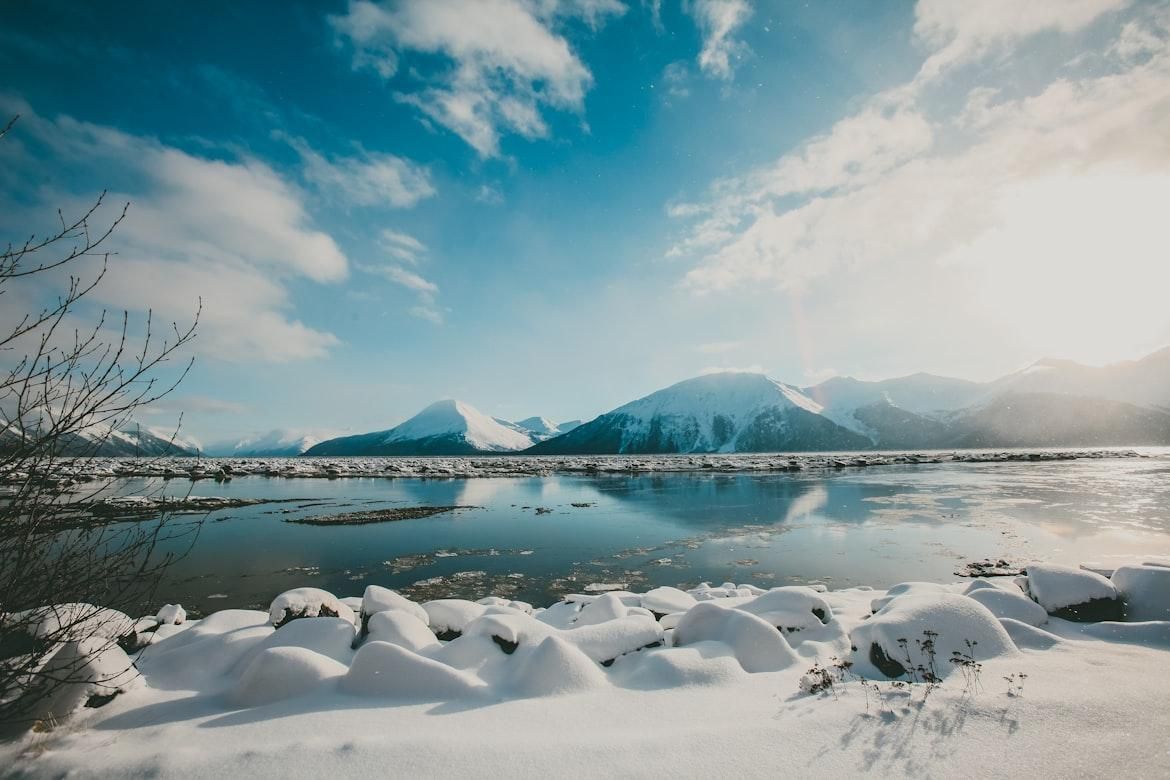
Up north, "large" takes on a whole new meaning. Alaska’s Pribilof Islands host the biggest northern fur seal colony on Earth, with close to a million animals gathering during peak seasons.

The state also celebrates remarkable feats of endurance: a tagged bar-tailed godwit flew more than 8,400 miles nonstop from Alaska to Tasmania, setting a record for the longest continuous bird migration. And in the Arctic interior, the Great Kobuk Sand Dunes stretch across nearly 24 square miles —the largest active dune field in the region. Even in a land known for ice and mountains, Alaska proves it can go big in surprising ways.

7
Delaware

Delaware may be tiny on the map, but it knows how to draw a crowd. The state is home to 11 record holders, including the World's Largest Doctor's Bag Monument.

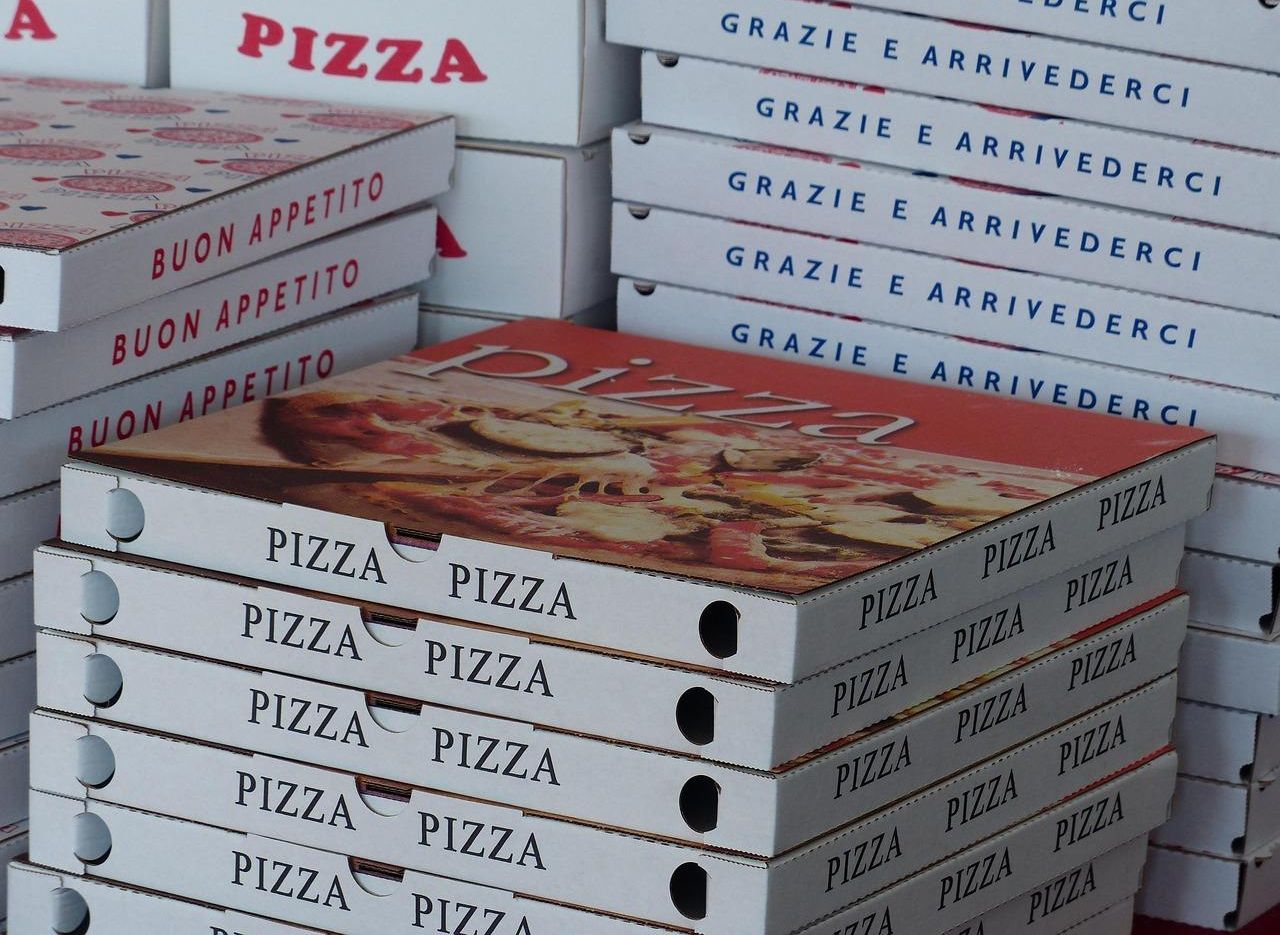
Delaware State University once gathered 1,709 people waving foam fingers at the same time, and another huge group buzzing handheld buzzers together. The state is also home to a towering 36-foot stack of cardboard boxes called the "Leaning Tower of Pizza." Small state, big personality.

8
Hawaii

Image: Matt Paul Catalano

Hawaii’s natural wonders reach record heights, and many of them are straight from the islands’ own landscape. Kīlauea is recognized as the world’s most active volcano, with decades of steady activity and a name that fittingly means "spewing."

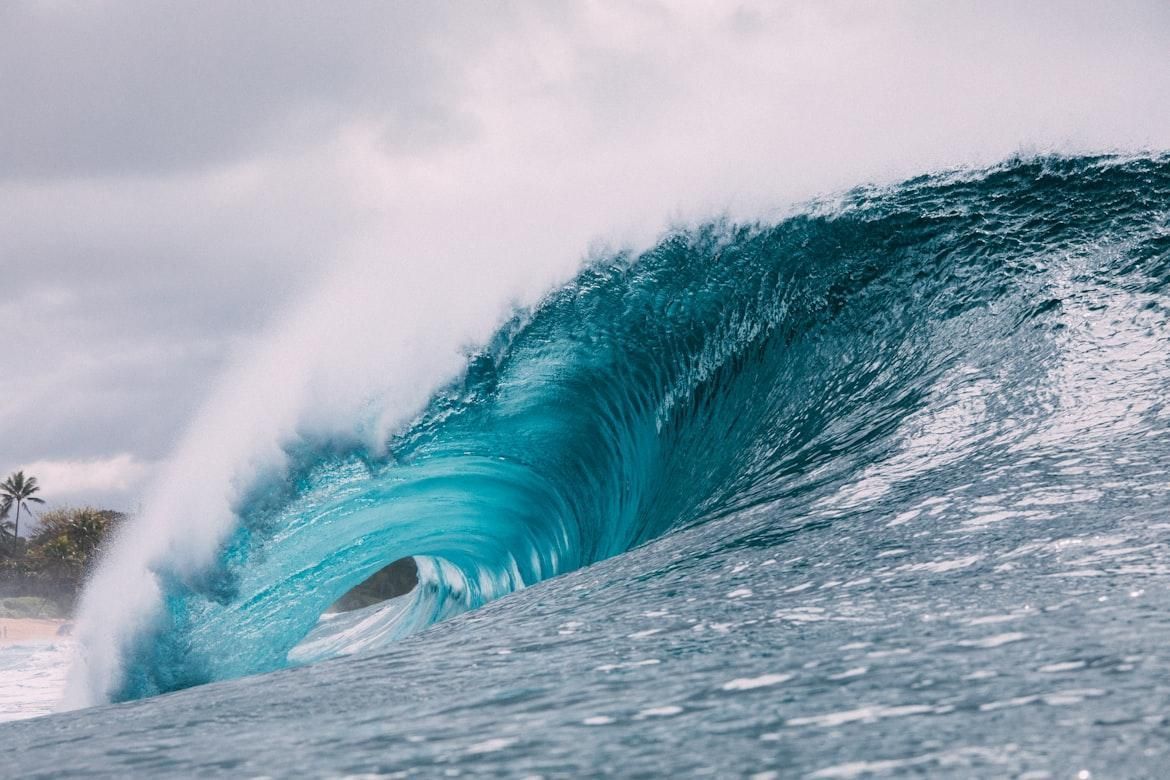
The islands also celebrate remarkable achievements on the ocean: off Oahu, Australian surfer Laura Enever rode an astonishing 43.6-foot paddle-in wave, the largest ever recorded for a woman.

9
Illinois

Image: Brett Sayles

Illinois loves to go big, and it shows in all kinds of creative ways. In the small town of Casey, visitors can stand beneath a giant rocking chair more than 56 feet tall —one of the state’s many oversized roadside attractions.

The Prairie State also stirred up the world’s largest jar of spread, using more than a ton of peaches and tomatoes in a three-day cooking marathon. Are you waiting for something more extreme? An Illinois native set the record for the fastest clapping ever recorded, reaching an incredible 804 claps in one minute.

10
Alabama

Alabama has a special talent for turning simple moments into big record-breakers. Here you’ll find the largest bubblegum bubble ever blown —a bright 20-inch sphere made from just three pieces of gum and plenty of practice.

The state also celebrated the Apollo 11 anniversary by launching nearly 5,000 model rockets at once, filling the sky with a burst of color. Alabama is home to more than 50 record holders, including inspiring stories like Curtis Means’, the world’s most premature baby to thrive and grow. If you enjoy bold, cheerful achievements, Alabama delivers them in generous size.

11
Arkansas

Image: Jametlene Reskp

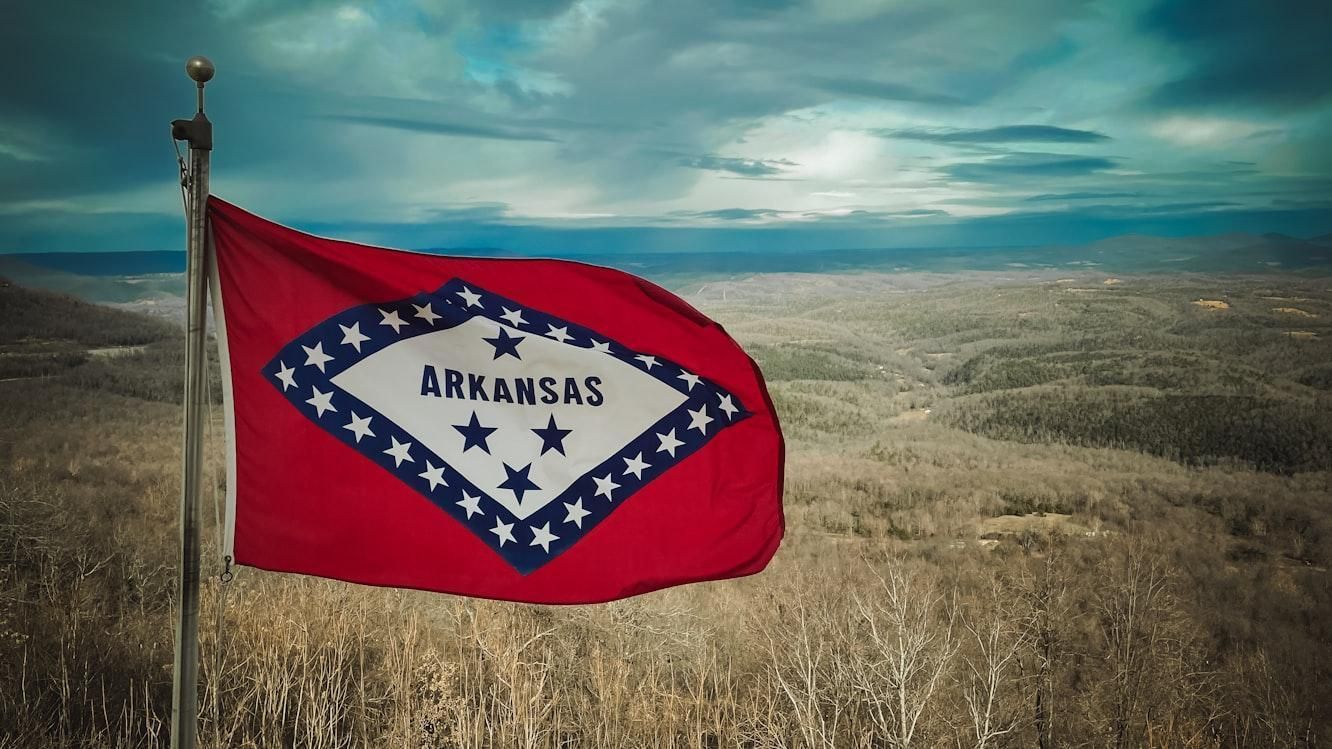
The Natural State mixes small-town charm with some truly memorable oddities. Arkansas was once home to Lurch, the African watusi steer famous for having the largest horn circumference ever measured —an incredible 37.5 inches around.

Arkansas also wears its heart on its sleeve: a statewide effort gathered more than 81,000 pounds of pet food in just 24 hours, setting a cheerful charity record. And for pure determination, a young Arkansan even held a deep squat for nearly three hours. In Arkansas, generosity and eye-catching achievements go hand in hand.

12
Florida

Image: Richard R

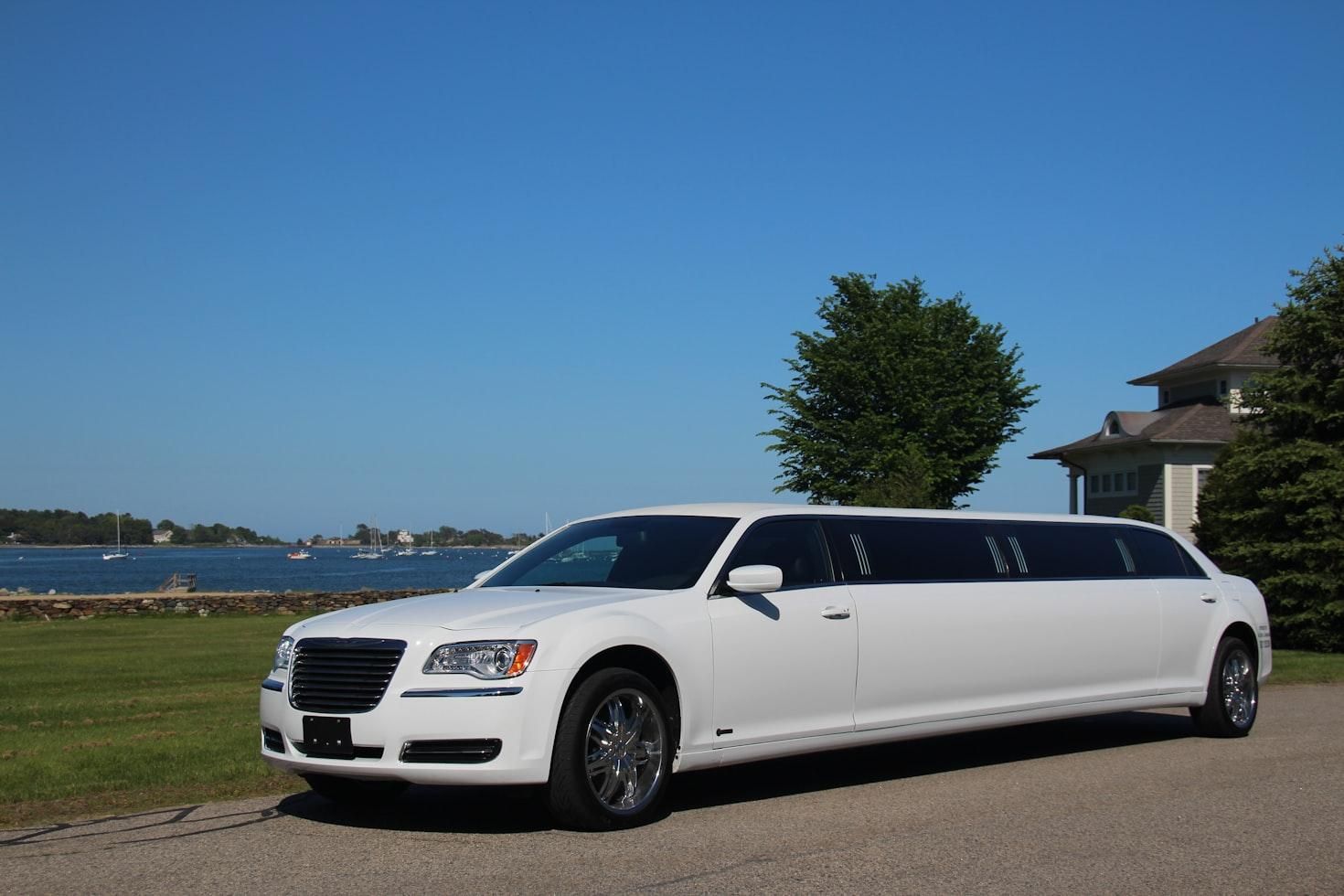
Florida takes "large" to heart. The Sunshine State is home to the world’s longest limousine, a restored 100 ft 1.5 in cruiser with room for 72 passengers —nearly three times the length of an ordinary stretch limo!

Florida also knows how to put on a show: Miami hosted the first-ever pay-per-view pillow fight, complete with pro fighters and custom-made pillows; in Bradenton, a Monster Jam driver set two eye-popping records for the most consecutive spins in a monster truck.

Explore more American facts

Choose your favorite category!

General
General

As American as apple pie—the very best America has to offer!

Culture
Culture

Delve into the astounding richness of American lore.

Geography
Geography

Hop in and explore vast and diverse American landscapes.

History
History

Discover the key moments that shaped the United States.