General General 5 min read

10 TV shows that changed everything

Image: Alexander Chesarev

There’s no way you haven’t watched at least one of them. Groundbreaking, radical, and revolutionary: these TV shows are all that and more. From The Simpsons to Sex and the City, from The Sopranos to Law & Order, these series reshaped storytelling and how we think about our work, our friendships, and our love lives . Get ready to rediscover 10 beloved, incredibly entertaining shows that turned everything upside down.

1
The Simpsons
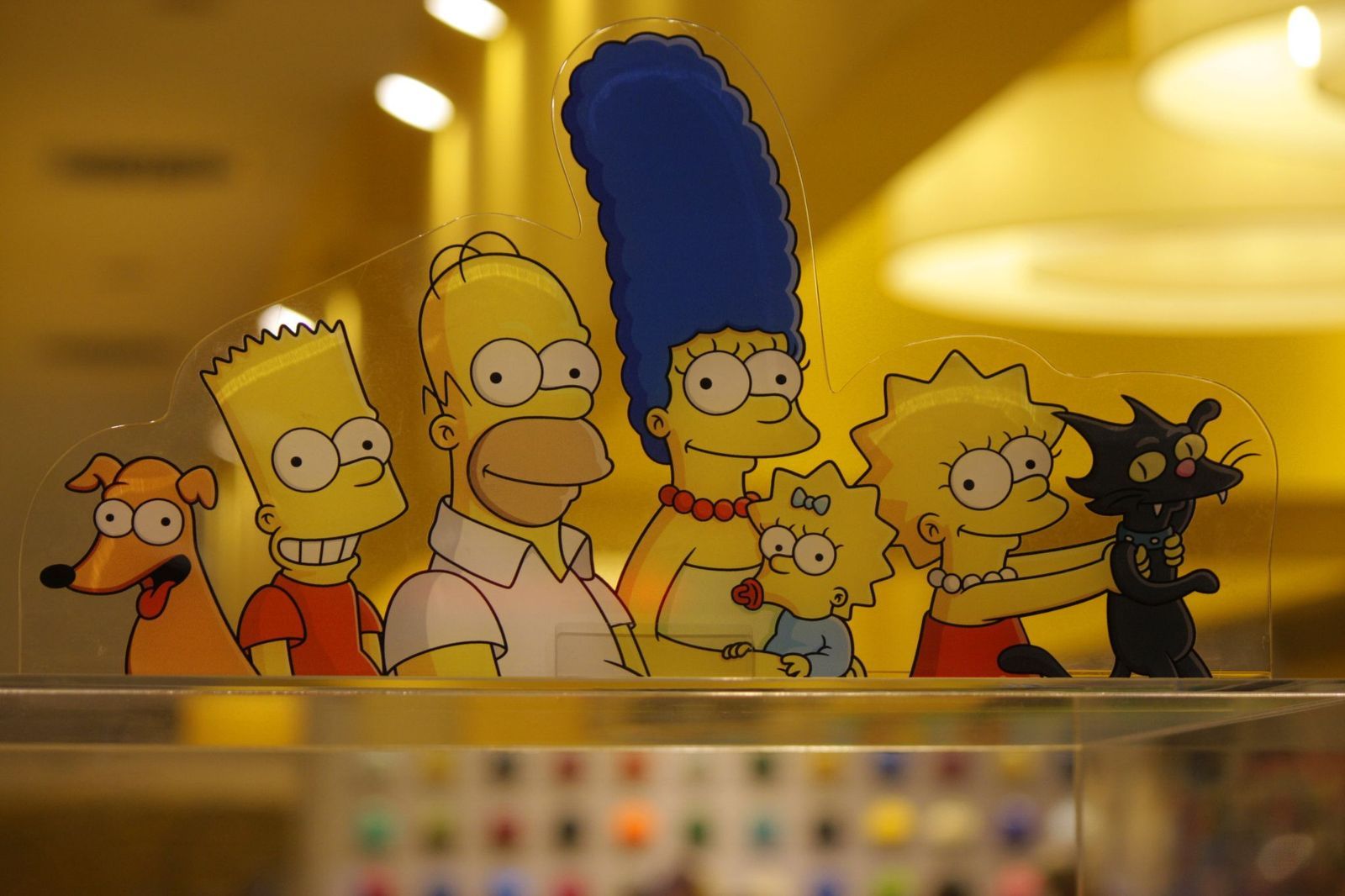
Image: 360b

The Simpsons , created by Matt Groening, premiered on Fox in 1989, starring a new family that defied conventional, picture-perfect TV norms.

Instead, an imperfect and dysfunctional family appeared — and because of that, they were relatable in profoundly new ways . The Simpsons was also a pioneer in adult animation, allowing children to follow the story while including complex political and social satire for adults. It not only coined permanent catchphrases but also had a surprising ability to predict world events.

2
The Sopranos
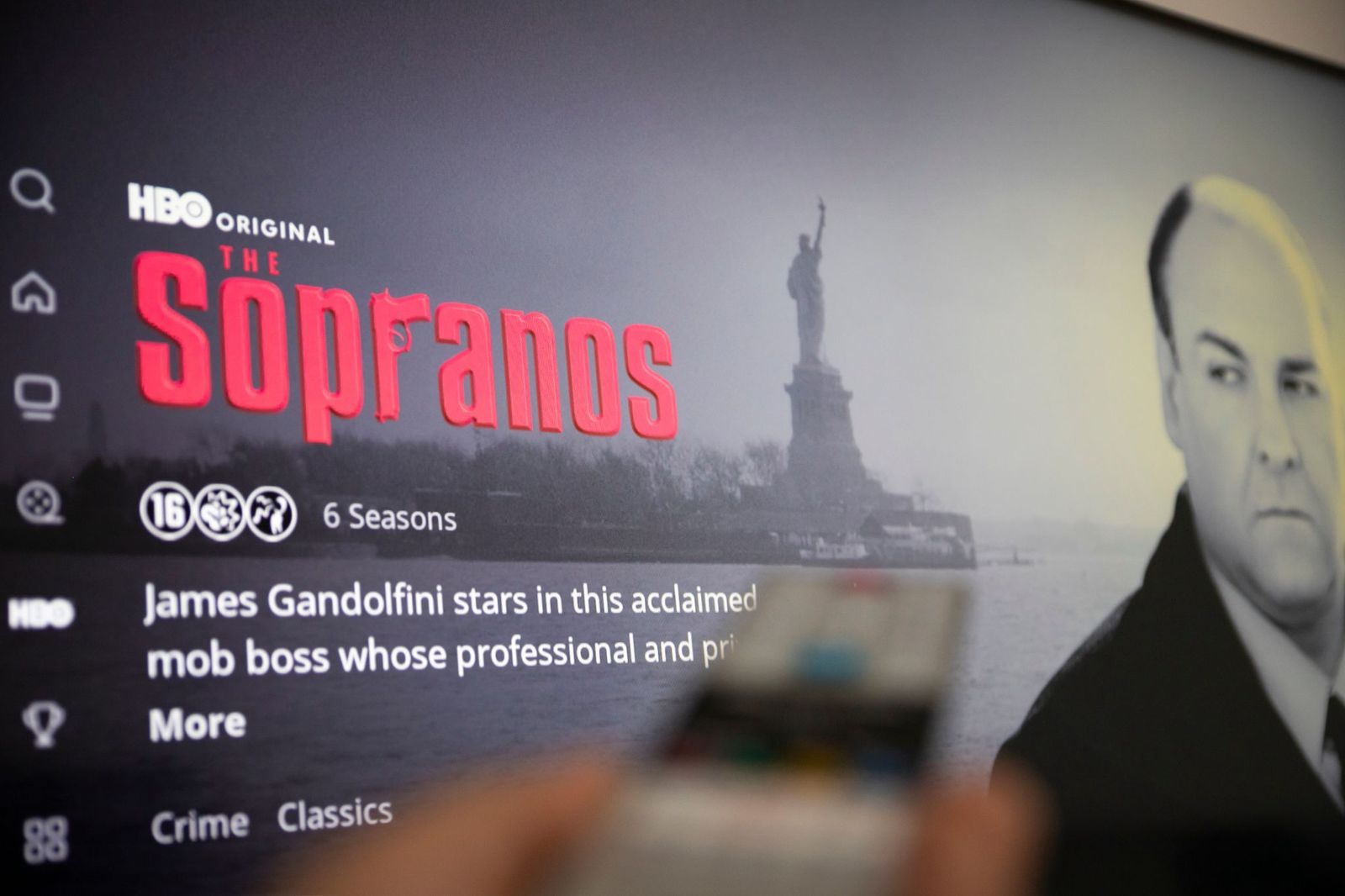
Image: ArtMediaWorx

The Sopranos, created by David Chase, debuted on HBO in 1999. It followed the life of Tony Soprano (played by the late James Gandolfini) and his struggles as a mobster and the patriarch of his dysfunctional suburban family , all analyzed by his psychiatrist, Dr. Jennifer Melfi (Lorraine Bracco).

This show was radical because, unlike previous protagonists, the central figure Tony was deeply flawed and often unlikable, paving the way for more anti-hero protagonists like Walter White and Don Draper. Alongside its complex and ambiguous morality, the cinematography of the show began to rival that of Hollywood movies.

3
Lost
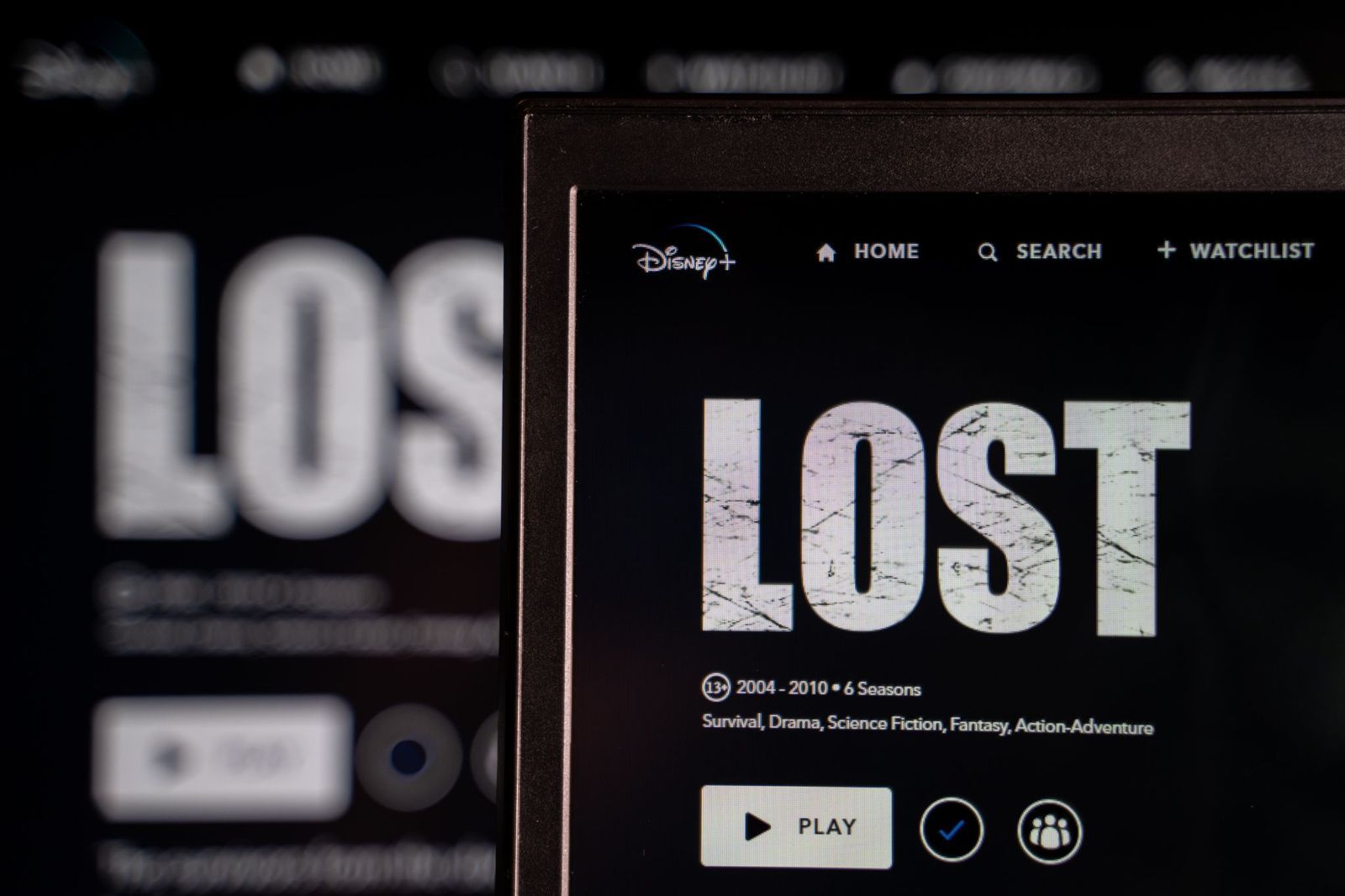
Image: Erman Gunes

Lost , created by J.J. Abrams, Damon Lindelof, and Jeffrey Lieber, premiered on ABC in 2004, before streaming existed. The story follows the crash of Oceanic Flight 815 on a very peculiar tropical island. It kicked off as a gritty and character-driven survival story that eventually evolved into a sci-fi and mythological epic.

It was revolutionary because it introduced the "mystery box" trope, proposing complex questions and dropping clues that kept viewers hooked and constantly theorizing — arguably inventing modern, interactive TV fandom.

4
Sex and the City
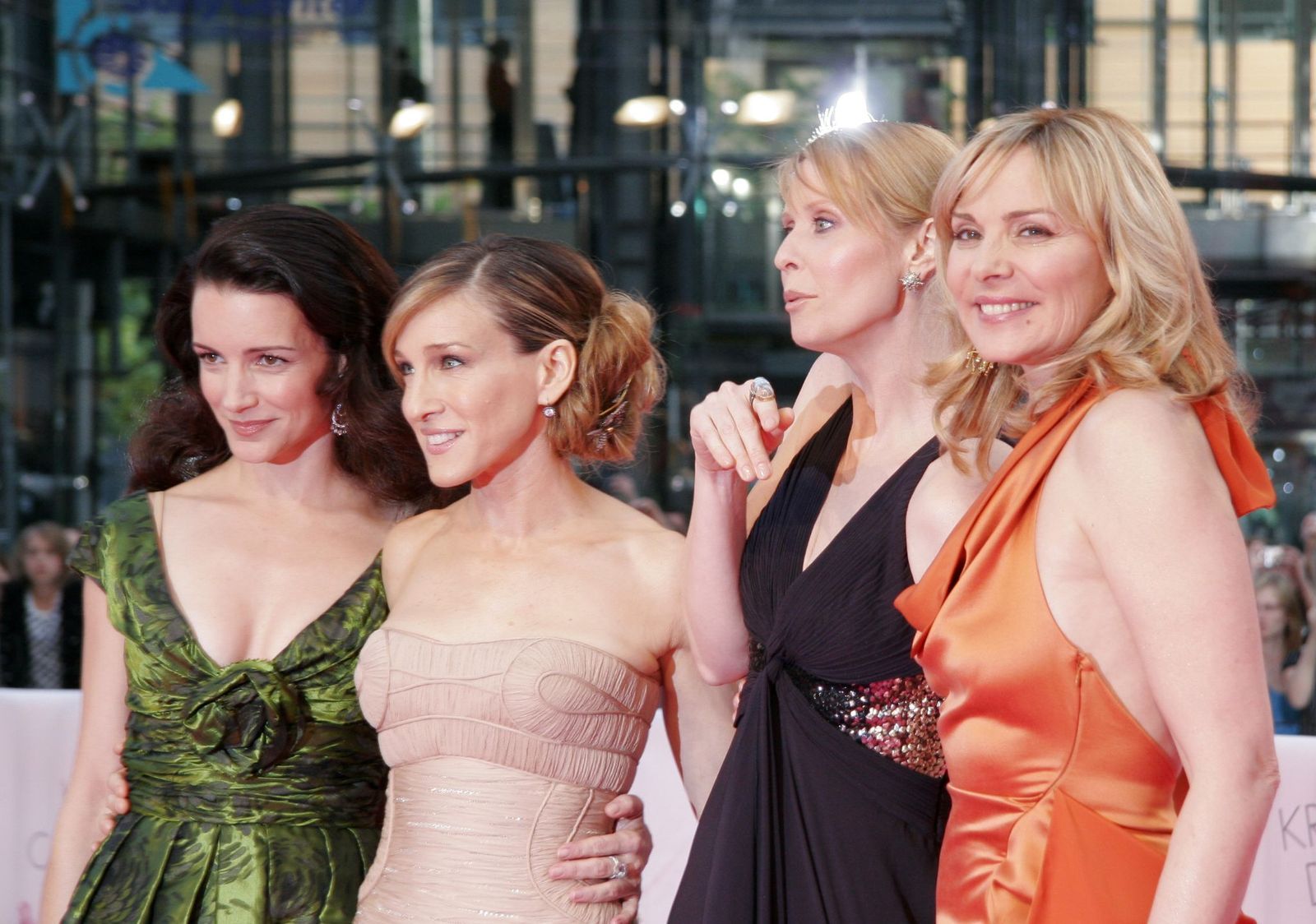
Image: vipflash

Created by Darren Starr, Sex and the City, which premiered in 1998 on HBO, changed the cultural narrative around women’s roles through the lives of four female friends (led by Sarah Jessica Parker’s Carrie Bradshaw) living and working in New York City.

It was the first mainstream hit that featured women talking frankly about sex and sexuality — and proposed that female friends can be soulmates, and that those relationships can take precedence over romantic, marital ones. Rejecting outdated "traditional" roles, the show also destigmatized being single and childless, and instead embraced female financial independence, celebrating women who focused on their careers and personal development in their 30s and 40s.

5
CSI: Crime Scene Investigation
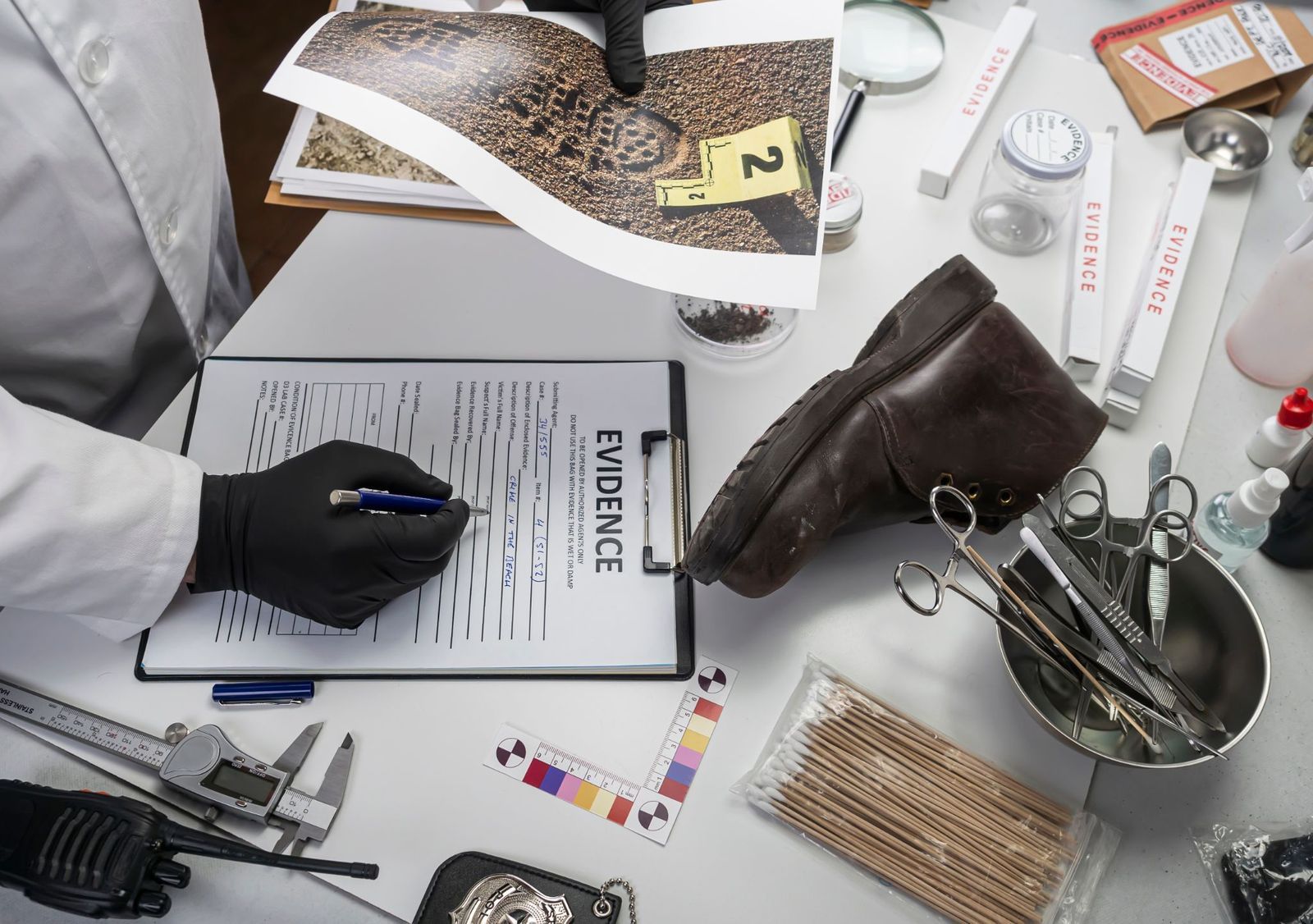
Image: digicomphoto

CSI, created by Anthony E. Zuiker and which premiered on CBS in 2000, followed the lives and work of a team from the Las Vegas Police Department (LVPD), led by Dr. Gil Grissom (William Petersen), who meticulously collected evidence to solve cases.

It shifted the focus for the first time from police and detective work on the streets to the indoor, behind-the-scenes dynamics of interrogations, forensics, and high-tech lab analysis. It also popularized the concept of "nerd squad", making lab and microscope analysis cool for the first time .

6
The X-Files
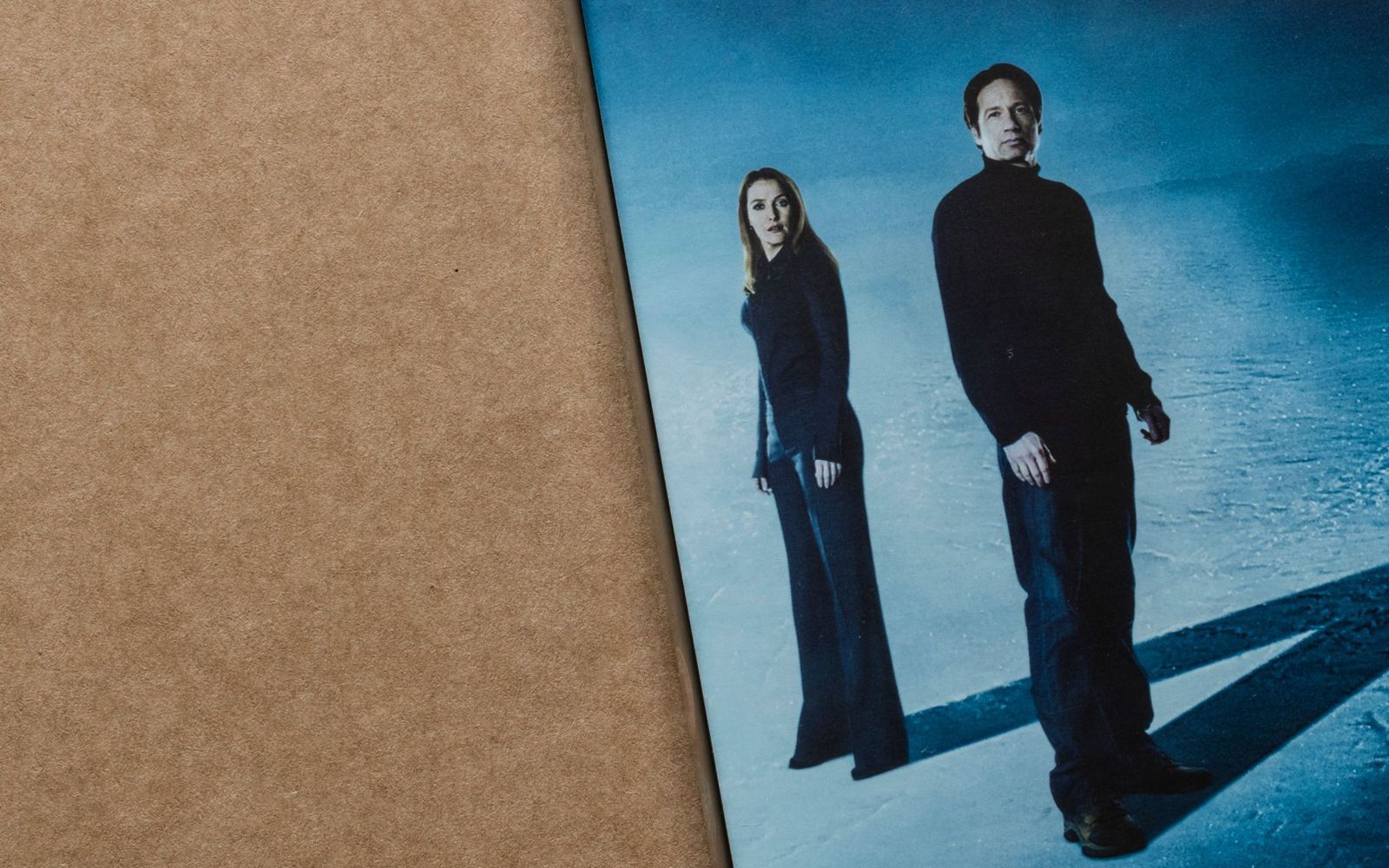
Image: Snap Spot

The X-Files, created by Chris Carter, premiered in 1993, and introduced a structure where each episode was a stand-alone story known as a "monster of the week," while also being part of an overarching mythic story that included government alien conspiracy theories and supernatural events.

This show flipped gender roles completely: the main female character, Agent Dana Scully (Gillian Anderson), was the intelligent and assertive medical doctor (inspiring many women at the time to pursue STEM careers), and the lead male character, Agent Fox Mulder (David Duchovny), was the intuitive and instinct-driven character.

7
Breaking Bad
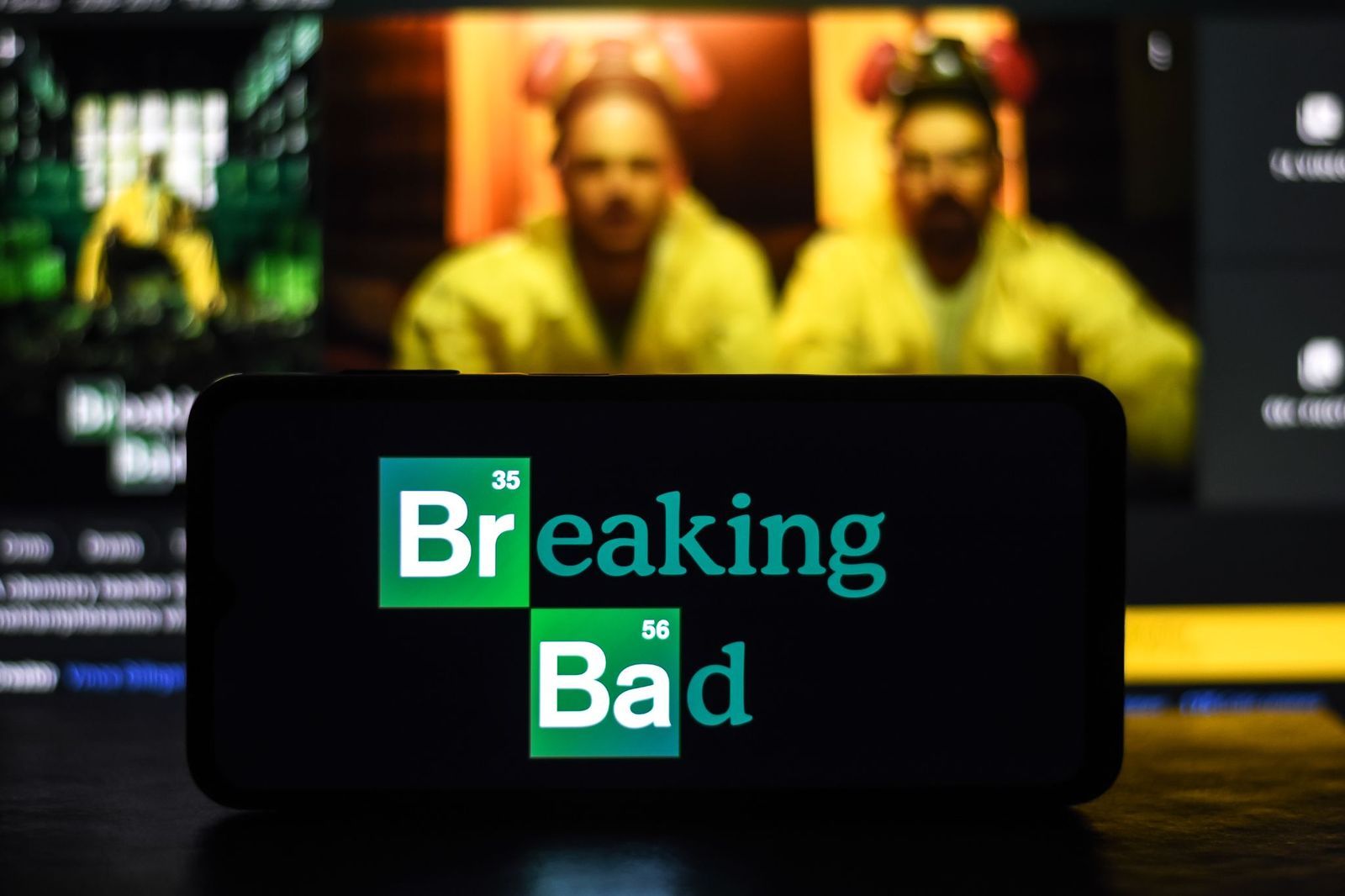
Image: ssi77

Breaking Bad, created by Vince Gilligan, premiered in 2008 and is considered by many to be the ultimate catalyst that transformed television into a cinematic experience, elevated serialized storytelling, and, once it became available on Netflix, popularized the binge-watching model so common today .

Another crucial aspect was the main character: Walter White (Bryan Cranston) changed from a sympathetic, cancer-stricken high school chemistry teacher to the ultimate drug lord villain. Before this show, characters rarely evolved; instead, here the audience became especially invested in Mr. White’s persona.

8
Mad Men
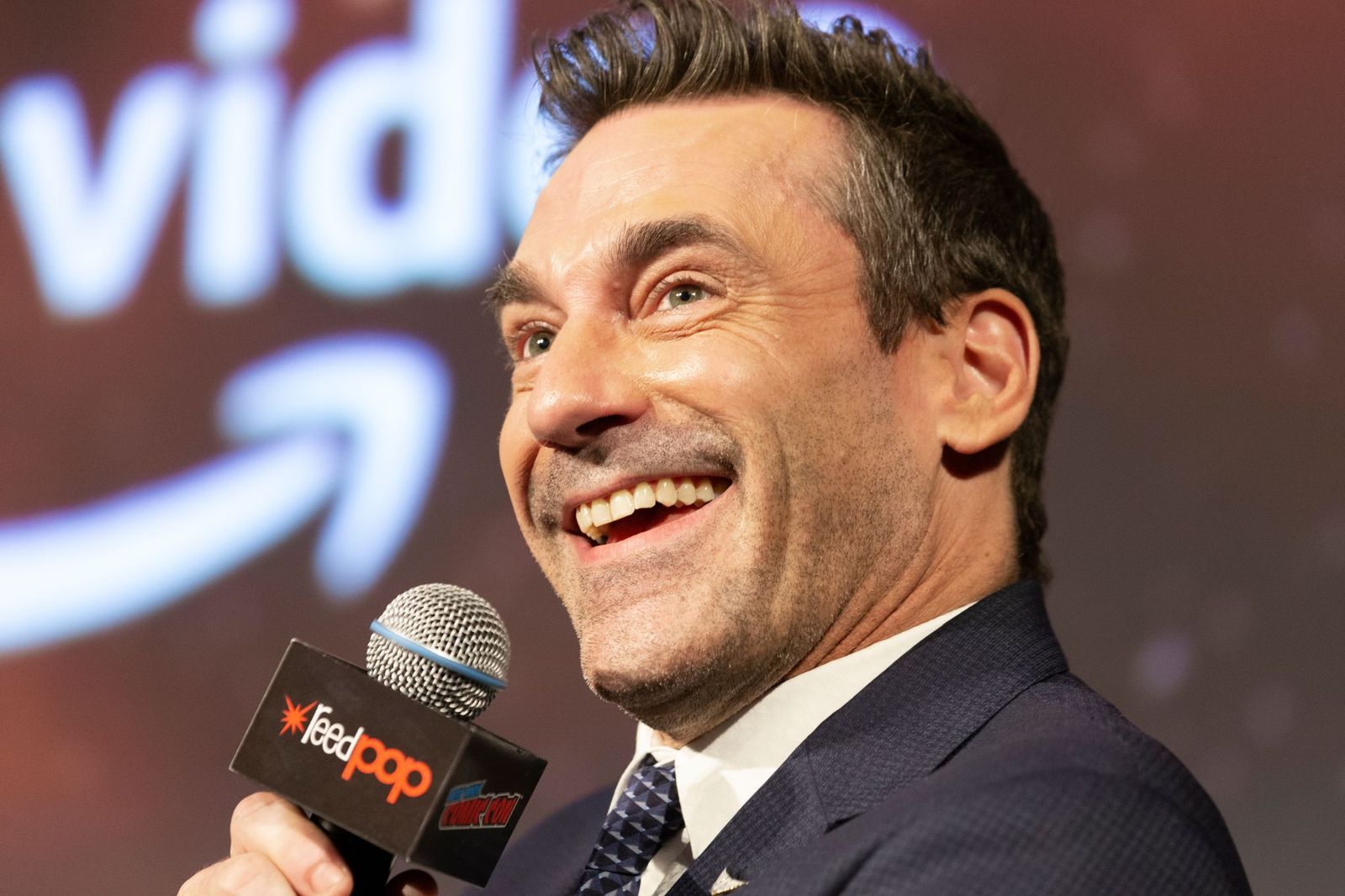
Image: lev radin

Mad Men , created by Matthew Weiner and airing on AMC from 2007 to 2015, centered on the professional and personal lives of advertising executives, including protagonist Don Draper (Jon Hamm), on Madison Avenue in New York City in the 1960s. It was the first basic cable series to win an Emmy Award for Outstanding Drama Series .

It revolutionized television at the time by proving that a sophisticated, slow-burning script with literary character development (including some of the best-written dialogue on television ever) could work. The show was also committed to historical accuracy and meticulous set design, raising the bar for visual and thematic storytelling.

9
Law & Order
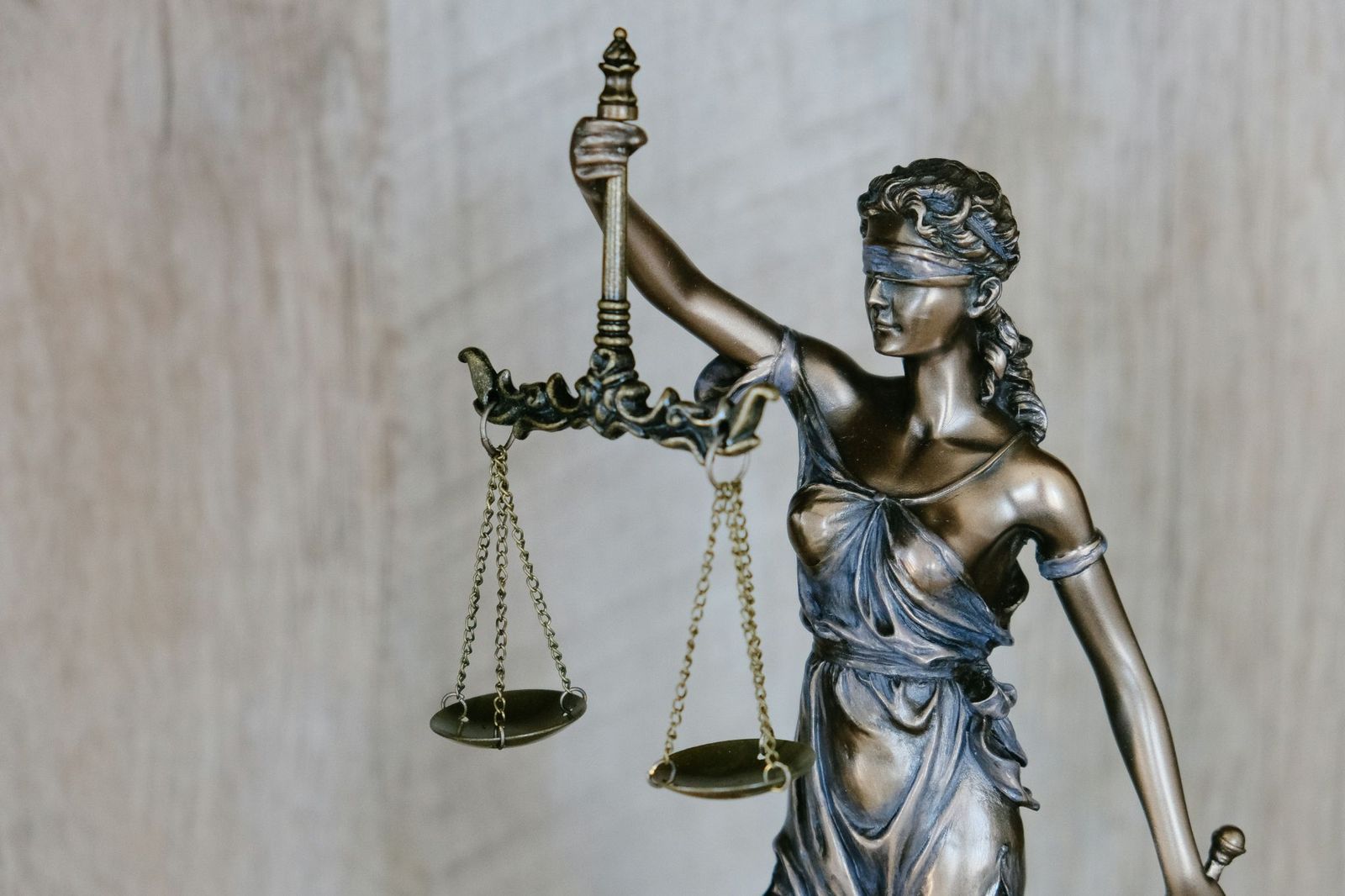
Image: Tingey Injury Law Firm

Law & Order, created by Dick Wolf, premiered on NBC in 1990, flipping the usual crime drama formula on its head — splitting episodes into a two-part structure, presenting a police investigation, followed by a courtroom prosecution .

Therefore, it prioritized legal procedures over emotional drama, and the cases became the main character, presenting the difficulties and nuances of the criminal justice system, instead of the usual black-and-white representation of justice. With new episodes still airing (following a 2010-2022 hiatus), Law & Order remains one of the most successful series in TV history, launching numerous spinoffs including the popular Law & Order: SVU.

10
Grey’s Anatomy
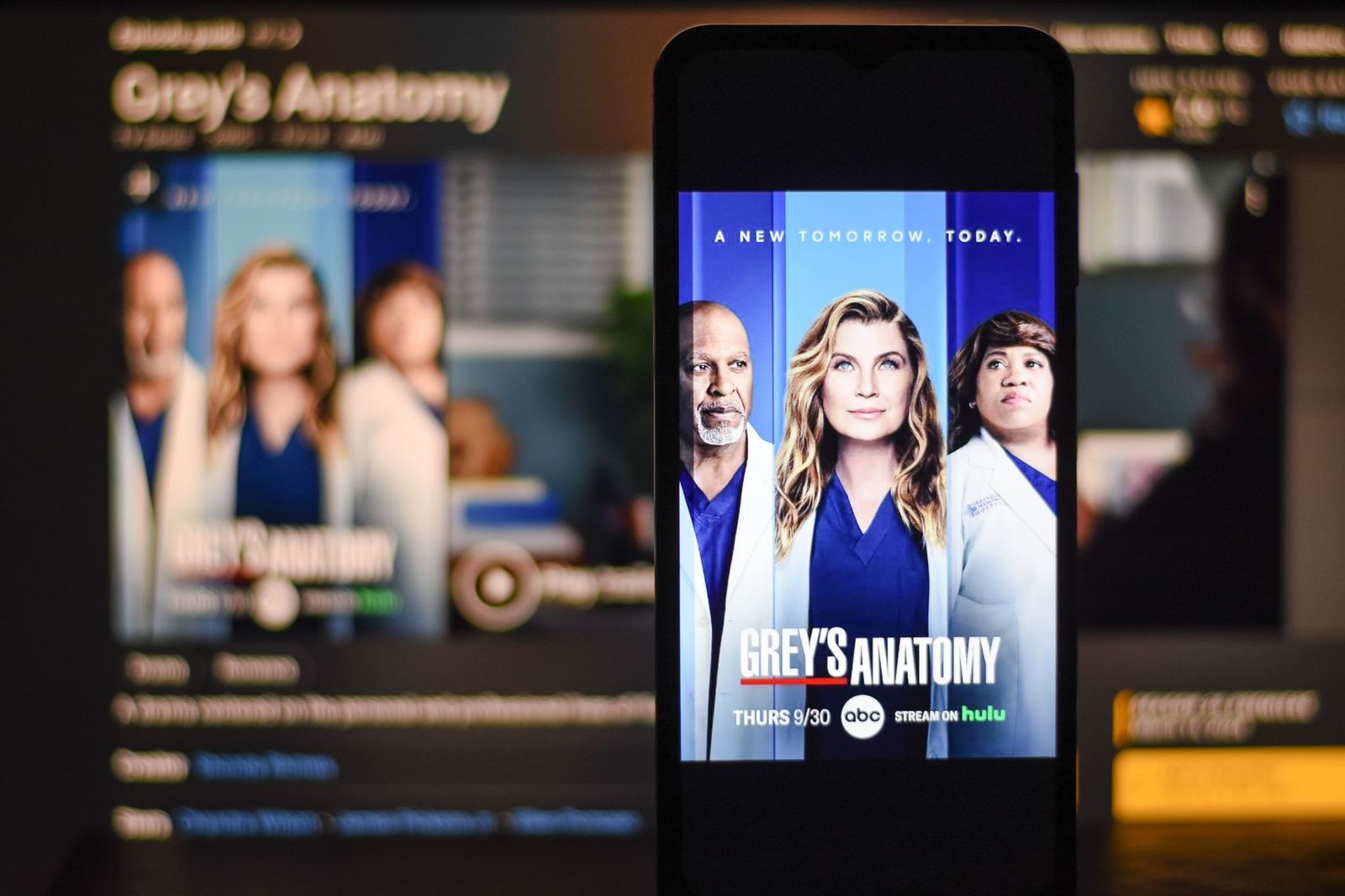
Image: ssi77

Grey’s Anatomy, created by Shonda Rhimes, aired on TV for the first time in 2005 and became the longest-running American primetime medical series ever. It centers on a hospital in Seattle and follows surgical residents as they become surgeons, while balancing intense life-and-death emergencies with complex personal life stories .

Most notably, the series created what was described as "Grey’s Effects": the approach to joyful and defiant female sexuality and to women unapologetically taking up space in a male-dominated professional field; it even shaped medical school applications and improved the public's understanding of real-world health issues.

11
The Wire
Image: Kevin McGovern

The Wire was created by former police reporter David Simon and detective Ed Burns, and is considered by many to be one of the greatest shows ever made , airing on HBO from 2002 to 2008. It is a drama series that analyzes the systemic issues Baltimore faces, examining a different institution in each of its five seasons.

Originally pitched as the "anti-cop show," it showed police departments slowed down by piles of bureaucracy, where chasing arrests became more important than actually solving crimes or improving lives. In addition, the city was the main character, portrayed as a gray, morally complex world.

History History 4 min read

U.S. presidents had odd habits that not many people know about

Image: Jane Simoes

The Oval Office has seen its share of dignified statesmen, but behind those serious portraits lie some seriously entertaining stories . Did you know Ronald Reagan kept his desk perpetually stocked with jelly beans, or that John Quincy Adams had a habit of stripping down for a morning swim in the Potomac? Something nobody can deny is that our commanders-in-chief have been refreshingly, hilariously human.

1
Ronald Reagan: The Jelly Bean Fanatic

Image: Patrick Fore

Ronald Reagan kept a jar of jelly beans on his desk in the Oval Office and on Air Force One . Blueberry was his favorite flavor, and 3.5 tons of jelly beans were shipped to Washington for his 1981 inauguration.

The Jelly Belly company even created a special blueberry flavor just for Reagan's presidential inauguration. Cabinet meetings apparently featured bowls of the colorful candies, and Reagan would munch on them during crucial policy discussions.

2
John Quincy Adams: The Naked Swimmer

Image: Axel Korolkoff

John Quincy Adams had a rather unusual morning routine that would absolutely not fly today. The sixth president would wake up early, walk down to the Potomac River, strip off all his clothes, and go for a refreshing swim .

Legend has it that a female reporter once caught wind of this habit and sat on his clothes until he agreed to give her an interview. Adams apparently took it in stride, though one imagines the Secret Service would have a collective heart attack if any modern president tried this stunt.

3
Teddy Roosevelt: The One-Man Zoo

Image: Vincent van Zalinge

Theodore Roosevelt ran a wildlife sanctuary at the White House . His kids had a veritable menagerie that included a badger, guinea pigs, snakes, and even a one-legged rooster. There are also claims that he kept a bear and a hyena in the House. Oh, and let's not forget about the pony that his son Quentin once took up in the White House elevator.

When President Roosevelt's son Archie fell ill and was confined to bed, his brothers Kermit and Quentin decided to cheer him up by bringing their pony, Algonquin, up to his room via the White House elevator. The plan nearly backfired, though: Algonquin became so captivated by his own reflection in the elevator mirror that getting him out proved to be quite the ordeal.

4
Thomas Jefferson: Ice Cream Pioneer

Image: Brooke Lark

After his time in France, Jefferson returned with a fancy ice cream recipe and became one of the first Americans to popularize it . He reportedly had an 18-step process for making the stuff.

The Founding Father loved ice cream so much that he designed a special ice house at Monticello, though its purpose went beyond just frozen treats. The structure stored ice and snow harvested from the Rivanna River to refrigerate fresh dairy and meats throughout the year, with ice cream being just one of the delicacies it made possible.

5
Andrew Jackson: Profanity Parrot Owner

Andrew Jackson's pet parrot, Poll, learned a colorful vocabulary from Old Hickory himself. When Jackson died in 1845, the parrot attended his funeral. Unfortunately, as some witnesses declared, Poll had to be removed from the service because the bird wouldn't stop cursing loudly at the mourners.

You have to wonder what that scene was like—somber grieving interrupted by a parrot dropping f-bombs left and right. It's both mortifying and hilarious to imagine the reverend trying to continue the eulogy while this feathered menace squawks profanities from the corner.

6
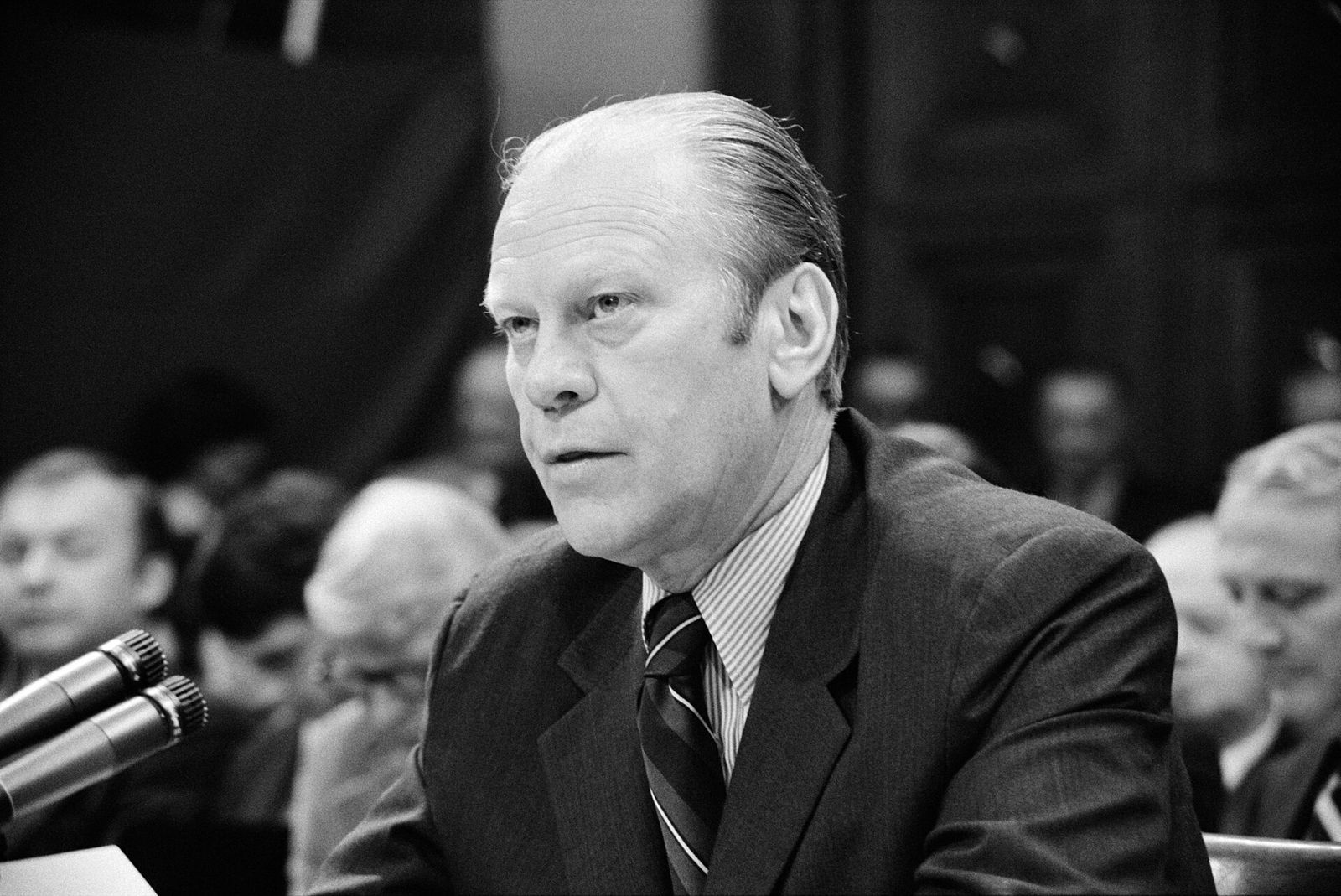
Gerald Ford: The Model President

Image: Thomas J. O'Halloran, photographer, Public domain, via Wikimedia Commons

Before Gerald Ford became president, he was a legitimate male model . In the 1940s, the future president appeared on the cover of Cosmopolitan magazine.

Ford had been a star football player at the University of Michigan, and his athletic build and fame caught the attention of photographers. He modeled to make extra money, appearing in fashion spreads and looking quite dashing, we might add.

7
LBJ: The Presidential Prankster

Image: David Clode

Lyndon B. Johnson owned an amphibious car that could drive on both land and water. His favorite party trick was to drive guests around his Texas ranch and then pretend the brakes had failed as they headed straight toward a lake . People would scream in terror as the car splashed into the water.

Then, to everyone's shock and relief, the car would simply start floating. Johnson would burst into laughter while his passengers tried to recover from their near-death experience.

8
William Howard Taft: Bathtub Troubles

Image: Brandi Alexandra

William Howard Taft was America's heaviest president, weighing in at around 340 pounds. The most famous anecdote about him involves getting stuck in the White House bathtub , though historians debate whether this actually happened. What's definitely true is that he had a custom bathtub installed that could fit four normal-sized men.

9
Calvin Coolidge: The Prankster President

Image: Brian Lundquist

There are claims that Calvin Coolidge would sometimes press all the buttons on his desk to summon his staff, then hide to watch them run around confused, looking for him . Very mature, Mr. President.

Coolidge also had a pet raccoon named Rebecca, who walked on a leash around the White House grounds. Silent Cal might not have talked much, but his actions —and his choice in pets— spoke volumes about his quirky sense of humor.

10
Jimmy Carter: UFO Witness

Image: Albert Antony

Jimmy Carter once filed an official report claiming he saw a UFO . In 1969, before becoming president, Carter and a group of people in Georgia witnessed a strange, bright light in the sky that changed colors and moved in unusual ways. He was so convinced of what he saw that he filed paperwork with the International UFO Bureau.

Carter promised during his campaign that if elected, he would release all government information about UFOs. Once in office, though, he was reportedly told some things were too classified even for the president.

History History 4 min read

Even biz wizards fail sometimes

What brought Sears down? 10 mistakes from giant companies

Image: Melinda Gimpel

As Dr. House once said, mistakes are as serious as the results they cause. And, in the case of big companies, those mistakes can be just as big, often measured in terms of lost jobs and money. From poor marketing decisions to small mistakes that cause multi-million dollar losses, the types of blunders made by some of these companies and individuals are nothing short of breathtaking— and not in a good way. Take a look at the following 10 stories of failure. Did you know any of these?

1
$125 million for a Grade-school math error

Image: Aaron Lefler

Imagine losing a hugely expensive spacecraft due to a simple mix-up between English and metric measurements . That is exactly what happened to NASA in 1999 when a Mars orbiter designed by Lockheed Martin was lost in space.

The confusion caused a malfunction on the $125 million craft, resulting in the probe’s loss. Although it was unusual for Lockheed to use English measurements for a NASA design (since NASA had stipulated using metric measurements for many years), there were still several instances where the error should have been caught but wasn’t.

2
Toys ‘R’ Us blunder

Image: Taylor Heery

If you think an action figure of a drug dealer isn’t the best idea for a toy store , you’re not alone. Yet, for some reason, Toys "R" Us decided otherwise in October 2014, possibly hoping to cash in on the massive success of the Breaking Bad TV series.

Unsurprisingly, the giant toy retailer was forced to pull from its shelves four collectible dolls based on characters from the AMC hit show, each doll featuring a detachable sack of cash and a bag of meth.

3
Apple Maps' rocky beginnings

Image: CardMapr.nl

When Apple decided to launch its own map application on iOS devices after a conflict with Google in 2012, users quickly realized that the Apple app was not nearly as launch-ready as it should have been .

Locations were mislabeled, roads were missing, and it occasionally steered people in entirely the wrong direction. The problem was eventually, though largely, resolved, but it was an embarrassing misstep for a company known for never launching a product before it was as near-perfect as possible.

4
Bank of America debit card fee

Image: Ali Mkumbwa

Back in 2011, when the backlash against the banking industry had not yet reached its boiling point, Bank of America announced it would charge customers $5 per month to use their debit cards .

It was a bad business decision. More than 300,000 people signed an online petition, and Fox Business Network’s Gerri Willis cut up her debit card on air. The bank pointed to federal regulations as the reason for the charge but ultimately capitulated to consumer demand after a month before the fees went into effect.

5
$33 airline tickets from Toronto to Cyprus

Image: Miguel Ángel Sanz

If buying a business class ticket regularly priced at $2,558 for just $33 sounds too good to be true, it probably is. Except in 2006, when an Alitalia employee accidentally forgot to input two extra zeros when pricing business-class tickets from Toronto to Cyprus.

Due to the exchange rate on that day and the blunder, hundreds of buyers managed to snag fares for just $33. The airline honored those deals, accepting the heavily discounted price for the 509 people who purchased tickets before the error was detected.

6
A $70 million comma

Image: Nattipat Vesvarute

As the folks at NASA and Alitalia have shown us, small errors can lead to costly mistakes. The following blunder comes courtesy of Lockheed Martin , which issued a contract to a customer with a missing comma in the sale price .

The astute customer held the aerospace company to the contract, costing Lockheed Martin $70 million for a C-130J Hercules aircraft in June 1999.

7
Sears misses the ship

Image: Estefania Cortes

A retail giant that faced a situation similar to the one Kodak faced—embrace the new and unknown or cling to the old, successful recipe—Sears sold everything from socks to tires via mail order, shipping across the U.S.

Choosing to stick with the old method, the company ended its catalog and delivery business in 1993 . In 1994, Amazon was founded , filling the business void that Sears had just created. The rest is history.

8
Passing on Microsoft

Image: Jaime Marrero

$60 million might seem like a lot of money to us regular folks, but for someone with very deep pockets like Texas businessman and two-time U.S. presidential candidate Ross Perot, it wasn’t all that much.

In 1979, he was offered the chance to buy Microsoft for that sum. However, his final offer to the tech company was just $15 million, and as a result, the Texan missed out on the opportunity to own what would become one of the biggest companies in the world .

9
Blackberry sticks with the old

Image: Thai Nguyen

Another case of a brand sticking with the old instead of embracing the new, BlackBerry was all the rage at the start of the 21st century— until Steve Jobs came along with the Apple iPhone .

While BlackBerry Messenger was extremely popular, with over 80 million users worldwide, the device lacked the new touchscreen functionality and sleek design of the Apple product. From being a market leader, BlackBerry’s market share plummeted to 0.2% by 2016.

10
RadioShack’s downfall

Image: Jelleke Vanooteghem

Not so long ago, RadioShack was a familiar presence on the streets and the go-to place for buying batteries and electronics. But it was that same brick-and-mortar presence, coupled with a reluctance to embrace e-commerce , that ultimately led to its demise .

Eventually, poor profit margins on what they could sell, combined with a loan they couldn’t repay, brought down what was once the go-to place for electronics.

Explore more American facts

Choose your favorite category!

General
General

As American as apple pie—the very best America has to offer!

Culture
Culture

Delve into the astounding richness of American lore.

Geography
Geography

Hop in and explore vast and diverse American landscapes.

History
History

Discover the key moments that shaped the United States.