Culture Culture 5 min read

Travel guide

Harlem, New Orleans, Montgomery, and more places where jazz began
Image: Jon Tyson

If you’ve ever tapped your foot to a jazz tune, you already know it’s more than music; it’s a feeling. Now imagine stepping right into the places where it all originated. Across the U.S., you’ll find museums, historic homes, and lively venues that keep jazz alive and swinging. Whether you’re planning a trip or just dreaming for now, these stops bring the story of jazz up close in a way no recording ever could.

1
French Quarter Festival (New Orleans)
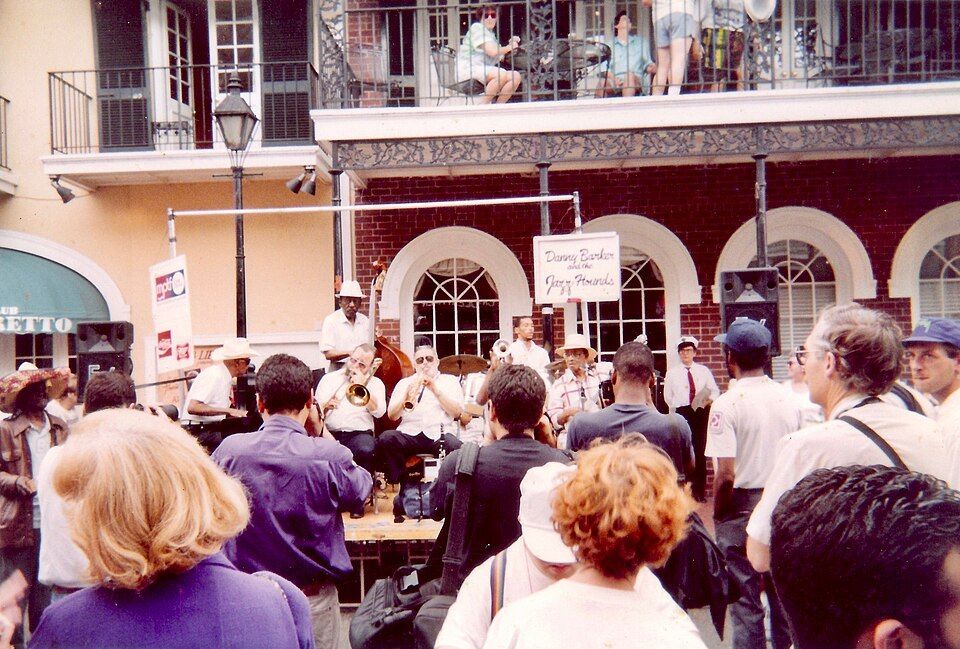
Image: Infrogmation of New Orleans, CC BY-SA 4.0, via Wikimedia Commons

Every March since 1984, New Orleans turns into one big open-air stage during the French Quarter Festival. With hundreds of performances spread across the neighborhood, live music is around every corner. What makes it special is its local flavor — you’re hearing musicians who live and breathe the city’s sound. It’s lively, welcoming, and admission is free! Bonus: Throughout the fest, you can sample food from beloved local restaurants, too.

2
Louis Armstrong House Museum (Queens, New York)
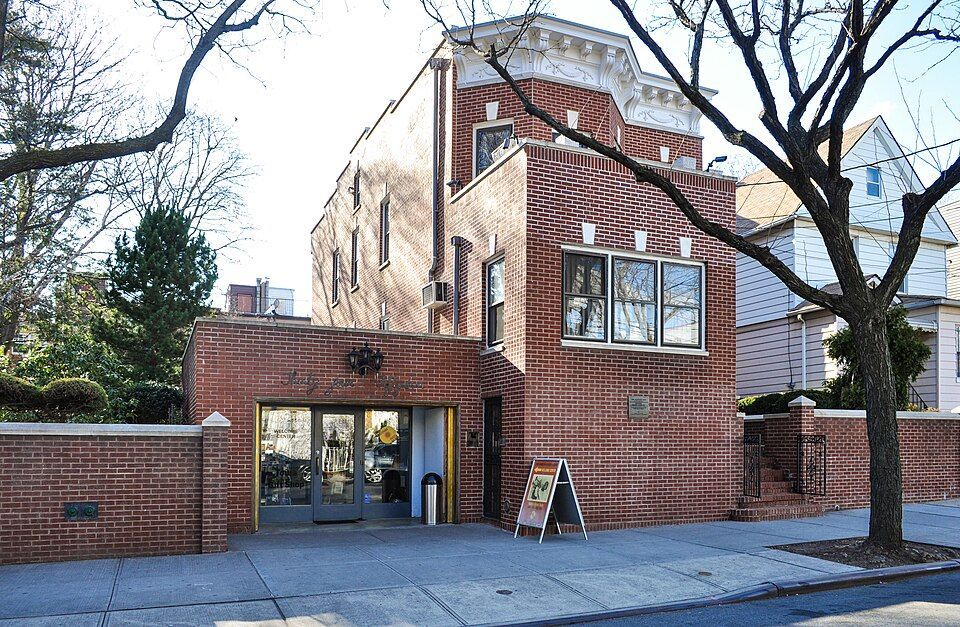
Image: Joe Mabel, CC BY-SA 3.0, via Wikimedia Commons

In Queens, New York, the Louis Armstrong House Museum lets you see the quieter side of a global legend. This is where Armstrong lived with his wife Lucille from 1943 until his death in 1971, and walking through the building feels surprisingly intimate. Guided tours share stories that go beyond the stage, giving you a sense of the man behind the music. It’s a simple but meaningful stop for anyone who has ever hummed "What a Wonderful World."

3
Jazz at Lincoln Center (New York)
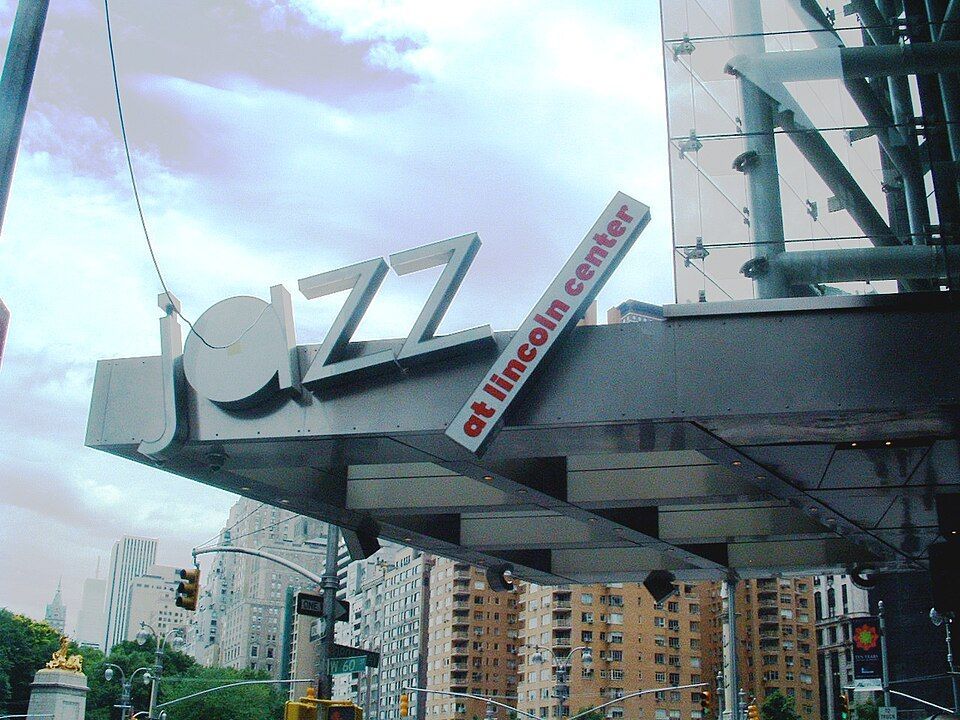
Image: I, Fbv65edel, CC BY-SA 3.0, via Wikimedia Commons

At New York City’s Columbus Circle, the Jazz at Lincoln Center tour offers more than just a seat in the audience. You get a peek inside Frederick P. Rose Hall , along with sweeping views of Central Park from the House of Swings, which makes the visit feel extra special. The tour brings the jazz world to life through stories and history lessons. You can learn about the educational programs the center offers, as well as how performances come together in one of the country’s top venues.

4
Apollo Theater (New York)
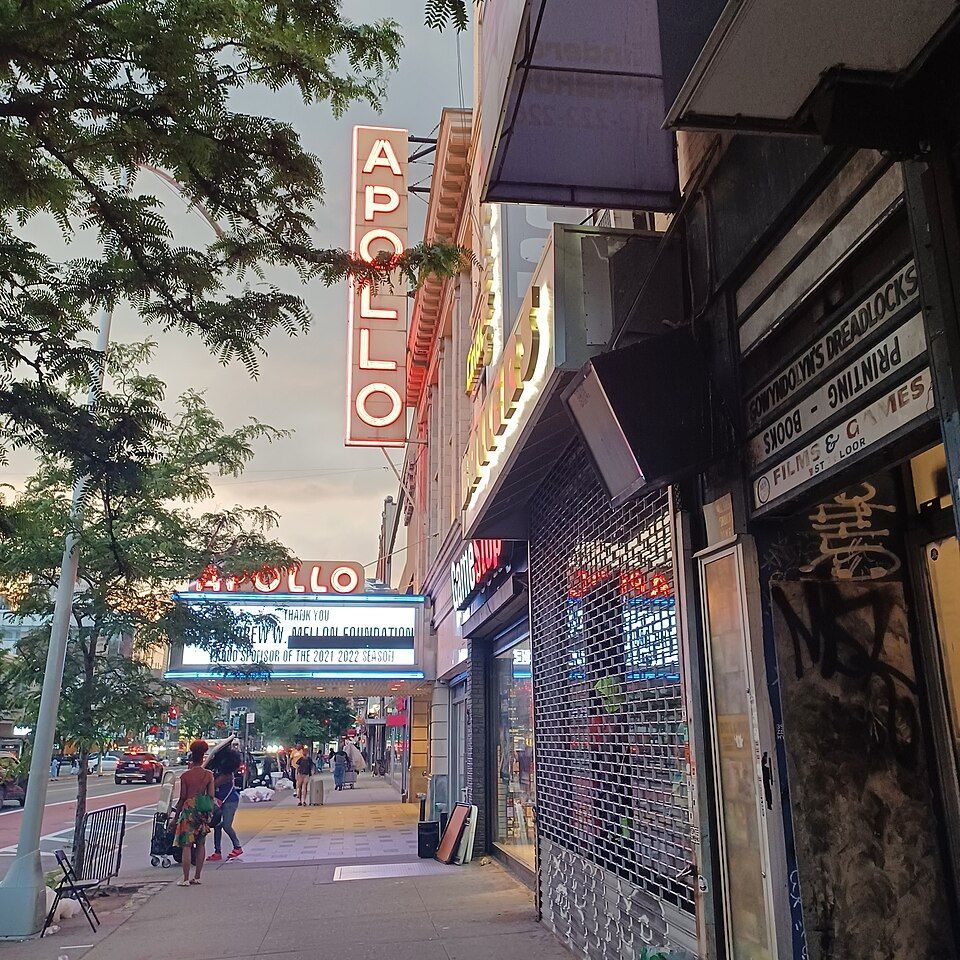
Image: Adjoajo, CC BY-SA 4.0, via Wikimedia Commons

Built in 1914, the historic Apollo Theater in Harlem has launched some of the biggest names in music: Ella Fitzgerald, Sammy Davis Jr., and so many more. Stepping through its doors, you’ll discover a place where audiences enjoyed unforgettable performances while careers were born. You can access guided tours only by reservation, so check the webpage for details on booking your visit.

5
Satchmo SummerFest (New Orleans)
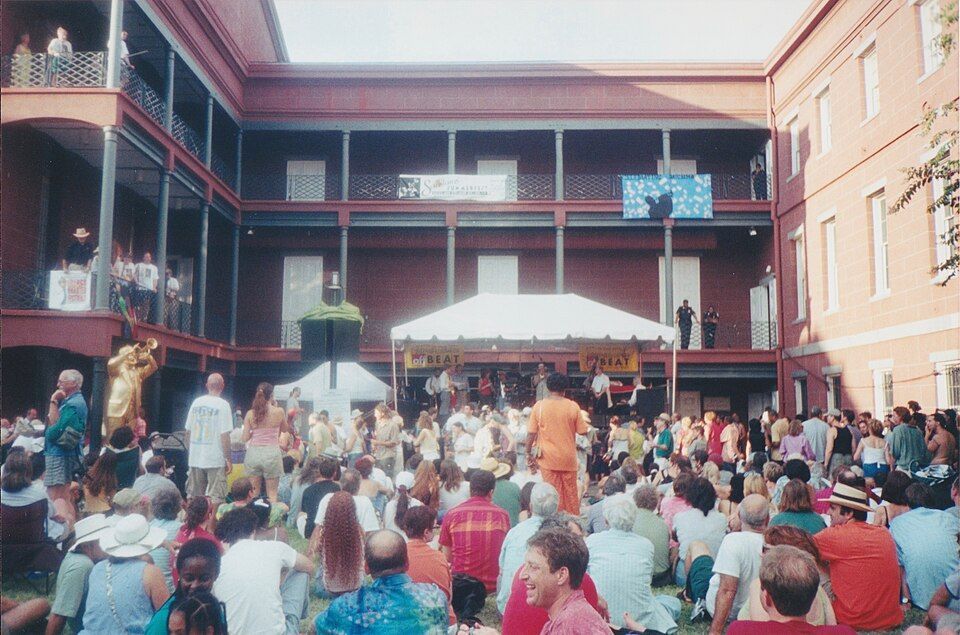
Image: Infrogmation of New Orleans, CC BY-SA 4.0, via Wikimedia Commons

Late summer in New Orleans brings Satchmo SummerFest, a two-day tribute to Louis Armstrong . The atmosphere is relaxed, the music is rich, and it’s free! More than anything, it feels like a community gathering, one that keeps Armstrong’s spirit alive while supporting local musicians. It’s the kind of event that leaves you smiling long after the last note fades.

6
Nat King Cole’s birth house (Montgomery, Alabama)
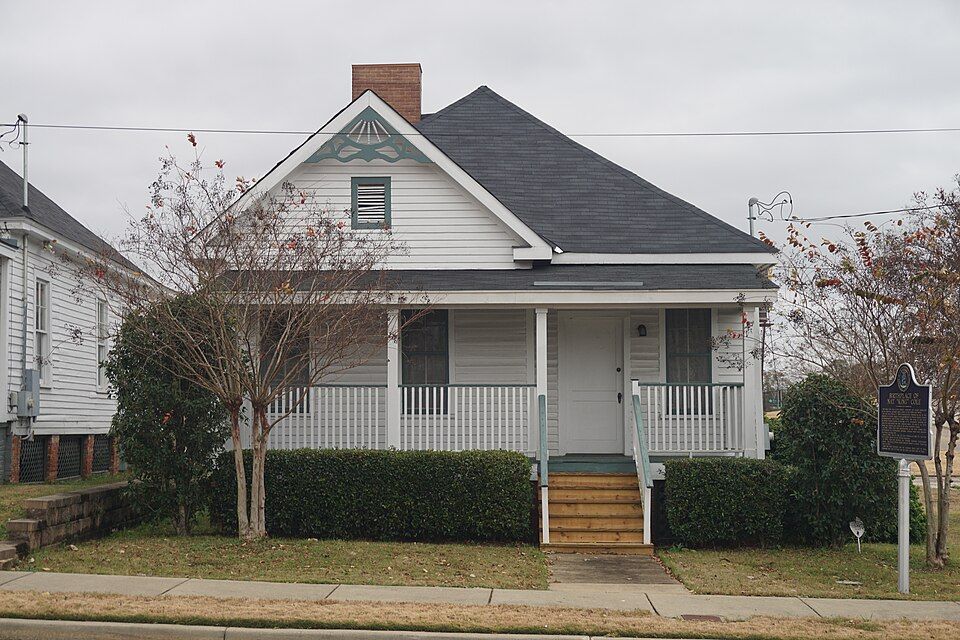
Image: Michael Barera, CC BY-SA 4.0, via Wikimedia Commons

Montgomery, Alabama, offers a look at where Nat King Cole was born in 1919. The entrance is free, but it’s currently going through renovations . However, a curbside visit can be enough to get a sense of Cole’s history. The house was moved from its original location in Montgomery County to the campus of Alabama State University in 2000, where it is part of the Selma to Montgomery Civil Rights Trail.

7
New Orleans Jazz National Historical Park
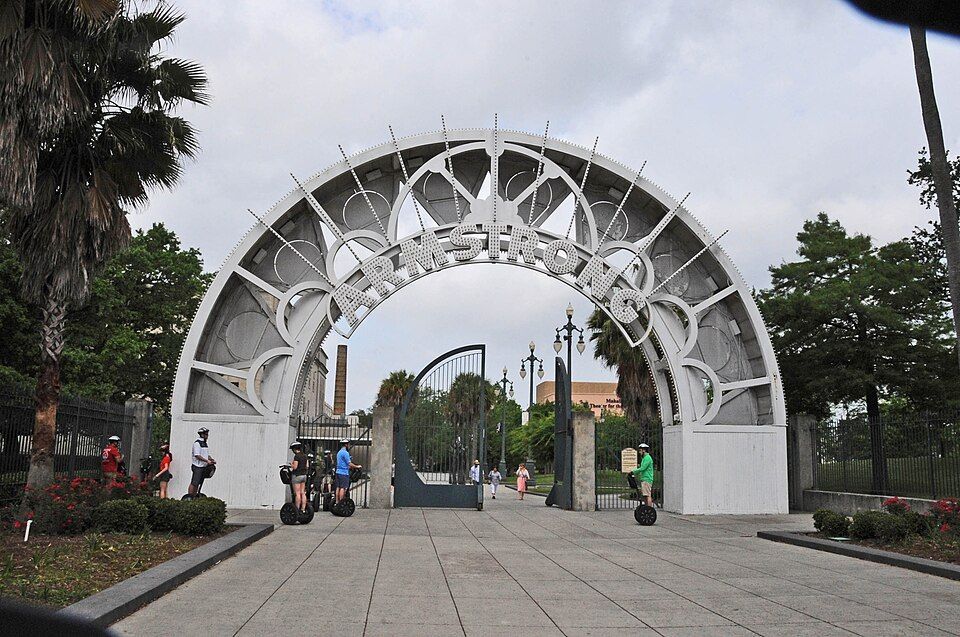
Image: Jerrye & Roy Klotz, MD, CC BY-SA 4.0, via Wikimedia Commons

The New Orleans Jazz National Historical Park , located in the Treme neighborhood and created in 1994, gives you a deeper appreciation for how jazz began. Rangers host talks, while frequent live performances make the music feel personal and immediate. Not far away, the New Orleans Jazz Museum adds another layer, with thousands of artifacts and regular concerts.

8
Village Vanguard (New York)
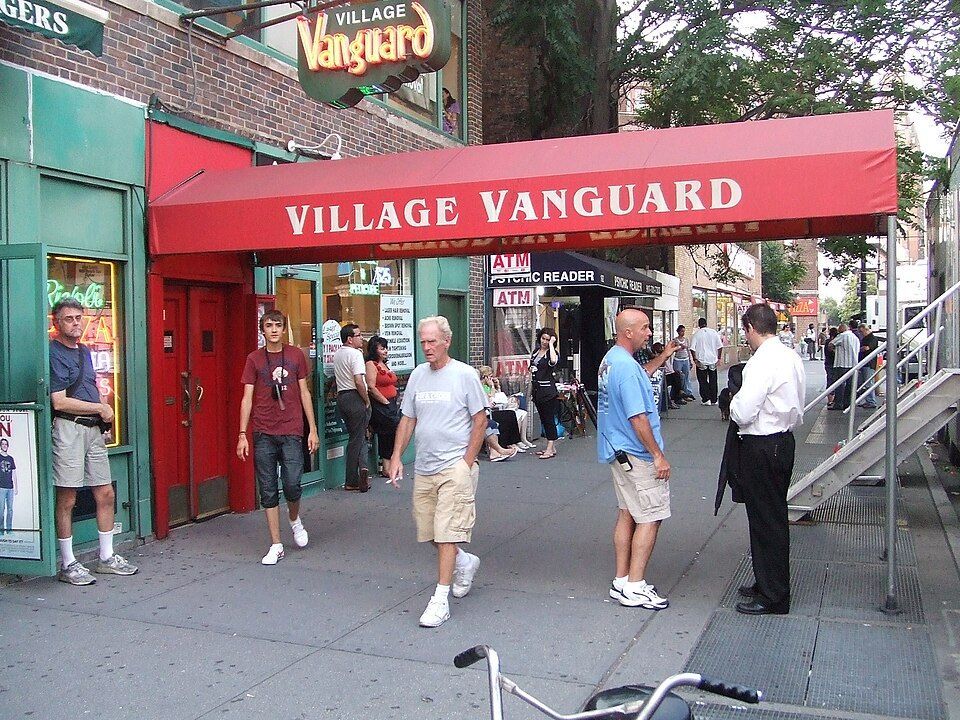
Image: Freimut Bahlo, CC BY-SA 3.0, via Wikimedia Commons

The Village Vanguard is one of those rare places that has stood the test of time. Located in New York’s Greenwich Village downtown, the club opened in 1935 and became a jazz hotspot in 1957 . Unlike other historic sites that closed, it still hosts live jazz in the same cozy space. Sitting there, you can almost feel history coming from the speakers. Monday nights are a treat with the Vanguard Jazz Orchestra, but any evening offers a chance to hear world-class musicians up close.

9
New Orleans Jazz Museum
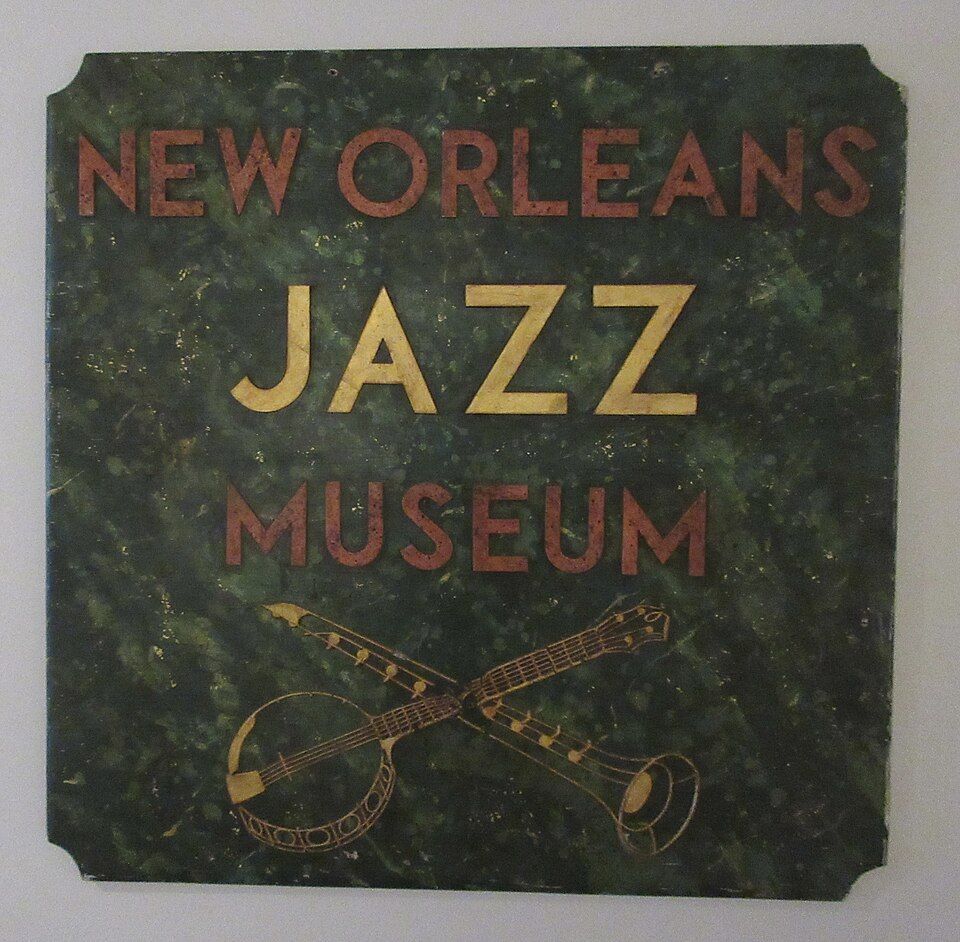
Image: Infrogmation of New Orleans, CC BY-SA 4.0, via Wikimedia Commons

Few places are as closely tied to jazz as New Orleans. With its mix of cultures, the city created the perfect setting for a new kind of music to take shape at the turn of the 20th century. At the New Orleans Jazz Museum, you’ll find thousands of artifacts that trace jazz from its earliest days. Not far away, Preservation Hall continues the tradition with live performances that stay true to the original sound.

10
Dizzy Gillespie Home Site Park (Cheraw, South Carolina)
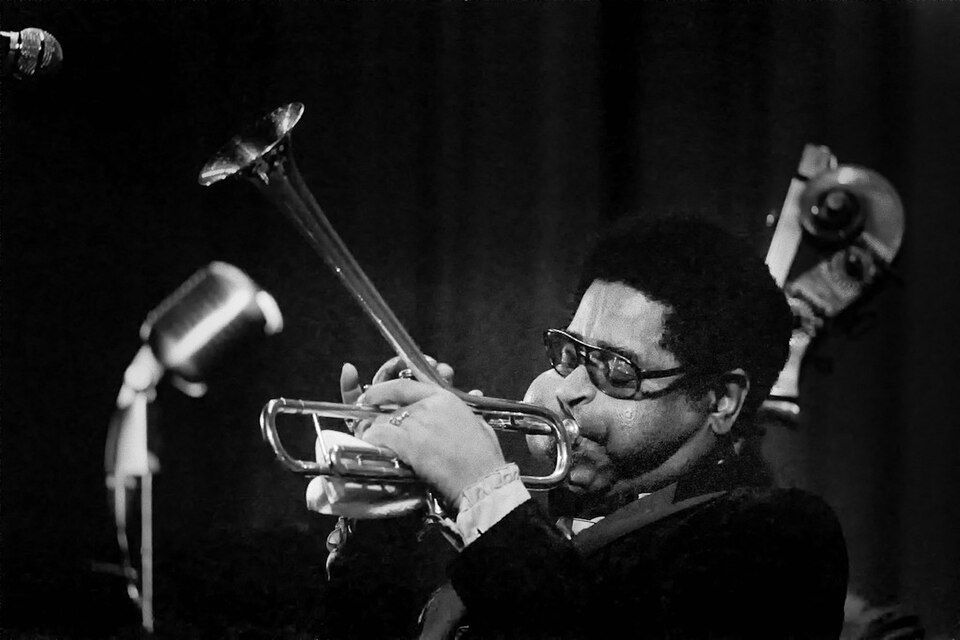
Image: JPRoche, CC BY-SA 4.0, via Wikimedia Commons

In Cheraw, South Carolina, a small park called the Dizzy Gillespie Home Site Park celebrates the great trumpeter. It’s a quieter stop, but one that feels personal. You can follow a simple brochure to explore spots tied to Dizzy’s early life, including Wesley Methodist Episcopal Church and the Robert Smalls School. If you visit in October, the town’s jazz festival adds a lively touch, turning this peaceful place into a celebration of music and community.
History History 3 min read

Is the journey really the destination?

Did you know that Lewis and Clark never reached their original goal?

Image: Sam Mgrdichian

The spirit of exploration and the drive for immortality have long driven Americans to venture into the unknown, across continents, into polar ice, and over vast oceans. But, while many achieved greatness, some of the most compelling stories come from those who did not meet their original goals.. Did you know about these 10 examples?

1
Lewis and Clark (1804–1806)

Image: Museum of New Zealand Te Papa Tongarewa

Everybody knows about Lewis and Clark and their glorious quest across the nation, but what most don’t know is that they originally set out to find a continuous water route, the fabled Northwest Passage, from the Mississippi River to the Pacific Ocean. Commissioned by President Jefferson, the journey was meant to open up western trade routes.

Although they reached the Pacific, they confirmed that no such navigable waterway existed. Their journey was a landmark of exploration, but their primary goal remained unaccomplished .

2
Lady Franklin Bay Expedition (1881–1884)

Image: David BP

The 1881 Adolphus Greely-led expedition aimed to establish a scientific research station in the high Arctic and gather meteorological and astronomical data as part of the First International Polar Year.

But two relief ships failed to reach them due to ice. Stranded for over two years, only 7 of 25 men survived. While some data was collected, the mission was a logistical and human failure .

3
Frederick A. Cook (1908)

Image: Roxanne Desgagnés

American explorer Frederick Cook claimed he reached the North Pole in 1908, beating Robert Peary by a year. His announcement stirred immediate controversy and public excitement.

However, Cook failed to provide verifiable proof, and his claim was largely discredited . He also falsely claimed the first ascent of Denali. His goals, while grand, were never validated .

4
Amelia Earhart (1937)

Image: Shaun Bell

Amelia Earhart sought to be the first woman to fly around the world along the equator. Her journey was a bold attempt to push the limits of aviation and global navigation.

Tragically, she vanished over the Pacific near Howland Island. Despite massive search efforts, neither she nor her plane was found. Her historic goal remains unfulfilled .

5
USS Jeannette Expedition (1879–1881)

Image: Hector John Periquin

The Jeannette Expedition set out to reach the North Pole via the Bering Strait, based on a theory that a warm current could carry ships through the ice.

Instead, the ship was trapped and crushed by ice. The crew made a desperate trek across Siberia, with many dying from exposure and starvation. The pole was never reached , and the voyage ended in tragedy.

6
Crocker Land Expedition (1913–1917)

Image: Annie Spratt

Backed by Robert Peary’s reports, this expedition aimed to locate "Crocker Land," a supposed Arctic landmass seen on a prior voyage.

After weeks of travel, they discovered it was a mirage. The team was stranded for years due to failed rescue attempts. Their quest failed because the land never existed .

7
American Karakoram Expedition (1953)

Image: Daniel Born

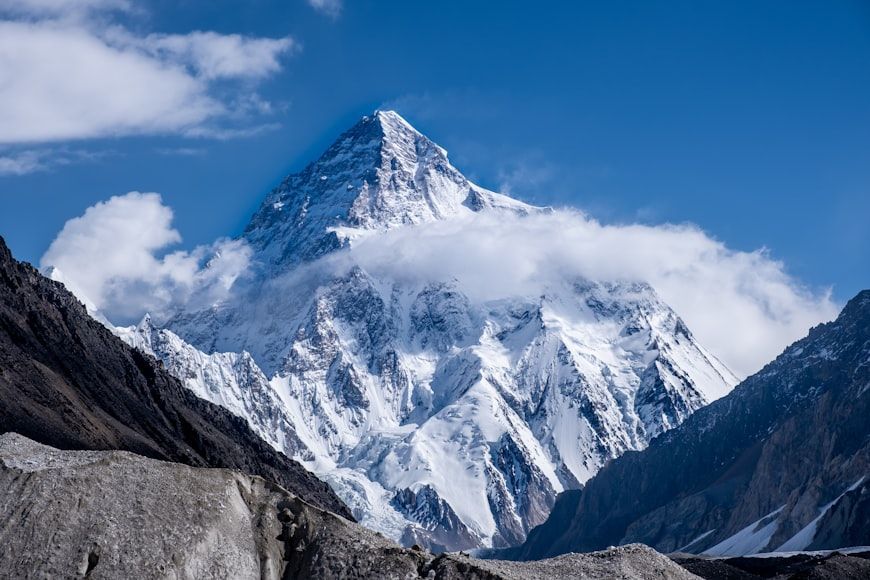
Led by Charles Houston, the expedition aimed to be the first to summit K2, the world’s second-highest mountain after Everest. The team climbed high and established advanced camps.

Trapped by a severe storm, they made a heroic retreat. One climber died, and the summit remained out of reach . Their attempt was noble, but ultimately unsuccessful.

8
Ziegler Polar Expedition (1903–1905)

Image: ArcticDesire.com Polarreisen

The abundance of Arctic expeditions on this list is not a coincidence. This area is tough to traverse, and much of it remains unknown. This particular expedition sought to reach the North Pole via Franz Josef Land. The crew wintered in the Arctic with supplies and dogs for the attempt.

Severe ice and harsh conditions thwarted their progress. They were stranded for two years and never neared the pole. Though most survived, the mission failed in its main goal .

9
Zebulon Pike (1805)

Image: Mathew Benoit

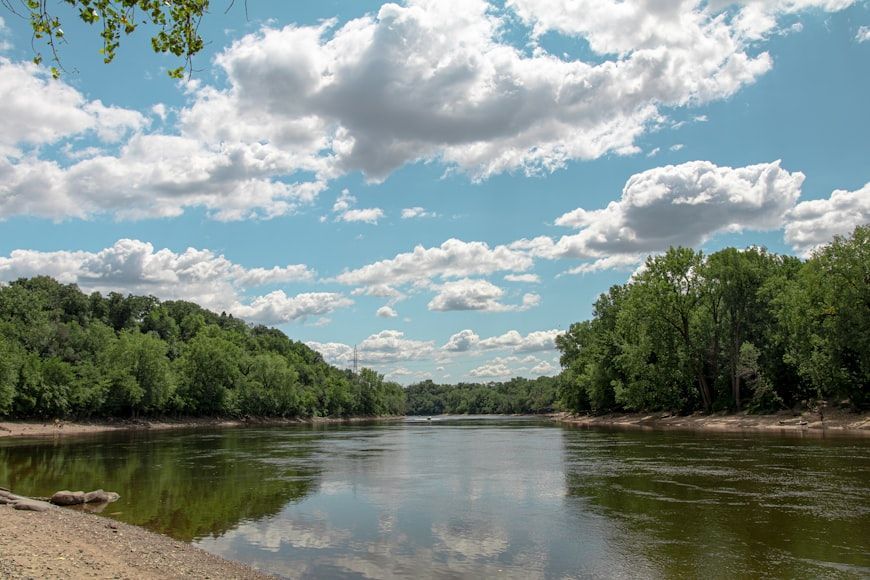
In 1805, Army officer Zebulon Pike was tasked with exploring the headwaters of the Mississippi River. The goal was to identify its true source and assert U.S. presence in the newly acquired Louisiana Territory.

Facing poor maps, freezing conditions, and supply shortages, Pike never reached the actual source . Though he gathered useful data, the mission failed to meet its primary objective.

10
American China-Everest ’82 Expedition (1982)

Image: Andreas Gäbler

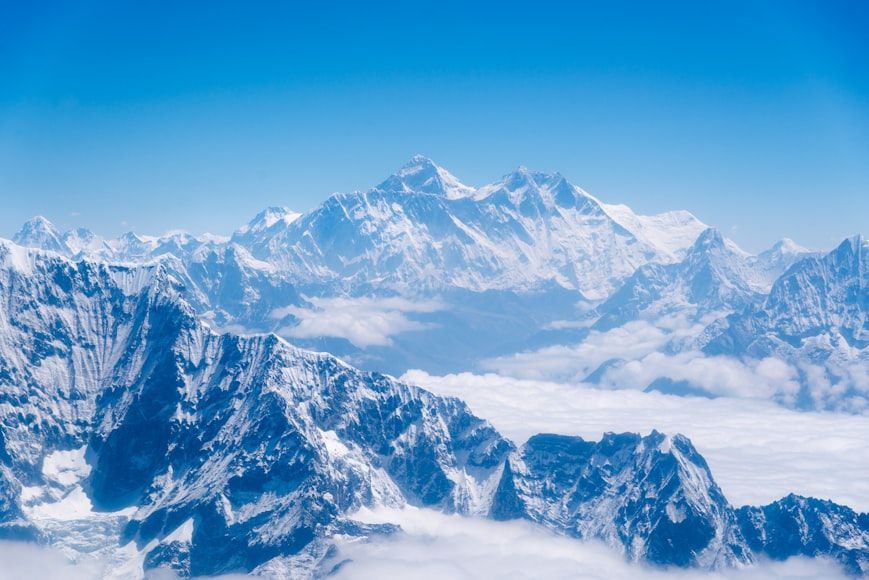
Led by Lou Whittaker, this team aimed to summit Mount Everest via the remote Chinese (Tibetan) side, which was an unusual and challenging route for American climbers at the time.

Despite significant progress, they turned back just 1,500 feet from the top due to difficult conditions. The summit remained unreached .

Geography Geography 4 min read

Time can be on your side

10 road shortcuts in America that can save you hours

Image: Athena Sandrini

Familiar to the locals but hidden from the visitors: Every town has its shortcuts that help us save time and miles when going from A to B. These secret passages become increasingly important in the country’s largest cities, as traffic tends to be a bigger issue in those places. The following ten are useful tips for moving around Los Angeles, New York, Austin, San Diego, or a few other cities. Did you know any of these shortcuts?

1
Hollywood Boulevard, Los Angeles, California

Image: Aman

Los Angeles’ hellish traffic is world-famous and every experienced driver in this city has her or his own shortcuts to save time. But this one is a universal one for sure.

When driving through Hollywood, never take Hollywood Boulevard . Take, instead, Franklin or Fountain to get around the tourist mayhem. And, if you want to avoid the awful traffic of a Hollywood Bowl show, try Mulholland Drive.

2
Getting to the airport in Los Angeles, California

Image: Lukas Souza

Nobody likes missing a flight. Or, at least, most of us don’t care for that particular situation. And, when driving in the terrible Los Angeles traffic, that possibility is always looming in the background.

A sound advice from frequent flyers is to avoid the freeway altogether and take Crescent Heights until it dead-ends. Then, drive through La Cienaga to La Tijera all the way to the symbols that point to the airport.

3
Leaving New York is never easy, New York City, New York

Image: Matteo Catanese

Caught at the right time, New York City traffic can be as bad as LA traffic. And, as it usually happens, commute hours are the worst. The endless crowds and vehicles getting in and out of Manhattan through the different bridges and tunnels can create some serious delays.

Brooklyn Bridge, George Washington Bridge, and the Lincoln Tunnel are some of the most congested routes during rush hours. So, if you have no other options, make sure to schedule extra time just in case the traffic is as bad as it can be.

4
I-95, Miami, Florida

Image: Baron Alloway

Another city with legendary traffic is, without a doubt, Miami. And, as usual, commute hours can be a nightmare. I-95 is a major Interstate Highway on the East Coast and the Miami section is usually very congested . If you are trying to go south from 7 a.m. to 9 a.m. or north from 3 p.m. to 7:30 p.m., you have to expect delays, since those are the peak times for commuters who work downtown.

The High Occupancy Toll (HOT) lanes run from north of Miami to north Dade. You can only enter these lanes before 112/I-95 and you can only get off at the Golden Glades exit. Don’t take these lanes if you are trying to go anywhere between downtown and Northwest 183rd Street as there are no exits. Also, HOT lanes only accept SunPass as payment.

5
Lake Shore Drive, Chicago, Illinois

Image: Neal Kharawala

Continuing with another one of the monster-traffic cities of America, we can’t avoid the Windy City. Locals say that the city has two seasons: winter and construction , as the number of blocked streets, avenues, and roads can be nerve-wracking.

A shortcut locals use when driving through Lake Shore Drive to get off on Michigan Ave, heading southbound with a final destination past Illinois Ave, is to take Inner Lake Shore Drive and avoid the heavy congestion on Michigan Ave, as well as the occasional standstills on southbound Lake Shore Drive.

6
San Felipe instead of Westheimer, Houston, Texas

Image: Kevin Hernandez

Houston locals are familiar with busy Westheimer Avenue and know better than to fall into its trap during rush hour. They’d get stuck between multiple METRO bus routes, potholes, and never-ending construction sites.

The savvy drivers instead use San Felipe to get downtown or to the Galleria in a much shorter time.

7
Loop 202 South Mountain Freeway, Phoenix, Arizona

Image: Nils Huenerfuerst

Even the widest highway will become congested once everyone finds out about it. We are looking at you, Los Angeles. But, for a while at least, new roads offer a smooth and quiet ride to the lucky few who discover them first.

This is the case with Loop 202 South Mountain Freeway. The 22-mile-long portion of the Valley beltway from 59th Avenue on the west side to Ahwatukee , which opened in late 2019, is a smooth drive. Rolling through a part of the Valley unspoiled by development, this freeway has light traffic and no, or very few, holes –for now.

8
San Diego International Airport, San Diego, California

Image: Justin Wolff

It may seem calmer compared to neighboring Los Angeles, but San Diego can have its traffic congestion, like any big city. Getting to the airport on time is always paramount and locals have tricks up their sleeves for this ride.

Drivers can take Washington Street to Pacific Highway and get to the airport that way, or they can also take Pacific Highway north to Barnett, then Lytton, then Rosecrans, then Nimitz, which can be better than going through Sassafras if there’s traffic.

9
LBJ interchange, Dallas, Texas

Image: Zack Brame

Dallas, Texas, is a major city with major traffic jams during rush hours. Trying to get to the LBJ interchange can be a recipe for disaster if you are in a hurry but there is a shortcut that can save quite some time.

If you are on the Central Expressway, you can get off at Coit Road , which will allow you to bypass the interchange. Instead, you'll wind around a corner and find yourself right back at the entrance ramps for LBJ. From there, you just wait for a light and merge back onto LBJ, having skipped over the whole mess.

10
I-35 alternatives, Austin, Texas

Image: MJ Tangonan

Texas’ hippest city, Austin has some major highways, including the I-35, Mopac Expressway (Loop 1), and Highway 183. These big highways can cause big delays if taken from 7 a.m. to 9 a.m. and 4 p.m. to 6 p.m.

But the city provides alternatives. Lamar Boulevard and Burnet Road provide time-saving options for I-35 . During rush hour and special events, knowing these lesser-used routes can save time.

Explore more American facts

Choose your favorite category!

General
General

As American as apple pie—the very best America has to offer!

Culture
Culture

Delve into the astounding richness of American lore.

Geography
Geography

Hop in and explore vast and diverse American landscapes.

History
History

Discover the key moments that shaped the United States.