General General 3 min read

First ladies’ tales

These First Ladies saved Washington's portrait and crashed frat parties
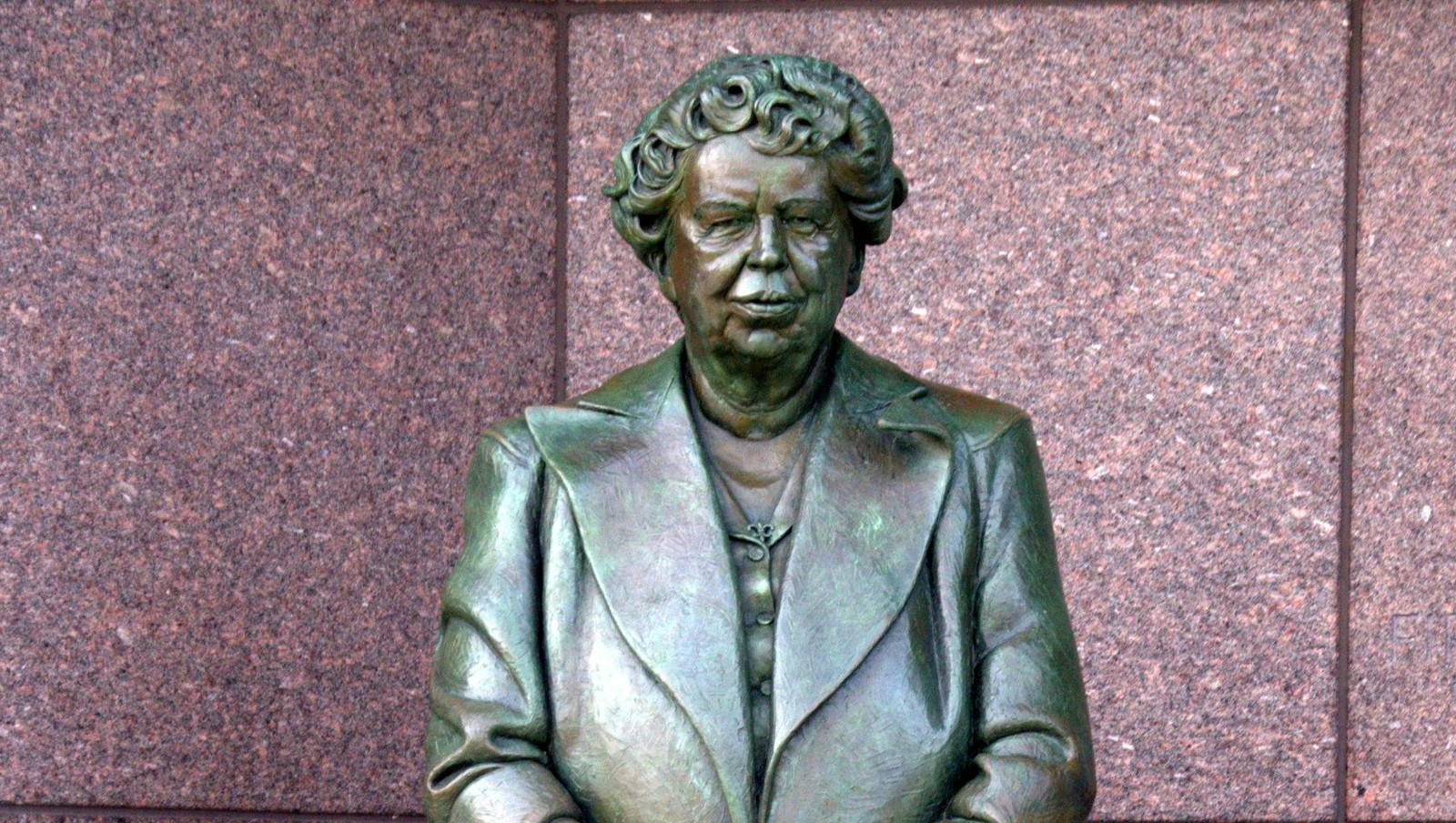
Image: Pedro Gutierrez

Sure, we all remember the men who sat in the Oval Office. But the women at their side? They’ve been style icons, quiet influencers, behind-the-scenes bosses—and a few had quirks that might make you raise an eyebrow. Some shaped policy. Others shaped fashion. A couple even snuck into frat parties. These facts about First Ladies prove they were anything but background characters.

1
Mamie Eisenhower was all in on pink

Image: Jei Lee

Mamie loved pink—she loved it so much that she committed fully to it. Her wardrobe? Pink. Her bathroom? Pink. Her Christmas decorations? You guessed it. The obsession grew so much in the 1950s that people started calling that particular shade "Mamie Pink." Entire kitchens and bathrooms across the country followed suit. Basically, she was the original style influencer!

2
Eleanor Roosevelt had a press corps, but no men were allowed

Image: The Climate Reality Project

If we’re talking about extraordinary First Ladies, Eleanor Roosevelt takes first place. She wasn’t passive at all; she really used her power. For example, she held more than 300 press conferences as First Lady, but only invited female journalists. Why? To ensure women reporters could keep their jobs during the Great Depression. That’s how you use your platform!

3
Edith Wilson quietly took over after her husband’s stroke

Image: Amy Hirschi

When President Woodrow Wilson suffered a stroke in 1919, his wife Edith didn’t just support him—she actually stepped in. She screened his communications, reviewed paperwork, and even made some decisions on his behalf. Some historians say she was essentially running the country. No title. No credit. But she kept things going. What a loyal First Lady!

4
Michelle Obama won a Grammy for reading

Image: 2H Media

Not all Grammys go to singers, you know! Michelle Obama, for example, won one in 2020 for Best Spoken Word Album, narrating her memoir Becoming . It’s just one more thing to add to her impressive list: lawyer, mom, health advocate, style icon—and Grammy winner. Not bad, huh?

5
Dolley Madison saved a piece of American history
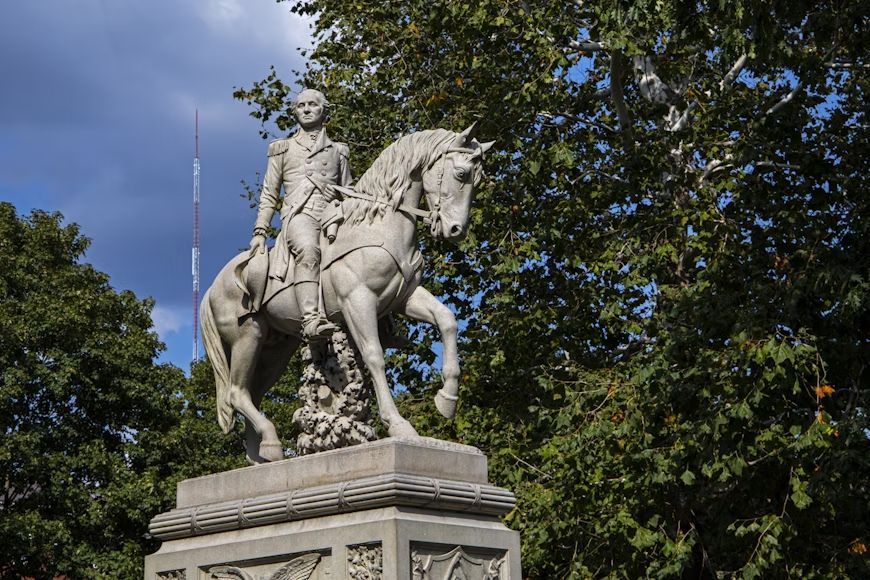
Image: Walter Martin

When the British were about to burn Washington in 1814, Dolley Madison didn’t just pack up the silver—she made sure George Washington’s portrait was removed from the wall and carried to safety. That same painting still hangs in the White House today. Remarkably, Dolley hosted elegant tea parties even while preserving national artifacts.

6
Pat Nixon was the first to rock pants in public

Image: BBiDDac

In the early 1970s, it was a big deal when Pat Nixon wore trousers to a public event. Up until that point, First Ladies stuck to dresses. Well, women in general, right? Her choice stirred up headlines, but let’s be real: it was a practical move. Sometimes comfort is the statement.

7
Lou Hoover could speak fluent Chinese
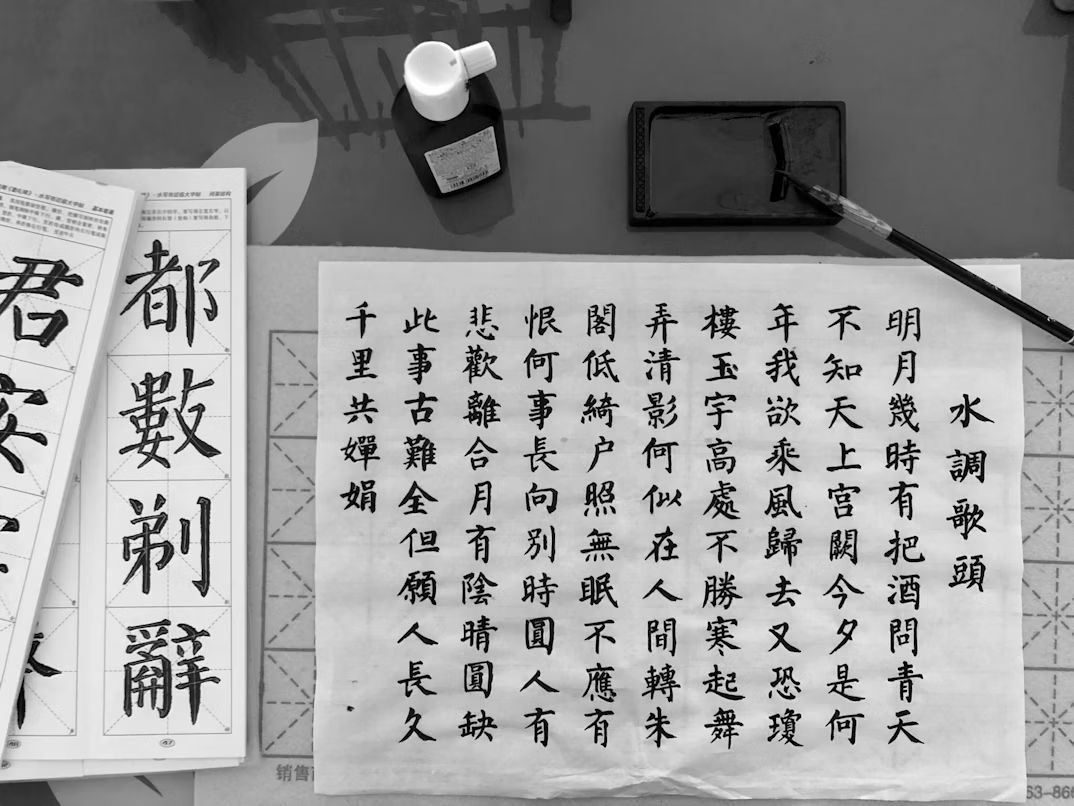
Image: Cherry Lin

Lou Hoover was no ordinary First Lady. She spoke Mandarin Chinese fluently, and she and her husband Herbert used it to have private conversations in public—pretty genius, honestly. She also held a degree in geology and could out-hike most people in D.C. Did you know any of this?

8
Jackie Kennedy smoked a lot in private

Image: Daniele Levis Pelusi

To the public, Jackie Kennedy was a fashion icon: pillbox hats, white gloves, and perfect posture. Behind the scenes, however, she was a heavy smoker. The public didn’t find out until much later. She wasn’t any less of a lady because of this—but you know, they show us whatever they want, right?

9
Melania Trump was a model and a polyglot
Image: Clarissa Watson

Melania Trump brought something completely different to the East Wing. She’s the only First Lady who worked as a professional fashion model and the only one whose first language wasn’t English. She speaks five languages. Say what you want—in whatever language—she’ll probably understand it.

10
Rosalynn Carter sat in on cabinet meetings

Image: Hoàng Ngọc Huy

Rosalynn Carter wasn’t content to just host luncheons—she sat in on Cabinet meetings, the first First Lady to do so since Eleanor Roosevelt. Why? Because she wanted to be fully informed when supporting her husband’s decisions.

11
Barbara Bush once crashed a frat party
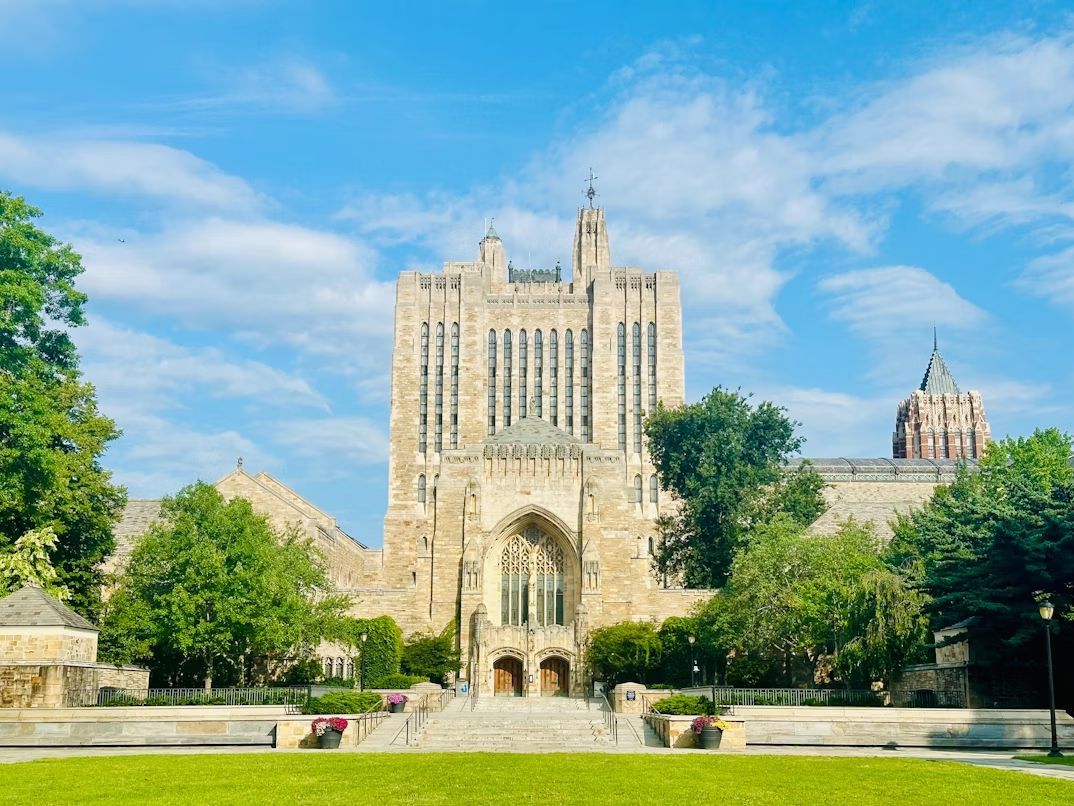
Image: Richard Liu

Long before she became America’s grandma, Barbara Bush had a fun, mischievous side. While visiting George at Yale, she once showed up at a frat party in costume—and blended right in. There goes the stereotype that First Ladies are all etiquette and pearls.

Culture Culture 6 min read

FROM THE PAGES OF OUR CHILDHOODS

Boom! Kapow! Celebrate These 10 Iconic American Superheroes!

Image: Yulia Matvienko

Superhero stories are usually referred to as "modern mythology", and with good reason: After all, it’s easy to see the connection between heroes like Hercules or Gilgamesh with the wondrous tales of these men and women graced with powers and abilities beyond our comprehension. However, an argument could be made that modern superheroes teach us a substantially more important lesson: Through their desires to defend justice and defeat evil, these heroes teach us that we too can be better.

We have chosen ten of the most groundbreaking American superheroes that have inspired generations of Americans throughout history. Wondering if your favorite childhood hero made it to this list? Keep on reading and find out!

1
Superman

Image: Jon Tyson

It’s a bird! It’s a plane! No, it’s our first entry to this article! For many, the "Man of Steel" is the epitome of an American superhero : Not only is he one of the oldest superheroes still in circulation, but he is also a die-hard defender of truth, justice, and the American Dream.

Superman’s story has been told countless times, but here’s a quick summary just in case: Born in the far-away planet of Krypton, Kal-El was sent to Earth as a baby, where he was adopted and named Clark by Martha and Jonathan Kent. Young Clark discovered his amazing powers at an early age, and grew to become Superman, the "Man of Tomorrow".

2
Batman

Image: Obi - @pixel8propix

Right along with Superman, Batman is perhaps the world’s most famous superhero. What’s interesting is that, although both superheroes are equally iconic, they couldn’t be more different: While Superman is a superpowered public figure, who regularly engages with the American people in a friendly manner, Batman is a dark and mysterious figure , who fights evil-doers from the shadows and has no superpowers other than his superhuman determination (and his fair share of high-tech gadgets!).

Bruce Wayne, the man behind Batman, has a backstory that’s almost as dark as his alter ego: Born into the wealthy Wayne family, Bruce's parents Thomas and Martha were tragically murdered when he was eight years old. Determined to fight the evil that took his family away from him, Bruce spent his life and fortune to become Batman, Gotham City’s Dark Knight.

3
Spider-Man

Image: Jean-Philippe Delberghe

Up until the emergence of this beloved superhero, whatever our childhood heroes did for a living was not particularly important. For instance, Clark Kent is a Pulitzer-winning reporter, while Bruce Wayne comes from an extremely wealthy family. However, what separates Spider-Man from the rest (besides his groundbreaking arachnid powers ) is the fact that he had to juggle his superhero activities with his education and part-time photography job. In a sense, Peter Parker was the first to show us that superheroes could also come from struggling backgrounds.

When he was first published in 1962, Spider-man was also one of the youngest superheroes out there: At age 15, Peter Parker was bitten by a radioactive spider, which gave him his amazing and uncanny abilities . Spiderman can climb up walls, swing around skyscrapers, and sense danger with his trusted "Spider-sense".

4
Iron Man

Image: Igor Bumba

Even before being immortalized by actor Robert Downey Jr . in what’s probably the most lucrative film franchise in history, Iron Man was already one of Marvel’s most recognizable superheroes. Created by Stan Lee and Jack Kirby in 1962, this hero drew his abilities from machines’ raw power and mankind’s insurmountable ingenuity.

Unlike many superheroes, Tony Stark’s backstory is characterized by his search for redemption: Born into a wealthy family, he sought to dismantle his family’s lucrative arms-dealing business after he witnessed first-hand the horrors his products caused. Tony used his superior intellect to design and construct his iconic "Iron Man" suit , a metal exoskeleton armor that grants him flight, superhuman strength, and access to repulsor blasts and other high-tech gadgets.

5
Wonder Woman

Image: Dale de Vera

Comic books are usually considered a boys’ club, but the truth is that not all superheroes are male. We could have chosen from a myriad of iconic female heroes, but we finally settled on one of DC’s powerhouses : Wonder Woman. Though she recently saw a resurgence in popularity thanks to her 2017 jump to the big screen, this Amazonian warrior has always been a force to be reckoned with.

Princess Diana comes from the island of Themyscira, a fictional island home to the warrior race of the Amazons. Wonder Woman’s strength is almost unmeasurable, and she also possesses the gifts of flight, speed, and invulnerability. She is also armed with her indestructible bracelets and her iconic "Lasso of Truth" , which forces those trapped in it to reveal their secrets. Fun fact: Wonder Woman’s creator William Moulton Marston invented the lasso while working on his other groundbreaking invention, the modern lie detector.

6
The Hulk

Image: Hermes Rivera

When Robert Louis Stevenson published his 1886 novella Strange Case of Dr. Jekyll and Mr. Hyde , he wasn’t aware that he was also creating the basis of one of the world’s most iconic superheroes. While The Hulk is known mostly for his brutish strength and uncontrollable rage , this seemingly simple superhero also deals with mankind’s fear of its own dark side, and what happens when this more violent aspect of ourselves is let loose.

You are probably aware of the Hulk’s origin story: Dr. Bruce Banner, a brilliant scientist, was hit with a heavy dose of gamma rays after an experiment went wrong. This accident transformed Dr. Banner, turning him into the green-skinned, rampaging Hulk whenever his anger reaches a breaking point. While his powers are definitively destructive, over the years the Hulk has turned into a force of good, and a superhero in his own right.

7
X-Men

Image: Erik Mclean

The first superhero team to make it to this list, the X-Men introduced the world to "mutants", the next step of human evolution. Mutants displayed fantastical powers from an early age, although some of their mutations made them look threatening or off-putting to society. In the end, prejudice was one of the X-Men’s greatest foes, and a recurring theme throughout this series’ 60 years.

The X-Men saw a resurgence in popularity throughout the 90s and early 2000s, in part thanks to an amazing TV adaptation and a series of films produced by 20th Century Fox. Among the team’s most famous roster, we have the X-Men’s leader Cyclops (who can shoot energy beams from his eyes), Storm (a mutant that can control the weather), and Wolverine (who can heal almost instantly, and whose skeleton was reinforced with an unbreakable metal).

8
The Flash

Image: Joel Muniz

Superman might be "faster than a speeding bullet", but the Justice League’s undisputed speedster is definitively The Flash. While his superspeed power might seem simple, it is anything but: Flash is connected to an extradimensional energy source known as "the Speed Force", which allows him to move, think, and react at superhuman speed.

While the first character to take this name was Jay Garrick in 1939, the Flash most people are familiar with is Barry Allen, who was granted the powers of the Speed Force after an experiment gone wrong. His red suit and lightning-fast reflexes have made him one of the most recognizable heroes in history.

9
Thor

Image: Manuel Salinas

As we mentioned before, many believe superheroes to be our modern myths. However, what’s fascinating about this superhero is that it perfectly combines the standard characteristics of a comic book hero with the amazing feats of the most adventurous Nordic god . Thor Odinson, Marvel’s iconic otherwordly protector, is definitively the best of both worlds.

When Jack Kirby and Stan Lee created Thor in 1962, they kept many aspects of the Nordic deity: Marvel’s Thor has super-human strength, can control thunder, and is always aided by his enchanted hammer, Mjolnir . However, the modern adaptation added a new layer: Deemed too arrogant by his father Odin, Thor was banished to Earth, where he became our planet’s trusted guardian.

10
Captain America

Image: Marjan Blan

We’ll end this list with an American icon. In 1940, worried by the advancement of WW2, writer Joe Simon and artist Jack Kirby sought to create a superhero that would both encompass the values of American life and fight to preserve peace and justice in the free world. And with that, Captain America was born.

The Captain’s story has been told many times: Steve Rogers was a frail but brave American who was administered a "Super Soldier" serum that gave him super-human speed, strength, and reflexes. However, one of Cap’s superpowers that is usually overlooked is his tenacity, both in comics and in real life: After being canceled in the 1950s, this character was brought to life once again by Stan Lee, who designed the modern version of Captain America that we now know and love.

General General 6 min read

Only in America

Did you know Route 66 has 2,448 miles? 10 things that define America

Image: Polina Tankilevitch

This country has a character of its own, and certain things simply scream "American" to people around the world—and to locals as well. Take our love of Hollywood glamour, for example, or the national pastime of baseball. There are a handful of uniquely American icons that have influenced global culture and made our country truly stand out. In this article, we’ll take a look at 10 things people associate with the United States, each with its own slice of American flavor and history. But don’t count your chickens before they hatch—you might be surprised by what’s on the list!

1
Hollywood

Image: Jake Blucker

Palm trees, long roads, and one iconic mountain with a most recognizable sign that reads "Hollywood." This place is much more than just that—it’s become a symbol of big dreams and even bigger screens.

Since the early 1900s, Hollywood has been the heart of the world’s movie industry . Films that reach global audiences have been made every single day ever since. Americans popularized the blockbuster, and movie stars like Marilyn Monroe and James Dean became household names worldwide. With events like the Oscars, red-carpet premieres, and starry paths like the Hollywood Walk of Fame, the place keeps the mystique alive. This results in millions of tourists flocking to the iconic Hollywood sign every year, hoping to catch a glimpse of stardom. From romantic comedies to superhero flicks, Hollywood movies have a unique style that’s unmistakably American. And hey, who hasn’t secretly wanted to be in the movies?

2
The American Dream

Image: frank mckenna

Few phrases denote the American spirit as much as the "American Dream," and no, it’s not just that it’s right there in the phrase. It’s the fact that the phrase has become a source of inspiration for more than one generation. The American Dream is about the chance we all get (or should get) in life to achieve success, regardless of our background.

The idea is rooted in the belief that hard work and determination can lead to prosperity—a notion that has attracted immigrants and risk-takers for centuries. From the Gold Rush to Silicon Valley, the Dream has evolved but remained relevant because it speaks to the essence of the human spirit.

The American Dream can mean building a home, becoming a CEO, or attending an Ivy League college. It doesn’t matter—it's a concept that feels uniquely American, where ambition is practically a national pastime.

3
Fast food

Image: Kenny Eliason

When people think of American food, fast food chains like McDonald's, Burger King, and KFC often come to mind. While fast food wasn’t exactly created in our country, it certainly popularized the quick-and-easy dining experience.

There’s something uniquely American about the convenience of a drive-thru and the guilty pleasure of a cheeseburger and fries. Fast food became a symbol of the American lifestyle in the 1950s, when suburban families sought meals that were fast and tasty.

Today, we even have healthier options, which proves that the industry can adapt while keeping its original charm. It’s quick, it’s familiar, and for many, it just feels like home.

4
Baseball

Image: Joshua Peacock

Speaking of institutions, enter baseball! Rooted in the 19th century, baseball has been a staple of American culture—generations of families united through teams, ballparks, and timeless rivalries .

The crack of the bat, the seventh-inning stretch, and the smell of hot dogs are classic hallmarks of the American baseball experience. You can perfectly picture that, can’t you? The World Series is one of the most anticipated events each year, attracting fans from all over the country.

While it’s played elsewhere, no one embraces baseball quite like America. From Little League to Major League, it’s a sport that feels imprinted in our history. Baseball captures something timeless about America, just as it always has.

5
The Fourth of July

Image: Stephanie McCabe

Summer starts, and with it, one already starts thinking about a certain barbecue, under some certain fireworks, celebrating a certain national date, right?

Every summer for the past 246 years, Americans have gathered to celebrate Independence Day with a bang . Well, not precisely that many years, but you get the point.

The Fourth of July marks the anniversary of the US independence in 1776, and it is celebrated with parades, BBQs, and fireworks displays.

Patriotism meets tradition, and we get flags waving, sparklers shining, and people enjoying a day off work with loved ones. Many cities host grand parades, and fireworks shows light up the skies from coast to coast. There’s nothing quite like the Fourth in this country; it’s a holiday with heart and history.

6
The Wild West

Image: Jeremy Alford

The Wild West conjures images of cowboys, saloons, and dusty trails that are purely American. This period in the 19th century was marked by westward expansion, tales of rugged frontiersmen, and gold rushes.

That was the beginning of cowboy culture, but certainly not the end. Even today, the cowboy spirit lives on in American folklore and pop culture. People still visit old Western towns and attend rodeos to catch a glimpse of that era.

We mentioned Hollywood, and that’s also connected to this because Western movies helped immortalize the myths of the Wild West, with iconic gunslingers and epic standoffs. Although the frontier is long gone, the independent, adventurous spirit it represents still resonates. Don’t you think?

7
Silicon Valley

Image: Amy Vosters

First the cowboys, the gold rush, and the expansion of our territory. But after that was settled, development and innovation knew no bounds, and thus we got places like Silicon Valley—a city that represents modern times and the technology that will take us into the future.

Located in California, this is where major tech giants like Apple, Google, and Facebook all got their start, transforming the area into a hotbed for innovation . Silicon Valley has impacted everything from our daily routines to global communication, with inventions that changed the world. The region is home to countless startups, bringing together brilliant minds and bold ideas.

This technology-driven culture reflects the American spirit of invention and risk-taking. It’s a place where possibilities seem endless, and tech dreams come true.

8
American football

Image: Tim Mossholder

As if baseball wasn’t enough of a cultural activity, American football came to be the country’s favorite sport, bringing people together on fall weekends to cheer for their teams and boo the rivals—admit it!

While other sports are popular worldwide, football, the NFL, and the Super Bowl in particular, are unique to the US. The thrill of game day, with fans tailgating and players charging down the field, is unmatched.

The Super Bowl has even become a cultural event, complete with halftime shows and commercials that people actually watch! Where else have you ever seen something like that?

From high school games to professional leagues, football is a major community event. Fans don their jerseys and root for their team through thick and thin. As American as it gets, right?

9
Route 66

Image: Mateusz Szerszyński

The Main Street of America, the Will Rogers Highway, the Mother Road—how many nicknames can one route have? Well, apparently, that’s what you get when you become the most famous route on the continent.

Route 66 is an iconic symbol of American freedom and adventure. It stretches from Chicago to Los Angeles, and this historic highway takes travelers through diverse landscapes and all kinds of towns.

Route 66 has been immortalized in songs, stories, and even neon signs in roadside diners. Though parts of the road have faded, its legacy remains strong in American culture. Route 66 represents the spirit of exploration that defines our nation. After all, who doesn’t love a good road trip?

10
The Bald Eagle

Image: Mathew Schwartz

Think of words that describe our country. You might be thinking of words like "resilience," "freedom," or maybe even "fierceness." Did we get it right? In any case, if you agree with us on those words, you’ll see that they could describe America or the bald eagle, which was chosen as the national emblem in 1782. This majestic bird has come to represent the United States’ fierce independence.

With its impressive wingspan and piercing gaze, the bald eagle is often seen soaring high in American skies, symbolizing strength and vision. Although once endangered, conservation efforts helped bring the eagle back from the brink, making it an environmental success story. The bird appears on everything from coins to government seals, proudly representing the nation. Even in popular culture, the bald eagle is a go-to image for patriotism. Don’t you just love it?

Explore more American facts

Choose your favorite category!

General
General

As American as apple pie—the very best America has to offer!

Culture
Culture

Delve into the astounding richness of American lore.

Geography
Geography

Hop in and explore vast and diverse American landscapes.

History
History

Discover the key moments that shaped the United States.