History History 4 min read

Stories of Hollywoodland

12 things you didn't know about the Hollywood Sign
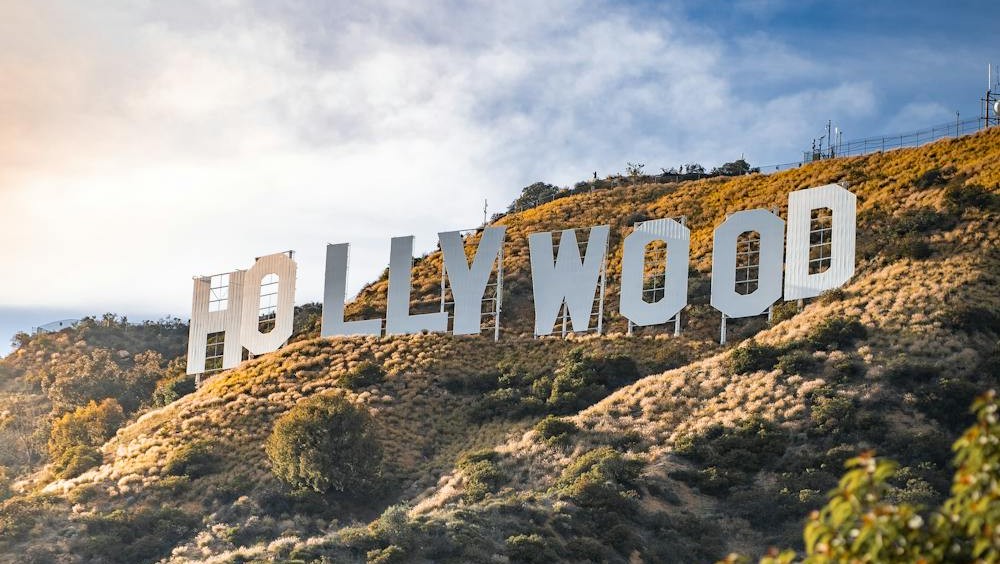
Image: Clément Proust

The Hollywood Sign is full of history, sponsorships, drama, and reinventions. Did you know that it was originally not only a longer word but also physically larger? And like the Eiffel Tower, it was originally intended to be a temporary structure. Read on to learn more interesting facts about LA’s most famous backdrop !

1
It was originally an advertisement

Image: Emma Timmers

Have you ever wondered why the sign exists at all? After all, not many cities display neighborhood names on a nearby hill . When the sign was first erected in 1923, it was simply a billboard promoting a real estate development, and it was supposed to stand for only about 18 months.

2
It used to be longer

Image: Sarah Sheedy

The sign originally read "Hollywoodland" , the name of a new housing development that promised wealthy buyers unique views of the sunny hills of Los Angeles. So, they stuck a gigantic sign on Mount Lee. Just temporary , they said. Just for marketing .

Over 20 years later, the district had become more culturally relevant than the housing development, but people had grown used to the sight by then. So, they decided to let go of four letters. Each cost a fortune to maintain anyway.

3
It used to be bigger

Image: Eliot

The original "Hollywoodland" sign was massive. Each letter stood 43 feet tall and stretched 30 feet across. They were made from thin metal panels slapped onto wooden frames and held up by telephone poles.

It dazzled from afar, but up close, it was a wobbly mess . The construction was so flimsy that by the 1930s, some of the letters were already tilting, cracking, or sliding out of place.

4
It’s appeared in more movies than most actors

Image: Ramaz Bluashvili

Doesn’t that fact make you giggle? It’s not Bette Davis, and it’s not Anthony Hopkins—it’s the Hollywood Sign that has more movie credits .

Aliens have blown it up. Earthquakes have toppled it. Sharks have flown right through it. But it’s also been the backdrop for kisses, chases, and friendship montages. Directors love it because it screams "L.A." in three seconds flat.

5
Technically, it’s not in Hollywood

Image: RDNE Stock project

The Hollywood Sign doesn’t actually sit within the neighborhood of Hollywood—it stands atop Mount Lee, inside Griffith Park, which is managed by the City of Los Angeles . So while it may say Hollywood , it’s not technically in Hollywood.

6
It’s been rebuilt twice

Image: Gerald Schömbs

By the 1940s, the city stepped in and gave the sign a minor facelift. After the crumbling "LAND" was scrapped, the remaining letters were patched up.

But by 1978, the sign was in serious trouble again—rusted, leaning, and on the verge of collapse, it was deemed beyond repair. This time, Hollywood did what it does best: rebooted it entirely . A new sign was built from scratch, using steel beams and concrete foundations.

7
Celebrities "sponsored" letters

Image: Joseph Menjivar

When Hollywood cried for help in the late ’70s, it was Playboy founder Hugh Hefner who stepped in. The city didn’t have the funds to rebuild the sign, so Hefner threw a glitzy fundraiser to find sponsors for each of the nine letters, at $27,777 apiece.

And it worked. Alice Cooper funded the "O" in memory of Groucho Marx. Gene Autry sponsored the second "L." Even Warner Bros. chipped in.

8
No public trail leads directly to it

Image: Venti Views

Perhaps you’ve heard a disappointed tourist complain about this before: You can hike near it. You can pose below it. But actually walking up to the letters is a no-go. The trails in Griffith Park will get you close, with plenty of Instagram-worthy views. But conservation efforts mean you’ll never legally stand between the "L"s.

One reason is that decades ago, it was easier to reach the sign—and some fans even climbed the letters.

9
The land surrounding it was once nearly sold for development

Image: izayah ramos

In the early 2000s, developers had their eyes on the land behind the sign. The plan was to construct luxury homes in the hills with killer views. But the public response was pure outrage.

Enter Hugh Hefner (again), along with celebrities and conservation groups , who raised over $12 million to save the land. Today, those hills are permanently protected.

10
It has its own security team

Image: Lukas Geck

As mentioned earlier, you can’t get a selfie next to the "H" because the sign is off-limits to the public. It’s monitored 24/7 with infrared cameras, motion sensors, microphones, and regular patrols. Some hikers still try their luck, but trespassing can lead to citations, fines, and in some cases, arrest.

11
It’s copyrighted; you can’t just slap it on a T-shirt

Image: Simon Ray

Call a lawyer before you print the Hollywood Sign on your merch. Some trademark rights to the sign are owned by the Hollywood Chamber of Commerce. That means any commercial use—like shirts, mugs, or movie scenes— requires a license . Even photographers have to tread carefully.

12
Helicopters were used to move the letters
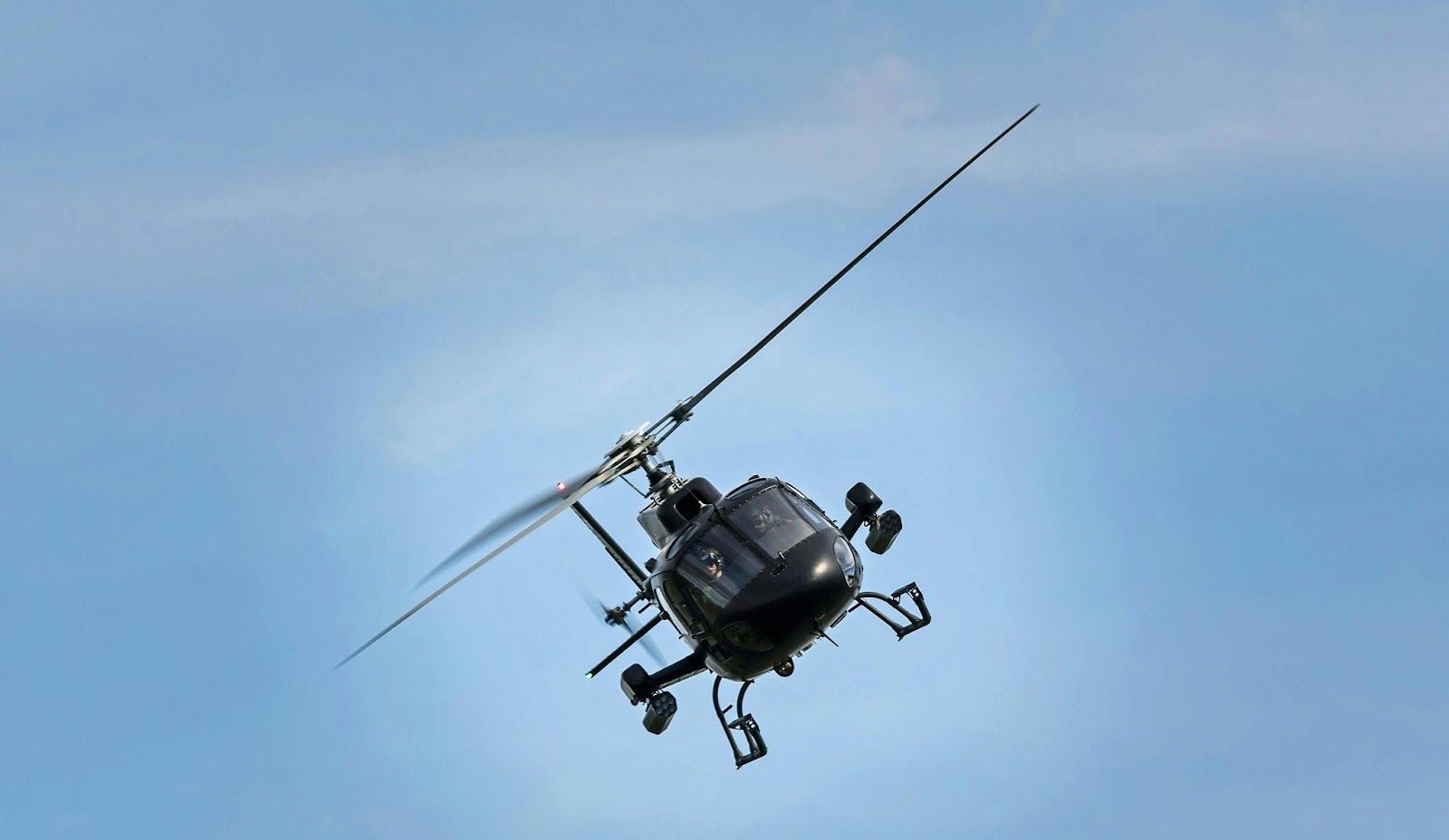
Image: Somchai Kongkamsri

The letters have been helicoptered off before. In 1978, when the new sign was being installed, the old, rusted letters had to go. But since you can’t exactly wheel 50-foot steel slabs down a hiking trail, helicopters came to the rescue.

One by one, the original letters were airlifted off the mountain in a strange, sky-high farewell. It was quite an event, and crowds gathered to watch.

Geography Geography 5 min read

Totems of the modern world

What is a Carhenge? U.S. roadside structures that make you stop the car

Image: Chris Long

"Did you see that?" Roadside attractions have been used to lure travelers since the 1920s. Some have stood for decades, silently waiting for visitors to pull over and stretch their legs while marveling at them. Some have gift shops and museums nearby to capitalize on some by-now famous designs. Others have been featured in movies and documentaries. Most of them have gone from being lonely land art to becoming landmarks. Let’s take a figurative trip around some of the dearest roadside attractions in the U.S.

1
Carhenge

Image: sarahehauge

The gray megaliths of Stonehenge , in contrast with the bright green of the surrounding plains, create an image familiar to most of us. The ancient monument in the south of England inspired artist Jim Reinders to design this roadside attraction near Alliance, Nebraska, along Highway 87.

He and his family built it in 1987 on his late father’s farm as a memorial. Thirty-nine cars were buried and welded in place, then spray-painted gray to form a structure imitating the original. Carhenge remains open 24/7, and anyone is welcome to visit anytime, but it looks particularly epic against the setting sun.

2
Prada Marfa

Image: Mizzu Cho

"Wait, what was that?" Imagine driving along U.S. Route 90 and catching a flashing glimpse of this lone-standing, one-story, deserted Prada store , just feet away from the road. Located 26 miles northwest of Marfa, Texas, this storefront is a land art installation built in 2005 by the architects and artists Elmgreen & Dragset.

It wasn’t meant to be an advertisement for the brand, although the shoes and handbags displayed in the interior of the shop were provided by designer Miuccia Prada herself. The location was carefully chosen so that the white shop would stand out against the barren landscape.

3
"Giant" Marfa Mural

Image: Robert Harkness

Remember Giant (1956), the film starring Elizabeth Taylor, Rock Hudson, and James Dean? This classic about a wealthy Texan family was shot around the town of Marfa, Texas, and parts of it were filmed right at this spot. That means Marfa became the site of yet another car-stopping roadside attraction.

Right off the road on U.S. ​​Highway 90, just like the Prada Marfa, stand these colorful plywood murals that depict the characters and the Little Reata Ranch , which served as the backdrop of the movie. Artist John Cerney erected these figures in 2018, and visitors also mention that one can hear music at the site: it comes from speakers cleverly concealed between rocks and was composed by Michael Nesmith from The Monkees.

4
Galleta Meadows Sculptures

Image: Stephen Leonardi

You would have to take a 14-mile detour from California State Route 78 to see them, but it would be worth it. Galleta Meadows is a privately owned, open-to-the-public estate that has been home to over 130 giant metal sculptures created by Ricardo Breceda since 2007.

Breceda first built a giant metal dinosaur for his daughter after watching Jurassic Park III with her. When the owner of this estate saw his art, he commissioned all the sculptures that now adorn the land. The figures emerging from the ground vary. Beyond the mythological serpent dragon, some represent animals that once roamed the same land, such as the Columbian mammoth, the sabertooth tiger, and dinosaurs. A scorpion, a grasshopper, and a bighorn sheep can also be found.

5
Seven Magic Mountains

Image: Samuel Branch

The hoodoos that characterize the Western landscape inspired this pop-art image in the mind of Swiss artist Ugo Rondinone. Located on Las Vegas Boulevard ten miles south of Las Vegas, Nevada, these stacks of boulders were painted with fluorescent pigments that are activated by the sun.

The installation, built in 2016, was funded by the Nevada Museum of Art and the Art Production Fund . It was originally intended to remain for two years, but the fascination with this highly photogenic landscape was such that it was decided to keep it in place and open to the public. The Seven Magic Mountains receive around 325,000 visitors every year.

6
Cabazon Dinosaurs

Image: Marius Christensen

One of the most famous roadside attractions in the U.S. is the Cabazon Dinosaurs, located just west of Palm Springs in California. These are two steel-and-concrete figures, about 20 feet tall, that have their own names: the Brontosaurus Dinny the Dinosaur and the T-Rex, Mr. Rex.

Dinny and Mr. Rex are repainted frequently to show varying colors and suits. A nearby museum gift shop houses over 100 dinosaur figures and animatronics. The stop became even more famous after being featured in Tim Burton’s Pee-wee's Big Adventure (1985), but they had been standing at Cabazon since artist Claude Bell began building them in 1964.

7
Salvation Mountain

Image: Nitro ‎

In the California Desert, not far from State Route 111, stands an artificial hill that was created in 1984 and has been repeatedly modified over the years to become a colorful folk site. Local resident Leonard Knight started building the hill in the 1980s, with the vision that it would forever hold a message of "unconditional love to humankind ."

Adobe bricks, straw, discarded tires and car parts, and tons of paint were all used in the production of this 150-foot-wide art project.

8
Enchanted Highway

Image: Carol Highsmith's America

The Enchanted Highway stretches for 32 miles in the southwest of North Dakota. It has been decorated with some of the world’s largest scrap metal sculptures, all made by local artist Gary Greff, who began the project in 1989. He started the project as a way to revive his town, Regent , while it was in economic decline.

Fish, pheasants, bugs, and even a "Tin Family" of humans adorn the landscape near the city of Dickinson. Nine sites with sculptures are built along County Highway 21, most of them featuring parking areas to allow visitors to wander near the sculptures and take plenty of pictures.

9
Peachoid

Image: Jp Valery

The Peachoid water tower stands in Gaffney, South Carolina, and is shaped like, well, a peach . The tank holds one million gallons and is visible from miles around the point at Interstate 85 where it stands.

It was built for the city of Gaffney in 1981, resembling the fruit for which they were best known. It was commissioned by the Gaffney Board of Public Works, which also wanted to make the statement that Cherokee County, at one point in history, was a bigger peach producer than the entire "Peach State," Georgia.

10
Garden of One Thousand Buddas

Image: Kirsten Ann

Would you count them? There’s a peaceful garden in a valley near Glacier National Park in Montana. In it live one thousand white statues of sitting Buddhas lining a public park and botanical garden.

The construction of the site, nestled by the Mission Mountains , began in 2000. It wasn’t until 2015, however, that the 1,000th Buddha was finally placed, reaching the original goal of the founder, a Tibetan master. Hundreds of visitors arrive each week to walk the garden and wander around the 10 acres it spreads over.

General General 4 min read

QUIRKY FRIENDS

America's most beloved characters: 10 mascots we all love

Image: Jacob Rice

Few things are more American than identifying your favorite sports team or favorite breakfast cereal with a beloved mascot. Marketing has found a great way to make consumers feel attached to specific brands and identify with their products and characters. Who doesn’t love Tony the Tiger or our fluffy friend, the Pillsbury Doughboy? They have found their way into our homes and hearts! In this article, we’ll talk about 10 of our favorite American mascots. Read on and enjoy!

1
Rich Uncle Pennybags

Image: Maria Lin Kim

Board games are popular, at least some of them. Clue, Pictionary, Monopoly—we’ve all played at least one of these. But Monopoly’s popularity is something else. And it’s not just the game’s popularity but the fine man who is the face of the brand.

Rich Uncle Pennybags was introduced in 1936 and is widely known as Mr. Monopoly. This rich guy, dressed in a smart tuxedo, turned out to be so popular that he’s been incorporated into the brand’s logo altogether.

2
Tony the Tiger

Image: Franki Chamaki

Introduced in 1951, Tony the Tiger has been a fixture in, possibly, every single household in the United States and many more countries around the world.

With his classic blue background, Tony the Tiger successfully helped Kellogg’s skyrocket as a brand and made not only the mascot but the cereal truly unforgettable. In spite of being a tiger, Tony is known for his courageous messages and friendly smile that invites consumers to take a scoop of cereal and be ready to face the day. Who doesn’t need this shot of inspiration every morning? We can definitely count on Tony the Tiger for that!

3
Pillsbury Doughboy

Image: Kelsey Todd

This fluffy, adorable mascot, affectionately known as Poppin’ Fresh has been making kitchens a little brighter since 1965.

His real name is the Pillsbury Doughboy, and he is famous for his infectious laugh that erupts whenever someone pokes his belly. Dressed in his signature white chef’s hat and scarf, this giggling, chubby fella is the best company one can have when baking. If you have any doubts, you can ask this baking master!

4
Gritty

Image: Lynda Sanchez

If chaos had a face, it would definitely be Gritty! This wild-eyed, orange furball took the world by storm as the official mascot of the Philadelphia Flyers NHL team.

He made his debut in 2018 and soon became a favorite thanks to his unpredictable antics and meme-worthy expressions, which you are surely familiar with!

Both his personality and his color are quite loud, making him quite unforgettable, as orange is also the color of the team. It represents their essence: unapologetically weird and proud of it!

5
Smokey Bear

Image: Brian Wangenheim

Nature is truly a wonder, but in order to keep it that way, we need to protect it. Now, when it comes to this, warning messages have effectively prevented people from accidentally starting wildfires, thanks to a strong brown bear with a powerful message "Only you can prevent wildfires."

The campaign started in 1944 when Smokey Bear was introduced to the nation to spread the message across radio, TV, and print media. In no time, he became a success and a mighty figure of environmental protection.

6
Mr. Met

Image: Lesly Juarez

The spring of 1963 must be a loving memory for Mets fans: that’s when their mascot, Mr. Met, was born. And he came to this world with only one purpose, to cheer the New York Mets for life, and oh-boy did he accomplish it!

For over four decades, and with a partner in crime who joined the family in the mid-1960s, Lady Met, this baseball-loving mascot with a giant baseball for a head, has not only been a mascot but has also become part of the family. Is he a part of yours?

7
Kool-Aid Man

Image: Reba Spike

This brand is one of the most consumed in America and, even though they didn’t need a mascot to be successful, the Kool-Aid man surely brought around a fair dose of cuteness and good marketing.

Originally known as Pitcher Man, which made sense since he is the drawing of a pitcher, he was later renamed Kool-Aid Man with a clear target audience: children. Once again, the brand mascot made it an undeniable success, and it soon became a cultural icon with an iconic "Oh, Yeah!" catchphrase that can make you thirsty just from reading it! Thank goodness we have the Kool-Aid man to assist us there!

8
The Laughing Cow

Image: Kenny Eliason

This brand has a namesake mascot which, ever since it was created in 1921, has undergone quite an evolution! The cheerful cow, known as the Laughing Cow, first appeared to promote high-quality dairy products when packaged cheese was a novelty.

The character, highly recognizable for its red color, has graced all kinds of the company’s product packages and has become a synonym for quality dairy products, so much so, that it continues to be the logo of the brand today!

9
Big Tex

Image: Ray Shrewsberry

If you are from Texas, or if you have attended its State Fair, you are probably familiar with this 55-foot-tall state mascot. Big Tex, the official mascot of the State Fair of Texas was introduced in 1952 as a repurposed Santa Claus figure!

At the time, he was completely transformed into the towering cowboy we all know today. With his classic cowboy hat and his iconic greeting "Howdy, folks!" However, it’s not entirely fair to call him just a mascot, as he actually serves as a cultural ambassador for everyone who visits the State Fair.

10
Cy the Cardinal

Image: Jacob Rice

Cereal, cleaning products, sports teams—mascots are everywhere. And universities also have their furry friends. In the case of Iowa State University, Cy the Cardinal is the one and he has been ever since 1954.

Born from a student contest to create a mascot that embodied the school pride, Cy was inspired by the university’s nickname, the Cyclones. He is characterized by his vibrant red plumage and his big smile, which is key to rallying fans at any sporting event. Isn’t he fierce?

Explore more American facts

Choose your favorite category!

General
General

As American as apple pie—the very best America has to offer!

Culture
Culture

Delve into the astounding richness of American lore.

Geography
Geography

Hop in and explore vast and diverse American landscapes.

History
History

Discover the key moments that shaped the United States.