Culture Culture 5 min read

Do you know which U.S. state boasts the oldest tree in the world?
Image: RDNE Stock project

America is full of tall tales, but some of them happen to be true. From giant rocking chairs to super-sunny cities, many states proudly claim a "world’s largest" title that’s as fun as it is mind-blowing. Here are 12 states where everyday life comes in extra-large size, proving that the spirit of "bigger and better" is alive and well.

1
California
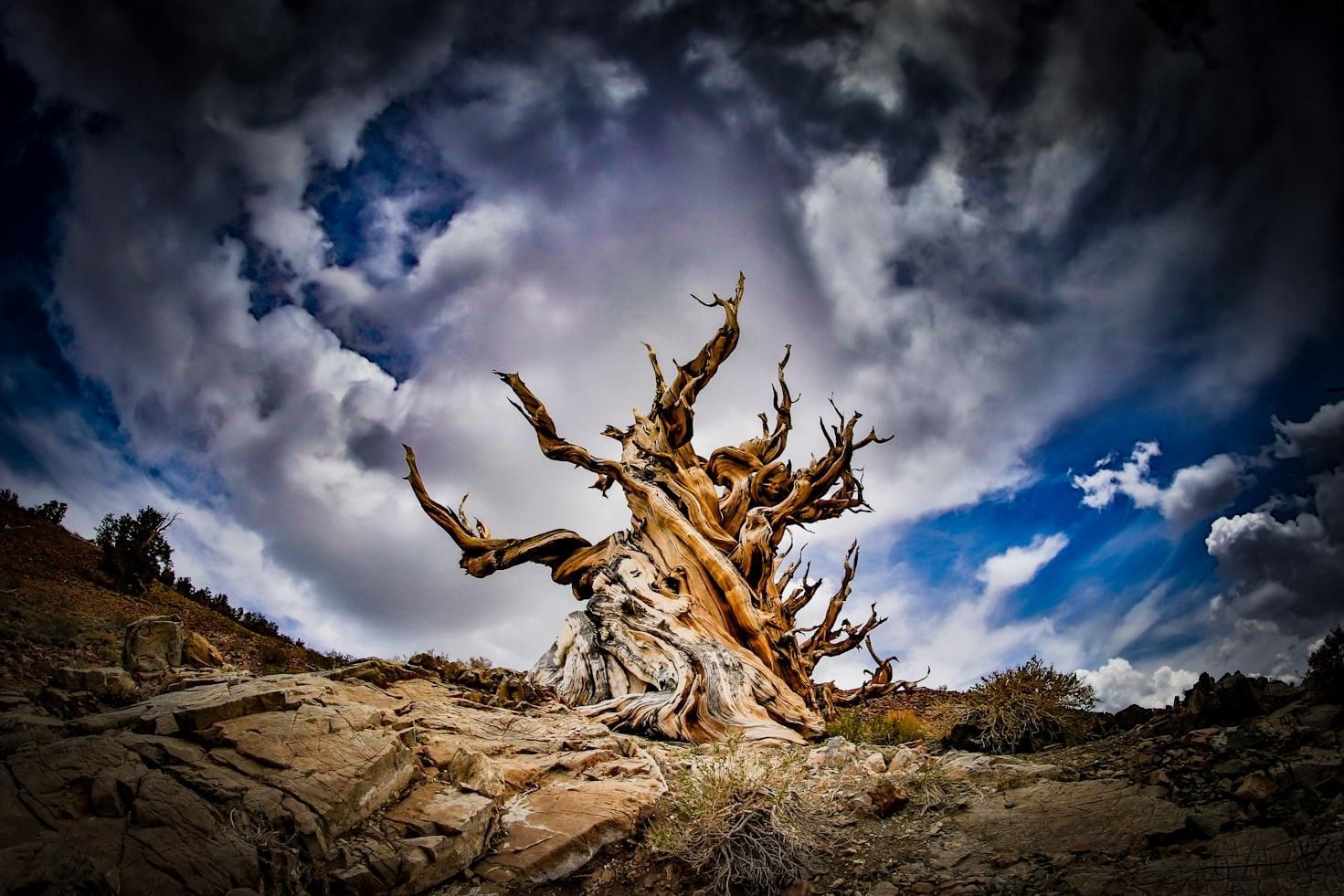
Image: Ross Stone

California is famous for its grand sights, but few can compete with Methuselah, a Great Basin bristlecone pine more than 4,800 years old, widely considered the oldest known tree on Earth.

Beyond its ancient forests, the state also shines in pop-culture records: one of Kurt Cobain’s guitars sold in Los Angeles for over $6 million, becoming the most expensive guitar ever auctioned. California is also home to eye-catching personal records, including the world’s longest female arm hair and the largest male afro. From timeless trees to memorable modern oddities, California’s record list is full of true West Coast flair.

2
Nevada
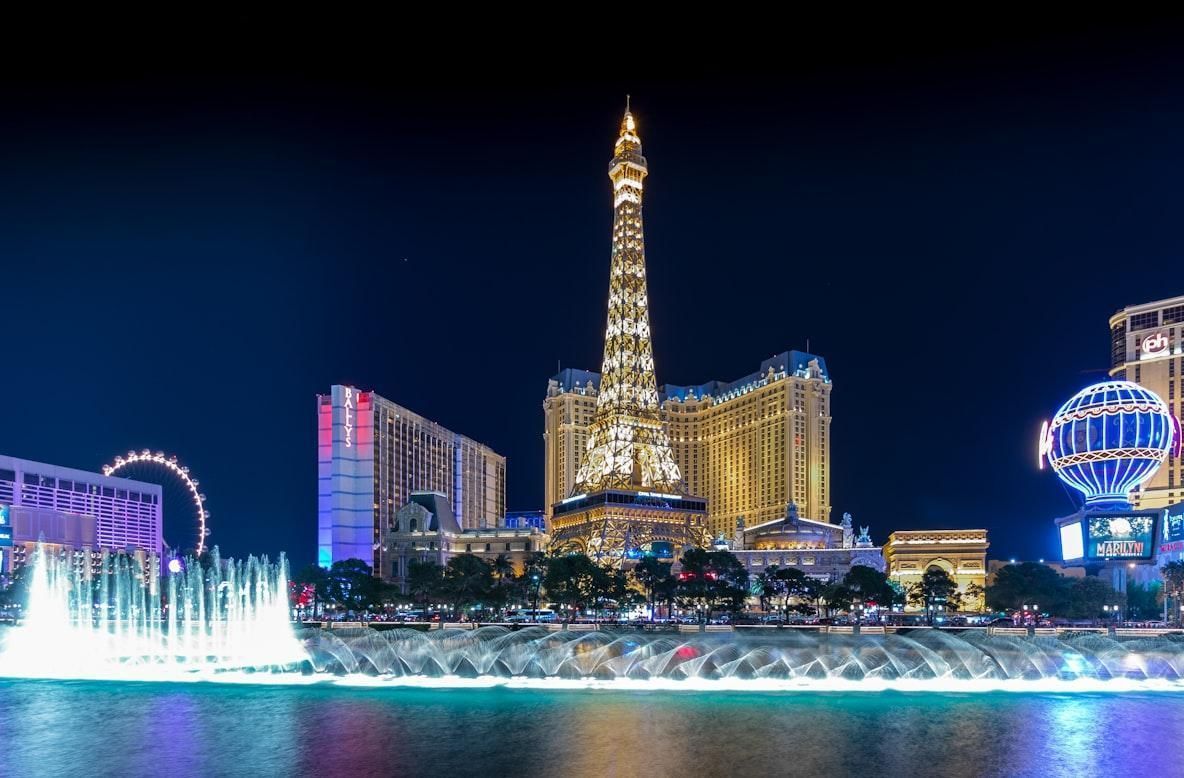
Image: Jordi Vich Navarro

Nevada knows how to entertain…and break records along the way! Las Vegas boasts the highest density of hotel rooms in the world, along with an unmatched lineup of themed resorts that range from ancient pyramids to miniature European cities.

The Bellagio holds the record for the most fountains in a hotel, and the Venetian shines with the world’s largest polished-marble floor area. The city also has more resident magicians than anywhere else and hosts thousands of weddings each month. In Nevada, the show is always bigger, brighter, and endlessly jaw-dropping.

3
Idaho

Image: Craig Adderley

The Gem State holds some of the country’s most lighthearted records. Beard enthusiast Joel Strasser turned facial hair into a full-time hobby. He has tucked thousands of everyday objects into his whiskers, from 3,500 toothpicks to 600 barbecue skewers.

Idaho is also home to record-setter David Rush, known for everything from lightning-fast lemon-juice sipping to catching marshmallows fired from a homemade catapult. And on the scientific side, the University of Idaho helped welcome Idaho Gem, the first cloned mule in history.

4
Arizona
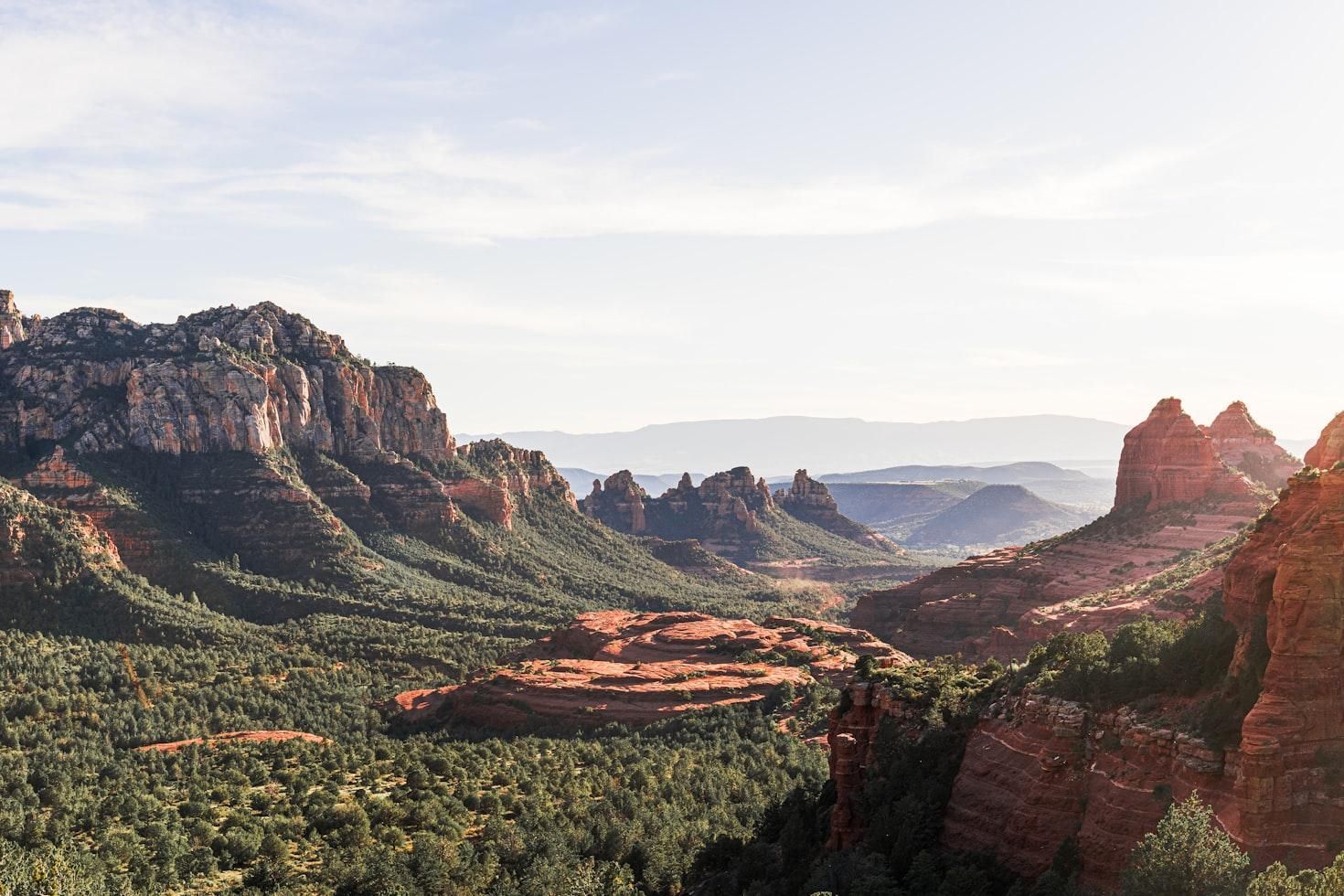
Image: Edmundo Mendez, Jr.

Arizona loves a good spectacle. In Phoenix, an exhibition opening once used a pair of 10-foot scissors —the largest in the world— to cut the ribbon in style. Down in Yuma, sunshine reigns supreme: the city enjoys about 91% of all possible daylight hours each year, adding up to more than 4,000 hours of bright, warm weather.

The state also embraces playful oddities, including its own "Poozeum", the world’s largest collection of fossilized… well, you can guess the rest. And at the Phoenix Zoo, visitors can even meet Nikki, the world’s oldest mandrill, adding another unique distinction to Arizona’s lineup of record-setters.

5
Georgia
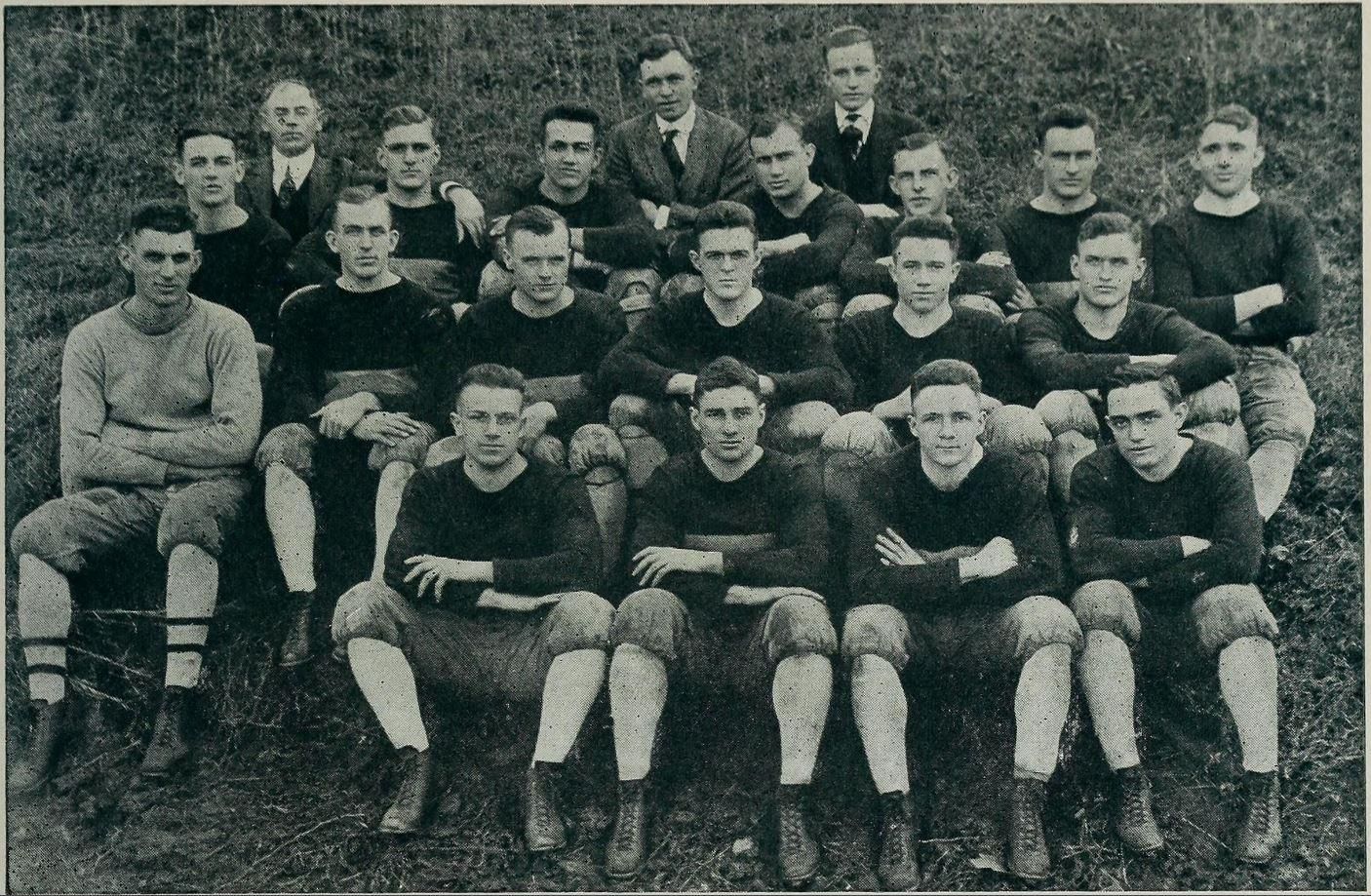
Image: Public domain, via Wikimedia Commons

Georgia blends big art with big sports. The state is home to the world’s largest tattoo artwork —a massive 79-plus square-foot piece created by two Atlanta studios using a special silicone canvas and more than $30,000 in materials.

On the athletic side, Georgia Tech once set the highest football score ever recorded, finishing an unforgettable 222-0 game back in 1916. From oversized art to record-setting touchdowns, Georgia knows how to leave a bold, lasting impression.

6
Alaska
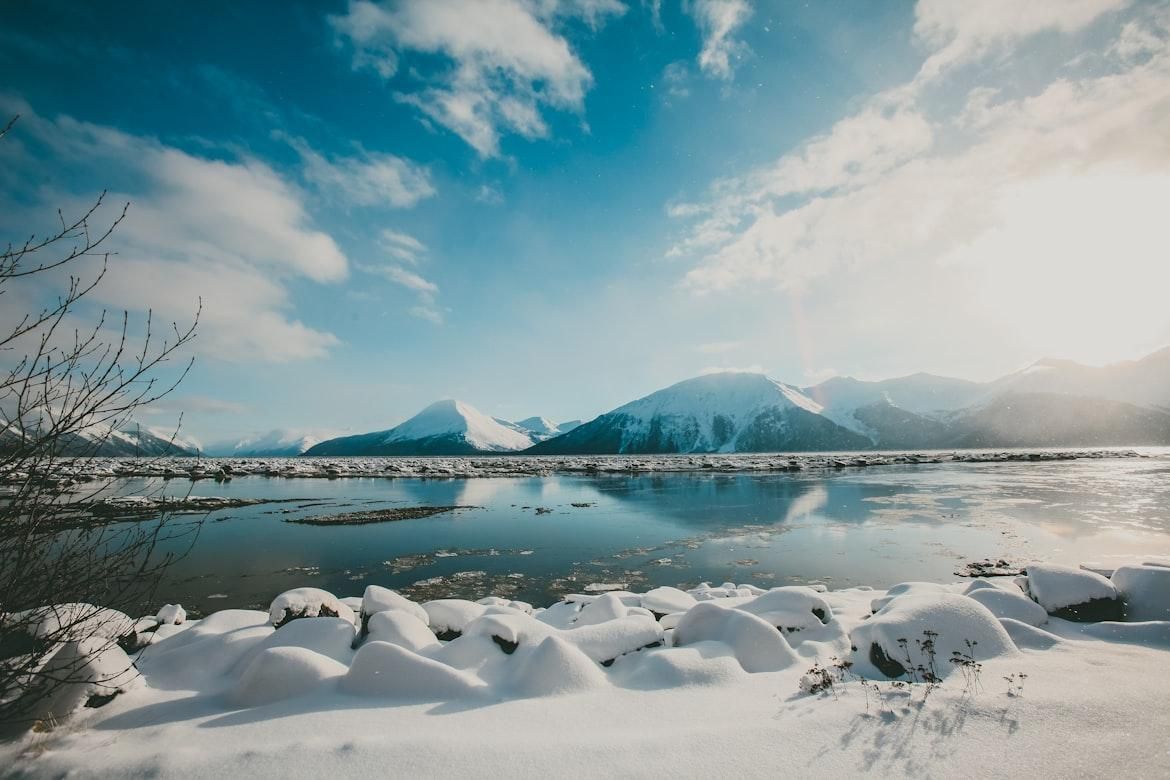
Image: Rod Long

Up north, "large" takes on a whole new meaning. Alaska’s Pribilof Islands host the biggest northern fur seal colony on Earth, with close to a million animals gathering during peak seasons.

The state also celebrates remarkable feats of endurance: a tagged bar-tailed godwit flew more than 8,400 miles nonstop from Alaska to Tasmania, setting a record for the longest continuous bird migration. And in the Arctic interior, the Great Kobuk Sand Dunes stretch across nearly 24 square miles —the largest active dune field in the region. Even in a land known for ice and mountains, Alaska proves it can go big in surprising ways.
7
Delaware

Delaware may be tiny on the map, but it knows how to draw a crowd. The state is home to 11 record holders, including the World's Largest Doctor's Bag Monument.

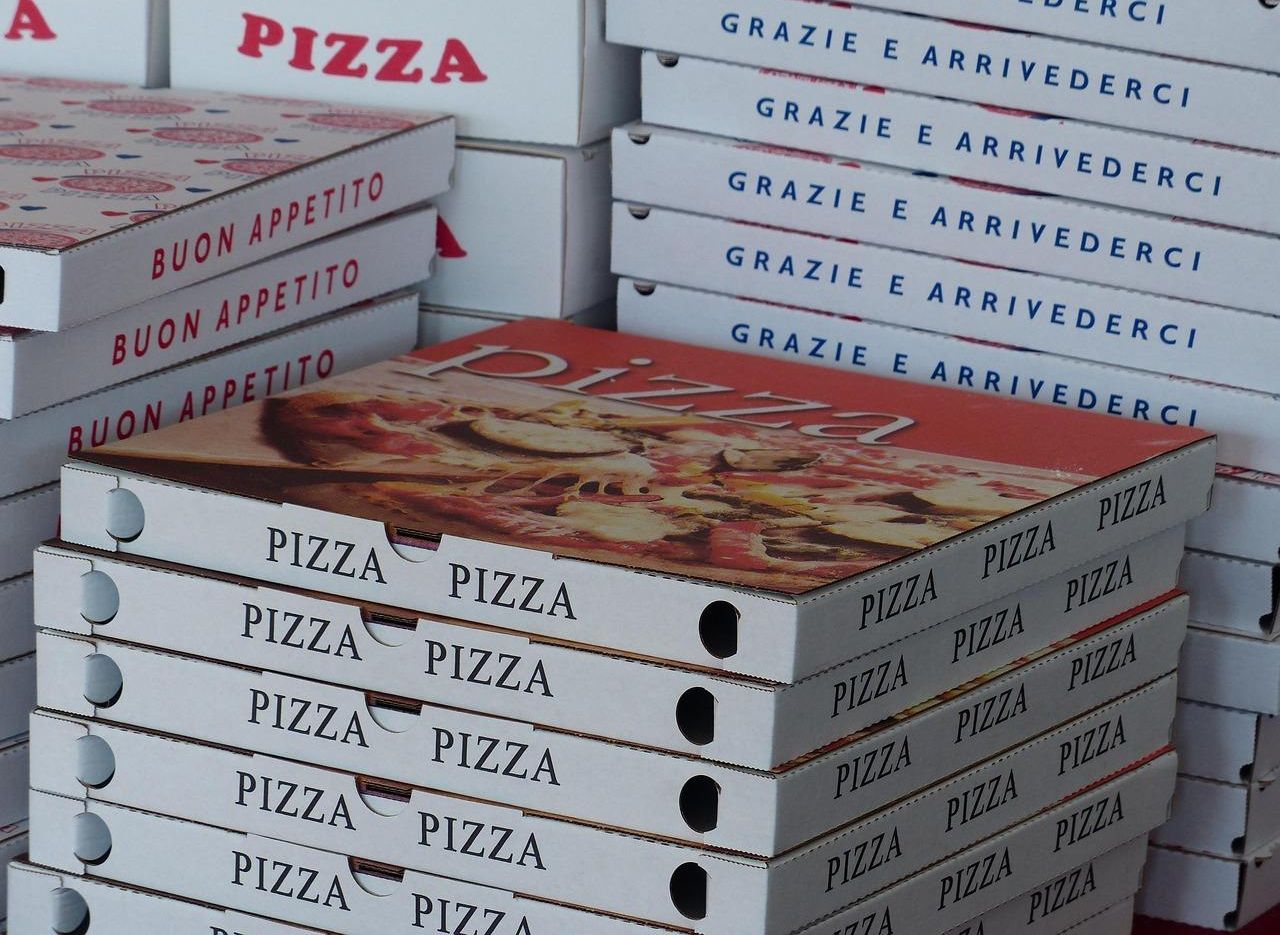
Delaware State University once gathered 1,709 people waving foam fingers at the same time, and another huge group buzzing handheld buzzers together. The state is also home to a towering 36-foot stack of cardboard boxes called the "Leaning Tower of Pizza." Small state, big personality.

8
Hawaii
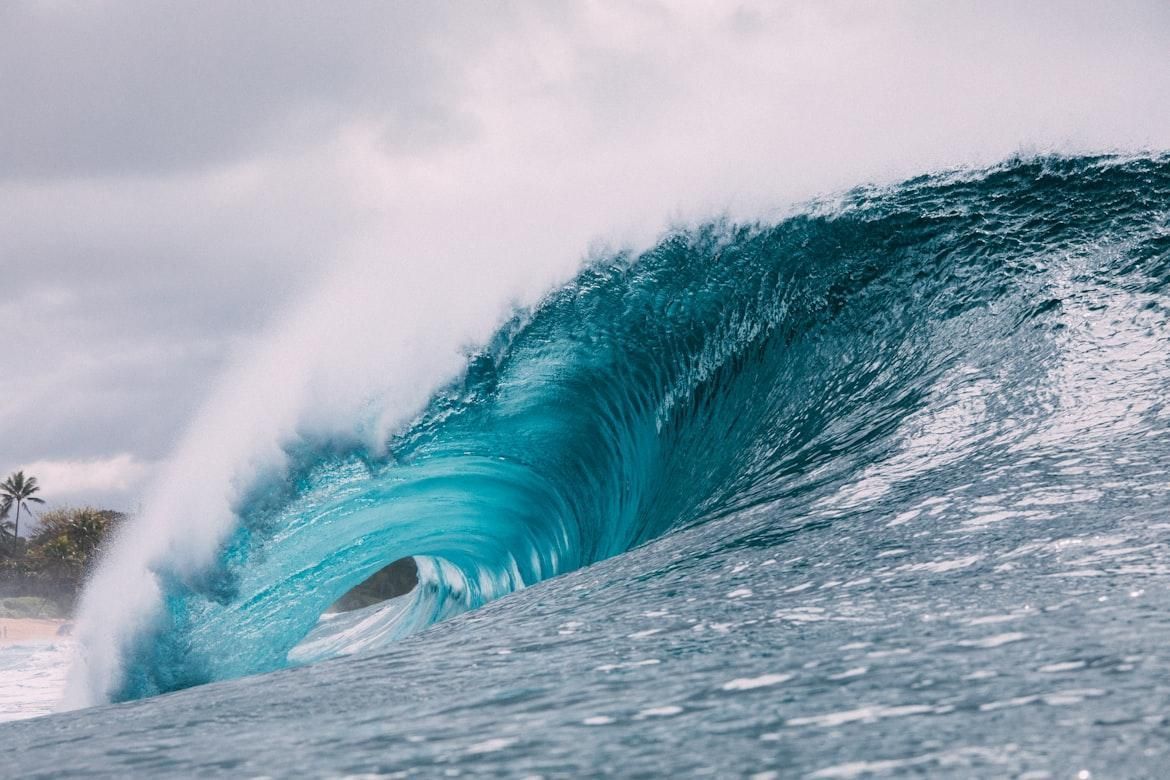
Image: Matt Paul Catalano

Hawaii’s natural wonders reach record heights, and many of them are straight from the islands’ own landscape. Kīlauea is recognized as the world’s most active volcano, with decades of steady activity and a name that fittingly means "spewing."

The islands also celebrate remarkable achievements on the ocean: off Oahu, Australian surfer Laura Enever rode an astonishing 43.6-foot paddle-in wave, the largest ever recorded for a woman.

9
Illinois

Image: Brett Sayles

Illinois loves to go big, and it shows in all kinds of creative ways. In the small town of Casey, visitors can stand beneath a giant rocking chair more than 56 feet tall —one of the state’s many oversized roadside attractions.

The Prairie State also stirred up the world’s largest jar of spread, using more than a ton of peaches and tomatoes in a three-day cooking marathon. Are you waiting for something more extreme? An Illinois native set the record for the fastest clapping ever recorded, reaching an incredible 804 claps in one minute.

10
Alabama

Alabama has a special talent for turning simple moments into big record-breakers. Here you’ll find the largest bubblegum bubble ever blown —a bright 20-inch sphere made from just three pieces of gum and plenty of practice.

The state also celebrated the Apollo 11 anniversary by launching nearly 5,000 model rockets at once, filling the sky with a burst of color. Alabama is home to more than 50 record holders, including inspiring stories like Curtis Means’, the world’s most premature baby to thrive and grow. If you enjoy bold, cheerful achievements, Alabama delivers them in generous size.

11
Arkansas
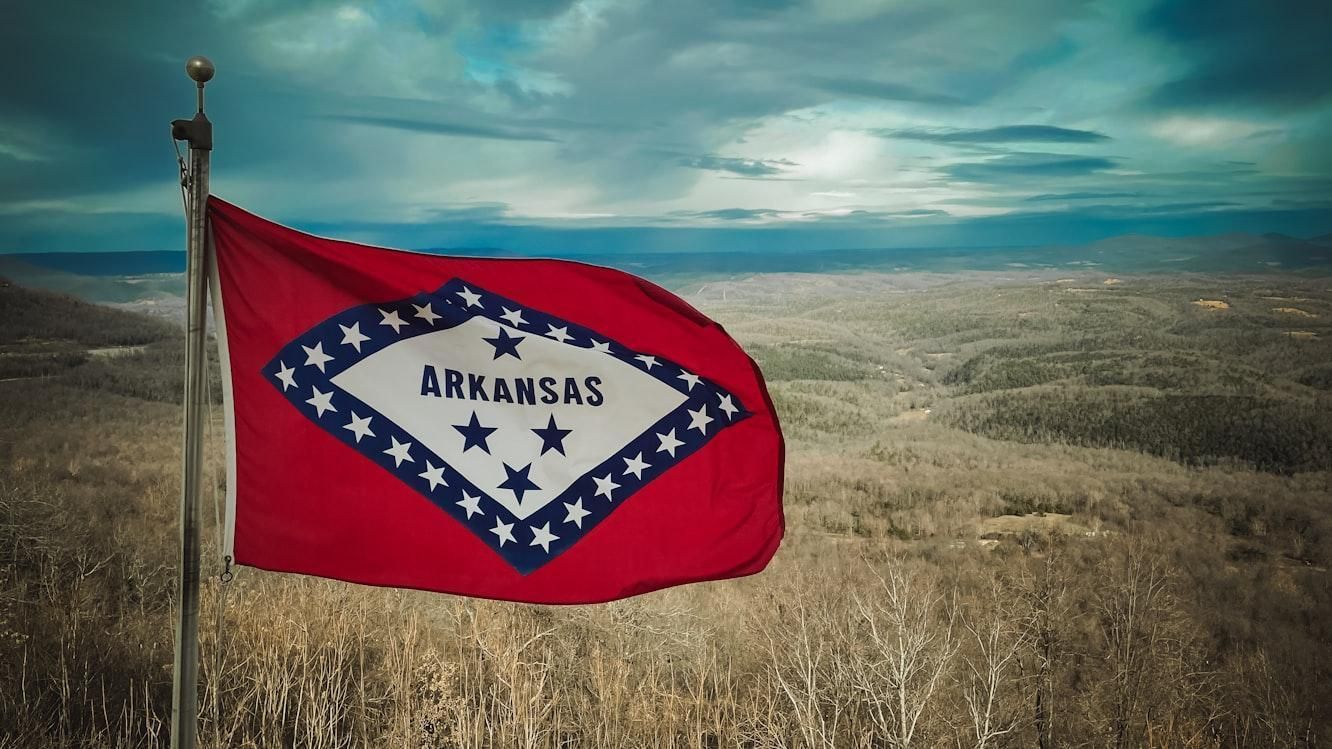
Image: Jametlene Reskp

The Natural State mixes small-town charm with some truly memorable oddities. Arkansas was once home to Lurch, the African watusi steer famous for having the largest horn circumference ever measured —an incredible 37.5 inches around.

Arkansas also wears its heart on its sleeve: a statewide effort gathered more than 81,000 pounds of pet food in just 24 hours, setting a cheerful charity record. And for pure determination, a young Arkansan even held a deep squat for nearly three hours. In Arkansas, generosity and eye-catching achievements go hand in hand.

12
Florida
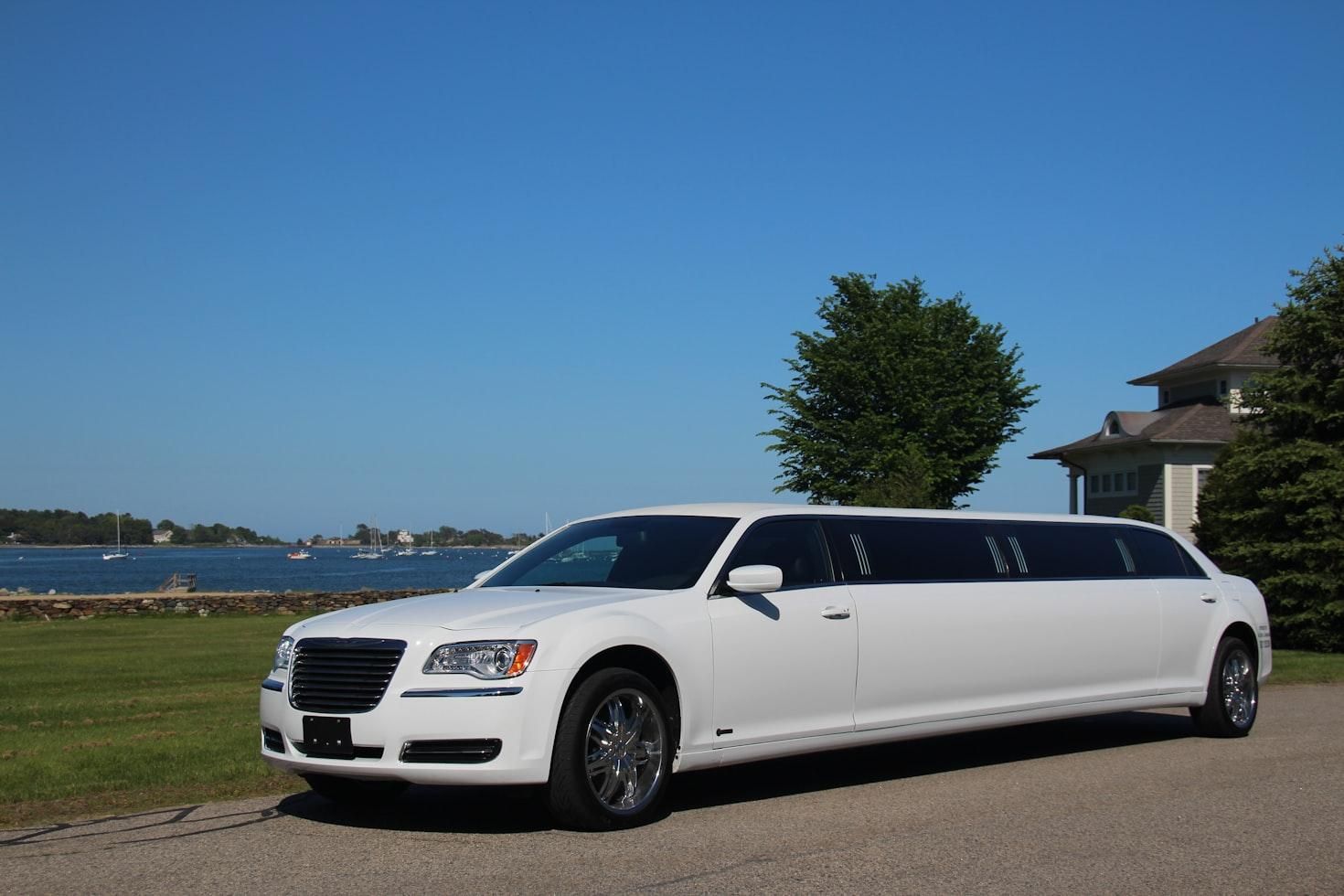
Image: Richard R

Florida takes "large" to heart. The Sunshine State is home to the world’s longest limousine, a restored 100 ft 1.5 in cruiser with room for 72 passengers —nearly three times the length of an ordinary stretch limo!

Florida also knows how to put on a show: Miami hosted the first-ever pay-per-view pillow fight, complete with pro fighters and custom-made pillows; in Bradenton, a Monster Jam driver set two eye-popping records for the most consecutive spins in a monster truck.
History History 5 min read

Nostalgia alert

Where do bell-bottoms really come from? Flashback to the '70s and '80s!

Image: Rachel Moore

Those of us who grew up during the 20th century know what we mean when we say that some decades had a lot to celebrate. From disco music to the early video game craze, the 1970s and 1980s left behind countless moments, objects, songs, and fads that we still remember today. If you're a true nostalgic like us, this article is for you. Join us as we explore the 10 things we miss most about the 1970s and 1980s. Let's get started!

1
Bell-Bottom Pants

Image: Annie Spratt

If you're attending a 1970s-themed costume party, what would you wear? Beyond your personal style, no '70s wardrobe could be complete without a good pair of bell-bottom pants.

These pants were everywhere back then. Available in all colors and styles, they were worn by young and old alike. While their stardom spanned from the late 1960s to the early 1980s, bell-bottoms actually emerged much earlier. When? In the 19th century!

The first to wear this style of pants were American sailors in the 1800s. But their purpose wasn't to look trendy. Sailors implemented them because the wide design made it easy to roll them up when it was time to get their feet in the water.

2
Polaroid Cameras

Image: Josh Carter

Your current cell phone camera is probably better than the analog cameras of the 20th century. But let's be honest—there's nothing quite like holding a physical photo you just took, right?

Okay, we admit it: nostalgia is kicking in. But still, who can deny that a picture is a beautiful memory that gives a sweet, homey touch to your house? Thanks to Polaroid cameras, those of us who grew up in the 1970s and 1980s know this all too well.

Although Polaroid cameras first emerged in the late 1940s , it wasn’t until 3 decades later that they reached their peak popularity, becoming an unmistakable symbol of the era.

3
Music videos

Image: Jakob Owens

While music videos existed before the 1980s, that decade turned them into a global sensation.

One song marked a major turning point in the world of music videos. You probably already guessed it: we’re talking about Michael Jackson’s "Thriller." Released in 1983, this was one of the first music videos to feature substantial production value and investment, making it worldwide famous and setting a trend that would influence the industry for decades. Other unforgettable examples from the era include the animated masterpiece "Take On Me" by A-ha (1985) and the vibrant aerobic-themed "Physical" by Olivia Newton-John (1981).

While music videos remain a key part of the music industry today, they’ve evolved to be shorter and more dynamic, often prioritizing quick impact over storytelling.

4
Synthesizer Sound

Image: Orkun Azap

One of the most iconic and recognizable features of '70s and '80s music is the use of synthesizers.

First introduced in the 1960s, synthesizers grew in popularity over the following decades, until they became part of nearly every sound of the era—from rock and funk to pop, disco, and electronic music.

A great '70s example is Stevie Wonder 's "Superstition," which showcases the innovative use of synthesizers. By the '80s, the synthesizer sound had reached new heights, thanks to bands like Depeche Mode and Duran Duran , who helped define the decade's musical identity.

5
Disco Balls

Image: Greyson Joralemon

If there's one thing that screams 1970s, that's undoubtedly disco music. With icons like the Bee Gees, KC The Sunshine Band, and Donna Summer, disco emerged in America and quickly got the whole world onto the dance floor.

In addition to platform shoes and satin shirts, one of the objects that went hand in hand with this type of music was the famous mirror ball, also called the disco ball. Discotheques often showcased spectacular disco balls, and famous artists included them in their music videos, making those shiny spheres the stars of the era.

6
Roller Skates

Image: Nick Fewings

Disco wasn’t the only sensation of the era—roller skates were a big deal, too. In fact, the two often combined: during the '70s and '80s, roller discos became a hit, where people danced on wheels!

Roller skates were so popular at the time that they made their way into films and music videos, including the 1980 cult classic Xanadu and Cher’s iconic 1979 music video for "Hell on Wheels."

Although roller skates were invented in the 18th century, it was the 20th century that catapulted them to the height of their fame. Were you lucky enough to strap on a pair and join the fun?

7
Arcade

Image: Carl Raw

If you were young in the '80s, you probably had a joystick or an arcade token in your hands, as arcades were the ultimate hangout spots for teenagers back then.

We bet you remember titles such as "Space Invaders," released in 1978, or the legendary "Pac-Man," which arrived to revolutionize the entire industry in 1980. Other unforgettable classics included "Donkey Kong" and "Frogger," both released in 1981.

So, what was your high score? Did you dominate the leaderboard or keep coming back for just one more game?

8
Atari 2600

Image: Senad Palic

What do you usually do when you're bored at home? For most of us, it's watching a movie or scrolling through our phone screens. But a few decades ago, the entertainment industry looked entirely different.

In 1977, home recreation changed forever with the arrival of the Atari 2600, one of the first home gaming consoles. From that moment on, gamers could enjoy their favorite games without ever leaving the comfort of their homes.

9
Slang

Image: Buse Doga Ay

But it wasn't just about fashion, music, and games. We can't forget the prominence of slang during these two emblematic decades.

One of the first terms that comes to mind is "groovy," remember that one? It was used to describe something cool or excellent. Maybe you remember a friend saying, "I love your outfit, super groovy!" Another memorable expression from the era was "Gag me with a spoon," used to convey disgust or displeasure, as in "That's so cheesy! Gag me with a spoon!"

Other unforgettable slang words included "bummer," "rad," "hip," and "tubular," each capturing the spirit of the '70s and '80s in its own unique way.

10
Cabbage Patch Dolls

Image: silvia trigo

If you didn't have one at home, you probably knew someone who did—or maybe even had more than one. We're referring to the famous Cabbage Patch Dolls, the toy that caused a sensation during the early 1980s.

Launched in 1982, the Cabbage Patch Dolls quickly made their way into most American homes. Their popularity was so massive and abrupt that they are remembered as one of the most iconic trend crazes of the 20th century. People would form long lines outside toy stores just to hug one of these dolls. In fact, the craze was so intense that the media dubbed it the "Cabbage Patch Kid Frenzy."

History History 5 min read

FORGING OF A NATION

10 Key Moments in the Fight for American Independence

Image: John Trumbull

A pivotal period in our history, the American Revolutionary War saw the original thirteen colonies break free from British rule and establish an independent nation. This era was crucial not only for the struggle that liberated the country from colonial rule but also because it was when the nation and its ideals were conceived and envisioned. Here are 10 key moments that defined the American Revolution, shedding light on our forefathers' immense bravery and genius.

1
No Taxation Without Representation

Image: Board of Stamps

After the French and Indian War in 1763, American colonists were surprised to find that, instead of being rewarded for their efforts, the British Parliament raised their taxes and enacted new ones, such as the Stamp Act and Townshend Acts. Soon, these burdensome laws sparked widespread protests and boycotts under the rallying cry of "No Taxation Without Representation."

Initially, most colonists only wanted to be recognized as rightful British citizens. However, the brutal reaction of the Crown—sending troops to contain the unrest and force compliance—convinced many that independence was the only way to achieve their rights. The tragic incident known as the Boston Massacre on March 5, 1770, was the tipping point in this chain of events, inflaming anti-British sentiment.

2
Boston Tea Party

Image: W.D. Cooper

The Tea Act, enacted on May 10, 1773, granted the British East India Company a monopoly on tea sales in the colonies, further enraging the already weary colonists. This led a group of rebel colonists, known as the Sons of Liberty, to take matters into their own hands. In direct response to the Tea Act, they boarded British ships and dumped 342 chests of tea into Boston Harbor, worth £9,659 (equivalent to $1,700,000 today).

This act of defiance, later known as the Boston Tea Party , was a bold statement against British taxation and control. However, it also prompted the British government to further restrict colonial autonomy by implementing the Intolerable Acts (also known as the Coercive Acts).

3
The Midnight Ride

Image: National Archives and Records Administration

The British government's punitive measures only fueled the burgeoning revolutionary movement. In 1774, the First Continental Congress was convened, with representatives from each colony attending. During these meetings, the delegates agreed to coordinate militia training and resistance.

The situation remained tense for a year until King George ordered British troops to seize the rebels' weapons and arrest their leaders. However, the colonial militia was warned of the approaching British forces the night before, thanks to the heroic midnight ride of Paul Revere and other patriots. Their ride was crucial in mobilizing the Minutemen and ensuring they were prepared for the British assault.

4
Shot Heard 'Round the World

Image: William Barnes Wollen

The first shots of the American Revolutionary War were fired on April 19, 1775, in Massachusetts. British troops aimed to seize colonial arms, but the Minutemen refused to comply and confronted them, leading to a series of skirmishes known as the Battles of Lexington and Concord. These clashes demonstrated the colonies' determination to fight for their rights and ignited an all-out war.

The first significant military encounter of the American Revolutionary War, it resulted in a resounding American victory that encouraged other colonists to support and join the revolutionary efforts. Due to its significance and lasting consequences, the event was later referred to as the "shot heard round the world," a phrase that stems from the first stanza of Ralph Waldo Emerson’s 1837 commemorative poem.

5
Raising the Banner

Image: Winthrop Chandler

The Battle of Bunker Hill, fought on June 17, 1775, proved that the colonists could stand up to the British army. As Loyalist forces sought to capture the strategically important hills surrounding the besieged city of Boston, Patriot Colonel William Prescott directed his troops to occupy these positions in advance.

Though the battle was technically a British victory, the colonial forces inflicted heavy casualties on the British—approximately 1,000 British soldiers compared to around 500 American casualties. This showed the Crown that quelling the fight for independence would be a long and costly campaign, while simultaneously boosting American morale and convincing many that victory was within reach.

6
A Declaration of Independence

Image: John Trumbull

Emboldened by their success, on July 4, 1776, the Continental Congress—at the time the de facto unified colonial government representing each of the former colonies—adopted the Declaration of Independence .

Drafted primarily by Thomas Jefferson, the document declared the colonies' separation from Britain and articulated a vision of liberty and democracy , rejecting monarchy and aristocracy. It was a bold assertion of the colonies' right to self-governance, inspiring similar revolutionary movements around the world and influencing future generations.

7
Crossing the Delaware

Image: Emanuel Leutze

On Christmas night of 1776, General Washington led a daring and successful surprise attack across the icy Delaware River. This bold maneuver demonstrated both Washington's genius and leadership, as well as the Continental Army's resolve to defeat the British forces at any cost.

The subsequent victory at the Battle of Trenton significantly boosted morale and reinvigorated the revolutionary cause across the continent. Despite the British having considerable advantages, including a highly trained and battle-tested army, they systematically underestimated the revolutionaries, believing them to be merely a group of renegades whose defeat would restore loyalist allegiance to the Crown.

8
Turning the Tide

Image: John Trumbull

The American victory at the Battle of Saratoga in late 1777 marked a turning point in the war. Not only did American forces manage to capture a large British invasion army and halt the British advance in the north, but the triumph also resonated across Europe.

When news of General Burgoyne's surrender reached France, it convinced King Louis XVI to join the conflict as an ally to the Americans, providing much-needed military support and resources. This alliance significantly bolstered the American cause and forced the British to view the war as part of a larger global campaign, further straining their already depleted resources.

9
The French Connection

Image: Eugène Delacroix

The Siege of Yorktown in 1781 was the last major land battle of the Revolutionary War. American and French forces, led by General Washington and General Rochambeau, successfully trapped British General Cornwallis's army.

The Franco-American alliance proved decisive, compelling Cornwallis to surrender and prompting the British government to negotiate an end to the increasingly costly conflict. This effectively ended major combat operations and marked the beginning of the end for British rule in America.

10
Negotiating Peace

Image: John D. Morris & Co. after Wilhelm Anton Seiler

The Treaty of Paris , signed on September 3, 1783, officially ended the Revolutionary War. Negotiated by American diplomats Benjamin Franklin, John Adams, and John Jay, it recognized American independence and established borders for the new nation. The treaty delineated the boundaries between British North America, later known as Canada, and the nascent United States.

Although British efforts to undermine the American colonies persisted for decades, eventually leading to the War of 1812, the treaty granted legitimacy to the revolutionaries' efforts on the world stage and marked the beginning of a new era.

Explore more American facts

Choose your favorite category!

General
General

As American as apple pie—the very best America has to offer!

Culture
Culture

Delve into the astounding richness of American lore.

Geography
Geography

Hop in and explore vast and diverse American landscapes.

History
History

Discover the key moments that shaped the United States.