History History 4 min read

Wild wild country

Remember the Storm of the Century? 10 storms that reshaped the U.S.
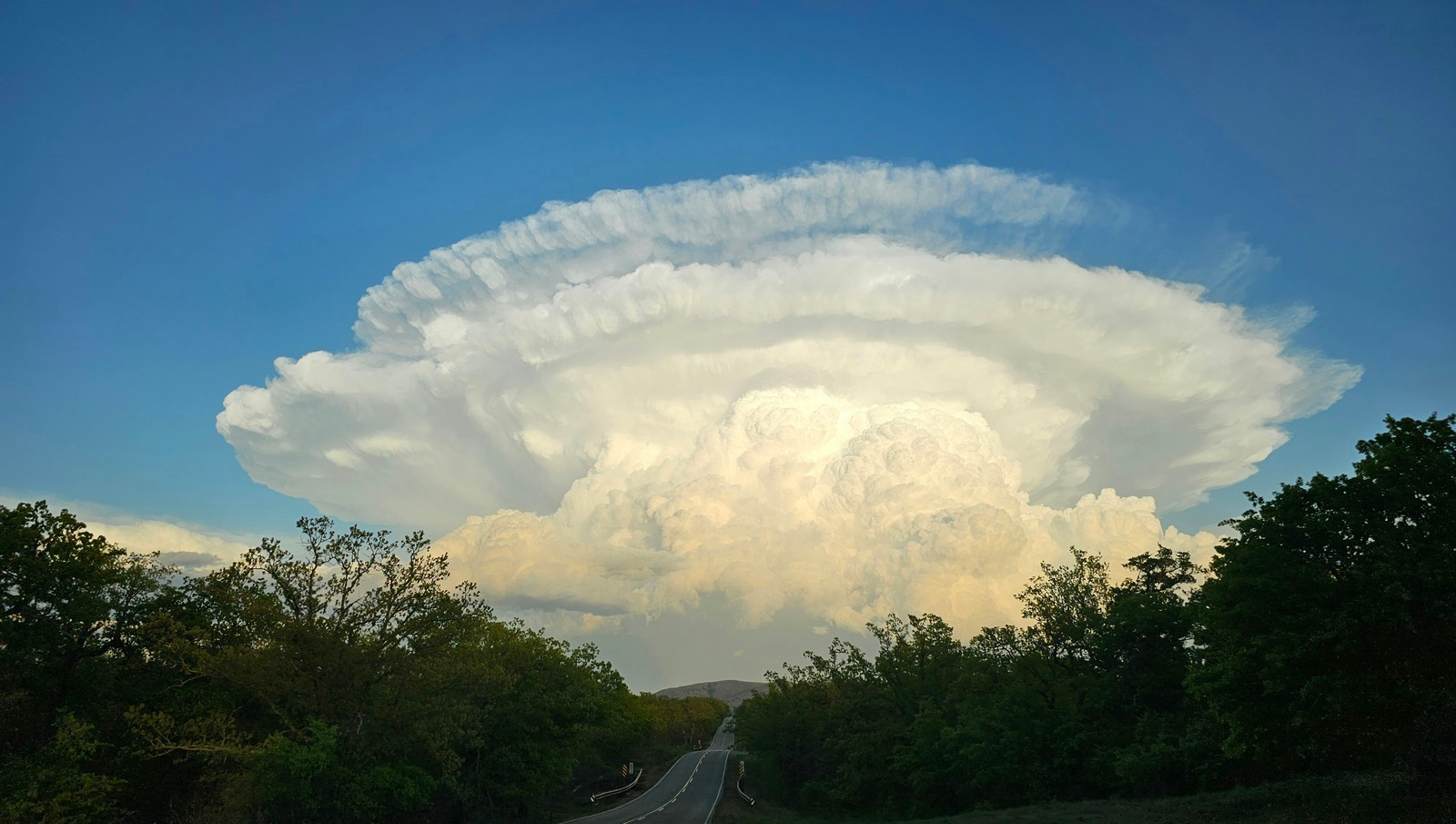
Image: Lillian Fisher

America has experienced weather events so violent and bizarre that they rewrote the record books, reshaped entire regions, and left scientists stunned. From blizzards that prompted urban reforms to heat waves that buckled rail lines, these 10 moments remind us that nature has a habit of pushing boundaries without warning.

1
A searing summer
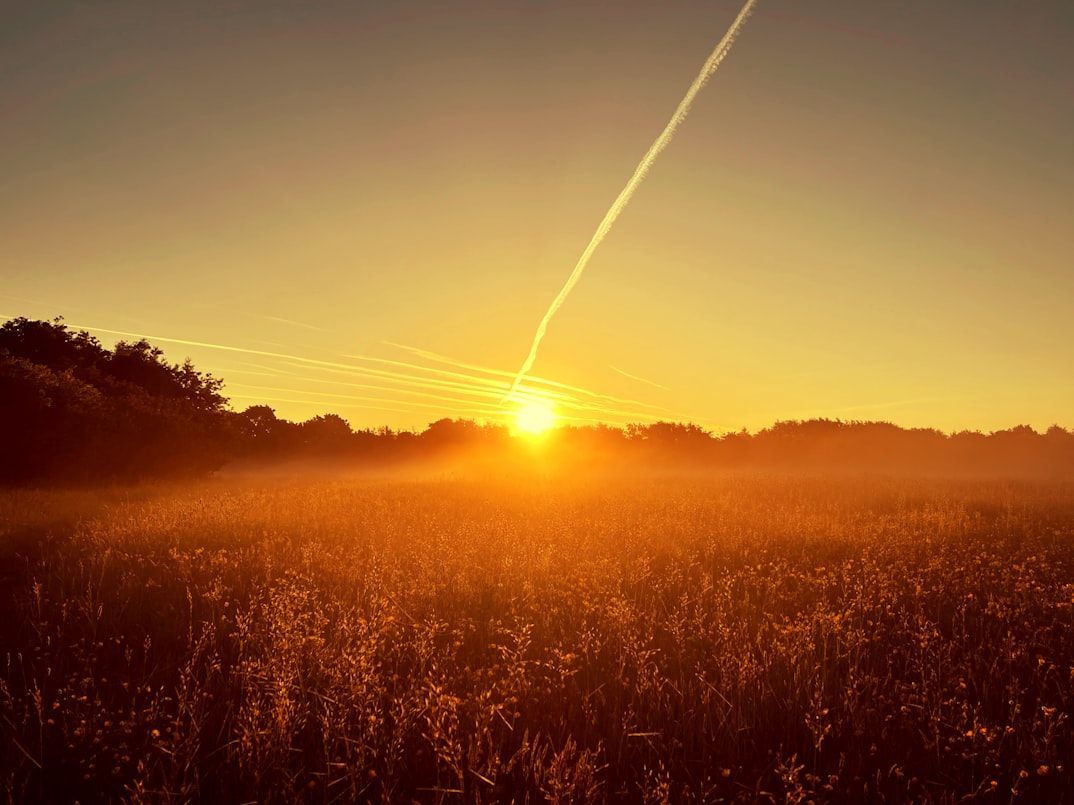
Image: Stacey Martin

1936 North American Heat Wave (July 4, 1936)

During one of the worst periods in American history, the Great Depression, a relentless heat wave scorched much of the country, pushing temperatures to unprecedented highs that still haven’t been surpassed in many places.

The heat wave is blamed for more than 5,000 deaths, widespread crop failures, and worsening the environmental disaster already unfolding in the Dust Bowl.

2
Dust blizzard
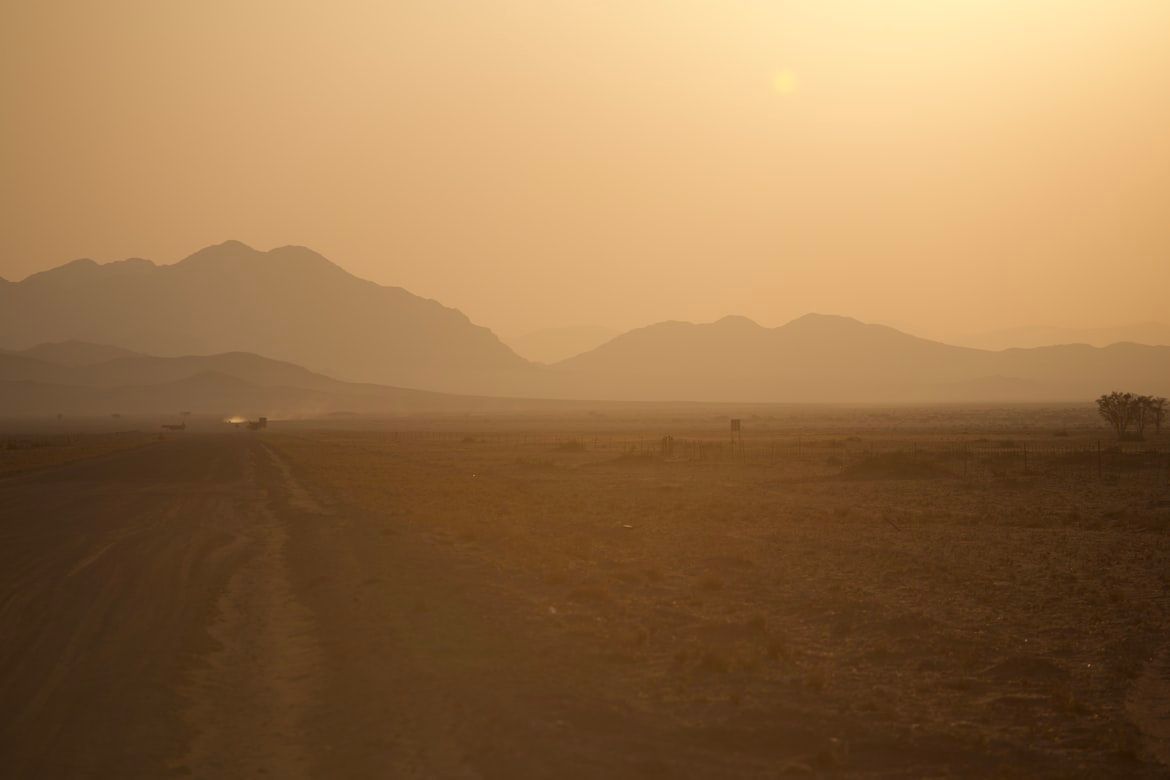
Image: Bernd Dittrich

Black Sunday Dust Storm (April 14, 1935)

One of the most extreme dust storms in U.S. history, Black Sunday was emblematic of the Dust Bowl era. In April 1935, a massive "blizzard" of dust struck the Oklahoma and Texas panhandles and beyond, displacing an estimated 300,000 tons of topsoil and blackening the sky for miles.

The event devastated agriculture, displaced entire communities, and became a defining symbol of the environmental collapse that had been unfolding across the Great Plains for years.

3
The king of tornadoes
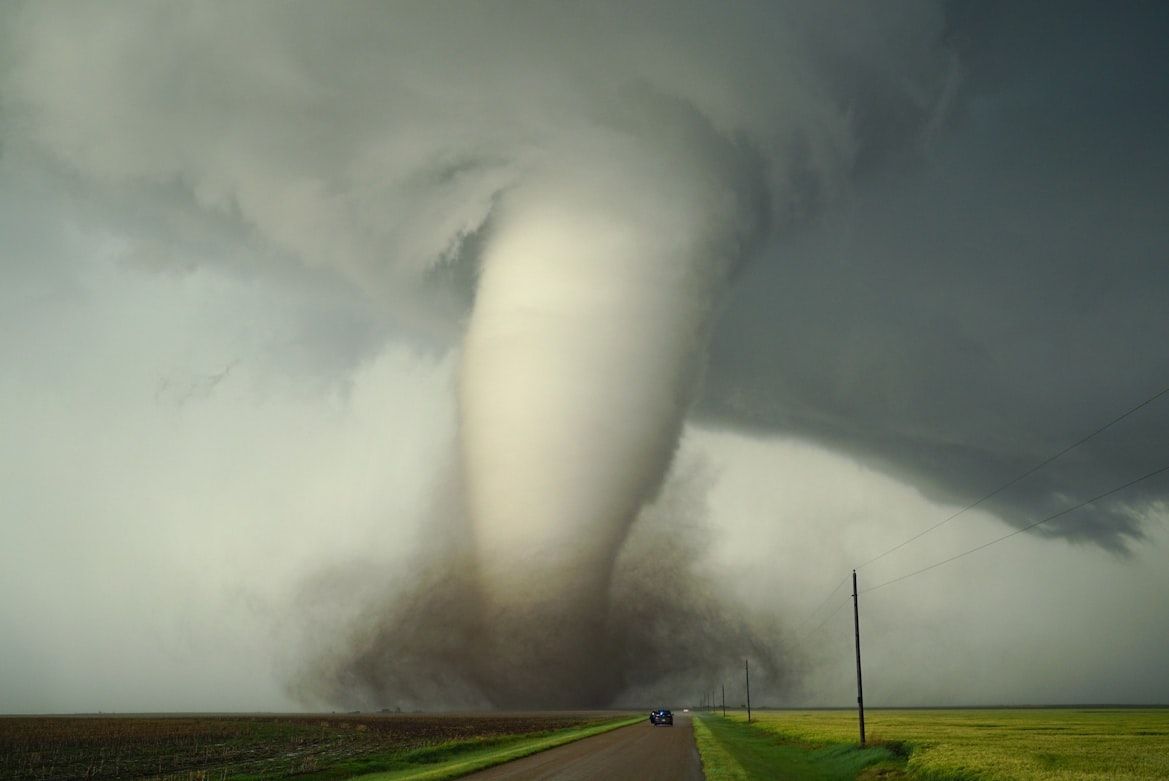
Image: Greg Johnson

2013 El Reno tornado (May 31, 2013)

This tornado set a record for width, possibly the widest ever documented in the U.S . On May 31, 2013, it expanded to a staggering 2.6 miles wide as it barreled south of El Reno, Oklahoma.

Doppler radar recorded sub‑vortices with wind speeds near 295 mph—among the highest ever observed—though damage assessments limited its official rating to EF‑3.

4
Straight‑line fury
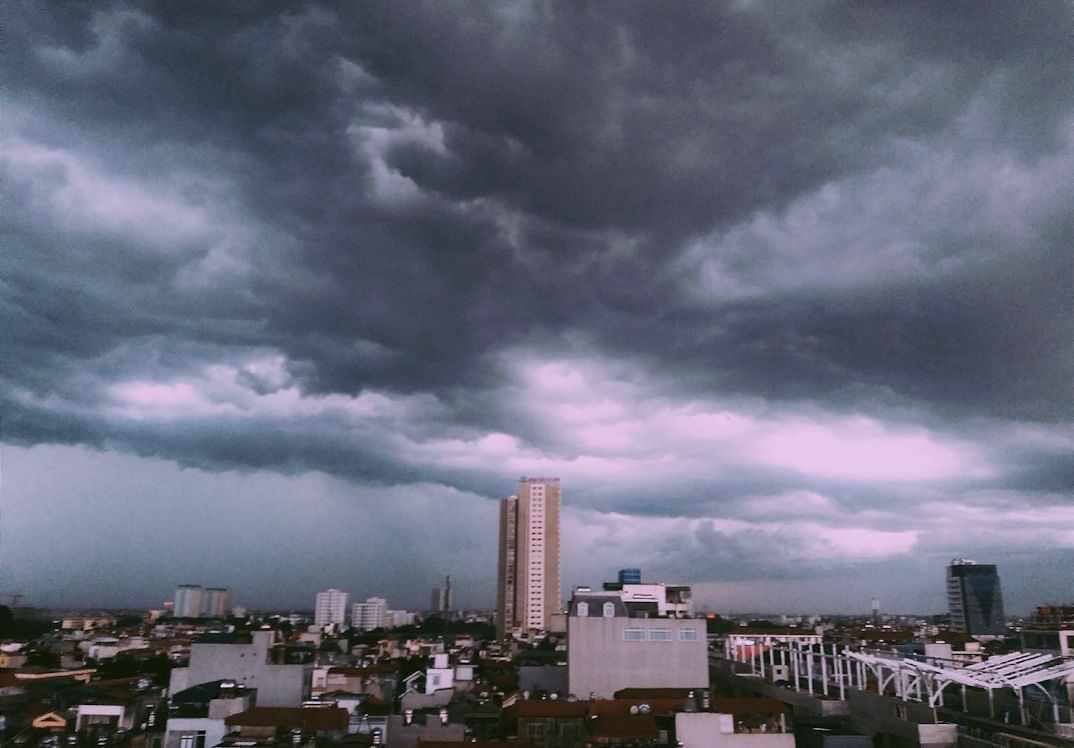
Image: Moody Potato

2020 Midwest Derecho (Aug 10, 2020)

Beyond the challenges of COVID‑19, the 2020s were marked by an unusually destructive inland windstorm in the Midwest—rare for both its intensity and impact.

This derecho raced 770 miles across multiple states with wind gusts up to 140 mph, causing widespread structural and agricultural damage. To date, it remains the costliest thunderstorm event in U.S. history, with damages totaling more than US $11 billion.

5
Tornado armageddon
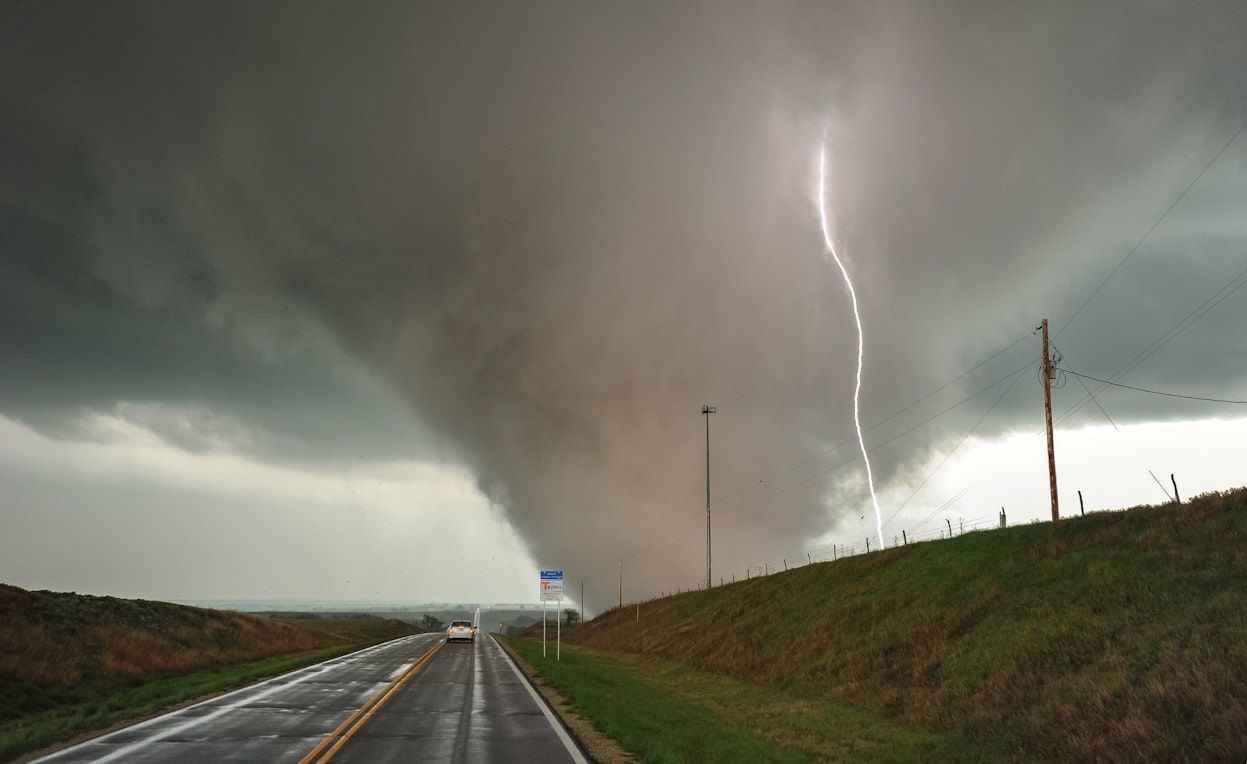
Image: Greg Johnson

2011 Super Outbreak (April 25, 2011)

The 2011 Super Outbreak—ominously nicknamed "Tornado Armageddon"—stands as one of the deadliest and most widespread multi-tornado events in U.S. history.

Over four relentless days, nearly 500 tornadoes tore through dozens of states ; April 27 alone claimed 316 lives. Overall damage surpassed $10.2 billion, cementing it as the costliest tornado outbreak ever recorded in the United States.

6
A storm to remember
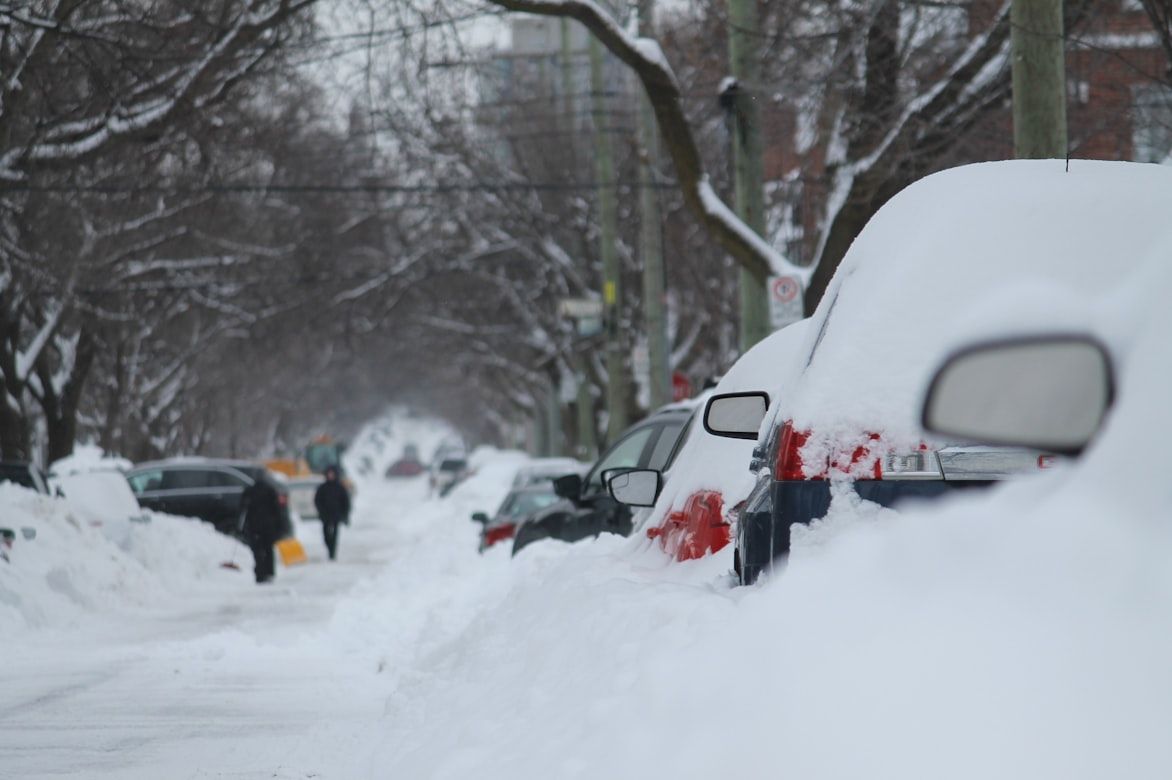
Image: Patino Jhon

1993 Storm of the Century (March 12, 1993)

The massive nor’easter known as the Storm of the Century blanketed the eastern U.S. from March 12–14, 1993, permanently reshaping how winter storms are understood.

It delivered record snowfall—up to 56 inches in some areas—hurricane‑force winds, and sub‑zero temperatures, an entire arsenal packed into one deadly system. The destruction stretched from Canada to the Caribbean, causing $5.5 billion in damages and cutting power to more than 10 million households.

7
Wrath of the Mississippi
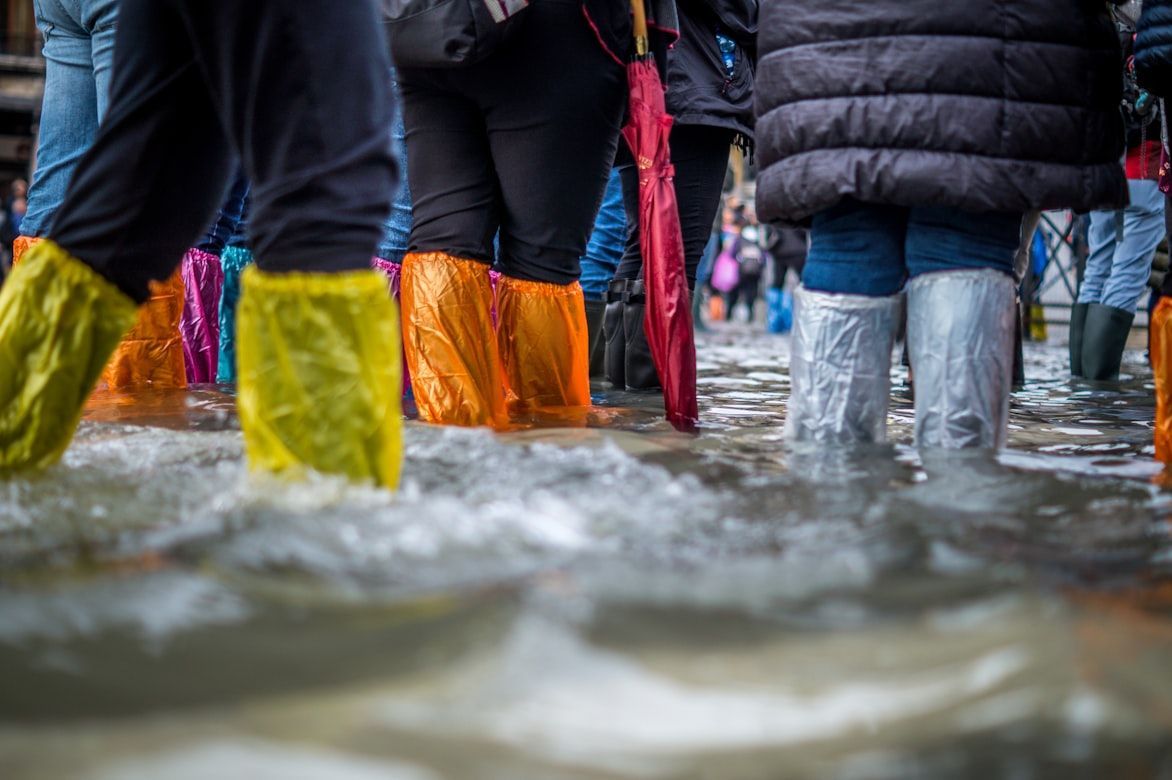
Image: Jonathan Ford

Great Flood of 1993 (April – October, 1993)

One of the most prolonged and costly inland floods in U.S. history, the Great Flood of 1993 resulted from record rainfall—over 40 inches in some areas—falling on already saturated soils from a wet fall and heavy snowmelt, overwhelming the Mississippi and Missouri River basins.

Between April and October, roughly 30,000 square miles were inundated across multiple states . At least 38–50 people died, damages reached $12–16 billion, and entire towns were submerged as levees failed and transportation networks collapsed.

8
Superstorm devastation
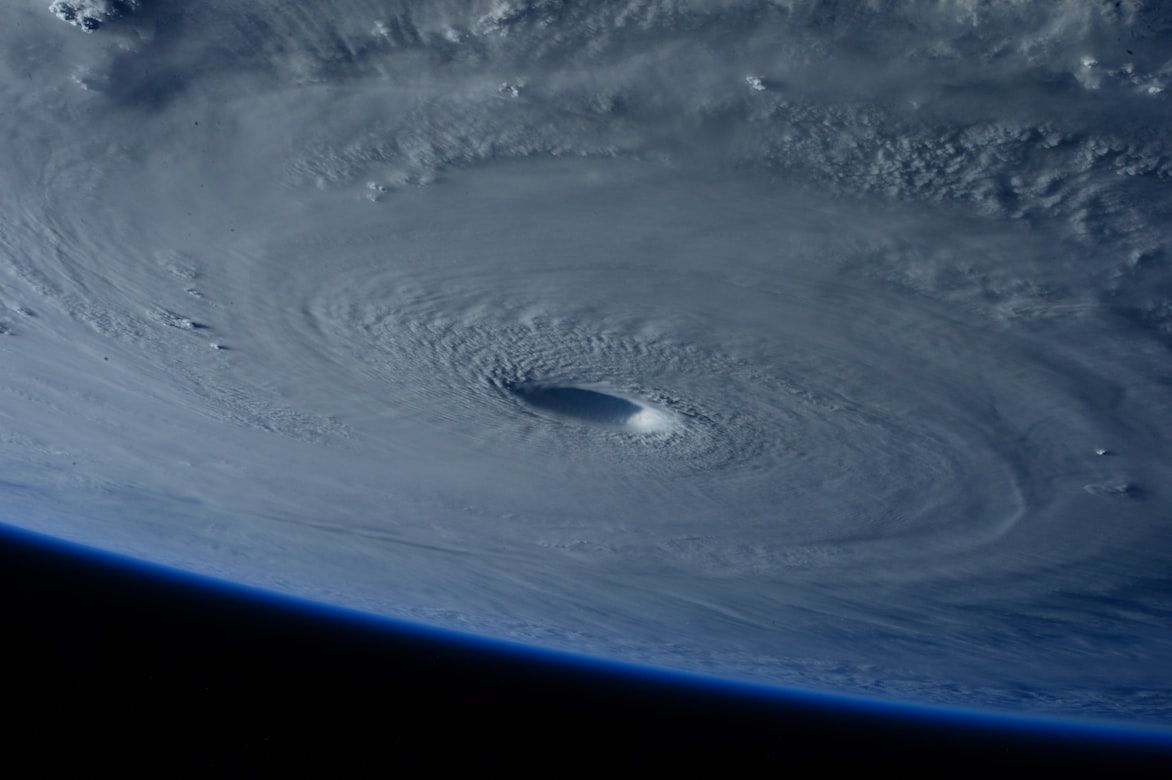
Image: NASA

Hurricane Sandy (October 22, 2012)

Also known as "Superstorm Sandy," this vast hybrid hurricane–extratropical storm struck the U.S. East Coast in October 2012, impacting 24 states. Its massive wind field— spanning nearly 1,000 miles —drove catastrophic storm surge into New Jersey and New York, while heavy rain, coastal flooding, and even blizzard conditions affected regions as far inland as the Appalachians.

Sandy claimed 160 lives, left over 8 million customers without power, and destroyed or damaged tens of thousands of homes and businesses. It was one of the costliest storms in American history and prompted major reforms in coastal preparedness and infrastructure.

9
Freshwater fury
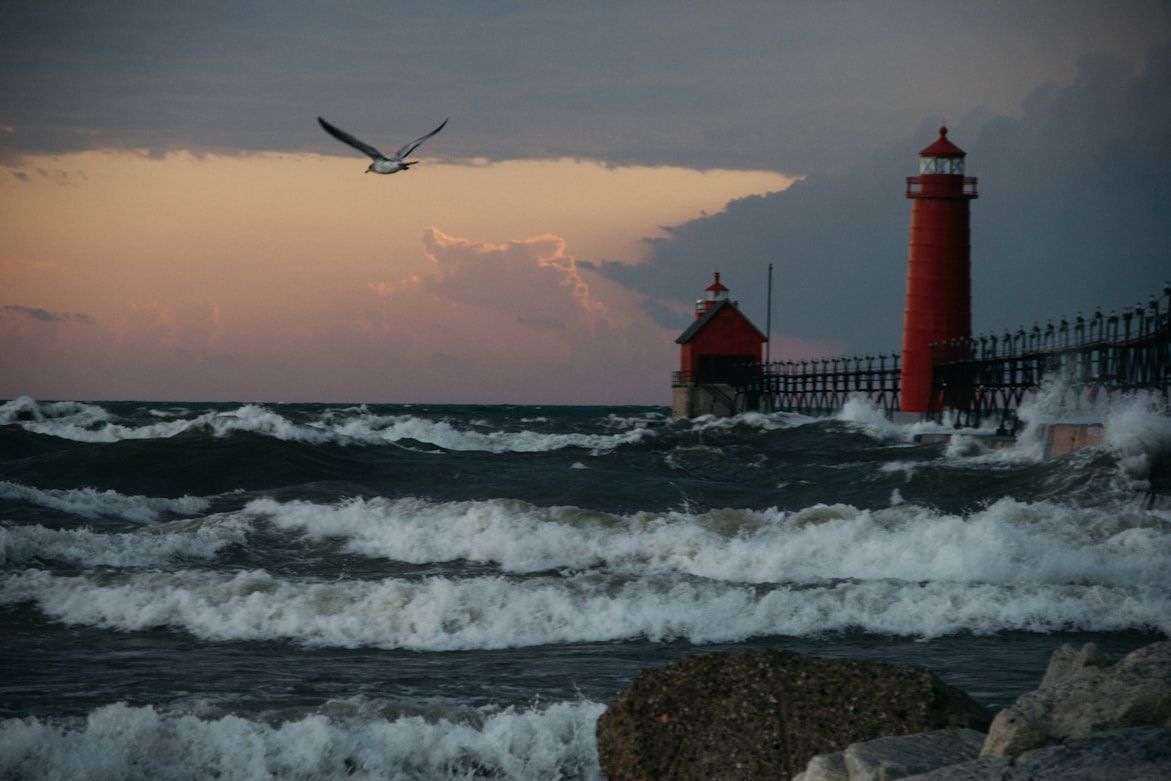
Image: Matthew Rumph

Great Lakes Storm of 1913 (November 6, 1913)

From November 6–10, 1913, a massive winter storm swept across the Great Lakes region, bringing hurricane‑force winds and blizzard conditions . Ships capsized and sank, coastal towns were battered, and waves overwhelmed harbors across the lakes.

It remains the deadliest and most destructive natural disaster to strike the Great Lakes, with over 250 fatalities and catastrophic damage to maritime traffic and shoreline communities.

10
Whiteout chaos
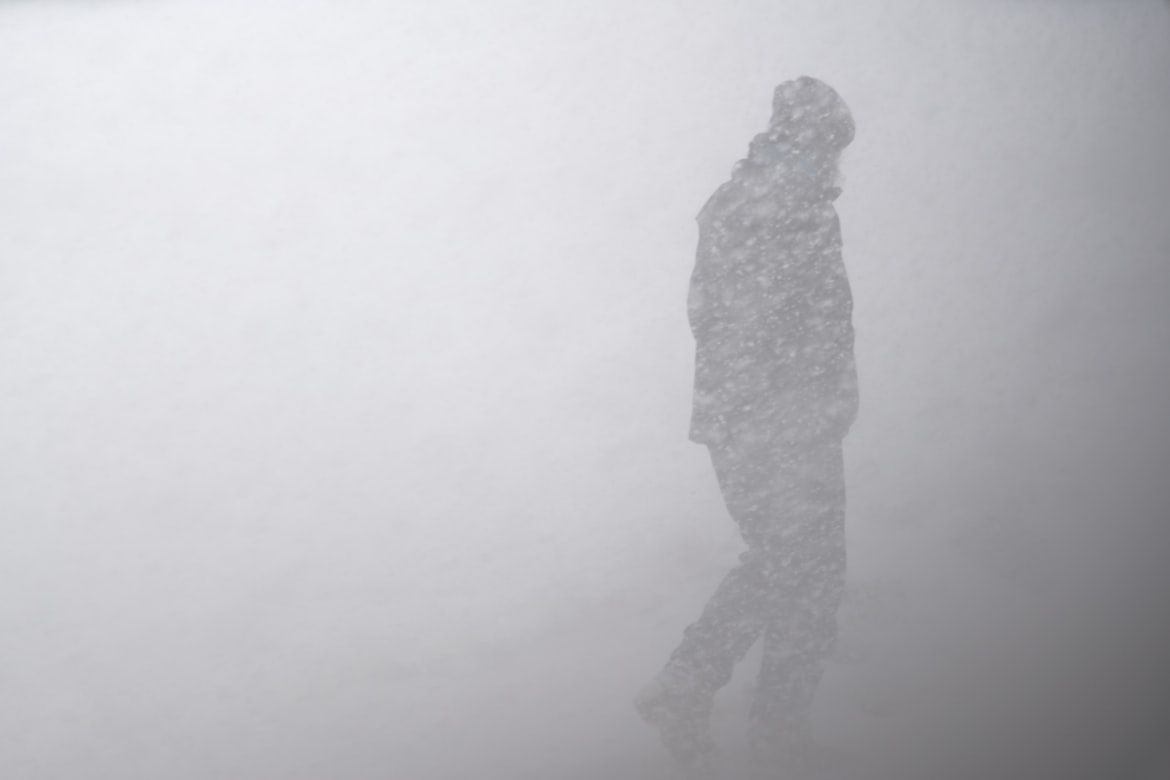
Image: Zac Durant

The Great Blizzard of 1888 (March 11, 1888)

One of the most legendary winter storms in U.S. history, the Great Blizzard of 1888 struck the Northeast from March 11–14, dumping up to 55 inches of snow in parts of New York, Connecticut, and New Jersey . Snowdrifts buried homes, streets, and rail lines for days.

The storm killed more than 400 people and brought major cities like New York and Boston to a standstill. Telegraph lines collapsed, rail travel ground to a halt, and entire neighborhoods were cut off, prompting a long-term shift toward underground utilities and the expansion of subway systems in the decades that followed.

History History 4 min read

THE OTHER SIDE OF HISTORY

From the Vaults: 10 Untold Stories of America's Founding Fathers

Image: John Trumbull

The Founding Fathers of the United States are often revered as almost godly figures who laid the groundwork for the birth of our nation —and for good reason! But, beneath the surface of their many laudable accomplishments, they were still human beings, with human passions and failings. From George Washington’s dental problems to the odd circumstances in which Gouverneur Morris lost his leg, this article gathers some of the lesser-known facts about the beloved founders of our nation.

Stay until the end to share these stories with our enlightened forefathers!

1
John Adams and Thomas Jefferson's Rivalry

Image: J. Amill Santiago

Despite their collaboration in drafting the Declaration of Independence, John Adams and Thomas Jefferson had a tumultuous relationship characterized by political disagreements and personal animosity. Most of their differences lay in how the government should be structured , as Adams was a staunch supporter of a strong central government, whereas Jefferson advocated for stronger local governments.

Fortunately, in their later years, they reconciled and exchanged a series of poignant letters, leaving behind a legacy of friendship. They even died on the same day , July 4, 1826, just hours apart from each other!

2
George Washington's Tooth Troubles

Image: v2osk

Although he never had to wear wooden dentures—wood isn’t even the most practical material for making dentures— Washington did have many dental problems from an early age. He underwent numerous painful treatments, including having most of his original teeth pulled.

The myth regarding wooden dentures likely originated from the ivory teeth that were part of his dentures becoming stained after many years , resembling wood to observers.

3
John Hancock's Signature

Image: Clark Young

John Hancock's bold signature on the Declaration of Independence has become synonymous with the act of signing one's name. Legend has it that Hancock deliberately signed his name so prominently to ensure that "King George can read that without his spectacles." Quite a considerate fellow, wasn’t he?

While modern historians doubt that this was the actual reason he did it—suggesting instead that he might have simply been a flamboyant kind of guy —he undoubtedly left his mark on history with a dramatic touch.

4
Franklin and Lafayette Wrote A Book Together

Image: Brett Wharton

Benjamin Franklin and the Marquis de Lafayette shared a deep and enduring friendship rooted in their mutual commitment to the American cause. Lafayette's contributions to the Revolutionary War and his lifelong admiration for Franklin exemplify the enduring bonds forged during the nation's formative years.

However, less known is the fact that they were commissioned by Congress to collaborate on creating a children's schoolbook for use in American schools. They even went so far as to hire a Parisian artist to create illustrations for the book, although the project was never completed.

5
Thomas Jefferson's Architectural Legacy

Image: Richard Hedrick

Though not exactly a secret, Thomas Jefferson's architectural legacy is often overlooked when remembering his many achievements. Some of his architectural designs, including his masterpiece Monticello, showcase his innovative spirit and eclectic tastes.

Interestingly, his interest in architecture was rooted in his humanism and extended beyond aesthetics , reflecting his belief in the importance of classical principles and practical functionality.

6
Washington Never Chopped the Cherry Tree

Image: Don Kawahigashi

While a compelling tale regarding the first president’s personal character, the story of George Washington chopping down a cherry tree and confessing with the words "I cannot tell a lie" is pure myth.

The tale was completely fabricated by biographer Parson Weems to illustrate Washington's honesty. While the story is fiction, Washington's reputation for integrity remains well-earned. This does not apply to his biographer, though!

7
Jefferson Shipped a Dead Moose to Europe

Image: Shivam Kumar

In an effort to demonstrate the natural superiority of American soil and air—which some Europeans believed made people ill and crazy (yes, really)— Thomas Jefferson shipped a seven-foot-tall dead moose to France in 1787.

Yes, a dead moose on a weeks-long trip before refrigeration even existed. We don’t know if he successfully made his point with this bizarre stunt, but he certainly highlighted the lengths Americans like him were willing to go to assert their independence from colonial powers.

8
Gouverneur Morris Lost His Leg in Dubious Circumstances

Image: Henry Hintermeister, Public domain

Gouverneur Morris, a lesser-known but influential Founding Father, lost his leg in an incident shrouded in mystery. Officially, he claimed it was due to a carriage accident, but rumors suggest it might have resulted from a risky escapade involving a woman’s jealous husband.

Morris was a quite colorful character, and his injury only made him more so—having to wear a peg leg from then on. However, he remained a vigorous advocate for American independence and played a key role in drafting the Constitution.

9
Benjamin Franklin Did Not Graduate from School

Image: Adam Nir

Despite his immense contributions to science, politics, and literature, Benjamin Franklin never actually graduated from school. He ended his brief stint at formal education in the Boston Latin School at the age of ten due to the financial constraints of his family.

However, Franklin's self-education and insatiable curiosity propelled him to become one of the most accomplished polymaths in history , making significant contributions to the science of electricity and even coining terms like "battery," "positive charge," and "negative charge."

10
The Founding Fathers’ Fondness for Alcohol

Image: Thomas Thompson

The Founding Fathers were known for their fondness for alcohol, and drinking was a common part of their social and political lives. George Washington was famous for serving an abundance of alcohol at his Mount Vernon estate, including his own brewed beer and distilled whiskey.

Thomas Jefferson, another enthusiast, imported fine wines from France and even attempted to cultivate European grape varieties at Monticello. Benjamin Franklin, meanwhile, compiled a list of over 200 synonyms for being drunk , reflecting both his wit and the extent to which consumption of alcohol was an accepted part of the period’s society.

General General 4 min read

Raise a Glass

Do you choose them too? The top 10 favorite drinks in America!

Image: Alleksana

Whether at a party, an important dinner, a wedding, or on vacation, enjoying a drink can create a nice moment. And while the mixtures and types of drinks are varied, it seems that we Americans know very well what our favorites are. Join us to discover America's 10 favorite cocktails; you may be in for a surprise or two!

1
Margarita

Image: Julie Sd

Margarita is a name we all recognize. So much so that it stands out as one of the most popular drinks in America. With roots in Mexican culture, the Margarita is a well-designed drink, blending the strong flavor of tequila with fresh lime juice and triple sec.

With simple ingredients and preparation, this drink is one of the most popular among those looking for a perfect balance of flavors.

2
Martini

Image: Johann Trasch

A classic of classics, the Martini has its rightful place on this list. Not only is it one of the most famous cocktails in the world, but it's also one of Americans' favorites. We understand why: its combination of gin, dry vermouth, and an olive or lemon twist makes it hard to beat.

Born in the 19th century and rising to fame during the Prohibition Era, the Martini proves that simplicity can perfectly go hand in hand with elegance and sophistication.

3
Moscow Mule

Image: Gary Meulemans

The Moscow Mule, created in America in 1940, has since become one of the most beloved cocktails. With a perfect blend of vodka, ginger beer, and fresh lime juice, this drink offers a refreshing taste, perfect for any summer evening.

But that's not all: Its iconic copper mug not only keeps the Moscow Mule always cold but also gives it a unique look!

4
Espresso Martini

Image: Krists Luhaers

Now, let's talk about one of the surprises on the list: the Espresso Martini. Although it has gained popularity in recent years (especially among coffee and cocktail fans), the recipe for this drink has actually been around since the 1980s.

Let's be honest: its formula is genius. It blends extremely popular flavors -vodka and coffee- into one perfect drink. Often meticulously crafted and served in a chic glass, this drink definitely gets all the attention.

5
Old Fashioned

Image: Bon Vivant

The Old Fashioned teaches us that something doesn't have to be new to be on trend. In fact, this is one of the classic American drinks and is already part of the cocktail tradition in our country.

Bourbon, sugar, bitters, and a twist of citrus peel: that's all it took for this cocktail to win the hearts of many Americans and become an icon of our culture.

6
Mojito

Image: Marc Schulte

When summer arrives, there is a drink that becomes one of the stars. We're talking about the famous Mojito, which successfully mixes mint, lime, rum, sugar, and soda water. Delicious, right?

If rum isn't to your liking, you can easily substitute it with other spirits, such as vodka or gin, which makes it a versatile and adaptable option to different contexts and events. In addition, its preparation is very simple, so you don't need to leave your home and go to a bar to enjoy its refreshing taste.

7
Long Island Iced Tea

Image: sangsang pic

Some may be disappointed to learn that the popular Long Island Iced Tea has no tea in it at all. That's right, this cocktail is made with vodka, rum, gin, tequila, triple sec, sour mix, and a splash of cola. Potent, don't you think?

Perhaps it's its boldness that makes it so popular, as it ranks among the top choices for Americans. But let's be honest: this might not be the best drink if you have to be up early the next morning.

8
Spritz

Image: Miikka Luotio

If the cocktail in the previous entry seemed too much for you, the Spritz might be the perfect choice. As one of the drinks with the lowest alcohol content on the list, the Spritz stands out for its light and refreshing taste.

Plus, its preparation is incredibly simple. All you need is Prosecco, Aperol (sometimes replaced for Campari), and a splash of soda water. And as if all that weren't enough, its characteristic orange tones make it an Instagram-worthy cocktail.

9
Mimosa

Image: Briona Baker

When it comes to brunches, the Mimosa takes the spotlight. It seems to be one of the most popular drinks for celebrating special occasions during the day, thanks to its refreshing, light taste and relatively low alcohol content.

Since it is made with just two ingredients -orange juice and sparkling wine in equal parts- we can all make it at home. Simply mix the ingredients, pour into a tall champagne flute, and you're ready to enjoy!

10
Bloody Mary

Image: Nicole Honchariw

Hand in hand with the Mimosa, the Bloody Mary also stands out as a classic brunch cocktail. Its ingredients -vodka and tomato juice- pair perfectly with the dishes typically served at such gatherings. In addition, different spices, seasonings, and garnishes are often added to its two basic ingredients, making it a versatile drink that can be adapted to different tastes and preferences.

Fun fact: Although it has remained relevant over the years, this cocktail is reported to be most popular among Generation X!

Explore more American facts

Choose your favorite category!

General
General

As American as apple pie—the very best America has to offer!

Culture
Culture

Delve into the astounding richness of American lore.

Geography
Geography

Hop in and explore vast and diverse American landscapes.

History
History

Discover the key moments that shaped the United States.