Geography Geography 6 min read

ON THE ROAD

From Magnificent Mile To Ocean Drive: 10 Iconic Streets In The U.S. Magnificent Mile To Ocean Drive : 10 Iconic Streets In The U.S.

Image: Marf Fanelli-Isla

Thanks to its vast territory and diverse cultural history, the United States has a large number of paradigmatic streets worth knowing . Whether you've visited them at some point or seen them in a movie, the 10 streets selected in this article will surely not surprise you. However, you may find one or two fun facts you didn't know about. For example, did you know that the Las Vegas Strip is not in Las Vegas? It’s always worth knowing a little more! Read on to learn this and other secrets about America's most iconic streets.

1
Sunset Boulevard, Los Angeles

Image: Nathan Dumlao

Sunset Boulevard is a famous Los Angeles street that spans approximately 24 miles. It runs through districts such as Hollywood, West Hollywood, Beverly Hills, and Bel Air. This iconic street's best-known section is the Sunset Strip , where you can find restaurants, hotels, boutiques, colorful billboards, comedy clubs, and nightclubs.

Today, Sunset Boulevard is synonymous with luxury and glamour, but it wasn't always the case. In the first decades of the 20th century, Sunset Strip was home to illegal casinos and was the go-to place to find alcohol during Prohibition. Then, in the 1930s and 1940s, the new restaurants and clubs were packed with the rich and famous . In the 1960s Sunset Strip became a meeting point for rock musicians and the hippie counterculture, who were later forced to leave when prices rocketed in the ‘80s.

2
Bourbon Street, New Orleans

Image: Kristina Volgenau

Bourbon Street is a historic street in the heart of New Orleans' French Quarter. Stretching 13 blocks from Canal Street to Esplanade Avenue, it is one of the wildest and rowdiest streets in the world . Famous for its numerous bars, restaurants, and art galleries, Bourbon Street is best known for hosting the annual Mardi Gras carnival.

But it has not always been a place for partying and madness. During colonial times, it was mostly a residential area and one of the most populous streets in the city. Contrary to popular belief, this street is not named after the famous liquor. It was actually named after the French royal family that reigned in 1721 when French engineer Adrien de Pauger designed the layout of New Orleans. Now, was the liquor named after the street? That, my friends, is a story for another article.

3
Lombard Street, San Francisco

Image: NISCHAL MALLA

Although it's known as "the crookedest street in the world," Lombard Street isn't even the steepest street in San Francisco . That title technically belongs to Vermont Street, between 20th and 22nd Streets in Potrero Hill.

Those curves on that 40-degree incline may seem dangerous to you now, but they were actually built to increase the safety of the street. The natural incline was considered too unsafe, so in the 1920s, a resident suggested creating a series of zigzag curves that would not only add scenic appeal to the street but also make it safer for pedestrians . Today, it is a major tourist attraction for the two million people who visit San Francisco every year.

4
Pennsylvania Avenue, Washington D.C.

Image: Library of Congress

Pennsylvania Avenue is known throughout the world as the heart of the nation's capital , as America's Main Street . American history has paraded, marched, strolled, and protested along this avenue since its creation. It is not just another street. This is where the country’s history and all the political power are concentrated: it is where the White House and the Capitol are located.

Pennsylvania Avenue, like the entire city of Washington, was specially designed in the late 18th century by French-American artist and engineer Pierre Charles L'Enfant at the request of George Washington. For many years, this diagonal street inspired by the Champs Elysees in Paris, was a graceless dirt road. That changed when Thomas Jefferson ordered rows of Black Poplar trees to be planted along it. Finally, in 1832, it was paved to best fight the dust and dirt.

5
Michigan Avenue, Chicago

Image: Jonathan J. Castellon

The most famous portion of Michigan Avenue is known as the Magnificent Mile . Crowned by tall skyscrapers, it has hundreds of luxury stores and restaurants . It is also filled with famous landmarks such as Millennium Park, Chicago Water Tower, and the Art Institute of Chicago, among other buildings.

The Magnificent Mile began construction during the 1920s as part of the Burnham Plan of Chicago, which recommended adding wider streets, parks, and new buildings. In 2007 it was chosen as one of the 10 Great Streets by the American Planning Association. Nowadays, the Magnificent Mile has become a favorite destination for more than 22 million tourists who visit Chicago annually.

6
Wall Street, New York City

Image: Uwe Conrad

Wall Street is undoubtedly one of the most famous and well-known streets in the United States and the world. Located in Lower Manhattan, it is considered the "Financial District" because it houses multiple financial institutions and large banks , such as the Central Bank of the United States, the Federal Reserve, and the New York Stock Exchange.

But did you know why it's called like this? The Wall Street name refers to a wooden wall built by Dutch settlers to defend against possible attacks by British pirates during the Anglo-Dutch wars in the 17th century. Originally known in Dutch as Het Cingel —"the Belt" in English—, the wall was more than 2,340 feet long and approximately 9 feet high. It also had two gates, known today as the corner of Wall Street and Pearl Street.

7
Beale Street, Memphis

Image: Heidi Kaden

Beale Street in Downtown Memphis, Tennessee, is a street developed in the 1840s. Today it is best known for its pivotal role in the history of blues music, but was originally named after Edward Fitzgerald Beale, a military hero from the Mexican–American War. Part commercial, part suburbs, in the 1860s Beale Street was the go-to place for African American traveling musicians to perform.

Since then, blues and jazz legends such as Louis Armstrong, Muddy Waters, and Albert King have played on Beale Street, contributing to the development of the style known as Memphis Blues . In fact, B.B. King was once known as "the Beale Street Blues Boy." In 1977 this historic street was officially declared "Home of the Blues."

8
Newbury Street, Boston

Image: Aline Sales

Considered the "Rodeo Drive of the East," Newbury Street in Boston is one of the most expensive streets in the world . But did you know that once upon a time most of it was underwater? Until the mid-1800s, Newbury Street was part of Boston Harbor until it was filled in with dirt from neighboring communities. Back then, it was mostly a residential area with very little charm.

It wasn’t until the 1980s that Newbury Street started to become the trendy shopping mecca we know and love today. Surrounded by 19th-century brownstones turned into high-end boutiques and restaurants, nowadays you can find modern art galleries and concept stores that still retain the sophisticated style of its glory days.

9
Ocean Drive, Miami

Image: Dennis Rochel

The Ocean Drive boardwalk, located in the South Beach area, is probably the most popular street in Miami and one of the most famous in the world. Known for its white sand beaches, turquoise sea, and colorful Art Deco architecture , here you will find some of the best restaurants, bars, and hotels in the entire city.

Ocean Drive's history is full of reinventions. Originally, in the early 20th century, it was a dusty street. In the 1920s, Miami Beach became a tourist destination and the area began to develop. From the 1930s on, Ocean Drive was nicknamed the "Great White Way" and played host to big stars such as Frank Sinatra and Jimmy Durante . Today, after a remodeling that cost millions of dollars, the mythical street has been modernized and reborn.

10
Las Vegas Boulevard, Clark County

Image: David Vives

Did you know that the famous Las Vegas Strip is not within Las Vegas city limits? The Strip is a stretch of Las Vegas Boulevard, one of the most filmed and photographed streets in the United States. However, contrary to what many people think, it is located in the unincorporated town of Paradise , in Clark County.

Originally, the Strip was nothing more than a highway with a few nightclubs and motels. With the construction of the Flamingo Hotel in 1946, the Strip began to change and develop into what it is today. Regardless of its exact location, today the Strip is home to the most iconic hotels and casinos , including Caesars Palace, the Bellagio, and the Venetian, and is a must-stop for anyone visiting Sin City.

Geography Geography 6 min read

BREATHTAKING PLACES TO VISIT

The 10 Most Amazing Unesco World Heritage Sites In The US

Image: Gert Boers

The United States is home to 24 of the 1121 Unesco World Heritage Sites around the world. These special spots are designated for their universal value in terms of natural or cultural heritage and are as unique and diverse as the pyramids of Egypt, the Serengeti in East Africa, and the Grand Canyon in the U.S.

Have you ever been to a World Heritage site? In this article, we have compiled a list of 10 of the most extraordinary locations our country has to offer . Go grab your travel bucket list and start reading!

1
Yellowstone National Park

Image: Meina Yin

Yellowstone National Park, created in 1872, is a vast natural forest of 3,500 square miles that spans the states of Wyoming, Montana, and Idaho. More than half of the world's geothermal phenomena can be observed here , with some 10,000 different examples. It also has more than 300 geysers, which is about two-thirds of all the geysers on the planet.

This location, the first national park in the United States, has been a World Heritage Site since 1978. It is also known for protecting abundant and diverse wildlife —such as grizzly bears, wolves, bison, and wapiti— and for drawing millions of visitors from all over the world each year. And you, have you ever been?

2
Independence Hall

Image: Rdsmith4, CC BY-SA 2.5, via Wikimedia Commons

The Independence Hall, located in historic Philadelphia, was designated a World Heritage Site in 1979. This location, far more than just a building, is considered the birthplace of America’s political foundation . The Assembly Room of the Pennsylvania State House, now known as Independence Hall, is where the Declaration of Independence was signed in 1776. And just 11 years later, the United States Constitution was also debated and signed here.

This Georgian-style red brick structure was designed by Scottish lawyer Andrew Hamilton and completed in 1753 to house the colonial assembly of the Province of Pennsylvania. In the 19th and 20th centuries, it was then renovated several times. In 1966, the building was recognized as a National Historic Landmark by the U.S. government and is currently the centerpiece of the Independence National Historical Park.

3
Statue of Liberty

Image: Anthony DELANOIX

Installed in 1886 at the gate of New York’s harbor, the Statue of Liberty has since welcomed millions of immigrants who have come to populate the United States. This colossal neoclassical 305-foot-tall effigy enlightening the world with its torch was made in Paris by the sculptor Frédéric Auguste Bartholdi in collaboration with Gustave Eiffel. It was a gift from France to our country on the occasion of the centenary of our independence.

To visit this historic monument, declared a UNESCO World Heritage Site in 1984, tickets must be purchased in advance. Or you can always ride the fare-free Staten Island ferry and admire it from afar in all its splendor!

4
Mesa Verde National Park

Image: Alec Krum

Located in the southwest of Colorado, the Mesa Verde Plateau reaches an altitude of over 8,500 feet. The National Park was established in 1906 and was added to the list of American World Heritage Sites in 1978. This location hosts a large number of Pueblo Indian dwellings built between the 6th and 12th centuries. Some 4,400 settlements have been found , including villages built high up on the plateau and imposing stone-built homes on rocky outcrops, with more than a hundred rooms in some cases.

The Mesa Verde National Park, which nowadays protects these invaluable archaeological sites, is a testament to the ancient cultural traditions of Native American tribes and is among the best preserved in the United States. If you haven’t visited yet, you must! We guarantee you a spectacular window into the past!

5
Hawaii Volcanoes National Park

Image: Zongnan Bao

Hawaii Volcanoes National Park is located on the southernmost Hawaiian island and was founded in 1916. It is best known for its extraordinary biodiversity spread over more than 340,000 acres, and it is in fact thanks to this natural richness that UNESCO declared it a World Heritage Site in 1987.

The park, as you would have guessed, is home to several volcanoes . Although many of them are currently inactive, two are very much alive: Mauna Loa , which last erupted in 1984, is known to be still active and is considered the world's greatest volcanic mass; Kīlauea is more than 200,000 years old and has been erupting since 1983, the most recent occurring on June 3, 2024.

If you are considering visiting the park, exploring the volcanoes, and enjoying a unique experience, we also recommend a museum tour , where you can learn all about the history of these fascinating fiery peaks.

6
Monticello and the University of Virginia

Image: Richard Hedrick

The Monticello Residence in Virginia, designed by Thomas Jefferson, the third president of the United States, is one of the finest examples of American neoclassical architecture . Since 1987, it has been on the UNESCO World Heritage List, along with the University of Virginia in Charlottesville.

Jefferson created Monticello as his plantation mansion and envisioned the university as the ideal ‘academic village’ . His vision of architecture, based on classical antiquity, reflects not only his aspirations for a new American republic heir to the European tradition but also the degree of cultural experimentation that could be expected of a country in the process of democratic evolution.

7
Papahānaumokuākea

Image: U.S. Fish & Wildlife Service - Pacific Region's, CC BY 2.0, via Wikimedia Commons

Papahānaumokuākea, made up of a series of 583,000 square miles of small islands, atolls, and surrounding marine wilderness, is located in northwest Hawaii. This particular location has enormous natural value as one of the largest marine protected areas in the world . It is equally important for its Native culture. Two of its islands, Nihoa and Makumanamana , bear archaeological remains that attest to the presence of human settlement even before the arrival of Europeans . For Hawaiians, this site has cosmological significance , as it represents the bond between humans and nature.

Papahānaumokuākea was designated a World Heritage Site in 2010, and although it’s not currently open to the general public, it continues to be accessible for research, habitat restoration, and cultural and educational purposes.

8
Grand Canyon National Park

Image: Isadora Neto

Grand Canyon National Park is known as one of the seven natural wonders of the world and has been a UNESCO World Heritage Site since 1979.

Located in the state of Arizona, this park is divided by a gigantic steep-sided canyon carved by the Colorado River, which, at more than 6,000 feet deep, is the most spectacular gorge in the world . This site is so relevant that all the geological history of the last two billion years can be found in its horizontal strata. And across its 277 miles, there are even traces of prehistoric man's efforts to adapt to a particularly inhospitable environment .

If you haven’t visited it yet, you should soon join the more than 5 million people traveling each year!

9
San Antonio Missions

Image: USA-Reiseblogger

This 2015 World Heritage Site, built on what was once the border of New Spain along the San Antonio River, constitutes five mission complexes that reflect the history of the region.

Founded by Franciscan missionaries in the 18th century, San Antonio includes architectural structures, archaeological remains, churches, dwellings, farmland, silos and water supply systems .

This site, located in Texas, is a living testament to the Hispanic monarchy's enterprise to colonize, evangelize, and defend the northern frontier territories of New Spain. These missions are also an example of the mixture of Hispanic and Coahuila culture , as can be seen in the ornamental elements of the churches that mix Catholic symbolism with native naturalist aesthetics.

10
The 20th-Century Architecture of Frank Lloyd Wright

Image: Yuhan Du

This series of eight Frank Lloyd Wright works recognizes the famous architect's influence on modern design . The most relevant buildings included in the 2019 Unesco designation are Fallingwater House in Mill Run, Pennsylvania; Unity Temple Church in Oak Park, Illinois; Herbert and Katherine Jacobs House in Madison, Wisconsin; and the Solomon R. Guggenheim Museum of Art in New York City, among others.

These sites are a great example of the ‘organic architecture’ conceived by Wright, characterized by open plan design, the blurring of the boundaries between inside and outside, and the highly original use of materials such as steel and concrete . Wright's innovative conception of architecture, whether in residential, work, cultural, or religious buildings, greatly influenced the evolution of modern architecture in Europe and the United States and is still a point of reference for designers today.

Geography Geography 3 min read

Don’t believe the movies

Debunking myths about the state of California

Image: zoe pappas

California inspires big dreams and even bigger expectations. Beaches that stretch forever, celebrities roaming freely, and the long-standing promise that anyone can "make it" there. But as much as the Golden State shines, it also carries a bushel of myths that don’t survive contact with reality. Ready for a myth-busting tour?

1
The entire coastline is made of glorious sandy beaches

Image: Jeremy Bishop

California’s coastline is long, gorgeous, and wildly varied. Much of it is dominated by cliffs, rocky shores, and chilly waters. Even many popular beaches require a wetsuit if you actually want to get in the water.

Yes, some stretches are ideal for volleyball and sunbathing, but others are better suited to photography.

2
Celebrities are everywhere and happy to mingle

Image: Bibi

It’s tempting to imagine Los Angeles as one giant red-carpet event, but daily life looks a lot more ordinary. Celebrities tend to live in gated communities, travel in private cars, and pick very discreet places to relax.

You might spot one, but you’re far more likely to meet tourists looking for celebrities than actual celebrities themselves.

3
Move to Hollywood and become a star overnight

Image: Edgar Colomba

Hollywood is full of dreamers, but most of them are hustling on the side, waiting tables, doing gig work, and going to audition after audition.

Fame is rarely instant. It’s more like a very long, very competitive marathon that most people don’t see unless they live there.

4
Move to Silicon Valley and become an overnight startup whiz

Image: Nils Huenerfuerst

It’s true that Silicon Valley is packed with entrepreneurs and investors. But it’s also full of failed startups, intense work schedules, and fierce competition.

Raising money is tough, building a product is tougher, and surviving long enough to succeed is almost heroic. The myth of "instant unicorn status" is just like the myth of instant movie stardom.

5
The weather is sunny and perfect year-round

Image: Roberto Nickson

California’s climate varies dramatically. Coastal fog in the Bay Area can last all day, winter rainstorms sweep through the north, inland valleys hit triple-digit heat, and wildfire season is a yearly threat.

6
Traffic is terrible, everywhere

Image: Aleksandr Popov

The traffic horror stories from Los Angeles are quite real, but they’re not universal. California is huge, and plenty of mid-sized cities and rural areas have perfectly manageable commutes. Even in LA, traffic ebbs and flows.

7
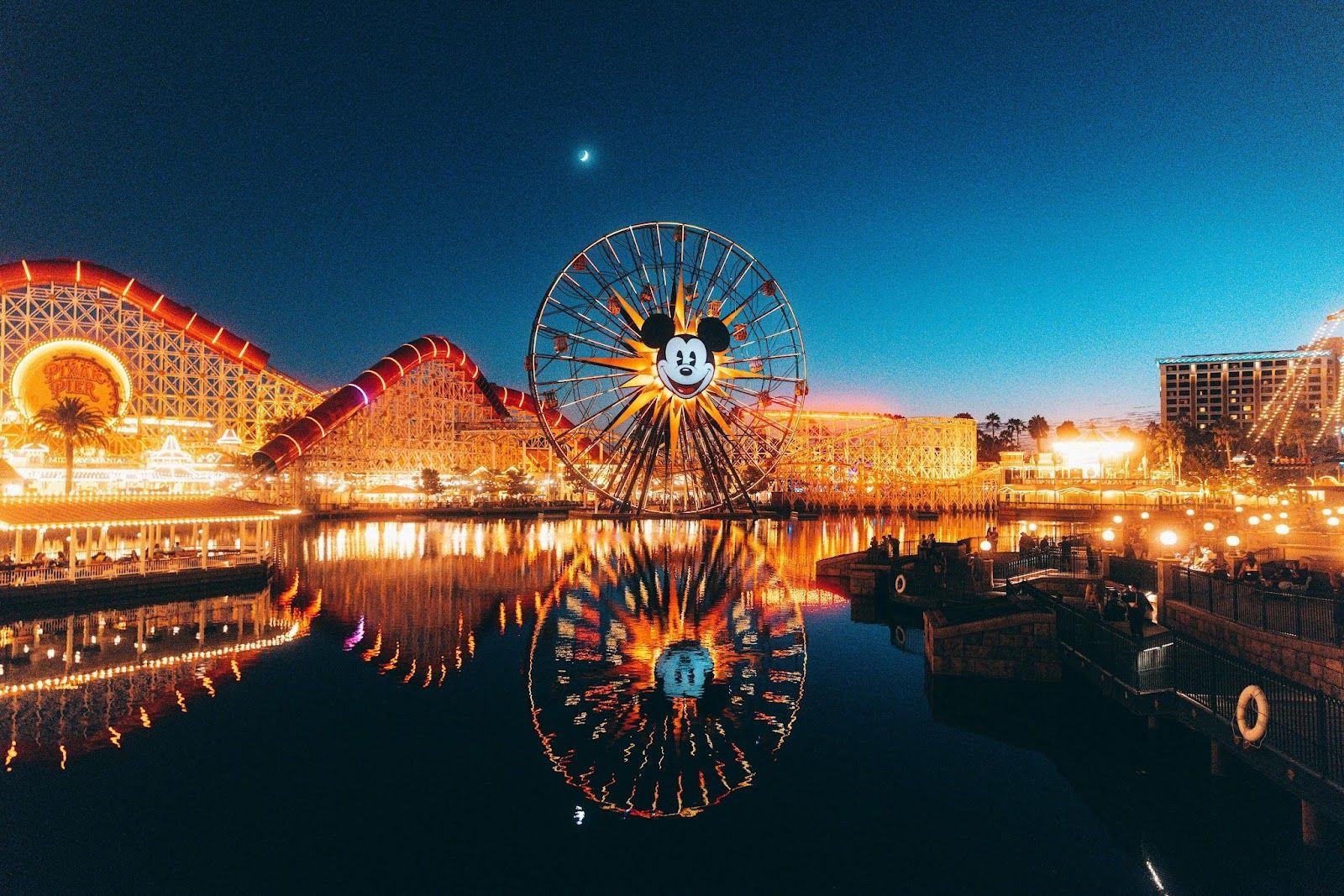
Californians go to Disneyland every other weekend

Image: Isaac Garcia

Disneyland may be magical, but it’s also expensive, crowded, and logistically complex. Most residents go once in a while, not as a biweekly ritual. Sure, annual passholders exist, but they’re the exception.

8
You’ll find palm trees everywhere

Image: Mitchell Luo

Palm trees are iconic, but they’re not the dominant tree across the state. Many were imported, and Los Angeles’ famous palms are aging out and not being widely replaced. Walk outside the major tourist zones, and you’ll see oaks, pines, sycamores, and far fewer "tropical vacation" vibes than the postcards suggest.

9
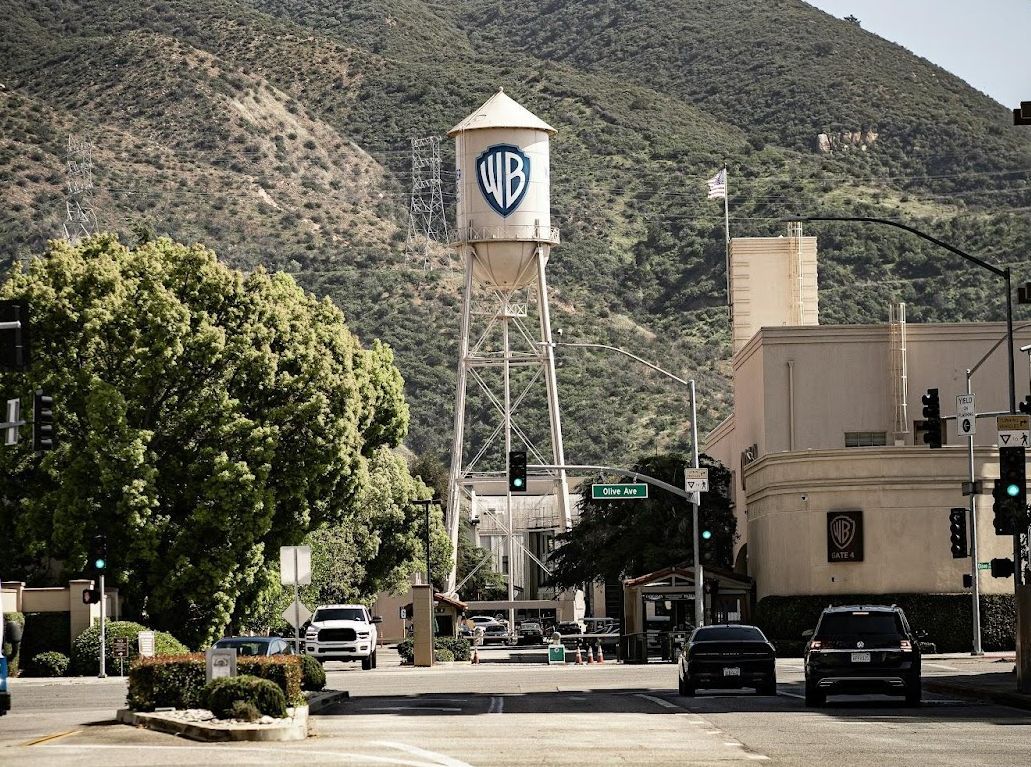
Movies are being filmed on every corner

Image: clement proust

You may stumble across a film crew once in a blue moon, but the vast majority of production happens on studio lots or in specifically chosen neighborhoods. Filming permits are expensive, traffic control is complicated, and spontaneous street-corner movie shoots aren’t as common as people think.

10
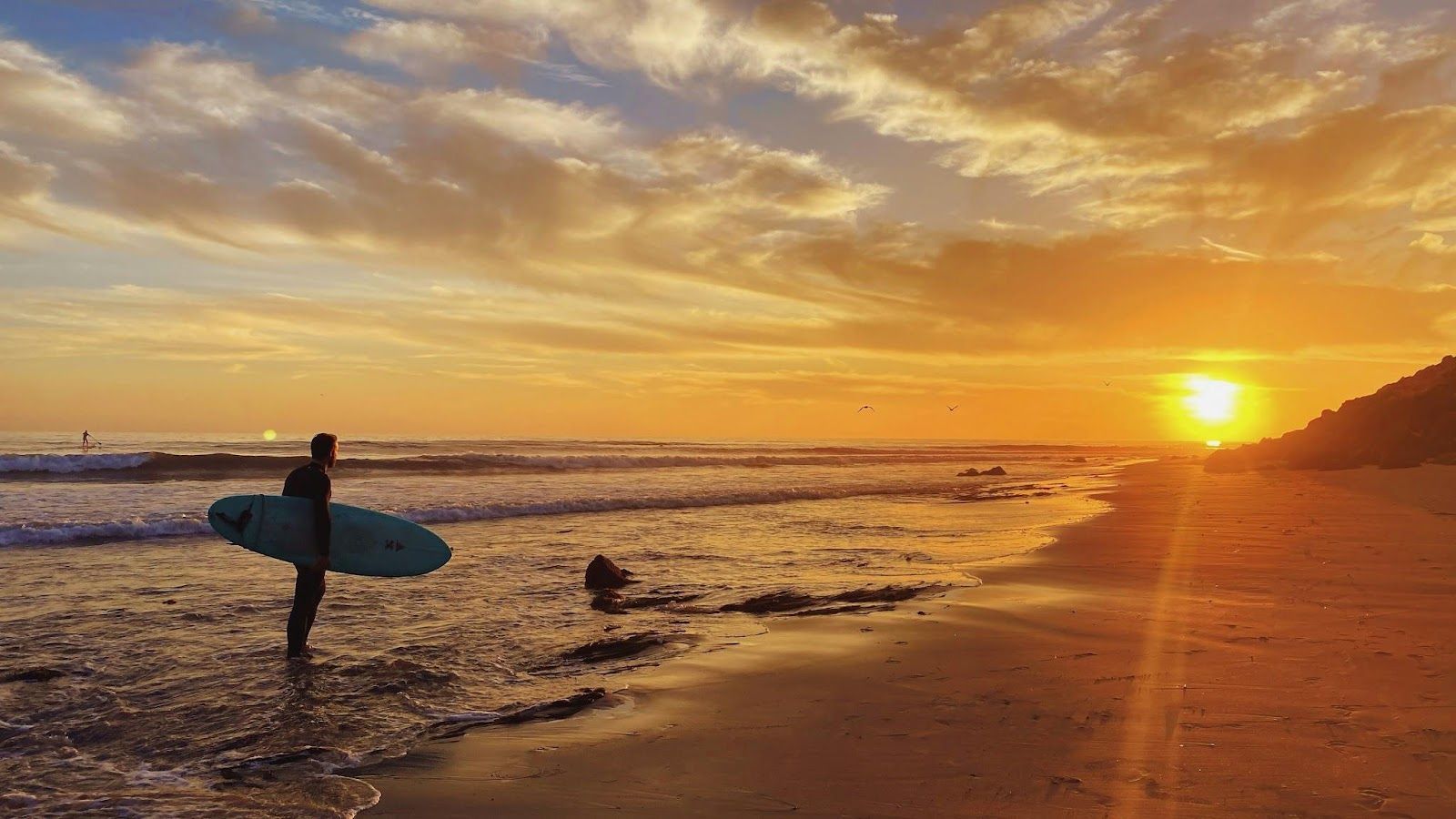
Everyone is a surfer

Image: Jacob Steckmann

Surfing is a proud part of California culture, but not a universal one. Many residents have never touched a surfboard, and the cold Pacific waters can be intimidating even for the brave. The idea that everyone wakes up, grabs a board, and runs to the beach is more Hollywood montage than real life.

11
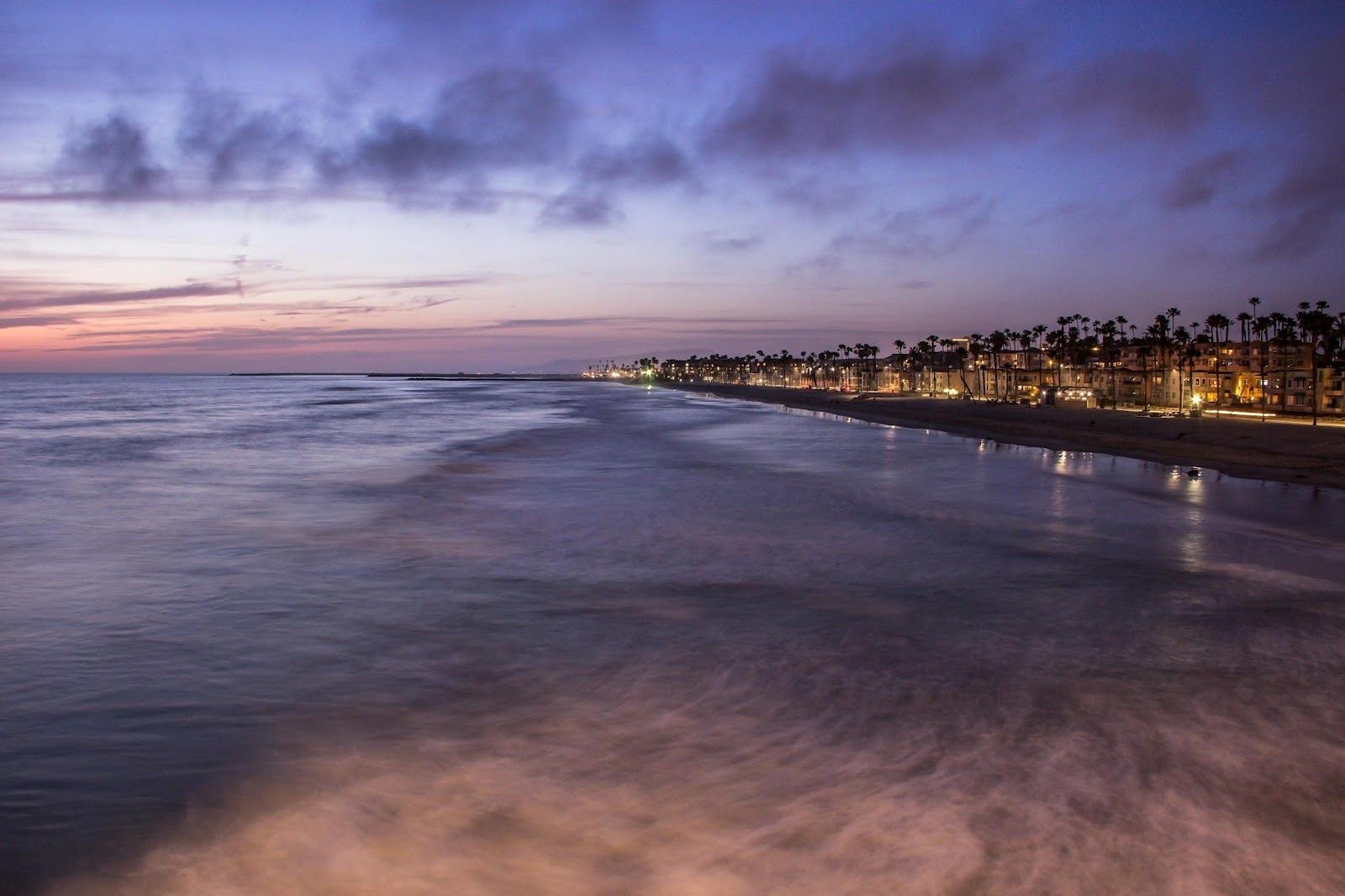
Everyone lives close to the ocean

Image: Jonathan Schmer

California’s population is spread across vast inland regions, including the Central Valley, Sacramento, and the Inland Empire, which are all hours away from the coast. Plenty of Californians only see the ocean during vacation.

12
The food is all organic, clean, and hyper-healthy

Image: Jannis Brandt

Yes, you’ll find green juices, vegan cafés, and farm-to-table everything. But California is also home to drive-thrus, giant burritos, and some of the most indulgent comfort food around. The "everyone eats quinoa and sunshine" trope doesn’t hold up once you explore beyond the trendy spots.

13
Everyone commutes by bike, skateboard, or electric scooter

Image: Hiboy

It looks cool in TV shows, but in reality, most Californians commute by car. Public transportation is limited outside a few areas, and long distances make biking impractical for many.

14
Everything in California is incredibly expensive

Image: Martin Zenker

Housing in places like San Francisco is famously pricey, but California also includes smaller cities and rural communities where the cost of living is much closer to the national average.

Explore more American facts

Choose your favorite category!

General
General

As American as apple pie—the very best America has to offer!

Culture
Culture

Delve into the astounding richness of American lore.

Geography
Geography

Hop in and explore vast and diverse American landscapes.

History
History

Discover the key moments that shaped the United States.