Culture Culture 3 min read

Necessary troublemakers

Meet 10 of the least favorite characters on American TV: Do you agree?

Image: Piotr Cichosz

We naturally cheer for the heroes in our favorite shows, but every great story needs a villain, a schemer, a troublemaker, or just a truly hateful character. Some of these are so cunning or exasperating that they become impossible to forget. Let’s take a look back at 10 iconic TV characters we love to hate.

1
J.R. Ewing (Dallas)

Image: Toglenn, CC BY-SA 3.0 <https://creativecommons.org/licenses/by-sa/3.0>, via Wikimedia Commons

If ambition had a face, it would probably be J.R. Ewing, the slick oil tycoon from the TV show Dallas . Manipulative, calculating, cold, incredibly greedy, and even treacherous, he checks all the boxes for one of TV’s most hated—and most memorable—villains.

2
Ross Geller (Friends)
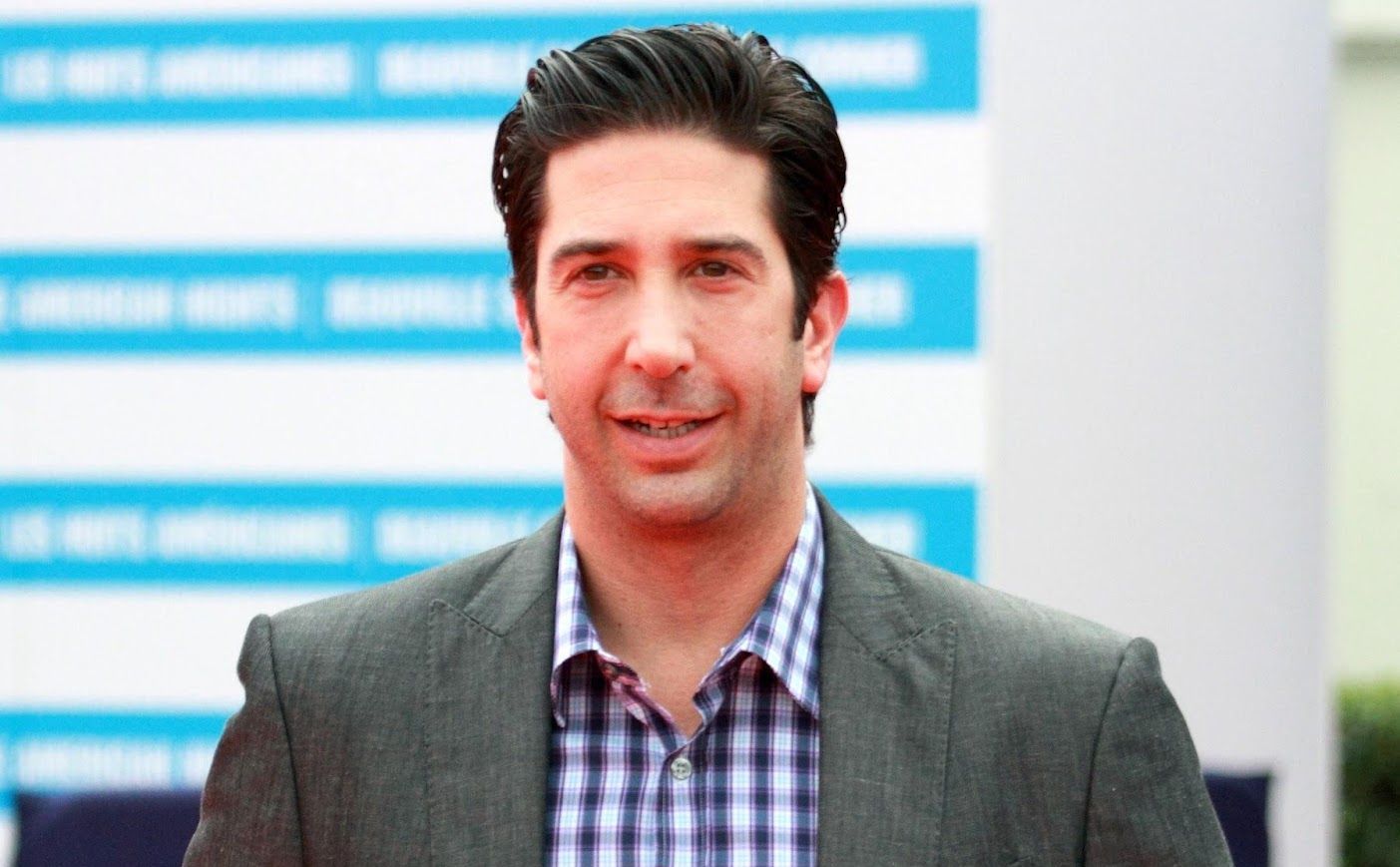
Image: Philippe Berdalle, CC BY-SA 2.0 <https://creativecommons.org/licenses/by-sa/2.0>, via Wikimedia Commons

David Schwimmer brought to life one of the most memorable characters in American sitcoms. We’re talking about Ross Geller from Friends , a character who could easily land on both the "most beloved" and "most hated" lists. And that’s the charm of Ross: fans who adore him point to his generosity and intelligence, while those who can’t stand him blame his jealousy and tendency toward constant drama. Which side are you on?

3
Mr. Burns (The Simpsons)
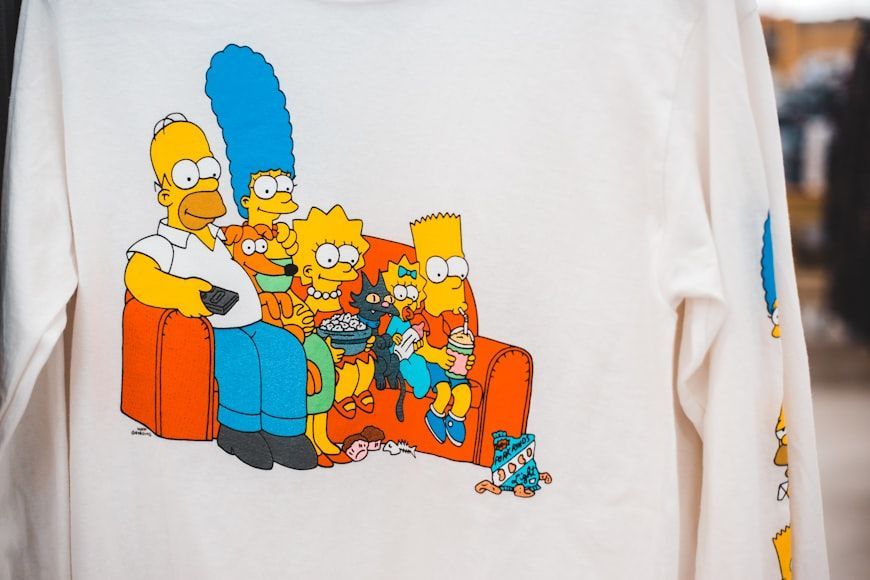
Image: Erik Mclean

The millionaire Mr. Burns is the perfect example of a cartoon villain. And maybe it's not just his cold, calculating, and greedy nature that makes him so unlikable, but also his total inability to relate to or understand the problems of ordinary people. While it's hard to truly "hate" any character from The Simpsons , we can safely say he does not exactly inspire affection.

4
Kimmy Gibbler (Full House)

Image: Jason Leung

Kimmy Gibbler, played by Andrea Barber on Full House , is one of those characters who sparks mixed feelings. Some viewers find her loud, quirky, and intrusive behavior charming. However, for others, those same traits can be a bit too irritating. Whether you adore her or can’t stand her, no one could imagine the show without Kimmy.

5
Janice (Friends)

Image: Chester from Toronto, Canada, CC BY 2.0 <https://creativecommons.org/licenses/by/2.0>, via Wikimedia Commons

Those of us who watched Friends need just three words to remember this character: "Oh. My. God!" That’s Janice's trademark line, repeated almost every time she appears on the show. It’s not malice that gets under our skin, but her shrill voice, endless energy, and constant drama. And of course, she won’t leave Chandler alone, who does everything but be upfront about his feelings.

6
Livia Soprano (The Sopranos)
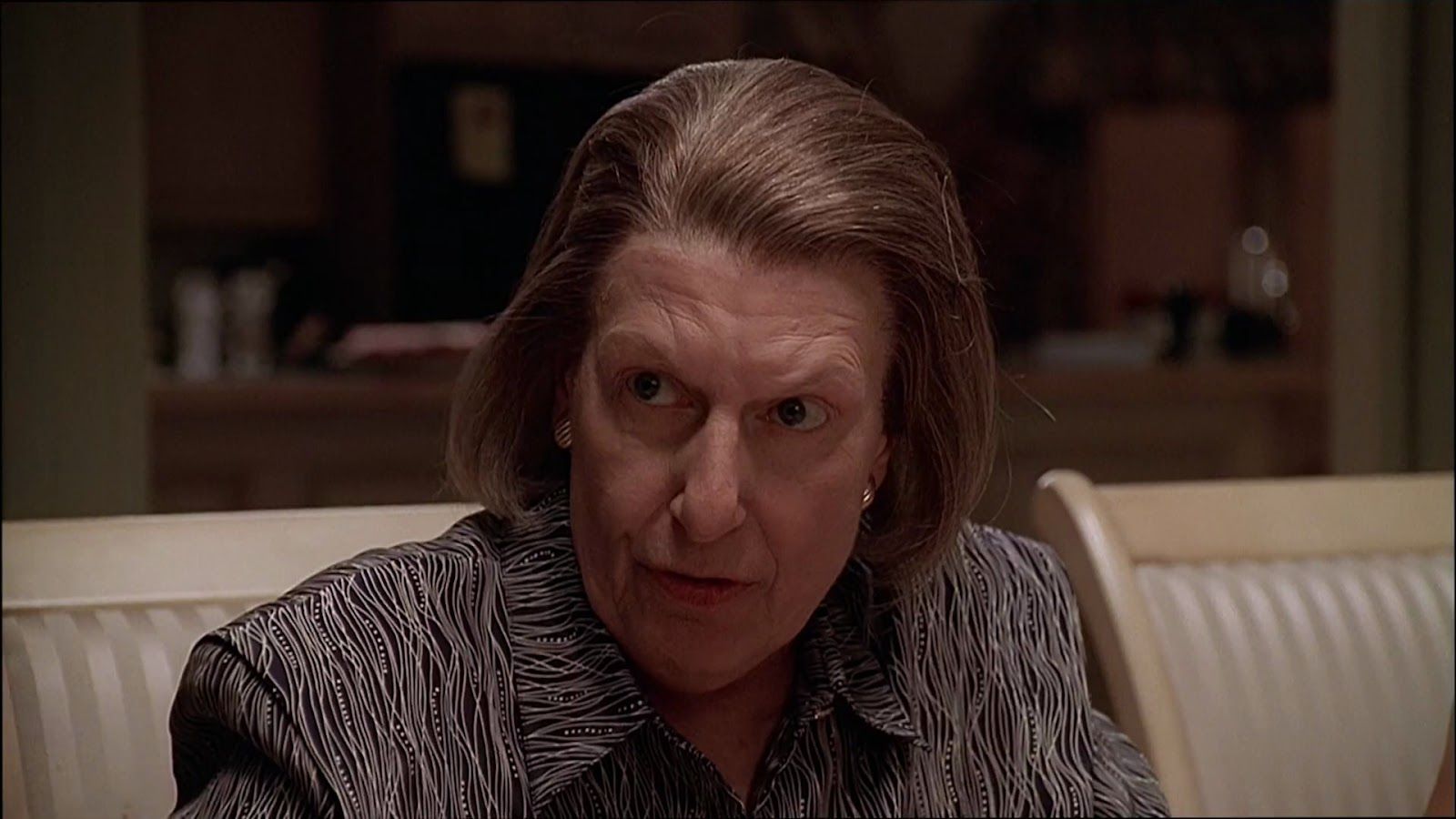
Image: HBO, CC BY 3.0 <https://creativecommons.org/licenses/by/3.0>, via Wikimedia Commons

Livia Soprano, mother of none other than Tony Soprano, manages to make us hate her from the very first season, and that’s part of what makes her such a compelling character. Bitter, cold, distrustful, manipulative, and calculating, Livia helps explain much of the protagonist’s behavior; through her, we glimpse the roots of Tony’s twisted mind.

7
Pete Campbell (Mad Men)
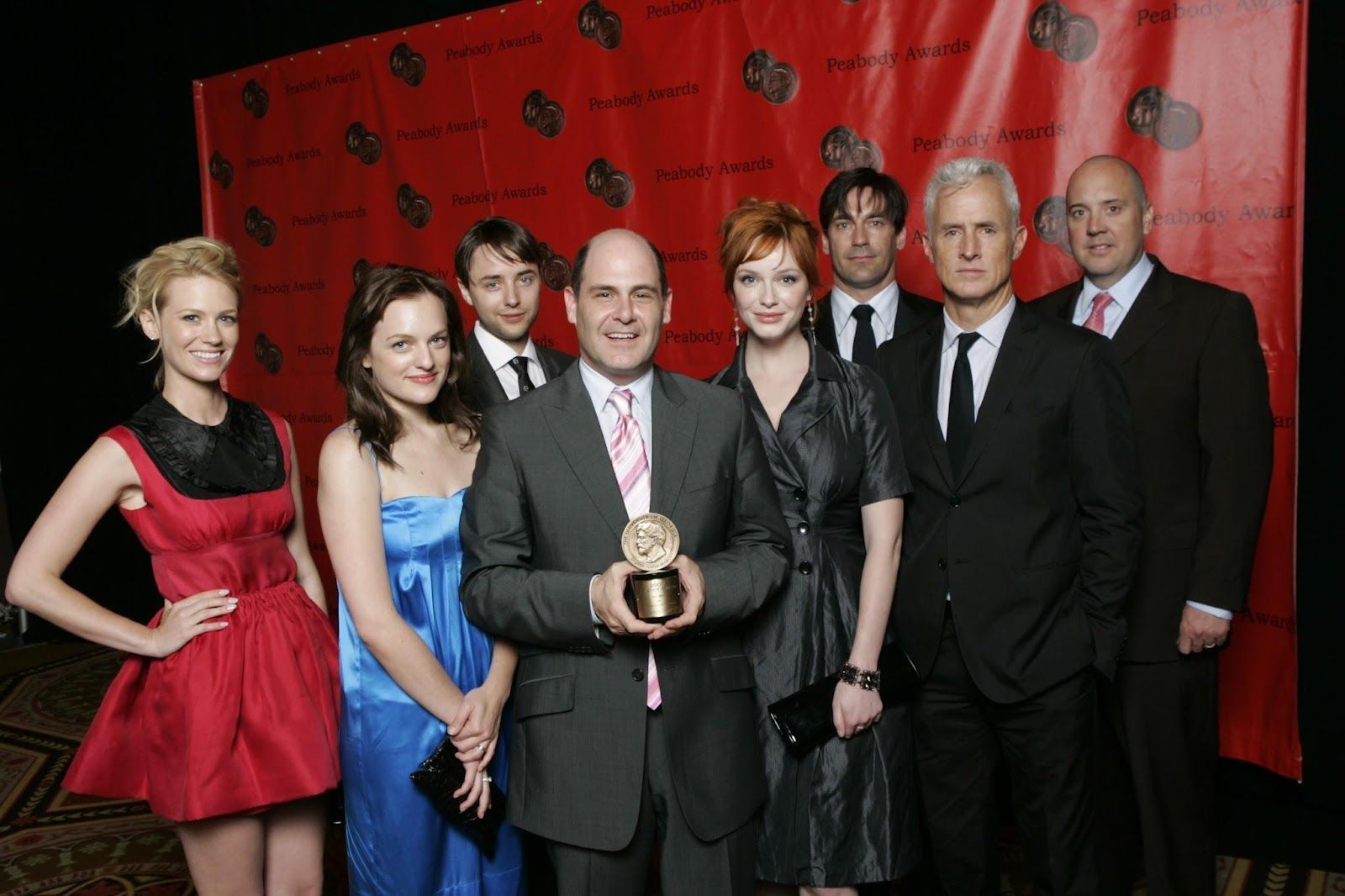
Image: Peabody Awards, CC BY 2.0 <https://creativecommons.org/licenses/by/2.0>, via Wikimedia Commons

Arrogant, manipulative, and always chasing status, these traits make Pete Campbell, played by Vincent Kartheiser, one of the least favorite characters on the iconic Mad Men . His hypocrisy and relentless ambition often lead him to overlook ethics and empathy, which is exactly why he earns a spot on this list.

8
Negan (The Walking Dead)
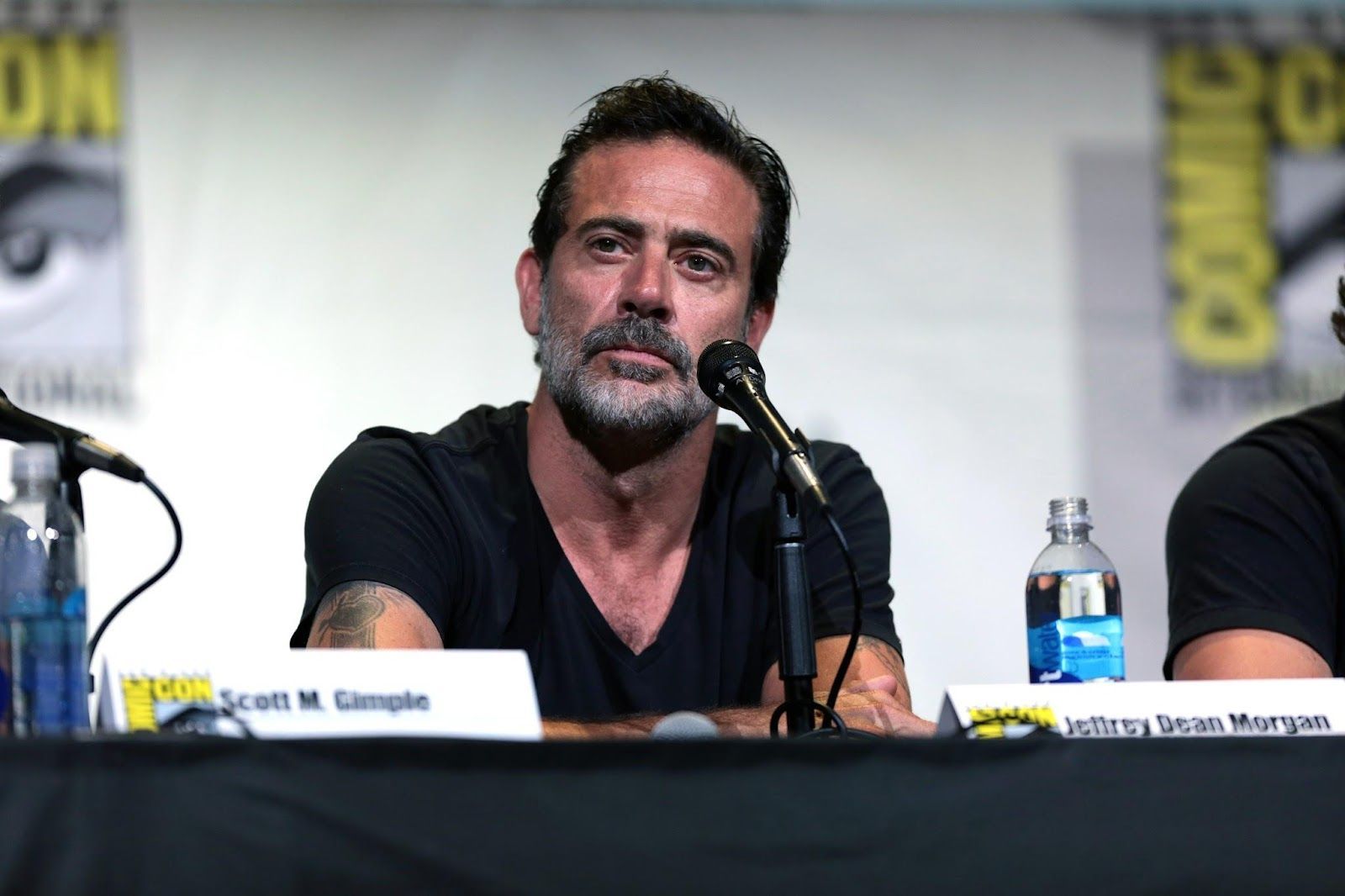
Image: Gage Skidmore from Peoria, AZ, United States of America, CC BY-SA 2.0 <https://creativecommons.org/licenses/by-sa/2.0>, via Wikimedia Commons

A villain so terrifying that he earns the hatred of viewers definitely deserves a spot on this list. We’re talking about Negan, the ruthless leader played by Jeffrey Dean Morgan on The Walking Dead . His brutality, arrogance, and need to control everything make him one of the show’s most frightening and unforgettable antagonists.

9
Nellie Bertram (The Office)
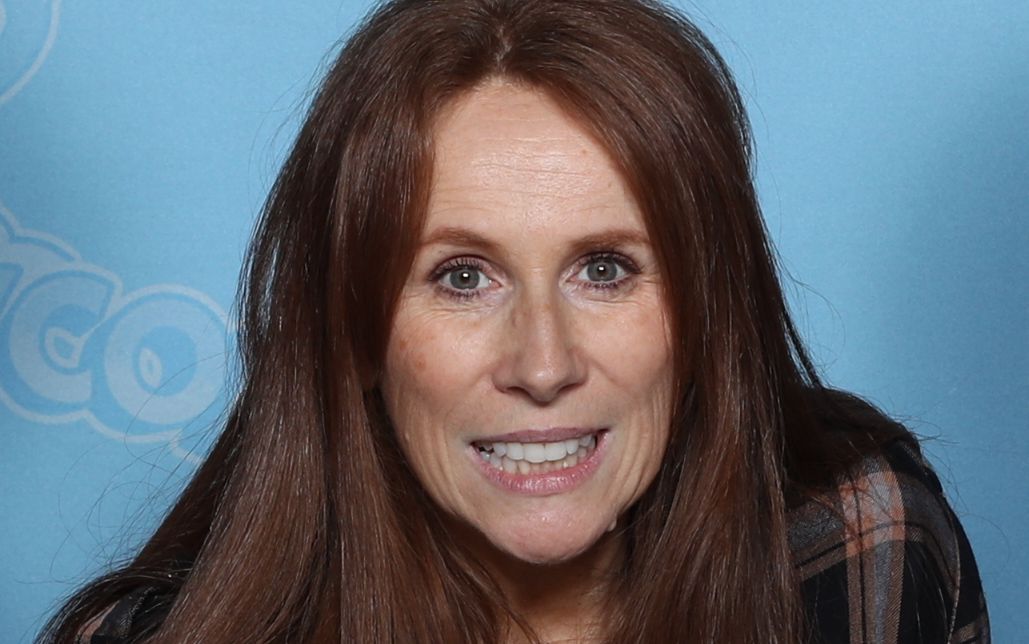
Image: Super Festivals, CC BY 2.0 <https://creativecommons.org/licenses/by/2.0>, via Wikimedia Commons

Played by the iconic Catherine Tate, Nellie Bertram joins The Office in the finale of the seventh season, and her excessive arrogance and pushy personality quickly make her one of the most irritating characters on the show. However, we have to admit it: on The Office , even the characters who get on our nerves often manage to make us laugh out loud.

10
Connor Roy (Succession)
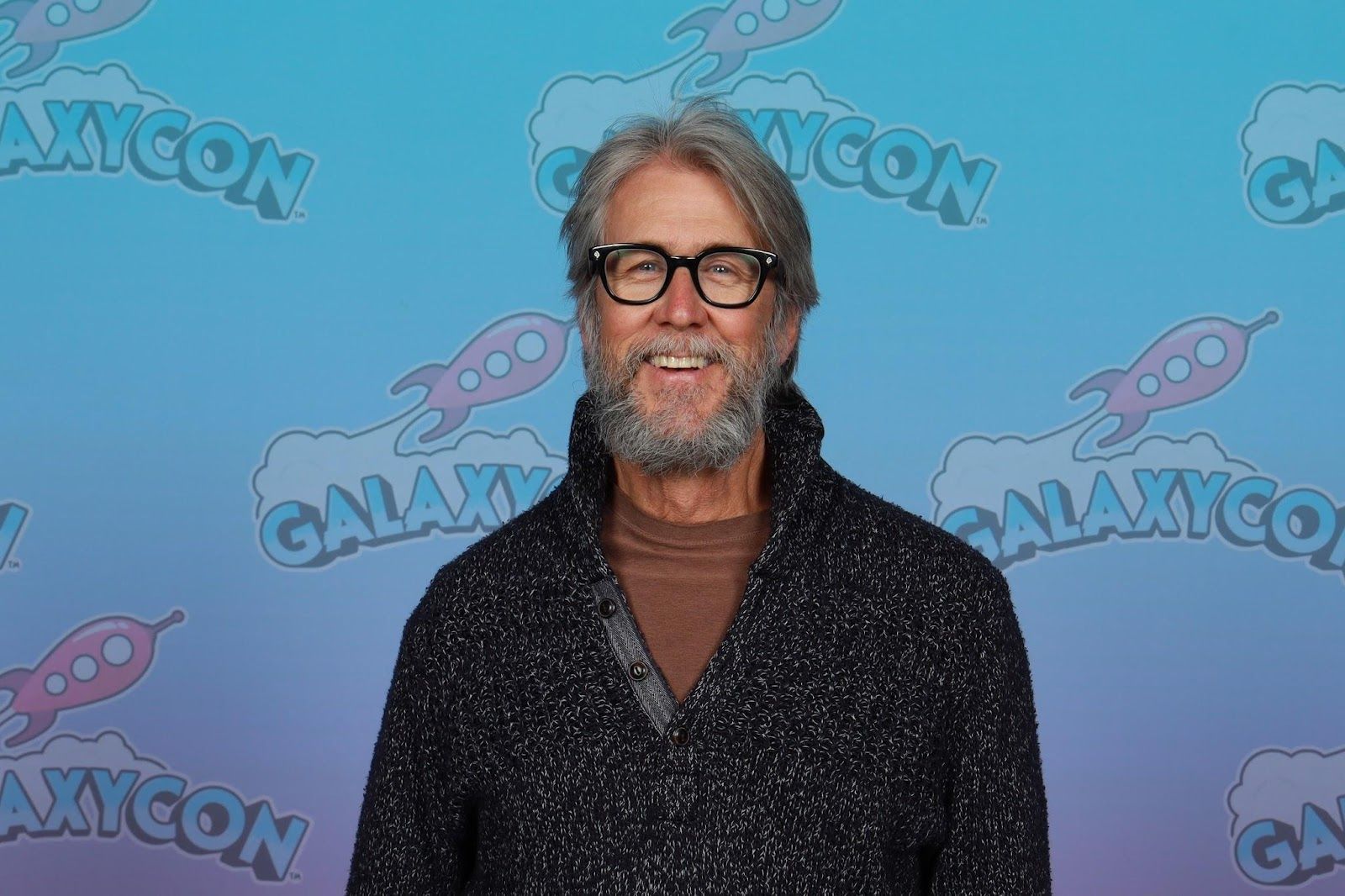
Image: Super Festivals, CC BY 2.0 <https://creativecommons.org/licenses/by/2.0>, via Wikimedia Commons

A mix of wealth, eccentricity, vanity, greed, and a misplaced sense of power make Connor, the eldest Roy sibling in Succession , one of the least favorite characters in the series. His habit of taking advantage of others and expecting rewards he hasn’t earned is one of the key reasons he lands on this list.

Culture Culture 6 min read

An American legend

“Chairman of the Board”: How much do you know about Frank Sinatra?

Image: Alesan Aboafash

Frank Sinatra truly needs no introduction: from "The Sultan of Swoon" to "Ol’ Blue Eyes," we could fill this entire introduction only with all the iconic nicknames Sinatra collected throughout his life. This singer and actor’s amazing talent and magnetic personality have truly cemented him as one of America’s most iconic artists. While his remarkable career is definitively too extensive to cover in this article, we have selected 10 moments in Sinatra’s life to celebrate the legacy of this groundbreaking American. Enjoy!

1
Early life

Image: Laith Abuabdu

Let’s start with the very beginning, in a small tenement in Hoboken, New Jersey. It’s no secret that Frank is one of the Garden State’s favorite sons, and we like to believe that the feeling was mutual. According to biographers, Sinatra developed his love of music at an early age, becoming interested in big band jazz and singers like Gene Austin and Bing Crosby.

By the time he was a teenager, Frank began singing professionally with a group called "the 3 Flashes," which renamed itself "the Hoboken Four" after Sinatra joined. A few years later, he became the lead singer of the band, which was conducted by Tommy Dorsey, one of the most influential figures in Sinatra’s early career.

2
Time to go solo

Image: Dushawn Jovic

In 1942, Sinatra convinced Dorsey to allow him to record a few solo songs ; these included some of his first hits, like "Night and Day" and "The Song is You." Impressed by the way these recordings sounded, Frank decided it was time to go solo. This was easier said than done, since his contract stipulated that he had to give Dorsey 43% of his lifetime earnings.

After a lengthy legal battle, Frank was able to become a solo artist , although his relationship with Dorsey never recovered. Part of their dispute included the fact that Sinatra offered Dorsey’s conductor, Axel Stordahl, five times his salary to sign with him and become his personal arranger.

3
"Sinatramania"

Image: Ethan Rougon

By the start of the 1940s, Frank’s popularity was soaring, and the whole country seemed to be enraptured by a wave of "Sinatramania." He topped the male singers' polls and was the quintessential idol of "Bobby Soxers," a subculture of teenage girls characterized for their fondness of popular music.

Perhaps this following anecdote can encapsulate how hard the "Sinatramania" had hit America: In 1944, Sinatra returned to the Paramount Theatre in New York after two amazing performances a few years earlier. The audience that gathered for that show was so massive that only 250 people were allowed to enter the theatre, while the remaining 35,000 protested outside. They were so determined to see "the Sultan of Swoon" that their rejection caused a riot known as the "Columbus Day Riot."

4
World War II

Image: Museums Victoria

Sinatra’s birth was a difficult one, and his eardrum was perforated during delivery. This condition made him ineligible for military service during the onset of World War II. However, he did serve his country by raising morale, traveling through Europe, and entertaining the troops towards the end of the war.

Frank performed in several USO tours alongside comedian Phil Silvers. Not only that, many of his radio performances with the "Andrews Sisters" harmony group were broadcast to the soldiers through the American Forces Radio service.

5
Acting career

Image: Los Angeles Times, CC BY 4.0

Sinatra’s acting chops are sometimes overshadowed by his singing career, which is an absolute shame. While he had small singing roles and cameos in 1940 films like Las Vegas Nights and Reveille with Beverly , his breakthrough came with the 1945 musical Anchors Aweigh , in which he starred alongside Gene Kelly and Kathryn Grayson. The film’s success and Academy Award nominations ensured a series of movies with Gene Kelly, including the now iconic On the Town in which Sinatra plays a sailor.

However, Frank’s acting credits are not limited to musicals that showcased his amazing voice; he starred in groundbreaking films like The Manchurian Candidate , High Society, and The First Deadly Sin . Not only that, he was the first choice to play the legendary Detective Harry Calahan in Dirty Harry , but he had to turn down the role. Picture this: There’s an alternate universe in which "The Voice" is the one that utters the film’s famous line, "Do you feel lucky, punk?"

6
The Rat Pack

Image: Los Angeles Times, CC BY 4.0

What’s life without a few friends? The term "rat pack" is an old New Yorker slang name used to describe a group of friends. However, today we use it to refer to a distinct group of actors and singers, the quintessential "Rat Pack" of which Frank Sinatra was one of the shiniest stars.

Alongside Frank, the Rat Pack included iconic singers like Dean Martin, Sammy Davis Jr., Judy Garland, Mickey Rooney, and Nat King Cole. According to legend, the group received its name from Humphrey Bogart and Lauren Bacall after they were seen returning from a night in Las Vegas. Many remember the original iteration of the classic heist film Ocean’s Eleven, which starred five members of the Rat Pack.

7
The Capitol years

Image: Dane Deaner

The 1950s were truly a Renaissance time for Sinatra. While interest in his music had slowly waned over the years, Frank saw the success of the 1953 film From Here to Eternity as an opportunity to revitalize his career. In that sense, that same year, the singer made a move that would prove to be essential in this revival: his signing with Capitol Records .

SInatra’s seven-year contract with Capitol produced some of this singer’s most beloved albums , including "Where Are You?" and "Come Fly with Me." One of the strongest elements behind these albums was arranger Nelson Riddle, who was wonderfully adept at matching Sinatra’s perfectionism.

8
Family life

Image: Jorge Moncayo

Let’s step away from the spotlight for just a moment and focus on Sinatra’s family life . Frank’s four marriages were highly publicized; some of them included Ava Gardner and Mia Farrow, two of the biggest actresses of their time. However, we have decided to instead highlight the most important things that came from his relationships: his children.

Frank had three children with his first wife, Nancy Barbato: Nancy, Frank Jr., and Christina, known as "Tina." Most biographers agree that, while his relationships may have been tumultuous, Frank was by all accounts a devoted father. Two of his children, Nancy and Frank Jr., went on to follow in their father’s footsteps and became singers themselves, with Nancy turning out to be one of the most prominent artists of the ‘60s and ‘70s.

9
Retirement

Image: Los Angeles Times, CC BY 4.0

As the saying goes, "All good things must come to an end," and in 1970, Sinatra announced he would be retiring from recording and performing. However, it should come as no surprise that his retirement was definitively short-lived or, at the very least, as packed with excitement as his career had been.

By the 1970s, Sinatra’s voice had grown coarsened after years of demanding use. However, this only added a new layer of depth to Frank’s singing; audiences loved the deeper and rougher tones he added to his performances. Not only that, in 1980, Sinatra starred in his final film The First Deadly Sin , an extraordinary goodbye to his acting career.

10
Legacy

Image: IrishFireside, CC BY 2.0

On May 14, 1998, Frank Sinatra bid farewell to the world. While he is surely missed, his outstanding legacy still lives on, so we thought dedicating this final entry to some of the many homages this American icon received would be a fitting tribute.

In 1995, to honor Frank’s 80th birthday, the Empire State Building was lit blue to show its appreciation for "Ol’ Blue Eyes." Ten years after his death, the United States Postal Service issued a postage stamp honoring Frank, and Congress passed a resolution declaring May 13 as "Frank Sinatra Day."

History History 2 min read

Homegrown sounds

How America invented 10 of the world’s biggest music genres

Image: Daniel Angele

If the U.S. has exported anything in abundance, it’s music. From Delta blues to disco, America has shaped the global soundscape with genres that reflect its history, struggles, and triumphs. Join us as we explore 10 of the most influential music styles born on American soil.

1
Blues

Image: Ahmed Rizkhaan

Originating in the Deep South during the late 19th century, blues evolved from African American work songs, spirituals, and field hollers. More often than not, it channeled pain and the harsh realities of life in a segregated America. Formally, its 12-bar blues structure and expressive guitar playing influenced countless other genres, from rock and roll to jazz.

2
Jazz

Image: Carol Highsmith's America

Born in New Orleans in the early 20th century, jazz blended African rhythms, blues, and brass band traditions. It was a revolutionary genre defined by improvisation and syncopation. Great figures like Louis Armstrong and Duke Ellington helped jazz spread worldwide, becoming a symbol of American creativity.

3
Rock and Roll

Image: Ana Grave

Emerging in the 1950s, rock and roll combined elements of blues, gospel, and rhythm and blues to create a high-energy, powerful sound . It soon became the voice of a new, rebellious generation. Pioneers like Elvis Presley, Chuck Berry, and Little Richard became universally beloved legends, forever altering the course of popular music.

4
Country

Image: Ben White

Originating in the southern United States, country music evolved from folk ballads and fiddle tunes brought by European immigrants. Initially, the genre focused on stories about blue-collar American life but later expanded to include love ballads and dance tunes. Today, it remains one of the most popular genres in the U.S.

5
Bluegrass

Image: Priscilla Du Preez

A fast-paced, acoustic offshoot of country, bluegrass emerged in the 1940s thanks to Bill Monroe and his Blue Grass Boys. Drawing from Irish and Scottish folk traditions, it prominently features stringed instruments like the banjo, mandolin, and fiddle. A true heartland gem, bluegrass continues to thrive on festival circuits worldwide.

6
Rhythm and Blues

Image: Matthijs Smit

Rhythm and Blues, or R&B, evolved from blues and jazz in the 1940s, featuring soulful vocals and a strong, "insistent" backbeat. Though its boundaries have been historically difficult to define, it laid the foundation for rock, soul, and funk while remaining a powerhouse in American music for generations.

7
Gospel

Image: Iyinoluwa Onaeko

Rooted in African American church traditions, gospel music emerged in the early 20th century, blending spirituals with blues and jazz influences. Artists like Mahalia Jackson and The Staple Singers were among the first to bring gospel beyond church walls, paving the way for future soul and rock musicians.

8
Soul

Image: Kobe Subramaniam

A direct descendant of gospel and R&B, soul music took center stage in the 1960s with its mix of emotional vocals and deep grooves. Legends like Aretha Franklin and James Brown defined the genre, influencing everything from funk to modern pop.

9
Funk

Image: Krisztián Reischl

Emerging in the 1960s, funk placed a strong emphasis on groove and rhythm, featuring heavy basslines and syncopated beats made for dancing. Pioneers like James Brown, Parliament-Funkadelic, and Sly & The Family Stone helped popularize the genre, whose infectious rhythms later influenced disco, hip-hop, and even rock.

10
Disco

Image: Honey Fangs

Rising in the 1970s, disco blended soul, funk, and Latin influences into a beat-driven, club-friendly sound. More than just a music genre, it became a cultural movement centered on dance, freedom, and glamour. At its peak, artists like Donna Summer and the Bee Gees dominated the airwaves.

Explore more American facts

Choose your favorite category!

General
General

As American as apple pie—the very best America has to offer!

Culture
Culture

Delve into the astounding richness of American lore.

Geography
Geography

Hop in and explore vast and diverse American landscapes.

History
History

Discover the key moments that shaped the United States.