Culture Culture 5 min read

Quick on the draw: The 12 greatest cartoon characters of all time

Image: Elsa Tonkinwise

Comic strips are way more than just cute cartoons on a page—they’ve been the heartbeat of American newspapers for decades. Morning routines often aren’t complete without flipping to the "funnies." In just a few panels, they manage to bottle up humor and creativity while reflecting everyday life in ways that feel both simple and profound. For generations of readers, these characters have grown into familiar companions, as real and reliable as neighbors down the street. What follows is a look back at some of the most beloved comic strip icons—characters whose charm hasn’t faded with time.

1
Thelma from The Family Circus
Image: Angel Sanchez

Here’s a little bit of trivia: cartoonist Bil Keane didn’t just imagine Thelma—he sketched her straight from life, inspired by his own wife. Far from being a background character, she stands as an anchor in a house full of wild little adventurers. College-educated and quick on her feet, she is the quiet balance that keeps the comic’s playful family from tipping over.

Since its debut in 1960, fans of The Family Circus have seen in Thelma not just a mother, but the steady rhythm that turns chaos into charm. She reminds everyone that even in the middle of a circus, there’s always someone holding the tent poles steady.

2
Snoopy from Peanuts
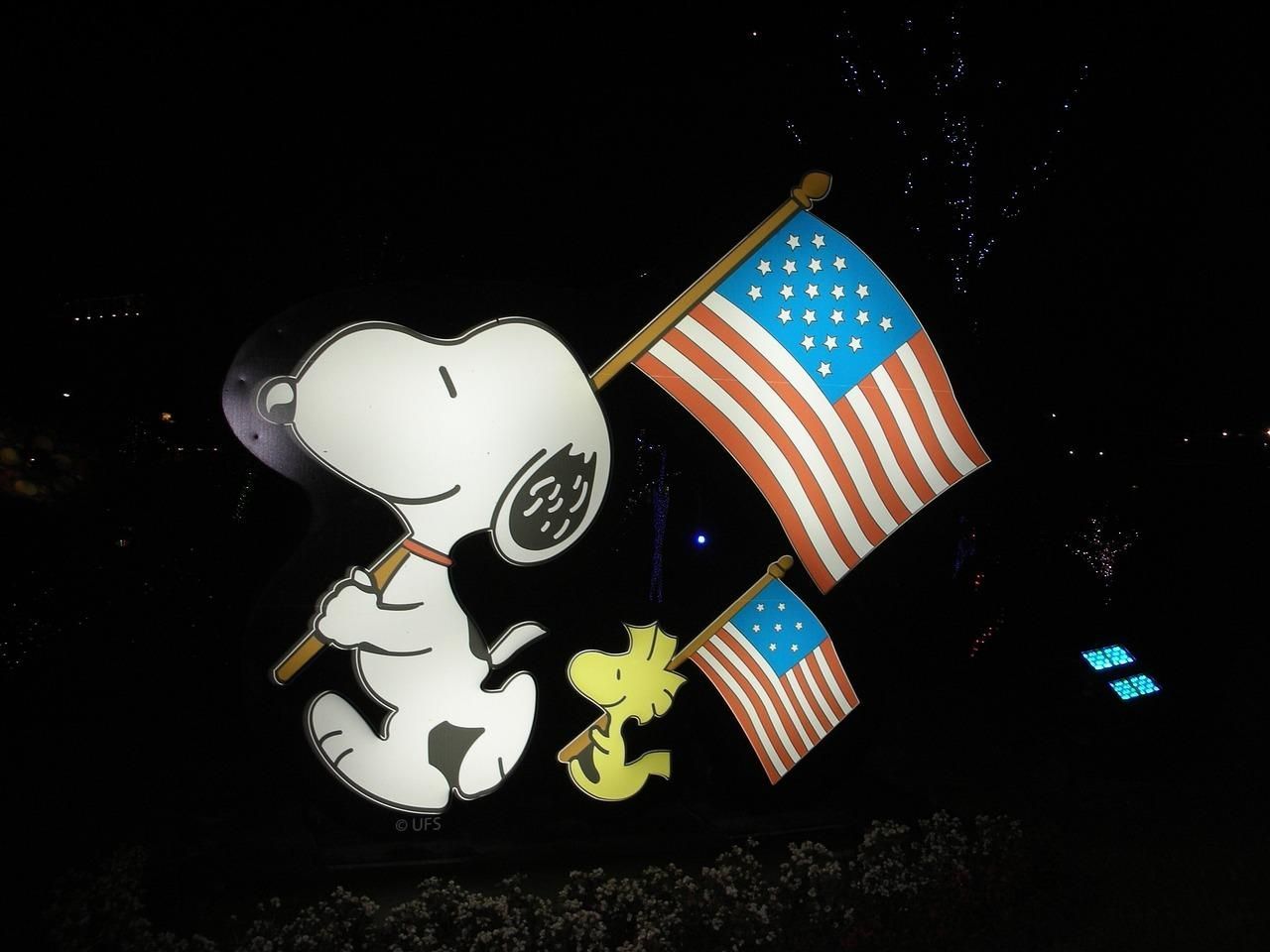
Image: somecomputer

What if a simple old beagle could slip into the role of a daring fighter pilot or a famous novelist without ever leaving his doghouse? That’s the magic of Snoopy.

From the 1950s onward, Charles Schulz gave this iconic, innocent dog a wildly imaginative life, where a simple nap on the roof could turn into a trip across the skies. He rarely speaks, yet every tilt of his ear and twitch of his eyebrow says more than words ever could. Snoopy shows readers that the biggest adventures often happen in our heads, proving that silence can tell a story louder than any punchline.

3
Garfield
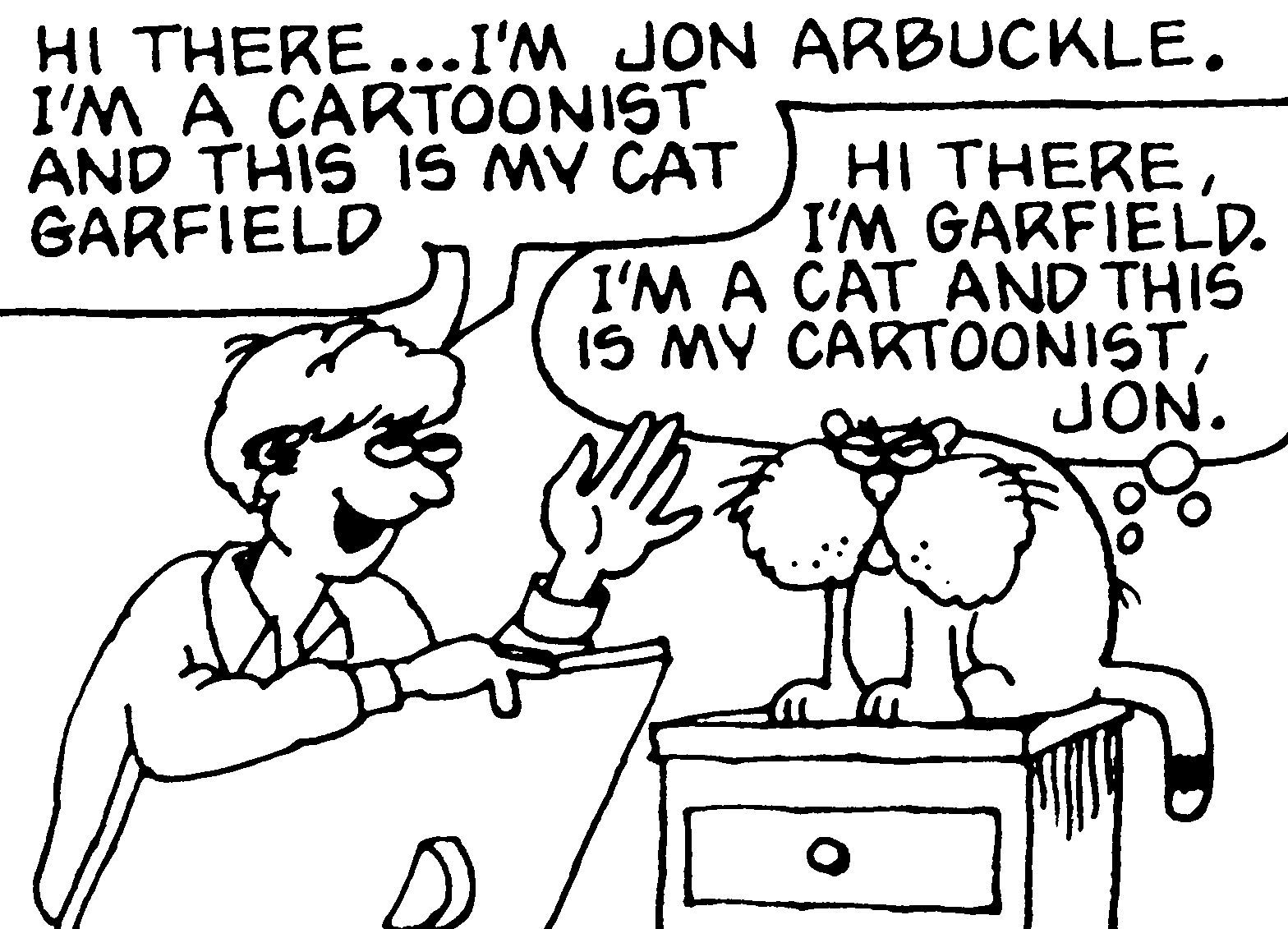
Image: Jim Davis, Public domain, via Wikimedia Commons

Who would have guessed that a fat, sleepy cat introduced in 1978 would become one of the sharpest minds in comic strip history? Garfield never bothers chasing mice or protecting the house—he lets others do the hard work while he perfects the art of comfort.

Fueled by lasagna and armed with sarcasm, he turns laziness into a lifestyle. His famous dislike of Mondays isn’t just a joke—it’s a philosophy. Why suffer through the grind when you can nap through it? In his own sly way, Garfield teaches readers that brains sometimes triumph over brawn, especially when pasta is involved.

4
Calvin from Calvin and Hobbes
Image: Michał Turkiewicz

What happens when childhood curiosity meets mischievous behavior? Calvin happens. Bill Watterson’s rebellious and cynical six-year-old, born in the 1980s, can transform an ordinary backyard into a galaxy of adventures.

One moment, he’s a space explorer dodging aliens; the next, a philosopher debating life with a stuffed tiger. All his alter egos are playful but also surreal monuments of imagination. Beneath the pranks and wild schemes, Calvin reminds us that messy questions often lead to the brightest discoveries.

5
Wednesday from The Addams Family
Image: Jon Tyson

Imagine a child who never giggles at the obvious but instead tilts her head and asks the questions no one else dares. That’s Wednesday. When Charles Addams first sketched her in the 1930s, she wasn’t just another character in a gothic family—she was the sharp thinker in braids.

While her relatives reveled in the bizarre, Wednesday cuts straight to the harsh reality with calm precision. Her curiosity is fearless, her observations unflinching, and her wit so dry it makes readers smirk. In a household full of quirks, she is the quiet compass pointing toward reason.

6
Nancy Ritz from Nancy
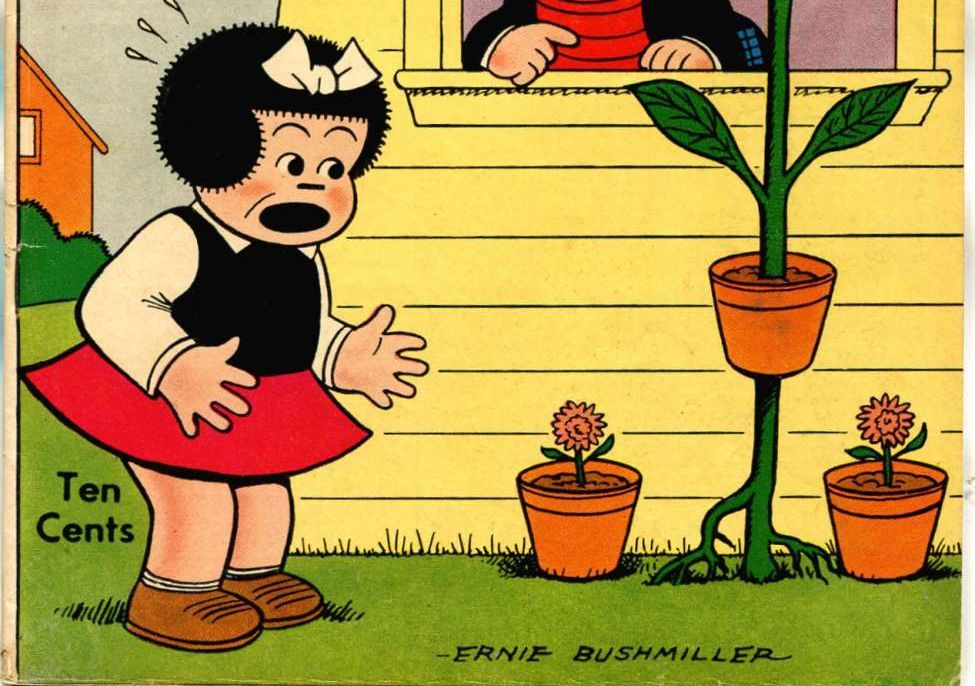
Image: Tip Top Comics / United Features / Ernie Bushmiller, Public domain, via Wikimedia Commons

Long before "less is more" became a fashion motto, Ernie Bushmiller’s Nancy was already proving the point. With just a few lines, Bushmiller built a character who could provoke laughs sharper than most elaborate gags. Nancy’s jokes landed fast, like little surprise jabs, and her clean, minimalist style made her humor feel universal. Decade after decade, her zingers have stayed as fresh as if they were written yesterday.

7
Popeye the Sailor Man from Thimble Theatre
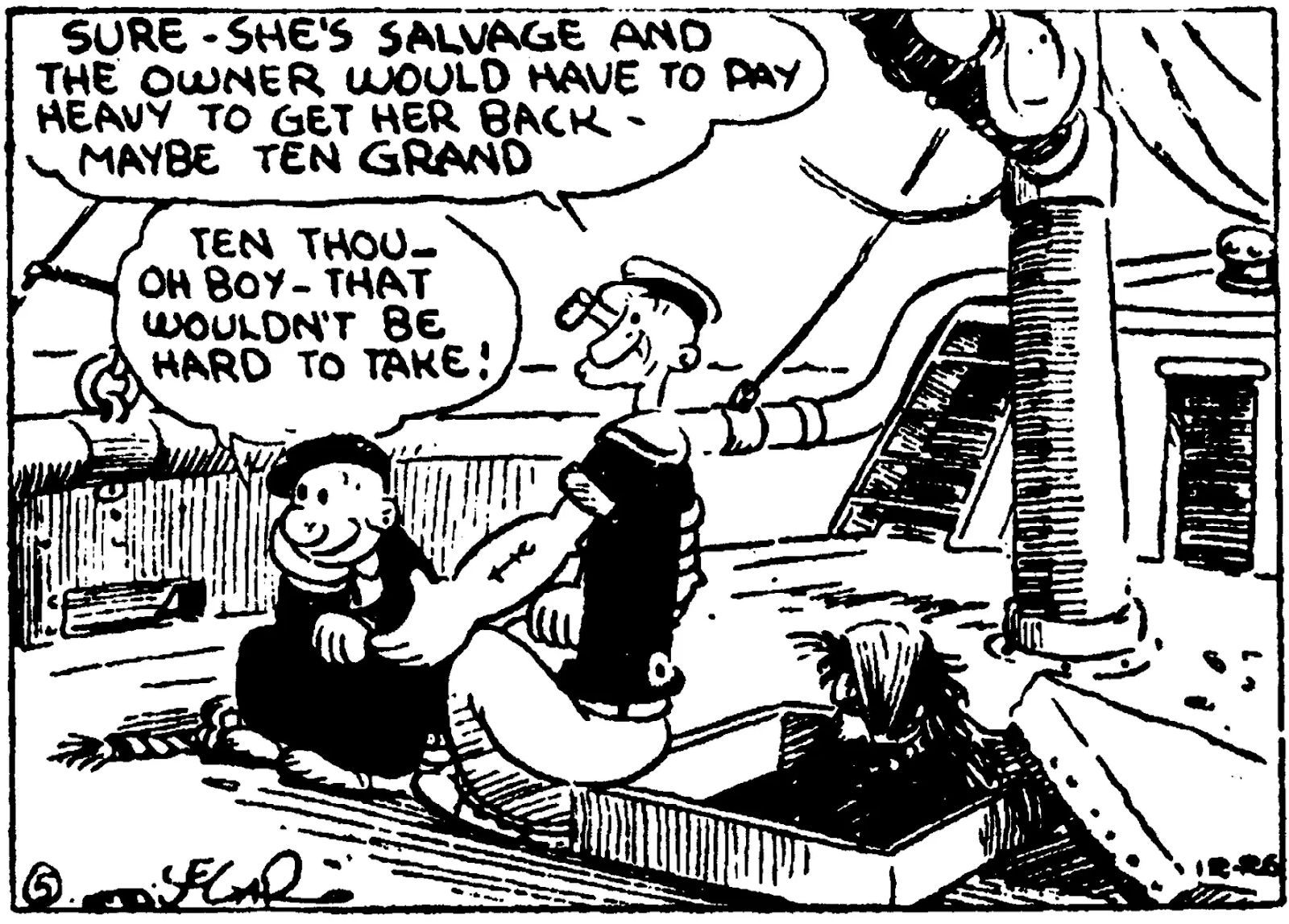
Image: E. C. Segar, Public domain, via Wikimedia Commons

Believe it or not, a cartoon sailor managed to change America’s dinner plates. When Popeye appeared in 1929, kids suddenly wanted to eat spinach, and sales of the leafy green soared by nearly a third.

With his anchor tattoos, squinty eye, and gravelly mumble, Popeye wasn’t exactly polished—he was tough, funny, and unforgettable. Every can of spinach he cracked open turned into instant muscle, proving that strength, humor, and even vegetables could be downright heroic.

8
Dick Tracy
Image: R Jangaard

Imagine picking up a newspaper in 1931 and spotting a hard-boiled detective with a futuristic radio strapped to his wrist. For readers of the day, it looked like pure science fiction. Chester Gould’s Dick Tracy wasn’t only solving crimes—he was predicting the kind of technology that wouldn’t appear in real life for decades.

Sharp as a tack, with a no-nonsense style, Tracy blends American gothic with futuristic flair, making every strip feel like a peek into tomorrow’s world.

9
Dennis from Dennis the Menace

Image: Alexandra_Koch

On the surface, Dennis seems like every parent’s headache: a freckle-faced kid with a knack for trouble. But dig a little deeper, and you’ll find a sharp mind hiding behind that mischievous grin.

Since the 1950s, his pranks have been less about chaos and more about clever planning and outsmarting the grown-ups. While Mr. Wilson might sigh in defeat, readers can’t help but laugh, knowing Dennis exposes truths adults often tiptoe around. Mischief is his tool; curiosity is his true engine.

10
Archie Andrews from Archie Comics
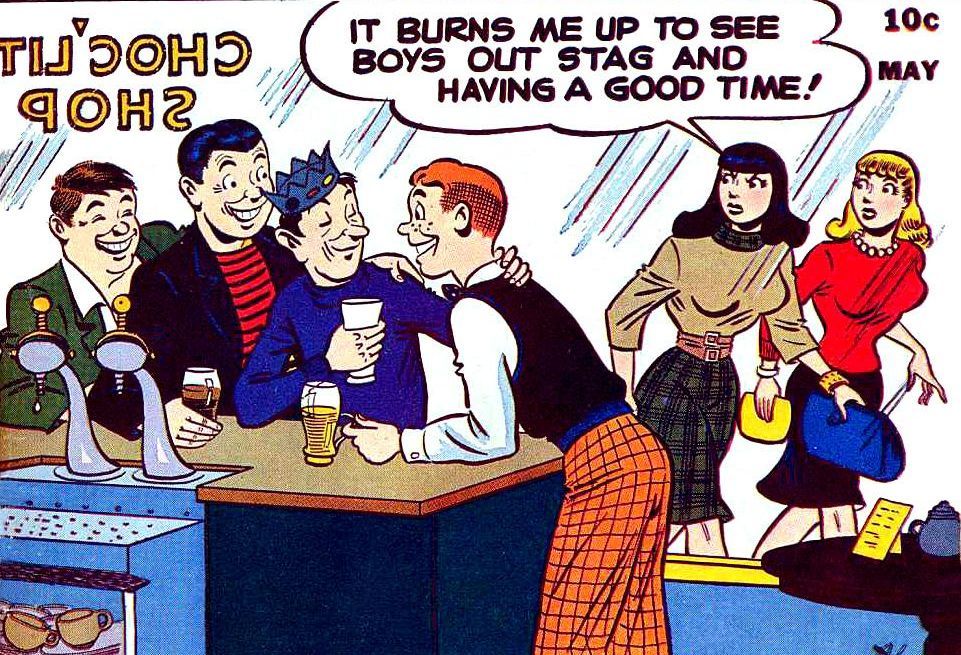
Image: Al Fagaly, Public domain, via Wikimedia Commons

Picture a small town where jukeboxes hum, soda fountains buzz, and Friday night dances are packed with teenagers. That’s the world Archie Andrews introduces us to. With his bright red hair and everyday charm, Archie isn’t a superhero—he’s the kid next door.

Yet, he manages to shine thanks to his relatable stumbles, from juggling homework to choosing between Betty’s sweetness and Veronica’s sparkle. His stories are funny snapshots of small-town America, frozen in time like a favorite old record.

11
Mooch and Earl from MUTTS

Image: PNW Production

At first glance, they’re just a cat and a dog. But look closer, and Mooch and Earl are small philosophers wrapped in fur. Patrick McDonnell gave Mooch his playful "Yesh" and Earl his gentle kindness, creating a duo that speaks volumes in just a few words.

MUTTS isn’t about big adventures, it’s about simple, tender moments: a nap in the sun, a wagging tail, a shared silence that feels like music. Through their quirks and quiet humor, Mooch and Earl remind readers that wisdom often comes from uncomplicated friendship.

12
Private Carl James "Beetle" Bailey from Beetle Bailey

Image: Mort Walker, Public domain, via Wikimedia Commons

When Mort Walker introduced Private "Beetle" Bailey in 1950, he proved that not every comic hero needs ambition—sometimes a nap is enough. Beetle isn’t just lazy; he turns slacking into a survival skill. While others march, plan, or panic, Beetle drifts away with a smirk, always finding the shortest route around hard work.

Although Camp Swampy is a tough setting, the punchline is clear: Beetle’s effortless way of avoiding obligations is almost genius. Somehow, doing nothing becomes his greatest talent.
Culture Culture 5 min read

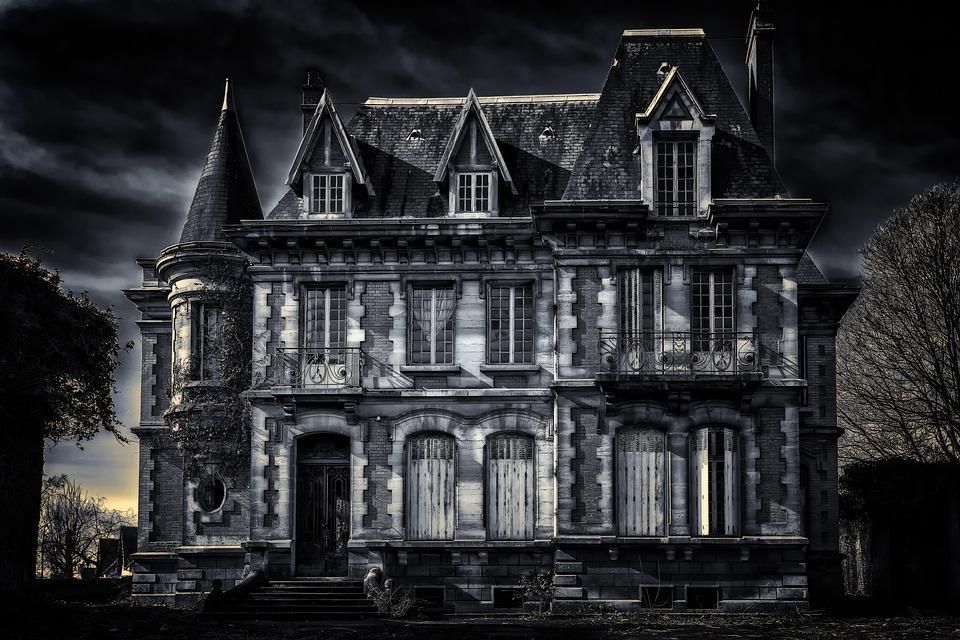
Why do these 10 magnificent American estates now stand in ruins?

Image: Tama66

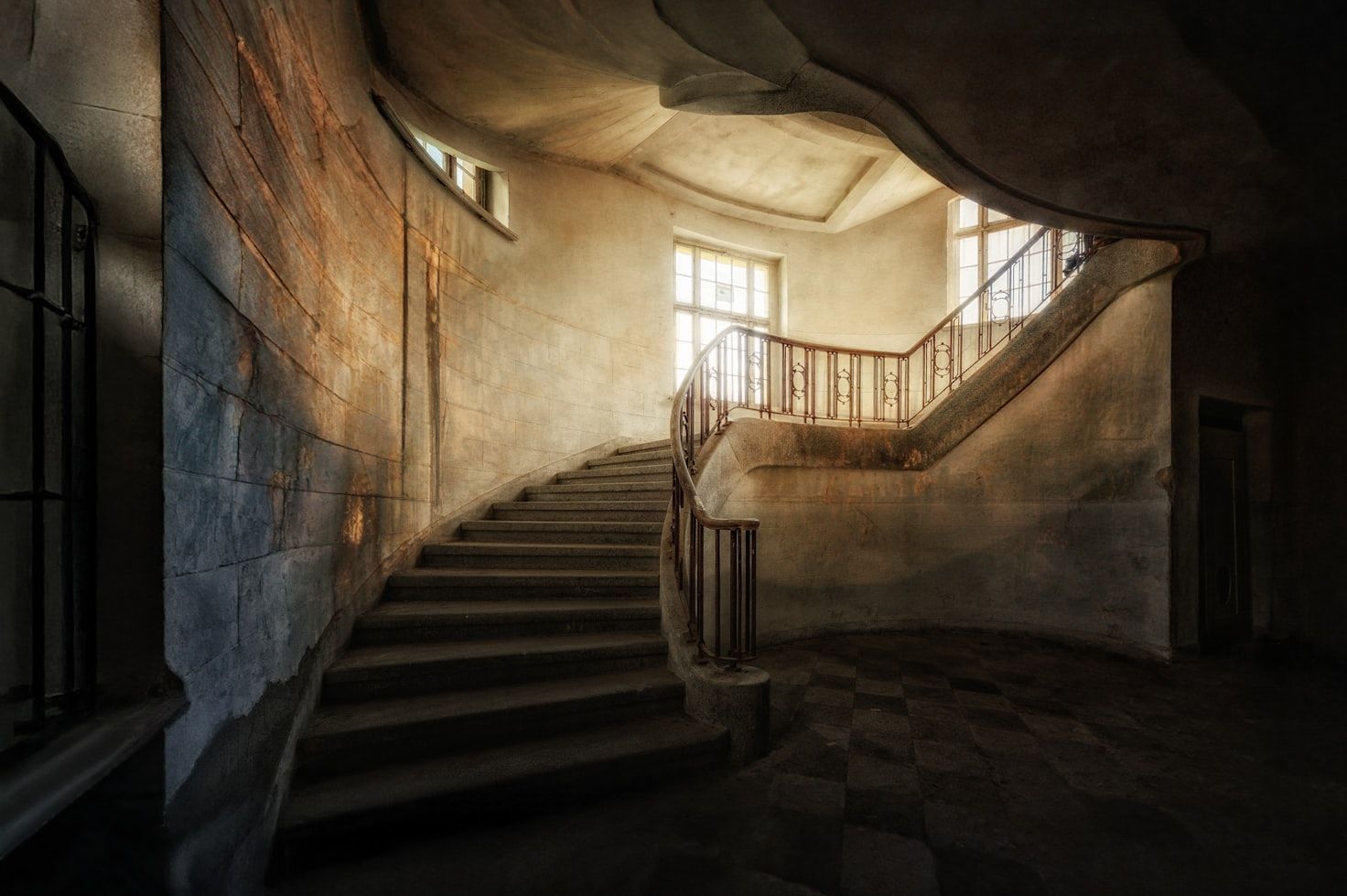
Beyond the manicured lawns of modern suburbs and the gleaming glass of city centers lie the skeletal remains of America’s Gilded Age and eccentric architectural dreams. These abandoned mansions, once symbols of immense wealth or unbridled ambition, now serve as monuments to the passage of time. Whether they were built for defense, ego, or artistic expression, these 10 sites stand as beautiful reminders of the people who once dared to dream about eternity. Would you like to know more? Continue reading!

1
Dundas Castle, Roscoe, New York

Image: Annie Spratt

Also known as Craig-e-Clair, this castle was built by Ralph Dundas in the early 20th century. It is an architectural marvel of stone and copper.

Dundas died before the castle was completed, and his wife was reportedly committed to a sanitarium shortly after. Consequently, no member of the Dundas family ever actually lived in the mansion. This has led to the "Ghost of Dundas Castle" legends, with locals claiming to see a woman in white wandering the unfinished halls, waiting for a housewarming party that never happened.

2
Rockwell House, Milledgeville, Georgia

Image: Clem Geiss

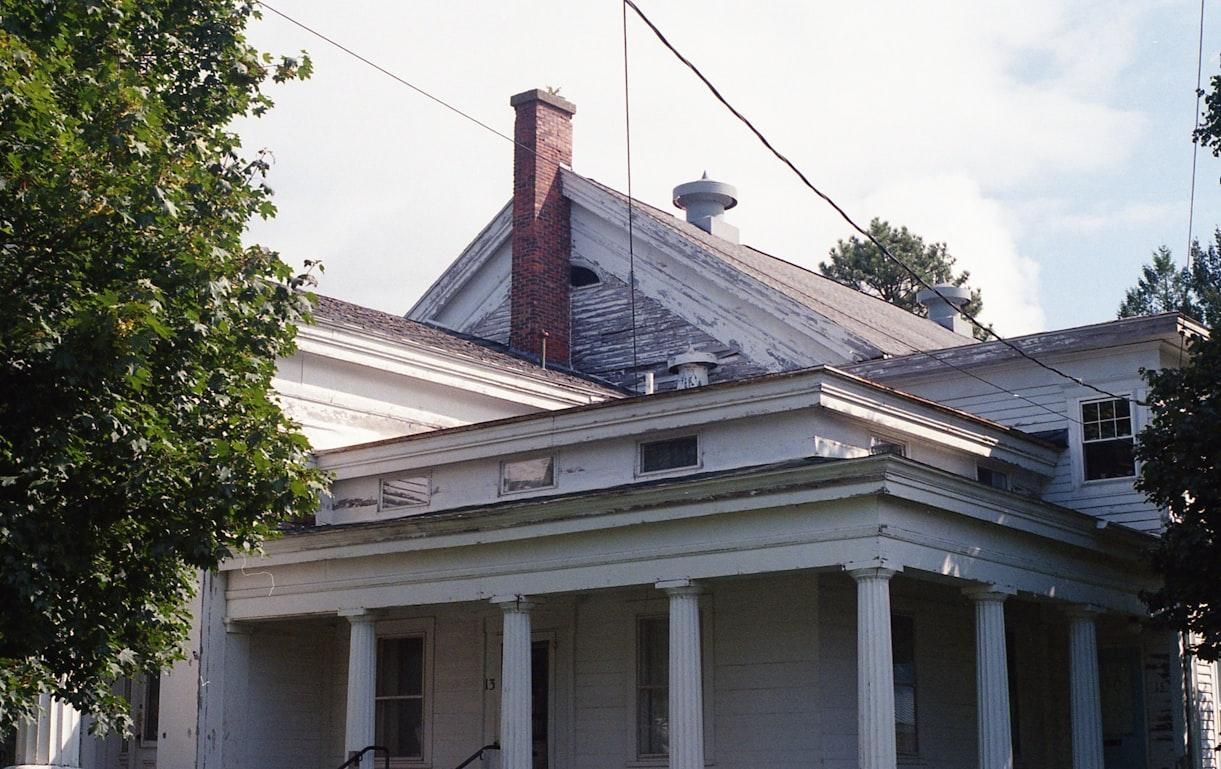
Built in 1838, the Rockwell House is a stunning example of Federal-style architecture, but its beauty is shadowed by a dark past. It was originally built for Colonel Samuel Rockwell, a prominent lawyer.

Local lore whispers about the "Rockwell Ghost," believed to be a young girl who died during a yellow fever outbreak. However, the house’s most tangible secret lies in its survival; it has endured multiple fires and periods of extreme neglect. In recent years, it has become a focal point for preservationists who uncovered hidden structural reinforcements that suggest the house was built to be an impenetrable fortress of its era.

3
Elda Castle, Ossining, New York

Image: Nitrogel

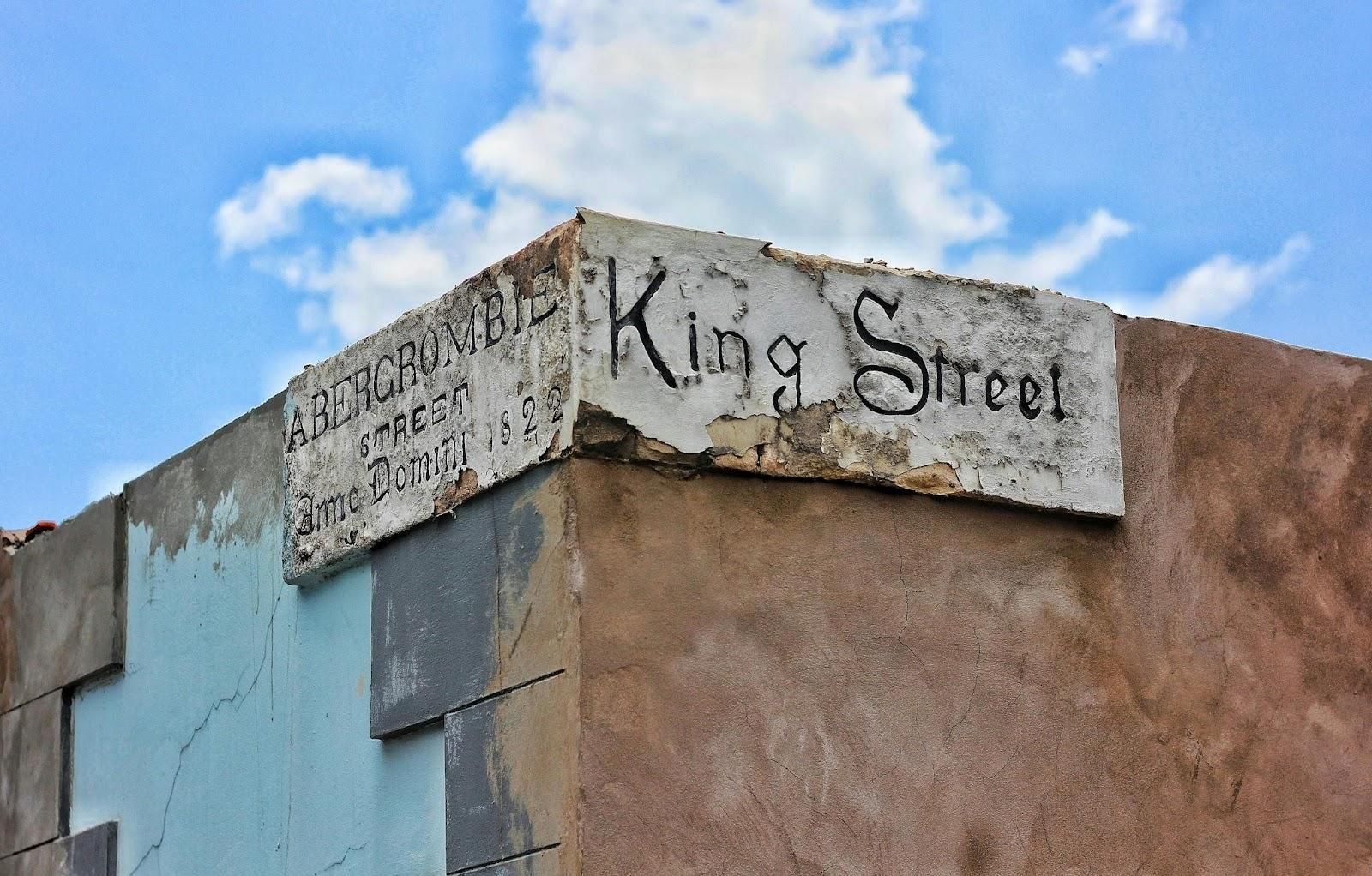
If the name David Abercrombie sounds familiar, it’s because he co-founded the clothing company Abercrombie & Fitch . But in the 1920s, he also built this granite castle, named Elda (an acronym of his children’s names), as a secluded retreat.

The castle features a network of spiral staircases and open-air porches designed to blend the indoors with the rugged wild. Its abandonment, however, is a sheer tragedy. After the family moved out, the castle was used as a research facility and later fell victim to vandals. Legend has it that a fire in the 1940s was started by squatters, leaving behind a charred stone husk that resembles a medieval ruin more than a 20th-century home.

4
Mongo's Castle, Memphis, Tennessee

Image: Denny Müller

A stark contrast to the classical mansions of the South, Mongo’s Castle was the passion project of Mongo Bebe, a man who built his home out of scrap stone, Ashlar blocks, and found materials.

The house is a maze of folk-art eccentricity. The builder intended it to be a community center and a symbol of African-American heritage and self-reliance. It stands today as a decaying puzzle, with many neighbors still unsure of the structural logic behind its towering, uneven walls.

5
Bannerman's Castle, Pollepel Island, New York

Image: Leonard G., Public domain, via Wikimedia Commons

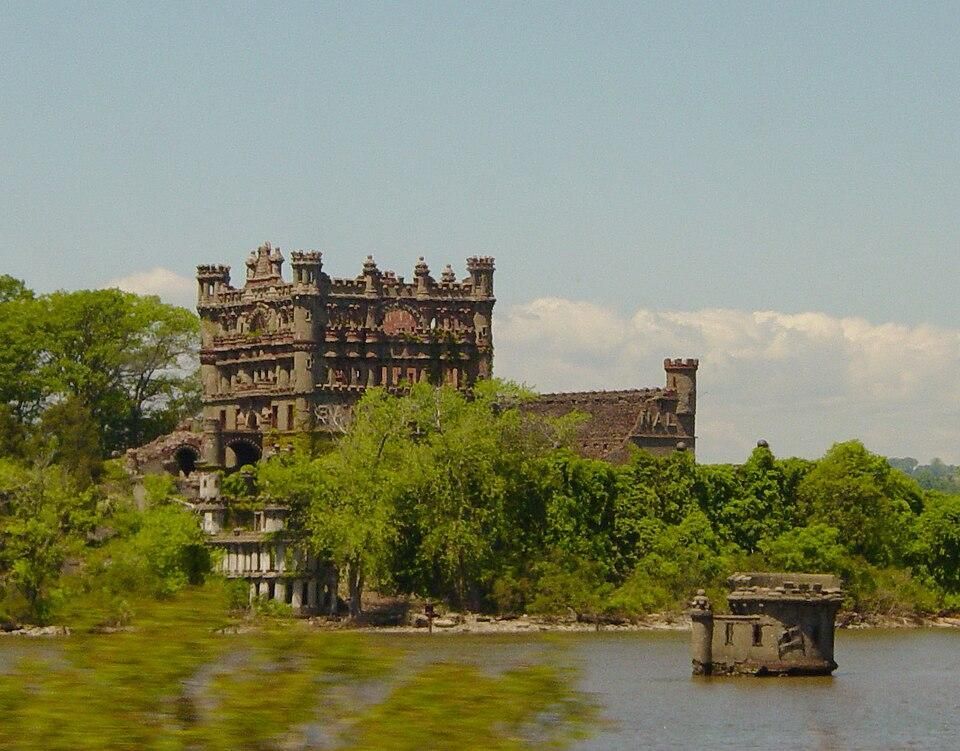
Rising from the Hudson River, this castle was never intended to be a home; it was a giant advertisement and warehouse for Francis Bannerman VI’s military surplus empire.

In 1920, 200 tons of gunpowder and shells exploded in the castle’s powder house, blowing out a significant portion of the walls. The ground is still considered unstable due to the remnants of military munitions, and the inscriptions on the walls are actually warnings and advertisements for the Bannerman business. Do you dare visit this mansion?

6
Castle Mont Rouge, Rougemont, North Carolina

Image: Florian Delée

This whimsical, onion-domed castle looks like it belongs in the Russian countryside rather than the North Carolina woods. It was designed by sculptor Robert Mihaly, but he ended up abandoning the project in the early 2000s following a personal tragedy and financial hurdles.

The castle remains an "empty sculpture," filled with intricate marble work and unfinished turrets. The bizarre architectural fusion lacks a standard floor plan, making it nearly impossible to convert into a functional residence without destroying its artistic integrity.

7
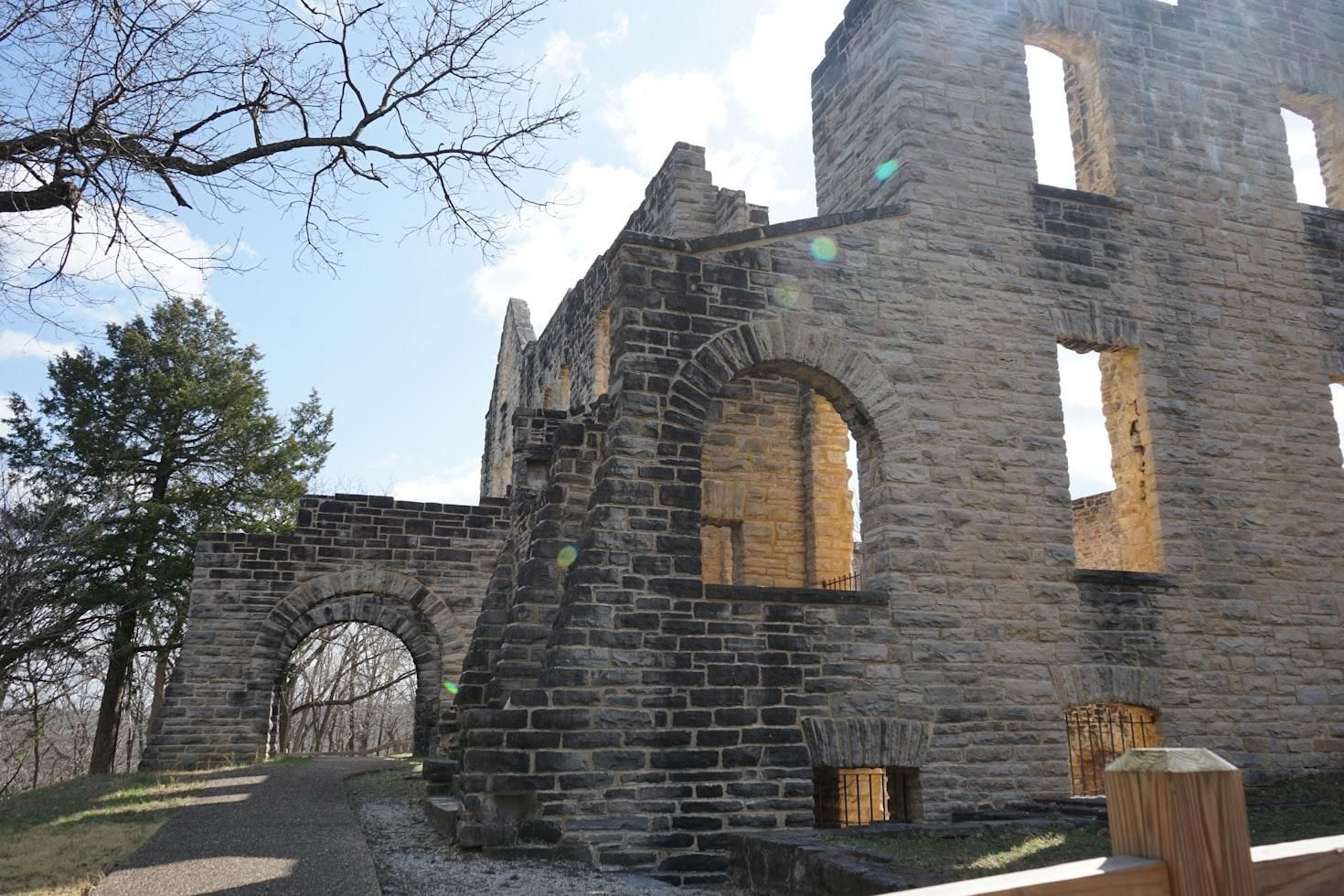
Ha Ha Tonka Castle, Camdenton, Missouri

Image: Hannah McBride

Robert Snyder, a wealthy Kansas City businessman, began building this European-style castle in 1905. He wanted a retreat that overlooked the breathtaking Ha Ha Tonka Spring.

Yet, Snyder never got to see his dream finished; he was killed in one of Missouri’s first recorded automobile accidents just a year after construction began. His sons finished the castle, but it was gutted by a fire in 1942. There’s a hidden network of caves beneath the castle, which were rumored to be used by outlaws and later as a natural "refrigerator" for the estate’s kitchen.

8
Carleton Island Villa, Cape Vincent, New York

Image: Tama66

This once-magnificent villa was built for William Wyckoff, who made a fortune with the Remington Typewriter Company.

The Secret: Wyckoff’s dream turned into a nightmare on the very first night he stayed in the house. He suffered a massive heart attack and died in his sleep. His wife had passed away a month prior, leaving the villa to a son who had no interest in it. The house has stood empty for over 70 years, its secret being the tragic "cursed" timing that prevented it from ever functioning as a family home.

9
Dicksonia Plantation, Lowndesboro, Alabama

Image: Theo Bickel

Dicksonia was a quintessential antebellum mansion, featuring the massive columns and wrap-around porches synonymous with the Old South.

Unlike many plantations that were destroyed during the Civil War, Dicksonia survived the conflict only to be destroyed by a mysterious fire in 1939. Its "ghost pillars," however, remained standing long after the wooden house burned away. These towering brick columns became a haunting landmark , representing the structural skeletons of a forgotten social order.

10
Wyndcliffe, Rhinebeck, New York

Image: Peter Herrmann

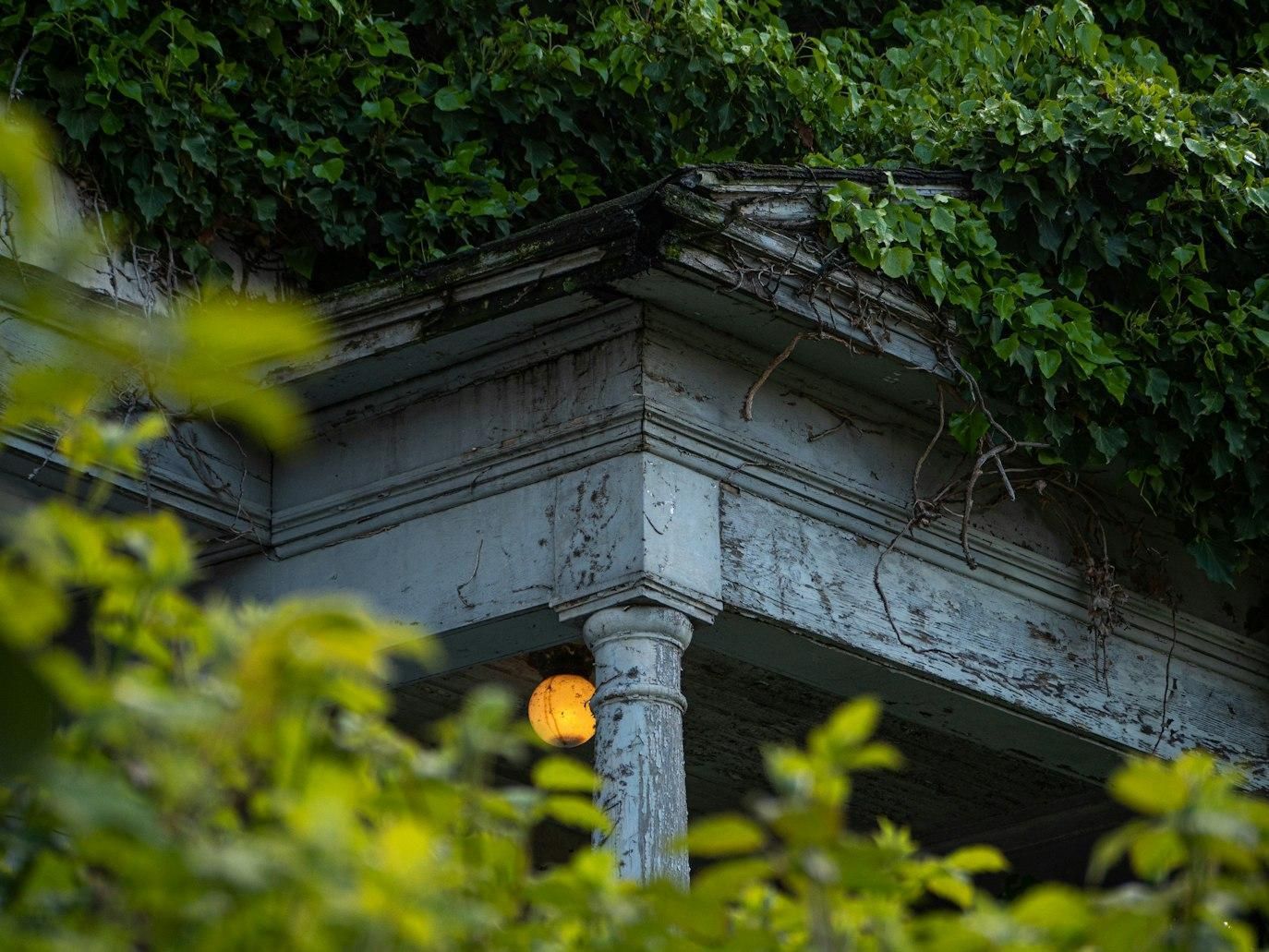
This house is the literal origin of the phrase "Keeping up with the Joneses." Though often referred to as a "Mystery Mansion" by urban explorers, this is the ruin of Wyndcliffe, the estate of Elizabeth Schermerhorn Jones.

Elizabeth’s mansion was so grand and intimidating that it prompted her neighbors—including the Astors—to build even larger homes to compete. The secret of Wyndcliffe is the psychological impact of its architecture; it was built to inspire envy, and its current state of absolute decay is a poetic commentary on the fleeting nature of social status.

Culture Culture 6 min read

Presidential companions

First Pets: Discover the strangest animals that lived in the White House

Image: RDNE Stock project / Aaron Kittredge

There’s a quote attributed to Harry Truman that says, "If you want a friend in Washington, get a dog." It seems U.S. presidents took this maxim to heart, as many of them brought not only dogs but also other types of animals—even exotic ones—to live with them in the White House. Some of these pets simply provided companionship to the presidential family; others gained fame for their role in shaping the president's public image or promoting important issues. Keep reading to discover the remarkable—and often amusing—pet stories of 10 former U.S. presidents.

1
Thomas Jefferson’s mockingbird

Image: Library of Congress

Did you know that one of the first animals to live at the White House was a bird? Dick was Thomas Jefferson's mockingbird and the president loved him so much that he let him roam freely in his office. Dick would sing in the Oval, perch on Jefferson's shoulder, sit on his desk, and even take food directly from the president’s lips.

But Dick wasn’t the only curious animal to inhabit the White House in the early 19th century. In fact, Thomas Jefferson had more than thirty pets, including two grizzly bear cubs. These cubs were a gift from the Lewis and Clark expedition, delivered by explorer Zebulon Pike. However, the bears didn’t stay at the White House for long, as Jefferson decided it was best to send them to a museum in Philadelphia.

2
John Quincy Adams’ alligator

Image: Library of Congress

Jefferson wasn't the only president to own fairly unusual pets during his presidency. According to lore, John Quincy Adams kept a pet alligator in the East Room of the White House. Although there’s no way to prove it, the story goes that the alligator would slither around and even chase visitors.

While the tale of the alligator may be a myth, one thing is certain: President Adams' wife, Louisa, kept silkworms. The worms lived in mulberry trees on the White House grounds, and Louisa used to harvest their silk to feed her sewing hobby.

3
Abraham Lincoln’s goats

Image: Mathew Benjamin Brady, Public domain, via Wikimedia Commons

The Lincolns had a variety of animals, including a couple of dogs, a rabbit, a horse, and a turkey. However, perhaps the most curious pets that lived in the White House during Abraham Lincoln’s presidency (1861–1865) were two goats named Nanny and Nanko .

Lincoln let their sons, Willie and Tad, keep their pet goats in their rooms, granting the animals total freedom to roam the Executive Mansion . The Lincoln family was so fond of Nanny and Nanko that the president would even send updates on the goats’ wellbeing when his wife and children were away. In one letter, he wrote: "Tell Tad the goats and father are very well—especially the goats."

4
Rutherford B. Hayes’ Siamese cat

Image: Mathew Benjamin Brady, Public domain, via Wikimedia Commons

Like the Jefferson family, the Hayes family also received some First Pets as gifts from well-wishers, friends, and foreign officials. It was publicly known that First Lady Lucy Hayes loved animals, so the U.S. Ambassador to Siam (now Thailand) gifted her a kitten. This cat became the pet of First Daughter Fanny Hayes and holds the distinction of being the first Siamese cat to live in the United States.

Another Siamese cat, named Miss Pussy, later joined the family, becoming part of a diverse collection of animals. This included two hunting dogs, Juno and Shep; Otis, the miniature schnauzer; Dot, the cocker spaniel; a goat; a mockingbird; pedigreed Jersey cows; four canaries; and several carriage horses.

5
Teddy Roosevelt’s hyena

Image: National Portrait Gallery, CC0, via Wikimedia Commons

Teddy Roosevelt's brood brought a proper zoo to the White House at the dawn of the 20th century. His large, young family and their pets often captured substantial public attention, frequently appearing in periodicals and newspapers of the time.

The Roosevelts cared for an eclectic collection of animals, including badgers, mice, raccoons, pigs, parrots, dogs, cats, baby bears, snakes, a one-legged rooster, a kangaroo rat, a macaw, and a Shetland pony named Algonquin—who once had the pleasure of riding the White House elevator. But the top prize goes to a spotted hyena named Bill. A gift from the emperor of Ethiopia, Bill was taught tricks by Roosevelt and was even allowed to beg for scraps at the dinner table.

6
Woodrow Wilson’s sheep

Image: National Portrait Gallery, CC0, via Wikimedia Commons

Some animals that spent time at 1600 Pennsylvania Avenue had a greater purpose than just being pets. For example, some presidents kept pets for a cause or to set an example. During World War I, President Woodrow Wilson allowed a flock of 48 sheep to live on the White House grounds. The sheep not only kept the lawn trimmed, reducing maintenance costs but their wool was also sold to benefit the Red Cross .

In addition to the sheep, Wilson had a cat named Puffins, chickens, a bull terrier named Bruce, a songbird, and a ram named Old Ike, who was known for his unusual habit of chewing tobacco.

7
Calvin Coolidge’s raccoon

Image: National Photo Company Collection, Public domain, via Wikimedia Commons

President Calvin Coolidge, who served from 1923 to 1929, kept several non-traditional pets at the White House . The Coolidges had a variety of animals, including dogs, canaries, Ebenezer the donkey, and Smoky the bobcat. Even more exotic animals were gifted to them by foreign dignitaries, such as Billy the pygmy hippo, two lion cubs named Tax Reduction and Budget Bureau, a wallaby, a small antelope, and a black bear.

However, First Lady Grace's most renowned pet was a raccoon. The raccoon was initially given to the Coolidges as a contribution to their Thanksgiving meal, but Grace managed to save it. She named it Rebecca and had a special tree house built for her.

8
Franklin D. Roosevelt’s Scottish terrier

Image: Franklin D. Roosevelt Library, Public domain, via Wikimedia Commons

Perhaps one of the most famous pets to live in the White House was President Franklin D. Roosevelt's Scottish terrier, Fala. Roosevelt's presidency came during a very difficult time in history—World War II. For this reason, Fala became a faithful companion not only to the president but also to all the American people.

Fala’s original name was Big Boy, but Roosevelt renamed him "Murray the Outlaw of Falahill" after a Scottish ancestor. In the early 1940s, Fala participated in a campaign by donating his toys to promote scrap rubber collections for the war effort. He also starred in an MGM short-subject film about the war.

9
Warren G. Harding’s Airedale terrier

Image: National Photo Company Collection, Public domain, via Wikimedia Commons

Pets have played a significant role in humanizing presidents and shaping public perceptions, as seen with Franklin Roosevelt and his loyal Fala. The same holds true for Warren G. Harding’s presidency. Harding and his wife, Florence, were avid animal lovers, and during their time in the White House, they kept several canaries, dogs, and even a squirrel named Pete.

But the spotlight went to Laddie Boy, a photogenic Airedale terrier that was perceived by the public as an extension of Harding's campaign slogan, "Return to Normalcy." Laddie Boy had his own cabinet chair, attended meetings, greeted official delegations, and even participated in press conferences and news briefings. He also "hosted" the 1923 Easter Egg Roll while the Hardings were away, further endearing himself to the public.

10
George H. W. Bush’s English springer spaniel

Image: National Archives and Records Administration, Public domain, via Wikimedia Commons

As we have seen, some presidential pets were as famous as the leaders they accompanied during their time at the Executive Mansion. When George H. W. Bush was elected president in 1988, a springer spaniel named Millie became the new First Pet. The following year, Millie had six puppies and quickly won the hearts of Americans across the country.

Millie's popularity was so great that First Lady Barbara Bush appeared on the cover of Life magazine with the dog and her puppies. Barbara later published Millie's Book , a bestseller that narrates a day in the White House from Millie’s perspective. The book was a huge success, selling thousands of copies.

Explore more American facts

Choose your favorite category!

General
General

As American as apple pie—the very best America has to offer!

Culture
Culture

Delve into the astounding richness of American lore.

Geography
Geography

Hop in and explore vast and diverse American landscapes.

History
History

Discover the key moments that shaped the United States.